


5849 Results
Form:
books
books
Price:
$22.50
(available in store)
Summary:
A revelatory conversation between two major figures in visual culture. What is a singular object? An idea, a building, a color, a sentiment, a human being. Each in turn comes under scrutiny in this exhilarating dialogue between two of the most interesting thinkers working in philosophy and architecture today. From such singular objects, Jean Baudrillard and Jean Nouvel(...)
$22.50
(available in store)
Summary:
A revelatory conversation between two major figures in visual culture. What is a singular object? An idea, a building, a color, a sentiment, a human being. Each in turn comes under scrutiny in this exhilarating dialogue between two of the most interesting thinkers working in philosophy and architecture today. From such singular objects, Jean Baudrillard and Jean Nouvel(...)
Subject:
Architectural Theory
Architectural Theory
Publication:
October 2005, Minneapolis, London
October 2005, Minneapolis, London
Title:
Jean Baudrillard and Jean Nouvel : the singular objects of architecture
Actions:
Price:
$22.50
(available in store)
Summary:
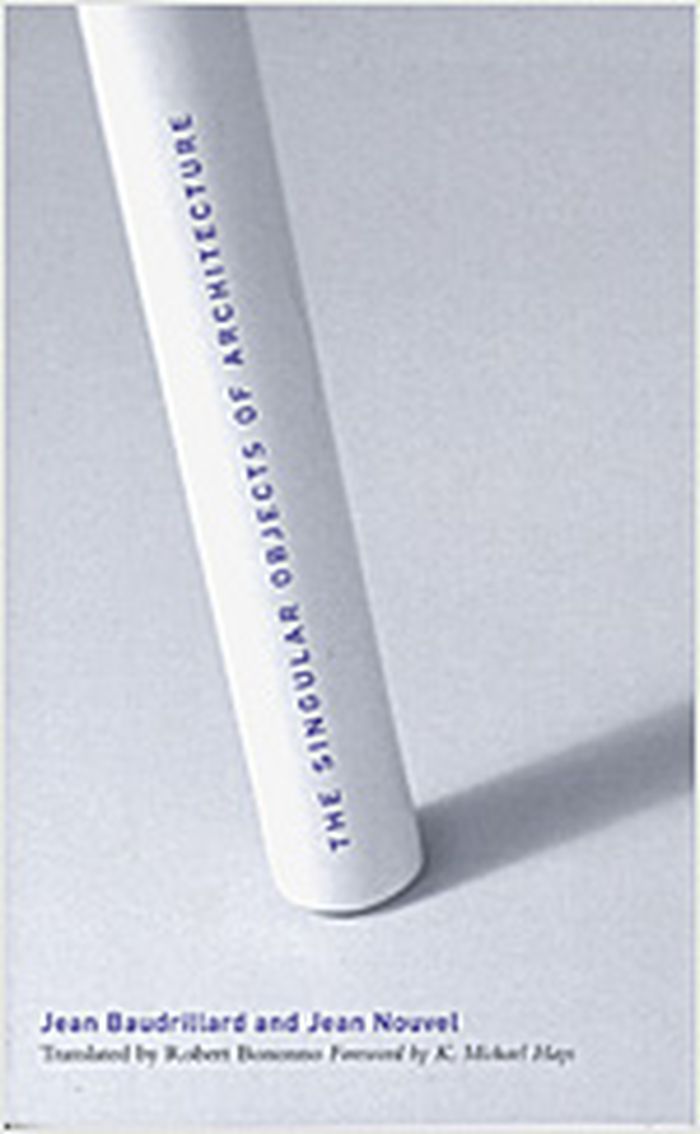
A revelatory conversation between two major figures in visual culture. What is a singular object? An idea, a building, a color, a sentiment, a human being. Each in turn comes under scrutiny in this exhilarating dialogue between two of the most interesting thinkers working in philosophy and architecture today. From such singular objects, Jean Baudrillard and Jean Nouvel move on to fundamental problems of politics, identity, and aesthetics as their exchange becomes an imaginative exploration of the possibilities of modern architecture and the future of modern life. Among the topics the two speakers take up are the city of tomorrow and the ideal of transparency, the gentrification of New York City and Frank Gehry's Guggenheim museum in Bilbao. As Nouvel prompts Baudrillard to reflect on some of his signature concepts (the virtual, transparency, fatal strategies, oblivion, and seduction, among others), the confrontation between such philosophical concerns and the specificity of architecture gives rise to novel and striking formulations-and a new way of establishing and understanding the connections between the practitioner and the philosopher, the object and the idea. This wide-ranging conversation builds a bridge between the fields of architecture and philosophy. At the same time it offers readers an intimate view of the meeting of objects and ideas in which the imagined, constructed, and inhabited environment is endlessly changing, forever evolving.
Jean Baudrillard and Jean Nouvel : the singular objects of architecture
Actions:
Price:
$22.50
(available in store)
Summary:
A revelatory conversation between two major figures in visual culture. What is a singular object? An idea, a building, a color, a sentiment, a human being. Each in turn comes under scrutiny in this exhilarating dialogue between two of the most interesting thinkers working in philosophy and architecture today. From such singular objects, Jean Baudrillard and Jean Nouvel move on to fundamental problems of politics, identity, and aesthetics as their exchange becomes an imaginative exploration of the possibilities of modern architecture and the future of modern life. Among the topics the two speakers take up are the city of tomorrow and the ideal of transparency, the gentrification of New York City and Frank Gehry's Guggenheim museum in Bilbao. As Nouvel prompts Baudrillard to reflect on some of his signature concepts (the virtual, transparency, fatal strategies, oblivion, and seduction, among others), the confrontation between such philosophical concerns and the specificity of architecture gives rise to novel and striking formulations-and a new way of establishing and understanding the connections between the practitioner and the philosopher, the object and the idea. This wide-ranging conversation builds a bridge between the fields of architecture and philosophy. At the same time it offers readers an intimate view of the meeting of objects and ideas in which the imagined, constructed, and inhabited environment is endlessly changing, forever evolving.
Form:
books
books
Publication:
October 2005, Minneapolis, London
October 2005, Minneapolis, London
Subject:
Architectural Theory
Architectural Theory
Form:
books
books
Title:
Never built New York
Never built New York
Actions:
Price:
$70.00
(available to order)
Summary:
New York towers among world capitals, but the city we know might have reached even more stellar heights, or burrowed into more destructive depths, had the ideas of its greatest dreamers progressed beyond the drawing board. What is wonderfully grand might easily have been ingloriously grandiose; equally, what is blandly unremarkable might have become delightfully(...)
$70.00
(available to order)
Summary:
New York towers among world capitals, but the city we know might have reached even more stellar heights, or burrowed into more destructive depths, had the ideas of its greatest dreamers progressed beyond the drawing board. What is wonderfully grand might easily have been ingloriously grandiose; equally, what is blandly unremarkable might have become delightfully(...)
Title:
Never built New York
Actions:
Price:
$70.00
(available to order)
Summary:
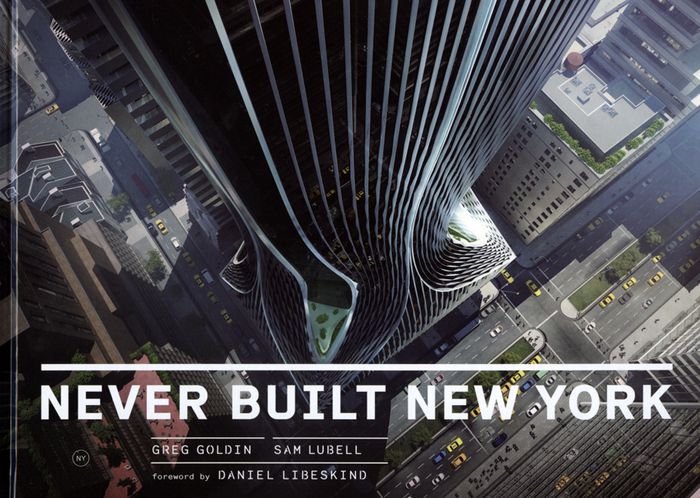
New York towers among world capitals, but the city we know might have reached even more stellar heights, or burrowed into more destructive depths, had the ideas of its greatest dreamers progressed beyond the drawing board. What is wonderfully grand might easily have been ingloriously grandiose; equally, what is blandly unremarkable might have become delightfully provocative.Nearly 200 proposals spanning 200 years encompass bridges, skyscrapers, master plans, parks, transit schemes, amusements, airports, plans to fill in rivers and extend Manhattan, and much, much more. Included are alternate visions for Central Park, Columbus Circle, Lincoln Center, MoMA, the UN, Grand Central Terminal, the World Trade Center site and other highlights such as: Alfred Ely Beach’s system of airtight subway cars propelled via atmospheric pressure; Frank Lloyd Wright’s last project, his Key Plan for Ellis Island, on which he would have developed his dream city; Buckminster Fuller’s design for Brooklyn’s Dodger Stadium, complete with giant geodesic dome to shield players and fans from the rain; developer William Zeckendorf’s Rooftop Airport, perched on steel columns 200 feet above street level, spanning from 24th to 71st Street, Ninth Avenue to the Hudson River; John Johansen’s Leapfrog City proposal to create an entirely new neighborhood atop the tenements of East Harlem; and Stephen Holl’s Bridge of Houses, offering options from SROs to modest studios to luxury apartments on a segment of what is now the High Line.
Never built New York
Actions:
Price:
$70.00
(available to order)
Summary:
New York towers among world capitals, but the city we know might have reached even more stellar heights, or burrowed into more destructive depths, had the ideas of its greatest dreamers progressed beyond the drawing board. What is wonderfully grand might easily have been ingloriously grandiose; equally, what is blandly unremarkable might have become delightfully provocative.Nearly 200 proposals spanning 200 years encompass bridges, skyscrapers, master plans, parks, transit schemes, amusements, airports, plans to fill in rivers and extend Manhattan, and much, much more. Included are alternate visions for Central Park, Columbus Circle, Lincoln Center, MoMA, the UN, Grand Central Terminal, the World Trade Center site and other highlights such as: Alfred Ely Beach’s system of airtight subway cars propelled via atmospheric pressure; Frank Lloyd Wright’s last project, his Key Plan for Ellis Island, on which he would have developed his dream city; Buckminster Fuller’s design for Brooklyn’s Dodger Stadium, complete with giant geodesic dome to shield players and fans from the rain; developer William Zeckendorf’s Rooftop Airport, perched on steel columns 200 feet above street level, spanning from 24th to 71st Street, Ninth Avenue to the Hudson River; John Johansen’s Leapfrog City proposal to create an entirely new neighborhood atop the tenements of East Harlem; and Stephen Holl’s Bridge of Houses, offering options from SROs to modest studios to luxury apartments on a segment of what is now the High Line.
Form:
books
books
Publication:
October 2016
October 2016
Subject:
Contemporary Architecture
Contemporary Architecture
Form:
books
books
Actions:
Price:
$71.50
(available to order)
Summary:
In Renaissance Rome, ancient ruins were preserved as often as they were mined for their materials. Although the question of what to preserve and how continued to be subject to debate, preservation acquired renewed force and urgency in the fifteenth and sixteenth centuries as the new papal capital rose upon the ruins of the ancient city. Preservation practices became more(...)
$71.50
(available to order)
Summary:
In Renaissance Rome, ancient ruins were preserved as often as they were mined for their materials. Although the question of what to preserve and how continued to be subject to debate, preservation acquired renewed force and urgency in the fifteenth and sixteenth centuries as the new papal capital rose upon the ruins of the ancient city. Preservation practices became more(...)
Title:
The ruin of the eternal city : Antiquity & preservation in renaissance Rome
Actions:
Price:
$71.50
(available to order)
Summary:
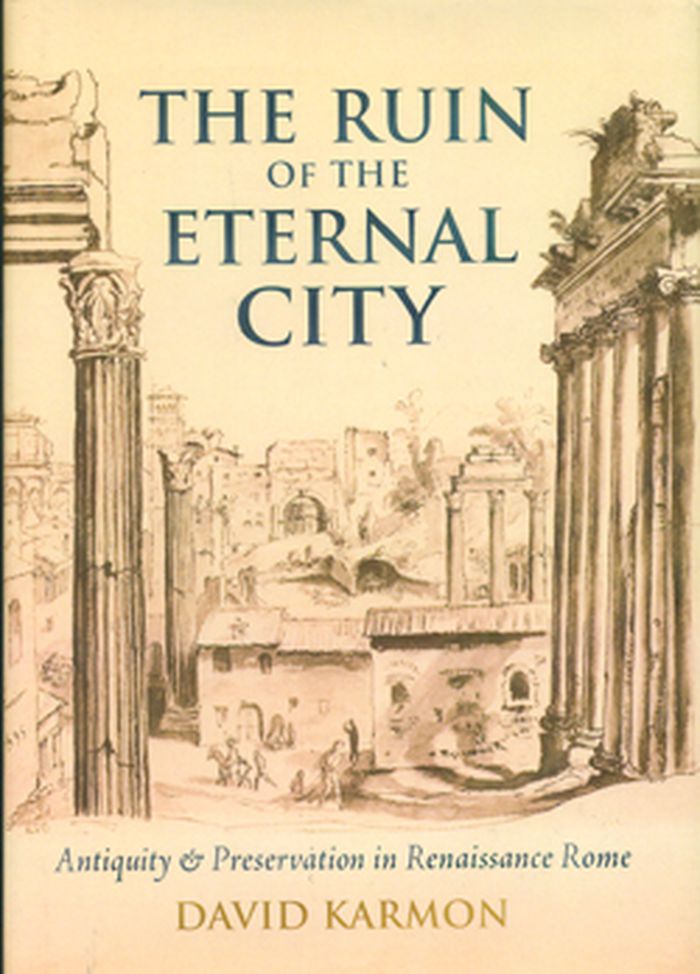
In Renaissance Rome, ancient ruins were preserved as often as they were mined for their materials. Although the question of what to preserve and how continued to be subject to debate, preservation acquired renewed force and urgency in the fifteenth and sixteenth centuries as the new papal capital rose upon the ruins of the ancient city. Preservation practices became more focused and effective in Renaissance Rome than ever before. "The Ruin of the Eternal City" offers a new interpretation of the ongoing life of ancient buildings within the expanding early modern city. While historians and archaeologists have long affirmed that early modern builders disregarded the protection of antiquity, this study provides the first systematic analysis of preservation problems as perceived by the Renaissance popes, the civic magistrates, and ordinary citizens. Based on new evidence and recent conservation theory, this compelling study explores how civic officials balanced the defense of specific sites against the pressing demands imposed by population growth, circulation, and notions of urban decorum. Above all, the preservation of antiquity remained an indispensable tool to advance competing political agendas in the papal capital. A broad range of preservation policies and practices are examined at the half-ruined Colosseum, the intact Pantheon, and the little-known but essential Renaissance bridge known as the Ponte Santa Maria.
The ruin of the eternal city : Antiquity & preservation in renaissance Rome
Actions:
Price:
$71.50
(available to order)
Summary:
In Renaissance Rome, ancient ruins were preserved as often as they were mined for their materials. Although the question of what to preserve and how continued to be subject to debate, preservation acquired renewed force and urgency in the fifteenth and sixteenth centuries as the new papal capital rose upon the ruins of the ancient city. Preservation practices became more focused and effective in Renaissance Rome than ever before. "The Ruin of the Eternal City" offers a new interpretation of the ongoing life of ancient buildings within the expanding early modern city. While historians and archaeologists have long affirmed that early modern builders disregarded the protection of antiquity, this study provides the first systematic analysis of preservation problems as perceived by the Renaissance popes, the civic magistrates, and ordinary citizens. Based on new evidence and recent conservation theory, this compelling study explores how civic officials balanced the defense of specific sites against the pressing demands imposed by population growth, circulation, and notions of urban decorum. Above all, the preservation of antiquity remained an indispensable tool to advance competing political agendas in the papal capital. A broad range of preservation policies and practices are examined at the half-ruined Colosseum, the intact Pantheon, and the little-known but essential Renaissance bridge known as the Ponte Santa Maria.
Form:
books
books
Publication:
April 2011
April 2011
Subject:
History until 1900, Classicism
History until 1900, Classicism
Form:
books
books
Holdings:
Description:
168 pages : illustrations (some color) ; 41 cm
Description:
168 pages : illustrations (some color) ; 41 cm
Author:
Subject:
Publication:
New York, NY : HarperCollins Publishers, [2001], ©2001
New York, NY : HarperCollins Publishers, [2001], ©2001
Title:
Churches / Judith Dupré ; introductory interview with Mario Botta.
Actions:
Holdings:
Description:
168 pages : illustrations (some color) ; 41 cm
Churches / Judith Dupré ; introductory interview with Mario Botta.
Actions:
Holdings:
Description:
168 pages : illustrations (some color) ; 41 cm
Form:
books
books
Publication:
New York, NY : HarperCollins Publishers, [2001], ©2001
New York, NY : HarperCollins Publishers, [2001], ©2001
Author:
Subject:
Form:
books
books
Actions:
Price:
$33.95
(available to order)
Summary:
Poets often have responded vitally to the art of their time, and ever since Susan Stewart began writing about art in the early 1980s, her work has resonated with practicing artists, curators, art historians, and art critics. Rooted in a broad and learned range of references, Stewart's fresh and independent essays bridge the fields of literature, aesthetics, and(...)
$33.95
(available to order)
Summary:
Poets often have responded vitally to the art of their time, and ever since Susan Stewart began writing about art in the early 1980s, her work has resonated with practicing artists, curators, art historians, and art critics. Rooted in a broad and learned range of references, Stewart's fresh and independent essays bridge the fields of literature, aesthetics, and(...)
Title:
The open studio : Essays on art and aesthetics
Actions:
Price:
$33.95
(available to order)
Summary:
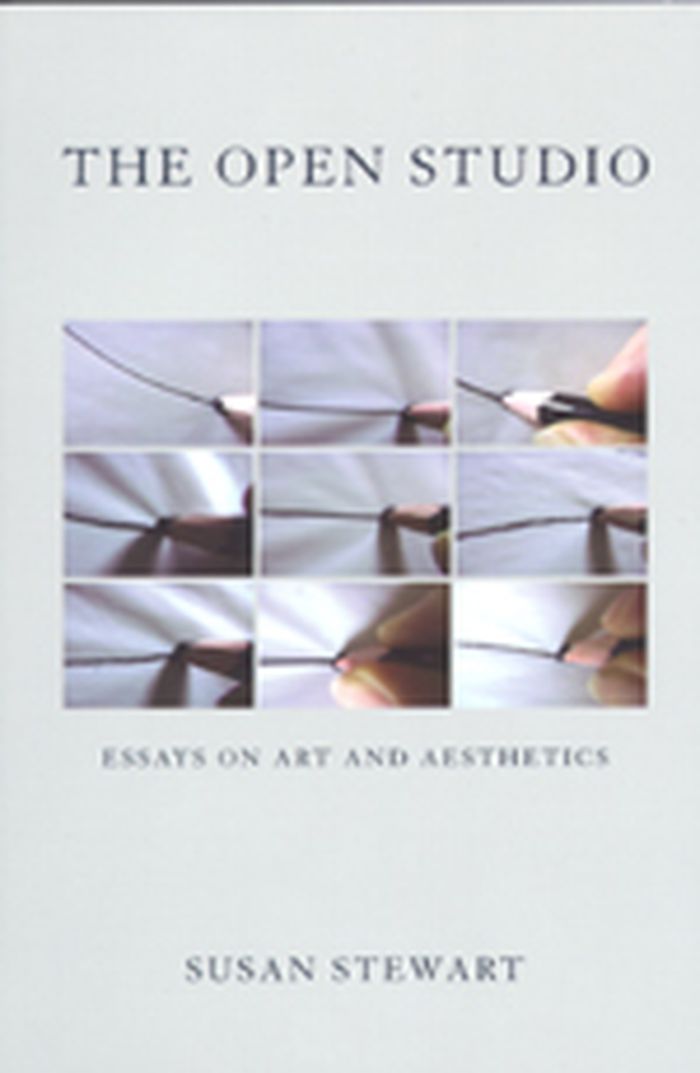
Poets often have responded vitally to the art of their time, and ever since Susan Stewart began writing about art in the early 1980s, her work has resonated with practicing artists, curators, art historians, and art critics. Rooted in a broad and learned range of references, Stewart's fresh and independent essays bridge the fields of literature, aesthetics, and contemporary art. Gathering most of Stewart's writing on contemporary art—long and short pieces first published in small magazines, museum and gallery publications, and edited collections—The Open Studio illuminates work ranging from the installation art of Ann Hamilton to the sculptures and watercolors of Thomas Schütte, the prints and animations of William Kentridge to the films of Tacita Dean. Stewart's essays are often the record of studio conversations with living artists and curators, and of the afterlife of those experiences in the solitude of her own study. Considering a wide variety of art forms, Stewart finds pathbreaking ways to explore them. Whether she is following central traditions of painting, drawing, sculpture, film, photography, and printmaking or exploring the less well-known realms of portrait miniatures, collecting practices, doll-making, music boxes, and gardening, Stewart speaks to the creative process in general and to the relation between art and ethics. The Open Studio will be read eagerly by scholars of art, poetry, and visual theory; by historians interested in the links between contemporary and classic literature and art; and by teachers, students, and practitioners of the visual arts.
The open studio : Essays on art and aesthetics
Actions:
Price:
$33.95
(available to order)
Summary:
Poets often have responded vitally to the art of their time, and ever since Susan Stewart began writing about art in the early 1980s, her work has resonated with practicing artists, curators, art historians, and art critics. Rooted in a broad and learned range of references, Stewart's fresh and independent essays bridge the fields of literature, aesthetics, and contemporary art. Gathering most of Stewart's writing on contemporary art—long and short pieces first published in small magazines, museum and gallery publications, and edited collections—The Open Studio illuminates work ranging from the installation art of Ann Hamilton to the sculptures and watercolors of Thomas Schütte, the prints and animations of William Kentridge to the films of Tacita Dean. Stewart's essays are often the record of studio conversations with living artists and curators, and of the afterlife of those experiences in the solitude of her own study. Considering a wide variety of art forms, Stewart finds pathbreaking ways to explore them. Whether she is following central traditions of painting, drawing, sculpture, film, photography, and printmaking or exploring the less well-known realms of portrait miniatures, collecting practices, doll-making, music boxes, and gardening, Stewart speaks to the creative process in general and to the relation between art and ethics. The Open Studio will be read eagerly by scholars of art, poetry, and visual theory; by historians interested in the links between contemporary and classic literature and art; and by teachers, students, and practitioners of the visual arts.
Form:
books
books
Publication:
September 2004, Chicago London
September 2004, Chicago London
Subject:
Art Theory
Art Theory
Form:
books
books
Title:
Zero yen houses
Zero yen houses
Actions:
Price:
$75.00
(available to order)
Summary:
A lean-to in an urban park, featuring a blue tarpaulin roof, a hinged door, and a bamboo blind. A car-shaped cardboard hut, lashed together with rope and sitting on a dolly. Temporary lodging under a bridge, incorporating a piece of playground equipment into its design. Each of these structures is an example of what Japanese artist and architect Kyohei Sakaguchi calls a(...)
$75.00
(available to order)
Summary:
A lean-to in an urban park, featuring a blue tarpaulin roof, a hinged door, and a bamboo blind. A car-shaped cardboard hut, lashed together with rope and sitting on a dolly. Temporary lodging under a bridge, incorporating a piece of playground equipment into its design. Each of these structures is an example of what Japanese artist and architect Kyohei Sakaguchi calls a(...)
Title:
Zero yen houses
Actions:
Price:
$75.00
(available to order)
Summary:
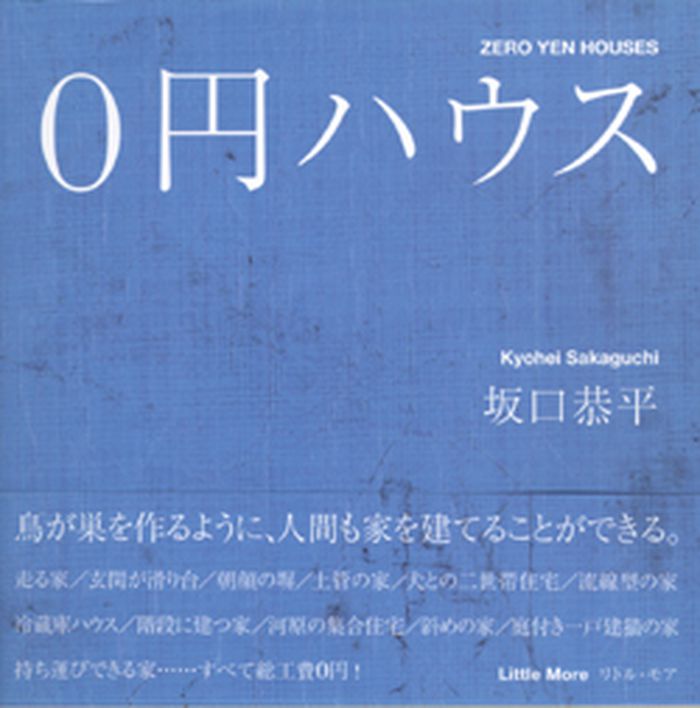
A lean-to in an urban park, featuring a blue tarpaulin roof, a hinged door, and a bamboo blind. A car-shaped cardboard hut, lashed together with rope and sitting on a dolly. Temporary lodging under a bridge, incorporating a piece of playground equipment into its design. Each of these structures is an example of what Japanese artist and architect Kyohei Sakaguchi calls a "zero-yen house".Built by the homeless of Tokyo, Osaka, and Nagoya, zero-yen houses employ discarded and found materials, including pieces of wood and corrugated roofing, temple ornaments, blankets, shipping pallets, an umbrella, and those ubiquitous blue tarps. They also incorporate into their assembly the imminence of their disassembly: at any moment, they may have to be taken apart and moved.Since his days as a university student at the turn of the millennium, Sakaguchi has been studying the kinds of shelters that street people have created for themselves in Japan's three largest cities. Based in Tokyo, he appears to be obsessed with this peculiar and transient form of "vernacular architecture". Sakaguchi uses images, descriptions, and even facsimiles of the improvised homes of the homeless as a way of celebrating human resourcefulness and ingenuity. These dwellings, he tells us, are worthy of our interest and admiration rather than our indifference, our scorn, or even our pity. They can instruct us on an approach to architecture that is the reverse of overconsumption and resource depletion.
Zero yen houses
Actions:
Price:
$75.00
(available to order)
Summary:
A lean-to in an urban park, featuring a blue tarpaulin roof, a hinged door, and a bamboo blind. A car-shaped cardboard hut, lashed together with rope and sitting on a dolly. Temporary lodging under a bridge, incorporating a piece of playground equipment into its design. Each of these structures is an example of what Japanese artist and architect Kyohei Sakaguchi calls a "zero-yen house".Built by the homeless of Tokyo, Osaka, and Nagoya, zero-yen houses employ discarded and found materials, including pieces of wood and corrugated roofing, temple ornaments, blankets, shipping pallets, an umbrella, and those ubiquitous blue tarps. They also incorporate into their assembly the imminence of their disassembly: at any moment, they may have to be taken apart and moved.Since his days as a university student at the turn of the millennium, Sakaguchi has been studying the kinds of shelters that street people have created for themselves in Japan's three largest cities. Based in Tokyo, he appears to be obsessed with this peculiar and transient form of "vernacular architecture". Sakaguchi uses images, descriptions, and even facsimiles of the improvised homes of the homeless as a way of celebrating human resourcefulness and ingenuity. These dwellings, he tells us, are worthy of our interest and admiration rather than our indifference, our scorn, or even our pity. They can instruct us on an approach to architecture that is the reverse of overconsumption and resource depletion.
Form:
books
books
Publication:
January 2004, Tokyo
January 2004, Tokyo
Subject:
Residential Architecture
Residential Architecture
Form:
books
books
Actions:
Price:
$95.00
(available to order)
Summary:
Between 1990 and 1998, Guido Guidi made five separate trips to Milan and its surrounding areas. ''Cinque viaggi'' brings together the photographs made there, forming an investigation of one city and its peripheries in the throes of economic and social transformation. As Guidi follows the canal from out in the suburbs toward the city centre, his attention and visual(...)
$95.00
(available to order)
Summary:
Between 1990 and 1998, Guido Guidi made five separate trips to Milan and its surrounding areas. ''Cinque viaggi'' brings together the photographs made there, forming an investigation of one city and its peripheries in the throes of economic and social transformation. As Guidi follows the canal from out in the suburbs toward the city centre, his attention and visual(...)
Title:
Guido Guidi: Cinque viaggi (1990-98)
Actions:
Price:
$95.00
(available to order)
Summary:
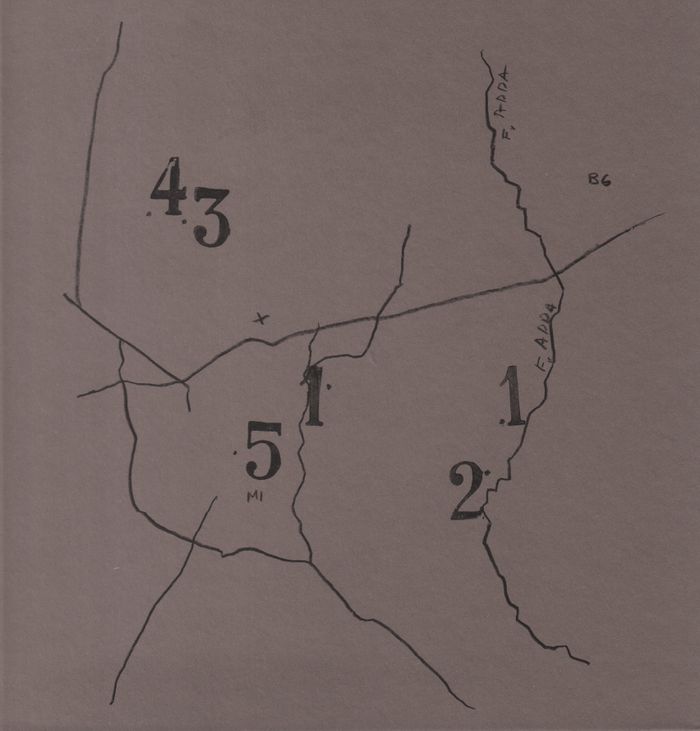
Between 1990 and 1998, Guido Guidi made five separate trips to Milan and its surrounding areas. ''Cinque viaggi'' brings together the photographs made there, forming an investigation of one city and its peripheries in the throes of economic and social transformation. As Guidi follows the canal from out in the suburbs toward the city centre, his attention and visual language move from the vernacular to the metropolitan, from wider horizontal views to vertical ‘cuts’ in the urban fabric, from entire buildings and scenes to glimpsed façades and doorways. Along the way, we also encounter inhabitants: a group of young men gathered in a Pasolini-like scene on a bridge in the city’s outskirts; occasional passers-by working, shopping, or stopping to smoke on the city streets; disconnected couples and disparate individuals whose loose citizenship coheres the urban sprawl. While previous books, such as Per Strada (2018) and Tra l'altro (2020), demonstrated Guidi’s fascination with the rural and small-town landscapes of his native region, ''Cinque viaggi'' turns to metropolitan Italy, documenting the dramatic socio-economic changes that have transformed it over the course of the nineteenth and twentieth centuries. Remnants of rural civilisation and traces of urban expansion are embedded among the first signs of de-industrialisation. These 110 large-format works, many of which have never been seen before, reveal the layers of social and architectural history among which everyday life unfolds. ''Cinque viaggi'' offers an arrestingly subtle picture of Italy's recent past and rumination on its future.
Guido Guidi: Cinque viaggi (1990-98)
Actions:
Price:
$95.00
(available to order)
Summary:
Between 1990 and 1998, Guido Guidi made five separate trips to Milan and its surrounding areas. ''Cinque viaggi'' brings together the photographs made there, forming an investigation of one city and its peripheries in the throes of economic and social transformation. As Guidi follows the canal from out in the suburbs toward the city centre, his attention and visual language move from the vernacular to the metropolitan, from wider horizontal views to vertical ‘cuts’ in the urban fabric, from entire buildings and scenes to glimpsed façades and doorways. Along the way, we also encounter inhabitants: a group of young men gathered in a Pasolini-like scene on a bridge in the city’s outskirts; occasional passers-by working, shopping, or stopping to smoke on the city streets; disconnected couples and disparate individuals whose loose citizenship coheres the urban sprawl. While previous books, such as Per Strada (2018) and Tra l'altro (2020), demonstrated Guidi’s fascination with the rural and small-town landscapes of his native region, ''Cinque viaggi'' turns to metropolitan Italy, documenting the dramatic socio-economic changes that have transformed it over the course of the nineteenth and twentieth centuries. Remnants of rural civilisation and traces of urban expansion are embedded among the first signs of de-industrialisation. These 110 large-format works, many of which have never been seen before, reveal the layers of social and architectural history among which everyday life unfolds. ''Cinque viaggi'' offers an arrestingly subtle picture of Italy's recent past and rumination on its future.
Form:
books
books
Publication:
July 2021
July 2021
Subject:
Photography monographs
Photography monographs
Form:
books
books
Title:
For a new georgraphy
For a new georgraphy
Actions:
Price:
$38.99
(available to order)
Summary:
Originally published in 1978 in Portuguese, ''For a new geography'' is a milestone in the history of critical geography, and it marked the emergence of its author, Milton Santos (1926-2001), as a major interpreter of geographical thought, a prominent Afro-Brazilian public intellectual, and one of the foremost global theorists of space. Published in the midst of a(...)
$38.99
(available to order)
Summary:
Originally published in 1978 in Portuguese, ''For a new geography'' is a milestone in the history of critical geography, and it marked the emergence of its author, Milton Santos (1926-2001), as a major interpreter of geographical thought, a prominent Afro-Brazilian public intellectual, and one of the foremost global theorists of space. Published in the midst of a(...)
Title:
For a new georgraphy
Actions:
Price:
$38.99
(available to order)
Summary:
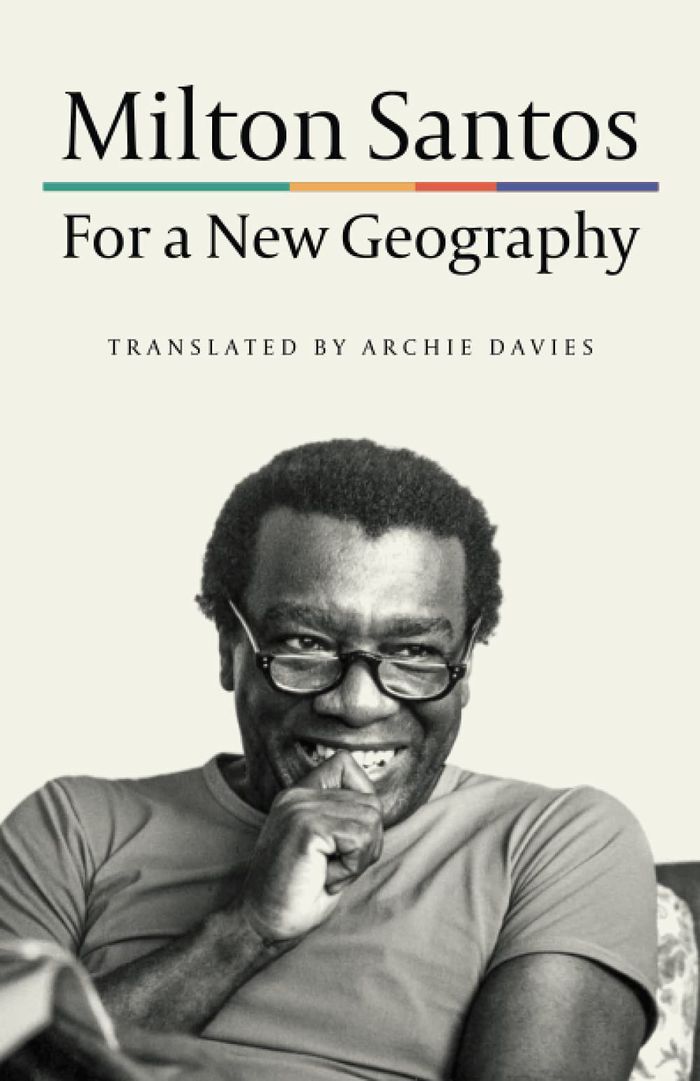
Originally published in 1978 in Portuguese, ''For a new geography'' is a milestone in the history of critical geography, and it marked the emergence of its author, Milton Santos (1926-2001), as a major interpreter of geographical thought, a prominent Afro-Brazilian public intellectual, and one of the foremost global theorists of space. Published in the midst of a crisis in geographical thought, ''For a new geography'' functioned as a bridge between geography's past and its future. In advancing his vision of a geography of action and liberation, Santos begins by turning to the roots of modern geography and its colonial legacies. Moving from a critique of the shortcomings of geography from the field's foundations as a modern science to the outline of a new field of critical geography, he sets forth both an ontology of space and a methodology for geography. In so doing, he introduces novel theoretical categories to the analysis of space. It is, in short, both a critique of the Northern, Anglo-centric discipline from within and a systematic critique of its flaws and assumptions from outside. Critical geography has developed in the past four decades into a heterogenous and creative field of enquiry. Though accruing a set of theoretical touchstones in the process, it has become detached from a longer and broader history of geographical thought. ''For a new geography'' reconciles these divergent histories. Arriving in English at a time of renewed interest in alternative geographical traditions and the history of radical geography, it takes its place in the canonical works of critical geography.
For a new georgraphy
Actions:
Price:
$38.99
(available to order)
Summary:
Originally published in 1978 in Portuguese, ''For a new geography'' is a milestone in the history of critical geography, and it marked the emergence of its author, Milton Santos (1926-2001), as a major interpreter of geographical thought, a prominent Afro-Brazilian public intellectual, and one of the foremost global theorists of space. Published in the midst of a crisis in geographical thought, ''For a new geography'' functioned as a bridge between geography's past and its future. In advancing his vision of a geography of action and liberation, Santos begins by turning to the roots of modern geography and its colonial legacies. Moving from a critique of the shortcomings of geography from the field's foundations as a modern science to the outline of a new field of critical geography, he sets forth both an ontology of space and a methodology for geography. In so doing, he introduces novel theoretical categories to the analysis of space. It is, in short, both a critique of the Northern, Anglo-centric discipline from within and a systematic critique of its flaws and assumptions from outside. Critical geography has developed in the past four decades into a heterogenous and creative field of enquiry. Though accruing a set of theoretical touchstones in the process, it has become detached from a longer and broader history of geographical thought. ''For a new geography'' reconciles these divergent histories. Arriving in English at a time of renewed interest in alternative geographical traditions and the history of radical geography, it takes its place in the canonical works of critical geography.
Form:
books
books
Publication:
November 2021
November 2021
Subject:
Social
Social
Form:
books
books
Actions:
Price:
$90.00
(available to order)
Summary:
Gordon Matta-Clark, scion and rebel, died at 35 in 1978 and has since become a cult figure of late-twentieth-century art. Born in New York and trained in architecture at Cornell, he went on to question the field's conventions in vivid projects that excised holes into existing buildings or assembled deeds to New York City alleys and curbs. As the son of the Chilean-born(...)
$90.00
(available to order)
Summary:
Gordon Matta-Clark, scion and rebel, died at 35 in 1978 and has since become a cult figure of late-twentieth-century art. Born in New York and trained in architecture at Cornell, he went on to question the field's conventions in vivid projects that excised holes into existing buildings or assembled deeds to New York City alleys and curbs. As the son of the Chilean-born(...)
Title:
Gordon Matta-Clark: works and collected writings
Actions:
Price:
$90.00
(available to order)
Summary:
Gordon Matta-Clark, scion and rebel, died at 35 in 1978 and has since become a cult figure of late-twentieth-century art. Born in New York and trained in architecture at Cornell, he went on to question the field's conventions in vivid projects that excised holes into existing buildings or assembled deeds to New York City alleys and curbs. As the son of the Chilean-born Surrealist painter Roberto Matta and Anne Clark, and godson of Marcel Duchamp, with whom he played a regular game of chess in the Village, Matta-Clark had grown up inside the art world, also working an as assistant to mavericks like Dennis Oppenheim and Robert Smithson. His work and words, while sophisticated enough to make him an "artist's artist," and colossal and outgoing enough to draw public attention and affection, were always also grounded in social or political convictions. He addressed not only space and real estate (in other words, housing), but the ultimate in necessity and nourishment, food. His "Pig Roast" under the Brooklyn Bridge offered passersby 500 pork sandwiches, and Food, the artist-staffed restaurant that he opened with dancer Caroline Goodden in SoHo, became a headquarters for that nascent neighborhood in the early 70s. He consistently broke the boundaries between sculpture and architecture, photography and film, performance and installation, and above all the permanent and the transitory. Once in a while he also broke the law. This book, published in celebration of the gradual opening of Matta-Clark's archives at the Canadian Centre for Architecture in Montreal, collects previously unavailable writings, including notecards and notebooks, along with interviews and more than 100 illustrations.
Gordon Matta-Clark: works and collected writings
Actions:
Price:
$90.00
(available to order)
Summary:
Gordon Matta-Clark, scion and rebel, died at 35 in 1978 and has since become a cult figure of late-twentieth-century art. Born in New York and trained in architecture at Cornell, he went on to question the field's conventions in vivid projects that excised holes into existing buildings or assembled deeds to New York City alleys and curbs. As the son of the Chilean-born Surrealist painter Roberto Matta and Anne Clark, and godson of Marcel Duchamp, with whom he played a regular game of chess in the Village, Matta-Clark had grown up inside the art world, also working an as assistant to mavericks like Dennis Oppenheim and Robert Smithson. His work and words, while sophisticated enough to make him an "artist's artist," and colossal and outgoing enough to draw public attention and affection, were always also grounded in social or political convictions. He addressed not only space and real estate (in other words, housing), but the ultimate in necessity and nourishment, food. His "Pig Roast" under the Brooklyn Bridge offered passersby 500 pork sandwiches, and Food, the artist-staffed restaurant that he opened with dancer Caroline Goodden in SoHo, became a headquarters for that nascent neighborhood in the early 70s. He consistently broke the boundaries between sculpture and architecture, photography and film, performance and installation, and above all the permanent and the transitory. Once in a while he also broke the law. This book, published in celebration of the gradual opening of Matta-Clark's archives at the Canadian Centre for Architecture in Montreal, collects previously unavailable writings, including notecards and notebooks, along with interviews and more than 100 illustrations.
Form:
books
books
Publication:
October 2006
October 2006
Subject:
Contemporary Art Monographs
Contemporary Art Monographs
Form:
books
books
Actions:
Price:
$39.99
(available to order)
Summary:
Event-Cities 4 is the latest in the Event-Cities series from Bernard Tschumi, documenting recent built and theoretical projects in the context of his evolving views on architecture, urbanism, and design. Event-Cities 4 follows directly from the work of Event-Cities 3, which examined the interaction of architectural content, concept, and context. This volume takes the(...)
$39.99
(available to order)
Summary:
Event-Cities 4 is the latest in the Event-Cities series from Bernard Tschumi, documenting recent built and theoretical projects in the context of his evolving views on architecture, urbanism, and design. Event-Cities 4 follows directly from the work of Event-Cities 3, which examined the interaction of architectural content, concept, and context. This volume takes the(...)
Title:
Bernard Tschumi : event-cities 4, concept - form
Actions:
Price:
$39.99
(available to order)
Summary:
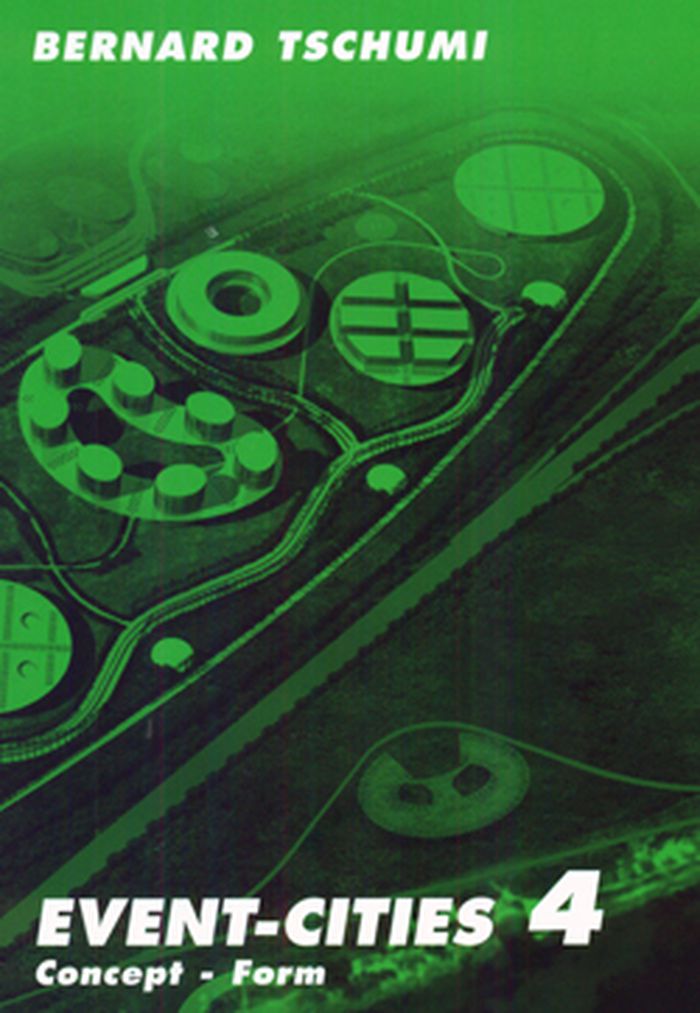
Event-Cities 4 is the latest in the Event-Cities series from Bernard Tschumi, documenting recent built and theoretical projects in the context of his evolving views on architecture, urbanism, and design. Event-Cities 4 follows directly from the work of Event-Cities 3, which examined the interaction of architectural content, concept, and context. This volume takes the interaction a step further, looking at a series of projects for which program or context are insufficient as a generative conceptual strategy, hence requiring a different approach. Tschumi has said, "Over the past years, there is one word I have almost never used, except in order to attack it: 'form.'" In Event-Cities 4, Tschumi introduces the "concept-form": a concept generating a form, or a form generating a concept, so that one reinforces the other. The concept may be programmatic, technological, or social. The form may be singular or multiple, regular or irregular. Concept-forms act as organizing devices or common denominators for the multiple dimensions of programs and their evolution over time, and drive the projects featured in this book. Highlights include master plans for a pair of media-based work spaces and cultural campuses in Singapore and Abu Dhabi; a major master plan for a financial center with 40,000 projected inhabitants in the Dominican Republic; the innovative Blue Residential Tower in New York City; a group of museums and cultural buildings in France, Abu Dhabi, Dubai, and South Korea; a pedestrian bridge in France; and a "multi-programmatic" furniture piece, the TypoLounger. The book contains more than twenty of the Tschumi firm's recent projects.
Bernard Tschumi : event-cities 4, concept - form
Actions:
Price:
$39.99
(available to order)
Summary:
Event-Cities 4 is the latest in the Event-Cities series from Bernard Tschumi, documenting recent built and theoretical projects in the context of his evolving views on architecture, urbanism, and design. Event-Cities 4 follows directly from the work of Event-Cities 3, which examined the interaction of architectural content, concept, and context. This volume takes the interaction a step further, looking at a series of projects for which program or context are insufficient as a generative conceptual strategy, hence requiring a different approach. Tschumi has said, "Over the past years, there is one word I have almost never used, except in order to attack it: 'form.'" In Event-Cities 4, Tschumi introduces the "concept-form": a concept generating a form, or a form generating a concept, so that one reinforces the other. The concept may be programmatic, technological, or social. The form may be singular or multiple, regular or irregular. Concept-forms act as organizing devices or common denominators for the multiple dimensions of programs and their evolution over time, and drive the projects featured in this book. Highlights include master plans for a pair of media-based work spaces and cultural campuses in Singapore and Abu Dhabi; a major master plan for a financial center with 40,000 projected inhabitants in the Dominican Republic; the innovative Blue Residential Tower in New York City; a group of museums and cultural buildings in France, Abu Dhabi, Dubai, and South Korea; a pedestrian bridge in France; and a "multi-programmatic" furniture piece, the TypoLounger. The book contains more than twenty of the Tschumi firm's recent projects.
Form:
books
books
Publication:
September 2010
September 2010
Subject:
Architecture Monographs
Architecture Monographs


