


6344 Results
Form:
books
books
Actions:
Price:
$67.00
(available to order)
Summary:
Do you remember the series of lectures and teachers from your university days? No? Camilla van Deurs does. She particularly remembers one teacher and professor, Jan Gehl, not only for his knowledge but also for his ability to communicate it. Jan Gehl presented the key points of his research through anecdotes and repeated them until they became ingrained. From teacher to(...)
$67.00
(available to order)
Summary:
Do you remember the series of lectures and teachers from your university days? No? Camilla van Deurs does. She particularly remembers one teacher and professor, Jan Gehl, not only for his knowledge but also for his ability to communicate it. Jan Gehl presented the key points of his research through anecdotes and repeated them until they became ingrained. From teacher to(...)
Publication:
August 2025
August 2025
Title:
The good city: The short story
Actions:
Price:
$67.00
(available to order)
Summary:
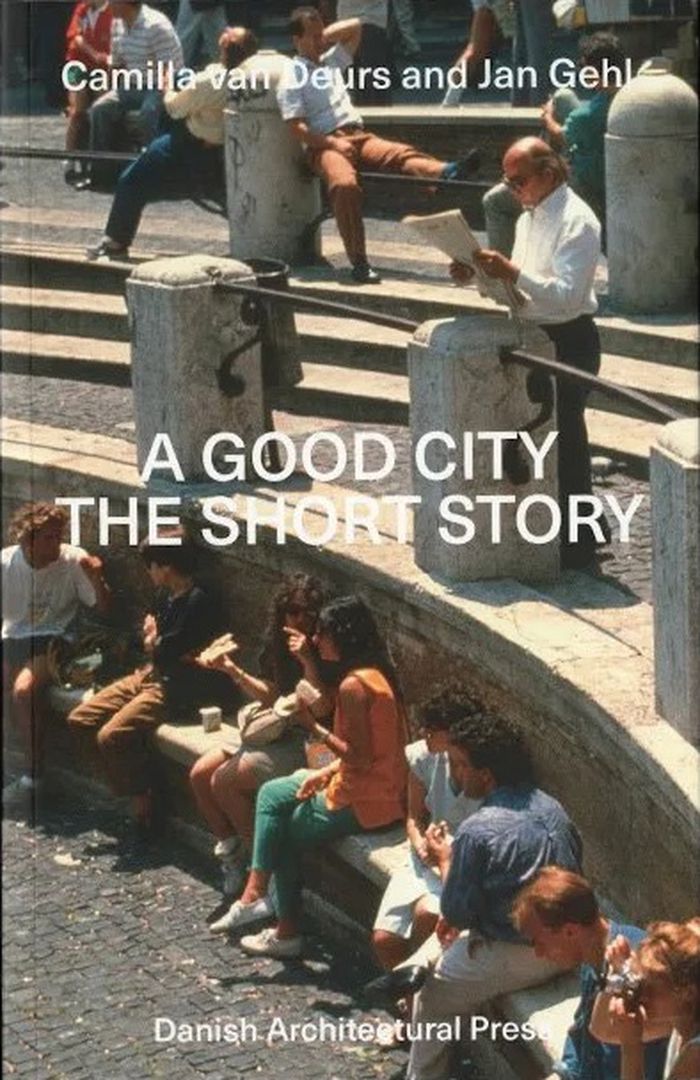
Do you remember the series of lectures and teachers from your university days? No? Camilla van Deurs does. She particularly remembers one teacher and professor, Jan Gehl, not only for his knowledge but also for his ability to communicate it. Jan Gehl presented the key points of his research through anecdotes and repeated them until they became ingrained. From teacher to student. From one generation of architects and urban planners to the next. "Good city: The short story" is a collection of 24 short stories in which Gehl's research work is translated into easy-to-understand reflections on city life. Like the staircase – an architecturally designed component, but one that quickly becomes an accumulation of newspapers and shopping bags. About the distinction between architecture and urban planning on the drawing board and the actual, lived city. About small spaces and big experiences.
The good city: The short story
Actions:
Price:
$67.00
(available to order)
Summary:
Do you remember the series of lectures and teachers from your university days? No? Camilla van Deurs does. She particularly remembers one teacher and professor, Jan Gehl, not only for his knowledge but also for his ability to communicate it. Jan Gehl presented the key points of his research through anecdotes and repeated them until they became ingrained. From teacher to student. From one generation of architects and urban planners to the next. "Good city: The short story" is a collection of 24 short stories in which Gehl's research work is translated into easy-to-understand reflections on city life. Like the staircase – an architecturally designed component, but one that quickly becomes an accumulation of newspapers and shopping bags. About the distinction between architecture and urban planning on the drawing board and the actual, lived city. About small spaces and big experiences.
Form:
books
books
Publication:
August 2025
August 2025
Form:
books
books
Title:
Machine paralysis
Machine paralysis
Actions:
Price:
$28.00
(available in store)
Summary:
The Mechanicos (meaning ‘machinic’ in Greek) is a folk dance performed by the sponge divers of Kalymnos island, recording the crippling effects of decompression sickness and paralysis caused by increasing industrial exploitation. Today, a disproportionate number of persons with physical impairments and debilitating conditions remain largely invisible. The writing in this(...)
$28.00
(available in store)
Summary:
The Mechanicos (meaning ‘machinic’ in Greek) is a folk dance performed by the sponge divers of Kalymnos island, recording the crippling effects of decompression sickness and paralysis caused by increasing industrial exploitation. Today, a disproportionate number of persons with physical impairments and debilitating conditions remain largely invisible. The writing in this(...)
Title:
Machine paralysis
Actions:
Price:
$28.00
(available in store)
Summary:
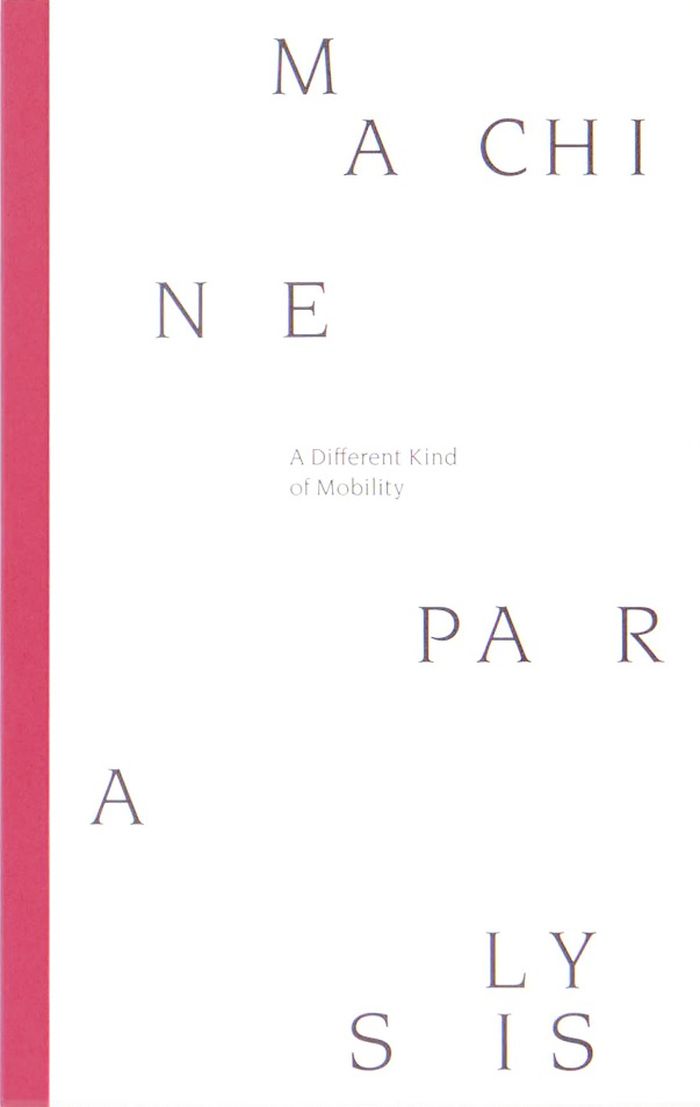
The Mechanicos (meaning ‘machinic’ in Greek) is a folk dance performed by the sponge divers of Kalymnos island, recording the crippling effects of decompression sickness and paralysis caused by increasing industrial exploitation. Today, a disproportionate number of persons with physical impairments and debilitating conditions remain largely invisible. The writing in this book points to different experiences of movement, time, and space: Whether through the creation of a vernacular sign language; a different pacing of time and projection of futurity; exchanging forms of care around a healing spring; recording the ways in which 3 generations navigate everyday interactions through a ‘broken telephone line’ of connection; or the friendship between a woman with visual impairment and her dog, Mercy, who helps her navigate the narrow busy sidewalks of central Athens. These stories contribute to imagining a different kind of mobility.
Machine paralysis
Actions:
Price:
$28.00
(available in store)
Summary:
The Mechanicos (meaning ‘machinic’ in Greek) is a folk dance performed by the sponge divers of Kalymnos island, recording the crippling effects of decompression sickness and paralysis caused by increasing industrial exploitation. Today, a disproportionate number of persons with physical impairments and debilitating conditions remain largely invisible. The writing in this book points to different experiences of movement, time, and space: Whether through the creation of a vernacular sign language; a different pacing of time and projection of futurity; exchanging forms of care around a healing spring; recording the ways in which 3 generations navigate everyday interactions through a ‘broken telephone line’ of connection; or the friendship between a woman with visual impairment and her dog, Mercy, who helps her navigate the narrow busy sidewalks of central Athens. These stories contribute to imagining a different kind of mobility.
Form:
books
books
Publication:
March 2025
March 2025
Subject:
Social
Social
Form:
books
books
Title:
Not a cookbook
Not a cookbook
Actions:
Price:
$50.00
(available in store)
Summary:
At first glance, "Not a cookbook" appears to be just what its title implies – but beneath the surface lies a layered, collage-style portrait of a restaurant and the family that holds it together. Centered on Resto Palme, a Caribbean restaurant in Montreal run by married duo Lee-Anne Millaire Lafleur and Ralph Alerte, the book offers a deeply personal and provocative(...)
$50.00
(available in store)
Summary:
At first glance, "Not a cookbook" appears to be just what its title implies – but beneath the surface lies a layered, collage-style portrait of a restaurant and the family that holds it together. Centered on Resto Palme, a Caribbean restaurant in Montreal run by married duo Lee-Anne Millaire Lafleur and Ralph Alerte, the book offers a deeply personal and provocative(...)
Subject:
Food
Food
Publication:
May 2026
May 2026
Title:
Not a cookbook
Actions:
Price:
$50.00
(available in store)
Summary:
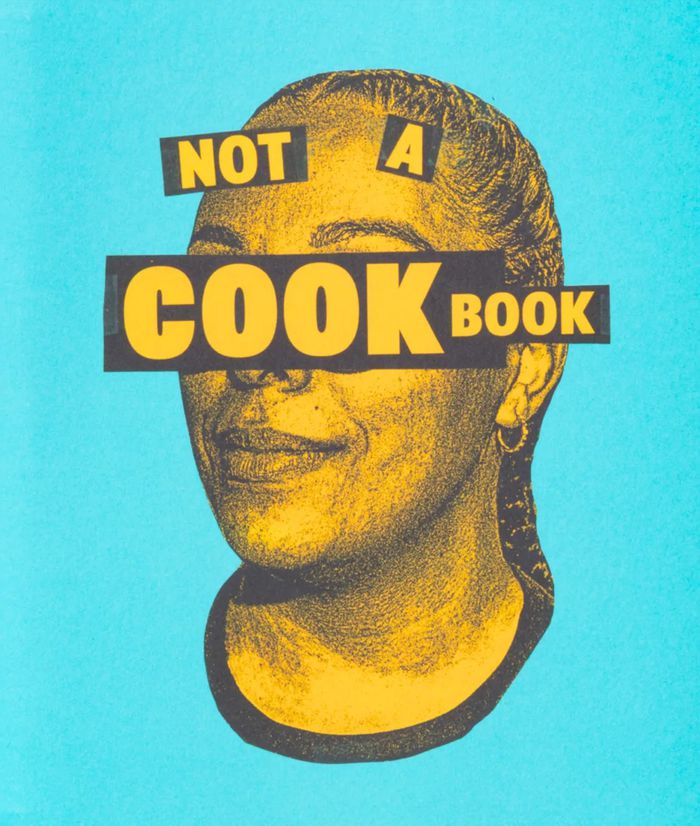
At first glance, "Not a cookbook" appears to be just what its title implies – but beneath the surface lies a layered, collage-style portrait of a restaurant and the family that holds it together. Centered on Resto Palme, a Caribbean restaurant in Montreal run by married duo Lee-Anne Millaire Lafleur and Ralph Alerte, the book offers a deeply personal and provocative exploration of kitchen culture, where food becomes a lens through which to examine family, friendship, labor, and resistance. A longtime friend of the family, Reis takes an embedded, nonlinear approach to storytelling. Through photographs, texts, and contributions from customers and staff, Not a Cookbook captures not just the daily challenges of running a family business, but also the peripheral stories – of racism, activism, and the emotional labor required to build and protect something shared and sacred.
Not a cookbook
Actions:
Price:
$50.00
(available in store)
Summary:
At first glance, "Not a cookbook" appears to be just what its title implies – but beneath the surface lies a layered, collage-style portrait of a restaurant and the family that holds it together. Centered on Resto Palme, a Caribbean restaurant in Montreal run by married duo Lee-Anne Millaire Lafleur and Ralph Alerte, the book offers a deeply personal and provocative exploration of kitchen culture, where food becomes a lens through which to examine family, friendship, labor, and resistance. A longtime friend of the family, Reis takes an embedded, nonlinear approach to storytelling. Through photographs, texts, and contributions from customers and staff, Not a Cookbook captures not just the daily challenges of running a family business, but also the peripheral stories – of racism, activism, and the emotional labor required to build and protect something shared and sacred.
Form:
books
books
Publication:
May 2026
May 2026
Subject:
Food
Food
Form:
books
books
Price:
$35.95
(available to order)
Summary:
What makes us love our things? Why do we attach certain sentiments to certain items? How is it that sometimes objects can tell stories more eloquently than people? These are questions explored and answered in "The uncommon life of common objects". Author Akiko Busch devotes a chapter to each of 12 common objects, and discusses her and others’ experiences that give(...)
$35.95
(available to order)
Summary:
What makes us love our things? Why do we attach certain sentiments to certain items? How is it that sometimes objects can tell stories more eloquently than people? These are questions explored and answered in "The uncommon life of common objects". Author Akiko Busch devotes a chapter to each of 12 common objects, and discusses her and others’ experiences that give(...)
Title:
The uncommon life of common objects : essays on design and the everyday
Actions:
Price:
$35.95
(available to order)
Summary:
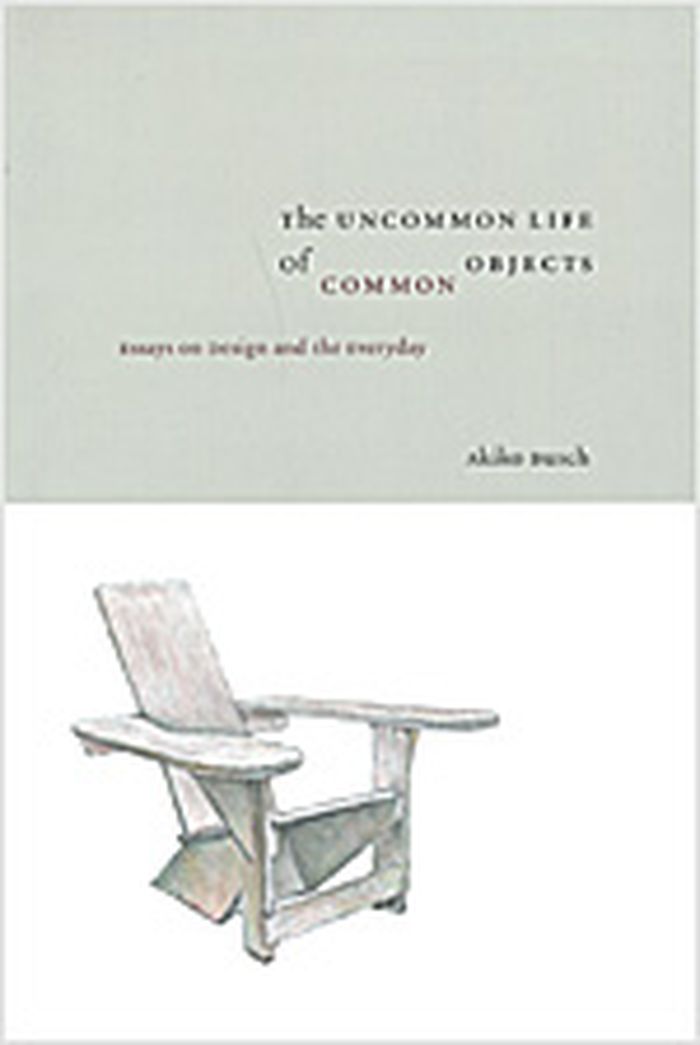
What makes us love our things? Why do we attach certain sentiments to certain items? How is it that sometimes objects can tell stories more eloquently than people? These are questions explored and answered in "The uncommon life of common objects". Author Akiko Busch devotes a chapter to each of 12 common objects, and discusses her and others’ experiences that give everyday things their significance. Through her examination of : a video camera, a cellular phone, a vegetable peeler, a snowboard, a baby carriage, a chair, a refrigerator, a mailbox, a medicine cabinet, a cereal box, a backpack, and a desk, Busch illuminates the social and personal issues that shape our lives and the ownership of our things. Each of the 12 chapters is accompanied by a four-color drawing. Edited by Diana Murphy. Foreword by Susan S. Szenasy. Original illustrations by George Skelcher.
The uncommon life of common objects : essays on design and the everyday
Actions:
Price:
$35.95
(available to order)
Summary:
What makes us love our things? Why do we attach certain sentiments to certain items? How is it that sometimes objects can tell stories more eloquently than people? These are questions explored and answered in "The uncommon life of common objects". Author Akiko Busch devotes a chapter to each of 12 common objects, and discusses her and others’ experiences that give everyday things their significance. Through her examination of : a video camera, a cellular phone, a vegetable peeler, a snowboard, a baby carriage, a chair, a refrigerator, a mailbox, a medicine cabinet, a cereal box, a backpack, and a desk, Busch illuminates the social and personal issues that shape our lives and the ownership of our things. Each of the 12 chapters is accompanied by a four-color drawing. Edited by Diana Murphy. Foreword by Susan S. Szenasy. Original illustrations by George Skelcher.
Form:
books
books
Publication:
July 2005, New York
July 2005, New York
Subject:
Interior Design
Interior Design
Form:
books
books
Price:
$28.00
(available to order)
Summary:
Aggressively rebounding after recessions and the pandemic, sprawling landscapes of tourism in the Mediterranean continue to build upon the iconic spatial typology of sea & sun vacationing: the beach. But behind the leisurely scattered bodies and the quiescent summer shores, beachfronts are assembled as intensely ordered infrastructures for the heavy machineries of(...)
$28.00
(available to order)
Summary:
Aggressively rebounding after recessions and the pandemic, sprawling landscapes of tourism in the Mediterranean continue to build upon the iconic spatial typology of sea & sun vacationing: the beach. But behind the leisurely scattered bodies and the quiescent summer shores, beachfronts are assembled as intensely ordered infrastructures for the heavy machineries of(...)
Subject:
Architectural Theory
Architectural Theory
Publication:
October 2022
October 2022
Title:
The beach machine: Making and operating the Mediterranean coastline
Actions:
Price:
$28.00
(available to order)
Summary:
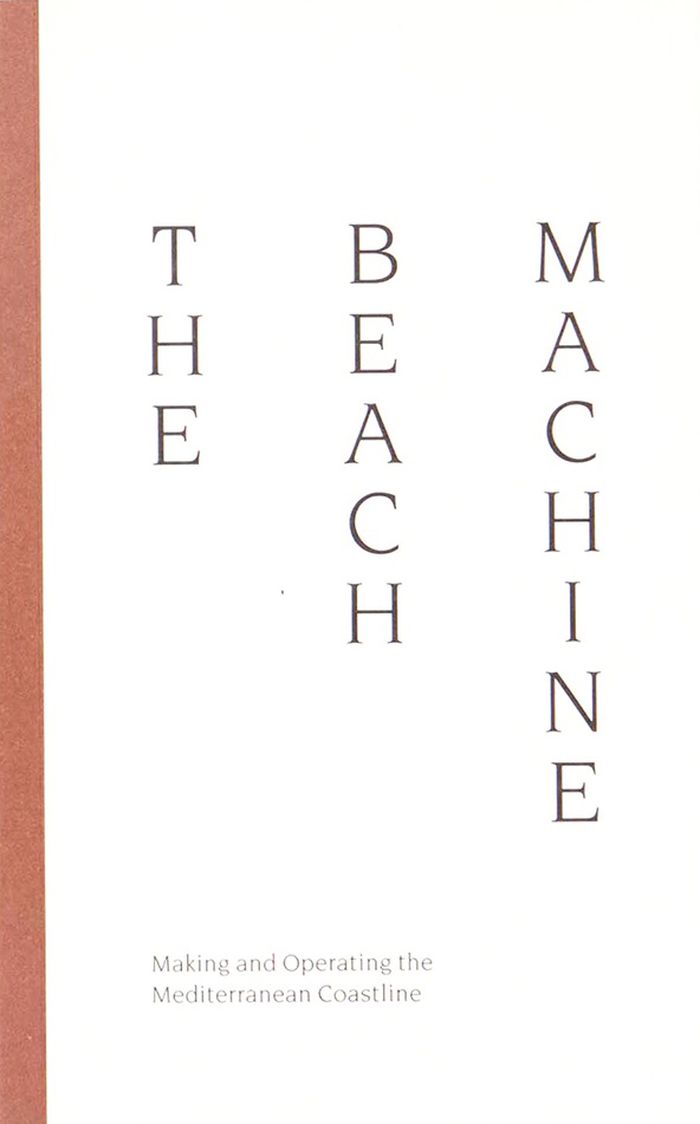
Aggressively rebounding after recessions and the pandemic, sprawling landscapes of tourism in the Mediterranean continue to build upon the iconic spatial typology of sea & sun vacationing: the beach. But behind the leisurely scattered bodies and the quiescent summer shores, beachfronts are assembled as intensely ordered infrastructures for the heavy machineries of tourism. Approaching the beach as an operational socio-technical landscape, this book unpacks stories of construction, programming, and maintenance: from traces of moving sands in Lefkada island to mirror postwar developments in Delos and Mykonos islands, and from historic and bodily excursions to workings of the Athenian riviera to rituals of eco-certification under Blue Flags. The texts frame the beach as a machine, one with protocols of function and metabolic needs, studying how it directs the capture of land and bodies, while establishing forms of environmental control.
The beach machine: Making and operating the Mediterranean coastline
Actions:
Price:
$28.00
(available to order)
Summary:
Aggressively rebounding after recessions and the pandemic, sprawling landscapes of tourism in the Mediterranean continue to build upon the iconic spatial typology of sea & sun vacationing: the beach. But behind the leisurely scattered bodies and the quiescent summer shores, beachfronts are assembled as intensely ordered infrastructures for the heavy machineries of tourism. Approaching the beach as an operational socio-technical landscape, this book unpacks stories of construction, programming, and maintenance: from traces of moving sands in Lefkada island to mirror postwar developments in Delos and Mykonos islands, and from historic and bodily excursions to workings of the Athenian riviera to rituals of eco-certification under Blue Flags. The texts frame the beach as a machine, one with protocols of function and metabolic needs, studying how it directs the capture of land and bodies, while establishing forms of environmental control.
Form:
books
books
Publication:
October 2022
October 2022
Subject:
Architectural Theory
Architectural Theory
Form:
books
books
Actions:
Price:
$68.50
(available in store)
Summary:
A complex bamboo pyramid to block a busy crossing in London. A maze of 'mini Stonehenge' brick structures to hinder government crackdowns in Hong Kong. The takeover of a Dallas highway to create a temporary public square. Architects have often used their skills in struggles for civil rights, gender equality and climate justice. Illuminating the role that design has played(...)
$68.50
(available in store)
Summary:
A complex bamboo pyramid to block a busy crossing in London. A maze of 'mini Stonehenge' brick structures to hinder government crackdowns in Hong Kong. The takeover of a Dallas highway to create a temporary public square. Architects have often used their skills in struggles for civil rights, gender equality and climate justice. Illuminating the role that design has played(...)
Title:
Protest architecture: Structures of civil resistance
Actions:
Price:
$68.50
(available in store)
Summary:
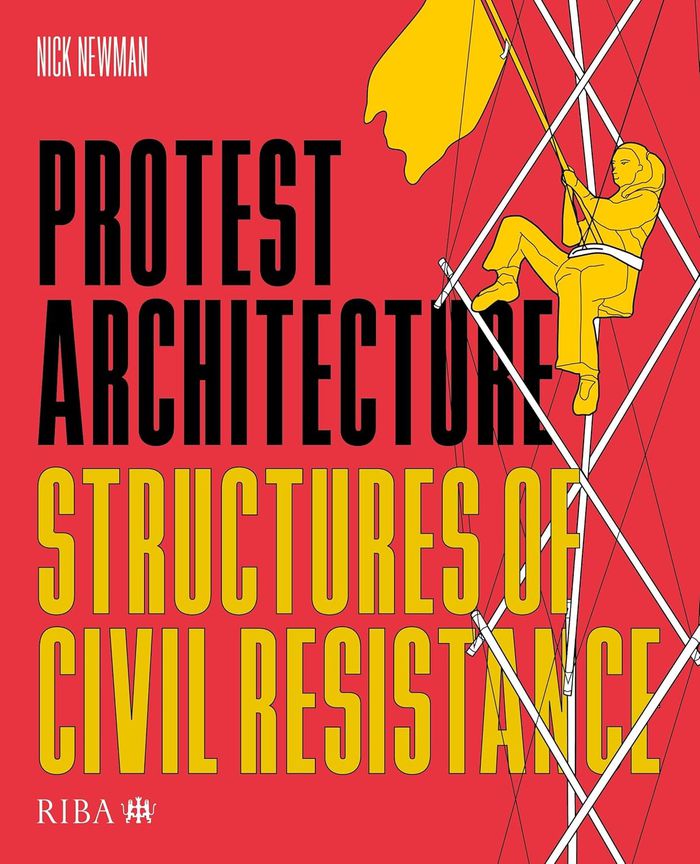
A complex bamboo pyramid to block a busy crossing in London. A maze of 'mini Stonehenge' brick structures to hinder government crackdowns in Hong Kong. The takeover of a Dallas highway to create a temporary public square. Architects have often used their skills in struggles for civil rights, gender equality and climate justice. Illuminating the role that design has played in protest movements, Nick Newman explores the colliding worlds of architecture and activism through the stories of those who have built for change. Using historic and contemporary examples, Protest Architecture analyses the design problems and solutions faced by protestors on the streets through detailed drawings, photography and expert insight. From beacons to barricades, towers to treehouses, this unique design typology demonstrates architectural influence over moments of societal change. This is a retelling of protest history through the eyes of an architect.
Protest architecture: Structures of civil resistance
Actions:
Price:
$68.50
(available in store)
Summary:
A complex bamboo pyramid to block a busy crossing in London. A maze of 'mini Stonehenge' brick structures to hinder government crackdowns in Hong Kong. The takeover of a Dallas highway to create a temporary public square. Architects have often used their skills in struggles for civil rights, gender equality and climate justice. Illuminating the role that design has played in protest movements, Nick Newman explores the colliding worlds of architecture and activism through the stories of those who have built for change. Using historic and contemporary examples, Protest Architecture analyses the design problems and solutions faced by protestors on the streets through detailed drawings, photography and expert insight. From beacons to barricades, towers to treehouses, this unique design typology demonstrates architectural influence over moments of societal change. This is a retelling of protest history through the eyes of an architect.
Form:
books
books
Publication:
July 2024
July 2024
Subject:
Architectural Theory
Architectural Theory
Form:
books
books
Price:
$50.00
(available to order)
Summary:
For many years, Orhan Pamuk kept a record of his daily thoughts and observations, entering them in small notebooks and illustrating them with his own paintings. This book combines those notebooks into one volume. He writes about his travels around the world, his family, his writing process, and his complex relationship with his home country of Turkey. He charts the seeds(...)
$50.00
(available to order)
Summary:
For many years, Orhan Pamuk kept a record of his daily thoughts and observations, entering them in small notebooks and illustrating them with his own paintings. This book combines those notebooks into one volume. He writes about his travels around the world, his family, his writing process, and his complex relationship with his home country of Turkey. He charts the seeds(...)
Title:
Memories of distant mountains. Illustrated Notebooks, 2009-2022
Actions:
Price:
$50.00
(available to order)
Summary:
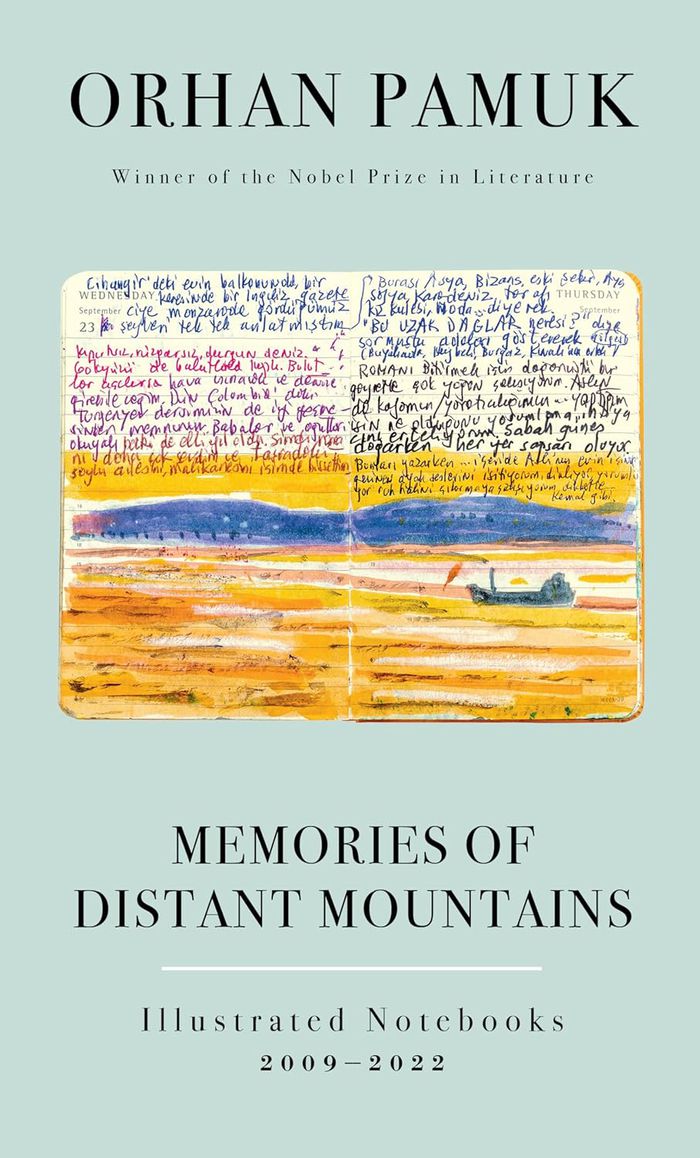
For many years, Orhan Pamuk kept a record of his daily thoughts and observations, entering them in small notebooks and illustrating them with his own paintings. This book combines those notebooks into one volume. He writes about his travels around the world, his family, his writing process, and his complex relationship with his home country of Turkey. He charts the seeds of his novels and the things that inspired his characters and the plots of his stories. Intertwined in his writings are the vibrant paintings of the landscapes that surround and inspire him. A beautiful object in its own right, in "Memories of distant mountains" readers can explore Pamuk's intoxicating inner world and can have a fascinating, intimate encounter with the art, culture, and charged political currents that have shaped one of literature’s most important voices.
Memories of distant mountains. Illustrated Notebooks, 2009-2022
Actions:
Price:
$50.00
(available to order)
Summary:
For many years, Orhan Pamuk kept a record of his daily thoughts and observations, entering them in small notebooks and illustrating them with his own paintings. This book combines those notebooks into one volume. He writes about his travels around the world, his family, his writing process, and his complex relationship with his home country of Turkey. He charts the seeds of his novels and the things that inspired his characters and the plots of his stories. Intertwined in his writings are the vibrant paintings of the landscapes that surround and inspire him. A beautiful object in its own right, in "Memories of distant mountains" readers can explore Pamuk's intoxicating inner world and can have a fascinating, intimate encounter with the art, culture, and charged political currents that have shaped one of literature’s most important voices.
Form:
books
books
Publication:
November 2024
November 2024
Subject:
Journeys
Journeys
Form:
books
books
Title:
Collections of nothing
Collections of nothing
Actions:
Price:
$21.00
(available to order)
Summary:
King, a professor at Santa Barbara, has spent decades collecting things that nobody else would want: food packages and labels (he has about eighteen thousand), illustrations snipped from old dictionaries (seven thousand), linings of "security" envelopes (eight hundred patterns), "the mute, meager, practically valueless object, like a sea-washed spigot, its mouth stoppered(...)
$21.00
(available to order)
Summary:
King, a professor at Santa Barbara, has spent decades collecting things that nobody else would want: food packages and labels (he has about eighteen thousand), illustrations snipped from old dictionaries (seven thousand), linings of "security" envelopes (eight hundred patterns), "the mute, meager, practically valueless object, like a sea-washed spigot, its mouth stoppered(...)
Title:
Collections of nothing
Actions:
Price:
$21.00
(available to order)
Summary:
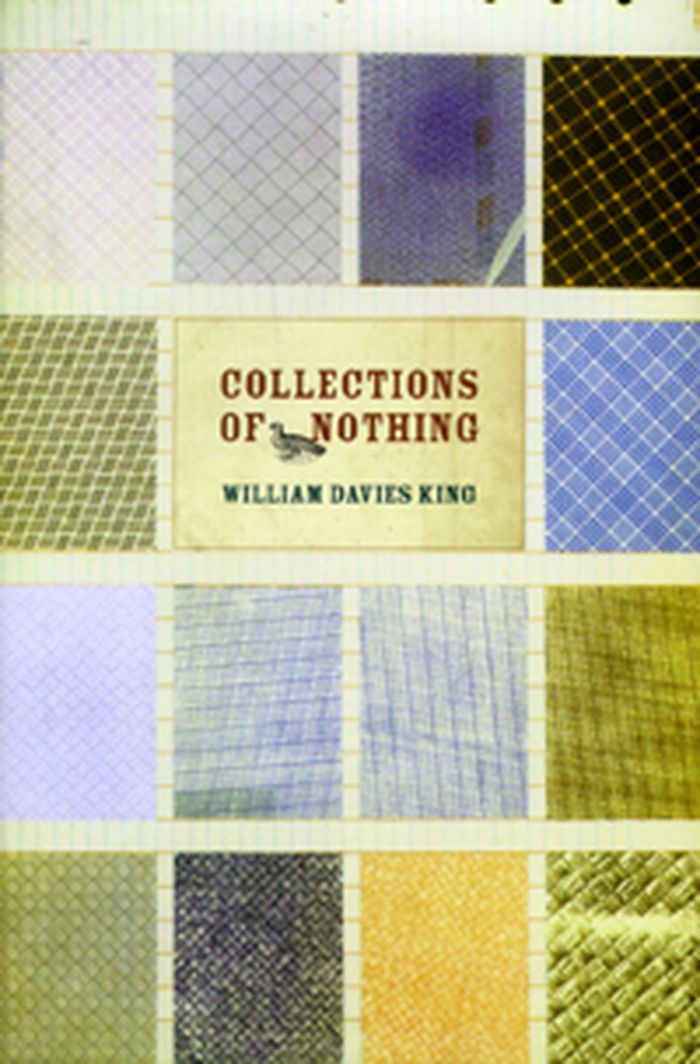
King, a professor at Santa Barbara, has spent decades collecting things that nobody else would want: food packages and labels (he has about eighteen thousand), illustrations snipped from old dictionaries (seven thousand), linings of "security" envelopes (eight hundred patterns), "the mute, meager, practically valueless object, like a sea-washed spigot, its mouth stoppered by a stone." What makes this book, bred of a midlife crisis, extraordinary is the way King weaves his autobiography into the account of his collection, deftly demonstrating that the two stories are essentially one. "I lost and found myself in remote topical aisles of scholarship-wreck," he says of his hours in Yale’s library, reading the most obscure books he could find. His hard-won self-awareness gives his disclosures an intensity that will likely resonate with all readers, even those whose collections of nothing contain nothing at all.
Collections of nothing
Actions:
Price:
$21.00
(available to order)
Summary:
King, a professor at Santa Barbara, has spent decades collecting things that nobody else would want: food packages and labels (he has about eighteen thousand), illustrations snipped from old dictionaries (seven thousand), linings of "security" envelopes (eight hundred patterns), "the mute, meager, practically valueless object, like a sea-washed spigot, its mouth stoppered by a stone." What makes this book, bred of a midlife crisis, extraordinary is the way King weaves his autobiography into the account of his collection, deftly demonstrating that the two stories are essentially one. "I lost and found myself in remote topical aisles of scholarship-wreck," he says of his hours in Yale’s library, reading the most obscure books he could find. His hard-won self-awareness gives his disclosures an intensity that will likely resonate with all readers, even those whose collections of nothing contain nothing at all.
Form:
books
books
Publication:
July 2008, Chicago, London
July 2008, Chicago, London
Subject:
Design Theory
Design Theory
Form:
books
books
Actions:
Price:
$120.00
(available in store)
Summary:
The official catalog of the 15th Venice Biennale Architecture Exhibition. More and more people on the planet are looking for a decent place to live, even though the chances to find one are becoming tougher and tougher by the hour. Nevertheless, on the frontlines of the built environment there lingers a sense of vitality that brings architecture to look at reality in a(...)
$120.00
(available in store)
Summary:
The official catalog of the 15th Venice Biennale Architecture Exhibition. More and more people on the planet are looking for a decent place to live, even though the chances to find one are becoming tougher and tougher by the hour. Nevertheless, on the frontlines of the built environment there lingers a sense of vitality that brings architecture to look at reality in a(...)
Title:
Reporting from the front: 15th International Architecture Exhibition. Biennale di Venezia
Actions:
Price:
$120.00
(available in store)
Summary:
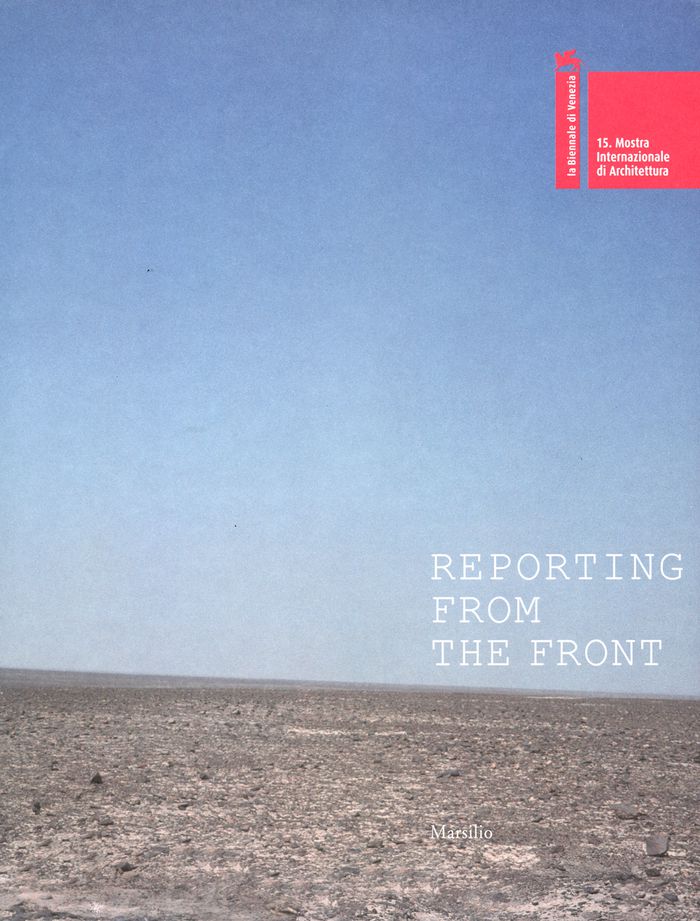
The official catalog of the 15th Venice Biennale Architecture Exhibition. More and more people on the planet are looking for a decent place to live, even though the chances to find one are becoming tougher and tougher by the hour. Nevertheless, on the frontlines of the built environment there lingers a sense of vitality that brings architecture to look at reality in a positive way. This is what people will see at the 15th International Architecture Exhibition: success stories and exemplary cases where architecture has made, is making, and will make a difference. Reporting from the Front aims at explaining to a broader audience what it means to improve the quality of life while working on the margins, under heavy circumstances, and facing pressing challenges. And what it is like to be on the cutting edge trying to conquer new fields.
Reporting from the front: 15th International Architecture Exhibition. Biennale di Venezia
Actions:
Price:
$120.00
(available in store)
Summary:
The official catalog of the 15th Venice Biennale Architecture Exhibition. More and more people on the planet are looking for a decent place to live, even though the chances to find one are becoming tougher and tougher by the hour. Nevertheless, on the frontlines of the built environment there lingers a sense of vitality that brings architecture to look at reality in a positive way. This is what people will see at the 15th International Architecture Exhibition: success stories and exemplary cases where architecture has made, is making, and will make a difference. Reporting from the Front aims at explaining to a broader audience what it means to improve the quality of life while working on the margins, under heavy circumstances, and facing pressing challenges. And what it is like to be on the cutting edge trying to conquer new fields.
Form:
books
books
Publication:
September 2016
September 2016
Subject:
Biennial
Biennial
Form:
books
books
Actions:
Price:
$42.00
(available to order)
Summary:
Jill Jonnes’s Urban Forests is a natural history of the tree in American cities over the course of the past two centuries. Jonnes’s survey ranges from early sponsors for the Urban Tree Movement to the fascinating stories of particular species (including Washington, DC’s famed cherry trees, and the American chestnut and elm, and the diseases that almost destroyed them) to(...)
$42.00
(available to order)
Summary:
Jill Jonnes’s Urban Forests is a natural history of the tree in American cities over the course of the past two centuries. Jonnes’s survey ranges from early sponsors for the Urban Tree Movement to the fascinating stories of particular species (including Washington, DC’s famed cherry trees, and the American chestnut and elm, and the diseases that almost destroyed them) to(...)
Title:
Urban Forests: a natural history of trees and people in the American cityscape
Actions:
Price:
$42.00
(available to order)
Summary:
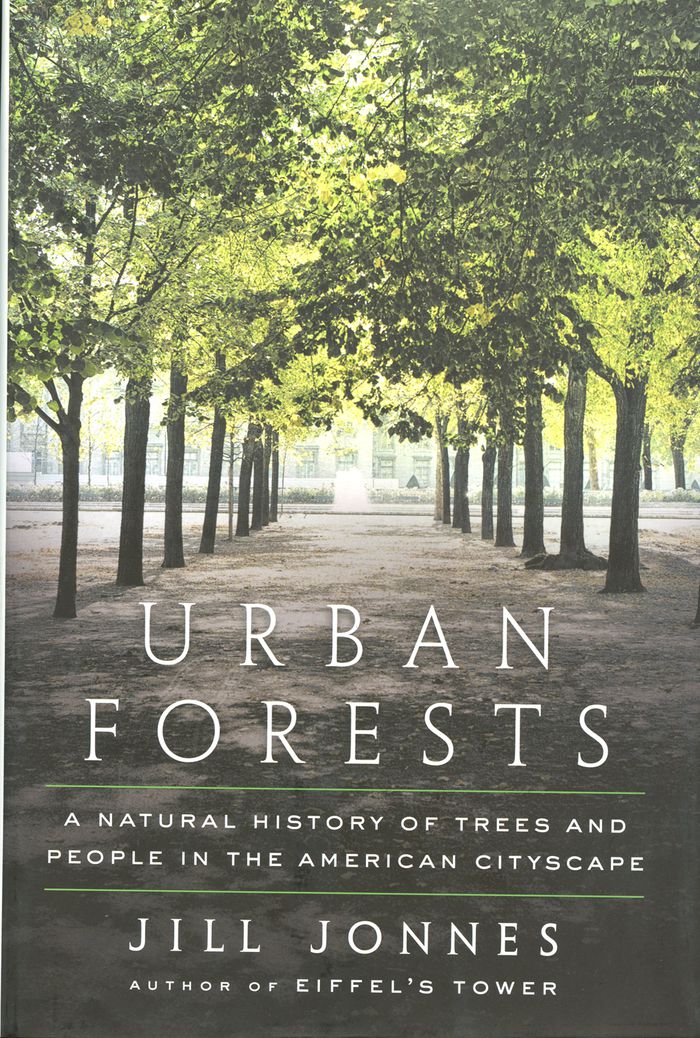
Jill Jonnes’s Urban Forests is a natural history of the tree in American cities over the course of the past two centuries. Jonnes’s survey ranges from early sponsors for the Urban Tree Movement to the fascinating stories of particular species (including Washington, DC’s famed cherry trees, and the American chestnut and elm, and the diseases that almost destroyed them) to the institution of Arbor Day to the most recent generation of tree evangelists who are identifying the best species to populate our cities’ leafy canopies. The book examines such questions as the character of American urban forests and the effect that tree-rich landscaping might have on commerce, crime, and human well-being. As we wrestle with how to repair the damage we have wrought on nature and how to slow climate change, urban forests offer an obvious, low-tech solution.
Urban Forests: a natural history of trees and people in the American cityscape
Actions:
Price:
$42.00
(available to order)
Summary:
Jill Jonnes’s Urban Forests is a natural history of the tree in American cities over the course of the past two centuries. Jonnes’s survey ranges from early sponsors for the Urban Tree Movement to the fascinating stories of particular species (including Washington, DC’s famed cherry trees, and the American chestnut and elm, and the diseases that almost destroyed them) to the institution of Arbor Day to the most recent generation of tree evangelists who are identifying the best species to populate our cities’ leafy canopies. The book examines such questions as the character of American urban forests and the effect that tree-rich landscaping might have on commerce, crime, and human well-being. As we wrestle with how to repair the damage we have wrought on nature and how to slow climate change, urban forests offer an obvious, low-tech solution.
Form:
books
books
Publication:
October 2016
October 2016
Subject:
Urban Landscapes
Urban Landscapes


