


6299 Results
Form:
books
books

Actions:
Price:
$44.95
(available to order)
Summary:
Photography in Japan 1853-1912 is a fascinating visual record of Japanese culture during its metamorphosis from a feudal society to a modern, industrial nation at a time when the art of photography was still in its infancy. The 350 rare and antique photos in this book, most of them published here for the first time, chronicle the introduction of photography in Japan and(...)
$44.95
(available to order)
Summary:
Photography in Japan 1853-1912 is a fascinating visual record of Japanese culture during its metamorphosis from a feudal society to a modern, industrial nation at a time when the art of photography was still in its infancy. The 350 rare and antique photos in this book, most of them published here for the first time, chronicle the introduction of photography in Japan and(...)
Title:
Photography in Japan 1853-1912
Actions:
Price:
$44.95
(available to order)
Summary:
Photography in Japan 1853-1912 is a fascinating visual record of Japanese culture during its metamorphosis from a feudal society to a modern, industrial nation at a time when the art of photography was still in its infancy. The 350 rare and antique photos in this book, most of them published here for the first time, chronicle the introduction of photography in Japan and early Japanese photography. The images are more than just a history of photography in Japan, they are vital in helping to understand the dramatic changes that occurred in Japan during the mid-nineteenth century.
Photography in Japan 1853-1912
Actions:
Price:
$44.95
(available to order)
Summary:
Photography in Japan 1853-1912 is a fascinating visual record of Japanese culture during its metamorphosis from a feudal society to a modern, industrial nation at a time when the art of photography was still in its infancy. The 350 rare and antique photos in this book, most of them published here for the first time, chronicle the introduction of photography in Japan and early Japanese photography. The images are more than just a history of photography in Japan, they are vital in helping to understand the dramatic changes that occurred in Japan during the mid-nineteenth century.
Form:
books
books
Publication:
October 2014
October 2014
Subject:
Photography Collections
Photography Collections
Form:
books
books

Actions:
Price:
$27.50
(available to order)
Summary:
In the mid-twentieth century, Henry Dreyfuss, widely considered the father of industrial design, pioneered a user-centered approach to design that focuses on studying people's behaviors and attitudes as a key first step in developing successful products. In the intervening years, user-centered design has expanded to undertake the needs of differently abled users and(...)
$27.50
(available to order)
Summary:
In the mid-twentieth century, Henry Dreyfuss, widely considered the father of industrial design, pioneered a user-centered approach to design that focuses on studying people's behaviors and attitudes as a key first step in developing successful products. In the intervening years, user-centered design has expanded to undertake the needs of differently abled users and(...)
Title:
Beautiful users: designing for people
Actions:
Price:
$27.50
(available to order)
Summary:
In the mid-twentieth century, Henry Dreyfuss, widely considered the father of industrial design, pioneered a user-centered approach to design that focuses on studying people's behaviors and attitudes as a key first step in developing successful products. In the intervening years, user-centered design has expanded to undertake the needs of differently abled users and global populations as well as the design of complex systems and services. Beautiful Users explores the changing relationship between designers and users and considers a range of design methodologies and practices, from user research to hacking, open source, and the maker culture.
Beautiful users: designing for people
Actions:
Price:
$27.50
(available to order)
Summary:
In the mid-twentieth century, Henry Dreyfuss, widely considered the father of industrial design, pioneered a user-centered approach to design that focuses on studying people's behaviors and attitudes as a key first step in developing successful products. In the intervening years, user-centered design has expanded to undertake the needs of differently abled users and global populations as well as the design of complex systems and services. Beautiful Users explores the changing relationship between designers and users and considers a range of design methodologies and practices, from user research to hacking, open source, and the maker culture.
Form:
books
books
Publication:
November 2014
November 2014
Subject:
Design Theory
Design Theory
Form:
books
books
Actions:
Price:
$56.95
(available to order)
Summary:
This study links the art practices of Allan Kaprow and Robert Smithson in their attempts to test the limits of art - both what it is and where it is. Ursprung's analysis places the two artists firmly in the art world of the 1960s as well as in the art historical discourse of the following decades. Although their practices were quite different, they both extended the(...)
$56.95
(available to order)
Summary:
This study links the art practices of Allan Kaprow and Robert Smithson in their attempts to test the limits of art - both what it is and where it is. Ursprung's analysis places the two artists firmly in the art world of the 1960s as well as in the art historical discourse of the following decades. Although their practices were quite different, they both extended the(...)
Title:
Allan Kaprow, Robert Smithson, and the limits of art
Actions:
Price:
$56.95
(available to order)
Summary:
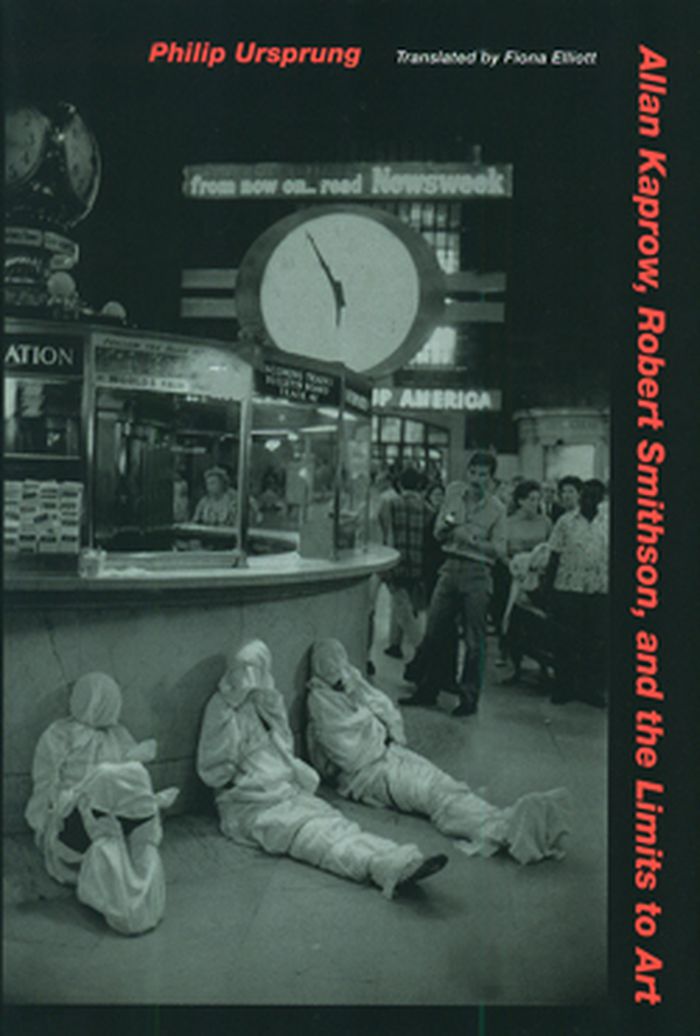
This study links the art practices of Allan Kaprow and Robert Smithson in their attempts to test the limits of art - both what it is and where it is. Ursprung's analysis places the two artists firmly in the art world of the 1960s as well as in the art historical discourse of the following decades. Although their practices were quite different, they both extended the studio and gallery into desert landscapes, abandoned warehouses, industrial sites, train stations, and other spaces. Ursprung bolsters his argument with substantial archival research and sociological and economic models of expansion and limits.
Allan Kaprow, Robert Smithson, and the limits of art
Actions:
Price:
$56.95
(available to order)
Summary:
This study links the art practices of Allan Kaprow and Robert Smithson in their attempts to test the limits of art - both what it is and where it is. Ursprung's analysis places the two artists firmly in the art world of the 1960s as well as in the art historical discourse of the following decades. Although their practices were quite different, they both extended the studio and gallery into desert landscapes, abandoned warehouses, industrial sites, train stations, and other spaces. Ursprung bolsters his argument with substantial archival research and sociological and economic models of expansion and limits.
Form:
books
books
Publication:
January 2014
January 2014
Subject:
Contemporary Art Monographs
Contemporary Art Monographs
Form:
books
books
Actions:
Price:
$48.95
(available to order)
Summary:
In the 1930s, German photographer Werner Mantz was commissioned to produce an extensive series of photographs documenting the Limburg coal mines. From his studio in Maastricht, he photographed major works of industry and technology in the Dutch province, including commissions to document the regional network of roads and various state mines. Forgotten for a time, the(...)
$48.95
(available to order)
Summary:
In the 1930s, German photographer Werner Mantz was commissioned to produce an extensive series of photographs documenting the Limburg coal mines. From his studio in Maastricht, he photographed major works of industry and technology in the Dutch province, including commissions to document the regional network of roads and various state mines. Forgotten for a time, the(...)
Title:
Werner Mantz: on coal mining in Limburg
Actions:
Price:
$48.95
(available to order)
Summary:
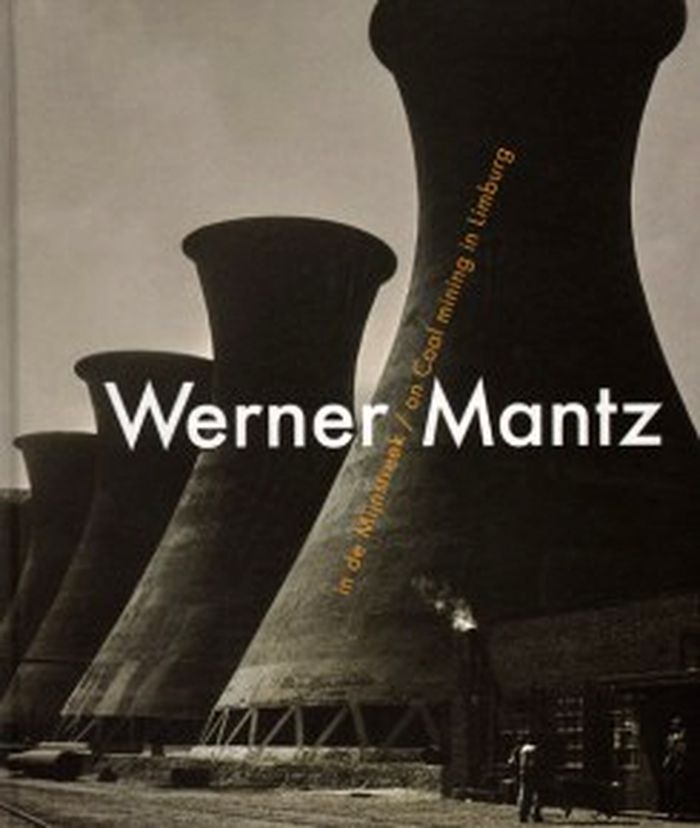
In the 1930s, German photographer Werner Mantz was commissioned to produce an extensive series of photographs documenting the Limburg coal mines. From his studio in Maastricht, he photographed major works of industry and technology in the Dutch province, including commissions to document the regional network of roads and various state mines. Forgotten for a time, the legacy of this work, done in the style of New Objectivity, re-emerged in the 1970s and has since been thoroughly researched. Presented here as an important historical document, his photos depict a glorious industrial era which we can now look back upon from a different perspective.
Werner Mantz: on coal mining in Limburg
Actions:
Price:
$48.95
(available to order)
Summary:
In the 1930s, German photographer Werner Mantz was commissioned to produce an extensive series of photographs documenting the Limburg coal mines. From his studio in Maastricht, he photographed major works of industry and technology in the Dutch province, including commissions to document the regional network of roads and various state mines. Forgotten for a time, the legacy of this work, done in the style of New Objectivity, re-emerged in the 1970s and has since been thoroughly researched. Presented here as an important historical document, his photos depict a glorious industrial era which we can now look back upon from a different perspective.
Form:
books
books
Publication:
November 2015
November 2015
Subject:
Photography monographs
Photography monographs
Form:
books
books
Actions:
Holdings:
Description:
319 : illustrations (some color) ; 33 cm
Description:
319 : illustrations (some color) ; 33 cm
Author:
Subject:
Publication:
[Paris] : Skira, ©1983.
[Paris] : Skira, ©1983.
Title:
Le siècle de l'industrie / François Loyer.
Actions:
Holdings:
Description:
319 : illustrations (some color) ; 33 cm
Le siècle de l'industrie / François Loyer.
Actions:
Holdings:
Description:
319 : illustrations (some color) ; 33 cm
Form:
books
books
Publication:
[Paris] : Skira, ©1983.
[Paris] : Skira, ©1983.
Author:
Subject:
Form:
books
books
Title:
When America became suburban
When America became suburban
Actions:
Price:
$23.95
(available to order)
Summary:
In the decades after World War II, the United States became the most prosperous nation in the world and a superpower whose dominance was symbolized by the American suburbs. Spurred by the decline of its industrial cities and by mass suburbanization, people imagined a new national identity—one that emphasized consumerism, social mobility, and a suburban lifestyle. The(...)
$23.95
(available to order)
Summary:
In the decades after World War II, the United States became the most prosperous nation in the world and a superpower whose dominance was symbolized by the American suburbs. Spurred by the decline of its industrial cities and by mass suburbanization, people imagined a new national identity—one that emphasized consumerism, social mobility, and a suburban lifestyle. The(...)
Title:
When America became suburban
Actions:
Price:
$23.95
(available to order)
Summary:
In the decades after World War II, the United States became the most prosperous nation in the world and a superpower whose dominance was symbolized by the American suburbs. Spurred by the decline of its industrial cities and by mass suburbanization, people imagined a new national identity—one that emphasized consumerism, social mobility, and a suburban lifestyle. The urbanity of the city was lost. In "When America became suburban", Robert A. Beauregard examines this historic intersection of urban decline, mass suburbanization, domestic prosperity, and U.S. global aspirations as it unfolded from 1945 to the mid-1970s. Suburban expansion and the subsequent emergence of sprawling Sunbelt cities transformed every aspect of American society. Assessing the global implications of America’s suburban way of life as evidence of the superiority of capitalist democracy, Beauregard traces how the suburban ideology enabled America to distinguish itself from both the Communist bloc and Western Europe, thereby deepening its claim of exceptionalism on the world-historical stage. Placing the decline of America’s industrial cities and the rise of vast suburban housing and retail spaces into a cultural, political, and global context, Beauregard illuminates how these phenomena contributed to a changing notion of America’s identity at home and abroad. "When America became suburban" brings to light the profound implications of de-urbanization: from the siphoning of investments from the cities and the effect on the quality of life for those left behind to a profound shift in national identity.
When America became suburban
Actions:
Price:
$23.95
(available to order)
Summary:
In the decades after World War II, the United States became the most prosperous nation in the world and a superpower whose dominance was symbolized by the American suburbs. Spurred by the decline of its industrial cities and by mass suburbanization, people imagined a new national identity—one that emphasized consumerism, social mobility, and a suburban lifestyle. The urbanity of the city was lost. In "When America became suburban", Robert A. Beauregard examines this historic intersection of urban decline, mass suburbanization, domestic prosperity, and U.S. global aspirations as it unfolded from 1945 to the mid-1970s. Suburban expansion and the subsequent emergence of sprawling Sunbelt cities transformed every aspect of American society. Assessing the global implications of America’s suburban way of life as evidence of the superiority of capitalist democracy, Beauregard traces how the suburban ideology enabled America to distinguish itself from both the Communist bloc and Western Europe, thereby deepening its claim of exceptionalism on the world-historical stage. Placing the decline of America’s industrial cities and the rise of vast suburban housing and retail spaces into a cultural, political, and global context, Beauregard illuminates how these phenomena contributed to a changing notion of America’s identity at home and abroad. "When America became suburban" brings to light the profound implications of de-urbanization: from the siphoning of investments from the cities and the effect on the quality of life for those left behind to a profound shift in national identity.
Form:
books
books
Publication:
September 2006, Minneapolis, London
September 2006, Minneapolis, London
Subject:
Suburbs
Suburbs
Form:
books
books
Actions:
Price:
$22.95
(available to order)
Summary:
Charles Sheeler (1883-1965) is recognized as one of the founders of American modernism and one of the master photographers of the twentieth century. His work is synonymous with precisionism, a crisp, clean, hard-edged style that reconciled cubist abstraction and the machine aesthetic of Marcel Duchamp with American subject matter. Trained in industrial drawing, decorative(...)
$22.95
(available to order)
Summary:
Charles Sheeler (1883-1965) is recognized as one of the founders of American modernism and one of the master photographers of the twentieth century. His work is synonymous with precisionism, a crisp, clean, hard-edged style that reconciled cubist abstraction and the machine aesthetic of Marcel Duchamp with American subject matter. Trained in industrial drawing, decorative(...)
Title:
Charles Sheeler : across media
Actions:
Price:
$22.95
(available to order)
Summary:
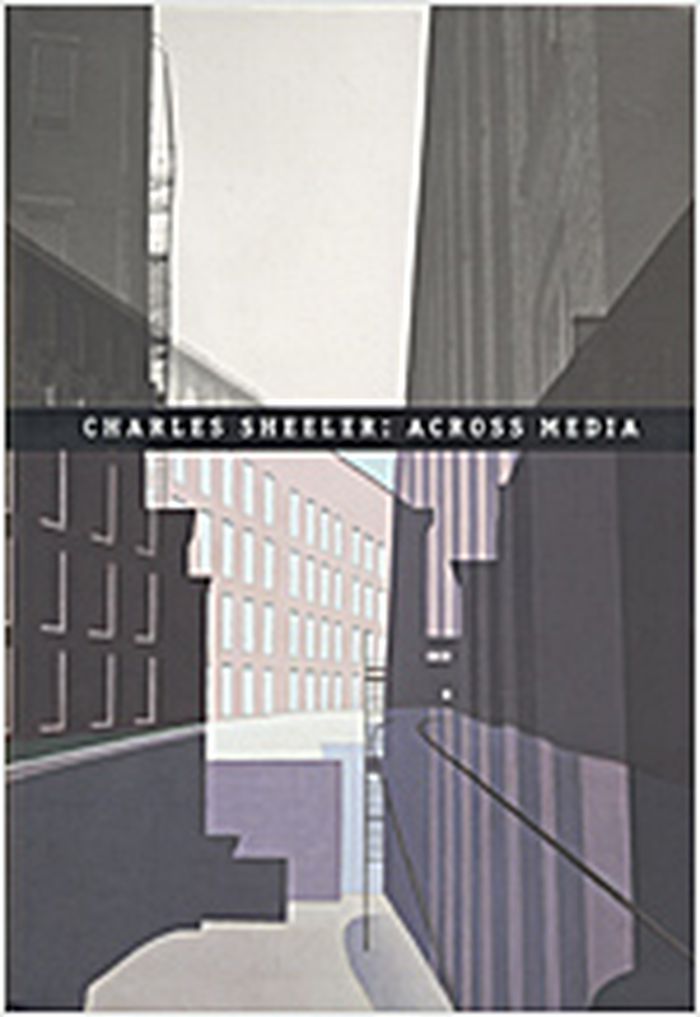
Charles Sheeler (1883-1965) is recognized as one of the founders of American modernism and one of the master photographers of the twentieth century. His work is synonymous with precisionism, a crisp, clean, hard-edged style that reconciled cubist abstraction and the machine aesthetic of Marcel Duchamp with American subject matter. Trained in industrial drawing, decorative painting, and applied art at the School of Industrial Art in Philadelphia, Sheeler also attended the Pennsylvania Academy of the Fine Arts, where he learned an impressionistic, painterly style. He later embraced European modernism and taught himself photography. Sheeler fully absorbed the lessons of each discipline and forged his own singular approach. This illustrated book, created to accompany a traveling exhibition of Sheeler's work, features detailed analyses of the artist's mediums and working methods. Focusing on the complex, often paradoxical, relationships among photography, film, drawing, printmaking, and painting that were central to Sheeler's art, this book traces critical points in Sheeler's trajectory, beginning with a small selection of Sheeler's seminal photographs, circa 1917, of the interior of an eighteenth-century Quaker fieldstone house in Doylestown, Pennsylvania. Sections are also devoted to the 1920 film Manhatta, made in collaboration with Paul Strand; a series of commercial photographs of the Ford Motor Company's River Rogue factory (1927); the enigmatic painting The Artist Looks at Nature (1943) and its related works; and finally a group of mill subjects from the 1940s and 1950s that experiments with photomontage.
Charles Sheeler : across media
Actions:
Price:
$22.95
(available to order)
Summary:
Charles Sheeler (1883-1965) is recognized as one of the founders of American modernism and one of the master photographers of the twentieth century. His work is synonymous with precisionism, a crisp, clean, hard-edged style that reconciled cubist abstraction and the machine aesthetic of Marcel Duchamp with American subject matter. Trained in industrial drawing, decorative painting, and applied art at the School of Industrial Art in Philadelphia, Sheeler also attended the Pennsylvania Academy of the Fine Arts, where he learned an impressionistic, painterly style. He later embraced European modernism and taught himself photography. Sheeler fully absorbed the lessons of each discipline and forged his own singular approach. This illustrated book, created to accompany a traveling exhibition of Sheeler's work, features detailed analyses of the artist's mediums and working methods. Focusing on the complex, often paradoxical, relationships among photography, film, drawing, printmaking, and painting that were central to Sheeler's art, this book traces critical points in Sheeler's trajectory, beginning with a small selection of Sheeler's seminal photographs, circa 1917, of the interior of an eighteenth-century Quaker fieldstone house in Doylestown, Pennsylvania. Sections are also devoted to the 1920 film Manhatta, made in collaboration with Paul Strand; a series of commercial photographs of the Ford Motor Company's River Rogue factory (1927); the enigmatic painting The Artist Looks at Nature (1943) and its related works; and finally a group of mill subjects from the 1940s and 1950s that experiments with photomontage.
Form:
books
books
Publication:
July 2006, Berkeley, Los Angeles, London
July 2006, Berkeley, Los Angeles, London
Subject:
sale books
sale books
Form:
books
books
Price:
$105.00
(available to order)
Summary:
This catalogue is published in conjunction with "Il modo italian - Italian design and avant-garde in the 20th century", an exhibition produced by the Montreal Museum of Fine Arts in collaboration with the Royal Ontario Museum, Toronto, and the Mart – Museo di Arte Moderna e Contemporanea di Trento e Rovereto. Italian design has spanned the whole of the twentieth century,(...)
$105.00
(available to order)
Summary:
This catalogue is published in conjunction with "Il modo italian - Italian design and avant-garde in the 20th century", an exhibition produced by the Montreal Museum of Fine Arts in collaboration with the Royal Ontario Museum, Toronto, and the Mart – Museo di Arte Moderna e Contemporanea di Trento e Rovereto. Italian design has spanned the whole of the twentieth century,(...)
Title:
Il modo italiaono - Italian design and avant-garde in the 20th Century
Actions:
Price:
$105.00
(available to order)
Summary:
This catalogue is published in conjunction with "Il modo italian - Italian design and avant-garde in the 20th century", an exhibition produced by the Montreal Museum of Fine Arts in collaboration with the Royal Ontario Museum, Toronto, and the Mart – Museo di Arte Moderna e Contemporanea di Trento e Rovereto. Italian design has spanned the whole of the twentieth century, leaving a highly distinctive mark on the way that the form of objects of everyday use is perceived in industrial and contemporary society. This “Italian way” has succeeded, through a complex and hesitant process of industrial innovation and technological updating, in developing an independent and multifaceted culture of design capable of marrying the country’s rich craft tradition with an often fiercely resisted aspiration to modernity made up of flashes of improvisation and irony, and associated with an arduous bent for experimentation. The exhibition, with around 400 works chosen from among the most representative of artistic research and the culture of design in Italy in the twentieth century, is arranged chronologically, with four sections that define the different periods in the philosophical, economic, and aesthetic discourse that has accompanied the recent history of art and design in Italy. The survey brings to light the “philosophies” of design and the “aesthetics” that found a strong and dialectical expression right through the last century in Italy, and that are at the root of the country’s characteristic and lively cultural debate between art and design.
Il modo italiaono - Italian design and avant-garde in the 20th Century
Actions:
Price:
$105.00
(available to order)
Summary:
This catalogue is published in conjunction with "Il modo italian - Italian design and avant-garde in the 20th century", an exhibition produced by the Montreal Museum of Fine Arts in collaboration with the Royal Ontario Museum, Toronto, and the Mart – Museo di Arte Moderna e Contemporanea di Trento e Rovereto. Italian design has spanned the whole of the twentieth century, leaving a highly distinctive mark on the way that the form of objects of everyday use is perceived in industrial and contemporary society. This “Italian way” has succeeded, through a complex and hesitant process of industrial innovation and technological updating, in developing an independent and multifaceted culture of design capable of marrying the country’s rich craft tradition with an often fiercely resisted aspiration to modernity made up of flashes of improvisation and irony, and associated with an arduous bent for experimentation. The exhibition, with around 400 works chosen from among the most representative of artistic research and the culture of design in Italy in the twentieth century, is arranged chronologically, with four sections that define the different periods in the philosophical, economic, and aesthetic discourse that has accompanied the recent history of art and design in Italy. The survey brings to light the “philosophies” of design and the “aesthetics” that found a strong and dialectical expression right through the last century in Italy, and that are at the root of the country’s characteristic and lively cultural debate between art and design.
Form:
books
books
Publication:
May 2006, Milano / Montreal
May 2006, Milano / Montreal
Subject:
Interior Design
Interior Design
Form:
books
books
Actions:
Price:
$39.95
(available to order)
Summary:
Few twentieth-century writers on architecture and design have enjoyed the renown of Reyner Banham. Born and trained in England and a U.S. resident starting in 1976, Banham wrote incisively about American and European buildings and culture. Now readers can enjoy a chronological cross-section of essays, polemics, and reviews drawn from more than three decades of Banham's(...)
$39.95
(available to order)
Summary:
Few twentieth-century writers on architecture and design have enjoyed the renown of Reyner Banham. Born and trained in England and a U.S. resident starting in 1976, Banham wrote incisively about American and European buildings and culture. Now readers can enjoy a chronological cross-section of essays, polemics, and reviews drawn from more than three decades of Banham's(...)
Title:
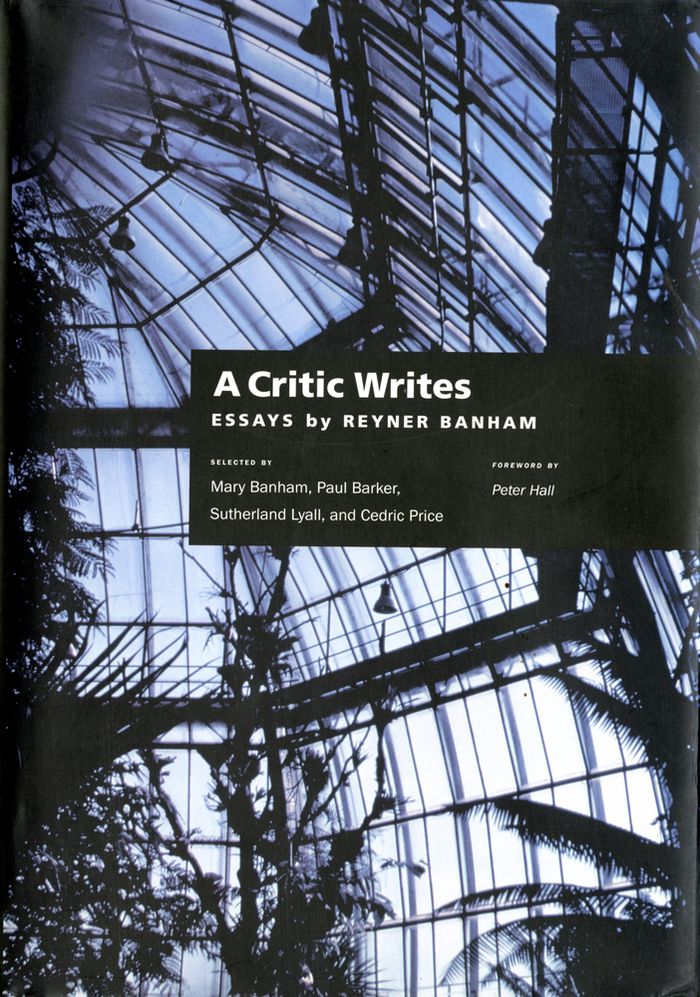
A critic writes : essays by Reyner Banham
Actions:
Price:
$39.95
(available to order)
Summary:
Few twentieth-century writers on architecture and design have enjoyed the renown of Reyner Banham. Born and trained in England and a U.S. resident starting in 1976, Banham wrote incisively about American and European buildings and culture. Now readers can enjoy a chronological cross-section of essays, polemics, and reviews drawn from more than three decades of Banham's writings. The volume, which includes discussions of Italian Futurism, Adolf Loos, Paul Scheerbart, and the Bauhaus as well as explorations of contemporary architecture by Frank Gehry, James Stirling, and Norman Foster, conveys the full range of Banham's belief in industrial and technological development as the motor of architectural evolution. Banham's interests and passions ranged from architecture and the culture of pop art to urban and industrial design. In brilliant analyses of automobile styling, mobile homes, science fiction films, and the American predilection for gadgets, he anticipated many of the preoccupations of contemporary cultural studies. Los Angeles, the city that Banham commemorated in a book and a film, receives extensive attention in essays on the Santa Monica Pier, the Getty Museum, Forest Lawn cemetery, and the ubiquitous freeway system. Eminently readable, provocative, and entertaining, this book is certain to consolidate Banham's reputation among architects and students of contemporary culture. For those acquainted with his writing, it offers welcome surprises as well as familiar delights. For those encountering Banham for the first time, it comprises the perfect introduction.
A critic writes : essays by Reyner Banham
Actions:
Price:
$39.95
(available to order)
Summary:
Few twentieth-century writers on architecture and design have enjoyed the renown of Reyner Banham. Born and trained in England and a U.S. resident starting in 1976, Banham wrote incisively about American and European buildings and culture. Now readers can enjoy a chronological cross-section of essays, polemics, and reviews drawn from more than three decades of Banham's writings. The volume, which includes discussions of Italian Futurism, Adolf Loos, Paul Scheerbart, and the Bauhaus as well as explorations of contemporary architecture by Frank Gehry, James Stirling, and Norman Foster, conveys the full range of Banham's belief in industrial and technological development as the motor of architectural evolution. Banham's interests and passions ranged from architecture and the culture of pop art to urban and industrial design. In brilliant analyses of automobile styling, mobile homes, science fiction films, and the American predilection for gadgets, he anticipated many of the preoccupations of contemporary cultural studies. Los Angeles, the city that Banham commemorated in a book and a film, receives extensive attention in essays on the Santa Monica Pier, the Getty Museum, Forest Lawn cemetery, and the ubiquitous freeway system. Eminently readable, provocative, and entertaining, this book is certain to consolidate Banham's reputation among architects and students of contemporary culture. For those acquainted with his writing, it offers welcome surprises as well as familiar delights. For those encountering Banham for the first time, it comprises the perfect introduction.
Form:
books
books
Publication:
April 1999, Berkeley
April 1999, Berkeley
Subject:
Architectural Theory
Architectural Theory
Form:
books
books
Price:
$50.00
(available to order)
Summary:
Originally designed in the 1930s by renowned architect, Sir Giles Gilbert Scott, the Grade II* Listed Power Station’s thirty-year neglect had created a modern ruin. It was in a critical state of disrepair when it was purchased in 2012 by an ambitious consortium of Malaysian investors who entrusted architects WilkinsonEyre with the design of its repair and regeneration.(...)
$50.00
(available to order)
Summary:
Originally designed in the 1930s by renowned architect, Sir Giles Gilbert Scott, the Grade II* Listed Power Station’s thirty-year neglect had created a modern ruin. It was in a critical state of disrepair when it was purchased in 2012 by an ambitious consortium of Malaysian investors who entrusted architects WilkinsonEyre with the design of its repair and regeneration.(...)
Title:
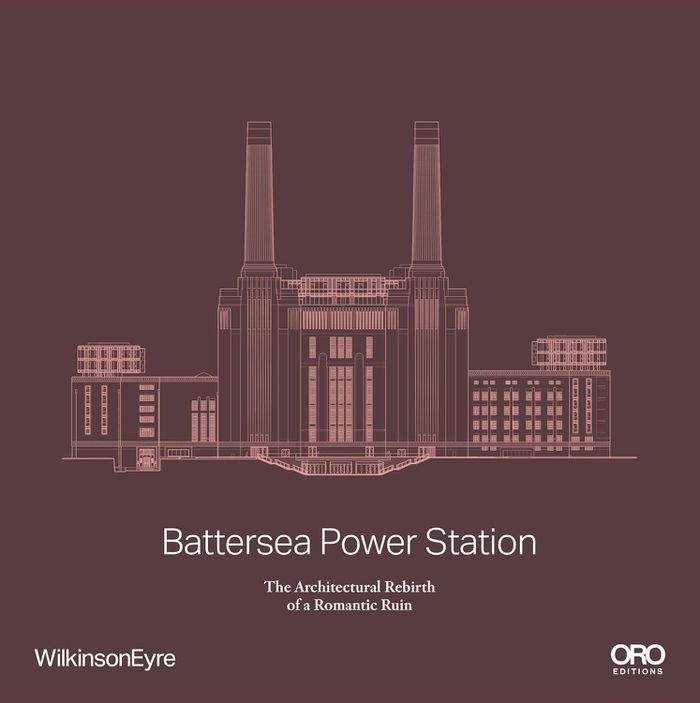
Battersea Power Station: The architectural rebirth of a romantic ruin
Actions:
Price:
$50.00
(available to order)
Summary:
Originally designed in the 1930s by renowned architect, Sir Giles Gilbert Scott, the Grade II* Listed Power Station’s thirty-year neglect had created a modern ruin. It was in a critical state of disrepair when it was purchased in 2012 by an ambitious consortium of Malaysian investors who entrusted architects WilkinsonEyre with the design of its repair and regeneration. "Battersea Power Station - The architectural rebirth of a romantic ruin" charts the practice’s journey and processes to transform the building - one of the largest brick structures in the world and one of the UK’s most recognizable landmarks - from twentieth century industrial relic to the sustainable heart of a thriving new London district.
Battersea Power Station: The architectural rebirth of a romantic ruin
Actions:
Price:
$50.00
(available to order)
Summary:
Originally designed in the 1930s by renowned architect, Sir Giles Gilbert Scott, the Grade II* Listed Power Station’s thirty-year neglect had created a modern ruin. It was in a critical state of disrepair when it was purchased in 2012 by an ambitious consortium of Malaysian investors who entrusted architects WilkinsonEyre with the design of its repair and regeneration. "Battersea Power Station - The architectural rebirth of a romantic ruin" charts the practice’s journey and processes to transform the building - one of the largest brick structures in the world and one of the UK’s most recognizable landmarks - from twentieth century industrial relic to the sustainable heart of a thriving new London district.
Form:
books
books
Publication:
September 2025
September 2025


