


602 Results
Form:
books
books
Title:
Recording Britain
Recording Britain
Actions:
Price:
$69.00
(available to order)
Summary:
Recording Britain was an artistic documentary project sponsored by the British government in the late 1930s as the country faced the potentially devastating impact of a second world war. The resulting collection of more than 1,500 watercolors and drawings, by both well-known and amateur artists, is a rich visual record of buildings, landscapes, and livelihoods perceived(...)
$69.00
(available to order)
Summary:
Recording Britain was an artistic documentary project sponsored by the British government in the late 1930s as the country faced the potentially devastating impact of a second world war. The resulting collection of more than 1,500 watercolors and drawings, by both well-known and amateur artists, is a rich visual record of buildings, landscapes, and livelihoods perceived(...)
Title:
Recording Britain
Actions:
Price:
$69.00
(available to order)
Summary:
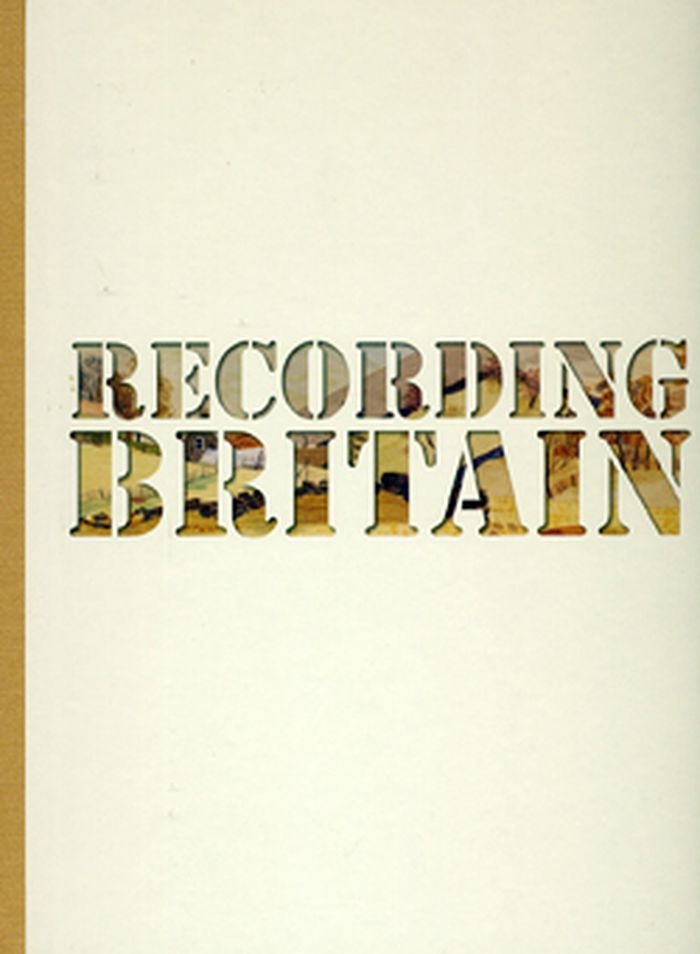
Recording Britain was an artistic documentary project sponsored by the British government in the late 1930s as the country faced the potentially devastating impact of a second world war. The resulting collection of more than 1,500 watercolors and drawings, by both well-known and amateur artists, is a rich visual record of buildings, landscapes, and livelihoods perceived to be under threat. "Recording Britain "brings together highlights from this extraordinary collection at the V, vivid images of national and regional identity that often portray an idealized account of the country for which its audience, at the time, was fighting. The pictures are discussed in relation to contemporary British artists and photographers such as John Virtue, Conrad Atkinson, Richard Long, and Laura Oldfield Ford, whose work also reflects on a sense of place.
Recording Britain
Actions:
Price:
$69.00
(available to order)
Summary:
Recording Britain was an artistic documentary project sponsored by the British government in the late 1930s as the country faced the potentially devastating impact of a second world war. The resulting collection of more than 1,500 watercolors and drawings, by both well-known and amateur artists, is a rich visual record of buildings, landscapes, and livelihoods perceived to be under threat. "Recording Britain "brings together highlights from this extraordinary collection at the V, vivid images of national and regional identity that often portray an idealized account of the country for which its audience, at the time, was fighting. The pictures are discussed in relation to contemporary British artists and photographers such as John Virtue, Conrad Atkinson, Richard Long, and Laura Oldfield Ford, whose work also reflects on a sense of place.
Form:
books
books
Publication:
October 2011
October 2011
Subject:
Architecture since 1900, Europe
Architecture since 1900, Europe
Form:
books
books
Actions:
Price:
$25.95
(available to order)
Summary:
The Parthenon Marbles (formerly known as the Elgin Marbles), designed and executed by Pheidias to adorn the Parthenon, are perhaps the greatest of all classical sculptures. In 1801, Lord Elgin, then ambassador to the Turkish government, had chunks of the frieze sawn off and shipped to England, where they were subsequently seized by Parliament and sold to the British(...)
$25.95
(available to order)
Summary:
The Parthenon Marbles (formerly known as the Elgin Marbles), designed and executed by Pheidias to adorn the Parthenon, are perhaps the greatest of all classical sculptures. In 1801, Lord Elgin, then ambassador to the Turkish government, had chunks of the frieze sawn off and shipped to England, where they were subsequently seized by Parliament and sold to the British(...)
Title:
The Parthenon Marbles: The case for reunification
Actions:
Price:
$25.95
(available to order)
Summary:
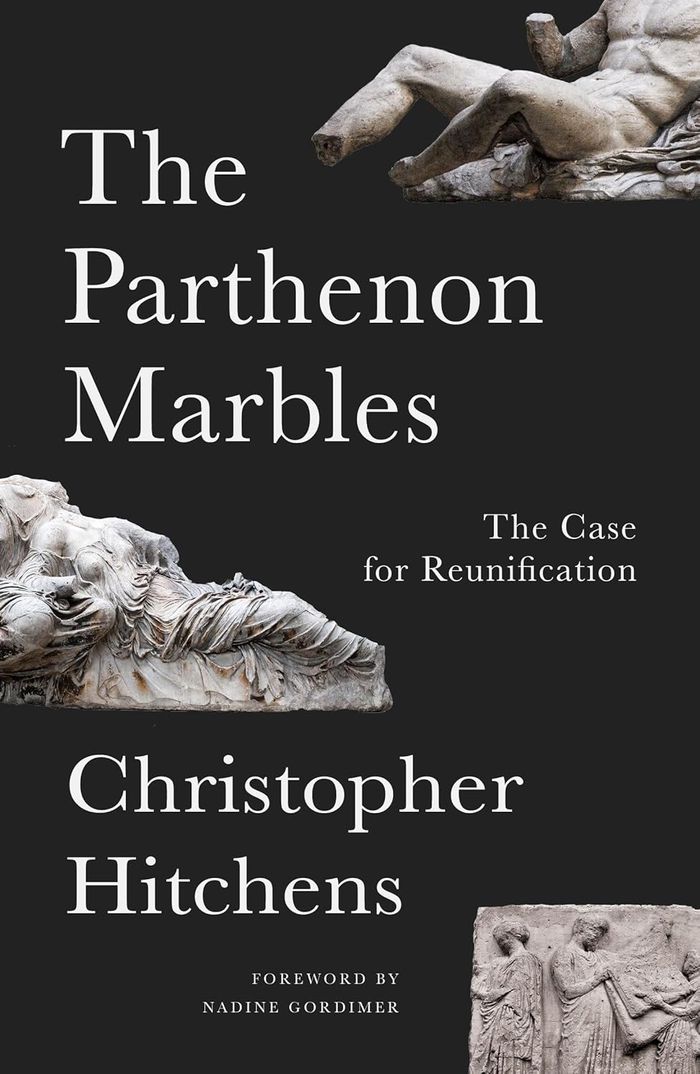
The Parthenon Marbles (formerly known as the Elgin Marbles), designed and executed by Pheidias to adorn the Parthenon, are perhaps the greatest of all classical sculptures. In 1801, Lord Elgin, then ambassador to the Turkish government, had chunks of the frieze sawn off and shipped to England, where they were subsequently seized by Parliament and sold to the British Museum to help pay off his debts. This scandal, exacerbated by the inept handling of the sculptures by their self-appointed guardians, remains unresolved to this day. In his fierce, eloquent account of a shameful piece of British imperial history, Christopher Hitchens makes the moral, artistic, legal and political case for re-unifying the Parthenon frieze in Athens.The opening of the New Acropolis Museum emphatically trumps the British Museum’s long-standing (if always questionable) objection that there is nowhere in Athens to house the Parthenon Marbles. "The Parthenon Marbles" will surely end all arguments about where these great treasures belong, and help bring a two-centuries-old disgrace to a just conclusion.
The Parthenon Marbles: The case for reunification
Actions:
Price:
$25.95
(available to order)
Summary:
The Parthenon Marbles (formerly known as the Elgin Marbles), designed and executed by Pheidias to adorn the Parthenon, are perhaps the greatest of all classical sculptures. In 1801, Lord Elgin, then ambassador to the Turkish government, had chunks of the frieze sawn off and shipped to England, where they were subsequently seized by Parliament and sold to the British Museum to help pay off his debts. This scandal, exacerbated by the inept handling of the sculptures by their self-appointed guardians, remains unresolved to this day. In his fierce, eloquent account of a shameful piece of British imperial history, Christopher Hitchens makes the moral, artistic, legal and political case for re-unifying the Parthenon frieze in Athens.The opening of the New Acropolis Museum emphatically trumps the British Museum’s long-standing (if always questionable) objection that there is nowhere in Athens to house the Parthenon Marbles. "The Parthenon Marbles" will surely end all arguments about where these great treasures belong, and help bring a two-centuries-old disgrace to a just conclusion.
Form:
books
books
Publication:
February 2025
February 2025
Subject:
Art Theory
Art Theory
Form:
journals and magazines
journals and magazines
Title:
A.MAG 20: Tony Fretton
A.MAG 20: Tony Fretton
Actions:
Price:
$78.95
(available in store)
Summary:
Tony Fretton Architects covers different dimensions and typologies, from government buildings and public offices, to multipurpose cultural spaces and collective or private housing. The architecture is characterised by its high quality and sensory experience, not only in the daily use of spaces but also from a social perspective and urban scale. Powerfully direct, Tony(...)
$78.95
(available in store)
Summary:
Tony Fretton Architects covers different dimensions and typologies, from government buildings and public offices, to multipurpose cultural spaces and collective or private housing. The architecture is characterised by its high quality and sensory experience, not only in the daily use of spaces but also from a social perspective and urban scale. Powerfully direct, Tony(...)
Title:
A.MAG 20: Tony Fretton
Actions:
Price:
$78.95
(available in store)
Summary:
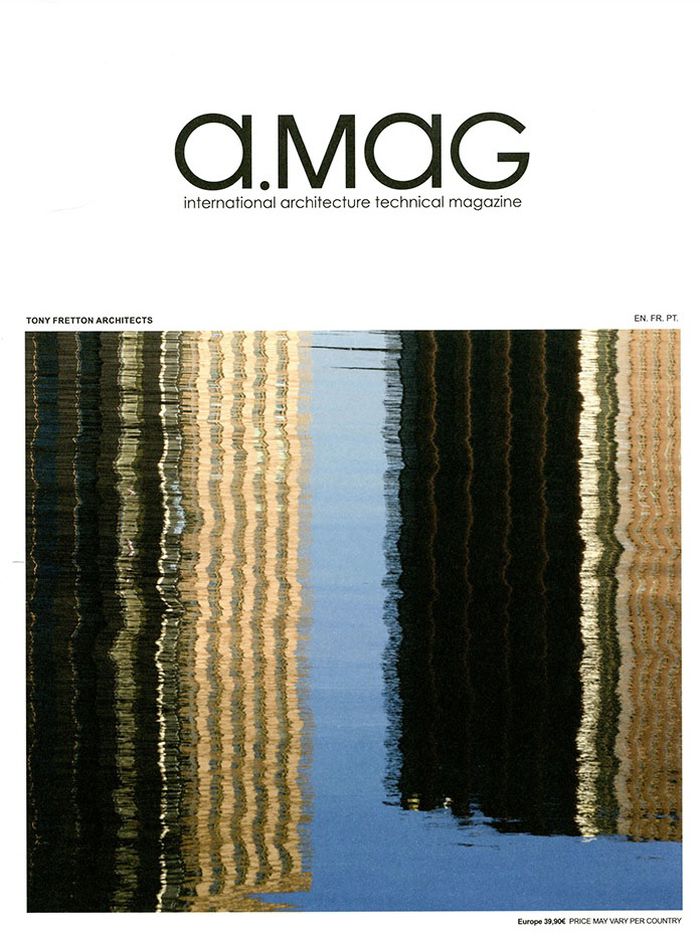
Tony Fretton Architects covers different dimensions and typologies, from government buildings and public offices, to multipurpose cultural spaces and collective or private housing. The architecture is characterised by its high quality and sensory experience, not only in the daily use of spaces but also from a social perspective and urban scale. Powerfully direct, Tony Fretton’s work is elaborated from refreshingly uncomplicated architectural strategies. Featured here are twelve examples of his work, including Kapoor House in Chelsea, the new British Embassy in Warsaw, Prinsendam and Houthaven residential blocks in Amsterdam, Dunant Gardens in Ghent, and more.
A.MAG 20: Tony Fretton
Actions:
Price:
$78.95
(available in store)
Summary:
Tony Fretton Architects covers different dimensions and typologies, from government buildings and public offices, to multipurpose cultural spaces and collective or private housing. The architecture is characterised by its high quality and sensory experience, not only in the daily use of spaces but also from a social perspective and urban scale. Powerfully direct, Tony Fretton’s work is elaborated from refreshingly uncomplicated architectural strategies. Featured here are twelve examples of his work, including Kapoor House in Chelsea, the new British Embassy in Warsaw, Prinsendam and Houthaven residential blocks in Amsterdam, Dunant Gardens in Ghent, and more.
Form:
journals and magazines
journals and magazines
Publication:
January 2020
January 2020
Subject:
Magazines
Magazines
Form:
books
books
Actions:
Price:
$23.00
(available to order)
Summary:
In the global marketplace where so much design is cookie-cutter and sameness prevails, it is timely to consider the work of Thor Hansen (1903-1974). Today, Thor Hansen is little known but from the mid-1950s to the end of the 1960s, the Danish émigré was a popular artist, designer and tireless promoter of the craft movement in Canada. He carried out his mission via(...)
$23.00
(available to order)
Summary:
In the global marketplace where so much design is cookie-cutter and sameness prevails, it is timely to consider the work of Thor Hansen (1903-1974). Today, Thor Hansen is little known but from the mid-1950s to the end of the 1960s, the Danish émigré was a popular artist, designer and tireless promoter of the craft movement in Canada. He carried out his mission via(...)
Title:
Thor Hansen: crafting a Canadian style
Actions:
Price:
$23.00
(available to order)
Summary:
In the global marketplace where so much design is cookie-cutter and sameness prevails, it is timely to consider the work of Thor Hansen (1903-1974). Today, Thor Hansen is little known but from the mid-1950s to the end of the 1960s, the Danish émigré was a popular artist, designer and tireless promoter of the craft movement in Canada. He carried out his mission via corporate industry, independent of government support. Largely self-taught, he completed his most important work as art director for the British- American Oil Company. This book accompanies an exhibition at the Textile Museum of Canada.
Thor Hansen: crafting a Canadian style
Actions:
Price:
$23.00
(available to order)
Summary:
In the global marketplace where so much design is cookie-cutter and sameness prevails, it is timely to consider the work of Thor Hansen (1903-1974). Today, Thor Hansen is little known but from the mid-1950s to the end of the 1960s, the Danish émigré was a popular artist, designer and tireless promoter of the craft movement in Canada. He carried out his mission via corporate industry, independent of government support. Largely self-taught, he completed his most important work as art director for the British- American Oil Company. This book accompanies an exhibition at the Textile Museum of Canada.
Form:
books
books
Publication:
January 2005, Toronto
January 2005, Toronto
Subject:
Canadian art
Canadian art
Form:
books
books
Price:
$39.95
(available to order)
Summary:
With this richly illustrated history of industrial design reform in nineteenth-century Britain, Lara Kriegel demonstrates that preoccupations with trade, labor, and manufacture lay at the heart of Victorian-era debates about cultural institutions. Through aesthetic reform, Victorians sought to redress the inferiority of British crafts in comparison to those made on the(...)
$39.95
(available to order)
Summary:
With this richly illustrated history of industrial design reform in nineteenth-century Britain, Lara Kriegel demonstrates that preoccupations with trade, labor, and manufacture lay at the heart of Victorian-era debates about cultural institutions. Through aesthetic reform, Victorians sought to redress the inferiority of British crafts in comparison to those made on the(...)
Title:
Grand Designs: Labor, empire and the museum in Victorian culture
Actions:
Price:
$39.95
(available to order)
Summary:
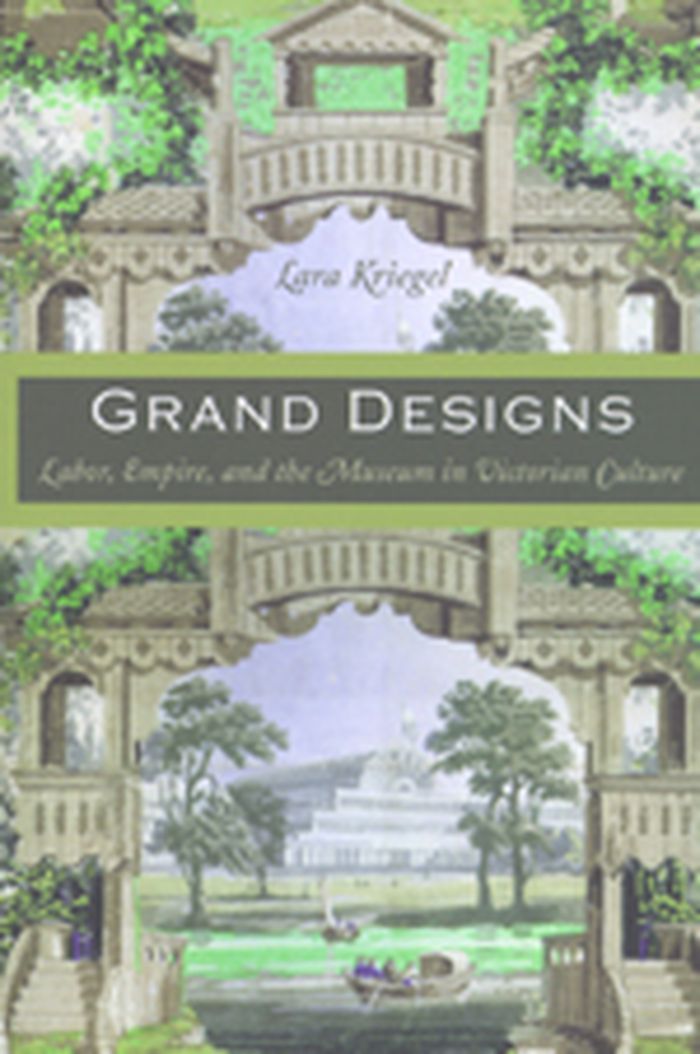
With this richly illustrated history of industrial design reform in nineteenth-century Britain, Lara Kriegel demonstrates that preoccupations with trade, labor, and manufacture lay at the heart of Victorian-era debates about cultural institutions. Through aesthetic reform, Victorians sought to redress the inferiority of British crafts in comparison to those made on the continent and in the colonies. Declaring a crisis of design and workmanship among the British laboring classes, reformers pioneered schools of design, copyright protections, and spectacular displays of industrial and imperial wares, most notably the Great Exhibition of 1851. Their efforts culminated with the establishment of the South Kensington Museum, predecessor to the Victoria and Albert Museum, which stands today as home to the world’s foremost collection of the decorative and applied arts. Kriegel’s identification of the significant links between markets and museums, and between economics and aesthetics, amounts to a rethinking of Victorian cultural formation. Drawing on a wide range of sources, including museum guidebooks, design manuals, illustrated newspapers, pattern books, and government reports, Kriegel brings to life the many Victorians who claimed a stake in aesthetic reform during the middle years of the nineteenth century. The aspiring artists who attended the Government School of Design, the embattled provincial printers who sought a strengthened industrial copyright, the Exhibition-going millions who visited the Crystal Palace, the lower-middle-class consumers who learned new principles of taste in metropolitan museums, and the working men of London who critiqued the city’s art and design collections are all cast by Kriegel as leading cultural actors of their day. Grand Designs shows how these Victorians vied to upend aesthetic hierarchies in an imperial age and, in the process, to refashion London’s public culture.
Grand Designs: Labor, empire and the museum in Victorian culture
Actions:
Price:
$39.95
(available to order)
Summary:
With this richly illustrated history of industrial design reform in nineteenth-century Britain, Lara Kriegel demonstrates that preoccupations with trade, labor, and manufacture lay at the heart of Victorian-era debates about cultural institutions. Through aesthetic reform, Victorians sought to redress the inferiority of British crafts in comparison to those made on the continent and in the colonies. Declaring a crisis of design and workmanship among the British laboring classes, reformers pioneered schools of design, copyright protections, and spectacular displays of industrial and imperial wares, most notably the Great Exhibition of 1851. Their efforts culminated with the establishment of the South Kensington Museum, predecessor to the Victoria and Albert Museum, which stands today as home to the world’s foremost collection of the decorative and applied arts. Kriegel’s identification of the significant links between markets and museums, and between economics and aesthetics, amounts to a rethinking of Victorian cultural formation. Drawing on a wide range of sources, including museum guidebooks, design manuals, illustrated newspapers, pattern books, and government reports, Kriegel brings to life the many Victorians who claimed a stake in aesthetic reform during the middle years of the nineteenth century. The aspiring artists who attended the Government School of Design, the embattled provincial printers who sought a strengthened industrial copyright, the Exhibition-going millions who visited the Crystal Palace, the lower-middle-class consumers who learned new principles of taste in metropolitan museums, and the working men of London who critiqued the city’s art and design collections are all cast by Kriegel as leading cultural actors of their day. Grand Designs shows how these Victorians vied to upend aesthetic hierarchies in an imperial age and, in the process, to refashion London’s public culture.
Form:
books
books
Publication:
November 2007
November 2007
Subject:
Museology
Museology
Form:
books
books
Actions:
Price:
$22.95
(available to order)
Summary:
Focusing on 35 distinct areas of the city, this book presents the new face of the German capital including the former West, the new center, and the government district with stunning photographs that look at the startling contrasts between old and new. Both local and international architects have carried out rebuilding projects, most famously Renzo Piano ’s Daimler(...)
$22.95
(available to order)
Summary:
Focusing on 35 distinct areas of the city, this book presents the new face of the German capital including the former West, the new center, and the government district with stunning photographs that look at the startling contrasts between old and new. Both local and international architects have carried out rebuilding projects, most famously Renzo Piano ’s Daimler(...)
Subject:
Architecture since 1900, Europe
Architecture since 1900, Europe
Publication:
June 2002, München / Berlin / London / New York
June 2002, München / Berlin / London / New York
Title:
Berlin Heute - today - aujourd'hui
Actions:
Price:
$22.95
(available to order)
Summary:
Focusing on 35 distinct areas of the city, this book presents the new face of the German capital including the former West, the new center, and the government district with stunning photographs that look at the startling contrasts between old and new. Both local and international architects have carried out rebuilding projects, most famously Renzo Piano ’s Daimler Chrysler project, Michael Wilford ’s British Embassy in Berlin, Norman Foster ’s Reichstagconversion, Helmut Jahn ’s piece for Sony, Daniel Libeskind ’s Jewish Museum Berlin. Architectural historian Christiane Kruse examines Berlin ’s vibrant, checkered past, offering surprising insights into its rebirth as a thriving, thoroughly modern metropolis and using texts that place current developments in a historical context. Rare, archive photographs from the GDR and before the war show the transformation of the city.
Berlin Heute - today - aujourd'hui
Actions:
Price:
$22.95
(available to order)
Summary:
Focusing on 35 distinct areas of the city, this book presents the new face of the German capital including the former West, the new center, and the government district with stunning photographs that look at the startling contrasts between old and new. Both local and international architects have carried out rebuilding projects, most famously Renzo Piano ’s Daimler Chrysler project, Michael Wilford ’s British Embassy in Berlin, Norman Foster ’s Reichstagconversion, Helmut Jahn ’s piece for Sony, Daniel Libeskind ’s Jewish Museum Berlin. Architectural historian Christiane Kruse examines Berlin ’s vibrant, checkered past, offering surprising insights into its rebirth as a thriving, thoroughly modern metropolis and using texts that place current developments in a historical context. Rare, archive photographs from the GDR and before the war show the transformation of the city.
Form:
books
books
Publication:
June 2002, München / Berlin / London / New York
June 2002, München / Berlin / London / New York
Subject:
Architecture since 1900, Europe
Architecture since 1900, Europe
Form:
books
books
Actions:
Price:
$56.95
(available to order)
Summary:
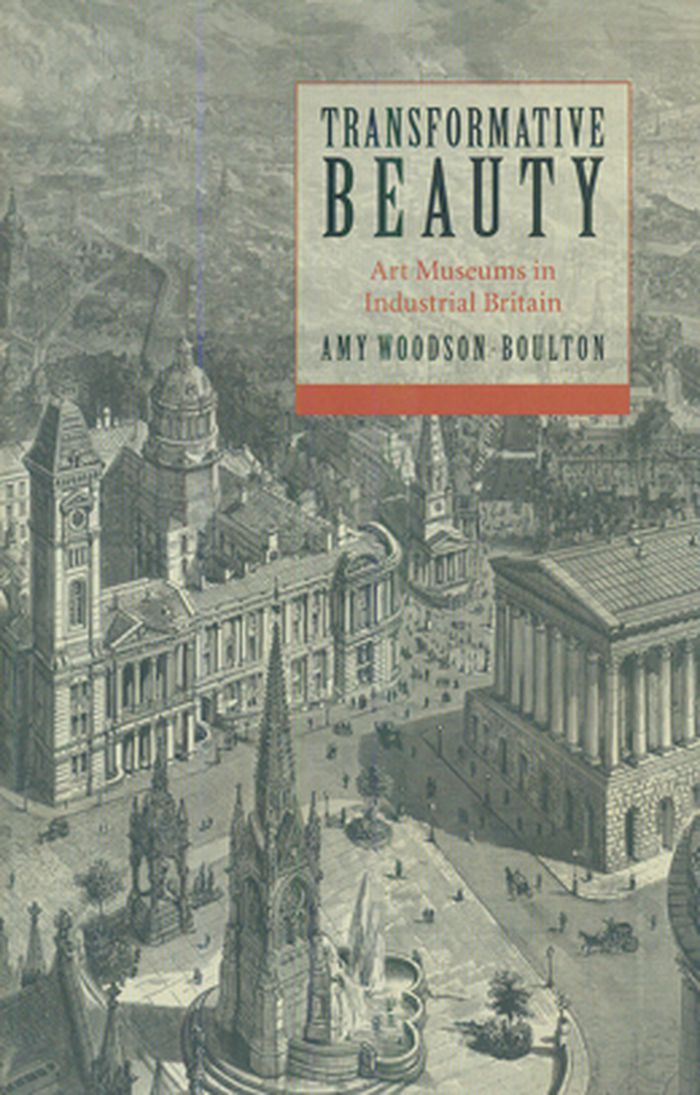
Why did British industrial cities build art museums? By exploring the histories of the municipal art museums in Birmingham, Liverpool, and Manchester, Transformative Beauty examines the underlying logic of the Victorian art museum movement. These museums attempted to create a space free from the moral and physical ugliness of industrial capitalism. Deeply engaged with(...)
$56.95
(available to order)
Summary:
Why did British industrial cities build art museums? By exploring the histories of the municipal art museums in Birmingham, Liverpool, and Manchester, Transformative Beauty examines the underlying logic of the Victorian art museum movement. These museums attempted to create a space free from the moral and physical ugliness of industrial capitalism. Deeply engaged with(...)
Title:
Transformative beauty: art museums in industrial Britain
Actions:
Price:
$56.95
(available to order)
Summary:
Why did British industrial cities build art museums? By exploring the histories of the municipal art museums in Birmingham, Liverpool, and Manchester, Transformative Beauty examines the underlying logic of the Victorian art museum movement. These museums attempted to create a space free from the moral and physical ugliness of industrial capitalism. Deeply engaged with the social criticism of John Ruskin, reformers created a new, prominent urban institution, a domesticated public space that not only aimed to provide refuge from the corrosive effects of industrial society but also provided a remarkably unified secular alternative to traditional religion. Woodson-Boulton raises provocative questions about the meaning and use of art in relation to artistic practice, urban development, social justice, education, and class. In today's context of global austerity and shrinking government support of public cultural institutions, this book is a timely consideration of arts policy and purposes in modern society.
Transformative beauty: art museums in industrial Britain
Actions:
Price:
$56.95
(available to order)
Summary:
Why did British industrial cities build art museums? By exploring the histories of the municipal art museums in Birmingham, Liverpool, and Manchester, Transformative Beauty examines the underlying logic of the Victorian art museum movement. These museums attempted to create a space free from the moral and physical ugliness of industrial capitalism. Deeply engaged with the social criticism of John Ruskin, reformers created a new, prominent urban institution, a domesticated public space that not only aimed to provide refuge from the corrosive effects of industrial society but also provided a remarkably unified secular alternative to traditional religion. Woodson-Boulton raises provocative questions about the meaning and use of art in relation to artistic practice, urban development, social justice, education, and class. In today's context of global austerity and shrinking government support of public cultural institutions, this book is a timely consideration of arts policy and purposes in modern society.
Form:
books
books
Publication:
March 2012
March 2012
Subject:
Museology
Museology
Form:
books
books
Actions:
Price:
$36.95
(available to order)
Summary:
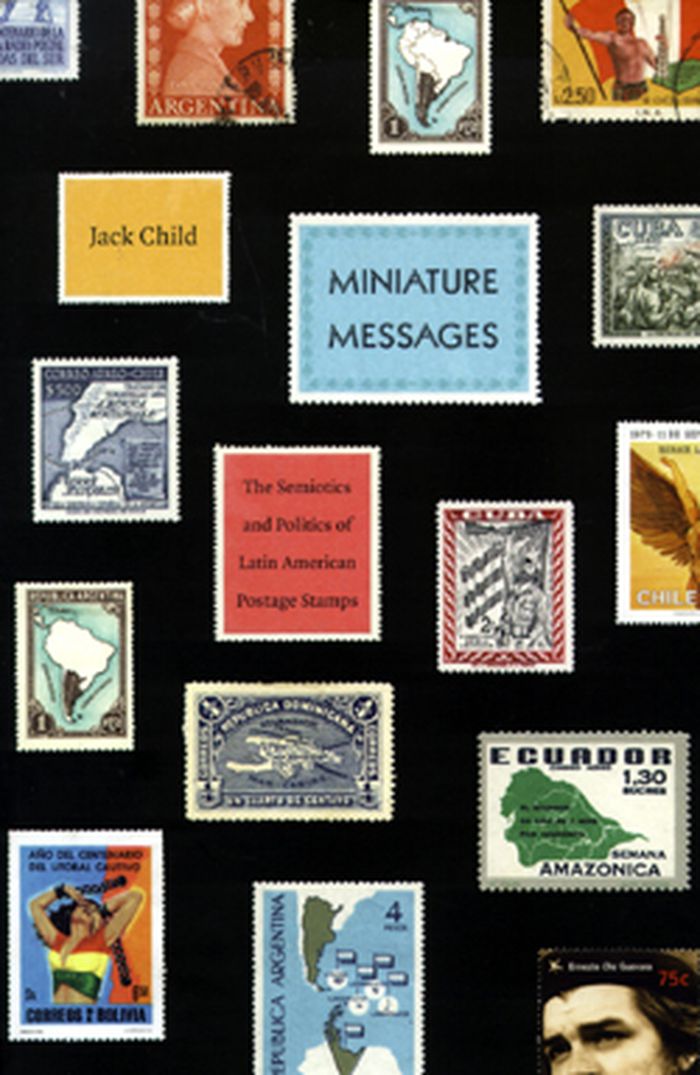
In Miniature Messages, Jack Child analyzes Latin American postage stamps, revealing the messages about history, culture, and politics encoded in their design and disseminated throughout the world. While postage stamps are a sanctioned product of official government agencies, Child argues that they accumulate popular cultural value and take on new meanings as they(...)
$36.95
(available to order)
Summary:
In Miniature Messages, Jack Child analyzes Latin American postage stamps, revealing the messages about history, culture, and politics encoded in their design and disseminated throughout the world. While postage stamps are a sanctioned product of official government agencies, Child argues that they accumulate popular cultural value and take on new meanings as they(...)
Title:
Miniature messages: the semiotics and politics of latin american postage stamps
Actions:
Price:
$36.95
(available to order)
Summary:
In Miniature Messages, Jack Child analyzes Latin American postage stamps, revealing the messages about history, culture, and politics encoded in their design and disseminated throughout the world. While postage stamps are a sanctioned product of official government agencies, Child argues that they accumulate popular cultural value and take on new meanings as they circulate in the public sphere. As he demonstrates in this richly illustrated study, the postage stamp conveys many of the contestations and triumphs of Latin American history. Child combines history and political science with philatelic research of nearly forty thousand Latin American stamps. He focuses on Argentina and the Southern Cone, highlighting stamps representing the consolidation of the Argentine republic and those produced under its Peronist regime. He compares Chilean stamps issued by the leftist government of Salvador Allende and by Augusto Pinochet’s dictatorship. Considering postage stamps produced under other dictatorial regimes, he examines stamps from the Dominican Republic, Guatemala, Nicaragua, and Paraguay. Child studies how international conflicts have been depicted on the stamps of Argentina, Chile, and Peru, and he pays particular attention to the role of South American and British stamps in establishing claims to the Malvinas/Falkland Islands and to Antarctica. He also covers the cultural and political history of stamps in Bolivia, Brazil, Colombia, Cuba, Grenada, Mexico, Uruguay, Venezuela and elsewhere. In Miniature Messages, Child finds the political history of modern Latin America in its “tiny posters.” Jack Child is a professor in the Department of Language and Foreign Studies at American University in Washington. He is the author of many books and articles on Latin American culture, translation, and geopolitics.
Miniature messages: the semiotics and politics of latin american postage stamps
Actions:
Price:
$36.95
(available to order)
Summary:
In Miniature Messages, Jack Child analyzes Latin American postage stamps, revealing the messages about history, culture, and politics encoded in their design and disseminated throughout the world. While postage stamps are a sanctioned product of official government agencies, Child argues that they accumulate popular cultural value and take on new meanings as they circulate in the public sphere. As he demonstrates in this richly illustrated study, the postage stamp conveys many of the contestations and triumphs of Latin American history. Child combines history and political science with philatelic research of nearly forty thousand Latin American stamps. He focuses on Argentina and the Southern Cone, highlighting stamps representing the consolidation of the Argentine republic and those produced under its Peronist regime. He compares Chilean stamps issued by the leftist government of Salvador Allende and by Augusto Pinochet’s dictatorship. Considering postage stamps produced under other dictatorial regimes, he examines stamps from the Dominican Republic, Guatemala, Nicaragua, and Paraguay. Child studies how international conflicts have been depicted on the stamps of Argentina, Chile, and Peru, and he pays particular attention to the role of South American and British stamps in establishing claims to the Malvinas/Falkland Islands and to Antarctica. He also covers the cultural and political history of stamps in Bolivia, Brazil, Colombia, Cuba, Grenada, Mexico, Uruguay, Venezuela and elsewhere. In Miniature Messages, Child finds the political history of modern Latin America in its “tiny posters.” Jack Child is a professor in the Department of Language and Foreign Studies at American University in Washington. He is the author of many books and articles on Latin American culture, translation, and geopolitics.
Form:
books
books
Publication:
June 2008, Durham
June 2008, Durham
Subject:
Printed Matter
Printed Matter
Form:
books
books

Actions:
Price:
$37.95
(available to order)
Summary:
In "The ends of research" Tom Özden-Schilling explores the afterlives of several research initiatives that emerged in the wake of the "War in the woods," a period of anti-logging blockades in Canada in the late twentieth century. Drawing on ethnographic fieldwork among neighboring communities of White environmental scientists and First Nations mapmakers in northwest(...)
$37.95
(available to order)
Summary:
In "The ends of research" Tom Özden-Schilling explores the afterlives of several research initiatives that emerged in the wake of the "War in the woods," a period of anti-logging blockades in Canada in the late twentieth century. Drawing on ethnographic fieldwork among neighboring communities of White environmental scientists and First Nations mapmakers in northwest(...)
Subject:
Environment and environmental theory
Environment and environmental theory
Publication:
December 2023
December 2023
Title:
The ends of research: Indigenous and settler science after the War in the Woods
Actions:
Price:
$37.95
(available to order)
Summary:
In "The ends of research" Tom Özden-Schilling explores the afterlives of several research initiatives that emerged in the wake of the "War in the woods," a period of anti-logging blockades in Canada in the late twentieth century. Drawing on ethnographic fieldwork among neighboring communities of White environmental scientists and First Nations mapmakers in northwest British Columbia, Özden-Schilling examines these researchers' lasting investments and the ways they struggle to continue their work long after the loss of government funding. He charts their use of planning documents, Indigenous territory maps, land use plots, reports, and other documents that help them not only to survive institutional restructuring but to hold on to the practices that they hope will enable future researchers to continue their work. He also shows how their lives and aspirations shape and are shaped by decades-long battles over resource extraction and Indigenous land claims. By focusing on researchers' experiences and personal attachments, Özden-Schilling illustrates the complex relationships between researchers and rural histories of conservation, environmental conflict, resource extraction, and the long-term legacies of scientific research.
The ends of research: Indigenous and settler science after the War in the Woods
Actions:
Price:
$37.95
(available to order)
Summary:
In "The ends of research" Tom Özden-Schilling explores the afterlives of several research initiatives that emerged in the wake of the "War in the woods," a period of anti-logging blockades in Canada in the late twentieth century. Drawing on ethnographic fieldwork among neighboring communities of White environmental scientists and First Nations mapmakers in northwest British Columbia, Özden-Schilling examines these researchers' lasting investments and the ways they struggle to continue their work long after the loss of government funding. He charts their use of planning documents, Indigenous territory maps, land use plots, reports, and other documents that help them not only to survive institutional restructuring but to hold on to the practices that they hope will enable future researchers to continue their work. He also shows how their lives and aspirations shape and are shaped by decades-long battles over resource extraction and Indigenous land claims. By focusing on researchers' experiences and personal attachments, Özden-Schilling illustrates the complex relationships between researchers and rural histories of conservation, environmental conflict, resource extraction, and the long-term legacies of scientific research.
Form:
books
books
Publication:
December 2023
December 2023
Subject:
Environment and environmental theory
Environment and environmental theory
Form:
books
books
Actions:
Price:
$94.95
(available to order)
Summary:
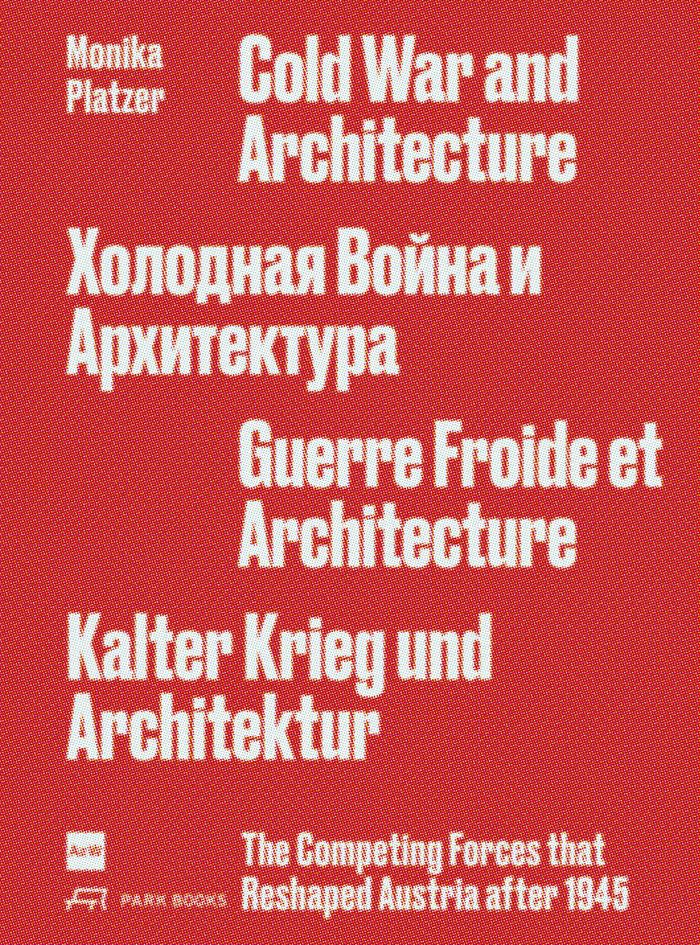
Following the liberation and subsequent occupation of Austria at the end of World War II in spring 1945 by the victorious powers Britain, France, the United States, and the Soviet Union, Vienna soon became a central stage for the quickly emerging Cold War. The struggle of differing political systems was also carried out in the field of architecture. Cold War and(...)
$94.95
(available to order)
Summary:
Following the liberation and subsequent occupation of Austria at the end of World War II in spring 1945 by the victorious powers Britain, France, the United States, and the Soviet Union, Vienna soon became a central stage for the quickly emerging Cold War. The struggle of differing political systems was also carried out in the field of architecture. Cold War and(...)
Title:
Cold war and architecture: the competing forces that reshaped Austria after 1945
Actions:
Price:
$94.95
(available to order)
Summary:
Following the liberation and subsequent occupation of Austria at the end of World War II in spring 1945 by the victorious powers Britain, France, the United States, and the Soviet Union, Vienna soon became a central stage for the quickly emerging Cold War. The struggle of differing political systems was also carried out in the field of architecture. Cold War and Architecture sheds new light on the building activity in postwar Austria and its main protagonists. For the first time, this book explores the lines of architectural debates of the time in the context of the global political and cultural conflict of East vs. West. With its transnational perspective, it changes our view of architectural history and postwar society. During the ten-year occupation period, Austria experienced a transition from authoritarian government to democratic consumer society. Each of the four Allied powers established its own extensive cultural program. Architectural exhibitions became important instruments of such educational schemes with the objective of a new social order. British, American, French, and Soviet cultural policies served as catalysts for ideological convictions.
Cold war and architecture: the competing forces that reshaped Austria after 1945
Actions:
Price:
$94.95
(available to order)
Summary:
Following the liberation and subsequent occupation of Austria at the end of World War II in spring 1945 by the victorious powers Britain, France, the United States, and the Soviet Union, Vienna soon became a central stage for the quickly emerging Cold War. The struggle of differing political systems was also carried out in the field of architecture. Cold War and Architecture sheds new light on the building activity in postwar Austria and its main protagonists. For the first time, this book explores the lines of architectural debates of the time in the context of the global political and cultural conflict of East vs. West. With its transnational perspective, it changes our view of architectural history and postwar society. During the ten-year occupation period, Austria experienced a transition from authoritarian government to democratic consumer society. Each of the four Allied powers established its own extensive cultural program. Architectural exhibitions became important instruments of such educational schemes with the objective of a new social order. British, American, French, and Soviet cultural policies served as catalysts for ideological convictions.
Form:
books
books
Publication:
April 2020
April 2020
Subject:
Modernism
Modernism


