


624 Results
Form:
books
books
Actions:
Price:
$40.95
(available to order)
Summary:
Jerusalem currently stands at the center of a violent controversy that threatens the stability of both the Middle East and the world. This volatility, observes Annabel Jane Wharton, is only the most recent manifestation of a centuries-old obsession with the control of the Holy City—military occupation and pilgrimage being two familiar forms of “ownership.” Wharton makes(...)
$40.95
(available to order)
Summary:
Jerusalem currently stands at the center of a violent controversy that threatens the stability of both the Middle East and the world. This volatility, observes Annabel Jane Wharton, is only the most recent manifestation of a centuries-old obsession with the control of the Holy City—military occupation and pilgrimage being two familiar forms of “ownership.” Wharton makes(...)
Title:
Selling Jerusalem : relics, replicas, theme parks
Actions:
Price:
$40.95
(available to order)
Summary:
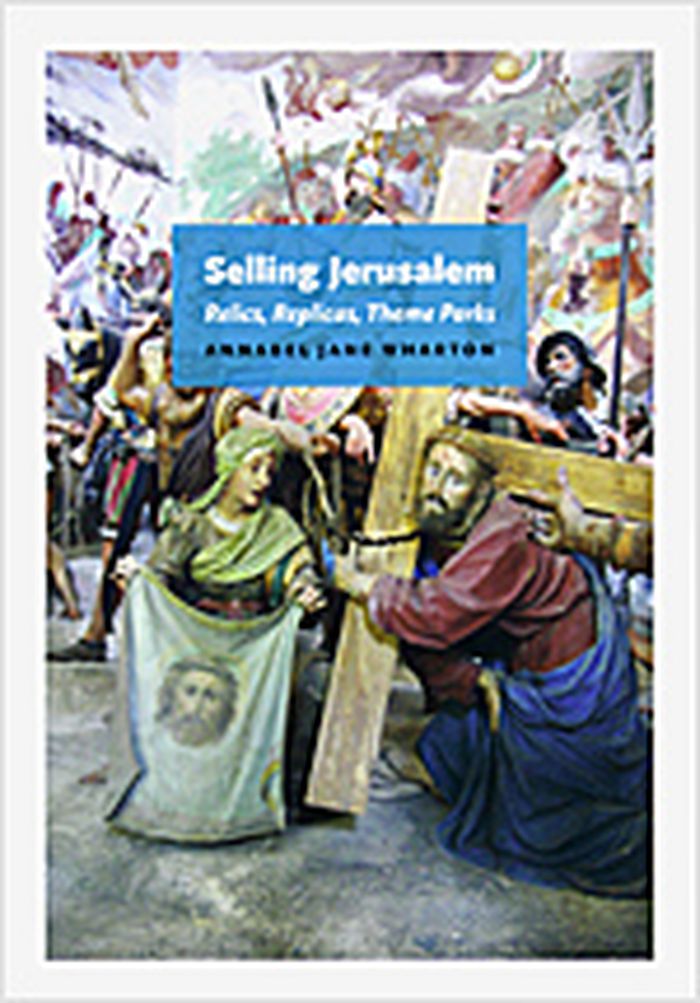
Jerusalem currently stands at the center of a violent controversy that threatens the stability of both the Middle East and the world. This volatility, observes Annabel Jane Wharton, is only the most recent manifestation of a centuries-old obsession with the control of the Holy City—military occupation and pilgrimage being two familiar forms of “ownership.” Wharton makes the innovative argument here that the West has also sought to possess Jerusalem by acquiring its representations. From relics of the True Cross and Templar replicas of the Holy Sepulchre to Franciscan recreations of the Passion to nineteenth-century mass-produced prints and contemporary theme parks, Wharton describes the evolving forms by which the city has been possessed in the West. She also maps those changing embodiments of the Holy City against shifts in the western market. From the gift-and-barter economy of the early Middle Ages to contemporary globalization, both money and the representations of Jerusalem have become progressively incorporeal, abstract, illusionistic, and virtual.
Selling Jerusalem : relics, replicas, theme parks
Actions:
Price:
$40.95
(available to order)
Summary:
Jerusalem currently stands at the center of a violent controversy that threatens the stability of both the Middle East and the world. This volatility, observes Annabel Jane Wharton, is only the most recent manifestation of a centuries-old obsession with the control of the Holy City—military occupation and pilgrimage being two familiar forms of “ownership.” Wharton makes the innovative argument here that the West has also sought to possess Jerusalem by acquiring its representations. From relics of the True Cross and Templar replicas of the Holy Sepulchre to Franciscan recreations of the Passion to nineteenth-century mass-produced prints and contemporary theme parks, Wharton describes the evolving forms by which the city has been possessed in the West. She also maps those changing embodiments of the Holy City against shifts in the western market. From the gift-and-barter economy of the early Middle Ages to contemporary globalization, both money and the representations of Jerusalem have become progressively incorporeal, abstract, illusionistic, and virtual.
Form:
books
books
Publication:
January 1900, Chicago
January 1900, Chicago
Subject:
Arch Middle East
Arch Middle East
Form:
books
books
Actions:
Price:
$94.00
(available to order)
Summary:
In the latest series from Anastasia Samoylova, the Russian-born, Miami-based photographer studies the proliferation of photographic images in urban environments across the world. Samoylova observes how, in our neoliberal era of networked economic markets and networked imagery, the global centers of internationalized money and culture are becoming increasingly aligned and(...)
$94.00
(available to order)
Summary:
In the latest series from Anastasia Samoylova, the Russian-born, Miami-based photographer studies the proliferation of photographic images in urban environments across the world. Samoylova observes how, in our neoliberal era of networked economic markets and networked imagery, the global centers of internationalized money and culture are becoming increasingly aligned and(...)
Title:
Anastasia Samoylova: Image cities
Actions:
Price:
$94.00
(available to order)
Summary:
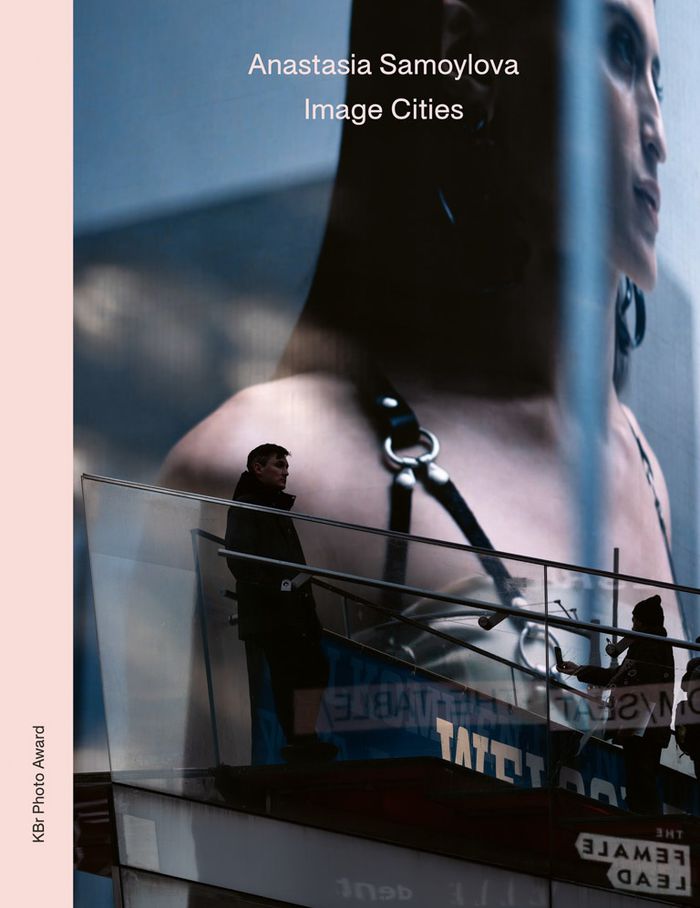
In the latest series from Anastasia Samoylova, the Russian-born, Miami-based photographer studies the proliferation of photographic images in urban environments across the world. Samoylova observes how, in our neoliberal era of networked economic markets and networked imagery, the global centers of internationalized money and culture are becoming increasingly aligned and similar: "all these cities are moving towards a generic urban landscape of anonymous steel and glass architecture in which homes, offices and storefronts all appear and feel the same. This is a new global order in which old ideas of nationality are at odds with the 21st-century notion of borderless economics and transnational culture. And yet, those older ideas are now deployed as attractive marketing devices, giving the illusion that these cities are somehow still appealing in their uniqueness rooted in the past." Samoylova’s work also points to the role photography plays in creating this ideological gap between branded urban identity and lived reality.
Anastasia Samoylova: Image cities
Actions:
Price:
$94.00
(available to order)
Summary:
In the latest series from Anastasia Samoylova, the Russian-born, Miami-based photographer studies the proliferation of photographic images in urban environments across the world. Samoylova observes how, in our neoliberal era of networked economic markets and networked imagery, the global centers of internationalized money and culture are becoming increasingly aligned and similar: "all these cities are moving towards a generic urban landscape of anonymous steel and glass architecture in which homes, offices and storefronts all appear and feel the same. This is a new global order in which old ideas of nationality are at odds with the 21st-century notion of borderless economics and transnational culture. And yet, those older ideas are now deployed as attractive marketing devices, giving the illusion that these cities are somehow still appealing in their uniqueness rooted in the past." Samoylova’s work also points to the role photography plays in creating this ideological gap between branded urban identity and lived reality.
Form:
books
books
Publication:
June 2023
June 2023
Subject:
Photography monographs
Photography monographs
Form:
books
books
Actions:
Price:
$35.95
(available in store)
Summary:
Architecture, as we know it, is in crisis. The authority of architects is crumbling, their methods no longer tenable. In a highly critical introspection, architect and writer Reinier de Graaf explores the tough choices ahead and the course of action that must follow. ''Architecture Against Architecture'' demands we rethink both how and why we build. With wit and(...)
$35.95
(available in store)
Summary:
Architecture, as we know it, is in crisis. The authority of architects is crumbling, their methods no longer tenable. In a highly critical introspection, architect and writer Reinier de Graaf explores the tough choices ahead and the course of action that must follow. ''Architecture Against Architecture'' demands we rethink both how and why we build. With wit and(...)
Title:
Architecture against architecture: A manifesto
Actions:
Price:
$35.95
(available in store)
Summary:
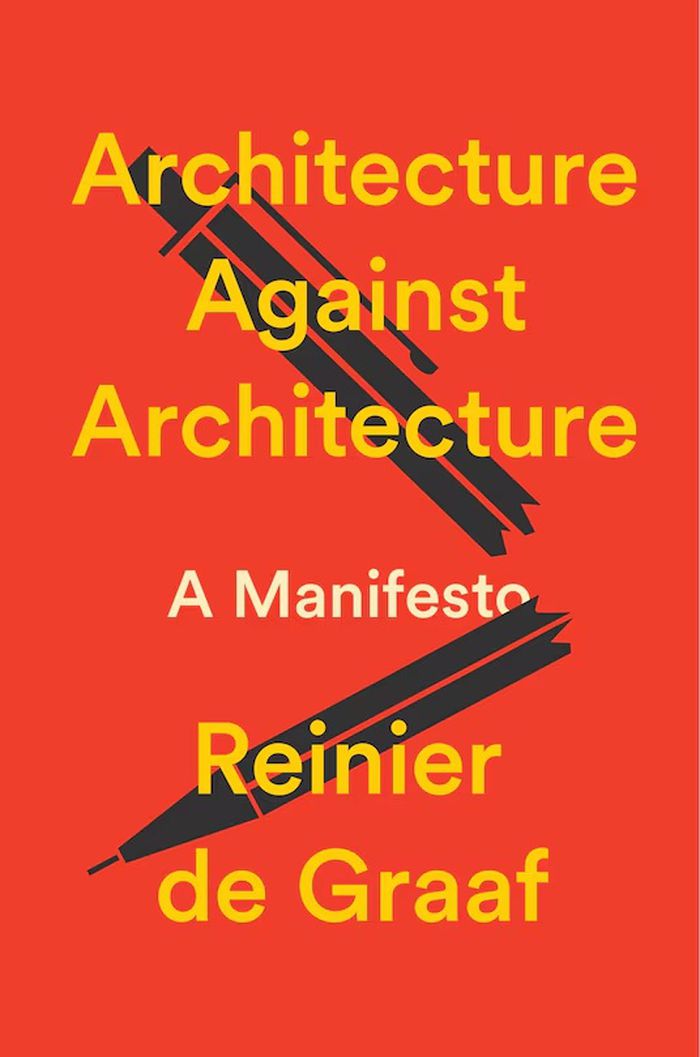
Architecture, as we know it, is in crisis. The authority of architects is crumbling, their methods no longer tenable. In a highly critical introspection, architect and writer Reinier de Graaf explores the tough choices ahead and the course of action that must follow. ''Architecture Against Architecture'' demands we rethink both how and why we build. With wit and insight, De Graaf lays out the future of the profession, challenging readers to question the fundamental assumptions of the discipline. How do we end the feudal veneration of starchitects? When will architects finally recognize that it is in their own best interest to unionize? Why aren’t more practices collectively owned? Why do so many architects over sixty-seven refuse to retire? How do we stop buildings from being copy-righted? What will remain of architecture after AI? What can prevent iconic structures from being embroiled in money laundering? And the vital question: What projects should architects refuse on moral grounds?
Architecture against architecture: A manifesto
Actions:
Price:
$35.95
(available in store)
Summary:
Architecture, as we know it, is in crisis. The authority of architects is crumbling, their methods no longer tenable. In a highly critical introspection, architect and writer Reinier de Graaf explores the tough choices ahead and the course of action that must follow. ''Architecture Against Architecture'' demands we rethink both how and why we build. With wit and insight, De Graaf lays out the future of the profession, challenging readers to question the fundamental assumptions of the discipline. How do we end the feudal veneration of starchitects? When will architects finally recognize that it is in their own best interest to unionize? Why aren’t more practices collectively owned? Why do so many architects over sixty-seven refuse to retire? How do we stop buildings from being copy-righted? What will remain of architecture after AI? What can prevent iconic structures from being embroiled in money laundering? And the vital question: What projects should architects refuse on moral grounds?
Form:
books
books
Publication:
March 2026
March 2026
Subject:
Architectural Theory
Architectural Theory
Form:
books
books
Actions:
Price:
$23.95
(available to order)
Summary:
Our cities are changing. Around the world, more and more money is being invested in buildings and land. Real estate is now a $217 trillion dollar industry, worth thirty-six times the value of all the gold ever mined. It forms sixty percent of global assets, and one of the most powerful people in the world—the president of the United States—made his name as a landlord and(...)
$23.95
(available to order)
Summary:
Our cities are changing. Around the world, more and more money is being invested in buildings and land. Real estate is now a $217 trillion dollar industry, worth thirty-six times the value of all the gold ever mined. It forms sixty percent of global assets, and one of the most powerful people in the world—the president of the United States—made his name as a landlord and(...)
Title:
Capital city: gentrification and the real estate state
Actions:
Price:
$23.95
(available to order)
Summary:
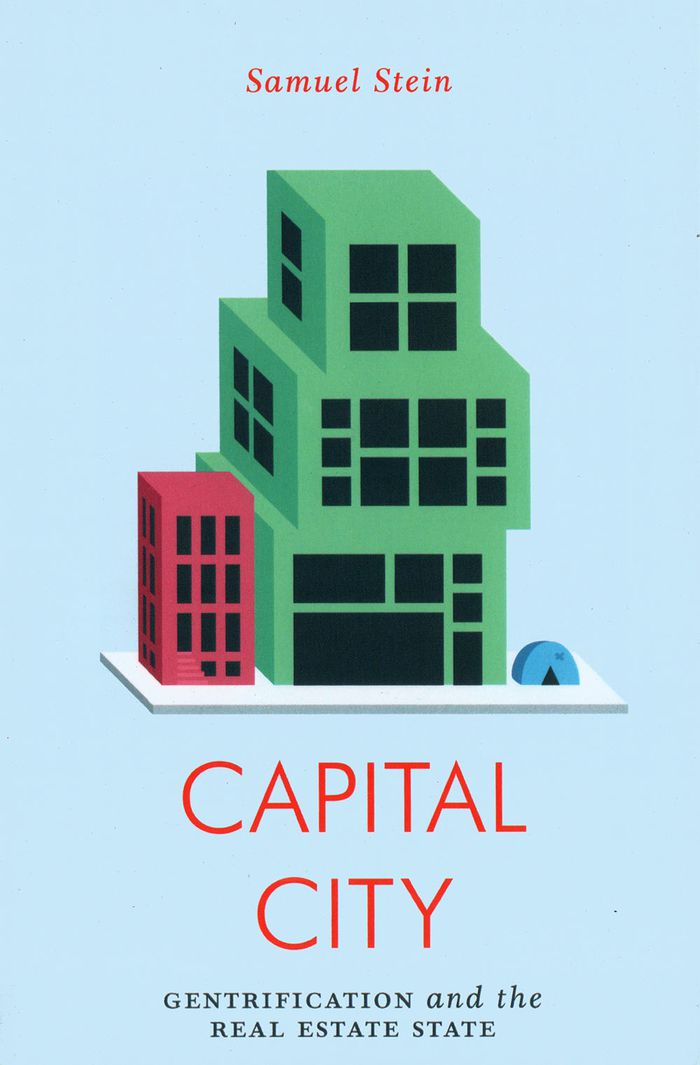
Our cities are changing. Around the world, more and more money is being invested in buildings and land. Real estate is now a $217 trillion dollar industry, worth thirty-six times the value of all the gold ever mined. It forms sixty percent of global assets, and one of the most powerful people in the world—the president of the United States—made his name as a landlord and developer. Samuel Stein shows that this explosive transformation of urban life and politics has been driven not only by the tastes of wealthy newcomers, but by the state-driven process of urban planning. Planning agencies provide a unique window into the ways the state uses and is used by capital, and the means by which urban renovations are translated into rising real estate values and rising rents. “Capital City” explains the role of planners in the real estate state, as well as the remarkable power of planning to reclaim urban life.
Capital city: gentrification and the real estate state
Actions:
Price:
$23.95
(available to order)
Summary:
Our cities are changing. Around the world, more and more money is being invested in buildings and land. Real estate is now a $217 trillion dollar industry, worth thirty-six times the value of all the gold ever mined. It forms sixty percent of global assets, and one of the most powerful people in the world—the president of the United States—made his name as a landlord and developer. Samuel Stein shows that this explosive transformation of urban life and politics has been driven not only by the tastes of wealthy newcomers, but by the state-driven process of urban planning. Planning agencies provide a unique window into the ways the state uses and is used by capital, and the means by which urban renovations are translated into rising real estate values and rising rents. “Capital City” explains the role of planners in the real estate state, as well as the remarkable power of planning to reclaim urban life.
Form:
books
books
Publication:
March 2019
March 2019
Subject:
Urban Theory
Urban Theory
Form:
books
books
Actions:
Price:
$42.00
(available to order)
Summary:
For the first time in the history of our planet, more than half the population-3.3 billion people-is now living in cities. City is the ultimate guidebook to our urban centers-the signature unit of human civilization. With erudite prose and carefully chosen illustrations, this work of metatourism explores what cities are and how they work. It covers history, customs and(...)
$42.00
(available to order)
Summary:
For the first time in the history of our planet, more than half the population-3.3 billion people-is now living in cities. City is the ultimate guidebook to our urban centers-the signature unit of human civilization. With erudite prose and carefully chosen illustrations, this work of metatourism explores what cities are and how they work. It covers history, customs and(...)
Title:
City : a guidebook for the urban age
Actions:
Price:
$42.00
(available to order)
Summary:
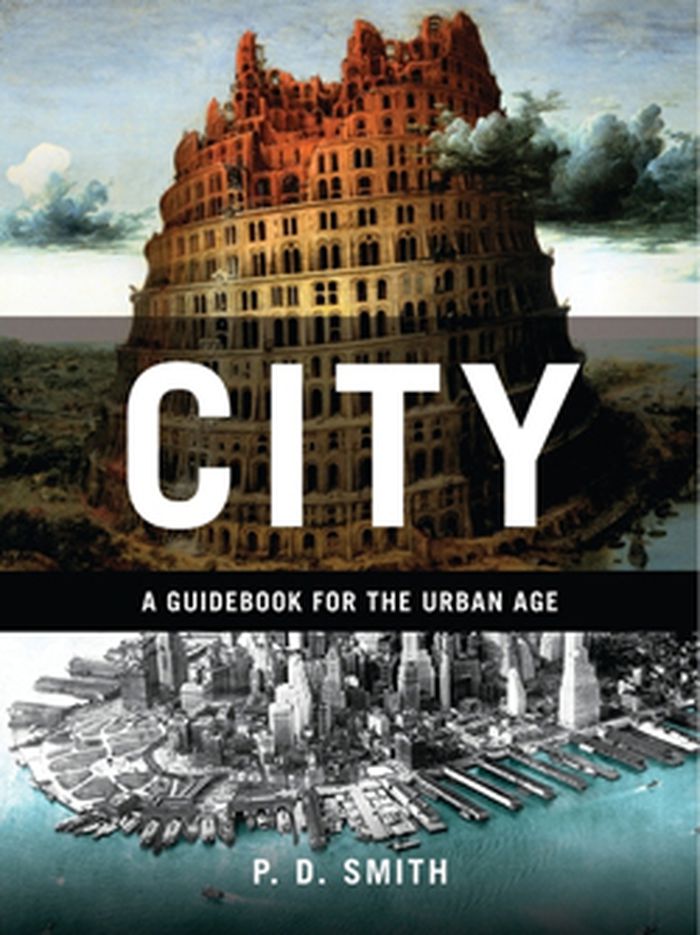
For the first time in the history of our planet, more than half the population-3.3 billion people-is now living in cities. City is the ultimate guidebook to our urban centers-the signature unit of human civilization. With erudite prose and carefully chosen illustrations, this work of metatourism explores what cities are and how they work. It covers history, customs and language, districts, transport, money, work, shops and markets, and tourist sites, creating a detailed portrait of the city through history and into the future. The urban explorer will revel in essays on downtowns, suburbs, shantytowns and favelas, graffiti, skylines, crime, the theater, street food, sport, eco-cities, and sacred sites, as well as mini essays on the Tower of Babel, flash mobs, ghettos, skateboarding, and SimCity, among many others. Drawing on a vast range of examples from across the world and throughout history, City is extensively illustrated with full-color photographs, maps, and other images.
City : a guidebook for the urban age
Actions:
Price:
$42.00
(available to order)
Summary:
For the first time in the history of our planet, more than half the population-3.3 billion people-is now living in cities. City is the ultimate guidebook to our urban centers-the signature unit of human civilization. With erudite prose and carefully chosen illustrations, this work of metatourism explores what cities are and how they work. It covers history, customs and language, districts, transport, money, work, shops and markets, and tourist sites, creating a detailed portrait of the city through history and into the future. The urban explorer will revel in essays on downtowns, suburbs, shantytowns and favelas, graffiti, skylines, crime, the theater, street food, sport, eco-cities, and sacred sites, as well as mini essays on the Tower of Babel, flash mobs, ghettos, skateboarding, and SimCity, among many others. Drawing on a vast range of examples from across the world and throughout history, City is extensively illustrated with full-color photographs, maps, and other images.
Form:
books
books
Publication:
November 2011
November 2011
Subject:
Urban Theory
Urban Theory
Form:
books
books
Actions:
Price:
$75.00
(available to order)
Summary:
Three volume exhibition catalogue of exhibition titled 'Supermarket of the dead' at the Dresden State Art Museum in 2015. One of the most ancient forms of Chinese spirituality proves to be a living tradition, still widely practised everywhere in Chinese culture. Paper replicas of money and goods are ritually burned as offerings to win the favour of ancestors, gods and(...)
$75.00
(available to order)
Summary:
Three volume exhibition catalogue of exhibition titled 'Supermarket of the dead' at the Dresden State Art Museum in 2015. One of the most ancient forms of Chinese spirituality proves to be a living tradition, still widely practised everywhere in Chinese culture. Paper replicas of money and goods are ritually burned as offerings to win the favour of ancestors, gods and(...)
Publication:
July 2015
July 2015
Title:
Supermarket of the dead: burnt offerings in China an dthe cultu of globalised consumption
Actions:
Price:
$75.00
(available to order)
Summary:
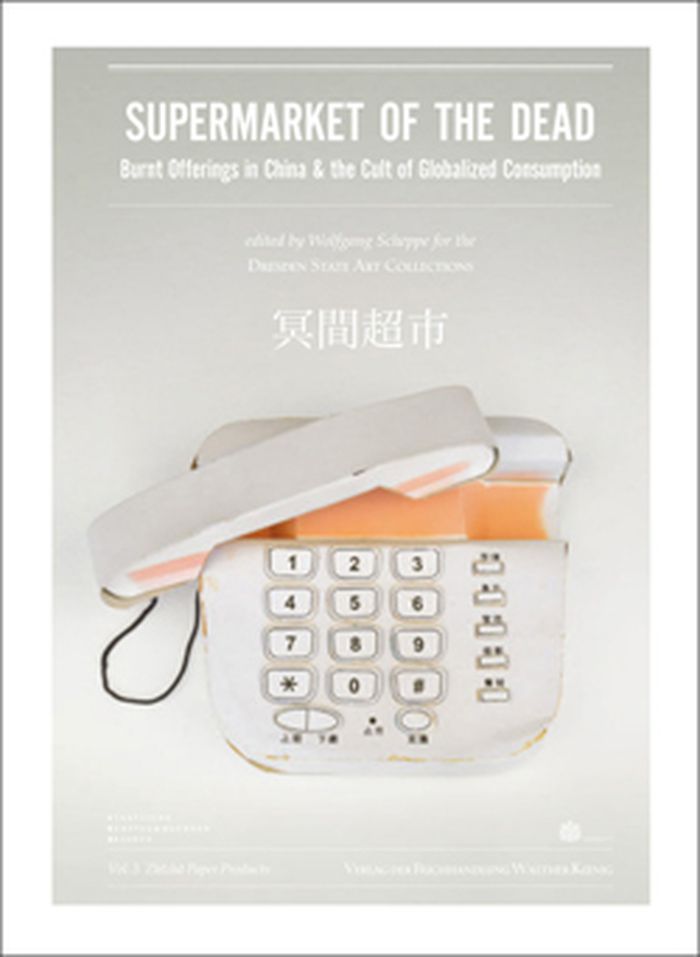
Three volume exhibition catalogue of exhibition titled 'Supermarket of the dead' at the Dresden State Art Museum in 2015. One of the most ancient forms of Chinese spirituality proves to be a living tradition, still widely practised everywhere in Chinese culture. Paper replicas of money and goods are ritually burned as offerings to win the favour of ancestors, gods and spirits. These paper models have recently undergone a kind of transformation, in which imi-tations of traditional objects have been superseded by replicas of consumer goods found in western shopping habits. An alter-native world made of paper, encompassing all today’s globalised brand consumption fetishes, Gucci bags, Prada shoes, mobile phones, Apple computers and even Heineken beer cans and life-size cars, is committed to the flames as a tribute to the ancestors. This three part catalog offers a glimpse of the exhibition and includes a volume of essays to accompany the works.
Supermarket of the dead: burnt offerings in China an dthe cultu of globalised consumption
Actions:
Price:
$75.00
(available to order)
Summary:
Three volume exhibition catalogue of exhibition titled 'Supermarket of the dead' at the Dresden State Art Museum in 2015. One of the most ancient forms of Chinese spirituality proves to be a living tradition, still widely practised everywhere in Chinese culture. Paper replicas of money and goods are ritually burned as offerings to win the favour of ancestors, gods and spirits. These paper models have recently undergone a kind of transformation, in which imi-tations of traditional objects have been superseded by replicas of consumer goods found in western shopping habits. An alter-native world made of paper, encompassing all today’s globalised brand consumption fetishes, Gucci bags, Prada shoes, mobile phones, Apple computers and even Heineken beer cans and life-size cars, is committed to the flames as a tribute to the ancestors. This three part catalog offers a glimpse of the exhibition and includes a volume of essays to accompany the works.
Form:
books
books
Publication:
July 2015
July 2015
Form:
journals and magazines
journals and magazines
Title:
Hunch 9 2005 : disciplines
Hunch 9 2005 : disciplines
Actions:
Price:
$28.95
(available to order)
Summary:
"Hunch 9" asserts a broad disciplinary claim regarding architectural publications generally: it is not the quantities of publications that are a problem, but rather their consistent failure to present lines of reasoning. This inadequacy will be addressed by disciplining the issue : by organizing projects, lectures, interviews and essays into a set of arguments about(...)
$28.95
(available to order)
Summary:
"Hunch 9" asserts a broad disciplinary claim regarding architectural publications generally: it is not the quantities of publications that are a problem, but rather their consistent failure to present lines of reasoning. This inadequacy will be addressed by disciplining the issue : by organizing projects, lectures, interviews and essays into a set of arguments about(...)
Title:
Hunch 9 2005 : disciplines
Actions:
Price:
$28.95
(available to order)
Summary:
"Hunch 9" asserts a broad disciplinary claim regarding architectural publications generally: it is not the quantities of publications that are a problem, but rather their consistent failure to present lines of reasoning. This inadequacy will be addressed by disciplining the issue : by organizing projects, lectures, interviews and essays into a set of arguments about 'disciplines'. 'Return' will discuss the current erosion of architecture's disciplinary distinctions; 'Resonate' will examine the perspectives of other disciplines such as music, money, planning and film; 'Reason' will trace theoretical precedents for architectural autonomy, expertise, and education; 'Realize' will make connections between theory and practices through Berlage research-production processes, construction technology, form and precedent; and 'Relay' will expose the various disciplinary transfers in and out of architectural practice. Texts for this issue include essays and lectures by Brian Eno, Jeff Kipnis, Bernard Cache, Lieven de Cauter, Mark Linder, Alejandro Zaera-Polo, Richard Sennett, Paul Morrell, Helene Furján, Peter Trummer, Ronald Wall, Rem Koolhaas, a master class by Greg Lynn, a studio with Salvador Perez Arroyo and an interview with R.E. Somol. Graphic design : Mick Morsink.
Hunch 9 2005 : disciplines
Actions:
Price:
$28.95
(available to order)
Summary:
"Hunch 9" asserts a broad disciplinary claim regarding architectural publications generally: it is not the quantities of publications that are a problem, but rather their consistent failure to present lines of reasoning. This inadequacy will be addressed by disciplining the issue : by organizing projects, lectures, interviews and essays into a set of arguments about 'disciplines'. 'Return' will discuss the current erosion of architecture's disciplinary distinctions; 'Resonate' will examine the perspectives of other disciplines such as music, money, planning and film; 'Reason' will trace theoretical precedents for architectural autonomy, expertise, and education; 'Realize' will make connections between theory and practices through Berlage research-production processes, construction technology, form and precedent; and 'Relay' will expose the various disciplinary transfers in and out of architectural practice. Texts for this issue include essays and lectures by Brian Eno, Jeff Kipnis, Bernard Cache, Lieven de Cauter, Mark Linder, Alejandro Zaera-Polo, Richard Sennett, Paul Morrell, Helene Furján, Peter Trummer, Ronald Wall, Rem Koolhaas, a master class by Greg Lynn, a studio with Salvador Perez Arroyo and an interview with R.E. Somol. Graphic design : Mick Morsink.
Form:
journals and magazines
journals and magazines
Publication:
January 1900, Rotterdam
January 1900, Rotterdam
Subject:
Magazines
Magazines
Form:
books
books
Actions:
Price:
$25.00
(available to order)
Summary:
Translates by Thomas Goddard Bergin and Max Harold Fisch. A bold new translation of a masterpiece of early social science that has found enthusiasts among such artists and scholars as James Joyce and Harold Bloom. Although Vico lived his whole life as an obscure academic in Naples, his New Science is an astonishingly ambitious attempt to provide a comprehensive(...)
$25.00
(available to order)
Summary:
Translates by Thomas Goddard Bergin and Max Harold Fisch. A bold new translation of a masterpiece of early social science that has found enthusiasts among such artists and scholars as James Joyce and Harold Bloom. Although Vico lived his whole life as an obscure academic in Naples, his New Science is an astonishingly ambitious attempt to provide a comprehensive(...)
Title:
The new science of Giambattista Vico
Actions:
Price:
$25.00
(available to order)
Summary:
Translates by Thomas Goddard Bergin and Max Harold Fisch. A bold new translation of a masterpiece of early social science that has found enthusiasts among such artists and scholars as James Joyce and Harold Bloom. Although Vico lived his whole life as an obscure academic in Naples, his New Science is an astonishingly ambitious attempt to provide a comprehensive science of all human society by decoding the history, mythology, and law of the ancient world. It argues that the key to true understanding lies in accepting that the customs and emotional lives of the Greeks and Romans, Egyptians, Jews, and Babylonians were utterly different from our own. In examining these huge themes, Vico offers countless fresh insights into topics ranging from physics to politics, money to monsters, and family structures to the Flood. Deeply influential since the dawn of Romanticism, the New Science even inspired the framework for Joyce's Finnegans Wake. This powerful new translation makes it clear why this work marked a turning-point in humanist thinking as significant as Newton's contemporary revolution in physics.
The new science of Giambattista Vico
Actions:
Price:
$25.00
(available to order)
Summary:
Translates by Thomas Goddard Bergin and Max Harold Fisch. A bold new translation of a masterpiece of early social science that has found enthusiasts among such artists and scholars as James Joyce and Harold Bloom. Although Vico lived his whole life as an obscure academic in Naples, his New Science is an astonishingly ambitious attempt to provide a comprehensive science of all human society by decoding the history, mythology, and law of the ancient world. It argues that the key to true understanding lies in accepting that the customs and emotional lives of the Greeks and Romans, Egyptians, Jews, and Babylonians were utterly different from our own. In examining these huge themes, Vico offers countless fresh insights into topics ranging from physics to politics, money to monsters, and family structures to the Flood. Deeply influential since the dawn of Romanticism, the New Science even inspired the framework for Joyce's Finnegans Wake. This powerful new translation makes it clear why this work marked a turning-point in humanist thinking as significant as Newton's contemporary revolution in physics.
Form:
books
books
Publication:
January 1984, Ithaca, London
January 1984, Ithaca, London
Subject:
Critical Theory
Critical Theory
Form:
books
books
Title:
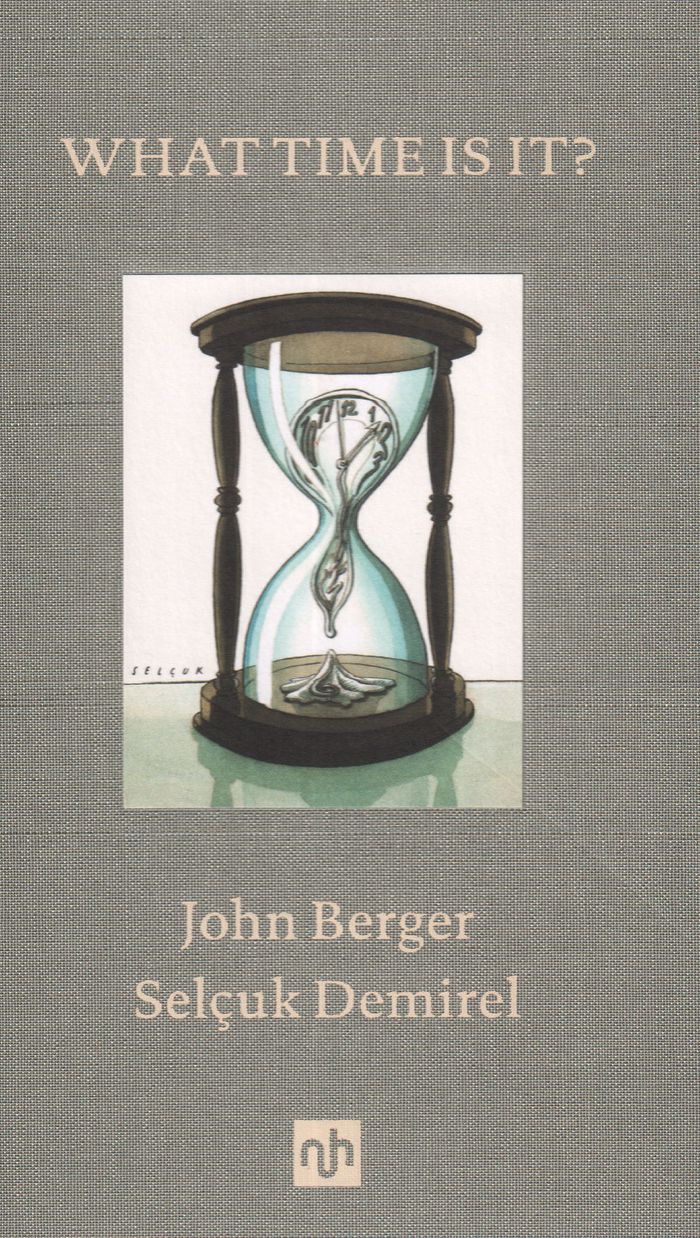
What time is it?
What time is it?
Actions:
Price:
$24.95
(available to order)
Summary:
The last book that John Berger wrote was this precious little volume about time titled What Time Is It?, now posthumously published for the first time in English by Notting Hill Editions. Berger died before it was completed, but the text has been assembled and illustrated by his longtime collaborator and friend Selçuk Demirel, and has an introduction by Maria Nadotti. (...)
$24.95
(available to order)
Summary:
The last book that John Berger wrote was this precious little volume about time titled What Time Is It?, now posthumously published for the first time in English by Notting Hill Editions. Berger died before it was completed, but the text has been assembled and illustrated by his longtime collaborator and friend Selçuk Demirel, and has an introduction by Maria Nadotti. (...)
Title:
What time is it?
Actions:
Price:
$24.95
(available to order)
Summary:
The last book that John Berger wrote was this precious little volume about time titled What Time Is It?, now posthumously published for the first time in English by Notting Hill Editions. Berger died before it was completed, but the text has been assembled and illustrated by his longtime collaborator and friend Selçuk Demirel, and has an introduction by Maria Nadotti. What Time Is It? is a profound and playful meditation on the illusory nature of time. Berger, the great art critic and Man Booker Prize–winning author, reflects on what time has come to mean to us in modern life. Our perception of time assumes a uniform and ceaseless passing of time, yet time is turbulent. It expands and contracts according to the intensity of the lived moment. We talk of time “saved” in a hundred household appliances; time, like money, is exchanged for the content it lacks. Berger posits the idea that time can lengthen lifetimes once we seize the present moment. “What-is-to-come, what-is-to-be-gained empties what-is.”
What time is it?
Actions:
Price:
$24.95
(available to order)
Summary:
The last book that John Berger wrote was this precious little volume about time titled What Time Is It?, now posthumously published for the first time in English by Notting Hill Editions. Berger died before it was completed, but the text has been assembled and illustrated by his longtime collaborator and friend Selçuk Demirel, and has an introduction by Maria Nadotti. What Time Is It? is a profound and playful meditation on the illusory nature of time. Berger, the great art critic and Man Booker Prize–winning author, reflects on what time has come to mean to us in modern life. Our perception of time assumes a uniform and ceaseless passing of time, yet time is turbulent. It expands and contracts according to the intensity of the lived moment. We talk of time “saved” in a hundred household appliances; time, like money, is exchanged for the content it lacks. Berger posits the idea that time can lengthen lifetimes once we seize the present moment. “What-is-to-come, what-is-to-be-gained empties what-is.”
Form:
books
books
Publication:
September 2019
September 2019
Subject:
Literature and poetry
Literature and poetry
Form:
books
books
Price:
$41.95
(available to order)
Summary:
Art is big business, with some artists able to command huge sums of money for their works, while the vast majority are ignored or dismissed by critics. This book shows that these marginalised artists, the 'dark matter' of the art world, are essential to the survival of the mainstream and that they frequently organize in opposition to it. Gregory Sholette, a(...)
$41.95
(available to order)
Summary:
Art is big business, with some artists able to command huge sums of money for their works, while the vast majority are ignored or dismissed by critics. This book shows that these marginalised artists, the 'dark matter' of the art world, are essential to the survival of the mainstream and that they frequently organize in opposition to it. Gregory Sholette, a(...)
Title:
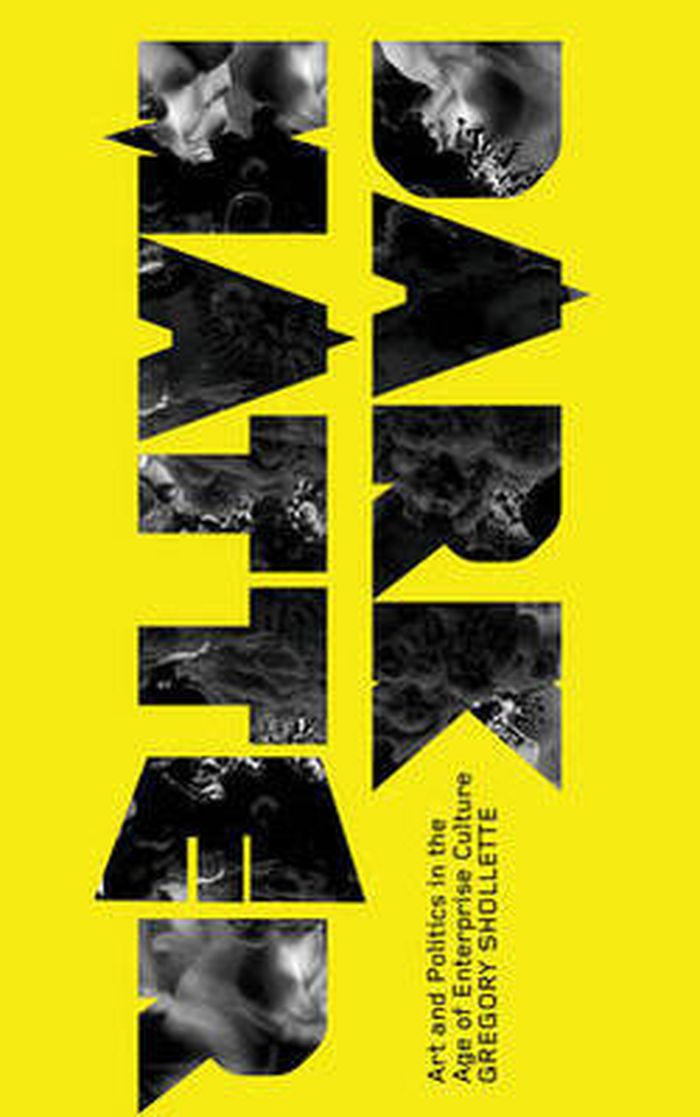
Dark matter: art and politics in the age of enterprise culture
Actions:
Price:
$41.95
(available to order)
Summary:
Art is big business, with some artists able to command huge sums of money for their works, while the vast majority are ignored or dismissed by critics. This book shows that these marginalised artists, the 'dark matter' of the art world, are essential to the survival of the mainstream and that they frequently organize in opposition to it. Gregory Sholette, a politically engaged artist, argues that imagination and creativity in the art world originate thrive in the non-commercial sector shut off from prestigious galleries and champagne receptions. This broader creative culture feeds the mainstream with new forms and styles that can be commodified and used to sustain the few artists admitted into the elite. This dependency, and the advent of inexpensive communication, audio and video technology, has allowed this 'dark matter' of the alternative art world to increasingly subvert the mainstream and intervene politically as both new and old forms of non-capitalist, public art. This book is essential for anyone interested in interventionist art, collectivism, and the political economy of the art world.
Dark matter: art and politics in the age of enterprise culture
Actions:
Price:
$41.95
(available to order)
Summary:
Art is big business, with some artists able to command huge sums of money for their works, while the vast majority are ignored or dismissed by critics. This book shows that these marginalised artists, the 'dark matter' of the art world, are essential to the survival of the mainstream and that they frequently organize in opposition to it. Gregory Sholette, a politically engaged artist, argues that imagination and creativity in the art world originate thrive in the non-commercial sector shut off from prestigious galleries and champagne receptions. This broader creative culture feeds the mainstream with new forms and styles that can be commodified and used to sustain the few artists admitted into the elite. This dependency, and the advent of inexpensive communication, audio and video technology, has allowed this 'dark matter' of the alternative art world to increasingly subvert the mainstream and intervene politically as both new and old forms of non-capitalist, public art. This book is essential for anyone interested in interventionist art, collectivism, and the political economy of the art world.
Form:
books
books
Publication:
December 2010
December 2010
Subject:
Art Theory
Art Theory


