


119212 Results
Form:
events
events

Actions:
Description:
Visiting Scholar Tamar Zinguer presents her research: This talk explores the attraction that the quantitatively precise literary term “degree zero” holds. Through a selection of historic references to the zero degree in and about architecture, the talk articulates a plurality of zeroes and different modalities of nothingness as they apply to the discipline of(...)
Visiting Scholar Tamar Zinguer presents her research: This talk explores the attraction that the quantitatively precise literary term “degree zero” holds. Through a selection of historic references to the zero degree in and about architecture, the talk articulates a plurality of zeroes and different modalities of nothingness as they apply to the discipline of(...)
Location:
Shaughnessy House
Shaughnessy House
Date:
10 July 2014, 6PM
10 July 2014, 6PM
Title:
Visiting Scholar Seminar: Tamar Zinguer
Actions:
Description:
Visiting Scholar Tamar Zinguer presents her research: This talk explores the attraction that the quantitatively precise literary term “degree zero” holds. Through a selection of historic references to the zero degree in and about architecture, the talk articulates a plurality of zeroes and different modalities of nothingness as they apply to the discipline of(...)
Visiting Scholar Seminar: Tamar Zinguer
Actions:
Description:
Visiting Scholar Tamar Zinguer presents her research: This talk explores the attraction that the quantitatively precise literary term “degree zero” holds. Through a selection of historic references to the zero degree in and about architecture, the talk articulates a plurality of zeroes and different modalities of nothingness as they apply to the discipline of(...)
Form:
events
events
Date:
10 July 2014
6PM
10 July 2014
6PM
Location:
Shaughnessy House
Shaughnessy House
Form:
exhibitions
exhibitions
Actions:
Description:
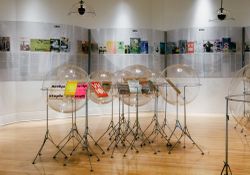
Coined in the early twentieth century to designate progressive literary journals, the term “little magazine” was remobilized during the 1960s to grapple with the contemporary proliferation of independent architectural periodicals that appeared in response to the political, social, and artistic changes of the period. Clip/Stamp/Fold 2 investigates how a diverse group of(...)
Coined in the early twentieth century to designate progressive literary journals, the term “little magazine” was remobilized during the 1960s to grapple with the contemporary proliferation of independent architectural periodicals that appeared in response to the political, social, and artistic changes of the period. Clip/Stamp/Fold 2 investigates how a diverse group of(...)
Location:
Octagonal gallery and library rotunda
Octagonal gallery and library rotunda
Date:
12 April 2007 to 9 September 2007
12 April 2007 to 9 September 2007
Title:
Clip/Stamp/Fold 2: The Radical Architecture of Little Magazines 196X - 197X
Actions:
Description:
Coined in the early twentieth century to designate progressive literary journals, the term “little magazine” was remobilized during the 1960s to grapple with the contemporary proliferation of independent architectural periodicals that appeared in response to the political, social, and artistic changes of the period. Clip/Stamp/Fold 2 investigates how a diverse group of(...)
Clip/Stamp/Fold 2: The Radical Architecture of Little Magazines 196X - 197X
Actions:
Description:
Coined in the early twentieth century to designate progressive literary journals, the term “little magazine” was remobilized during the 1960s to grapple with the contemporary proliferation of independent architectural periodicals that appeared in response to the political, social, and artistic changes of the period. Clip/Stamp/Fold 2 investigates how a diverse group of(...)
Form:
exhibitions
exhibitions
Date:
12 April 2007 to
9 September 2007
12 April 2007 to
9 September 2007
Location:
Octagonal gallery and library rotunda
Octagonal gallery and library rotunda
Form:
articles
articles
Title:
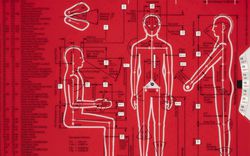
Demedicalize Architecture
Demedicalize Architecture
Actions:
Issue:
Take care
Take care
Form:
exhibitions
exhibitions

Title:
Architecture as Evidence
Architecture as Evidence
Actions:
Description:
Architecture as Evidence presents a set of materials gathered during a forensic analysis of the architecture of Auschwitz. It assembles plaster casts of blueprints, letters, contractor bills, and photographs, as well as two reconstructed monuments (a gas column and a gas-tight hatch), which together provide tangible evidence that Auschwitz was designed by its architects(...)
Architecture as Evidence presents a set of materials gathered during a forensic analysis of the architecture of Auschwitz. It assembles plaster casts of blueprints, letters, contractor bills, and photographs, as well as two reconstructed monuments (a gas column and a gas-tight hatch), which together provide tangible evidence that Auschwitz was designed by its architects(...)
Location:
Octagonal gallery
Octagonal gallery
Date:
16 June 2016 to 11 September 2016
16 June 2016 to 11 September 2016
Title:
Architecture as Evidence
Actions:
Description:
Architecture as Evidence presents a set of materials gathered during a forensic analysis of the architecture of Auschwitz. It assembles plaster casts of blueprints, letters, contractor bills, and photographs, as well as two reconstructed monuments (a gas column and a gas-tight hatch), which together provide tangible evidence that Auschwitz was designed by its architects(...)
Architecture as Evidence
Actions:
Description:
Architecture as Evidence presents a set of materials gathered during a forensic analysis of the architecture of Auschwitz. It assembles plaster casts of blueprints, letters, contractor bills, and photographs, as well as two reconstructed monuments (a gas column and a gas-tight hatch), which together provide tangible evidence that Auschwitz was designed by its architects(...)
Form:
exhibitions
exhibitions
Date:
16 June 2016 to
11 September 2016
16 June 2016 to
11 September 2016
Location:
Octagonal gallery
Octagonal gallery
Form:
events
events
Actions:
Date:
30 April 2004
30 April 2004
Form:
events
events
Date:
30 April 2004
30 April 2004
Form:
exhibitions
exhibitions
Description:
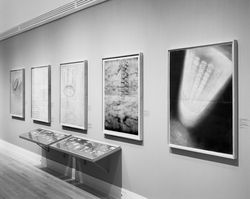
The exhibition explores one of the most adventurous and influential moments in the history of architecture: the explosion of invention and ideas that followed the October Revolution in Russia. The Soviet avant-garde architects were productivist as much as aesthetic in their concerns; they saw architecture and the arts as one, and they were committed to bringing design(...)
The exhibition explores one of the most adventurous and influential moments in the history of architecture: the explosion of invention and ideas that followed the October Revolution in Russia. The Soviet avant-garde architects were productivist as much as aesthetic in their concerns; they saw architecture and the arts as one, and they were committed to bringing design(...)
Location:
Main galleries
Main galleries
Date:
19 June 1991 to 8 September 1991
19 June 1991 to 8 September 1991
Title:
Architectural Drawings of the Russian Avant-Garde, 1917-1935
Actions:
Description:
The exhibition explores one of the most adventurous and influential moments in the history of architecture: the explosion of invention and ideas that followed the October Revolution in Russia. The Soviet avant-garde architects were productivist as much as aesthetic in their concerns; they saw architecture and the arts as one, and they were committed to bringing design(...)
Architectural Drawings of the Russian Avant-Garde, 1917-1935
Actions:
Description:
The exhibition explores one of the most adventurous and influential moments in the history of architecture: the explosion of invention and ideas that followed the October Revolution in Russia. The Soviet avant-garde architects were productivist as much as aesthetic in their concerns; they saw architecture and the arts as one, and they were committed to bringing design(...)
Form:
exhibitions
exhibitions
Date:
19 June 1991 to
8 September 1991
19 June 1991 to
8 September 1991
Location:
Main galleries
Main galleries
Form:
archives
Level of archival description:
Fonds
archives
Level of archival description:
Fonds
Reference number:
AP057
Synopsis:
The Institute for Architecture and Urban Studies (IAUS) fonds is composed primarily of textual and photographic material which document the activities of the IAUS from its inception in 1967 until its dissolution in 1983. Those activities include the publication of three periodicals (Oppositions, October and Skyline), as well as numerous books, conferences, lectures, exhibitions and educational programming. In addition, the IAUS fonds documents the activities of the IAUS' director, architect Peter Eisenman.
AP057
Synopsis:
The Institute for Architecture and Urban Studies (IAUS) fonds is composed primarily of textual and photographic material which document the activities of the IAUS from its inception in 1967 until its dissolution in 1983. Those activities include the publication of three periodicals (Oppositions, October and Skyline), as well as numerous books, conferences, lectures, exhibitions and educational programming. In addition, the IAUS fonds documents the activities of the IAUS' director, architect Peter Eisenman.
People:
Date:
1965-1984
1965-1984
Title:
Institute for Architecture and Urban Studies fonds
Actions:
AP057
Synopsis:
The Institute for Architecture and Urban Studies (IAUS) fonds is composed primarily of textual and photographic material which document the activities of the IAUS from its inception in 1967 until its dissolution in 1983. Those activities include the publication of three periodicals (Oppositions, October and Skyline), as well as numerous books, conferences, lectures, exhibitions and educational programming. In addition, the IAUS fonds documents the activities of the IAUS' director, architect Peter Eisenman.
Institute for Architecture and Urban Studies fonds
Actions:
AP057
Synopsis:
The Institute for Architecture and Urban Studies (IAUS) fonds is composed primarily of textual and photographic material which document the activities of the IAUS from its inception in 1967 until its dissolution in 1983. Those activities include the publication of three periodicals (Oppositions, October and Skyline), as well as numerous books, conferences, lectures, exhibitions and educational programming. In addition, the IAUS fonds documents the activities of the IAUS' director, architect Peter Eisenman.
Form:
archives
Level of archival description:
Fonds
archives
Level of archival description:
Fonds
Date:
1965-1984
1965-1984
People:
Form:
exhibitions
exhibitions
Actions:
Description:
Victorian medical experts insisted that houses were like bodies—that buildings could be sick—and that healthy architecture entailed a “systematic” approach to domestic sanitation, drawing from the burgeoning field of physiology. *Corpus Sanum in Domo Sano—“a healthy body in a healthy house”—explores the spatial, professional, and gender implications of the(...)
Victorian medical experts insisted that houses were like bodies—that buildings could be sick—and that healthy architecture entailed a “systematic” approach to domestic sanitation, drawing from the burgeoning field of physiology. *Corpus Sanum in Domo Sano—“a healthy body in a healthy house”—explores the spatial, professional, and gender implications of the(...)
Location:
Hall cases
Hall cases
Date:
13 November 1991 to 16 February 1992
13 November 1991 to 16 February 1992
Title:
Corpus Sanum in Domo Sano: The Architecture of the Domestic Sanitation Movement, 1870-1914
Actions:
Description:
Victorian medical experts insisted that houses were like bodies—that buildings could be sick—and that healthy architecture entailed a “systematic” approach to domestic sanitation, drawing from the burgeoning field of physiology. *Corpus Sanum in Domo Sano—“a healthy body in a healthy house”—explores the spatial, professional, and gender implications of the(...)
Corpus Sanum in Domo Sano: The Architecture of the Domestic Sanitation Movement, 1870-1914
Actions:
Description:
Victorian medical experts insisted that houses were like bodies—that buildings could be sick—and that healthy architecture entailed a “systematic” approach to domestic sanitation, drawing from the burgeoning field of physiology. *Corpus Sanum in Domo Sano—“a healthy body in a healthy house”—explores the spatial, professional, and gender implications of the(...)
Form:
exhibitions
exhibitions
Date:
13 November 1991 to
16 February 1992
13 November 1991 to
16 February 1992
Location:
Hall cases
Hall cases
Form:
articles
articles
Actions:
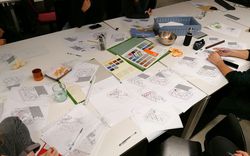
Kim Courrèges and Felipe de Ferrari of Plan Común speak with Carles Baiges and Cristina Gamboa of Lacol
Issue:
With and Within
With and Within
Keyword(s):
cooperativism, collective, barcelona, spain, la borda, can batlló, social economy, indignados, context
cooperativism, collective, barcelona, spain, la borda, can batlló, social economy, indignados, context
Published:
19 April 2021
19 April 2021
Title:
The Architecture of Cooperation
Kim Courrèges and Felipe de Ferrari of Plan Común speak with Carles Baiges and Cristina Gamboa of Lacol
Actions:
The Architecture of Cooperation
Kim Courrèges and Felipe de Ferrari of Plan Común speak with Carles Baiges and Cristina Gamboa of Lacol
Actions:
Issue:
With and Within
With and Within
Form:
events
events
Actions:
Description:
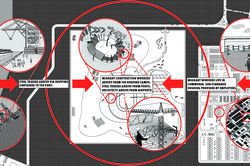
Mabel O. Wilson and Jordan Carver present the ongoing advocacy project Who Builds Your Architecture? (WBYA?), which asks architects and allied fields to better understand how the production of buildings connects their practices to migrant construction workers who build their designs. WBYA?, a group of designers, scholars, and activists based in New York City, has(...)
Mabel O. Wilson and Jordan Carver present the ongoing advocacy project Who Builds Your Architecture? (WBYA?), which asks architects and allied fields to better understand how the production of buildings connects their practices to migrant construction workers who build their designs. WBYA?, a group of designers, scholars, and activists based in New York City, has(...)
Date:
28 January 2016
28 January 2016
Title:
Practicing Advocacy: Who Builds Your Architecture?
Actions:
Description:
Mabel O. Wilson and Jordan Carver present the ongoing advocacy project Who Builds Your Architecture? (WBYA?), which asks architects and allied fields to better understand how the production of buildings connects their practices to migrant construction workers who build their designs. WBYA?, a group of designers, scholars, and activists based in New York City, has(...)
Practicing Advocacy: Who Builds Your Architecture?
Actions:
Description:
Mabel O. Wilson and Jordan Carver present the ongoing advocacy project Who Builds Your Architecture? (WBYA?), which asks architects and allied fields to better understand how the production of buildings connects their practices to migrant construction workers who build their designs. WBYA?, a group of designers, scholars, and activists based in New York City, has(...)
Form:
events
events
Date:
28 January 2016
28 January 2016


