


629 Results
Form:
books
books
Actions:
Price:
$50.00
(available to order)
Summary:
Born just fourteen months apart, one in London and the other in rural Suffolk, J.M.W. Turner and John Constable went on to change the face of British art. The two men have routinely been seen as polar opposites, not least by their peers. Differing in temperament, background, beliefs and vision, they created images as dissimilar as their personalities. Yet in many ways(...)
$50.00
(available to order)
Summary:
Born just fourteen months apart, one in London and the other in rural Suffolk, J.M.W. Turner and John Constable went on to change the face of British art. The two men have routinely been seen as polar opposites, not least by their peers. Differing in temperament, background, beliefs and vision, they created images as dissimilar as their personalities. Yet in many ways(...)
Title:
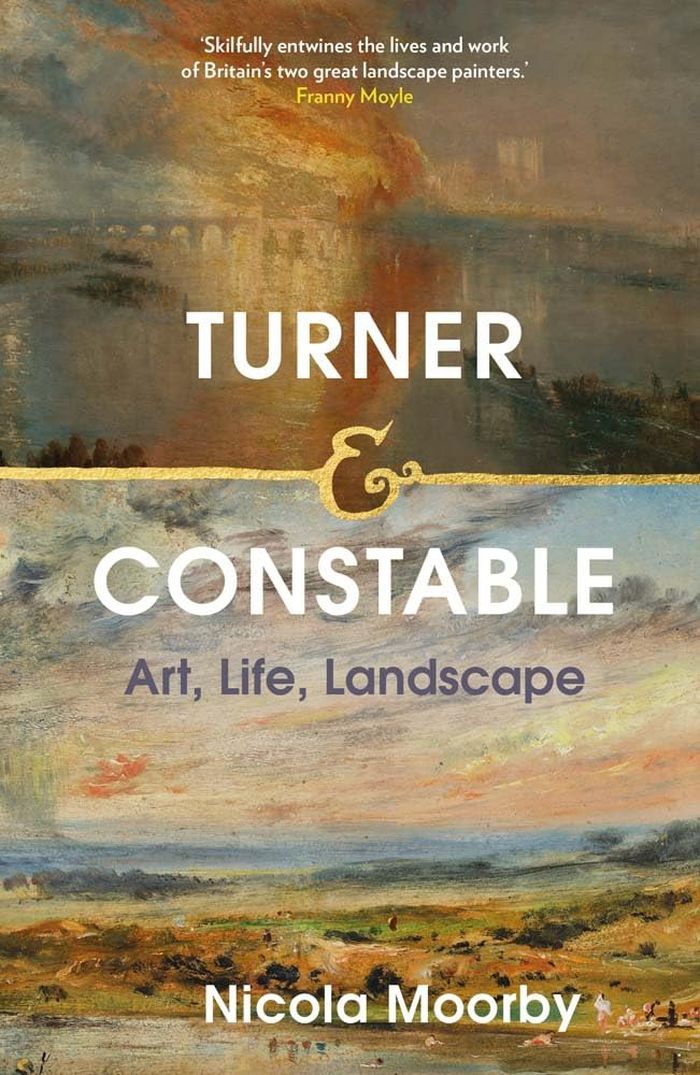
Turner and Constable: Art, Life, Landscape
Actions:
Price:
$50.00
(available to order)
Summary:
Born just fourteen months apart, one in London and the other in rural Suffolk, J.M.W. Turner and John Constable went on to change the face of British art. The two men have routinely been seen as polar opposites, not least by their peers. Differing in temperament, background, beliefs and vision, they created images as dissimilar as their personalities. Yet in many ways they were fellow travellers. As children of the late 18 th century, both faced the same challenges and opportunities. Above all, they shared common cause as champions of a distinctively British art. Through their work, they fought for the recognition and appreciation of landscape painting – and in doing so ensured their reputations were forever intertwined and interlinked. Nicola Moorby offers us a fresh perspective on two extraordinary artists, uncovering the layers of fiction that have embellished and disguised their greatest achievements. For Turner & Constable is not just a tale of two artists; it is also the story of the triumph of landscape painting.
Turner and Constable: Art, Life, Landscape
Actions:
Price:
$50.00
(available to order)
Summary:
Born just fourteen months apart, one in London and the other in rural Suffolk, J.M.W. Turner and John Constable went on to change the face of British art. The two men have routinely been seen as polar opposites, not least by their peers. Differing in temperament, background, beliefs and vision, they created images as dissimilar as their personalities. Yet in many ways they were fellow travellers. As children of the late 18 th century, both faced the same challenges and opportunities. Above all, they shared common cause as champions of a distinctively British art. Through their work, they fought for the recognition and appreciation of landscape painting – and in doing so ensured their reputations were forever intertwined and interlinked. Nicola Moorby offers us a fresh perspective on two extraordinary artists, uncovering the layers of fiction that have embellished and disguised their greatest achievements. For Turner & Constable is not just a tale of two artists; it is also the story of the triumph of landscape painting.
Form:
books
books
Publication:
March 2025
March 2025
Subject:
Art Theory
Art Theory
Form:
books
books
Actions:
Price:
$18.50
(available to order)
Summary:
Dark Places" explores the dim, claustrophobic interiors of haunted houses in horror movies, as well as the cinema auditorium itself, and their relation to the 'dark places' of the human pysche. Barry Curtis looks at the long, blood-soaked history of horror films: their fascination with re-animating the dead; the special effects, both sophisticated and crude, which have(...)
$18.50
(available to order)
Summary:
Dark Places" explores the dim, claustrophobic interiors of haunted houses in horror movies, as well as the cinema auditorium itself, and their relation to the 'dark places' of the human pysche. Barry Curtis looks at the long, blood-soaked history of horror films: their fascination with re-animating the dead; the special effects, both sophisticated and crude, which have(...)
Title:
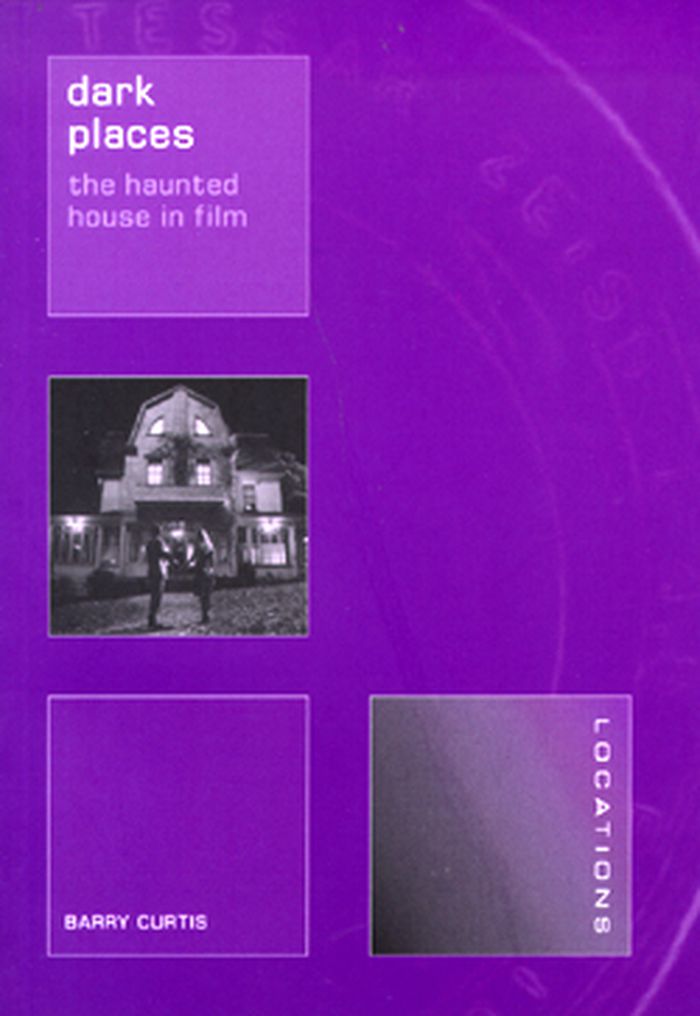
Dark places: the haunted house in film
Actions:
Price:
$18.50
(available to order)
Summary:
Dark Places" explores the dim, claustrophobic interiors of haunted houses in horror movies, as well as the cinema auditorium itself, and their relation to the 'dark places' of the human pysche. Barry Curtis looks at the long, blood-soaked history of horror films: their fascination with re-animating the dead; the special effects, both sophisticated and crude, which have been contrived in order to bring spirits into the realm of the living; the structures, projections and architecture of horror movie sets; and the complex metaphorical life of 'ghosts' as harbingers of loss, amnesia, injustice and vengeance. A wide range of films is also discussed in which the 'haunted house' is reworked in new scenarios - the road, the apartment, the motel, the spaceship - and visually linked to the troubling archetypes of Gothic fictions. Barry Curtis is Emeritus Professor of Visual Culture at Middlesex University, Fellow of the London Consortium, and Visiting Tutor at the Royal College of Art. He has written widely on film, architecture, art and visual culture for magazines, newspapers and journals.
Dark places: the haunted house in film
Actions:
Price:
$18.50
(available to order)
Summary:
Dark Places" explores the dim, claustrophobic interiors of haunted houses in horror movies, as well as the cinema auditorium itself, and their relation to the 'dark places' of the human pysche. Barry Curtis looks at the long, blood-soaked history of horror films: their fascination with re-animating the dead; the special effects, both sophisticated and crude, which have been contrived in order to bring spirits into the realm of the living; the structures, projections and architecture of horror movie sets; and the complex metaphorical life of 'ghosts' as harbingers of loss, amnesia, injustice and vengeance. A wide range of films is also discussed in which the 'haunted house' is reworked in new scenarios - the road, the apartment, the motel, the spaceship - and visually linked to the troubling archetypes of Gothic fictions. Barry Curtis is Emeritus Professor of Visual Culture at Middlesex University, Fellow of the London Consortium, and Visiting Tutor at the Royal College of Art. He has written widely on film, architecture, art and visual culture for magazines, newspapers and journals.
Form:
books
books
Publication:
January 2009, London
January 2009, London
Subject:
Architecture and Film, Set Design
Architecture and Film, Set Design
Form:
books
books
Title:
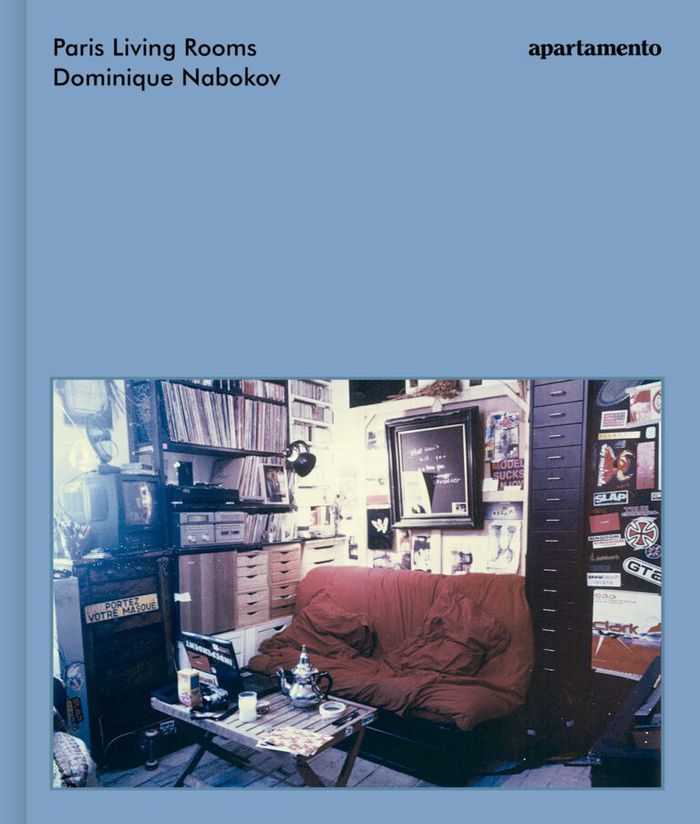
Paris living rooms
Paris living rooms
Actions:
Price:
$94.95
(available in store)
Summary:
Apartamento is excited to re-release Paris Living Rooms almost two decades after it was first published in 2002. The second instalment in Dominique Nabokov’s holy trinity of interior photography works, it also follows the re-release of New York Living Rooms earlier this year. Nabokov calls these images her interior ‘portraits’ and across 132 pages we’re offered an(...)
$94.95
(available in store)
Summary:
Apartamento is excited to re-release Paris Living Rooms almost two decades after it was first published in 2002. The second instalment in Dominique Nabokov’s holy trinity of interior photography works, it also follows the re-release of New York Living Rooms earlier this year. Nabokov calls these images her interior ‘portraits’ and across 132 pages we’re offered an(...)
Title:
Paris living rooms
Actions:
Price:
$94.95
(available in store)
Summary:
Apartamento is excited to re-release Paris Living Rooms almost two decades after it was first published in 2002. The second instalment in Dominique Nabokov’s holy trinity of interior photography works, it also follows the re-release of New York Living Rooms earlier this year. Nabokov calls these images her interior ‘portraits’ and across 132 pages we’re offered an intimate study of Parisian society from the early 2000s, with the living spaces of Yves Saint Laurent, Nan Goldin, Gérard Depardieu, Carine Roitfeld, Yvon Lambert, and Andrée Putman, plus many others, featured throughout. With nothing added and nothing altered, Nabokov simply records these spaces for her fellow voyeurs and leaves us to decipher the rest. Long out of print, this updated edition brings back to life an era of the city’s history, seen through Nabokov’s original Polaroid photos, together with the original introduction by the late interior designer Andrée Putman. The third and final instalment in the series, set in Berlin, will be re-issued by Apartamento later in 2021.
Paris living rooms
Actions:
Price:
$94.95
(available in store)
Summary:
Apartamento is excited to re-release Paris Living Rooms almost two decades after it was first published in 2002. The second instalment in Dominique Nabokov’s holy trinity of interior photography works, it also follows the re-release of New York Living Rooms earlier this year. Nabokov calls these images her interior ‘portraits’ and across 132 pages we’re offered an intimate study of Parisian society from the early 2000s, with the living spaces of Yves Saint Laurent, Nan Goldin, Gérard Depardieu, Carine Roitfeld, Yvon Lambert, and Andrée Putman, plus many others, featured throughout. With nothing added and nothing altered, Nabokov simply records these spaces for her fellow voyeurs and leaves us to decipher the rest. Long out of print, this updated edition brings back to life an era of the city’s history, seen through Nabokov’s original Polaroid photos, together with the original introduction by the late interior designer Andrée Putman. The third and final instalment in the series, set in Berlin, will be re-issued by Apartamento later in 2021.
Form:
books
books
Publication:
September 2021
September 2021
Subject:
Photography monographs
Photography monographs
Form:
books
books

Actions:
Price:
$64.95
(available to order)
Summary:
This book is in itself a Serban Ionescu sculpture, its 68-page oversized board book format having been printed and precisely die-cut to mimic the rambling contours and dazzling colours found on the steel sculptures of this prolific New York-based, Romanian-born artist. It also doubles as a play, penned in three acts by Serban’s fellow artist and close friend James English(...)
$64.95
(available to order)
Summary:
This book is in itself a Serban Ionescu sculpture, its 68-page oversized board book format having been printed and precisely die-cut to mimic the rambling contours and dazzling colours found on the steel sculptures of this prolific New York-based, Romanian-born artist. It also doubles as a play, penned in three acts by Serban’s fellow artist and close friend James English(...)
Title:
Serban Ionescu: A thing on a table in a house
Actions:
Price:
$64.95
(available to order)
Summary:
This book is in itself a Serban Ionescu sculpture, its 68-page oversized board book format having been printed and precisely die-cut to mimic the rambling contours and dazzling colours found on the steel sculptures of this prolific New York-based, Romanian-born artist. It also doubles as a play, penned in three acts by Serban’s fellow artist and close friend James English Leary, who fully embraces Serban’s artistic approach and explores his ideas in a highly absurd series of events that feature an all-star cast of bizarre characters: Happy Lattice, Dog Bench Loaf, and Assembled Chair, to name a few. Gathering together pieces from between 2017 and 2021, a flick through A Thing on a Table in a House transports you directly into Serban’s anthropomorphic world, one that straddles the ever-fine line separating furniture and sculpture. If one were to classify these pieces as furniture, then you’d be looking at pieces that’ve been overrun by some sort of menacing, playful poltergeist. Possessed, they are halfway gone on their transformation into something entirely unclassifiable.
Serban Ionescu: A thing on a table in a house
Actions:
Price:
$64.95
(available to order)
Summary:
This book is in itself a Serban Ionescu sculpture, its 68-page oversized board book format having been printed and precisely die-cut to mimic the rambling contours and dazzling colours found on the steel sculptures of this prolific New York-based, Romanian-born artist. It also doubles as a play, penned in three acts by Serban’s fellow artist and close friend James English Leary, who fully embraces Serban’s artistic approach and explores his ideas in a highly absurd series of events that feature an all-star cast of bizarre characters: Happy Lattice, Dog Bench Loaf, and Assembled Chair, to name a few. Gathering together pieces from between 2017 and 2021, a flick through A Thing on a Table in a House transports you directly into Serban’s anthropomorphic world, one that straddles the ever-fine line separating furniture and sculpture. If one were to classify these pieces as furniture, then you’d be looking at pieces that’ve been overrun by some sort of menacing, playful poltergeist. Possessed, they are halfway gone on their transformation into something entirely unclassifiable.
Form:
books
books
Publication:
July 2021
July 2021
Subject:
Contemporary Art Monographs
Contemporary Art Monographs
Form:
books
books
Title:
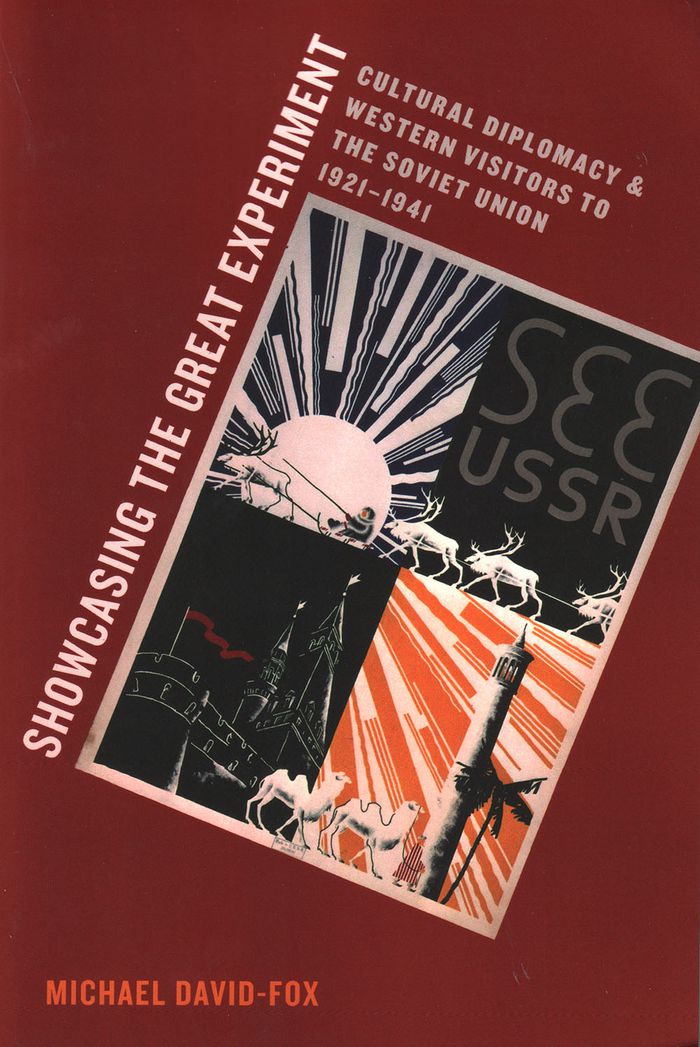
Showcasing the Great Experiment: Cultural Diplomacy and Western Visitors to the Soviet Union, 1921-1
Showcasing the Great Experiment: Cultural Diplomacy and Western Visitors to the Soviet Union, 1921-1
Actions:
Price:
$37.50
(available to order)
Summary:
During the 1920s and 1930s, thousands of European and American writers, professionals, scientists, artists, and intellectuals made a pilgrimage to experience the "Soviet experiment" for themselves. ''Showcasing the Great Experiment'' explores the reception of these intellectuals and fellow-travelers and their cross-cultural and trans-ideological encounters in order to(...)
$37.50
(available to order)
Summary:
During the 1920s and 1930s, thousands of European and American writers, professionals, scientists, artists, and intellectuals made a pilgrimage to experience the "Soviet experiment" for themselves. ''Showcasing the Great Experiment'' explores the reception of these intellectuals and fellow-travelers and their cross-cultural and trans-ideological encounters in order to(...)
Title:
Showcasing the Great Experiment: Cultural Diplomacy and Western Visitors to the Soviet Union, 1921-1
Actions:
Price:
$37.50
(available to order)
Summary:
During the 1920s and 1930s, thousands of European and American writers, professionals, scientists, artists, and intellectuals made a pilgrimage to experience the "Soviet experiment" for themselves. ''Showcasing the Great Experiment'' explores the reception of these intellectuals and fellow-travelers and their cross-cultural and trans-ideological encounters in order to analyze Soviet attitudes towards the West. While many visitors were profoundly affected by their Soviet tours, so too was the Soviet system. The early experiences of building showcases and teaching outsiders to perceive the future-in-the-making constitute a neglected international part of the emergence of Stalinism at home. Michael David-Fox contends that each side critically examined the other, negotiating feelings of inferiority and superiority, admiration and enmity, emulation and rejection. By the time of the Great Purges, these tensions gave way to the dramatic triumph of xenophobia and isolationism; whereas in the twenties the new regime assumed it had much to learn from Western modernity, by the Stalinist thirties the Soviet order was declared superior in all respects.
Showcasing the Great Experiment: Cultural Diplomacy and Western Visitors to the Soviet Union, 1921-1
Actions:
Price:
$37.50
(available to order)
Summary:
During the 1920s and 1930s, thousands of European and American writers, professionals, scientists, artists, and intellectuals made a pilgrimage to experience the "Soviet experiment" for themselves. ''Showcasing the Great Experiment'' explores the reception of these intellectuals and fellow-travelers and their cross-cultural and trans-ideological encounters in order to analyze Soviet attitudes towards the West. While many visitors were profoundly affected by their Soviet tours, so too was the Soviet system. The early experiences of building showcases and teaching outsiders to perceive the future-in-the-making constitute a neglected international part of the emergence of Stalinism at home. Michael David-Fox contends that each side critically examined the other, negotiating feelings of inferiority and superiority, admiration and enmity, emulation and rejection. By the time of the Great Purges, these tensions gave way to the dramatic triumph of xenophobia and isolationism; whereas in the twenties the new regime assumed it had much to learn from Western modernity, by the Stalinist thirties the Soviet order was declared superior in all respects.
Form:
books
books
Publication:
February 2014
February 2014
Subject:
Current Exhibitions
Current Exhibitions
Form:
books
books
Price:
$60.00
(available to order)
Summary:
Russian Textiles showcases the gorgeous printed-cotton textiles created and manufactured in Russia and exported to Central Asia from approximately 1860 to 1960. More than 175 spectacular patterns spanning a variety of periods and styles, from Art Nouveau florals to Soviet-era agitprop, are featured. The people in these Central Asian countries—including Uzbeks, Tadjiks,(...)
$60.00
(available to order)
Summary:
Russian Textiles showcases the gorgeous printed-cotton textiles created and manufactured in Russia and exported to Central Asia from approximately 1860 to 1960. More than 175 spectacular patterns spanning a variety of periods and styles, from Art Nouveau florals to Soviet-era agitprop, are featured. The people in these Central Asian countries—including Uzbeks, Tadjiks,(...)
Title:
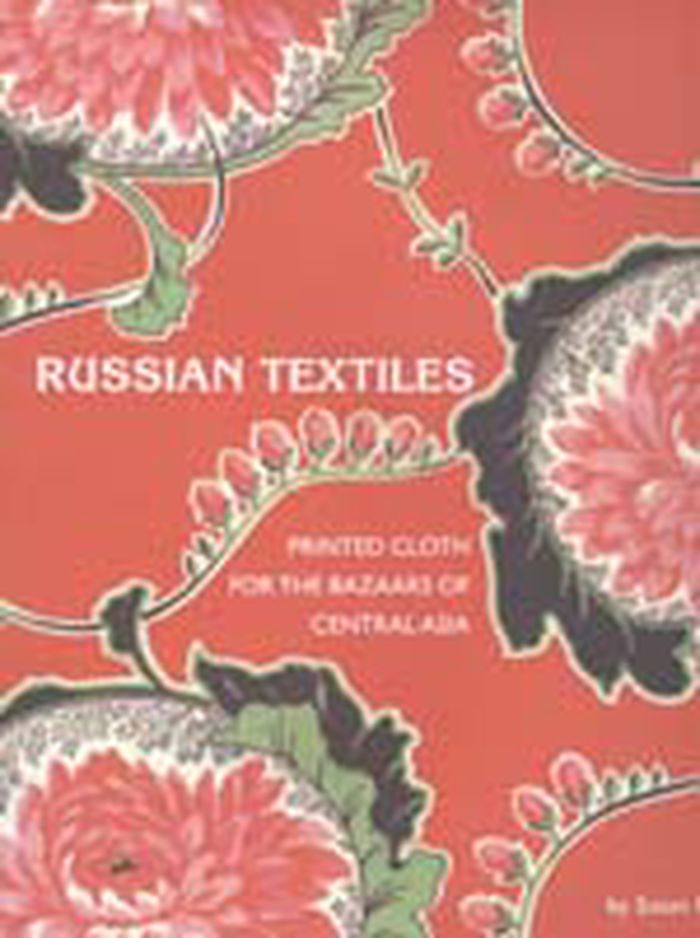
Russian Textiles: printed cloth for the bazaars of Central Asia
Actions:
Price:
$60.00
(available to order)
Summary:
Russian Textiles showcases the gorgeous printed-cotton textiles created and manufactured in Russia and exported to Central Asia from approximately 1860 to 1960. More than 175 spectacular patterns spanning a variety of periods and styles, from Art Nouveau florals to Soviet-era agitprop, are featured. The people in these Central Asian countries—including Uzbeks, Tadjiks, and Turkmen—incorporated the brightly patterned material into their clothing, particularly their robes, and in their household items. Brief essays by the author and fellow textile experts describe the “social life” of the fabrics and the fascinating history of this merging of Russian, Western, and Central Asian aesthetic styles; Robert Kushner contributes a lively text on how an artist “sees” and is inspired by these designs. Complementing the pattern images are vintage photographs from the turn of the 20th century as well as beautifully detailed reproductions of the robes and other articles that were lined and embellished with these cloths. This is a must-have book for the inspiration library of every artist; professional fashion, interior, and product designer; crafter; and anyone with a love of extraordinary visual design.
Russian Textiles: printed cloth for the bazaars of Central Asia
Actions:
Price:
$60.00
(available to order)
Summary:
Russian Textiles showcases the gorgeous printed-cotton textiles created and manufactured in Russia and exported to Central Asia from approximately 1860 to 1960. More than 175 spectacular patterns spanning a variety of periods and styles, from Art Nouveau florals to Soviet-era agitprop, are featured. The people in these Central Asian countries—including Uzbeks, Tadjiks, and Turkmen—incorporated the brightly patterned material into their clothing, particularly their robes, and in their household items. Brief essays by the author and fellow textile experts describe the “social life” of the fabrics and the fascinating history of this merging of Russian, Western, and Central Asian aesthetic styles; Robert Kushner contributes a lively text on how an artist “sees” and is inspired by these designs. Complementing the pattern images are vintage photographs from the turn of the 20th century as well as beautifully detailed reproductions of the robes and other articles that were lined and embellished with these cloths. This is a must-have book for the inspiration library of every artist; professional fashion, interior, and product designer; crafter; and anyone with a love of extraordinary visual design.
Form:
books
books
Publication:
September 2007, New York
September 2007, New York
Subject:
Interior Design
Interior Design
Form:
books
books
Actions:
Price:
$24.95
(available in store)
Summary:
“Of course, we all want to be happy.” So wrote the Roman statesman, orator, and philosopher Marcus Tullius Cicero. He and his fellow Greek and Roman philosophers agreed that the secret to happiness—or what they called the “good life”—is pursuing the “greatest good.” The only problem is that they couldn’t agree on what the greatest good is. Cicero addressed this dilemma by(...)
$24.95
(available in store)
Summary:
“Of course, we all want to be happy.” So wrote the Roman statesman, orator, and philosopher Marcus Tullius Cicero. He and his fellow Greek and Roman philosophers agreed that the secret to happiness—or what they called the “good life”—is pursuing the “greatest good.” The only problem is that they couldn’t agree on what the greatest good is. Cicero addressed this dilemma by(...)
Title:
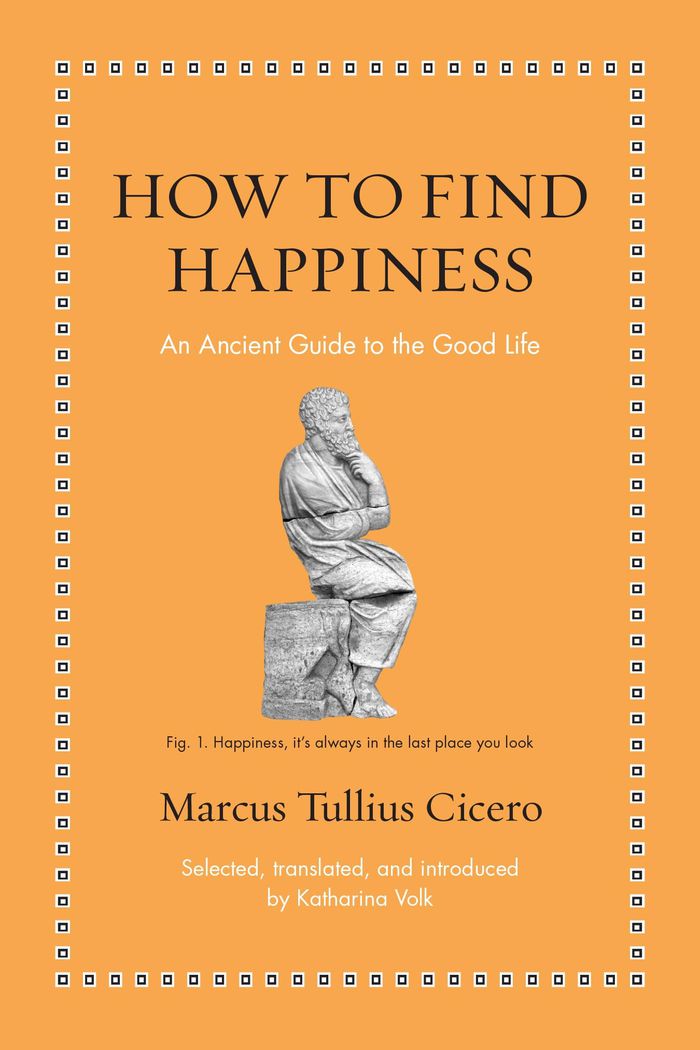
How to find happiness: An ancient guide to the good life
Actions:
Price:
$24.95
(available in store)
Summary:
“Of course, we all want to be happy.” So wrote the Roman statesman, orator, and philosopher Marcus Tullius Cicero. He and his fellow Greek and Roman philosophers agreed that the secret to happiness—or what they called the “good life”—is pursuing the “greatest good.” The only problem is that they couldn’t agree on what the greatest good is. Cicero addressed this dilemma by composing a set of dialogues, ''On the Greatest Good and Evil'' (''De finibus bonorum et malorum''), in which he pitted advocates of different philosophical approaches to happiness against one another. Notably, these include the Epicureans (who believe that the greatest good is pleasure) and the Stoics (according to whom it is moral virtue). Rather than choosing sides, Cicero considers the pros and cons of the different philosophies, ultimately leaving it to his readers to make up their own minds. In ''How to Find Happiness'', Katharina Volk offers a vivid new translation of selections from Cicero’s work, complete with an introduction and the original Latin text on facing pages. The result is a lively and engaging debate that invites each of us to discover our own path to happiness.
How to find happiness: An ancient guide to the good life
Actions:
Price:
$24.95
(available in store)
Summary:
“Of course, we all want to be happy.” So wrote the Roman statesman, orator, and philosopher Marcus Tullius Cicero. He and his fellow Greek and Roman philosophers agreed that the secret to happiness—or what they called the “good life”—is pursuing the “greatest good.” The only problem is that they couldn’t agree on what the greatest good is. Cicero addressed this dilemma by composing a set of dialogues, ''On the Greatest Good and Evil'' (''De finibus bonorum et malorum''), in which he pitted advocates of different philosophical approaches to happiness against one another. Notably, these include the Epicureans (who believe that the greatest good is pleasure) and the Stoics (according to whom it is moral virtue). Rather than choosing sides, Cicero considers the pros and cons of the different philosophies, ultimately leaving it to his readers to make up their own minds. In ''How to Find Happiness'', Katharina Volk offers a vivid new translation of selections from Cicero’s work, complete with an introduction and the original Latin text on facing pages. The result is a lively and engaging debate that invites each of us to discover our own path to happiness.
Form:
books
books
Publication:
March 2026
March 2026
Subject:
Critical Theory
Critical Theory
Form:
books
books
Title:
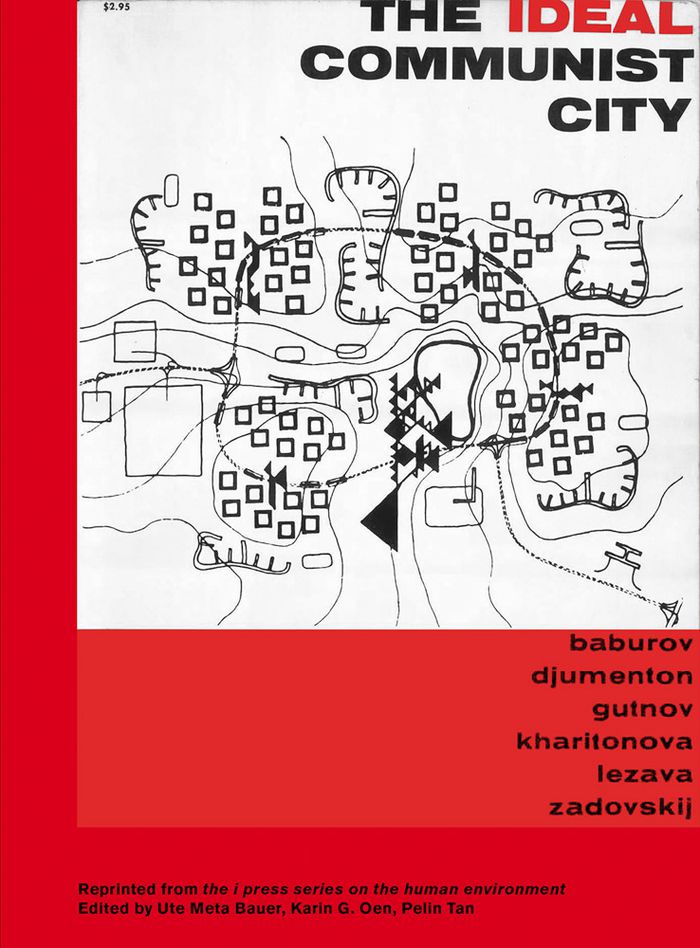
The ideal Communist city
The ideal Communist city
Actions:
Price:
$35.00
(available to order)
Summary:
In 1968, lauded American architect Mary Otis Stevens (born 1928) and her partner, fellow architect Thomas McNulty (1919–84), initiated i Press, the influential imprint that focuses on the social context of architecture. Over the next five years, the duo released five books under the thematic umbrella of ''Human environment'' with the publisher George Braziller. The first(...)
$35.00
(available to order)
Summary:
In 1968, lauded American architect Mary Otis Stevens (born 1928) and her partner, fellow architect Thomas McNulty (1919–84), initiated i Press, the influential imprint that focuses on the social context of architecture. Over the next five years, the duo released five books under the thematic umbrella of ''Human environment'' with the publisher George Braziller. The first(...)
Subject:
Humans and cities
Humans and cities
Publication:
November 2022
November 2022
Title:
The ideal Communist city
Actions:
Price:
$35.00
(available to order)
Summary:
In 1968, lauded American architect Mary Otis Stevens (born 1928) and her partner, fellow architect Thomas McNulty (1919–84), initiated i Press, the influential imprint that focuses on the social context of architecture. Over the next five years, the duo released five books under the thematic umbrella of ''Human environment'' with the publisher George Braziller. The first of this series, ''The ideal Communist city'' (1969) is an English translation of urban concepts advanced by architects and planners from the University of Moscow. The book was first published in a Soviet journal of a communist youth organization in 1960 and was then republished in Italy in 1968. Offering a new way of thinking about mobility, equity and social interaction in neighborhood planning, ''The ideal Communist city'' was a direct response to suburban development and its focus on private spaces for family life: ''the new city is a world belonging to all and each'' where life is ''structured by freely chosen relationships representing the fullest, most well-rounded aspects of each human personality.'' This publication is a facsimile of ''The ideal Communist city'', with additional texts by architectural historians and the editors.
The ideal Communist city
Actions:
Price:
$35.00
(available to order)
Summary:
In 1968, lauded American architect Mary Otis Stevens (born 1928) and her partner, fellow architect Thomas McNulty (1919–84), initiated i Press, the influential imprint that focuses on the social context of architecture. Over the next five years, the duo released five books under the thematic umbrella of ''Human environment'' with the publisher George Braziller. The first of this series, ''The ideal Communist city'' (1969) is an English translation of urban concepts advanced by architects and planners from the University of Moscow. The book was first published in a Soviet journal of a communist youth organization in 1960 and was then republished in Italy in 1968. Offering a new way of thinking about mobility, equity and social interaction in neighborhood planning, ''The ideal Communist city'' was a direct response to suburban development and its focus on private spaces for family life: ''the new city is a world belonging to all and each'' where life is ''structured by freely chosen relationships representing the fullest, most well-rounded aspects of each human personality.'' This publication is a facsimile of ''The ideal Communist city'', with additional texts by architectural historians and the editors.
Form:
books
books
Publication:
November 2022
November 2022
Subject:
Humans and cities
Humans and cities
Form:
books
books
Actions:
Price:
$35.00
(available to order)
Summary:
Benjamin Franklin secretly loved London more than Philadelphia: it was simply the most exciting place to be in the British Empire. And in the decade before the outbreak of the American Revolution, thousands of his fellow colonists flocked to the Georgian city in its first big wave of American visitors. At the very point of political rupture, mother country and colonies(...)
$35.00
(available to order)
Summary:
Benjamin Franklin secretly loved London more than Philadelphia: it was simply the most exciting place to be in the British Empire. And in the decade before the outbreak of the American Revolution, thousands of his fellow colonists flocked to the Georgian city in its first big wave of American visitors. At the very point of political rupture, mother country and colonies(...)
Title:
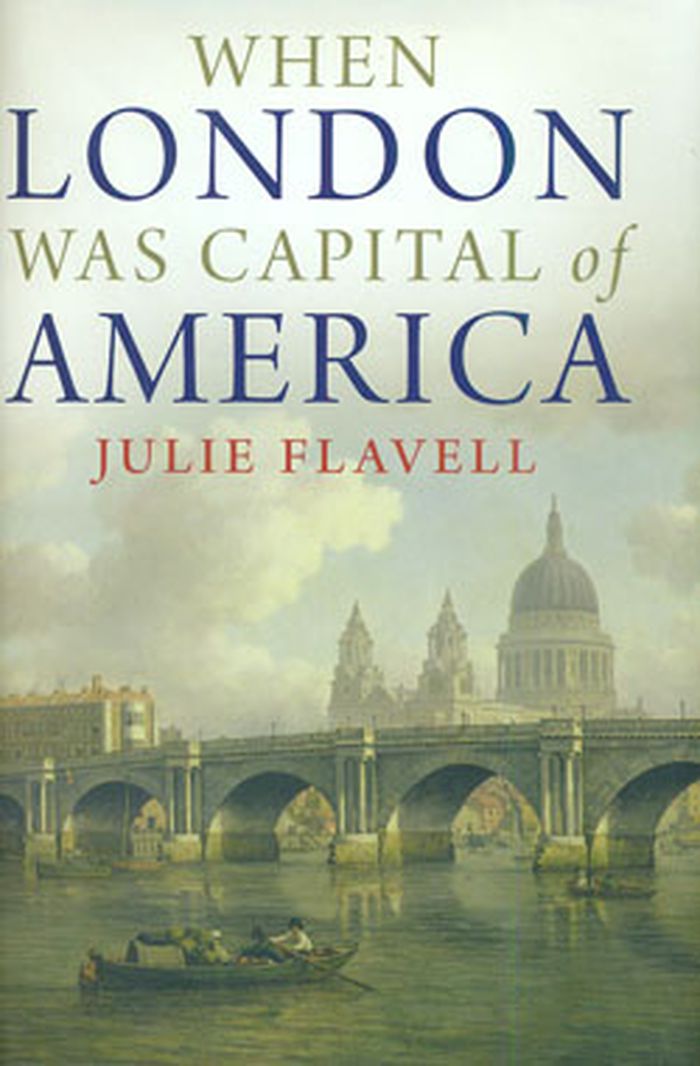
When London was capital of America
Actions:
Price:
$35.00
(available to order)
Summary:
Benjamin Franklin secretly loved London more than Philadelphia: it was simply the most exciting place to be in the British Empire. And in the decade before the outbreak of the American Revolution, thousands of his fellow colonists flocked to the Georgian city in its first big wave of American visitors. At the very point of political rupture, mother country and colonies were socially and culturally closer than ever before. In this first-ever portrait of eighteenth-century London as the capital of America, Julie Flavell recreates the famous city's heyday as the centre of an empire that encompassed North America and the West Indies. The momentous years before independence saw more colonial Americans than ever on London's streets: wealthy Southern plantation owners in quest of culture, slaves hoping for a chance of freedom, Yankee businessmen looking for opportunities in the city, even Ben Franklin seeking a second, more distinguished career. The stories of the colonials, no innocents abroad, vividly recreate a time when Americans saw London as their own and remind us of the complex, multiracial - at times even decadent - nature of America's colonial British heritage.
When London was capital of America
Actions:
Price:
$35.00
(available to order)
Summary:
Benjamin Franklin secretly loved London more than Philadelphia: it was simply the most exciting place to be in the British Empire. And in the decade before the outbreak of the American Revolution, thousands of his fellow colonists flocked to the Georgian city in its first big wave of American visitors. At the very point of political rupture, mother country and colonies were socially and culturally closer than ever before. In this first-ever portrait of eighteenth-century London as the capital of America, Julie Flavell recreates the famous city's heyday as the centre of an empire that encompassed North America and the West Indies. The momentous years before independence saw more colonial Americans than ever on London's streets: wealthy Southern plantation owners in quest of culture, slaves hoping for a chance of freedom, Yankee businessmen looking for opportunities in the city, even Ben Franklin seeking a second, more distinguished career. The stories of the colonials, no innocents abroad, vividly recreate a time when Americans saw London as their own and remind us of the complex, multiracial - at times even decadent - nature of America's colonial British heritage.
Form:
books
books
Publication:
June 2010
June 2010
Subject:
History until 1900, Great Britain
History until 1900, Great Britain
Form:
books
books
Actions:
Price:
$28.50
(available in store)
Summary:
Peter Reyner Banham, taught in the newly founded architecture program at the State University of New York at Buffalo between 1976 and 1980. During his tenure at Buffalo, inspired by the daylight factories and the grain silos of the region, he conducted research that led to his seminal book, A concrete Atlantis, illuminating the relationship between American industrial(...)
$28.50
(available in store)
Summary:
Peter Reyner Banham, taught in the newly founded architecture program at the State University of New York at Buffalo between 1976 and 1980. During his tenure at Buffalo, inspired by the daylight factories and the grain silos of the region, he conducted research that led to his seminal book, A concrete Atlantis, illuminating the relationship between American industrial(...)
Title:
Banham in Buffalo: 5 years of the Peter Reyner Banham Fellowship at the University at Buffalo Department of Architecture
Actions:
Price:
$28.50
(available in store)
Summary:
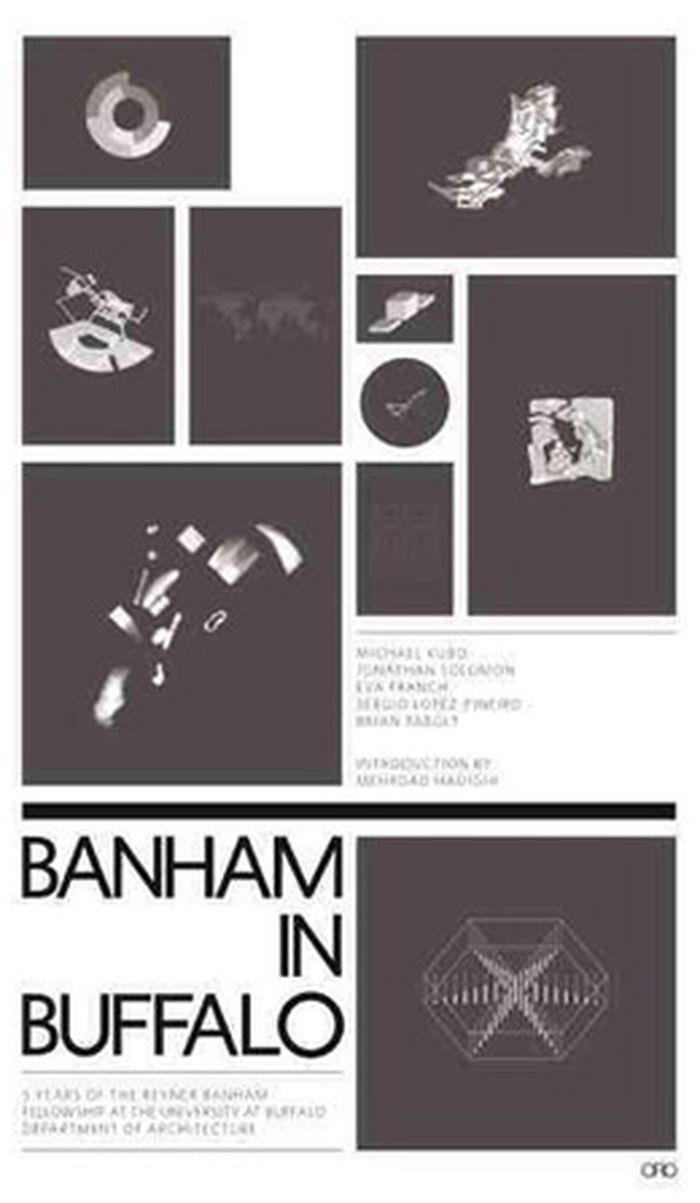
Peter Reyner Banham, taught in the newly founded architecture program at the State University of New York at Buffalo between 1976 and 1980. During his tenure at Buffalo, inspired by the daylight factories and the grain silos of the region, he conducted research that led to his seminal book, A concrete Atlantis, illuminating the relationship between American industrial buildings and European Modern Architecture. The Peter Reyner Banham Fellowship program at Buffalo was established in 2000 to celebrate Banham's legacy at Buffalo, and, most importantly, to project new work that is inspired by Banham's foundational body of scholarship on material and visual culture. Each year, the Banham Fellow engages the students and the faculty of the department through research, creative activity, and teaching, and presents that body of work through an exhibition and a lecture. In this publication, the projections of the past five Banham Fellows are documented: Jonathan Solomon (2005-2006), Sergio Lopez-Pineiro (2006-2007), Eva Franch-Gilabert (2007-2008), Michael Kubo (2008-2009), Brian Tabolt (2009-2010). This document is a testament to the reach of Banham's visions and to the visionary work of the Fellows at Buffalo.
Banham in Buffalo: 5 years of the Peter Reyner Banham Fellowship at the University at Buffalo Department of Architecture
Actions:
Price:
$28.50
(available in store)
Summary:
Peter Reyner Banham, taught in the newly founded architecture program at the State University of New York at Buffalo between 1976 and 1980. During his tenure at Buffalo, inspired by the daylight factories and the grain silos of the region, he conducted research that led to his seminal book, A concrete Atlantis, illuminating the relationship between American industrial buildings and European Modern Architecture. The Peter Reyner Banham Fellowship program at Buffalo was established in 2000 to celebrate Banham's legacy at Buffalo, and, most importantly, to project new work that is inspired by Banham's foundational body of scholarship on material and visual culture. Each year, the Banham Fellow engages the students and the faculty of the department through research, creative activity, and teaching, and presents that body of work through an exhibition and a lecture. In this publication, the projections of the past five Banham Fellows are documented: Jonathan Solomon (2005-2006), Sergio Lopez-Pineiro (2006-2007), Eva Franch-Gilabert (2007-2008), Michael Kubo (2008-2009), Brian Tabolt (2009-2010). This document is a testament to the reach of Banham's visions and to the visionary work of the Fellows at Buffalo.
Form:
books
books
Publication:
January 2012
January 2012
Subject:
Architectural Theory
Architectural Theory


