


6624 Results
Form:
books
books
Title:
Mind in architecture
Mind in architecture
Actions:
Price:
$49.00
(available to order)
Summary:
Although we spend more than ninety percent of our lives inside buildings, we understand very little about how the built environment affects our behavior, thoughts, emotions, and well-being. We are biological beings whose senses and neural systems have developed over millions of years; it stands to reason that research in the life sciences, particularly neuroscience, can(...)
$49.00
(available to order)
Summary:
Although we spend more than ninety percent of our lives inside buildings, we understand very little about how the built environment affects our behavior, thoughts, emotions, and well-being. We are biological beings whose senses and neural systems have developed over millions of years; it stands to reason that research in the life sciences, particularly neuroscience, can(...)
Title:
Mind in architecture
Actions:
Price:
$49.00
(available to order)
Summary:
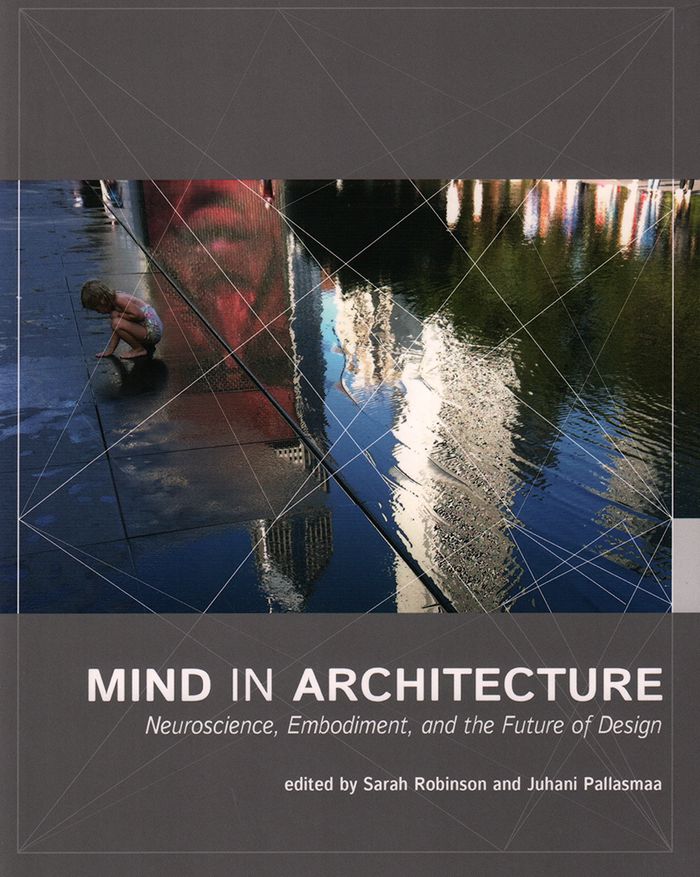
Although we spend more than ninety percent of our lives inside buildings, we understand very little about how the built environment affects our behavior, thoughts, emotions, and well-being. We are biological beings whose senses and neural systems have developed over millions of years; it stands to reason that research in the life sciences, particularly neuroscience, can offer compelling insights into the ways our buildings shape our interactions with the world. This expanded understanding can help architects design buildings that support both mind and body. In Mind in Architecture, leading thinkers from architecture and other disciplines, including neuroscience, cognitive science, psychiatry, and philosophy, explore what architecture and neuroscience can learn from each other. They offer historical context, examine the implications for current architectural practice and education, and imagine a neuroscientifically informed architecture of the future.
Mind in architecture
Actions:
Price:
$49.00
(available to order)
Summary:
Although we spend more than ninety percent of our lives inside buildings, we understand very little about how the built environment affects our behavior, thoughts, emotions, and well-being. We are biological beings whose senses and neural systems have developed over millions of years; it stands to reason that research in the life sciences, particularly neuroscience, can offer compelling insights into the ways our buildings shape our interactions with the world. This expanded understanding can help architects design buildings that support both mind and body. In Mind in Architecture, leading thinkers from architecture and other disciplines, including neuroscience, cognitive science, psychiatry, and philosophy, explore what architecture and neuroscience can learn from each other. They offer historical context, examine the implications for current architectural practice and education, and imagine a neuroscientifically informed architecture of the future.
Form:
books
books
Publication:
March 2017
March 2017
Subject:
Architectural Theory
Architectural Theory
Form:
books
books
Actions:
Price:
$65.00
(available in store)
Summary:
How has Berlin’s urban landscape changed in its remarkable transformation from divided city to creative capital? Despite the monumental heritage and grand development projects, Berlin still conjures up images of urban fragmentation and vacant inner-city land. The book reveals the changing nature and complex politics of this open space. A rephotographing of sites between(...)
$65.00
(available in store)
Summary:
How has Berlin’s urban landscape changed in its remarkable transformation from divided city to creative capital? Despite the monumental heritage and grand development projects, Berlin still conjures up images of urban fragmentation and vacant inner-city land. The book reveals the changing nature and complex politics of this open space. A rephotographing of sites between(...)
Title:
Spaces of uncertainty: Berlin revisited
Actions:
Price:
$65.00
(available in store)
Summary:
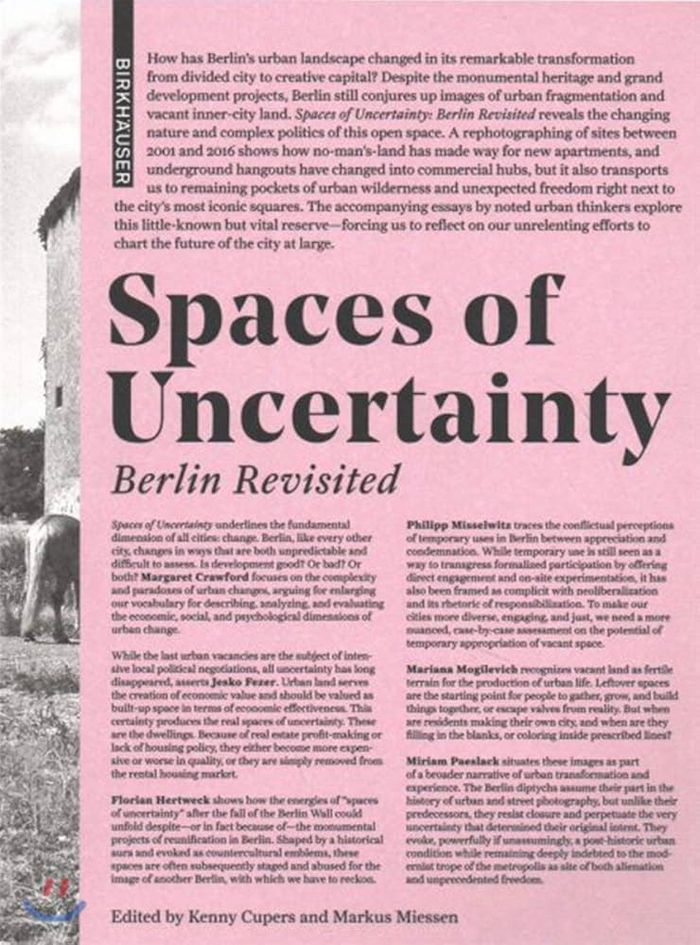
How has Berlin’s urban landscape changed in its remarkable transformation from divided city to creative capital? Despite the monumental heritage and grand development projects, Berlin still conjures up images of urban fragmentation and vacant inner-city land. The book reveals the changing nature and complex politics of this open space. A rephotographing of sites between 2001 and 2016 shows how no man’s land has made way for new apartments and underground hangouts have changed into commercial hubs, but it also transports us to remaining pockets of urban wilderness and unexpected freedom right next to the city’s most iconic squares. The accompanying essays by noted urban thinkers explore this little-known but vital reserve—forcing us to reflect on our unrelenting efforts to chart the future of the city at large.
Spaces of uncertainty: Berlin revisited
Actions:
Price:
$65.00
(available in store)
Summary:
How has Berlin’s urban landscape changed in its remarkable transformation from divided city to creative capital? Despite the monumental heritage and grand development projects, Berlin still conjures up images of urban fragmentation and vacant inner-city land. The book reveals the changing nature and complex politics of this open space. A rephotographing of sites between 2001 and 2016 shows how no man’s land has made way for new apartments and underground hangouts have changed into commercial hubs, but it also transports us to remaining pockets of urban wilderness and unexpected freedom right next to the city’s most iconic squares. The accompanying essays by noted urban thinkers explore this little-known but vital reserve—forcing us to reflect on our unrelenting efforts to chart the future of the city at large.
Form:
books
books
Publication:
March 2018
March 2018
Subject:
Urban Theory
Urban Theory
Form:
books
books
Actions:
Price:
$100.00
(available to order)
Summary:
With the recent recognition of Chandigarh's Capitol Complex as a UNESCO World Heritage Site, the spotlight on its creator, Le Corbusier considered the 20th century's greatest architect-planner attains a more illustrious glow. Against this backdrop, "Le Corbusier Rediscovered": Chandigarh and Beyond weaves together an anthology of inspired essays by eminent, global experts(...)
$100.00
(available to order)
Summary:
With the recent recognition of Chandigarh's Capitol Complex as a UNESCO World Heritage Site, the spotlight on its creator, Le Corbusier considered the 20th century's greatest architect-planner attains a more illustrious glow. Against this backdrop, "Le Corbusier Rediscovered": Chandigarh and Beyond weaves together an anthology of inspired essays by eminent, global experts(...)
Title:
Le Corbusier rediscovered: Chandigarh and beyond
Actions:
Price:
$100.00
(available to order)
Summary:
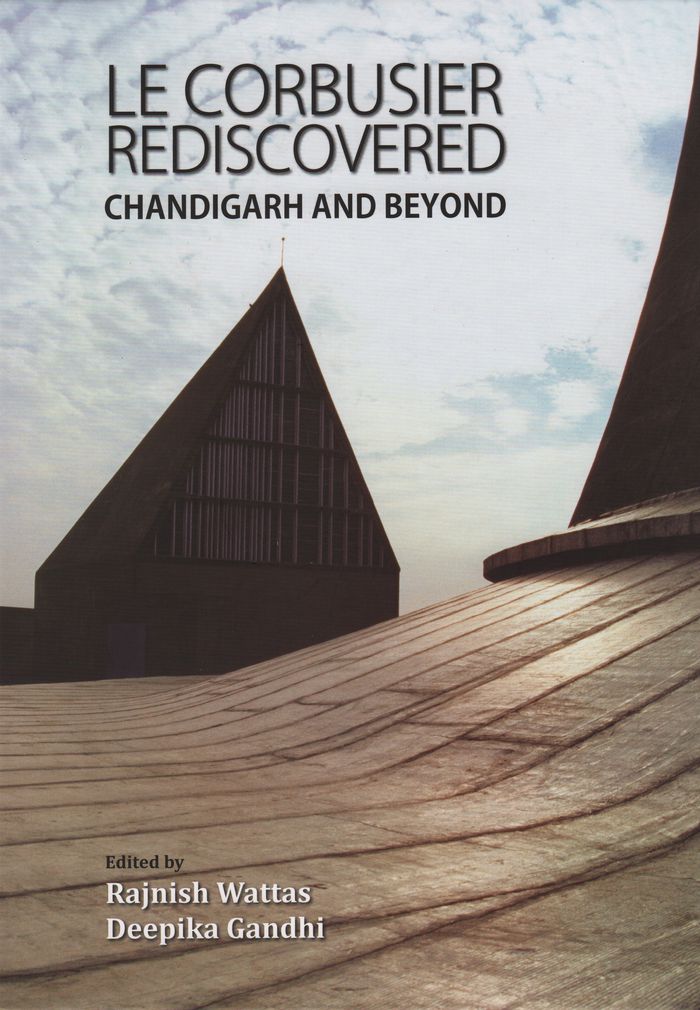
With the recent recognition of Chandigarh's Capitol Complex as a UNESCO World Heritage Site, the spotlight on its creator, Le Corbusier considered the 20th century's greatest architect-planner attains a more illustrious glow. Against this backdrop, "Le Corbusier Rediscovered": Chandigarh and Beyond weaves together an anthology of inspired essays by eminent, global experts on Corbusier's life, ideas and work, both in Chandigarh and at other places. The diverse yet interlinked themes forming a composite compendium, rediscover the timelessness of Corbusier's architecture and revisit his impact in India and the world over. Current issues like conservation of Chandigarh's architectural heritage, future strategies for its growth and the Smart City model for Indian urbanization are also addressed. The book is imbued with a patina of historicity imparted by the inclusion of some rare archival images and texts.
Le Corbusier rediscovered: Chandigarh and beyond
Actions:
Price:
$100.00
(available to order)
Summary:
With the recent recognition of Chandigarh's Capitol Complex as a UNESCO World Heritage Site, the spotlight on its creator, Le Corbusier considered the 20th century's greatest architect-planner attains a more illustrious glow. Against this backdrop, "Le Corbusier Rediscovered": Chandigarh and Beyond weaves together an anthology of inspired essays by eminent, global experts on Corbusier's life, ideas and work, both in Chandigarh and at other places. The diverse yet interlinked themes forming a composite compendium, rediscover the timelessness of Corbusier's architecture and revisit his impact in India and the world over. Current issues like conservation of Chandigarh's architectural heritage, future strategies for its growth and the Smart City model for Indian urbanization are also addressed. The book is imbued with a patina of historicity imparted by the inclusion of some rare archival images and texts.
Form:
books
books
Publication:
May 2018
May 2018
Subject:
Architecture Monographs
Architecture Monographs
Form:
books
books
Actions:
Price:
$28.95
(available to order)
Summary:
There is no escaping landscape: it's everywhere and part of everyone's life. Landscapes have received much less attention in aesthetics than those arts we can choose to ignore, such as painting or music - but they can tell us a lot about the ethical and aesthetic values of the societies that produce them. Drawing examples from a wide range of landscapes from around the(...)
$28.95
(available to order)
Summary:
There is no escaping landscape: it's everywhere and part of everyone's life. Landscapes have received much less attention in aesthetics than those arts we can choose to ignore, such as painting or music - but they can tell us a lot about the ethical and aesthetic values of the societies that produce them. Drawing examples from a wide range of landscapes from around the(...)
Title:
On landscapes, thinking in action
Actions:
Price:
$28.95
(available to order)
Summary:
There is no escaping landscape: it's everywhere and part of everyone's life. Landscapes have received much less attention in aesthetics than those arts we can choose to ignore, such as painting or music - but they can tell us a lot about the ethical and aesthetic values of the societies that produce them. Drawing examples from a wide range of landscapes from around the world and throughout history, the author considers the ways landscapes can affect our emotions, our imaginations, and our understanding of the passage of time. This publication reveals the enormous design work involved in even the most naturalistic of landscapes, such as Prospect Park in Brooklyn, and the ways in which contemporary landscapes are turning the challenges of the industrial past into opportunities for the future.
On landscapes, thinking in action
Actions:
Price:
$28.95
(available to order)
Summary:
There is no escaping landscape: it's everywhere and part of everyone's life. Landscapes have received much less attention in aesthetics than those arts we can choose to ignore, such as painting or music - but they can tell us a lot about the ethical and aesthetic values of the societies that produce them. Drawing examples from a wide range of landscapes from around the world and throughout history, the author considers the ways landscapes can affect our emotions, our imaginations, and our understanding of the passage of time. This publication reveals the enormous design work involved in even the most naturalistic of landscapes, such as Prospect Park in Brooklyn, and the ways in which contemporary landscapes are turning the challenges of the industrial past into opportunities for the future.
Form:
books
books
Publication:
September 2008
September 2008
Subject:
Landscape Theory
Landscape Theory
Form:
journals and magazines
journals and magazines
Actions:
Price:
$35.00
(available in store)
Summary:
Our society seems to be locked into a position in which the user’s and voter’s choices determine how we shall live in the future. A disturbing collective urban life in a giant Big Brother House looms, a material and social world in which sensationalistic media and its commercial translation dominate. Our sense of what is real and what is quality is on the verge of(...)
$35.00
(available in store)
Summary:
Our society seems to be locked into a position in which the user’s and voter’s choices determine how we shall live in the future. A disturbing collective urban life in a giant Big Brother House looms, a material and social world in which sensationalistic media and its commercial translation dominate. Our sense of what is real and what is quality is on the verge of(...)
Title:
Volume 16 engineering society
Actions:
Price:
$35.00
(available in store)
Summary:
Our society seems to be locked into a position in which the user’s and voter’s choices determine how we shall live in the future. A disturbing collective urban life in a giant Big Brother House looms, a material and social world in which sensationalistic media and its commercial translation dominate. Our sense of what is real and what is quality is on the verge of collapse. The practice and education of the engineers of this society is determined by short-term effect instead of long-term social responsibility. Culture becomes little more than a market, politics its façade and the city its stage. Instead of reviving old school high modernist social engineering or claiming the need for an intellectual junta, we solicit new forms of social engineering. Where shall this lead?
Volume 16 engineering society
Actions:
Price:
$35.00
(available in store)
Summary:
Our society seems to be locked into a position in which the user’s and voter’s choices determine how we shall live in the future. A disturbing collective urban life in a giant Big Brother House looms, a material and social world in which sensationalistic media and its commercial translation dominate. Our sense of what is real and what is quality is on the verge of collapse. The practice and education of the engineers of this society is determined by short-term effect instead of long-term social responsibility. Culture becomes little more than a market, politics its façade and the city its stage. Instead of reviving old school high modernist social engineering or claiming the need for an intellectual junta, we solicit new forms of social engineering. Where shall this lead?
Form:
journals and magazines
journals and magazines
Publication:
July 2008, Amsterdam
July 2008, Amsterdam
Subject:
Magazines
Magazines
Form:
books
books
Title:
Crucial words
Crucial words
Actions:
Price:
$39.95
(available to order)
Summary:
The conditions in which present-day architecture is produced are partly local and singular and partly global and universal. Understanding contemporary architecture means understanding all of these aspects. What are the pivotal themes? Gert Wingårdh and Rasmus Wærn, Swedens most active architect and its best-known architecture critic, asked themselves this question and(...)
$39.95
(available to order)
Summary:
The conditions in which present-day architecture is produced are partly local and singular and partly global and universal. Understanding contemporary architecture means understanding all of these aspects. What are the pivotal themes? Gert Wingårdh and Rasmus Wærn, Swedens most active architect and its best-known architecture critic, asked themselves this question and(...)
Title:
Crucial words
Actions:
Price:
$39.95
(available to order)
Summary:
The conditions in which present-day architecture is produced are partly local and singular and partly global and universal. Understanding contemporary architecture means understanding all of these aspects. What are the pivotal themes? Gert Wingårdh and Rasmus Wærn, Swedens most active architect and its best-known architecture critic, asked themselves this question and made a selection of approximately fifty terms and concepts, including Branding, Collaborators, Corporate, Desire, Future, Everyday, Ornament, and Wheelchair. The result is a very special dictionary with humorous illustrations and original articles by interesting protagonists such as Denise Scott Brown, Kenneth Frampton, Massimiliano Fuksas, Hans Ibelings, Peter Blundell Jones, Vittorio Magnago Lampugnani, Hans Ulrich Obrist, Juhani Pallasmaa, Joseph Rykwert, Jaime Salazar, Axel Sowa, and Wilfried Wang. A special highlight is the text by Nobel laureate Ohran Pamuk.
Crucial words
Actions:
Price:
$39.95
(available to order)
Summary:
The conditions in which present-day architecture is produced are partly local and singular and partly global and universal. Understanding contemporary architecture means understanding all of these aspects. What are the pivotal themes? Gert Wingårdh and Rasmus Wærn, Swedens most active architect and its best-known architecture critic, asked themselves this question and made a selection of approximately fifty terms and concepts, including Branding, Collaborators, Corporate, Desire, Future, Everyday, Ornament, and Wheelchair. The result is a very special dictionary with humorous illustrations and original articles by interesting protagonists such as Denise Scott Brown, Kenneth Frampton, Massimiliano Fuksas, Hans Ibelings, Peter Blundell Jones, Vittorio Magnago Lampugnani, Hans Ulrich Obrist, Juhani Pallasmaa, Joseph Rykwert, Jaime Salazar, Axel Sowa, and Wilfried Wang. A special highlight is the text by Nobel laureate Ohran Pamuk.
Form:
books
books
Publication:
March 2008, Berlin
March 2008, Berlin
Subject:
Architectural Theory
Architectural Theory
Form:
journals and magazines
journals and magazines
Title:
CLOG 14: landmark
CLOG 14: landmark
Actions:
Price:
$25.00
(available to order)
Summary:
Architecture's complicated relationship with wider social issues is laid bare through the process of landmarking, in which only one of six criteria—as outlined by the United States National Historic Landmarks program—mentions architectural merit. Furthermore, while structures were previously landmarked after having withstood the test of time, we now consider preserving(...)
$25.00
(available to order)
Summary:
Architecture's complicated relationship with wider social issues is laid bare through the process of landmarking, in which only one of six criteria—as outlined by the United States National Historic Landmarks program—mentions architectural merit. Furthermore, while structures were previously landmarked after having withstood the test of time, we now consider preserving(...)
Title:
CLOG 14: landmark
Actions:
Price:
$25.00
(available to order)
Summary:
Architecture's complicated relationship with wider social issues is laid bare through the process of landmarking, in which only one of six criteria—as outlined by the United States National Historic Landmarks program—mentions architectural merit. Furthermore, while structures were previously landmarked after having withstood the test of time, we now consider preserving comparatively young buildings and debate the historical value of unbuilt structures. By designating local, national, and international landmarks and landmark districts, societies officially declare which buildings and places possess cultural value. What are the bases for making these decisions, and what does this mean for the future? With many important buildings facing the wrecking ball and an increasing number of buildings receiving landmark status, it is time to critically discuss how we both let go of and hold onto the past.
CLOG 14: landmark
Actions:
Price:
$25.00
(available to order)
Summary:
Architecture's complicated relationship with wider social issues is laid bare through the process of landmarking, in which only one of six criteria—as outlined by the United States National Historic Landmarks program—mentions architectural merit. Furthermore, while structures were previously landmarked after having withstood the test of time, we now consider preserving comparatively young buildings and debate the historical value of unbuilt structures. By designating local, national, and international landmarks and landmark districts, societies officially declare which buildings and places possess cultural value. What are the bases for making these decisions, and what does this mean for the future? With many important buildings facing the wrecking ball and an increasing number of buildings receiving landmark status, it is time to critically discuss how we both let go of and hold onto the past.
Form:
journals and magazines
journals and magazines
Publication:
March 2016
March 2016
Subject:
Magazines
Magazines
Form:
books
books
Title:
Water and Los Angeles
Water and Los Angeles
Actions:
Price:
$45.50
(available to order)
Summary:
Los Angeles rose to significance in the first half of the twentieth century by way of its complex relationship to three rivers: the Los Angeles, the Owens, and the Colorado. The remarkable urban and suburban trajectory of southern California since then cannot be fully understood without reference to the ways in which each of these three river systems came to be connected(...)
$45.50
(available to order)
Summary:
Los Angeles rose to significance in the first half of the twentieth century by way of its complex relationship to three rivers: the Los Angeles, the Owens, and the Colorado. The remarkable urban and suburban trajectory of southern California since then cannot be fully understood without reference to the ways in which each of these three river systems came to be connected(...)
Title:
Water and Los Angeles
Actions:
Price:
$45.50
(available to order)
Summary:
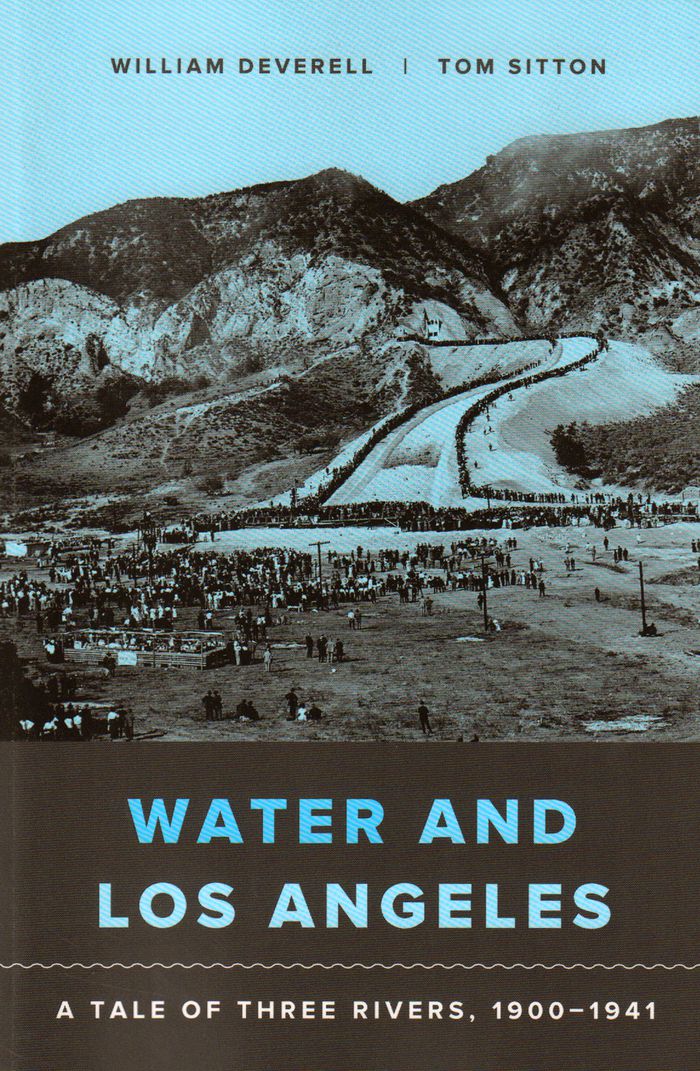
Los Angeles rose to significance in the first half of the twentieth century by way of its complex relationship to three rivers: the Los Angeles, the Owens, and the Colorado. The remarkable urban and suburban trajectory of southern California since then cannot be fully understood without reference to the ways in which each of these three river systems came to be connected to the future of the metropolitan region. This history of growth must be understood in full consideration of all three rivers and the challenges and opportunities they presented to those who would come to make Los Angeles a global power. Full of primary sources and original documents, ''Water and Los Angeles'' will be of interest to both students of Los Angeles and general readers interested in the origins of the city.
Water and Los Angeles
Actions:
Price:
$45.50
(available to order)
Summary:
Los Angeles rose to significance in the first half of the twentieth century by way of its complex relationship to three rivers: the Los Angeles, the Owens, and the Colorado. The remarkable urban and suburban trajectory of southern California since then cannot be fully understood without reference to the ways in which each of these three river systems came to be connected to the future of the metropolitan region. This history of growth must be understood in full consideration of all three rivers and the challenges and opportunities they presented to those who would come to make Los Angeles a global power. Full of primary sources and original documents, ''Water and Los Angeles'' will be of interest to both students of Los Angeles and general readers interested in the origins of the city.
Form:
books
books
Publication:
September 2016
September 2016
Subject:
Urban Theory
Urban Theory
Form:
books
books
Actions:
Price:
$32.95
(available to order)
Summary:
The creation of Soviet culture in the 1920s and the 1930s was the most radical of modernist projects, both in aesthetic and in political terms. "Modernism and the Making of the Soviet New Man" explores the architecture of this period as the nexus between aesthetics and politics. The design of the material environment, according to the author, was the social effort that(...)
$32.95
(available to order)
Summary:
The creation of Soviet culture in the 1920s and the 1930s was the most radical of modernist projects, both in aesthetic and in political terms. "Modernism and the Making of the Soviet New Man" explores the architecture of this period as the nexus between aesthetics and politics. The design of the material environment, according to the author, was the social effort that(...)
Title:
Modernism and the making of the Soviet new man
Actions:
Price:
$32.95
(available to order)
Summary:
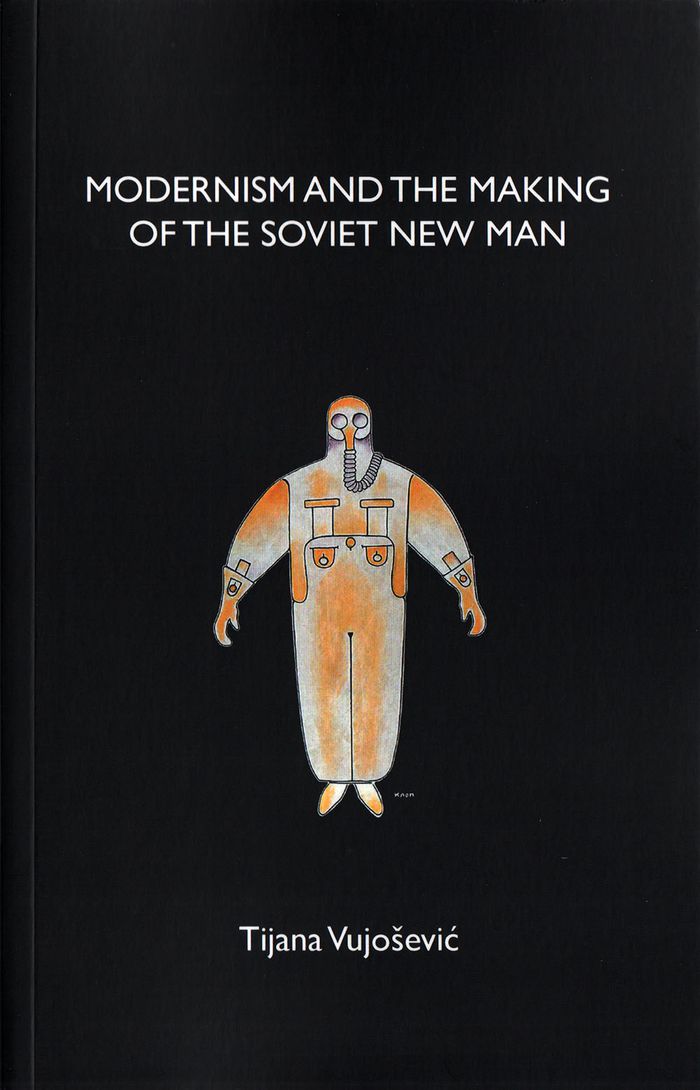
The creation of Soviet culture in the 1920s and the 1930s was the most radical of modernist projects, both in aesthetic and in political terms. "Modernism and the Making of the Soviet New Man" explores the architecture of this period as the nexus between aesthetics and politics. The design of the material environment, according to the author, was the social effort that most clearly articulated the dynamic of the socialist project as a negotiation between utopia and reality, the will for progress and the will for tyranny. It was a comprehensive effort that brought together professional architects and statisticians, theatre directors, managers, housewives, pilots, construction workers. What they had in common was the enthusiasm for defining the "new man", the ideal citizen of the radiant future, and the settings in which he or she lives.
Modernism and the making of the Soviet new man
Actions:
Price:
$32.95
(available to order)
Summary:
The creation of Soviet culture in the 1920s and the 1930s was the most radical of modernist projects, both in aesthetic and in political terms. "Modernism and the Making of the Soviet New Man" explores the architecture of this period as the nexus between aesthetics and politics. The design of the material environment, according to the author, was the social effort that most clearly articulated the dynamic of the socialist project as a negotiation between utopia and reality, the will for progress and the will for tyranny. It was a comprehensive effort that brought together professional architects and statisticians, theatre directors, managers, housewives, pilots, construction workers. What they had in common was the enthusiasm for defining the "new man", the ideal citizen of the radiant future, and the settings in which he or she lives.
Form:
books
books
Publication:
March 2019
March 2019
Subject:
Modernism
Modernism
Form:
books
books
Actions:
Price:
$65.95
(available to order)
Summary:
First translation into English on the occasion of the 150th anniversary of the publication of the "General Theory of Urbanization 1867" by Ildefons Cerdà, an essential work on urban development. In 1867 Ildefons Cerdà published his "Teoria general de la urbanitzación." In this text, the "science of building cities," understood as a phenomenon, became a new discipline with(...)
$65.95
(available to order)
Summary:
First translation into English on the occasion of the 150th anniversary of the publication of the "General Theory of Urbanization 1867" by Ildefons Cerdà, an essential work on urban development. In 1867 Ildefons Cerdà published his "Teoria general de la urbanitzación." In this text, the "science of building cities," understood as a phenomenon, became a new discipline with(...)
Title:
General theory of urbanization 1867
Actions:
Price:
$65.95
(available to order)
Summary:
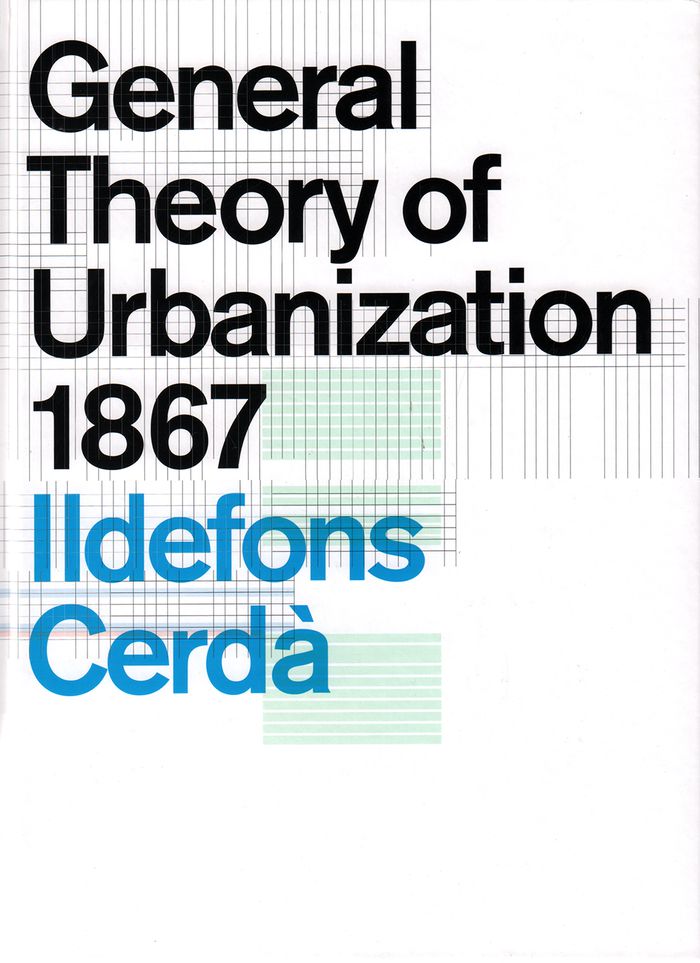
First translation into English on the occasion of the 150th anniversary of the publication of the "General Theory of Urbanization 1867" by Ildefons Cerdà, an essential work on urban development. In 1867 Ildefons Cerdà published his "Teoria general de la urbanitzación." In this text, the "science of building cities," understood as a phenomenon, became a new discipline with a broad economic, social and cultural impact on the life of the people of the city. Coinciding with 150 years since its publication, its first translation into English is being presented along with the publishing online at urbanization.org with the statistics transformed into interactive graphics and open data, with the aim of expanding the knowledge of Cerda`'s work and encouraging debate on the process of "urbanization" in the future.
General theory of urbanization 1867
Actions:
Price:
$65.95
(available to order)
Summary:
First translation into English on the occasion of the 150th anniversary of the publication of the "General Theory of Urbanization 1867" by Ildefons Cerdà, an essential work on urban development. In 1867 Ildefons Cerdà published his "Teoria general de la urbanitzación." In this text, the "science of building cities," understood as a phenomenon, became a new discipline with a broad economic, social and cultural impact on the life of the people of the city. Coinciding with 150 years since its publication, its first translation into English is being presented along with the publishing online at urbanization.org with the statistics transformed into interactive graphics and open data, with the aim of expanding the knowledge of Cerda`'s work and encouraging debate on the process of "urbanization" in the future.
Form:
books
books
Publication:
July 2018
July 2018
Subject:
Urban Theory
Urban Theory


