


6578 Results
Form:
books
books
Actions:
Price:
$80.95
(available to order)
Summary:
A book covering all aspects of campus building and landscape planning from the updating and revitalization of the existing architectural heritage to innovative new buildings that meet today's and tomorrow's academic needs.
$80.95
(available to order)
Summary:
A book covering all aspects of campus building and landscape planning from the updating and revitalization of the existing architectural heritage to innovative new buildings that meet today's and tomorrow's academic needs.
Subject:
Commercial interiors, Building types
Commercial interiors, Building types
Publication:
April 1996, New York
April 1996, New York
Title:
Campus architecture : building in the groves of academe
Actions:
Price:
$80.95
(available to order)
Summary:
A book covering all aspects of campus building and landscape planning from the updating and revitalization of the existing architectural heritage to innovative new buildings that meet today's and tomorrow's academic needs.
Campus architecture : building in the groves of academe
Actions:
Price:
$80.95
(available to order)
Summary:
A book covering all aspects of campus building and landscape planning from the updating and revitalization of the existing architectural heritage to innovative new buildings that meet today's and tomorrow's academic needs.
Form:
books
books
Publication:
April 1996, New York
April 1996, New York
Subject:
Commercial interiors, Building types
Commercial interiors, Building types
Form:
books
books

Actions:
Price:
$32.95
(available to order)
Summary:
Abigail A. Van Slyck discusses the most visible and evocative aspect of camp life: its landscape and architecture. She argues that summer camps delivered much more than a simple encounter with the natural world. Instead, she suggests, camps provided a man-made version of wilderness, shaped by middle-class anxieties about gender roles, class tensions, race relations, and(...)
$32.95
(available to order)
Summary:
Abigail A. Van Slyck discusses the most visible and evocative aspect of camp life: its landscape and architecture. She argues that summer camps delivered much more than a simple encounter with the natural world. Instead, she suggests, camps provided a man-made version of wilderness, shaped by middle-class anxieties about gender roles, class tensions, race relations, and(...)
Title:
A manufactured wilderness: Summer camps and the shaping of American youth, 1890-1960
Actions:
Price:
$32.95
(available to order)
Summary:
Abigail A. Van Slyck discusses the most visible and evocative aspect of camp life: its landscape and architecture. She argues that summer camps delivered much more than a simple encounter with the natural world. Instead, she suggests, camps provided a man-made version of wilderness, shaped by middle-class anxieties about gender roles, class tensions, race relations, and modernity and its impact on the lives of children.
A manufactured wilderness: Summer camps and the shaping of American youth, 1890-1960
Actions:
Price:
$32.95
(available to order)
Summary:
Abigail A. Van Slyck discusses the most visible and evocative aspect of camp life: its landscape and architecture. She argues that summer camps delivered much more than a simple encounter with the natural world. Instead, she suggests, camps provided a man-made version of wilderness, shaped by middle-class anxieties about gender roles, class tensions, race relations, and modernity and its impact on the lives of children.
Form:
books
books
Publication:
April 2010
April 2010
Subject:
Architectural Theory
Architectural Theory
Form:
books
books
Actions:
Price:
$27.95
(available to order)
Summary:
There is an almost elemental appeal in the rural fishing villages of Nova Scotia, Maine, and Newfoundland. Their intimate connection to nature, to the land, water, and (often harsh) weather; their reliance on ingenuity, on-hand materials, and craftsmanship; and their values of thrift and endurance serve as inspiration and as touchstones for those of us caught up in the(...)
$27.95
(available to order)
Summary:
There is an almost elemental appeal in the rural fishing villages of Nova Scotia, Maine, and Newfoundland. Their intimate connection to nature, to the land, water, and (often harsh) weather; their reliance on ingenuity, on-hand materials, and craftsmanship; and their values of thrift and endurance serve as inspiration and as touchstones for those of us caught up in the(...)
Title:
Tilting : house launching, slide hauling, potato trenching, and other tales from a Newfoundland fishing village
Actions:
Price:
$27.95
(available to order)
Summary:
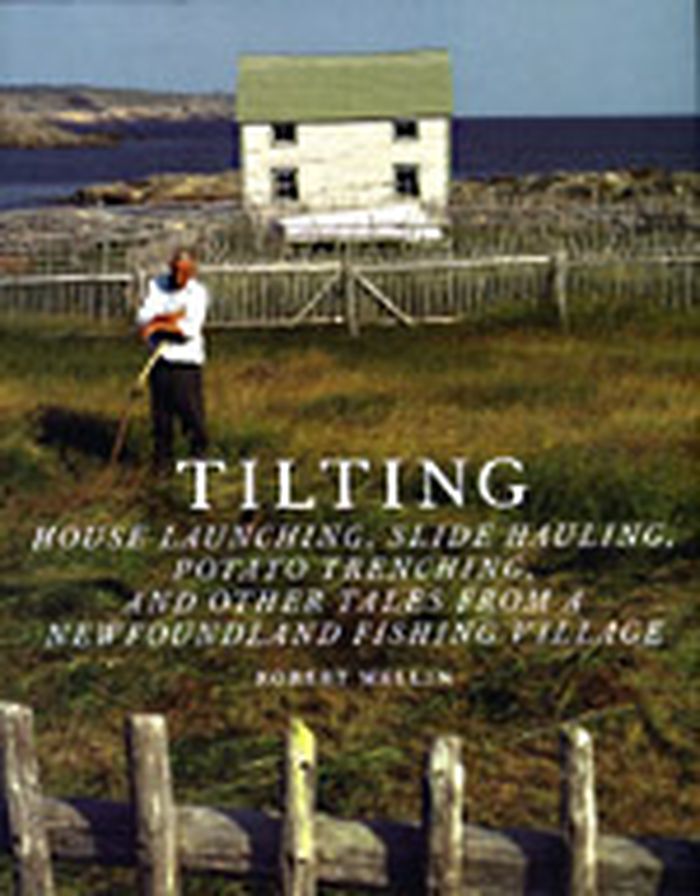
There is an almost elemental appeal in the rural fishing villages of Nova Scotia, Maine, and Newfoundland. Their intimate connection to nature, to the land, water, and (often harsh) weather; their reliance on ingenuity, on-hand materials, and craftsmanship; and their values of thrift and endurance serve as inspiration and as touchstones for those of us caught up in the hubbub of modern life. "Tilting" is a celebration of all these virtues and an eclectic documentation of the buildings, landscape, and lifestyle of this remote community on a small island far off the Canadian coast. Through photographs, firsthand historical anecdotes, and delicate pencil drawings, author Robert Mellin presents a personal account of Tilting's houses, outbuildings, furniture, tools, fences, and docks, and, in the process, the way of life of Tilting. Mellin describes how houses are built for mobility and then "launched," or moved; how houses are detailed and constructed; how cabbage houses are built out of overturned boats; and the difference between picket, paling, and riddle fences.
Tilting : house launching, slide hauling, potato trenching, and other tales from a Newfoundland fishing village
Actions:
Price:
$27.95
(available to order)
Summary:
There is an almost elemental appeal in the rural fishing villages of Nova Scotia, Maine, and Newfoundland. Their intimate connection to nature, to the land, water, and (often harsh) weather; their reliance on ingenuity, on-hand materials, and craftsmanship; and their values of thrift and endurance serve as inspiration and as touchstones for those of us caught up in the hubbub of modern life. "Tilting" is a celebration of all these virtues and an eclectic documentation of the buildings, landscape, and lifestyle of this remote community on a small island far off the Canadian coast. Through photographs, firsthand historical anecdotes, and delicate pencil drawings, author Robert Mellin presents a personal account of Tilting's houses, outbuildings, furniture, tools, fences, and docks, and, in the process, the way of life of Tilting. Mellin describes how houses are built for mobility and then "launched," or moved; how houses are detailed and constructed; how cabbage houses are built out of overturned boats; and the difference between picket, paling, and riddle fences.
Form:
books
books
Publication:
March 2003, New York
March 2003, New York
Subject:
Architecture in Canada
Architecture in Canada
Form:
books
books
Title:
The bench in the garden
The bench in the garden
Actions:
Price:
$37.95
(available to order)
Summary:
The bench, an apparently small and almost irrelevant object, appears to function as a significant object in both through specific physical placement and in a more general sense- that of the blended domain of aesthetics, garden history, architecture, spatiality and subjectivity. The bench acts as a powerful visual machine, regulating the reception of a landscape in what it(...)
$37.95
(available to order)
Summary:
The bench, an apparently small and almost irrelevant object, appears to function as a significant object in both through specific physical placement and in a more general sense- that of the blended domain of aesthetics, garden history, architecture, spatiality and subjectivity. The bench acts as a powerful visual machine, regulating the reception of a landscape in what it(...)
Title:
The bench in the garden
Actions:
Price:
$37.95
(available to order)
Summary:
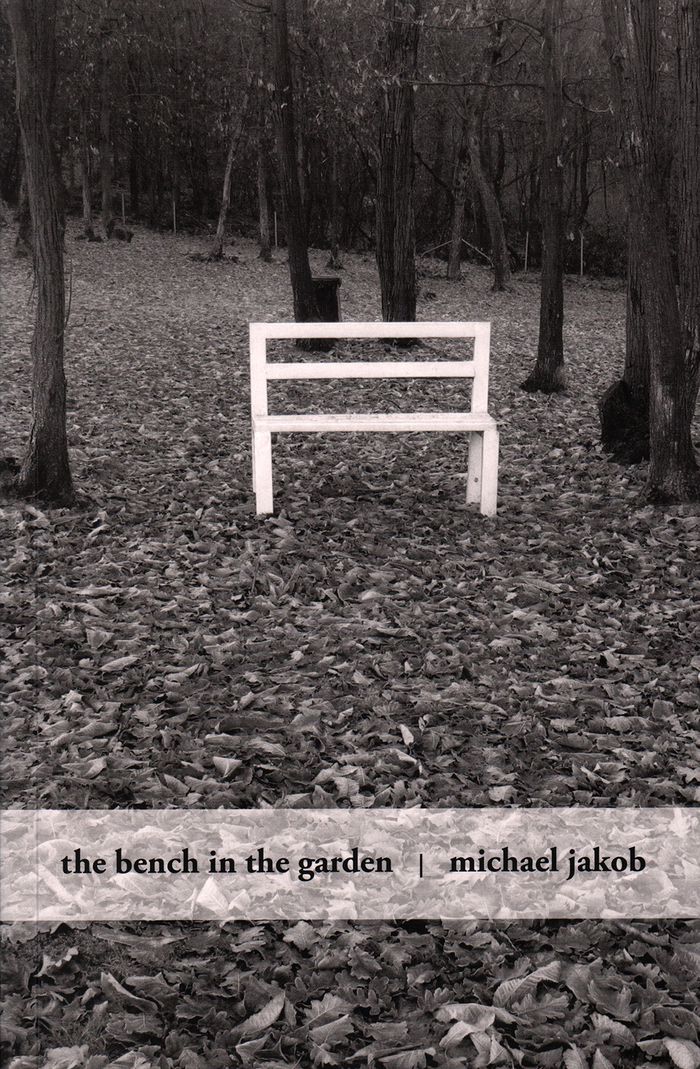
The bench, an apparently small and almost irrelevant object, appears to function as a significant object in both through specific physical placement and in a more general sense- that of the blended domain of aesthetics, garden history, architecture, spatiality and subjectivity. The bench acts as a powerful visual machine, regulating the reception of a landscape in what it has to offer to its visitors. By transmitting verbal messages through inscriptions, citing other benches as part of a complex walk circuit, providing rest and inviting users to discover new aspects of the site, this highly polysemic element orients and disorients the visitor at the same time.
The bench in the garden
Actions:
Price:
$37.95
(available to order)
Summary:
The bench, an apparently small and almost irrelevant object, appears to function as a significant object in both through specific physical placement and in a more general sense- that of the blended domain of aesthetics, garden history, architecture, spatiality and subjectivity. The bench acts as a powerful visual machine, regulating the reception of a landscape in what it has to offer to its visitors. By transmitting verbal messages through inscriptions, citing other benches as part of a complex walk circuit, providing rest and inviting users to discover new aspects of the site, this highly polysemic element orients and disorients the visitor at the same time.
Form:
books
books
Publication:
July 2017
July 2017
Subject:
Landscape Theory
Landscape Theory
Form:
books
books
Actions:
Price:
$42.95
(available to order)
Summary:
This is an eclectic, yet rigorous reflection on the relationship - historical, present and future - between humanity and the garden. Through the lens of Utopian Studies - the interdisciplinary field that encompasses fictions all the way through to actual political projects, and urban ideals; in a nutshell, addressing the human natural drive towards the ideal - Earth(...)
$42.95
(available to order)
Summary:
This is an eclectic, yet rigorous reflection on the relationship - historical, present and future - between humanity and the garden. Through the lens of Utopian Studies - the interdisciplinary field that encompasses fictions all the way through to actual political projects, and urban ideals; in a nutshell, addressing the human natural drive towards the ideal - Earth(...)
Title:
Earth perfect? Nature, utopia and the garden
Actions:
Price:
$42.95
(available to order)
Summary:
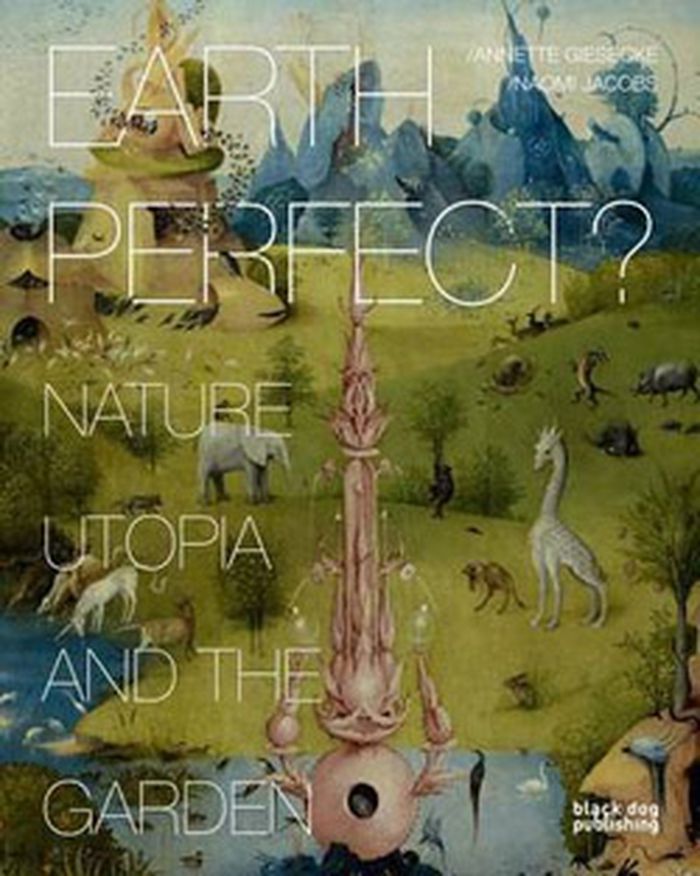
This is an eclectic, yet rigorous reflection on the relationship - historical, present and future - between humanity and the garden. Through the lens of Utopian Studies - the interdisciplinary field that encompasses fictions all the way through to actual political projects, and urban ideals; in a nutshell, addressing the human natural drive towards the ideal - Earth Perfect? brings together a selection of essays, each contributed by writers from the fields of architecture, history of art, classics, cultural studies, farming, geography, horticulture, landscape architecture, law, literature, philosophy, urban planning and the natural sciences.
Earth perfect? Nature, utopia and the garden
Actions:
Price:
$42.95
(available to order)
Summary:
This is an eclectic, yet rigorous reflection on the relationship - historical, present and future - between humanity and the garden. Through the lens of Utopian Studies - the interdisciplinary field that encompasses fictions all the way through to actual political projects, and urban ideals; in a nutshell, addressing the human natural drive towards the ideal - Earth Perfect? brings together a selection of essays, each contributed by writers from the fields of architecture, history of art, classics, cultural studies, farming, geography, horticulture, landscape architecture, law, literature, philosophy, urban planning and the natural sciences.
Form:
books
books
Publication:
May 2012
May 2012
Subject:
Gardens
Gardens
Form:
books
books
Actions:
Price:
$64.95
(available to order)
Summary:
Pierre-Jean Giloux seeks to create a language using sound and image that combines elements of pop culture and mass media with more 'intellectual' cultures which refer to the visual arts and architecture. This first monograph by the artist accompanies a series of videos inspired by the Metabolists, a utopist architecture movement which emerged in Japan in the late 1950s.(...)
$64.95
(available to order)
Summary:
Pierre-Jean Giloux seeks to create a language using sound and image that combines elements of pop culture and mass media with more 'intellectual' cultures which refer to the visual arts and architecture. This first monograph by the artist accompanies a series of videos inspired by the Metabolists, a utopist architecture movement which emerged in Japan in the late 1950s.(...)
Title:
Pierre Jean Giloux : invisible cities : Machinami, Japanese urban landscapes
Actions:
Price:
$64.95
(available to order)
Summary:
Pierre-Jean Giloux seeks to create a language using sound and image that combines elements of pop culture and mass media with more 'intellectual' cultures which refer to the visual arts and architecture. This first monograph by the artist accompanies a series of videos inspired by the Metabolists, a utopist architecture movement which emerged in Japan in the late 1950s. It follows the films’ production as he explores the connections between four cities (Tokyo, Yokohama, Osaka, Kyoto) to create urban portraits combining digital with filmed or photographed images of social and urban reality. The book includes texts by Pierre Musso, Élie During, and Vincent Romagny.
Pierre Jean Giloux : invisible cities : Machinami, Japanese urban landscapes
Actions:
Price:
$64.95
(available to order)
Summary:
Pierre-Jean Giloux seeks to create a language using sound and image that combines elements of pop culture and mass media with more 'intellectual' cultures which refer to the visual arts and architecture. This first monograph by the artist accompanies a series of videos inspired by the Metabolists, a utopist architecture movement which emerged in Japan in the late 1950s. It follows the films’ production as he explores the connections between four cities (Tokyo, Yokohama, Osaka, Kyoto) to create urban portraits combining digital with filmed or photographed images of social and urban reality. The book includes texts by Pierre Musso, Élie During, and Vincent Romagny.
Form:
books
books
Publication:
June 2018
June 2018
Subject:
Architecture and Film, Set Design
Architecture and Film, Set Design
Form:
books
books
Actions:
Price:
$62.00
(available in store)
Summary:
Centered on the Al Ahsa region, one of the world's oldest and largest oases, "Maghras: A farm for experimentation" (accompanying the inaugural Saudi Pavilion at the 24th Triennale di Milano, marking Saudi Arabia's first participation in this global architecture and design platform) reimagines the farm as a site of collective inquiry, where environmental change, cultural(...)
$62.00
(available in store)
Summary:
Centered on the Al Ahsa region, one of the world's oldest and largest oases, "Maghras: A farm for experimentation" (accompanying the inaugural Saudi Pavilion at the 24th Triennale di Milano, marking Saudi Arabia's first participation in this global architecture and design platform) reimagines the farm as a site of collective inquiry, where environmental change, cultural(...)
Subject:
Landscape Theory
Landscape Theory
Publication:
December 2025
December 2025
Title:
Maghras: A farm for experimentation
Actions:
Price:
$62.00
(available in store)
Summary:
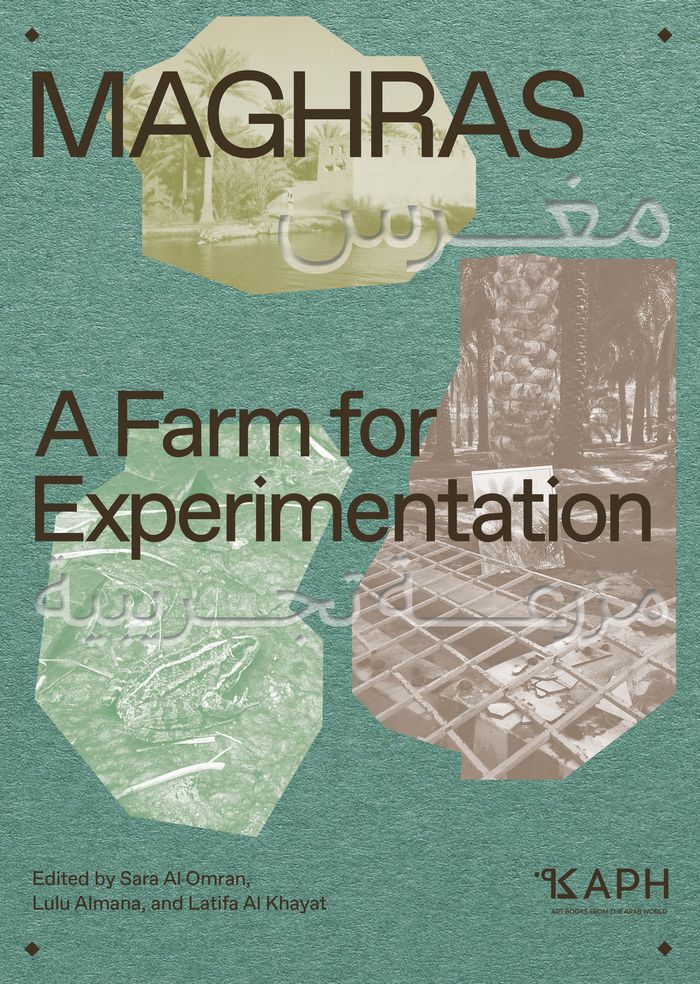
Centered on the Al Ahsa region, one of the world's oldest and largest oases, "Maghras: A farm for experimentation" (accompanying the inaugural Saudi Pavilion at the 24th Triennale di Milano, marking Saudi Arabia's first participation in this global architecture and design platform) reimagines the farm as a site of collective inquiry, where environmental change, cultural memory, and community practices converge. The publication documents research, fieldwork, and newly commissioned projects by architects, artists, and practitioners who engaged with farmers, craftspeople, and residents of Al Ahsa. Through essays, images, oral histories, and archival material, it reflects on the shifting relationship between land, water, and community in a landscape transformed by modernization and urban expansion.
Maghras: A farm for experimentation
Actions:
Price:
$62.00
(available in store)
Summary:
Centered on the Al Ahsa region, one of the world's oldest and largest oases, "Maghras: A farm for experimentation" (accompanying the inaugural Saudi Pavilion at the 24th Triennale di Milano, marking Saudi Arabia's first participation in this global architecture and design platform) reimagines the farm as a site of collective inquiry, where environmental change, cultural memory, and community practices converge. The publication documents research, fieldwork, and newly commissioned projects by architects, artists, and practitioners who engaged with farmers, craftspeople, and residents of Al Ahsa. Through essays, images, oral histories, and archival material, it reflects on the shifting relationship between land, water, and community in a landscape transformed by modernization and urban expansion.
Form:
books
books
Publication:
December 2025
December 2025
Subject:
Landscape Theory
Landscape Theory
Form:
books
books
Actions:
Price:
$49.00
(available to order)
Summary:
Many people who live in and visit the Lake District are charmed by the traditional buildings that enhance the landscape. This book introduces the traditional houses, barns, watermills, and chapels of the Lake District and the surrounding hills and valleys that make up the county of Cumbria. With the aid of hundreds of photographs, drawings, and diagrams, the author(...)
$49.00
(available to order)
Summary:
Many people who live in and visit the Lake District are charmed by the traditional buildings that enhance the landscape. This book introduces the traditional houses, barns, watermills, and chapels of the Lake District and the surrounding hills and valleys that make up the county of Cumbria. With the aid of hundreds of photographs, drawings, and diagrams, the author(...)
Title:
Traditional buildings of Cumbria : the county of the Lakes
Actions:
Price:
$49.00
(available to order)
Summary:
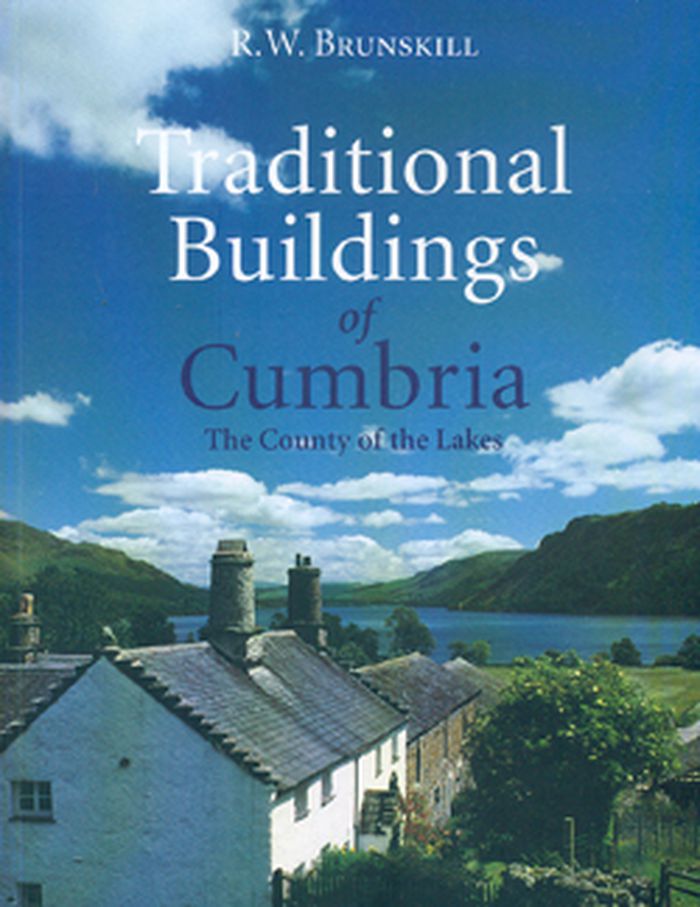
Many people who live in and visit the Lake District are charmed by the traditional buildings that enhance the landscape. This book introduces the traditional houses, barns, watermills, and chapels of the Lake District and the surrounding hills and valleys that make up the county of Cumbria. With the aid of hundreds of photographs, drawings, and diagrams, the author explains how the building types have developed over the centuries and how the indigenous building materials of stone, clay, brick, and slate have been used to create works of vernacular architecture that seem to grow out of the surrounding landscape.
Traditional buildings of Cumbria : the county of the Lakes
Actions:
Price:
$49.00
(available to order)
Summary:
Many people who live in and visit the Lake District are charmed by the traditional buildings that enhance the landscape. This book introduces the traditional houses, barns, watermills, and chapels of the Lake District and the surrounding hills and valleys that make up the county of Cumbria. With the aid of hundreds of photographs, drawings, and diagrams, the author explains how the building types have developed over the centuries and how the indigenous building materials of stone, clay, brick, and slate have been used to create works of vernacular architecture that seem to grow out of the surrounding landscape.
Form:
books
books
Publication:
August 2011
August 2011
Subject:
Residential Architecture
Residential Architecture
Form:
books
books
Price:
$22.95
(available to order)
Summary:
The dominant architectures in our culture of development consist of generic protocols for building offices, airports, houses, and highways. For Keller Easterling these organizational formats are not merely the context of design efforts. They are the design. Bridging the gap between architecture and infrastructure, Easterling views architecture as part of an ecology of(...)
$22.95
(available to order)
Summary:
The dominant architectures in our culture of development consist of generic protocols for building offices, airports, houses, and highways. For Keller Easterling these organizational formats are not merely the context of design efforts. They are the design. Bridging the gap between architecture and infrastructure, Easterling views architecture as part of an ecology of(...)
Title:
Organization space : landscapes, highways, and houses in America
Actions:
Price:
$22.95
(available to order)
Summary:
The dominant architectures in our culture of development consist of generic protocols for building offices, airports, houses, and highways. For Keller Easterling these organizational formats are not merely the context of design efforts. They are the design. Bridging the gap between architecture and infrastructure, Easterling views architecture as part of an ecology of interrelationships and linkages, and she treats the expression of organizational character as part of the architectural endeavor. Easterling also makes the case that these organizational formats are improvisational and responsive to circumstantial change, to mistakes, anomalies, and seemingly illogical market forces. By treating these irregularities opportunistically, she offers architects working within the customary development protocols new sites for making and altering space. By showing the reciprocal relations between systems of thinking and modes of designing, Easterling establishes unexpected congruencies between natural and built environments, virtual and physical systems, highway and communication networks, and corporate and spatial organizations. She frames her unconventional notion of site not in terms of singular entities, but in terms of relationships between multiple sites that are both individually and collectively adjustable.
Organization space : landscapes, highways, and houses in America
Actions:
Price:
$22.95
(available to order)
Summary:
The dominant architectures in our culture of development consist of generic protocols for building offices, airports, houses, and highways. For Keller Easterling these organizational formats are not merely the context of design efforts. They are the design. Bridging the gap between architecture and infrastructure, Easterling views architecture as part of an ecology of interrelationships and linkages, and she treats the expression of organizational character as part of the architectural endeavor. Easterling also makes the case that these organizational formats are improvisational and responsive to circumstantial change, to mistakes, anomalies, and seemingly illogical market forces. By treating these irregularities opportunistically, she offers architects working within the customary development protocols new sites for making and altering space. By showing the reciprocal relations between systems of thinking and modes of designing, Easterling establishes unexpected congruencies between natural and built environments, virtual and physical systems, highway and communication networks, and corporate and spatial organizations. She frames her unconventional notion of site not in terms of singular entities, but in terms of relationships between multiple sites that are both individually and collectively adjustable.
Form:
books
books
Publication:
October 2001, Cambridge, Mass.
October 2001, Cambridge, Mass.
Subject:
Urban Theory
Urban Theory
Form:
journals and magazines
journals and magazines
Actions:
Price:
$52.95
(available in store)
Summary:
In 1980s, Dutch architectural design was stigmatized as “SuperDutch” or even as “pragmatic”. In the roaring 90s, this all changed as Holland became known as the architectural playground for young designers around the globe. In this Issue of A+U takes a closer look at architectural trends over the last 10 years in the Netherlands. What is the current state of Dutch(...)
$52.95
(available in store)
Summary:
In 1980s, Dutch architectural design was stigmatized as “SuperDutch” or even as “pragmatic”. In the roaring 90s, this all changed as Holland became known as the architectural playground for young designers around the globe. In this Issue of A+U takes a closer look at architectural trends over the last 10 years in the Netherlands. What is the current state of Dutch(...)
Title:
A+U 496: architecture in the Netherlands 2000-2011
Actions:
Price:
$52.95
(available in store)
Summary:
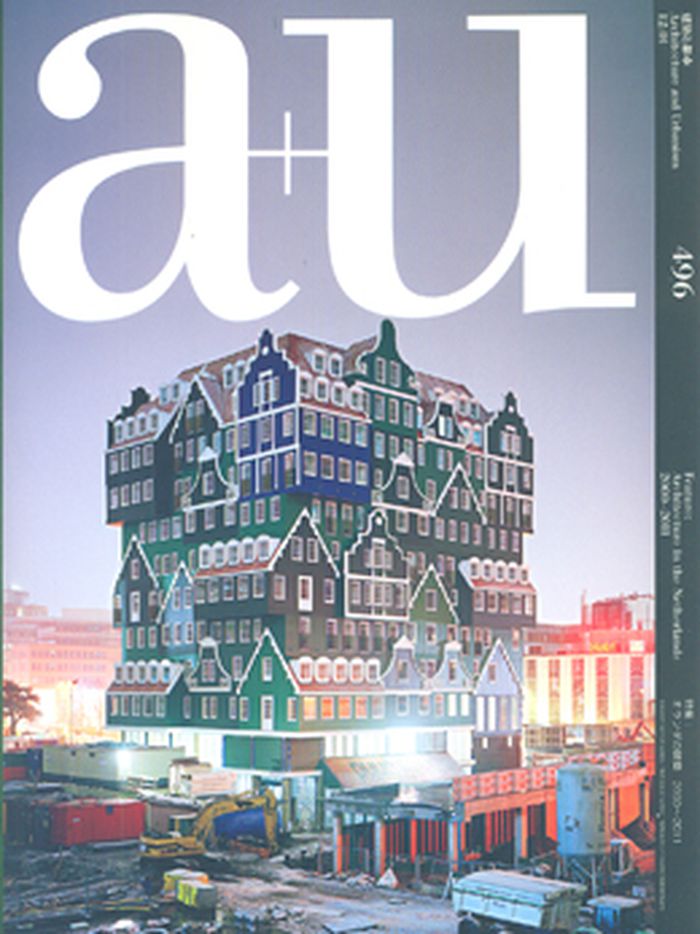
In 1980s, Dutch architectural design was stigmatized as “SuperDutch” or even as “pragmatic”. In the roaring 90s, this all changed as Holland became known as the architectural playground for young designers around the globe. In this Issue of A+U takes a closer look at architectural trends over the last 10 years in the Netherlands. What is the current state of Dutch architecture? And how has the global economic crisis inspired the Dutch architectural landscape? In addition to the 30 featured works, a special list of a hundred selected buildings is also highlighted. Architects featured are Claus en Kaan, Rapp+ Rapp, Wiel Arets, NL Architects and Concrete.
A+U 496: architecture in the Netherlands 2000-2011
Actions:
Price:
$52.95
(available in store)
Summary:
In 1980s, Dutch architectural design was stigmatized as “SuperDutch” or even as “pragmatic”. In the roaring 90s, this all changed as Holland became known as the architectural playground for young designers around the globe. In this Issue of A+U takes a closer look at architectural trends over the last 10 years in the Netherlands. What is the current state of Dutch architecture? And how has the global economic crisis inspired the Dutch architectural landscape? In addition to the 30 featured works, a special list of a hundred selected buildings is also highlighted. Architects featured are Claus en Kaan, Rapp+ Rapp, Wiel Arets, NL Architects and Concrete.
Form:
journals and magazines
journals and magazines
Publication:
April 2012
April 2012
Subject:
Magazines
Magazines


