


6651 Results
Form:
books
books

Price:
$51.95
(available to order)
Summary:
Lars Spuybroek argues that we must 'undo' the twentieth century and learn to understand the aesthetic insights of the nineteenth-century art critic John Ruskin, from which he distils pointers for the contemporary age. Linking philosophy, design, and the digital, with art history, architecture, and craft, Spuybroek explores the romantic notion of 'sympathy', a core concept(...)
$51.95
(available to order)
Summary:
Lars Spuybroek argues that we must 'undo' the twentieth century and learn to understand the aesthetic insights of the nineteenth-century art critic John Ruskin, from which he distils pointers for the contemporary age. Linking philosophy, design, and the digital, with art history, architecture, and craft, Spuybroek explores the romantic notion of 'sympathy', a core concept(...)
Title:
The sympathy of things: Ruskin and the ecology of design, 2nd edition
Actions:
Price:
$51.95
(available to order)
Summary:
Lars Spuybroek argues that we must 'undo' the twentieth century and learn to understand the aesthetic insights of the nineteenth-century art critic John Ruskin, from which he distils pointers for the contemporary age. Linking philosophy, design, and the digital, with art history, architecture, and craft, Spuybroek explores the romantic notion of 'sympathy', a core concept in Ruskin's aesthetics, re-evaluating it as the driving force of the twenty-first century aesthetic experience. For Ruskin, beauty always comprises variation, imperfection and fragility, three concepts that wholly disappeared from our mindsets during the twentieth century, but which Spuybroek argues to be central to contemporary aesthetics and design.
The sympathy of things: Ruskin and the ecology of design, 2nd edition
Actions:
Price:
$51.95
(available to order)
Summary:
Lars Spuybroek argues that we must 'undo' the twentieth century and learn to understand the aesthetic insights of the nineteenth-century art critic John Ruskin, from which he distils pointers for the contemporary age. Linking philosophy, design, and the digital, with art history, architecture, and craft, Spuybroek explores the romantic notion of 'sympathy', a core concept in Ruskin's aesthetics, re-evaluating it as the driving force of the twenty-first century aesthetic experience. For Ruskin, beauty always comprises variation, imperfection and fragility, three concepts that wholly disappeared from our mindsets during the twentieth century, but which Spuybroek argues to be central to contemporary aesthetics and design.
Form:
books
books
Publication:
June 2016
June 2016
Subject:
Architectural Theory
Architectural Theory
Form:
books
books
Actions:
Price:
$64.95
(available in store)
Summary:
Ninety years after the Bauhaus first opened its doors in Dessau, ''Big Plans! Modern Figures, Visionaries, and Inventors'' examines for the first time the role of the Bauhaus in the early modernist vision of utopia. Not just an experimental forum for the avant-garde, the Bauhaus, once it moved to Dessau, became part of an industrial region that had been a hotbed of(...)
$64.95
(available in store)
Summary:
Ninety years after the Bauhaus first opened its doors in Dessau, ''Big Plans! Modern Figures, Visionaries, and Inventors'' examines for the first time the role of the Bauhaus in the early modernist vision of utopia. Not just an experimental forum for the avant-garde, the Bauhaus, once it moved to Dessau, became part of an industrial region that had been a hotbed of(...)
Title:
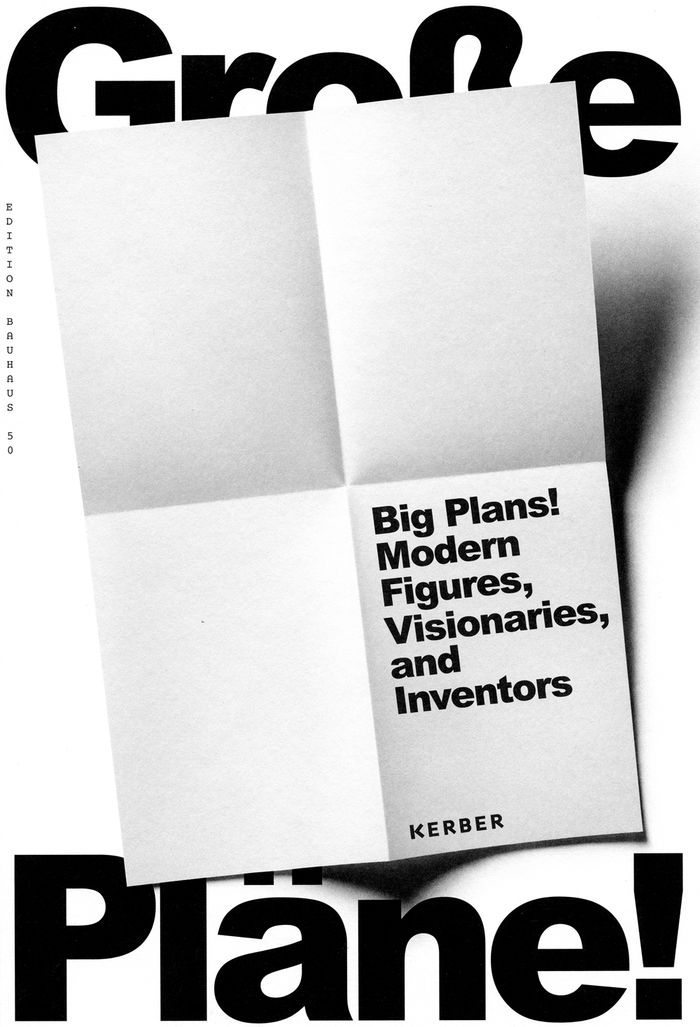
Big plans! Modern figures, visionaries, and inventors
Actions:
Price:
$64.95
(available in store)
Summary:
Ninety years after the Bauhaus first opened its doors in Dessau, ''Big Plans! Modern Figures, Visionaries, and Inventors'' examines for the first time the role of the Bauhaus in the early modernist vision of utopia. Not just an experimental forum for the avant-garde, the Bauhaus, once it moved to Dessau, became part of an industrial region that had been a hotbed of idealized planning for the future of humanity since the end of the First World War. This visionary futurist age of Saxony-Anhalt, reflected in its local architecture, industrial production, education and advertising, continued until the rise of the Nazi party in the 1930s.
Big plans! Modern figures, visionaries, and inventors
Actions:
Price:
$64.95
(available in store)
Summary:
Ninety years after the Bauhaus first opened its doors in Dessau, ''Big Plans! Modern Figures, Visionaries, and Inventors'' examines for the first time the role of the Bauhaus in the early modernist vision of utopia. Not just an experimental forum for the avant-garde, the Bauhaus, once it moved to Dessau, became part of an industrial region that had been a hotbed of idealized planning for the future of humanity since the end of the First World War. This visionary futurist age of Saxony-Anhalt, reflected in its local architecture, industrial production, education and advertising, continued until the rise of the Nazi party in the 1930s.
Form:
books
books
Publication:
August 2016
August 2016
Subject:
Modernism
Modernism
Form:
books
books

Actions:
Price:
$60.00
(available to order)
Summary:
Dirk Leyman became interested at a very young age in these peculiar accordion postcard albums, which every self-respecting tourist and souvenir hunter used to take home from their holiday. Dirk started to systematically collect them as time went by. The snapshots, which are folded in zig-zag fashion, are like relics of a long-gone era. Some are veritable typographical and(...)
$60.00
(available to order)
Summary:
Dirk Leyman became interested at a very young age in these peculiar accordion postcard albums, which every self-respecting tourist and souvenir hunter used to take home from their holiday. Dirk started to systematically collect them as time went by. The snapshots, which are folded in zig-zag fashion, are like relics of a long-gone era. Some are veritable typographical and(...)
Title:
Europe express: a Grand Tour through time
Actions:
Price:
$60.00
(available to order)
Summary:
Dirk Leyman became interested at a very young age in these peculiar accordion postcard albums, which every self-respecting tourist and souvenir hunter used to take home from their holiday. Dirk started to systematically collect them as time went by. The snapshots, which are folded in zig-zag fashion, are like relics of a long-gone era. Some are veritable typographical and photographic gems. Others are borderline kitsch, with their heavy-handed use of color. Europe Express spans the decades between the two World Wars to the early Eighties, with photos of San Marco in Venice and the elegant Grand Hotels and the utopian, upstanding world of the former Soviet Union.
Europe express: a Grand Tour through time
Actions:
Price:
$60.00
(available to order)
Summary:
Dirk Leyman became interested at a very young age in these peculiar accordion postcard albums, which every self-respecting tourist and souvenir hunter used to take home from their holiday. Dirk started to systematically collect them as time went by. The snapshots, which are folded in zig-zag fashion, are like relics of a long-gone era. Some are veritable typographical and photographic gems. Others are borderline kitsch, with their heavy-handed use of color. Europe Express spans the decades between the two World Wars to the early Eighties, with photos of San Marco in Venice and the elegant Grand Hotels and the utopian, upstanding world of the former Soviet Union.
Form:
books
books
Publication:
August 2016
August 2016
Subject:
Printed Matter
Printed Matter
Form:
books
books
Actions:
Price:
$30.00
(available to order)
Summary:
First published in 1991, "How to Lie with Maps" revealed how the choices mapmakers make—consciously or unconsciously—mean that every map inevitably presents only one of many possible stories about the places it depicts. Fully updated for the digital age, this new edition examines the myriad ways that technology offers new opportunities for cartographic mischief,(...)
$30.00
(available to order)
Summary:
First published in 1991, "How to Lie with Maps" revealed how the choices mapmakers make—consciously or unconsciously—mean that every map inevitably presents only one of many possible stories about the places it depicts. Fully updated for the digital age, this new edition examines the myriad ways that technology offers new opportunities for cartographic mischief,(...)
Title:
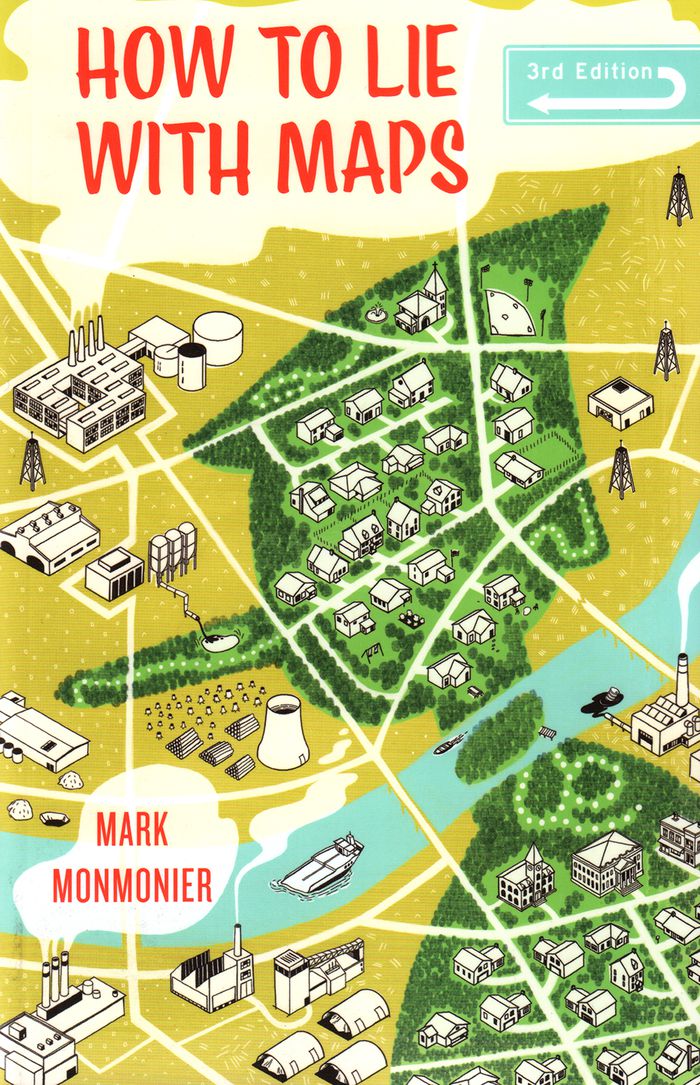
How to lie with maps, 3rd edition
Actions:
Price:
$30.00
(available to order)
Summary:
First published in 1991, "How to Lie with Maps" revealed how the choices mapmakers make—consciously or unconsciously—mean that every map inevitably presents only one of many possible stories about the places it depicts. Fully updated for the digital age, this new edition examines the myriad ways that technology offers new opportunities for cartographic mischief, deception, and propaganda. While retaining the same brevity, range, and humor as its predecessors, this third edition includes significant updates throughout as well as new chapters on image maps, prohibitive cartography, and online maps. It also includes an expanded section of color images and an updated list of sources for further reading.
How to lie with maps, 3rd edition
Actions:
Price:
$30.00
(available to order)
Summary:
First published in 1991, "How to Lie with Maps" revealed how the choices mapmakers make—consciously or unconsciously—mean that every map inevitably presents only one of many possible stories about the places it depicts. Fully updated for the digital age, this new edition examines the myriad ways that technology offers new opportunities for cartographic mischief, deception, and propaganda. While retaining the same brevity, range, and humor as its predecessors, this third edition includes significant updates throughout as well as new chapters on image maps, prohibitive cartography, and online maps. It also includes an expanded section of color images and an updated list of sources for further reading.
Form:
books
books
Publication:
April 2018
April 2018
Subject:
Architectural Plans and Cartography
Architectural Plans and Cartography
Form:
journals and magazines
journals and magazines
Actions:
Price:
$60.00
(available to order)
Summary:
The taste for industrial aesthetics, just one of many reasons for the popularity of industrial conversions today, saw its beginnings during the age of post-war modernism, popularised by architects such as Le Corbusier, Gropius, and Mies van der Rohe. Yet the trend to rethink industrial structures also signals the imbalance of production and consumption that has arisen(...)
$60.00
(available to order)
Summary:
The taste for industrial aesthetics, just one of many reasons for the popularity of industrial conversions today, saw its beginnings during the age of post-war modernism, popularised by architects such as Le Corbusier, Gropius, and Mies van der Rohe. Yet the trend to rethink industrial structures also signals the imbalance of production and consumption that has arisen(...)
Title:
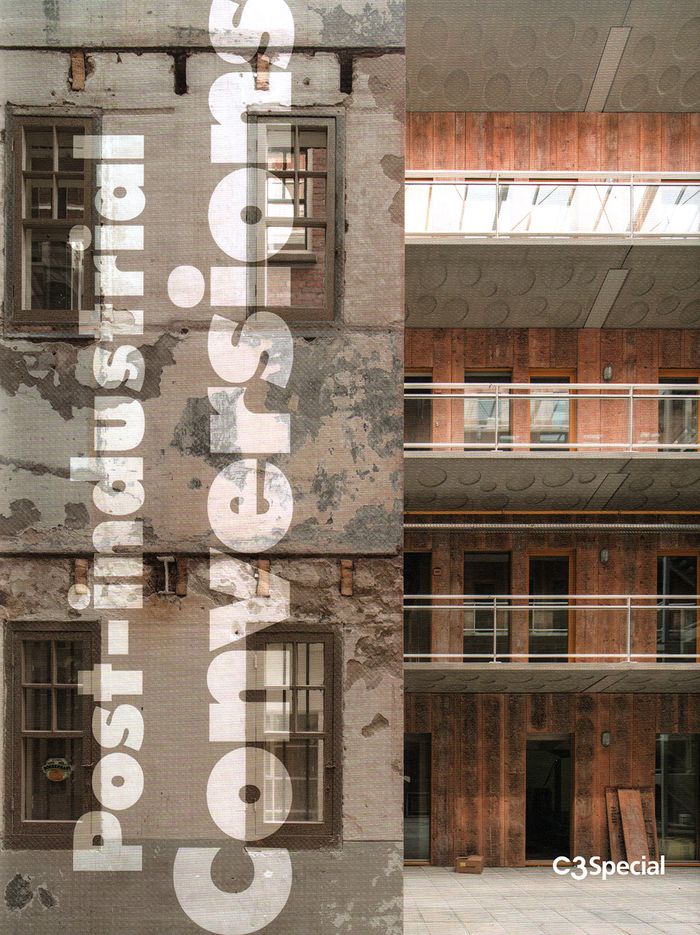
C3 special : post-industrial conversions
Actions:
Price:
$60.00
(available to order)
Summary:
The taste for industrial aesthetics, just one of many reasons for the popularity of industrial conversions today, saw its beginnings during the age of post-war modernism, popularised by architects such as Le Corbusier, Gropius, and Mies van der Rohe. Yet the trend to rethink industrial structures also signals the imbalance of production and consumption that has arisen since the 1970s. Currently, however, rehabilitation initiatives are bringing production back to the city through projects like the thirteen examples in this special issue. Included are the Baltic Station Market by KOKO architects, Zeitz MOCAA by Heatherwick Studio, Malmö Market Hall by Wingårdh, and The Silo by COBE.
C3 special : post-industrial conversions
Actions:
Price:
$60.00
(available to order)
Summary:
The taste for industrial aesthetics, just one of many reasons for the popularity of industrial conversions today, saw its beginnings during the age of post-war modernism, popularised by architects such as Le Corbusier, Gropius, and Mies van der Rohe. Yet the trend to rethink industrial structures also signals the imbalance of production and consumption that has arisen since the 1970s. Currently, however, rehabilitation initiatives are bringing production back to the city through projects like the thirteen examples in this special issue. Included are the Baltic Station Market by KOKO architects, Zeitz MOCAA by Heatherwick Studio, Malmö Market Hall by Wingårdh, and The Silo by COBE.
Form:
journals and magazines
journals and magazines
Publication:
May 2018
May 2018
Subject:
Magazines
Magazines
Form:
books
books
Actions:
Price:
$66.95
(available to order)
Summary:
This publication offers a spectrum of views on how the myriad forms of exhibiting photographies can increase our understanding of how images operate today, as well as what they do to us when we interact with them. In the Digital Age, “photography” is best described with adjectives connoting a medium in constant flux: liquid, fluid, flexible, unstable. As such, there is no(...)
$66.95
(available to order)
Summary:
This publication offers a spectrum of views on how the myriad forms of exhibiting photographies can increase our understanding of how images operate today, as well as what they do to us when we interact with them. In the Digital Age, “photography” is best described with adjectives connoting a medium in constant flux: liquid, fluid, flexible, unstable. As such, there is no(...)
Title:
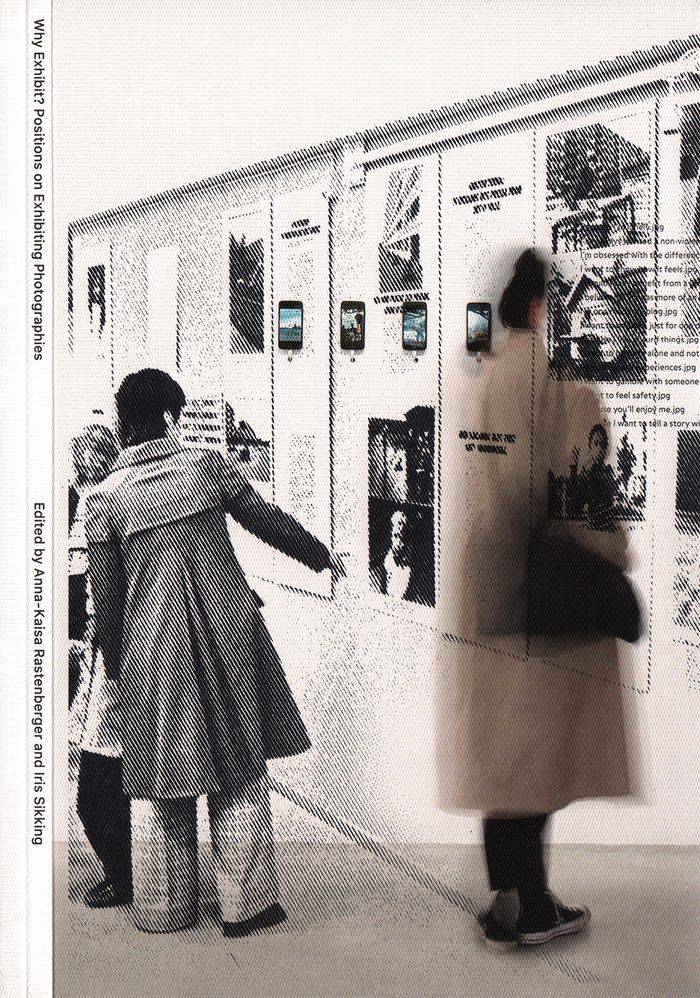
Why exhibit? Positions on exhibiting photographs
Actions:
Price:
$66.95
(available to order)
Summary:
This publication offers a spectrum of views on how the myriad forms of exhibiting photographies can increase our understanding of how images operate today, as well as what they do to us when we interact with them. In the Digital Age, “photography” is best described with adjectives connoting a medium in constant flux: liquid, fluid, flexible, unstable. As such, there is no primary format for displaying photographs. By drawing upon the diverse perspectives of a group of curators, scholars, photographers, and artists based in the field of contemporary photography, this volume aims to provide a foundation for a wider discourse about exhibiting photographies in the twenty-first century.
Why exhibit? Positions on exhibiting photographs
Actions:
Price:
$66.95
(available to order)
Summary:
This publication offers a spectrum of views on how the myriad forms of exhibiting photographies can increase our understanding of how images operate today, as well as what they do to us when we interact with them. In the Digital Age, “photography” is best described with adjectives connoting a medium in constant flux: liquid, fluid, flexible, unstable. As such, there is no primary format for displaying photographs. By drawing upon the diverse perspectives of a group of curators, scholars, photographers, and artists based in the field of contemporary photography, this volume aims to provide a foundation for a wider discourse about exhibiting photographies in the twenty-first century.
Form:
books
books
Publication:
October 2018
October 2018
Subject:
Theory of Photography
Theory of Photography
Form:
books
books
Price:
$25.95
(available to order)
Summary:
Fiscal crises have cascaded across much of the developing world with devastating results, from Mexico to Indonesia, Russia and Argentina. The extreme volatility in contemporary political economic fortunes seems to mock our best efforts to understand the forces that drive development in the world economy. David Harvey is the single most important geographer writing today(...)
$25.95
(available to order)
Summary:
Fiscal crises have cascaded across much of the developing world with devastating results, from Mexico to Indonesia, Russia and Argentina. The extreme volatility in contemporary political economic fortunes seems to mock our best efforts to understand the forces that drive development in the world economy. David Harvey is the single most important geographer writing today(...)
Title:
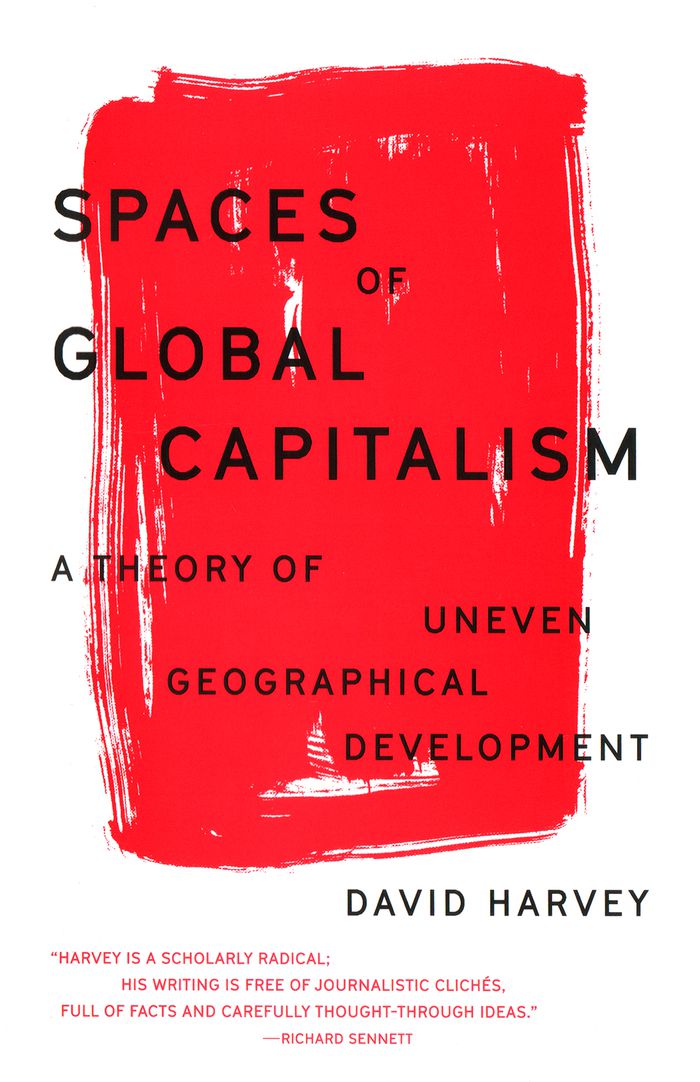
Spaces of global capitalism: a theory of uneven geographical development
Actions:
Price:
$25.95
(available to order)
Summary:
Fiscal crises have cascaded across much of the developing world with devastating results, from Mexico to Indonesia, Russia and Argentina. The extreme volatility in contemporary political economic fortunes seems to mock our best efforts to understand the forces that drive development in the world economy. David Harvey is the single most important geographer writing today and a leading social theorist of our age, offering a comprehensive critique of contemporary capitalism. In this book, he shows the way forward for just such an understanding, enlarging upon the key themes in his recent work: the development of neoliberalism, the spread of inequalities across the globe, and ‘space’ as a key theoretical concept.
Spaces of global capitalism: a theory of uneven geographical development
Actions:
Price:
$25.95
(available to order)
Summary:
Fiscal crises have cascaded across much of the developing world with devastating results, from Mexico to Indonesia, Russia and Argentina. The extreme volatility in contemporary political economic fortunes seems to mock our best efforts to understand the forces that drive development in the world economy. David Harvey is the single most important geographer writing today and a leading social theorist of our age, offering a comprehensive critique of contemporary capitalism. In this book, he shows the way forward for just such an understanding, enlarging upon the key themes in his recent work: the development of neoliberalism, the spread of inequalities across the globe, and ‘space’ as a key theoretical concept.
Form:
books
books
Publication:
March 2019
March 2019
Subject:
Urban Theory
Urban Theory
Form:
books
books
Actions:
Price:
$30.95
(available to order)
Summary:
It's a truism of the age of globalization that where we live doesn't matter - we can work just as easily from a ski chalet in Aspen as in a house in Provence or an office in Chicago. Wrong, argues Richard Florida. Globalization may open up more of the world to us, but it also makes place a key factor in life. Based on more than twenty years of research, 'Who's yor City?'(...)
$30.95
(available to order)
Summary:
It's a truism of the age of globalization that where we live doesn't matter - we can work just as easily from a ski chalet in Aspen as in a house in Provence or an office in Chicago. Wrong, argues Richard Florida. Globalization may open up more of the world to us, but it also makes place a key factor in life. Based on more than twenty years of research, 'Who's yor City?'(...)
Title:
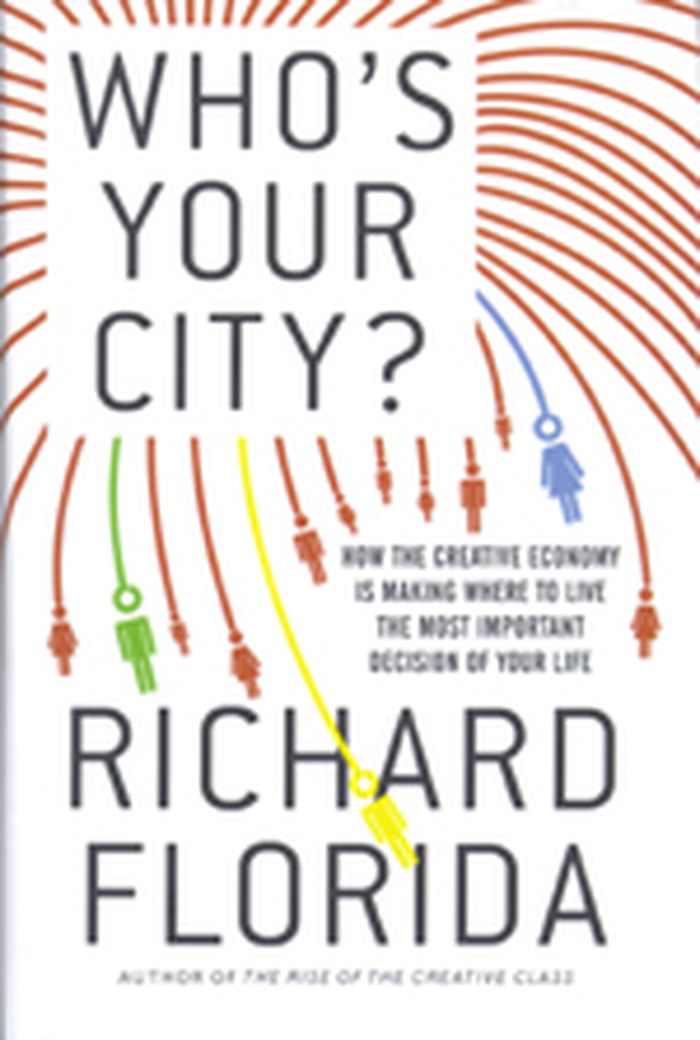
Who's your City? How the creative economy is making where to live the most important decision of your life
Actions:
Price:
$30.95
(available to order)
Summary:
It's a truism of the age of globalization that where we live doesn't matter - we can work just as easily from a ski chalet in Aspen as in a house in Provence or an office in Chicago. Wrong, argues Richard Florida. Globalization may open up more of the world to us, but it also makes place a key factor in life. Based on more than twenty years of research, 'Who's yor City?' shows how a new economic unit - the mega-region- is the real driver of the global economy explains why mega-regions are diverging not only in economic specialization but even in personality.
Who's your City? How the creative economy is making where to live the most important decision of your life
Actions:
Price:
$30.95
(available to order)
Summary:
It's a truism of the age of globalization that where we live doesn't matter - we can work just as easily from a ski chalet in Aspen as in a house in Provence or an office in Chicago. Wrong, argues Richard Florida. Globalization may open up more of the world to us, but it also makes place a key factor in life. Based on more than twenty years of research, 'Who's yor City?' shows how a new economic unit - the mega-region- is the real driver of the global economy explains why mega-regions are diverging not only in economic specialization but even in personality.
Form:
books
books
Publication:
March 2008, New York
March 2008, New York
Subject:
Urban Theory
Urban Theory
Form:
books
books
Actions:
Price:
$21.95
(available to order)
Summary:
In recent architecture theory and practise there has been a tendency to refer to exteriors as a skin concealing an interior, as opposed to the traditional and more physical concepts of(...)
$21.95
(available to order)
Summary:
In recent architecture theory and practise there has been a tendency to refer to exteriors as a skin concealing an interior, as opposed to the traditional and more physical concepts of(...)
Title:
New flatness : surface tension in digital architecture
Actions:
Price:
$21.95
(available to order)
Summary:
In recent architecture theory and practise there has been a tendency to refer to exteriors as a skin concealing an interior, as opposed to the traditional and more physical concepts of surface, flatness, and depth. The computer now enables the architect to call his design into life, free from the rigid material form, and view it as a flexible and interactive creation. In this book, the concepts of flatness and surface tension are examined in the light of virtual design and built reality. A selection of projects are presented to show how architects regard space and surfaces in modern architectural practice in the digital age.
New flatness : surface tension in digital architecture
Actions:
Price:
$21.95
(available to order)
Summary:
In recent architecture theory and practise there has been a tendency to refer to exteriors as a skin concealing an interior, as opposed to the traditional and more physical concepts of surface, flatness, and depth. The computer now enables the architect to call his design into life, free from the rigid material form, and view it as a flexible and interactive creation. In this book, the concepts of flatness and surface tension are examined in the light of virtual design and built reality. A selection of projects are presented to show how architects regard space and surfaces in modern architectural practice in the digital age.
Form:
books
books
Publication:
January 1900, Basel
January 1900, Basel
Subject:
small format
small format
Form:
books
books
Actions:
Price:
$34.95
(available to order)
Summary:
In an age of digital technology and renewed anxiety about media piracy, Inherent Vice revisits the recent analog past with an eye-opening exploration of the aesthetic and legal innovations of home video. Analog videotape was introduced to consumers as a blank format, essentially as a bootleg technology, for recording television without permission. The studios initially(...)
$34.95
(available to order)
Summary:
In an age of digital technology and renewed anxiety about media piracy, Inherent Vice revisits the recent analog past with an eye-opening exploration of the aesthetic and legal innovations of home video. Analog videotape was introduced to consumers as a blank format, essentially as a bootleg technology, for recording television without permission. The studios initially(...)
Title:
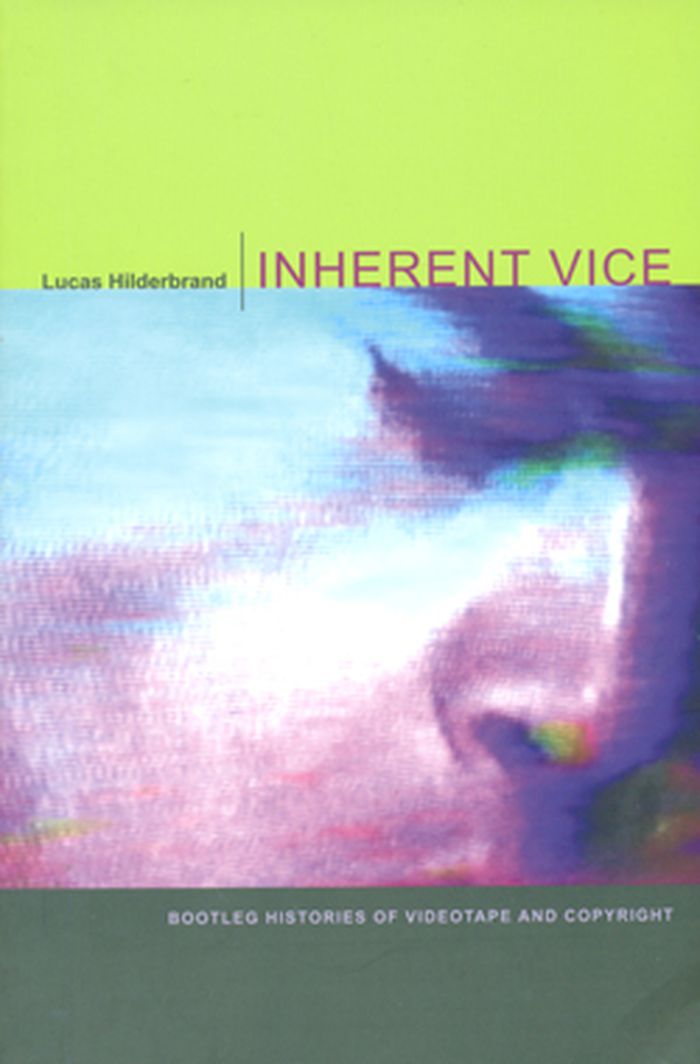
Inherent vice: bootleg histories of videotape and copyright
Actions:
Price:
$34.95
(available to order)
Summary:
In an age of digital technology and renewed anxiety about media piracy, Inherent Vice revisits the recent analog past with an eye-opening exploration of the aesthetic and legal innovations of home video. Analog videotape was introduced to consumers as a blank format, essentially as a bootleg technology, for recording television without permission. The studios initially resisted VCRs and began legal action to oppose their marketing. In turn, U.S. courts controversially reinterpreted copyright law to protect users’ right to record, while content owners eventually developed ways to exploit the video market. Lucas Hilderbrand shows how videotape and fair use offer essential lessons relevant to contemporary progressive media policy.
Inherent vice: bootleg histories of videotape and copyright
Actions:
Price:
$34.95
(available to order)
Summary:
In an age of digital technology and renewed anxiety about media piracy, Inherent Vice revisits the recent analog past with an eye-opening exploration of the aesthetic and legal innovations of home video. Analog videotape was introduced to consumers as a blank format, essentially as a bootleg technology, for recording television without permission. The studios initially resisted VCRs and began legal action to oppose their marketing. In turn, U.S. courts controversially reinterpreted copyright law to protect users’ right to record, while content owners eventually developed ways to exploit the video market. Lucas Hilderbrand shows how videotape and fair use offer essential lessons relevant to contemporary progressive media policy.
Form:
books
books
Publication:
June 2009
June 2009
Subject:
Acoustics
Acoustics


