


6624 Results
Form:
books
books
Title:
Gardens: a short history
Gardens: a short history
Actions:
Price:
$22.95
(available in store)
Summary:
Gardens take many forms, and have a variety of functions. They can serve as spaces of peace and tranquilty, a way to cultivate wildlife, or as places to develop agricultural resources. Globally, gardens have inspired, comforted, and sustained people from all walks of life, and since the Garden of Eden many iconic gardens have inspired great artists, poets, musicians, and(...)
$22.95
(available in store)
Summary:
Gardens take many forms, and have a variety of functions. They can serve as spaces of peace and tranquilty, a way to cultivate wildlife, or as places to develop agricultural resources. Globally, gardens have inspired, comforted, and sustained people from all walks of life, and since the Garden of Eden many iconic gardens have inspired great artists, poets, musicians, and(...)
Title:
Gardens: a short history
Actions:
Price:
$22.95
(available in store)
Summary:
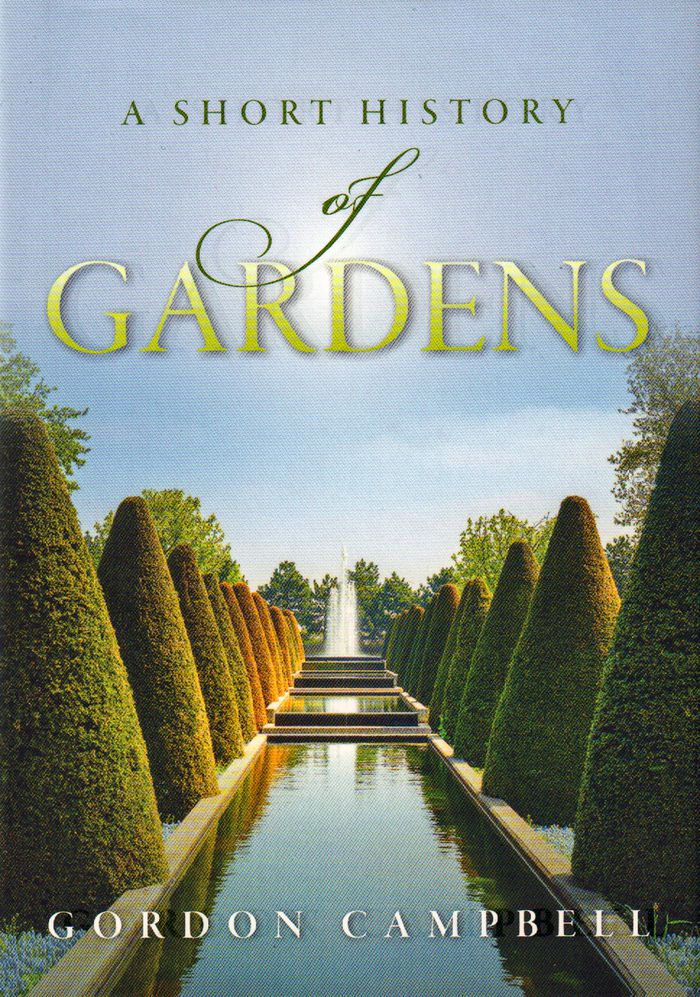
Gardens take many forms, and have a variety of functions. They can serve as spaces of peace and tranquilty, a way to cultivate wildlife, or as places to develop agricultural resources. Globally, gardens have inspired, comforted, and sustained people from all walks of life, and since the Garden of Eden many iconic gardens have inspired great artists, poets, musicians, and writers. In this short history, Gordon Campbell embraces gardens in all their splendour, from parks, and fruit and vegetable gardens to ornamental gardens, and takes the reader on a globe-trotting historical journey through iconic and cultural signposts of gardens from different regions and traditions. Ranging from the gardens of ancient Persia to modern day allotments, he concludes by looking to the future of the garden in the age of global warming, and the adaptive spirit of human innovation.
Gardens: a short history
Actions:
Price:
$22.95
(available in store)
Summary:
Gardens take many forms, and have a variety of functions. They can serve as spaces of peace and tranquilty, a way to cultivate wildlife, or as places to develop agricultural resources. Globally, gardens have inspired, comforted, and sustained people from all walks of life, and since the Garden of Eden many iconic gardens have inspired great artists, poets, musicians, and writers. In this short history, Gordon Campbell embraces gardens in all their splendour, from parks, and fruit and vegetable gardens to ornamental gardens, and takes the reader on a globe-trotting historical journey through iconic and cultural signposts of gardens from different regions and traditions. Ranging from the gardens of ancient Persia to modern day allotments, he concludes by looking to the future of the garden in the age of global warming, and the adaptive spirit of human innovation.
Form:
books
books
Publication:
November 2016
November 2016
Subject:
Gardens
Gardens
Form:
books
books
Actions:
Price:
$33.95
(available to order)
Summary:
This book of essays is published to coincide with an exhibition of the same title at Sir John Soane's Museum, Lincoln's Inn Fields, London (October 23, 2015–March 26, 2016) commemorating the 200th anniversary of Soane's beloved wife Eliza's death on November 22, 1815. Its relevance to Soane studies, is, however, much broader, with essays shedding new light on the(...)
$33.95
(available to order)
Summary:
This book of essays is published to coincide with an exhibition of the same title at Sir John Soane's Museum, Lincoln's Inn Fields, London (October 23, 2015–March 26, 2016) commemorating the 200th anniversary of Soane's beloved wife Eliza's death on November 22, 1815. Its relevance to Soane studies, is, however, much broader, with essays shedding new light on the(...)
Subject:
Architectural Theory
Architectural Theory
Publication:
September 2016
September 2016
Title:
Death and memory: Soane and the architecture of legacy
Actions:
Price:
$33.95
(available to order)
Summary:
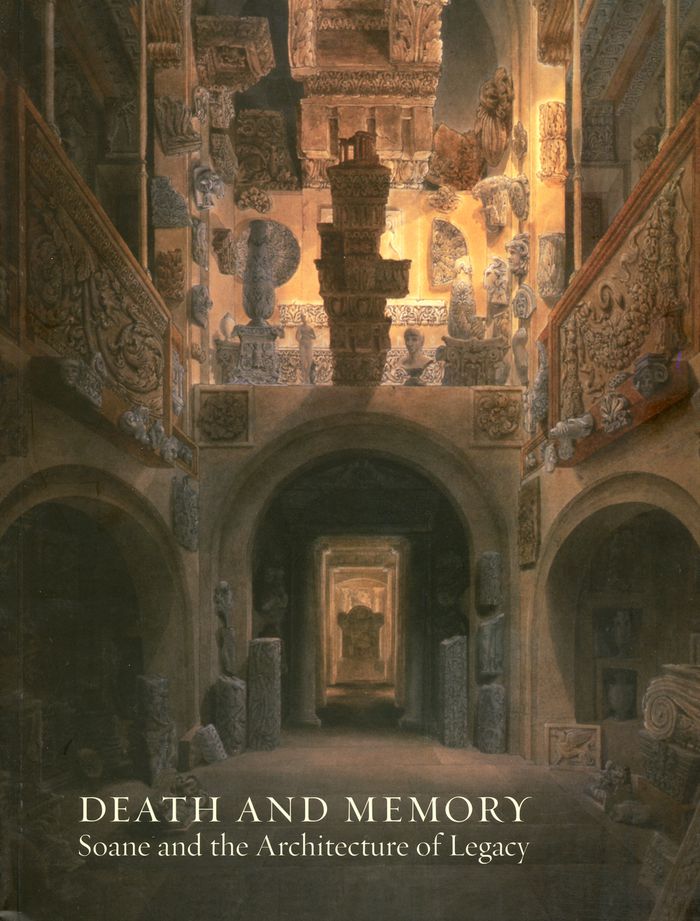
This book of essays is published to coincide with an exhibition of the same title at Sir John Soane's Museum, Lincoln's Inn Fields, London (October 23, 2015–March 26, 2016) commemorating the 200th anniversary of Soane's beloved wife Eliza's death on November 22, 1815. Its relevance to Soane studies, is, however, much broader, with essays shedding new light on the architecture of legacy in Sir John Soane's Museum; Soane's preoccupation with memorialization as revealed in the design process for the Soane family tomb; the legacy of his drawings collection; and Soane's attempt shortly before his death to sustain future interest in his collections by creating a series of time capsules. The essays, written by the curatorial team at Sir John Soane's Museum, are accompanied by 39 illustrations in full color, some of them published for the first time.
Death and memory: Soane and the architecture of legacy
Actions:
Price:
$33.95
(available to order)
Summary:
This book of essays is published to coincide with an exhibition of the same title at Sir John Soane's Museum, Lincoln's Inn Fields, London (October 23, 2015–March 26, 2016) commemorating the 200th anniversary of Soane's beloved wife Eliza's death on November 22, 1815. Its relevance to Soane studies, is, however, much broader, with essays shedding new light on the architecture of legacy in Sir John Soane's Museum; Soane's preoccupation with memorialization as revealed in the design process for the Soane family tomb; the legacy of his drawings collection; and Soane's attempt shortly before his death to sustain future interest in his collections by creating a series of time capsules. The essays, written by the curatorial team at Sir John Soane's Museum, are accompanied by 39 illustrations in full color, some of them published for the first time.
Form:
books
books
Publication:
September 2016
September 2016
Subject:
Architectural Theory
Architectural Theory
Form:
books
books
Title:
Imagine 10: rapids 02
Imagine 10: rapids 02
Actions:
Price:
$52.50
(available in store)
Summary:
In 2014, a 3D-printed Canal House by DUS architects caught the attention of the world – including president Obama. The 3D Print Canal House proved the potentials of Additive Manufacturing for architecture and construction. Additive Manufacturing provides the architect with completely new solutions for realizing tool-less production methods, while allowing maximum freedom(...)
$52.50
(available in store)
Summary:
In 2014, a 3D-printed Canal House by DUS architects caught the attention of the world – including president Obama. The 3D Print Canal House proved the potentials of Additive Manufacturing for architecture and construction. Additive Manufacturing provides the architect with completely new solutions for realizing tool-less production methods, while allowing maximum freedom(...)
Title:
Imagine 10: rapids 02
Actions:
Price:
$52.50
(available in store)
Summary:
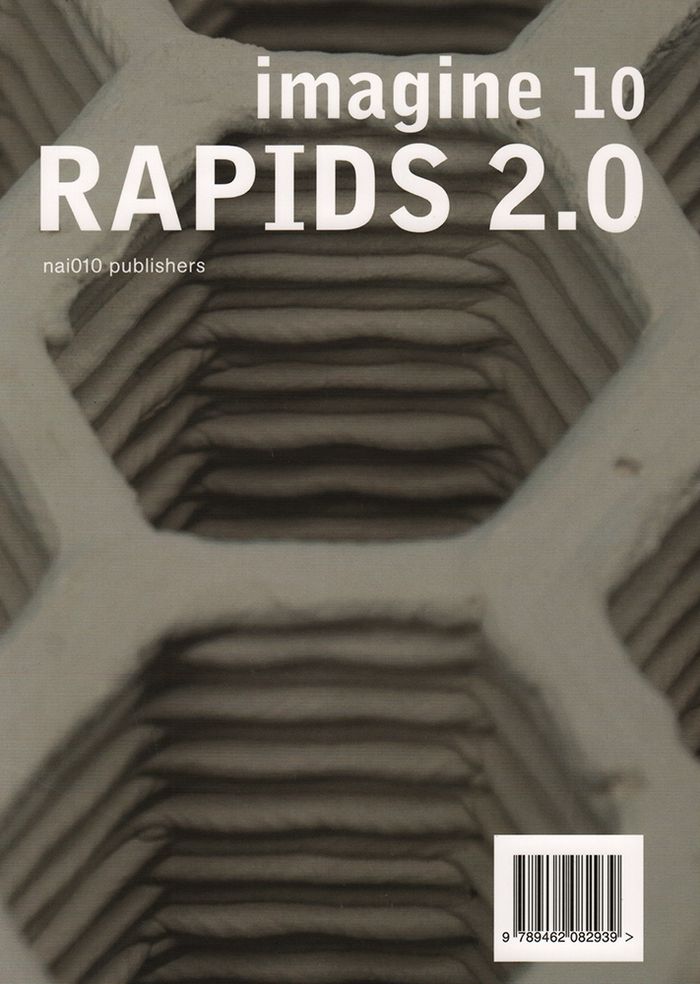
In 2014, a 3D-printed Canal House by DUS architects caught the attention of the world – including president Obama. The 3D Print Canal House proved the potentials of Additive Manufacturing for architecture and construction. Additive Manufacturing provides the architect with completely new solutions for realizing tool-less production methods, while allowing maximum freedom of design. Additive Manufacturing is ideally suited for Rapid Prototyping. It is possible to manufacture physical presentation and functional prototypes with complex shapes quickly and cost-effi ciently without the need for manual processing – directly using three-dimensional CAD construction data. This makes the entire product development process considerably faster. Imagine 10 explores the potentials of Additive Manufacturing for architecture by charting the current state of technology, discussing its implications for design and construction processes, and presents research projects as well as concept ideas for future Additive Manufacturing applications.
Imagine 10: rapids 02
Actions:
Price:
$52.50
(available in store)
Summary:
In 2014, a 3D-printed Canal House by DUS architects caught the attention of the world – including president Obama. The 3D Print Canal House proved the potentials of Additive Manufacturing for architecture and construction. Additive Manufacturing provides the architect with completely new solutions for realizing tool-less production methods, while allowing maximum freedom of design. Additive Manufacturing is ideally suited for Rapid Prototyping. It is possible to manufacture physical presentation and functional prototypes with complex shapes quickly and cost-effi ciently without the need for manual processing – directly using three-dimensional CAD construction data. This makes the entire product development process considerably faster. Imagine 10 explores the potentials of Additive Manufacturing for architecture by charting the current state of technology, discussing its implications for design and construction processes, and presents research projects as well as concept ideas for future Additive Manufacturing applications.
Form:
books
books
Publication:
November 2016
November 2016
Subject:
Magazines
Magazines
Form:
books
books
Title:
A short history of progress
A short history of progress
Actions:
Price:
$19.95
(available to order)
Summary:
Each time history repeats itself, so it's said, the price goes up. The twentieth century was a time of runaway growth in human population, consumption, and technology, placing a colossal load on all natural systems, especially earth, air, and water -- the very elements of life. The most urgent questions of the twenty-first century are: where will this growth lead? can it(...)
$19.95
(available to order)
Summary:
Each time history repeats itself, so it's said, the price goes up. The twentieth century was a time of runaway growth in human population, consumption, and technology, placing a colossal load on all natural systems, especially earth, air, and water -- the very elements of life. The most urgent questions of the twenty-first century are: where will this growth lead? can it(...)
Title:
A short history of progress
Actions:
Price:
$19.95
(available to order)
Summary:
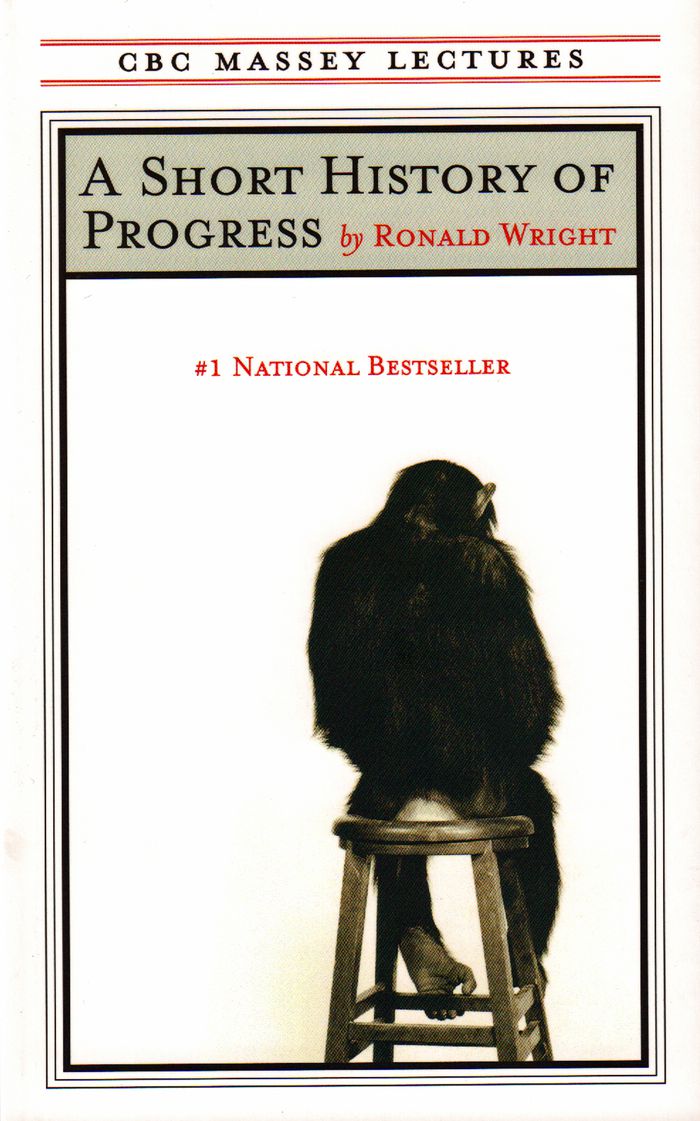
Each time history repeats itself, so it's said, the price goes up. The twentieth century was a time of runaway growth in human population, consumption, and technology, placing a colossal load on all natural systems, especially earth, air, and water -- the very elements of life. The most urgent questions of the twenty-first century are: where will this growth lead? can it be consolidated or sustained? and what kind of world is our present bequeathing to our future? In "A short history of progress" Ronald Wright argues that our modern predicament is as old as civilization, a 10,000-year experiment we have participated in but seldom controlled. Only by understanding the patterns of triumph and disaster that humanity has repeated around the world since the Stone Age can we recognize the experiment's inherent dangers, and, with luck and wisdom, shape its outcome.
A short history of progress
Actions:
Price:
$19.95
(available to order)
Summary:
Each time history repeats itself, so it's said, the price goes up. The twentieth century was a time of runaway growth in human population, consumption, and technology, placing a colossal load on all natural systems, especially earth, air, and water -- the very elements of life. The most urgent questions of the twenty-first century are: where will this growth lead? can it be consolidated or sustained? and what kind of world is our present bequeathing to our future? In "A short history of progress" Ronald Wright argues that our modern predicament is as old as civilization, a 10,000-year experiment we have participated in but seldom controlled. Only by understanding the patterns of triumph and disaster that humanity has repeated around the world since the Stone Age can we recognize the experiment's inherent dangers, and, with luck and wisdom, shape its outcome.
Form:
books
books
Publication:
October 2004
October 2004
Subject:
Environment and environmental theory
Environment and environmental theory
Form:
journals and magazines
journals and magazines
Price:
$19.50
(available in store)
Summary:
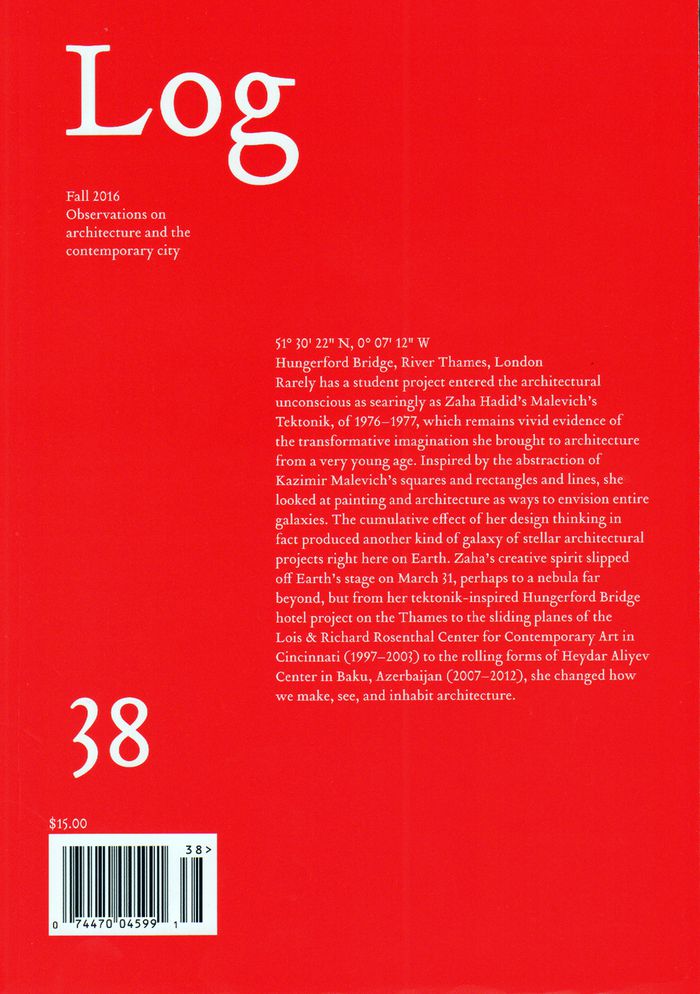
After two successive thematic issues, "Log 38" (Fall 2016) returns to its classic open form, bringing together myriad perspectives from architecture’s center and periphery. Cynthia Davidson’s expansive interview with New York architect Harry Cobb, of Pei Cobb Freed & Partners, illuminates Cobb’s 60-plus years in practice, as well as the history of modernism in America.(...)
$19.50
(available in store)
Summary:
After two successive thematic issues, "Log 38" (Fall 2016) returns to its classic open form, bringing together myriad perspectives from architecture’s center and periphery. Cynthia Davidson’s expansive interview with New York architect Harry Cobb, of Pei Cobb Freed & Partners, illuminates Cobb’s 60-plus years in practice, as well as the history of modernism in America.(...)
Title:
Log 38
Actions:
Price:
$19.50
(available in store)
Summary:
After two successive thematic issues, "Log 38" (Fall 2016) returns to its classic open form, bringing together myriad perspectives from architecture’s center and periphery. Cynthia Davidson’s expansive interview with New York architect Harry Cobb, of Pei Cobb Freed & Partners, illuminates Cobb’s 60-plus years in practice, as well as the history of modernism in America. Eve Blau explores the contexts that drove the 1968 Learning from Las Vegas studio at Yale, and Pier Vittorio Aureli and Maria Shéhérazade Giudici reevaluate the roots of modern domestic space. "Log 38" also features critical perspectives on the current moment in architecture, with reviews of OMA’s Fondaco dei Tedeschi, reflections on this year’s Venice Architecture Biennale, and reactions to Brexit from architects and educators affected by the vote, and even an imaginative look at the work of Sam Jacob Studio from 20 years in the future.
Log 38
Actions:
Price:
$19.50
(available in store)
Summary:
After two successive thematic issues, "Log 38" (Fall 2016) returns to its classic open form, bringing together myriad perspectives from architecture’s center and periphery. Cynthia Davidson’s expansive interview with New York architect Harry Cobb, of Pei Cobb Freed & Partners, illuminates Cobb’s 60-plus years in practice, as well as the history of modernism in America. Eve Blau explores the contexts that drove the 1968 Learning from Las Vegas studio at Yale, and Pier Vittorio Aureli and Maria Shéhérazade Giudici reevaluate the roots of modern domestic space. "Log 38" also features critical perspectives on the current moment in architecture, with reviews of OMA’s Fondaco dei Tedeschi, reflections on this year’s Venice Architecture Biennale, and reactions to Brexit from architects and educators affected by the vote, and even an imaginative look at the work of Sam Jacob Studio from 20 years in the future.
Form:
journals and magazines
journals and magazines
Publication:
October 2016
October 2016
Subject:
Magazines
Magazines
Form:
books
books
Actions:
Price:
$60.95
(available to order)
Summary:
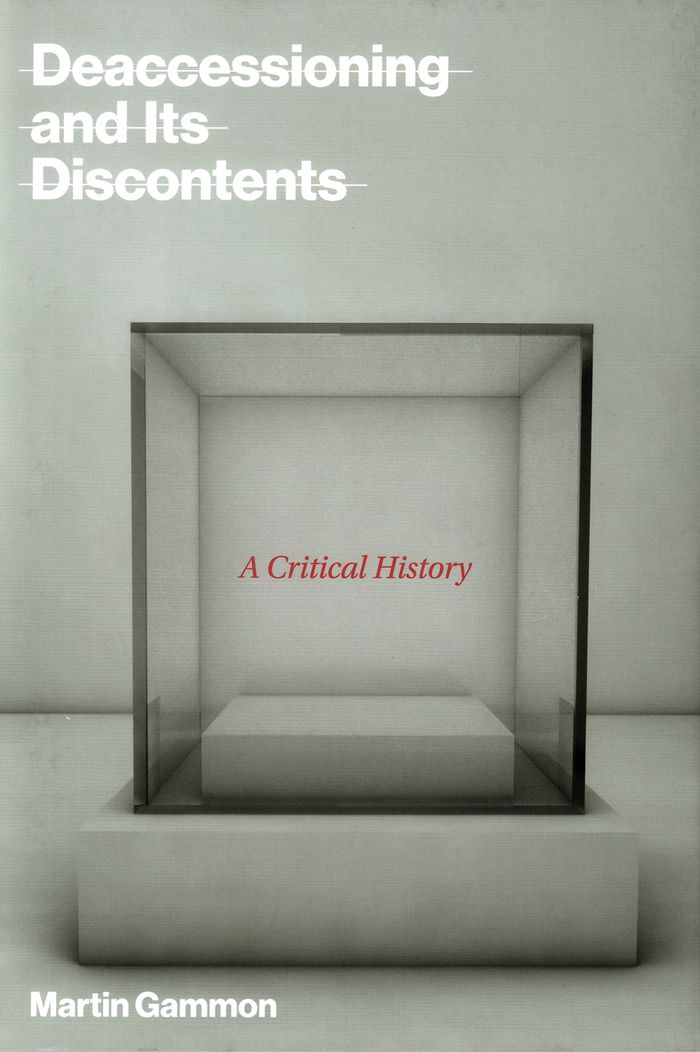
Museums often stir controversy when they deaccession works—formally remove objects from permanent collections—with some critics accusing them of betraying civic virtue and the public trust. In fact, Martin Gammon argues in ''Deaccessioning and Its Discontents,'' deaccession has been an essential component of the museum experiment for centuries. Gammon offers the first(...)
$60.95
(available to order)
Summary:
Museums often stir controversy when they deaccession works—formally remove objects from permanent collections—with some critics accusing them of betraying civic virtue and the public trust. In fact, Martin Gammon argues in ''Deaccessioning and Its Discontents,'' deaccession has been an essential component of the museum experiment for centuries. Gammon offers the first(...)
Title:
Deaccessioning and its discontents: a critical history
Actions:
Price:
$60.95
(available to order)
Summary:
Museums often stir controversy when they deaccession works—formally remove objects from permanent collections—with some critics accusing them of betraying civic virtue and the public trust. In fact, Martin Gammon argues in ''Deaccessioning and Its Discontents,'' deaccession has been an essential component of the museum experiment for centuries. Gammon offers the first critical history of deaccessioning by museums from the seventeenth to the twenty-first century, and exposes the hyperbolic extremes of “deaccession denial”—the assumption that deaccession is always wrong—and “deaccession apology”—when museums justify deaccession by finding some fault in the object—as symptoms of the same misunderstanding of the role of deaccessions in proper museum practice. He chronicles a series of deaccession events in Britain and the United States that range from the disastrous to the beneficial, and proposes a typology of principles to guide future deaccessions.
Deaccessioning and its discontents: a critical history
Actions:
Price:
$60.95
(available to order)
Summary:
Museums often stir controversy when they deaccession works—formally remove objects from permanent collections—with some critics accusing them of betraying civic virtue and the public trust. In fact, Martin Gammon argues in ''Deaccessioning and Its Discontents,'' deaccession has been an essential component of the museum experiment for centuries. Gammon offers the first critical history of deaccessioning by museums from the seventeenth to the twenty-first century, and exposes the hyperbolic extremes of “deaccession denial”—the assumption that deaccession is always wrong—and “deaccession apology”—when museums justify deaccession by finding some fault in the object—as symptoms of the same misunderstanding of the role of deaccessions in proper museum practice. He chronicles a series of deaccession events in Britain and the United States that range from the disastrous to the beneficial, and proposes a typology of principles to guide future deaccessions.
Form:
books
books
Publication:
July 2018
July 2018
Subject:
Art Theory
Art Theory
Form:
books
books
Title:
Building for dementia
Building for dementia
Actions:
Price:
$45.00
(available to order)
Summary:
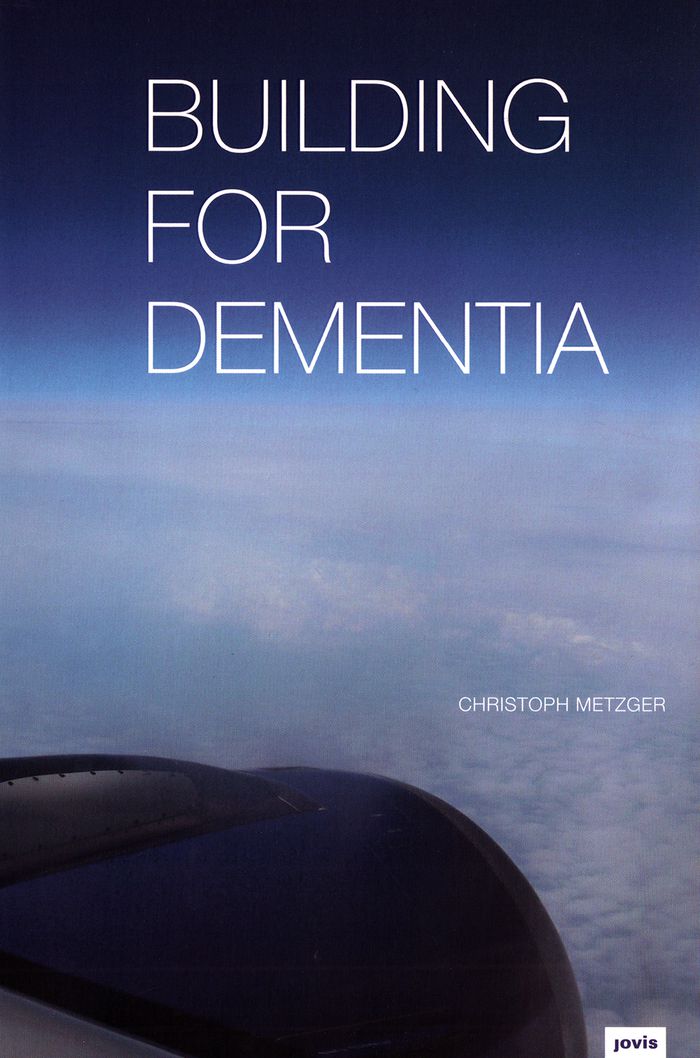
As a consequence of demographic change, it is increasingly necessary now and in the future for the architectural profession to rethink the design of residential solutions for aging people and especially those with dementia. With advancing age we are increasingly dependent on a spatial environment that not only has a positive effect on us, but also supports our everyday(...)
$45.00
(available to order)
Summary:
As a consequence of demographic change, it is increasingly necessary now and in the future for the architectural profession to rethink the design of residential solutions for aging people and especially those with dementia. With advancing age we are increasingly dependent on a spatial environment that not only has a positive effect on us, but also supports our everyday(...)
Title:
Building for dementia
Actions:
Price:
$45.00
(available to order)
Summary:
As a consequence of demographic change, it is increasingly necessary now and in the future for the architectural profession to rethink the design of residential solutions for aging people and especially those with dementia. With advancing age we are increasingly dependent on a spatial environment that not only has a positive effect on us, but also supports our everyday activities and takes age-related restrictions into account. A focal point of the new requirements is multisensory architecture: color and lighting design, sound design, tactile materials and surfaces, and haptically attractive forms, creating a spatial atmosphere in which the resident feels comfortable, providing security and orientation and fostering motor skills and cognitive abilities. "Building for Dementia" has been developed as a guideline for contemporary and dignified architecture that meets the requirements of people with dementia and views them as an integral part of society.
Building for dementia
Actions:
Price:
$45.00
(available to order)
Summary:
As a consequence of demographic change, it is increasingly necessary now and in the future for the architectural profession to rethink the design of residential solutions for aging people and especially those with dementia. With advancing age we are increasingly dependent on a spatial environment that not only has a positive effect on us, but also supports our everyday activities and takes age-related restrictions into account. A focal point of the new requirements is multisensory architecture: color and lighting design, sound design, tactile materials and surfaces, and haptically attractive forms, creating a spatial atmosphere in which the resident feels comfortable, providing security and orientation and fostering motor skills and cognitive abilities. "Building for Dementia" has been developed as a guideline for contemporary and dignified architecture that meets the requirements of people with dementia and views them as an integral part of society.
Form:
books
books
Publication:
December 2017
December 2017
Subject:
Architectural Theory
Architectural Theory
Form:
books
books
Title:
Cairo desert cities
Cairo desert cities
Actions:
Price:
$78.95
(available to order)
Summary:
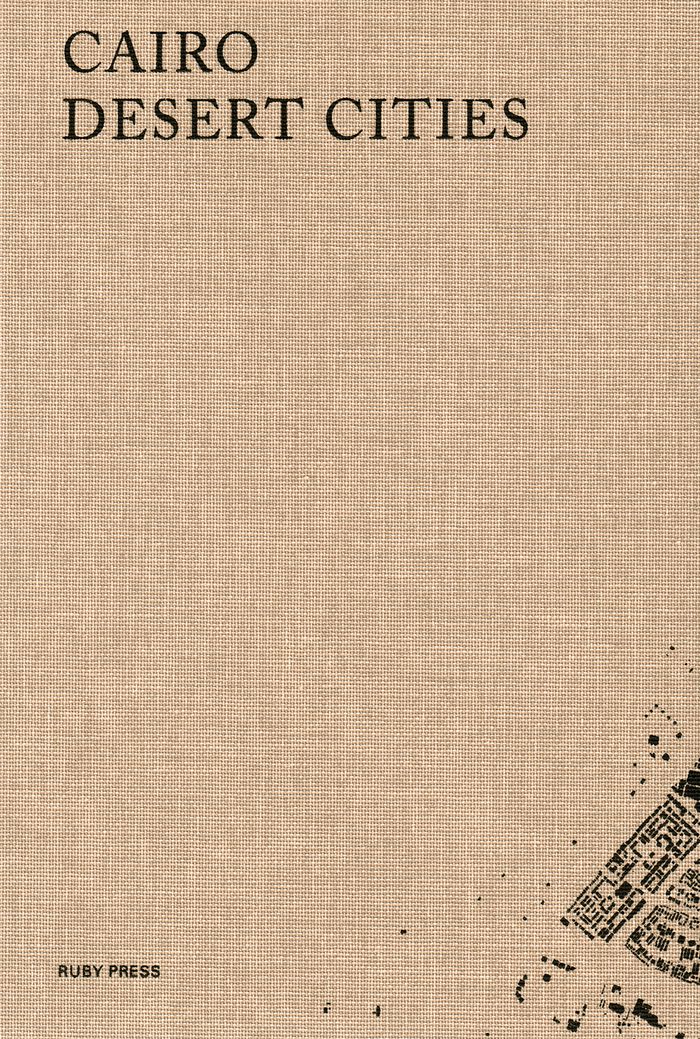
Since the 1950s, Egypt has developed a dozen new towns in the desert around Cairo. This book offers the first systematic exploration of these cities, analyzing their urban form, their promise, and their shortcomings. Originally intended to satisfy growing demand for housing, most of the desert towns have never been completed. Taking this permanent condition of emerging(...)
$78.95
(available to order)
Summary:
Since the 1950s, Egypt has developed a dozen new towns in the desert around Cairo. This book offers the first systematic exploration of these cities, analyzing their urban form, their promise, and their shortcomings. Originally intended to satisfy growing demand for housing, most of the desert towns have never been completed. Taking this permanent condition of emerging(...)
Title:
Cairo desert cities
Actions:
Price:
$78.95
(available to order)
Summary:
Since the 1950s, Egypt has developed a dozen new towns in the desert around Cairo. This book offers the first systematic exploration of these cities, analyzing their urban form, their promise, and their shortcomings. Originally intended to satisfy growing demand for housing, most of the desert towns have never been completed. Taking this permanent condition of emerging urban development at face value, the study aims to identify the as-yet dormant potential of these towns through a series of design scenarios. Cairo Desert Cities underscores the value of re-engaging in modernist town planning, for wiping away the dust of past failures may uncover the contours of future opportunities. With over 300 illustrations, this clothbound edition is an engaging and visually rich introduction to the urban development of Greater Cairo, the largest urban area in Africa, and the practices that have shaped it.
Cairo desert cities
Actions:
Price:
$78.95
(available to order)
Summary:
Since the 1950s, Egypt has developed a dozen new towns in the desert around Cairo. This book offers the first systematic exploration of these cities, analyzing their urban form, their promise, and their shortcomings. Originally intended to satisfy growing demand for housing, most of the desert towns have never been completed. Taking this permanent condition of emerging urban development at face value, the study aims to identify the as-yet dormant potential of these towns through a series of design scenarios. Cairo Desert Cities underscores the value of re-engaging in modernist town planning, for wiping away the dust of past failures may uncover the contours of future opportunities. With over 300 illustrations, this clothbound edition is an engaging and visually rich introduction to the urban development of Greater Cairo, the largest urban area in Africa, and the practices that have shaped it.
Form:
books
books
Publication:
January 2018
January 2018
Subject:
Urban Theory
Urban Theory
Form:
books
books
Title:
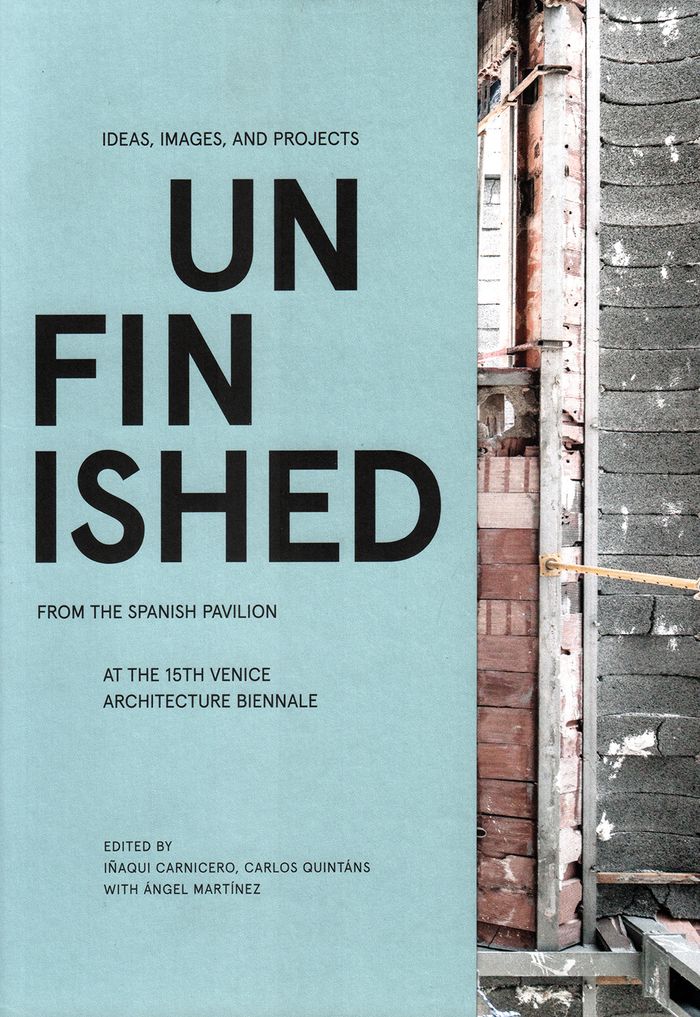
Unfinished: ideas, images, and projects from the Spanish pavilion at the 15th Venice Biennale
Unfinished: ideas, images, and projects from the Spanish pavilion at the 15th Venice Biennale
Actions:
Price:
$51.95
(available to order)
Summary:
Spain was one of the countries where the practice of architecture has been most affected by the economic crisis. There are few places on earth where such large numbers of buildings were built in such a short period of time. The lack of reflection over whether these projects were necessary or valid resulted in the subsequent abandonment of many buildings when their(...)
$51.95
(available to order)
Summary:
Spain was one of the countries where the practice of architecture has been most affected by the economic crisis. There are few places on earth where such large numbers of buildings were built in such a short period of time. The lack of reflection over whether these projects were necessary or valid resulted in the subsequent abandonment of many buildings when their(...)
Title:
Unfinished: ideas, images, and projects from the Spanish pavilion at the 15th Venice Biennale
Actions:
Price:
$51.95
(available to order)
Summary:
Spain was one of the countries where the practice of architecture has been most affected by the economic crisis. There are few places on earth where such large numbers of buildings were built in such a short period of time. The lack of reflection over whether these projects were necessary or valid resulted in the subsequent abandonment of many buildings when their completion or maintenance was discovered not to be economically viable. Their appearance throughout Spanish territories has generated a collection of unfinished buildings where the factor of time was eliminated from the formula for making architecture. The publication gathers examples of architecture produced during the past few years, born out of renunciation and economy of means, designed to evolve and adapt to future necessities and trusting in the beauty conferred by the passage of time.
Unfinished: ideas, images, and projects from the Spanish pavilion at the 15th Venice Biennale
Actions:
Price:
$51.95
(available to order)
Summary:
Spain was one of the countries where the practice of architecture has been most affected by the economic crisis. There are few places on earth where such large numbers of buildings were built in such a short period of time. The lack of reflection over whether these projects were necessary or valid resulted in the subsequent abandonment of many buildings when their completion or maintenance was discovered not to be economically viable. Their appearance throughout Spanish territories has generated a collection of unfinished buildings where the factor of time was eliminated from the formula for making architecture. The publication gathers examples of architecture produced during the past few years, born out of renunciation and economy of means, designed to evolve and adapt to future necessities and trusting in the beauty conferred by the passage of time.
Form:
books
books
Publication:
August 2018
August 2018
Subject:
Contemporary Architecture
Contemporary Architecture
Form:
books
books
Title:
The cabinet of traces
The cabinet of traces
Actions:
Price:
$37.95
(available in store)
Summary:
''The Cabinet of Traces'' is a collection of 73 traces that were left behind by various artists in residency at Air Antwerp from 2012 onwards. The traces presented in this publication form a diverse collection of objects, drawings, little art works, letters, and clothes. Likewise a catalogue of an ethnographic collection, this publication provides all standard technical(...)
$37.95
(available in store)
Summary:
''The Cabinet of Traces'' is a collection of 73 traces that were left behind by various artists in residency at Air Antwerp from 2012 onwards. The traces presented in this publication form a diverse collection of objects, drawings, little art works, letters, and clothes. Likewise a catalogue of an ethnographic collection, this publication provides all standard technical(...)
Publication:
September 2018
September 2018
Title:
The cabinet of traces
Actions:
Price:
$37.95
(available in store)
Summary:
''The Cabinet of Traces'' is a collection of 73 traces that were left behind by various artists in residency at Air Antwerp from 2012 onwards. The traces presented in this publication form a diverse collection of objects, drawings, little art works, letters, and clothes. Likewise a catalogue of an ethnographic collection, this publication provides all standard technical details with each trace: material, dimensions, title and the artist who created it. Each trace bears its own story. ''The Cabinet of Traces'' remembers these stories, while feeding new ones. Memories are constructions and the traces in the publication form the basis from which these memories can be created. ''The Cabinet of Traces'' is a tool that feeds the imagination. It will be passed on to future artists in residency in order to evoke a reaction. New artists will extend the collection.
The cabinet of traces
Actions:
Price:
$37.95
(available in store)
Summary:
''The Cabinet of Traces'' is a collection of 73 traces that were left behind by various artists in residency at Air Antwerp from 2012 onwards. The traces presented in this publication form a diverse collection of objects, drawings, little art works, letters, and clothes. Likewise a catalogue of an ethnographic collection, this publication provides all standard technical details with each trace: material, dimensions, title and the artist who created it. Each trace bears its own story. ''The Cabinet of Traces'' remembers these stories, while feeding new ones. Memories are constructions and the traces in the publication form the basis from which these memories can be created. ''The Cabinet of Traces'' is a tool that feeds the imagination. It will be passed on to future artists in residency in order to evoke a reaction. New artists will extend the collection.
Form:
books
books
Publication:
September 2018
September 2018


