


629 Results
Form:
books
books
Actions:
Price:
$20.00
(available to order)
Summary:
Klara Hobza's The New Millennium Paper Airplane Book is a collection of some of the artist's favorite paper airplanes and stories by their creators, gathered from The New Millennium Paper Airplane Contest exhibition, held at the New York Hall of Science in Queens, New York, in 2008. This project was itself an homage to the historic paper airplane contest that took place(...)
$20.00
(available to order)
Summary:
Klara Hobza's The New Millennium Paper Airplane Book is a collection of some of the artist's favorite paper airplanes and stories by their creators, gathered from The New Millennium Paper Airplane Contest exhibition, held at the New York Hall of Science in Queens, New York, in 2008. This project was itself an homage to the historic paper airplane contest that took place(...)
Subject:
Group Exhibitions
Group Exhibitions
Publication:
September 2009
September 2009
Title:
Klara Hobza The new millennium paper airplane book
Actions:
Price:
$20.00
(available to order)
Summary:
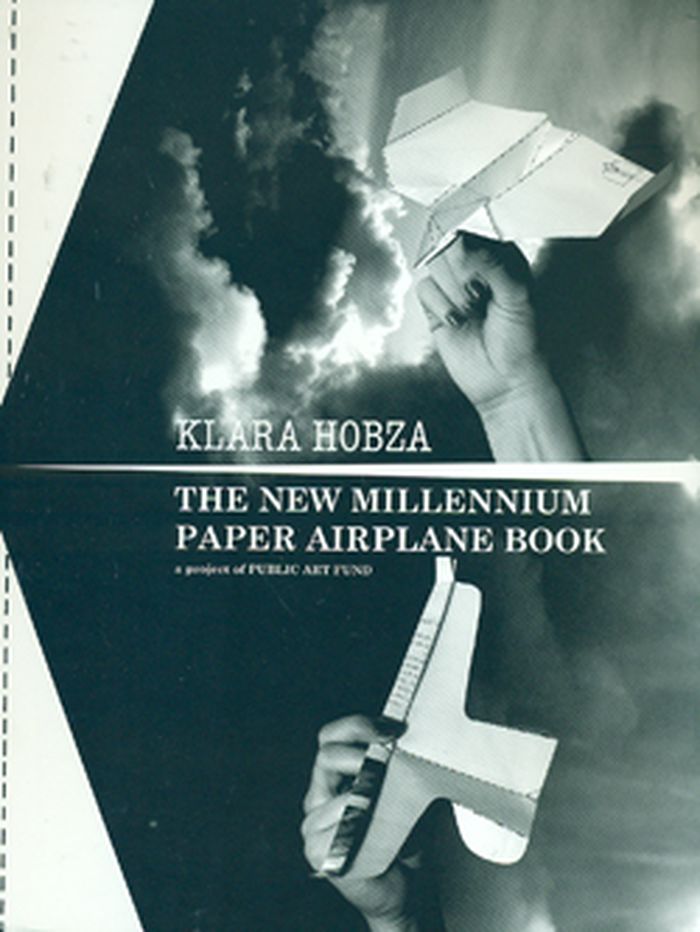
Klara Hobza's The New Millennium Paper Airplane Book is a collection of some of the artist's favorite paper airplanes and stories by their creators, gathered from The New Millennium Paper Airplane Contest exhibition, held at the New York Hall of Science in Queens, New York, in 2008. This project was itself an homage to the historic paper airplane contest that took place in 1967 at the same venue--which, in a note of minor irony, was built to display rockets for the 1964 World's Fair. The competition was open to the public, and participants were invited to fly their planes in a number of judging categories including distance flown, duration aloft, beauty, spectacular failure and children's designs. For this book, Hobza has also included some additional paper airplane contributions from fellow enthusiasts met along the way. Each page within the book is designed to be torn out and folded into a paper airplane. A complete list of step-by-step folding instructions is also included, so you can remake your favorites. Klara Hobza was born in Plzen, Czech Republic, and currently lives and works in New York City.
Klara Hobza The new millennium paper airplane book
Actions:
Price:
$20.00
(available to order)
Summary:
Klara Hobza's The New Millennium Paper Airplane Book is a collection of some of the artist's favorite paper airplanes and stories by their creators, gathered from The New Millennium Paper Airplane Contest exhibition, held at the New York Hall of Science in Queens, New York, in 2008. This project was itself an homage to the historic paper airplane contest that took place in 1967 at the same venue--which, in a note of minor irony, was built to display rockets for the 1964 World's Fair. The competition was open to the public, and participants were invited to fly their planes in a number of judging categories including distance flown, duration aloft, beauty, spectacular failure and children's designs. For this book, Hobza has also included some additional paper airplane contributions from fellow enthusiasts met along the way. Each page within the book is designed to be torn out and folded into a paper airplane. A complete list of step-by-step folding instructions is also included, so you can remake your favorites. Klara Hobza was born in Plzen, Czech Republic, and currently lives and works in New York City.
Form:
books
books
Publication:
September 2009
September 2009
Subject:
Group Exhibitions
Group Exhibitions
Form:
books
books
Actions:
Price:
$56.95
(available to order)
Summary:
During the late 1980s and throughout the 1990s, graphic design was experiencing one of its most exciting and transformative periods. The Apple Macintosh computer had been introduced, design schools were exploring French linguistic theory, the vernacular had become a serious source of study and inspiration, the design and manufacture of typefaces was suddenly opened up to(...)
$56.95
(available to order)
Summary:
During the late 1980s and throughout the 1990s, graphic design was experiencing one of its most exciting and transformative periods. The Apple Macintosh computer had been introduced, design schools were exploring French linguistic theory, the vernacular had become a serious source of study and inspiration, the design and manufacture of typefaces was suddenly opened up to(...)
Title:
Emigre no 70, the look back issue, selections from Emigre magazine #1 - #69
Actions:
Price:
$56.95
(available to order)
Summary:
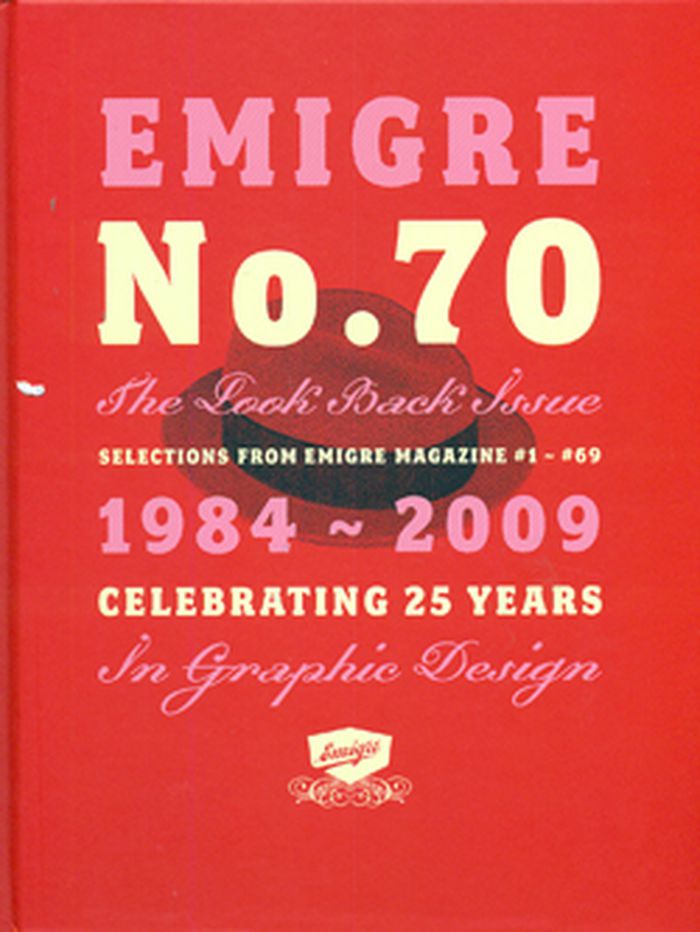
During the late 1980s and throughout the 1990s, graphic design was experiencing one of its most exciting and transformative periods. The Apple Macintosh computer had been introduced, design schools were exploring French linguistic theory, the vernacular had become a serious source of study and inspiration, the design and manufacture of typefaces was suddenly opened up to everyone who could use a computer, and for the first time in the United States, New York City was no longer the place to look for the latest developments in graphic design. And in Berkeley, California, across the bay from Silicon Valley, Emigre magazine, like no other, recognized the significance of the events, and became both a leading participant and a keen observer of this innovative international design scene, generating a body of work and ideas that still resonate today. Fueled by Emigre s successful digital type foundry, the magazine became one of the most popular and controversial graphic design magazines of its time. 69 issues were published in a variety of formats, featuring in-depth interviews with fellow design trailblazers and critical essays by an emerging group of young design writers.
Emigre no 70, the look back issue, selections from Emigre magazine #1 - #69
Actions:
Price:
$56.95
(available to order)
Summary:
During the late 1980s and throughout the 1990s, graphic design was experiencing one of its most exciting and transformative periods. The Apple Macintosh computer had been introduced, design schools were exploring French linguistic theory, the vernacular had become a serious source of study and inspiration, the design and manufacture of typefaces was suddenly opened up to everyone who could use a computer, and for the first time in the United States, New York City was no longer the place to look for the latest developments in graphic design. And in Berkeley, California, across the bay from Silicon Valley, Emigre magazine, like no other, recognized the significance of the events, and became both a leading participant and a keen observer of this innovative international design scene, generating a body of work and ideas that still resonate today. Fueled by Emigre s successful digital type foundry, the magazine became one of the most popular and controversial graphic design magazines of its time. 69 issues were published in a variety of formats, featuring in-depth interviews with fellow design trailblazers and critical essays by an emerging group of young design writers.
Form:
books
books
Publication:
November 2009
November 2009
Subject:
Graphic Design and Typography
Graphic Design and Typography
Form:
books
books
Price:
$15.00
(available to order)
Summary:
A rising star in the Russian literary firmament Pelevin, winner of the 1993 Russian Booker Prize for short stories, has written a parody of life under Communism refracted through the prism of the Soviet space program. This clever parable about a young cosmonaut ordered to make the ultimate sacrifice? Killing himself after secretly piloting a supposedly unmanned lunar(...)
$15.00
(available to order)
Summary:
A rising star in the Russian literary firmament Pelevin, winner of the 1993 Russian Booker Prize for short stories, has written a parody of life under Communism refracted through the prism of the Soviet space program. This clever parable about a young cosmonaut ordered to make the ultimate sacrifice? Killing himself after secretly piloting a supposedly unmanned lunar(...)
Title:
Omon Ra
Actions:
Price:
$15.00
(available to order)
Summary:
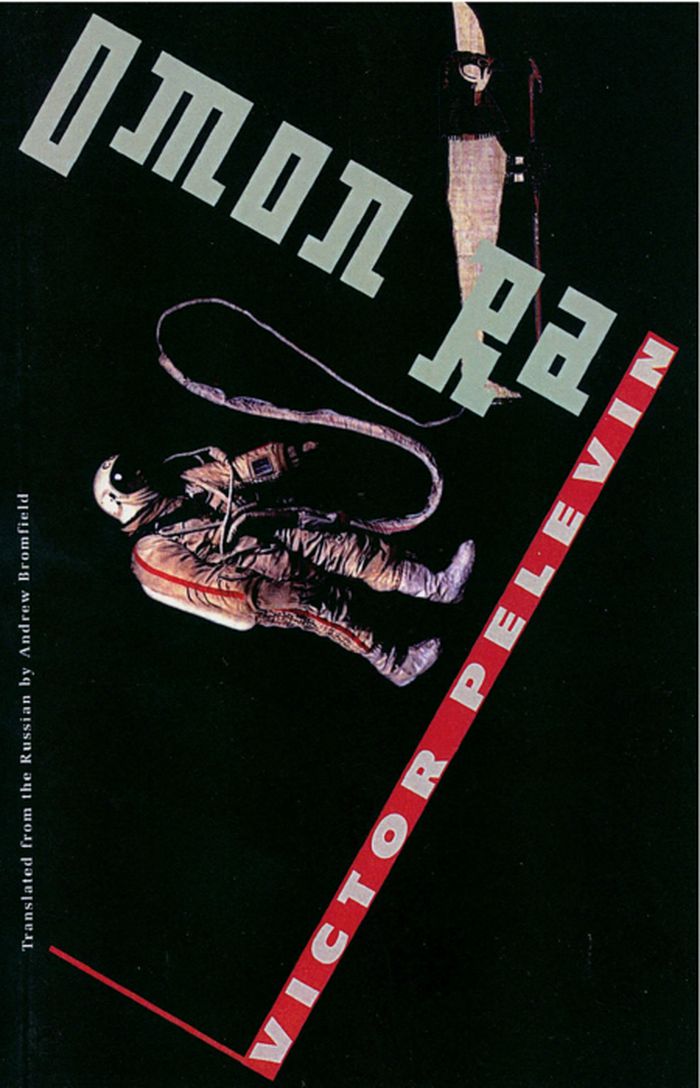
A rising star in the Russian literary firmament Pelevin, winner of the 1993 Russian Booker Prize for short stories, has written a parody of life under Communism refracted through the prism of the Soviet space program. This clever parable about a young cosmonaut ordered to make the ultimate sacrifice? Killing himself after secretly piloting a supposedly unmanned lunar expedition? is sprinkled with throwaway gags, absurdist humor and wickedly ironic touches, as well as with the eerie beauty of space exploration. Obsessed with space travel since early childhood, Omon Krivomazov identifies with Ra, the ancient Egyptian falcon-headed sun god, a fixation that reflects his desire to escape the gray conformity of Soviet life and his yearning for a soul. Omon learns that more than 100 of his fellow cosmonauts have already been sacrificed as guinea pigs after taking part in supposedly automated, manless launches. Pelevin portrays the Russian space program as a vast propaganda enterprise, a distraction to paper over the tawdriness and fear of everyday life. Many allusions will be lost on American readers. And, in light of the truth-is-stranger-than-fiction state of contemporary Russian society, some of the Soviet-era satire seems oddly tame.
Omon Ra
Actions:
Price:
$15.00
(available to order)
Summary:
A rising star in the Russian literary firmament Pelevin, winner of the 1993 Russian Booker Prize for short stories, has written a parody of life under Communism refracted through the prism of the Soviet space program. This clever parable about a young cosmonaut ordered to make the ultimate sacrifice? Killing himself after secretly piloting a supposedly unmanned lunar expedition? is sprinkled with throwaway gags, absurdist humor and wickedly ironic touches, as well as with the eerie beauty of space exploration. Obsessed with space travel since early childhood, Omon Krivomazov identifies with Ra, the ancient Egyptian falcon-headed sun god, a fixation that reflects his desire to escape the gray conformity of Soviet life and his yearning for a soul. Omon learns that more than 100 of his fellow cosmonauts have already been sacrificed as guinea pigs after taking part in supposedly automated, manless launches. Pelevin portrays the Russian space program as a vast propaganda enterprise, a distraction to paper over the tawdriness and fear of everyday life. Many allusions will be lost on American readers. And, in light of the truth-is-stranger-than-fiction state of contemporary Russian society, some of the Soviet-era satire seems oddly tame.
Form:
books
books
Publication:
February 1998
February 1998
Subject:
Architecture and the imaginary
Architecture and the imaginary
Form:
books
books
Actions:
Price:
$54.95
(available in store)
Summary:
Arriving in the United States in 1914, Viennese-born Paul T. Frankl (1886-1958) brought with him an outsider's fresh perspective and an enthusiasm for forging a uniquely American design aesthetic. In the years between the two world wars he, more than any other designer, helped shape the distinctive look of American modernism. This authoritative book draws on an extensive(...)
$54.95
(available in store)
Summary:
Arriving in the United States in 1914, Viennese-born Paul T. Frankl (1886-1958) brought with him an outsider's fresh perspective and an enthusiasm for forging a uniquely American design aesthetic. In the years between the two world wars he, more than any other designer, helped shape the distinctive look of American modernism. This authoritative book draws on an extensive(...)
Title:
Paul T. Frankl and modern American design
Actions:
Price:
$54.95
(available in store)
Summary:
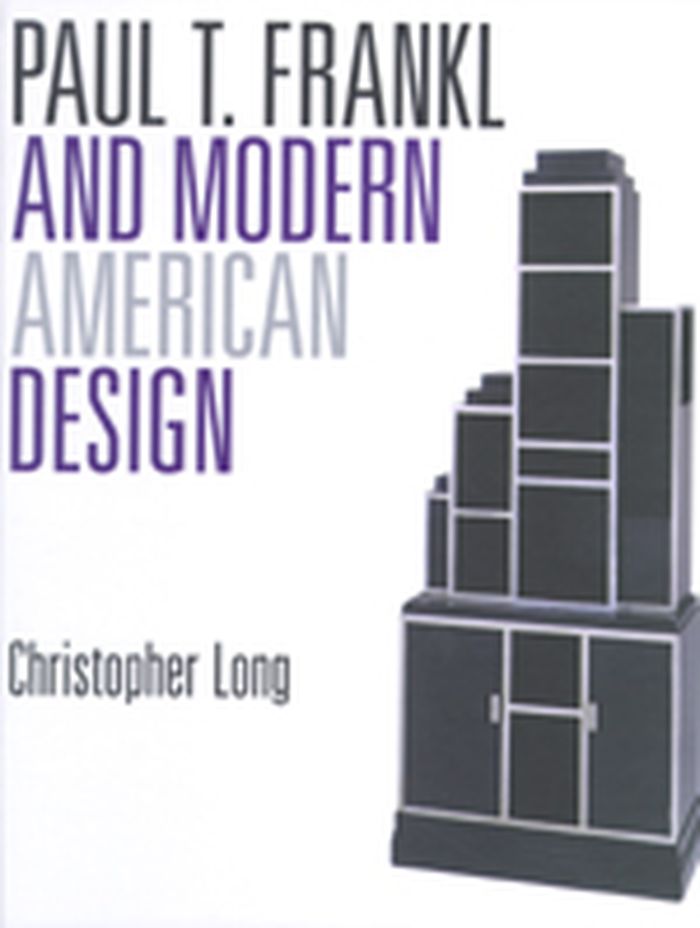
Arriving in the United States in 1914, Viennese-born Paul T. Frankl (1886-1958) brought with him an outsider's fresh perspective and an enthusiasm for forging a uniquely American design aesthetic. In the years between the two world wars he, more than any other designer, helped shape the distinctive look of American modernism. This authoritative book draws on an extensive collection of unpublished documents and family papers and photographs to provide the first full account of Frankl's life and ideas. The book also explores the history of modern American design and the extent of Frankl's influence on its trajectory. In the early 1920s, Frankl opened a New York City shop that became an epicentre of American modernism. Over the next decades, his work encompassed everything from individual pieces of furniture and decorative accessories to entire interiors, and his style continuously evolved, from early 'Skyscraper' furniture to relaxed and casual designs favoured by the Hollywood elite in the 1930s to manufactured pieces for the mass market in the 1950s. The book charts the impact of Frankl's ideas on merchants and consumers, on his fellow designers, and on the changing look of American homes and workplaces. With close to 170 illustrations, "Paul T. Frankl and Modern American Design" is an essential reference on 20th-century design.
Paul T. Frankl and modern American design
Actions:
Price:
$54.95
(available in store)
Summary:
Arriving in the United States in 1914, Viennese-born Paul T. Frankl (1886-1958) brought with him an outsider's fresh perspective and an enthusiasm for forging a uniquely American design aesthetic. In the years between the two world wars he, more than any other designer, helped shape the distinctive look of American modernism. This authoritative book draws on an extensive collection of unpublished documents and family papers and photographs to provide the first full account of Frankl's life and ideas. The book also explores the history of modern American design and the extent of Frankl's influence on its trajectory. In the early 1920s, Frankl opened a New York City shop that became an epicentre of American modernism. Over the next decades, his work encompassed everything from individual pieces of furniture and decorative accessories to entire interiors, and his style continuously evolved, from early 'Skyscraper' furniture to relaxed and casual designs favoured by the Hollywood elite in the 1930s to manufactured pieces for the mass market in the 1950s. The book charts the impact of Frankl's ideas on merchants and consumers, on his fellow designers, and on the changing look of American homes and workplaces. With close to 170 illustrations, "Paul T. Frankl and Modern American Design" is an essential reference on 20th-century design.
Form:
books
books
Publication:
May 2007, New Haven / London
May 2007, New Haven / London
Subject:
Design Monographs
Design Monographs
Form:
books
books
Actions:
Price:
$45.00
(available in store)
Summary:
Mouna Andraos and Melissa Mongiat—together with their team at Daily tous les jours—have been creating celebrated interactive art and narrative experiences for public spaces around the world for over 15 years. Their groundbreaking work is part of an emergent practice that combines technology, storytelling, performance, and placemaking to build a new infrastructure for the(...)
$45.00
(available in store)
Summary:
Mouna Andraos and Melissa Mongiat—together with their team at Daily tous les jours—have been creating celebrated interactive art and narrative experiences for public spaces around the world for over 15 years. Their groundbreaking work is part of an emergent practice that combines technology, storytelling, performance, and placemaking to build a new infrastructure for the(...)
Publication:
August 2025
August 2025
Title:
Strangers need strange moments together: Designing interaction for public spaces
Actions:
Price:
$45.00
(available in store)
Summary:
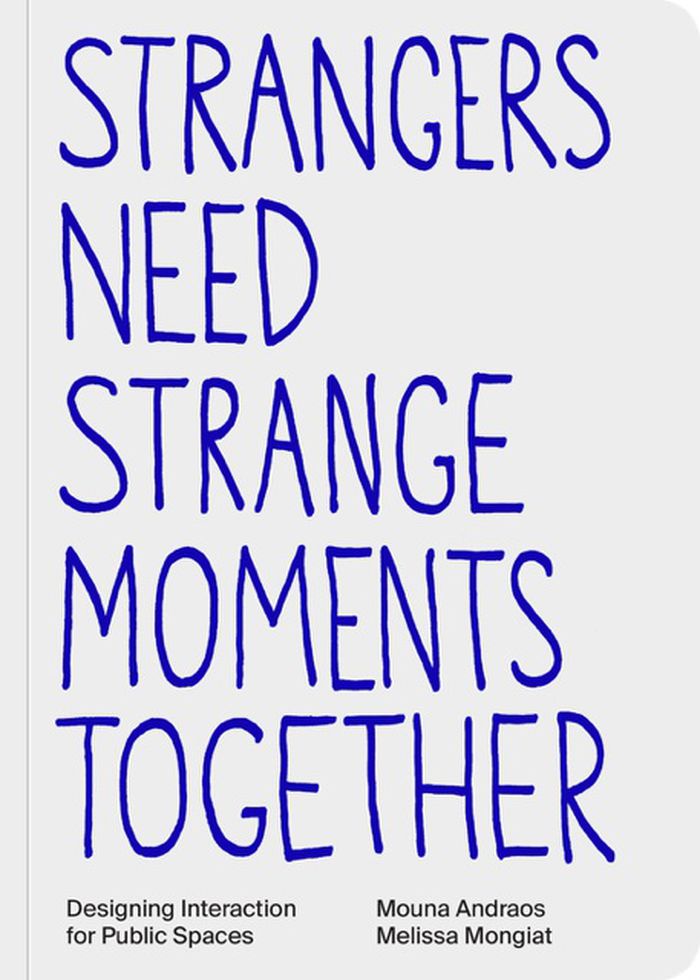
Mouna Andraos and Melissa Mongiat—together with their team at Daily tous les jours—have been creating celebrated interactive art and narrative experiences for public spaces around the world for over 15 years. Their groundbreaking work is part of an emergent practice that combines technology, storytelling, performance, and placemaking to build a new infrastructure for the human spirit. In ''Strangers Need Strange Moments Together'', Andraos and Mongiat invite a broad range of readers—fellow practitioners, urbanists, policy makers, educators, and engaged citizens—to take a joyful approach to building resilient urban communities and re-enchanting public space. In times of unprecedented pace of urban growth, with increasing loneliness and division, they shed light on the importance of moving beyond purely data-driven urban planning methodologies—which prioritize productivity, efficiency, and automation—and forging new modes of public interaction. Cities must be spaces for the whimsical, unexpected, and weird, and for the wasted time and strange moments of serendipitous encounter. Andraos and Mongiat use the raw material of the “daily everyday” to propose new models of living together in the 21st century, and to foreground the dimensions of life that characterize what it means to be human in the first place.
Strangers need strange moments together: Designing interaction for public spaces
Actions:
Price:
$45.00
(available in store)
Summary:
Mouna Andraos and Melissa Mongiat—together with their team at Daily tous les jours—have been creating celebrated interactive art and narrative experiences for public spaces around the world for over 15 years. Their groundbreaking work is part of an emergent practice that combines technology, storytelling, performance, and placemaking to build a new infrastructure for the human spirit. In ''Strangers Need Strange Moments Together'', Andraos and Mongiat invite a broad range of readers—fellow practitioners, urbanists, policy makers, educators, and engaged citizens—to take a joyful approach to building resilient urban communities and re-enchanting public space. In times of unprecedented pace of urban growth, with increasing loneliness and division, they shed light on the importance of moving beyond purely data-driven urban planning methodologies—which prioritize productivity, efficiency, and automation—and forging new modes of public interaction. Cities must be spaces for the whimsical, unexpected, and weird, and for the wasted time and strange moments of serendipitous encounter. Andraos and Mongiat use the raw material of the “daily everyday” to propose new models of living together in the 21st century, and to foreground the dimensions of life that characterize what it means to be human in the first place.
Form:
books
books
Publication:
August 2025
August 2025
Form:
books
books

Actions:
Price:
$41.50
(available to order)
Summary:
Cheryl D. Holmes-Miller is one of the design field's most respected figures. She is legendary for her decades of scholarship and activism and is known as a touchstone and conscience for the design profession. This long-awaited book documents the history of the question she has been asking for decades: "Where are the Black designers?" along with related questions that are(...)
$41.50
(available to order)
Summary:
Cheryl D. Holmes-Miller is one of the design field's most respected figures. She is legendary for her decades of scholarship and activism and is known as a touchstone and conscience for the design profession. This long-awaited book documents the history of the question she has been asking for decades: "Where are the Black designers?" along with related questions that are(...)
Title:
Here: Where the black designers are
Actions:
Price:
$41.50
(available to order)
Summary:
Cheryl D. Holmes-Miller is one of the design field's most respected figures. She is legendary for her decades of scholarship and activism and is known as a touchstone and conscience for the design profession. This long-awaited book documents the history of the question she has been asking for decades: "Where are the Black designers?" along with related questions that are urgent to the design profession: Where did they originate? Where have they been? Why haven't they been represented in design histories and canons? Holmes-Miller traces her development as a designer and leader, beginning with her own family and its rich multiethnic history. She narrates her experiences as a design student at Rhode Island School of Design, Maryland Institute College of Art, and Pratt, leading up to her oft-cited Pratt thesis examining barriers to success for Black designers. Holmes-Miller describes the work of her eponymous studio for noted clients that included NASA, Time Inc., and the nascent Black Entertainment Television, as well as the story of her later critiques of the industry in the design press, most notably in Print magazine. Miller also recounts the parallel history of collective efforts by fellow scholars and advocates over the past fifty years to identify and celebrate Black designers.
Here: Where the black designers are
Actions:
Price:
$41.50
(available to order)
Summary:
Cheryl D. Holmes-Miller is one of the design field's most respected figures. She is legendary for her decades of scholarship and activism and is known as a touchstone and conscience for the design profession. This long-awaited book documents the history of the question she has been asking for decades: "Where are the Black designers?" along with related questions that are urgent to the design profession: Where did they originate? Where have they been? Why haven't they been represented in design histories and canons? Holmes-Miller traces her development as a designer and leader, beginning with her own family and its rich multiethnic history. She narrates her experiences as a design student at Rhode Island School of Design, Maryland Institute College of Art, and Pratt, leading up to her oft-cited Pratt thesis examining barriers to success for Black designers. Holmes-Miller describes the work of her eponymous studio for noted clients that included NASA, Time Inc., and the nascent Black Entertainment Television, as well as the story of her later critiques of the industry in the design press, most notably in Print magazine. Miller also recounts the parallel history of collective efforts by fellow scholars and advocates over the past fifty years to identify and celebrate Black designers.
Form:
books
books
Publication:
October 2024
October 2024
Subject:
Design Theory
Design Theory
Form:
books
books
Title:
Dan Graham
Dan Graham
Actions:
Price:
$59.95
(available to order)
Summary:
Dan Graham is among the most influential of the Conceptual artists who emerged in America during the mid 1960s. A pioneer in performance and video art in the 1970s, Graham later turned his attention to architectural projects designed for social interaction in public spaces, among them The Children’s Pavilion (1989) with Jeff Wall. Writing has always been a major aspect(...)
$59.95
(available to order)
Summary:
Dan Graham is among the most influential of the Conceptual artists who emerged in America during the mid 1960s. A pioneer in performance and video art in the 1970s, Graham later turned his attention to architectural projects designed for social interaction in public spaces, among them The Children’s Pavilion (1989) with Jeff Wall. Writing has always been a major aspect(...)
Subject:
Contemporary Art Monographs
Contemporary Art Monographs
Publication:
May 2001, London
May 2001, London
Title:
Dan Graham
Actions:
Price:
$59.95
(available to order)
Summary:
Dan Graham is among the most influential of the Conceptual artists who emerged in America during the mid 1960s. A pioneer in performance and video art in the 1970s, Graham later turned his attention to architectural projects designed for social interaction in public spaces, among them The Children’s Pavilion (1989) with Jeff Wall. Writing has always been a major aspect of Graham’s work. His texts range from early Conceptual art pieces inserted in mass-market magazines, to writing on his fellow artists, to analyses of popular culture, from Dean Martin to the post-Punk era. Well-known also among architects and urban theorists, during the 1990s Graham has been offered major public commissions throughout North America and Europe. London-based curator Mark Francis discusses with the artist how his public participation-based work has evolved. Brussels-based critic Birgit Pelzer draws on her extensive knowledge of Graham’s work and writings. New York-based architectural theorist Beatriz Colomina focuses on Graham’s Alteration to a Suburban House (1978). The artist has chosen an extract from the science fiction novel Ubik by Philip K Dick, whose writings were a formative influence. A substantial Artist’s Writings section, key to understanding Dan Graham, completes the book.
Dan Graham
Actions:
Price:
$59.95
(available to order)
Summary:
Dan Graham is among the most influential of the Conceptual artists who emerged in America during the mid 1960s. A pioneer in performance and video art in the 1970s, Graham later turned his attention to architectural projects designed for social interaction in public spaces, among them The Children’s Pavilion (1989) with Jeff Wall. Writing has always been a major aspect of Graham’s work. His texts range from early Conceptual art pieces inserted in mass-market magazines, to writing on his fellow artists, to analyses of popular culture, from Dean Martin to the post-Punk era. Well-known also among architects and urban theorists, during the 1990s Graham has been offered major public commissions throughout North America and Europe. London-based curator Mark Francis discusses with the artist how his public participation-based work has evolved. Brussels-based critic Birgit Pelzer draws on her extensive knowledge of Graham’s work and writings. New York-based architectural theorist Beatriz Colomina focuses on Graham’s Alteration to a Suburban House (1978). The artist has chosen an extract from the science fiction novel Ubik by Philip K Dick, whose writings were a formative influence. A substantial Artist’s Writings section, key to understanding Dan Graham, completes the book.
Form:
books
books
Publication:
May 2001, London
May 2001, London
Subject:
Contemporary Art Monographs
Contemporary Art Monographs
Form:
books
books
Title:
Architects on dwelling
Architects on dwelling
Actions:
Price:
$50.00
(available to order)
Summary:
While most books on architecture focus on the architectural outcome itself, ''Architects on dwelling'' takes a close look at how that outcome is created. To design any kind of dwelling, architects draw on both their reservoir of ideas as well as their own experiences as fellow inhabitants of such structures. This book explores how architects design the places we inhabit(...)
$50.00
(available to order)
Summary:
While most books on architecture focus on the architectural outcome itself, ''Architects on dwelling'' takes a close look at how that outcome is created. To design any kind of dwelling, architects draw on both their reservoir of ideas as well as their own experiences as fellow inhabitants of such structures. This book explores how architects design the places we inhabit(...)
Title:
Architects on dwelling
Actions:
Price:
$50.00
(available to order)
Summary:
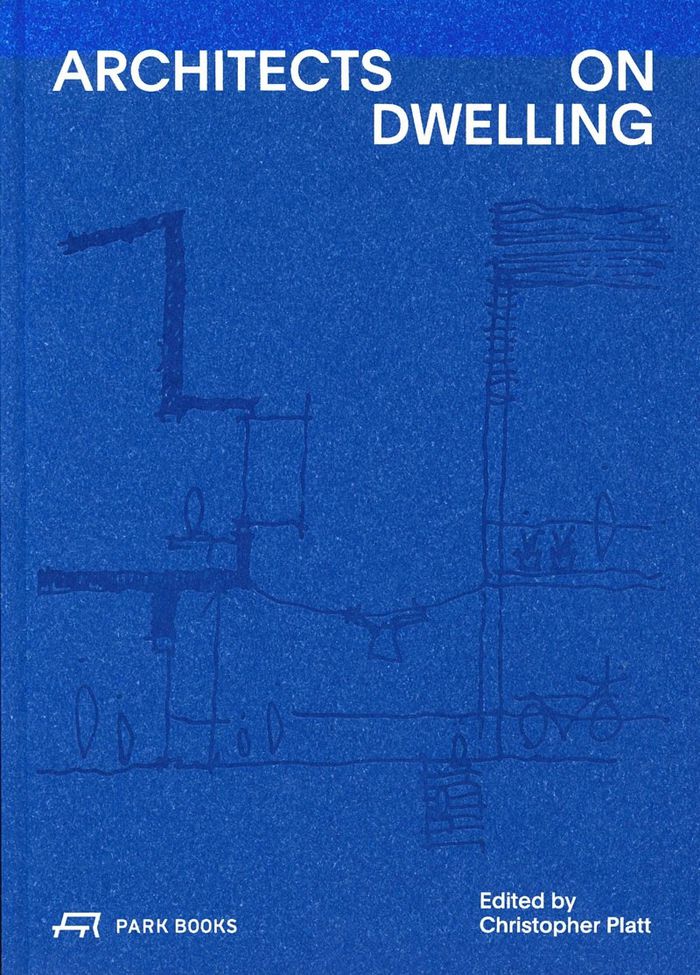
While most books on architecture focus on the architectural outcome itself, ''Architects on dwelling'' takes a close look at how that outcome is created. To design any kind of dwelling, architects draw on both their reservoir of ideas as well as their own experiences as fellow inhabitants of such structures. This book explores how architects design the places we inhabit and how those places in turn inform the manner in which we live, in ways beyond lifestyle and personal taste. Through contributions by Stephen Hoey, Henry McKeown & Ian Alexander, James Mitchell, Stacey Philips, Christopher Platt, Adrian Stewart, and Miranda Webster—most of whom are Scotland-based practitioners as well as teachers in The Glasgow School of Art—it reveals the unique values and qualities that inform their design processes. In their essays, they focus mostly on one exemplary building, explaining how and why they design the way they do. Dick van Gameren, Simon Henley, and Graeme Hutton, distinguished experts and themselves architect-educators, place this work within an international context and provide insightful comment about what these design approaches inform us about contemporary design in Scotland. Complemented with a wide range of images, these essays both illuminate the architects’ motivations and inspirations and celebrate their featured works.
Architects on dwelling
Actions:
Price:
$50.00
(available to order)
Summary:
While most books on architecture focus on the architectural outcome itself, ''Architects on dwelling'' takes a close look at how that outcome is created. To design any kind of dwelling, architects draw on both their reservoir of ideas as well as their own experiences as fellow inhabitants of such structures. This book explores how architects design the places we inhabit and how those places in turn inform the manner in which we live, in ways beyond lifestyle and personal taste. Through contributions by Stephen Hoey, Henry McKeown & Ian Alexander, James Mitchell, Stacey Philips, Christopher Platt, Adrian Stewart, and Miranda Webster—most of whom are Scotland-based practitioners as well as teachers in The Glasgow School of Art—it reveals the unique values and qualities that inform their design processes. In their essays, they focus mostly on one exemplary building, explaining how and why they design the way they do. Dick van Gameren, Simon Henley, and Graeme Hutton, distinguished experts and themselves architect-educators, place this work within an international context and provide insightful comment about what these design approaches inform us about contemporary design in Scotland. Complemented with a wide range of images, these essays both illuminate the architects’ motivations and inspirations and celebrate their featured works.
Form:
books
books
Publication:
July 2022
July 2022
Subject:
Architectural Theory
Architectural Theory
Form:
books
books
Price:
$49.95
(available to order)
Summary:
Born into a large French-Canadian family in 1926, Mariette Rousseau embraced her passion for creative expression through wool and weaving at an early age. She studied art and weaving at l'École des beaux-arts in Quebec City and then worked at the California studio of ground-breaking American textile designer Dorothy Liebes. Back in Canada after an art-inspired trip to(...)
$49.95
(available to order)
Summary:
Born into a large French-Canadian family in 1926, Mariette Rousseau embraced her passion for creative expression through wool and weaving at an early age. She studied art and weaving at l'École des beaux-arts in Quebec City and then worked at the California studio of ground-breaking American textile designer Dorothy Liebes. Back in Canada after an art-inspired trip to(...)
Title:
Weaving modernist art: The life and work of Mariette Rousseau-Vermette
Actions:
Price:
$49.95
(available to order)
Summary:
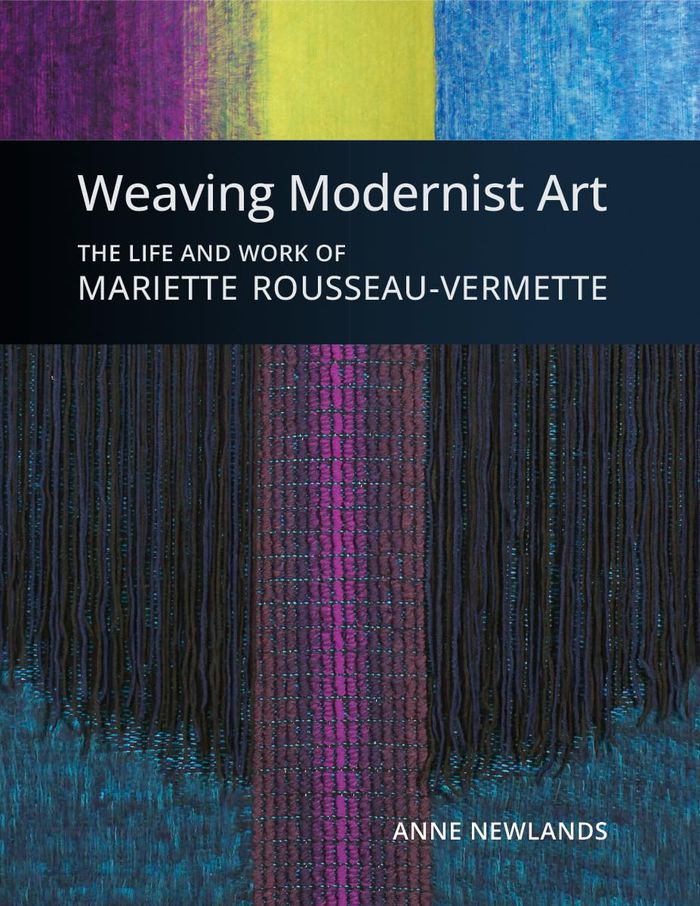
Born into a large French-Canadian family in 1926, Mariette Rousseau embraced her passion for creative expression through wool and weaving at an early age. She studied art and weaving at l'École des beaux-arts in Quebec City and then worked at the California studio of ground-breaking American textile designer Dorothy Liebes. Back in Canada after an art-inspired trip to Europe, she and her husband, artist and ceramist Claude Vermette, joined the growing movement of young French-Canadian artists in their embrace of abstraction and new forms of art and their rejection of the conservatism of Maurice Duplessis' mid-century Quebec. By the early 1960s, Rousseau-Vermette had forged collaborations with fellow artists, designers and architects with like ideas about public art. Over the next 40 years, she scaled the heights of her profession, weaving hundreds of radiant large-scale tapestries that complemented the cool interiors of modern architecture. She exhibited across Canada and internationally and attracted prestigious commissions from the private and public sectors, including commissions for theater curtains at the National Arts Centre, Ottawa and the Kennedy Center in Washington, DC. Yet three years after Rousseau-Vermette's death in 2006, Newlands discovered there wasn't a single book that told her story as a pioneer of modernist tapestry and one of Canada's most prolific and influential artist-weavers.
Weaving modernist art: The life and work of Mariette Rousseau-Vermette
Actions:
Price:
$49.95
(available to order)
Summary:
Born into a large French-Canadian family in 1926, Mariette Rousseau embraced her passion for creative expression through wool and weaving at an early age. She studied art and weaving at l'École des beaux-arts in Quebec City and then worked at the California studio of ground-breaking American textile designer Dorothy Liebes. Back in Canada after an art-inspired trip to Europe, she and her husband, artist and ceramist Claude Vermette, joined the growing movement of young French-Canadian artists in their embrace of abstraction and new forms of art and their rejection of the conservatism of Maurice Duplessis' mid-century Quebec. By the early 1960s, Rousseau-Vermette had forged collaborations with fellow artists, designers and architects with like ideas about public art. Over the next 40 years, she scaled the heights of her profession, weaving hundreds of radiant large-scale tapestries that complemented the cool interiors of modern architecture. She exhibited across Canada and internationally and attracted prestigious commissions from the private and public sectors, including commissions for theater curtains at the National Arts Centre, Ottawa and the Kennedy Center in Washington, DC. Yet three years after Rousseau-Vermette's death in 2006, Newlands discovered there wasn't a single book that told her story as a pioneer of modernist tapestry and one of Canada's most prolific and influential artist-weavers.
Form:
books
books
Publication:
March 2023
March 2023
Subject:
Current Exhibitions
Current Exhibitions
Form:
books
books
Actions:
Price:
$95.00
(available to order)
Summary:
This book presents three independent bodies of work by Henry Wessel, each being a precise sequence arranged to give the viewer the experience of what it felt like to pass through the territory described. The first series “Traffic” shows Wessel’s photos of drivers stuck in traffic as he commuted in the early 1980s from Richmond, California, to San Francisco in the morning(...)
$95.00
(available to order)
Summary:
This book presents three independent bodies of work by Henry Wessel, each being a precise sequence arranged to give the viewer the experience of what it felt like to pass through the territory described. The first series “Traffic” shows Wessel’s photos of drivers stuck in traffic as he commuted in the early 1980s from Richmond, California, to San Francisco in the morning(...)
Title:
Henry Wessel: Traffic / Sunset Park / Continental Divide
Actions:
Price:
$95.00
(available to order)
Summary:
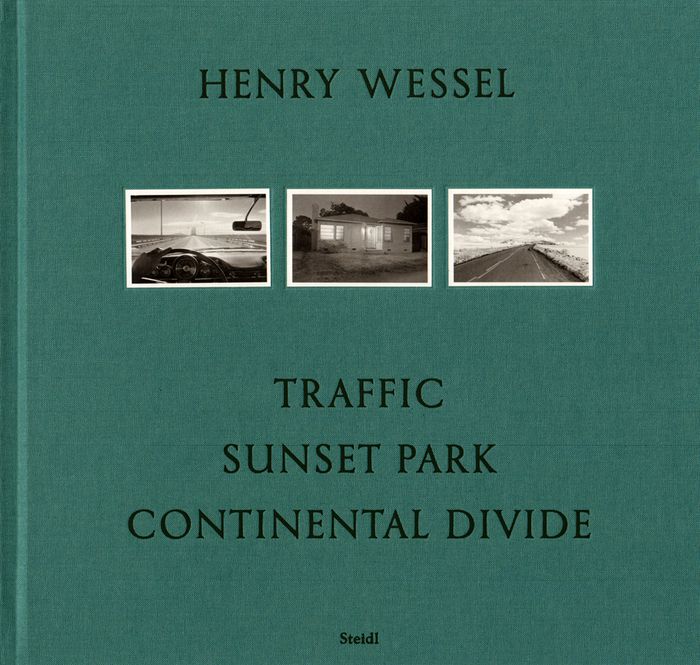
This book presents three independent bodies of work by Henry Wessel, each being a precise sequence arranged to give the viewer the experience of what it felt like to pass through the territory described. The first series “Traffic” shows Wessel’s photos of drivers stuck in traffic as he commuted in the early 1980s from Richmond, California, to San Francisco in the morning rush hour. Wessel records the determination, impatience and blank boredom of his fellow drivers as they navigate a daily drill that seems at times daunting and hopeless. “Sunset Park” is Wessel’s series of night photos of the modest working-class neighborhood of Sunset Park in Santa Monica. Over four years in the mid-1990s, Wessel captured the nocturnal transformation of suburbia into a strange, sometimes eerie,landscape. In his words: “You can’t help but notice how the world is reconfigured by the lights at night. The spot lighting of particular areas, the lack of ambient light, the unnatural way that shadows are cast, all take us to an unfamiliar place…” Wessel’s final series “Continental Divide” takes the viewer on a ride from the dense, suburban flatlands of the Midwest, up across the Rocky Mountains, and down into the sparse desert landscape of the American West. Wessel depicts its houses, shacks, street corners, and the highway, reminding us of the inherent aesthetics of the everyday.
Henry Wessel: Traffic / Sunset Park / Continental Divide
Actions:
Price:
$95.00
(available to order)
Summary:
This book presents three independent bodies of work by Henry Wessel, each being a precise sequence arranged to give the viewer the experience of what it felt like to pass through the territory described. The first series “Traffic” shows Wessel’s photos of drivers stuck in traffic as he commuted in the early 1980s from Richmond, California, to San Francisco in the morning rush hour. Wessel records the determination, impatience and blank boredom of his fellow drivers as they navigate a daily drill that seems at times daunting and hopeless. “Sunset Park” is Wessel’s series of night photos of the modest working-class neighborhood of Sunset Park in Santa Monica. Over four years in the mid-1990s, Wessel captured the nocturnal transformation of suburbia into a strange, sometimes eerie,landscape. In his words: “You can’t help but notice how the world is reconfigured by the lights at night. The spot lighting of particular areas, the lack of ambient light, the unnatural way that shadows are cast, all take us to an unfamiliar place…” Wessel’s final series “Continental Divide” takes the viewer on a ride from the dense, suburban flatlands of the Midwest, up across the Rocky Mountains, and down into the sparse desert landscape of the American West. Wessel depicts its houses, shacks, street corners, and the highway, reminding us of the inherent aesthetics of the everyday.
Form:
books
books
Publication:
January 2017
January 2017
Subject:
Photography monographs
Photography monographs


