


644 Results
Form:
audio
audio
Description:
1 online resource.
Author:
Subject:
Publication:
[Place of publication not identified] : Lateral Addition, 2018.
[Place of publication not identified] : Lateral Addition, 2018.
Title:
June 21, 2018 : Listening for Southwest Key in San Diego.
Actions:
Description:
1 online resource.
June 21, 2018 : Listening for Southwest Key in San Diego.
Actions:
Description:
1 online resource.
Form:
audio
audio
Publication:
[Place of publication not identified] : Lateral Addition, 2018.
[Place of publication not identified] : Lateral Addition, 2018.
Author:
Subject:
Form:
books
books
Price:
$52.00
(available in store)
Summary:
For Siegfried Kracauer, the urban ornament was not just an aspect of design; it was the medium through which city dwellers interpreted the metropolis itself. In “Ornaments of the Metropolis”, Henrik Reeh traces variations on the theme of the ornament in Kracauer's writings on urbanism, from his early journalism in Germany between the wars to his "sociobiography" of(...)
$52.00
(available in store)
Summary:
For Siegfried Kracauer, the urban ornament was not just an aspect of design; it was the medium through which city dwellers interpreted the metropolis itself. In “Ornaments of the Metropolis”, Henrik Reeh traces variations on the theme of the ornament in Kracauer's writings on urbanism, from his early journalism in Germany between the wars to his "sociobiography" of(...)
Title:
Ornaments of the metropolis : Siegfried Kracauer and modern urban culture
Actions:
Price:
$52.00
(available in store)
Summary:
For Siegfried Kracauer, the urban ornament was not just an aspect of design; it was the medium through which city dwellers interpreted the metropolis itself. In “Ornaments of the Metropolis”, Henrik Reeh traces variations on the theme of the ornament in Kracauer's writings on urbanism, from his early journalism in Germany between the wars to his "sociobiography" of Jacques Offenbach in Paris. Kracauer (1889-1966), often associated with the Frankfurt School and the intellectual milieu of Walter Benjamin, is best known for his writings on cinema and the philosophy of history. Reeh examines Kracauer's lesser-known early work, much of it written for the trendsetting newspaper Frankfurter Zeitung in the 1920s and early 1930s, and analyzes Kracauer's continuing reflections on modern urban life, through the pivotal idea of ornament. Kracauer deciphers the subjective experience of the city by viewing fragments of the city as dynamic ornaments; an employment exchange, a day shelter for the homeless, a movie theatre, and an amusement park become urban microcosms. Reeh focuses on three substantial works written by Kracauer before his emigration to the United States in 1940. In the early autobiographical novel “Ginster, Written by Himself”, a young architect finds aesthetic pleasure in the ornamental forms that are largely unused in the profession of the time. The collection “Streets of Berlin and Elsewhere”, with many essays from Kracauer's years in Berlin, documents the subjectiveness of urban life. Finally, “Jacques Offenbach and the Paris of His Time” shows how the superficial -- in a sense, ornamental -- milieu of the operetta evolved into a critical force during the Second Empire. Reeh argues that Kracauer's novel, essays, and historiography all suggest ways in which the subjective can reappropriate urban life. The book also includes a series of photographs by the author that reflect the ornamental experience of the metropolis in Paris, Frankfurt, and other cities.
Ornaments of the metropolis : Siegfried Kracauer and modern urban culture
Actions:
Price:
$52.00
(available in store)
Summary:
For Siegfried Kracauer, the urban ornament was not just an aspect of design; it was the medium through which city dwellers interpreted the metropolis itself. In “Ornaments of the Metropolis”, Henrik Reeh traces variations on the theme of the ornament in Kracauer's writings on urbanism, from his early journalism in Germany between the wars to his "sociobiography" of Jacques Offenbach in Paris. Kracauer (1889-1966), often associated with the Frankfurt School and the intellectual milieu of Walter Benjamin, is best known for his writings on cinema and the philosophy of history. Reeh examines Kracauer's lesser-known early work, much of it written for the trendsetting newspaper Frankfurter Zeitung in the 1920s and early 1930s, and analyzes Kracauer's continuing reflections on modern urban life, through the pivotal idea of ornament. Kracauer deciphers the subjective experience of the city by viewing fragments of the city as dynamic ornaments; an employment exchange, a day shelter for the homeless, a movie theatre, and an amusement park become urban microcosms. Reeh focuses on three substantial works written by Kracauer before his emigration to the United States in 1940. In the early autobiographical novel “Ginster, Written by Himself”, a young architect finds aesthetic pleasure in the ornamental forms that are largely unused in the profession of the time. The collection “Streets of Berlin and Elsewhere”, with many essays from Kracauer's years in Berlin, documents the subjectiveness of urban life. Finally, “Jacques Offenbach and the Paris of His Time” shows how the superficial -- in a sense, ornamental -- milieu of the operetta evolved into a critical force during the Second Empire. Reeh argues that Kracauer's novel, essays, and historiography all suggest ways in which the subjective can reappropriate urban life. The book also includes a series of photographs by the author that reflect the ornamental experience of the metropolis in Paris, Frankfurt, and other cities.
Form:
books
books
Publication:
March 2005, Cambridge, Massachusetts
March 2005, Cambridge, Massachusetts
Subject:
Urban Theory
Urban Theory
Form:
books
books
Actions:
Price:
$22.95
(available to order)
Summary:
For Siegfried Kracauer, the urban ornament was not just an aspect of design; it was the medium through which city dwellers interpreted the metropolis itself. In "Ornaments of the metropolis", Henrik Reeh traces variations on the theme of the ornament in Kracauer's writings on urbanism, from his early journalism in Germany between the wars to his "sociobiography" of(...)
$22.95
(available to order)
Summary:
For Siegfried Kracauer, the urban ornament was not just an aspect of design; it was the medium through which city dwellers interpreted the metropolis itself. In "Ornaments of the metropolis", Henrik Reeh traces variations on the theme of the ornament in Kracauer's writings on urbanism, from his early journalism in Germany between the wars to his "sociobiography" of(...)
Title:
Ornaments of the metropolis : Siegfried Kracuaer and the Modern urban culture
Actions:
Price:
$22.95
(available to order)
Summary:
For Siegfried Kracauer, the urban ornament was not just an aspect of design; it was the medium through which city dwellers interpreted the metropolis itself. In "Ornaments of the metropolis", Henrik Reeh traces variations on the theme of the ornament in Kracauer's writings on urbanism, from his early journalism in Germany between the wars to his "sociobiography" of Jacques Offenbach in Paris. Kracauer (1889-1966), often associated with the Frankfurt School and the intellectual milieu of Walter Benjamin, is best known for his writings on cinema and the philosophy of history. Reeh examines Kracauer's lesser-known early work, much of it written for the trendsetting newspaper Frankfurter Zeitung in the 1920s and early 1930s, and analyzes Kracauer's continuing reflections on modern urban life, through the pivotal idea of ornament. Kracauer deciphers the subjective experience of the city by viewing fragments of the city as dynamic ornaments; an employment exchange, a day shelter for the homeless, a movie theater, and an amusement park become urban microcosms. Reeh focuses on three substantial works written by Kracauer before his emigration to the United States in 1940. In the early autobiographical novel "Ginster, written by himself", a young architect finds aesthetic pleasure in the ornamental forms that are largely unused in the profession of the time. The collection "Streets of Berlin and elsewhere", with many essays from Kracauer's years in Berlin, documents the subjectiveness of urban life. Finally, "Jacques Offenbach and the Paris of his time" shows how the superficial - in a sense, ornamental - milieu of the operetta evolved into a critical force during the Second Empire. Reeh argues that Kracauer's novel, essays, and historiography all suggest ways in which the subjective can reappropriate urban life. The book also includes a series of photographs by the author that reflect the ornamental experience of the metropolis in Paris, Frankfurt, and other cities.
Ornaments of the metropolis : Siegfried Kracuaer and the Modern urban culture
Actions:
Price:
$22.95
(available to order)
Summary:
For Siegfried Kracauer, the urban ornament was not just an aspect of design; it was the medium through which city dwellers interpreted the metropolis itself. In "Ornaments of the metropolis", Henrik Reeh traces variations on the theme of the ornament in Kracauer's writings on urbanism, from his early journalism in Germany between the wars to his "sociobiography" of Jacques Offenbach in Paris. Kracauer (1889-1966), often associated with the Frankfurt School and the intellectual milieu of Walter Benjamin, is best known for his writings on cinema and the philosophy of history. Reeh examines Kracauer's lesser-known early work, much of it written for the trendsetting newspaper Frankfurter Zeitung in the 1920s and early 1930s, and analyzes Kracauer's continuing reflections on modern urban life, through the pivotal idea of ornament. Kracauer deciphers the subjective experience of the city by viewing fragments of the city as dynamic ornaments; an employment exchange, a day shelter for the homeless, a movie theater, and an amusement park become urban microcosms. Reeh focuses on three substantial works written by Kracauer before his emigration to the United States in 1940. In the early autobiographical novel "Ginster, written by himself", a young architect finds aesthetic pleasure in the ornamental forms that are largely unused in the profession of the time. The collection "Streets of Berlin and elsewhere", with many essays from Kracauer's years in Berlin, documents the subjectiveness of urban life. Finally, "Jacques Offenbach and the Paris of his time" shows how the superficial - in a sense, ornamental - milieu of the operetta evolved into a critical force during the Second Empire. Reeh argues that Kracauer's novel, essays, and historiography all suggest ways in which the subjective can reappropriate urban life. The book also includes a series of photographs by the author that reflect the ornamental experience of the metropolis in Paris, Frankfurt, and other cities.
Form:
books
books
Publication:
October 2006, Cambridge (MA), London
October 2006, Cambridge (MA), London
Subject:
Urban Theory
Urban Theory
Form:
books
books
Actions:
Price:
$69.95
(available to order)
Summary:
Cities ruled the first half of the 20th century; the second half belonged to the suburbs. Will cities become dominant again? Can the recent decline of many suburbs be slowed? "Tomorrow’s cities, tomorrow’s suburbs" predicts a surprising outcome in the decades-long tug-of-war between urban hubs and suburban outposts. Planning scholars William H. Lucy and David L.(...)
$69.95
(available to order)
Summary:
Cities ruled the first half of the 20th century; the second half belonged to the suburbs. Will cities become dominant again? Can the recent decline of many suburbs be slowed? "Tomorrow’s cities, tomorrow’s suburbs" predicts a surprising outcome in the decades-long tug-of-war between urban hubs and suburban outposts. Planning scholars William H. Lucy and David L.(...)
Subject:
Urban Theory
Urban Theory
Publication:
February 2006, Chicago, Washington D.C.
February 2006, Chicago, Washington D.C.
Title:
Tomorrow's cities, tomorrow's suburbs
Actions:
Price:
$69.95
(available to order)
Summary:
Cities ruled the first half of the 20th century; the second half belonged to the suburbs. Will cities become dominant again? Can the recent decline of many suburbs be slowed? "Tomorrow’s cities, tomorrow’s suburbs" predicts a surprising outcome in the decades-long tug-of-war between urban hubs and suburban outposts. Planning scholars William H. Lucy and David L. Phillips document signs of resurgence in cities and interpret omens of decline in many suburbs. They offer an extensive analysis of the 2000 census, with insights into the influence of income disparities, housing age and size, racial segregation, immigration, and poverty. They also examine popular perceptions—and misperceptions—about safety and danger in cities, suburbs, and exurbs that affect settlement patterns. "Tomorrow’s cities, tomorrow’s suburbs" offers evidence that the decline of cities can continue to be reversed, tempered by a warning of a mid-life crisis looming in the suburbs. It also offers practical policies for local action, steps that planners, elected officials, and citizens can take to create an environment in which both cities and suburbs can thrive.
Tomorrow's cities, tomorrow's suburbs
Actions:
Price:
$69.95
(available to order)
Summary:
Cities ruled the first half of the 20th century; the second half belonged to the suburbs. Will cities become dominant again? Can the recent decline of many suburbs be slowed? "Tomorrow’s cities, tomorrow’s suburbs" predicts a surprising outcome in the decades-long tug-of-war between urban hubs and suburban outposts. Planning scholars William H. Lucy and David L. Phillips document signs of resurgence in cities and interpret omens of decline in many suburbs. They offer an extensive analysis of the 2000 census, with insights into the influence of income disparities, housing age and size, racial segregation, immigration, and poverty. They also examine popular perceptions—and misperceptions—about safety and danger in cities, suburbs, and exurbs that affect settlement patterns. "Tomorrow’s cities, tomorrow’s suburbs" offers evidence that the decline of cities can continue to be reversed, tempered by a warning of a mid-life crisis looming in the suburbs. It also offers practical policies for local action, steps that planners, elected officials, and citizens can take to create an environment in which both cities and suburbs can thrive.
Form:
books
books
Publication:
February 2006, Chicago, Washington D.C.
February 2006, Chicago, Washington D.C.
Subject:
Urban Theory
Urban Theory
Form:
books
books
Actions:
Price:
$24.95
(available to order)
Summary:
Thousands of newcomers are pouring into Alberta from around the globe, bringing unexpected gifts. Many are writers and storytellers. What pulls them to Canada? What happens to them on the journey? What experiences have they deliberately left behind? What treasures do they bring? How do they describe their emerging sense of place and their creative aspirations in a new(...)
$24.95
(available to order)
Summary:
Thousands of newcomers are pouring into Alberta from around the globe, bringing unexpected gifts. Many are writers and storytellers. What pulls them to Canada? What happens to them on the journey? What experiences have they deliberately left behind? What treasures do they bring? How do they describe their emerging sense of place and their creative aspirations in a new(...)
Title:
The story that brought me here: to Alberta from everywhere
Actions:
Price:
$24.95
(available to order)
Summary:
Thousands of newcomers are pouring into Alberta from around the globe, bringing unexpected gifts. Many are writers and storytellers. What pulls them to Canada? What happens to them on the journey? What experiences have they deliberately left behind? What treasures do they bring? How do they describe their emerging sense of place and their creative aspirations in a new home? In this moving collection of stories and poems, writers from around the world share their thoughts on creating a life in Alberta. Expressed with beauty and clarity, and sometimes translated from the writer's native tongue, these very personal accounts of joy and sadness, regret and humour, homesickness and exuberance, describe the defining moments of a departure and an arrival. Linda Goyette is an Edmonton writer and journalist with an interest in giving voice to a new Canadian dialogue. Her previous books include Rocky Mountain Kids, Kidmonton: True Stories of River City Kids; Edmonton in Our Own Words, which won the Grant MacEwan Authors Award in 2005; Standing Together: Women Speak Out About Violence and Abuse and Second Opinion.
The story that brought me here: to Alberta from everywhere
Actions:
Price:
$24.95
(available to order)
Summary:
Thousands of newcomers are pouring into Alberta from around the globe, bringing unexpected gifts. Many are writers and storytellers. What pulls them to Canada? What happens to them on the journey? What experiences have they deliberately left behind? What treasures do they bring? How do they describe their emerging sense of place and their creative aspirations in a new home? In this moving collection of stories and poems, writers from around the world share their thoughts on creating a life in Alberta. Expressed with beauty and clarity, and sometimes translated from the writer's native tongue, these very personal accounts of joy and sadness, regret and humour, homesickness and exuberance, describe the defining moments of a departure and an arrival. Linda Goyette is an Edmonton writer and journalist with an interest in giving voice to a new Canadian dialogue. Her previous books include Rocky Mountain Kids, Kidmonton: True Stories of River City Kids; Edmonton in Our Own Words, which won the Grant MacEwan Authors Award in 2005; Standing Together: Women Speak Out About Violence and Abuse and Second Opinion.
Form:
books
books
Publication:
September 2008, Edmonton
September 2008, Edmonton
Subject:
Architecture in Canada
Architecture in Canada
Form:
books
books
Title:
Alabaster Cities : Urban
Alabaster Cities : Urban
Actions:
Price:
$34.95
(available to order)
Summary:
Traces the evolution of urban America since 1950, uncovering the forces behind the full emergence of a metropolitan nation, a suburban society, and a series of fragmented civic communities. With keen insight and exhaustive research John Rennie Short narrates the story of urban America from 1950 to the present, revealing a compelling portrait of urban transformation.(...)
$34.95
(available to order)
Summary:
Traces the evolution of urban America since 1950, uncovering the forces behind the full emergence of a metropolitan nation, a suburban society, and a series of fragmented civic communities. With keen insight and exhaustive research John Rennie Short narrates the story of urban America from 1950 to the present, revealing a compelling portrait of urban transformation.(...)
Title:
Alabaster Cities : Urban
Actions:
Price:
$34.95
(available to order)
Summary:
Traces the evolution of urban America since 1950, uncovering the forces behind the full emergence of a metropolitan nation, a suburban society, and a series of fragmented civic communities. With keen insight and exhaustive research John Rennie Short narrates the story of urban America from 1950 to the present, revealing a compelling portrait of urban transformation. Short chronicles the steady rise of urbanization, the increasing suburbanization, and the sweeping metropolitanization of the U.S., uncovering the forces behind these shifts and their consequences for American communities. Drawing on numerous studies, first-hand anecdotes, census figures, and other statistical data, Short’s work addresses the globalization of U.S. cities, the increased polarization of urban life in the U.S., the role of civic engagement, and the huge role played by the public sector in shaping the character of cities. With deft analysis the author weaves together the themes of urban renewal, suburbanization and metropolitan fragmentation, race and ethnicity, and immigration, presenting a fascinating and highly readable account of the U.S. in the second half of the twentieth century.
Alabaster Cities : Urban
Actions:
Price:
$34.95
(available to order)
Summary:
Traces the evolution of urban America since 1950, uncovering the forces behind the full emergence of a metropolitan nation, a suburban society, and a series of fragmented civic communities. With keen insight and exhaustive research John Rennie Short narrates the story of urban America from 1950 to the present, revealing a compelling portrait of urban transformation. Short chronicles the steady rise of urbanization, the increasing suburbanization, and the sweeping metropolitanization of the U.S., uncovering the forces behind these shifts and their consequences for American communities. Drawing on numerous studies, first-hand anecdotes, census figures, and other statistical data, Short’s work addresses the globalization of U.S. cities, the increased polarization of urban life in the U.S., the role of civic engagement, and the huge role played by the public sector in shaping the character of cities. With deft analysis the author weaves together the themes of urban renewal, suburbanization and metropolitan fragmentation, race and ethnicity, and immigration, presenting a fascinating and highly readable account of the U.S. in the second half of the twentieth century.
Form:
books
books
Publication:
November 2006, New York
November 2006, New York
Subject:
Urban Theory
Urban Theory
Form:
books
books
Title:
Paris living rooms
Paris living rooms
Actions:
Price:
$94.95
(available in store)
Summary:
Apartamento is excited to re-release Paris Living Rooms almost two decades after it was first published in 2002. The second instalment in Dominique Nabokov’s holy trinity of interior photography works, it also follows the re-release of New York Living Rooms earlier this year. Nabokov calls these images her interior ‘portraits’ and across 132 pages we’re offered an(...)
$94.95
(available in store)
Summary:
Apartamento is excited to re-release Paris Living Rooms almost two decades after it was first published in 2002. The second instalment in Dominique Nabokov’s holy trinity of interior photography works, it also follows the re-release of New York Living Rooms earlier this year. Nabokov calls these images her interior ‘portraits’ and across 132 pages we’re offered an(...)
Title:
Paris living rooms
Actions:
Price:
$94.95
(available in store)
Summary:
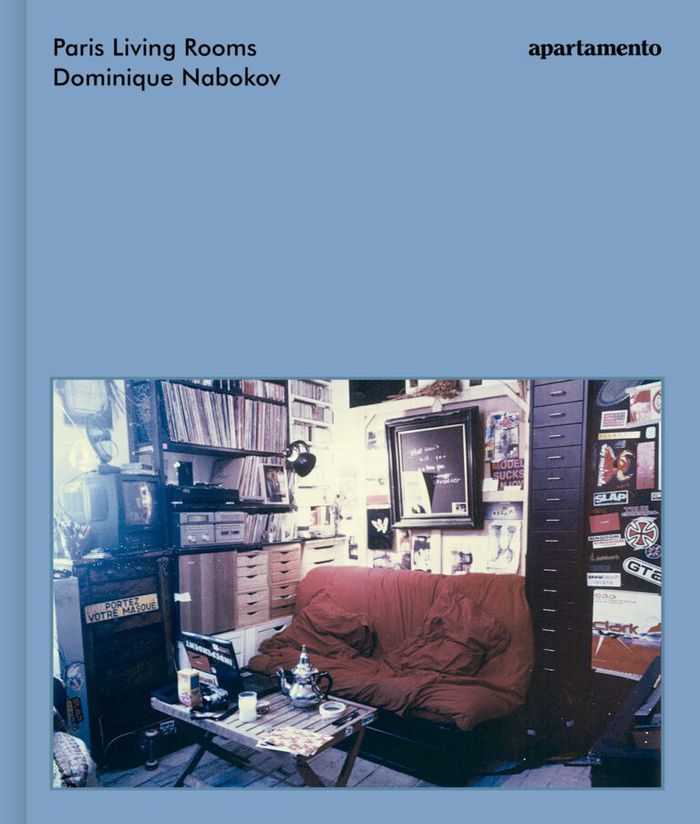
Apartamento is excited to re-release Paris Living Rooms almost two decades after it was first published in 2002. The second instalment in Dominique Nabokov’s holy trinity of interior photography works, it also follows the re-release of New York Living Rooms earlier this year. Nabokov calls these images her interior ‘portraits’ and across 132 pages we’re offered an intimate study of Parisian society from the early 2000s, with the living spaces of Yves Saint Laurent, Nan Goldin, Gérard Depardieu, Carine Roitfeld, Yvon Lambert, and Andrée Putman, plus many others, featured throughout. With nothing added and nothing altered, Nabokov simply records these spaces for her fellow voyeurs and leaves us to decipher the rest. Long out of print, this updated edition brings back to life an era of the city’s history, seen through Nabokov’s original Polaroid photos, together with the original introduction by the late interior designer Andrée Putman. The third and final instalment in the series, set in Berlin, will be re-issued by Apartamento later in 2021.
Paris living rooms
Actions:
Price:
$94.95
(available in store)
Summary:
Apartamento is excited to re-release Paris Living Rooms almost two decades after it was first published in 2002. The second instalment in Dominique Nabokov’s holy trinity of interior photography works, it also follows the re-release of New York Living Rooms earlier this year. Nabokov calls these images her interior ‘portraits’ and across 132 pages we’re offered an intimate study of Parisian society from the early 2000s, with the living spaces of Yves Saint Laurent, Nan Goldin, Gérard Depardieu, Carine Roitfeld, Yvon Lambert, and Andrée Putman, plus many others, featured throughout. With nothing added and nothing altered, Nabokov simply records these spaces for her fellow voyeurs and leaves us to decipher the rest. Long out of print, this updated edition brings back to life an era of the city’s history, seen through Nabokov’s original Polaroid photos, together with the original introduction by the late interior designer Andrée Putman. The third and final instalment in the series, set in Berlin, will be re-issued by Apartamento later in 2021.
Form:
books
books
Publication:
September 2021
September 2021
Subject:
Photography monographs
Photography monographs
Form:
books
books
Price:
$80.00
(available to order)
Summary:
George Everard Kidder Smith (1913–1997) was a multidimensional figure within the wide-ranging field of North American architectural professionals in the second half of the twentieth century. Although he trained as an architect, he chose not to practice within the conventional strictures of an architecture office. Instead, Kidder Smith ''designed,'' researched, wrote,(...)
$80.00
(available to order)
Summary:
George Everard Kidder Smith (1913–1997) was a multidimensional figure within the wide-ranging field of North American architectural professionals in the second half of the twentieth century. Although he trained as an architect, he chose not to practice within the conventional strictures of an architecture office. Instead, Kidder Smith ''designed,'' researched, wrote,(...)
Title:
G. E. Kidder Smith builds: The travel of architectural photography
Actions:
Price:
$80.00
(available to order)
Summary:
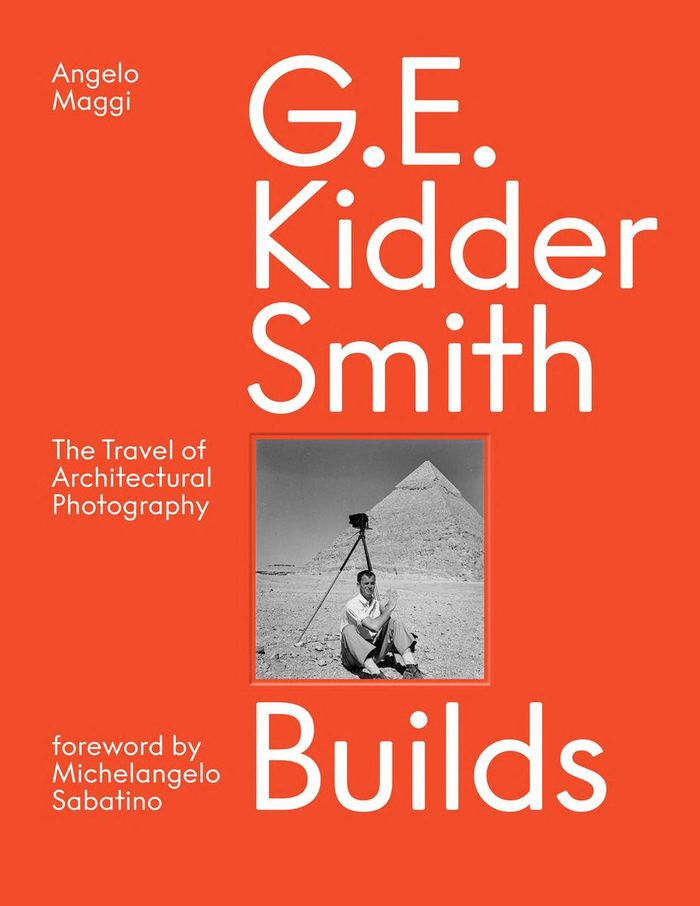
George Everard Kidder Smith (1913–1997) was a multidimensional figure within the wide-ranging field of North American architectural professionals in the second half of the twentieth century. Although he trained as an architect, he chose not to practice within the conventional strictures of an architecture office. Instead, Kidder Smith ''designed,'' researched, wrote, and photographed a remarkably diverse collection of books about architecture and the built environment. His work and life were deeply interwoven and punctuated by travel related to the research, writing, and promotion of books that sought to reveal the genius loci of the countries whose built environments he admired and wished to share with a broader audience. From the early 1940s to the late 1950s his interest in architecture led him to describe visually the architectural and historical identity of many European countries. After his far-flung travels over the decades, with his wife Dorothea, Kidder Smith focused on his own country and produced a series of ambitious books focused on the United States. Kidder Smith’s vision and narrative betray the gaze of the traveler, the scholar, and the architect.
G. E. Kidder Smith builds: The travel of architectural photography
Actions:
Price:
$80.00
(available to order)
Summary:
George Everard Kidder Smith (1913–1997) was a multidimensional figure within the wide-ranging field of North American architectural professionals in the second half of the twentieth century. Although he trained as an architect, he chose not to practice within the conventional strictures of an architecture office. Instead, Kidder Smith ''designed,'' researched, wrote, and photographed a remarkably diverse collection of books about architecture and the built environment. His work and life were deeply interwoven and punctuated by travel related to the research, writing, and promotion of books that sought to reveal the genius loci of the countries whose built environments he admired and wished to share with a broader audience. From the early 1940s to the late 1950s his interest in architecture led him to describe visually the architectural and historical identity of many European countries. After his far-flung travels over the decades, with his wife Dorothea, Kidder Smith focused on his own country and produced a series of ambitious books focused on the United States. Kidder Smith’s vision and narrative betray the gaze of the traveler, the scholar, and the architect.
Form:
books
books
Publication:
August 2022
August 2022
Subject:
Photography monographs
Photography monographs
Form:
books
books

Actions:
Price:
$22.95
(available to order)
Summary:
What is the first thing to learn in art school? "Art can be anything." The second thing? "Learn to draw." With 101 Things to Learn in Art School, artist and teacher Kit White delivers and develops such lessons, striking an instructive balance between technical advice and sage concepts. "Art can be anything" is illustrated by a drawing of Duchamp’s famous urinal; a(...)
$22.95
(available to order)
Summary:
What is the first thing to learn in art school? "Art can be anything." The second thing? "Learn to draw." With 101 Things to Learn in Art School, artist and teacher Kit White delivers and develops such lessons, striking an instructive balance between technical advice and sage concepts. "Art can be anything" is illustrated by a drawing of Duchamp’s famous urinal; a(...)
Title:
101 things to learn in art school
Actions:
Price:
$22.95
(available to order)
Summary:
What is the first thing to learn in art school? "Art can be anything." The second thing? "Learn to draw." With 101 Things to Learn in Art School, artist and teacher Kit White delivers and develops such lessons, striking an instructive balance between technical advice and sage concepts. "Art can be anything" is illustrated by a drawing of Duchamp’s famous urinal; a description of chiaroscuro art is illuminated by an image "after Caravaggio"; a lesson on time and media is accompanied by a view of a Jenny Holzer projection. The book offers advice about the issues artists confront across all artistic media, but this is no simple handbook to making art. It is a guide to understanding art as a description of the world we live in, and it is a guide to using art as a medium for thought. And so this book belongs on the reading list of art students, art teachers, and artists, but it also belongs in the library of everyone who cares about art as a way of understanding life.
101 things to learn in art school
Actions:
Price:
$22.95
(available to order)
Summary:
What is the first thing to learn in art school? "Art can be anything." The second thing? "Learn to draw." With 101 Things to Learn in Art School, artist and teacher Kit White delivers and develops such lessons, striking an instructive balance between technical advice and sage concepts. "Art can be anything" is illustrated by a drawing of Duchamp’s famous urinal; a description of chiaroscuro art is illuminated by an image "after Caravaggio"; a lesson on time and media is accompanied by a view of a Jenny Holzer projection. The book offers advice about the issues artists confront across all artistic media, but this is no simple handbook to making art. It is a guide to understanding art as a description of the world we live in, and it is a guide to using art as a medium for thought. And so this book belongs on the reading list of art students, art teachers, and artists, but it also belongs in the library of everyone who cares about art as a way of understanding life.
Form:
books
books
Publication:
October 2011
October 2011
Subject:
Art Theory
Art Theory
Form:
books
books

Actions:
Price:
$25.95
(available to order)
Summary:
Larry Bennett calls contemporary Chicago the third city to distinguish it from its two predecessors: the first city, a sprawling industrial center whose historical arc ran from the Civil War to the Great Depression; and the second city, the Rustbelt exemplar of the period from around 1950 to 1990. The third city features a dramatically revitalized urban core, a shifting(...)
$25.95
(available to order)
Summary:
Larry Bennett calls contemporary Chicago the third city to distinguish it from its two predecessors: the first city, a sprawling industrial center whose historical arc ran from the Civil War to the Great Depression; and the second city, the Rustbelt exemplar of the period from around 1950 to 1990. The third city features a dramatically revitalized urban core, a shifting(...)
Title:
The third city: Chicago and American urbanism
Actions:
Price:
$25.95
(available to order)
Summary:
Larry Bennett calls contemporary Chicago the third city to distinguish it from its two predecessors: the first city, a sprawling industrial center whose historical arc ran from the Civil War to the Great Depression; and the second city, the Rustbelt exemplar of the period from around 1950 to 1990. The third city features a dramatically revitalized urban core, a shifting population mix that includes new immigrant streams, and a growing number of middle-class professionals working in new economy sectors. It is also a city utterly transformed by the top-to-bottom reconstruction of public housing developments and the ambitious provision of public works like Millennium Park. It is, according to Bennett, a work in progress spearheaded by Richard M. Daley, a self-consciously innovative mayor whose strategy of neighborhood revitalization and urban renewal is a prototype of city governance for the twenty-first century. The Third City ultimately contends that to understand Chicago under Daley’s charge is to understand what metropolitan life across North America may well look like in the coming decades.
The third city: Chicago and American urbanism
Actions:
Price:
$25.95
(available to order)
Summary:
Larry Bennett calls contemporary Chicago the third city to distinguish it from its two predecessors: the first city, a sprawling industrial center whose historical arc ran from the Civil War to the Great Depression; and the second city, the Rustbelt exemplar of the period from around 1950 to 1990. The third city features a dramatically revitalized urban core, a shifting population mix that includes new immigrant streams, and a growing number of middle-class professionals working in new economy sectors. It is also a city utterly transformed by the top-to-bottom reconstruction of public housing developments and the ambitious provision of public works like Millennium Park. It is, according to Bennett, a work in progress spearheaded by Richard M. Daley, a self-consciously innovative mayor whose strategy of neighborhood revitalization and urban renewal is a prototype of city governance for the twenty-first century. The Third City ultimately contends that to understand Chicago under Daley’s charge is to understand what metropolitan life across North America may well look like in the coming decades.
Form:
books
books
Publication:
September 2010
September 2010
Subject:
History since 1900, Reference Books
History since 1900, Reference Books


