


6157 Results
Form:
books
books
Actions:
Price:
$40.00
(available to order)
Summary:
In 2030, the world's population will be a staggering eight billion people. Of these, two-thirds will live in cities; most will be poor. With limited resources, this unbalanced growth will be one of the greatest challenges faced by societies across the globe. In the coming years, city authorities, urban planners, designers, economists and others will have to join forces to(...)
$40.00
(available to order)
Summary:
In 2030, the world's population will be a staggering eight billion people. Of these, two-thirds will live in cities; most will be poor. With limited resources, this unbalanced growth will be one of the greatest challenges faced by societies across the globe. In the coming years, city authorities, urban planners, designers, economists and others will have to join forces to(...)
Title:
Uneven growth: tactical urbanisms for expanding megacities
Actions:
Price:
$40.00
(available to order)
Summary:
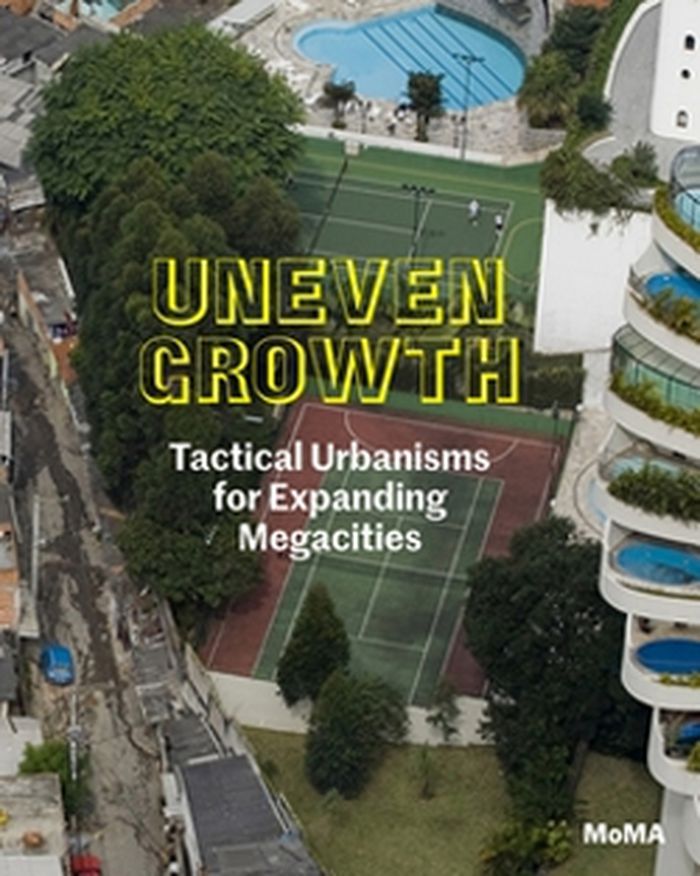
In 2030, the world's population will be a staggering eight billion people. Of these, two-thirds will live in cities; most will be poor. With limited resources, this unbalanced growth will be one of the greatest challenges faced by societies across the globe. In the coming years, city authorities, urban planners, designers, economists and others will have to join forces to avoid a major social and economic catastrophe and to ensure that these expanding megacities will be habitable. Exploring how emergent forms of tactical urbanism could address rapid and uneven urban growth around the globe, The Museum of Modern Art presents Uneven Growth: Tactical Urbanisms for Expanding Megacities, its third iteration of the Issues in Contemporary Architecture series. Uneven Growth is a combination of workshop, exhibition and publication that brings together ideas from an international group of scholars, practitioners and other experts on architecture and urbanism. Featuring proposals for six cities on five continents-New York, Mumbai, Rio de Janeiro, Istanbul, Hong Kong and Lagos, each developed by a pair of teams (one local to the host city and one abroad)-Uneven Growth also documents the brainstorming processes and the workshops. Contributions from each of the teams and essays by leading scholars on the issue make the publication a rich resource for students and professionals alike. Participating teams include Cohabitation Strategies with Situ Studio, POP Lab with URBZ, MAS Urban Design ETH with Rua Arquitetos, Atelier d'Architecture Autogérée with Superpool, Network Architecture Lab with MAP Office and Inteligencias Colectivas with NLÉ Architects.
Uneven growth: tactical urbanisms for expanding megacities
Actions:
Price:
$40.00
(available to order)
Summary:
In 2030, the world's population will be a staggering eight billion people. Of these, two-thirds will live in cities; most will be poor. With limited resources, this unbalanced growth will be one of the greatest challenges faced by societies across the globe. In the coming years, city authorities, urban planners, designers, economists and others will have to join forces to avoid a major social and economic catastrophe and to ensure that these expanding megacities will be habitable. Exploring how emergent forms of tactical urbanism could address rapid and uneven urban growth around the globe, The Museum of Modern Art presents Uneven Growth: Tactical Urbanisms for Expanding Megacities, its third iteration of the Issues in Contemporary Architecture series. Uneven Growth is a combination of workshop, exhibition and publication that brings together ideas from an international group of scholars, practitioners and other experts on architecture and urbanism. Featuring proposals for six cities on five continents-New York, Mumbai, Rio de Janeiro, Istanbul, Hong Kong and Lagos, each developed by a pair of teams (one local to the host city and one abroad)-Uneven Growth also documents the brainstorming processes and the workshops. Contributions from each of the teams and essays by leading scholars on the issue make the publication a rich resource for students and professionals alike. Participating teams include Cohabitation Strategies with Situ Studio, POP Lab with URBZ, MAS Urban Design ETH with Rua Arquitetos, Atelier d'Architecture Autogérée with Superpool, Network Architecture Lab with MAP Office and Inteligencias Colectivas with NLÉ Architects.
Form:
books
books
Publication:
August 2014
August 2014
Subject:
Urban Theory
Urban Theory
Form:
books
books
Title:
AA words 4: Having words
AA words 4: Having words
Actions:
Price:
$28.00
(available to order)
Summary:
The essays in this collection extend from her 1969 text, ‘On Pop Art, Permissiveness and Planning’ (written three years before the publication of Venturi, Scott Brown and Izenour’s seminal book Learning From Las Vegas) to ‘Towards an Active Socioplastics’ from 2007, which offers an overview of Scott Brown’s education and the gestation of her key architectural and urban(...)
$28.00
(available to order)
Summary:
The essays in this collection extend from her 1969 text, ‘On Pop Art, Permissiveness and Planning’ (written three years before the publication of Venturi, Scott Brown and Izenour’s seminal book Learning From Las Vegas) to ‘Towards an Active Socioplastics’ from 2007, which offers an overview of Scott Brown’s education and the gestation of her key architectural and urban(...)
Publication:
July 2009
July 2009
Title:
AA words 4: Having words
Actions:
Price:
$28.00
(available to order)
Summary:
The essays in this collection extend from her 1969 text, ‘On Pop Art, Permissiveness and Planning’ (written three years before the publication of Venturi, Scott Brown and Izenour’s seminal book Learning From Las Vegas) to ‘Towards an Active Socioplastics’ from 2007, which offers an overview of Scott Brown’s education and the gestation of her key architectural and urban ideas. In between, eight other essays from the 1970s, 80s and 90s, offer insights not only into Scott Brown’s evolving architectural imagination but touch upon the changing collective ideas and aspirations of design education and practice. The collection is bookended by two additional texts by Scott Brown, a foreword and an afterword, addressing specifically the act of writing about architecture.
AA words 4: Having words
Actions:
Price:
$28.00
(available to order)
Summary:
The essays in this collection extend from her 1969 text, ‘On Pop Art, Permissiveness and Planning’ (written three years before the publication of Venturi, Scott Brown and Izenour’s seminal book Learning From Las Vegas) to ‘Towards an Active Socioplastics’ from 2007, which offers an overview of Scott Brown’s education and the gestation of her key architectural and urban ideas. In between, eight other essays from the 1970s, 80s and 90s, offer insights not only into Scott Brown’s evolving architectural imagination but touch upon the changing collective ideas and aspirations of design education and practice. The collection is bookended by two additional texts by Scott Brown, a foreword and an afterword, addressing specifically the act of writing about architecture.
Form:
books
books
Publication:
July 2009
July 2009
Form:
books
books
Actions:
Price:
$50.00
(available to order)
Summary:
Urban planning means far more than the design of land, property, and housing complexes. The visions of town planners and their clients —whether they are technical, artistic, political, or social — communicate, more or less clearly, the universal pursuit of happiness. However, the planners’ notions of "happiness" and those of future users are not always the same : often(...)
$50.00
(available to order)
Summary:
Urban planning means far more than the design of land, property, and housing complexes. The visions of town planners and their clients —whether they are technical, artistic, political, or social — communicate, more or less clearly, the universal pursuit of happiness. However, the planners’ notions of "happiness" and those of future users are not always the same : often(...)
Title:
Urban planning and the pursuit of happiness : european variations on a universal theme (18th-21st centuries)
Actions:
Price:
$50.00
(available to order)
Summary:
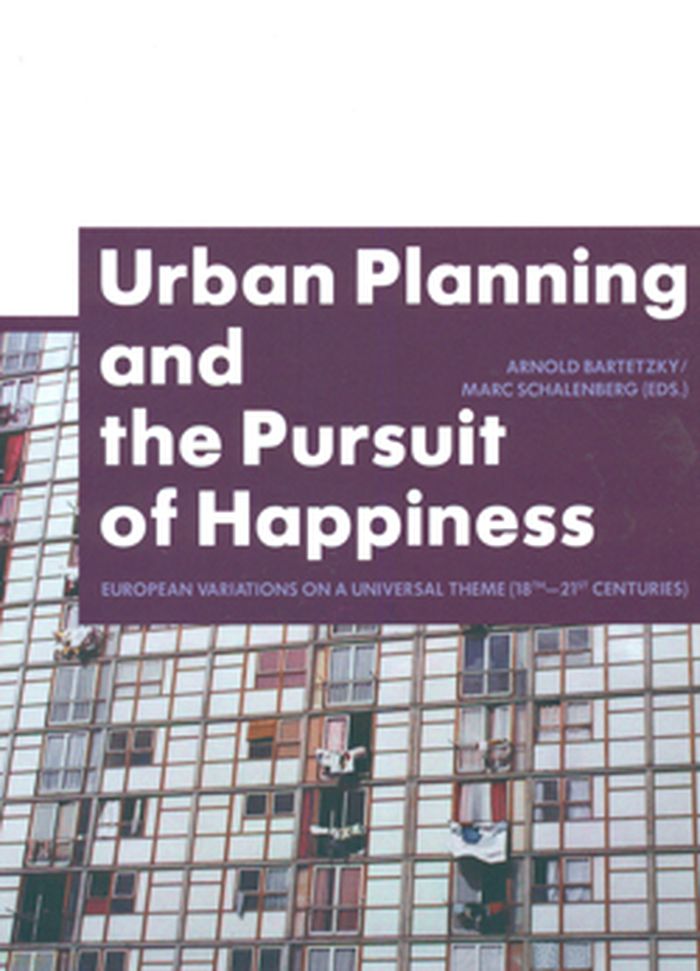
Urban planning means far more than the design of land, property, and housing complexes. The visions of town planners and their clients —whether they are technical, artistic, political, or social — communicate, more or less clearly, the universal pursuit of happiness. However, the planners’ notions of "happiness" and those of future users are not always the same : often enough, the way in which residents use their city represents a complete contrast to the planner’s original ideas. Taking twelve European examples — urban planning projects seen from the viewpoint of planners and users — this book sheds some light on both sides of the "pursuit of happiness" — in urban planning projects seen from the viewpoint of planners and users.
Urban planning and the pursuit of happiness : european variations on a universal theme (18th-21st centuries)
Actions:
Price:
$50.00
(available to order)
Summary:
Urban planning means far more than the design of land, property, and housing complexes. The visions of town planners and their clients —whether they are technical, artistic, political, or social — communicate, more or less clearly, the universal pursuit of happiness. However, the planners’ notions of "happiness" and those of future users are not always the same : often enough, the way in which residents use their city represents a complete contrast to the planner’s original ideas. Taking twelve European examples — urban planning projects seen from the viewpoint of planners and users — this book sheds some light on both sides of the "pursuit of happiness" — in urban planning projects seen from the viewpoint of planners and users.
Form:
books
books
Publication:
November 2009
November 2009
Form:
books
books
Title:
Aldo van Eyck
Aldo van Eyck
Actions:
Price:
$76.95
(available to order)
Summary:
Aldo van Eyck (1918–1999) was a Dutch architect, writer, and teacher who helped redefine Modern architecture in the second half of the 20th century. As an advocate for architecture’s engagement with history, culture, climate, and the lived human experience of buildings and urban spaces, he created designs that privileged place and the daily rituals in the lives of its(...)
$76.95
(available to order)
Summary:
Aldo van Eyck (1918–1999) was a Dutch architect, writer, and teacher who helped redefine Modern architecture in the second half of the 20th century. As an advocate for architecture’s engagement with history, culture, climate, and the lived human experience of buildings and urban spaces, he created designs that privileged place and the daily rituals in the lives of its(...)
Publication:
June 2015
June 2015
Title:
Aldo van Eyck
Actions:
Price:
$76.95
(available to order)
Summary:
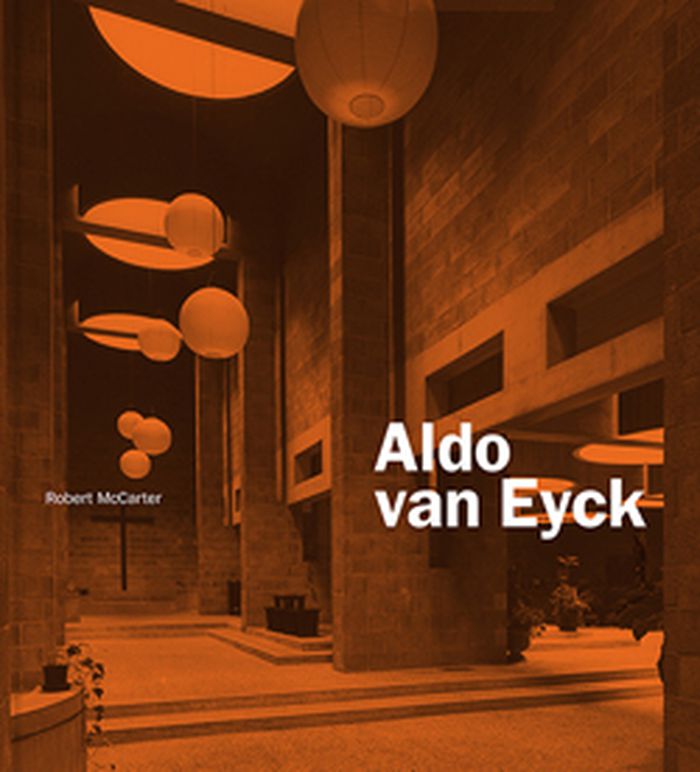
Aldo van Eyck (1918–1999) was a Dutch architect, writer, and teacher who helped redefine Modern architecture in the second half of the 20th century. As an advocate for architecture’s engagement with history, culture, climate, and the lived human experience of buildings and urban spaces, he created designs that privileged place and the daily rituals in the lives of its inhabitants over universal ideals. In this volume, enlivened by 300 illustrations from the Aldo van Eyck archive, Robert McCarter provides the first comprehensive study of van Eyck’s 50-year career since his death, guiding readers through the architect’s buildings and unrealized projects, with a focus on the interior spatial experience and on the design and construction processes.
Aldo van Eyck
Actions:
Price:
$76.95
(available to order)
Summary:
Aldo van Eyck (1918–1999) was a Dutch architect, writer, and teacher who helped redefine Modern architecture in the second half of the 20th century. As an advocate for architecture’s engagement with history, culture, climate, and the lived human experience of buildings and urban spaces, he created designs that privileged place and the daily rituals in the lives of its inhabitants over universal ideals. In this volume, enlivened by 300 illustrations from the Aldo van Eyck archive, Robert McCarter provides the first comprehensive study of van Eyck’s 50-year career since his death, guiding readers through the architect’s buildings and unrealized projects, with a focus on the interior spatial experience and on the design and construction processes.
Form:
books
books
Publication:
June 2015
June 2015
Form:
books
books
Title:
In the life of cities
In the life of cities
Actions:
Price:
$60.00
(available to order)
Summary:
What is it that gives places their individual qualities and defines the life of a city? Architects and urbanists are accustomed to describing and creating the organizational structures, the layouts and physical attributes of our cities. But what are the relations between the design of a city—its form—and the life engendered by that form? Responding to this question is the(...)
$60.00
(available to order)
Summary:
What is it that gives places their individual qualities and defines the life of a city? Architects and urbanists are accustomed to describing and creating the organizational structures, the layouts and physical attributes of our cities. But what are the relations between the design of a city—its form—and the life engendered by that form? Responding to this question is the(...)
Title:
In the life of cities
Actions:
Price:
$60.00
(available to order)
Summary:
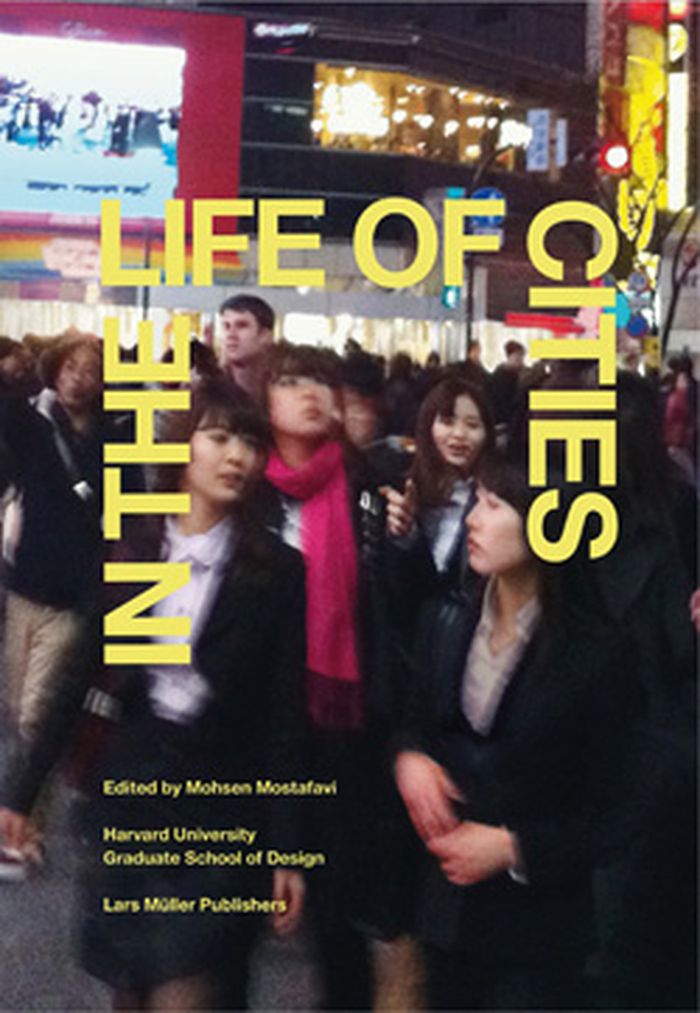
What is it that gives places their individual qualities and defines the life of a city? Architects and urbanists are accustomed to describing and creating the organizational structures, the layouts and physical attributes of our cities. But what are the relations between the design of a city—its form—and the life engendered by that form? Responding to this question is the inspiration for In the Life of Cities. Contributors from a wide range of fields address the role and life of cities as diverse as Baku, Buenos Aires, Cairo, Detroit, Jakarta, Johannesburg, Mumbai, Paris, Quito, St. Petersburg, Tel Aviv, Tirana, and Toronto. Portfolios of contemporary photography present the layered realities of urban life today.
In the life of cities
Actions:
Price:
$60.00
(available to order)
Summary:
What is it that gives places their individual qualities and defines the life of a city? Architects and urbanists are accustomed to describing and creating the organizational structures, the layouts and physical attributes of our cities. But what are the relations between the design of a city—its form—and the life engendered by that form? Responding to this question is the inspiration for In the Life of Cities. Contributors from a wide range of fields address the role and life of cities as diverse as Baku, Buenos Aires, Cairo, Detroit, Jakarta, Johannesburg, Mumbai, Paris, Quito, St. Petersburg, Tel Aviv, Tirana, and Toronto. Portfolios of contemporary photography present the layered realities of urban life today.
Form:
books
books
Publication:
November 2012
November 2012
Form:
books
books
Price:
$69.95
(available to order)
Summary:
Set in the remote corner of Northern Nevada lies a magical stretch of land called Fly Ranch. With no access to the electrical grid or other public utilities, the site provides an opportunity to reinvent what human settlement can aspire to be in a world that has awakened to the impacts of anthropogenic climate change and the overconsumption of natural resources. Ths volume(...)
$69.95
(available to order)
Summary:
Set in the remote corner of Northern Nevada lies a magical stretch of land called Fly Ranch. With no access to the electrical grid or other public utilities, the site provides an opportunity to reinvent what human settlement can aspire to be in a world that has awakened to the impacts of anthropogenic climate change and the overconsumption of natural resources. Ths volume(...)
Publication:
October 2021
October 2021
Title:
Land art of the 21st century: Land Art Generator Initiative at Fly Ranch
Actions:
Price:
$69.95
(available to order)
Summary:
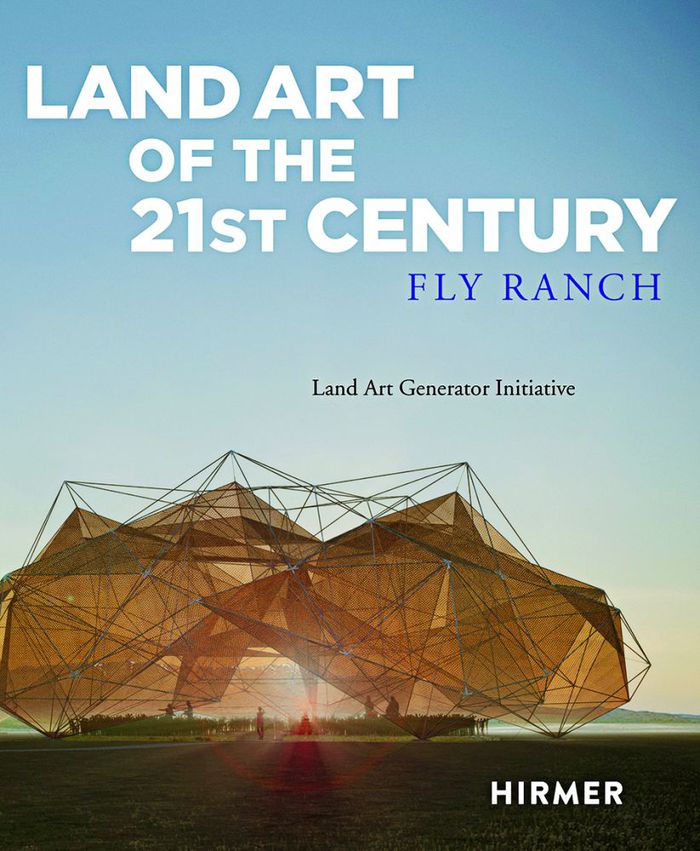
Set in the remote corner of Northern Nevada lies a magical stretch of land called Fly Ranch. With no access to the electrical grid or other public utilities, the site provides an opportunity to reinvent what human settlement can aspire to be in a world that has awakened to the impacts of anthropogenic climate change and the overconsumption of natural resources. Ths volume catalogs the responses to an invitation from the Land Art Generator and Burning Man Project to creatively design systems for energy, water, agriculture, shelter, and regeneration—a proof of concept for how to live in beauty and harmony with the earth. The results are a glimpse into the near future of our sustainable landscapes.
Land art of the 21st century: Land Art Generator Initiative at Fly Ranch
Actions:
Price:
$69.95
(available to order)
Summary:
Set in the remote corner of Northern Nevada lies a magical stretch of land called Fly Ranch. With no access to the electrical grid or other public utilities, the site provides an opportunity to reinvent what human settlement can aspire to be in a world that has awakened to the impacts of anthropogenic climate change and the overconsumption of natural resources. Ths volume catalogs the responses to an invitation from the Land Art Generator and Burning Man Project to creatively design systems for energy, water, agriculture, shelter, and regeneration—a proof of concept for how to live in beauty and harmony with the earth. The results are a glimpse into the near future of our sustainable landscapes.
Form:
books
books
Publication:
October 2021
October 2021
Form:
books
books
Price:
$75.00
(available to order)
Summary:
Reasoned catalogue edited by MUSAC. It deals with the presentation of the first volume of the MUSAC Collection, composed of more than 900 works. The 700 page edition is bilingual. Editorial Coordination was under Isabel Yáñez and Carlos Ordás and design by Ipsum Planet. The catalogue is structured around six critical texts, written by Estrella de Diego, Octavio Zaya,(...)
$75.00
(available to order)
Summary:
Reasoned catalogue edited by MUSAC. It deals with the presentation of the first volume of the MUSAC Collection, composed of more than 900 works. The 700 page edition is bilingual. Editorial Coordination was under Isabel Yáñez and Carlos Ordás and design by Ipsum Planet. The catalogue is structured around six critical texts, written by Estrella de Diego, Octavio Zaya,(...)
Publication:
March 2006, Barcelona
March 2006, Barcelona
Title:
MUSAC : Museo de arte comtemporaneo de Castilla y Leon, coleccion Vol. I
Actions:
Price:
$75.00
(available to order)
Summary:
Reasoned catalogue edited by MUSAC. It deals with the presentation of the first volume of the MUSAC Collection, composed of more than 900 works. The 700 page edition is bilingual. Editorial Coordination was under Isabel Yáñez and Carlos Ordás and design by Ipsum Planet. The catalogue is structured around six critical texts, written by Estrella de Diego, Octavio Zaya, Agustín Pérez Rubio, Carlos Ordás, Tania Pardo y Javier Hernando. The section of reasoned works presents in alphabetical order the 153 artists of this first volume. Together with a short biography of each one of the artists, images accompanied by technical data are shown. These data have been elaborated by Carlos Ordás, Tania Pardo, Belén Sola, Kristine Guzmán e Isabel Yáñez.
MUSAC : Museo de arte comtemporaneo de Castilla y Leon, coleccion Vol. I
Actions:
Price:
$75.00
(available to order)
Summary:
Reasoned catalogue edited by MUSAC. It deals with the presentation of the first volume of the MUSAC Collection, composed of more than 900 works. The 700 page edition is bilingual. Editorial Coordination was under Isabel Yáñez and Carlos Ordás and design by Ipsum Planet. The catalogue is structured around six critical texts, written by Estrella de Diego, Octavio Zaya, Agustín Pérez Rubio, Carlos Ordás, Tania Pardo y Javier Hernando. The section of reasoned works presents in alphabetical order the 153 artists of this first volume. Together with a short biography of each one of the artists, images accompanied by technical data are shown. These data have been elaborated by Carlos Ordás, Tania Pardo, Belén Sola, Kristine Guzmán e Isabel Yáñez.
Form:
books
books
Publication:
March 2006, Barcelona
March 2006, Barcelona
Form:
books
books
Price:
$55.00
(available to order)
Summary:
Architecture and construction are at a turning point. They account for more than 40% of global CO2 emissions. Rising temperatures can only be reduced if there is a radical change in the field of construction throughout the world. However, how should we design our cities, buildings and living spaces so that we can get closer to the goal of decarbonisation? The book gives(...)
$55.00
(available to order)
Summary:
Architecture and construction are at a turning point. They account for more than 40% of global CO2 emissions. Rising temperatures can only be reduced if there is a radical change in the field of construction throughout the world. However, how should we design our cities, buildings and living spaces so that we can get closer to the goal of decarbonisation? The book gives(...)
Title:
Architecture and climate change: 20 interviews on the future of building
Actions:
Price:
$55.00
(available to order)
Summary:
Architecture and construction are at a turning point. They account for more than 40% of global CO2 emissions. Rising temperatures can only be reduced if there is a radical change in the field of construction throughout the world. However, how should we design our cities, buildings and living spaces so that we can get closer to the goal of decarbonisation? The book gives 20 architects and urban planners their say on the future of construction. Voices are heard from Mexico to Kenya – from Bangladesh to Switzerland. In the interviews experts give an account of their own experiences with climate-friendly construction as well as regional problems posed by rising CO2emissions. They explain pioneering projects and combine them with their personal desire and political ideals.
Architecture and climate change: 20 interviews on the future of building
Actions:
Price:
$55.00
(available to order)
Summary:
Architecture and construction are at a turning point. They account for more than 40% of global CO2 emissions. Rising temperatures can only be reduced if there is a radical change in the field of construction throughout the world. However, how should we design our cities, buildings and living spaces so that we can get closer to the goal of decarbonisation? The book gives 20 architects and urban planners their say on the future of construction. Voices are heard from Mexico to Kenya – from Bangladesh to Switzerland. In the interviews experts give an account of their own experiences with climate-friendly construction as well as regional problems posed by rising CO2emissions. They explain pioneering projects and combine them with their personal desire and political ideals.
Form:
books
books
Publication:
June 2024
June 2024
Form:
books
books

Actions:
Price:
$62.00
(available to order)
Summary:
Kara Walker is among the most complex and prolific American artists of her generation. Over the past decade, she has gained international recognition for her room-sized tableaux, which depict historical narratives haunted by sexuality, violence and subjugation and are made using the paradoxically genteel eighteenth-century art of cut-paper silhouettes. Set in the(...)
$62.00
(available to order)
Summary:
Kara Walker is among the most complex and prolific American artists of her generation. Over the past decade, she has gained international recognition for her room-sized tableaux, which depict historical narratives haunted by sexuality, violence and subjugation and are made using the paradoxically genteel eighteenth-century art of cut-paper silhouettes. Set in the(...)
Title:
Kara Walker : my complement, my enevy, my oppressor, my love
Actions:
Price:
$62.00
(available to order)
Summary:
Kara Walker is among the most complex and prolific American artists of her generation. Over the past decade, she has gained international recognition for her room-sized tableaux, which depict historical narratives haunted by sexuality, violence and subjugation and are made using the paradoxically genteel eighteenth-century art of cut-paper silhouettes. Set in the antebellum American South, Walker's compositions play off of stereotypes to portray, often grotesquely, life on the plantation, where masters, mistresses and slave men, women and children enact a subverted version of the past in an attempt to reconfigure their status and representation. Over the years, the artist has used drawing, painting, colored-light projections, writing, shadow puppetry, and, most recently, film animation to narrate her tales of romance, sadism, oppression and liberation. Her scenarios thwart conventional readings of a cohesive national history and expose the collective, and ongoing, psychological injury caused by the tragic legacy of slavery. Deploying an acidic sense of humor, Walker examines the dialectics of pleasure and danger, guilt and fulfillment, desire and fear, race and class. This landmark publication, which is sure to win international design awards, accompanies Walker's first major American museum survey. It features critical essays by Philippe Vergne, Sander L. Gilman, Thomas McEvilley, Robert Storr and Kevin Young, as well as an illustrated lexicon of recurring themes and motifs in the artist's most influential installations by Yasmil Raymond, more than 200 full-color images, an extensive exhibition history and bibliography, and a 36-page insert by the artist.
Kara Walker : my complement, my enevy, my oppressor, my love
Actions:
Price:
$62.00
(available to order)
Summary:
Kara Walker is among the most complex and prolific American artists of her generation. Over the past decade, she has gained international recognition for her room-sized tableaux, which depict historical narratives haunted by sexuality, violence and subjugation and are made using the paradoxically genteel eighteenth-century art of cut-paper silhouettes. Set in the antebellum American South, Walker's compositions play off of stereotypes to portray, often grotesquely, life on the plantation, where masters, mistresses and slave men, women and children enact a subverted version of the past in an attempt to reconfigure their status and representation. Over the years, the artist has used drawing, painting, colored-light projections, writing, shadow puppetry, and, most recently, film animation to narrate her tales of romance, sadism, oppression and liberation. Her scenarios thwart conventional readings of a cohesive national history and expose the collective, and ongoing, psychological injury caused by the tragic legacy of slavery. Deploying an acidic sense of humor, Walker examines the dialectics of pleasure and danger, guilt and fulfillment, desire and fear, race and class. This landmark publication, which is sure to win international design awards, accompanies Walker's first major American museum survey. It features critical essays by Philippe Vergne, Sander L. Gilman, Thomas McEvilley, Robert Storr and Kevin Young, as well as an illustrated lexicon of recurring themes and motifs in the artist's most influential installations by Yasmil Raymond, more than 200 full-color images, an extensive exhibition history and bibliography, and a 36-page insert by the artist.
Form:
books
books
Publication:
March 2007, Minneapolis
March 2007, Minneapolis
Subject:
Contemporary Art Monographs
Contemporary Art Monographs
Form:
books
books
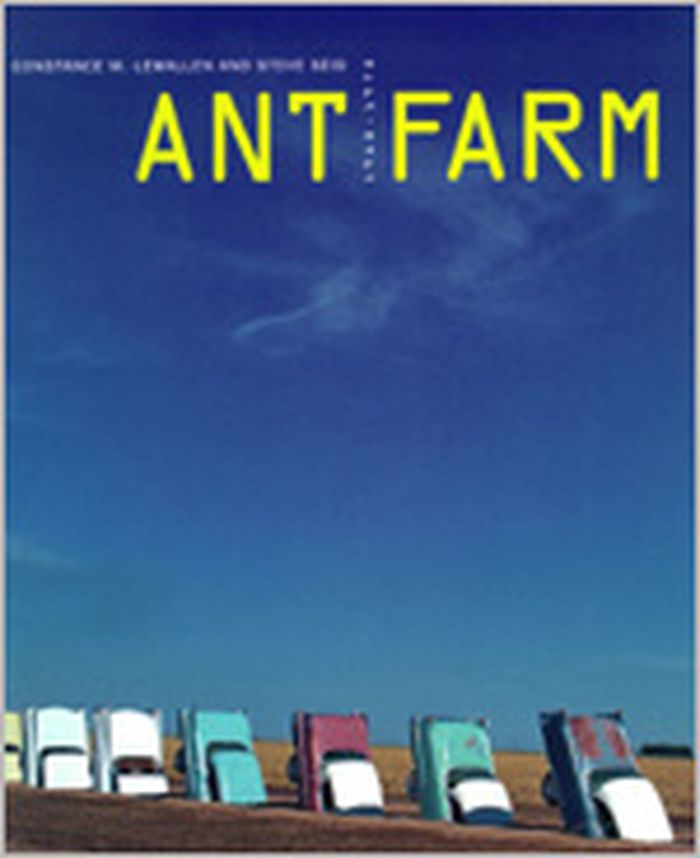
Title:
Ant Farm 1968-1978
Ant Farm 1968-1978
Actions:
Price:
$7.99
(available to order)
Summary:
This richly illustrated book, created to accompany the traveling exhibition of the same name, provides a fascinating critical overview of Ant Farm, the radical architecture collective that brought us Cadillac Ranch, Media Burn, and The Eternal Frame. Established by several young renegade architects in 1968, Ant Farm was a collaborative art and design group eager to bring(...)
$7.99
(available to order)
Summary:
This richly illustrated book, created to accompany the traveling exhibition of the same name, provides a fascinating critical overview of Ant Farm, the radical architecture collective that brought us Cadillac Ranch, Media Burn, and The Eternal Frame. Established by several young renegade architects in 1968, Ant Farm was a collaborative art and design group eager to bring(...)
Subject:
sale books
sale books
Publication:
February 2004, Berkeley
February 2004, Berkeley
Title:
Ant Farm 1968-1978
Actions:
Price:
$7.99
(available to order)
Summary:
This richly illustrated book, created to accompany the traveling exhibition of the same name, provides a fascinating critical overview of Ant Farm, the radical architecture collective that brought us Cadillac Ranch, Media Burn, and The Eternal Frame. Established by several young renegade architects in 1968, Ant Farm was a collaborative art and design group eager to bring to its practice a revolutionary spirit more consistent with the times. Its vision encompassed creations for a nomadic lifestyle, including inflatable structures and radical environments that culminated in projects such as the organically appointed House of the Century and the unrealized aquatic edifice The Dolphin Embassy. Ant Farm 1968-1978 explores the sweeping career of this inspired and inspiring visionary collective as its architectural projects broadened to embrace a range of undertakings that challenged the visual architecture of image, icon, and power. Constance Lewallen provides an in-depth, anecdotally rich interview with founding members Chip Lord, Doug Michels, and Curtis Schreier. An essay by Michael Sorkin gives the multivalent cultural context for Ant Farm's radical architecture. Steve Seid takes a comprehensive look at Ant Farm's influential videotapes. Caroline Maniaque's "Searching for Energy" details the group's inflatable structures in relationship to contemporaneous architects working in a similar vein. The catalog also includes a substantial excerpt from Chip Lord's 1976 meditation on car culture, with a new epilogue; a graphically playful timeline recounting Ant Farm's essential art projects; and a rich montage of images and ephemera capturing the humor, originality, and prescience of this feisty enterprise.
Ant Farm 1968-1978
Actions:
Price:
$7.99
(available to order)
Summary:
This richly illustrated book, created to accompany the traveling exhibition of the same name, provides a fascinating critical overview of Ant Farm, the radical architecture collective that brought us Cadillac Ranch, Media Burn, and The Eternal Frame. Established by several young renegade architects in 1968, Ant Farm was a collaborative art and design group eager to bring to its practice a revolutionary spirit more consistent with the times. Its vision encompassed creations for a nomadic lifestyle, including inflatable structures and radical environments that culminated in projects such as the organically appointed House of the Century and the unrealized aquatic edifice The Dolphin Embassy. Ant Farm 1968-1978 explores the sweeping career of this inspired and inspiring visionary collective as its architectural projects broadened to embrace a range of undertakings that challenged the visual architecture of image, icon, and power. Constance Lewallen provides an in-depth, anecdotally rich interview with founding members Chip Lord, Doug Michels, and Curtis Schreier. An essay by Michael Sorkin gives the multivalent cultural context for Ant Farm's radical architecture. Steve Seid takes a comprehensive look at Ant Farm's influential videotapes. Caroline Maniaque's "Searching for Energy" details the group's inflatable structures in relationship to contemporaneous architects working in a similar vein. The catalog also includes a substantial excerpt from Chip Lord's 1976 meditation on car culture, with a new epilogue; a graphically playful timeline recounting Ant Farm's essential art projects; and a rich montage of images and ephemera capturing the humor, originality, and prescience of this feisty enterprise.
Form:
books
books
Publication:
February 2004, Berkeley
February 2004, Berkeley
Subject:
sale books
sale books


