


6653 Results
Form:
books
books

Actions:
Price:
$42.95
(available to order)
Summary:
Renowned natural dyer, artist, and educator Sasha Duerr envisions a new age of fresh, modern color palettes, drawing from our original source of inspiration and ingredients-the natural world around us. This innovative plant-based color-guide includes twenty-five palettes with five hundred natural color swatches, providing inspiration for sustainable fashion, textiles,(...)
$42.95
(available to order)
Summary:
Renowned natural dyer, artist, and educator Sasha Duerr envisions a new age of fresh, modern color palettes, drawing from our original source of inspiration and ingredients-the natural world around us. This innovative plant-based color-guide includes twenty-five palettes with five hundred natural color swatches, providing inspiration for sustainable fashion, textiles,(...)
Title:
Natural palettes: inspiration from plant-based color
Actions:
Price:
$42.95
(available to order)
Summary:
Renowned natural dyer, artist, and educator Sasha Duerr envisions a new age of fresh, modern color palettes, drawing from our original source of inspiration and ingredients-the natural world around us. This innovative plant-based color-guide includes twenty-five palettes with five hundred natural color swatches, providing inspiration for sustainable fashion, textiles, fine art, floral design, food, medicine, gardening, interior design, and other creative disciplines. Bring the healing power of forest bathing into your home with a palette of spruce cones, pine needles, and balsam branches. Move past Pantone and embrace the natural balance of a pollinator palette with Hopi sunflower, red poppy, echinacea, and scabiosa. Duerr complements the palettes with short essays that provide useful information. She connects the colors with particular landscapes, the restorative qualities of medicinal plants, common garden flora, lifestyle experiences, food and floral waste, and the ecological benefits of using organic materials to create colors. You may never view color-or your plants-the same way again.
Natural palettes: inspiration from plant-based color
Actions:
Price:
$42.95
(available to order)
Summary:
Renowned natural dyer, artist, and educator Sasha Duerr envisions a new age of fresh, modern color palettes, drawing from our original source of inspiration and ingredients-the natural world around us. This innovative plant-based color-guide includes twenty-five palettes with five hundred natural color swatches, providing inspiration for sustainable fashion, textiles, fine art, floral design, food, medicine, gardening, interior design, and other creative disciplines. Bring the healing power of forest bathing into your home with a palette of spruce cones, pine needles, and balsam branches. Move past Pantone and embrace the natural balance of a pollinator palette with Hopi sunflower, red poppy, echinacea, and scabiosa. Duerr complements the palettes with short essays that provide useful information. She connects the colors with particular landscapes, the restorative qualities of medicinal plants, common garden flora, lifestyle experiences, food and floral waste, and the ecological benefits of using organic materials to create colors. You may never view color-or your plants-the same way again.
Form:
books
books
Publication:
April 2020
April 2020
Subject:
Colour Theory and Design
Colour Theory and Design
Form:
books
books
Price:
$38.95
(available to order)
Summary:
Conceptions of modernity in architecture are often expressed in the idea of the zeitgeist, or “spirit of the age,” an attitude toward architectural form that is embedded in a belief in progressive time. 'Lateness' explores how architecture can work against these linear currents in startling and compelling ways. In this incisive book, internationally renowned architect(...)
$38.95
(available to order)
Summary:
Conceptions of modernity in architecture are often expressed in the idea of the zeitgeist, or “spirit of the age,” an attitude toward architectural form that is embedded in a belief in progressive time. 'Lateness' explores how architecture can work against these linear currents in startling and compelling ways. In this incisive book, internationally renowned architect(...)
Title:
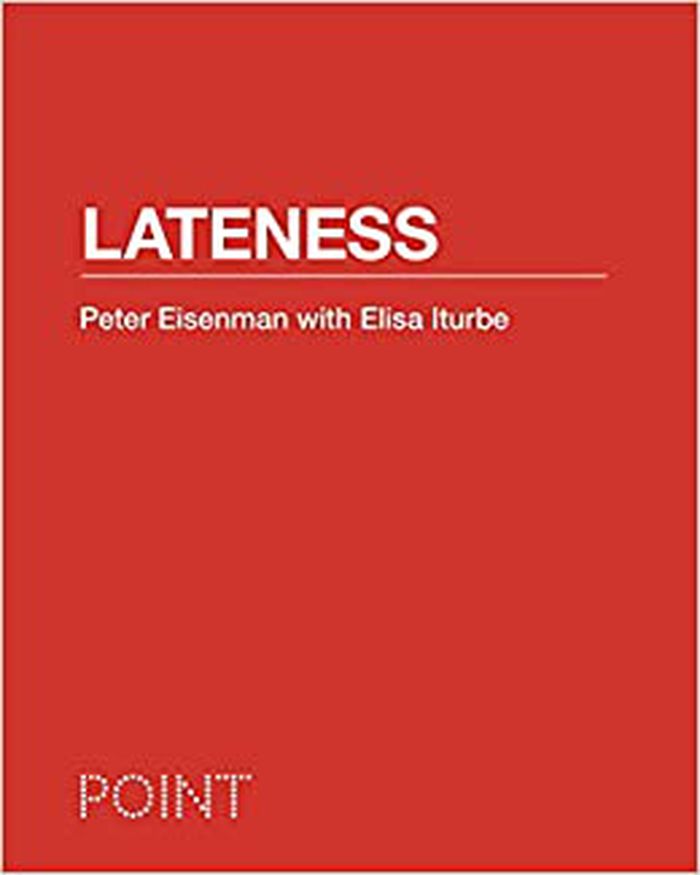
Lateness
Actions:
Price:
$38.95
(available to order)
Summary:
Conceptions of modernity in architecture are often expressed in the idea of the zeitgeist, or “spirit of the age,” an attitude toward architectural form that is embedded in a belief in progressive time. 'Lateness' explores how architecture can work against these linear currents in startling and compelling ways. In this incisive book, internationally renowned architect Peter Eisenman, with Elisa Iturbe, proposes a different perspective on form and time in architecture, one that circumvents the temporal constraints on style that require it to be “of the times”—lateness. He focuses on three twentieth-century architects who exhibited the qualities of lateness in their designs: Adolf Loos, Aldo Rossi, and John Hejduk. Drawing on the critical theory of Theodor Adorno and his study of Beethoven’s final works, Eisenman shows how the architecture of these canonical figures was temporally out of sync with conventions and expectations, and how lateness can serve as a form of release from the restraints of the moment.
Lateness
Actions:
Price:
$38.95
(available to order)
Summary:
Conceptions of modernity in architecture are often expressed in the idea of the zeitgeist, or “spirit of the age,” an attitude toward architectural form that is embedded in a belief in progressive time. 'Lateness' explores how architecture can work against these linear currents in startling and compelling ways. In this incisive book, internationally renowned architect Peter Eisenman, with Elisa Iturbe, proposes a different perspective on form and time in architecture, one that circumvents the temporal constraints on style that require it to be “of the times”—lateness. He focuses on three twentieth-century architects who exhibited the qualities of lateness in their designs: Adolf Loos, Aldo Rossi, and John Hejduk. Drawing on the critical theory of Theodor Adorno and his study of Beethoven’s final works, Eisenman shows how the architecture of these canonical figures was temporally out of sync with conventions and expectations, and how lateness can serve as a form of release from the restraints of the moment.
Form:
books
books
Publication:
May 2020
May 2020
Subject:
Architectural Theory
Architectural Theory
Form:
books
books
Title:
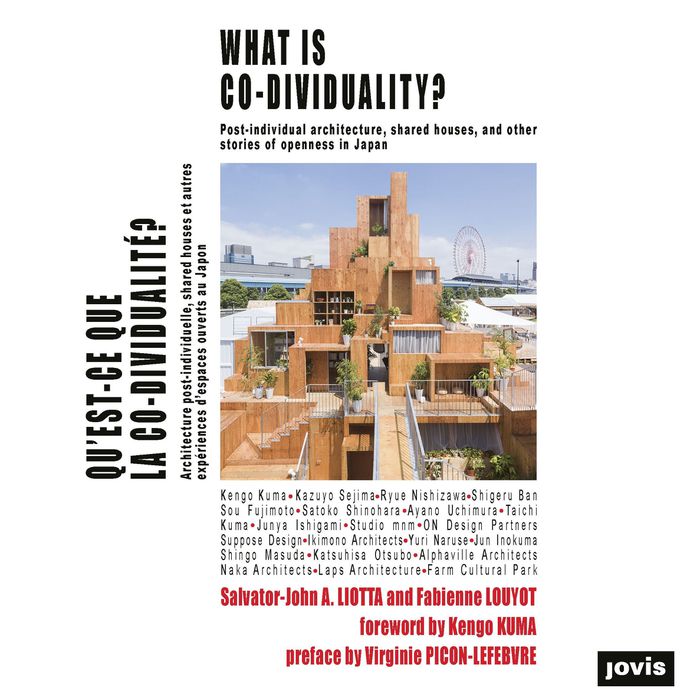
What is co-dividuality?: post-individual architecture, shared houses and other stories of openness
What is co-dividuality?: post-individual architecture, shared houses and other stories of openness
Actions:
Price:
$48.95
(available to order)
Summary:
This book explores the concept of co-dividuality, an architecture that expresses a new response to joint living in the age of postindividualism, social media, and the sharing economy. The focus lies on current experimentation in Japanese architecture and presents thematic homes with shared spaces designed as a result of warm, simple, fun and contemporary design(...)
$48.95
(available to order)
Summary:
This book explores the concept of co-dividuality, an architecture that expresses a new response to joint living in the age of postindividualism, social media, and the sharing economy. The focus lies on current experimentation in Japanese architecture and presents thematic homes with shared spaces designed as a result of warm, simple, fun and contemporary design(...)
Publication:
June 2020
June 2020
Title:
What is co-dividuality?: post-individual architecture, shared houses and other stories of openness
Actions:
Price:
$48.95
(available to order)
Summary:
This book explores the concept of co-dividuality, an architecture that expresses a new response to joint living in the age of postindividualism, social media, and the sharing economy. The focus lies on current experimentation in Japanese architecture and presents thematic homes with shared spaces designed as a result of warm, simple, fun and contemporary design reflections. In addition to their private room, the co-tenants have large common areas where they can practice urban farming, create a start-up, cook together, or experience new spatial ergonomics. The book offers an overview not only on domestic space but also on projects characterized by a multifarious mix between public and private spheres. 'What Is Co-dividuality?' reflects on how we might want to live tomorrow. The book includes projects by Kengo Kuma, Kazuyo Sejima, Ryue Nishizawa, Shigeru Ban, Sou Fujimoto, Satoko Shinohara, Ayano Uchimura, Taichi Kuma, Junya Ishigami, Suppose Design, Naruse Inokuma, and Masuda + Otsubo, among others.
What is co-dividuality?: post-individual architecture, shared houses and other stories of openness
Actions:
Price:
$48.95
(available to order)
Summary:
This book explores the concept of co-dividuality, an architecture that expresses a new response to joint living in the age of postindividualism, social media, and the sharing economy. The focus lies on current experimentation in Japanese architecture and presents thematic homes with shared spaces designed as a result of warm, simple, fun and contemporary design reflections. In addition to their private room, the co-tenants have large common areas where they can practice urban farming, create a start-up, cook together, or experience new spatial ergonomics. The book offers an overview not only on domestic space but also on projects characterized by a multifarious mix between public and private spheres. 'What Is Co-dividuality?' reflects on how we might want to live tomorrow. The book includes projects by Kengo Kuma, Kazuyo Sejima, Ryue Nishizawa, Shigeru Ban, Sou Fujimoto, Satoko Shinohara, Ayano Uchimura, Taichi Kuma, Junya Ishigami, Suppose Design, Naruse Inokuma, and Masuda + Otsubo, among others.
Form:
books
books
Publication:
June 2020
June 2020
Form:
books
books
Actions:
Price:
$49.00
(available to order)
Summary:
From the onset of her career, Charlotte Perriand was a maverick who believed in good design as a force for the betterment of society. Many young designers would be devastated by a rejection from Le Corbusier’s studio, but when the great architect told her they had no use for a female furniture designer, Perriand only became more determined to prove her mettle as an(...)
$49.00
(available to order)
Summary:
From the onset of her career, Charlotte Perriand was a maverick who believed in good design as a force for the betterment of society. Many young designers would be devastated by a rejection from Le Corbusier’s studio, but when the great architect told her they had no use for a female furniture designer, Perriand only became more determined to prove her mettle as an(...)
Title:
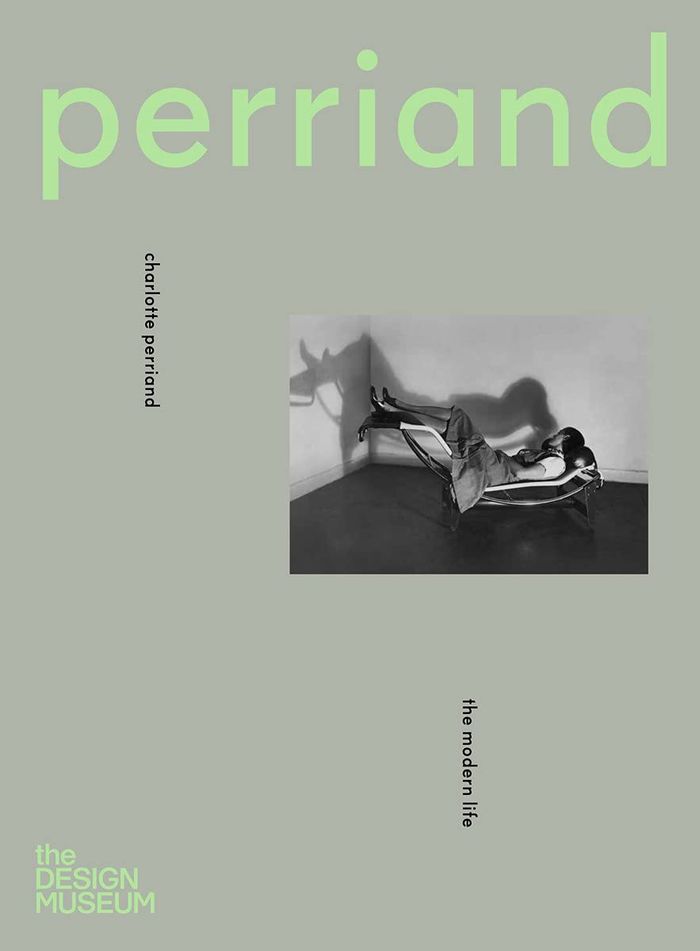
Charlotte Perriand: the modern life
Actions:
Price:
$49.00
(available to order)
Summary:
From the onset of her career, Charlotte Perriand was a maverick who believed in good design as a force for the betterment of society. Many young designers would be devastated by a rejection from Le Corbusier’s studio, but when the great architect told her they had no use for a female furniture designer, Perriand only became more determined to prove her mettle as an artist. Under Le Corbusier, and long after she left his studio, Perriand’s contributions to both furniture design and architecture demonstrated a unique attention to the organic artistry of nature as well as the egalitarian possibilities of the machine age. Her leftwing populist politics motivated much of her work, from modular furniture systems to major architectural projects. This monograph explores Perriand’s most famous interiors, original furniture and architectural projects, as well as her never-before-seen sketchbooks, shedding new light on her creative process and place in design history.
Charlotte Perriand: the modern life
Actions:
Price:
$49.00
(available to order)
Summary:
From the onset of her career, Charlotte Perriand was a maverick who believed in good design as a force for the betterment of society. Many young designers would be devastated by a rejection from Le Corbusier’s studio, but when the great architect told her they had no use for a female furniture designer, Perriand only became more determined to prove her mettle as an artist. Under Le Corbusier, and long after she left his studio, Perriand’s contributions to both furniture design and architecture demonstrated a unique attention to the organic artistry of nature as well as the egalitarian possibilities of the machine age. Her leftwing populist politics motivated much of her work, from modular furniture systems to major architectural projects. This monograph explores Perriand’s most famous interiors, original furniture and architectural projects, as well as her never-before-seen sketchbooks, shedding new light on her creative process and place in design history.
Form:
books
books
Publication:
August 2021
August 2021
Subject:
Design Monographs
Design Monographs
Form:
books
books
Actions:
Price:
$73.00
(available to order)
Summary:
At age eleven, Michael Kenna developed his first roll of black and white film in a makeshift darkroom at St. Joseph’s College, Upholland, the seminary he attended with the idea of becoming a Catholic priest. Kenna abandoned his religious calling after leaving the seminary, but his experiences there have continued to inform his work for decades. These photographs were(...)
$73.00
(available to order)
Summary:
At age eleven, Michael Kenna developed his first roll of black and white film in a makeshift darkroom at St. Joseph’s College, Upholland, the seminary he attended with the idea of becoming a Catholic priest. Kenna abandoned his religious calling after leaving the seminary, but his experiences there have continued to inform his work for decades. These photographs were(...)
Title:
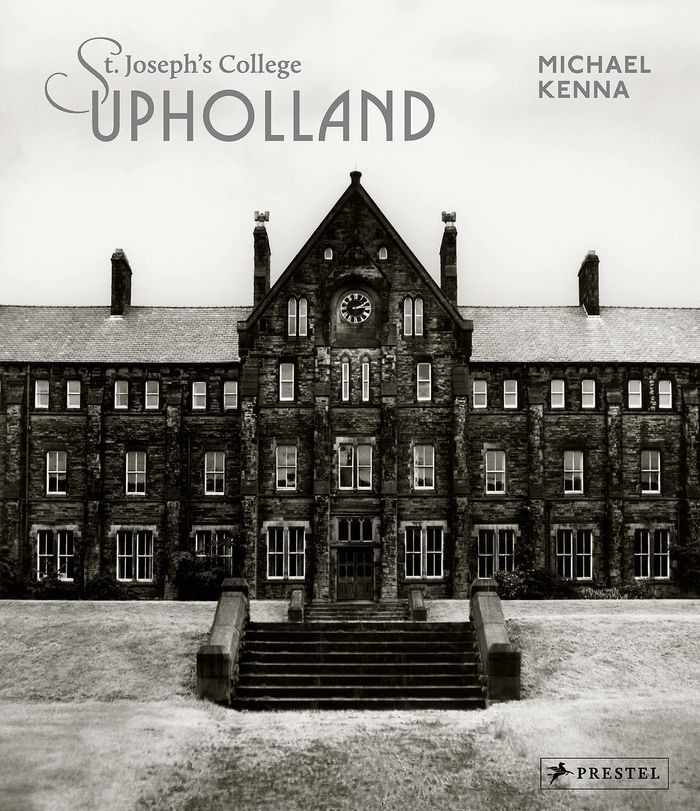
Michael Kenna: St. Josephs College, Upholland
Actions:
Price:
$73.00
(available to order)
Summary:
At age eleven, Michael Kenna developed his first roll of black and white film in a makeshift darkroom at St. Joseph’s College, Upholland, the seminary he attended with the idea of becoming a Catholic priest. Kenna abandoned his religious calling after leaving the seminary, but his experiences there have continued to inform his work for decades. These photographs were taken when Kenna returned to visit the now-shuttered school in the early 2000s. Kenna is also revisiting a way of life that may be disappearing—not only the, at times, ruthless discipline of the British boarding school, but also the somber beauty of religious practice. His camera captures the architecture of the school’s built environment as well as its spiritual architecture. Kenna’s detailed biographical essay about his experiences and observations at St. Joseph's reveal much about the way Kenna thinks and works. A critical essay by Vincent Miles focuses on the 110-year history of the college, contextualizing Kenna’s time there.
Michael Kenna: St. Josephs College, Upholland
Actions:
Price:
$73.00
(available to order)
Summary:
At age eleven, Michael Kenna developed his first roll of black and white film in a makeshift darkroom at St. Joseph’s College, Upholland, the seminary he attended with the idea of becoming a Catholic priest. Kenna abandoned his religious calling after leaving the seminary, but his experiences there have continued to inform his work for decades. These photographs were taken when Kenna returned to visit the now-shuttered school in the early 2000s. Kenna is also revisiting a way of life that may be disappearing—not only the, at times, ruthless discipline of the British boarding school, but also the somber beauty of religious practice. His camera captures the architecture of the school’s built environment as well as its spiritual architecture. Kenna’s detailed biographical essay about his experiences and observations at St. Joseph's reveal much about the way Kenna thinks and works. A critical essay by Vincent Miles focuses on the 110-year history of the college, contextualizing Kenna’s time there.
Form:
books
books
Publication:
January 2022
January 2022
Subject:
Photography monographs
Photography monographs
Form:
books
books
Title:
Michael Gessner: Masse
Michael Gessner: Masse
Actions:
Price:
$65.95
(available in store)
Summary:
Michael Gessner’s Masse sheds sharp new light on the signifiers of surveillance embedded in everyday life. Conceived as a sociological exploration of mass behaviour in the digital age, the photo book invites contemplation on the myriad ways in which individuals are monitored – and in which they monitor themselves – as they transition through the blurred boundaries between(...)
$65.95
(available in store)
Summary:
Michael Gessner’s Masse sheds sharp new light on the signifiers of surveillance embedded in everyday life. Conceived as a sociological exploration of mass behaviour in the digital age, the photo book invites contemplation on the myriad ways in which individuals are monitored – and in which they monitor themselves – as they transition through the blurred boundaries between(...)
Title:
Michael Gessner: Masse
Actions:
Price:
$65.95
(available in store)
Summary:
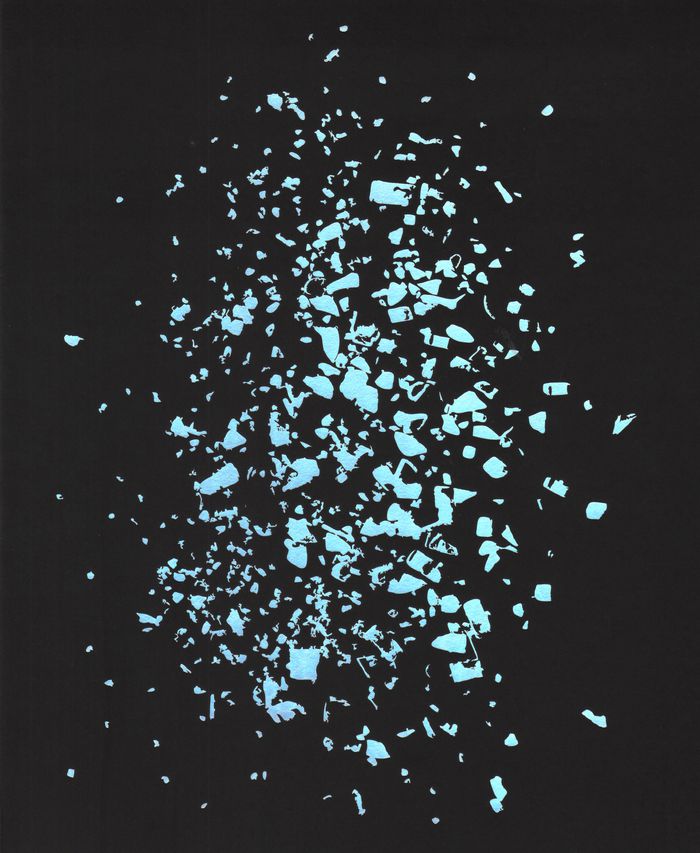
Michael Gessner’s Masse sheds sharp new light on the signifiers of surveillance embedded in everyday life. Conceived as a sociological exploration of mass behaviour in the digital age, the photo book invites contemplation on the myriad ways in which individuals are monitored – and in which they monitor themselves – as they transition through the blurred boundaries between the digital and the physical. Scattered throughout, a series of six abstract works depicts shards of a circuit board splintering into ever smaller fragments – as traces of the surveillance society come into focus, so too does the digital copy of the self become increasingly nuanced. Across Gessner’s works, the restrained seduction of his visual language, executed with unfaltering precision, contrasts starkly with the complexity of the subject his camera examines. Lured into a conceptual panopticon, the viewer looks in from the edge and gazes out from the centre of the mass; at once the observer and the observed.
Michael Gessner: Masse
Actions:
Price:
$65.95
(available in store)
Summary:
Michael Gessner’s Masse sheds sharp new light on the signifiers of surveillance embedded in everyday life. Conceived as a sociological exploration of mass behaviour in the digital age, the photo book invites contemplation on the myriad ways in which individuals are monitored – and in which they monitor themselves – as they transition through the blurred boundaries between the digital and the physical. Scattered throughout, a series of six abstract works depicts shards of a circuit board splintering into ever smaller fragments – as traces of the surveillance society come into focus, so too does the digital copy of the self become increasingly nuanced. Across Gessner’s works, the restrained seduction of his visual language, executed with unfaltering precision, contrasts starkly with the complexity of the subject his camera examines. Lured into a conceptual panopticon, the viewer looks in from the edge and gazes out from the centre of the mass; at once the observer and the observed.
Form:
books
books
Publication:
June 2021
June 2021
Subject:
Photography monographs
Photography monographs
Form:
books
books
Title:
A museum of one's own
A museum of one's own
Actions:
Price:
$54.95
(available to order)
Summary:
When French revolutionaries sacked royal holdings at the end of the 18th century, they began the largest transfer of artistic goods in world history. By 1850 many "repossessed" treasures had come to rest in a new institution, the public museum, where they were assigned educational tasks. Anne Higonnet's book begins at this turning point in the history of art, but it looks(...)
$54.95
(available to order)
Summary:
When French revolutionaries sacked royal holdings at the end of the 18th century, they began the largest transfer of artistic goods in world history. By 1850 many "repossessed" treasures had come to rest in a new institution, the public museum, where they were assigned educational tasks. Anne Higonnet's book begins at this turning point in the history of art, but it looks(...)
Title:
A museum of one's own
Actions:
Price:
$54.95
(available to order)
Summary:
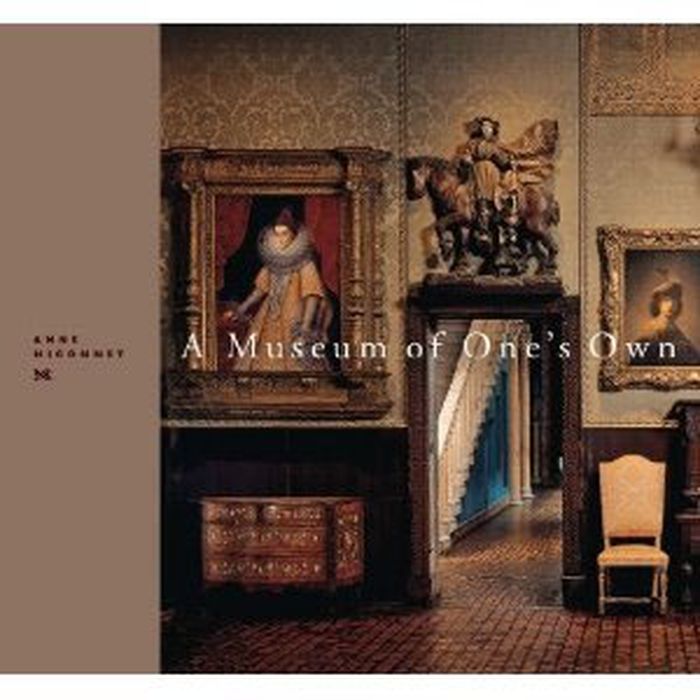
When French revolutionaries sacked royal holdings at the end of the 18th century, they began the largest transfer of artistic goods in world history. By 1850 many "repossessed" treasures had come to rest in a new institution, the public museum, where they were assigned educational tasks. Anne Higonnet's book begins at this turning point in the history of art, but it looks instead at another new institution, the collection museum. Emerging in London with the Wallace Collection, the collection museum spread rapidly in Gilded Age America. To the discontent of many Europeans, cash-flush Americans like J.P. Morgan and Henry Clay Frick went on collecting campaigns that netted masterpiece after masterpiece, along with the furniture and fittings of dozens of aristocratic residences. Higonnet weaves letters, auction records and photographs into an engrossing account of the founding of both renowned and obscure collection museums. She also explores how these collectors stoked the tremendous values accorded paintings by Raphael, Titian, Rembrandt, Vermeer, Velazquez, Gainsborough and Reynolds.
A museum of one's own
Actions:
Price:
$54.95
(available to order)
Summary:
When French revolutionaries sacked royal holdings at the end of the 18th century, they began the largest transfer of artistic goods in world history. By 1850 many "repossessed" treasures had come to rest in a new institution, the public museum, where they were assigned educational tasks. Anne Higonnet's book begins at this turning point in the history of art, but it looks instead at another new institution, the collection museum. Emerging in London with the Wallace Collection, the collection museum spread rapidly in Gilded Age America. To the discontent of many Europeans, cash-flush Americans like J.P. Morgan and Henry Clay Frick went on collecting campaigns that netted masterpiece after masterpiece, along with the furniture and fittings of dozens of aristocratic residences. Higonnet weaves letters, auction records and photographs into an engrossing account of the founding of both renowned and obscure collection museums. She also explores how these collectors stoked the tremendous values accorded paintings by Raphael, Titian, Rembrandt, Vermeer, Velazquez, Gainsborough and Reynolds.
Form:
books
books
Publication:
May 2010
May 2010
Subject:
Museums and Universal Exhibitions
Museums and Universal Exhibitions
Form:
books
books
Actions:
Price:
$35.95
(available in store)
Summary:
In this volume, Mario Carpo points to one key practice of modernity: the making of identical copies. Carpo highlights two examples of identicality crucial to the shaping of architectural modernity: in the fifteenth century, Leon Battista Alberti's invention of architectural design, according to which a building is an identical copy of the architect's design; and, in the(...)
$35.95
(available in store)
Summary:
In this volume, Mario Carpo points to one key practice of modernity: the making of identical copies. Carpo highlights two examples of identicality crucial to the shaping of architectural modernity: in the fifteenth century, Leon Battista Alberti's invention of architectural design, according to which a building is an identical copy of the architect's design; and, in the(...)
Title:
The alphabet and the algorithm
Actions:
Price:
$35.95
(available in store)
Summary:
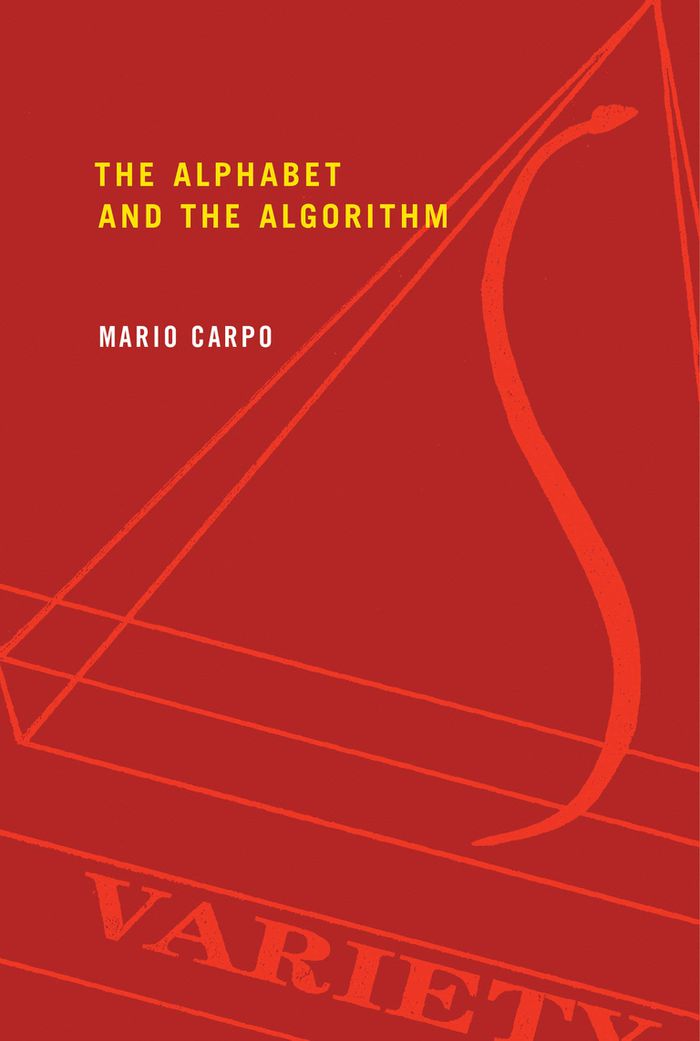
In this volume, Mario Carpo points to one key practice of modernity: the making of identical copies. Carpo highlights two examples of identicality crucial to the shaping of architectural modernity: in the fifteenth century, Leon Battista Alberti's invention of architectural design, according to which a building is an identical copy of the architect's design; and, in the nineteenth and twentieth centuries, the mass production of identical copies from mechanical master models, matrixes, imprints, or molds. The modern power of the identical, Carpo argues, came to an end with the rise of digital technologies. Everything digital is variable. Carpo compares new forms of postindustrial digital craftsmanship to hand-making and the cultures and technologies of variations that existed before the coming of machine-made, identical copies. Carpo reviews the unfolding of digitally based design and construction from the early 1990s to the present, and suggests a new agenda for architecture in an age of variable objects and of generic and participatory authorship.
The alphabet and the algorithm
Actions:
Price:
$35.95
(available in store)
Summary:
In this volume, Mario Carpo points to one key practice of modernity: the making of identical copies. Carpo highlights two examples of identicality crucial to the shaping of architectural modernity: in the fifteenth century, Leon Battista Alberti's invention of architectural design, according to which a building is an identical copy of the architect's design; and, in the nineteenth and twentieth centuries, the mass production of identical copies from mechanical master models, matrixes, imprints, or molds. The modern power of the identical, Carpo argues, came to an end with the rise of digital technologies. Everything digital is variable. Carpo compares new forms of postindustrial digital craftsmanship to hand-making and the cultures and technologies of variations that existed before the coming of machine-made, identical copies. Carpo reviews the unfolding of digitally based design and construction from the early 1990s to the present, and suggests a new agenda for architecture in an age of variable objects and of generic and participatory authorship.
Form:
books
books
Publication:
March 2011
March 2011
Form:
books
books

Actions:
Price:
$24.95
(available to order)
Summary:
When Guy Debord identified the image consumerism of “the society of the spectacle” in the 1960s, he could not have forecast that language would threaten to eclipse the image in the medium of personal technology, creating a world of ubiquitous legibility. Today, we read anytime and anywhere, on screens of all sizes; we read not only newspaper articles, but also databases,(...)
$24.95
(available to order)
Summary:
When Guy Debord identified the image consumerism of “the society of the spectacle” in the 1960s, he could not have forecast that language would threaten to eclipse the image in the medium of personal technology, creating a world of ubiquitous legibility. Today, we read anytime and anywhere, on screens of all sizes; we read not only newspaper articles, but also databases,(...)
Title:
I read where I am : exploring new information cultures
Actions:
Price:
$24.95
(available to order)
Summary:
When Guy Debord identified the image consumerism of “the society of the spectacle” in the 1960s, he could not have forecast that language would threaten to eclipse the image in the medium of personal technology, creating a world of ubiquitous legibility. Today, we read anytime and anywhere, on screens of all sizes; we read not only newspaper articles, but also databases, online archives, search engine results and navigational structures. We read while out on the street, at home or in the office, with a complete library to hand - but less and less we read a book at home on the couch. In other words, we are, or are becoming, a different kind of reader. I Read Where I Am contains texts about the future of reading and the status of the word in the digital age from designers, philosophers, journalists and politicians, looking at both sides of the argument for printed and digital reading matter.
I read where I am : exploring new information cultures
Actions:
Price:
$24.95
(available to order)
Summary:
When Guy Debord identified the image consumerism of “the society of the spectacle” in the 1960s, he could not have forecast that language would threaten to eclipse the image in the medium of personal technology, creating a world of ubiquitous legibility. Today, we read anytime and anywhere, on screens of all sizes; we read not only newspaper articles, but also databases, online archives, search engine results and navigational structures. We read while out on the street, at home or in the office, with a complete library to hand - but less and less we read a book at home on the couch. In other words, we are, or are becoming, a different kind of reader. I Read Where I Am contains texts about the future of reading and the status of the word in the digital age from designers, philosophers, journalists and politicians, looking at both sides of the argument for printed and digital reading matter.
Form:
books
books
Publication:
September 2011
September 2011
Subject:
Epistemology
Epistemology
Form:
books
books
Actions:
Price:
$27.50
(available to order)
Summary:
The concept of an encyclopedic museum was born of the Enlightenment, a manifestation of society's growing belief that the spread of knowledge and the promotion of intellectual inquiry were crucial to human development and the future of a rational society. With Museums Matter, James Cuno, president and director of the Art Institute of Chicago, takes us on a brief tour(...)
$27.50
(available to order)
Summary:
The concept of an encyclopedic museum was born of the Enlightenment, a manifestation of society's growing belief that the spread of knowledge and the promotion of intellectual inquiry were crucial to human development and the future of a rational society. With Museums Matter, James Cuno, president and director of the Art Institute of Chicago, takes us on a brief tour(...)
Title:
Museums matter: in praise of the encyclopedic museum
Actions:
Price:
$27.50
(available to order)
Summary:
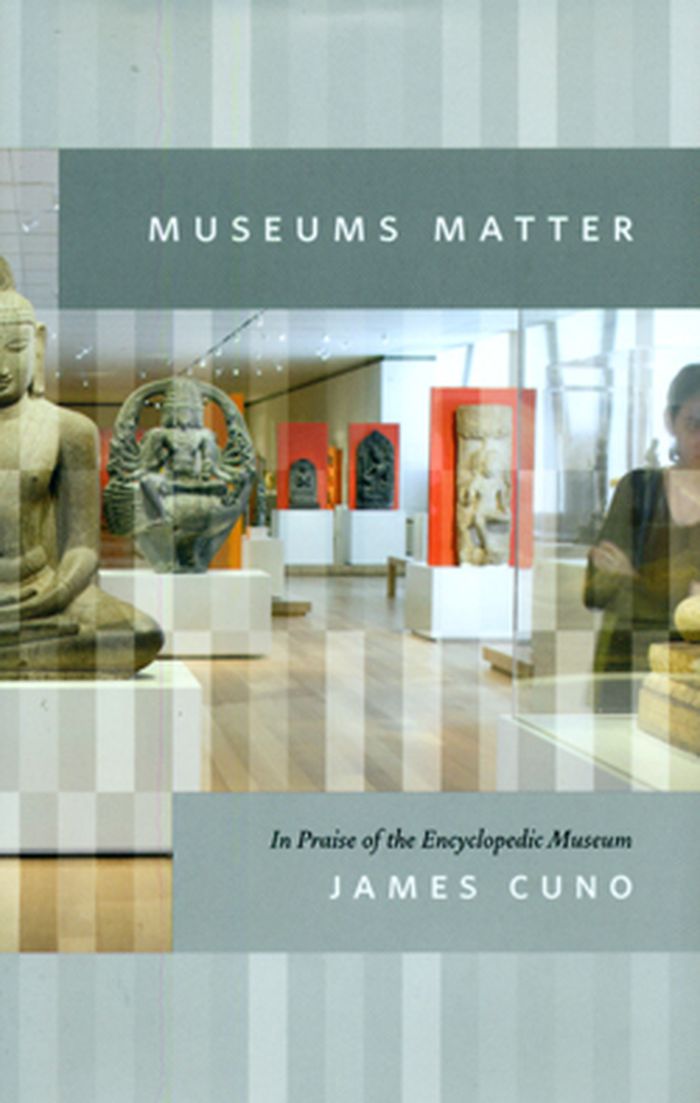
The concept of an encyclopedic museum was born of the Enlightenment, a manifestation of society's growing belief that the spread of knowledge and the promotion of intellectual inquiry were crucial to human development and the future of a rational society. With Museums Matter, James Cuno, president and director of the Art Institute of Chicago, takes us on a brief tour of the modern museum, from the creation of the British Museum - the archetypal encyclopedic collection - to the present, when major museums host millions of visitors annually and play a major role in the cultural lives of their cities. Engaging with thinkers such as Edward Said and Martha Nussbaum, and drawing on examples from the politics of India to the destruction of the Bramiyan Buddhas to the history of trade and travel, Cuno makes a case for the encyclopedic museum as a truly cosmopolitan institution, promoting tolerance, understanding, and a shared sense of history - values that are essential in our ever more globalized age.
Museums matter: in praise of the encyclopedic museum
Actions:
Price:
$27.50
(available to order)
Summary:
The concept of an encyclopedic museum was born of the Enlightenment, a manifestation of society's growing belief that the spread of knowledge and the promotion of intellectual inquiry were crucial to human development and the future of a rational society. With Museums Matter, James Cuno, president and director of the Art Institute of Chicago, takes us on a brief tour of the modern museum, from the creation of the British Museum - the archetypal encyclopedic collection - to the present, when major museums host millions of visitors annually and play a major role in the cultural lives of their cities. Engaging with thinkers such as Edward Said and Martha Nussbaum, and drawing on examples from the politics of India to the destruction of the Bramiyan Buddhas to the history of trade and travel, Cuno makes a case for the encyclopedic museum as a truly cosmopolitan institution, promoting tolerance, understanding, and a shared sense of history - values that are essential in our ever more globalized age.
Form:
books
books
Publication:
December 2011
December 2011
Subject:
Museums and Universal Exhibitions
Museums and Universal Exhibitions


