


6923 Results
Form:
books
books
Price:
$58.95
(available to order)
Summary:
"Living in the Lowlands" offers a kaleidoscopic overview of one of the most important themes in Dutch architecural history: living and the home environment. Specific periods are addressed on the basis of selected projects, among wich: Amsterdam's Vondelstraat by P.J.H. Cuijpers, Plan Zuid by Berlage, Rotterdam's Pendrecht and Alexanderpolder neighbourhoods, Almere and(...)
$58.95
(available to order)
Summary:
"Living in the Lowlands" offers a kaleidoscopic overview of one of the most important themes in Dutch architecural history: living and the home environment. Specific periods are addressed on the basis of selected projects, among wich: Amsterdam's Vondelstraat by P.J.H. Cuijpers, Plan Zuid by Berlage, Rotterdam's Pendrecht and Alexanderpolder neighbourhoods, Almere and(...)
Subject:
Architecture since 1900, Europe
Architecture since 1900, Europe
Publication:
January 2004, Rotterdam
January 2004, Rotterdam
Title:
Living in the lowlands 1850 - 2004 : the Dutch domestic scene
Actions:
Price:
$58.95
(available to order)
Summary:
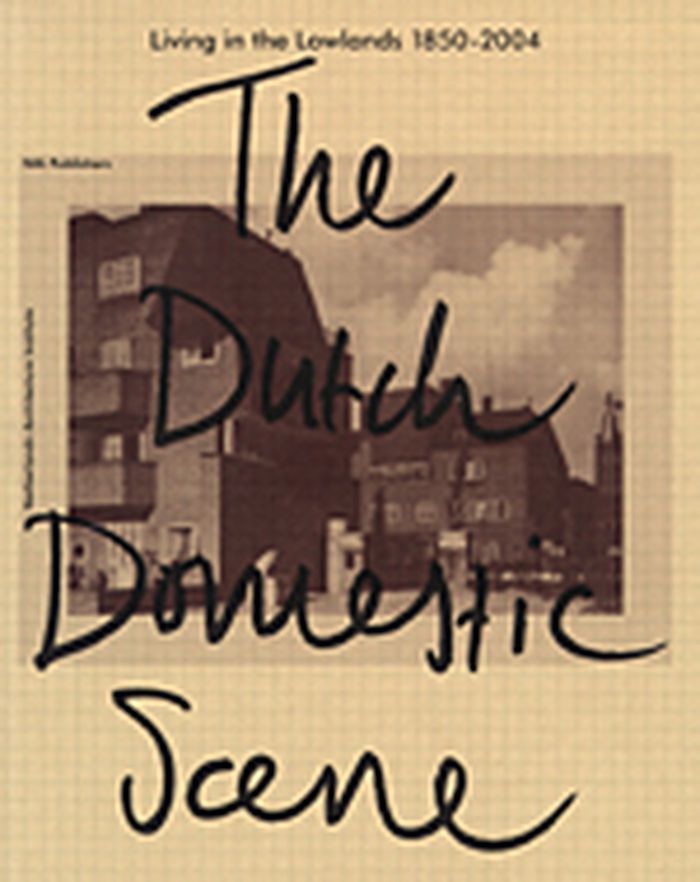
"Living in the Lowlands" offers a kaleidoscopic overview of one of the most important themes in Dutch architecural history: living and the home environment. Specific periods are addressed on the basis of selected projects, among wich: Amsterdam's Vondelstraat by P.J.H. Cuijpers, Plan Zuid by Berlage, Rotterdam's Pendrecht and Alexanderpolder neighbourhoods, Almere and Ypenburg. Utopian designs by the architects H.T. Wijdeveld, Cornelis van Eesteren and OMA are also included. Fifteen 'domestic scenes' illustrate important points in the history of housing construction in the Netherlands since 1850. Each 'domestic landscape'is described by a different author in a brief and sometimes highly personal text, illustrated with visual documentation from the collection of the Netherlands Architecture Institute. "Living in the Lowlands" accompanies the new permanent exhibition in the Netherlands Architecture Institute, Rotterdam.
Living in the lowlands 1850 - 2004 : the Dutch domestic scene
Actions:
Price:
$58.95
(available to order)
Summary:
"Living in the Lowlands" offers a kaleidoscopic overview of one of the most important themes in Dutch architecural history: living and the home environment. Specific periods are addressed on the basis of selected projects, among wich: Amsterdam's Vondelstraat by P.J.H. Cuijpers, Plan Zuid by Berlage, Rotterdam's Pendrecht and Alexanderpolder neighbourhoods, Almere and Ypenburg. Utopian designs by the architects H.T. Wijdeveld, Cornelis van Eesteren and OMA are also included. Fifteen 'domestic scenes' illustrate important points in the history of housing construction in the Netherlands since 1850. Each 'domestic landscape'is described by a different author in a brief and sometimes highly personal text, illustrated with visual documentation from the collection of the Netherlands Architecture Institute. "Living in the Lowlands" accompanies the new permanent exhibition in the Netherlands Architecture Institute, Rotterdam.
Form:
books
books
Publication:
January 2004, Rotterdam
January 2004, Rotterdam
Subject:
Architecture since 1900, Europe
Architecture since 1900, Europe
Form:
books
books
Price:
$91.50
(available to order)
Summary:
This book takes the reader on a tour of the concept behind the Ulm School, its 15 years of life and its legacy. The look at the past also follows the long path taken by German design, starting with the Bauhaus, before emigrating to the USA and eventually returning to its roots. The authors illustrate the role the School continues to play by pointing out everyday products(...)
$91.50
(available to order)
Summary:
This book takes the reader on a tour of the concept behind the Ulm School, its 15 years of life and its legacy. The look at the past also follows the long path taken by German design, starting with the Bauhaus, before emigrating to the USA and eventually returning to its roots. The authors illustrate the role the School continues to play by pointing out everyday products(...)
Subject:
Architecture since 1900, Europe
Architecture since 1900, Europe
Publication:
August 2003, Berlin
August 2003, Berlin
Title:
The Ulm school of design : beginnings of a project of unyielding modernity
Actions:
Price:
$91.50
(available to order)
Summary:
This book takes the reader on a tour of the concept behind the Ulm School, its 15 years of life and its legacy. The look at the past also follows the long path taken by German design, starting with the Bauhaus, before emigrating to the USA and eventually returning to its roots. The authors illustrate the role the School continues to play by pointing out everyday products designed by HfG teachers and alumni, e.g the Lufthansa corporate design and the ICE train, to name but two examples. There is also a look at some visionary projects that the School never realized. On the theoretical level, the book begins and concludes with a discussion of international modernism in philosophy and design, culminating in the question of its future, especially in terms of architecture and our environment.
The Ulm school of design : beginnings of a project of unyielding modernity
Actions:
Price:
$91.50
(available to order)
Summary:
This book takes the reader on a tour of the concept behind the Ulm School, its 15 years of life and its legacy. The look at the past also follows the long path taken by German design, starting with the Bauhaus, before emigrating to the USA and eventually returning to its roots. The authors illustrate the role the School continues to play by pointing out everyday products designed by HfG teachers and alumni, e.g the Lufthansa corporate design and the ICE train, to name but two examples. There is also a look at some visionary projects that the School never realized. On the theoretical level, the book begins and concludes with a discussion of international modernism in philosophy and design, culminating in the question of its future, especially in terms of architecture and our environment.
Form:
books
books
Publication:
August 2003, Berlin
August 2003, Berlin
Subject:
Architecture since 1900, Europe
Architecture since 1900, Europe
Form:
books
books
Actions:
Price:
$62.00
(available to order)
Summary:
“The North” has long held powerful sway in Western culture. Often seen through contradictions —empty of life yet full of promise, populated by indigenous communities yet ripe for conquest, pristine yet marked by a long human history —the North has moved to the foreground of contemporary life as the most dramatic stage for the reality of climate change. This book(...)
$62.00
(available to order)
Summary:
“The North” has long held powerful sway in Western culture. Often seen through contradictions —empty of life yet full of promise, populated by indigenous communities yet ripe for conquest, pristine yet marked by a long human history —the North has moved to the foreground of contemporary life as the most dramatic stage for the reality of climate change. This book(...)
Title:
Critical norths: space, nature, theory
Actions:
Price:
$62.00
(available to order)
Summary:
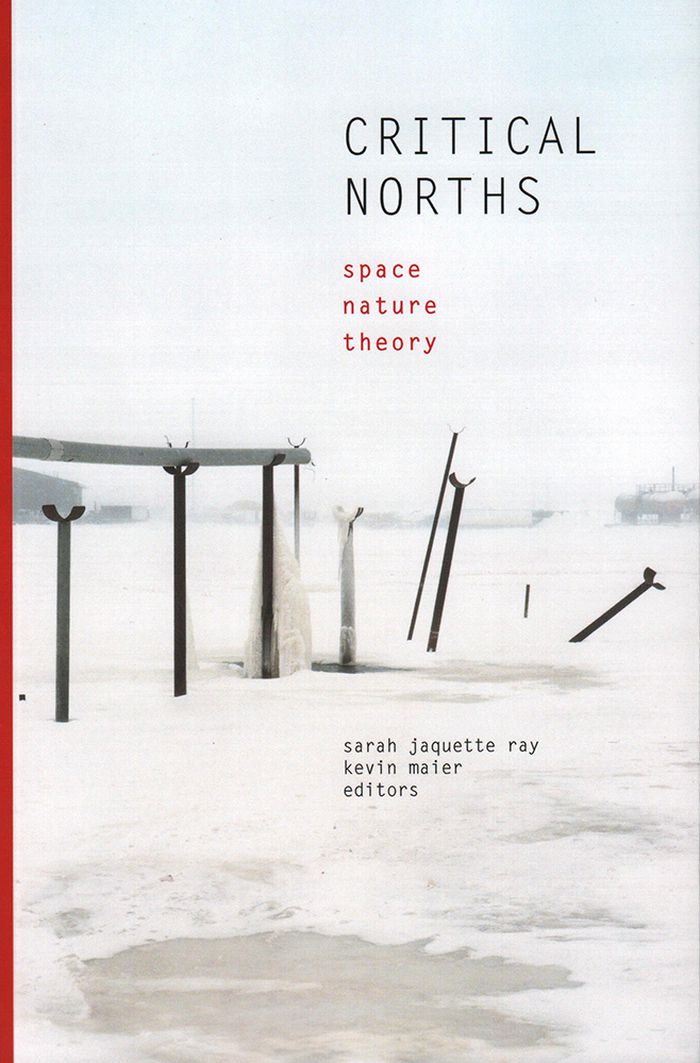
“The North” has long held powerful sway in Western culture. Often seen through contradictions —empty of life yet full of promise, populated by indigenous communities yet ripe for conquest, pristine yet marked by a long human history —the North has moved to the foreground of contemporary life as the most dramatic stage for the reality of climate change. This book brings together scholars from a range of disciplines to ask key questions about the North and how we’ve conceived it—and how conceiving of it in those terms has caused us to fail the region’s human and nonhuman life. Engaging questions of space, place, ingenuity, identity, nature, the environment, justice, narrative, history, and more; it offers a crucial starting point for an essential rethinking of both the idea and the reality of the North.
Critical norths: space, nature, theory
Actions:
Price:
$62.00
(available to order)
Summary:
“The North” has long held powerful sway in Western culture. Often seen through contradictions —empty of life yet full of promise, populated by indigenous communities yet ripe for conquest, pristine yet marked by a long human history —the North has moved to the foreground of contemporary life as the most dramatic stage for the reality of climate change. This book brings together scholars from a range of disciplines to ask key questions about the North and how we’ve conceived it—and how conceiving of it in those terms has caused us to fail the region’s human and nonhuman life. Engaging questions of space, place, ingenuity, identity, nature, the environment, justice, narrative, history, and more; it offers a crucial starting point for an essential rethinking of both the idea and the reality of the North.
Form:
books
books
Publication:
May 2017
May 2017
Subject:
Architectural Theory
Architectural Theory
Form:
books
books
Title:
Mind in architecture
Mind in architecture
Actions:
Price:
$49.00
(available to order)
Summary:
Although we spend more than ninety percent of our lives inside buildings, we understand very little about how the built environment affects our behavior, thoughts, emotions, and well-being. We are biological beings whose senses and neural systems have developed over millions of years; it stands to reason that research in the life sciences, particularly neuroscience, can(...)
$49.00
(available to order)
Summary:
Although we spend more than ninety percent of our lives inside buildings, we understand very little about how the built environment affects our behavior, thoughts, emotions, and well-being. We are biological beings whose senses and neural systems have developed over millions of years; it stands to reason that research in the life sciences, particularly neuroscience, can(...)
Title:
Mind in architecture
Actions:
Price:
$49.00
(available to order)
Summary:
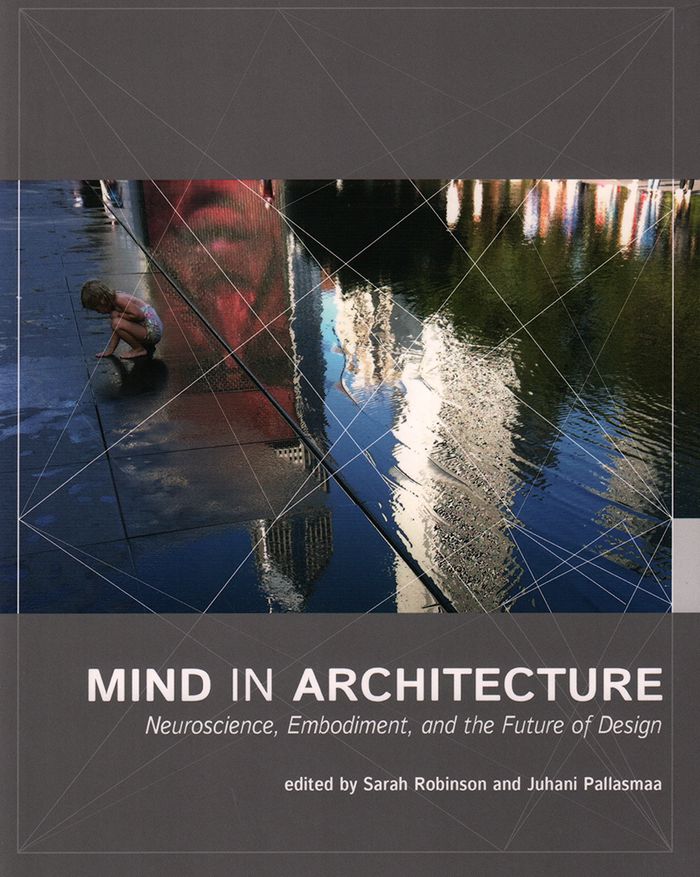
Although we spend more than ninety percent of our lives inside buildings, we understand very little about how the built environment affects our behavior, thoughts, emotions, and well-being. We are biological beings whose senses and neural systems have developed over millions of years; it stands to reason that research in the life sciences, particularly neuroscience, can offer compelling insights into the ways our buildings shape our interactions with the world. This expanded understanding can help architects design buildings that support both mind and body. In Mind in Architecture, leading thinkers from architecture and other disciplines, including neuroscience, cognitive science, psychiatry, and philosophy, explore what architecture and neuroscience can learn from each other. They offer historical context, examine the implications for current architectural practice and education, and imagine a neuroscientifically informed architecture of the future.
Mind in architecture
Actions:
Price:
$49.00
(available to order)
Summary:
Although we spend more than ninety percent of our lives inside buildings, we understand very little about how the built environment affects our behavior, thoughts, emotions, and well-being. We are biological beings whose senses and neural systems have developed over millions of years; it stands to reason that research in the life sciences, particularly neuroscience, can offer compelling insights into the ways our buildings shape our interactions with the world. This expanded understanding can help architects design buildings that support both mind and body. In Mind in Architecture, leading thinkers from architecture and other disciplines, including neuroscience, cognitive science, psychiatry, and philosophy, explore what architecture and neuroscience can learn from each other. They offer historical context, examine the implications for current architectural practice and education, and imagine a neuroscientifically informed architecture of the future.
Form:
books
books
Publication:
March 2017
March 2017
Subject:
Architectural Theory
Architectural Theory
Form:
books
books
Actions:
Price:
$26.00
(available in store)
Summary:
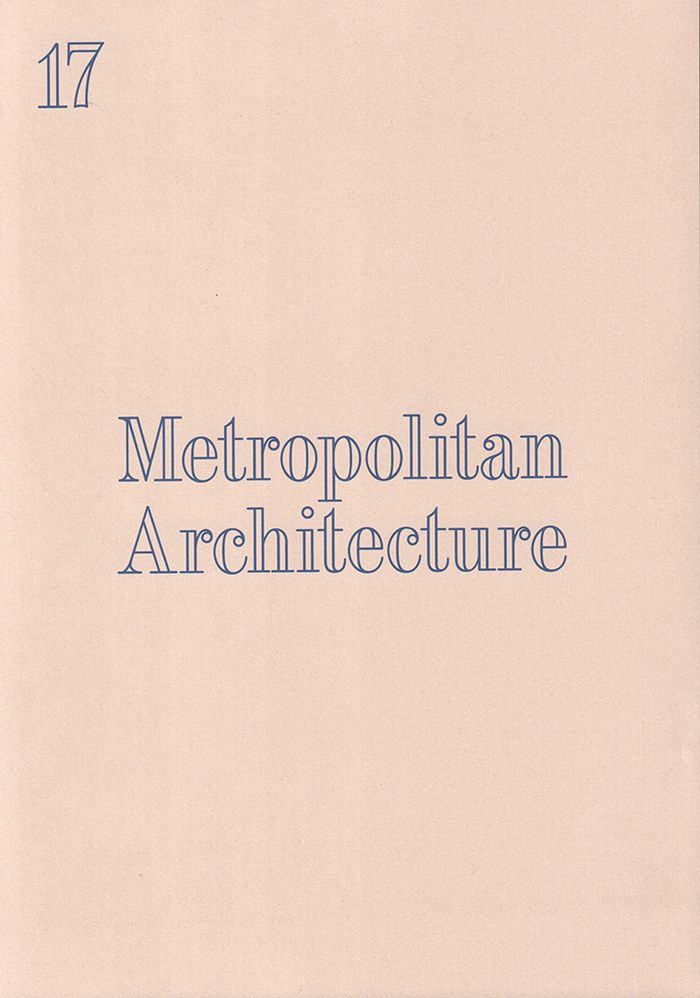
Architecture Without Content is architecture reduced to its very perimeter. The books in the series are the outcome of studios offered at EPFL. In Architecture Without Content 17, we examine Metropolitan Architecture as the embodiment of the metropolis, an urban environment which has the ambition of becoming a world in itself, absorbing and swallowing different ecologies.(...)
$26.00
(available in store)
Summary:
Architecture Without Content is architecture reduced to its very perimeter. The books in the series are the outcome of studios offered at EPFL. In Architecture Without Content 17, we examine Metropolitan Architecture as the embodiment of the metropolis, an urban environment which has the ambition of becoming a world in itself, absorbing and swallowing different ecologies.(...)
Title:
Metropolitan Architecture. Paris -Tokyo: totems of individual living. Architecture without content 18
Actions:
Price:
$26.00
(available in store)
Summary:
Architecture Without Content is architecture reduced to its very perimeter. The books in the series are the outcome of studios offered at EPFL. In Architecture Without Content 17, we examine Metropolitan Architecture as the embodiment of the metropolis, an urban environment which has the ambition of becoming a world in itself, absorbing and swallowing different ecologies. Metropolitan Architecture embraces this condition and tends to reproduce the overwhelming diversity of the metropolis in itself. It develops its own way of engaging with formal consequences, in an attempt to organise the abundance of information into a crystallized architectural form. Deeply embedded in the european context, the metropolis of Paris coulf never be fully realised. projects shown here are perhaps expressing this position. They are bold depictions of the envelope, consciously lacking the interior and the detailed luster.
Metropolitan Architecture. Paris -Tokyo: totems of individual living. Architecture without content 18
Actions:
Price:
$26.00
(available in store)
Summary:
Architecture Without Content is architecture reduced to its very perimeter. The books in the series are the outcome of studios offered at EPFL. In Architecture Without Content 17, we examine Metropolitan Architecture as the embodiment of the metropolis, an urban environment which has the ambition of becoming a world in itself, absorbing and swallowing different ecologies. Metropolitan Architecture embraces this condition and tends to reproduce the overwhelming diversity of the metropolis in itself. It develops its own way of engaging with formal consequences, in an attempt to organise the abundance of information into a crystallized architectural form. Deeply embedded in the european context, the metropolis of Paris coulf never be fully realised. projects shown here are perhaps expressing this position. They are bold depictions of the envelope, consciously lacking the interior and the detailed luster.
Form:
books
books
Publication:
April 2017
April 2017
Subject:
Contemporary Architecture
Contemporary Architecture
Form:
books
books
Actions:
Price:
$39.95
(available to order)
Summary:
More and more of us are choosing to live in the man-made environment of the city. The mismatch between this artificial world and our nature-starved souls can contribute to the stresses of city living in a way that is barely noticed – but is crucially important. What does the science of architectural psychology tell us about how the world of brick and concrete affects how(...)
$39.95
(available to order)
Summary:
More and more of us are choosing to live in the man-made environment of the city. The mismatch between this artificial world and our nature-starved souls can contribute to the stresses of city living in a way that is barely noticed – but is crucially important. What does the science of architectural psychology tell us about how the world of brick and concrete affects how(...)
Title:
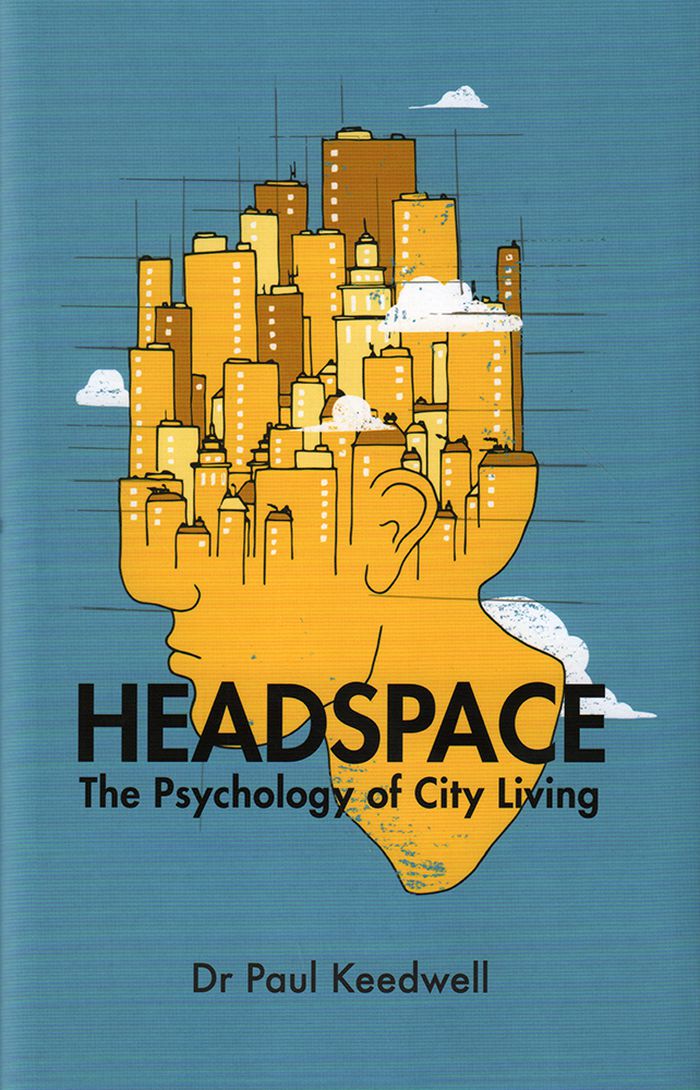
Headspace: the psychology of city living
Actions:
Price:
$39.95
(available to order)
Summary:
More and more of us are choosing to live in the man-made environment of the city. The mismatch between this artificial world and our nature-starved souls can contribute to the stresses of city living in a way that is barely noticed – but is crucially important. What does the science of architectural psychology tell us about how the world of brick and concrete affects how we think, feel and behave? In an increasingly crowded urban world, how does good urban design inspire, restore and bring us together? Conversely, how does bad architecture cause anxiety, alienation and depression?Starting with the home and reaching out to the street, neighbourhood and wider city landscape, Headspace teaches us how to see our cities differently, and how we can best adapt to our rapidly changing urban world.
Headspace: the psychology of city living
Actions:
Price:
$39.95
(available to order)
Summary:
More and more of us are choosing to live in the man-made environment of the city. The mismatch between this artificial world and our nature-starved souls can contribute to the stresses of city living in a way that is barely noticed – but is crucially important. What does the science of architectural psychology tell us about how the world of brick and concrete affects how we think, feel and behave? In an increasingly crowded urban world, how does good urban design inspire, restore and bring us together? Conversely, how does bad architecture cause anxiety, alienation and depression?Starting with the home and reaching out to the street, neighbourhood and wider city landscape, Headspace teaches us how to see our cities differently, and how we can best adapt to our rapidly changing urban world.
Form:
books
books
Publication:
March 2017
March 2017
Subject:
Urban Theory
Urban Theory
Form:
books
books
Actions:
Price:
$24.99
(available to order)
Summary:
We are living in one of the most dramatic periods in modern architectural history: a time when cityscapes are being redrawn on a yearly basis, architects are testing the very idea of what a building is, and whole cities are invented overnight. In this bold and wide-ranging new work, Rowan Moore — former director of the Architecture Foundation, now a leading architecture(...)
$24.99
(available to order)
Summary:
We are living in one of the most dramatic periods in modern architectural history: a time when cityscapes are being redrawn on a yearly basis, architects are testing the very idea of what a building is, and whole cities are invented overnight. In this bold and wide-ranging new work, Rowan Moore — former director of the Architecture Foundation, now a leading architecture(...)
Title:
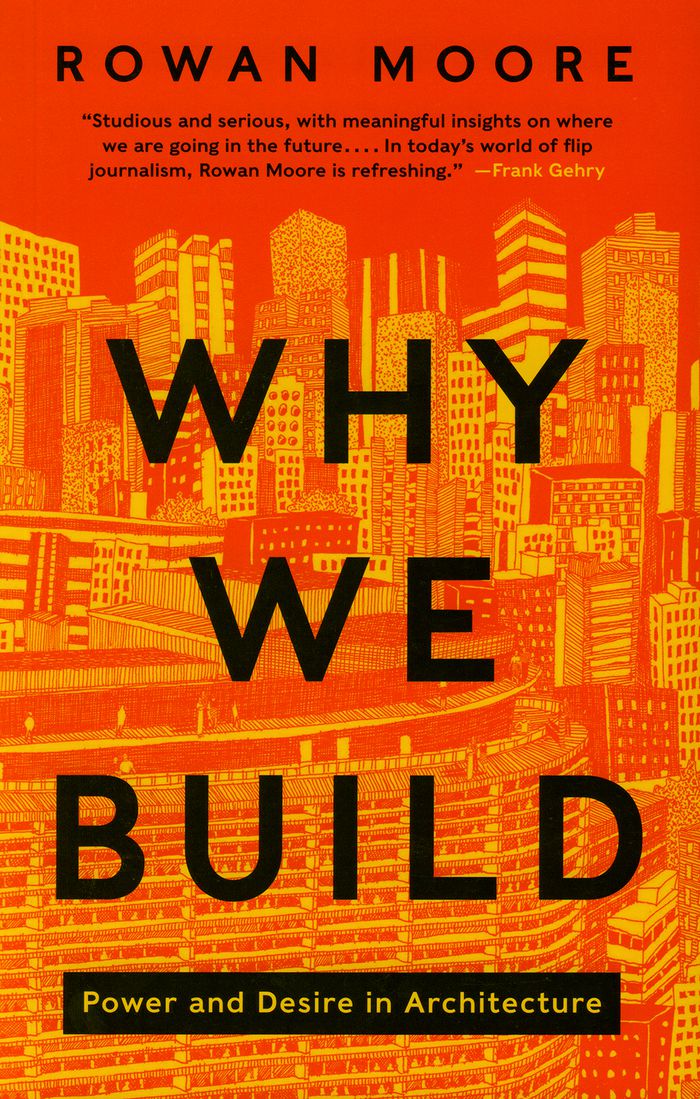
Why we build: power and desire in architecture
Actions:
Price:
$24.99
(available to order)
Summary:
We are living in one of the most dramatic periods in modern architectural history: a time when cityscapes are being redrawn on a yearly basis, architects are testing the very idea of what a building is, and whole cities are invented overnight. In this bold and wide-ranging new work, Rowan Moore — former director of the Architecture Foundation, now a leading architecture critic — explores the reasons behind these changes in our built environment, and how they change the way we live in the world. Provocative and personal, iconoclastic and transforming, Why We Build is that rarest of things: a book about architecture that is also, on every page, a book about people — those chosen few who design buildings, and the rest of us, who use them every day.
Why we build: power and desire in architecture
Actions:
Price:
$24.99
(available to order)
Summary:
We are living in one of the most dramatic periods in modern architectural history: a time when cityscapes are being redrawn on a yearly basis, architects are testing the very idea of what a building is, and whole cities are invented overnight. In this bold and wide-ranging new work, Rowan Moore — former director of the Architecture Foundation, now a leading architecture critic — explores the reasons behind these changes in our built environment, and how they change the way we live in the world. Provocative and personal, iconoclastic and transforming, Why We Build is that rarest of things: a book about architecture that is also, on every page, a book about people — those chosen few who design buildings, and the rest of us, who use them every day.
Form:
books
books
Publication:
February 2014
February 2014
Subject:
Architectural Theory
Architectural Theory
Form:
books
books
Actions:
Price:
$32.95
(available to order)
Summary:
The creation of Soviet culture in the 1920s and the 1930s was the most radical of modernist projects, both in aesthetic and in political terms. "Modernism and the Making of the Soviet New Man" explores the architecture of this period as the nexus between aesthetics and politics. The design of the material environment, according to the author, was the social effort that(...)
$32.95
(available to order)
Summary:
The creation of Soviet culture in the 1920s and the 1930s was the most radical of modernist projects, both in aesthetic and in political terms. "Modernism and the Making of the Soviet New Man" explores the architecture of this period as the nexus between aesthetics and politics. The design of the material environment, according to the author, was the social effort that(...)
Title:
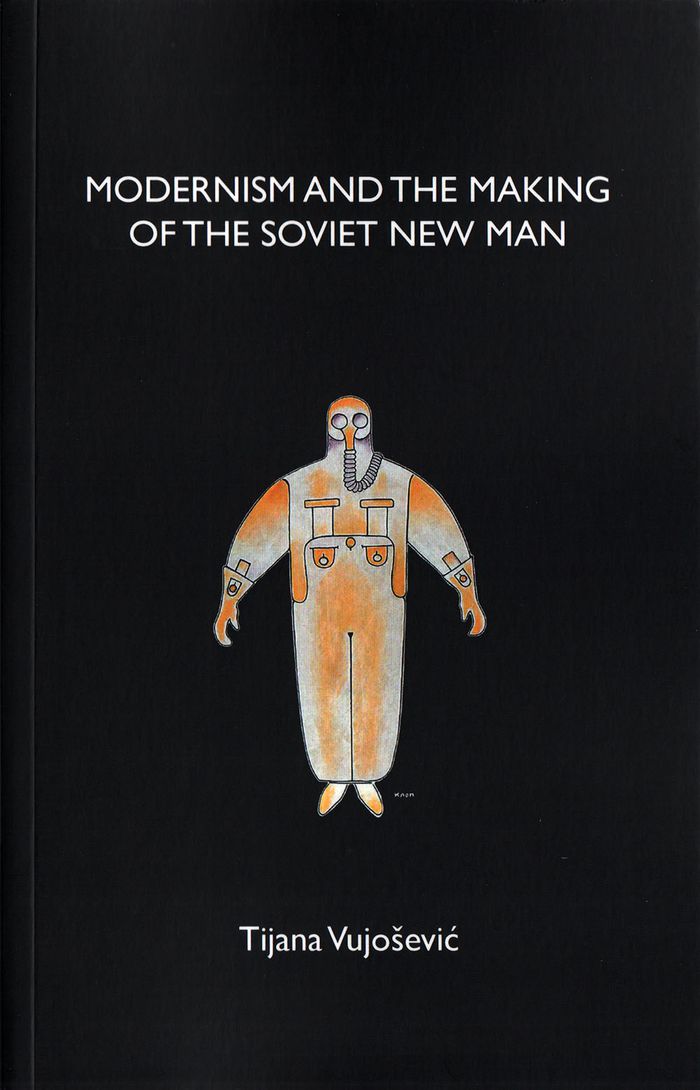
Modernism and the making of the Soviet new man
Actions:
Price:
$32.95
(available to order)
Summary:
The creation of Soviet culture in the 1920s and the 1930s was the most radical of modernist projects, both in aesthetic and in political terms. "Modernism and the Making of the Soviet New Man" explores the architecture of this period as the nexus between aesthetics and politics. The design of the material environment, according to the author, was the social effort that most clearly articulated the dynamic of the socialist project as a negotiation between utopia and reality, the will for progress and the will for tyranny. It was a comprehensive effort that brought together professional architects and statisticians, theatre directors, managers, housewives, pilots, construction workers. What they had in common was the enthusiasm for defining the "new man", the ideal citizen of the radiant future, and the settings in which he or she lives.
Modernism and the making of the Soviet new man
Actions:
Price:
$32.95
(available to order)
Summary:
The creation of Soviet culture in the 1920s and the 1930s was the most radical of modernist projects, both in aesthetic and in political terms. "Modernism and the Making of the Soviet New Man" explores the architecture of this period as the nexus between aesthetics and politics. The design of the material environment, according to the author, was the social effort that most clearly articulated the dynamic of the socialist project as a negotiation between utopia and reality, the will for progress and the will for tyranny. It was a comprehensive effort that brought together professional architects and statisticians, theatre directors, managers, housewives, pilots, construction workers. What they had in common was the enthusiasm for defining the "new man", the ideal citizen of the radiant future, and the settings in which he or she lives.
Form:
books
books
Publication:
March 2019
March 2019
Subject:
Modernism
Modernism
Form:
books
books
Actions:
Price:
$86.00
(available to order)
Summary:
Anna Atkins (1799-1871) came of age in Victorian England, a particularly fertile environment for learning and scientific discovery. Guided by her father, a prominent scientist, Atkins was inspired by William Henry Fox Talbot to take up photography and was friends with Sir John Herschel, who invented the cyanotype photographic process in 1842. The next year, Atkins began(...)
$86.00
(available to order)
Summary:
Anna Atkins (1799-1871) came of age in Victorian England, a particularly fertile environment for learning and scientific discovery. Guided by her father, a prominent scientist, Atkins was inspired by William Henry Fox Talbot to take up photography and was friends with Sir John Herschel, who invented the cyanotype photographic process in 1842. The next year, Atkins began(...)
Title:
Sun gardens: cyanotypes of Anna Atkins
Actions:
Price:
$86.00
(available to order)
Summary:
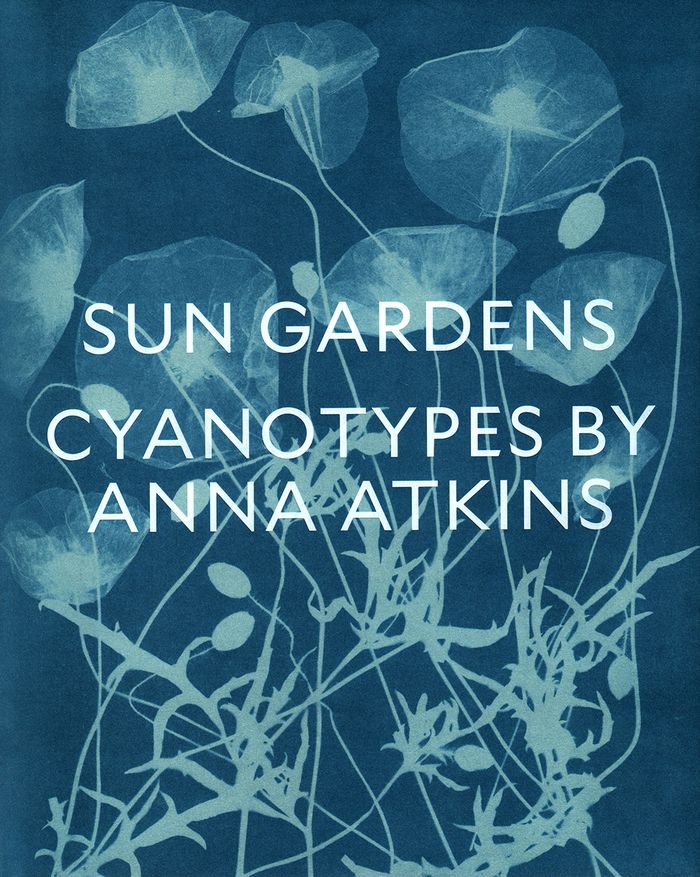
Anna Atkins (1799-1871) came of age in Victorian England, a particularly fertile environment for learning and scientific discovery. Guided by her father, a prominent scientist, Atkins was inspired by William Henry Fox Talbot to take up photography and was friends with Sir John Herschel, who invented the cyanotype photographic process in 1842. The next year, Atkins began making cyanotypes in an effort to illustrate and distribute information about her herbarium. The result was "Photographs of British Algae: Cyanotype Impressions", the first book to be illustrated with photographs. A decade later, she and her friend Anne Dixon expanded their visual inquiry to flowering plants, feathers, and other subjects. This volume is a revised and expanded edition of a long out-of-print monograph that first secured Atkins's place in the history of photography.
Sun gardens: cyanotypes of Anna Atkins
Actions:
Price:
$86.00
(available to order)
Summary:
Anna Atkins (1799-1871) came of age in Victorian England, a particularly fertile environment for learning and scientific discovery. Guided by her father, a prominent scientist, Atkins was inspired by William Henry Fox Talbot to take up photography and was friends with Sir John Herschel, who invented the cyanotype photographic process in 1842. The next year, Atkins began making cyanotypes in an effort to illustrate and distribute information about her herbarium. The result was "Photographs of British Algae: Cyanotype Impressions", the first book to be illustrated with photographs. A decade later, she and her friend Anne Dixon expanded their visual inquiry to flowering plants, feathers, and other subjects. This volume is a revised and expanded edition of a long out-of-print monograph that first secured Atkins's place in the history of photography.
Form:
books
books
Publication:
November 2018
November 2018
Subject:
Photography monographs
Photography monographs
Form:
books
books
Actions:
Price:
$79.95
(available to order)
Summary:
Modern hygienic urbanism originated in the airy boulevards, public parks, and sewer system that transformed the Parisian cityscape in the mid-nineteenth century. Yet these well-known developments in public health built on a previous moment of anxiety about the hygiene of modern city dwellers. These forgotten efforts to renew and reform the physical and moral health of the(...)
$79.95
(available to order)
Summary:
Modern hygienic urbanism originated in the airy boulevards, public parks, and sewer system that transformed the Parisian cityscape in the mid-nineteenth century. Yet these well-known developments in public health built on a previous moment of anxiety about the hygiene of modern city dwellers. These forgotten efforts to renew and reform the physical and moral health of the(...)
Title:
Ideals of the body: architecture, urbanism, and hygiene in postrevolutionary Paris
Actions:
Price:
$79.95
(available to order)
Summary:
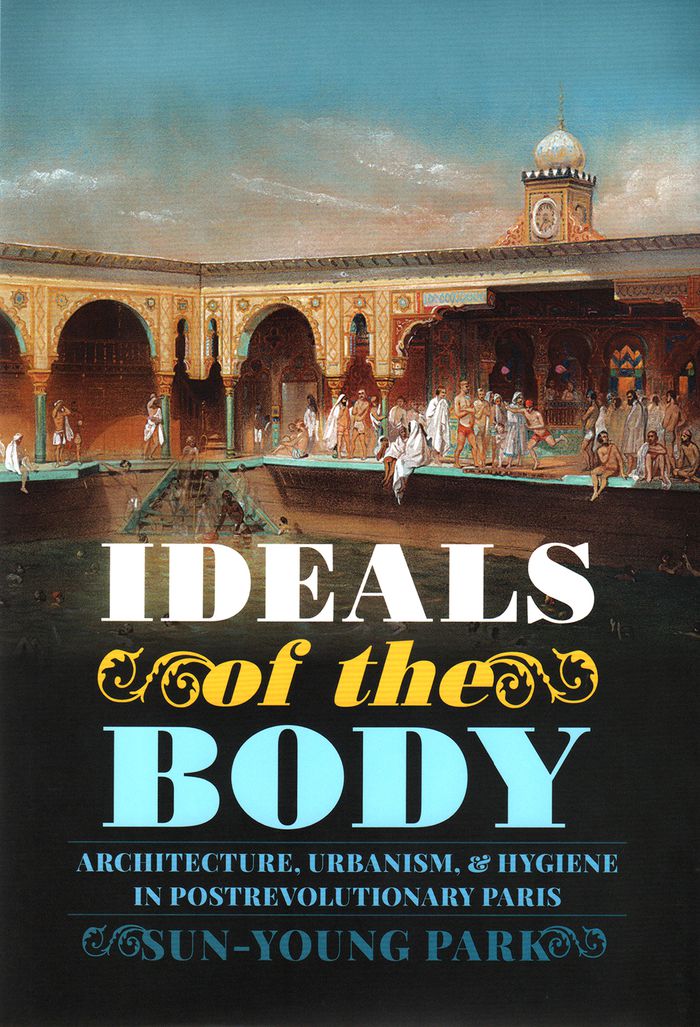
Modern hygienic urbanism originated in the airy boulevards, public parks, and sewer system that transformed the Parisian cityscape in the mid-nineteenth century. Yet these well-known developments in public health built on a previous moment of anxiety about the hygiene of modern city dwellers. These forgotten efforts to renew and reform the physical and moral health of the urban subject found expression in the built environment of the city—in the gymnasiums, swimming pools, and green spaces of private and public institutions, from the pedagogical to the recreational. Sun-Young Park reveals how these anxieties about health and social order, which manifested in emerging ideals of the body, created a uniquely spatial and urban experience of modernity in the postrevolutionary capital, one profoundly impacted by hygiene, mobility, productivity, leisure, spectacle, and technology.
Ideals of the body: architecture, urbanism, and hygiene in postrevolutionary Paris
Actions:
Price:
$79.95
(available to order)
Summary:
Modern hygienic urbanism originated in the airy boulevards, public parks, and sewer system that transformed the Parisian cityscape in the mid-nineteenth century. Yet these well-known developments in public health built on a previous moment of anxiety about the hygiene of modern city dwellers. These forgotten efforts to renew and reform the physical and moral health of the urban subject found expression in the built environment of the city—in the gymnasiums, swimming pools, and green spaces of private and public institutions, from the pedagogical to the recreational. Sun-Young Park reveals how these anxieties about health and social order, which manifested in emerging ideals of the body, created a uniquely spatial and urban experience of modernity in the postrevolutionary capital, one profoundly impacted by hygiene, mobility, productivity, leisure, spectacle, and technology.
Form:
books
books
Publication:
May 2018
May 2018
Subject:
Architectural Theory
Architectural Theory


