


6640 Results
Form:
books
books
Actions:
Price:
$95.00
(available to order)
Summary:
Founded in 1902 by entrepreneur and senator Ferdinando Bocconi, the university is the most important and renowned private university in Italy. Established in order to provide a high level of economic education for the new Italian ruling class, in the course of its history Bocconi has trained prime ministers, great entrepreneurs, and even celebrities from the digital(...)
$95.00
(available to order)
Summary:
Founded in 1902 by entrepreneur and senator Ferdinando Bocconi, the university is the most important and renowned private university in Italy. Established in order to provide a high level of economic education for the new Italian ruling class, in the course of its history Bocconi has trained prime ministers, great entrepreneurs, and even celebrities from the digital(...)
Title:
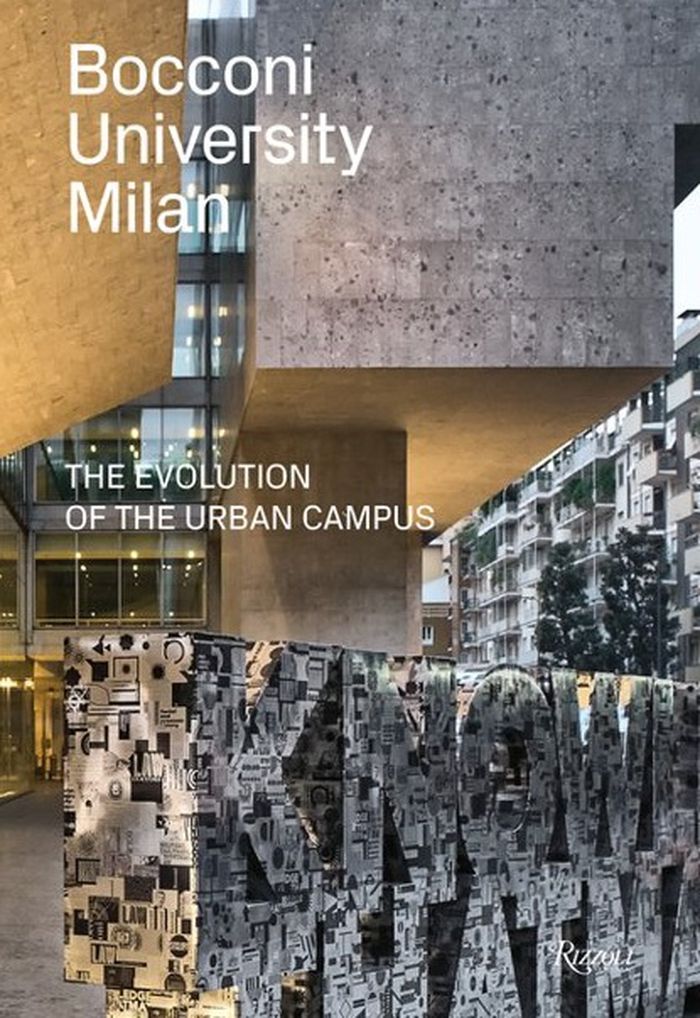
Bocconi University Milan: the evolution of the urban campus
Actions:
Price:
$95.00
(available to order)
Summary:
Founded in 1902 by entrepreneur and senator Ferdinando Bocconi, the university is the most important and renowned private university in Italy. Established in order to provide a high level of economic education for the new Italian ruling class, in the course of its history Bocconi has trained prime ministers, great entrepreneurs, and even celebrities from the digital world. This book shows the university’s structures through expansive photography taken specifically for it by photographer Massimo Siragusa. The Bocconi buildings represent a fascinating compendium of modern and contemporary architecture, having been designed by some of the most important Italian architects of the twentieth century, such as Giuseppe Pagano, Giovanni Muzio, and Ignazio Gardella, as well as recent international archistars such as Shelley McNamara and the Japanese SANAA studio.
Bocconi University Milan: the evolution of the urban campus
Actions:
Price:
$95.00
(available to order)
Summary:
Founded in 1902 by entrepreneur and senator Ferdinando Bocconi, the university is the most important and renowned private university in Italy. Established in order to provide a high level of economic education for the new Italian ruling class, in the course of its history Bocconi has trained prime ministers, great entrepreneurs, and even celebrities from the digital world. This book shows the university’s structures through expansive photography taken specifically for it by photographer Massimo Siragusa. The Bocconi buildings represent a fascinating compendium of modern and contemporary architecture, having been designed by some of the most important Italian architects of the twentieth century, such as Giuseppe Pagano, Giovanni Muzio, and Ignazio Gardella, as well as recent international archistars such as Shelley McNamara and the Japanese SANAA studio.
Form:
books
books
Publication:
October 2022
October 2022
Subject:
Commercial interiors, Building types
Commercial interiors, Building types
Form:
books
books
Actions:
Price:
$29.95
(available to order)
Summary:
Modernism dominated craft and design in Canada from the 1940's through the 1970's. At one time Canadian art museums encouraged industrial design and even The National Gallery of Canada presented several exhibitions meant to introduce the country to the work of Canadian designers and the modernist style. This publication outlines the modernist viewpoints held by(...)
$29.95
(available to order)
Summary:
Modernism dominated craft and design in Canada from the 1940's through the 1970's. At one time Canadian art museums encouraged industrial design and even The National Gallery of Canada presented several exhibitions meant to introduce the country to the work of Canadian designers and the modernist style. This publication outlines the modernist viewpoints held by(...)
Title:
The modern eye : craft and design in Canada, 1940-1980
Actions:
Price:
$29.95
(available to order)
Summary:
Modernism dominated craft and design in Canada from the 1940's through the 1970's. At one time Canadian art museums encouraged industrial design and even The National Gallery of Canada presented several exhibitions meant to introduce the country to the work of Canadian designers and the modernist style. This publication outlines the modernist viewpoints held by Canada's most prominent designers and craft artists working in this period. Featured are dozens of pieces of furniture, ceramics, and household items that best illustrate modernist preoccupation with form, color, texture, experimentation, functionality, and honest use of materials. Items chosen reflect an interest in new materials and techniques and an awareness of contemporary trends in abstract art and Modern architecture. Accompanied by biographies of the leading designers of the time.
The modern eye : craft and design in Canada, 1940-1980
Actions:
Price:
$29.95
(available to order)
Summary:
Modernism dominated craft and design in Canada from the 1940's through the 1970's. At one time Canadian art museums encouraged industrial design and even The National Gallery of Canada presented several exhibitions meant to introduce the country to the work of Canadian designers and the modernist style. This publication outlines the modernist viewpoints held by Canada's most prominent designers and craft artists working in this period. Featured are dozens of pieces of furniture, ceramics, and household items that best illustrate modernist preoccupation with form, color, texture, experimentation, functionality, and honest use of materials. Items chosen reflect an interest in new materials and techniques and an awareness of contemporary trends in abstract art and Modern architecture. Accompanied by biographies of the leading designers of the time.
Form:
books
books
Publication:
July 2011
July 2011
Subject:
Design, Periods and Styles
Design, Periods and Styles
Form:
books
books
Price:
$33.95
(available to order)
Summary:
Interior design helps to shape all aspects of our lives and has now come of age both intellectually and professionally. This text sets out to change and clarify the perceptions and misconceptions about contemporary interior design by examining some of the key issues that define what it is, how it is different from architecture, what specific skills it requires and what(...)
$33.95
(available to order)
Summary:
Interior design helps to shape all aspects of our lives and has now come of age both intellectually and professionally. This text sets out to change and clarify the perceptions and misconceptions about contemporary interior design by examining some of the key issues that define what it is, how it is different from architecture, what specific skills it requires and what(...)
Title:
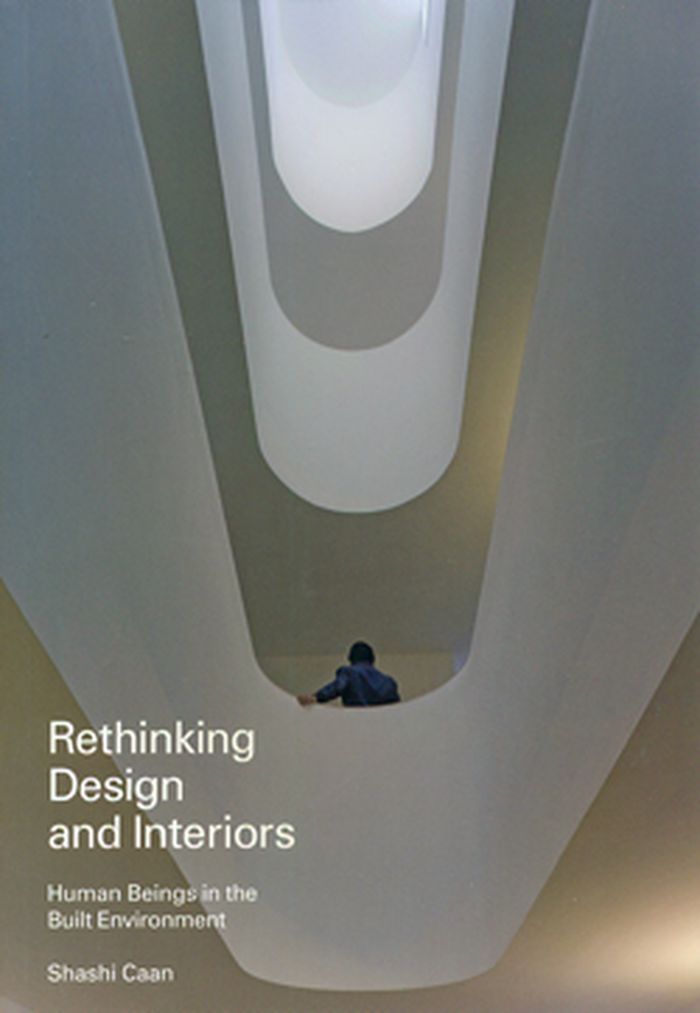
Rethinking design and interiors : human beings in the built environment
Actions:
Price:
$33.95
(available to order)
Summary:
Interior design helps to shape all aspects of our lives and has now come of age both intellectually and professionally. This text sets out to change and clarify the perceptions and misconceptions about contemporary interior design by examining some of the key issues that define what it is, how it is different from architecture, what specific skills it requires and what design problems it solves. The book also aspires to provide new creative possibilities which can help not only to expand and distinguish the discipline but also elevate its stature and esteem. Provocatively written by one of the foremost educators and practitioners in the field, this book will be essential for all interior design students and teachers, as well as appealing to practitioners.
Rethinking design and interiors : human beings in the built environment
Actions:
Price:
$33.95
(available to order)
Summary:
Interior design helps to shape all aspects of our lives and has now come of age both intellectually and professionally. This text sets out to change and clarify the perceptions and misconceptions about contemporary interior design by examining some of the key issues that define what it is, how it is different from architecture, what specific skills it requires and what design problems it solves. The book also aspires to provide new creative possibilities which can help not only to expand and distinguish the discipline but also elevate its stature and esteem. Provocatively written by one of the foremost educators and practitioners in the field, this book will be essential for all interior design students and teachers, as well as appealing to practitioners.
Form:
books
books
Publication:
October 2011
October 2011
Subject:
Design Theory
Design Theory
Form:
books
books
Actions:
Price:
$49.00
(available to order)
Summary:
At the beginning of the economic crisis in 2007, housing became a central commodity in the short-circuit system of mortgages granted to private individuals and businesses. In the aftermath of the crisis, and in the wake of the COVID-19 Pandemic, housing—as a right, in its most radical form—re-emerged due to local housing, migration, and health emergencies. In light of an(...)
$49.00
(available to order)
Summary:
At the beginning of the economic crisis in 2007, housing became a central commodity in the short-circuit system of mortgages granted to private individuals and businesses. In the aftermath of the crisis, and in the wake of the COVID-19 Pandemic, housing—as a right, in its most radical form—re-emerged due to local housing, migration, and health emergencies. In light of an(...)
Title:
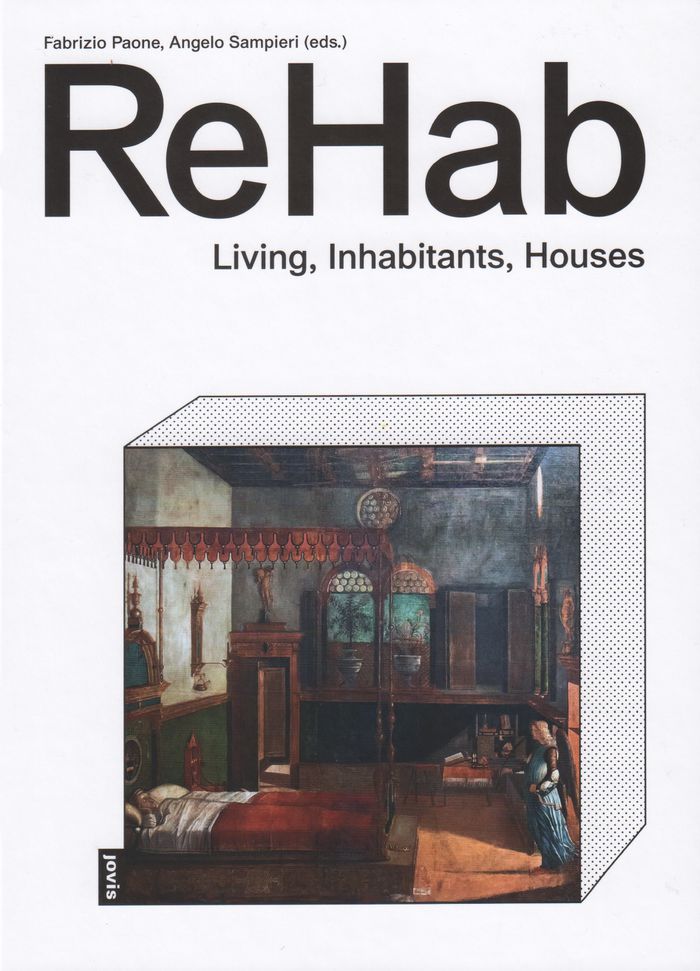
Rehab: Living, inhabitants, houses
Actions:
Price:
$49.00
(available to order)
Summary:
At the beginning of the economic crisis in 2007, housing became a central commodity in the short-circuit system of mortgages granted to private individuals and businesses. In the aftermath of the crisis, and in the wake of the COVID-19 Pandemic, housing—as a right, in its most radical form—re-emerged due to local housing, migration, and health emergencies. In light of an eclipse of a general discourse on housing, a new secular and international ethics arose, both foreign and superior to nation states. This book returns to a broader notion of housing: using metaphors of sanitary and salvific reinstatement, it retrieves case studies from the 1950s for re-conceptualizing the housing question in contemporary architecture and visual arts.
Rehab: Living, inhabitants, houses
Actions:
Price:
$49.00
(available to order)
Summary:
At the beginning of the economic crisis in 2007, housing became a central commodity in the short-circuit system of mortgages granted to private individuals and businesses. In the aftermath of the crisis, and in the wake of the COVID-19 Pandemic, housing—as a right, in its most radical form—re-emerged due to local housing, migration, and health emergencies. In light of an eclipse of a general discourse on housing, a new secular and international ethics arose, both foreign and superior to nation states. This book returns to a broader notion of housing: using metaphors of sanitary and salvific reinstatement, it retrieves case studies from the 1950s for re-conceptualizing the housing question in contemporary architecture and visual arts.
Form:
books
books
Publication:
September 2022
September 2022
Subject:
Collective Housing
Collective Housing
Form:
books
books
Actions:
Price:
$77.95
(available to order)
Summary:
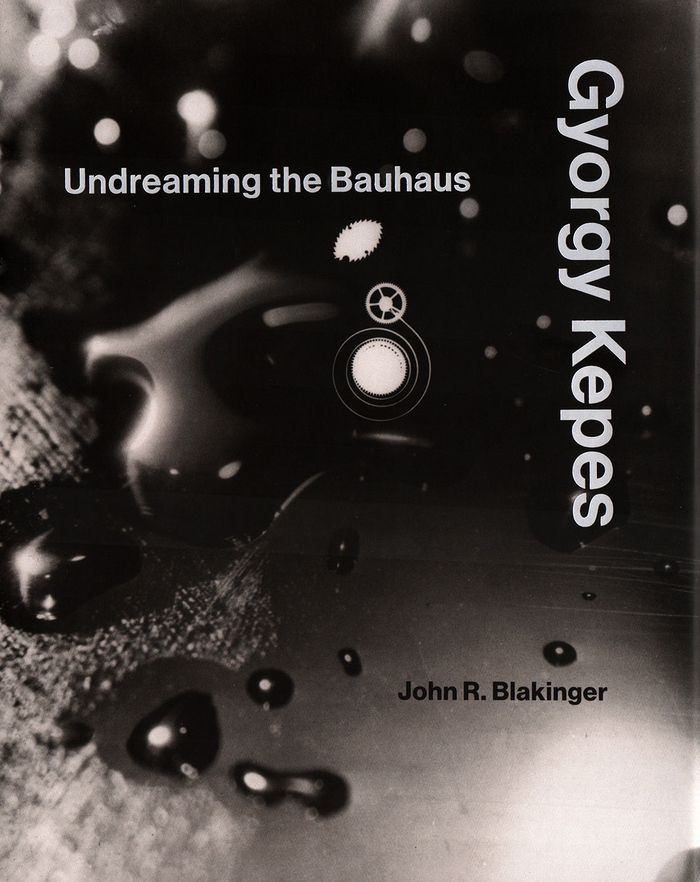
Gyorgy Kepes (1906–2001) was the last disciple of Bauhaus modernism, an acolyte of László Moholy-Nagy and a self-styled revolutionary artist. But by midcentury, transplanted to America, Kepes found he was trapped in the military-industrial-aesthetic complex. In this first book-length study of Kepes, John Blakinger argues that Kepes, by opening the research laboratory to(...)
$77.95
(available to order)
Summary:
Gyorgy Kepes (1906–2001) was the last disciple of Bauhaus modernism, an acolyte of László Moholy-Nagy and a self-styled revolutionary artist. But by midcentury, transplanted to America, Kepes found he was trapped in the military-industrial-aesthetic complex. In this first book-length study of Kepes, John Blakinger argues that Kepes, by opening the research laboratory to(...)
Publication:
June 2019
June 2019
Title:
Gyorgy Kepes: undreaming the Bauhaus
Actions:
Price:
$77.95
(available to order)
Summary:
Gyorgy Kepes (1906–2001) was the last disciple of Bauhaus modernism, an acolyte of László Moholy-Nagy and a self-styled revolutionary artist. But by midcentury, transplanted to America, Kepes found he was trapped in the military-industrial-aesthetic complex. In this first book-length study of Kepes, John Blakinger argues that Kepes, by opening the research laboratory to the arts, established a new paradigm for creative practice: the artist as technocrat. First at Chicago's New Bauhaus and then for many years at MIT, Kepes pioneered interdisciplinary collaboration between the arts and sciences- what he termed “interthinking” and “interseeing.” Kepes and his colleagues, ranging from metallurgists to mathematicians, became part of an important but little-explored constellation: the Cold War avant-garde.
Gyorgy Kepes: undreaming the Bauhaus
Actions:
Price:
$77.95
(available to order)
Summary:
Gyorgy Kepes (1906–2001) was the last disciple of Bauhaus modernism, an acolyte of László Moholy-Nagy and a self-styled revolutionary artist. But by midcentury, transplanted to America, Kepes found he was trapped in the military-industrial-aesthetic complex. In this first book-length study of Kepes, John Blakinger argues that Kepes, by opening the research laboratory to the arts, established a new paradigm for creative practice: the artist as technocrat. First at Chicago's New Bauhaus and then for many years at MIT, Kepes pioneered interdisciplinary collaboration between the arts and sciences- what he termed “interthinking” and “interseeing.” Kepes and his colleagues, ranging from metallurgists to mathematicians, became part of an important but little-explored constellation: the Cold War avant-garde.
Form:
books
books
Publication:
June 2019
June 2019
Form:
books
books
Actions:
Price:
$52.50
(available to order)
Summary:
This book is not about war, nor is it a history of war. Avoiding the shock and awe of wartime images, it explores the contemporary spatial configurations of power camouflaged in the infrastructures, environments, and scales of military operations. Instead of wartime highs, this book starts with drawdown lows, when demobilization and decommissioning morph into realignment(...)
$52.50
(available to order)
Summary:
This book is not about war, nor is it a history of war. Avoiding the shock and awe of wartime images, it explores the contemporary spatial configurations of power camouflaged in the infrastructures, environments, and scales of military operations. Instead of wartime highs, this book starts with drawdown lows, when demobilization and decommissioning morph into realignment(...)
Title:
Ecologies of Power: countermapping the logistical landscapes and military geographies of the US Department of Defense
Actions:
Price:
$52.50
(available to order)
Summary:
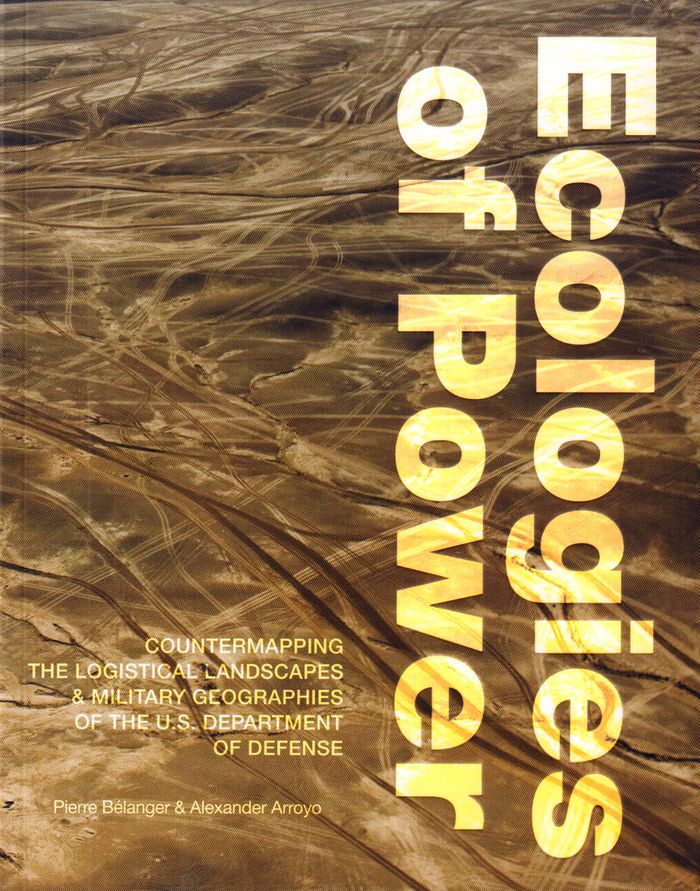
This book is not about war, nor is it a history of war. Avoiding the shock and awe of wartime images, it explores the contemporary spatial configurations of power camouflaged in the infrastructures, environments, and scales of military operations. Instead of wartime highs, this book starts with drawdown lows, when demobilization and decommissioning morph into realignment and prepositioning. It is in this transitional milieu that the full material magnitudes and geographic entanglements of contemporary militarism are laid bare. Through this perpetual cycle of build up and breakdown, the U.S. Department of Defense—the single largest developer, landowner, equipment contractor, and energy consumer in the world—has engineered a planetary assemblage of “operational environments” in which militarized, demilitarized, and non-militarized landscapes are increasingly inextricable. In a series of critical cartographic essays, Pierre Bélanger and Alexander Arroyo trace this footprint far beyond the battlefield, countermapping the geographies of U.S. militarism across five of the most important and embattled operational environments: the ocean, the atmosphere, the highway, the city, and the desert. From the Indian Ocean atoll of Diego Garcia to the defense-contractor archipelago around Washington, D.C.; from the A01 Highway circling Afghanistan’s high-altitude steppe to surveillance satellites pinging the planet from low-earth orbit; and from the vast cold chain conveying military perishables worldwide to the global constellation of military dumps, sinks, and scrapyards, the book unearths the logistical infrastructures and residual landscapes that render strategy spatial, militarism material, and power operational. In so doing, Bélanger and Arroyo reveal unseen ecologies of power at work in the making and unmaking of environments—operational, built, and otherwise—to come.
Ecologies of Power: countermapping the logistical landscapes and military geographies of the US Department of Defense
Actions:
Price:
$52.50
(available to order)
Summary:
This book is not about war, nor is it a history of war. Avoiding the shock and awe of wartime images, it explores the contemporary spatial configurations of power camouflaged in the infrastructures, environments, and scales of military operations. Instead of wartime highs, this book starts with drawdown lows, when demobilization and decommissioning morph into realignment and prepositioning. It is in this transitional milieu that the full material magnitudes and geographic entanglements of contemporary militarism are laid bare. Through this perpetual cycle of build up and breakdown, the U.S. Department of Defense—the single largest developer, landowner, equipment contractor, and energy consumer in the world—has engineered a planetary assemblage of “operational environments” in which militarized, demilitarized, and non-militarized landscapes are increasingly inextricable. In a series of critical cartographic essays, Pierre Bélanger and Alexander Arroyo trace this footprint far beyond the battlefield, countermapping the geographies of U.S. militarism across five of the most important and embattled operational environments: the ocean, the atmosphere, the highway, the city, and the desert. From the Indian Ocean atoll of Diego Garcia to the defense-contractor archipelago around Washington, D.C.; from the A01 Highway circling Afghanistan’s high-altitude steppe to surveillance satellites pinging the planet from low-earth orbit; and from the vast cold chain conveying military perishables worldwide to the global constellation of military dumps, sinks, and scrapyards, the book unearths the logistical infrastructures and residual landscapes that render strategy spatial, militarism material, and power operational. In so doing, Bélanger and Arroyo reveal unseen ecologies of power at work in the making and unmaking of environments—operational, built, and otherwise—to come.
Form:
books
books
Publication:
October 2016
October 2016
Subject:
Architectural Theory
Architectural Theory
Form:
books
books
Title:
A culture of stone
A culture of stone
Actions:
Price:
$27.95
(available to order)
Summary:
A major contribution to both art history and Latin American studies, A Culture of Stone offers new insights into Inka culture and the interpretation of non-Western art. Carolyn Dean focuses on rock outcrops masterfully integrated into Inka architecture, exquisitely worked masonry, and freestanding sacred rocks, explaining how certain stones took on lives of their own and(...)
$27.95
(available to order)
Summary:
A major contribution to both art history and Latin American studies, A Culture of Stone offers new insights into Inka culture and the interpretation of non-Western art. Carolyn Dean focuses on rock outcrops masterfully integrated into Inka architecture, exquisitely worked masonry, and freestanding sacred rocks, explaining how certain stones took on lives of their own and(...)
Publication:
November 2010
November 2010
Title:
A culture of stone
Actions:
Price:
$27.95
(available to order)
Summary:
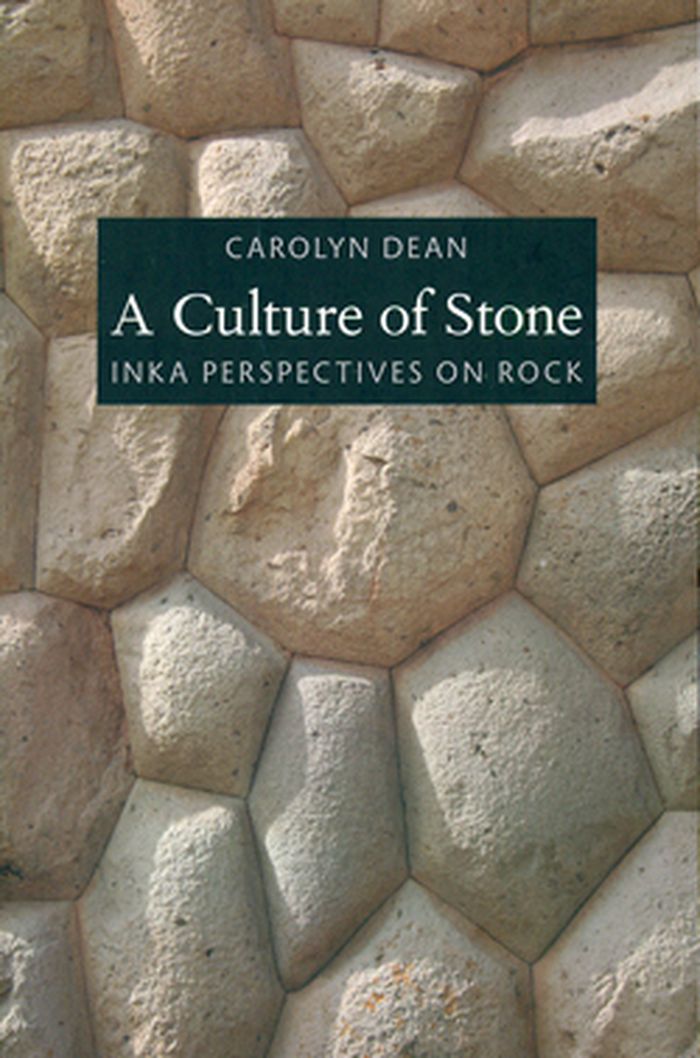
A major contribution to both art history and Latin American studies, A Culture of Stone offers new insights into Inka culture and the interpretation of non-Western art. Carolyn Dean focuses on rock outcrops masterfully integrated into Inka architecture, exquisitely worked masonry, and freestanding sacred rocks, explaining how certain stones took on lives of their own and played a vital role in the unfolding of Inka history. Examining the multiple uses of stone, she argues that the Inka understood building in stone as a way of ordering the chaos of unordered nature, converting untamed spaces into domesticated places, and laying claim to new territories. Dean contends that understanding what the rocks signified requires seeing them as the Inka saw them: as potentially animate, sentient, and sacred. Through careful analysis of Inka stonework, colonial-period accounts of the Inka, and contemporary ethnographic and folkloric studies of indigenous Andean culture, Dean reconstructs the relationships between stonework and other aspects of Inka life, including imperial expansion, worship, and agriculture. She also scrutinizes meanings imposed on Inka stone by the colonial Spanish and, later, by tourism and the tourist industry.
A culture of stone
Actions:
Price:
$27.95
(available to order)
Summary:
A major contribution to both art history and Latin American studies, A Culture of Stone offers new insights into Inka culture and the interpretation of non-Western art. Carolyn Dean focuses on rock outcrops masterfully integrated into Inka architecture, exquisitely worked masonry, and freestanding sacred rocks, explaining how certain stones took on lives of their own and played a vital role in the unfolding of Inka history. Examining the multiple uses of stone, she argues that the Inka understood building in stone as a way of ordering the chaos of unordered nature, converting untamed spaces into domesticated places, and laying claim to new territories. Dean contends that understanding what the rocks signified requires seeing them as the Inka saw them: as potentially animate, sentient, and sacred. Through careful analysis of Inka stonework, colonial-period accounts of the Inka, and contemporary ethnographic and folkloric studies of indigenous Andean culture, Dean reconstructs the relationships between stonework and other aspects of Inka life, including imperial expansion, worship, and agriculture. She also scrutinizes meanings imposed on Inka stone by the colonial Spanish and, later, by tourism and the tourist industry.
Form:
books
books
Publication:
November 2010
November 2010
Form:
books
books
Actions:
Price:
$45.95
(available in store)
Summary:
24 entretiens menés par Stephanie Davidson avec des architectes et designer·euses de 15 pays, à propos de leur relation aux matériaux et de comment cela informe sur la place de l’architecture et du design dans la société. Les questions d'économie, d'écologie, de coopération et de pédagogie sont également au centre, témoignant de diverses manières de concevoir et de faire(...)
$45.95
(available in store)
Summary:
24 entretiens menés par Stephanie Davidson avec des architectes et designer·euses de 15 pays, à propos de leur relation aux matériaux et de comment cela informe sur la place de l’architecture et du design dans la société. Les questions d'économie, d'écologie, de coopération et de pédagogie sont également au centre, témoignant de diverses manières de concevoir et de faire(...)
Title:
10 Minutes: Architects and designers in conversation
Actions:
Price:
$45.95
(available in store)
Summary:
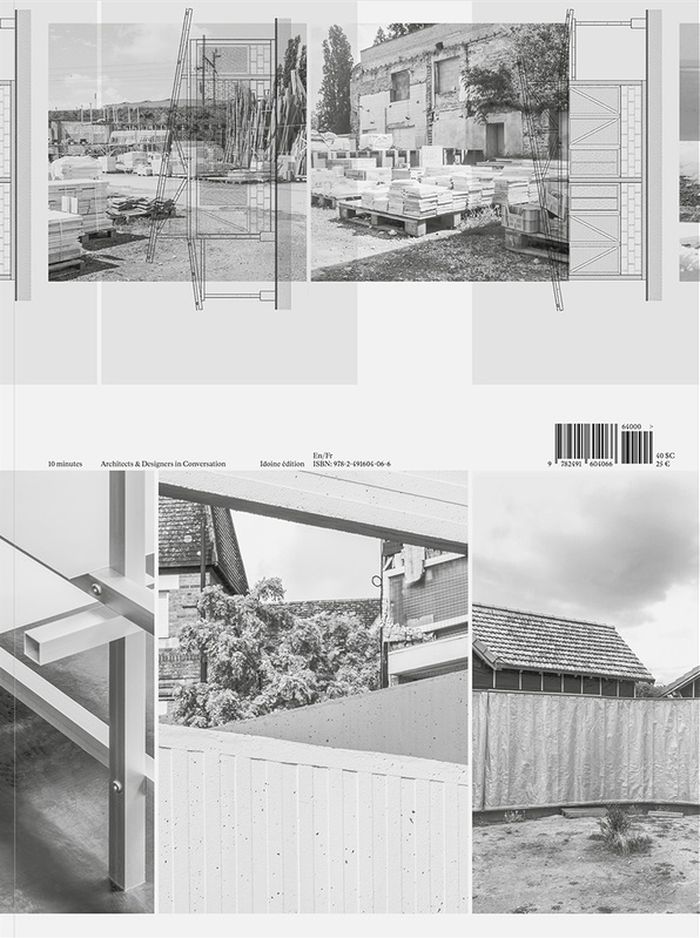
24 entretiens menés par Stephanie Davidson avec des architectes et designer·euses de 15 pays, à propos de leur relation aux matériaux et de comment cela informe sur la place de l’architecture et du design dans la société. Les questions d'économie, d'écologie, de coopération et de pédagogie sont également au centre, témoignant de diverses manières de concevoir et de faire contemporaines, exploratoires et sans cesse renouvelées.// 24 interviews by Stephanie Davidson with architects and designers from 15 countries, about their relationship with materials and how this informs architecture's and design's place in society. Questions of economy, ecology, cooperation, and pedagogy are also at the heart of the conversations, revealing a variety of contemporary, exploratory, and constantly renewed ways of designing and making.
10 Minutes: Architects and designers in conversation
Actions:
Price:
$45.95
(available in store)
Summary:
24 entretiens menés par Stephanie Davidson avec des architectes et designer·euses de 15 pays, à propos de leur relation aux matériaux et de comment cela informe sur la place de l’architecture et du design dans la société. Les questions d'économie, d'écologie, de coopération et de pédagogie sont également au centre, témoignant de diverses manières de concevoir et de faire contemporaines, exploratoires et sans cesse renouvelées.// 24 interviews by Stephanie Davidson with architects and designers from 15 countries, about their relationship with materials and how this informs architecture's and design's place in society. Questions of economy, ecology, cooperation, and pedagogy are also at the heart of the conversations, revealing a variety of contemporary, exploratory, and constantly renewed ways of designing and making.
Form:
books
books
Publication:
October 2023
October 2023
Subject:
Architectural Theory
Architectural Theory
Form:
books
books
Actions:
Price:
$32.00
(available to order)
Summary:
Philosophy exercises a massive influence on contemporary architectural culture and the understanding of the built environment. Discussions of architects and architectural academics are heavily loaded with theoretical ideas, concepts and views imported from the works of philosophers. At the same time this architectural employment of philosophy rarely goes beyond the(...)
$32.00
(available to order)
Summary:
Philosophy exercises a massive influence on contemporary architectural culture and the understanding of the built environment. Discussions of architects and architectural academics are heavily loaded with theoretical ideas, concepts and views imported from the works of philosophers. At the same time this architectural employment of philosophy rarely goes beyond the(...)
Title:
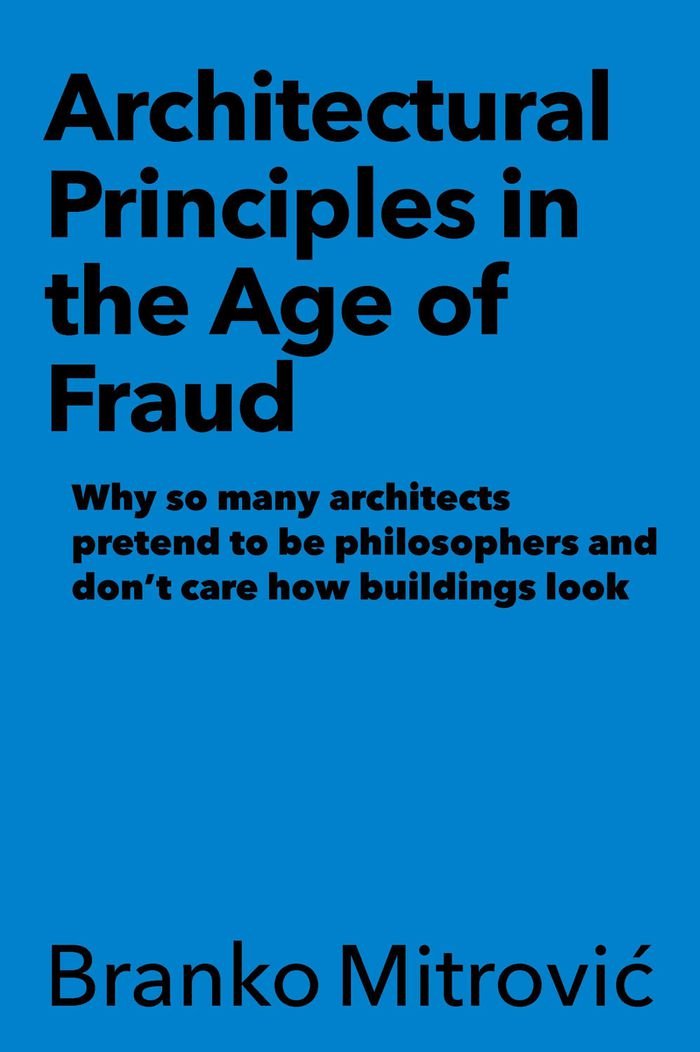
Architectural principles in the age of fraud
Actions:
Price:
$32.00
(available to order)
Summary:
Philosophy exercises a massive influence on contemporary architectural culture and the understanding of the built environment. Discussions of architects and architectural academics are heavily loaded with theoretical ideas, concepts and views imported from the works of philosophers. At the same time this architectural employment of philosophy rarely goes beyond the tendency to mine philosophical works for ideas, words and phrases and use them, often without much understanding, in order to promote architectural agendas and embellish theoretical claims made by architects and academics. The book presents the history of this phenomenon for the past hundred years. It describes and analyzes numerous examples of false intellectual pretense across prominent architectural influences of the era and their efforts to bamboozle readers, colleagues and the general public.
Architectural principles in the age of fraud
Actions:
Price:
$32.00
(available to order)
Summary:
Philosophy exercises a massive influence on contemporary architectural culture and the understanding of the built environment. Discussions of architects and architectural academics are heavily loaded with theoretical ideas, concepts and views imported from the works of philosophers. At the same time this architectural employment of philosophy rarely goes beyond the tendency to mine philosophical works for ideas, words and phrases and use them, often without much understanding, in order to promote architectural agendas and embellish theoretical claims made by architects and academics. The book presents the history of this phenomenon for the past hundred years. It describes and analyzes numerous examples of false intellectual pretense across prominent architectural influences of the era and their efforts to bamboozle readers, colleagues and the general public.
Form:
books
books
Publication:
May 2022
May 2022
Subject:
Architectural Theory
Architectural Theory
Form:
books
books
Price:
$65.95
(available in store)
Summary:
In response to climate change, architects have been seeking a contemporary expression for durable, solid and homogeneous wall structures made of clay, wood, brick, concrete and recycled materials. This book follows 25 projects to analyze construction methods that predominantly involve materials that have a single origin and can be easily dismantled. It looks at a variety(...)
$65.95
(available in store)
Summary:
In response to climate change, architects have been seeking a contemporary expression for durable, solid and homogeneous wall structures made of clay, wood, brick, concrete and recycled materials. This book follows 25 projects to analyze construction methods that predominantly involve materials that have a single origin and can be easily dismantled. It looks at a variety(...)
Title:
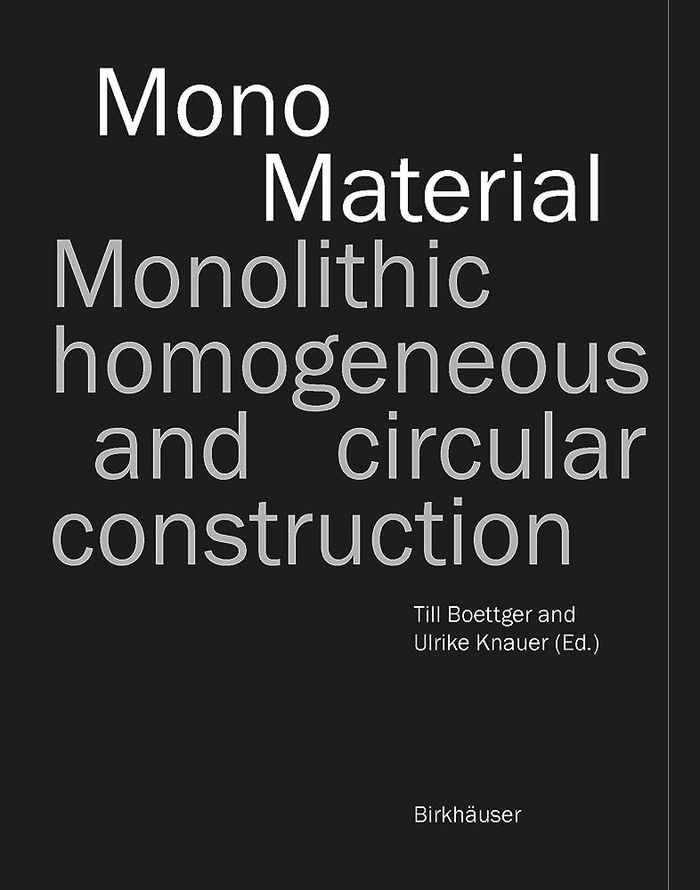
Mono material: monolithic, homogenous, and circular construction
Actions:
Price:
$65.95
(available in store)
Summary:
In response to climate change, architects have been seeking a contemporary expression for durable, solid and homogeneous wall structures made of clay, wood, brick, concrete and recycled materials. This book follows 25 projects to analyze construction methods that predominantly involve materials that have a single origin and can be easily dismantled. It looks at a variety of different ways and scales in which architects have dealt with issues of mass and materiality, both in terms of design and construction. Structured according to the specific materials, the book allows direct comparisons, and renders visible solid building typologies and forms. Numerous drawings, developed especially for this book, document the projects. Two essays as well as interviews with Pepe Marquez and Arno Richter examine the strategies and background of monolithic architecture and solid construction methods.
Mono material: monolithic, homogenous, and circular construction
Actions:
Price:
$65.95
(available in store)
Summary:
In response to climate change, architects have been seeking a contemporary expression for durable, solid and homogeneous wall structures made of clay, wood, brick, concrete and recycled materials. This book follows 25 projects to analyze construction methods that predominantly involve materials that have a single origin and can be easily dismantled. It looks at a variety of different ways and scales in which architects have dealt with issues of mass and materiality, both in terms of design and construction. Structured according to the specific materials, the book allows direct comparisons, and renders visible solid building typologies and forms. Numerous drawings, developed especially for this book, document the projects. Two essays as well as interviews with Pepe Marquez and Arno Richter examine the strategies and background of monolithic architecture and solid construction methods.
Form:
books
books
Publication:
July 2023
July 2023
Subject:
Materials and Lighting
Materials and Lighting


