


666 Results
Form:
books
books
Price:
$72.95
(available in store)
Summary:
''Architecture and Social Change'' is a timely, and urgently needed, survey of social and environmental justice advocacy in architecture. Spotlighting contemporary design and research practitioners who are creatively leveraging their expertise for social change, this book features interviews with fifteen influential design leaders who are at the forefront of their(...)
$72.95
(available in store)
Summary:
''Architecture and Social Change'' is a timely, and urgently needed, survey of social and environmental justice advocacy in architecture. Spotlighting contemporary design and research practitioners who are creatively leveraging their expertise for social change, this book features interviews with fifteen influential design leaders who are at the forefront of their(...)
Title:
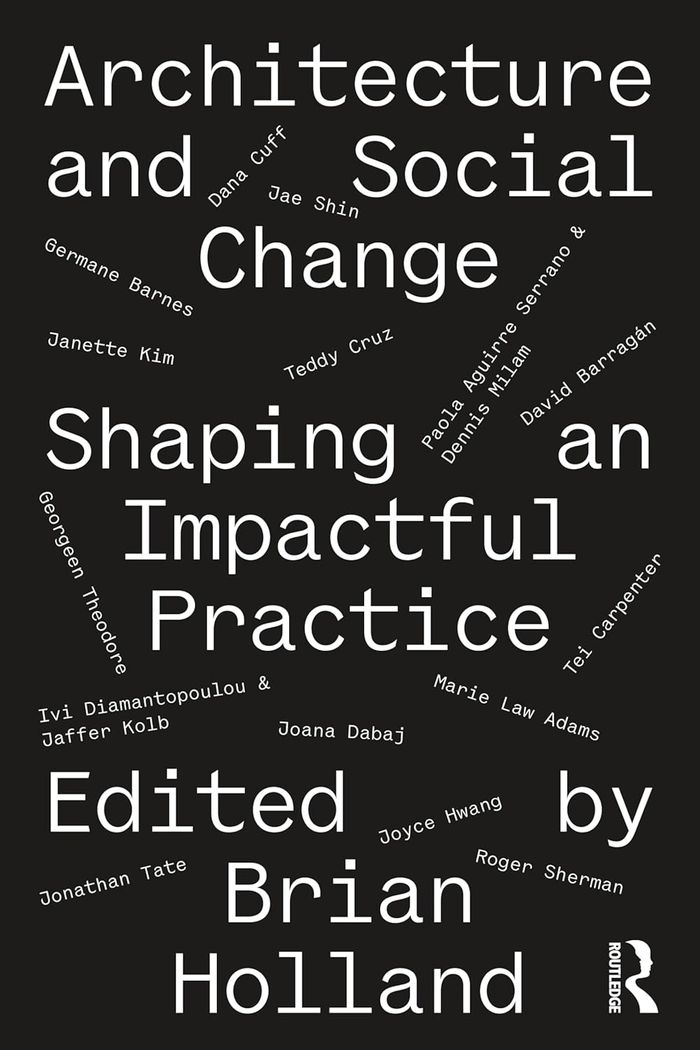
Architecture and social change: Shaping an impactful practice
Actions:
Price:
$72.95
(available in store)
Summary:
''Architecture and Social Change'' is a timely, and urgently needed, survey of social and environmental justice advocacy in architecture. Spotlighting contemporary design and research practitioners who are creatively leveraging their expertise for social change, this book features interviews with fifteen influential design leaders who are at the forefront of their profession’s efforts to confront pressing challenges like housing insecurity, racial and economic inequality, environmental degradation, and architectural waste. Among the interviewees are Dana Cuff, who, as director of cityLAB, is helping to reshape housing policy in California; Joana Dabaj, cofounder of the design charity CatalyticAction, which empowers refugee children from the Syrian civil war to act as “co-designers” of playgrounds and public spaces in Lebanon; and Ivi Diamantopoulou and Jaffer Kolb of New York City–based New Affiliates, who repurpose, through lively recontextualization, the architectural byproducts of their city’s museum exhibitions and building-performance mockups. These insightful student-led interviews compellingly capture the current moment of soul-searching in both the profession and the academy.
Architecture and social change: Shaping an impactful practice
Actions:
Price:
$72.95
(available in store)
Summary:
''Architecture and Social Change'' is a timely, and urgently needed, survey of social and environmental justice advocacy in architecture. Spotlighting contemporary design and research practitioners who are creatively leveraging their expertise for social change, this book features interviews with fifteen influential design leaders who are at the forefront of their profession’s efforts to confront pressing challenges like housing insecurity, racial and economic inequality, environmental degradation, and architectural waste. Among the interviewees are Dana Cuff, who, as director of cityLAB, is helping to reshape housing policy in California; Joana Dabaj, cofounder of the design charity CatalyticAction, which empowers refugee children from the Syrian civil war to act as “co-designers” of playgrounds and public spaces in Lebanon; and Ivi Diamantopoulou and Jaffer Kolb of New York City–based New Affiliates, who repurpose, through lively recontextualization, the architectural byproducts of their city’s museum exhibitions and building-performance mockups. These insightful student-led interviews compellingly capture the current moment of soul-searching in both the profession and the academy.
Form:
books
books
Publication:
May 2025
May 2025
Subject:
Architectural Theory
Architectural Theory
Form:
books
books
Actions:
Price:
$33.00
(available to order)
Summary:
Caroline Constant examines diverse approaches to landscape in the work of architects practicing in Europe and the United States between 1915 and the mid-1980s. Case studies highlight landscapes in the public realm rather than the private garden, which had been a primary focus of much Western landscape theory and practice during the early decades of the century. These(...)
$33.00
(available to order)
Summary:
Caroline Constant examines diverse approaches to landscape in the work of architects practicing in Europe and the United States between 1915 and the mid-1980s. Case studies highlight landscapes in the public realm rather than the private garden, which had been a primary focus of much Western landscape theory and practice during the early decades of the century. These(...)
Title:
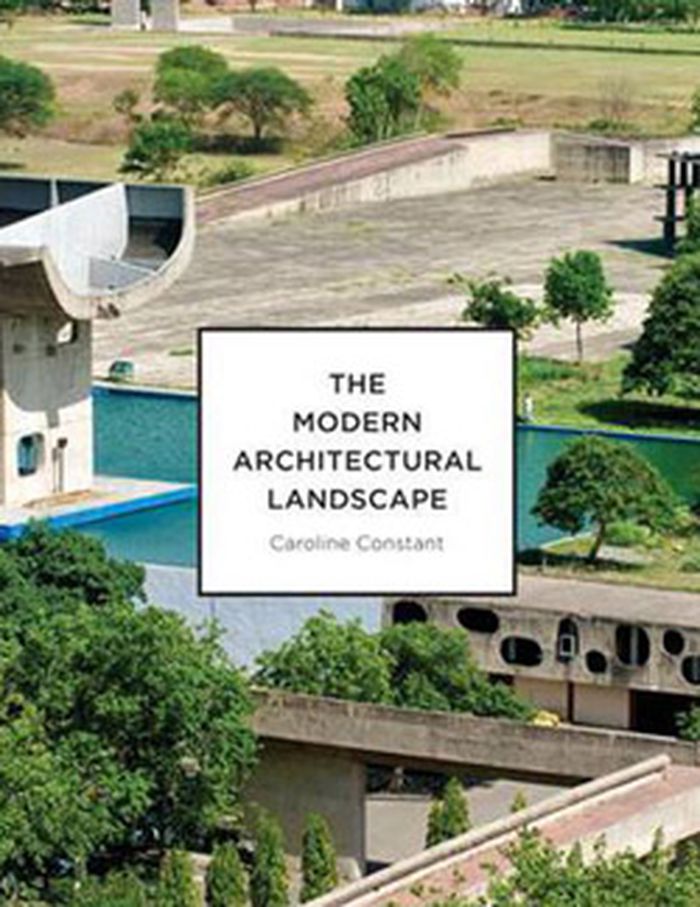
The modern architectural landscape
Actions:
Price:
$33.00
(available to order)
Summary:
Caroline Constant examines diverse approaches to landscape in the work of architects practicing in Europe and the United States between 1915 and the mid-1980s. Case studies highlight landscapes in the public realm rather than the private garden, which had been a primary focus of much Western landscape theory and practice during the early decades of the century. These landscapes do more than accommodate the functional needs of the evolving mass society in parks, playgrounds, and places of assembly; they give formal expression to Modern Movement social and political ideologies, engaging the symbolic potential of the modern landscape—particularly in its ability to take on new, more democratic forms of social organization. Approaching landscape as an essential component of modern architecture’s constructive endowment of material with social value, The Modern Architectural Landscape focuses on the precise material forms and ideological underpinnings of landscapes conceived by architects, revealing them as salient to the formulation of both modern architecture and the modern landscape.
The modern architectural landscape
Actions:
Price:
$33.00
(available to order)
Summary:
Caroline Constant examines diverse approaches to landscape in the work of architects practicing in Europe and the United States between 1915 and the mid-1980s. Case studies highlight landscapes in the public realm rather than the private garden, which had been a primary focus of much Western landscape theory and practice during the early decades of the century. These landscapes do more than accommodate the functional needs of the evolving mass society in parks, playgrounds, and places of assembly; they give formal expression to Modern Movement social and political ideologies, engaging the symbolic potential of the modern landscape—particularly in its ability to take on new, more democratic forms of social organization. Approaching landscape as an essential component of modern architecture’s constructive endowment of material with social value, The Modern Architectural Landscape focuses on the precise material forms and ideological underpinnings of landscapes conceived by architects, revealing them as salient to the formulation of both modern architecture and the modern landscape.
Form:
books
books
Publication:
April 2012
April 2012
Subject:
Landscape Theory
Landscape Theory
Form:
books
books
Actions:
Price:
$60.00
(available to order)
Summary:
In 1900, Swedish design reformer and social theorist Ellen Key published The Century of the Child, presaging the coming century as a period of intensified focus and progressive thinking around the rights, development and well-being of children. Taking inspiration from Key-and looking back through the twentieth century-this volume, published to accompany an exhibition at(...)
$60.00
(available to order)
Summary:
In 1900, Swedish design reformer and social theorist Ellen Key published The Century of the Child, presaging the coming century as a period of intensified focus and progressive thinking around the rights, development and well-being of children. Taking inspiration from Key-and looking back through the twentieth century-this volume, published to accompany an exhibition at(...)
Title:
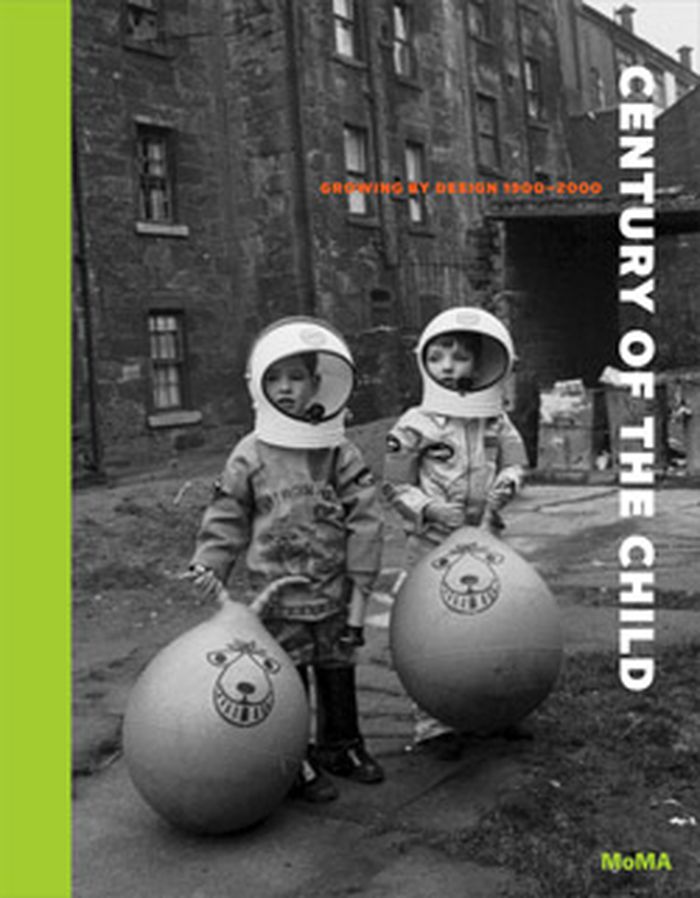
Century of the child: growing by design 1900-2000
Actions:
Price:
$60.00
(available to order)
Summary:
In 1900, Swedish design reformer and social theorist Ellen Key published The Century of the Child, presaging the coming century as a period of intensified focus and progressive thinking around the rights, development and well-being of children. Taking inspiration from Key-and looking back through the twentieth century-this volume, published to accompany an exhibition at The Museum of Modern Art, examines individual and collective visions for the material world of children, from utopian dreams for the "citizens of the future" to the dark realities of political conflict and exploitation. Surveying more than 100 years of toys, clothing, playgrounds, schools, children's hospitals, nurseries, furniture, posters, animation and books, this illustrated catalogue illuminates how progressive design has enhanced the physical, intellectual, and emotional development of children and, conversely, how models of children's play have informed experimental aesthetics and imaginative design thinking-engendering, in the process, reappraisals of some of the iconic names in twentieth-century design and enriching the unfolding narrative of modern design with other, less familiar figures.
Century of the child: growing by design 1900-2000
Actions:
Price:
$60.00
(available to order)
Summary:
In 1900, Swedish design reformer and social theorist Ellen Key published The Century of the Child, presaging the coming century as a period of intensified focus and progressive thinking around the rights, development and well-being of children. Taking inspiration from Key-and looking back through the twentieth century-this volume, published to accompany an exhibition at The Museum of Modern Art, examines individual and collective visions for the material world of children, from utopian dreams for the "citizens of the future" to the dark realities of political conflict and exploitation. Surveying more than 100 years of toys, clothing, playgrounds, schools, children's hospitals, nurseries, furniture, posters, animation and books, this illustrated catalogue illuminates how progressive design has enhanced the physical, intellectual, and emotional development of children and, conversely, how models of children's play have informed experimental aesthetics and imaginative design thinking-engendering, in the process, reappraisals of some of the iconic names in twentieth-century design and enriching the unfolding narrative of modern design with other, less familiar figures.
Form:
books
books
Publication:
July 2012
July 2012
Subject:
Design, Periods and Styles
Design, Periods and Styles
Form:
books
books
Title:
Large parks
Large parks
Actions:
Price:
$38.95
(available to order)
Summary:
The discipline of landscape architecture encompasses many typologies, from domestic gardens and neighborhood playgrounds to urban designs and state parks. Most critical studies of the discipline tend to approach it from a historical or contemporary perspective organized around criteria such as built versus unbuilt, urban versus peripheral, or competition-sponsored versus(...)
$38.95
(available to order)
Summary:
The discipline of landscape architecture encompasses many typologies, from domestic gardens and neighborhood playgrounds to urban designs and state parks. Most critical studies of the discipline tend to approach it from a historical or contemporary perspective organized around criteria such as built versus unbuilt, urban versus peripheral, or competition-sponsored versus(...)
Title:
Large parks
Actions:
Price:
$38.95
(available to order)
Summary:
The discipline of landscape architecture encompasses many typologies, from domestic gardens and neighborhood playgrounds to urban designs and state parks. Most critical studies of the discipline tend to approach it from a historical or contemporary perspective organized around criteria such as built versus unbuilt, urban versus peripheral, or competition-sponsored versus commission-based. Very few analyses have been undertaken from the seemingly obvious jumping-off point of size. In "Large parks", Julia Czerniak and George Hargreaves present eight essays by scholars and practitioners that engage large urban parks in depth as complex cultural spaces, where key issues of landscape discourse, ecological challenges, social history, urban relations, and place-making are writ large. From historic parks such as New York's Central Park and Paris's Bois de Boulogne to contemporary projects such as Toronto's Downsview Park and Staten Island's Fresh Kills, to newly unveiled and yet-to-be-built projects such as Ken Smith's ambitious plans for the Orange County Great Park, "Large parks" highlights the complexities and unique considerations that go into designing these massive and culturally significant works.
Large parks
Actions:
Price:
$38.95
(available to order)
Summary:
The discipline of landscape architecture encompasses many typologies, from domestic gardens and neighborhood playgrounds to urban designs and state parks. Most critical studies of the discipline tend to approach it from a historical or contemporary perspective organized around criteria such as built versus unbuilt, urban versus peripheral, or competition-sponsored versus commission-based. Very few analyses have been undertaken from the seemingly obvious jumping-off point of size. In "Large parks", Julia Czerniak and George Hargreaves present eight essays by scholars and practitioners that engage large urban parks in depth as complex cultural spaces, where key issues of landscape discourse, ecological challenges, social history, urban relations, and place-making are writ large. From historic parks such as New York's Central Park and Paris's Bois de Boulogne to contemporary projects such as Toronto's Downsview Park and Staten Island's Fresh Kills, to newly unveiled and yet-to-be-built projects such as Ken Smith's ambitious plans for the Orange County Great Park, "Large parks" highlights the complexities and unique considerations that go into designing these massive and culturally significant works.
Form:
books
books
Publication:
July 2007, New York
July 2007, New York
Subject:
Food
Food
Form:
books
books
Actions:
Price:
$80.00
(available to order)
Summary:
In twelve essays, this book examines the spatial typologies and global phenomena that have defined the office in the last half century. Topics include the return of the work club, the rise of the corporate festival, the way of the charismatic guru, the shattering of the time clock, and the design of playgrounds for work. Photographic essays by Iwan Baan provide a visual(...)
$80.00
(available to order)
Summary:
In twelve essays, this book examines the spatial typologies and global phenomena that have defined the office in the last half century. Topics include the return of the work club, the rise of the corporate festival, the way of the charismatic guru, the shattering of the time clock, and the design of playgrounds for work. Photographic essays by Iwan Baan provide a visual(...)
Subject:
Commercial interiors, Building types
Commercial interiors, Building types
Publication:
October 2022
October 2022
Title:
The office of good intentions. Human(s) Work
Actions:
Price:
$80.00
(available to order)
Summary:
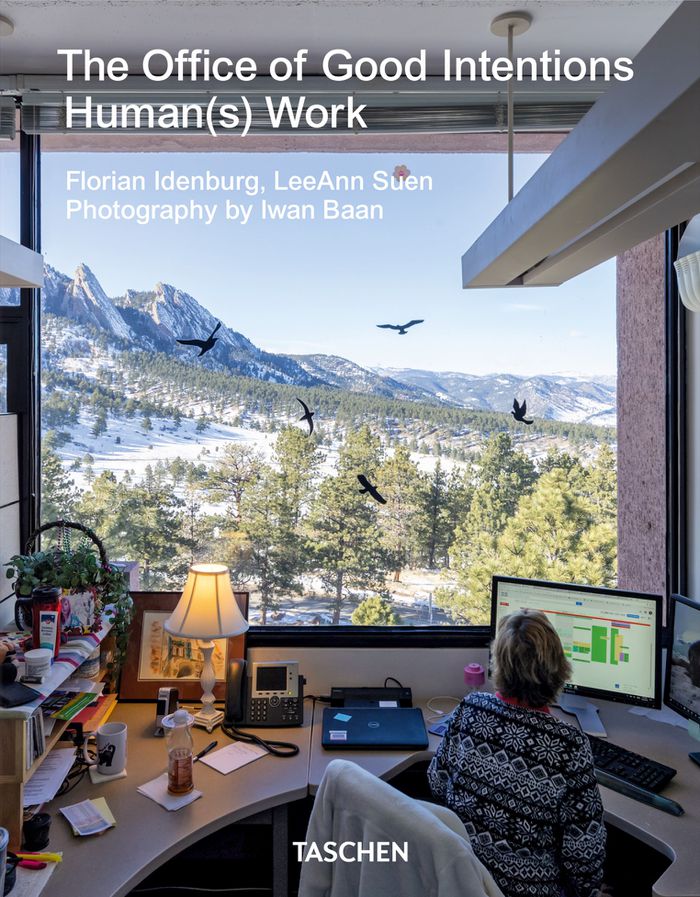
In twelve essays, this book examines the spatial typologies and global phenomena that have defined the office in the last half century. Topics include the return of the work club, the rise of the corporate festival, the way of the charismatic guru, the shattering of the time clock, and the design of playgrounds for work. Photographic essays by Iwan Baan provide a visual post-occupancy report on a range of canonical office projects, such as Marcel Breuer’s IBM campus in Florida and the Ford Foundation’s urban garden in Manhattan. Four intervening catalogs offer collections of experimental workplace products, augural advertisements for office building components, digital office components, and renderings of speculative workplaces; each catalog bridges the reality of the office and how we imagine its alternatives. This book is a theoretical backdrop for architects as much as it is for businesspeople and employees. With curiosity and skepticism, it looks at the spaces and solutions that have been designed for human work, tracing the transformation from work to occupation, from punch cards to “playbor,” from today’s lived experience to tomorrow’s unpredictable, imagined futures.
The office of good intentions. Human(s) Work
Actions:
Price:
$80.00
(available to order)
Summary:
In twelve essays, this book examines the spatial typologies and global phenomena that have defined the office in the last half century. Topics include the return of the work club, the rise of the corporate festival, the way of the charismatic guru, the shattering of the time clock, and the design of playgrounds for work. Photographic essays by Iwan Baan provide a visual post-occupancy report on a range of canonical office projects, such as Marcel Breuer’s IBM campus in Florida and the Ford Foundation’s urban garden in Manhattan. Four intervening catalogs offer collections of experimental workplace products, augural advertisements for office building components, digital office components, and renderings of speculative workplaces; each catalog bridges the reality of the office and how we imagine its alternatives. This book is a theoretical backdrop for architects as much as it is for businesspeople and employees. With curiosity and skepticism, it looks at the spaces and solutions that have been designed for human work, tracing the transformation from work to occupation, from punch cards to “playbor,” from today’s lived experience to tomorrow’s unpredictable, imagined futures.
Form:
books
books
Publication:
October 2022
October 2022
Subject:
Commercial interiors, Building types
Commercial interiors, Building types
Form:
books
books
Actions:
Price:
$31.50
(available to order)
Summary:
With the advent of urbanization in the early modern period, the material worlds of children were vastly altered. In industrialized democracies, a broad consensus developed that children should not work, but rather learn and play in settings designed and built with these specific purposes in mind. Unregulated public spaces for children were no longer acceptable; and the(...)
$31.50
(available to order)
Summary:
With the advent of urbanization in the early modern period, the material worlds of children were vastly altered. In industrialized democracies, a broad consensus developed that children should not work, but rather learn and play in settings designed and built with these specific purposes in mind. Unregulated public spaces for children were no longer acceptable; and the(...)
Title:
Designing modern childhoods: history, space, and the material culture of children
Actions:
Price:
$31.50
(available to order)
Summary:
With the advent of urbanization in the early modern period, the material worlds of children were vastly altered. In industrialized democracies, a broad consensus developed that children should not work, but rather learn and play in settings designed and built with these specific purposes in mind. Unregulated public spaces for children were no longer acceptable; and the cultural landscapes of children's private lives were changed, with modifications in architecture and the objects of daily life. In Designing Modern Childhoods, architectural historians, social historians, social scientists, and architects examine the history and design of places and objects such as schools, hospitals, playgrounds, houses, cell phones, snowboards, and even the McDonald's Happy Meal. Special attention is given to how children use and interpret the spaces, buildings, and objects that are part of their lives, becoming themselves creators and carriers of culture. The authors extract common threads in children's understandings of their material worlds, but they also show how the experience of modernity varies for young people across time, through space, and according to age, gender, social class, race, and culture.
Designing modern childhoods: history, space, and the material culture of children
Actions:
Price:
$31.50
(available to order)
Summary:
With the advent of urbanization in the early modern period, the material worlds of children were vastly altered. In industrialized democracies, a broad consensus developed that children should not work, but rather learn and play in settings designed and built with these specific purposes in mind. Unregulated public spaces for children were no longer acceptable; and the cultural landscapes of children's private lives were changed, with modifications in architecture and the objects of daily life. In Designing Modern Childhoods, architectural historians, social historians, social scientists, and architects examine the history and design of places and objects such as schools, hospitals, playgrounds, houses, cell phones, snowboards, and even the McDonald's Happy Meal. Special attention is given to how children use and interpret the spaces, buildings, and objects that are part of their lives, becoming themselves creators and carriers of culture. The authors extract common threads in children's understandings of their material worlds, but they also show how the experience of modernity varies for young people across time, through space, and according to age, gender, social class, race, and culture.
Form:
books
books
Publication:
January 2008
January 2008
Subject:
Architectural Theory
Architectural Theory
Form:
books
books
Actions:
Price:
$85.95
(available in store)
Summary:
Initially founded as a Facebook group in May 2019, ''Forgotten Architecture''s goal is to research and unearth not well known modern architecture worldwide. The idea behind it is simple: to recover projects by little-known architects and works left in the shadows of the masters, to delve into the work of "minor" figures, and to unite alternative takes on the History of(...)
$85.95
(available in store)
Summary:
Initially founded as a Facebook group in May 2019, ''Forgotten Architecture''s goal is to research and unearth not well known modern architecture worldwide. The idea behind it is simple: to recover projects by little-known architects and works left in the shadows of the masters, to delve into the work of "minor" figures, and to unite alternative takes on the History of(...)
Title:
Forgotten architecture : An archive of overshadowed projects
Actions:
Price:
$85.95
(available in store)
Summary:
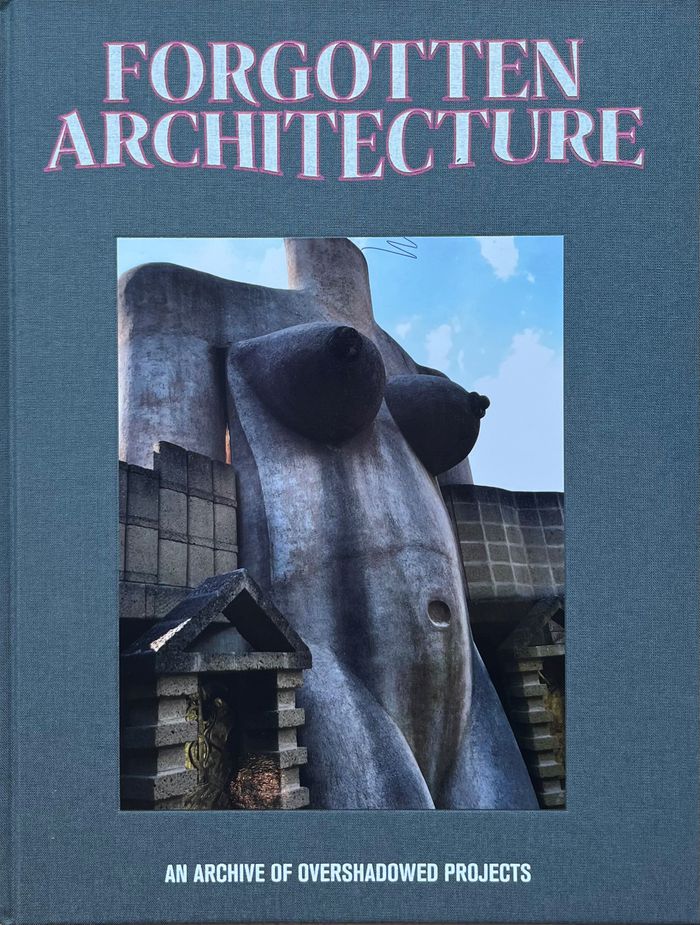
Initially founded as a Facebook group in May 2019, ''Forgotten Architecture''s goal is to research and unearth not well known modern architecture worldwide. The idea behind it is simple: to recover projects by little-known architects and works left in the shadows of the masters, to delve into the work of "minor" figures, and to unite alternative takes on the History of Architecture as a complement to university courses. The book maintains its distinctive features of a collective, dynamic, and horizontal experience born on a social network. The publication uses the architectural categories most frequently featured in the group as guiding themes, providing for each project a collection of photographic materials, documents, and drawings from prominent professional firms, institutions, and private archives—such as Fornasetti, Gaetano Pesce, Nanda Vigo, Vitra. Ephemeral architecture, gas stations, night clubs, playgrounds, houses, vacation resorts, cemeteries, churches, architectures in music videos. At the end of the book, a series of critical essays reflect on its characteristics as a collective and pedagogical experience, considering the repercussions of this experience on the discipline of architecture through different points of view.
Forgotten architecture : An archive of overshadowed projects
Actions:
Price:
$85.95
(available in store)
Summary:
Initially founded as a Facebook group in May 2019, ''Forgotten Architecture''s goal is to research and unearth not well known modern architecture worldwide. The idea behind it is simple: to recover projects by little-known architects and works left in the shadows of the masters, to delve into the work of "minor" figures, and to unite alternative takes on the History of Architecture as a complement to university courses. The book maintains its distinctive features of a collective, dynamic, and horizontal experience born on a social network. The publication uses the architectural categories most frequently featured in the group as guiding themes, providing for each project a collection of photographic materials, documents, and drawings from prominent professional firms, institutions, and private archives—such as Fornasetti, Gaetano Pesce, Nanda Vigo, Vitra. Ephemeral architecture, gas stations, night clubs, playgrounds, houses, vacation resorts, cemeteries, churches, architectures in music videos. At the end of the book, a series of critical essays reflect on its characteristics as a collective and pedagogical experience, considering the repercussions of this experience on the discipline of architecture through different points of view.
Form:
books
books
Publication:
May 2024
May 2024
Subject:
Contemporary Architecture
Contemporary Architecture
Form:
books
books
Actions:
Price:
$39.95
(available to order)
Summary:
What do you do if your alley is strewn with garbage after the sanitation truck comes through? Or if you’re tired of the rowdy teenagers next door keeping you up all night? Is there a vacant lot on your block accumulating weeds, needles, and litter? For a century, Chicagoans have joined block clubs to address problems like these that make daily life in the city a(...)
$39.95
(available to order)
Summary:
What do you do if your alley is strewn with garbage after the sanitation truck comes through? Or if you’re tired of the rowdy teenagers next door keeping you up all night? Is there a vacant lot on your block accumulating weeds, needles, and litter? For a century, Chicagoans have joined block clubs to address problems like these that make daily life in the city a(...)
Title:
Chicago's block clubs: how neighbors shape the city
Actions:
Price:
$39.95
(available to order)
Summary:
What do you do if your alley is strewn with garbage after the sanitation truck comes through? Or if you’re tired of the rowdy teenagers next door keeping you up all night? Is there a vacant lot on your block accumulating weeds, needles, and litter? For a century, Chicagoans have joined block clubs to address problems like these that make daily life in the city a nuisance. When neighbors work together in block clubs, playgrounds get built, local crime is monitored, streets are cleaned up, and every summer is marked by the festivities of day-long block parties. In Chicago’s Block Clubs, Amanda I. Seligman uncovers the history of the block club in Chicago—from its origins in the Urban League in the early 1900s through to the Chicago Police Department’s twenty-first-century community policing program. Recognizing that many neighborhood problems are too big for one resident to handle—but too small for the city to keep up with—city residents have for more than a century created clubs to establish and maintain their neighborhood’s particular social dynamics, quality of life, and appearance.
Chicago's block clubs: how neighbors shape the city
Actions:
Price:
$39.95
(available to order)
Summary:
What do you do if your alley is strewn with garbage after the sanitation truck comes through? Or if you’re tired of the rowdy teenagers next door keeping you up all night? Is there a vacant lot on your block accumulating weeds, needles, and litter? For a century, Chicagoans have joined block clubs to address problems like these that make daily life in the city a nuisance. When neighbors work together in block clubs, playgrounds get built, local crime is monitored, streets are cleaned up, and every summer is marked by the festivities of day-long block parties. In Chicago’s Block Clubs, Amanda I. Seligman uncovers the history of the block club in Chicago—from its origins in the Urban League in the early 1900s through to the Chicago Police Department’s twenty-first-century community policing program. Recognizing that many neighborhood problems are too big for one resident to handle—but too small for the city to keep up with—city residents have for more than a century created clubs to establish and maintain their neighborhood’s particular social dynamics, quality of life, and appearance.
Form:
books
books
Publication:
September 2016
September 2016
Subject:
Urban Theory
Urban Theory
Form:
books
books
Actions:
Price:
$25.00
(available to order)
Summary:
Cornelia Hahn Oberlander (1921-2021) ws among the most eminent landscape architects in the world, known for many projects in Canada and abroad. ''Genius Loci,'' meaning the protective spirit of a place, is embodied in the seven decade span of her work. Her landscape designs demonstrate her desire to create terrains that are less an interruption and more an amplification(...)
$25.00
(available to order)
Summary:
Cornelia Hahn Oberlander (1921-2021) ws among the most eminent landscape architects in the world, known for many projects in Canada and abroad. ''Genius Loci,'' meaning the protective spirit of a place, is embodied in the seven decade span of her work. Her landscape designs demonstrate her desire to create terrains that are less an interruption and more an amplification(...)
Title:
MODIFIE Cooking sections: Salmon A Red Herring
Actions:
Price:
$25.00
(available to order)
Summary:
Cornelia Hahn Oberlander (1921-2021) ws among the most eminent landscape architects in the world, known for many projects in Canada and abroad. ''Genius Loci,'' meaning the protective spirit of a place, is embodied in the seven decade span of her work. Her landscape designs demonstrate her desire to create terrains that are less an interruption and more an amplification of what already exists on a site. Her training in modernist design and a desire to connect people with nature is immediately apparent in her landscapes. At a time when our relationship to the earth is of paramount importance, Oberlander’s projects reveal consistent and significant stewardship of the natural environment. Many of her designs—even those from 50 years ago—remain largely unchanged, testaments to her technical skill, research techniques, and judicious selection of flora. This bilingual book derives from an exhibition at the West Vancouver Art Museum, introduing projects by Oberlander, and presented in four sections devoted to playgrounds, social housing, public projects, and residential projects, showing photography of the places alongside her sketches, plans, and research proposals. The book includes contributions by Oberlander and the exhibition curators, Susan Herrington and Eva Matsuzaki.
MODIFIE Cooking sections: Salmon A Red Herring
Actions:
Price:
$25.00
(available to order)
Summary:
Cornelia Hahn Oberlander (1921-2021) ws among the most eminent landscape architects in the world, known for many projects in Canada and abroad. ''Genius Loci,'' meaning the protective spirit of a place, is embodied in the seven decade span of her work. Her landscape designs demonstrate her desire to create terrains that are less an interruption and more an amplification of what already exists on a site. Her training in modernist design and a desire to connect people with nature is immediately apparent in her landscapes. At a time when our relationship to the earth is of paramount importance, Oberlander’s projects reveal consistent and significant stewardship of the natural environment. Many of her designs—even those from 50 years ago—remain largely unchanged, testaments to her technical skill, research techniques, and judicious selection of flora. This bilingual book derives from an exhibition at the West Vancouver Art Museum, introduing projects by Oberlander, and presented in four sections devoted to playgrounds, social housing, public projects, and residential projects, showing photography of the places alongside her sketches, plans, and research proposals. The book includes contributions by Oberlander and the exhibition curators, Susan Herrington and Eva Matsuzaki.
Form:
books
books
Publication:
January 2021
January 2021
Subject:
Landscape Architecture, Monographs
Landscape Architecture, Monographs
Form:
books
books
Actions:
Price:
$90.00
(available to order)
Summary:
The creation of park systems is a historically proven method for communities to stabilize and cultivate healthy ecological habitats in country dwellings as well as in dense urban areas. Park systems ensure clean soil, water, and air for all. Moreover, they offer intergenerational and inclusive recreational opportunities along ecological corridors. Between 1900 and 1950,(...)
$90.00
(available to order)
Summary:
The creation of park systems is a historically proven method for communities to stabilize and cultivate healthy ecological habitats in country dwellings as well as in dense urban areas. Park systems ensure clean soil, water, and air for all. Moreover, they offer intergenerational and inclusive recreational opportunities along ecological corridors. Between 1900 and 1950,(...)
Title:
Living cities: Three centuries of Park systems
Actions:
Price:
$90.00
(available to order)
Summary:
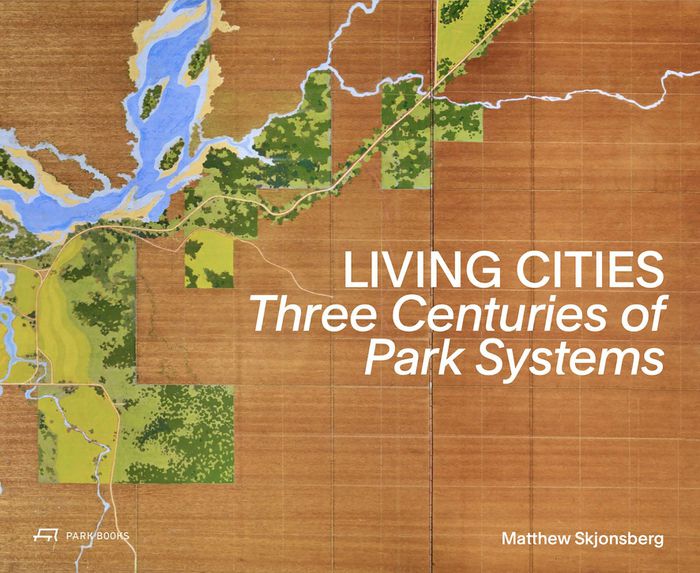
The creation of park systems is a historically proven method for communities to stabilize and cultivate healthy ecological habitats in country dwellings as well as in dense urban areas. Park systems ensure clean soil, water, and air for all. Moreover, they offer intergenerational and inclusive recreational opportunities along ecological corridors. Between 1900 and 1950, civic design—a practice in urban and landscape planning explicitly oriented towards the common good—experienced a heyday. Park systems were successfully used as “green armatures” hosting public facilities such as playgrounds, schools, administrative buildings, hospitals, and gardens. ''Living Cities'' offers a chronological survey of civic design based on more than 30 park systems on five continents. The examples range from Johann Wolfgang von Goethe's Park an der Ilm in Weimar (1778) and John Nash’s Regent Street in London (1806) to Chicago’s park system (1850), Albert Bodmer and Maurice Braillard’s plans for Geneva (1936), and Frank Lloyd Wright’s Taliesin Valley (1947), as well as to contemporary and future projects in Addis Ababa, Madrid, Medellín, New York, and Seoul. Matthew Skjonsberg’s book demonstrates the ecological and social impact of park systems and highlights the diverse challenges that communities face when implementing such projects. At the same time, it encourages a reevaluation of civic design as an intergenerational practice for creating human settlements.
Living cities: Three centuries of Park systems
Actions:
Price:
$90.00
(available to order)
Summary:
The creation of park systems is a historically proven method for communities to stabilize and cultivate healthy ecological habitats in country dwellings as well as in dense urban areas. Park systems ensure clean soil, water, and air for all. Moreover, they offer intergenerational and inclusive recreational opportunities along ecological corridors. Between 1900 and 1950, civic design—a practice in urban and landscape planning explicitly oriented towards the common good—experienced a heyday. Park systems were successfully used as “green armatures” hosting public facilities such as playgrounds, schools, administrative buildings, hospitals, and gardens. ''Living Cities'' offers a chronological survey of civic design based on more than 30 park systems on five continents. The examples range from Johann Wolfgang von Goethe's Park an der Ilm in Weimar (1778) and John Nash’s Regent Street in London (1806) to Chicago’s park system (1850), Albert Bodmer and Maurice Braillard’s plans for Geneva (1936), and Frank Lloyd Wright’s Taliesin Valley (1947), as well as to contemporary and future projects in Addis Ababa, Madrid, Medellín, New York, and Seoul. Matthew Skjonsberg’s book demonstrates the ecological and social impact of park systems and highlights the diverse challenges that communities face when implementing such projects. At the same time, it encourages a reevaluation of civic design as an intergenerational practice for creating human settlements.
Form:
books
books
Publication:
January 2025
January 2025
Subject:
Gardens
Gardens


