


12892 Results
Form:
books
books
Title:
The world : who wants it?
The world : who wants it?
Actions:
Price:
$24.50
(available to order)
Summary:
"The World: Who Wants It?" proposes a concrete plan, albeit satirical, for re-establishing world peace. Set in the near present, the $100 billion that has been pledged by the United States to address the world's wrongs is used to advocate consumptive restraint and to seek new American Values, thus lessening the fury of the Third World against America's apparent wastage,(...)
$24.50
(available to order)
Summary:
"The World: Who Wants It?" proposes a concrete plan, albeit satirical, for re-establishing world peace. Set in the near present, the $100 billion that has been pledged by the United States to address the world's wrongs is used to advocate consumptive restraint and to seek new American Values, thus lessening the fury of the Third World against America's apparent wastage,(...)
Title:
The world : who wants it?
Actions:
Price:
$24.50
(available to order)
Summary:
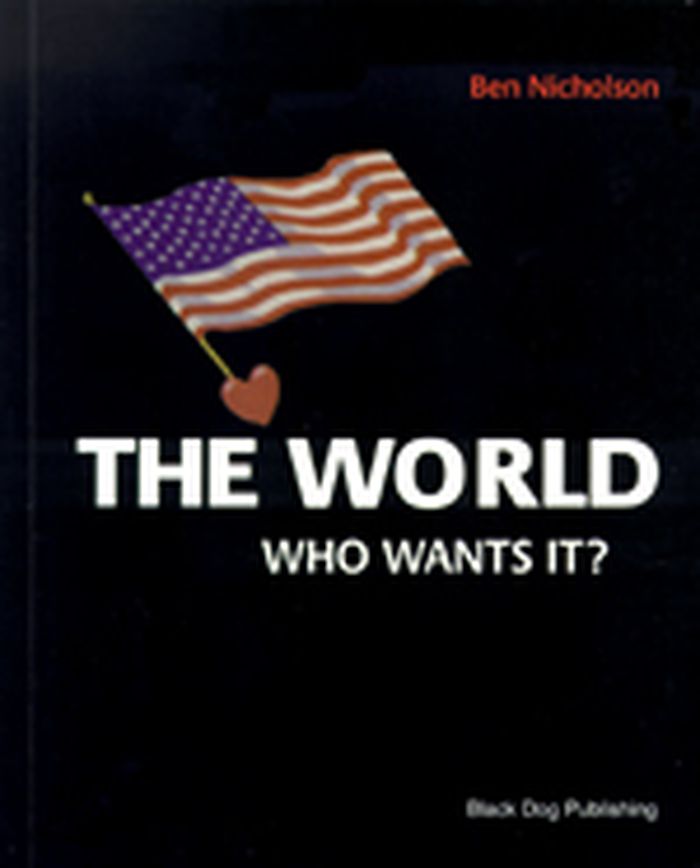
"The World: Who Wants It?" proposes a concrete plan, albeit satirical, for re-establishing world peace. Set in the near present, the $100 billion that has been pledged by the United States to address the world's wrongs is used to advocate consumptive restraint and to seek new American Values, thus lessening the fury of the Third World against America's apparent wastage, misuse of resources, vice, and militaristic bombast. In this vision of a new world order, International policy largely focuses on the rebuilding of the city of Jerusalem so as to accommodate all the hope and aspirations of the three Abrahamic faiths, Christianity, Islam, and Judaism. The starting point for Ben Nicholson's restructuring of the world is that what was remarkable about the World Trade Center is that its given name purported to suggest that the building was the center of world trade. When the towers were removed they took along with them a myriad of links and responsibilities that course throughout the globe, touching every aspect of life. It is ultimately immaterial what the shape and size of the rebuilt World Trade Center will be, unless the whole world is simultaneously rethought and restructured along with the reconstruction. What would the new world order be?
The world : who wants it?
Actions:
Price:
$24.50
(available to order)
Summary:
"The World: Who Wants It?" proposes a concrete plan, albeit satirical, for re-establishing world peace. Set in the near present, the $100 billion that has been pledged by the United States to address the world's wrongs is used to advocate consumptive restraint and to seek new American Values, thus lessening the fury of the Third World against America's apparent wastage, misuse of resources, vice, and militaristic bombast. In this vision of a new world order, International policy largely focuses on the rebuilding of the city of Jerusalem so as to accommodate all the hope and aspirations of the three Abrahamic faiths, Christianity, Islam, and Judaism. The starting point for Ben Nicholson's restructuring of the world is that what was remarkable about the World Trade Center is that its given name purported to suggest that the building was the center of world trade. When the towers were removed they took along with them a myriad of links and responsibilities that course throughout the globe, touching every aspect of life. It is ultimately immaterial what the shape and size of the rebuilt World Trade Center will be, unless the whole world is simultaneously rethought and restructured along with the reconstruction. What would the new world order be?
Form:
books
books
Publication:
March 2004, London
March 2004, London
Subject:
Architectural Theory
Architectural Theory
Form:
books
books
Actions:
Price:
$86.00
(available to order)
Summary:
From December 9, 2023 to April 21, 2024, the Fondation Cartier pour l’art contemporain presents an exhibition created by the Indian architecture studio, Studio Mumbai, directed by Bijoy Jain. Inspired by the rhythm of breathing, this exhibition offers a space for reverie and contemplation in dialogue with Jean Nouvel’s building. Born in 1965 in Mumbai, Bijoy Jain created(...)
$86.00
(available to order)
Summary:
From December 9, 2023 to April 21, 2024, the Fondation Cartier pour l’art contemporain presents an exhibition created by the Indian architecture studio, Studio Mumbai, directed by Bijoy Jain. Inspired by the rhythm of breathing, this exhibition offers a space for reverie and contemplation in dialogue with Jean Nouvel’s building. Born in 1965 in Mumbai, Bijoy Jain created(...)
Title:
Bijoy Jain / Studio Mumbai: Breath of an architect
Actions:
Price:
$86.00
(available to order)
Summary:
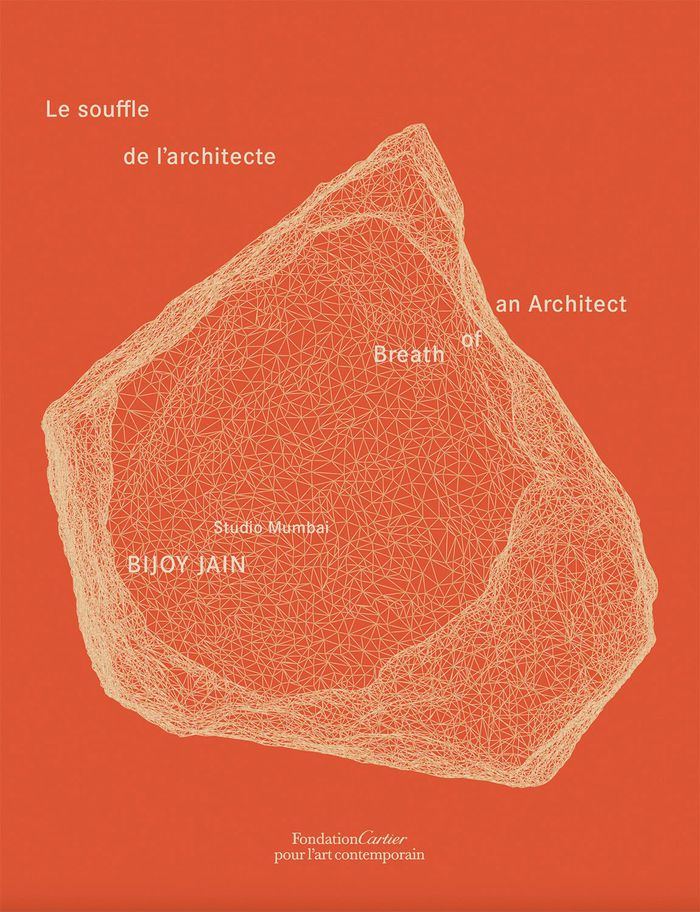
From December 9, 2023 to April 21, 2024, the Fondation Cartier pour l’art contemporain presents an exhibition created by the Indian architecture studio, Studio Mumbai, directed by Bijoy Jain. Inspired by the rhythm of breathing, this exhibition offers a space for reverie and contemplation in dialogue with Jean Nouvel’s building. Born in 1965 in Mumbai, Bijoy Jain created Studio Mumbai in 2005. Exploring the links between art, architecture and materials, this human-scale organization is composed of craftsmen and architects who design and build each project themselves, using local resources. Bijoy Jain / Studio Mumbai participated in many exhibitions around the world, including the Venice (2010, 2016) and Chicago (2017) architecture biennals. For the Fondation Cartier, Bijoy Jain unites man and nature, light and shadow, bamboo, brick and stone to form a meditative landscape taking us into the heart of creation. Sculptures, objects and furniture interact with artworks by Chinese painter Hu Liu and Turkish ceramist Alev Ebüzziya Siesbye, invited by the architect, revealing a shared sensibility and ethos between these artists. The catalog published in conjunction with the exhibition invites readers to discover Bijoy Jain’s aesthetics and philosophy. Conceived as a work-in-progress of the exhibition, this book focuses on the artist’s drawings, photographs of his studio and works in the making.
Bijoy Jain / Studio Mumbai: Breath of an architect
Actions:
Price:
$86.00
(available to order)
Summary:
From December 9, 2023 to April 21, 2024, the Fondation Cartier pour l’art contemporain presents an exhibition created by the Indian architecture studio, Studio Mumbai, directed by Bijoy Jain. Inspired by the rhythm of breathing, this exhibition offers a space for reverie and contemplation in dialogue with Jean Nouvel’s building. Born in 1965 in Mumbai, Bijoy Jain created Studio Mumbai in 2005. Exploring the links between art, architecture and materials, this human-scale organization is composed of craftsmen and architects who design and build each project themselves, using local resources. Bijoy Jain / Studio Mumbai participated in many exhibitions around the world, including the Venice (2010, 2016) and Chicago (2017) architecture biennals. For the Fondation Cartier, Bijoy Jain unites man and nature, light and shadow, bamboo, brick and stone to form a meditative landscape taking us into the heart of creation. Sculptures, objects and furniture interact with artworks by Chinese painter Hu Liu and Turkish ceramist Alev Ebüzziya Siesbye, invited by the architect, revealing a shared sensibility and ethos between these artists. The catalog published in conjunction with the exhibition invites readers to discover Bijoy Jain’s aesthetics and philosophy. Conceived as a work-in-progress of the exhibition, this book focuses on the artist’s drawings, photographs of his studio and works in the making.
Form:
books
books
Publication:
January 2024
January 2024
Subject:
Architecture Monographs
Architecture Monographs
Form:
books
books
Price:
$32.95
(available to order)
Summary:
Cell phones, automatic teller machines, and the Internet have incontrovertibly become part of our daily lives, indistinguishable from other components of our habitual everyday activity. Life does not seem to have been fundamentally changed by these hi-tech, information-giving tools of convenience--or has it? Have we, unawares, become accustomed to a new way of living? And(...)
$32.95
(available to order)
Summary:
Cell phones, automatic teller machines, and the Internet have incontrovertibly become part of our daily lives, indistinguishable from other components of our habitual everyday activity. Life does not seem to have been fundamentally changed by these hi-tech, information-giving tools of convenience--or has it? Have we, unawares, become accustomed to a new way of living? And(...)
Subject:
Architectural Theory
Architectural Theory
Publication:
September 2004, Berlin
September 2004, Berlin
Title:
Dot city : relational urbanism and new media in the Bauhaus Kolleg
Actions:
Price:
$32.95
(available to order)
Summary:
Cell phones, automatic teller machines, and the Internet have incontrovertibly become part of our daily lives, indistinguishable from other components of our habitual everyday activity. Life does not seem to have been fundamentally changed by these hi-tech, information-giving tools of convenience--or has it? Have we, unawares, become accustomed to a new way of living? And how can designers make creative use of these new digital possibilities? This publication of the Fourth International Bauhaus Kolleg--a year-long thematic graduate session run by the Bauhaus Dessau Foundation--offers strategies for employing digital media to integrate the unpredictable and the unplanned into urban existence. "Dot.City" asks and answers many questions: Can the use of information and communication technology counteract the continuous processes of devaluation, the loss of urban identity, the lack of multifunctional networks? Can the activation and implementation of new social techniques of knowledge production compensate for missing economical impulses and functions? How do such processes generate new species of urban values? Is it possible to re-program local social resources using intelligent network technologies? What do urban action areas designed for this purpose look like? And how can urban information spheres and physical urban spaces penetrate each other?
Dot city : relational urbanism and new media in the Bauhaus Kolleg
Actions:
Price:
$32.95
(available to order)
Summary:
Cell phones, automatic teller machines, and the Internet have incontrovertibly become part of our daily lives, indistinguishable from other components of our habitual everyday activity. Life does not seem to have been fundamentally changed by these hi-tech, information-giving tools of convenience--or has it? Have we, unawares, become accustomed to a new way of living? And how can designers make creative use of these new digital possibilities? This publication of the Fourth International Bauhaus Kolleg--a year-long thematic graduate session run by the Bauhaus Dessau Foundation--offers strategies for employing digital media to integrate the unpredictable and the unplanned into urban existence. "Dot.City" asks and answers many questions: Can the use of information and communication technology counteract the continuous processes of devaluation, the loss of urban identity, the lack of multifunctional networks? Can the activation and implementation of new social techniques of knowledge production compensate for missing economical impulses and functions? How do such processes generate new species of urban values? Is it possible to re-program local social resources using intelligent network technologies? What do urban action areas designed for this purpose look like? And how can urban information spheres and physical urban spaces penetrate each other?
Form:
books
books
Publication:
September 2004, Berlin
September 2004, Berlin
Subject:
Architectural Theory
Architectural Theory
Form:
books
books
Actions:
Price:
$87.95
(available to order)
Summary:
In an age of diminishing natural resources, architects and their clients need to know about an environmentally sustainable alternative to new construction: new life for old buildings. This book presents six case-study buildings, each more than a generation old, that were on the brink of oblivion. Mitchell Giurgola Architects worked closely with the client to determine(...)
$87.95
(available to order)
Summary:
In an age of diminishing natural resources, architects and their clients need to know about an environmentally sustainable alternative to new construction: new life for old buildings. This book presents six case-study buildings, each more than a generation old, that were on the brink of oblivion. Mitchell Giurgola Architects worked closely with the client to determine(...)
Subject:
Architecture since 1900, Europe
Architecture since 1900, Europe
Publication:
January 2005, Victoria (Australia)
January 2005, Victoria (Australia)
Title:
Boomer buildings : mid-century architecture reborn
Actions:
Price:
$87.95
(available to order)
Summary:
In an age of diminishing natural resources, architects and their clients need to know about an environmentally sustainable alternative to new construction: new life for old buildings. This book presents six case-study buildings, each more than a generation old, that were on the brink of oblivion. Mitchell Giurgola Architects worked closely with the client to determine how each project could be salvaged by incorporating updated program elements to serve a new generation of users. All six case studies present in detail how each project is analyzed, from its energy use and curtain-wall performance to its mechanical, electrical, and plumbing systems, and structural stability. The buildings often expand in size, with a seamless melding of new and old. Contemporary curtain walls not only improve building performance, but also lend a fresh aesthetic appeal. The results are born-again buildings created for a fraction of the cost and consuming far fewer materials than, a new facility built from scratch. Today, our cities and suburbs are peppered with buildings of the same era as those profiled here that are on the brink of failure and are excellent candidates for rebirth. Mitchell Giurgola documents a new, more sustainable approach to design and construction that builds on the past, and makes the old better than new.
Boomer buildings : mid-century architecture reborn
Actions:
Price:
$87.95
(available to order)
Summary:
In an age of diminishing natural resources, architects and their clients need to know about an environmentally sustainable alternative to new construction: new life for old buildings. This book presents six case-study buildings, each more than a generation old, that were on the brink of oblivion. Mitchell Giurgola Architects worked closely with the client to determine how each project could be salvaged by incorporating updated program elements to serve a new generation of users. All six case studies present in detail how each project is analyzed, from its energy use and curtain-wall performance to its mechanical, electrical, and plumbing systems, and structural stability. The buildings often expand in size, with a seamless melding of new and old. Contemporary curtain walls not only improve building performance, but also lend a fresh aesthetic appeal. The results are born-again buildings created for a fraction of the cost and consuming far fewer materials than, a new facility built from scratch. Today, our cities and suburbs are peppered with buildings of the same era as those profiled here that are on the brink of failure and are excellent candidates for rebirth. Mitchell Giurgola documents a new, more sustainable approach to design and construction that builds on the past, and makes the old better than new.
Form:
books
books
Publication:
January 2005, Victoria (Australia)
January 2005, Victoria (Australia)
Subject:
Architecture since 1900, Europe
Architecture since 1900, Europe
Form:
books
books
Actions:
Price:
$52.95
(available to order)
Summary:
Cities are at once among humanity’s crowning achievements and core drivers of the climate crisis. Their dependence on the outside world for vital resources is causing global temperatures to rise and wildlife habitats to shrink. But we have the opportunity to make cities more sustainable by transforming the built environment. Dickson D. Despommier proposes a plan for(...)
$52.95
(available to order)
Summary:
Cities are at once among humanity’s crowning achievements and core drivers of the climate crisis. Their dependence on the outside world for vital resources is causing global temperatures to rise and wildlife habitats to shrink. But we have the opportunity to make cities more sustainable by transforming the built environment. Dickson D. Despommier proposes a plan for(...)
Title:
The new city: How to build our sustainable urban future
Actions:
Price:
$52.95
(available to order)
Summary:
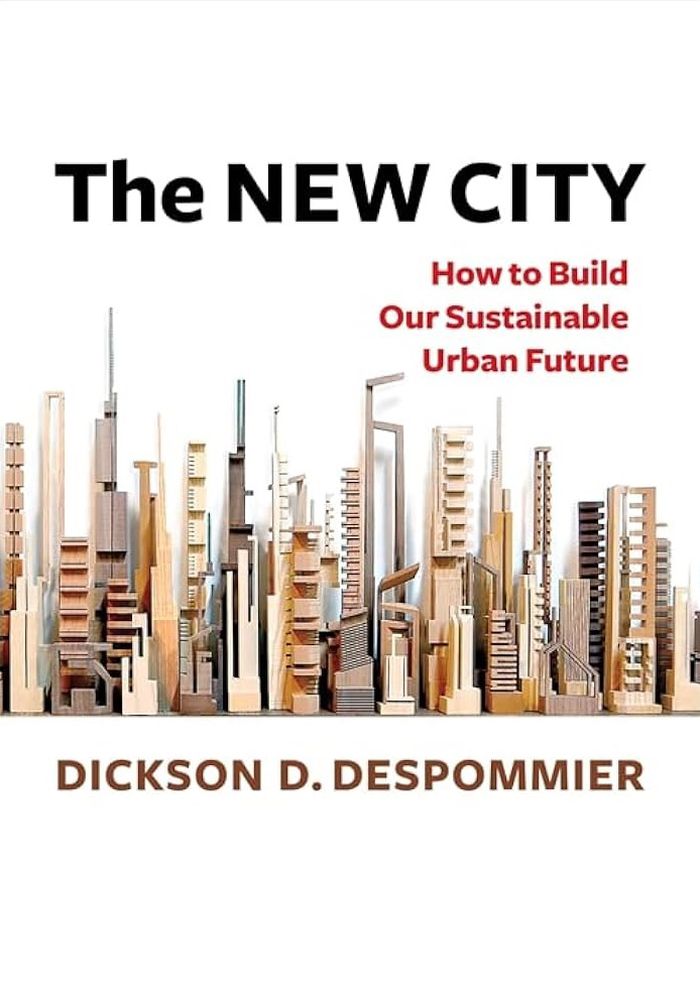
Cities are at once among humanity’s crowning achievements and core drivers of the climate crisis. Their dependence on the outside world for vital resources is causing global temperatures to rise and wildlife habitats to shrink. But we have the opportunity to make cities more sustainable by transforming the built environment. Dickson D. Despommier proposes a plan for creating a new, self-sustaining urban landscape. He argues that we can find solutions through the concept of biomimicry: emulating successful strategies found in nature. A better city is possible if we heed the lessons that forests and trees teach about how to store carbon, grow food, collect rainwater, and convert sunlight into energy. Touring established and leading-edge technologies, ''The new city'' provides a blueprint for tomorrow’s urban environment. Cities built from wood will be more resilient and less destructive than concrete and steel construction; they will also encourage reforestation, boosting carbon sequestration. Vertical farms inside city limits will supply residents with a reliable, healthy food supply. Buildings will harvest moisture from the rain and air to secure a clean water supply. Renewable energy, including not only wind, solar, and geothermal but also clear photovoltaic window glass and nonpolluting hydrogen fuel cells, will power a cleaner city.
The new city: How to build our sustainable urban future
Actions:
Price:
$52.95
(available to order)
Summary:
Cities are at once among humanity’s crowning achievements and core drivers of the climate crisis. Their dependence on the outside world for vital resources is causing global temperatures to rise and wildlife habitats to shrink. But we have the opportunity to make cities more sustainable by transforming the built environment. Dickson D. Despommier proposes a plan for creating a new, self-sustaining urban landscape. He argues that we can find solutions through the concept of biomimicry: emulating successful strategies found in nature. A better city is possible if we heed the lessons that forests and trees teach about how to store carbon, grow food, collect rainwater, and convert sunlight into energy. Touring established and leading-edge technologies, ''The new city'' provides a blueprint for tomorrow’s urban environment. Cities built from wood will be more resilient and less destructive than concrete and steel construction; they will also encourage reforestation, boosting carbon sequestration. Vertical farms inside city limits will supply residents with a reliable, healthy food supply. Buildings will harvest moisture from the rain and air to secure a clean water supply. Renewable energy, including not only wind, solar, and geothermal but also clear photovoltaic window glass and nonpolluting hydrogen fuel cells, will power a cleaner city.
Form:
books
books
Publication:
September 2023
September 2023
Subject:
Urban Theory
Urban Theory
Form:
books
books
Price:
$54.00
(available in store)
Summary:
To think through soil is to engage with some of the most critical issues of our time. In addition to its agricultural role in feeding eight billion people, soil has become the primary agent of carbon storage in global climate models, and it is crucial for biodiversity, flood control, and freshwater resources. Perhaps no other material is asked to do so much for the human(...)
$54.00
(available in store)
Summary:
To think through soil is to engage with some of the most critical issues of our time. In addition to its agricultural role in feeding eight billion people, soil has become the primary agent of carbon storage in global climate models, and it is crucial for biodiversity, flood control, and freshwater resources. Perhaps no other material is asked to do so much for the human(...)
Subject:
Architecture ecologies
Architecture ecologies
Publication:
June 2025
June 2025
Title:
Thinking through soil: Wastewater agriculture in the Mezquital Valley
Actions:
Price:
$54.00
(available in store)
Summary:
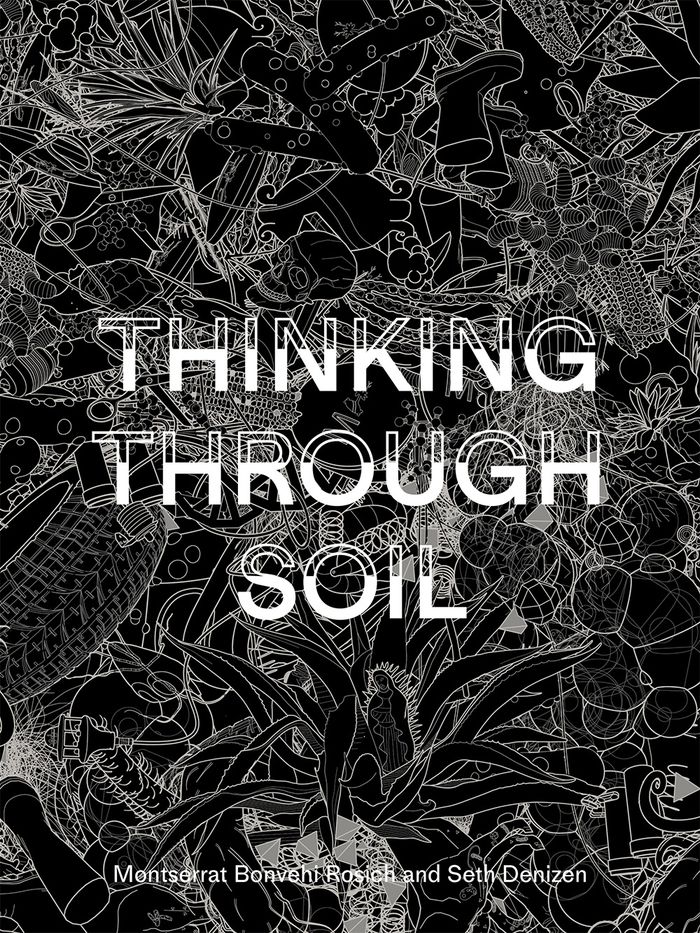
To think through soil is to engage with some of the most critical issues of our time. In addition to its agricultural role in feeding eight billion people, soil has become the primary agent of carbon storage in global climate models, and it is crucial for biodiversity, flood control, and freshwater resources. Perhaps no other material is asked to do so much for the human environment, and yet our basic conceptual model of what soil is and how it works remains surprisingly vague. In cities, soil occupies a blurry category whose boundaries are both empirically uncertain and politically contested. Soil functions as a nexus for environmental processes through which the planet’s most fundamental material transformations occur, but conjuring what it actually is serves as a useful exercise in reframing environmental thought, design thinking, and city and regional planning toward a healthier, more ethical, and more sustainable future. Through a sustained analysis of the world’s largest wastewater agricultural system, located in the Mexico City–Mezquital hydrological region, ''Thinking Through Soil'' imagines what a better environmental future might look like in central Mexico. More broadly, this case study offers a new image of soil that captures its shifting identity, explains its profound importance to rural and urban life, and argues for its capacity to save our planet.
Thinking through soil: Wastewater agriculture in the Mezquital Valley
Actions:
Price:
$54.00
(available in store)
Summary:
To think through soil is to engage with some of the most critical issues of our time. In addition to its agricultural role in feeding eight billion people, soil has become the primary agent of carbon storage in global climate models, and it is crucial for biodiversity, flood control, and freshwater resources. Perhaps no other material is asked to do so much for the human environment, and yet our basic conceptual model of what soil is and how it works remains surprisingly vague. In cities, soil occupies a blurry category whose boundaries are both empirically uncertain and politically contested. Soil functions as a nexus for environmental processes through which the planet’s most fundamental material transformations occur, but conjuring what it actually is serves as a useful exercise in reframing environmental thought, design thinking, and city and regional planning toward a healthier, more ethical, and more sustainable future. Through a sustained analysis of the world’s largest wastewater agricultural system, located in the Mexico City–Mezquital hydrological region, ''Thinking Through Soil'' imagines what a better environmental future might look like in central Mexico. More broadly, this case study offers a new image of soil that captures its shifting identity, explains its profound importance to rural and urban life, and argues for its capacity to save our planet.
Form:
books
books
Publication:
June 2025
June 2025
Subject:
Architecture ecologies
Architecture ecologies
Form:
books
books
Actions:
Price:
$85.00
(available to order)
Summary:
With "Atacama", Jamey Stillings again shares his distinctive aerial perspective to examine dramatic large-scale renewable energy projects, the visual dynamic of enormous mining operations and the stark beauty of the Atacama Desert, so often scarred by human activity. Chile produces a third of the world’s copper and has the largest known lithium reserves, and we utilize(...)
$85.00
(available to order)
Summary:
With "Atacama", Jamey Stillings again shares his distinctive aerial perspective to examine dramatic large-scale renewable energy projects, the visual dynamic of enormous mining operations and the stark beauty of the Atacama Desert, so often scarred by human activity. Chile produces a third of the world’s copper and has the largest known lithium reserves, and we utilize(...)
Title:
Jamey Stillings: Atacama, renewable energy and mining in the high desert of Chile
Actions:
Price:
$85.00
(available to order)
Summary:
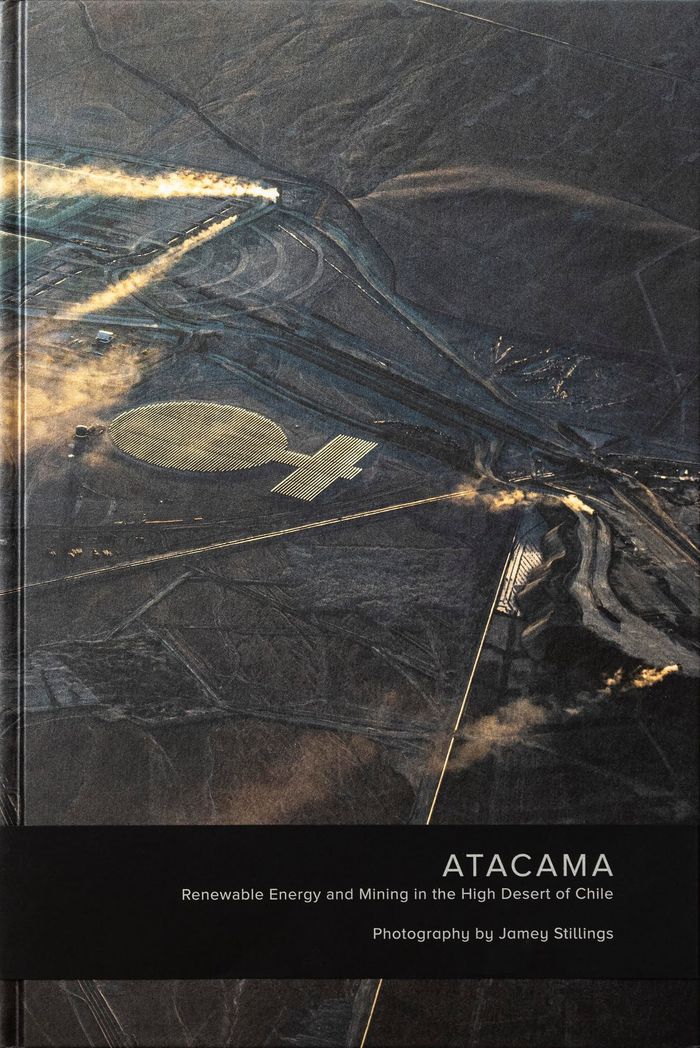
With "Atacama", Jamey Stillings again shares his distinctive aerial perspective to examine dramatic large-scale renewable energy projects, the visual dynamic of enormous mining operations and the stark beauty of the Atacama Desert, so often scarred by human activity. Chile produces a third of the world’s copper and has the largest known lithium reserves, and we utilize these resources daily in our cars, computers and smartphones. The country’s mining industry has traditionally been dependent on imported coal, diesel and natural gas for its energy. Yet the Atacama Desert has excellent solar and wind potential: new renewable energy projects there now supply significant electricity to the northern grid, transmit power to population centers in the south, and are reducing mining’s dependence on fossil fuel. Stillings’ aesthetic interest in the human-altered landscape and concerns for environmental sustainability are principal pillars of his work. His photography elicits a critical dialogue about meeting our needs and desires while seeking equilibrium between nature and human activity. "Atacama," the latest chapter in his ongoing project "Changing perspectives," shows how photography can concurrently be a source of inspiration, motivation and information, and reminds us that a carbon-constrained future is crucial to a responsible approach to life on earth.
Jamey Stillings: Atacama, renewable energy and mining in the high desert of Chile
Actions:
Price:
$85.00
(available to order)
Summary:
With "Atacama", Jamey Stillings again shares his distinctive aerial perspective to examine dramatic large-scale renewable energy projects, the visual dynamic of enormous mining operations and the stark beauty of the Atacama Desert, so often scarred by human activity. Chile produces a third of the world’s copper and has the largest known lithium reserves, and we utilize these resources daily in our cars, computers and smartphones. The country’s mining industry has traditionally been dependent on imported coal, diesel and natural gas for its energy. Yet the Atacama Desert has excellent solar and wind potential: new renewable energy projects there now supply significant electricity to the northern grid, transmit power to population centers in the south, and are reducing mining’s dependence on fossil fuel. Stillings’ aesthetic interest in the human-altered landscape and concerns for environmental sustainability are principal pillars of his work. His photography elicits a critical dialogue about meeting our needs and desires while seeking equilibrium between nature and human activity. "Atacama," the latest chapter in his ongoing project "Changing perspectives," shows how photography can concurrently be a source of inspiration, motivation and information, and reminds us that a carbon-constrained future is crucial to a responsible approach to life on earth.
Form:
books
books
Publication:
June 2020
June 2020
Subject:
Photography monographs
Photography monographs
Form:
books
books
Actions:
Price:
$35.95
(available to order)
Summary:
Many societies have imagined going to live in space. What they want to do once they get up there—whether conquering the unknown, establishing space ''colonies,'' privatising the moon’s resources—reveals more than expected. In this fascinating radical history of space exploration, Fred Scharmen shows that often science and fiction have combined in the imagined dreams of(...)
$35.95
(available to order)
Summary:
Many societies have imagined going to live in space. What they want to do once they get up there—whether conquering the unknown, establishing space ''colonies,'' privatising the moon’s resources—reveals more than expected. In this fascinating radical history of space exploration, Fred Scharmen shows that often science and fiction have combined in the imagined dreams of(...)
Title:
Space forces: a critical history of life in outer space
Actions:
Price:
$35.95
(available to order)
Summary:
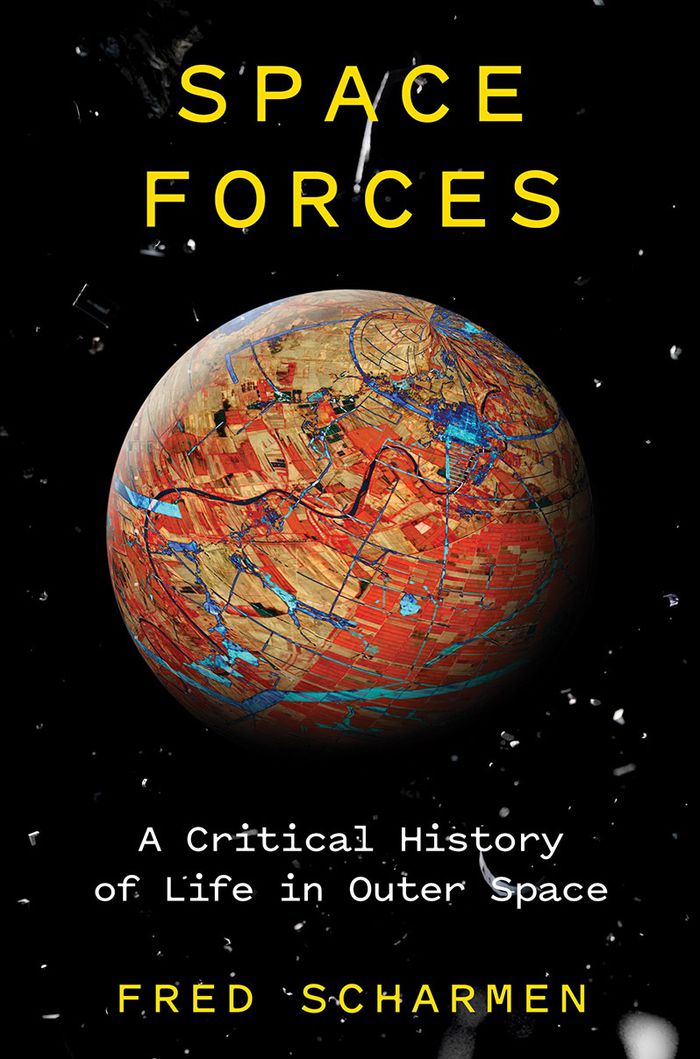
Many societies have imagined going to live in space. What they want to do once they get up there—whether conquering the unknown, establishing space ''colonies,'' privatising the moon’s resources—reveals more than expected. In this fascinating radical history of space exploration, Fred Scharmen shows that often science and fiction have combined in the imagined dreams of life in outer space, but these visions have real implications for life back on earth. For the Russian Cosmists of the 1890s space was a place to pursue human perfection away from the Earth. For others, such as Wernher Von Braun, it was an engineering task that combined, in the Space Race, the Cold War, and during World War II, with destructive geopolitics. Arthur C. Clarke, in his speculative books, offered an alternative vision of wonder that is indifferent to human interaction. Meanwhile NASA planned and managed the space station like an earthbound corporation. Today, the market has arrived into outer space and exploration is the plaything of superrich technology billionaires, who plan to privatise the mineral wealth for themselves. Are other worlds really possible? Bringing these figures and ideas together reveals a completely different story of our relationship with outer space, as well as the dangers of our current direction of extractive capitalism and colonisation.
Space forces: a critical history of life in outer space
Actions:
Price:
$35.95
(available to order)
Summary:
Many societies have imagined going to live in space. What they want to do once they get up there—whether conquering the unknown, establishing space ''colonies,'' privatising the moon’s resources—reveals more than expected. In this fascinating radical history of space exploration, Fred Scharmen shows that often science and fiction have combined in the imagined dreams of life in outer space, but these visions have real implications for life back on earth. For the Russian Cosmists of the 1890s space was a place to pursue human perfection away from the Earth. For others, such as Wernher Von Braun, it was an engineering task that combined, in the Space Race, the Cold War, and during World War II, with destructive geopolitics. Arthur C. Clarke, in his speculative books, offered an alternative vision of wonder that is indifferent to human interaction. Meanwhile NASA planned and managed the space station like an earthbound corporation. Today, the market has arrived into outer space and exploration is the plaything of superrich technology billionaires, who plan to privatise the mineral wealth for themselves. Are other worlds really possible? Bringing these figures and ideas together reveals a completely different story of our relationship with outer space, as well as the dangers of our current direction of extractive capitalism and colonisation.
Form:
books
books
Publication:
November 2021
November 2021
Subject:
Architectural Theory
Architectural Theory
Form:
books
books
Price:
$45.00
(available to order)
Summary:
John Kriken of the planning firm Skidmore, Owings & Merrill has been at the forefront of urban planning for over forty years, and he brings both his wealth of experience and his great optimism for the future to "City Building". In writing that both experienced designers and typical city-dwellers will enjoy, he illustrates a means for comprehensive problem solving rather(...)
$45.00
(available to order)
Summary:
John Kriken of the planning firm Skidmore, Owings & Merrill has been at the forefront of urban planning for over forty years, and he brings both his wealth of experience and his great optimism for the future to "City Building". In writing that both experienced designers and typical city-dwellers will enjoy, he illustrates a means for comprehensive problem solving rather(...)
Title:
City building : nine planning principles for the twenty-first century
Actions:
Price:
$45.00
(available to order)
Summary:
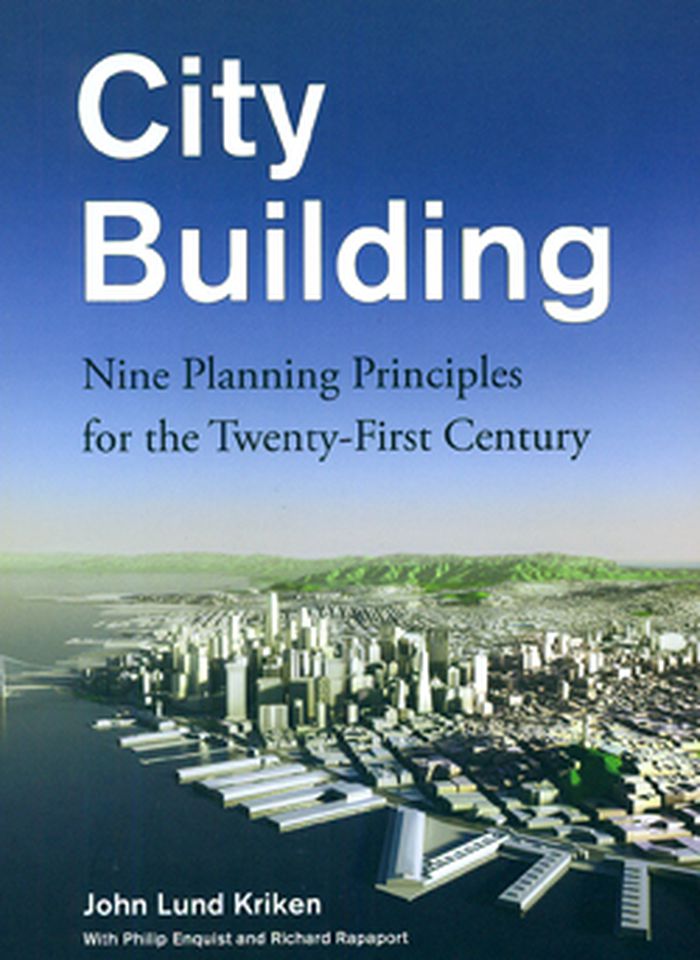
John Kriken of the planning firm Skidmore, Owings & Merrill has been at the forefront of urban planning for over forty years, and he brings both his wealth of experience and his great optimism for the future to "City Building". In writing that both experienced designers and typical city-dwellers will enjoy, he illustrates a means for comprehensive problem solving rather than symptom-based problem solving. The book is organized into three parts. Part 1 examines the past and defines the current practice of city building, addressing its shortcomings and proposing a comprehensive framework for rethinking the approach to cities in the future. Part 2 translates this framework into nine best-practice principles that are common to successful, livable, urban environments : sustainability, accessibility, diversity, open space, compatibility, incentives, adaptability, density, and identity. These principles are illustrated in a global portfolio of city building projects, designed by Skidmore, Owings & Merrill, that show how best practices have been applied successfully — and sometimes not so. Part 3 makes the case that, far from being the problem, cities, properly organized, can be a mechanism for sensible, sustainable uses of increasingly scarce resources. The book concludes with a call for a national planning process and a comprehensive framework for settlement.
City building : nine planning principles for the twenty-first century
Actions:
Price:
$45.00
(available to order)
Summary:
John Kriken of the planning firm Skidmore, Owings & Merrill has been at the forefront of urban planning for over forty years, and he brings both his wealth of experience and his great optimism for the future to "City Building". In writing that both experienced designers and typical city-dwellers will enjoy, he illustrates a means for comprehensive problem solving rather than symptom-based problem solving. The book is organized into three parts. Part 1 examines the past and defines the current practice of city building, addressing its shortcomings and proposing a comprehensive framework for rethinking the approach to cities in the future. Part 2 translates this framework into nine best-practice principles that are common to successful, livable, urban environments : sustainability, accessibility, diversity, open space, compatibility, incentives, adaptability, density, and identity. These principles are illustrated in a global portfolio of city building projects, designed by Skidmore, Owings & Merrill, that show how best practices have been applied successfully — and sometimes not so. Part 3 makes the case that, far from being the problem, cities, properly organized, can be a mechanism for sensible, sustainable uses of increasingly scarce resources. The book concludes with a call for a national planning process and a comprehensive framework for settlement.
Form:
books
books
Publication:
March 2010
March 2010
Subject:
Urban Theory
Urban Theory
Form:
books
books
Actions:
Price:
$125.00
(available to order)
Summary:
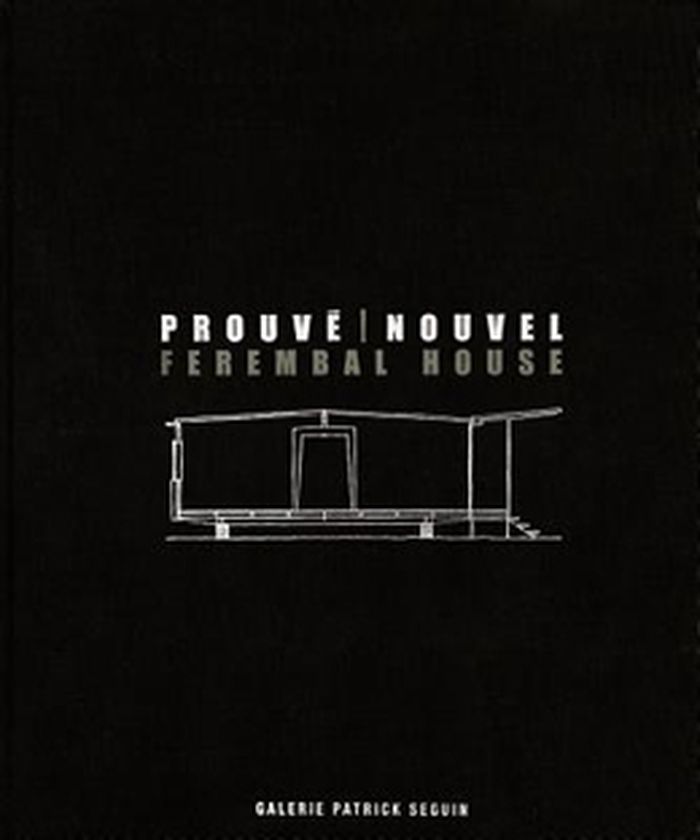
Jean Prouvé's Ferembal House was built in Nancy, France, in 1948, as the office for a can factory. Composed of five axial frames clad with wooden panels, set on a tall masonry base and occupying less than 600 square feet in a single raised story, this prefabricated structure was a classic example of Prouvé's advocacy of mobile architecture. Thirty years later, however,(...)
$125.00
(available to order)
Summary:
Jean Prouvé's Ferembal House was built in Nancy, France, in 1948, as the office for a can factory. Composed of five axial frames clad with wooden panels, set on a tall masonry base and occupying less than 600 square feet in a single raised story, this prefabricated structure was a classic example of Prouvé's advocacy of mobile architecture. Thirty years later, however,(...)
Subject:
Architecture Monographs
Architecture Monographs
Publication:
July 2011
July 2011
Title:
Prouvé / Nouvel : Ferembal house
Actions:
Price:
$125.00
(available to order)
Summary:
Jean Prouvé's Ferembal House was built in Nancy, France, in 1948, as the office for a can factory. Composed of five axial frames clad with wooden panels, set on a tall masonry base and occupying less than 600 square feet in a single raised story, this prefabricated structure was a classic example of Prouvé's advocacy of mobile architecture. Thirty years later, however, the company went out of business and the factory was demolished. Fortunately a Nancy resident had the wherewithal to dismantle and preserve Prouvé's innovative building, putting it into storage. In 1991, the well-known Parisian design gallerist Patrick Seguin traveled to Nancy to locate the Ferembal House. Seguin spent the next ten years raising the funds to renovate it, working in tandem with Prouvé experts, and in 2007 invited his longstanding friend, the architect Jean Nouvel, to undertake a creative adaptation of the House. Drawing on contemporary technical resources, Nouvel brilliantly extended and systematized its fundamental modularity with stackable Ductal blocks and a floor of removable slabs. The results were exhibited in the Tuileries Gardens in Paris, in 2010. This comprehensive account of Prouvé's posthumous collaboration with Nouvel recounts the tale of the Ferembal House with archival photographs and plans of the original structure and a detailed account of Nouvel's inspired interventions.
Prouvé / Nouvel : Ferembal house
Actions:
Price:
$125.00
(available to order)
Summary:
Jean Prouvé's Ferembal House was built in Nancy, France, in 1948, as the office for a can factory. Composed of five axial frames clad with wooden panels, set on a tall masonry base and occupying less than 600 square feet in a single raised story, this prefabricated structure was a classic example of Prouvé's advocacy of mobile architecture. Thirty years later, however, the company went out of business and the factory was demolished. Fortunately a Nancy resident had the wherewithal to dismantle and preserve Prouvé's innovative building, putting it into storage. In 1991, the well-known Parisian design gallerist Patrick Seguin traveled to Nancy to locate the Ferembal House. Seguin spent the next ten years raising the funds to renovate it, working in tandem with Prouvé experts, and in 2007 invited his longstanding friend, the architect Jean Nouvel, to undertake a creative adaptation of the House. Drawing on contemporary technical resources, Nouvel brilliantly extended and systematized its fundamental modularity with stackable Ductal blocks and a floor of removable slabs. The results were exhibited in the Tuileries Gardens in Paris, in 2010. This comprehensive account of Prouvé's posthumous collaboration with Nouvel recounts the tale of the Ferembal House with archival photographs and plans of the original structure and a detailed account of Nouvel's inspired interventions.
Form:
books
books
Publication:
July 2011
July 2011
Subject:
Architecture Monographs
Architecture Monographs


