


7457 Results
Form:
books
books
Actions:
Price:
$39.95
(available to order)
Summary:
In the past fifteen years, file sharing of digital cultural works between individuals has been at the center of a number of debates on the future of culture itself. To some, sharing constitutes piracy, to be fought against and eradicated. Others see it as unavoidable, and table proposals to compensate for its harmful effects. Meanwhile, little progress has been made(...)
$39.95
(available to order)
Summary:
In the past fifteen years, file sharing of digital cultural works between individuals has been at the center of a number of debates on the future of culture itself. To some, sharing constitutes piracy, to be fought against and eradicated. Others see it as unavoidable, and table proposals to compensate for its harmful effects. Meanwhile, little progress has been made(...)
Title:
Sharing : culture and the economy in the internet age
Actions:
Price:
$39.95
(available to order)
Summary:
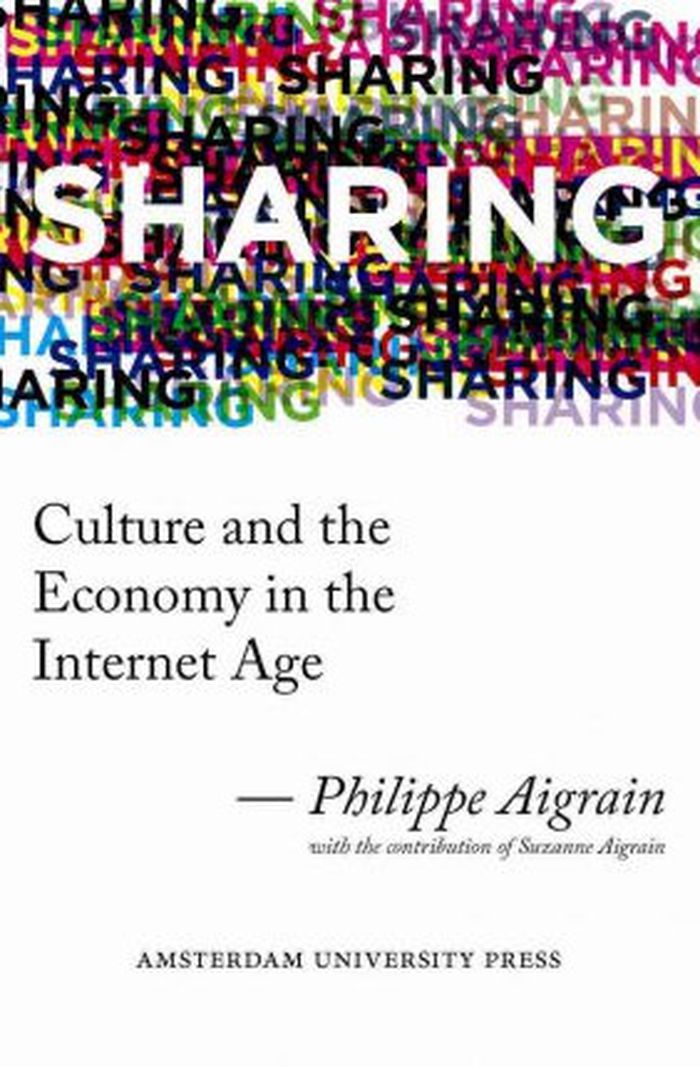
In the past fifteen years, file sharing of digital cultural works between individuals has been at the center of a number of debates on the future of culture itself. To some, sharing constitutes piracy, to be fought against and eradicated. Others see it as unavoidable, and table proposals to compensate for its harmful effects. Meanwhile, little progress has been made towards addressing the real challenges facing culture in a digital world. Sharing starts from a radically different viewpoint, namely that the non-market sharing of digital works is both legitimate and useful. Philippe Aigrain looks at the benefits of file sharing, which allows unknown writers and artists to be appreciated more easily. It supports this premise with empirical research, demonstrating that non-market sharing leads to more diversity in the attention given to various works.
Sharing : culture and the economy in the internet age
Actions:
Price:
$39.95
(available to order)
Summary:
In the past fifteen years, file sharing of digital cultural works between individuals has been at the center of a number of debates on the future of culture itself. To some, sharing constitutes piracy, to be fought against and eradicated. Others see it as unavoidable, and table proposals to compensate for its harmful effects. Meanwhile, little progress has been made towards addressing the real challenges facing culture in a digital world. Sharing starts from a radically different viewpoint, namely that the non-market sharing of digital works is both legitimate and useful. Philippe Aigrain looks at the benefits of file sharing, which allows unknown writers and artists to be appreciated more easily. It supports this premise with empirical research, demonstrating that non-market sharing leads to more diversity in the attention given to various works.
Form:
books
books
Publication:
April 2012
April 2012
Subject:
Epistemology
Epistemology
Form:
books
books
Holdings:
Description:
142 pages ; 25 x 30 cm
Description:
142 pages ; 25 x 30 cm
Author:
Subject:
Publication:
Ostfildern : Hatje/Cantz 2012.
Ostfildern : Hatje/Cantz 2012.
Title:
Berlin, Fruchtstraße : am 27. März 1952 = on March 27, 1952.
Actions:
Holdings:
Description:
142 pages ; 25 x 30 cm
Berlin, Fruchtstraße : am 27. März 1952 = on March 27, 1952.
Actions:
Holdings:
Description:
142 pages ; 25 x 30 cm
Form:
books
books
Publication:
Ostfildern : Hatje/Cantz 2012.
Ostfildern : Hatje/Cantz 2012.
Author:
Subject:
Form:
books
books
Actions:
Price:
$35.95
(available to order)
Summary:
The last decade has witnessed a proliferation of artists whose primary medium is software. Algorithmic processes, harnessed through the medium of computer code, allow artists to generate increasingly complex visual forms that they otherwise might not have been able to imagine, let alone delineate. Form+Code in Design, Art, and Architecture is a non-technical introduction(...)
$35.95
(available to order)
Summary:
The last decade has witnessed a proliferation of artists whose primary medium is software. Algorithmic processes, harnessed through the medium of computer code, allow artists to generate increasingly complex visual forms that they otherwise might not have been able to imagine, let alone delineate. Form+Code in Design, Art, and Architecture is a non-technical introduction(...)
Publication:
August 2010
August 2010
Title:
Form + code in design, art, and architecture
Actions:
Price:
$35.95
(available to order)
Summary:
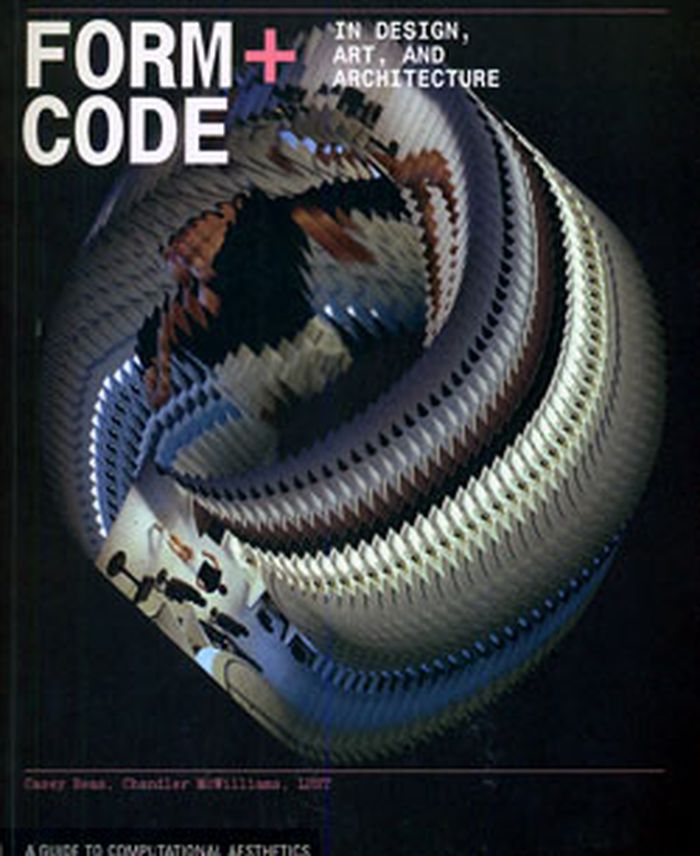
The last decade has witnessed a proliferation of artists whose primary medium is software. Algorithmic processes, harnessed through the medium of computer code, allow artists to generate increasingly complex visual forms that they otherwise might not have been able to imagine, let alone delineate. Form+Code in Design, Art, and Architecture is a non-technical introduction to the history, theory, and practice of software in the arts.
Form + code in design, art, and architecture
Actions:
Price:
$35.95
(available to order)
Summary:
The last decade has witnessed a proliferation of artists whose primary medium is software. Algorithmic processes, harnessed through the medium of computer code, allow artists to generate increasingly complex visual forms that they otherwise might not have been able to imagine, let alone delineate. Form+Code in Design, Art, and Architecture is a non-technical introduction to the history, theory, and practice of software in the arts.
Form:
books
books
Publication:
August 2010
August 2010
Form:
books
books
Actions:
Price:
$23.95
(available to order)
Summary:
Les nouvelles technologies recomposent le monde selon leur propre logique, celle de la performance et de l’efficacité. Elles renforcent le règne de la compétition et l’exigence d’aller toujours plus vite, de se mobiliser intégralement pour son entreprise et sur les « réseaux sociaux », d’être capable de s’adapter à toutes les évolutions technoculturelles, sous peine(...)
$23.95
(available to order)
Summary:
Les nouvelles technologies recomposent le monde selon leur propre logique, celle de la performance et de l’efficacité. Elles renforcent le règne de la compétition et l’exigence d’aller toujours plus vite, de se mobiliser intégralement pour son entreprise et sur les « réseaux sociaux », d’être capable de s’adapter à toutes les évolutions technoculturelles, sous peine(...)
Title:
L'empire du numérique: comment internet et les nouvelles technologies ont colonisé nos vies
Actions:
Price:
$23.95
(available to order)
Summary:
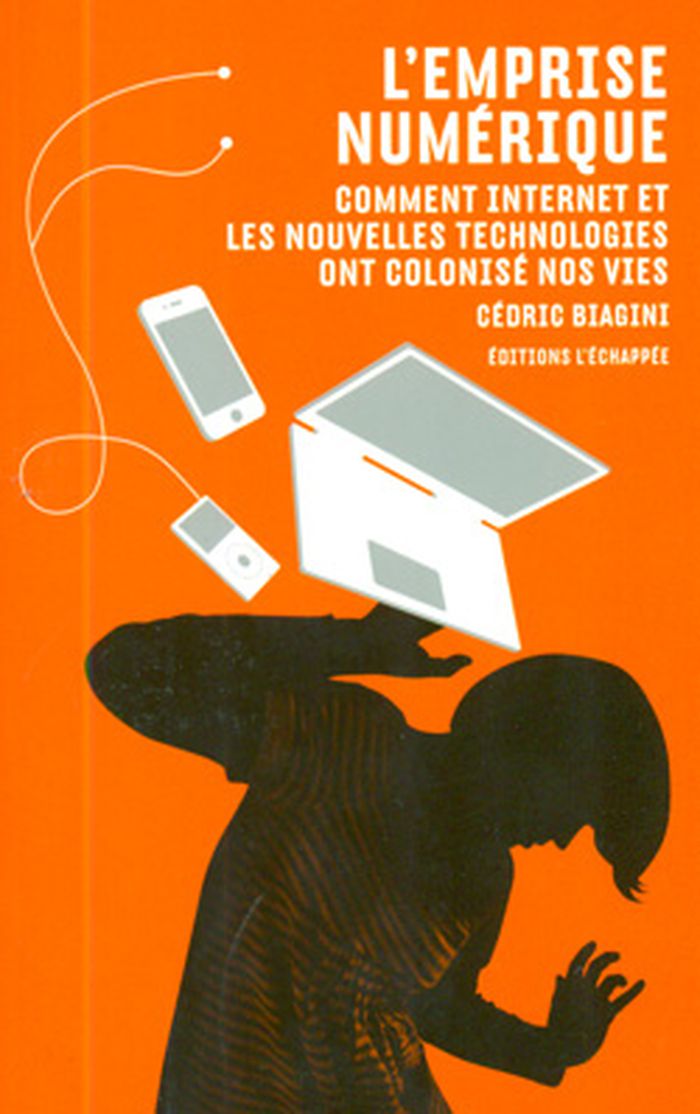
Les nouvelles technologies recomposent le monde selon leur propre logique, celle de la performance et de l’efficacité. Elles renforcent le règne de la compétition et l’exigence d’aller toujours plus vite, de se mobiliser intégralement pour son entreprise et sur les « réseaux sociaux », d’être capable de s’adapter à toutes les évolutions technoculturelles, sous peine d’être exclu. L’Homme numérique croit avoir trouvé l’autonomie en se débarrassant des pesanteurs du vieux monde matériel. « Enfin libre! », dit-il, alors qu’au contraire, il dépend de plus en plus de dispositifs technoscientifiques. Pour rester dans la course et tenter de maîtriser un réel qui lui échappe, il multiplie les machines. Mais ce sont elles qui désormais le possèdent.
L'empire du numérique: comment internet et les nouvelles technologies ont colonisé nos vies
Actions:
Price:
$23.95
(available to order)
Summary:
Les nouvelles technologies recomposent le monde selon leur propre logique, celle de la performance et de l’efficacité. Elles renforcent le règne de la compétition et l’exigence d’aller toujours plus vite, de se mobiliser intégralement pour son entreprise et sur les « réseaux sociaux », d’être capable de s’adapter à toutes les évolutions technoculturelles, sous peine d’être exclu. L’Homme numérique croit avoir trouvé l’autonomie en se débarrassant des pesanteurs du vieux monde matériel. « Enfin libre! », dit-il, alors qu’au contraire, il dépend de plus en plus de dispositifs technoscientifiques. Pour rester dans la course et tenter de maîtriser un réel qui lui échappe, il multiplie les machines. Mais ce sont elles qui désormais le possèdent.
Form:
books
books
Publication:
October 2014
October 2014
Form:
books
books
Actions:
Price:
$21.95
(available to order)
Summary:
Les nouvelles technologies, en dématérialisant les activités humaines, permettraient de réduire l’impact de la croissance sur la biosphère, voire, pour les plus enthousiastes, pourraient résoudre la crise environnementale. Dans ce travail précis et informé, les auteurs montrent l’impact environnemental réel du numérique en s’appuyant sur de nombreuses études. Ils(...)
$21.95
(available to order)
Summary:
Les nouvelles technologies, en dématérialisant les activités humaines, permettraient de réduire l’impact de la croissance sur la biosphère, voire, pour les plus enthousiastes, pourraient résoudre la crise environnementale. Dans ce travail précis et informé, les auteurs montrent l’impact environnemental réel du numérique en s’appuyant sur de nombreuses études. Ils(...)
Title:
La face cachée du numérique: l'impact environnemental des nouvelles technologies
Actions:
Price:
$21.95
(available to order)
Summary:
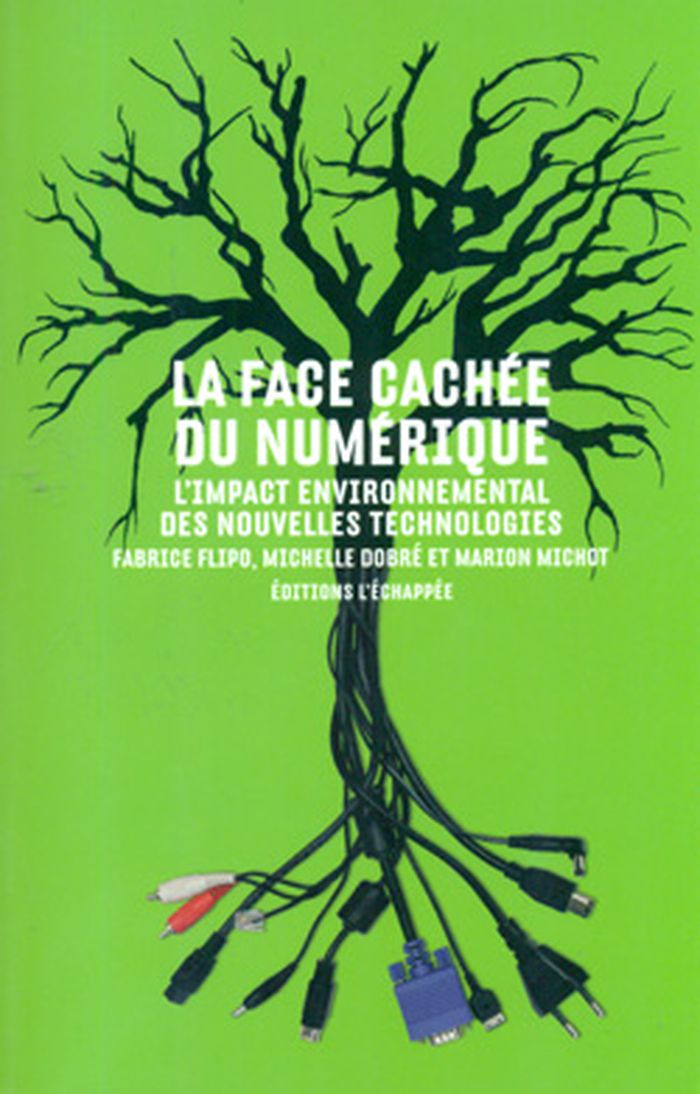
Les nouvelles technologies, en dématérialisant les activités humaines, permettraient de réduire l’impact de la croissance sur la biosphère, voire, pour les plus enthousiastes, pourraient résoudre la crise environnementale. Dans ce travail précis et informé, les auteurs montrent l’impact environnemental réel du numérique en s’appuyant sur de nombreuses études. Ils démontent de manière implacable le mythe d’une nouvelle économie propre et écologique.
La face cachée du numérique: l'impact environnemental des nouvelles technologies
Actions:
Price:
$21.95
(available to order)
Summary:
Les nouvelles technologies, en dématérialisant les activités humaines, permettraient de réduire l’impact de la croissance sur la biosphère, voire, pour les plus enthousiastes, pourraient résoudre la crise environnementale. Dans ce travail précis et informé, les auteurs montrent l’impact environnemental réel du numérique en s’appuyant sur de nombreuses études. Ils démontent de manière implacable le mythe d’une nouvelle économie propre et écologique.
Form:
books
books
Publication:
October 2014
October 2014
Form:
books
books

Title:
L'humain augmenté
L'humain augmenté
Actions:
Price:
$14.95
(available to order)
Summary:
Si l’humain augmenté est le dernier avatar de l’utopie technique, il exacerbe la vision purement informationnelle de l’homme et de son rapport à l’autre. Lorsqu’on parle d’humain augmenté, on sous-entend en général un individu plus fort, plus intelligent, à la longévité plus longue, etc. Autrement dit, on pense à une augmentation de ses capacités. Dès lors, l’individu se(...)
$14.95
(available to order)
Summary:
Si l’humain augmenté est le dernier avatar de l’utopie technique, il exacerbe la vision purement informationnelle de l’homme et de son rapport à l’autre. Lorsqu’on parle d’humain augmenté, on sous-entend en général un individu plus fort, plus intelligent, à la longévité plus longue, etc. Autrement dit, on pense à une augmentation de ses capacités. Dès lors, l’individu se(...)
Title:
L'humain augmenté
Actions:
Price:
$14.95
(available to order)
Summary:
Si l’humain augmenté est le dernier avatar de l’utopie technique, il exacerbe la vision purement informationnelle de l’homme et de son rapport à l’autre. Lorsqu’on parle d’humain augmenté, on sous-entend en général un individu plus fort, plus intelligent, à la longévité plus longue, etc. Autrement dit, on pense à une augmentation de ses capacités. Dès lors, l’individu se trouve réduit à un ensemble de fonctions motrices, cognitives, etc. L’altérité disparaît. Il n’y a plus de rupture entre l’homme et la machine, la pensée elle-même étant conceptualisée comme une propriété émergente des interactions au sein d’un substrat matériel biologique ou électronique.
L'humain augmenté
Actions:
Price:
$14.95
(available to order)
Summary:
Si l’humain augmenté est le dernier avatar de l’utopie technique, il exacerbe la vision purement informationnelle de l’homme et de son rapport à l’autre. Lorsqu’on parle d’humain augmenté, on sous-entend en général un individu plus fort, plus intelligent, à la longévité plus longue, etc. Autrement dit, on pense à une augmentation de ses capacités. Dès lors, l’individu se trouve réduit à un ensemble de fonctions motrices, cognitives, etc. L’altérité disparaît. Il n’y a plus de rupture entre l’homme et la machine, la pensée elle-même étant conceptualisée comme une propriété émergente des interactions au sein d’un substrat matériel biologique ou électronique.
Form:
books
books
Publication:
October 2014
October 2014
Form:
books
books
Price:
$41.95
(available to order)
Summary:
In this book, Branden Hookway considers the interface not as technology but as a form of relationship with technology. The interface, Hookway proposes, is at once ubiquitous and hidden from view. It is both the bottleneck through which our relationship to technology must pass and a productive encounter embedded within the use of technology. It is a site of contestation --(...)
$41.95
(available to order)
Summary:
In this book, Branden Hookway considers the interface not as technology but as a form of relationship with technology. The interface, Hookway proposes, is at once ubiquitous and hidden from view. It is both the bottleneck through which our relationship to technology must pass and a productive encounter embedded within the use of technology. It is a site of contestation --(...)
Title:
Interface
Actions:
Price:
$41.95
(available to order)
Summary:
In this book, Branden Hookway considers the interface not as technology but as a form of relationship with technology. The interface, Hookway proposes, is at once ubiquitous and hidden from view. It is both the bottleneck through which our relationship to technology must pass and a productive encounter embedded within the use of technology. It is a site of contestation -- between human and machine, between the material and the social, between the political and the technological -- that both defines and elides differences.
Interface
Actions:
Price:
$41.95
(available to order)
Summary:
In this book, Branden Hookway considers the interface not as technology but as a form of relationship with technology. The interface, Hookway proposes, is at once ubiquitous and hidden from view. It is both the bottleneck through which our relationship to technology must pass and a productive encounter embedded within the use of technology. It is a site of contestation -- between human and machine, between the material and the social, between the political and the technological -- that both defines and elides differences.
Form:
books
books
Publication:
April 2014
April 2014
Form:
books
books
Actions:
Price:
$38.00
(available to order)
Summary:
L'une des premières analyses à la fois historiques et théoriques de l'impact de l'avènement du numérique sur toutes formes de productions culturelles, Le langage des nouveaux médias constitue un ouvrage de référence sur le sujet. Fondateur de la discipline des software studies, Manovich y propose une analyse systématique et rigoureuse des mécanismes culturels engendrés(...)
$38.00
(available to order)
Summary:
L'une des premières analyses à la fois historiques et théoriques de l'impact de l'avènement du numérique sur toutes formes de productions culturelles, Le langage des nouveaux médias constitue un ouvrage de référence sur le sujet. Fondateur de la discipline des software studies, Manovich y propose une analyse systématique et rigoureuse des mécanismes culturels engendrés(...)
Title:
Le langage des nouveaux médias
Actions:
Price:
$38.00
(available to order)
Summary:
L'une des premières analyses à la fois historiques et théoriques de l'impact de l'avènement du numérique sur toutes formes de productions culturelles, Le langage des nouveaux médias constitue un ouvrage de référence sur le sujet. Fondateur de la discipline des software studies, Manovich y propose une analyse systématique et rigoureuse des mécanismes culturels engendrés par la généralisation de l'informatique, au travers de l'étude de nombreuses œuvres d'art, des avant-gardes historiques aux productions les plus récentes faisant appel aux technologies numériques.
Le langage des nouveaux médias
Actions:
Price:
$38.00
(available to order)
Summary:
L'une des premières analyses à la fois historiques et théoriques de l'impact de l'avènement du numérique sur toutes formes de productions culturelles, Le langage des nouveaux médias constitue un ouvrage de référence sur le sujet. Fondateur de la discipline des software studies, Manovich y propose une analyse systématique et rigoureuse des mécanismes culturels engendrés par la généralisation de l'informatique, au travers de l'étude de nombreuses œuvres d'art, des avant-gardes historiques aux productions les plus récentes faisant appel aux technologies numériques.
Form:
books
books
Publication:
August 2014
August 2014
Form:
books
books
Actions:
Price:
$38.95
(available to order)
Summary:
Le Séminaire de Conception Architecturale Numérique (SCAN) est une conférence francophone qui rassemble des chercheurs autour de questionnements portant sur les implications du numérique en conception architecturale. Après avoir rassemblé ces chercheurs en 2005, 2007, 2009 et 2010 sur les thèmes de l'esquisse numérique, de l’image numérique, des approches(...)
$38.95
(available to order)
Summary:
Le Séminaire de Conception Architecturale Numérique (SCAN) est une conférence francophone qui rassemble des chercheurs autour de questionnements portant sur les implications du numérique en conception architecturale. Après avoir rassemblé ces chercheurs en 2005, 2007, 2009 et 2010 sur les thèmes de l'esquisse numérique, de l’image numérique, des approches(...)
Title:
Complexité(s) des modèles de l'architecture numérique
Actions:
Price:
$38.95
(available to order)
Summary:
Le Séminaire de Conception Architecturale Numérique (SCAN) est une conférence francophone qui rassemble des chercheurs autour de questionnements portant sur les implications du numérique en conception architecturale. Après avoir rassemblé ces chercheurs en 2005, 2007, 2009 et 2010 sur les thèmes de l'esquisse numérique, de l’image numérique, des approches environnementales et des espaces collaboratifs, SCAN’12 invite à réfléchir à la question des complexité(s) des modèles de l’architecture numérique.
Complexité(s) des modèles de l'architecture numérique
Actions:
Price:
$38.95
(available to order)
Summary:
Le Séminaire de Conception Architecturale Numérique (SCAN) est une conférence francophone qui rassemble des chercheurs autour de questionnements portant sur les implications du numérique en conception architecturale. Après avoir rassemblé ces chercheurs en 2005, 2007, 2009 et 2010 sur les thèmes de l'esquisse numérique, de l’image numérique, des approches environnementales et des espaces collaboratifs, SCAN’12 invite à réfléchir à la question des complexité(s) des modèles de l’architecture numérique.
Form:
books
books
Publication:
January 2013
January 2013
Form:
books
books
Actions:
Price:
$69.50
(available to order)
Summary:
This book, based on the authors’ internationally renowned Emergent Technologies and Design course at the Architectural Association in London, introduces a new approach to the practice of architecture. The authors use essays and projects to demonstrate the interrelationship of concepts such as emergence and self-organisation with the latest technologies in design,(...)
$69.50
(available to order)
Summary:
This book, based on the authors’ internationally renowned Emergent Technologies and Design course at the Architectural Association in London, introduces a new approach to the practice of architecture. The authors use essays and projects to demonstrate the interrelationship of concepts such as emergence and self-organisation with the latest technologies in design,(...)
Publication:
March 2010
March 2010
Title:
Emergent technologies and design: towards a biological paradigm for architecture
Actions:
Price:
$69.50
(available to order)
Summary:
This book, based on the authors’ internationally renowned Emergent Technologies and Design course at the Architectural Association in London, introduces a new approach to the practice of architecture. The authors use essays and projects to demonstrate the interrelationship of concepts such as emergence and self-organisation with the latest technologies in design, manufacturing and construction. With projects from their course, and critiques and commentary from some of the world’s leading design theorists and practitioners, the authors of Emergent Technologies and Design have introduced a radical new way of understanding the way in which architecture is conceived, designed and produced.
Emergent technologies and design: towards a biological paradigm for architecture
Actions:
Price:
$69.50
(available to order)
Summary:
This book, based on the authors’ internationally renowned Emergent Technologies and Design course at the Architectural Association in London, introduces a new approach to the practice of architecture. The authors use essays and projects to demonstrate the interrelationship of concepts such as emergence and self-organisation with the latest technologies in design, manufacturing and construction. With projects from their course, and critiques and commentary from some of the world’s leading design theorists and practitioners, the authors of Emergent Technologies and Design have introduced a radical new way of understanding the way in which architecture is conceived, designed and produced.
Form:
books
books
Publication:
March 2010
March 2010


