


6640 Results
Form:
books
books
Price:
$59.95
(available to order)
Summary:
Home is shaped by many factors: culture, region, environment, citizenship, economics, state of mind, and more. Edited by Alexandra Cunningham Cameron, Christina De León, and Michelle Joan Wilkinson, ''Making Home'' explores the diverse perspectives on home across the United States, US Territories, and Tribal Nations to reveal how design impacts this country, its value(...)
$59.95
(available to order)
Summary:
Home is shaped by many factors: culture, region, environment, citizenship, economics, state of mind, and more. Edited by Alexandra Cunningham Cameron, Christina De León, and Michelle Joan Wilkinson, ''Making Home'' explores the diverse perspectives on home across the United States, US Territories, and Tribal Nations to reveal how design impacts this country, its value(...)
Subject:
Architectural Theory
Architectural Theory
Publication:
April 2025
April 2025
Title:
Making home: Belonging, memory, and utopia in the 21st century
Actions:
Price:
$59.95
(available to order)
Summary:
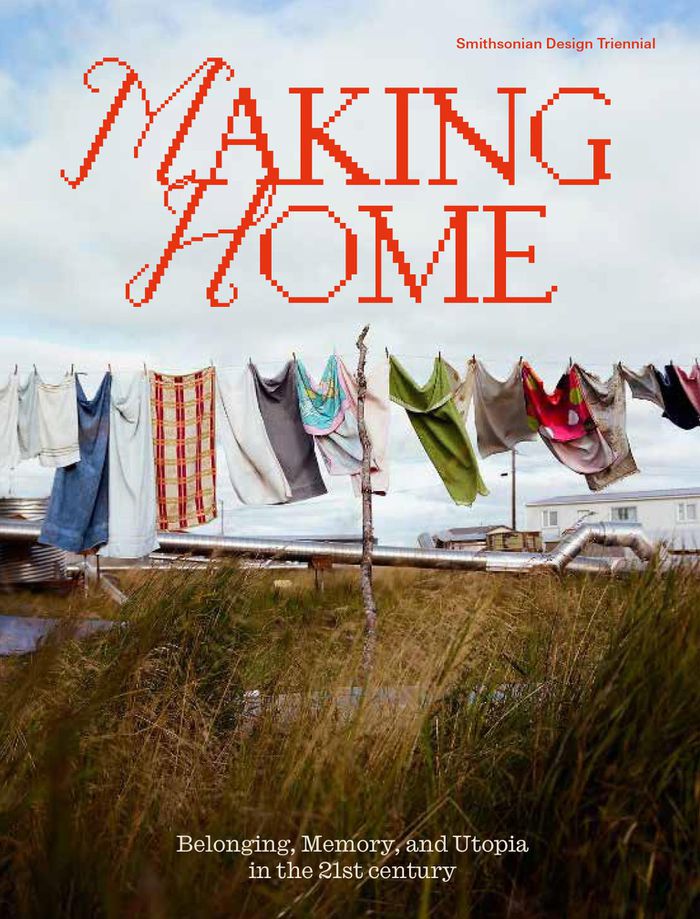
Home is shaped by many factors: culture, region, environment, citizenship, economics, state of mind, and more. Edited by Alexandra Cunningham Cameron, Christina De León, and Michelle Joan Wilkinson, ''Making Home'' explores the diverse perspectives on home across the United States, US Territories, and Tribal Nations to reveal how design impacts this country, its value systems, and the people who inhabit its landscapes. Positioning home not only as a place of dwelling but also as a complex and highly subjective ecosystem, contributors show h Probing urgent topics related to home such as colonialism, technological innovation, landscapes and the environment, and aesthetics and culture, ''Making Home'' uses the framework of design to pair investigative and practical analyses with imaginative and speculative ones. Contributors include designers, scholars, writers, artists, and critical thinkers across disciplines whose work and lived experiences illustrate specific circumstances that shape the contemporary home.ow notions of home resonate through private and public consciousness to inform the shared or conflicting histories that impact our country.
Making home: Belonging, memory, and utopia in the 21st century
Actions:
Price:
$59.95
(available to order)
Summary:
Home is shaped by many factors: culture, region, environment, citizenship, economics, state of mind, and more. Edited by Alexandra Cunningham Cameron, Christina De León, and Michelle Joan Wilkinson, ''Making Home'' explores the diverse perspectives on home across the United States, US Territories, and Tribal Nations to reveal how design impacts this country, its value systems, and the people who inhabit its landscapes. Positioning home not only as a place of dwelling but also as a complex and highly subjective ecosystem, contributors show h Probing urgent topics related to home such as colonialism, technological innovation, landscapes and the environment, and aesthetics and culture, ''Making Home'' uses the framework of design to pair investigative and practical analyses with imaginative and speculative ones. Contributors include designers, scholars, writers, artists, and critical thinkers across disciplines whose work and lived experiences illustrate specific circumstances that shape the contemporary home.ow notions of home resonate through private and public consciousness to inform the shared or conflicting histories that impact our country.
Form:
books
books
Publication:
April 2025
April 2025
Subject:
Architectural Theory
Architectural Theory
Form:
books
books
Price:
$37.95
(available to order)
Summary:
In this first full-length study of a largely forgotten optical device from the eighteenth century, Arnaud Maillet reconfigures our historical understanding of visual experience and meaning in relation to notions of opacity, transparency, and imagination. Many are familiar with the Claude glass as a small black convex mirror used by artists and spectators of landscape to(...)
$37.95
(available to order)
Summary:
In this first full-length study of a largely forgotten optical device from the eighteenth century, Arnaud Maillet reconfigures our historical understanding of visual experience and meaning in relation to notions of opacity, transparency, and imagination. Many are familiar with the Claude glass as a small black convex mirror used by artists and spectators of landscape to(...)
Title:
The Claude glass : use and meaning of the black mirror in Western art
Actions:
Price:
$37.95
(available to order)
Summary:
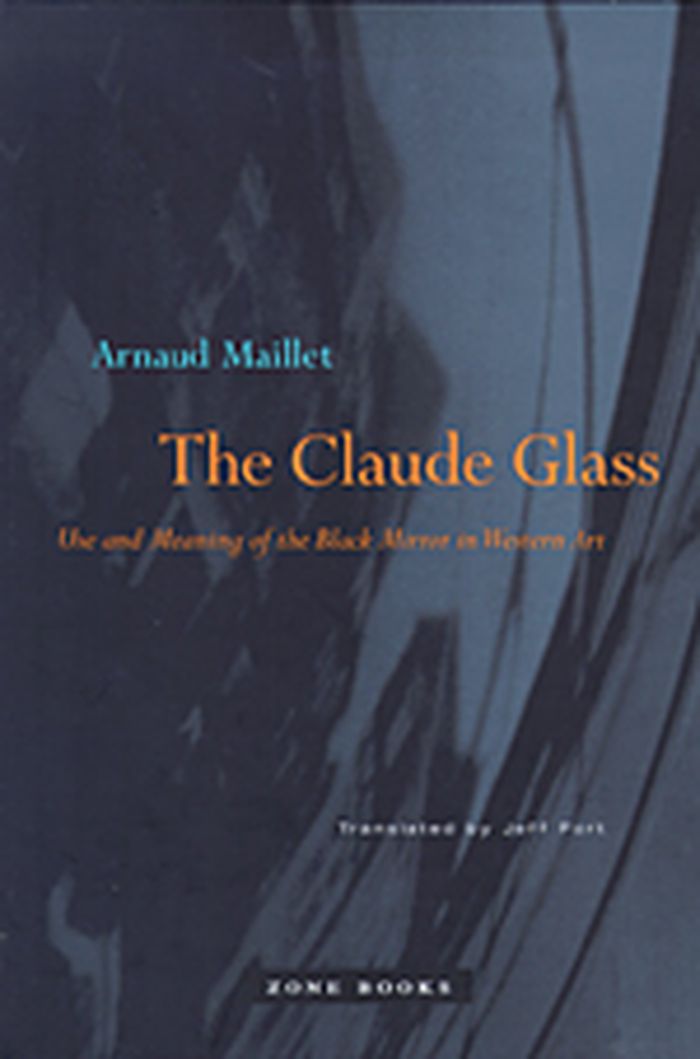
In this first full-length study of a largely forgotten optical device from the eighteenth century, Arnaud Maillet reconfigures our historical understanding of visual experience and meaning in relation to notions of opacity, transparency, and imagination. Many are familiar with the Claude glass as a small black convex mirror used by artists and spectators of landscape to reflect a view and make tonal values and areas of light and shade visible. In a groundbreaking account, Maillet goes well beyond this particular function of the glass and situates it within a richer archaeology of Western thought, exploring the uncertainties and anxieties about mirrors, reflections, and their potential distortions. He takes us from the magical and occult background of the "black mirror," through a full evaluation of its importance in the age of the picturesque, to its persistence in a range of technological and representational practices, including photography, film, and contemporary art. The Claude Glass is a lasting contribution to the history of Western visual culture.
The Claude glass : use and meaning of the black mirror in Western art
Actions:
Price:
$37.95
(available to order)
Summary:
In this first full-length study of a largely forgotten optical device from the eighteenth century, Arnaud Maillet reconfigures our historical understanding of visual experience and meaning in relation to notions of opacity, transparency, and imagination. Many are familiar with the Claude glass as a small black convex mirror used by artists and spectators of landscape to reflect a view and make tonal values and areas of light and shade visible. In a groundbreaking account, Maillet goes well beyond this particular function of the glass and situates it within a richer archaeology of Western thought, exploring the uncertainties and anxieties about mirrors, reflections, and their potential distortions. He takes us from the magical and occult background of the "black mirror," through a full evaluation of its importance in the age of the picturesque, to its persistence in a range of technological and representational practices, including photography, film, and contemporary art. The Claude Glass is a lasting contribution to the history of Western visual culture.
Form:
books
books
Publication:
October 2004, New York
October 2004, New York
Subject:
Architectural Theory
Architectural Theory
Form:
books
books
Actions:
Price:
$62.90
(available to order)
Summary:
This book provides an up-to-date introduction to the important and growing field of urban anthropology. This is an increasingly critical area of study, as more than half of the world's population now lives in cities and anthropological research is increasingly done in an urban context. Exploring contemporary anthropological approaches to the urban, the authors(...)
$62.90
(available to order)
Summary:
This book provides an up-to-date introduction to the important and growing field of urban anthropology. This is an increasingly critical area of study, as more than half of the world's population now lives in cities and anthropological research is increasingly done in an urban context. Exploring contemporary anthropological approaches to the urban, the authors(...)
Title:
Introducing urban anthropology
Actions:
Price:
$62.90
(available to order)
Summary:
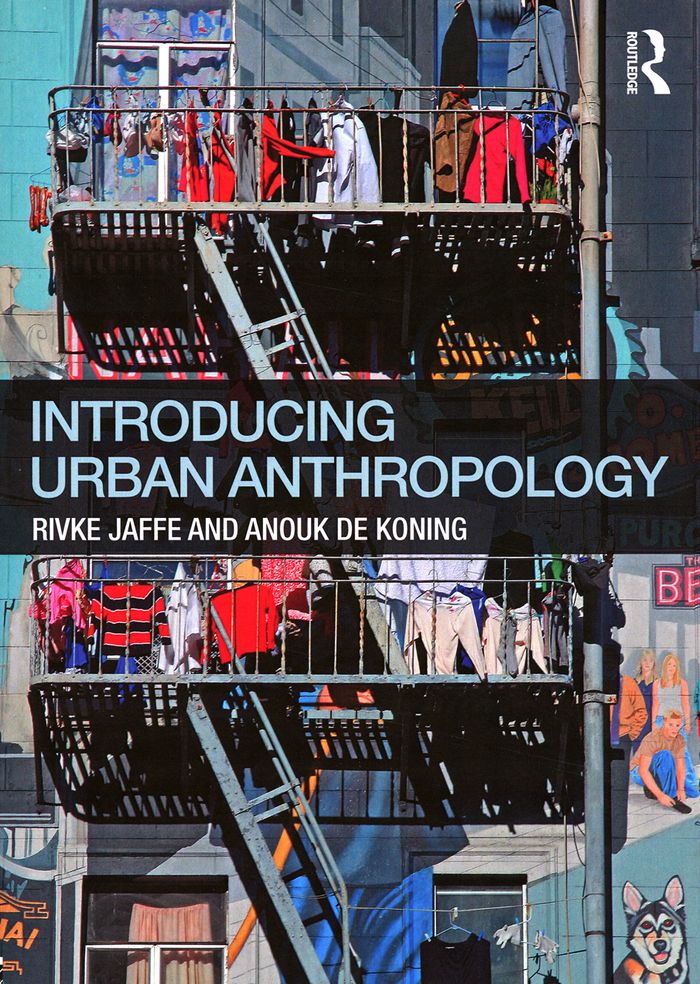
This book provides an up-to-date introduction to the important and growing field of urban anthropology. This is an increasingly critical area of study, as more than half of the world's population now lives in cities and anthropological research is increasingly done in an urban context. Exploring contemporary anthropological approaches to the urban, the authors consider: How can we define urban anthropology? What are the main themes of twenty-first century urban anthropological research? What are the possible future directions in the field? The chapters cover topics such as urban mobilities, place-making and public space, production and consumption, politics and governance. These are illustrated by lively case studies drawn from a diverse range of urban settings in the global North and South. Accessible yet theoretically incisive, Introducing Urban Anthropology will be a valuable resource for anthropology students as well as of interest to those working in urban studies and related disciplines such as sociology and geography.
Introducing urban anthropology
Actions:
Price:
$62.90
(available to order)
Summary:
This book provides an up-to-date introduction to the important and growing field of urban anthropology. This is an increasingly critical area of study, as more than half of the world's population now lives in cities and anthropological research is increasingly done in an urban context. Exploring contemporary anthropological approaches to the urban, the authors consider: How can we define urban anthropology? What are the main themes of twenty-first century urban anthropological research? What are the possible future directions in the field? The chapters cover topics such as urban mobilities, place-making and public space, production and consumption, politics and governance. These are illustrated by lively case studies drawn from a diverse range of urban settings in the global North and South. Accessible yet theoretically incisive, Introducing Urban Anthropology will be a valuable resource for anthropology students as well as of interest to those working in urban studies and related disciplines such as sociology and geography.
Form:
books
books
Publication:
January 2016
January 2016
Subject:
Architectural Theory
Architectural Theory
Form:
books
books
Actions:
Price:
$45.95
(available in store)
Summary:
Anarchitecture, a radical aesthetic practice of unmaking the built environment, staged a vigorous confrontation with urban renewal and gentrification projects in the 1970s. In Anarchitecture After Everything, Jack Halberstam identifies a powerful lexicon of transformation within anarchitecture, joining the movement’s practices of cutting and splitting with the(...)
$45.95
(available in store)
Summary:
Anarchitecture, a radical aesthetic practice of unmaking the built environment, staged a vigorous confrontation with urban renewal and gentrification projects in the 1970s. In Anarchitecture After Everything, Jack Halberstam identifies a powerful lexicon of transformation within anarchitecture, joining the movement’s practices of cutting and splitting with the(...)
Title:
Anarchitecture after everything: A trans manifesto
Actions:
Price:
$45.95
(available in store)
Summary:
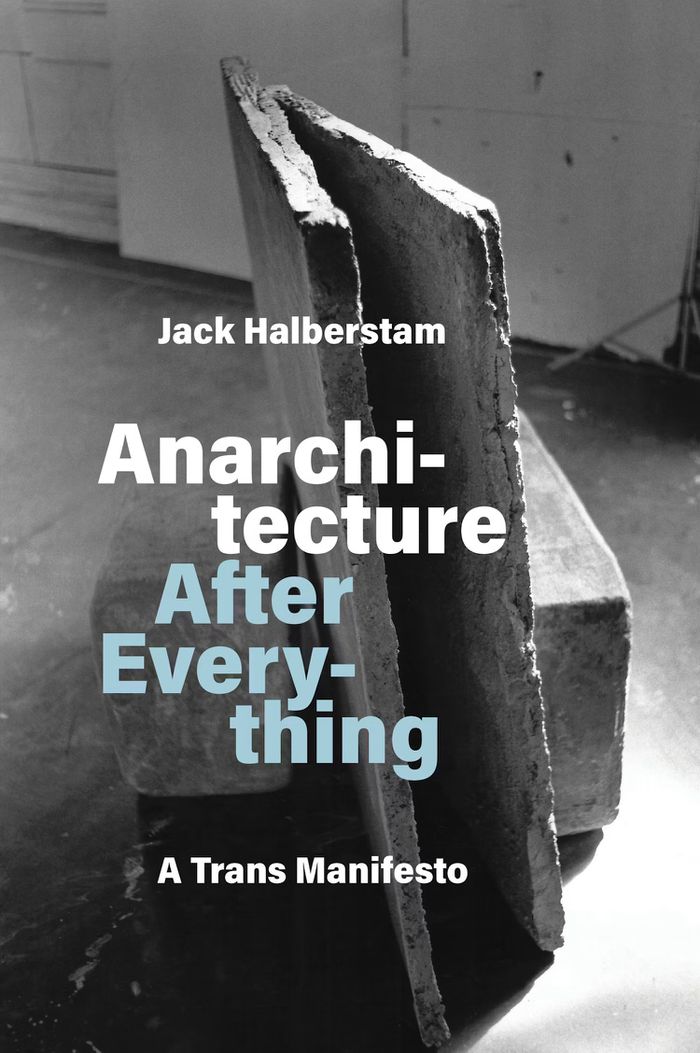
Anarchitecture, a radical aesthetic practice of unmaking the built environment, staged a vigorous confrontation with urban renewal and gentrification projects in the 1970s. In Anarchitecture After Everything, Jack Halberstam identifies a powerful lexicon of transformation within anarchitecture, joining the movement’s practices of cutting and splitting with the destabilizing power of transness to detonate acts of formal violence in our time. "Anarchitecture" describes the aesthetic practice of splitting and cutting, dismantling and undoing, unmaking, unbuilding, and ultimately unworlding. The trans body splits bodily coherence, dismantles the gender binary, and unbuilds bodily meaning. In these chapters, Gordon Matta-Clark’s cuts, along with Alvin Baltrop’s 1970s images of collapsing warehouses and Beverly Buchanan’s post-demolition fragmentary sculptures, return with a vengeance through the contemporary aesthetic gestures of Yve Laris Cohen, Jesse Darling, Nicole Eisenman, Kiyan Williams, Cassils, boychild, and Every Ocean Hughes. Anarchitecture unmakes space and offers a new rhetoric for emptiness. In its conclusion, the book explores this rhetoric through Renee Gladman’s anarchitectural experiments with language.
Anarchitecture after everything: A trans manifesto
Actions:
Price:
$45.95
(available in store)
Summary:
Anarchitecture, a radical aesthetic practice of unmaking the built environment, staged a vigorous confrontation with urban renewal and gentrification projects in the 1970s. In Anarchitecture After Everything, Jack Halberstam identifies a powerful lexicon of transformation within anarchitecture, joining the movement’s practices of cutting and splitting with the destabilizing power of transness to detonate acts of formal violence in our time. "Anarchitecture" describes the aesthetic practice of splitting and cutting, dismantling and undoing, unmaking, unbuilding, and ultimately unworlding. The trans body splits bodily coherence, dismantles the gender binary, and unbuilds bodily meaning. In these chapters, Gordon Matta-Clark’s cuts, along with Alvin Baltrop’s 1970s images of collapsing warehouses and Beverly Buchanan’s post-demolition fragmentary sculptures, return with a vengeance through the contemporary aesthetic gestures of Yve Laris Cohen, Jesse Darling, Nicole Eisenman, Kiyan Williams, Cassils, boychild, and Every Ocean Hughes. Anarchitecture unmakes space and offers a new rhetoric for emptiness. In its conclusion, the book explores this rhetoric through Renee Gladman’s anarchitectural experiments with language.
Form:
books
books
Publication:
August 2026
August 2026
Subject:
Architectural Theory
Architectural Theory
Form:
books
books
Actions:
Price:
$60.00
(available to order)
Summary:
The book questions how ''artifice'' and the ''social world'' can be mutually and constructively integrated so that the contemporary urban space can be shared by all. Taking the example of Tokyo, it takes up the two major traits in urban transformation – the large-scale development model on the one hand, and the small-scale model of neighborhood development or preservation(...)
$60.00
(available to order)
Summary:
The book questions how ''artifice'' and the ''social world'' can be mutually and constructively integrated so that the contemporary urban space can be shared by all. Taking the example of Tokyo, it takes up the two major traits in urban transformation – the large-scale development model on the one hand, and the small-scale model of neighborhood development or preservation(...)
Title:
Sharing Tokyo: Artifice and the social world
Actions:
Price:
$60.00
(available to order)
Summary:
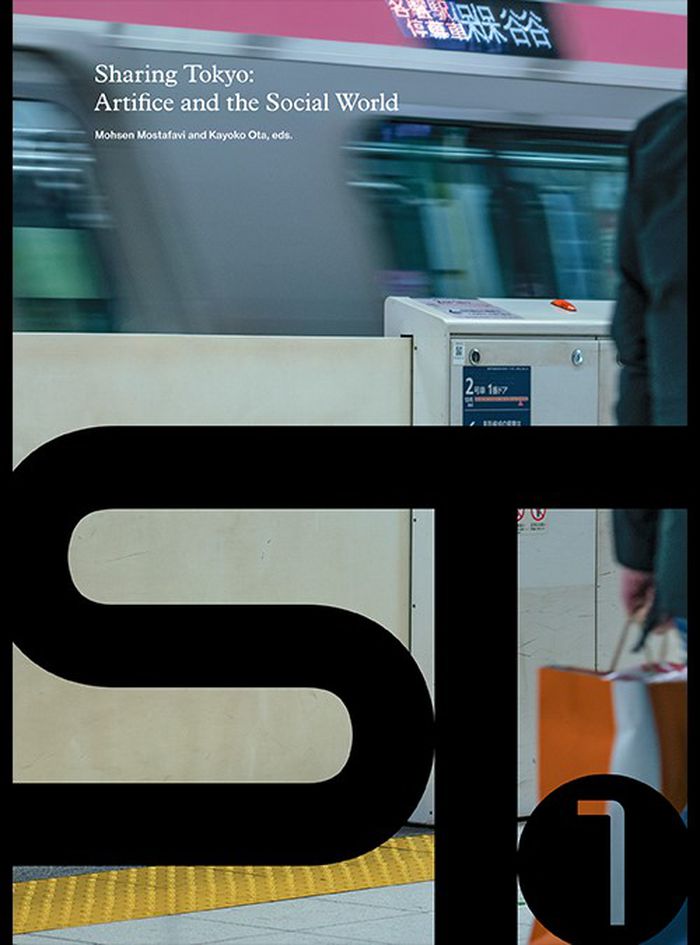
The book questions how ''artifice'' and the ''social world'' can be mutually and constructively integrated so that the contemporary urban space can be shared by all. Taking the example of Tokyo, it takes up the two major traits in urban transformation – the large-scale development model on the one hand, and the small-scale model of neighborhood development or preservation on the other – and instead seeks alternative ideas and new strategies. A variety of innovative practices are presented by a diverse group of contributors including renowned scholars, architects, urbanists, and photographers from Japan and the US, and the research team at the Harvard University Graduate School of Design. While the discourses and architectural works presented deal with the specificity of Tokyo, they were carefully selected to formulate together a collection of insights, new perspectives, and speculative experiments in urbanism and architecture that can also be used in other contexts.
Sharing Tokyo: Artifice and the social world
Actions:
Price:
$60.00
(available to order)
Summary:
The book questions how ''artifice'' and the ''social world'' can be mutually and constructively integrated so that the contemporary urban space can be shared by all. Taking the example of Tokyo, it takes up the two major traits in urban transformation – the large-scale development model on the one hand, and the small-scale model of neighborhood development or preservation on the other – and instead seeks alternative ideas and new strategies. A variety of innovative practices are presented by a diverse group of contributors including renowned scholars, architects, urbanists, and photographers from Japan and the US, and the research team at the Harvard University Graduate School of Design. While the discourses and architectural works presented deal with the specificity of Tokyo, they were carefully selected to formulate together a collection of insights, new perspectives, and speculative experiments in urbanism and architecture that can also be used in other contexts.
Form:
books
books
Publication:
June 2023
June 2023
Subject:
Urban Theory
Urban Theory
Form:
books
books
Actions:
Price:
$34.95
(available to order)
Summary:
Art museums have emerged in recent decades as the most vibrant and popular of all cultural institutions. Though art museums have never been more popular, their direction and values are now being contested as never before, both in the media and in the art world itself. This engaging thematic history of the art museum from its inception in the eighteenth century to the(...)
$34.95
(available to order)
Summary:
Art museums have emerged in recent decades as the most vibrant and popular of all cultural institutions. Though art museums have never been more popular, their direction and values are now being contested as never before, both in the media and in the art world itself. This engaging thematic history of the art museum from its inception in the eighteenth century to the(...)
Title:
The Art Museum from Boullée to Bilbao
Actions:
Price:
$34.95
(available to order)
Summary:
Art museums have emerged in recent decades as the most vibrant and popular of all cultural institutions. Though art museums have never been more popular, their direction and values are now being contested as never before, both in the media and in the art world itself. This engaging thematic history of the art museum from its inception in the eighteenth century to the present offers an essential framework for understanding contemporary debates as they have evolved in Europe and the United States. From the visionary museums of Boullée in the eighteenth century to the new Guggenheim in Bilbao and beyond, it explores key aspects of museum theory and practice: ideals and mission; architecture; collecting, classification, and display; the public; commercialism; and restitution and repatriation. The only single volume to give a comprehensive account of the issues critical to museums, the book also highlights the challenges they will face in the future.
The Art Museum from Boullée to Bilbao
Actions:
Price:
$34.95
(available to order)
Summary:
Art museums have emerged in recent decades as the most vibrant and popular of all cultural institutions. Though art museums have never been more popular, their direction and values are now being contested as never before, both in the media and in the art world itself. This engaging thematic history of the art museum from its inception in the eighteenth century to the present offers an essential framework for understanding contemporary debates as they have evolved in Europe and the United States. From the visionary museums of Boullée in the eighteenth century to the new Guggenheim in Bilbao and beyond, it explores key aspects of museum theory and practice: ideals and mission; architecture; collecting, classification, and display; the public; commercialism; and restitution and repatriation. The only single volume to give a comprehensive account of the issues critical to museums, the book also highlights the challenges they will face in the future.
Form:
books
books
Publication:
November 2007, Berkeley, Los Angeles
November 2007, Berkeley, Los Angeles
Subject:
Museology
Museology
Form:
books
books

Actions:
Price:
$72.00
(available in store)
Summary:
Pompeii has supposedly been already ‘fully photographed‘. But now the internationally renowned architectural photographer Hans Georg Esch and his team are opening up astonishing new perspectives on the over 2,500-year-old Roman city, which was buried when Mount Vesuvius erupted in 79 AD. Known for their iconic images of the architecture of global mega-cities, the(...)
$72.00
(available in store)
Summary:
Pompeii has supposedly been already ‘fully photographed‘. But now the internationally renowned architectural photographer Hans Georg Esch and his team are opening up astonishing new perspectives on the over 2,500-year-old Roman city, which was buried when Mount Vesuvius erupted in 79 AD. Known for their iconic images of the architecture of global mega-cities, the(...)
Title:
Hans Georg Esch: Pompeii, the architectural eye
Actions:
Price:
$72.00
(available in store)
Summary:
Pompeii has supposedly been already ‘fully photographed‘. But now the internationally renowned architectural photographer Hans Georg Esch and his team are opening up astonishing new perspectives on the over 2,500-year-old Roman city, which was buried when Mount Vesuvius erupted in 79 AD. Known for their iconic images of the architecture of global mega-cities, the photographic work of the team HGEsch in Pompeii shows the excavated sites as part of today’s metropolis of Naples at the foot of the volcano and illustrates the parallels and connections between ancient urban planning and our contemporary cities. For the first time, the exhibition presents more than 80 of these magnificent photographs of what are probably the best-preserved remains of ancient Roman cities worldwide, taken from a 21st century perspective. The once vibrant and lively, then buried and now in ruins urban structure becomes more tangible than ever before.
Hans Georg Esch: Pompeii, the architectural eye
Actions:
Price:
$72.00
(available in store)
Summary:
Pompeii has supposedly been already ‘fully photographed‘. But now the internationally renowned architectural photographer Hans Georg Esch and his team are opening up astonishing new perspectives on the over 2,500-year-old Roman city, which was buried when Mount Vesuvius erupted in 79 AD. Known for their iconic images of the architecture of global mega-cities, the photographic work of the team HGEsch in Pompeii shows the excavated sites as part of today’s metropolis of Naples at the foot of the volcano and illustrates the parallels and connections between ancient urban planning and our contemporary cities. For the first time, the exhibition presents more than 80 of these magnificent photographs of what are probably the best-preserved remains of ancient Roman cities worldwide, taken from a 21st century perspective. The once vibrant and lively, then buried and now in ruins urban structure becomes more tangible than ever before.
Form:
books
books
Publication:
September 2024
September 2024
Subject:
Photography monographs
Photography monographs
Form:
books
books
Actions:
Price:
$69.50
(available to order)
Summary:
In summer 2001, Potsdam, one of the world’s famous sites of classical garden design, with the beautiful grounds of the Sans Souci Palace, will be staging international contributions which respond to the tasks and challenges in contemporary landscape architecture. A large number of internationally known landscape architects, artists and architects have come together to(...)
$69.50
(available to order)
Summary:
In summer 2001, Potsdam, one of the world’s famous sites of classical garden design, with the beautiful grounds of the Sans Souci Palace, will be staging international contributions which respond to the tasks and challenges in contemporary landscape architecture. A large number of internationally known landscape architects, artists and architects have come together to(...)
Title:
Garden art 2001: Potsdam national horticultural show
Actions:
Price:
$69.50
(available to order)
Summary:
In summer 2001, Potsdam, one of the world’s famous sites of classical garden design, with the beautiful grounds of the Sans Souci Palace, will be staging international contributions which respond to the tasks and challenges in contemporary landscape architecture. A large number of internationally known landscape architects, artists and architects have come together to cultivate 60 hectares of public park, to redesign urban spaces and other sites where historical townscapes and nature conjoin, to develop avant-garde artistic features, and to create the central spectacular exhibition space. This book will present the various parks and artistic interventions in their finished state, accompanied by lavish illustrations and descriptive texts, thus ensuring that the book remains topical thoughout the festival and will be an enduring documentation long after the doors have been closed and the new park with its array of leisure and recreational facitilities has been developed.
Garden art 2001: Potsdam national horticultural show
Actions:
Price:
$69.50
(available to order)
Summary:
In summer 2001, Potsdam, one of the world’s famous sites of classical garden design, with the beautiful grounds of the Sans Souci Palace, will be staging international contributions which respond to the tasks and challenges in contemporary landscape architecture. A large number of internationally known landscape architects, artists and architects have come together to cultivate 60 hectares of public park, to redesign urban spaces and other sites where historical townscapes and nature conjoin, to develop avant-garde artistic features, and to create the central spectacular exhibition space. This book will present the various parks and artistic interventions in their finished state, accompanied by lavish illustrations and descriptive texts, thus ensuring that the book remains topical thoughout the festival and will be an enduring documentation long after the doors have been closed and the new park with its array of leisure and recreational facitilities has been developed.
Form:
books
books
Publication:
September 2001, Basel
September 2001, Basel
Subject:
Gardens
Gardens
Form:
books
books
Actions:
Price:
$32.95
(available in store)
Summary:
n 1950, a young Vancouver architectural apprentice was handed a small house project that his boss was too busy to take on. The apprentice, Ron Thom, took the simple plan and rectangular foundation that had been roughed in, and transformed it into a groundbreaking work of architecture that gained national fame. Inspired by Frank Lloyd Wright and Richard Neutra, but using(...)
$32.95
(available in store)
Summary:
n 1950, a young Vancouver architectural apprentice was handed a small house project that his boss was too busy to take on. The apprentice, Ron Thom, took the simple plan and rectangular foundation that had been roughed in, and transformed it into a groundbreaking work of architecture that gained national fame. Inspired by Frank Lloyd Wright and Richard Neutra, but using(...)
Title:
Ron Thom: Copp House. West Coast Modern houses series
Actions:
Price:
$32.95
(available in store)
Summary:
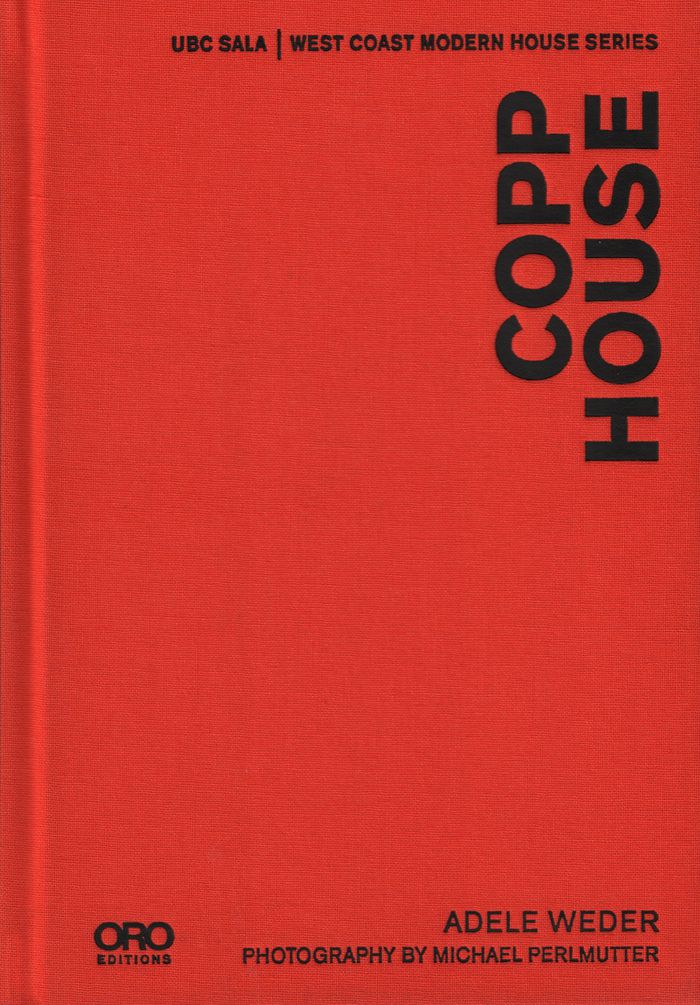
n 1950, a young Vancouver architectural apprentice was handed a small house project that his boss was too busy to take on. The apprentice, Ron Thom, took the simple plan and rectangular foundation that had been roughed in, and transformed it into a groundbreaking work of architecture that gained national fame. Inspired by Frank Lloyd Wright and Richard Neutra, but using local wood and paying careful attention to its verdant oceanside setting, Thom created a landmark for the new architectural movement known as West Coast Modernism. The client, Dr. Harold Copp, was himself a trailblazer, the first head of the physiology department in the University of British Columbia’s new Faculty of Medicine and a research pioneer. Generously illustrated with both vintage and contemporary architectural photography, line drawings, and photographs of the architect and residents, The Copp House is the story of a cultural landmark on the shores of Vancouver.
Ron Thom: Copp House. West Coast Modern houses series
Actions:
Price:
$32.95
(available in store)
Summary:
n 1950, a young Vancouver architectural apprentice was handed a small house project that his boss was too busy to take on. The apprentice, Ron Thom, took the simple plan and rectangular foundation that had been roughed in, and transformed it into a groundbreaking work of architecture that gained national fame. Inspired by Frank Lloyd Wright and Richard Neutra, but using local wood and paying careful attention to its verdant oceanside setting, Thom created a landmark for the new architectural movement known as West Coast Modernism. The client, Dr. Harold Copp, was himself a trailblazer, the first head of the physiology department in the University of British Columbia’s new Faculty of Medicine and a research pioneer. Generously illustrated with both vintage and contemporary architectural photography, line drawings, and photographs of the architect and residents, The Copp House is the story of a cultural landmark on the shores of Vancouver.
Form:
books
books
Publication:
October 2017
October 2017
Subject:
Canadian Architects
Canadian Architects
Form:
books
books
Title:
The Cape Cod cottage
The Cape Cod cottage
Actions:
Price:
$32.95
(available to order)
Summary:
The Cape Cod cottage has been one of America's most popular home styles for almost four hundred years. While a perennial domestic favorite, historians have long ignored the modest Cape Cod, relegating it to a vernacular footnote along with barns and mills. In "The Cape Cod cottage" architectural historian and photographer William Morgan places this uniquely American(...)
$32.95
(available to order)
Summary:
The Cape Cod cottage has been one of America's most popular home styles for almost four hundred years. While a perennial domestic favorite, historians have long ignored the modest Cape Cod, relegating it to a vernacular footnote along with barns and mills. In "The Cape Cod cottage" architectural historian and photographer William Morgan places this uniquely American(...)
Title:
The Cape Cod cottage
Actions:
Price:
$32.95
(available to order)
Summary:
The Cape Cod cottage has been one of America's most popular home styles for almost four hundred years. While a perennial domestic favorite, historians have long ignored the modest Cape Cod, relegating it to a vernacular footnote along with barns and mills. In "The Cape Cod cottage" architectural historian and photographer William Morgan places this uniquely American house—a remarkable combination of necessity and tradition—in its historical context and makes a compelling argument for the reassessment of its place in the history of American architecture. "The Cape Cod cottage" follows the uniquely American house type from its earliest beginnings in the colonial period, through its spread across New England, to its embrace as a suburban ideal in the twentieth century, and its reinterpretation by contemporary architects. Historical images of lost Capes augment new photographs taken specifi- cally for the book. Foreword by Daniel V. Scully.
The Cape Cod cottage
Actions:
Price:
$32.95
(available to order)
Summary:
The Cape Cod cottage has been one of America's most popular home styles for almost four hundred years. While a perennial domestic favorite, historians have long ignored the modest Cape Cod, relegating it to a vernacular footnote along with barns and mills. In "The Cape Cod cottage" architectural historian and photographer William Morgan places this uniquely American house—a remarkable combination of necessity and tradition—in its historical context and makes a compelling argument for the reassessment of its place in the history of American architecture. "The Cape Cod cottage" follows the uniquely American house type from its earliest beginnings in the colonial period, through its spread across New England, to its embrace as a suburban ideal in the twentieth century, and its reinterpretation by contemporary architects. Historical images of lost Capes augment new photographs taken specifi- cally for the book. Foreword by Daniel V. Scully.
Form:
books
books
Publication:
June 2006, New York
June 2006, New York
Subject:
History until 1900
History until 1900


