


6653 Results
Form:
books
books
Price:
$39.95
(available to order)
Summary:
When #BlackLivesMatter emerged in 2013, it animated the most consequential Black-led mobilization since the civil rights and Black power era. Today, the hashtag turned rallying cry is but one expression of a radical reorientation toward Black politics, protest, and political thought. To Build a Black Future examines the spirit and significance of this insurgency, offering(...)
$39.95
(available to order)
Summary:
When #BlackLivesMatter emerged in 2013, it animated the most consequential Black-led mobilization since the civil rights and Black power era. Today, the hashtag turned rallying cry is but one expression of a radical reorientation toward Black politics, protest, and political thought. To Build a Black Future examines the spirit and significance of this insurgency, offering(...)
Title:
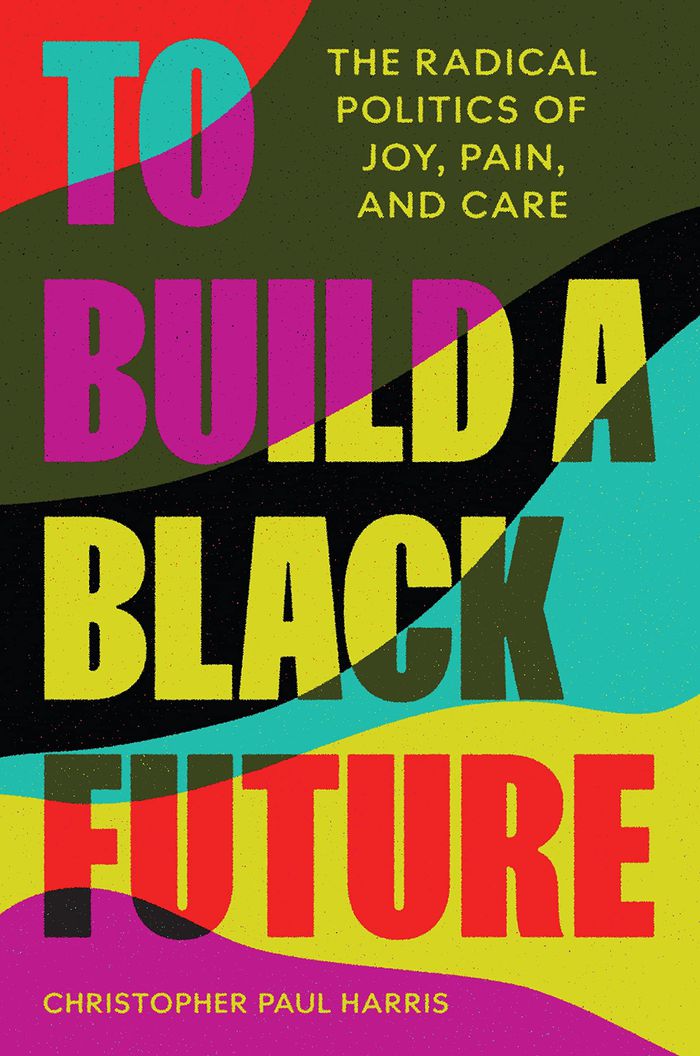
To build a black future: The radical politics of joy, pain and care
Actions:
Price:
$39.95
(available to order)
Summary:
When #BlackLivesMatter emerged in 2013, it animated the most consequential Black-led mobilization since the civil rights and Black power era. Today, the hashtag turned rallying cry is but one expression of a radical reorientation toward Black politics, protest, and political thought. To Build a Black Future examines the spirit and significance of this insurgency, offering a revelatory account of a new political culture?responsive to pain, suffused with joy, and premised on care?emerging from the centuries-long arc of Black rebellion, a tradition that traces back to the Black slave. Drawing on his own experiences as an activist and organizer, Christopher Paul Harris takes readers inside the Movement for Black Lives (M4BL) to chart the propulsive trajectory of Black politics and thought from the Middle Passage to the present historical moment. Carefully attending to the social forces that produce Black struggle and the contradictions that arise within it, Harris illustrates how M4BL gives voice to an abolitionist praxis that bridges the past, present, and future, outlining a political project at once directed inward to the Black community while issuing an outward challenge to the world. Essential reading for the age of #BlackLivesMatter, this visionary and provocative book reveals how the radical politics of joy, pain, and care, in sharp contrast to liberal political thought, can build a Black future that transcends ideology and pushes the boundaries of our political imagination.
To build a black future: The radical politics of joy, pain and care
Actions:
Price:
$39.95
(available to order)
Summary:
When #BlackLivesMatter emerged in 2013, it animated the most consequential Black-led mobilization since the civil rights and Black power era. Today, the hashtag turned rallying cry is but one expression of a radical reorientation toward Black politics, protest, and political thought. To Build a Black Future examines the spirit and significance of this insurgency, offering a revelatory account of a new political culture?responsive to pain, suffused with joy, and premised on care?emerging from the centuries-long arc of Black rebellion, a tradition that traces back to the Black slave. Drawing on his own experiences as an activist and organizer, Christopher Paul Harris takes readers inside the Movement for Black Lives (M4BL) to chart the propulsive trajectory of Black politics and thought from the Middle Passage to the present historical moment. Carefully attending to the social forces that produce Black struggle and the contradictions that arise within it, Harris illustrates how M4BL gives voice to an abolitionist praxis that bridges the past, present, and future, outlining a political project at once directed inward to the Black community while issuing an outward challenge to the world. Essential reading for the age of #BlackLivesMatter, this visionary and provocative book reveals how the radical politics of joy, pain, and care, in sharp contrast to liberal political thought, can build a Black future that transcends ideology and pushes the boundaries of our political imagination.
Form:
books
books
Publication:
September 2023
September 2023
Subject:
Social
Social
Form:
books
books
Actions:
Price:
$25.00
(available in store)
Summary:
VisualCollect presents a small exhibition titled “Artpiece, The Story of Plant Room.” This exhibition was curated to capture the awakening of plants and their surroundings as we transition from the end of winter into the warmth of spring. It aims to convey the idea that houseplants in modern society are more than mere decorations, they are precious companions that breathe(...)
$25.00
(available in store)
Summary:
VisualCollect presents a small exhibition titled “Artpiece, The Story of Plant Room.” This exhibition was curated to capture the awakening of plants and their surroundings as we transition from the end of winter into the warmth of spring. It aims to convey the idea that houseplants in modern society are more than mere decorations, they are precious companions that breathe(...)
Subject:
Contemporary Art Monographs
Contemporary Art Monographs
Publication:
October 2025
October 2025
Title:
Lee Su. Artpiece: the story of plant room.
Actions:
Price:
$25.00
(available in store)
Summary:
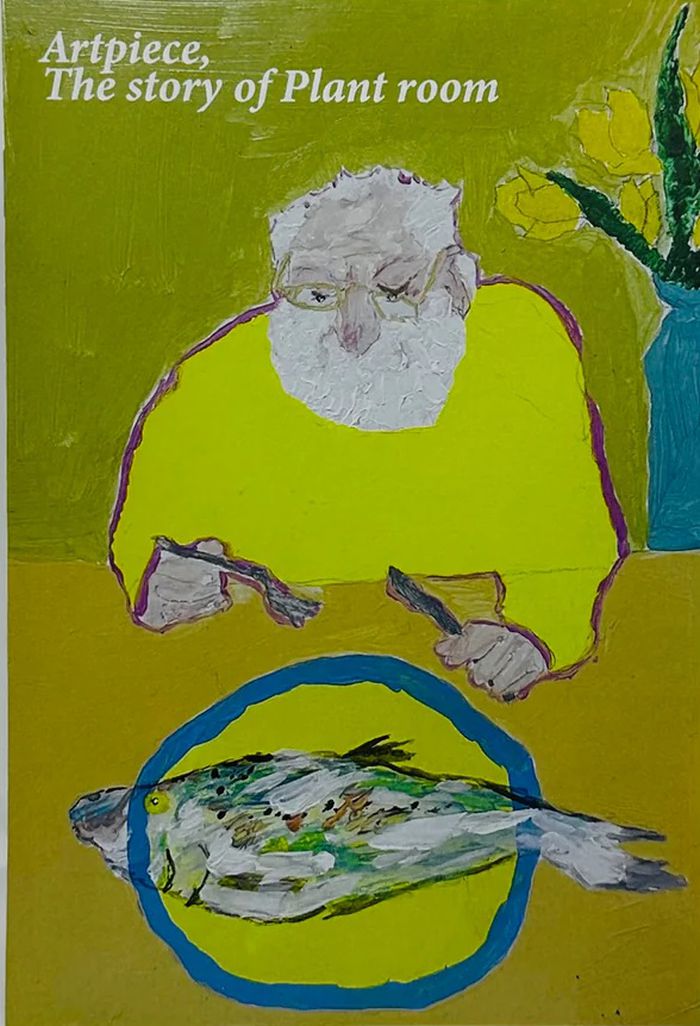
VisualCollect presents a small exhibition titled “Artpiece, The Story of Plant Room.” This exhibition was curated to capture the awakening of plants and their surroundings as we transition from the end of winter into the warmth of spring. It aims to convey the idea that houseplants in modern society are more than mere decorations, they are precious companions that breathe alongside our lives. Through the scenes surrounding these plants, we sought to create a harmony where nature and art blend together, and to share that process with others. From small succulents on a shelf, to climbing vines on the wall, to the bright green hues that fill window sills, each space reflects our tastes and personal stories. In this exhibition, artist Lee Su presents works that highlight vibrant color contrasts, featuring a charming grandfather dressed in raincoats as colorful as fish. These cheerful paintings lift the viewer’s mood and are all brought together in a storybook format. About the Artist Lee Su began painting after being captivated by the colorful scenery of London during his travels. He mainly works with themes of grandfathers and fish, expressing his wish to age with wit and to live a life as colorful and varied as a fish’s hues. His favorite brand is YMC, which he finds appealing for its bold use of color, and his favorite artist is David Hockney, known for his use of bright, uplifting colors.
Lee Su. Artpiece: the story of plant room.
Actions:
Price:
$25.00
(available in store)
Summary:
VisualCollect presents a small exhibition titled “Artpiece, The Story of Plant Room.” This exhibition was curated to capture the awakening of plants and their surroundings as we transition from the end of winter into the warmth of spring. It aims to convey the idea that houseplants in modern society are more than mere decorations, they are precious companions that breathe alongside our lives. Through the scenes surrounding these plants, we sought to create a harmony where nature and art blend together, and to share that process with others. From small succulents on a shelf, to climbing vines on the wall, to the bright green hues that fill window sills, each space reflects our tastes and personal stories. In this exhibition, artist Lee Su presents works that highlight vibrant color contrasts, featuring a charming grandfather dressed in raincoats as colorful as fish. These cheerful paintings lift the viewer’s mood and are all brought together in a storybook format. About the Artist Lee Su began painting after being captivated by the colorful scenery of London during his travels. He mainly works with themes of grandfathers and fish, expressing his wish to age with wit and to live a life as colorful and varied as a fish’s hues. His favorite brand is YMC, which he finds appealing for its bold use of color, and his favorite artist is David Hockney, known for his use of bright, uplifting colors.
Form:
books
books
Publication:
October 2025
October 2025
Subject:
Contemporary Art Monographs
Contemporary Art Monographs
Form:
books
books
Title:
Prosodic notes
Prosodic notes
Actions:
Price:
$62.00
(available in store)
Summary:
The exhibition Prosodic Grains at ''BY ART MATTERS'' (??????) draws inspiration from Chinese literature's pursuit of natural law and balanced beauty in phonology. It features works from over a dozen artists across different countries and regions, exploring the origins, elasticity, and limitations of human communication. For individuals, language and music carry fleeting(...)
$62.00
(available in store)
Summary:
The exhibition Prosodic Grains at ''BY ART MATTERS'' (??????) draws inspiration from Chinese literature's pursuit of natural law and balanced beauty in phonology. It features works from over a dozen artists across different countries and regions, exploring the origins, elasticity, and limitations of human communication. For individuals, language and music carry fleeting(...)
Title:
Prosodic notes
Actions:
Price:
$62.00
(available in store)
Summary:
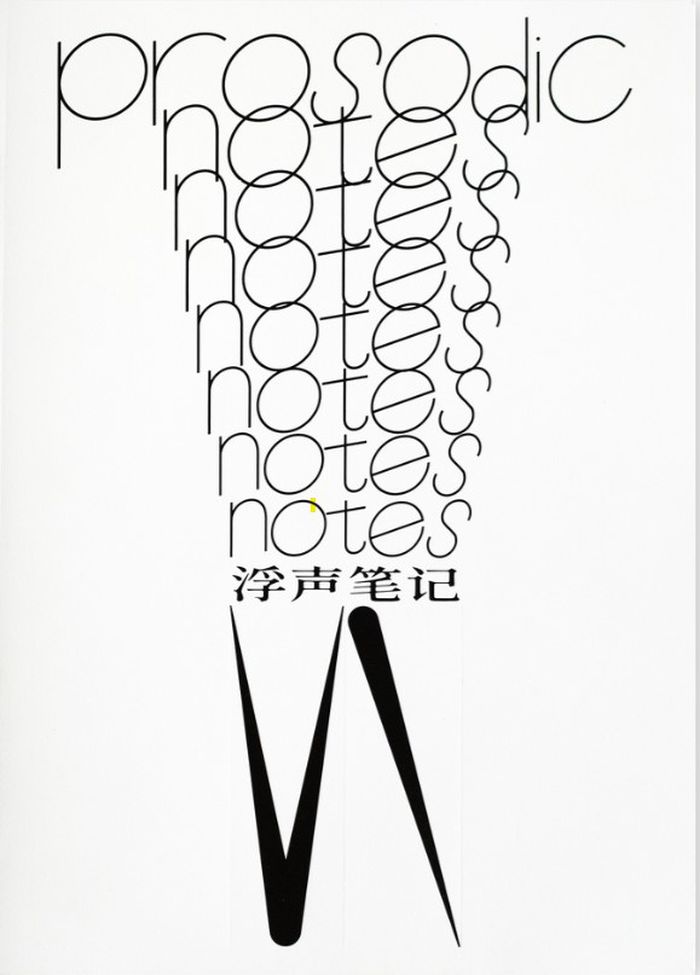
The exhibition Prosodic Grains at ''BY ART MATTERS'' (??????) draws inspiration from Chinese literature's pursuit of natural law and balanced beauty in phonology. It features works from over a dozen artists across different countries and regions, exploring the origins, elasticity, and limitations of human communication. For individuals, language and music carry fleeting emotions and thoughts; for human communities, they embody living histories and shared memories that reside in our collective consciousness. Embracing this holistic vision, the exhibition weaves individual breaths into the tapestry of global currents, embarking on a journey that awakens synesthetic sensations and delves into the realms of listening, perception, and resonance. In this information age, where attention fragments amidst discord and conflict, perhaps by experiencing and conveying the ineffable rhythmic beauty that transcends time and space, we can guide people back to their primal yearning for connection and mutual understanding. The publication ''Prosodic Notes'' emerges from the exhibition but isn't strictly bound by its concepts—it can be viewed as an alternative aspect of the exhibition. As we shaped this publication, we maintained an open dialogue with artists around the question: "How can works that pulse with sound and language find new life within the bounds of pages?" Some content consists of the original creations by artists. Another thread weaves in the artists' journeys toward their final works, including sketches, notes, archives, and interviews. These elements serve as passageways connecting living memories and experiences of the exhibition.
Prosodic notes
Actions:
Price:
$62.00
(available in store)
Summary:
The exhibition Prosodic Grains at ''BY ART MATTERS'' (??????) draws inspiration from Chinese literature's pursuit of natural law and balanced beauty in phonology. It features works from over a dozen artists across different countries and regions, exploring the origins, elasticity, and limitations of human communication. For individuals, language and music carry fleeting emotions and thoughts; for human communities, they embody living histories and shared memories that reside in our collective consciousness. Embracing this holistic vision, the exhibition weaves individual breaths into the tapestry of global currents, embarking on a journey that awakens synesthetic sensations and delves into the realms of listening, perception, and resonance. In this information age, where attention fragments amidst discord and conflict, perhaps by experiencing and conveying the ineffable rhythmic beauty that transcends time and space, we can guide people back to their primal yearning for connection and mutual understanding. The publication ''Prosodic Notes'' emerges from the exhibition but isn't strictly bound by its concepts—it can be viewed as an alternative aspect of the exhibition. As we shaped this publication, we maintained an open dialogue with artists around the question: "How can works that pulse with sound and language find new life within the bounds of pages?" Some content consists of the original creations by artists. Another thread weaves in the artists' journeys toward their final works, including sketches, notes, archives, and interviews. These elements serve as passageways connecting living memories and experiences of the exhibition.
Form:
books
books
Publication:
October 2025
October 2025
Form:
books
books

Actions:
Price:
$13.95
(available in store)
Summary:
Sellafield, Europe's largest nuclear site, began being decommissioned in 2022. Its primary purpose was to produce weapons-grade plutonium for the UK's nuclear weapons programme, but they also generated electrical power for the National Grid from 1956-2003 and reprocessed nuclear fuel from 1952 to 2022. In 1985, Barry Lewis photographed part of the plant for The Sunday(...)
$13.95
(available in store)
Summary:
Sellafield, Europe's largest nuclear site, began being decommissioned in 2022. Its primary purpose was to produce weapons-grade plutonium for the UK's nuclear weapons programme, but they also generated electrical power for the National Grid from 1956-2003 and reprocessed nuclear fuel from 1952 to 2022. In 1985, Barry Lewis photographed part of the plant for The Sunday(...)
Title:
Barry Lewis: Sellafield Nuclear Site 1985
Actions:
Price:
$13.95
(available in store)
Summary:
Sellafield, Europe's largest nuclear site, began being decommissioned in 2022. Its primary purpose was to produce weapons-grade plutonium for the UK's nuclear weapons programme, but they also generated electrical power for the National Grid from 1956-2003 and reprocessed nuclear fuel from 1952 to 2022. In 1985, Barry Lewis photographed part of the plant for The Sunday Times Magazine after reports found an increased incidence of leukaemia and non-Hodgkin lymphoma in children and young adults under 25 years of age living in Seascale, a village near Sellafield on the west coast of Cumbria. A government report suggested that these spikes were unlikely to have been caused by radiation exposure though the causes of these clusters of leukaemia around Sellafield was still not clear. 100Kg of plutonium had been pumped out of Sellafield into the Irish sea during the previous 40 years and 60Kg was unaccounted for. Any plutonium dust that is washed inshore, and when the tide goes out, could dry and blow inland. A single speck of plutonium inhaled is enough to trigger cancer. Sellafield is now a sprawling rubbish dump on the Cumbrian coast, with the world's largest store of plutonium that stores and treats decades of nuclear waste from atomic power generation and weapons programmes.The buildings are expected to be finally torn down by 2125 at a cost of approaching £100 billion and have its nuclear waste buried deep underground at a location still undecided.
Barry Lewis: Sellafield Nuclear Site 1985
Actions:
Price:
$13.95
(available in store)
Summary:
Sellafield, Europe's largest nuclear site, began being decommissioned in 2022. Its primary purpose was to produce weapons-grade plutonium for the UK's nuclear weapons programme, but they also generated electrical power for the National Grid from 1956-2003 and reprocessed nuclear fuel from 1952 to 2022. In 1985, Barry Lewis photographed part of the plant for The Sunday Times Magazine after reports found an increased incidence of leukaemia and non-Hodgkin lymphoma in children and young adults under 25 years of age living in Seascale, a village near Sellafield on the west coast of Cumbria. A government report suggested that these spikes were unlikely to have been caused by radiation exposure though the causes of these clusters of leukaemia around Sellafield was still not clear. 100Kg of plutonium had been pumped out of Sellafield into the Irish sea during the previous 40 years and 60Kg was unaccounted for. Any plutonium dust that is washed inshore, and when the tide goes out, could dry and blow inland. A single speck of plutonium inhaled is enough to trigger cancer. Sellafield is now a sprawling rubbish dump on the Cumbrian coast, with the world's largest store of plutonium that stores and treats decades of nuclear waste from atomic power generation and weapons programmes.The buildings are expected to be finally torn down by 2125 at a cost of approaching £100 billion and have its nuclear waste buried deep underground at a location still undecided.
Form:
books
books
Publication:
April 2026
April 2026
Subject:
Photography monographs
Photography monographs
Form:
books
books
Price:
$67.50
(available to order)
Summary:
The buildings of the past were constructed with readily available and local materials, such as stone, wood, or handmade bricks. Architects in the modern era, however, can choose from an ever increasing number of new materials, each one allowing for different advances in design. And yet the traditional materials have never been entirely supplanted; they still form an(...)
$67.50
(available to order)
Summary:
The buildings of the past were constructed with readily available and local materials, such as stone, wood, or handmade bricks. Architects in the modern era, however, can choose from an ever increasing number of new materials, each one allowing for different advances in design. And yet the traditional materials have never been entirely supplanted; they still form an(...)
Publication:
October 2019
October 2019
Title:
Building on tradition: repurposing traditional materials in architecture
Actions:
Price:
$67.50
(available to order)
Summary:
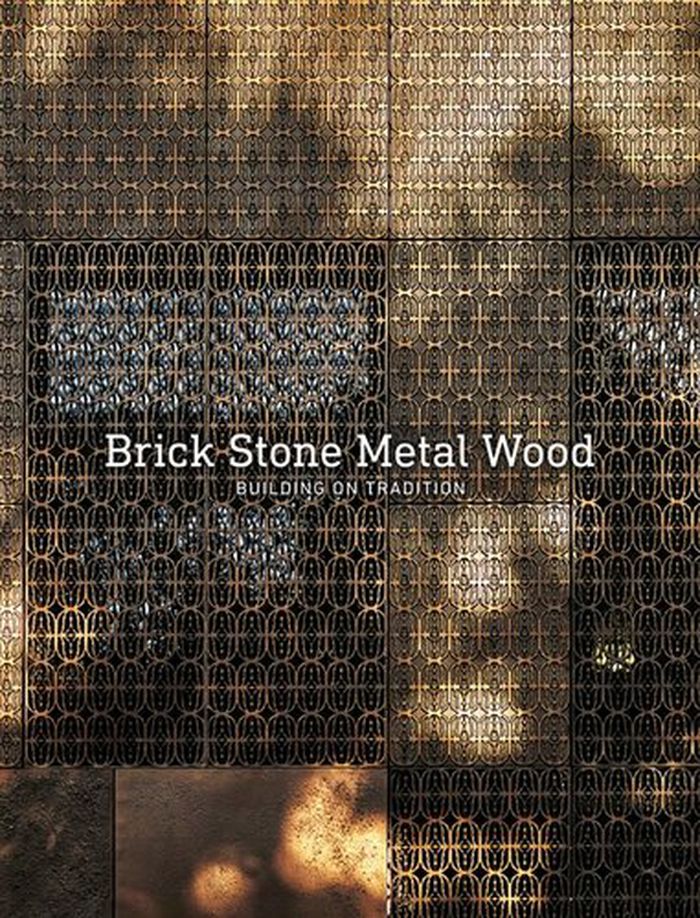
The buildings of the past were constructed with readily available and local materials, such as stone, wood, or handmade bricks. Architects in the modern era, however, can choose from an ever increasing number of new materials, each one allowing for different advances in design. And yet the traditional materials have never been entirely supplanted; they still form an important part of the architectural range and are still used by architects the world over. The humble brick, for example, has remained a constant throughout the history of architecture, as has timber with its flexibility and warm tones. But today such elements can be used in conjunction with newer materials to highlight their natural beauty in many different ways: creating a stunning metal facade, wrapping a building with a cool, sleek stone finish, designing a wall with an eye-catching interesting texture, or adding depth or warmth to an internal design. Traditional metals are also finding new use, being employed to coat a structure in a light metal skin that reflects the sunlight, or embedded onto a building to add interest and texture. This book journeys through a curated selection of stunning examples from across the world, showcasing how each material is creatively used over a diverse range of building types and styles, and illustrating the myriad possibilities and forms available to the modern architect who chooses to rework these age-old materials into a brand-new decorative yet functional form.
Building on tradition: repurposing traditional materials in architecture
Actions:
Price:
$67.50
(available to order)
Summary:
The buildings of the past were constructed with readily available and local materials, such as stone, wood, or handmade bricks. Architects in the modern era, however, can choose from an ever increasing number of new materials, each one allowing for different advances in design. And yet the traditional materials have never been entirely supplanted; they still form an important part of the architectural range and are still used by architects the world over. The humble brick, for example, has remained a constant throughout the history of architecture, as has timber with its flexibility and warm tones. But today such elements can be used in conjunction with newer materials to highlight their natural beauty in many different ways: creating a stunning metal facade, wrapping a building with a cool, sleek stone finish, designing a wall with an eye-catching interesting texture, or adding depth or warmth to an internal design. Traditional metals are also finding new use, being employed to coat a structure in a light metal skin that reflects the sunlight, or embedded onto a building to add interest and texture. This book journeys through a curated selection of stunning examples from across the world, showcasing how each material is creatively used over a diverse range of building types and styles, and illustrating the myriad possibilities and forms available to the modern architect who chooses to rework these age-old materials into a brand-new decorative yet functional form.
Form:
books
books
Publication:
October 2019
October 2019
Form:
books
books
Actions:
Price:
$32.95
(available in store)
Summary:
A small but growing group of today's knowledge workers actively seek a lifestyle of freedom, using technology to perform their jobs, traveling far and wide, and moving as often as they like. These digital nomads have left their local coffee shops behind and now proudly post their "office of the day" photos from exotic locales, but what do their lives really look like? In(...)
$32.95
(available in store)
Summary:
A small but growing group of today's knowledge workers actively seek a lifestyle of freedom, using technology to perform their jobs, traveling far and wide, and moving as often as they like. These digital nomads have left their local coffee shops behind and now proudly post their "office of the day" photos from exotic locales, but what do their lives really look like? In(...)
Publication:
January 2021
January 2021
Title:
Digital nomads: In search of freedom, community and meaningful work in the new economy
Actions:
Price:
$32.95
(available in store)
Summary:
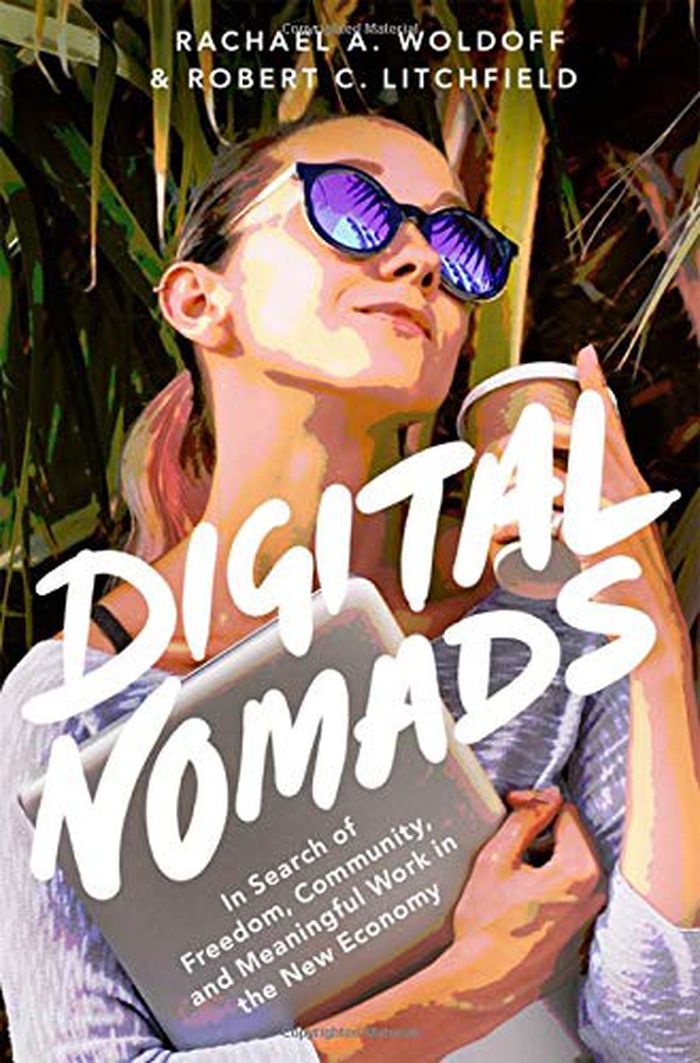
A small but growing group of today's knowledge workers actively seek a lifestyle of freedom, using technology to perform their jobs, traveling far and wide, and moving as often as they like. These digital nomads have left their local coffee shops behind and now proudly post their "office of the day" photos from exotic locales, but what do their lives really look like? In ''Digital nomads,'' Rachael Woldoff and Robert Litchfield take readers into an expatriate digital nomad community in Bali, Indonesia to better understand this growing demographic of typically Millennial workers. Through dozens of interviews and several stints living in a digital nomad hub, Woldoff and Litchfield present new answers to classic questions about community, creativity, and work. They further show why digital nomads leave their conventional lives behind, arguing that creative class and Millennial workers, though successful, often feel that their "world class cities" and desirable jobs are anything but paradise. They first follow their transitions into freelancing, entrepreneurship, and remote work, then explain how digital nomads create a fluid but intimate community abroad in the company of like-minded others. Ultimately, Woldoff and Litchfield provide insight into digital nomads' efforts to live and work in ways that balance freedom, community, and creative fulfillment in the digital age. A sympathetic yet critical take on this emerging group of workers, ''Digital nomads'' provides a revealing take on the changing nature of work and the problems of the new economy.
Digital nomads: In search of freedom, community and meaningful work in the new economy
Actions:
Price:
$32.95
(available in store)
Summary:
A small but growing group of today's knowledge workers actively seek a lifestyle of freedom, using technology to perform their jobs, traveling far and wide, and moving as often as they like. These digital nomads have left their local coffee shops behind and now proudly post their "office of the day" photos from exotic locales, but what do their lives really look like? In ''Digital nomads,'' Rachael Woldoff and Robert Litchfield take readers into an expatriate digital nomad community in Bali, Indonesia to better understand this growing demographic of typically Millennial workers. Through dozens of interviews and several stints living in a digital nomad hub, Woldoff and Litchfield present new answers to classic questions about community, creativity, and work. They further show why digital nomads leave their conventional lives behind, arguing that creative class and Millennial workers, though successful, often feel that their "world class cities" and desirable jobs are anything but paradise. They first follow their transitions into freelancing, entrepreneurship, and remote work, then explain how digital nomads create a fluid but intimate community abroad in the company of like-minded others. Ultimately, Woldoff and Litchfield provide insight into digital nomads' efforts to live and work in ways that balance freedom, community, and creative fulfillment in the digital age. A sympathetic yet critical take on this emerging group of workers, ''Digital nomads'' provides a revealing take on the changing nature of work and the problems of the new economy.
Form:
books
books
Publication:
January 2021
January 2021
Form:
books
books
Title:
You were never in Chicago
You were never in Chicago
Actions:
Price:
$27.95
(available to order)
Summary:
In 1952 the New Yorker published a three-part essay by A. J. Liebling in which he dubbed Chicago the “Second City.” From garbage collection to the skyline, nothing escaped Liebling’s withering gaze. Among the outraged responses from Chicago residents was one that Liebling described as the apotheosis of such criticism: a postcard that read, simply, “You were never in(...)
$27.95
(available to order)
Summary:
In 1952 the New Yorker published a three-part essay by A. J. Liebling in which he dubbed Chicago the “Second City.” From garbage collection to the skyline, nothing escaped Liebling’s withering gaze. Among the outraged responses from Chicago residents was one that Liebling described as the apotheosis of such criticism: a postcard that read, simply, “You were never in(...)
Title:
You were never in Chicago
Actions:
Price:
$27.95
(available to order)
Summary:
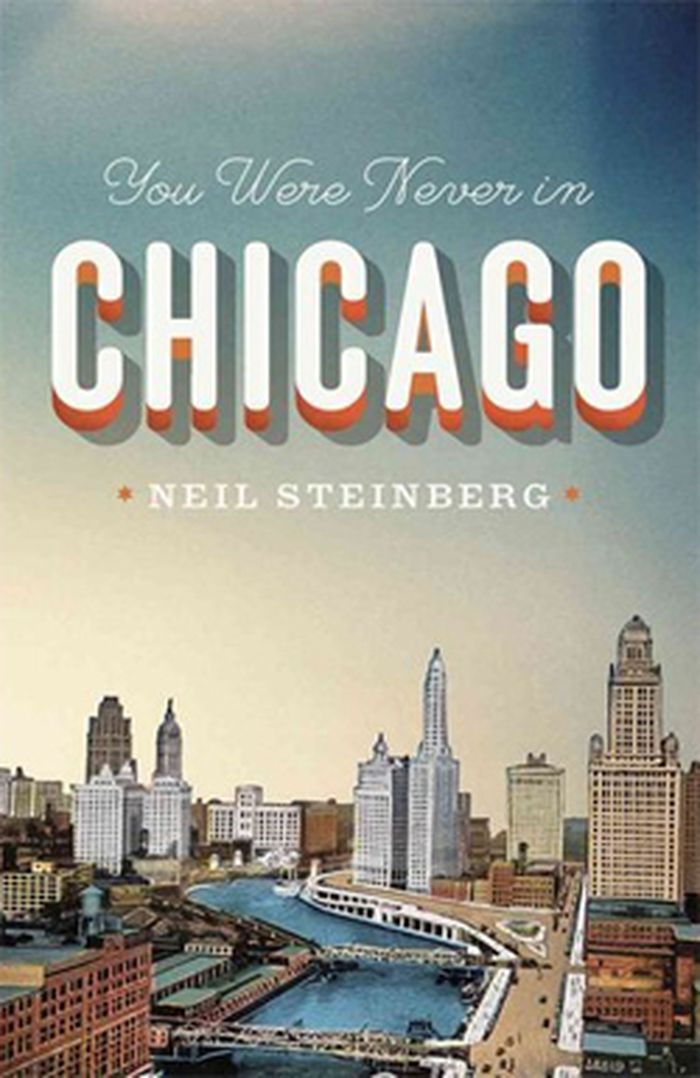
In 1952 the New Yorker published a three-part essay by A. J. Liebling in which he dubbed Chicago the “Second City.” From garbage collection to the skyline, nothing escaped Liebling’s withering gaze. Among the outraged responses from Chicago residents was one that Liebling described as the apotheosis of such criticism: a postcard that read, simply, “You were never in Chicago.” Neil Steinberg has lived in and around Chicago for more than three decades — ever since he left his hometown of Berea, Ohio, to attend Northwestern — yet he remains fascinated by the dynamics captured in Liebling’s anecdote. In You Were Never in Chicago Steinberg weaves the story of his own coming-of-age as a young outsider who made his way into the inner circles and upper levels of Chicago journalism with a nuanced portrait of the city that would surprise even lifelong residents. Steinberg takes readers through Chicago’s vanishing industrial past and explores the city from the quaint skybridge between the towers of the Wrigley Building, to the depths of the vast Deep Tunnel system below the streets. He deftly explains the city’s complex web of political favoritism and carefully profiles the characters he meets along the way, from greats of jazz and journalism to small-business owners just getting by. Throughout, Steinberg never loses the curiosity and close observation of an outsider, while thoughtfully considering how this perspective has shaped the city, and what it really means to belong.
You were never in Chicago
Actions:
Price:
$27.95
(available to order)
Summary:
In 1952 the New Yorker published a three-part essay by A. J. Liebling in which he dubbed Chicago the “Second City.” From garbage collection to the skyline, nothing escaped Liebling’s withering gaze. Among the outraged responses from Chicago residents was one that Liebling described as the apotheosis of such criticism: a postcard that read, simply, “You were never in Chicago.” Neil Steinberg has lived in and around Chicago for more than three decades — ever since he left his hometown of Berea, Ohio, to attend Northwestern — yet he remains fascinated by the dynamics captured in Liebling’s anecdote. In You Were Never in Chicago Steinberg weaves the story of his own coming-of-age as a young outsider who made his way into the inner circles and upper levels of Chicago journalism with a nuanced portrait of the city that would surprise even lifelong residents. Steinberg takes readers through Chicago’s vanishing industrial past and explores the city from the quaint skybridge between the towers of the Wrigley Building, to the depths of the vast Deep Tunnel system below the streets. He deftly explains the city’s complex web of political favoritism and carefully profiles the characters he meets along the way, from greats of jazz and journalism to small-business owners just getting by. Throughout, Steinberg never loses the curiosity and close observation of an outsider, while thoughtfully considering how this perspective has shaped the city, and what it really means to belong.
Form:
books
books
Publication:
December 2012
December 2012
Subject:
History since 1900, Reference Books
History since 1900, Reference Books
Form:
books
books
Actions:
Holdings:
Description:
xvii, 856 pages : illustrations ; 24 cm
Description:
xvii, 856 pages : illustrations ; 24 cm
Author:
Subject:
Publication:
Oxford [Oxfordshire] ; New York : Oxford University Press, 1987, © 1987
Oxford [Oxfordshire] ; New York : Oxford University Press, 1987, © 1987
Title:
The Oxford companion to the mind / edited by Richard L. Gregory, with the assistance of O.L. Zangwill.
Actions:
Holdings:
Description:
xvii, 856 pages : illustrations ; 24 cm
The Oxford companion to the mind / edited by Richard L. Gregory, with the assistance of O.L. Zangwill.
Actions:
Holdings:
Description:
xvii, 856 pages : illustrations ; 24 cm
Form:
books
books
Publication:
Oxford [Oxfordshire] ; New York : Oxford University Press, 1987, © 1987
Oxford [Oxfordshire] ; New York : Oxford University Press, 1987, © 1987
Author:
Subject:
Form:
books
books
Title:
Les cathédrales de France
Les cathédrales de France
Actions:
Price:
$59.95
(available to order)
Summary:
Les cathédrales évoquent le plus souvent les trésors gothiques de la France du Nord, telles Notre-Dame de Paris, de Reims, ou de Chartres. À coté des monuments hérités de la formidable fièvre de construction du Moyen Âge, ce livre révèle un patrimoine beaucoup plus vaste.
$59.95
(available to order)
Summary:
Les cathédrales évoquent le plus souvent les trésors gothiques de la France du Nord, telles Notre-Dame de Paris, de Reims, ou de Chartres. À coté des monuments hérités de la formidable fièvre de construction du Moyen Âge, ce livre révèle un patrimoine beaucoup plus vaste.
Title:
Les cathédrales de France
Actions:
Price:
$59.95
(available to order)
Summary:
Les cathédrales évoquent le plus souvent les trésors gothiques de la France du Nord, telles Notre-Dame de Paris, de Reims, ou de Chartres. À coté des monuments hérités de la formidable fièvre de construction du Moyen Âge, ce livre révèle un patrimoine beaucoup plus vaste.
Les cathédrales de France
Actions:
Price:
$59.95
(available to order)
Summary:
Les cathédrales évoquent le plus souvent les trésors gothiques de la France du Nord, telles Notre-Dame de Paris, de Reims, ou de Chartres. À coté des monuments hérités de la formidable fièvre de construction du Moyen Âge, ce livre révèle un patrimoine beaucoup plus vaste.
Form:
books
books
Publication:
October 1998, Genève
October 1998, Genève
Subject:
History until 1900
History until 1900
Form:
books
books
Title:
Vers la ville
Vers la ville
Actions:
Price:
$27.95
(available to order)
Summary:
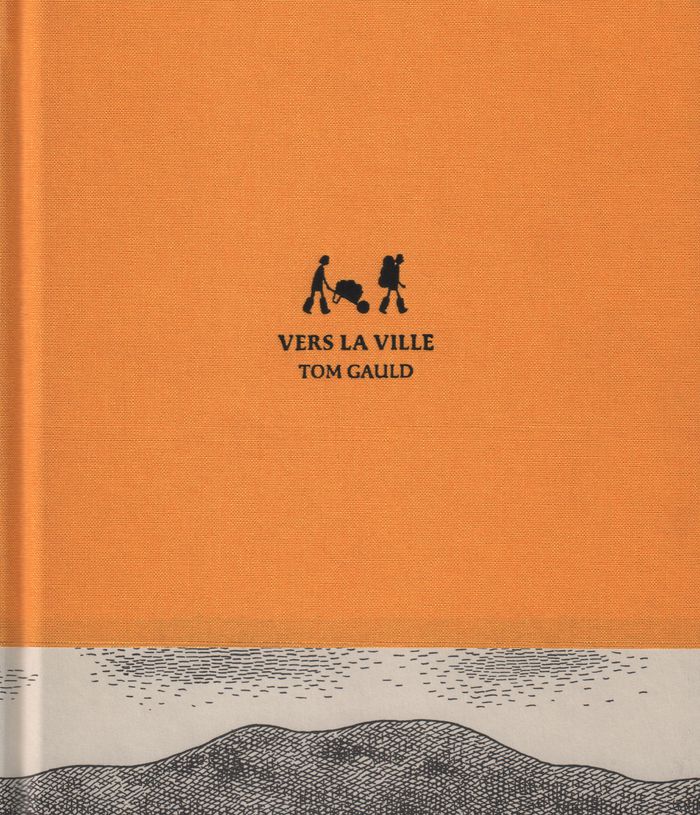
Déménager en ville, empaqueter ses quelques affaires et tout laisser derrière soi pour faire le grand saut dans l'inconnu, voilà une situation vieille comme le monde. Mais T. Gauld fait évoluer ses deux personnages contemporains dans un décor de Moyen-Âge, jouant avec humour de cette collision des époques.
$27.95
(available to order)
Summary:
Déménager en ville, empaqueter ses quelques affaires et tout laisser derrière soi pour faire le grand saut dans l'inconnu, voilà une situation vieille comme le monde. Mais T. Gauld fait évoluer ses deux personnages contemporains dans un décor de Moyen-Âge, jouant avec humour de cette collision des époques.
Title:
Vers la ville
Actions:
Price:
$27.95
(available to order)
Summary:
Déménager en ville, empaqueter ses quelques affaires et tout laisser derrière soi pour faire le grand saut dans l'inconnu, voilà une situation vieille comme le monde. Mais T. Gauld fait évoluer ses deux personnages contemporains dans un décor de Moyen-Âge, jouant avec humour de cette collision des époques.
Vers la ville
Actions:
Price:
$27.95
(available to order)
Summary:
Déménager en ville, empaqueter ses quelques affaires et tout laisser derrière soi pour faire le grand saut dans l'inconnu, voilà une situation vieille comme le monde. Mais T. Gauld fait évoluer ses deux personnages contemporains dans un décor de Moyen-Âge, jouant avec humour de cette collision des époques.
Form:
books
books
Publication:
January 2016
January 2016
Subject:
Illustration
Illustration


