


735 Results
Form:
books
books

Actions:
Price:
$32.95
(available in store)
Summary:
There are around 1850 public playgrounds (Spielplätze) in Berlin, a number so large, with renovations and equipment replacements happening so frequently that a definitive overview of them would be impossible. This publication catalogues and comprehend the design and distribution of these distinct and beautiful public works, so quintessential in the harmonious development(...)
$32.95
(available in store)
Summary:
There are around 1850 public playgrounds (Spielplätze) in Berlin, a number so large, with renovations and equipment replacements happening so frequently that a definitive overview of them would be impossible. This publication catalogues and comprehend the design and distribution of these distinct and beautiful public works, so quintessential in the harmonious development(...)
Title:
The impossible Berlin playgrounds guide
Actions:
Price:
$32.95
(available in store)
Summary:
There are around 1850 public playgrounds (Spielplätze) in Berlin, a number so large, with renovations and equipment replacements happening so frequently that a definitive overview of them would be impossible. This publication catalogues and comprehend the design and distribution of these distinct and beautiful public works, so quintessential in the harmonious development of a child as a person.
The impossible Berlin playgrounds guide
Actions:
Price:
$32.95
(available in store)
Summary:
There are around 1850 public playgrounds (Spielplätze) in Berlin, a number so large, with renovations and equipment replacements happening so frequently that a definitive overview of them would be impossible. This publication catalogues and comprehend the design and distribution of these distinct and beautiful public works, so quintessential in the harmonious development of a child as a person.
Form:
books
books
Publication:
May 2019
May 2019
Subject:
Commercial interiors, Building types
Commercial interiors, Building types
Form:
books
books

Price:
$40.00
(available to order)
Summary:
"Landscapes of play: A collection of imaginative spaces in Japan" is a self-published book exploring Japan’s unique and influential approach to outdoor play design, beginning with Mitsuru Senda’s pioneering of the “play apparatus” concept of the 1960s and extending to more contemporary play environments at the Showa Memorial Park in Tokyo. Through a combination of(...)
$40.00
(available to order)
Summary:
"Landscapes of play: A collection of imaginative spaces in Japan" is a self-published book exploring Japan’s unique and influential approach to outdoor play design, beginning with Mitsuru Senda’s pioneering of the “play apparatus” concept of the 1960s and extending to more contemporary play environments at the Showa Memorial Park in Tokyo. Through a combination of(...)
Publication:
October 2025
October 2025
Title:
Landscapes of play: A collective of imaginative spaces in Japan
Actions:
Price:
$40.00
(available to order)
Summary:
"Landscapes of play: A collection of imaginative spaces in Japan" is a self-published book exploring Japan’s unique and influential approach to outdoor play design, beginning with Mitsuru Senda’s pioneering of the “play apparatus” concept of the 1960s and extending to more contemporary play environments at the Showa Memorial Park in Tokyo. Through a combination of photography, research and personal reflections, it documents how these environments invite children and adults to play in ways that transcend conventional designs. The book also features a conversation with Norihiro Kanekiyo from Takano Landscape Planning —the office responsible for several of the projects in the book— which offers deep insight into their design approach to play and the role of nature in the conceptualization of these spaces.
Landscapes of play: A collective of imaginative spaces in Japan
Actions:
Price:
$40.00
(available to order)
Summary:
"Landscapes of play: A collection of imaginative spaces in Japan" is a self-published book exploring Japan’s unique and influential approach to outdoor play design, beginning with Mitsuru Senda’s pioneering of the “play apparatus” concept of the 1960s and extending to more contemporary play environments at the Showa Memorial Park in Tokyo. Through a combination of photography, research and personal reflections, it documents how these environments invite children and adults to play in ways that transcend conventional designs. The book also features a conversation with Norihiro Kanekiyo from Takano Landscape Planning —the office responsible for several of the projects in the book— which offers deep insight into their design approach to play and the role of nature in the conceptualization of these spaces.
Form:
books
books
Publication:
October 2025
October 2025
Form:
books
books

Actions:
Price:
$95.50
(available to order)
Summary:
In all debates on school system reform, teaching methods, care facilities for young children or individual funding opportunities, educational objectives are almost always at the fore. The more often issues of all-day schooling and inclusion are dealt with, the more important spatial concepts and aspects of aesthetics become. Results of international performance tests and(...)
$95.50
(available to order)
Summary:
In all debates on school system reform, teaching methods, care facilities for young children or individual funding opportunities, educational objectives are almost always at the fore. The more often issues of all-day schooling and inclusion are dealt with, the more important spatial concepts and aspects of aesthetics become. Results of international performance tests and(...)
Title:
Best of DETAIL: building for children
Actions:
Price:
$95.50
(available to order)
Summary:
In all debates on school system reform, teaching methods, care facilities for young children or individual funding opportunities, educational objectives are almost always at the fore. The more often issues of all-day schooling and inclusion are dealt with, the more important spatial concepts and aspects of aesthetics become. Results of international performance tests and findings from the field of developmental psychology have revealed the considerable influence that quality architecture exerts – from professional handling of design, colours, light and more to one’s ability to learn, including self-determined learning and working. Therefore, the time has come for architects to deal with these issues and to familiarise themselves with the appropriate design principles. In addition to brief theoretical asides, the latest volume from the “best of Detail” series provides a wide range of completed projects – from crèche to high school and community centres for children to youth centres – that demonstrate fascinating solutions for diverse construction projects for children and adolescents.
Best of DETAIL: building for children
Actions:
Price:
$95.50
(available to order)
Summary:
In all debates on school system reform, teaching methods, care facilities for young children or individual funding opportunities, educational objectives are almost always at the fore. The more often issues of all-day schooling and inclusion are dealt with, the more important spatial concepts and aspects of aesthetics become. Results of international performance tests and findings from the field of developmental psychology have revealed the considerable influence that quality architecture exerts – from professional handling of design, colours, light and more to one’s ability to learn, including self-determined learning and working. Therefore, the time has come for architects to deal with these issues and to familiarise themselves with the appropriate design principles. In addition to brief theoretical asides, the latest volume from the “best of Detail” series provides a wide range of completed projects – from crèche to high school and community centres for children to youth centres – that demonstrate fascinating solutions for diverse construction projects for children and adolescents.
Form:
books
books
Publication:
May 2016
May 2016
Subject:
Commercial interiors, Building types
Commercial interiors, Building types
Form:
books
books

Actions:
Price:
$89.99
(available to order)
Summary:
Building Type Basics for Healthcare Facilities, Second Edition is your one-stop reference for the essential information you need to confidently begin the design process and successfully complete a healthcare project, large or small, on time and within budget. Leading architects from across the United States share their firsthand knowledge in order to guide you through all(...)
$89.99
(available to order)
Summary:
Building Type Basics for Healthcare Facilities, Second Edition is your one-stop reference for the essential information you need to confidently begin the design process and successfully complete a healthcare project, large or small, on time and within budget. Leading architects from across the United States share their firsthand knowledge in order to guide you through all(...)
Subject:
Commercial interiors, Building types
Commercial interiors, Building types
Publication:
April 2007, 2008
April 2007, 2008
Title:
Building type basics for healthcare facilities
Actions:
Price:
$89.99
(available to order)
Summary:
Building Type Basics for Healthcare Facilities, Second Edition is your one-stop reference for the essential information you need to confidently begin the design process and successfully complete a healthcare project, large or small, on time and within budget. Leading architects from across the United States share their firsthand knowledge in order to guide you through all aspects of healthcare facility design, with an emphasis on what you need to do to get started quickly. This edition is revised with multiple new healthcare project examples completed this century, more information on engineering requirements, and background on evolving sustainability and technology issues. It begins with an assessment of the healthcare industry's current and future needs, focusing on how those needs affect architecture. Next you get critical information and guidelines that enable you to create successful designs for inpatient, outpatient, and long-term care facilities. Coverage includes clinics, emergency departments, ambulatory care units, specialty centers, as well as facilities designed for adaptive reuse or the assimilation of future technologies.
Building type basics for healthcare facilities
Actions:
Price:
$89.99
(available to order)
Summary:
Building Type Basics for Healthcare Facilities, Second Edition is your one-stop reference for the essential information you need to confidently begin the design process and successfully complete a healthcare project, large or small, on time and within budget. Leading architects from across the United States share their firsthand knowledge in order to guide you through all aspects of healthcare facility design, with an emphasis on what you need to do to get started quickly. This edition is revised with multiple new healthcare project examples completed this century, more information on engineering requirements, and background on evolving sustainability and technology issues. It begins with an assessment of the healthcare industry's current and future needs, focusing on how those needs affect architecture. Next you get critical information and guidelines that enable you to create successful designs for inpatient, outpatient, and long-term care facilities. Coverage includes clinics, emergency departments, ambulatory care units, specialty centers, as well as facilities designed for adaptive reuse or the assimilation of future technologies.
Form:
books
books
Publication:
April 2007, 2008
April 2007, 2008
Subject:
Commercial interiors, Building types
Commercial interiors, Building types
Form:
books
books
Actions:
Price:
$34.95
(available to order)
Summary:
Leland and Jane Stanford built Stanford University as a memorial to their son, Leland Stanford Jr. The original 1891 campus, conceived by Frederick Law Olmsted and executed by architects Shepley, Rutan and Coolidge, balances architecture, landscapes, and the (...)
$34.95
(available to order)
Summary:
Leland and Jane Stanford built Stanford University as a memorial to their son, Leland Stanford Jr. The original 1891 campus, conceived by Frederick Law Olmsted and executed by architects Shepley, Rutan and Coolidge, balances architecture, landscapes, and the (...)
Subject:
Commercial interiors, Building types
Commercial interiors, Building types
Publication:
April 1999, New York
April 1999, New York
Title:
Stanford University : the campus guide
Actions:
Price:
$34.95
(available to order)
Summary:
Leland and Jane Stanford built Stanford University as a memorial to their son, Leland Stanford Jr. The original 1891 campus, conceived by Frederick Law Olmsted and executed by architects Shepley, Rutan and Coolidge, balances architecture, landscapes, and the natural surroundings in a composition of classic formal beauty. Stanford is a model of university design, from the nineteenth-century Memorial Court and Main Quad to twentieth-century buildings and restorations that respect the historic campus while contributing to modern design. This architectural tour offers an insider's view of the most interesting buildings on campus and around town, from the historic designs of Memorial Court and Hoover Tower to twentieth-century interpretations of Stanford's red-tile-roof tradition in Antoine Predock's Allen Center for Integrated Systems and Polshek and Partners' Cantor Center for Visual Arts at Stanford University. It includes the work of Frank Lloyd Wright, Arthur Erickson, William Turnbull, James Ingo Freed, Sir Norman Foster, and Polshek.
Stanford University : the campus guide
Actions:
Price:
$34.95
(available to order)
Summary:
Leland and Jane Stanford built Stanford University as a memorial to their son, Leland Stanford Jr. The original 1891 campus, conceived by Frederick Law Olmsted and executed by architects Shepley, Rutan and Coolidge, balances architecture, landscapes, and the natural surroundings in a composition of classic formal beauty. Stanford is a model of university design, from the nineteenth-century Memorial Court and Main Quad to twentieth-century buildings and restorations that respect the historic campus while contributing to modern design. This architectural tour offers an insider's view of the most interesting buildings on campus and around town, from the historic designs of Memorial Court and Hoover Tower to twentieth-century interpretations of Stanford's red-tile-roof tradition in Antoine Predock's Allen Center for Integrated Systems and Polshek and Partners' Cantor Center for Visual Arts at Stanford University. It includes the work of Frank Lloyd Wright, Arthur Erickson, William Turnbull, James Ingo Freed, Sir Norman Foster, and Polshek.
Form:
books
books
Publication:
April 1999, New York
April 1999, New York
Subject:
Commercial interiors, Building types
Commercial interiors, Building types
Form:
books
books

Price:
$102.95
(available to order)
Summary:
The Classroom shows how furniture designers from the late nineteenth century to the present have strived to enliven the classroom experience for children, telling for the first time the history of this neglected area of furniture design. The book is based on the collection of the VS school museum in Tauberbischofsheim, which houses a unique collection of school furniture(...)
$102.95
(available to order)
Summary:
The Classroom shows how furniture designers from the late nineteenth century to the present have strived to enliven the classroom experience for children, telling for the first time the history of this neglected area of furniture design. The book is based on the collection of the VS school museum in Tauberbischofsheim, which houses a unique collection of school furniture(...)
Subject:
Commercial interiors, Building types
Commercial interiors, Building types
Publication:
March 2011
March 2011
Title:
The classroom: From the late 19th Century until the present day
Actions:
Price:
$102.95
(available to order)
Summary:
The Classroom shows how furniture designers from the late nineteenth century to the present have strived to enliven the classroom experience for children, telling for the first time the history of this neglected area of furniture design. The book is based on the collection of the VS school museum in Tauberbischofsheim, which houses a unique collection of school furniture from Germany and abroad. Through this collection, it draws out the history of educational theory and school architecture over the past hundred years, tracing the ascent of a child-centered approach to education and attendant developments in design, as well as such topics as the use of propaganda in Soviet- and Nazi-era schools. Chairs, desks, classrooms and entire schools by Alvar Aalto, Arne Jacobsen, Charles Rennie Mackintosh, Jean-Baptiste Mathon, Jean Prouvé, Eero + Eliel Saarinen and Bruno Taut are abundantly illustrated and examined. The Classroom looks back over this history and looks forward to possible future developments.
The classroom: From the late 19th Century until the present day
Actions:
Price:
$102.95
(available to order)
Summary:
The Classroom shows how furniture designers from the late nineteenth century to the present have strived to enliven the classroom experience for children, telling for the first time the history of this neglected area of furniture design. The book is based on the collection of the VS school museum in Tauberbischofsheim, which houses a unique collection of school furniture from Germany and abroad. Through this collection, it draws out the history of educational theory and school architecture over the past hundred years, tracing the ascent of a child-centered approach to education and attendant developments in design, as well as such topics as the use of propaganda in Soviet- and Nazi-era schools. Chairs, desks, classrooms and entire schools by Alvar Aalto, Arne Jacobsen, Charles Rennie Mackintosh, Jean-Baptiste Mathon, Jean Prouvé, Eero + Eliel Saarinen and Bruno Taut are abundantly illustrated and examined. The Classroom looks back over this history and looks forward to possible future developments.
Form:
books
books
Publication:
March 2011
March 2011
Subject:
Commercial interiors, Building types
Commercial interiors, Building types
Form:
books
books
Title:
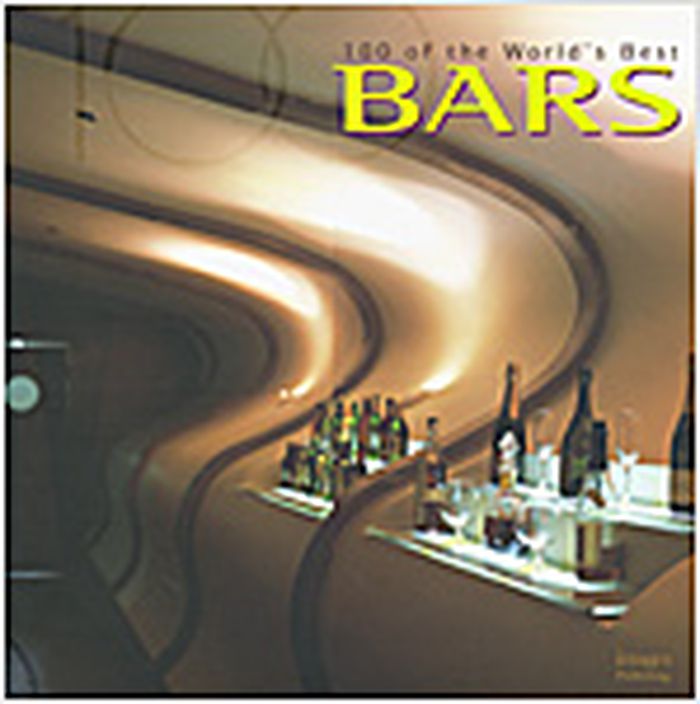
100 of the world's best bars
100 of the world's best bars
Actions:
Price:
$64.95
(available to order)
Summary:
The Images research team presents a collection of venues that reflects all kinds of social tastes and needs. Some of the most unique bars from around the world are revealed, including themed bars, exclusive drinking establishments, cocktail lounges, and renovated traditional pubs. Selected international architects and designers draw on their creative imaginations and(...)
$64.95
(available to order)
Summary:
The Images research team presents a collection of venues that reflects all kinds of social tastes and needs. Some of the most unique bars from around the world are revealed, including themed bars, exclusive drinking establishments, cocktail lounges, and renovated traditional pubs. Selected international architects and designers draw on their creative imaginations and(...)
Subject:
Commercial interiors, Building types
Commercial interiors, Building types
Publication:
January 1900, Victoria, Australia
January 1900, Victoria, Australia
Title:
100 of the world's best bars
Actions:
Price:
$64.95
(available to order)
Summary:
The Images research team presents a collection of venues that reflects all kinds of social tastes and needs. Some of the most unique bars from around the world are revealed, including themed bars, exclusive drinking establishments, cocktail lounges, and renovated traditional pubs. Selected international architects and designers draw on their creative imaginations and design skills to provide some truly inspired social spaces.
100 of the world's best bars
Actions:
Price:
$64.95
(available to order)
Summary:
The Images research team presents a collection of venues that reflects all kinds of social tastes and needs. Some of the most unique bars from around the world are revealed, including themed bars, exclusive drinking establishments, cocktail lounges, and renovated traditional pubs. Selected international architects and designers draw on their creative imaginations and design skills to provide some truly inspired social spaces.
Form:
books
books
Publication:
January 1900, Victoria, Australia
January 1900, Victoria, Australia
Subject:
Commercial interiors, Building types
Commercial interiors, Building types
Form:
books
books
Price:
$74.95
(available to order)
Summary:
Les vitrines sont les miroirs du monde. Elles en expriment le bien-être ou la misère. Chacun d'entre nous s'y reflète et s'y dévisage. En un siècle, les vitrines des magasins ont pris mille et un aspects. Des boudoirs à frivolités aux flagships des marques de luxe internationales, toute l'histoire de l'architecture et du design défile, baignée de mystères et de plaisirs.
$74.95
(available to order)
Summary:
Les vitrines sont les miroirs du monde. Elles en expriment le bien-être ou la misère. Chacun d'entre nous s'y reflète et s'y dévisage. En un siècle, les vitrines des magasins ont pris mille et un aspects. Des boudoirs à frivolités aux flagships des marques de luxe internationales, toute l'histoire de l'architecture et du design défile, baignée de mystères et de plaisirs.
Title:
L'architecture fait du lèche vitrine, façades de boutiques modernes
Actions:
Price:
$74.95
(available to order)
Summary:
Les vitrines sont les miroirs du monde. Elles en expriment le bien-être ou la misère. Chacun d'entre nous s'y reflète et s'y dévisage. En un siècle, les vitrines des magasins ont pris mille et un aspects. Des boudoirs à frivolités aux flagships des marques de luxe internationales, toute l'histoire de l'architecture et du design défile, baignée de mystères et de plaisirs.
L'architecture fait du lèche vitrine, façades de boutiques modernes
Actions:
Price:
$74.95
(available to order)
Summary:
Les vitrines sont les miroirs du monde. Elles en expriment le bien-être ou la misère. Chacun d'entre nous s'y reflète et s'y dévisage. En un siècle, les vitrines des magasins ont pris mille et un aspects. Des boudoirs à frivolités aux flagships des marques de luxe internationales, toute l'histoire de l'architecture et du design défile, baignée de mystères et de plaisirs.
Form:
books
books
Publication:
January 2009
January 2009
Subject:
Commercial interiors, Building types
Commercial interiors, Building types
Form:
books
books
Actions:
Price:
$27.95
(available to order)
Summary:
Chronicling more than fifty years of individual and industrial tinkering, Roger B. White shows how the technological innovations and cultural ideas of each era influenced motor-home design and popular use. Tracing the motor home's development from homemade conversions to mass-produced recreation vehicles, Home on the Road takes a lively look at America's love affair with(...)
$27.95
(available to order)
Summary:
Chronicling more than fifty years of individual and industrial tinkering, Roger B. White shows how the technological innovations and cultural ideas of each era influenced motor-home design and popular use. Tracing the motor home's development from homemade conversions to mass-produced recreation vehicles, Home on the Road takes a lively look at America's love affair with(...)
Subject:
Commercial interiors, Building types
Commercial interiors, Building types
Publication:
March 2001, Washington and London
March 2001, Washington and London
Title:
Home on the road : the motor home in America
Actions:
Price:
$27.95
(available to order)
Summary:
Chronicling more than fifty years of individual and industrial tinkering, Roger B. White shows how the technological innovations and cultural ideas of each era influenced motor-home design and popular use. Tracing the motor home's development from homemade conversions to mass-produced recreation vehicles, Home on the Road takes a lively look at America's love affair with this mode of travel.
Home on the road : the motor home in America
Actions:
Price:
$27.95
(available to order)
Summary:
Chronicling more than fifty years of individual and industrial tinkering, Roger B. White shows how the technological innovations and cultural ideas of each era influenced motor-home design and popular use. Tracing the motor home's development from homemade conversions to mass-produced recreation vehicles, Home on the Road takes a lively look at America's love affair with this mode of travel.
Form:
books
books
Publication:
March 2001, Washington and London
March 2001, Washington and London
Subject:
Commercial interiors, Building types
Commercial interiors, Building types
Form:
books
books
Actions:
Price:
$75.50
(available to order)
Summary:
Mark Fisher is a British architect with an international reputation for the design of spectacular rock concerts. Over the past 25 years he has created some of the most memorable rock shows ever staged. His designs include The Wall and Division Bell for Pink Floyd, Steel Wheels and Bridges to Babylon for the Rolling Stones, and Zoo TV and Popmart for U2.
$75.50
(available to order)
Summary:
Mark Fisher is a British architect with an international reputation for the design of spectacular rock concerts. Over the past 25 years he has created some of the most memorable rock shows ever staged. His designs include The Wall and Division Bell for Pink Floyd, Steel Wheels and Bridges to Babylon for the Rolling Stones, and Zoo TV and Popmart for U2.
Subject:
Commercial interiors, Building types
Commercial interiors, Building types
Publication:
September 1999, London
September 1999, London
Title:
Mark Fisher : staged architecture
Actions:
Price:
$75.50
(available to order)
Summary:
Mark Fisher is a British architect with an international reputation for the design of spectacular rock concerts. Over the past 25 years he has created some of the most memorable rock shows ever staged. His designs include The Wall and Division Bell for Pink Floyd, Steel Wheels and Bridges to Babylon for the Rolling Stones, and Zoo TV and Popmart for U2.
Mark Fisher : staged architecture
Actions:
Price:
$75.50
(available to order)
Summary:
Mark Fisher is a British architect with an international reputation for the design of spectacular rock concerts. Over the past 25 years he has created some of the most memorable rock shows ever staged. His designs include The Wall and Division Bell for Pink Floyd, Steel Wheels and Bridges to Babylon for the Rolling Stones, and Zoo TV and Popmart for U2.
Form:
books
books
Publication:
September 1999, London
September 1999, London
Subject:
Commercial interiors, Building types
Commercial interiors, Building types


