


13794 Results
Form:
books
books
Actions:
Price:
$31.95
(available to order)
Summary:
In The Right to Look, Nicholas Mirzoeff develops a comparative decolonial framework for visual culture studies, the field that he helped to create and shape. Casting modernity as an ongoing contest between visuality and countervisuality, or "the right to look," he explains how visuality sutures authority to power and renders the association natural. An(...)
$31.95
(available to order)
Summary:
In The Right to Look, Nicholas Mirzoeff develops a comparative decolonial framework for visual culture studies, the field that he helped to create and shape. Casting modernity as an ongoing contest between visuality and countervisuality, or "the right to look," he explains how visuality sutures authority to power and renders the association natural. An(...)
Title:
The right to look: a counterhistory of visuality
Actions:
Price:
$31.95
(available to order)
Summary:
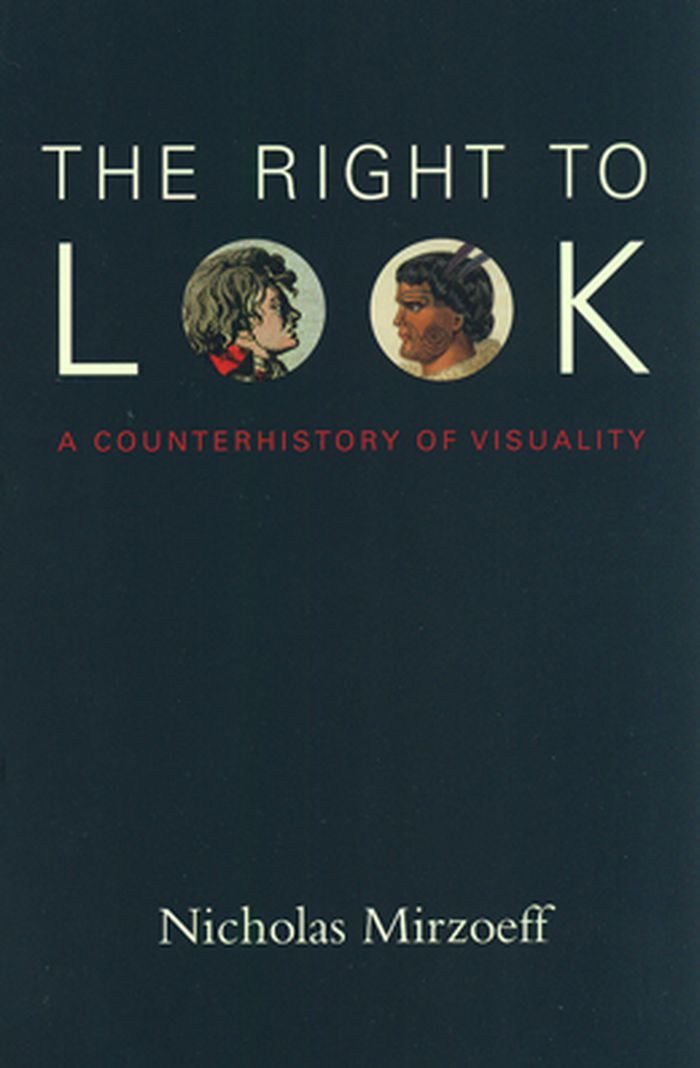
In The Right to Look, Nicholas Mirzoeff develops a comparative decolonial framework for visual culture studies, the field that he helped to create and shape. Casting modernity as an ongoing contest between visuality and countervisuality, or "the right to look," he explains how visuality sutures authority to power and renders the association natural. An early-nineteenth-century concept, meaning the visualization of history, visuality has been central to the legitimization of Western hegemony. Mirzoeff identifies three "complexes of visuality"--plantation slavery, imperialism, and the present-day military-industrial complex--and explains how, within each, power is made to seem self-evident through techniques of classification, separation, and aestheticization. This publication is a work of geographic, temporal, and conceptual reach.
The right to look: a counterhistory of visuality
Actions:
Price:
$31.95
(available to order)
Summary:
In The Right to Look, Nicholas Mirzoeff develops a comparative decolonial framework for visual culture studies, the field that he helped to create and shape. Casting modernity as an ongoing contest between visuality and countervisuality, or "the right to look," he explains how visuality sutures authority to power and renders the association natural. An early-nineteenth-century concept, meaning the visualization of history, visuality has been central to the legitimization of Western hegemony. Mirzoeff identifies three "complexes of visuality"--plantation slavery, imperialism, and the present-day military-industrial complex--and explains how, within each, power is made to seem self-evident through techniques of classification, separation, and aestheticization. This publication is a work of geographic, temporal, and conceptual reach.
Form:
books
books
Publication:
November 2011
November 2011
Subject:
Critical Theory
Critical Theory
Form:
books
books
Actions:
Price:
$30.95
(available to order)
Summary:
In "Havana beyond the Ruins," prominent architects, scholars, and writers based in and outside of Cuba analyze how Havana has been portrayed in literature, music, and the visual arts since Soviet subsidies of Cuba ceased, and the Cuban state has re-imagined Havana as a destination for international tourists and business ventures. Cuba's capital has experienced little(...)
$30.95
(available to order)
Summary:
In "Havana beyond the Ruins," prominent architects, scholars, and writers based in and outside of Cuba analyze how Havana has been portrayed in literature, music, and the visual arts since Soviet subsidies of Cuba ceased, and the Cuban state has re-imagined Havana as a destination for international tourists and business ventures. Cuba's capital has experienced little(...)
Title:
Havana, beyond the ruins: cultural mappings after 1989
Actions:
Price:
$30.95
(available to order)
Summary:
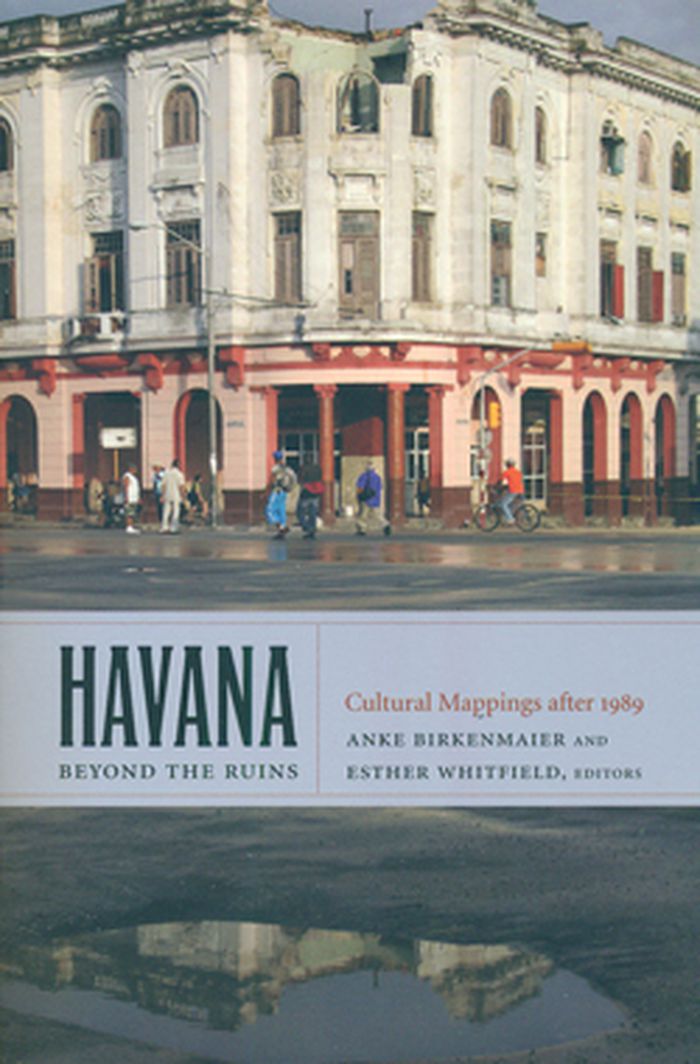
In "Havana beyond the Ruins," prominent architects, scholars, and writers based in and outside of Cuba analyze how Havana has been portrayed in literature, music, and the visual arts since Soviet subsidies of Cuba ceased, and the Cuban state has re-imagined Havana as a destination for international tourists and business ventures. Cuba's capital has experienced little construction since the revolution of 1959; many of its citizens live in poorly maintained colonial and modernist dwellings. It is this Havana--of crumbling houses, old cars, and a romantic aura of ruined hopes--that is marketed in picture books, memorabilia, and films. Bringing together assessments of the city's dwellings and urban development projects, "Havana beyond the Ruins" provides unique insights into issues of memory, citizenship, urban life, and the future of the revolution in Cuba.
Havana, beyond the ruins: cultural mappings after 1989
Actions:
Price:
$30.95
(available to order)
Summary:
In "Havana beyond the Ruins," prominent architects, scholars, and writers based in and outside of Cuba analyze how Havana has been portrayed in literature, music, and the visual arts since Soviet subsidies of Cuba ceased, and the Cuban state has re-imagined Havana as a destination for international tourists and business ventures. Cuba's capital has experienced little construction since the revolution of 1959; many of its citizens live in poorly maintained colonial and modernist dwellings. It is this Havana--of crumbling houses, old cars, and a romantic aura of ruined hopes--that is marketed in picture books, memorabilia, and films. Bringing together assessments of the city's dwellings and urban development projects, "Havana beyond the Ruins" provides unique insights into issues of memory, citizenship, urban life, and the future of the revolution in Cuba.
Form:
books
books
Publication:
September 2011
September 2011
Subject:
Urban Theory
Urban Theory
Form:
books
books
Actions:
Price:
$49.00
(available to order)
Summary:
In the heady and hallucinogenic days of the 1960s and '70s, a diverse range of artists and creative individuals based in the American West -from the Pacific coast to the Rocky Mountains and the Southwest - broke the barriers between art and lifestyle and embraced the new, hybrid sensibilities of the countercultural movement. In "West of Center," Elissa Auther and Adam(...)
$49.00
(available to order)
Summary:
In the heady and hallucinogenic days of the 1960s and '70s, a diverse range of artists and creative individuals based in the American West -from the Pacific coast to the Rocky Mountains and the Southwest - broke the barriers between art and lifestyle and embraced the new, hybrid sensibilities of the countercultural movement. In "West of Center," Elissa Auther and Adam(...)
Title:
West of center : art and the counterculture experiment in America, 1965-1977
Actions:
Price:
$49.00
(available to order)
Summary:
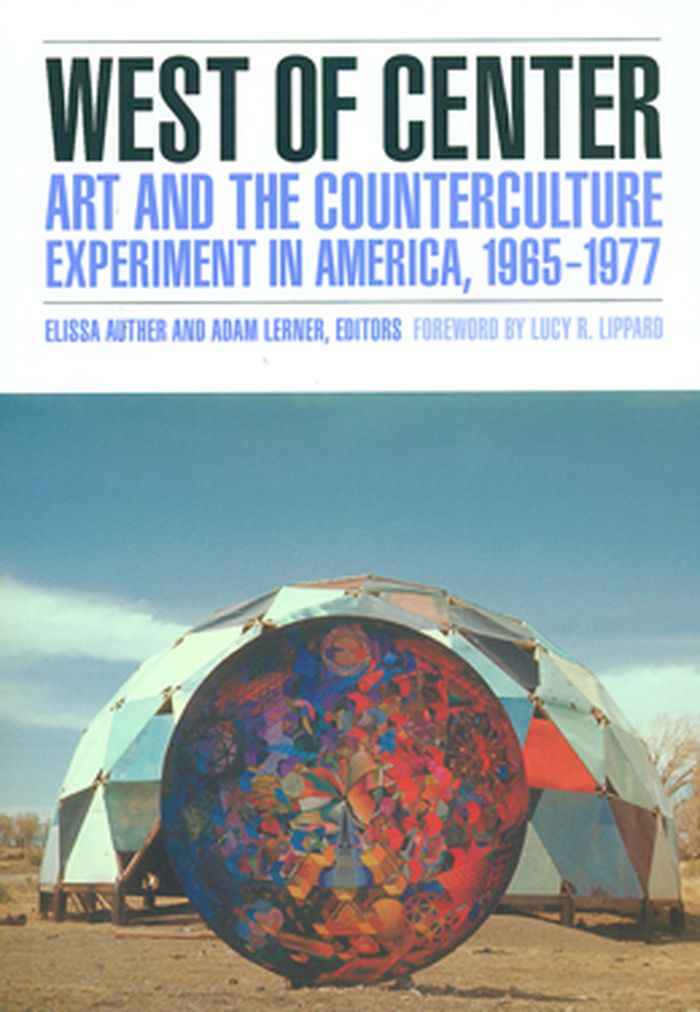
In the heady and hallucinogenic days of the 1960s and '70s, a diverse range of artists and creative individuals based in the American West -from the Pacific coast to the Rocky Mountains and the Southwest - broke the barriers between art and lifestyle and embraced the new, hybrid sensibilities of the countercultural movement. In "West of Center," Elissa Auther and Adam Lerner bring together a prominent group of scholars to elaborate the historical and artistic significance of these counterculture projects within the broader narrative of postwar American art, which skews heavily toward New York's avant-garde art scene. A companion to an exhibition originating at the Museum of Contemporary Art Denver, this book illuminates how, in the western United States, the counterculture's unique integration of art practices, political action, and collaborative life activities serves as a linchpin connecting postwar and contemporary artistic endeavors.
West of center : art and the counterculture experiment in America, 1965-1977
Actions:
Price:
$49.00
(available to order)
Summary:
In the heady and hallucinogenic days of the 1960s and '70s, a diverse range of artists and creative individuals based in the American West -from the Pacific coast to the Rocky Mountains and the Southwest - broke the barriers between art and lifestyle and embraced the new, hybrid sensibilities of the countercultural movement. In "West of Center," Elissa Auther and Adam Lerner bring together a prominent group of scholars to elaborate the historical and artistic significance of these counterculture projects within the broader narrative of postwar American art, which skews heavily toward New York's avant-garde art scene. A companion to an exhibition originating at the Museum of Contemporary Art Denver, this book illuminates how, in the western United States, the counterculture's unique integration of art practices, political action, and collaborative life activities serves as a linchpin connecting postwar and contemporary artistic endeavors.
Form:
books
books
Publication:
January 2012
January 2012
Subject:
Art Theory
Art Theory
Form:
books
books
Price:
$27.50
(available to order)
Summary:
From property deeds to shipping containers to wearable shelters to virtual spaces: what does it mean to draw a spatial boundary? To be at home? In a world in which notions of place are constantly changing, Jennifer Johung looks at new constructions of staying in place--in contemporary site-specific art, digital media, portable architecture, and various other imaginable(...)
$27.50
(available to order)
Summary:
From property deeds to shipping containers to wearable shelters to virtual spaces: what does it mean to draw a spatial boundary? To be at home? In a world in which notions of place are constantly changing, Jennifer Johung looks at new constructions of staying in place--in contemporary site-specific art, digital media, portable architecture, and various other imaginable(...)
Title:
Replacing home: From primordial hut to digital network in contemporary art
Actions:
Price:
$27.50
(available to order)
Summary:
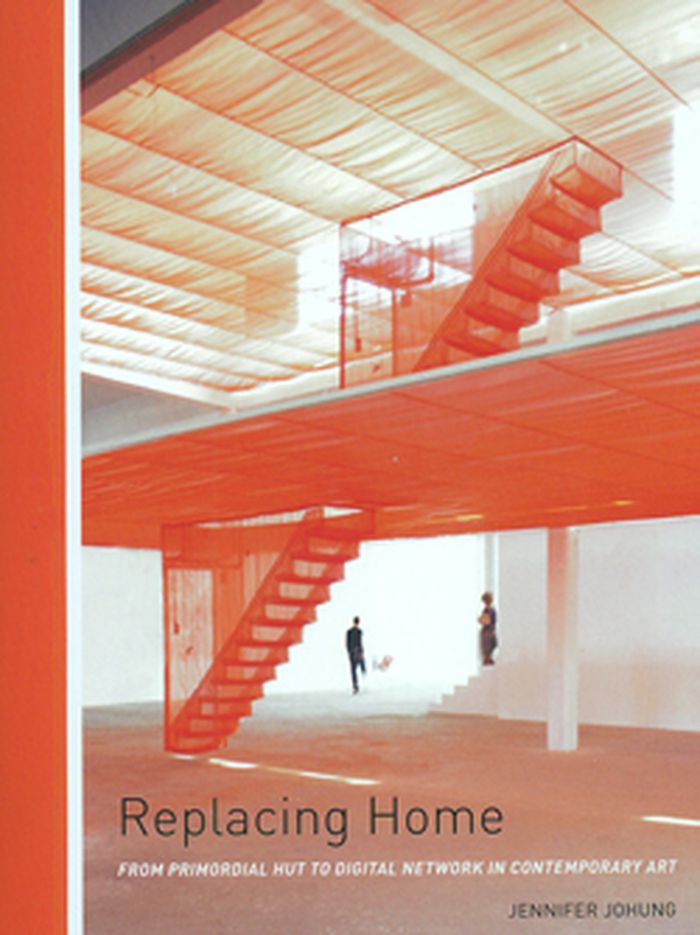
From property deeds to shipping containers to wearable shelters to virtual spaces: what does it mean to draw a spatial boundary? To be at home? In a world in which notions of place are constantly changing, Jennifer Johung looks at new constructions of staying in place--in contemporary site-specific art, digital media, portable architecture, and various other imaginable shelters and sites.
Replacing home: From primordial hut to digital network in contemporary art
Actions:
Price:
$27.50
(available to order)
Summary:
From property deeds to shipping containers to wearable shelters to virtual spaces: what does it mean to draw a spatial boundary? To be at home? In a world in which notions of place are constantly changing, Jennifer Johung looks at new constructions of staying in place--in contemporary site-specific art, digital media, portable architecture, and various other imaginable shelters and sites.
Form:
books
books
Publication:
January 2012
January 2012
Subject:
Art Theory
Art Theory
Form:
books
books
Actions:
Price:
$47.00
(available to order)
Summary:
Roads to Power tells the story of how Britain built the first nation connected by infrastructure, how a libertarian revolution destroyed a national economy, and how technology caused strangers to stop speaking. In early eighteenth-century Britain, nothing but dirt track ran between most towns. By 1848 the primitive roads were transformed into a network of highways(...)
$47.00
(available to order)
Summary:
Roads to Power tells the story of how Britain built the first nation connected by infrastructure, how a libertarian revolution destroyed a national economy, and how technology caused strangers to stop speaking. In early eighteenth-century Britain, nothing but dirt track ran between most towns. By 1848 the primitive roads were transformed into a network of highways(...)
Title:
Roads to power: Britain invents the infrastructure state
Actions:
Price:
$47.00
(available to order)
Summary:
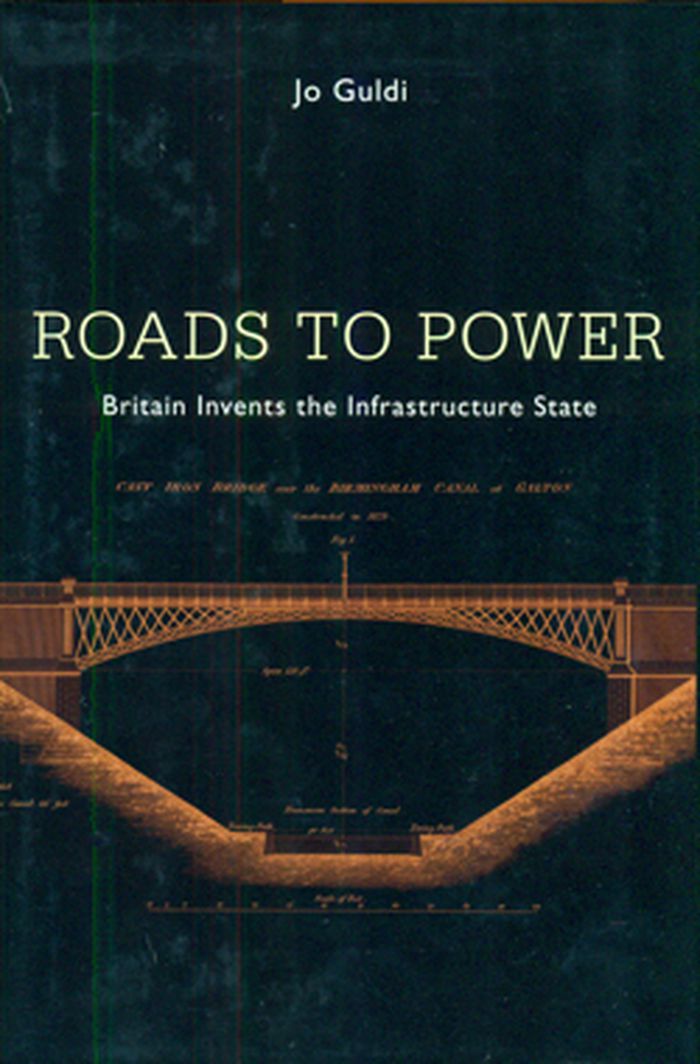
Roads to Power tells the story of how Britain built the first nation connected by infrastructure, how a libertarian revolution destroyed a national economy, and how technology caused strangers to stop speaking. In early eighteenth-century Britain, nothing but dirt track ran between most towns. By 1848 the primitive roads were transformed into a network of highways connecting every village and island in the nation—and also dividing them in unforeseen ways. The highway network led to contests for control over everything from road management to market access. Peripheries like the Highlands demanded that centralized government pay for roads they could not afford, while English counties wanted to be spared the cost of underwriting roads to Scotland. The new network also transformed social relationships. Although travelers moved along the same routes, they occupied increasingly isolated spheres. The roads were the product of a new form of government, the infrastructure state, marked by the unprecedented control bureaucrats wielded over decisions relating to everyday life.
Roads to power: Britain invents the infrastructure state
Actions:
Price:
$47.00
(available to order)
Summary:
Roads to Power tells the story of how Britain built the first nation connected by infrastructure, how a libertarian revolution destroyed a national economy, and how technology caused strangers to stop speaking. In early eighteenth-century Britain, nothing but dirt track ran between most towns. By 1848 the primitive roads were transformed into a network of highways connecting every village and island in the nation—and also dividing them in unforeseen ways. The highway network led to contests for control over everything from road management to market access. Peripheries like the Highlands demanded that centralized government pay for roads they could not afford, while English counties wanted to be spared the cost of underwriting roads to Scotland. The new network also transformed social relationships. Although travelers moved along the same routes, they occupied increasingly isolated spheres. The roads were the product of a new form of government, the infrastructure state, marked by the unprecedented control bureaucrats wielded over decisions relating to everyday life.
Form:
books
books
Publication:
January 2012
January 2012
Subject:
Architectural Theory
Architectural Theory
Form:
books
books
Actions:
Price:
$40.50
(available to order)
Summary:
Our relationship with dirt is complex and ambivalent. Dirt is waste, excrement, rubbish, bacteria--but what then is soil, where crops grow, and to which our bodies eventually return? Dirt may pose significant risks to our health, but it is also vital to our existence. Lavishly illustrated, this exciting and often startling book is a provocative introduction to a vast(...)
$40.50
(available to order)
Summary:
Our relationship with dirt is complex and ambivalent. Dirt is waste, excrement, rubbish, bacteria--but what then is soil, where crops grow, and to which our bodies eventually return? Dirt may pose significant risks to our health, but it is also vital to our existence. Lavishly illustrated, this exciting and often startling book is a provocative introduction to a vast(...)
Title:
Dirt: the filthy reality of everyday life
Actions:
Price:
$40.50
(available to order)
Summary:
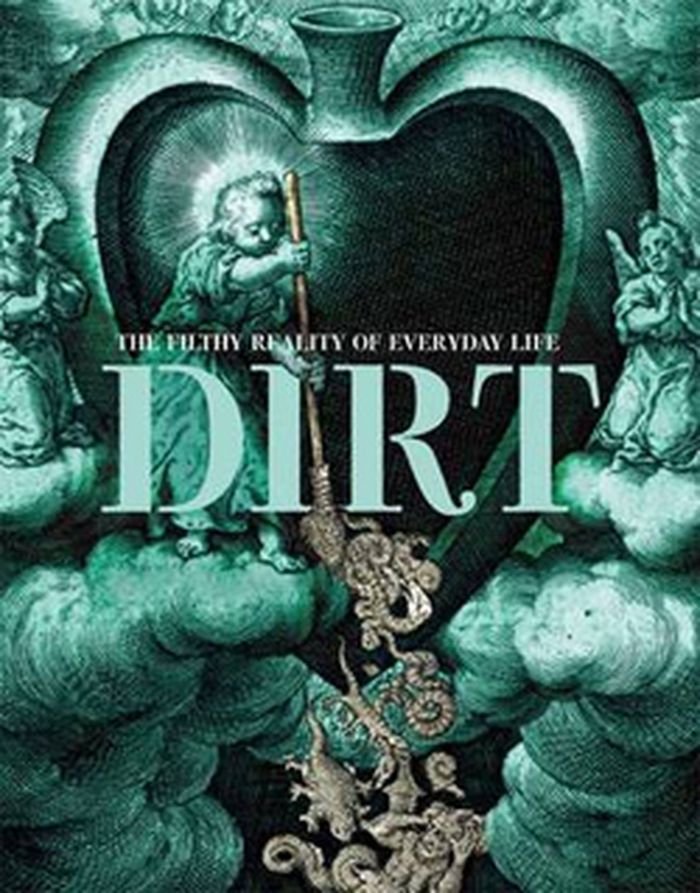
Our relationship with dirt is complex and ambivalent. Dirt is waste, excrement, rubbish, bacteria--but what then is soil, where crops grow, and to which our bodies eventually return? Dirt may pose significant risks to our health, but it is also vital to our existence. Lavishly illustrated, this exciting and often startling book is a provocative introduction to a vast and complex subject. Five writers and a graphic novelist pursue different themes from a range of perspectives in order to examine dirt and its contradictions, including personal grooming, the politics of dirt in the home, city sanitation, and waste disposal. From a 2011 exhibition at the Wellcome Collection, London.
Dirt: the filthy reality of everyday life
Actions:
Price:
$40.50
(available to order)
Summary:
Our relationship with dirt is complex and ambivalent. Dirt is waste, excrement, rubbish, bacteria--but what then is soil, where crops grow, and to which our bodies eventually return? Dirt may pose significant risks to our health, but it is also vital to our existence. Lavishly illustrated, this exciting and often startling book is a provocative introduction to a vast and complex subject. Five writers and a graphic novelist pursue different themes from a range of perspectives in order to examine dirt and its contradictions, including personal grooming, the politics of dirt in the home, city sanitation, and waste disposal. From a 2011 exhibition at the Wellcome Collection, London.
Form:
books
books
Publication:
May 2012
May 2012
Subject:
Architectural Theory
Architectural Theory
Form:
books
books
Actions:
Price:
$18.99
(available to order)
Summary:
Makeshift Metropolis describes how current ideas about urban planning evolved from the movements that defined the twentieth century, such as City Beautiful, the Garden City, and the seminal ideas of Frank Lloyd Wright and Jane Jacobs. If the twentieth century was the age of planning, we now find ourselves in the age of the market, Rybczynski argues, where entrepreneurial(...)
$18.99
(available to order)
Summary:
Makeshift Metropolis describes how current ideas about urban planning evolved from the movements that defined the twentieth century, such as City Beautiful, the Garden City, and the seminal ideas of Frank Lloyd Wright and Jane Jacobs. If the twentieth century was the age of planning, we now find ourselves in the age of the market, Rybczynski argues, where entrepreneurial(...)
Title:
Makeshift metropolis: ideas about cities
Actions:
Price:
$18.99
(available to order)
Summary:
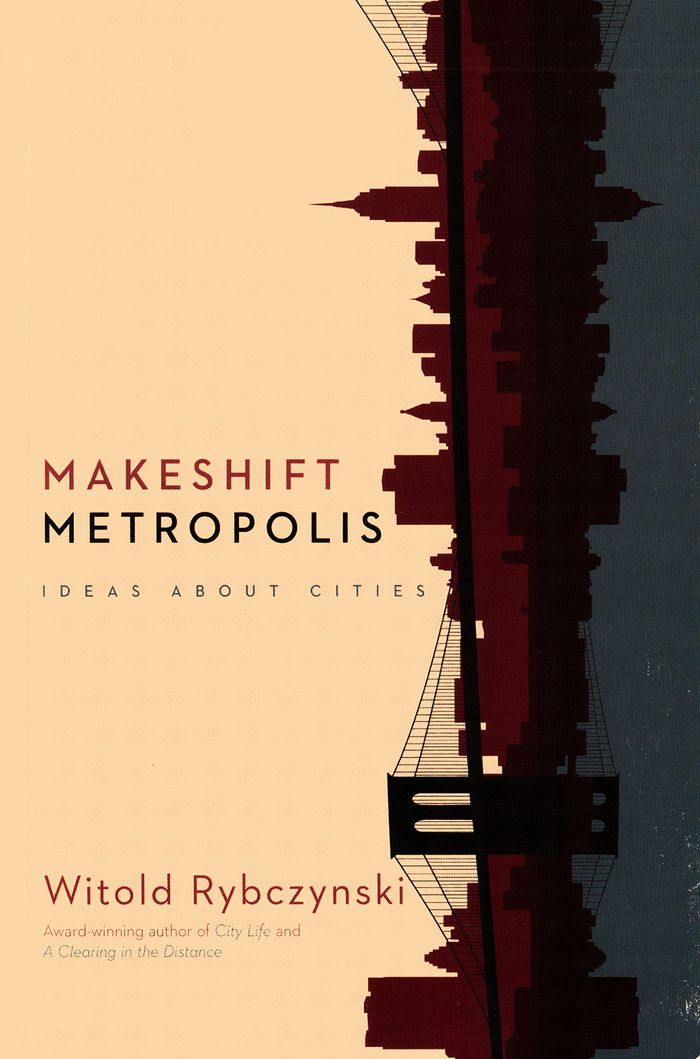
Makeshift Metropolis describes how current ideas about urban planning evolved from the movements that defined the twentieth century, such as City Beautiful, the Garden City, and the seminal ideas of Frank Lloyd Wright and Jane Jacobs. If the twentieth century was the age of planning, we now find ourselves in the age of the market, Rybczynski argues, where entrepreneurial developers are shaping the twenty-first-century city with mixed-use developments, downtown living, heterogeneity, density, and liveliness. He introduces readers to projects like Brooklyn Bridge Park, the Yards in Washington, D.C., and, further afield, to the new city of Modi’in, Israel—sites that, in this age of resource scarcity, economic turmoil, and changing human demands, challenge our notion of the city.
Makeshift metropolis: ideas about cities
Actions:
Price:
$18.99
(available to order)
Summary:
Makeshift Metropolis describes how current ideas about urban planning evolved from the movements that defined the twentieth century, such as City Beautiful, the Garden City, and the seminal ideas of Frank Lloyd Wright and Jane Jacobs. If the twentieth century was the age of planning, we now find ourselves in the age of the market, Rybczynski argues, where entrepreneurial developers are shaping the twenty-first-century city with mixed-use developments, downtown living, heterogeneity, density, and liveliness. He introduces readers to projects like Brooklyn Bridge Park, the Yards in Washington, D.C., and, further afield, to the new city of Modi’in, Israel—sites that, in this age of resource scarcity, economic turmoil, and changing human demands, challenge our notion of the city.
Form:
books
books
Publication:
September 2011
September 2011
Subject:
Urban Theory
Urban Theory
Form:
books
books
Actions:
Price:
$27.95
(available to order)
Summary:
In forty brief chapters, Nigel Warburton guides us on a chronological tour of the major ideas in the history of philosophy. He provides interesting and often quirky stories of the lives and deaths of thought-provoking philosophers from Socrates, who chose to die by hemlock poisoning rather than live on without the freedom to think for himself, to Peter Singer, who asks(...)
$27.95
(available to order)
Summary:
In forty brief chapters, Nigel Warburton guides us on a chronological tour of the major ideas in the history of philosophy. He provides interesting and often quirky stories of the lives and deaths of thought-provoking philosophers from Socrates, who chose to die by hemlock poisoning rather than live on without the freedom to think for himself, to Peter Singer, who asks(...)
Title:
A little history of philosophy
Actions:
Price:
$27.95
(available to order)
Summary:
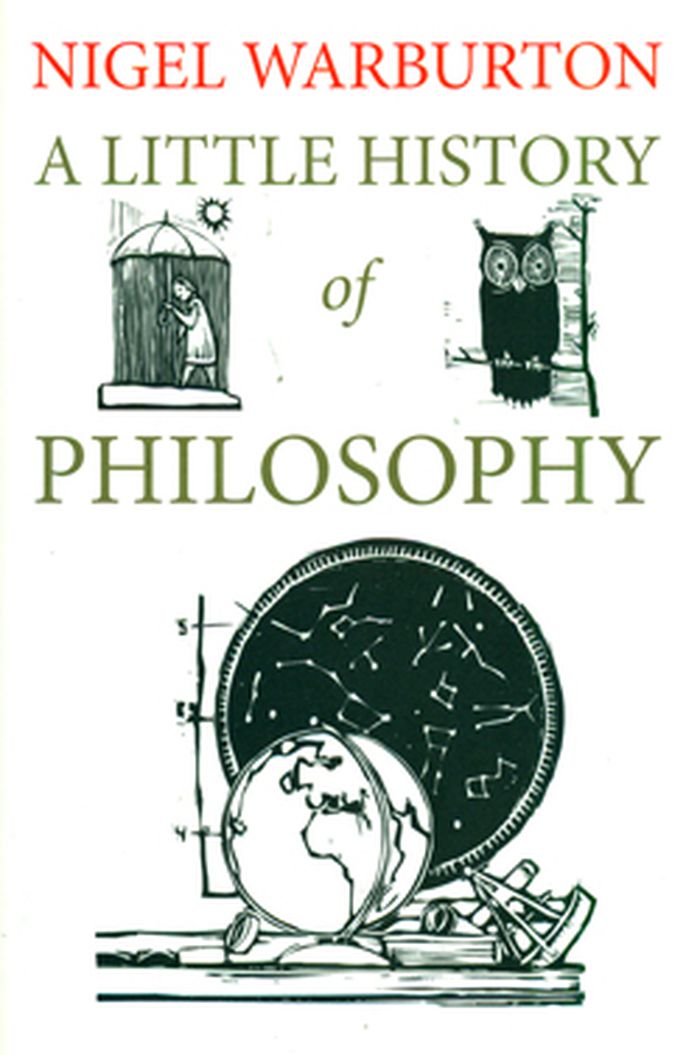
In forty brief chapters, Nigel Warburton guides us on a chronological tour of the major ideas in the history of philosophy. He provides interesting and often quirky stories of the lives and deaths of thought-provoking philosophers from Socrates, who chose to die by hemlock poisoning rather than live on without the freedom to think for himself, to Peter Singer, who asks the disquieting philosophical and ethical questions that haunt our own times.
A little history of philosophy
Actions:
Price:
$27.95
(available to order)
Summary:
In forty brief chapters, Nigel Warburton guides us on a chronological tour of the major ideas in the history of philosophy. He provides interesting and often quirky stories of the lives and deaths of thought-provoking philosophers from Socrates, who chose to die by hemlock poisoning rather than live on without the freedom to think for himself, to Peter Singer, who asks the disquieting philosophical and ethical questions that haunt our own times.
Form:
books
books
Publication:
October 2011
October 2011
Subject:
Critical Theory
Critical Theory
Form:
books
books
Actions:
Price:
$87.00
(available to order)
Summary:
A Modern World draws upon the renowned collection of American decorative arts at the Yale University Art Gallery to explore the appearance and dissemination of modern design in the United States. This catalogue organizes roughly 300 examples of silver, glass, industrial design, furniture, medals, jewelry, and printed textiles into thematic groups that chart the aesthetic(...)
$87.00
(available to order)
Summary:
A Modern World draws upon the renowned collection of American decorative arts at the Yale University Art Gallery to explore the appearance and dissemination of modern design in the United States. This catalogue organizes roughly 300 examples of silver, glass, industrial design, furniture, medals, jewelry, and printed textiles into thematic groups that chart the aesthetic(...)
Title:
A modern world: American design from the Yale University Art Gallery 1920-1950
Actions:
Price:
$87.00
(available to order)
Summary:
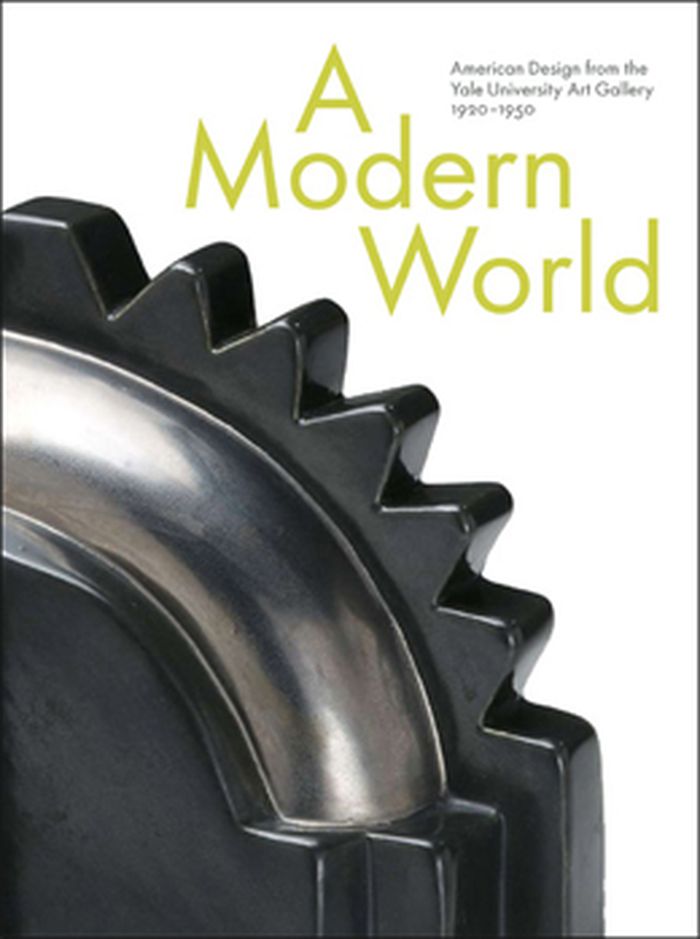
A Modern World draws upon the renowned collection of American decorative arts at the Yale University Art Gallery to explore the appearance and dissemination of modern design in the United States. This catalogue organizes roughly 300 examples of silver, glass, industrial design, furniture, medals, jewelry, and printed textiles into thematic groups that chart the aesthetic and social trends that defined American design from the Jazz Age to the Space Age.
A modern world: American design from the Yale University Art Gallery 1920-1950
Actions:
Price:
$87.00
(available to order)
Summary:
A Modern World draws upon the renowned collection of American decorative arts at the Yale University Art Gallery to explore the appearance and dissemination of modern design in the United States. This catalogue organizes roughly 300 examples of silver, glass, industrial design, furniture, medals, jewelry, and printed textiles into thematic groups that chart the aesthetic and social trends that defined American design from the Jazz Age to the Space Age.
Form:
books
books
Publication:
December 2011
December 2011
Subject:
Design Theory
Design Theory
Form:
books
books
Actions:
Price:
$53.95
(available to order)
Summary:
Wonderland manual is a cultural version of the NATO Cold War strategy of flexible response . Pursuing the military analogy, the manual is a continuation by other means of what Wonderland has been doing for the past years: accelerating the exchange of information among young architects in Europe.It is first and foremost a guide containing facts and figures, tips and(...)
$53.95
(available to order)
Summary:
Wonderland manual is a cultural version of the NATO Cold War strategy of flexible response . Pursuing the military analogy, the manual is a continuation by other means of what Wonderland has been doing for the past years: accelerating the exchange of information among young architects in Europe.It is first and foremost a guide containing facts and figures, tips and(...)
Title:
Wonderland : manual for emerging architects
Actions:
Price:
$53.95
(available to order)
Summary:
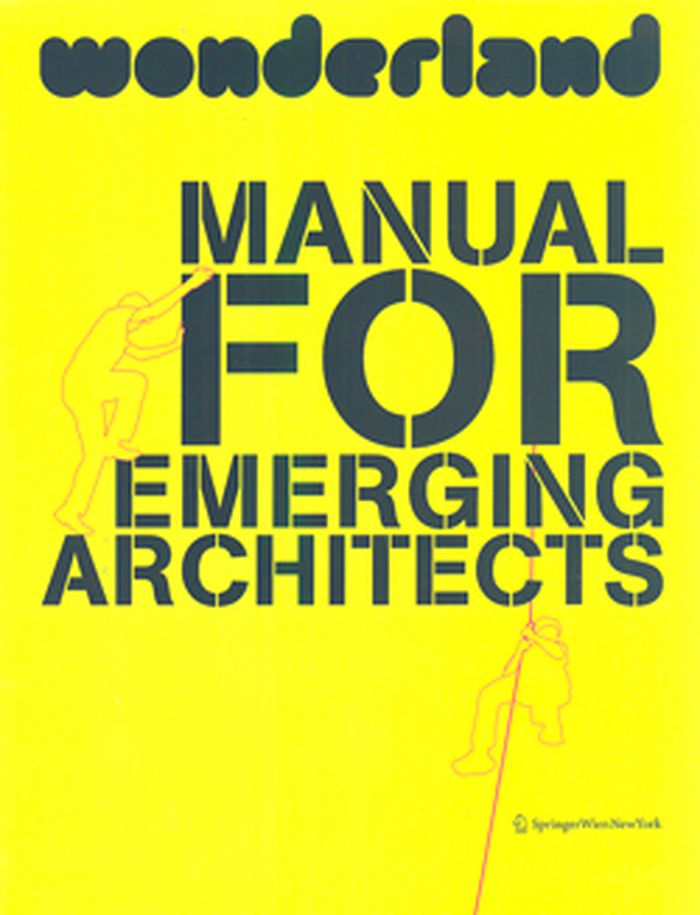
Wonderland manual is a cultural version of the NATO Cold War strategy of flexible response . Pursuing the military analogy, the manual is a continuation by other means of what Wonderland has been doing for the past years: accelerating the exchange of information among young architects in Europe.It is first and foremost a guide containing facts and figures, tips and experiences and as such can be seen as a handbook for European architects at the start of their careers.
Wonderland : manual for emerging architects
Actions:
Price:
$53.95
(available to order)
Summary:
Wonderland manual is a cultural version of the NATO Cold War strategy of flexible response . Pursuing the military analogy, the manual is a continuation by other means of what Wonderland has been doing for the past years: accelerating the exchange of information among young architects in Europe.It is first and foremost a guide containing facts and figures, tips and experiences and as such can be seen as a handbook for European architects at the start of their careers.
Form:
books
books
Publication:
November 2011
November 2011
Subject:
Architectural Theory
Architectural Theory


