


13794 Results
Form:
books
books
Actions:
Price:
$28.00
(available to order)
Summary:
Gastronomy meets art in a new series, On the Table, edited by the provocative, genre-straddling Swedish writer Charlotte Birnbaum. The first publication is a new translation of a 17th-century text describing three spectacular banquets that greeted Queen Christina of Sweden when she visited Rome in 1668. Antonio degli Effetti was on the scene, and described all three(...)
$28.00
(available to order)
Summary:
Gastronomy meets art in a new series, On the Table, edited by the provocative, genre-straddling Swedish writer Charlotte Birnbaum. The first publication is a new translation of a 17th-century text describing three spectacular banquets that greeted Queen Christina of Sweden when she visited Rome in 1668. Antonio degli Effetti was on the scene, and described all three(...)
Title:
On the table : three banquets for a queen
Actions:
Price:
$28.00
(available to order)
Summary:
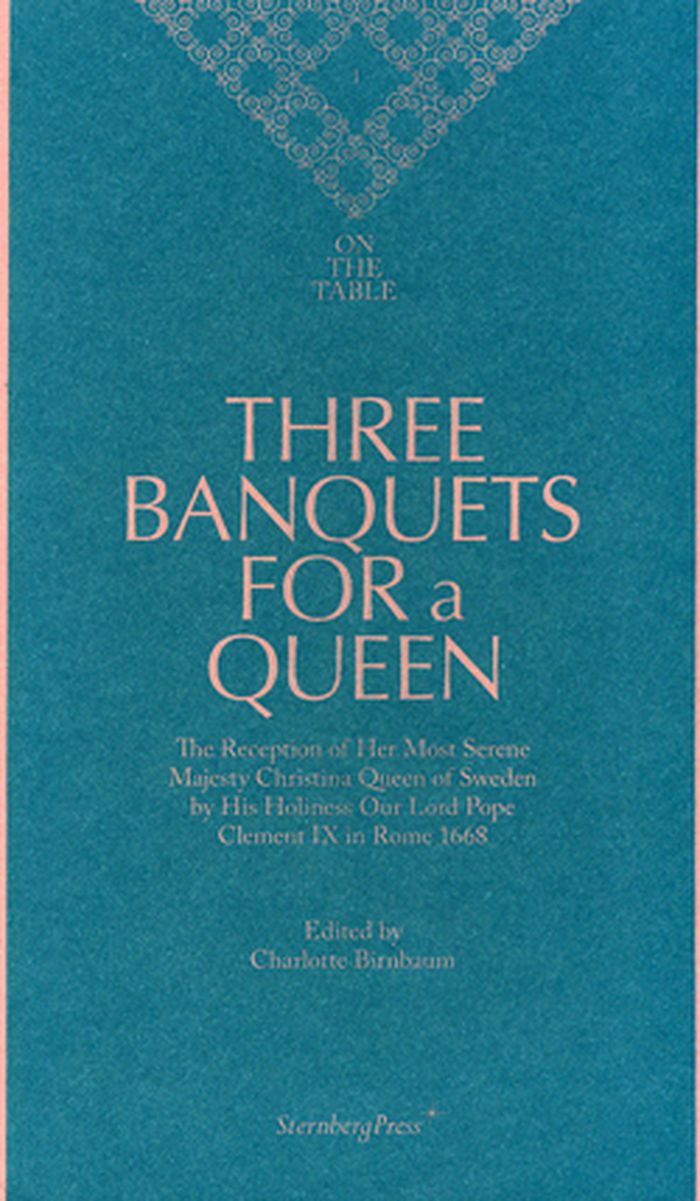
Gastronomy meets art in a new series, On the Table, edited by the provocative, genre-straddling Swedish writer Charlotte Birnbaum. The first publication is a new translation of a 17th-century text describing three spectacular banquets that greeted Queen Christina of Sweden when she visited Rome in 1668. Antonio degli Effetti was on the scene, and described all three feasts in their sumptuous glory, detailing the lavish preparations for the celebrations and the dining experience itself, designed by Bernini, no less! The original text, dotted with quotations from Ovid's Metamorphoses and Virgil's Aeneid, is placed in today's context by a foreword and two essays by Birnbaum. Was it dinner or was it 300-year-old performance art?
On the table : three banquets for a queen
Actions:
Price:
$28.00
(available to order)
Summary:
Gastronomy meets art in a new series, On the Table, edited by the provocative, genre-straddling Swedish writer Charlotte Birnbaum. The first publication is a new translation of a 17th-century text describing three spectacular banquets that greeted Queen Christina of Sweden when she visited Rome in 1668. Antonio degli Effetti was on the scene, and described all three feasts in their sumptuous glory, detailing the lavish preparations for the celebrations and the dining experience itself, designed by Bernini, no less! The original text, dotted with quotations from Ovid's Metamorphoses and Virgil's Aeneid, is placed in today's context by a foreword and two essays by Birnbaum. Was it dinner or was it 300-year-old performance art?
Form:
books
books
Publication:
October 2011
October 2011
Subject:
Art Theory
Art Theory
Form:
books
books
Title:
Cornerstones
Cornerstones
Actions:
Price:
$34.95
(available to order)
Summary:
This publication compiles a series of essays on contemporary art written by leading art historians and experts. The majority of the essays were first presented in lecture format at Witte de With, Center for Contemporary Art (Rotterdam, the Netherlands). Bringing together both historical and intuitive approaches, these essays reflect the wealth of the exchange that(...)
$34.95
(available to order)
Summary:
This publication compiles a series of essays on contemporary art written by leading art historians and experts. The majority of the essays were first presented in lecture format at Witte de With, Center for Contemporary Art (Rotterdam, the Netherlands). Bringing together both historical and intuitive approaches, these essays reflect the wealth of the exchange that(...)
Title:
Cornerstones
Actions:
Price:
$34.95
(available to order)
Summary:
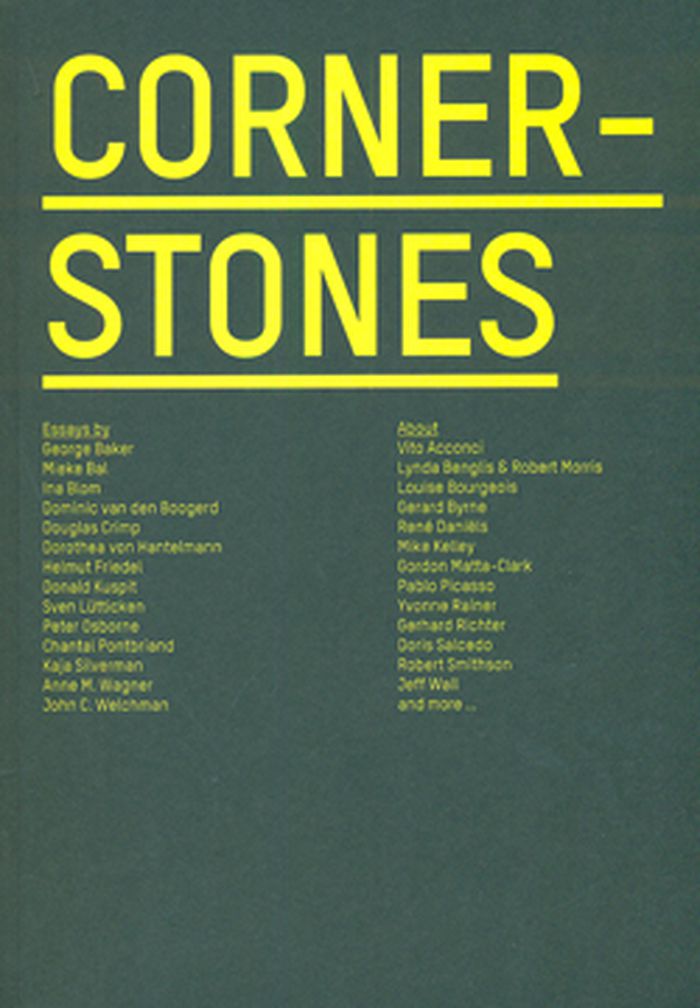
This publication compiles a series of essays on contemporary art written by leading art historians and experts. The majority of the essays were first presented in lecture format at Witte de With, Center for Contemporary Art (Rotterdam, the Netherlands). Bringing together both historical and intuitive approaches, these essays reflect the wealth of the exchange that exists between theoretical writing and artistic thinking, sharing the fascination that each of these authors has with both the work of an artist and how this work functions in relation to larger contexts and broader ideas.
Cornerstones
Actions:
Price:
$34.95
(available to order)
Summary:
This publication compiles a series of essays on contemporary art written by leading art historians and experts. The majority of the essays were first presented in lecture format at Witte de With, Center for Contemporary Art (Rotterdam, the Netherlands). Bringing together both historical and intuitive approaches, these essays reflect the wealth of the exchange that exists between theoretical writing and artistic thinking, sharing the fascination that each of these authors has with both the work of an artist and how this work functions in relation to larger contexts and broader ideas.
Form:
books
books
Publication:
October 2011
October 2011
Subject:
Art Theory
Art Theory
Form:
books
books
Title:
Food & trembling
Food & trembling
Actions:
Price:
$16.95
(available to order)
Summary:
If you take a six hundred-dollar bottle of scotch, and drink it all in three hours, you're going to throw up the same as a ten-dollar jug of hooch. Food and Trembling is the gourmet's equalizer, a collection of writing about the world's finest culinary pleasures from Jonah Campbell; metalhead, misanthrope, and unrepentant good-eater. Be it through the subtle perfection(...)
$16.95
(available to order)
Summary:
If you take a six hundred-dollar bottle of scotch, and drink it all in three hours, you're going to throw up the same as a ten-dollar jug of hooch. Food and Trembling is the gourmet's equalizer, a collection of writing about the world's finest culinary pleasures from Jonah Campbell; metalhead, misanthrope, and unrepentant good-eater. Be it through the subtle perfection(...)
Title:
Food & trembling
Actions:
Price:
$16.95
(available to order)
Summary:
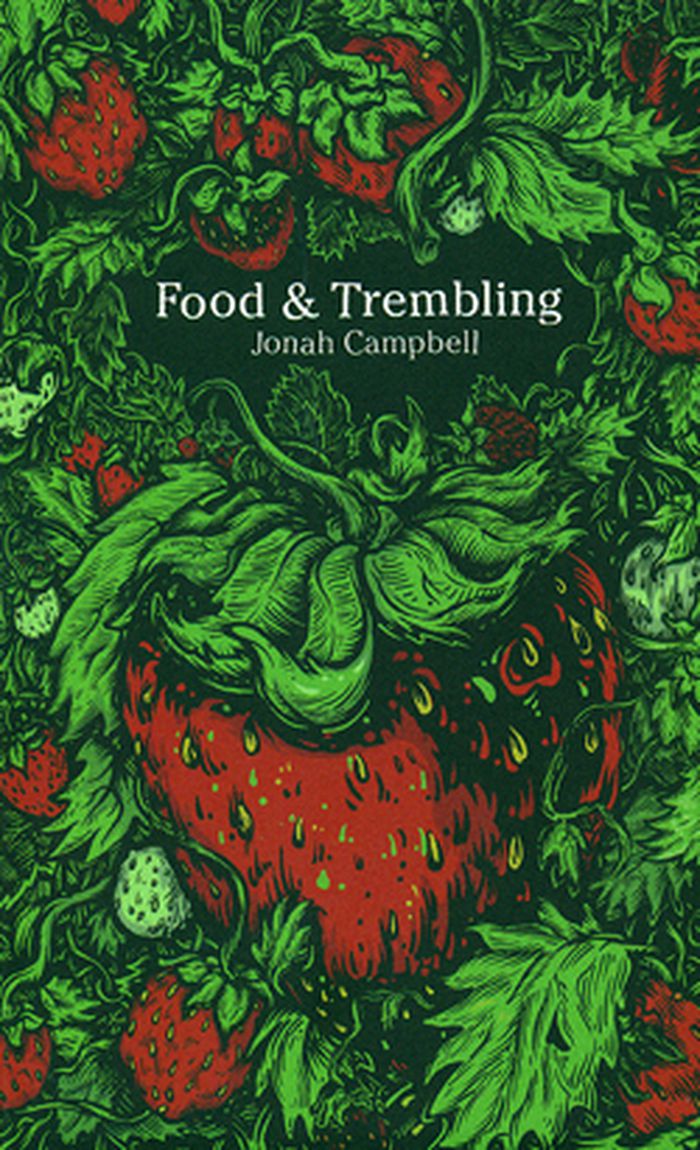
If you take a six hundred-dollar bottle of scotch, and drink it all in three hours, you're going to throw up the same as a ten-dollar jug of hooch. Food and Trembling is the gourmet's equalizer, a collection of writing about the world's finest culinary pleasures from Jonah Campbell; metalhead, misanthrope, and unrepentant good-eater. Be it through the subtle perfection of a BLT, or the etymology of the croissant, Food and Trembling approaches eating not with a four-figure expense account, but a rare insight and a fierce appetite for the pleasures of the table.
Food & trembling
Actions:
Price:
$16.95
(available to order)
Summary:
If you take a six hundred-dollar bottle of scotch, and drink it all in three hours, you're going to throw up the same as a ten-dollar jug of hooch. Food and Trembling is the gourmet's equalizer, a collection of writing about the world's finest culinary pleasures from Jonah Campbell; metalhead, misanthrope, and unrepentant good-eater. Be it through the subtle perfection of a BLT, or the etymology of the croissant, Food and Trembling approaches eating not with a four-figure expense account, but a rare insight and a fierce appetite for the pleasures of the table.
Form:
books
books
Publication:
November 2011
November 2011
Subject:
Critical Theory
Critical Theory
Form:
books
books
Title:
The Immaterial
The Immaterial
Actions:
Price:
$23.95
(available to order)
Summary:
In ''The Immaterial'', French social philosopher André Gorz (1923–2007) argues that the economic boom that accelerated in the 1990s and crashed so spectacularly in 2008 was based largely on an immaterial consumption of symbols and ideas, as capitalism tried to overcome the crisis of the formally industrial regime by throwing itself into a new, so-called knowledge economy.(...)
$23.95
(available to order)
Summary:
In ''The Immaterial'', French social philosopher André Gorz (1923–2007) argues that the economic boom that accelerated in the 1990s and crashed so spectacularly in 2008 was based largely on an immaterial consumption of symbols and ideas, as capitalism tried to overcome the crisis of the formally industrial regime by throwing itself into a new, so-called knowledge economy.(...)
Title:
The Immaterial
Actions:
Price:
$23.95
(available to order)
Summary:
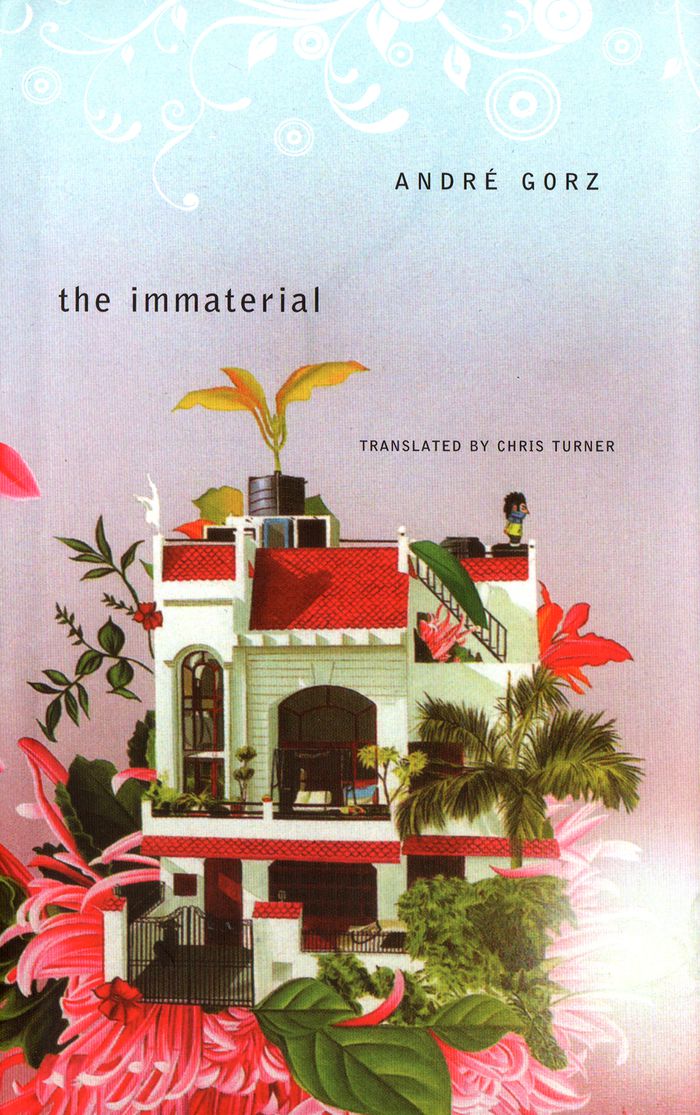
In ''The Immaterial'', French social philosopher André Gorz (1923–2007) argues that the economic boom that accelerated in the 1990s and crashed so spectacularly in 2008 was based largely on an immaterial consumption of symbols and ideas, as capitalism tried to overcome the crisis of the formally industrial regime by throwing itself into a new, so-called knowledge economy. In this volume, Gorz argues instead for the creation of a true knowledge economy. This economy would be based on zero-cost exchange and pooled resources, and knowledge would be treated as humanity's common property. Currently, in order to exploit knowledge and turn it into capital, the capitalist enterprise privatizes specialized knowledge and claims ownership through private licenses and copyright. But as Gorz shows, the traditional foundations of such capitalist economics have begun to crumble because of the immaterial nature of this new form of product, which makes it almost impossible to measure in monetary terms.
The Immaterial
Actions:
Price:
$23.95
(available to order)
Summary:
In ''The Immaterial'', French social philosopher André Gorz (1923–2007) argues that the economic boom that accelerated in the 1990s and crashed so spectacularly in 2008 was based largely on an immaterial consumption of symbols and ideas, as capitalism tried to overcome the crisis of the formally industrial regime by throwing itself into a new, so-called knowledge economy. In this volume, Gorz argues instead for the creation of a true knowledge economy. This economy would be based on zero-cost exchange and pooled resources, and knowledge would be treated as humanity's common property. Currently, in order to exploit knowledge and turn it into capital, the capitalist enterprise privatizes specialized knowledge and claims ownership through private licenses and copyright. But as Gorz shows, the traditional foundations of such capitalist economics have begun to crumble because of the immaterial nature of this new form of product, which makes it almost impossible to measure in monetary terms.
Form:
books
books
Publication:
December 2010
December 2010
Subject:
Art Theory
Art Theory
Form:
books
books
Price:
$44.95
(available to order)
Summary:
Caring Culture: Art, Architecture and the Politics of Public Health examines changing political uses of the concept of care in neoliberal democracies and asks how artists, architects, and designers both contribute to and attempt to critique its social manifestations. The publication brings together case studies of artistic and design interventions within health and social(...)
$44.95
(available to order)
Summary:
Caring Culture: Art, Architecture and the Politics of Public Health examines changing political uses of the concept of care in neoliberal democracies and asks how artists, architects, and designers both contribute to and attempt to critique its social manifestations. The publication brings together case studies of artistic and design interventions within health and social(...)
Title:
Caring culture: art, architecture and the politics of public health
Actions:
Price:
$44.95
(available to order)
Summary:
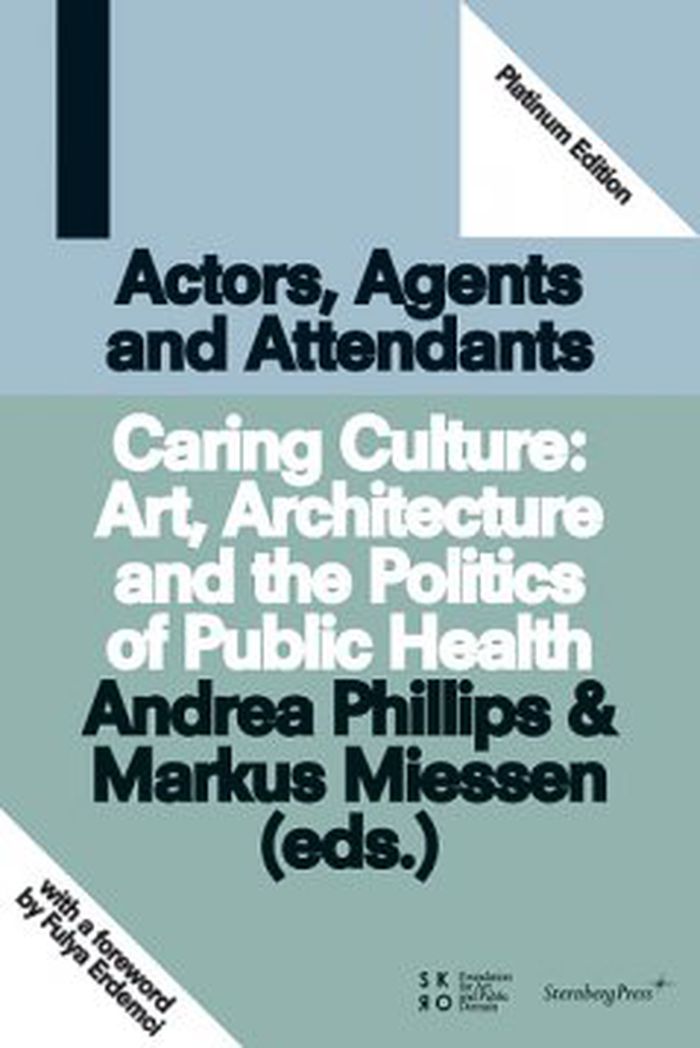
Caring Culture: Art, Architecture and the Politics of Public Health examines changing political uses of the concept of care in neoliberal democracies and asks how artists, architects, and designers both contribute to and attempt to critique its social manifestations. The publication brings together case studies of artistic and design interventions within health and social care institutions and broader political and philosophical essays and interviews relating to civic wellbeing. Contributors include curators, artists, politicians, architects, and healthcare professionals. It is the first volume in the Actors, Agents and Attendants series of publications and symposia commissioned by SKOR to investigate the role of cultural practice in the organization of the public domain.
Caring culture: art, architecture and the politics of public health
Actions:
Price:
$44.95
(available to order)
Summary:
Caring Culture: Art, Architecture and the Politics of Public Health examines changing political uses of the concept of care in neoliberal democracies and asks how artists, architects, and designers both contribute to and attempt to critique its social manifestations. The publication brings together case studies of artistic and design interventions within health and social care institutions and broader political and philosophical essays and interviews relating to civic wellbeing. Contributors include curators, artists, politicians, architects, and healthcare professionals. It is the first volume in the Actors, Agents and Attendants series of publications and symposia commissioned by SKOR to investigate the role of cultural practice in the organization of the public domain.
Form:
books
books
Publication:
December 2011
December 2011
Subject:
Architectural Theory
Architectural Theory
Form:
books
books
Actions:
Price:
$22.95
(available to order)
Summary:
L'abécédaire de Marcel Roncayolo est le résultat d'une série d'entretiens entre Isabelle Chesneau et Marcel Roncayolo, un des maîtres de l'urbanisme contemporain. L'interviewer a proposé à l'interviewé une série de thèmes présentés dans l'ordre alphabétique, meilleur moyen de présenter une pensée sans en faire un système. L'ouvrage pose la question des choix(...)
$22.95
(available to order)
Summary:
L'abécédaire de Marcel Roncayolo est le résultat d'une série d'entretiens entre Isabelle Chesneau et Marcel Roncayolo, un des maîtres de l'urbanisme contemporain. L'interviewer a proposé à l'interviewé une série de thèmes présentés dans l'ordre alphabétique, meilleur moyen de présenter une pensée sans en faire un système. L'ouvrage pose la question des choix(...)
Title:
L'abécédaire de Marcel Roncayolo
Actions:
Price:
$22.95
(available to order)
Summary:
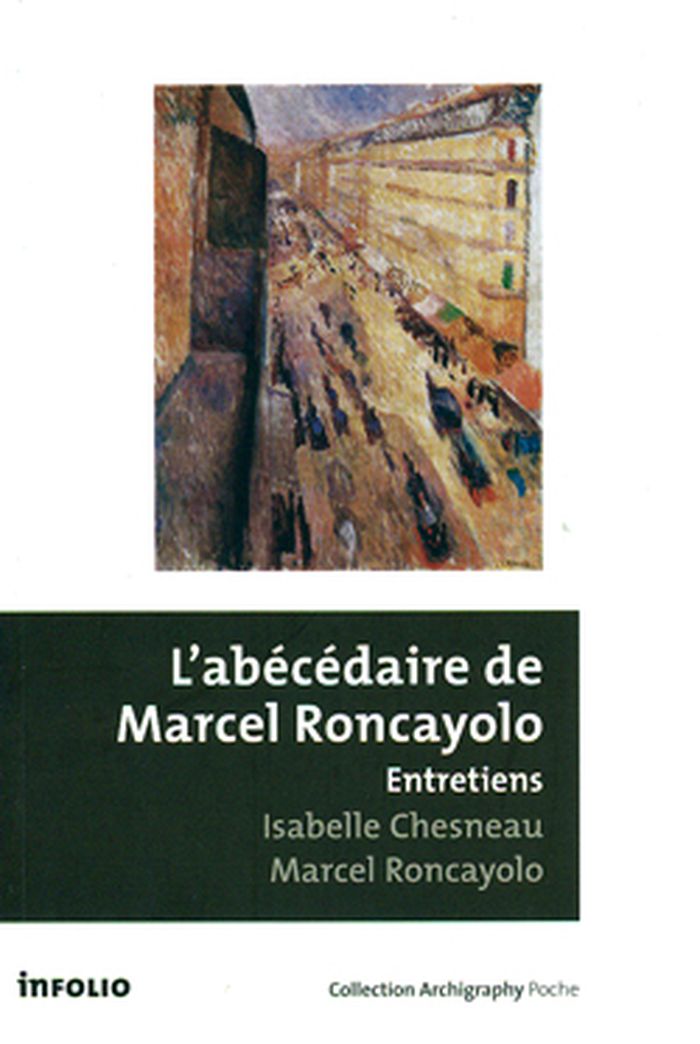
L'abécédaire de Marcel Roncayolo est le résultat d'une série d'entretiens entre Isabelle Chesneau et Marcel Roncayolo, un des maîtres de l'urbanisme contemporain. L'interviewer a proposé à l'interviewé une série de thèmes présentés dans l'ordre alphabétique, meilleur moyen de présenter une pensée sans en faire un système. L'ouvrage pose la question des choix méthodologiques et conceptuels de Roncayolo, et celle de la validité de leur transfert d'une discipline à l'autre.
L'abécédaire de Marcel Roncayolo
Actions:
Price:
$22.95
(available to order)
Summary:
L'abécédaire de Marcel Roncayolo est le résultat d'une série d'entretiens entre Isabelle Chesneau et Marcel Roncayolo, un des maîtres de l'urbanisme contemporain. L'interviewer a proposé à l'interviewé une série de thèmes présentés dans l'ordre alphabétique, meilleur moyen de présenter une pensée sans en faire un système. L'ouvrage pose la question des choix méthodologiques et conceptuels de Roncayolo, et celle de la validité de leur transfert d'une discipline à l'autre.
Form:
books
books
Publication:
November 2011
November 2011
Subject:
Urban Theory
Urban Theory
Form:
books
books
Actions:
Price:
$34.95
(available to order)
Summary:
Il fut une époque, du XVe siècle au début du XXe, où les architectes avaient pour mission d’ennoblir les palais, les lieux de culte et les résidences des puissants en les embellissant. La maîtrise des projections mathématiques, et de la perspective qui en découle, donnait aux artistes et aux architectes un pouvoir nouveau ; l’idéal platonicien du beau faisait accepter par(...)
$34.95
(available to order)
Summary:
Il fut une époque, du XVe siècle au début du XXe, où les architectes avaient pour mission d’ennoblir les palais, les lieux de culte et les résidences des puissants en les embellissant. La maîtrise des projections mathématiques, et de la perspective qui en découle, donnait aux artistes et aux architectes un pouvoir nouveau ; l’idéal platonicien du beau faisait accepter par(...)
Title:
Ennoblir et embellir: de l'architecture à l'urbanisme
Actions:
Price:
$34.95
(available to order)
Summary:
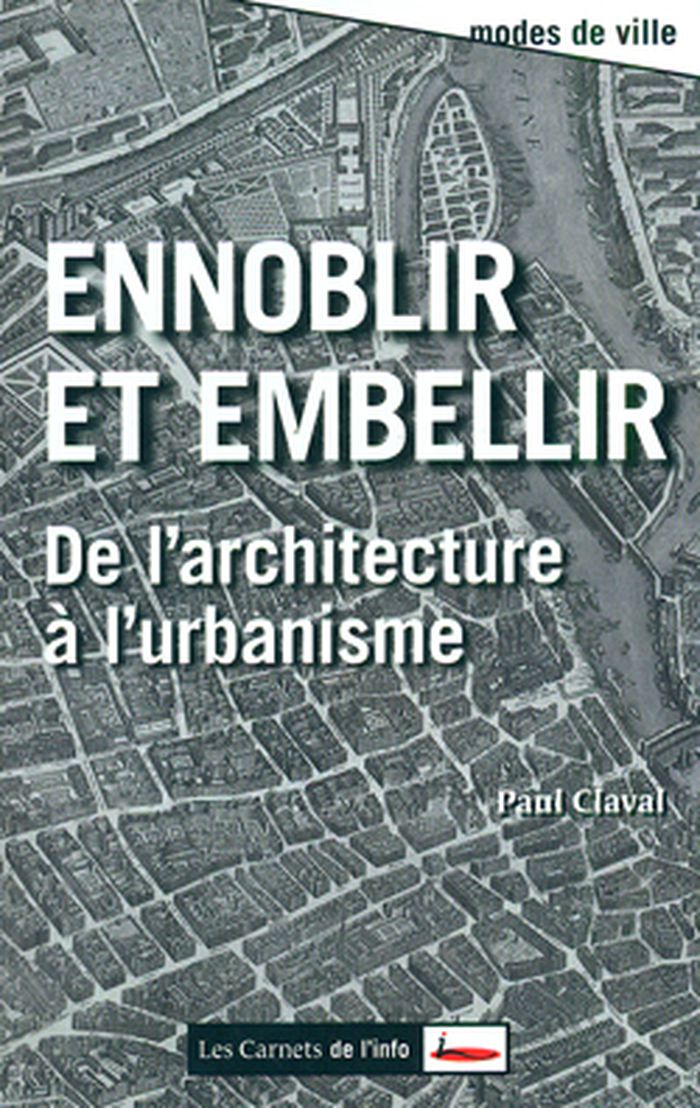
Il fut une époque, du XVe siècle au début du XXe, où les architectes avaient pour mission d’ennoblir les palais, les lieux de culte et les résidences des puissants en les embellissant. La maîtrise des projections mathématiques, et de la perspective qui en découle, donnait aux artistes et aux architectes un pouvoir nouveau ; l’idéal platonicien du beau faisait accepter par tous une grammaire universelle des formes.A partir du XVIIIe siècle, les conditions se transforment : la société s’urbanise, s’industrialise et devient plus mobile : l’esthétique d’inspiration platonicienne est critiquée ; le principe du beau est désormais recherché du côté de la raison ou de l’histoire. Un compromis incarné par Jacques-Nicolas-Louis Durand est imaginé à la jointure du XVIIIe et du XIXe siècle. Il concilie la volonté d’embellissement, dont entendent désormais bénéficier les classes moyennes, avec le souci d’efficacité fonctionnelle.Cette façon de concevoir l’aménagement des villes s’efface au début du XXe siècle, au moment où s’impose le terme d’urbanisme et le programme qu’il désigne : l’amélioration des conditions de vie de tous les citadins. L’art d’ennoblir pour embellir a cependant légué à l’urbanisme de tradition européenne un rêve : celui d’harmoniser les formes bâties.
Ennoblir et embellir: de l'architecture à l'urbanisme
Actions:
Price:
$34.95
(available to order)
Summary:
Il fut une époque, du XVe siècle au début du XXe, où les architectes avaient pour mission d’ennoblir les palais, les lieux de culte et les résidences des puissants en les embellissant. La maîtrise des projections mathématiques, et de la perspective qui en découle, donnait aux artistes et aux architectes un pouvoir nouveau ; l’idéal platonicien du beau faisait accepter par tous une grammaire universelle des formes.A partir du XVIIIe siècle, les conditions se transforment : la société s’urbanise, s’industrialise et devient plus mobile : l’esthétique d’inspiration platonicienne est critiquée ; le principe du beau est désormais recherché du côté de la raison ou de l’histoire. Un compromis incarné par Jacques-Nicolas-Louis Durand est imaginé à la jointure du XVIIIe et du XIXe siècle. Il concilie la volonté d’embellissement, dont entendent désormais bénéficier les classes moyennes, avec le souci d’efficacité fonctionnelle.Cette façon de concevoir l’aménagement des villes s’efface au début du XXe siècle, au moment où s’impose le terme d’urbanisme et le programme qu’il désigne : l’amélioration des conditions de vie de tous les citadins. L’art d’ennoblir pour embellir a cependant légué à l’urbanisme de tradition européenne un rêve : celui d’harmoniser les formes bâties.
Form:
books
books
Publication:
November 2011
November 2011
Subject:
Urban Theory
Urban Theory
Form:
books
books
Actions:
Price:
$21.95
(available to order)
Summary:
Premier volume de la trilogie intitulée Sphères, destinée à analyser les conditions dans lesquelles l'homme peut rendre le monde habitable, Bulles examine depuis la relation utérine jusqu'à l'extase mystique, les formes que prend une intériorité aimantée par l'extérieur. Ce faisant, il parcourt, de Platon à Lacan, nombre de figures de l'histoire de la philosophie, relues(...)
$21.95
(available to order)
Summary:
Premier volume de la trilogie intitulée Sphères, destinée à analyser les conditions dans lesquelles l'homme peut rendre le monde habitable, Bulles examine depuis la relation utérine jusqu'à l'extase mystique, les formes que prend une intériorité aimantée par l'extérieur. Ce faisant, il parcourt, de Platon à Lacan, nombre de figures de l'histoire de la philosophie, relues(...)
Title:
Peter Sloterdijk : Bulles, sphère I
Actions:
Price:
$21.95
(available to order)
Summary:
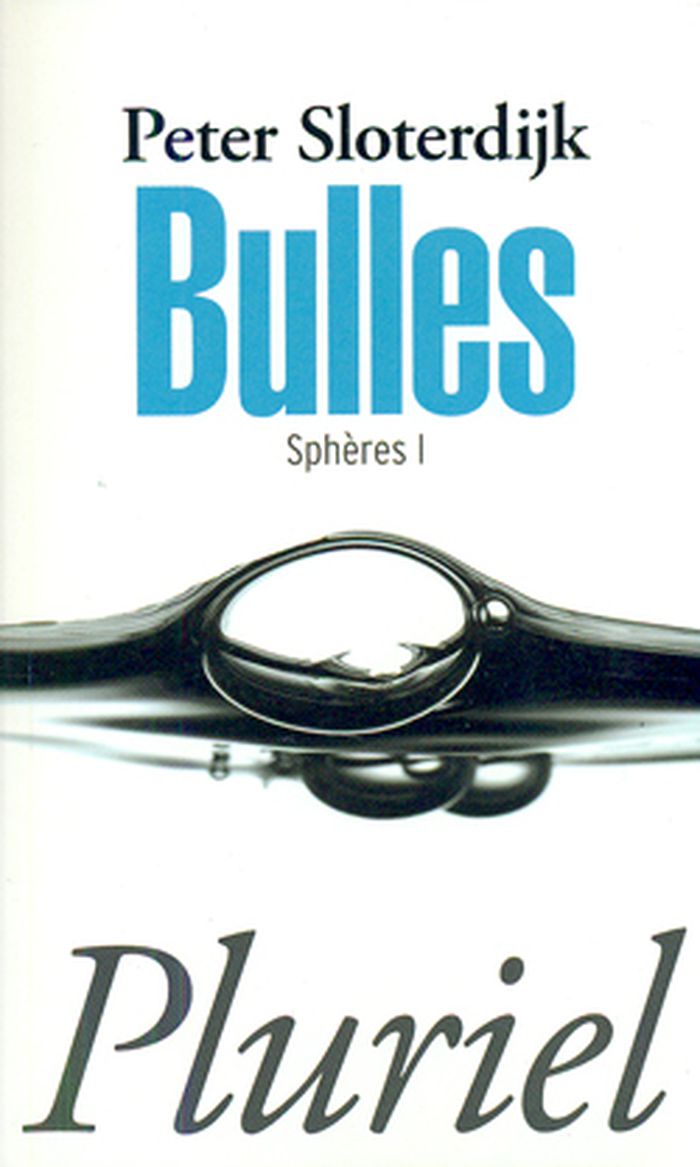
Premier volume de la trilogie intitulée Sphères, destinée à analyser les conditions dans lesquelles l'homme peut rendre le monde habitable, Bulles examine depuis la relation utérine jusqu'à l'extase mystique, les formes que prend une intériorité aimantée par l'extérieur. Ce faisant, il parcourt, de Platon à Lacan, nombre de figures de l'histoire de la philosophie, relues avec une très grande liberté. Toujours en quête de ce que nous avons gagné ou perdu avec la modernité, l'auteur y souligne notre exil hors de l'Un et notre quête d'une nouvelle unité.
Peter Sloterdijk : Bulles, sphère I
Actions:
Price:
$21.95
(available to order)
Summary:
Premier volume de la trilogie intitulée Sphères, destinée à analyser les conditions dans lesquelles l'homme peut rendre le monde habitable, Bulles examine depuis la relation utérine jusqu'à l'extase mystique, les formes que prend une intériorité aimantée par l'extérieur. Ce faisant, il parcourt, de Platon à Lacan, nombre de figures de l'histoire de la philosophie, relues avec une très grande liberté. Toujours en quête de ce que nous avons gagné ou perdu avec la modernité, l'auteur y souligne notre exil hors de l'Un et notre quête d'une nouvelle unité.
Form:
books
books
Publication:
March 2011
March 2011
Subject:
Critical Theory
Critical Theory
Form:
books
books
Actions:
Price:
$21.95
(available to order)
Summary:
Dans l'Antiquité, la sphère est la représentation de la perfection de ce qui n'a ni commencement, ni fin, échappe à la corruption du temps, symbolise le divin qui s'offre à la contemplation. Depuis les Grecs, la totalisation du monde s'opère sous la forme d'un globe, à la fois vision cosmogonique, projection géométrique et spéculation philosophique, mais aussi(...)
$21.95
(available to order)
Summary:
Dans l'Antiquité, la sphère est la représentation de la perfection de ce qui n'a ni commencement, ni fin, échappe à la corruption du temps, symbolise le divin qui s'offre à la contemplation. Depuis les Grecs, la totalisation du monde s'opère sous la forme d'un globe, à la fois vision cosmogonique, projection géométrique et spéculation philosophique, mais aussi(...)
Title:
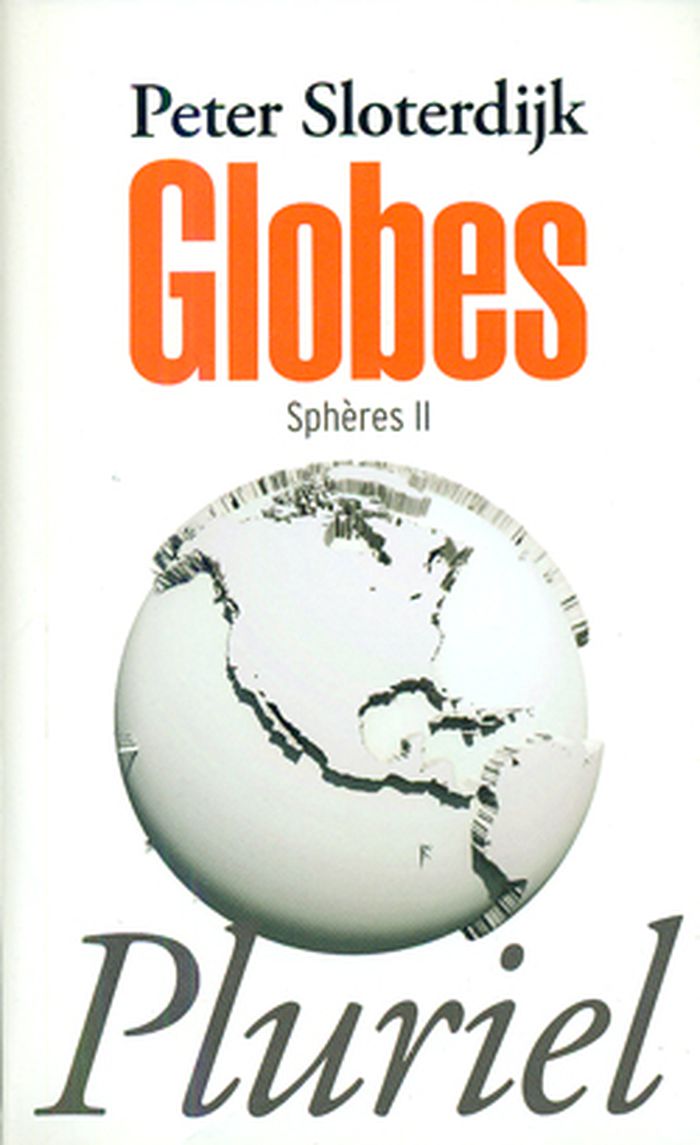
Peter Sloterdijk : Globes, sphères II
Actions:
Price:
$21.95
(available to order)
Summary:
Dans l'Antiquité, la sphère est la représentation de la perfection de ce qui n'a ni commencement, ni fin, échappe à la corruption du temps, symbolise le divin qui s'offre à la contemplation. Depuis les Grecs, la totalisation du monde s'opère sous la forme d'un globe, à la fois vision cosmogonique, projection géométrique et spéculation philosophique, mais aussi représentation physique de la souveraineté et attribut des empereurs, monarques ou papes. Quand s'ouvre le monde, quand la circonférence ne le contient plus et que les hiérarchies sont bouleversées, que devient cette représentation dont nous sommes malgré tout les héritiers ? Suffit-il de la déclarer obsolète pour en être affranchi ? Avec son brio habituel de conteur, Peter Sloterdijk nous entraîne dans un voyage passionnant à travers les civilisations et les époques, au gré de la position qu'y occupe le centre de la sphère
Peter Sloterdijk : Globes, sphères II
Actions:
Price:
$21.95
(available to order)
Summary:
Dans l'Antiquité, la sphère est la représentation de la perfection de ce qui n'a ni commencement, ni fin, échappe à la corruption du temps, symbolise le divin qui s'offre à la contemplation. Depuis les Grecs, la totalisation du monde s'opère sous la forme d'un globe, à la fois vision cosmogonique, projection géométrique et spéculation philosophique, mais aussi représentation physique de la souveraineté et attribut des empereurs, monarques ou papes. Quand s'ouvre le monde, quand la circonférence ne le contient plus et que les hiérarchies sont bouleversées, que devient cette représentation dont nous sommes malgré tout les héritiers ? Suffit-il de la déclarer obsolète pour en être affranchi ? Avec son brio habituel de conteur, Peter Sloterdijk nous entraîne dans un voyage passionnant à travers les civilisations et les époques, au gré de la position qu'y occupe le centre de la sphère
Form:
books
books
Publication:
March 2011
March 2011
Subject:
Critical Theory
Critical Theory
Form:
books
books
Actions:
Price:
$49.95
(available to order)
Summary:
Despite attempts to promote the aesthetics of ruins in Russia - from Catherine the Great's construction of fake ruins in imperial parks to Josef Brodsky's elegiac meditations - ruins have never achieved the status they enjoy in Western Europe. While the Soviet Union was notorious for leveling churches, post-Soviet Russia has only intensified the practice of massive(...)
$49.95
(available to order)
Summary:
Despite attempts to promote the aesthetics of ruins in Russia - from Catherine the Great's construction of fake ruins in imperial parks to Josef Brodsky's elegiac meditations - ruins have never achieved the status they enjoy in Western Europe. While the Soviet Union was notorious for leveling churches, post-Soviet Russia has only intensified the practice of massive(...)
Title:
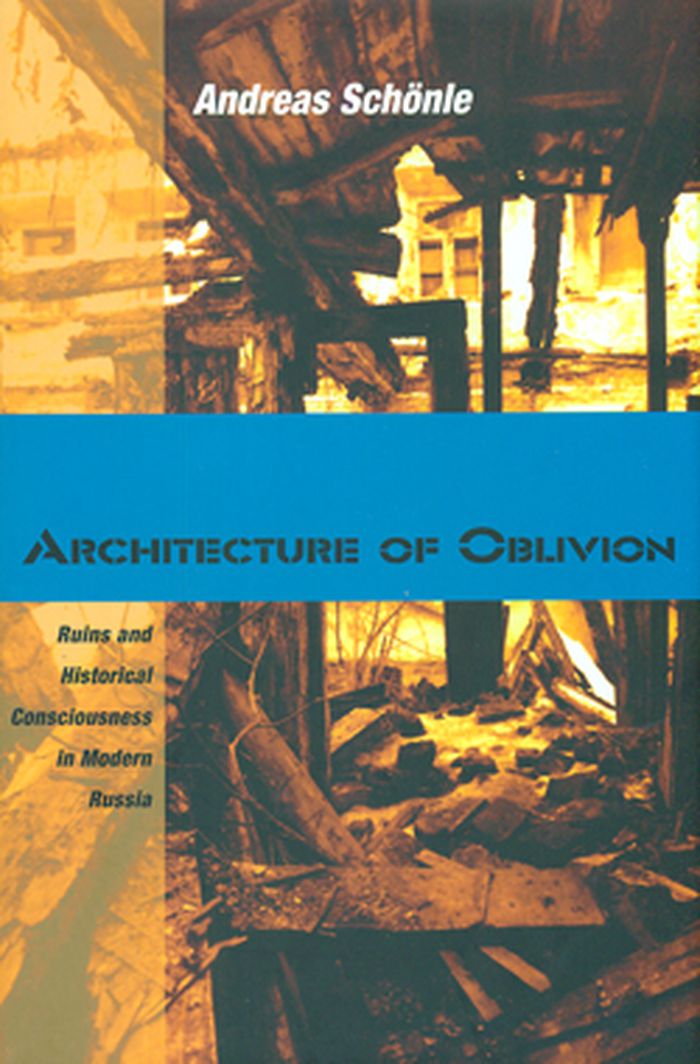
Architecture of oblivion : ruins and historical consciousness in modern Russia
Actions:
Price:
$49.95
(available to order)
Summary:
Despite attempts to promote the aesthetics of ruins in Russia - from Catherine the Great's construction of fake ruins in imperial parks to Josef Brodsky's elegiac meditations - ruins have never achieved the status they enjoy in Western Europe. While the Soviet Union was notorious for leveling churches, post-Soviet Russia has only intensified the practice of massive destruction and reconstruction. "Architecture of Oblivion "examines the role of ruins in the development of Russia's historical consciousness from the 18th century to the present. This original work from a leading authority on the subject will appeal to historians of Russian culture and thought, literature and art scholars, and general readers interested in ruins.
Architecture of oblivion : ruins and historical consciousness in modern Russia
Actions:
Price:
$49.95
(available to order)
Summary:
Despite attempts to promote the aesthetics of ruins in Russia - from Catherine the Great's construction of fake ruins in imperial parks to Josef Brodsky's elegiac meditations - ruins have never achieved the status they enjoy in Western Europe. While the Soviet Union was notorious for leveling churches, post-Soviet Russia has only intensified the practice of massive destruction and reconstruction. "Architecture of Oblivion "examines the role of ruins in the development of Russia's historical consciousness from the 18th century to the present. This original work from a leading authority on the subject will appeal to historians of Russian culture and thought, literature and art scholars, and general readers interested in ruins.
Form:
books
books
Publication:
June 2011
June 2011
Subject:
Architectural Theory
Architectural Theory


