


6923 Results
Form:
books
books
Title:
Space as membrane
Space as membrane
Actions:
Price:
$35.00
(available in store)
Summary:
What if architecture was no longer 3D or 2D, mass or surface, object or space? And what if the architectural environment was envisioned not as an abstract continuum, but as a material envelope that grows organically from the human body, uniting its skin with the periphery of a city, a region or a continent, and even the entire earthly atmosphere? Such a sprawling(...)
$35.00
(available in store)
Summary:
What if architecture was no longer 3D or 2D, mass or surface, object or space? And what if the architectural environment was envisioned not as an abstract continuum, but as a material envelope that grows organically from the human body, uniting its skin with the periphery of a city, a region or a continent, and even the entire earthly atmosphere? Such a sprawling(...)
Title:
Space as membrane
Actions:
Price:
$35.00
(available in store)
Summary:
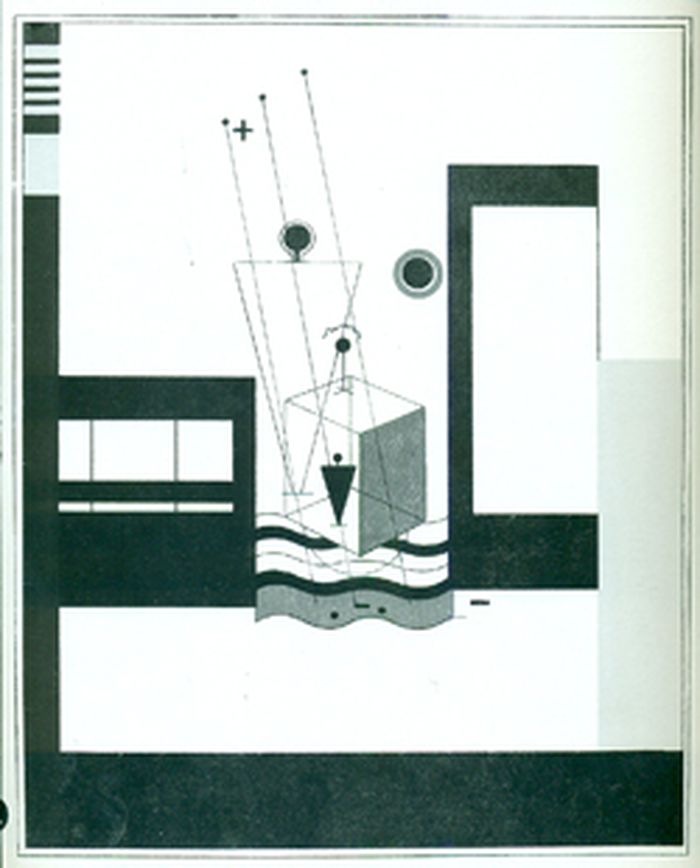
What if architecture was no longer 3D or 2D, mass or surface, object or space? And what if the architectural environment was envisioned not as an abstract continuum, but as a material envelope that grows organically from the human body, uniting its skin with the periphery of a city, a region or a continent, and even the entire earthly atmosphere? Such a sprawling hypothesis informs the theoretical premise of the 1926 essay Space as Membrane, written by former Bauhaus student, architect and cosmological theorist Siegfried Ebeling. Read and praised by Mies van der Rohe, denounced by Walter Gropius and presaging some of the technological innovations introduced across the Atlantic by Buckminster Fuller, Ebeling's treatise has been the subject of a number of recent commentaries, yet the text itself remains unread, due mainly to the scarcity of the original publication. This is the first English translation of Ebeling's original treatise, as well as the first contemporary edition of the text in any language.
Space as membrane
Actions:
Price:
$35.00
(available in store)
Summary:
What if architecture was no longer 3D or 2D, mass or surface, object or space? And what if the architectural environment was envisioned not as an abstract continuum, but as a material envelope that grows organically from the human body, uniting its skin with the periphery of a city, a region or a continent, and even the entire earthly atmosphere? Such a sprawling hypothesis informs the theoretical premise of the 1926 essay Space as Membrane, written by former Bauhaus student, architect and cosmological theorist Siegfried Ebeling. Read and praised by Mies van der Rohe, denounced by Walter Gropius and presaging some of the technological innovations introduced across the Atlantic by Buckminster Fuller, Ebeling's treatise has been the subject of a number of recent commentaries, yet the text itself remains unread, due mainly to the scarcity of the original publication. This is the first English translation of Ebeling's original treatise, as well as the first contemporary edition of the text in any language.
Form:
books
books
Publication:
June 2010
June 2010
Subject:
Architectural Theory
Architectural Theory
Form:
books
books
Title:
AD: Post-traumatic urbanism
AD: Post-traumatic urbanism
Actions:
Price:
$37.99
(available to order)
Summary:
Urban trauma describes a condition where conflict or catastrophe has disrupted and damaged not only the physical environment and infrastructure of a city, but also the social and cultural networks. Cities experiencing trauma dominate the daily news. But how is this trauma to be understood in its aftermath, and in urban terms? What is the response of the discipline to the(...)
$37.99
(available to order)
Summary:
Urban trauma describes a condition where conflict or catastrophe has disrupted and damaged not only the physical environment and infrastructure of a city, but also the social and cultural networks. Cities experiencing trauma dominate the daily news. But how is this trauma to be understood in its aftermath, and in urban terms? What is the response of the discipline to the(...)
Title:
AD: Post-traumatic urbanism
Actions:
Price:
$37.99
(available to order)
Summary:
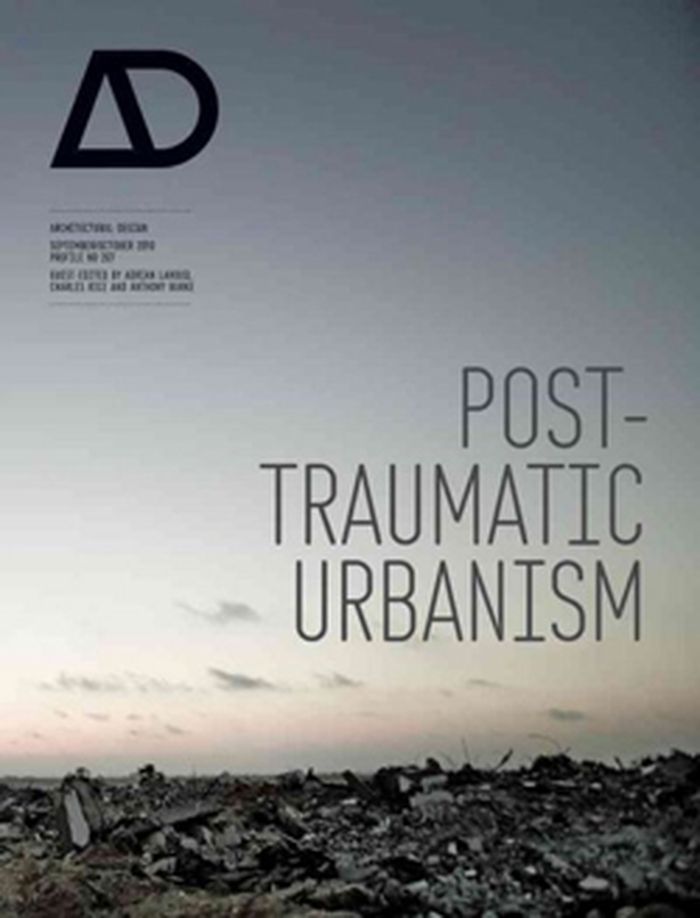
Urban trauma describes a condition where conflict or catastrophe has disrupted and damaged not only the physical environment and infrastructure of a city, but also the social and cultural networks. Cities experiencing trauma dominate the daily news. But how is this trauma to be understood in its aftermath, and in urban terms? What is the response of the discipline to the post-traumatic condition? On the one hand, one can try to restore and recover everything that has passed, or otherwise see the post-traumatic city as a resilient space poised on the cusp of new potentialities. While repair and reconstruction are automatic reflexes, the knowledge and practices of the disciplines need to be imbued with a deeper understanding of the effect of trauma on cities and their contingent realities. This issue will pursue this latter approach, using examples of post-traumatic urban conditions to rethink the agency of architecture and urbanism in the contemporary world.
AD: Post-traumatic urbanism
Actions:
Price:
$37.99
(available to order)
Summary:
Urban trauma describes a condition where conflict or catastrophe has disrupted and damaged not only the physical environment and infrastructure of a city, but also the social and cultural networks. Cities experiencing trauma dominate the daily news. But how is this trauma to be understood in its aftermath, and in urban terms? What is the response of the discipline to the post-traumatic condition? On the one hand, one can try to restore and recover everything that has passed, or otherwise see the post-traumatic city as a resilient space poised on the cusp of new potentialities. While repair and reconstruction are automatic reflexes, the knowledge and practices of the disciplines need to be imbued with a deeper understanding of the effect of trauma on cities and their contingent realities. This issue will pursue this latter approach, using examples of post-traumatic urban conditions to rethink the agency of architecture and urbanism in the contemporary world.
Form:
books
books
Publication:
December 2010
December 2010
Subject:
Magazines
Magazines
Form:
books
books
Price:
$31.95
(available to order)
Summary:
The number one cause of global warming is architecture - the buildings. Buildings are responsible for 40% of the Co2 that is emitted into the atmosphere. The architects must take this responsibility and move from geopolitics towards biosphere politics. This publication is a real test of how this can be achieved. The context for the intervention is an existing historic(...)
$31.95
(available to order)
Summary:
The number one cause of global warming is architecture - the buildings. Buildings are responsible for 40% of the Co2 that is emitted into the atmosphere. The architects must take this responsibility and move from geopolitics towards biosphere politics. This publication is a real test of how this can be achieved. The context for the intervention is an existing historic(...)
Title:
Cloud 9: a green new deal, from geopolitics to biosphere politics
Actions:
Price:
$31.95
(available to order)
Summary:
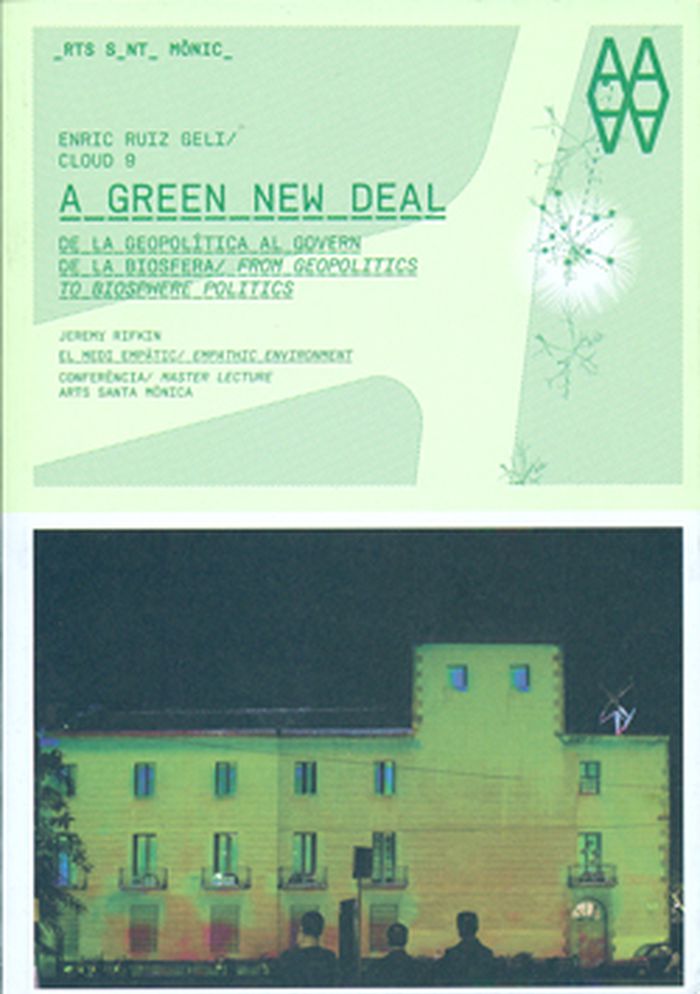
The number one cause of global warming is architecture - the buildings. Buildings are responsible for 40% of the Co2 that is emitted into the atmosphere. The architects must take this responsibility and move from geopolitics towards biosphere politics. This publication is a real test of how this can be achieved. The context for the intervention is an existing historic building in Barcelona, the Centre of Arts Santa Monica; a building to explore the Third Industrial Revolution as the potential of a transformation towards an empathic architecture. Nature should let us show the path. Cloud 9 equipped the trees in front of Arts Santa Monica with sensors that capture data on temperature, humidity and light energy to inform the building. The intervention is an installation on the facade that produces energy from the environment, like the sun and wind. It is an additional skin which allows control of natural light and regulates solar radiation.
Cloud 9: a green new deal, from geopolitics to biosphere politics
Actions:
Price:
$31.95
(available to order)
Summary:
The number one cause of global warming is architecture - the buildings. Buildings are responsible for 40% of the Co2 that is emitted into the atmosphere. The architects must take this responsibility and move from geopolitics towards biosphere politics. This publication is a real test of how this can be achieved. The context for the intervention is an existing historic building in Barcelona, the Centre of Arts Santa Monica; a building to explore the Third Industrial Revolution as the potential of a transformation towards an empathic architecture. Nature should let us show the path. Cloud 9 equipped the trees in front of Arts Santa Monica with sensors that capture data on temperature, humidity and light energy to inform the building. The intervention is an installation on the facade that produces energy from the environment, like the sun and wind. It is an additional skin which allows control of natural light and regulates solar radiation.
Form:
books
books
Publication:
November 2010
November 2010
Subject:
Green Architecture
Green Architecture
Form:
books
books
Actions:
Price:
$28.95
(available to order)
Summary:
Somewhere in the course of the late twentieth century, Dubai became more than itself. The city was, suddenly, a postmodern urban spectacle rising from the desert—precisely the glittering global consumer utopia imagined by Dubai’s rulers and merchant elite. "In Dubai, the City as Corporation", Ahmed Kanna looks behind this seductive vision to reveal the role of cultural(...)
$28.95
(available to order)
Summary:
Somewhere in the course of the late twentieth century, Dubai became more than itself. The city was, suddenly, a postmodern urban spectacle rising from the desert—precisely the glittering global consumer utopia imagined by Dubai’s rulers and merchant elite. "In Dubai, the City as Corporation", Ahmed Kanna looks behind this seductive vision to reveal the role of cultural(...)
Title:
Dubai, the city as corporation
Actions:
Price:
$28.95
(available to order)
Summary:
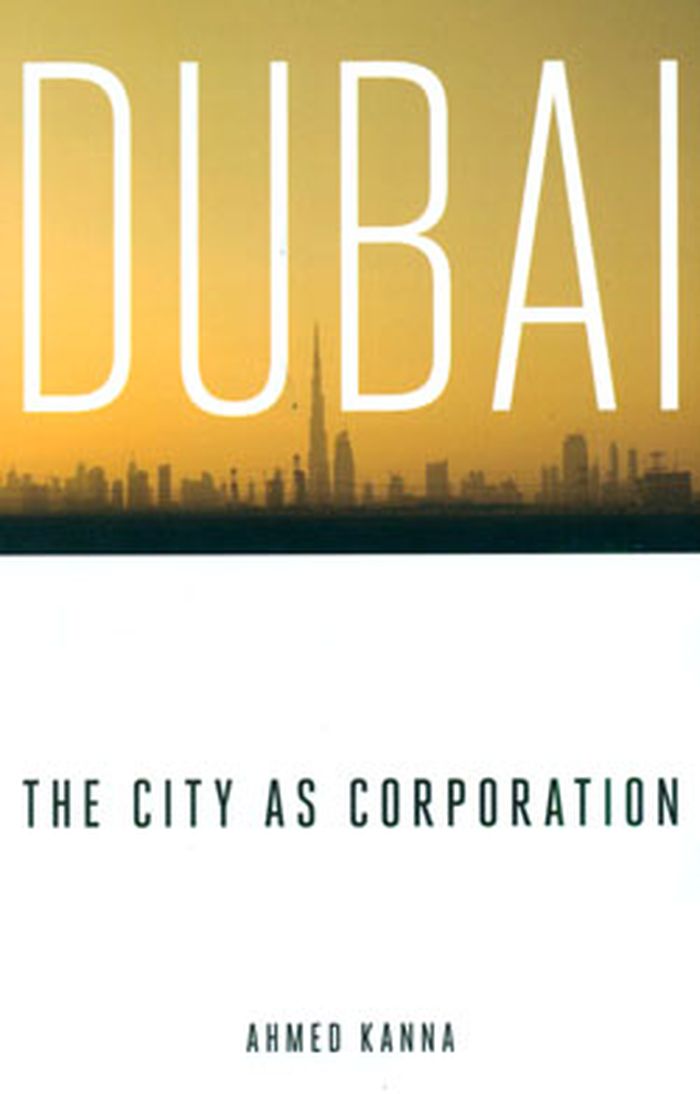
Somewhere in the course of the late twentieth century, Dubai became more than itself. The city was, suddenly, a postmodern urban spectacle rising from the desert—precisely the glittering global consumer utopia imagined by Dubai’s rulers and merchant elite. "In Dubai, the City as Corporation", Ahmed Kanna looks behind this seductive vision to reveal the role of cultural and political forces in shaping both the image and the reality of Dubai. Exposing local struggles over power and meaning in the making and representation of Dubai, Kanna examines the core questions of what gets built and for whom. This publication offers an instructive picture of how different factions—from local and non-Arab residents and expatriate South Asians to the cultural and economic elites of the city—have all participated in the creation and marketing of Dubai. The result is an unparalleled account of the ways in which the built environment shapes and is shaped by the experience of globalization and neoliberalism in a diverse, multinational city.
Dubai, the city as corporation
Actions:
Price:
$28.95
(available to order)
Summary:
Somewhere in the course of the late twentieth century, Dubai became more than itself. The city was, suddenly, a postmodern urban spectacle rising from the desert—precisely the glittering global consumer utopia imagined by Dubai’s rulers and merchant elite. "In Dubai, the City as Corporation", Ahmed Kanna looks behind this seductive vision to reveal the role of cultural and political forces in shaping both the image and the reality of Dubai. Exposing local struggles over power and meaning in the making and representation of Dubai, Kanna examines the core questions of what gets built and for whom. This publication offers an instructive picture of how different factions—from local and non-Arab residents and expatriate South Asians to the cultural and economic elites of the city—have all participated in the creation and marketing of Dubai. The result is an unparalleled account of the ways in which the built environment shapes and is shaped by the experience of globalization and neoliberalism in a diverse, multinational city.
Form:
books
books
Publication:
July 2011
July 2011
Subject:
Urban Theory
Urban Theory
Form:
books
books
Title:
Dan Graham
Dan Graham
Actions:
Price:
$23.95
(available to order)
Summary:
Since the 1960s, Dan Graham's heterogeneous practice has touched on such disparate subjects as tract housing, the Shakers, punk music, and architectural theory; he has made videos, architectural models, closed-circuit installations, and glass pavilions. Graham as situated his work on the borders between these different strains of contemporary practice. Although varying(...)
$23.95
(available to order)
Summary:
Since the 1960s, Dan Graham's heterogeneous practice has touched on such disparate subjects as tract housing, the Shakers, punk music, and architectural theory; he has made videos, architectural models, closed-circuit installations, and glass pavilions. Graham as situated his work on the borders between these different strains of contemporary practice. Although varying(...)
Title:
Dan Graham
Actions:
Price:
$23.95
(available to order)
Summary:
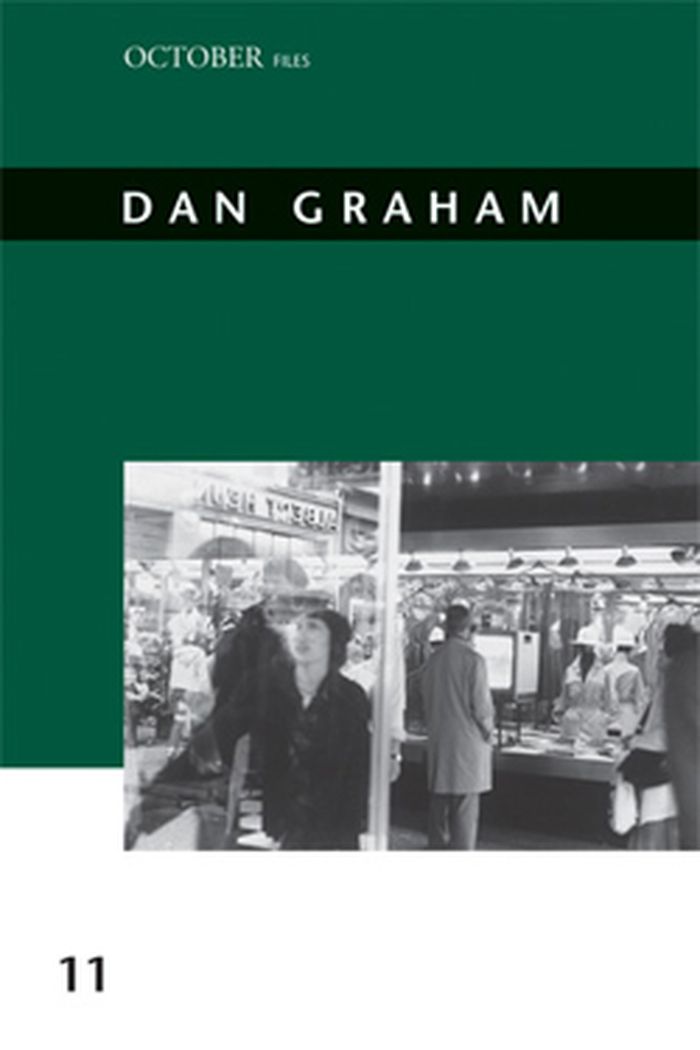
Since the 1960s, Dan Graham's heterogeneous practice has touched on such disparate subjects as tract housing, the Shakers, punk music, and architectural theory; he has made videos, architectural models, closed-circuit installations, and glass pavilions. Graham as situated his work on the borders between these different strains of contemporary practice. Although varying widely in subject and medium, Graham's artwork and writings display a consistent interest in spectatorship, public-private relationships, and the constructed environment. Graham's extensive writings on his own work have made him, by default, the primary interpreter of his own art. This October Files volume provides a counterweight, gathering key texts by critics and theorists that offer alternative accounts of Graham's art. The essays span thirty years and include hard-to-find texts from exhibition catalogs and journals. The authors include such distinguished theorists, critics, and artists as Benjamin H. D. Buchloh, Beatriz Colomina, Thierry de Duve, and Jeff Wall.
Dan Graham
Actions:
Price:
$23.95
(available to order)
Summary:
Since the 1960s, Dan Graham's heterogeneous practice has touched on such disparate subjects as tract housing, the Shakers, punk music, and architectural theory; he has made videos, architectural models, closed-circuit installations, and glass pavilions. Graham as situated his work on the borders between these different strains of contemporary practice. Although varying widely in subject and medium, Graham's artwork and writings display a consistent interest in spectatorship, public-private relationships, and the constructed environment. Graham's extensive writings on his own work have made him, by default, the primary interpreter of his own art. This October Files volume provides a counterweight, gathering key texts by critics and theorists that offer alternative accounts of Graham's art. The essays span thirty years and include hard-to-find texts from exhibition catalogs and journals. The authors include such distinguished theorists, critics, and artists as Benjamin H. D. Buchloh, Beatriz Colomina, Thierry de Duve, and Jeff Wall.
Form:
books
books
Publication:
March 2011
March 2011
Subject:
Contemporary Art Monographs
Contemporary Art Monographs
Form:
books
books
Actions:
Price:
$71.00
(available to order)
Summary:
Shimmering images, inverted worlds: is the city moving or the viewer and - if both - who is quicker, more authentic, more fleeting? Catherine Gfeller’s photographic and video work, based on incessantly pulsating urban landscapes, is autobiographical insofar as it focuses on New York and Paris, but it is hardly private. Everything here is public, yet nothing can really be(...)
$71.00
(available to order)
Summary:
Shimmering images, inverted worlds: is the city moving or the viewer and - if both - who is quicker, more authentic, more fleeting? Catherine Gfeller’s photographic and video work, based on incessantly pulsating urban landscapes, is autobiographical insofar as it focuses on New York and Paris, but it is hardly private. Everything here is public, yet nothing can really be(...)
Subject:
Contemporary Art Monographs
Contemporary Art Monographs
Publication:
December 2010
December 2010
Title:
Catherine Gfeller : pulsations
Actions:
Price:
$71.00
(available to order)
Summary:
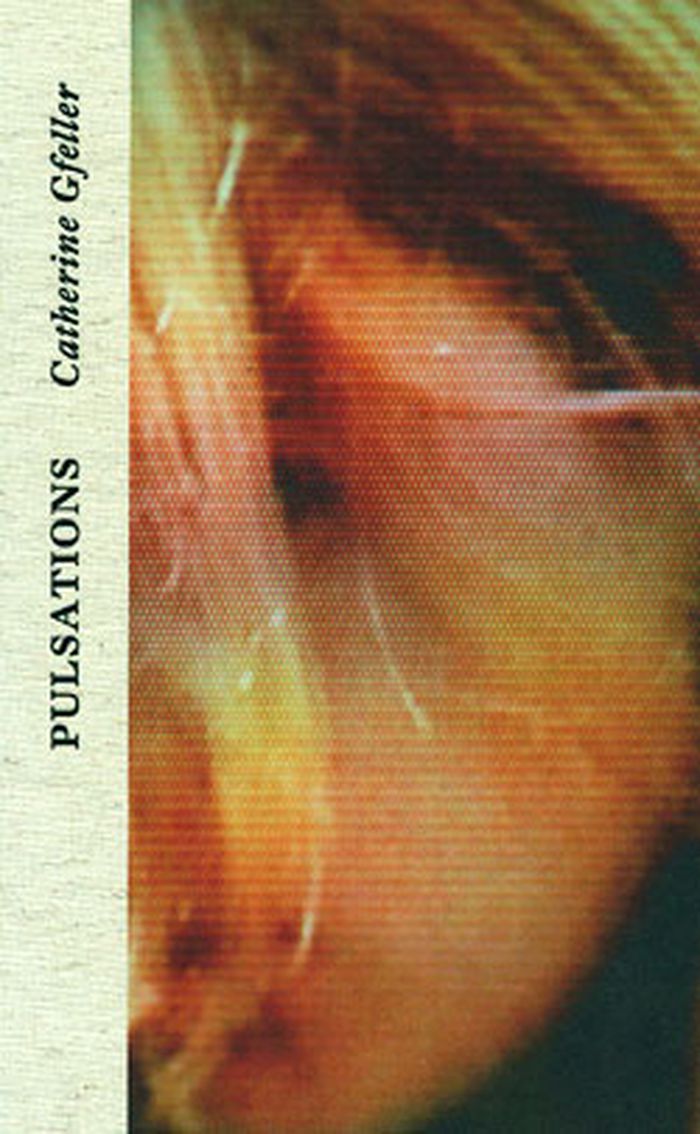
Shimmering images, inverted worlds: is the city moving or the viewer and - if both - who is quicker, more authentic, more fleeting? Catherine Gfeller’s photographic and video work, based on incessantly pulsating urban landscapes, is autobiographical insofar as it focuses on New York and Paris, but it is hardly private. Everything here is public, yet nothing can really be captured. In other groups of works, the artist takes a thoroughly different look at the symbiotic relationship between mankind and the environment, peering behind the anonymous façades of buildings and exposing intimate living spaces. Speed, exhileration and indulgence: "The only form of stability [can be found] in being ‘lulled by the loop’, as if caught up in the unfathomable delirium of repetition." This volume is being published to accompany three museum exhibitions to be held at the Musée des Beaux-art La Chaux-de-Fonds, the Kunstmuseum Luzern, and the Centre Régional d’Art Contemporain Languedoc-Roussillon Sète.
Catherine Gfeller : pulsations
Actions:
Price:
$71.00
(available to order)
Summary:
Shimmering images, inverted worlds: is the city moving or the viewer and - if both - who is quicker, more authentic, more fleeting? Catherine Gfeller’s photographic and video work, based on incessantly pulsating urban landscapes, is autobiographical insofar as it focuses on New York and Paris, but it is hardly private. Everything here is public, yet nothing can really be captured. In other groups of works, the artist takes a thoroughly different look at the symbiotic relationship between mankind and the environment, peering behind the anonymous façades of buildings and exposing intimate living spaces. Speed, exhileration and indulgence: "The only form of stability [can be found] in being ‘lulled by the loop’, as if caught up in the unfathomable delirium of repetition." This volume is being published to accompany three museum exhibitions to be held at the Musée des Beaux-art La Chaux-de-Fonds, the Kunstmuseum Luzern, and the Centre Régional d’Art Contemporain Languedoc-Roussillon Sète.
Form:
books
books
Publication:
December 2010
December 2010
Subject:
Contemporary Art Monographs
Contemporary Art Monographs
Form:
books
books
Actions:
Price:
$77.95
(available to order)
Summary:
In Humanism and the Urban World, Caspar Pearson offers a profoundly revisionist account of Leon Battista Alberti’s approach to the urban environment as exemplified in the extensive theoretical treatise De re aedificatoria (On the Art of Building in Ten Books), brought mostly to completion in the 1450s, as well as in his larger body of written work. This book explores the(...)
$77.95
(available to order)
Summary:
In Humanism and the Urban World, Caspar Pearson offers a profoundly revisionist account of Leon Battista Alberti’s approach to the urban environment as exemplified in the extensive theoretical treatise De re aedificatoria (On the Art of Building in Ten Books), brought mostly to completion in the 1450s, as well as in his larger body of written work. This book explores the(...)
Title:
Humanism and the urban world: Leon Battista Alberti and the Renaissance City
Actions:
Price:
$77.95
(available to order)
Summary:
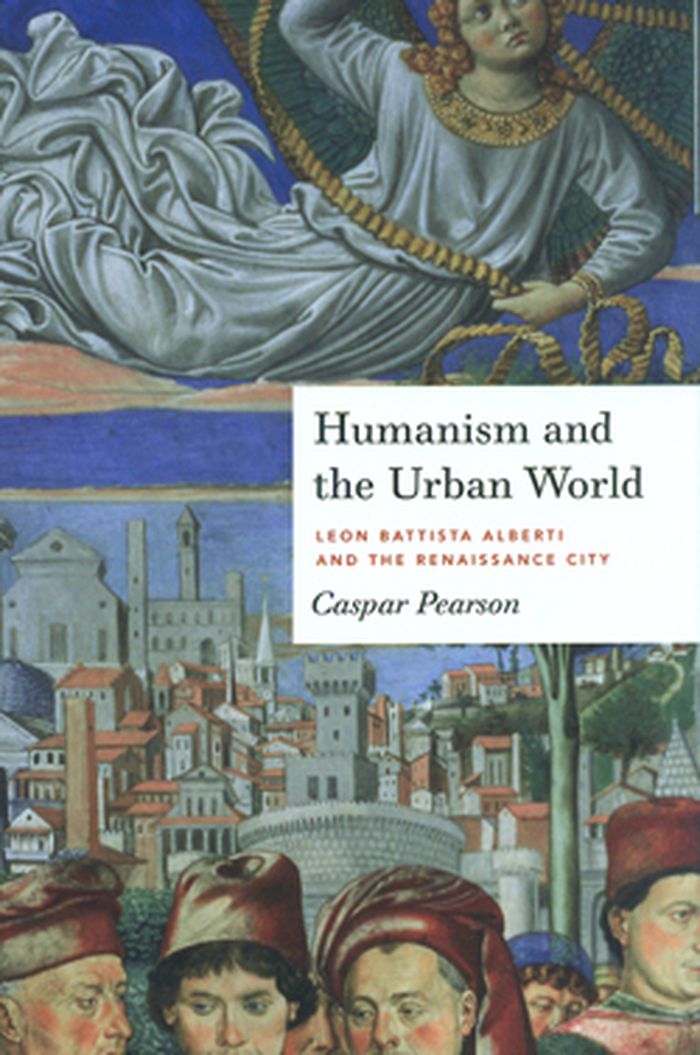
In Humanism and the Urban World, Caspar Pearson offers a profoundly revisionist account of Leon Battista Alberti’s approach to the urban environment as exemplified in the extensive theoretical treatise De re aedificatoria (On the Art of Building in Ten Books), brought mostly to completion in the 1450s, as well as in his larger body of written work. This book explores the ways in which Alberti sought to remedy urban problems, tracing key themes that manifest in De re aedificatoria. Chapters address Alberti’s consideration of the city's possible destruction and the city’s capacity to provide order despite its intrinsic instability; his assessment of a variety of political solutions to that instability; his affinity for the countryside and discussions of the virtues of the active versus the contemplative life; and his theories of aesthetics and beauty, in particular the belief that beauty may affect the soul of an enemy and thus preserve buildings from attack.
Humanism and the urban world: Leon Battista Alberti and the Renaissance City
Actions:
Price:
$77.95
(available to order)
Summary:
In Humanism and the Urban World, Caspar Pearson offers a profoundly revisionist account of Leon Battista Alberti’s approach to the urban environment as exemplified in the extensive theoretical treatise De re aedificatoria (On the Art of Building in Ten Books), brought mostly to completion in the 1450s, as well as in his larger body of written work. This book explores the ways in which Alberti sought to remedy urban problems, tracing key themes that manifest in De re aedificatoria. Chapters address Alberti’s consideration of the city's possible destruction and the city’s capacity to provide order despite its intrinsic instability; his assessment of a variety of political solutions to that instability; his affinity for the countryside and discussions of the virtues of the active versus the contemplative life; and his theories of aesthetics and beauty, in particular the belief that beauty may affect the soul of an enemy and thus preserve buildings from attack.
Form:
books
books
Publication:
August 2011
August 2011
Subject:
History until 1900
History until 1900
Form:
books
books
Actions:
Price:
$43.95
(available to order)
Summary:
This illustrated publication reaches back five centuries to document the evolution and ingenuity of house design in the British Isles. The architecture of Britain’s houses displays a dizzying variety of styles and details. Brimming with 600 full-color photographs, this book annotates hundreds of examples from every conceivable angle : from gables and pediments to(...)
$43.95
(available to order)
Summary:
This illustrated publication reaches back five centuries to document the evolution and ingenuity of house design in the British Isles. The architecture of Britain’s houses displays a dizzying variety of styles and details. Brimming with 600 full-color photographs, this book annotates hundreds of examples from every conceivable angle : from gables and pediments to(...)
Title:
House : British domestic architecture
Actions:
Price:
$43.95
(available to order)
Summary:
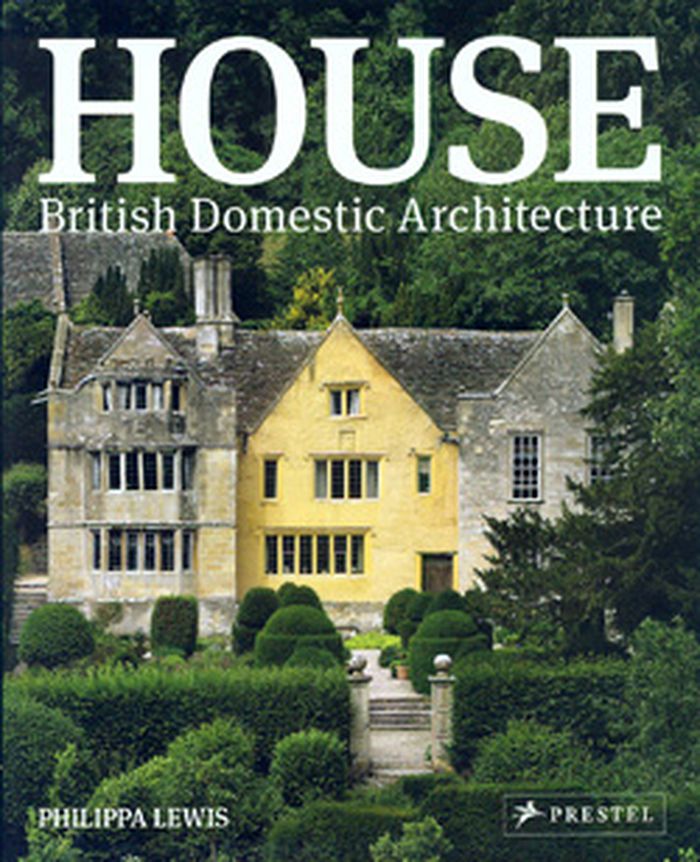
This illustrated publication reaches back five centuries to document the evolution and ingenuity of house design in the British Isles. The architecture of Britain’s houses displays a dizzying variety of styles and details. Brimming with 600 full-color photographs, this book annotates hundreds of examples from every conceivable angle : from gables and pediments to chimneys and roofs; from bow windows and casements to fanlights and door furniture. Armed with a career’s worth of experience and research, Philippa Lewis takes readers up and down the country to feature examples of typically British building, including cottages, manor houses, castles, bungalows, and flats. She also looks at houses built from a wide variety of materials, including stone, glass, wood, brick, and even corrugated iron, in different settings such as rural, suburban, seaside, and urban. Lively texts help identify specific details and place them in their historical context, as well as offering compelling examples of how innovative conversions of structures such as watermills, gatehouses, and churches reflect and sustain their environment.
House : British domestic architecture
Actions:
Price:
$43.95
(available to order)
Summary:
This illustrated publication reaches back five centuries to document the evolution and ingenuity of house design in the British Isles. The architecture of Britain’s houses displays a dizzying variety of styles and details. Brimming with 600 full-color photographs, this book annotates hundreds of examples from every conceivable angle : from gables and pediments to chimneys and roofs; from bow windows and casements to fanlights and door furniture. Armed with a career’s worth of experience and research, Philippa Lewis takes readers up and down the country to feature examples of typically British building, including cottages, manor houses, castles, bungalows, and flats. She also looks at houses built from a wide variety of materials, including stone, glass, wood, brick, and even corrugated iron, in different settings such as rural, suburban, seaside, and urban. Lively texts help identify specific details and place them in their historical context, as well as offering compelling examples of how innovative conversions of structures such as watermills, gatehouses, and churches reflect and sustain their environment.
Form:
books
books
Publication:
April 2011
April 2011
Subject:
Architecture since 1900, Europe
Architecture since 1900, Europe
Form:
books
books
Price:
$94.00
(available to order)
Summary:
This publication considers the architecture, landscape, and town plans of thirty-one counties west of Blue Mountain and north to Lake Erie, including cities and communities big and small. The first comprehensive look at the built environment in this large and varied territory, the volume spans the years from the late eighteenth century through to the first decade of the(...)
$94.00
(available to order)
Summary:
This publication considers the architecture, landscape, and town plans of thirty-one counties west of Blue Mountain and north to Lake Erie, including cities and communities big and small. The first comprehensive look at the built environment in this large and varied territory, the volume spans the years from the late eighteenth century through to the first decade of the(...)
Subject:
History since 1900, Reference Books
History since 1900, Reference Books
Publication:
April 2011
April 2011
Title:
Buildings of Pennsylvania: Pittsburgh and western Pennsylvania
Actions:
Price:
$94.00
(available to order)
Summary:
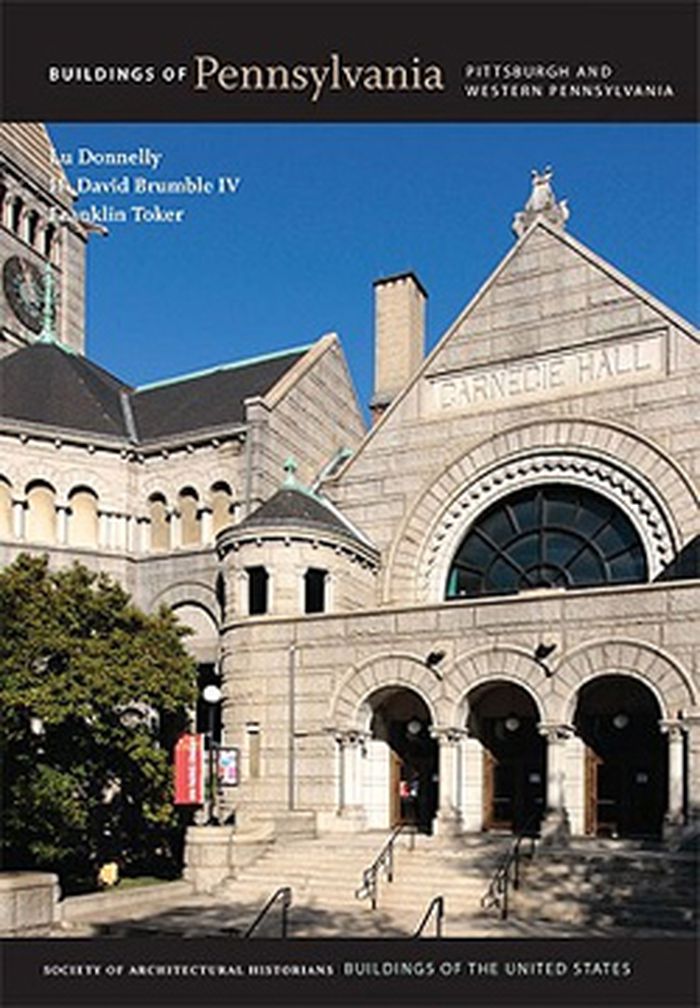
This publication considers the architecture, landscape, and town plans of thirty-one counties west of Blue Mountain and north to Lake Erie, including cities and communities big and small. The first comprehensive look at the built environment in this large and varied territory, the volume spans the years from the late eighteenth century through to the first decade of the new millennium and reveals a range of architectural surprises. The authors discuss exemplary and everyday buildings and places — Harmonist villages, Carnegie libraries, river communities, amusement parks, farms and barns, the crossroads of Breezewood, and Frank Lloyd Wright's Fallingwater among them — and canvass the scores of bridges, railroads, and inclines that cross the region's rivers, hills, and mountains. Descriptions of close to 150 of the commonwealth's small settlements, from coal patches to pike towns, capture the intense dialogue between industry and agriculture that typifies western Pennsylvania. Close to 400 illustrations, including photographs, maps, and drawings, bring the nearly 800 entries to life.
Buildings of Pennsylvania: Pittsburgh and western Pennsylvania
Actions:
Price:
$94.00
(available to order)
Summary:
This publication considers the architecture, landscape, and town plans of thirty-one counties west of Blue Mountain and north to Lake Erie, including cities and communities big and small. The first comprehensive look at the built environment in this large and varied territory, the volume spans the years from the late eighteenth century through to the first decade of the new millennium and reveals a range of architectural surprises. The authors discuss exemplary and everyday buildings and places — Harmonist villages, Carnegie libraries, river communities, amusement parks, farms and barns, the crossroads of Breezewood, and Frank Lloyd Wright's Fallingwater among them — and canvass the scores of bridges, railroads, and inclines that cross the region's rivers, hills, and mountains. Descriptions of close to 150 of the commonwealth's small settlements, from coal patches to pike towns, capture the intense dialogue between industry and agriculture that typifies western Pennsylvania. Close to 400 illustrations, including photographs, maps, and drawings, bring the nearly 800 entries to life.
Form:
books
books
Publication:
April 2011
April 2011
Subject:
History since 1900, Reference Books
History since 1900, Reference Books
Form:
books
books
Title:
AD: Protocell architecture
AD: Protocell architecture
Actions:
Price:
$48.00
(available in store)
Summary:
Throughout the ages architects have attempted to capture the essence of living systems as design inspiration. However, practitioners of the built environment have had to deal with a fundamental split between the artificial urban landscape and nature owing to a technological 'gap' that means architects have been unable to make effective use of biological systems in urban(...)
$48.00
(available in store)
Summary:
Throughout the ages architects have attempted to capture the essence of living systems as design inspiration. However, practitioners of the built environment have had to deal with a fundamental split between the artificial urban landscape and nature owing to a technological 'gap' that means architects have been unable to make effective use of biological systems in urban(...)
Title:
AD: Protocell architecture
Actions:
Price:
$48.00
(available in store)
Summary:
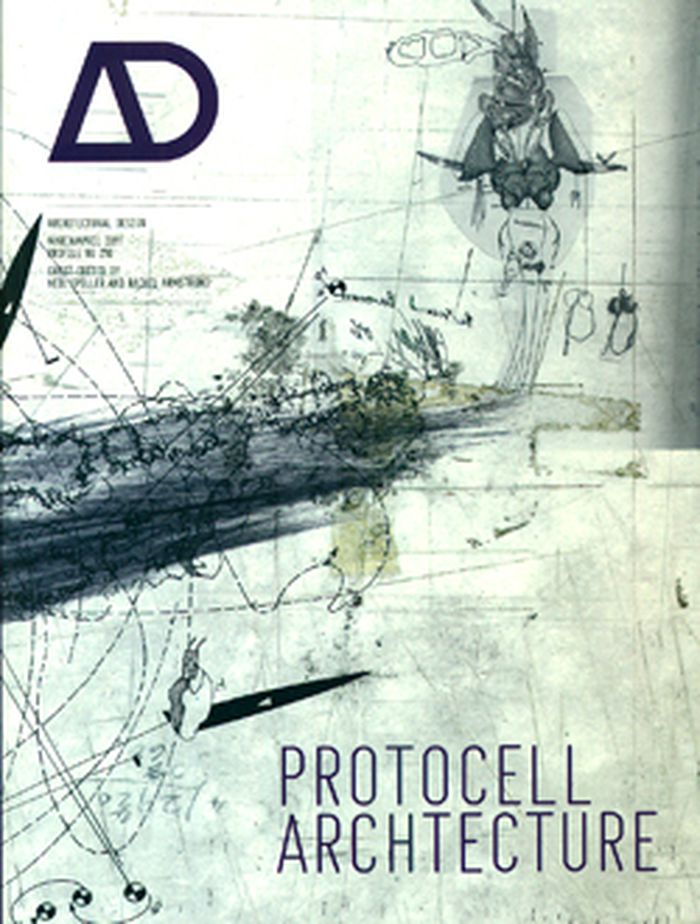
Throughout the ages architects have attempted to capture the essence of living systems as design inspiration. However, practitioners of the built environment have had to deal with a fundamental split between the artificial urban landscape and nature owing to a technological 'gap' that means architects have been unable to make effective use of biological systems in urban environments. This edition of AD that shows for the first time that contemporary architects can create and construct architectures that are bottom up, synthetically biological, green and have no recourse to shallow bio-mimicry. In the next few decades, synthetic biology is set to have as much, if not more, impact on architecture as cyberspace and the digital. The key to these amazing architectural innovations is the Protocell. Contributors include: Rachel Armstrong; Martin Hanczyc; Lee Cronin; Mark Morris Architects include: Neil Spiller; Nic Clear; IwamotoScott; Paul Preissner; Omar Khan;Dan Slavinsky; Philip Beesley; Neri Oxman
AD: Protocell architecture
Actions:
Price:
$48.00
(available in store)
Summary:
Throughout the ages architects have attempted to capture the essence of living systems as design inspiration. However, practitioners of the built environment have had to deal with a fundamental split between the artificial urban landscape and nature owing to a technological 'gap' that means architects have been unable to make effective use of biological systems in urban environments. This edition of AD that shows for the first time that contemporary architects can create and construct architectures that are bottom up, synthetically biological, green and have no recourse to shallow bio-mimicry. In the next few decades, synthetic biology is set to have as much, if not more, impact on architecture as cyberspace and the digital. The key to these amazing architectural innovations is the Protocell. Contributors include: Rachel Armstrong; Martin Hanczyc; Lee Cronin; Mark Morris Architects include: Neil Spiller; Nic Clear; IwamotoScott; Paul Preissner; Omar Khan;Dan Slavinsky; Philip Beesley; Neri Oxman
Form:
books
books
Publication:
April 2011
April 2011
Subject:
Magazines
Magazines


