


6923 Results
Form:
books
books

Price:
$80.00
(available to order)
Summary:
George Everard Kidder Smith (1913–1997) was a multidimensional figure within the wide-ranging field of North American architectural professionals in the second half of the twentieth century. Although he trained as an architect, he chose not to practice within the conventional strictures of an architecture office. Instead, Kidder Smith ''designed,'' researched, wrote,(...)
$80.00
(available to order)
Summary:
George Everard Kidder Smith (1913–1997) was a multidimensional figure within the wide-ranging field of North American architectural professionals in the second half of the twentieth century. Although he trained as an architect, he chose not to practice within the conventional strictures of an architecture office. Instead, Kidder Smith ''designed,'' researched, wrote,(...)
Title:
G. E. Kidder Smith builds: The travel of architectural photography
Actions:
Price:
$80.00
(available to order)
Summary:
George Everard Kidder Smith (1913–1997) was a multidimensional figure within the wide-ranging field of North American architectural professionals in the second half of the twentieth century. Although he trained as an architect, he chose not to practice within the conventional strictures of an architecture office. Instead, Kidder Smith ''designed,'' researched, wrote, and photographed a remarkably diverse collection of books about architecture and the built environment. His work and life were deeply interwoven and punctuated by travel related to the research, writing, and promotion of books that sought to reveal the genius loci of the countries whose built environments he admired and wished to share with a broader audience. From the early 1940s to the late 1950s his interest in architecture led him to describe visually the architectural and historical identity of many European countries. After his far-flung travels over the decades, with his wife Dorothea, Kidder Smith focused on his own country and produced a series of ambitious books focused on the United States. Kidder Smith’s vision and narrative betray the gaze of the traveler, the scholar, and the architect.
G. E. Kidder Smith builds: The travel of architectural photography
Actions:
Price:
$80.00
(available to order)
Summary:
George Everard Kidder Smith (1913–1997) was a multidimensional figure within the wide-ranging field of North American architectural professionals in the second half of the twentieth century. Although he trained as an architect, he chose not to practice within the conventional strictures of an architecture office. Instead, Kidder Smith ''designed,'' researched, wrote, and photographed a remarkably diverse collection of books about architecture and the built environment. His work and life were deeply interwoven and punctuated by travel related to the research, writing, and promotion of books that sought to reveal the genius loci of the countries whose built environments he admired and wished to share with a broader audience. From the early 1940s to the late 1950s his interest in architecture led him to describe visually the architectural and historical identity of many European countries. After his far-flung travels over the decades, with his wife Dorothea, Kidder Smith focused on his own country and produced a series of ambitious books focused on the United States. Kidder Smith’s vision and narrative betray the gaze of the traveler, the scholar, and the architect.
Form:
books
books
Publication:
August 2022
August 2022
Subject:
Photography monographs
Photography monographs
Form:
books
books
Actions:
Price:
$66.50
(available to order)
Summary:
Visual merchandising can inspire consumers to interact with products, set a brand apart from its competitors, foster brand preference, and encourage purchases. This book highlights the relationship between brands, consumers, products and the display environment, by way of examples of story-telling visual displays from some of the world's most glamorous fashion emporia,(...)
$66.50
(available to order)
Summary:
Visual merchandising can inspire consumers to interact with products, set a brand apart from its competitors, foster brand preference, and encourage purchases. This book highlights the relationship between brands, consumers, products and the display environment, by way of examples of story-telling visual displays from some of the world's most glamorous fashion emporia,(...)
Title:
Display art: Visual merchandising and window display
Actions:
Price:
$66.50
(available to order)
Summary:
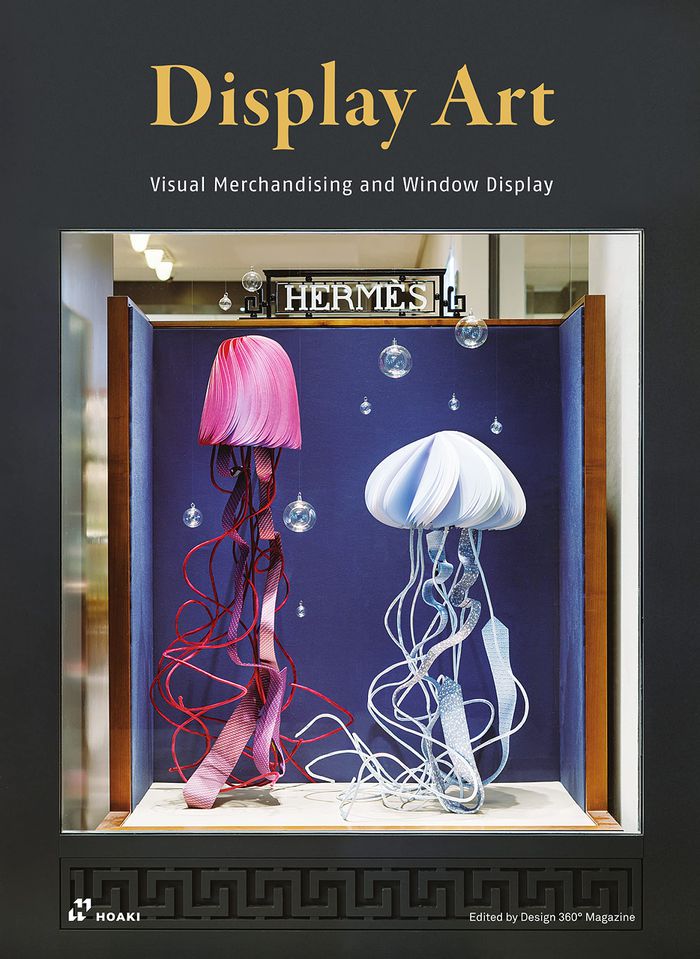
Visual merchandising can inspire consumers to interact with products, set a brand apart from its competitors, foster brand preference, and encourage purchases. This book highlights the relationship between brands, consumers, products and the display environment, by way of examples of story-telling visual displays from some of the world's most glamorous fashion emporia, such as Hermès, Karl Lagerfeld, Cartier and Fendi, but also small outlets, department stores, museums and bookshops. The projects included in this volume showcase a wide array of ideas by renowned graphic design agencies and boutique designers that have been successfully put into practice, focusing on aspects such as structure, texture, lighting design, custom lettering, amusing illustrations, delicate paper crafting, and installations made of multiple materials such as wood, steel, fabric or rubber. All these displays are characterized by alluring artwork that appeals to the senses and instincts of consumers and passers-by. An impressive selection that showcases extremely sophisticated projects but also simple, minimal and highly creative window displays, this book is the perfect inspirational guide for art directors, visual merchandisers and fashion professionals.
Display art: Visual merchandising and window display
Actions:
Price:
$66.50
(available to order)
Summary:
Visual merchandising can inspire consumers to interact with products, set a brand apart from its competitors, foster brand preference, and encourage purchases. This book highlights the relationship between brands, consumers, products and the display environment, by way of examples of story-telling visual displays from some of the world's most glamorous fashion emporia, such as Hermès, Karl Lagerfeld, Cartier and Fendi, but also small outlets, department stores, museums and bookshops. The projects included in this volume showcase a wide array of ideas by renowned graphic design agencies and boutique designers that have been successfully put into practice, focusing on aspects such as structure, texture, lighting design, custom lettering, amusing illustrations, delicate paper crafting, and installations made of multiple materials such as wood, steel, fabric or rubber. All these displays are characterized by alluring artwork that appeals to the senses and instincts of consumers and passers-by. An impressive selection that showcases extremely sophisticated projects but also simple, minimal and highly creative window displays, this book is the perfect inspirational guide for art directors, visual merchandisers and fashion professionals.
Form:
books
books
Publication:
August 2022
August 2022
Subject:
Display
Display
Form:
books
books
Title:
Salmon: A red herring
Salmon: A red herring
Actions:
Price:
$23.95
(available in store)
Summary:
Salmon is usually thought of as pink. The colour is even called ‘salmon pink’. However, farmed salmon today would be grey. To make them the expected colour, synthetic pigments are added to their feed. Salmon are farmed in open nets, whose runoff has a severe impact on wild salmon populations, as well as on the seabed of the west coast of Scotland at large. Salmon is the(...)
$23.95
(available in store)
Summary:
Salmon is usually thought of as pink. The colour is even called ‘salmon pink’. However, farmed salmon today would be grey. To make them the expected colour, synthetic pigments are added to their feed. Salmon are farmed in open nets, whose runoff has a severe impact on wild salmon populations, as well as on the seabed of the west coast of Scotland at large. Salmon is the(...)
Title:
Salmon: A red herring
Actions:
Price:
$23.95
(available in store)
Summary:
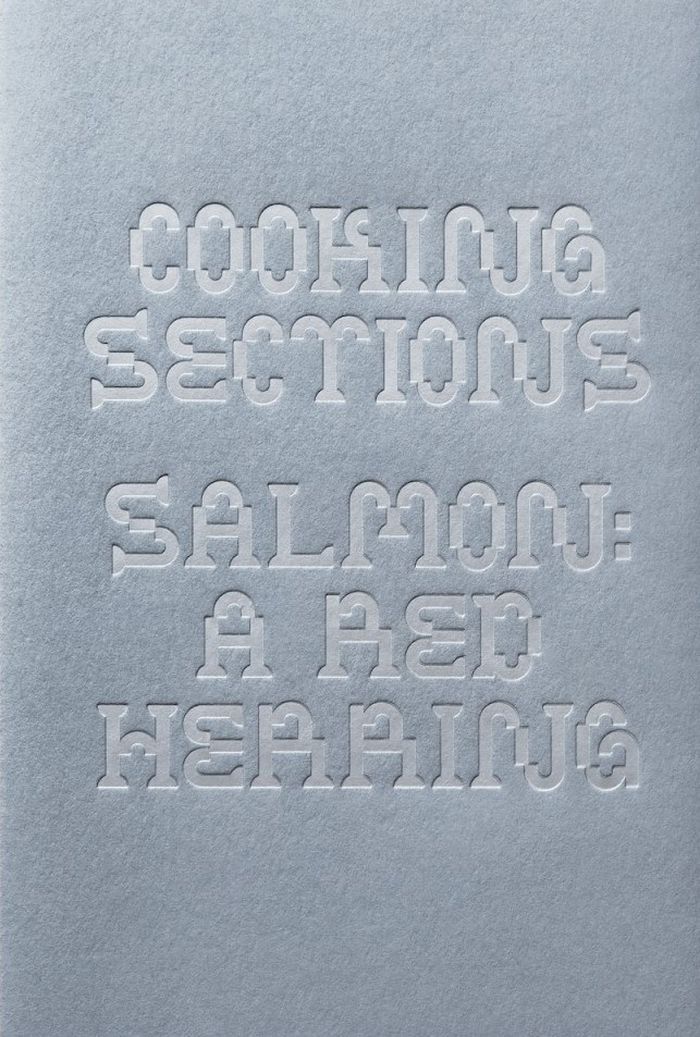
Salmon is usually thought of as pink. The colour is even called ‘salmon pink’. However, farmed salmon today would be grey. To make them the expected colour, synthetic pigments are added to their feed. Salmon are farmed in open nets, whose runoff has a severe impact on wild salmon populations, as well as on the seabed of the west coast of Scotland at large. Salmon is the colour of a wild fish which is neither wild, nor fish, nor even salmon. The changing colours of species around the planet are warning signs of an environmental crisis. Many of these alterations result from humans and animals ingesting and absorbing synthetic substances. Changes in flesh, scales, feathers, skin, leaves or wings give us clues to environmental and metabolic transformations around us and inside us. Continuing our work on the Isle of Skye, this project questions what colours we expect in our ‘natural’ environment. It asks us to examine how our perception of colour is changing as much as we are changing the planet.
Salmon: A red herring
Actions:
Price:
$23.95
(available in store)
Summary:
Salmon is usually thought of as pink. The colour is even called ‘salmon pink’. However, farmed salmon today would be grey. To make them the expected colour, synthetic pigments are added to their feed. Salmon are farmed in open nets, whose runoff has a severe impact on wild salmon populations, as well as on the seabed of the west coast of Scotland at large. Salmon is the colour of a wild fish which is neither wild, nor fish, nor even salmon. The changing colours of species around the planet are warning signs of an environmental crisis. Many of these alterations result from humans and animals ingesting and absorbing synthetic substances. Changes in flesh, scales, feathers, skin, leaves or wings give us clues to environmental and metabolic transformations around us and inside us. Continuing our work on the Isle of Skye, this project questions what colours we expect in our ‘natural’ environment. It asks us to examine how our perception of colour is changing as much as we are changing the planet.
Form:
books
books
Publication:
January 2020
January 2020
Subject:
Food
Food
Form:
books
books
Title:
Drivers of change
Drivers of change
Actions:
Price:
$80.00
(available to order)
Summary:
Conceived and designed by the Foresight, innovation and incubation team at Arup, the influential consulting firm that advises on all aspects of the built environment, this card set features seven topics that have been chosen as headings for further discussion: energy, waste, climate change, water, demographics, urbanization and poverty. The 189 cards are divided into five(...)
$80.00
(available to order)
Summary:
Conceived and designed by the Foresight, innovation and incubation team at Arup, the influential consulting firm that advises on all aspects of the built environment, this card set features seven topics that have been chosen as headings for further discussion: energy, waste, climate change, water, demographics, urbanization and poverty. The 189 cards are divided into five(...)
Title:
Drivers of change
Actions:
Price:
$80.00
(available to order)
Summary:
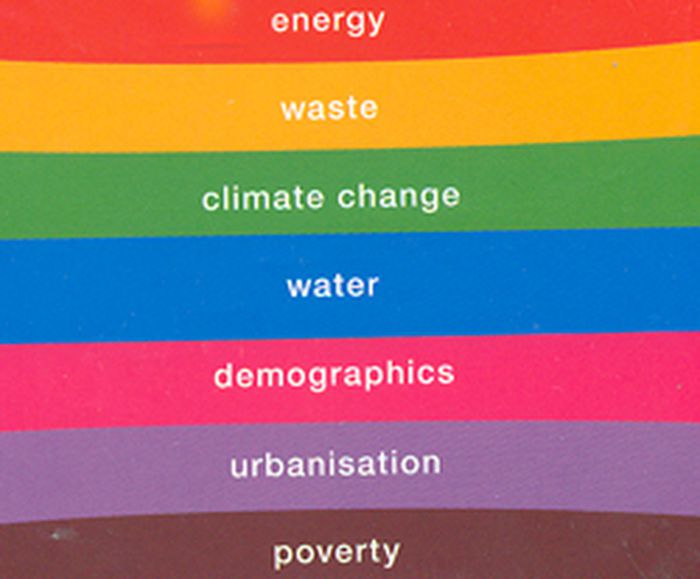
Conceived and designed by the Foresight, innovation and incubation team at Arup, the influential consulting firm that advises on all aspects of the built environment, this card set features seven topics that have been chosen as headings for further discussion: energy, waste, climate change, water, demographics, urbanization and poverty. The 189 cards are divided into five domains known as the steep framework: societal, technological, economic, environmental, and political. Each card represents a single driver of change-for instance urban migration, ageing population, austerity-along with a challenging and thought-provoking question. The flip side of the card provides pertinent data to expand on the question, as well as maps, graphs, and other illustrations. An accompanying booklet offers tips on how to use these cards independently or in a group setting. Whether brainstorming for new ideas or facilitating a discussion, these graphically sophisticated cards are an excellent resource for anyone interested in the future of technology, design and sustainability or indeed the way we might live in the years to come.
Drivers of change
Actions:
Price:
$80.00
(available to order)
Summary:
Conceived and designed by the Foresight, innovation and incubation team at Arup, the influential consulting firm that advises on all aspects of the built environment, this card set features seven topics that have been chosen as headings for further discussion: energy, waste, climate change, water, demographics, urbanization and poverty. The 189 cards are divided into five domains known as the steep framework: societal, technological, economic, environmental, and political. Each card represents a single driver of change-for instance urban migration, ageing population, austerity-along with a challenging and thought-provoking question. The flip side of the card provides pertinent data to expand on the question, as well as maps, graphs, and other illustrations. An accompanying booklet offers tips on how to use these cards independently or in a group setting. Whether brainstorming for new ideas or facilitating a discussion, these graphically sophisticated cards are an excellent resource for anyone interested in the future of technology, design and sustainability or indeed the way we might live in the years to come.
Form:
books
books
Publication:
July 2009
July 2009
Subject:
Green Architecture
Green Architecture
Form:
journals and magazines
journals and magazines
Title:
Idea 340: Forms of practice
Idea 340: Forms of practice
Actions:
Price:
$54.00
(available in store)
Summary:
A number of young designers in Europe and America are attempting to develop their own paths in exploring graphic design through innovative small-scale practices. Many of the designers featured here were born in the 1970s and 1980s, coming of age in commercial practice in the digital environment. The majority of those featured operate within the sphere of graphic design(...)
$54.00
(available in store)
Summary:
A number of young designers in Europe and America are attempting to develop their own paths in exploring graphic design through innovative small-scale practices. Many of the designers featured here were born in the 1970s and 1980s, coming of age in commercial practice in the digital environment. The majority of those featured operate within the sphere of graphic design(...)
Title:
Idea 340: Forms of practice
Actions:
Price:
$54.00
(available in store)
Summary:
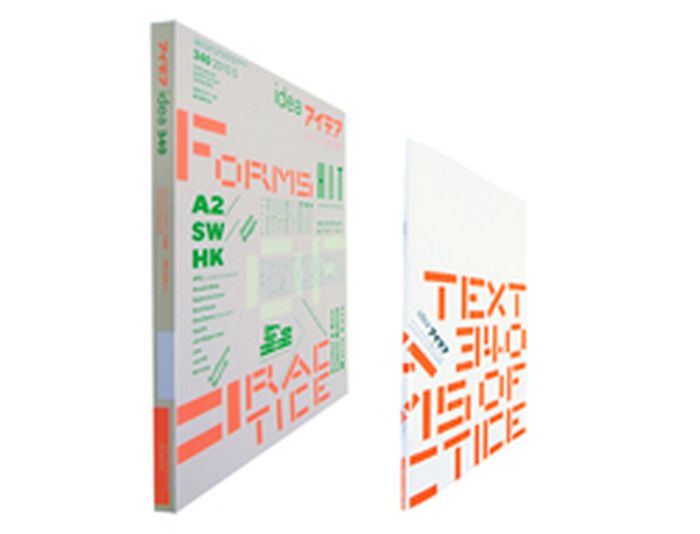
A number of young designers in Europe and America are attempting to develop their own paths in exploring graphic design through innovative small-scale practices. Many of the designers featured here were born in the 1970s and 1980s, coming of age in commercial practice in the digital environment. The majority of those featured operate within the sphere of graphic design production from the approach of a more personal practice, inflecting their work with nuanced, idiosyncratic conceptual and formal approaches. While widely varied due to cultural context and social/environmental differences, all have a kinship in unique approaches to developing formal options for clients. The use of the word "option" as applied here is perhaps the most relevant key point for the latest wave of graphic design from abroad- perhaps the "solution" as an end result of graphic design as a process is a dead methodology. What are instead offered are graphic "options" in lieu of "solutions"- inquiries answered with inquiries, questions answered with questions. The work featured offers playful, tentative answers instead of cold, hard end results.
Idea 340: Forms of practice
Actions:
Price:
$54.00
(available in store)
Summary:
A number of young designers in Europe and America are attempting to develop their own paths in exploring graphic design through innovative small-scale practices. Many of the designers featured here were born in the 1970s and 1980s, coming of age in commercial practice in the digital environment. The majority of those featured operate within the sphere of graphic design production from the approach of a more personal practice, inflecting their work with nuanced, idiosyncratic conceptual and formal approaches. While widely varied due to cultural context and social/environmental differences, all have a kinship in unique approaches to developing formal options for clients. The use of the word "option" as applied here is perhaps the most relevant key point for the latest wave of graphic design from abroad- perhaps the "solution" as an end result of graphic design as a process is a dead methodology. What are instead offered are graphic "options" in lieu of "solutions"- inquiries answered with inquiries, questions answered with questions. The work featured offers playful, tentative answers instead of cold, hard end results.
Form:
journals and magazines
journals and magazines
Publication:
April 2010
April 2010
Subject:
Magazines
Magazines
Form:
books
books
Title:
Grid-Portraits
Grid-Portraits
Actions:
Price:
$75.00
(available to order)
Summary:
In the mid-1980s, Stu Levy began making “grid-portraits” in order to overcome his his frustration with traditional portraiture’s limited point of view. These constructs of photographs, consisting of twelve to twenty-five individual images, scan the architecture and flow of time in a subject’s living or working environment. The resulting portraits, usually of artists,(...)
$75.00
(available to order)
Summary:
In the mid-1980s, Stu Levy began making “grid-portraits” in order to overcome his his frustration with traditional portraiture’s limited point of view. These constructs of photographs, consisting of twelve to twenty-five individual images, scan the architecture and flow of time in a subject’s living or working environment. The resulting portraits, usually of artists,(...)
Subject:
Photography monographs
Photography monographs
Publication:
October 2010
October 2010
Title:
Grid-Portraits
Actions:
Price:
$75.00
(available to order)
Summary:
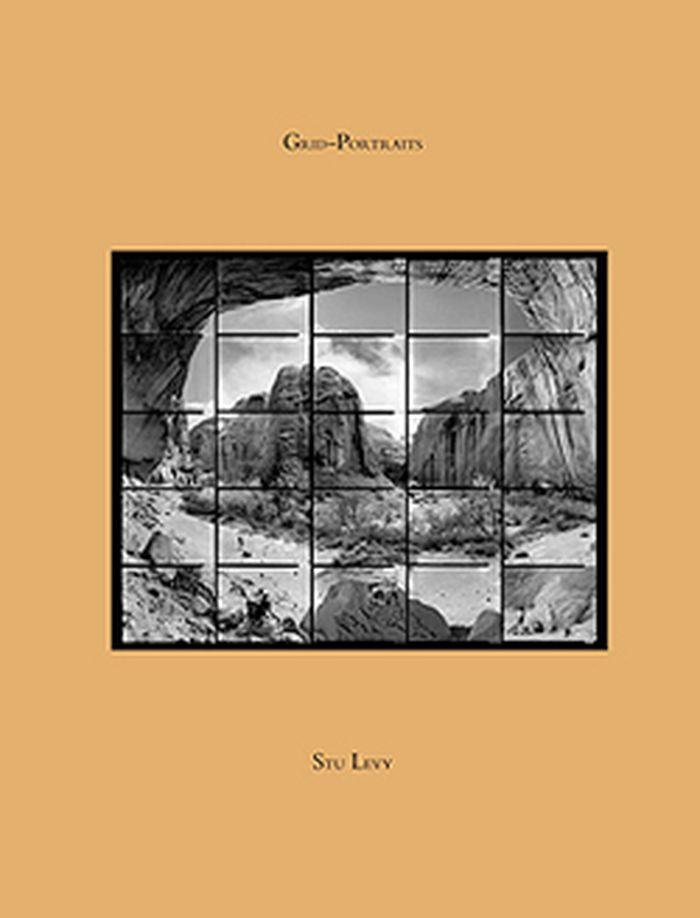
In the mid-1980s, Stu Levy began making “grid-portraits” in order to overcome his his frustration with traditional portraiture’s limited point of view. These constructs of photographs, consisting of twelve to twenty-five individual images, scan the architecture and flow of time in a subject’s living or working environment. The resulting portraits, usually of artists, craftspeople and musicians, are made in the subjects’ studios or living spaces and serve as a backstage tour of the artist’s mind and creative process. Levy is fascinated by the artifacts that fill these spaces – the possessions by which the subjects are themselves possessed. Rather than confining himself to a single “decisive” moment, Levy explore its antithesis, a maze of scrambled time. These are made with a view camera using 4 x 5-inch negatives to allow for precision of detail. The sections are printed together to form the illusion of glancing through a window at a “snapshot” of an event, which in reality might consist of fragmentary views made months apart and in totally separate rooms or environments.
Grid-Portraits
Actions:
Price:
$75.00
(available to order)
Summary:
In the mid-1980s, Stu Levy began making “grid-portraits” in order to overcome his his frustration with traditional portraiture’s limited point of view. These constructs of photographs, consisting of twelve to twenty-five individual images, scan the architecture and flow of time in a subject’s living or working environment. The resulting portraits, usually of artists, craftspeople and musicians, are made in the subjects’ studios or living spaces and serve as a backstage tour of the artist’s mind and creative process. Levy is fascinated by the artifacts that fill these spaces – the possessions by which the subjects are themselves possessed. Rather than confining himself to a single “decisive” moment, Levy explore its antithesis, a maze of scrambled time. These are made with a view camera using 4 x 5-inch negatives to allow for precision of detail. The sections are printed together to form the illusion of glancing through a window at a “snapshot” of an event, which in reality might consist of fragmentary views made months apart and in totally separate rooms or environments.
Form:
books
books
Publication:
October 2010
October 2010
Subject:
Photography monographs
Photography monographs
Form:
books
books
Actions:
Price:
$23.95
(available to order)
Summary:
First published in 1967, Guy Debord's stinging revolutionary critique of contemporary society, The Society of the Spectacle has since acquired a cult status. Credited by many as being the inspiration for the ideas generated by the events of May 1968 in France, Debord's pitiless attack on commodity fetishism and its incrustation in the practices of everyday life continues(...)
$23.95
(available to order)
Summary:
First published in 1967, Guy Debord's stinging revolutionary critique of contemporary society, The Society of the Spectacle has since acquired a cult status. Credited by many as being the inspiration for the ideas generated by the events of May 1968 in France, Debord's pitiless attack on commodity fetishism and its incrustation in the practices of everyday life continues(...)
Title:
Comments on the society of the spectacle
Actions:
Price:
$23.95
(available to order)
Summary:
First published in 1967, Guy Debord's stinging revolutionary critique of contemporary society, The Society of the Spectacle has since acquired a cult status. Credited by many as being the inspiration for the ideas generated by the events of May 1968 in France, Debord's pitiless attack on commodity fetishism and its incrustation in the practices of everyday life continues to burn brightly in today's age of satellite television and the soundbite. In Comments on the Society of the Spectacle, published twenty years later, Debord returned to the themes of his previous analysis and demonstrated how they were all the more relevant in a period when the integrated spectacle was dominant. Resolutely refusing to be reconciled to the system, Debord trenchantly slices through the doxa and mystification offered tip by journalists and pundits to show how aspects of reality as diverse as terrorism and the environment, the Mafia and the media, were caught up in the logic of the spectacular society. Pointing the finger clearly at those who benefit from the logic of domination, Debord's comments convey the revolutionary impulse at the heart of situationism.
Comments on the society of the spectacle
Actions:
Price:
$23.95
(available to order)
Summary:
First published in 1967, Guy Debord's stinging revolutionary critique of contemporary society, The Society of the Spectacle has since acquired a cult status. Credited by many as being the inspiration for the ideas generated by the events of May 1968 in France, Debord's pitiless attack on commodity fetishism and its incrustation in the practices of everyday life continues to burn brightly in today's age of satellite television and the soundbite. In Comments on the Society of the Spectacle, published twenty years later, Debord returned to the themes of his previous analysis and demonstrated how they were all the more relevant in a period when the integrated spectacle was dominant. Resolutely refusing to be reconciled to the system, Debord trenchantly slices through the doxa and mystification offered tip by journalists and pundits to show how aspects of reality as diverse as terrorism and the environment, the Mafia and the media, were caught up in the logic of the spectacular society. Pointing the finger clearly at those who benefit from the logic of domination, Debord's comments convey the revolutionary impulse at the heart of situationism.
Form:
books
books
Publication:
January 2011
January 2011
Subject:
Critical Theory
Critical Theory
Form:
books
books
Title:
Nella foresta del bradipo
Nella foresta del bradipo
Actions:
Price:
$29.95
(available to order)
Summary:
In the mild, humid climate of the Amazon forest, the sloth spends its entire life wrapped round the same tree, impassive and untouched by the light and sounds around it. It sleeps on regardless of the sudden arrival of the deforestation machinery: caterpillars, trucks, excavators and mechanical shears that rumble through the forest, scaring off all the other animals.The(...)
$29.95
(available to order)
Summary:
In the mild, humid climate of the Amazon forest, the sloth spends its entire life wrapped round the same tree, impassive and untouched by the light and sounds around it. It sleeps on regardless of the sudden arrival of the deforestation machinery: caterpillars, trucks, excavators and mechanical shears that rumble through the forest, scaring off all the other animals.The(...)
Subject:
Children's Books
Children's Books
Publication:
February 2011
February 2011
Title:
Nella foresta del bradipo
Actions:
Price:
$29.95
(available to order)
Summary:
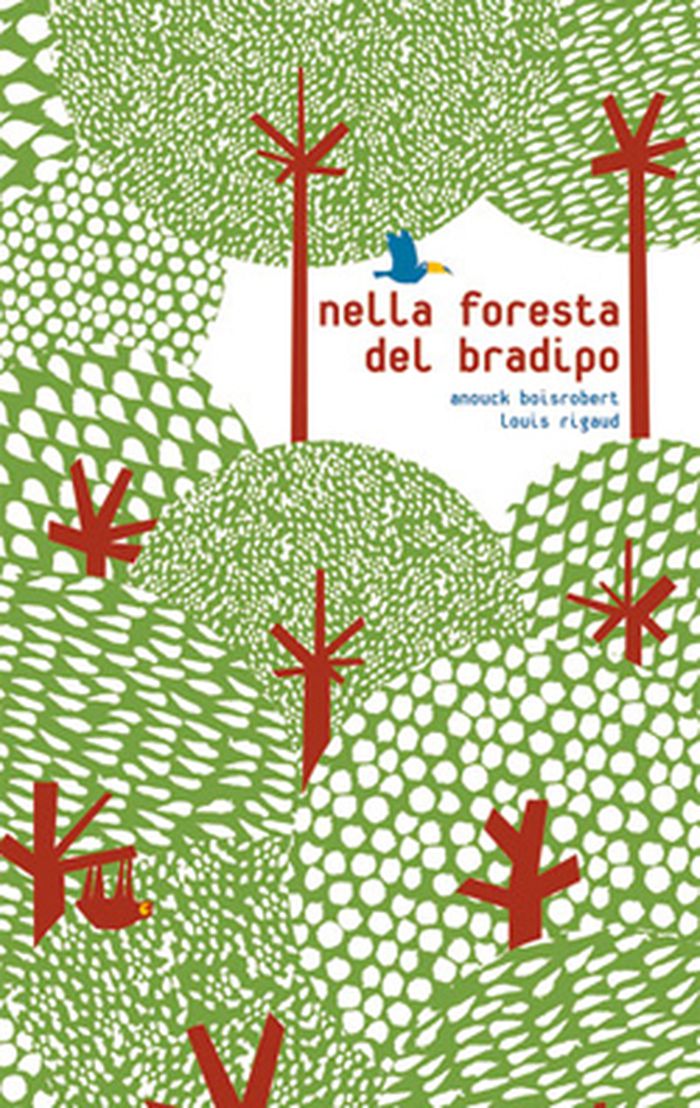
In the mild, humid climate of the Amazon forest, the sloth spends its entire life wrapped round the same tree, impassive and untouched by the light and sounds around it. It sleeps on regardless of the sudden arrival of the deforestation machinery: caterpillars, trucks, excavators and mechanical shears that rumble through the forest, scaring off all the other animals.The book tells the story of the sloth and its proverbial slowness, which is now placing it in danger from man’s short-sighted and tragic encroachment. Fourteen pop-up pages examine the gradual erosion of the Amazon forest. As we leaf through the pages, animals and trees appear before our eyes and in our hands, as if we were in a natural environment that is constantly changing. This book was printed with environmentally friendly soy ink on paper from responsible forests. Every year 13 million hectares of forest disappear. 90% of the deforestation is illegal and is threatening the survival of numerous species, including the Brazilian three-toed sloth. However, there is still time to prevent this destruction.
Nella foresta del bradipo
Actions:
Price:
$29.95
(available to order)
Summary:
In the mild, humid climate of the Amazon forest, the sloth spends its entire life wrapped round the same tree, impassive and untouched by the light and sounds around it. It sleeps on regardless of the sudden arrival of the deforestation machinery: caterpillars, trucks, excavators and mechanical shears that rumble through the forest, scaring off all the other animals.The book tells the story of the sloth and its proverbial slowness, which is now placing it in danger from man’s short-sighted and tragic encroachment. Fourteen pop-up pages examine the gradual erosion of the Amazon forest. As we leaf through the pages, animals and trees appear before our eyes and in our hands, as if we were in a natural environment that is constantly changing. This book was printed with environmentally friendly soy ink on paper from responsible forests. Every year 13 million hectares of forest disappear. 90% of the deforestation is illegal and is threatening the survival of numerous species, including the Brazilian three-toed sloth. However, there is still time to prevent this destruction.
Form:
books
books
Publication:
February 2011
February 2011
Subject:
Children's Books
Children's Books
Form:
books
books
Title:
AD: Typological urbanism
AD: Typological urbanism
Actions:
Price:
$50.00
(available to order)
Summary:
How can architecture today be simultaneously relevant to its urban context and at the very forefront of design? For a decade or so, iconic architecture has been fuelled by the market economy and consumers' insatiable appetite for the novel and the different. The relentless speed and scale of urbanisation, with its ruptured, decentralised and fast-changing context, though,(...)
$50.00
(available to order)
Summary:
How can architecture today be simultaneously relevant to its urban context and at the very forefront of design? For a decade or so, iconic architecture has been fuelled by the market economy and consumers' insatiable appetite for the novel and the different. The relentless speed and scale of urbanisation, with its ruptured, decentralised and fast-changing context, though,(...)
Title:
AD: Typological urbanism
Actions:
Price:
$50.00
(available to order)
Summary:
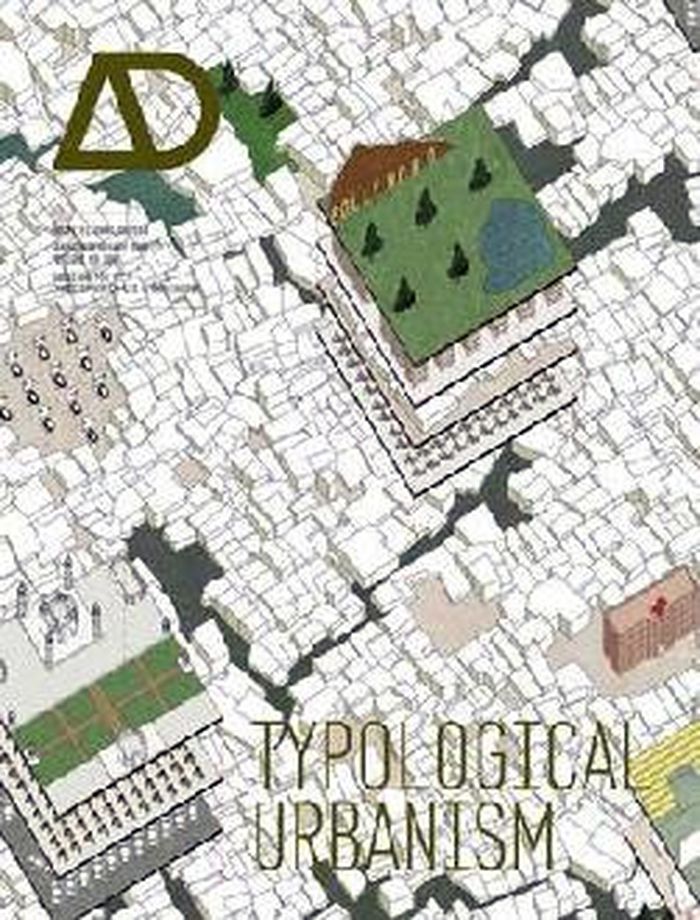
How can architecture today be simultaneously relevant to its urban context and at the very forefront of design? For a decade or so, iconic architecture has been fuelled by the market economy and consumers' insatiable appetite for the novel and the different. The relentless speed and scale of urbanisation, with its ruptured, decentralised and fast-changing context, though, demands a rethink of the role of the designer and the function of architecture. This title confronts and questions the profession's and academia's current inability to confidently and comprehensively describe, conceptualise, theorise and ultimately project new ideas for architecture in relation to the city. In so doing, it provides a potent alternative for projective cities: Typological Urbanism. This develops strategies of typological reasoning in order to re-engage architecture with the city in both a critical and speculative manner. Architecture and urbanism are no longer seen as separate domains, or subservient to each other, but as synthesising disciplines and processes that allow an integrating and controlling effect on both the city and its built environment.
AD: Typological urbanism
Actions:
Price:
$50.00
(available to order)
Summary:
How can architecture today be simultaneously relevant to its urban context and at the very forefront of design? For a decade or so, iconic architecture has been fuelled by the market economy and consumers' insatiable appetite for the novel and the different. The relentless speed and scale of urbanisation, with its ruptured, decentralised and fast-changing context, though, demands a rethink of the role of the designer and the function of architecture. This title confronts and questions the profession's and academia's current inability to confidently and comprehensively describe, conceptualise, theorise and ultimately project new ideas for architecture in relation to the city. In so doing, it provides a potent alternative for projective cities: Typological Urbanism. This develops strategies of typological reasoning in order to re-engage architecture with the city in both a critical and speculative manner. Architecture and urbanism are no longer seen as separate domains, or subservient to each other, but as synthesising disciplines and processes that allow an integrating and controlling effect on both the city and its built environment.
Form:
books
books
Publication:
March 2011
March 2011
Subject:
Magazines
Magazines
Form:
books
books
Actions:
Price:
$66.95
(available to order)
Summary:
Wilkinson perceives the landscape of Singapore for the lush fertile rainforest that it is: a vast Henri Rousseau painting in which he can build. In his houses, the boundaries between inside and outside are blurred, a reciprocal relationship with the landscape is established, and a tropical ideal has been created. The architecture is always expressive and each of(...)
$66.95
(available to order)
Summary:
Wilkinson perceives the landscape of Singapore for the lush fertile rainforest that it is: a vast Henri Rousseau painting in which he can build. In his houses, the boundaries between inside and outside are blurred, a reciprocal relationship with the landscape is established, and a tropical ideal has been created. The architecture is always expressive and each of(...)
Title:
Tropical arts and crafts: the houses of Guz Wilkinson
Actions:
Price:
$66.95
(available to order)
Summary:
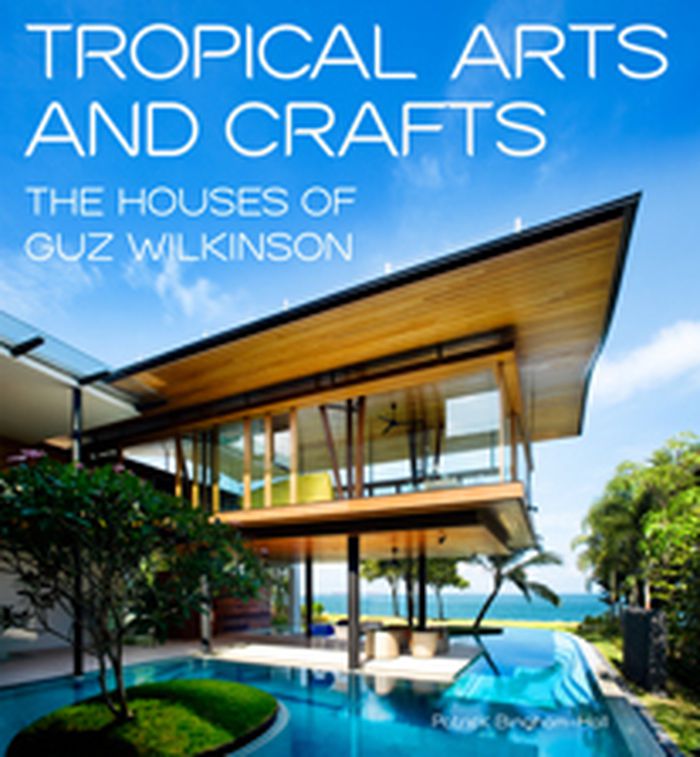
Wilkinson perceives the landscape of Singapore for the lush fertile rainforest that it is: a vast Henri Rousseau painting in which he can build. In his houses, the boundaries between inside and outside are blurred, a reciprocal relationship with the landscape is established, and a tropical ideal has been created. The architecture is always expressive and each of Wilkinson’s houses is defined by a set of formal gestures that are both playful and practical: a tactile indulgence is always underpinned by a commitment to sustainability and respect for the environment. Landscaping, planting and the use of water are crucial to these houses, which draw upon the whimsy and decorative detailing of Arts and Crafts architecture, and the spatial freedom of such architects as Schindler and Wright. This monograph feature twenty-one of Wilkinson’s houses, built over the last decade. Each project is illustrated by colour photography, and is documented with formal drawings, concept sketches and project descriptions. An introductory essay examines the architecture in the context of 21st century Singapore, and documents Wilkinson’s background, influences and design philosophy.
Tropical arts and crafts: the houses of Guz Wilkinson
Actions:
Price:
$66.95
(available to order)
Summary:
Wilkinson perceives the landscape of Singapore for the lush fertile rainforest that it is: a vast Henri Rousseau painting in which he can build. In his houses, the boundaries between inside and outside are blurred, a reciprocal relationship with the landscape is established, and a tropical ideal has been created. The architecture is always expressive and each of Wilkinson’s houses is defined by a set of formal gestures that are both playful and practical: a tactile indulgence is always underpinned by a commitment to sustainability and respect for the environment. Landscaping, planting and the use of water are crucial to these houses, which draw upon the whimsy and decorative detailing of Arts and Crafts architecture, and the spatial freedom of such architects as Schindler and Wright. This monograph feature twenty-one of Wilkinson’s houses, built over the last decade. Each project is illustrated by colour photography, and is documented with formal drawings, concept sketches and project descriptions. An introductory essay examines the architecture in the context of 21st century Singapore, and documents Wilkinson’s background, influences and design philosophy.
Form:
books
books
Publication:
July 2012
July 2012
Subject:
Architecture Monographs
Architecture Monographs


