


10592 Results
Form:
books
books
Title:
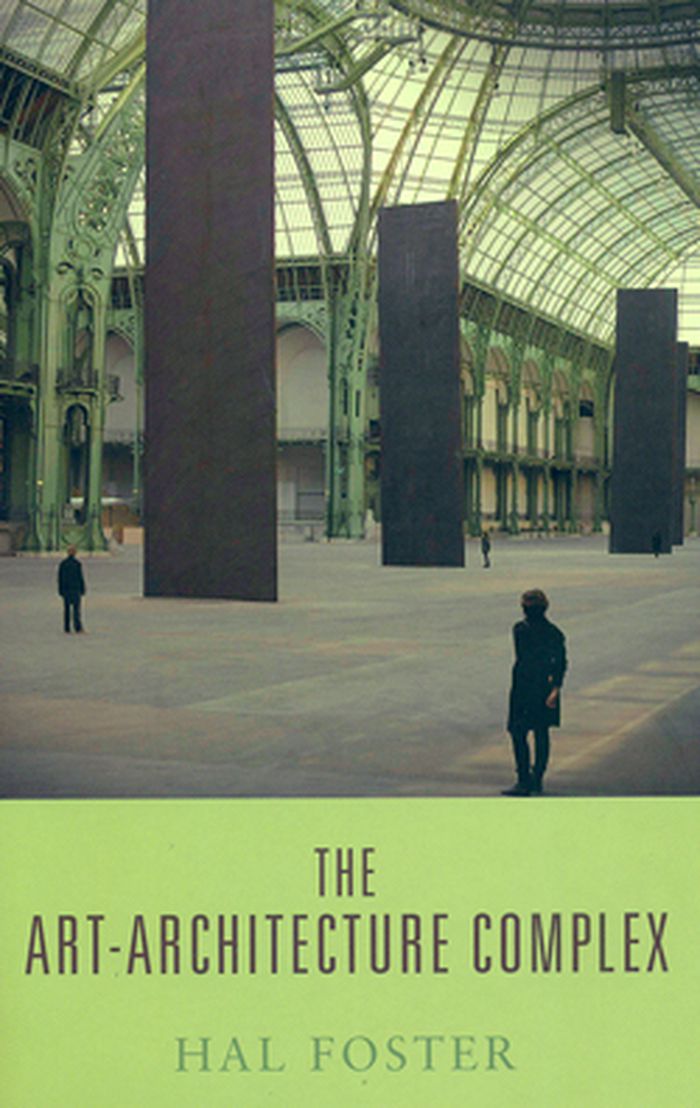
The art-architecture complex
The art-architecture complex
Actions:
Price:
$33.50
(available to order)
Summary:
Hal Foster argues that a fusion of architecture and art is a defining feature of contemporary culture. While architects such as Zaha Hadid and Herzog and de Meuron draw on art to reanimate design, architecture has inspired fundamental transformations in painting, sculpture and film, which are also explored here. The book includes an extensive conversation with Richard(...)
$33.50
(available to order)
Summary:
Hal Foster argues that a fusion of architecture and art is a defining feature of contemporary culture. While architects such as Zaha Hadid and Herzog and de Meuron draw on art to reanimate design, architecture has inspired fundamental transformations in painting, sculpture and film, which are also explored here. The book includes an extensive conversation with Richard(...)
Title:
The art-architecture complex
Actions:
Price:
$33.50
(available to order)
Summary:
Hal Foster argues that a fusion of architecture and art is a defining feature of contemporary culture. While architects such as Zaha Hadid and Herzog and de Meuron draw on art to reanimate design, architecture has inspired fundamental transformations in painting, sculpture and film, which are also explored here. The book includes an extensive conversation with Richard Serra. At the same time Foster points to a “global style” of architecture, as practiced by Norman Foster, Richard Rogers and Renzo Piano, that is analogous to the “international style” of Le Corbusier, Gropius and Mies—a global style that, more than any art, conveys the look of modernity today, both its dreams and its delusions. In these ways Foster demonstrates that “the art-architecture complex” is a key indicator of broader social and economic trajectories and in urgent need of analysis and debate.
The art-architecture complex
Actions:
Price:
$33.50
(available to order)
Summary:
Hal Foster argues that a fusion of architecture and art is a defining feature of contemporary culture. While architects such as Zaha Hadid and Herzog and de Meuron draw on art to reanimate design, architecture has inspired fundamental transformations in painting, sculpture and film, which are also explored here. The book includes an extensive conversation with Richard Serra. At the same time Foster points to a “global style” of architecture, as practiced by Norman Foster, Richard Rogers and Renzo Piano, that is analogous to the “international style” of Le Corbusier, Gropius and Mies—a global style that, more than any art, conveys the look of modernity today, both its dreams and its delusions. In these ways Foster demonstrates that “the art-architecture complex” is a key indicator of broader social and economic trajectories and in urgent need of analysis and debate.
Form:
books
books
Publication:
October 2011
October 2011
Subject:
Architectural Theory
Architectural Theory
Form:
books
books
Actions:
Price:
$43.50
(available to order)
Summary:
This publication is an urgent response to the radical changes in contemporary architecture and the built environment witnessed in the twenty-first century. Characteristically polemic, incisive and energetic, these essays explore pressing questions of architectural and urban design, and critical issues of public space and participation. From New York to New Orleans, the(...)
$43.50
(available to order)
Summary:
This publication is an urgent response to the radical changes in contemporary architecture and the built environment witnessed in the twenty-first century. Characteristically polemic, incisive and energetic, these essays explore pressing questions of architectural and urban design, and critical issues of public space and participation. From New York to New Orleans, the(...)
Title:
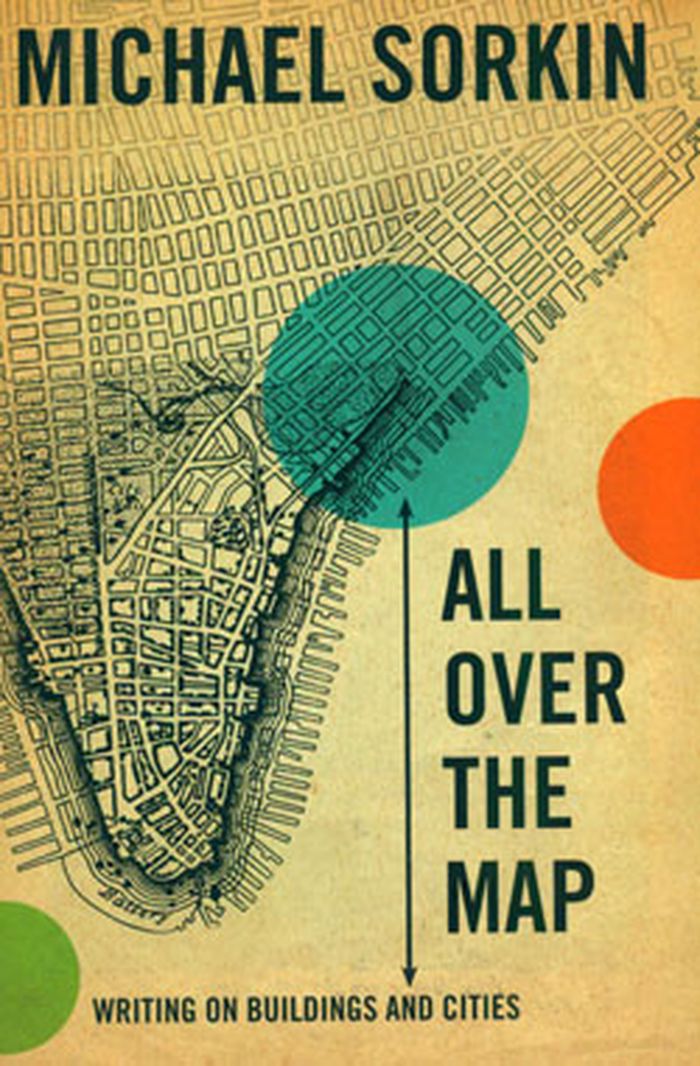
All over the map: writings on buildings and cities
Actions:
Price:
$43.50
(available to order)
Summary:
This publication is an urgent response to the radical changes in contemporary architecture and the built environment witnessed in the twenty-first century. Characteristically polemic, incisive and energetic, these essays explore pressing questions of architectural and urban design, and critical issues of public space and participation. From New York to New Orleans, the Amazon to Jerusalem, Sorkin brings a critical eye to bear on a sweeping range of subjects. Whether castigating the sorry performance of the architectural avant-garde, considering the nature of place in globalized culture, or providing mock instructions for entering a high-security environment, these writings make a powerful and provocative case for architecture and urban design to re-engage with the lives and societies from which they have become increasingly detached.
All over the map: writings on buildings and cities
Actions:
Price:
$43.50
(available to order)
Summary:
This publication is an urgent response to the radical changes in contemporary architecture and the built environment witnessed in the twenty-first century. Characteristically polemic, incisive and energetic, these essays explore pressing questions of architectural and urban design, and critical issues of public space and participation. From New York to New Orleans, the Amazon to Jerusalem, Sorkin brings a critical eye to bear on a sweeping range of subjects. Whether castigating the sorry performance of the architectural avant-garde, considering the nature of place in globalized culture, or providing mock instructions for entering a high-security environment, these writings make a powerful and provocative case for architecture and urban design to re-engage with the lives and societies from which they have become increasingly detached.
Form:
books
books
Publication:
July 2011
July 2011
Subject:
Architectural Theory
Architectural Theory
Form:
books
books
Actions:
Price:
$42.00
(available to order)
Summary:
For the first time in the history of our planet, more than half the population-3.3 billion people-is now living in cities. City is the ultimate guidebook to our urban centers-the signature unit of human civilization. With erudite prose and carefully chosen illustrations, this work of metatourism explores what cities are and how they work. It covers history, customs and(...)
$42.00
(available to order)
Summary:
For the first time in the history of our planet, more than half the population-3.3 billion people-is now living in cities. City is the ultimate guidebook to our urban centers-the signature unit of human civilization. With erudite prose and carefully chosen illustrations, this work of metatourism explores what cities are and how they work. It covers history, customs and(...)
Title:
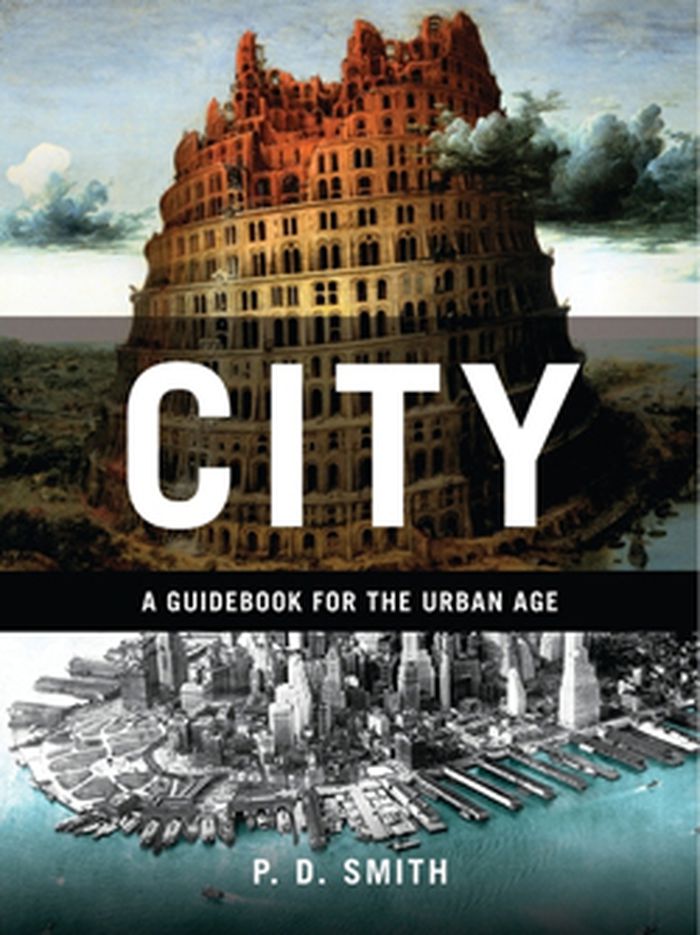
City : a guidebook for the urban age
Actions:
Price:
$42.00
(available to order)
Summary:
For the first time in the history of our planet, more than half the population-3.3 billion people-is now living in cities. City is the ultimate guidebook to our urban centers-the signature unit of human civilization. With erudite prose and carefully chosen illustrations, this work of metatourism explores what cities are and how they work. It covers history, customs and language, districts, transport, money, work, shops and markets, and tourist sites, creating a detailed portrait of the city through history and into the future. The urban explorer will revel in essays on downtowns, suburbs, shantytowns and favelas, graffiti, skylines, crime, the theater, street food, sport, eco-cities, and sacred sites, as well as mini essays on the Tower of Babel, flash mobs, ghettos, skateboarding, and SimCity, among many others. Drawing on a vast range of examples from across the world and throughout history, City is extensively illustrated with full-color photographs, maps, and other images.
City : a guidebook for the urban age
Actions:
Price:
$42.00
(available to order)
Summary:
For the first time in the history of our planet, more than half the population-3.3 billion people-is now living in cities. City is the ultimate guidebook to our urban centers-the signature unit of human civilization. With erudite prose and carefully chosen illustrations, this work of metatourism explores what cities are and how they work. It covers history, customs and language, districts, transport, money, work, shops and markets, and tourist sites, creating a detailed portrait of the city through history and into the future. The urban explorer will revel in essays on downtowns, suburbs, shantytowns and favelas, graffiti, skylines, crime, the theater, street food, sport, eco-cities, and sacred sites, as well as mini essays on the Tower of Babel, flash mobs, ghettos, skateboarding, and SimCity, among many others. Drawing on a vast range of examples from across the world and throughout history, City is extensively illustrated with full-color photographs, maps, and other images.
Form:
books
books
Publication:
November 2011
November 2011
Subject:
Urban Theory
Urban Theory
Form:
books
books
Title:
Critical dictionnary
Critical dictionnary
Actions:
Price:
$29.95
(available to order)
Summary:
"Critical Dictionary" is an ambitious cornucopia of thoughts, images, and illustrations from online art magazine criticaldictionary.com, in addition to newly commissioned work. The title alludes to the mock dictionary that philosopher Georges Bataille edited for "Documents" in 1929 and 1930. Like this famous precedent, "Critical Dictionary" aims to puncture pretension,(...)
$29.95
(available to order)
Summary:
"Critical Dictionary" is an ambitious cornucopia of thoughts, images, and illustrations from online art magazine criticaldictionary.com, in addition to newly commissioned work. The title alludes to the mock dictionary that philosopher Georges Bataille edited for "Documents" in 1929 and 1930. Like this famous precedent, "Critical Dictionary" aims to puncture pretension,(...)
Title:
Critical dictionnary
Actions:
Price:
$29.95
(available to order)
Summary:
"Critical Dictionary" is an ambitious cornucopia of thoughts, images, and illustrations from online art magazine criticaldictionary.com, in addition to newly commissioned work. The title alludes to the mock dictionary that philosopher Georges Bataille edited for "Documents" in 1929 and 1930. Like this famous precedent, "Critical Dictionary" aims to puncture pretension, bringing words and their referents down to earth. Entries include Accident, Civilization, Drone, Error, Fragment, Informe, Metaphor, Monument: Mycelium, Portrait, Quotation, Retort, Smell, Touch, Umfunktionierung, Voice, Wander, XXX and Zoo. "Critical Dictionary" includes contributions from artists, illustrators and photographers including Adam Broomberg and Oliver Chanarin, David Campany, Common Culture, Karen Knorr, Ann Lee, Jake Walters and Penelope Umbrico.
Critical dictionnary
Actions:
Price:
$29.95
(available to order)
Summary:
"Critical Dictionary" is an ambitious cornucopia of thoughts, images, and illustrations from online art magazine criticaldictionary.com, in addition to newly commissioned work. The title alludes to the mock dictionary that philosopher Georges Bataille edited for "Documents" in 1929 and 1930. Like this famous precedent, "Critical Dictionary" aims to puncture pretension, bringing words and their referents down to earth. Entries include Accident, Civilization, Drone, Error, Fragment, Informe, Metaphor, Monument: Mycelium, Portrait, Quotation, Retort, Smell, Touch, Umfunktionierung, Voice, Wander, XXX and Zoo. "Critical Dictionary" includes contributions from artists, illustrators and photographers including Adam Broomberg and Oliver Chanarin, David Campany, Common Culture, Karen Knorr, Ann Lee, Jake Walters and Penelope Umbrico.
Form:
books
books
Publication:
October 2011
October 2011
Subject:
Art Theory
Art Theory
Form:
books
books
Actions:
Price:
$22.95
(available to order)
Summary:
What is the first thing to learn in art school? "Art can be anything." The second thing? "Learn to draw." With 101 Things to Learn in Art School, artist and teacher Kit White delivers and develops such lessons, striking an instructive balance between technical advice and sage concepts. "Art can be anything" is illustrated by a drawing of Duchamp’s famous urinal; a(...)
$22.95
(available to order)
Summary:
What is the first thing to learn in art school? "Art can be anything." The second thing? "Learn to draw." With 101 Things to Learn in Art School, artist and teacher Kit White delivers and develops such lessons, striking an instructive balance between technical advice and sage concepts. "Art can be anything" is illustrated by a drawing of Duchamp’s famous urinal; a(...)
Title:
101 things to learn in art school
Actions:
Price:
$22.95
(available to order)
Summary:
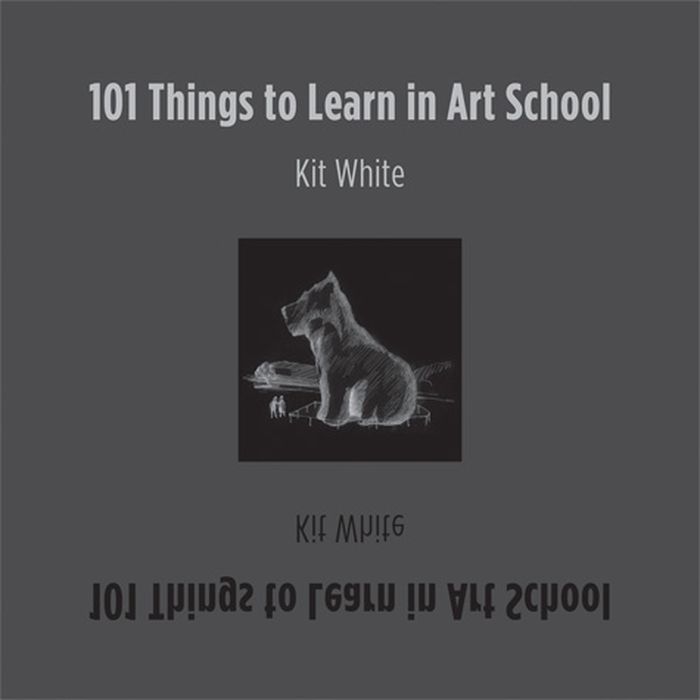
What is the first thing to learn in art school? "Art can be anything." The second thing? "Learn to draw." With 101 Things to Learn in Art School, artist and teacher Kit White delivers and develops such lessons, striking an instructive balance between technical advice and sage concepts. "Art can be anything" is illustrated by a drawing of Duchamp’s famous urinal; a description of chiaroscuro art is illuminated by an image "after Caravaggio"; a lesson on time and media is accompanied by a view of a Jenny Holzer projection. The book offers advice about the issues artists confront across all artistic media, but this is no simple handbook to making art. It is a guide to understanding art as a description of the world we live in, and it is a guide to using art as a medium for thought. And so this book belongs on the reading list of art students, art teachers, and artists, but it also belongs in the library of everyone who cares about art as a way of understanding life.
101 things to learn in art school
Actions:
Price:
$22.95
(available to order)
Summary:
What is the first thing to learn in art school? "Art can be anything." The second thing? "Learn to draw." With 101 Things to Learn in Art School, artist and teacher Kit White delivers and develops such lessons, striking an instructive balance between technical advice and sage concepts. "Art can be anything" is illustrated by a drawing of Duchamp’s famous urinal; a description of chiaroscuro art is illuminated by an image "after Caravaggio"; a lesson on time and media is accompanied by a view of a Jenny Holzer projection. The book offers advice about the issues artists confront across all artistic media, but this is no simple handbook to making art. It is a guide to understanding art as a description of the world we live in, and it is a guide to using art as a medium for thought. And so this book belongs on the reading list of art students, art teachers, and artists, but it also belongs in the library of everyone who cares about art as a way of understanding life.
Form:
books
books
Publication:
October 2011
October 2011
Subject:
Art Theory
Art Theory
Form:
books
books
Price:
$27.95
(available to order)
Summary:
This book will be a resource for all who believe in the importance of art in the wider educational realm. Framing the recent "educational turn" in the arts within a broad historical and social context, this anthology raises fundamental questions about how and what should be taught in an era of distributive rather than media-based practices. Among the many sources and(...)
$27.95
(available to order)
Summary:
This book will be a resource for all who believe in the importance of art in the wider educational realm. Framing the recent "educational turn" in the arts within a broad historical and social context, this anthology raises fundamental questions about how and what should be taught in an era of distributive rather than media-based practices. Among the many sources and(...)
Title:
Education
Actions:
Price:
$27.95
(available to order)
Summary:
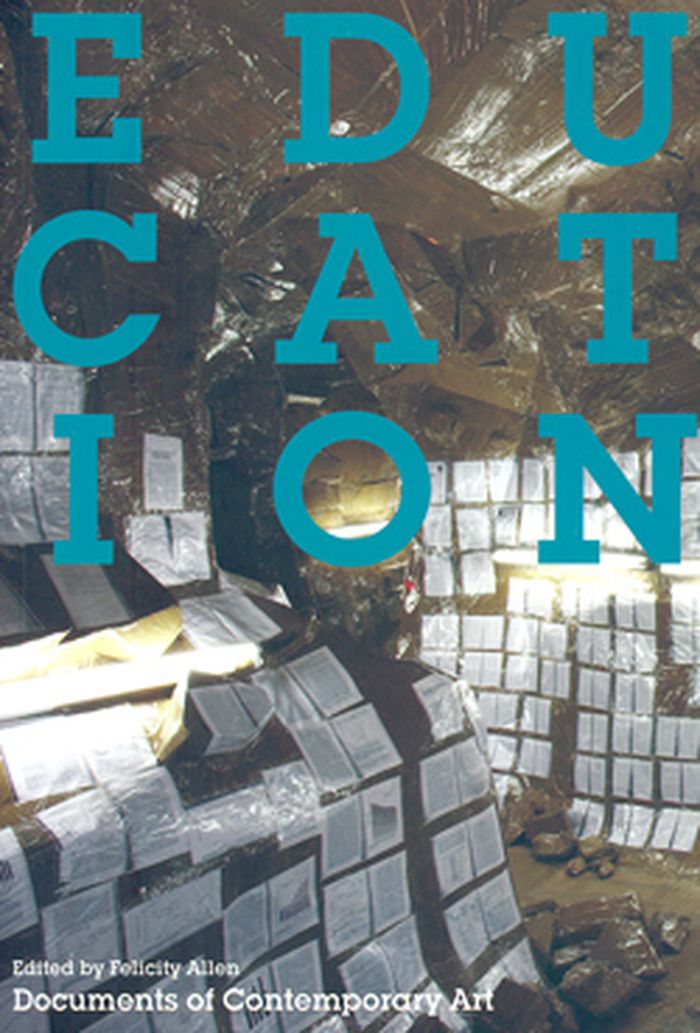
This book will be a resource for all who believe in the importance of art in the wider educational realm. Framing the recent "educational turn" in the arts within a broad historical and social context, this anthology raises fundamental questions about how and what should be taught in an era of distributive rather than media-based practices. Among the many sources and arguments traced here is second-wave feminism, which questioned dominant notions of personal and institutional freedom as enacted through art teaching and practice. Similarly, education-based responses by the art community to the catastrophes of World War II and postcolonial conflict critically inform contemporary art confronting the interrelationships of education, power, market capitalism, and--as Michael Hardt and Antonio Negri describe it--the global condition of war. These writings by artists, philosophers, educators, poets, and activists center on three recurring and interrelated themes: the notion of "indiscipline" in theories and practices that challenge boundaries of all kinds; the present and future role of the art school; and the turn to pedagogy as medium in a diverse range of recent projects. Other writings address such issues as instrumentalism and control, liberation and equality, the production and the politics of culture, and the roots of research-based practice and experimental participatory works.
Education
Actions:
Price:
$27.95
(available to order)
Summary:
This book will be a resource for all who believe in the importance of art in the wider educational realm. Framing the recent "educational turn" in the arts within a broad historical and social context, this anthology raises fundamental questions about how and what should be taught in an era of distributive rather than media-based practices. Among the many sources and arguments traced here is second-wave feminism, which questioned dominant notions of personal and institutional freedom as enacted through art teaching and practice. Similarly, education-based responses by the art community to the catastrophes of World War II and postcolonial conflict critically inform contemporary art confronting the interrelationships of education, power, market capitalism, and--as Michael Hardt and Antonio Negri describe it--the global condition of war. These writings by artists, philosophers, educators, poets, and activists center on three recurring and interrelated themes: the notion of "indiscipline" in theories and practices that challenge boundaries of all kinds; the present and future role of the art school; and the turn to pedagogy as medium in a diverse range of recent projects. Other writings address such issues as instrumentalism and control, liberation and equality, the production and the politics of culture, and the roots of research-based practice and experimental participatory works.
Form:
books
books
Publication:
September 2011
September 2011
Subject:
Art Theory
Art Theory
Form:
books
books
Price:
$35.95
(available to order)
Summary:
The "ruins" of the modern era are the landmarks of recent art’s turn toward site and situation, history and memory. The abiding interest of artists in ruination and decay has led in particular to the concept of the modern ruin - an ambiguous site of artistic and architectural modernism, personal and collective memories, and the cultural afterlife of eras such as those of(...)
$35.95
(available to order)
Summary:
The "ruins" of the modern era are the landmarks of recent art’s turn toward site and situation, history and memory. The abiding interest of artists in ruination and decay has led in particular to the concept of the modern ruin - an ambiguous site of artistic and architectural modernism, personal and collective memories, and the cultural afterlife of eras such as those of(...)
Title:
Ruins
Actions:
Price:
$35.95
(available to order)
Summary:
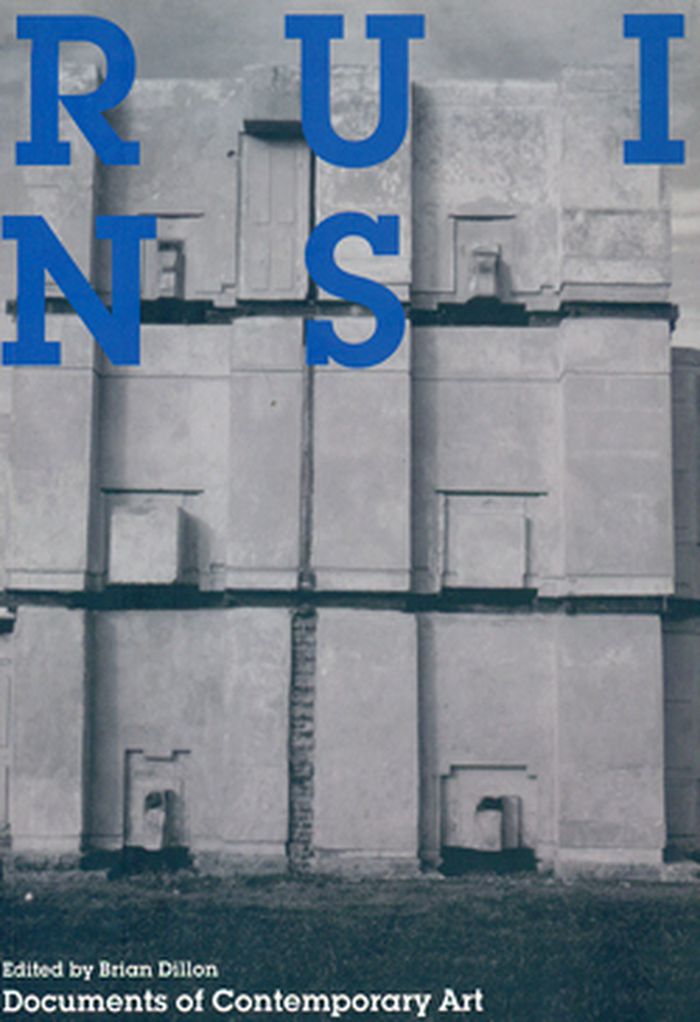
The "ruins" of the modern era are the landmarks of recent art’s turn toward site and situation, history and memory. The abiding interest of artists in ruination and decay has led in particular to the concept of the modern ruin - an ambiguous site of artistic and architectural modernism, personal and collective memories, and the cultural afterlife of eras such as those of state communism and colonialism. Contemporary art’s explorations of the ruin can evoke on the one hand diverse experiences of nostalgia and on the other a ceaselessly renewed encounter with catastrophes of the recent past and apprehensions of the future. For every relic of a harmonious era or utopian dream stands another recalling industrial decline, environmental disaster, and the depredations of war. This anthology provides a comprehensive survey of the contemporary ruin in cultural discourse, aesthetics, and artistic practice. It examines the development of ruin aesthetics from the early modern era to the present; the ruin as a privileged emblem of modernity’s decline; the relic as a portal onto the political history of the recent past; the destruction and decline of cities and landscapes, with the emergence of "non-places" and “drosscape”; the symbolism of the entropic and decayed in critical environmentalism; and the confusing temporalities of the ruin in recent art - its involution of timescales and perspectives as it addresses not just the past but the future.
Ruins
Actions:
Price:
$35.95
(available to order)
Summary:
The "ruins" of the modern era are the landmarks of recent art’s turn toward site and situation, history and memory. The abiding interest of artists in ruination and decay has led in particular to the concept of the modern ruin - an ambiguous site of artistic and architectural modernism, personal and collective memories, and the cultural afterlife of eras such as those of state communism and colonialism. Contemporary art’s explorations of the ruin can evoke on the one hand diverse experiences of nostalgia and on the other a ceaselessly renewed encounter with catastrophes of the recent past and apprehensions of the future. For every relic of a harmonious era or utopian dream stands another recalling industrial decline, environmental disaster, and the depredations of war. This anthology provides a comprehensive survey of the contemporary ruin in cultural discourse, aesthetics, and artistic practice. It examines the development of ruin aesthetics from the early modern era to the present; the ruin as a privileged emblem of modernity’s decline; the relic as a portal onto the political history of the recent past; the destruction and decline of cities and landscapes, with the emergence of "non-places" and “drosscape”; the symbolism of the entropic and decayed in critical environmentalism; and the confusing temporalities of the ruin in recent art - its involution of timescales and perspectives as it addresses not just the past but the future.
Form:
books
books
Publication:
September 2011
September 2011
Subject:
Art Theory
Art Theory
Form:
books
books
Actions:
Price:
$29.95
(available to order)
Summary:
Cities speak, and this little book helps us understand their language. Considering the urban landscape not from the abstract perspective of an urbanplanner but from the viewpoint of an attentive observer, Urban Code offers 100 "lessons" - maxims, observations, and bite -size truths, followed by shortessays - that teach us how to read the city. This is a user's guide to(...)
$29.95
(available to order)
Summary:
Cities speak, and this little book helps us understand their language. Considering the urban landscape not from the abstract perspective of an urbanplanner but from the viewpoint of an attentive observer, Urban Code offers 100 "lessons" - maxims, observations, and bite -size truths, followed by shortessays - that teach us how to read the city. This is a user's guide to(...)
Title:
Urban code: 100 lessons for understanding the city
Actions:
Price:
$29.95
(available to order)
Summary:
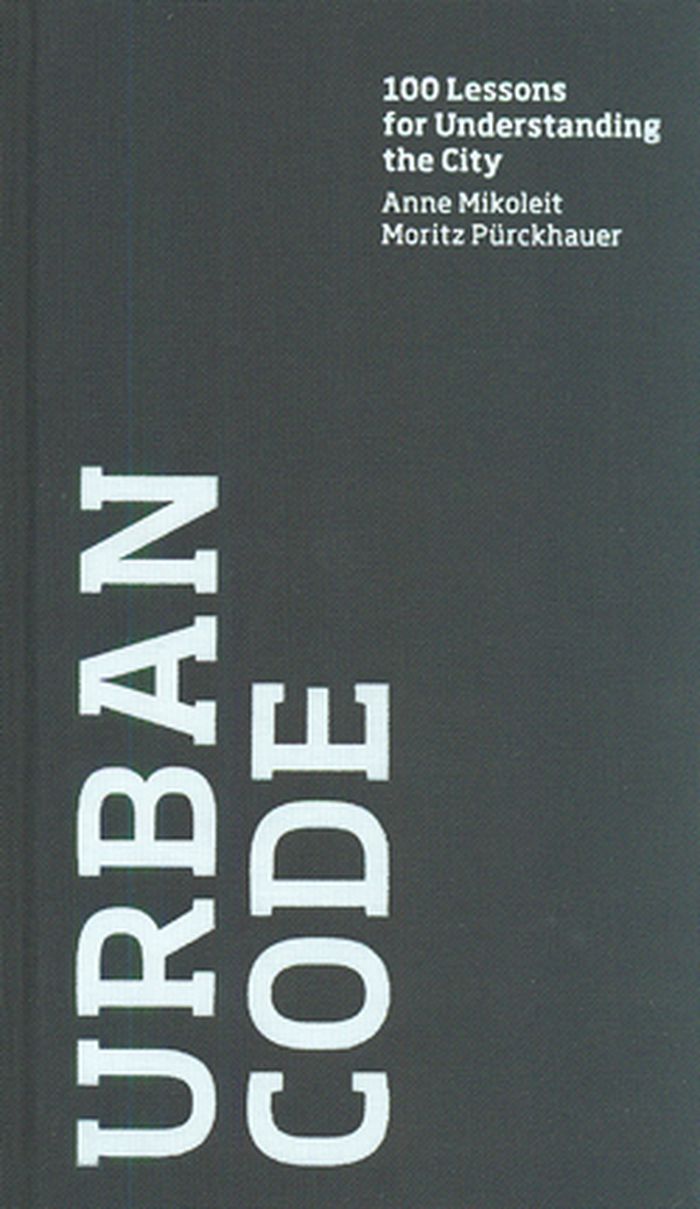
Cities speak, and this little book helps us understand their language. Considering the urban landscape not from the abstract perspective of an urbanplanner but from the viewpoint of an attentive observer, Urban Code offers 100 "lessons" - maxims, observations, and bite -size truths, followed by shortessays - that teach us how to read the city. This is a user's guide to the city, aprimer of urban literacy, at the pedestrian level.
Urban code: 100 lessons for understanding the city
Actions:
Price:
$29.95
(available to order)
Summary:
Cities speak, and this little book helps us understand their language. Considering the urban landscape not from the abstract perspective of an urbanplanner but from the viewpoint of an attentive observer, Urban Code offers 100 "lessons" - maxims, observations, and bite -size truths, followed by shortessays - that teach us how to read the city. This is a user's guide to the city, aprimer of urban literacy, at the pedestrian level.
Form:
books
books
Publication:
October 2011
October 2011
Subject:
Urban Theory
Urban Theory
Form:
books
books
Actions:
Price:
$19.95
(available to order)
Summary:
One of the defining paintings of British Pop art, Richard Hamilton's Swingeing London 67(f) depicts two men--Mick Jagger and Hamilton's art dealer, Robert Fraser--handcuffed together in the back of a police van. The image is taken from a newspaper photograph that shows the two being driven from Lewes prison to Chichester Magistrates Court following their June 1967(...)
$19.95
(available to order)
Summary:
One of the defining paintings of British Pop art, Richard Hamilton's Swingeing London 67(f) depicts two men--Mick Jagger and Hamilton's art dealer, Robert Fraser--handcuffed together in the back of a police van. The image is taken from a newspaper photograph that shows the two being driven from Lewes prison to Chichester Magistrates Court following their June 1967(...)
Title:
Richard Hamilton: Swingeing London 67 (f)
Actions:
Price:
$19.95
(available to order)
Summary:
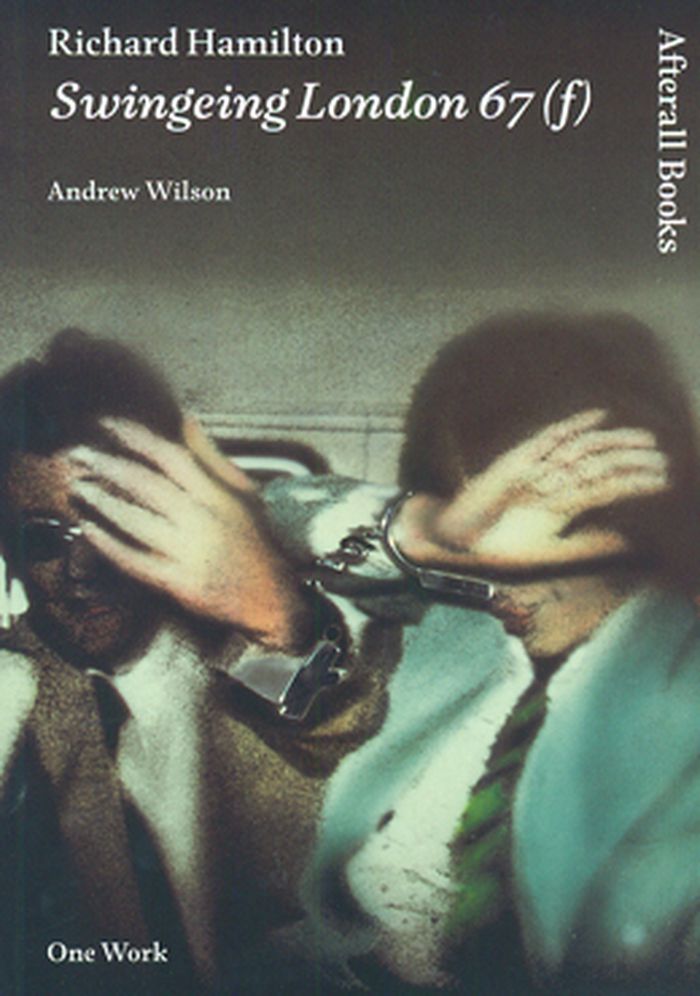
One of the defining paintings of British Pop art, Richard Hamilton's Swingeing London 67(f) depicts two men--Mick Jagger and Hamilton's art dealer, Robert Fraser--handcuffed together in the back of a police van. The image is taken from a newspaper photograph that shows the two being driven from Lewes prison to Chichester Magistrates Court following their June 1967 arrest for possession of drugs. Andrew Wilson views Swingeing London 67 (f) as history painting, to be understood in the context of the struggle against the British state's attempt--aided and abetted by the popular press--to repress any expression of personal liberation. Hamilton's Pop art idiom of figuration and media images was his way of refusing the demands of an old aesthetic order.
Richard Hamilton: Swingeing London 67 (f)
Actions:
Price:
$19.95
(available to order)
Summary:
One of the defining paintings of British Pop art, Richard Hamilton's Swingeing London 67(f) depicts two men--Mick Jagger and Hamilton's art dealer, Robert Fraser--handcuffed together in the back of a police van. The image is taken from a newspaper photograph that shows the two being driven from Lewes prison to Chichester Magistrates Court following their June 1967 arrest for possession of drugs. Andrew Wilson views Swingeing London 67 (f) as history painting, to be understood in the context of the struggle against the British state's attempt--aided and abetted by the popular press--to repress any expression of personal liberation. Hamilton's Pop art idiom of figuration and media images was his way of refusing the demands of an old aesthetic order.
Form:
books
books
Publication:
September 2011
September 2011
Subject:
Art Theory
Art Theory
Form:
books
books
Actions:
Price:
$45.95
(available to order)
Summary:
When did the "silent deeps" become cacophonous and galaxies begin to swim in a sea of cosmic noise? Why do we think that noises have colors and that colors can be loud? How loud is too loud, and says who? Attending, as ears do, to a surround of sounds at once physical and political, Hillel Schwartz listens across millennia for changes in the Western experience and(...)
$45.95
(available to order)
Summary:
When did the "silent deeps" become cacophonous and galaxies begin to swim in a sea of cosmic noise? Why do we think that noises have colors and that colors can be loud? How loud is too loud, and says who? Attending, as ears do, to a surround of sounds at once physical and political, Hillel Schwartz listens across millennia for changes in the Western experience and(...)
Title:
Making noise: From Babel to the Big Bang & beyond
Actions:
Price:
$45.95
(available to order)
Summary:
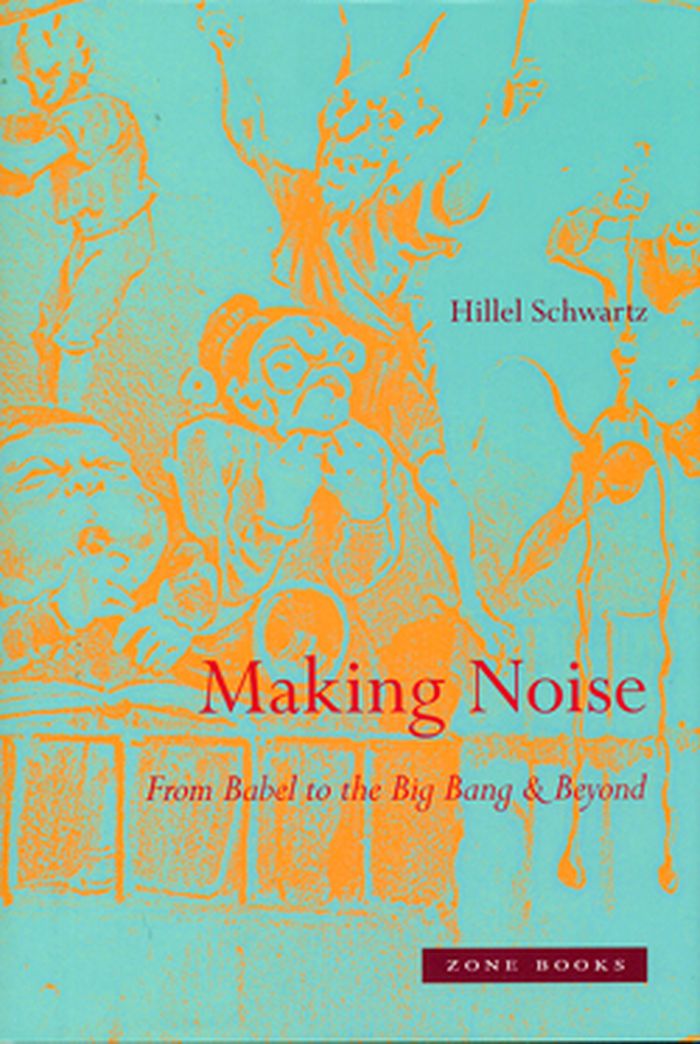
When did the "silent deeps" become cacophonous and galaxies begin to swim in a sea of cosmic noise? Why do we think that noises have colors and that colors can be loud? How loud is too loud, and says who? Attending, as ears do, to a surround of sounds at once physical and political, Hillel Schwartz listens across millennia for changes in the Western experience and understanding of noise. From the uproarious junior gods of Babylonian epics to crying infants heard over baby monitors, from doubly mythic Echo to amplifier feedback, from shouts frozen in Rabelaisian air to the squawk of loudspeakers and the static of shortwave radio, Making Noise follows "unwanted sound" on its surprisingly revealing path through terrains domestic and industrial, urban and rural, legal and religious, musical and medical, poetic and scientific.
Making noise: From Babel to the Big Bang & beyond
Actions:
Price:
$45.95
(available to order)
Summary:
When did the "silent deeps" become cacophonous and galaxies begin to swim in a sea of cosmic noise? Why do we think that noises have colors and that colors can be loud? How loud is too loud, and says who? Attending, as ears do, to a surround of sounds at once physical and political, Hillel Schwartz listens across millennia for changes in the Western experience and understanding of noise. From the uproarious junior gods of Babylonian epics to crying infants heard over baby monitors, from doubly mythic Echo to amplifier feedback, from shouts frozen in Rabelaisian air to the squawk of loudspeakers and the static of shortwave radio, Making Noise follows "unwanted sound" on its surprisingly revealing path through terrains domestic and industrial, urban and rural, legal and religious, musical and medical, poetic and scientific.
Form:
books
books
Publication:
November 2011
November 2011
Subject:
Architectural Theory
Architectural Theory


