


6791 Results
Form:
books
books
Actions:
Price:
$60.00
(available in store)
Summary:
The concepts of "Indonesian architecture" and "architecture in Indonesia" are both quite difficult to pin down. For the architecture of this small country incorporates influences from many important cultures--from India, China and the Middle East to countries in the West--and is therefore extremely multifaceted. In fact, one might reasonably ask whether a "real"(...)
$60.00
(available in store)
Summary:
The concepts of "Indonesian architecture" and "architecture in Indonesia" are both quite difficult to pin down. For the architecture of this small country incorporates influences from many important cultures--from India, China and the Middle East to countries in the West--and is therefore extremely multifaceted. In fact, one might reasonably ask whether a "real"(...)
Publication:
July 2007, Rotterdam
July 2007, Rotterdam
Title:
The past in the present : Architecture in Indonesia
Actions:
Price:
$60.00
(available in store)
Summary:
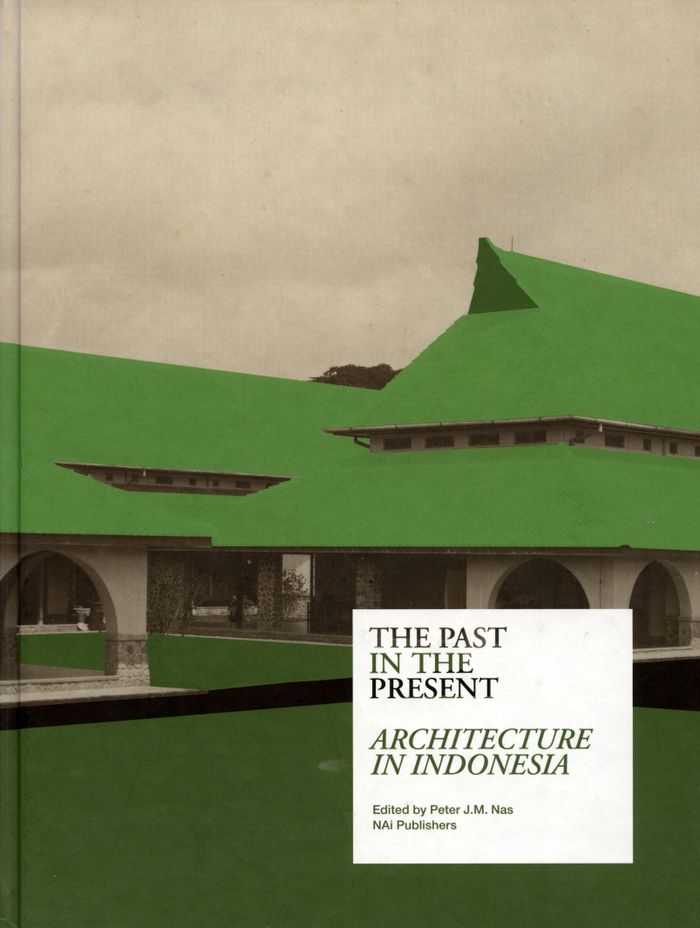
The concepts of "Indonesian architecture" and "architecture in Indonesia" are both quite difficult to pin down. For the architecture of this small country incorporates influences from many important cultures--from India, China and the Middle East to countries in the West--and is therefore extremely multifaceted. In fact, one might reasonably ask whether a "real" Indonesian architecture actually exists, even with reference to the country's vernacular work, which is highly diverse from an ethnic perspective in and of itself. The quest for an authentic Indonesian architecture has in fact been the subject of debate among architects there for many years, especially in regards to the work has been exported to other countries--in particular, its former colonizer, the Netherlands. (In fact, there is even a name for the hybrid style that originated during that era: Indische).This very nicely designed collection of illustrated essays, which features a special section of pictures and drawings of colonial architecture, provides a real sense of the diversity of building in modern-day Indonesia--while at the same time recognizing that such a perspective cannot be productive without taking history into account. With chapters on Modern Indonesian architecture, vernacular traditions, mosques, the effect of the Chinese diaspora, hybrid historic/contemporary Balinese architecture, the colonial period, Indische architecture and Art Deco and more, this publication provides an amazing overview and a long-overdue investigation of Indische work. Preface by Aaron Betsky.
The past in the present : Architecture in Indonesia
Actions:
Price:
$60.00
(available in store)
Summary:
The concepts of "Indonesian architecture" and "architecture in Indonesia" are both quite difficult to pin down. For the architecture of this small country incorporates influences from many important cultures--from India, China and the Middle East to countries in the West--and is therefore extremely multifaceted. In fact, one might reasonably ask whether a "real" Indonesian architecture actually exists, even with reference to the country's vernacular work, which is highly diverse from an ethnic perspective in and of itself. The quest for an authentic Indonesian architecture has in fact been the subject of debate among architects there for many years, especially in regards to the work has been exported to other countries--in particular, its former colonizer, the Netherlands. (In fact, there is even a name for the hybrid style that originated during that era: Indische).This very nicely designed collection of illustrated essays, which features a special section of pictures and drawings of colonial architecture, provides a real sense of the diversity of building in modern-day Indonesia--while at the same time recognizing that such a perspective cannot be productive without taking history into account. With chapters on Modern Indonesian architecture, vernacular traditions, mosques, the effect of the Chinese diaspora, hybrid historic/contemporary Balinese architecture, the colonial period, Indische architecture and Art Deco and more, this publication provides an amazing overview and a long-overdue investigation of Indische work. Preface by Aaron Betsky.
Form:
books
books
Publication:
July 2007, Rotterdam
July 2007, Rotterdam
Form:
books
books
Title:
Immaterialism
Immaterialism
Actions:
Price:
$13.95
(available in store)
Summary:
What objects exist in the social world and how should we understand them? Is a specific Pizza Hut restaurant as real as the employees, tables, napkins and pizzas of which it is composed, and as real as the Pizza Hut corporation with its headquarters in Wichita, the United States, the planet Earth and the social and economic impact of the restaurant on the lives of its(...)
$13.95
(available in store)
Summary:
What objects exist in the social world and how should we understand them? Is a specific Pizza Hut restaurant as real as the employees, tables, napkins and pizzas of which it is composed, and as real as the Pizza Hut corporation with its headquarters in Wichita, the United States, the planet Earth and the social and economic impact of the restaurant on the lives of its(...)
Title:
Immaterialism
Actions:
Price:
$13.95
(available in store)
Summary:
What objects exist in the social world and how should we understand them? Is a specific Pizza Hut restaurant as real as the employees, tables, napkins and pizzas of which it is composed, and as real as the Pizza Hut corporation with its headquarters in Wichita, the United States, the planet Earth and the social and economic impact of the restaurant on the lives of its employees and customers? In this book the founder of object-oriented philosophy develops his approach in order to shed light on the nature and status of objects in social life. While it is often assumed that an interest in objects amounts to a form of materialism, Harman rejects this view and develops instead an "immaterialist" method. By examining the work of leading contemporary thinkers such as Bruno Latour and Levi Bryant, he develops a forceful critique of "actor-network theory." In an extended discussion of Leibniz’s famous example of the Dutch East India Company, Harman argues that this company qualifies for objecthood neither through "what it is" or "what it does," but through its irreducibility to either of these forms. The phases of its life, argues Harman, are not demarcated primarily by dramatic incidents but by moments of symbiosis, a term he draws from the biologist Lynn Margulis. This book provides a key counterpoint to the now ubiquitous social theories of constant change, holistic networks, performative identities, and the construction of things by human practice. It will appeal to anyone interested in cutting-edge debates in philosophy and social and cultural theory.
Immaterialism
Actions:
Price:
$13.95
(available in store)
Summary:
What objects exist in the social world and how should we understand them? Is a specific Pizza Hut restaurant as real as the employees, tables, napkins and pizzas of which it is composed, and as real as the Pizza Hut corporation with its headquarters in Wichita, the United States, the planet Earth and the social and economic impact of the restaurant on the lives of its employees and customers? In this book the founder of object-oriented philosophy develops his approach in order to shed light on the nature and status of objects in social life. While it is often assumed that an interest in objects amounts to a form of materialism, Harman rejects this view and develops instead an "immaterialist" method. By examining the work of leading contemporary thinkers such as Bruno Latour and Levi Bryant, he develops a forceful critique of "actor-network theory." In an extended discussion of Leibniz’s famous example of the Dutch East India Company, Harman argues that this company qualifies for objecthood neither through "what it is" or "what it does," but through its irreducibility to either of these forms. The phases of its life, argues Harman, are not demarcated primarily by dramatic incidents but by moments of symbiosis, a term he draws from the biologist Lynn Margulis. This book provides a key counterpoint to the now ubiquitous social theories of constant change, holistic networks, performative identities, and the construction of things by human practice. It will appeal to anyone interested in cutting-edge debates in philosophy and social and cultural theory.
Form:
books
books
Publication:
February 2016
February 2016
Subject:
Critical Theory
Critical Theory
Form:
books
books
Price:
$75.00
(available to order)
Summary:
Today the world is focusing unprecedented attention on Asia and the Middle East, rediscovering a cultural, political, and geographical landscape that has fascinated and frustrated Westerners since the time of Alexander the Great. "Mapping the Silk Road and Beyond", traces the history of the European age of exploration and its lasting effects on these regions through(...)
$75.00
(available to order)
Summary:
Today the world is focusing unprecedented attention on Asia and the Middle East, rediscovering a cultural, political, and geographical landscape that has fascinated and frustrated Westerners since the time of Alexander the Great. "Mapping the Silk Road and Beyond", traces the history of the European age of exploration and its lasting effects on these regions through(...)
Subject:
Architectural Drawing
Architectural Drawing
Publication:
September 2004, London, New York
September 2004, London, New York
Title:
Mapping the silk road and beyond : 2000 years of exploring the east
Actions:
Price:
$75.00
(available to order)
Summary:
Today the world is focusing unprecedented attention on Asia and the Middle East, rediscovering a cultural, political, and geographical landscape that has fascinated and frustrated Westerners since the time of Alexander the Great. "Mapping the Silk Road and Beyond", traces the history of the European age of exploration and its lasting effects on these regions through beautifully rendered and imaginative maps drawn by explorers, merchants, and colonial administrators of the time. The book focuses on both maritime exploration and overland discovery via the ancient Silk Road, a network of trading posts that encompassed China, Tibet, Pakistan, India, Kurdistan, Iraq, Ethiopia, Eritrea, and dozens of other places known in ancient times by fabled names, including Abyssinia, Malacca, Macassar, Siam, and Cathay. The maps provide visual keys to the fascinating history of Asia and the Middle East; illuminating a cast of historical figures ranging from great leaders (the Queen of Sheba, Mohammed the prophet, King Charles V) to legendary explorers (Marco Polo, Columbus, Magellan, Sir Francis Drake, Capt. James Cook) and influential cartographers. "Mapping the Silk Road and Beyond", depicts over eighty maps organized chronologically, from Alexander the Great’s map of the world, first created in 323 BC and reproduced in a sixteenth-century atlas, to maps from the nineteenth century by French and Dutch explorers that detail the growing interaction between Europeans and Eastern cultures. The maps represent the finest examples in existence in museums, libraries, and archives around the world, chosen because they depict the most important milestones in the mapping of Asia.
Mapping the silk road and beyond : 2000 years of exploring the east
Actions:
Price:
$75.00
(available to order)
Summary:
Today the world is focusing unprecedented attention on Asia and the Middle East, rediscovering a cultural, political, and geographical landscape that has fascinated and frustrated Westerners since the time of Alexander the Great. "Mapping the Silk Road and Beyond", traces the history of the European age of exploration and its lasting effects on these regions through beautifully rendered and imaginative maps drawn by explorers, merchants, and colonial administrators of the time. The book focuses on both maritime exploration and overland discovery via the ancient Silk Road, a network of trading posts that encompassed China, Tibet, Pakistan, India, Kurdistan, Iraq, Ethiopia, Eritrea, and dozens of other places known in ancient times by fabled names, including Abyssinia, Malacca, Macassar, Siam, and Cathay. The maps provide visual keys to the fascinating history of Asia and the Middle East; illuminating a cast of historical figures ranging from great leaders (the Queen of Sheba, Mohammed the prophet, King Charles V) to legendary explorers (Marco Polo, Columbus, Magellan, Sir Francis Drake, Capt. James Cook) and influential cartographers. "Mapping the Silk Road and Beyond", depicts over eighty maps organized chronologically, from Alexander the Great’s map of the world, first created in 323 BC and reproduced in a sixteenth-century atlas, to maps from the nineteenth century by French and Dutch explorers that detail the growing interaction between Europeans and Eastern cultures. The maps represent the finest examples in existence in museums, libraries, and archives around the world, chosen because they depict the most important milestones in the mapping of Asia.
Form:
books
books
Publication:
September 2004, London, New York
September 2004, London, New York
Subject:
Architectural Drawing
Architectural Drawing
Form:
books
books
Actions:
Price:
$80.50
(available to order)
Summary:
Brought up in Sweden by Scottish parents, trained in France, a regular visitor to China and India, Sir William Chambers (1726-1796) was by far the most internationally minded British architect of his time. Settling in London in 1755, Chambers became a favorite of King George III and went on to hold the highest official architectural offices and to build public and private(...)
$80.50
(available to order)
Summary:
Brought up in Sweden by Scottish parents, trained in France, a regular visitor to China and India, Sir William Chambers (1726-1796) was by far the most internationally minded British architect of his time. Settling in London in 1755, Chambers became a favorite of King George III and went on to hold the highest official architectural offices and to build public and private(...)
Title:
Sir William Chambers : architect to George III
Actions:
Price:
$80.50
(available to order)
Summary:
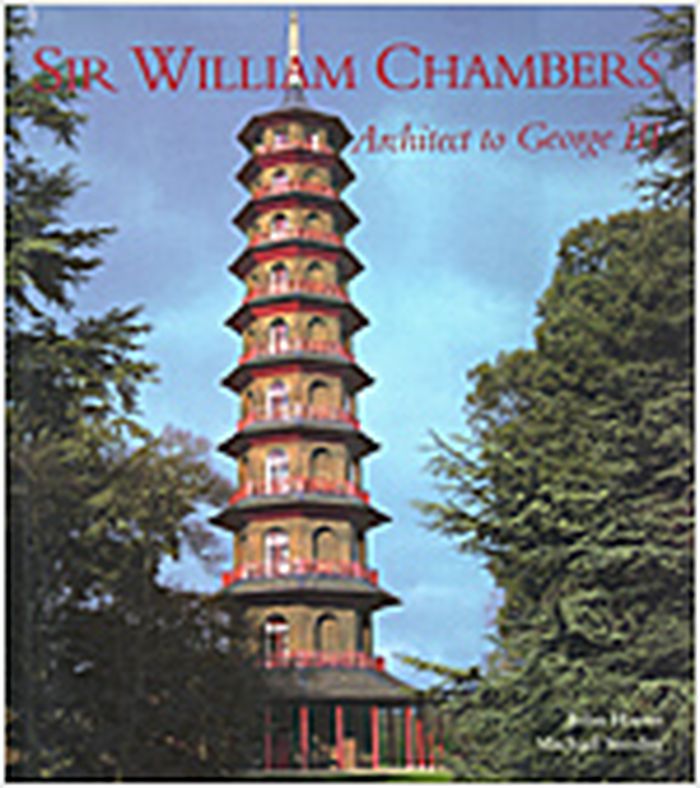
Brought up in Sweden by Scottish parents, trained in France, a regular visitor to China and India, Sir William Chambers (1726-1796) was by far the most internationally minded British architect of his time. Settling in London in 1755, Chambers became a favorite of King George III and went on to hold the highest official architectural offices and to build public and private commissions throughout the British Isles. Because of his eclectic neo-Palladian style, seminal Treatise on Civil Architecture (1759), and longterm influence through his numerous pupils, Chambers was regarded as one of the two greatest architects of late eighteenth-century Britain, sharing the honor with the more prolific Robert Adam. In this wide-ranging book, leading scholars of the period present current research on Chambers' Scandinavian and French connections; his Italian studies and projects; his relationship with British royalty; his commissioned buildings, interiors, and gardens; his furniture and metalwork designs; and his Treatise. Chambers designed and commanded works at Buckingham House, Kew, Richmond, and Windsor Castle, and was commissioned in 1774 to design the public offices at Somerset House in London. Charged with creating "an object of national splendour as well as convenience," Chambers met the challenge with a building equal to the best of those created by the French architects with whom he had trained. Selecting the highest quality materials, ornamentation, and painted decoration for Somerset House, Chambers' building showcased the best in British craftsmanship. This book was the catalogue for a William Chambers exhibition mounted in fall 1996 by the Courtauld Institute Galleries at Somerset House, their new home.
Sir William Chambers : architect to George III
Actions:
Price:
$80.50
(available to order)
Summary:
Brought up in Sweden by Scottish parents, trained in France, a regular visitor to China and India, Sir William Chambers (1726-1796) was by far the most internationally minded British architect of his time. Settling in London in 1755, Chambers became a favorite of King George III and went on to hold the highest official architectural offices and to build public and private commissions throughout the British Isles. Because of his eclectic neo-Palladian style, seminal Treatise on Civil Architecture (1759), and longterm influence through his numerous pupils, Chambers was regarded as one of the two greatest architects of late eighteenth-century Britain, sharing the honor with the more prolific Robert Adam. In this wide-ranging book, leading scholars of the period present current research on Chambers' Scandinavian and French connections; his Italian studies and projects; his relationship with British royalty; his commissioned buildings, interiors, and gardens; his furniture and metalwork designs; and his Treatise. Chambers designed and commanded works at Buckingham House, Kew, Richmond, and Windsor Castle, and was commissioned in 1774 to design the public offices at Somerset House in London. Charged with creating "an object of national splendour as well as convenience," Chambers met the challenge with a building equal to the best of those created by the French architects with whom he had trained. Selecting the highest quality materials, ornamentation, and painted decoration for Somerset House, Chambers' building showcased the best in British craftsmanship. This book was the catalogue for a William Chambers exhibition mounted in fall 1996 by the Courtauld Institute Galleries at Somerset House, their new home.
Form:
books
books
Publication:
October 1996, New Haven, London
October 1996, New Haven, London
Subject:
sale books
sale books
Form:
books
books
Price:
$32.00
(available to order)
Summary:
In this brilliantly written, fast-paced book, based on three years of uncompromising reporting, a bewildering age of global change and inequality is made human. Annawadi is a makeshift settlement in the shadow of luxury hotels near the Mumbai airport, and as India starts to prosper, Annawadians are electric with hope. Abdul, a reflective and enterprising Muslim(...)
$32.00
(available to order)
Summary:
In this brilliantly written, fast-paced book, based on three years of uncompromising reporting, a bewildering age of global change and inequality is made human. Annawadi is a makeshift settlement in the shadow of luxury hotels near the Mumbai airport, and as India starts to prosper, Annawadians are electric with hope. Abdul, a reflective and enterprising Muslim(...)
Title:
Behind the beautiful forevers : life, death and hope in a Mumbai undercity
Actions:
Price:
$32.00
(available to order)
Summary:
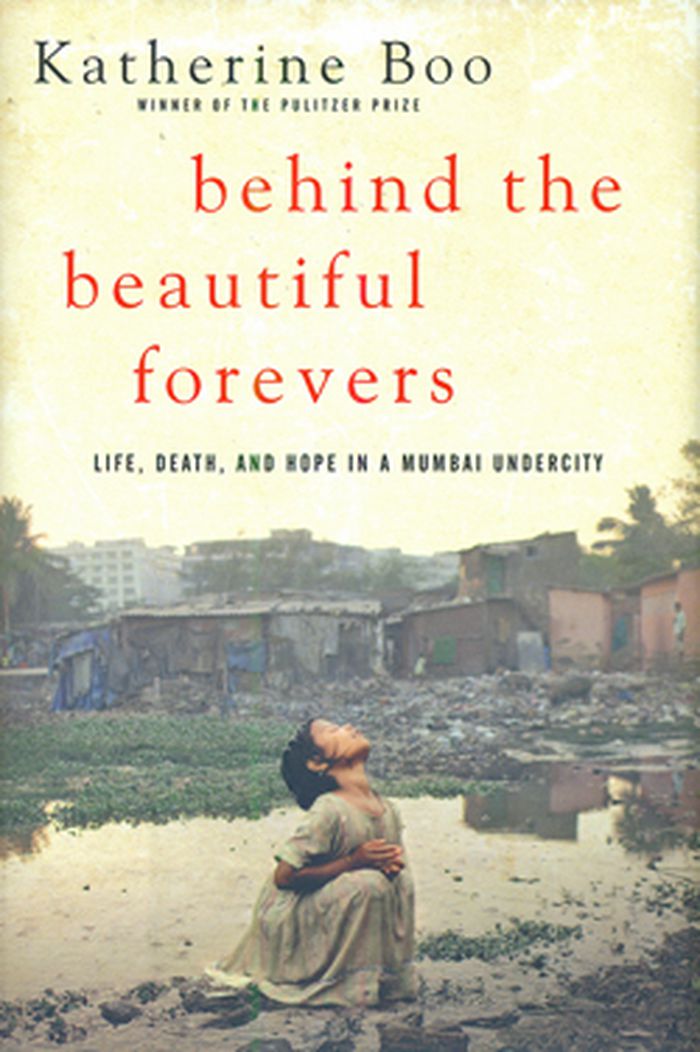
In this brilliantly written, fast-paced book, based on three years of uncompromising reporting, a bewildering age of global change and inequality is made human. Annawadi is a makeshift settlement in the shadow of luxury hotels near the Mumbai airport, and as India starts to prosper, Annawadians are electric with hope. Abdul, a reflective and enterprising Muslim teenager, sees “a fortune beyond counting” in the recyclable garbage that richer people throw away. Asha, a woman of formidable wit and deep scars from a childhood in rural poverty, has identified an alternate route to the middle class: political corruption. With a little luck, her sensitive, beautiful daughter—Annawadi’s “most-everything girl”—will soon become its first female college graduate. And even the poorest Annawadians, like Kalu, a fifteen-year-old scrap-metal thief, believe themselves inching closer to the good lives and good times they call “the full enjoy.” But then Abdul the garbage sorter is falsely accused in a shocking tragedy; terror and a global recession rock the city; and suppressed tensions over religion, caste, sex, power and economic envy turn brutal. As the tenderest individual hopes intersect with the greatest global truths, the true contours of a competitive age are revealed. And so, too, are the imaginations and courage of the people of Annawadi. With intelligence, humor, and deep insight into what connects human beings to one another in an era of tumultuous change, Behind the Beautiful Forevers carries the reader headlong into one of the twenty-first century’s hidden worlds, and into the lives of people impossible to forget.
Behind the beautiful forevers : life, death and hope in a Mumbai undercity
Actions:
Price:
$32.00
(available to order)
Summary:
In this brilliantly written, fast-paced book, based on three years of uncompromising reporting, a bewildering age of global change and inequality is made human. Annawadi is a makeshift settlement in the shadow of luxury hotels near the Mumbai airport, and as India starts to prosper, Annawadians are electric with hope. Abdul, a reflective and enterprising Muslim teenager, sees “a fortune beyond counting” in the recyclable garbage that richer people throw away. Asha, a woman of formidable wit and deep scars from a childhood in rural poverty, has identified an alternate route to the middle class: political corruption. With a little luck, her sensitive, beautiful daughter—Annawadi’s “most-everything girl”—will soon become its first female college graduate. And even the poorest Annawadians, like Kalu, a fifteen-year-old scrap-metal thief, believe themselves inching closer to the good lives and good times they call “the full enjoy.” But then Abdul the garbage sorter is falsely accused in a shocking tragedy; terror and a global recession rock the city; and suppressed tensions over religion, caste, sex, power and economic envy turn brutal. As the tenderest individual hopes intersect with the greatest global truths, the true contours of a competitive age are revealed. And so, too, are the imaginations and courage of the people of Annawadi. With intelligence, humor, and deep insight into what connects human beings to one another in an era of tumultuous change, Behind the Beautiful Forevers carries the reader headlong into one of the twenty-first century’s hidden worlds, and into the lives of people impossible to forget.
Form:
books
books
Publication:
February 2012
February 2012
Subject:
Arch Middle East
Arch Middle East
Form:
books
books
Price:
$38.00
(available to order)
Summary:
Fifty years after the British annexed the Punjab and made Lahore its provincial capital, the city—once a prosperous Mughal center that had long since fallen into ruin—was transformed. British and Indian officials had designed a modern, architecturally distinct city center adjacent to the old walled city, administered under new methods of urban governance. In Making(...)
$38.00
(available to order)
Summary:
Fifty years after the British annexed the Punjab and made Lahore its provincial capital, the city—once a prosperous Mughal center that had long since fallen into ruin—was transformed. British and Indian officials had designed a modern, architecturally distinct city center adjacent to the old walled city, administered under new methods of urban governance. In Making(...)
Title:
Making Lahore Modern: constructing and imagining a colonial city
Actions:
Price:
$38.00
(available to order)
Summary:
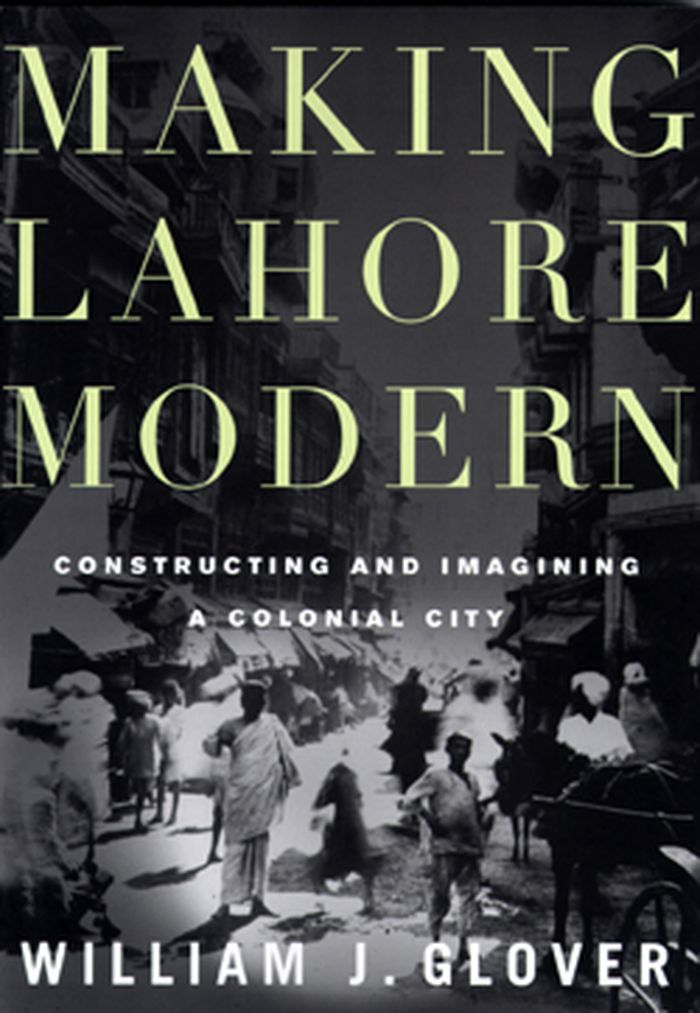
Fifty years after the British annexed the Punjab and made Lahore its provincial capital, the city—once a prosperous Mughal center that had long since fallen into ruin—was transformed. British and Indian officials had designed a modern, architecturally distinct city center adjacent to the old walled city, administered under new methods of urban governance. In Making Lahore Modern, William J. Glover investigates the traditions that shaped colonial Lahore. In particular, he focuses on the conviction that both British and Indian actors who implemented urbanization came to share: that the material fabric of the city could lead to social and moral improvement. This belief in the power of the physical environment to shape individual and collective sentiments, he argues, links the colonial history of Lahore to nineteenth-century urbanization around the world. Glover highlights three aspects of Lahore’s history that show this process unfolding. First, he examines the concepts through which the British understood the Indian city and envisioned its transformation. Second, through a detailed study of new buildings and the adaptation of existing structures, he explores the role of planning, design, and reuse. Finally, he analyzes the changes in urban imagination as evidenced in Indian writings on the city in this period. Throughout, Glover emphasizes that colonial urbanism was not simply imposed; it was a collaborative project between Indian citizens and the British. Offering an in-depth study of a single provincial city, Glover reveals that urban change in colonial India was not a monolithic process and establishes Lahore as a key site for understanding the genealogy of modern global urbanism. William J. Glover is associate professor of architecture at the University of Michigan.
Making Lahore Modern: constructing and imagining a colonial city
Actions:
Price:
$38.00
(available to order)
Summary:
Fifty years after the British annexed the Punjab and made Lahore its provincial capital, the city—once a prosperous Mughal center that had long since fallen into ruin—was transformed. British and Indian officials had designed a modern, architecturally distinct city center adjacent to the old walled city, administered under new methods of urban governance. In Making Lahore Modern, William J. Glover investigates the traditions that shaped colonial Lahore. In particular, he focuses on the conviction that both British and Indian actors who implemented urbanization came to share: that the material fabric of the city could lead to social and moral improvement. This belief in the power of the physical environment to shape individual and collective sentiments, he argues, links the colonial history of Lahore to nineteenth-century urbanization around the world. Glover highlights three aspects of Lahore’s history that show this process unfolding. First, he examines the concepts through which the British understood the Indian city and envisioned its transformation. Second, through a detailed study of new buildings and the adaptation of existing structures, he explores the role of planning, design, and reuse. Finally, he analyzes the changes in urban imagination as evidenced in Indian writings on the city in this period. Throughout, Glover emphasizes that colonial urbanism was not simply imposed; it was a collaborative project between Indian citizens and the British. Offering an in-depth study of a single provincial city, Glover reveals that urban change in colonial India was not a monolithic process and establishes Lahore as a key site for understanding the genealogy of modern global urbanism. William J. Glover is associate professor of architecture at the University of Michigan.
Form:
books
books
Publication:
January 1900, Miineapolis, London
January 1900, Miineapolis, London
Subject:
Urban Theory
Urban Theory
Form:
books
books
Title:
The gray cloth
The gray cloth
Actions:
Price:
$44.95
(available to order)
Summary:
The German expressionist, architectural visionary, author, inventor, and artist Paul Scheerbart (1863-1915) wrote several fictional utopian narratives related to glass architecture. In "The Gray Cloth", the first of his novels to be translated into English, Scheerbart uses subtle irony and the structural simplicity of a fairy tale to present the theories of coloured glass(...)
$44.95
(available to order)
Summary:
The German expressionist, architectural visionary, author, inventor, and artist Paul Scheerbart (1863-1915) wrote several fictional utopian narratives related to glass architecture. In "The Gray Cloth", the first of his novels to be translated into English, Scheerbart uses subtle irony and the structural simplicity of a fairy tale to present the theories of coloured glass(...)
Title:
The gray cloth
Actions:
Price:
$44.95
(available to order)
Summary:
The German expressionist, architectural visionary, author, inventor, and artist Paul Scheerbart (1863-1915) wrote several fictional utopian narratives related to glass architecture. In "The Gray Cloth", the first of his novels to be translated into English, Scheerbart uses subtle irony and the structural simplicity of a fairy tale to present the theories of coloured glass outlined in his well-known treatise "Glass Architecture". The novel is set forward in time to the mid-twentieth century. The protagonist, a Swiss architect named Edgar Krug, circumnavigates the globe by airship with his wife, constructing wildly varied, colored-glass buildings. His projects include a high-rise and exhibition/concert hall in Chicago, a retirement complex for air pilots on the Fiji Islands, the structure for an elevated train across a zoological park in northern India, and a suspended residential villa on the Kuria Muria Islands off the coast of Oman in the Arabian Sea. Fearing that his architecture is challenged by the colourfulness of women’s clothing, Krug insists that his wife wear all gray clothing with the addition of ten percent white. This odd demand brings him notoriety and sensationalizes his international building campaign. For the reader, it underlines the confluence of architecture with fashion, gender, and global media. In his introduction John Stuart surveys Scheerbart’s career and role in German avant-garde circles, as well as his architectural and social ideas. He shows how Scheerbart strove to integrate his spiritual and romantic leanings with the modern world, often relying on glass architecture to do so. In addition to discussing the novel’s reception and its rediscovery by contemporary architects and critics, Stuart shows fiction to be a resource for the study of architecture and places "The Gray Cloth" in the context of German Expressionism.
The gray cloth
Actions:
Price:
$44.95
(available to order)
Summary:
The German expressionist, architectural visionary, author, inventor, and artist Paul Scheerbart (1863-1915) wrote several fictional utopian narratives related to glass architecture. In "The Gray Cloth", the first of his novels to be translated into English, Scheerbart uses subtle irony and the structural simplicity of a fairy tale to present the theories of coloured glass outlined in his well-known treatise "Glass Architecture". The novel is set forward in time to the mid-twentieth century. The protagonist, a Swiss architect named Edgar Krug, circumnavigates the globe by airship with his wife, constructing wildly varied, colored-glass buildings. His projects include a high-rise and exhibition/concert hall in Chicago, a retirement complex for air pilots on the Fiji Islands, the structure for an elevated train across a zoological park in northern India, and a suspended residential villa on the Kuria Muria Islands off the coast of Oman in the Arabian Sea. Fearing that his architecture is challenged by the colourfulness of women’s clothing, Krug insists that his wife wear all gray clothing with the addition of ten percent white. This odd demand brings him notoriety and sensationalizes his international building campaign. For the reader, it underlines the confluence of architecture with fashion, gender, and global media. In his introduction John Stuart surveys Scheerbart’s career and role in German avant-garde circles, as well as his architectural and social ideas. He shows how Scheerbart strove to integrate his spiritual and romantic leanings with the modern world, often relying on glass architecture to do so. In addition to discussing the novel’s reception and its rediscovery by contemporary architects and critics, Stuart shows fiction to be a resource for the study of architecture and places "The Gray Cloth" in the context of German Expressionism.
Form:
books
books
Publication:
October 2001, Cambridge, Mass.
October 2001, Cambridge, Mass.
Subject:
Architectural Theory
Architectural Theory
Form:
books
books
Title:
The gray cloth
The gray cloth
Actions:
Price:
$24.95
(available to order)
Summary:
The German expressionist, architectural visionary, author, inventor, and artist Paul Scheerbart (1863-1915) wrote several fictional utopian narratives related to glass architecture. In "The Gray Cloth", the first of his novels to be translated into English, Scheerbart uses subtle irony and the structural simplicity of a fairy tale to present the theories of coloured glass(...)
$24.95
(available to order)
Summary:
The German expressionist, architectural visionary, author, inventor, and artist Paul Scheerbart (1863-1915) wrote several fictional utopian narratives related to glass architecture. In "The Gray Cloth", the first of his novels to be translated into English, Scheerbart uses subtle irony and the structural simplicity of a fairy tale to present the theories of coloured glass(...)
Title:
The gray cloth
Actions:
Price:
$24.95
(available to order)
Summary:
The German expressionist, architectural visionary, author, inventor, and artist Paul Scheerbart (1863-1915) wrote several fictional utopian narratives related to glass architecture. In "The Gray Cloth", the first of his novels to be translated into English, Scheerbart uses subtle irony and the structural simplicity of a fairy tale to present the theories of coloured glass outlined in his well-known treatise "Glass Architecture". The novel is set forward in time to the mid-twentieth century. The protagonist, a Swiss architect named Edgar Krug, circumnavigates the globe by airship with his wife, constructing wildly varied, colored-glass buildings. His projects include a high-rise and exhibition/concert hall in Chicago, a retirement complex for air pilots on the Fiji Islands, the structure for an elevated train across a zoological park in northern India, and a suspended residential villa on the Kuria Muria Islands off the coast of Oman in the Arabian Sea. Fearing that his architecture is challenged by the colourfulness of women’s clothing, Krug insists that his wife wear all gray clothing with the addition of ten percent white. This odd demand brings him notoriety and sensationalizes his international building campaign. For the reader, it underlines the confluence of architecture with fashion, gender, and global media. In his introduction John Stuart surveys Scheerbart’s career and role in German avant-garde circles, as well as his architectural and social ideas. He shows how Scheerbart strove to integrate his spiritual and romantic leanings with the modern world, often relying on glass architecture to do so. In addition to discussing the novel’s reception and its rediscovery by contemporary architects and critics, Stuart shows fiction to be a resource for the study of architecture and places "The Gray Cloth" in the context of German Expressionism.
The gray cloth
Actions:
Price:
$24.95
(available to order)
Summary:
The German expressionist, architectural visionary, author, inventor, and artist Paul Scheerbart (1863-1915) wrote several fictional utopian narratives related to glass architecture. In "The Gray Cloth", the first of his novels to be translated into English, Scheerbart uses subtle irony and the structural simplicity of a fairy tale to present the theories of coloured glass outlined in his well-known treatise "Glass Architecture". The novel is set forward in time to the mid-twentieth century. The protagonist, a Swiss architect named Edgar Krug, circumnavigates the globe by airship with his wife, constructing wildly varied, colored-glass buildings. His projects include a high-rise and exhibition/concert hall in Chicago, a retirement complex for air pilots on the Fiji Islands, the structure for an elevated train across a zoological park in northern India, and a suspended residential villa on the Kuria Muria Islands off the coast of Oman in the Arabian Sea. Fearing that his architecture is challenged by the colourfulness of women’s clothing, Krug insists that his wife wear all gray clothing with the addition of ten percent white. This odd demand brings him notoriety and sensationalizes his international building campaign. For the reader, it underlines the confluence of architecture with fashion, gender, and global media. In his introduction John Stuart surveys Scheerbart’s career and role in German avant-garde circles, as well as his architectural and social ideas. He shows how Scheerbart strove to integrate his spiritual and romantic leanings with the modern world, often relying on glass architecture to do so. In addition to discussing the novel’s reception and its rediscovery by contemporary architects and critics, Stuart shows fiction to be a resource for the study of architecture and places "The Gray Cloth" in the context of German Expressionism.
Form:
books
books
Publication:
October 2003, Cambridge / London
October 2003, Cambridge / London
Subject:
Architectural Theory
Architectural Theory
Form:
books
books
Title:
The place we live
The place we live
Actions:
Price:
$42.00
(available to order)
Summary:
The year 2008 has witnessed a major shift in the way people across the world live: for the first time in human history more people live in cities than in rural areas. This triumph of the urban, however, does not entirely represent progress, as the number of people living in urban slums—often in abject conditions—will soon exceed one billion. From 2005 to 2007 Jonas(...)
$42.00
(available to order)
Summary:
The year 2008 has witnessed a major shift in the way people across the world live: for the first time in human history more people live in cities than in rural areas. This triumph of the urban, however, does not entirely represent progress, as the number of people living in urban slums—often in abject conditions—will soon exceed one billion. From 2005 to 2007 Jonas(...)
Title:
The place we live
Actions:
Price:
$42.00
(available to order)
Summary:
The year 2008 has witnessed a major shift in the way people across the world live: for the first time in human history more people live in cities than in rural areas. This triumph of the urban, however, does not entirely represent progress, as the number of people living in urban slums—often in abject conditions—will soon exceed one billion. From 2005 to 2007 Jonas Bendiksen documented life in the slums of four different cities: Nairobi, Kenya; Mumbai, India; Jakarta, Indonesia; and Caracas, Venezuela. His lyrical images capture the diversity of personal histories and outlooks found in these dense neighborhoods that, despite commonly held assumptions, are not simply places of poverty and misery. Yet, slum residents continuously face enormous challenges, such as the lack of health care, sanitation, and electricity. The Places We Live includes twenty double-gatefold images, each representing an individual home and its denizen’s story. Through its innovative design and experiential approach, The Places We Live brings the modern-day Dickensian reality of these individuals into sharp focus. Artist / Writer Biography A member of Magnum Photos, Jonas Bendiksen (born in Tønsberg, Norway, 1977) has received numerous awards, including the 2003 Infinity Award from the International Center of Photography and first prize in the Pictures of the Year International Awards. His photographs have appeared in National Geographic, Geo , Newsweek, and the Sunday Times Magazine, among other publications. His bestselling first book, Satellites: Photographs from the Fringes of the Former Soviet Union, was published in 2006 by Aperture. In 2007, the Paris Review received a National Magazine Award for Bendiksen’s project The Places We Live. Philip Gourevitch (introduction) is editor of the Paris Review and author of Standard Operating Procedure (a collaboration with Errol Morris) and We Wish to Inform You That Tomorrow We Will Be Killed With Our Families: Stories from Rwanda.
The place we live
Actions:
Price:
$42.00
(available to order)
Summary:
The year 2008 has witnessed a major shift in the way people across the world live: for the first time in human history more people live in cities than in rural areas. This triumph of the urban, however, does not entirely represent progress, as the number of people living in urban slums—often in abject conditions—will soon exceed one billion. From 2005 to 2007 Jonas Bendiksen documented life in the slums of four different cities: Nairobi, Kenya; Mumbai, India; Jakarta, Indonesia; and Caracas, Venezuela. His lyrical images capture the diversity of personal histories and outlooks found in these dense neighborhoods that, despite commonly held assumptions, are not simply places of poverty and misery. Yet, slum residents continuously face enormous challenges, such as the lack of health care, sanitation, and electricity. The Places We Live includes twenty double-gatefold images, each representing an individual home and its denizen’s story. Through its innovative design and experiential approach, The Places We Live brings the modern-day Dickensian reality of these individuals into sharp focus. Artist / Writer Biography A member of Magnum Photos, Jonas Bendiksen (born in Tønsberg, Norway, 1977) has received numerous awards, including the 2003 Infinity Award from the International Center of Photography and first prize in the Pictures of the Year International Awards. His photographs have appeared in National Geographic, Geo , Newsweek, and the Sunday Times Magazine, among other publications. His bestselling first book, Satellites: Photographs from the Fringes of the Former Soviet Union, was published in 2006 by Aperture. In 2007, the Paris Review received a National Magazine Award for Bendiksen’s project The Places We Live. Philip Gourevitch (introduction) is editor of the Paris Review and author of Standard Operating Procedure (a collaboration with Errol Morris) and We Wish to Inform You That Tomorrow We Will Be Killed With Our Families: Stories from Rwanda.
Form:
books
books
Publication:
August 2008, New York
August 2008, New York
Subject:
Photography monographs
Photography monographs
Form:
books
books
Title:
Brooklyn by name
Brooklyn by name
Actions:
Price:
$22.50
(available to order)
Summary:
From Bedford-Stuyvesant to Williamsburg, Brooklyn's historic names are emblems of American culture and history. Uncovering the remarkable stories behind the landmarks, "Brooklyn by name" takes readers on a stroll through the streets and places of this thriving metropolis to reveal the borough's textured past. Listing more than 500 of Brooklyn's most prominent place(...)
$22.50
(available to order)
Summary:
From Bedford-Stuyvesant to Williamsburg, Brooklyn's historic names are emblems of American culture and history. Uncovering the remarkable stories behind the landmarks, "Brooklyn by name" takes readers on a stroll through the streets and places of this thriving metropolis to reveal the borough's textured past. Listing more than 500 of Brooklyn's most prominent place(...)
Title:
Brooklyn by name
Actions:
Price:
$22.50
(available to order)
Summary:
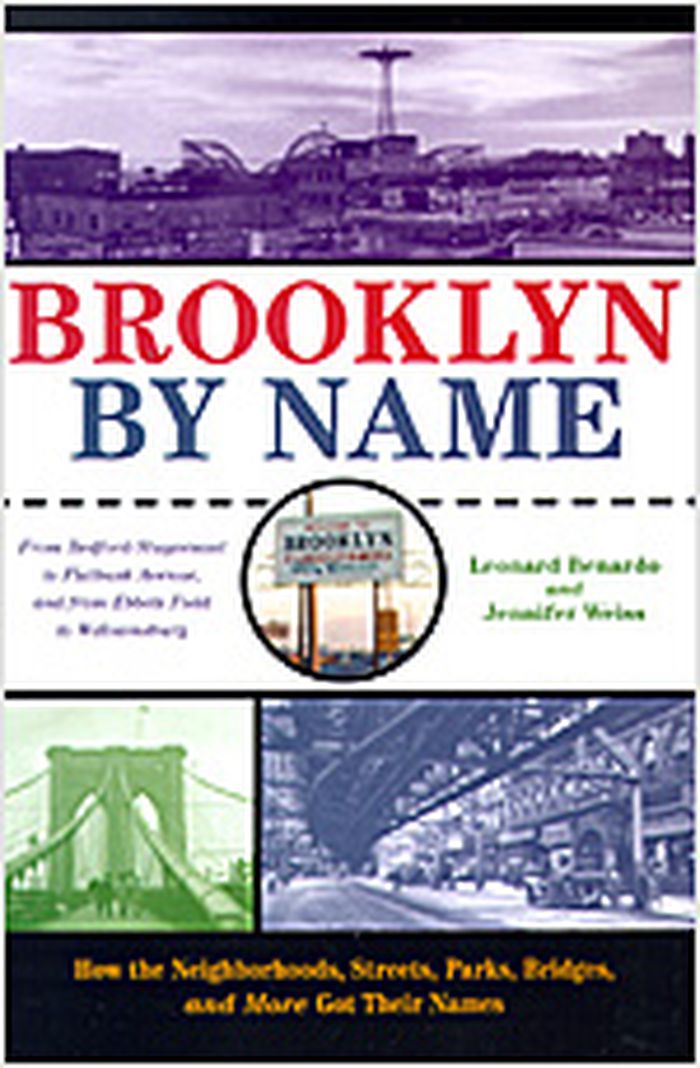
From Bedford-Stuyvesant to Williamsburg, Brooklyn's historic names are emblems of American culture and history. Uncovering the remarkable stories behind the landmarks, "Brooklyn by name" takes readers on a stroll through the streets and places of this thriving metropolis to reveal the borough's textured past. Listing more than 500 of Brooklyn's most prominent place names, organized alphabetically by region, and illustrated with photographs and current maps the book captures the diverse threads of American history. We learn about the Canarsie Indians, the region's first settlers, whose language survives in daily traffic reports about the Gowanus Expressway. The arrival of the Dutch West India Company in 1620 brought the first wave of European names, from Boswijck ("town in the woods," later Bushwick) to Bedford-Stuyvesant, after the controversial administrator of the Dutch colony, to numerous places named after prominent Dutch families like the Bergens. The English takeover of the area in 1664 led to the Anglicization of Dutch names, (vlackebos, meaning "wooded plain," became Flatbush) and the introduction of distinctively English names (Kensington, Brighton Beach). A century later the American Revolution swept away most Tory monikers, replacing them with signers of the Declaration of Independence and international figures who supported the revolution such as Lafayette (France), De Kalb (Germany), and Kosciuszko (Poland). We learn too of the dark corners of Brooklyn's past, encountering over 70 streets named for prominent slaveholders like Lefferts and Lott but none for its most famous abolitionist, Walt Whitman. From the earliest settlements to recent commemorations such as Malcolm X Boulevard, this book tells the tales of the poets, philosophers, baseball heroes, diplomats, warriors, and saints who have left their imprint on this polyethnic borough that was once almost disastrously renamed "New York East."
Brooklyn by name
Actions:
Price:
$22.50
(available to order)
Summary:
From Bedford-Stuyvesant to Williamsburg, Brooklyn's historic names are emblems of American culture and history. Uncovering the remarkable stories behind the landmarks, "Brooklyn by name" takes readers on a stroll through the streets and places of this thriving metropolis to reveal the borough's textured past. Listing more than 500 of Brooklyn's most prominent place names, organized alphabetically by region, and illustrated with photographs and current maps the book captures the diverse threads of American history. We learn about the Canarsie Indians, the region's first settlers, whose language survives in daily traffic reports about the Gowanus Expressway. The arrival of the Dutch West India Company in 1620 brought the first wave of European names, from Boswijck ("town in the woods," later Bushwick) to Bedford-Stuyvesant, after the controversial administrator of the Dutch colony, to numerous places named after prominent Dutch families like the Bergens. The English takeover of the area in 1664 led to the Anglicization of Dutch names, (vlackebos, meaning "wooded plain," became Flatbush) and the introduction of distinctively English names (Kensington, Brighton Beach). A century later the American Revolution swept away most Tory monikers, replacing them with signers of the Declaration of Independence and international figures who supported the revolution such as Lafayette (France), De Kalb (Germany), and Kosciuszko (Poland). We learn too of the dark corners of Brooklyn's past, encountering over 70 streets named for prominent slaveholders like Lefferts and Lott but none for its most famous abolitionist, Walt Whitman. From the earliest settlements to recent commemorations such as Malcolm X Boulevard, this book tells the tales of the poets, philosophers, baseball heroes, diplomats, warriors, and saints who have left their imprint on this polyethnic borough that was once almost disastrously renamed "New York East."
Form:
books
books
Publication:
January 1900, New York
January 1900, New York
Subject:
City Guides
City Guides


