


7548 Results
Form:
books
books
Price:
$68.00
(available to order)
Summary:
The typical town springs up around a natural resource—a river, an ocean, an exceptionally deep harbor—or in proximity to a larger, already thriving town. Not so with “new towns,” which are created by decree rather than out of necessity and are often intended to break from the tendencies of past development. New towns aren’t a new thing—ancient Phoenicians named their(...)
$68.00
(available to order)
Summary:
The typical town springs up around a natural resource—a river, an ocean, an exceptionally deep harbor—or in proximity to a larger, already thriving town. Not so with “new towns,” which are created by decree rather than out of necessity and are often intended to break from the tendencies of past development. New towns aren’t a new thing—ancient Phoenicians named their(...)
Title:
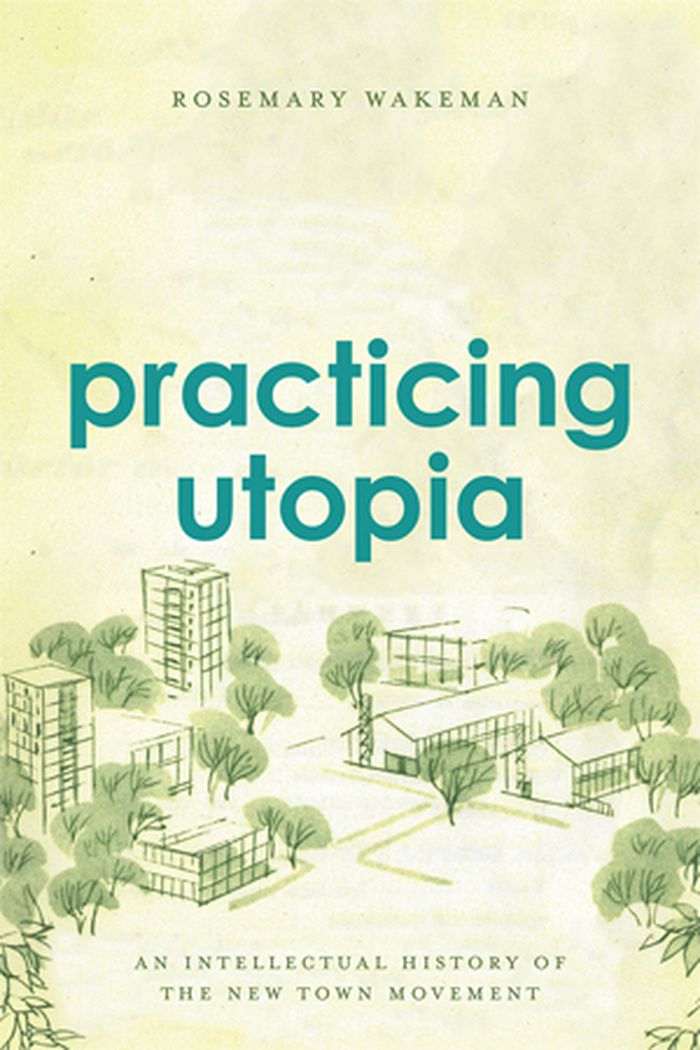
Practicing Utopia: an intellectual history of the New Town movement
Actions:
Price:
$68.00
(available to order)
Summary:
The typical town springs up around a natural resource—a river, an ocean, an exceptionally deep harbor—or in proximity to a larger, already thriving town. Not so with “new towns,” which are created by decree rather than out of necessity and are often intended to break from the tendencies of past development. New towns aren’t a new thing—ancient Phoenicians named their colonies Qart Hadasht, or New City—but these utopian developments saw a resurgence in the twentieth century. 'In Practicing Utopia,' Rosemary Wakeman gives us a sweeping view of the new town movement as a global phenomenon. From Tapiola in Finland to Islamabad in Pakistan, Cergy-Pontoise in France to Irvine in California, Wakeman unspools a masterly account of the golden age of new towns, exploring their utopian qualities and investigating what these towns can tell us about contemporary modernization and urban planning. She presents the new town movement as something truly global, defying a Cold War East-West dichotomy or the north-south polarization of rich and poor countries. Wherever these new towns were located, whatever their size, whether famous or forgotten, they shared a utopian lineage and conception that, in each case, reveals how residents and planners imagined their ideal urban future.
Practicing Utopia: an intellectual history of the New Town movement
Actions:
Price:
$68.00
(available to order)
Summary:
The typical town springs up around a natural resource—a river, an ocean, an exceptionally deep harbor—or in proximity to a larger, already thriving town. Not so with “new towns,” which are created by decree rather than out of necessity and are often intended to break from the tendencies of past development. New towns aren’t a new thing—ancient Phoenicians named their colonies Qart Hadasht, or New City—but these utopian developments saw a resurgence in the twentieth century. 'In Practicing Utopia,' Rosemary Wakeman gives us a sweeping view of the new town movement as a global phenomenon. From Tapiola in Finland to Islamabad in Pakistan, Cergy-Pontoise in France to Irvine in California, Wakeman unspools a masterly account of the golden age of new towns, exploring their utopian qualities and investigating what these towns can tell us about contemporary modernization and urban planning. She presents the new town movement as something truly global, defying a Cold War East-West dichotomy or the north-south polarization of rich and poor countries. Wherever these new towns were located, whatever their size, whether famous or forgotten, they shared a utopian lineage and conception that, in each case, reveals how residents and planners imagined their ideal urban future.
Form:
books
books
Publication:
April 2016
April 2016
Subject:
Urban Theory
Urban Theory
Form:
books
books
Price:
$69.95
(available to order)
Summary:
American cities entered a new phase when, beginning in the 1950s, artists and developers looked upon a decaying industrial zone in Lower Manhattan and saw, not blight, but opportunity: cheap rents, lax regulation, and wide open spaces. Thus, SoHo was born. From 1960 to 1980, residents transformed the industrial neighborhood into an artist district, creating the conditions(...)
$69.95
(available to order)
Summary:
American cities entered a new phase when, beginning in the 1950s, artists and developers looked upon a decaying industrial zone in Lower Manhattan and saw, not blight, but opportunity: cheap rents, lax regulation, and wide open spaces. Thus, SoHo was born. From 1960 to 1980, residents transformed the industrial neighborhood into an artist district, creating the conditions(...)
Title:
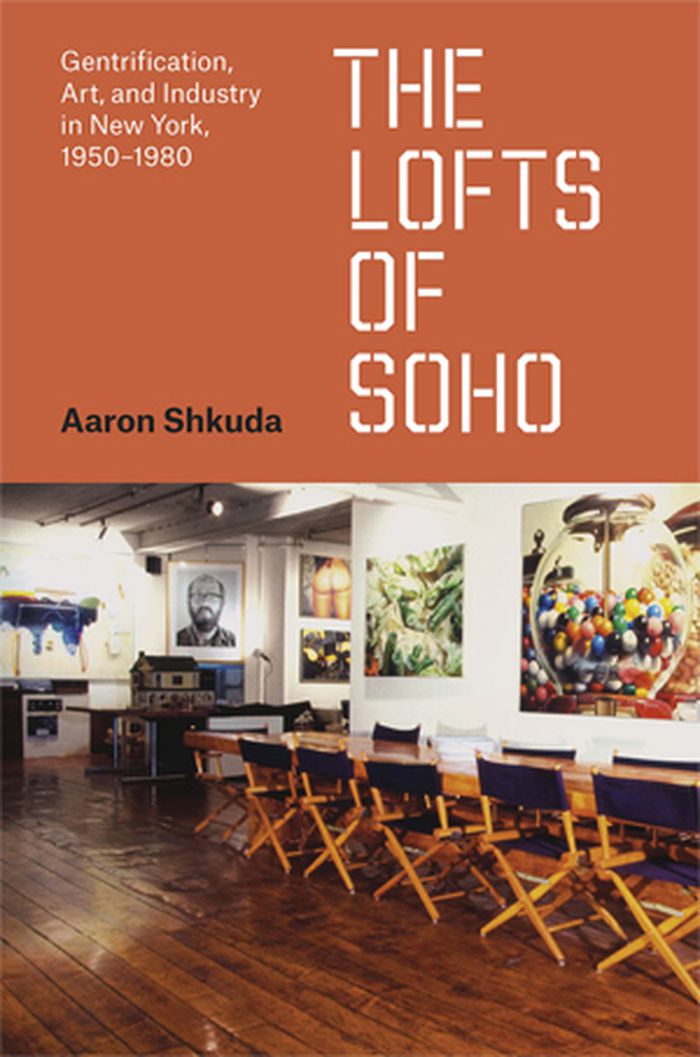
The lofts of SoHo: gentrification, art and industry in New York 1950-1980
Actions:
Price:
$69.95
(available to order)
Summary:
American cities entered a new phase when, beginning in the 1950s, artists and developers looked upon a decaying industrial zone in Lower Manhattan and saw, not blight, but opportunity: cheap rents, lax regulation, and wide open spaces. Thus, SoHo was born. From 1960 to 1980, residents transformed the industrial neighborhood into an artist district, creating the conditions under which it evolved into an upper-income, gentrified area. Introducing the idea—still potent in city planning today—that art could be harnessed to drive municipal prosperity, SoHo was the forerunner of gentrified districts in cities nationwide, spawning the notion of the creative class. In The Lofts of SoHo, Aaron Shkuda studies the transition of the district from industrial space to artists’ enclave to affluent residential area, focusing on the legacy of urban renewal in and around SoHo and the growth of artist-led redevelopment. Shkuda explores conflicts between residents and property owners and analyzes the city’s embrace of the once-illegal loft conversion as an urban development strategy. As Shkuda explains, artists eventually lost control of SoHo’s development, but over several decades they nonetheless forced scholars, policymakers, and the general public to take them seriously as critical actors in the twentieth-century American city.
The lofts of SoHo: gentrification, art and industry in New York 1950-1980
Actions:
Price:
$69.95
(available to order)
Summary:
American cities entered a new phase when, beginning in the 1950s, artists and developers looked upon a decaying industrial zone in Lower Manhattan and saw, not blight, but opportunity: cheap rents, lax regulation, and wide open spaces. Thus, SoHo was born. From 1960 to 1980, residents transformed the industrial neighborhood into an artist district, creating the conditions under which it evolved into an upper-income, gentrified area. Introducing the idea—still potent in city planning today—that art could be harnessed to drive municipal prosperity, SoHo was the forerunner of gentrified districts in cities nationwide, spawning the notion of the creative class. In The Lofts of SoHo, Aaron Shkuda studies the transition of the district from industrial space to artists’ enclave to affluent residential area, focusing on the legacy of urban renewal in and around SoHo and the growth of artist-led redevelopment. Shkuda explores conflicts between residents and property owners and analyzes the city’s embrace of the once-illegal loft conversion as an urban development strategy. As Shkuda explains, artists eventually lost control of SoHo’s development, but over several decades they nonetheless forced scholars, policymakers, and the general public to take them seriously as critical actors in the twentieth-century American city.
Form:
books
books
Publication:
April 2016
April 2016
Subject:
Urban Theory
Urban Theory
Form:
books
books

Actions:
Price:
$36.50
(available to order)
Summary:
The story of New York’s west side no longer stars the Sharks and the Jets. Instead it’s a story of urban transformation, cultural shifts, and an expanding contemporary art scene. The Chelsea Gallery District has become New York’s most dominant neighborhood for contemporary art, and the streets of the west side are filled with gallery owners, art collectors, and tourists.(...)
$36.50
(available to order)
Summary:
The story of New York’s west side no longer stars the Sharks and the Jets. Instead it’s a story of urban transformation, cultural shifts, and an expanding contemporary art scene. The Chelsea Gallery District has become New York’s most dominant neighborhood for contemporary art, and the streets of the west side are filled with gallery owners, art collectors, and tourists.(...)
Title:
New York's new edge: Contemporary art, the High LIne, and urban megaprojects
Actions:
Price:
$36.50
(available to order)
Summary:
The story of New York’s west side no longer stars the Sharks and the Jets. Instead it’s a story of urban transformation, cultural shifts, and an expanding contemporary art scene. The Chelsea Gallery District has become New York’s most dominant neighborhood for contemporary art, and the streets of the west side are filled with gallery owners, art collectors, and tourists. Developments like the High Line, historical preservation projects like the Gansevoort Market, the Chelsea galleries, and plans for megaprojects like the Hudson Yards Development have redefined what is now being called the “Far West Side” of Manhattan. David Halle and Elisabeth Tiso offer a deep analysis of the transforming district in New York’s New Edge, and the result is a new understanding of how we perceive and interpret culture and the city in New York’s gallery district. From individual interviews with gallery owners to the behind-the-scenes politics of preservation initiatives and megaprojects, the book provides an in-depth account of the developments, obstacles, successes, and failures of the area and the factors that have contributed to them.
New York's new edge: Contemporary art, the High LIne, and urban megaprojects
Actions:
Price:
$36.50
(available to order)
Summary:
The story of New York’s west side no longer stars the Sharks and the Jets. Instead it’s a story of urban transformation, cultural shifts, and an expanding contemporary art scene. The Chelsea Gallery District has become New York’s most dominant neighborhood for contemporary art, and the streets of the west side are filled with gallery owners, art collectors, and tourists. Developments like the High Line, historical preservation projects like the Gansevoort Market, the Chelsea galleries, and plans for megaprojects like the Hudson Yards Development have redefined what is now being called the “Far West Side” of Manhattan. David Halle and Elisabeth Tiso offer a deep analysis of the transforming district in New York’s New Edge, and the result is a new understanding of how we perceive and interpret culture and the city in New York’s gallery district. From individual interviews with gallery owners to the behind-the-scenes politics of preservation initiatives and megaprojects, the book provides an in-depth account of the developments, obstacles, successes, and failures of the area and the factors that have contributed to them.
Form:
books
books
Publication:
May 2016
May 2016
Subject:
Urban Theory
Urban Theory
Form:
books
books
Title:
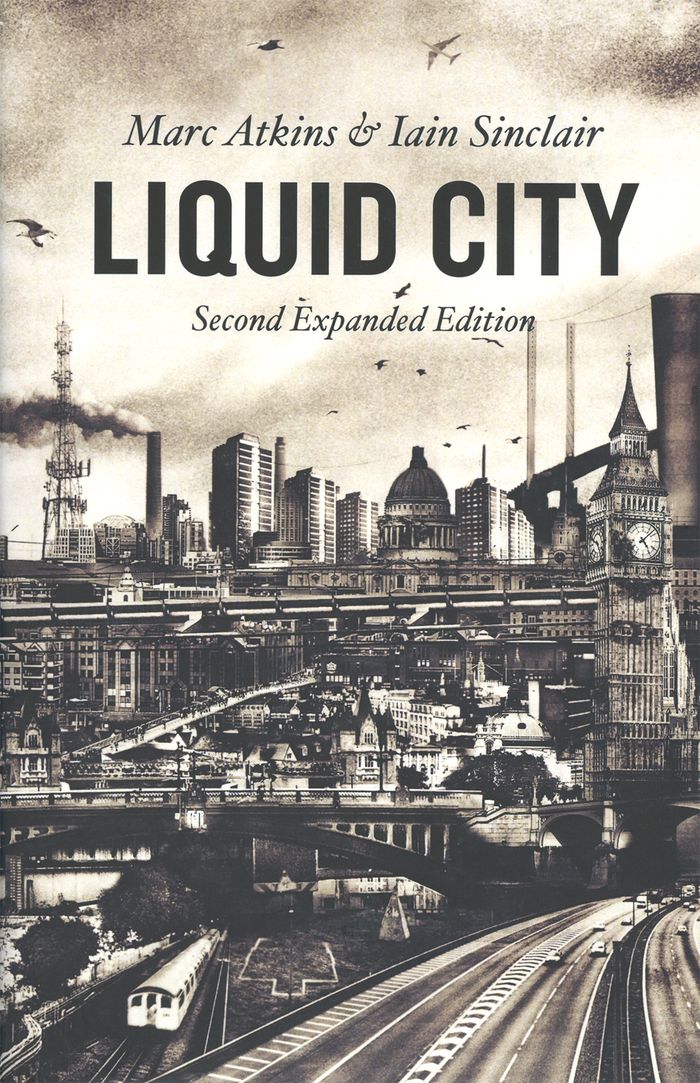
Liquid city, 2nd edition
Liquid city, 2nd edition
Actions:
Price:
$35.95
(available to order)
Summary:
'Liquid City' documents the collaboration between Iain Sinclair and photographer Marc Atkins and their eccentric, manic, often moving explorations of London’s hidden streets, cemeteries, canals, parks, pubs and personalities. Consisting of striking, atmospheric photographs by Atkins, including many new additions, and with a new introduction by Sinclair, the book focuses(...)
$35.95
(available to order)
Summary:
'Liquid City' documents the collaboration between Iain Sinclair and photographer Marc Atkins and their eccentric, manic, often moving explorations of London’s hidden streets, cemeteries, canals, parks, pubs and personalities. Consisting of striking, atmospheric photographs by Atkins, including many new additions, and with a new introduction by Sinclair, the book focuses(...)
Title:
Liquid city, 2nd edition
Actions:
Price:
$35.95
(available to order)
Summary:
'Liquid City' documents the collaboration between Iain Sinclair and photographer Marc Atkins and their eccentric, manic, often moving explorations of London’s hidden streets, cemeteries, canals, parks, pubs and personalities. Consisting of striking, atmospheric photographs by Atkins, including many new additions, and with a new introduction by Sinclair, the book focuses on London’s eastern and southeastern quadrants. An array of famous and lesser-known writers, booksellers and film-makers slip in and out of Sinclair’s annotations, as do memories and remnants of the East End’s criminal mobs, as well as physical landmarks as diverse as the Thames Barrier and Karl Marx’s grave in Highgate Cemetery.
Liquid city, 2nd edition
Actions:
Price:
$35.95
(available to order)
Summary:
'Liquid City' documents the collaboration between Iain Sinclair and photographer Marc Atkins and their eccentric, manic, often moving explorations of London’s hidden streets, cemeteries, canals, parks, pubs and personalities. Consisting of striking, atmospheric photographs by Atkins, including many new additions, and with a new introduction by Sinclair, the book focuses on London’s eastern and southeastern quadrants. An array of famous and lesser-known writers, booksellers and film-makers slip in and out of Sinclair’s annotations, as do memories and remnants of the East End’s criminal mobs, as well as physical landmarks as diverse as the Thames Barrier and Karl Marx’s grave in Highgate Cemetery.
Form:
books
books
Publication:
June 2016
June 2016
Subject:
Urban Theory
Urban Theory
Form:
books
books
Title:
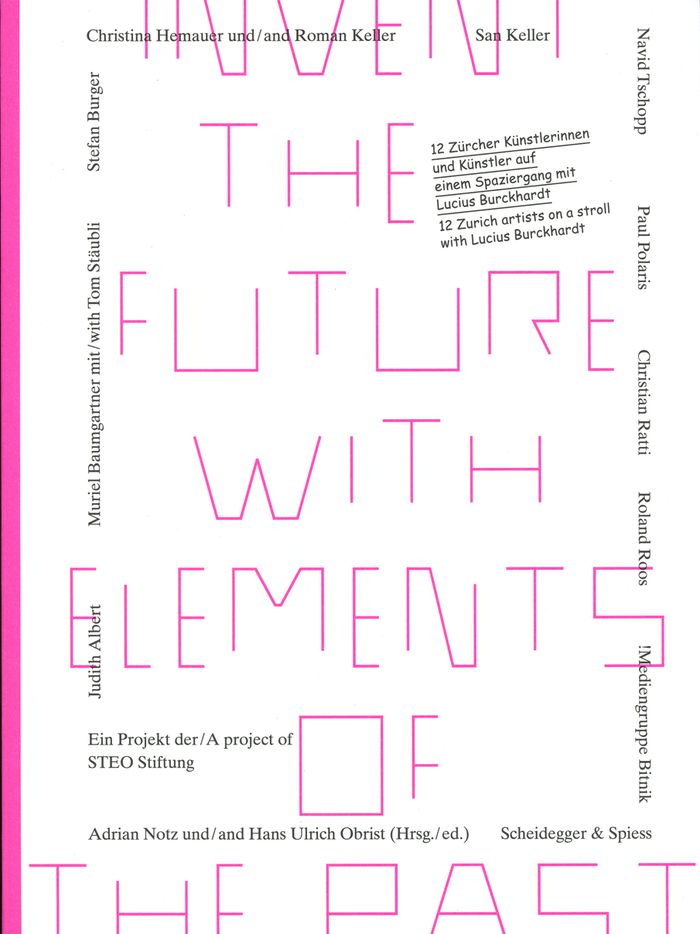
Invent the future with elements of the past: 12 Zurich artists on a stroll with Lucius Burckhardt
Invent the future with elements of the past: 12 Zurich artists on a stroll with Lucius Burckhardt
Actions:
Price:
$50.95
(available to order)
Summary:
'Invent the Future with Elements of the Past' looks at a fascinating recent artistic interpretation of Burckhardt’s theories: the contribution of twelve contemporary artists to the Swiss Pavilion at the fourteenth International Architecture Exhibition of the Venice Biennale. Developed in Zurich and curated by Hans Ulrich Obrist, the project was realized through a series(...)
$50.95
(available to order)
Summary:
'Invent the Future with Elements of the Past' looks at a fascinating recent artistic interpretation of Burckhardt’s theories: the contribution of twelve contemporary artists to the Swiss Pavilion at the fourteenth International Architecture Exhibition of the Venice Biennale. Developed in Zurich and curated by Hans Ulrich Obrist, the project was realized through a series(...)
Title:
Invent the future with elements of the past: 12 Zurich artists on a stroll with Lucius Burckhardt
Actions:
Price:
$50.95
(available to order)
Summary:
'Invent the Future with Elements of the Past' looks at a fascinating recent artistic interpretation of Burckhardt’s theories: the contribution of twelve contemporary artists to the Swiss Pavilion at the fourteenth International Architecture Exhibition of the Venice Biennale. Developed in Zurich and curated by Hans Ulrich Obrist, the project was realized through a series of strolls throughout the city that offered new narratives about the urban space. The resulting objects and events are reproduced here with more than one hundred illustrations, including many in color; interviews with the participating artists, and contributions by Judith Albert, Muriel Baumgartner with Tom Stäubli, Stefan Burger, Christina Hemauer with Roman Keller, San Keller, Adrian Notz, Hans Ulrich Obrist, Paul Polaris, Christian Ratti, Roland Roos, Tom Stäubli, Navid Tschopp, and !Mediengruppe Bitnik.
Invent the future with elements of the past: 12 Zurich artists on a stroll with Lucius Burckhardt
Actions:
Price:
$50.95
(available to order)
Summary:
'Invent the Future with Elements of the Past' looks at a fascinating recent artistic interpretation of Burckhardt’s theories: the contribution of twelve contemporary artists to the Swiss Pavilion at the fourteenth International Architecture Exhibition of the Venice Biennale. Developed in Zurich and curated by Hans Ulrich Obrist, the project was realized through a series of strolls throughout the city that offered new narratives about the urban space. The resulting objects and events are reproduced here with more than one hundred illustrations, including many in color; interviews with the participating artists, and contributions by Judith Albert, Muriel Baumgartner with Tom Stäubli, Stefan Burger, Christina Hemauer with Roman Keller, San Keller, Adrian Notz, Hans Ulrich Obrist, Paul Polaris, Christian Ratti, Roland Roos, Tom Stäubli, Navid Tschopp, and !Mediengruppe Bitnik.
Form:
books
books
Publication:
March 2016
March 2016
Subject:
Urban Theory
Urban Theory
Form:
books
books

Actions:
Price:
$68.95
(available to order)
Summary:
DEMO:POLIS draws on architecture, sociology, and urban studies to offer a dynamic interdisciplinary exploration of the contemporary meaning of public space. Featuring exemplary projects—such as the High Line and Brooklyn Bridge Park in New York, Alexanderplatz and Tempelhofer Feld in Berlin, Trafalgar Square in London, the Le Ventana de Mar park in Puerto Rico, and(...)
$68.95
(available to order)
Summary:
DEMO:POLIS draws on architecture, sociology, and urban studies to offer a dynamic interdisciplinary exploration of the contemporary meaning of public space. Featuring exemplary projects—such as the High Line and Brooklyn Bridge Park in New York, Alexanderplatz and Tempelhofer Feld in Berlin, Trafalgar Square in London, the Le Ventana de Mar park in Puerto Rico, and(...)
Title:
Demo:Polis. The right to public space
Actions:
Price:
$68.95
(available to order)
Summary:
DEMO:POLIS draws on architecture, sociology, and urban studies to offer a dynamic interdisciplinary exploration of the contemporary meaning of public space. Featuring exemplary projects—such as the High Line and Brooklyn Bridge Park in New York, Alexanderplatz and Tempelhofer Feld in Berlin, Trafalgar Square in London, the Le Ventana de Mar park in Puerto Rico, and Madrid’s Campo de Cebada—as well as a range of recent, at times controversial, artistic and urban design interventions that reflect criticisms of the status quo, the book delves into various approaches to the design—and redesign—of public space.
Demo:Polis. The right to public space
Actions:
Price:
$68.95
(available to order)
Summary:
DEMO:POLIS draws on architecture, sociology, and urban studies to offer a dynamic interdisciplinary exploration of the contemporary meaning of public space. Featuring exemplary projects—such as the High Line and Brooklyn Bridge Park in New York, Alexanderplatz and Tempelhofer Feld in Berlin, Trafalgar Square in London, the Le Ventana de Mar park in Puerto Rico, and Madrid’s Campo de Cebada—as well as a range of recent, at times controversial, artistic and urban design interventions that reflect criticisms of the status quo, the book delves into various approaches to the design—and redesign—of public space.
Form:
books
books
Publication:
May 2016
May 2016
Subject:
Urban Theory
Urban Theory
Form:
books
books
Actions:
Price:
$38.95
(available to order)
Summary:
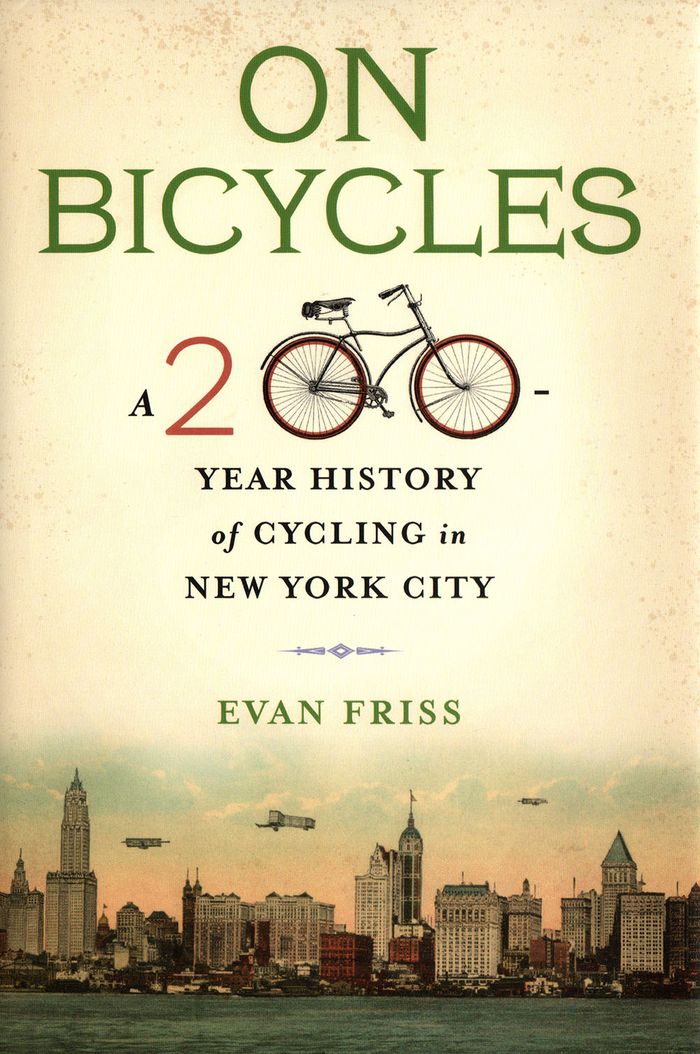
In this publication, Evan Friss traces the colorful and fraught history of cycling in New York City. He uncovers the bicycle’s place in the city over time, showing how it has served as a mirror of the city’s changing social, economic, infrastructural, and cultural politics since it first appeared.
$38.95
(available to order)
Summary:
In this publication, Evan Friss traces the colorful and fraught history of cycling in New York City. He uncovers the bicycle’s place in the city over time, showing how it has served as a mirror of the city’s changing social, economic, infrastructural, and cultural politics since it first appeared.
Title:
On bicycles: a 200-year history of cycling in New York City
Actions:
Price:
$38.95
(available to order)
Summary:
In this publication, Evan Friss traces the colorful and fraught history of cycling in New York City. He uncovers the bicycle’s place in the city over time, showing how it has served as a mirror of the city’s changing social, economic, infrastructural, and cultural politics since it first appeared.
On bicycles: a 200-year history of cycling in New York City
Actions:
Price:
$38.95
(available to order)
Summary:
In this publication, Evan Friss traces the colorful and fraught history of cycling in New York City. He uncovers the bicycle’s place in the city over time, showing how it has served as a mirror of the city’s changing social, economic, infrastructural, and cultural politics since it first appeared.
Form:
books
books
Publication:
May 2019
May 2019
Subject:
Urban Theory
Urban Theory
Form:
books
books
Actions:
Price:
$37.99
(available to order)
Summary:
Grounding its analysis in regional political economy and neighborhood-based ethnography, 'Cyclescapes of the Unequal City' uses the bicycle as a lens to view major shifts in today’s American city. It addresses a growing interest in bicycling as an urban economic and environmental strategy, its role in the politics of gentrification, and efforts to build more diverse(...)
$37.99
(available to order)
Summary:
Grounding its analysis in regional political economy and neighborhood-based ethnography, 'Cyclescapes of the Unequal City' uses the bicycle as a lens to view major shifts in today’s American city. It addresses a growing interest in bicycling as an urban economic and environmental strategy, its role in the politics of gentrification, and efforts to build more diverse(...)
Title:
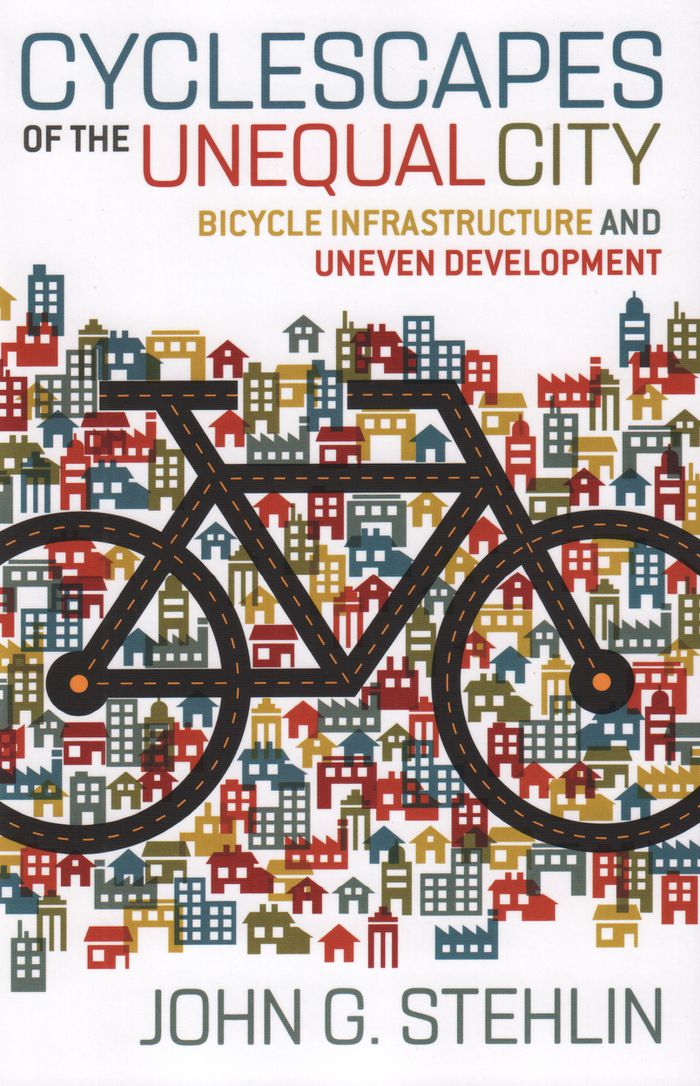
Cyclescapes of the unequal city: bicycle infrastructure and unven development
Actions:
Price:
$37.99
(available to order)
Summary:
Grounding its analysis in regional political economy and neighborhood-based ethnography, 'Cyclescapes of the Unequal City' uses the bicycle as a lens to view major shifts in today’s American city. It addresses a growing interest in bicycling as an urban economic and environmental strategy, its role in the politics of gentrification, and efforts to build more diverse coalitions of bicycle advocates.
Cyclescapes of the unequal city: bicycle infrastructure and unven development
Actions:
Price:
$37.99
(available to order)
Summary:
Grounding its analysis in regional political economy and neighborhood-based ethnography, 'Cyclescapes of the Unequal City' uses the bicycle as a lens to view major shifts in today’s American city. It addresses a growing interest in bicycling as an urban economic and environmental strategy, its role in the politics of gentrification, and efforts to build more diverse coalitions of bicycle advocates.
Form:
books
books
Publication:
March 2019
March 2019
Subject:
Urban Theory
Urban Theory
Form:
books
books
Price:
$65.95
(available to order)
Summary:
In 'Dream City', urban designer Conrad Kickert examines the paradoxes of Detroit's landscape of extremes, arguing that the current reinvention of downtown is the expression of two centuries of Detroiters' conflicting hopes and dreams. Kickert demonstrates the materialization of these dreams with a series of detailed original morphological maps that trace downtown's rise,(...)
$65.95
(available to order)
Summary:
In 'Dream City', urban designer Conrad Kickert examines the paradoxes of Detroit's landscape of extremes, arguing that the current reinvention of downtown is the expression of two centuries of Detroiters' conflicting hopes and dreams. Kickert demonstrates the materialization of these dreams with a series of detailed original morphological maps that trace downtown's rise,(...)
Title:
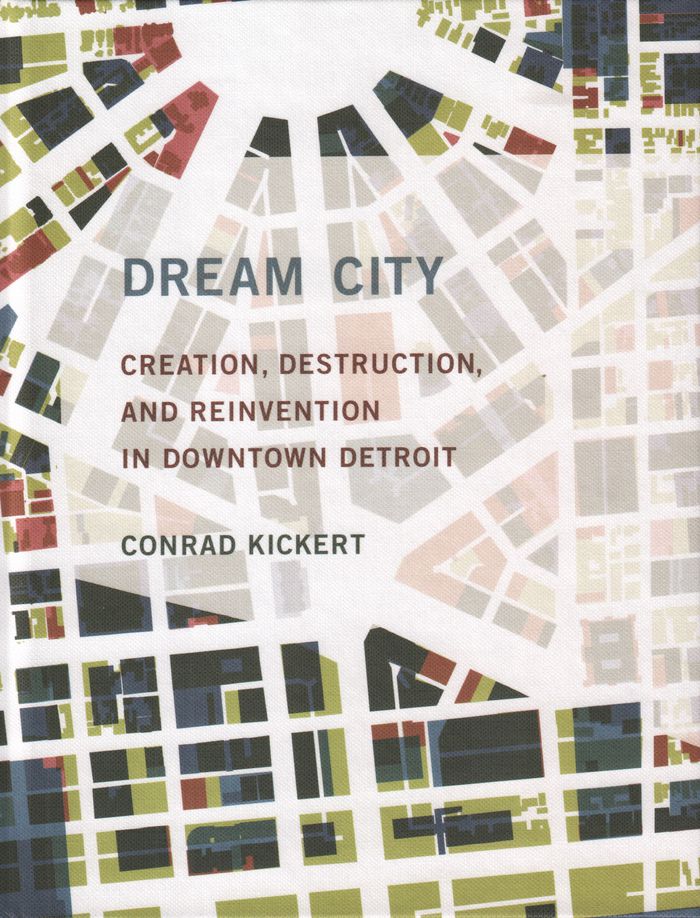
Dream city: creation, destruction, and reinvention in downtown Detroit
Actions:
Price:
$65.95
(available to order)
Summary:
In 'Dream City', urban designer Conrad Kickert examines the paradoxes of Detroit's landscape of extremes, arguing that the current reinvention of downtown is the expression of two centuries of Detroiters' conflicting hopes and dreams. Kickert demonstrates the materialization of these dreams with a series of detailed original morphological maps that trace downtown's rise, fall, and rebirth.
Dream city: creation, destruction, and reinvention in downtown Detroit
Actions:
Price:
$65.95
(available to order)
Summary:
In 'Dream City', urban designer Conrad Kickert examines the paradoxes of Detroit's landscape of extremes, arguing that the current reinvention of downtown is the expression of two centuries of Detroiters' conflicting hopes and dreams. Kickert demonstrates the materialization of these dreams with a series of detailed original morphological maps that trace downtown's rise, fall, and rebirth.
Form:
books
books
Publication:
June 2019
June 2019
Subject:
Urban Theory
Urban Theory
Form:
books
books
Price:
$13.95
(available to order)
Summary:
Cet essai sociologique, urbanistique et politique montre ce que serait le visage futur de la ville, moins spectaculaire et plus effrayant que la vision futuriste offerte par Philip K. Dick. L'ouvrage explique que Los Angeles porte déjà en elle le modèle vers lequel tendent toutes les mégapoles : la destruction de la mixité sociale par cloisonnement strict des couches de population.
$13.95
(available to order)
Summary:
Cet essai sociologique, urbanistique et politique montre ce que serait le visage futur de la ville, moins spectaculaire et plus effrayant que la vision futuriste offerte par Philip K. Dick. L'ouvrage explique que Los Angeles porte déjà en elle le modèle vers lequel tendent toutes les mégapoles : la destruction de la mixité sociale par cloisonnement strict des couches de population.
Title:
Au-delà de Blade Runner : Los Angeles et l'imagination du désastre, n.é.
Actions:
Price:
$13.95
(available to order)
Summary:
Cet essai sociologique, urbanistique et politique montre ce que serait le visage futur de la ville, moins spectaculaire et plus effrayant que la vision futuriste offerte par Philip K. Dick. L'ouvrage explique que Los Angeles porte déjà en elle le modèle vers lequel tendent toutes les mégapoles : la destruction de la mixité sociale par cloisonnement strict des couches de population.
Au-delà de Blade Runner : Los Angeles et l'imagination du désastre, n.é.
Actions:
Price:
$13.95
(available to order)
Summary:
Cet essai sociologique, urbanistique et politique montre ce que serait le visage futur de la ville, moins spectaculaire et plus effrayant que la vision futuriste offerte par Philip K. Dick. L'ouvrage explique que Los Angeles porte déjà en elle le modèle vers lequel tendent toutes les mégapoles : la destruction de la mixité sociale par cloisonnement strict des couches de population.
Form:
books
books
Publication:
March 2019
March 2019
Subject:
Urban Theory
Urban Theory


