


712 Results
Form:
books
books
Actions:
Price:
$14.95
(available to order)
Summary:
Can a bad mayor make a city better?
$14.95
(available to order)
Summary:
Can a bad mayor make a city better?
Title:
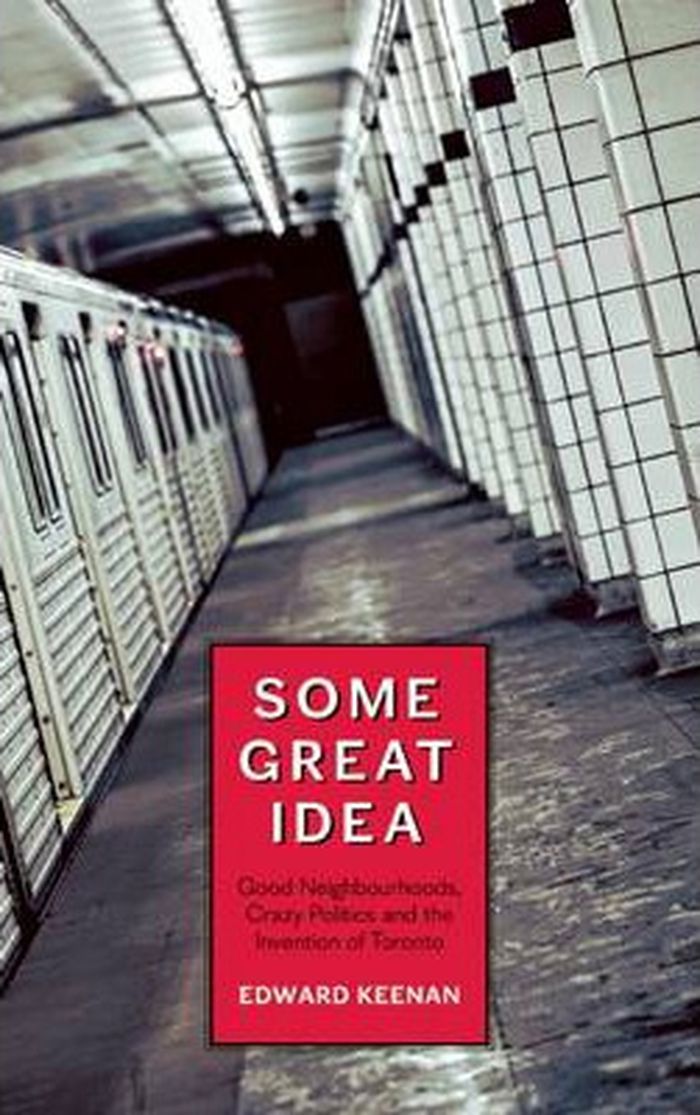
Some great idea : good neighbourhoods, crazy politics and the invention of Toronto
Actions:
Price:
$14.95
(available to order)
Summary:
Can a bad mayor make a city better?
Some great idea : good neighbourhoods, crazy politics and the invention of Toronto
Actions:
Price:
$14.95
(available to order)
Summary:
Can a bad mayor make a city better?
Form:
books
books
Publication:
February 2013
February 2013
Subject:
Architecture in Canada
Architecture in Canada
Form:
books
books
Title:
Urban China in transition
Urban China in transition
Actions:
Price:
$43.99
(available in store)
Summary:
Using an innovative approach, this book interprets the unprecedented transformation of contemporary China's major cities. It highlights a diversity of trends in the areas of migration, criminal victimization, gated communities, and the status of women, suburbanization, and neighbourhood associations. Each chapter includes input from both an expert on urban life in China(...)
$43.99
(available in store)
Summary:
Using an innovative approach, this book interprets the unprecedented transformation of contemporary China's major cities. It highlights a diversity of trends in the areas of migration, criminal victimization, gated communities, and the status of women, suburbanization, and neighbourhood associations. Each chapter includes input from both an expert on urban life in China(...)
Publication:
August 2008, Malden, Oxford, Victoria
August 2008, Malden, Oxford, Victoria
Title:
Urban China in transition
Actions:
Price:
$43.99
(available in store)
Summary:
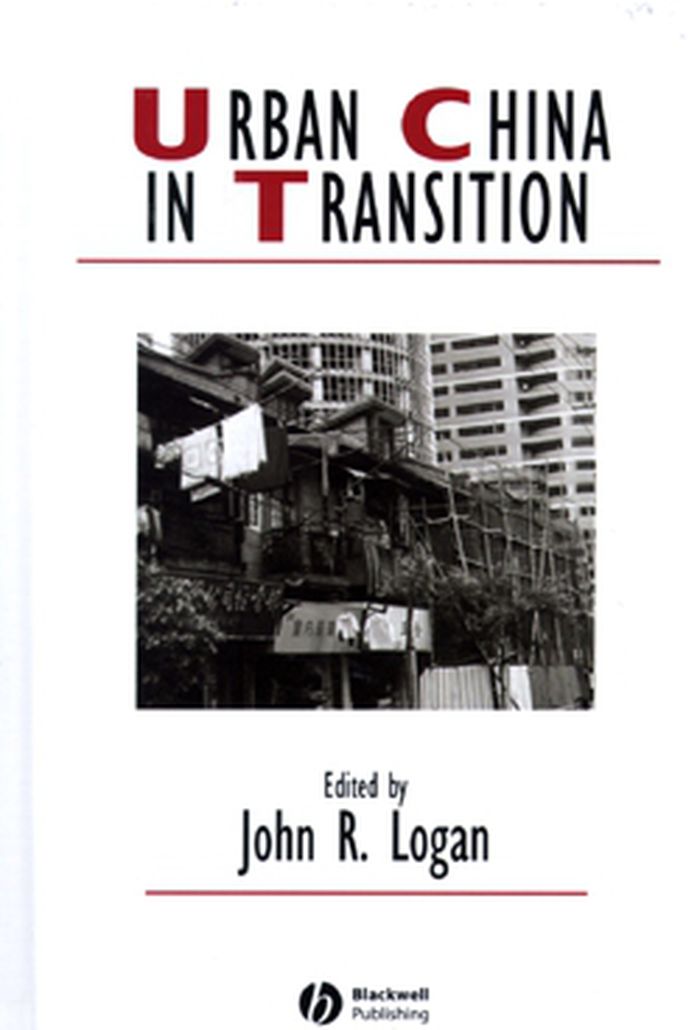
Using an innovative approach, this book interprets the unprecedented transformation of contemporary China's major cities. It highlights a diversity of trends in the areas of migration, criminal victimization, gated communities, and the status of women, suburbanization, and neighbourhood associations. Each chapter includes input from both an expert on urban life in China and an 'outside' expert from the fields of sociology, geography, economics, planning, political science, history, demography, architecture, or anthropology. John R. Logan is the founder of the Urban China Research Network, supported by the Andrew W. Mellon Foundation and a member of the editorial boards of Journal of Urban Affairs and City and Community. He was chosen Distinguished Professor of Sociology at the University at Albany, SUNY, as well as Director of the Lewis Mumford Center for Comparative Urban and Regional Research. In April 2003 he was selected by American Demographics magazine as one of five social demographers whose work has most influenced his field in the last 25 years.
Urban China in transition
Actions:
Price:
$43.99
(available in store)
Summary:
Using an innovative approach, this book interprets the unprecedented transformation of contemporary China's major cities. It highlights a diversity of trends in the areas of migration, criminal victimization, gated communities, and the status of women, suburbanization, and neighbourhood associations. Each chapter includes input from both an expert on urban life in China and an 'outside' expert from the fields of sociology, geography, economics, planning, political science, history, demography, architecture, or anthropology. John R. Logan is the founder of the Urban China Research Network, supported by the Andrew W. Mellon Foundation and a member of the editorial boards of Journal of Urban Affairs and City and Community. He was chosen Distinguished Professor of Sociology at the University at Albany, SUNY, as well as Director of the Lewis Mumford Center for Comparative Urban and Regional Research. In April 2003 he was selected by American Demographics magazine as one of five social demographers whose work has most influenced his field in the last 25 years.
Form:
books
books
Publication:
August 2008, Malden, Oxford, Victoria
August 2008, Malden, Oxford, Victoria
Form:
books
books
Price:
$35.00
(available to order)
Summary:
In the East Falls neighbourhood of Philadelphia, just beyond the northern boundary of the Thomas Jefferson University's East Falls campus, stands the Hassrick House (1958-61), designed by celebrated architect Richard Neutra, an icon of mid-century modern style. Thomas Jefferson University's relationship with the house began in the summer of 2015 when Andrew Hart,(...)
$35.00
(available to order)
Summary:
In the East Falls neighbourhood of Philadelphia, just beyond the northern boundary of the Thomas Jefferson University's East Falls campus, stands the Hassrick House (1958-61), designed by celebrated architect Richard Neutra, an icon of mid-century modern style. Thomas Jefferson University's relationship with the house began in the summer of 2015 when Andrew Hart,(...)
Subject:
Architecture Monographs
Architecture Monographs
Publication:
January 2022
January 2022
Title:
Emergence of a modern dwelling: Richard Neutra's Hassrick house
Actions:
Price:
$35.00
(available to order)
Summary:
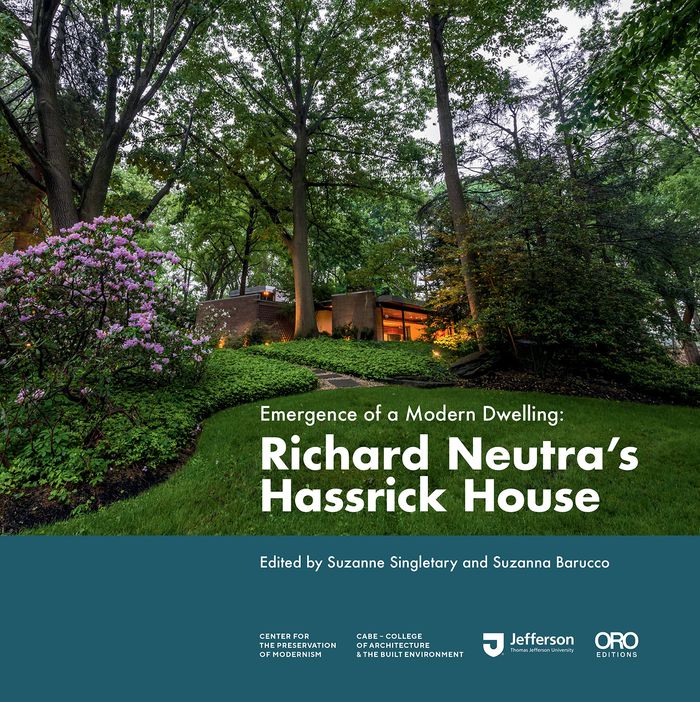
In the East Falls neighbourhood of Philadelphia, just beyond the northern boundary of the Thomas Jefferson University's East Falls campus, stands the Hassrick House (1958-61), designed by celebrated architect Richard Neutra, an icon of mid-century modern style. Thomas Jefferson University's relationship with the house began in the summer of 2015 when Andrew Hart, assistant professor of Architecture in the College of Architecture & the Built Environment initiated a series of summer courses to study the house. This publication chronicles the students' findings that shed light on Neutra's design process, his collaboration with his clients, as well as the unsung role of Thaddeus Longstreth as Neutra's proxy negotiator throughout the design and construction stages. During its approximately 63-year lifespan, the Hassrick House tells a saga of design, dwelling, neglect, restoration, and reinvention today as a laboratory for learning. In many respects, the history of the Hassrick House tells an important story of the modernist movement in the US, both regionally and nationally.
Emergence of a modern dwelling: Richard Neutra's Hassrick house
Actions:
Price:
$35.00
(available to order)
Summary:
In the East Falls neighbourhood of Philadelphia, just beyond the northern boundary of the Thomas Jefferson University's East Falls campus, stands the Hassrick House (1958-61), designed by celebrated architect Richard Neutra, an icon of mid-century modern style. Thomas Jefferson University's relationship with the house began in the summer of 2015 when Andrew Hart, assistant professor of Architecture in the College of Architecture & the Built Environment initiated a series of summer courses to study the house. This publication chronicles the students' findings that shed light on Neutra's design process, his collaboration with his clients, as well as the unsung role of Thaddeus Longstreth as Neutra's proxy negotiator throughout the design and construction stages. During its approximately 63-year lifespan, the Hassrick House tells a saga of design, dwelling, neglect, restoration, and reinvention today as a laboratory for learning. In many respects, the history of the Hassrick House tells an important story of the modernist movement in the US, both regionally and nationally.
Form:
books
books
Publication:
January 2022
January 2022
Subject:
Architecture Monographs
Architecture Monographs
Form:
books
books
Actions:
Price:
$42.00
(available to order)
Summary:
Christine Hunter looks at how legal, cultural, and technological standards have developed, and examines current criteria for a "minimum standard" family home, in three possible forms: freestanding house, attached house, and apartment. She discusses interior spaces, connections to the(...)
$42.00
(available to order)
Summary:
Christine Hunter looks at how legal, cultural, and technological standards have developed, and examines current criteria for a "minimum standard" family home, in three possible forms: freestanding house, attached house, and apartment. She discusses interior spaces, connections to the(...)
Title:
Ranches, rowhouses & railroad flats : American homes - how they shape our landscapes and neighbourhoods
Actions:
Price:
$42.00
(available to order)
Summary:
Christine Hunter looks at how legal, cultural, and technological standards have developed, and examines current criteria for a "minimum standard" family home, in three possible forms: freestanding house, attached house, and apartment. She discusses interior spaces, connections to the immediate outdoors, mechanical and plumbing connections, and connections to society. She emphasizes the varied and often conflicting environmental concerns, and examines how homes are grouped and combined with other building types and open spaces into neighborhoods.
Ranches, rowhouses & railroad flats : American homes - how they shape our landscapes and neighbourhoods
Actions:
Price:
$42.00
(available to order)
Summary:
Christine Hunter looks at how legal, cultural, and technological standards have developed, and examines current criteria for a "minimum standard" family home, in three possible forms: freestanding house, attached house, and apartment. She discusses interior spaces, connections to the immediate outdoors, mechanical and plumbing connections, and connections to society. She emphasizes the varied and often conflicting environmental concerns, and examines how homes are grouped and combined with other building types and open spaces into neighborhoods.
Form:
books
books
Publication:
May 1999, New York
May 1999, New York
Subject:
Collective Housing
Collective Housing
Form:
books
books
Actions:
Holdings:
Description:
472 pages : illustrations (chiefly color), portraits ; 24 cm
Description:
472 pages : illustrations (chiefly color), portraits ; 24 cm
Author:
Subject:
Publication:
Rotterdam : nai010 publishers, [2021], ©2021
Rotterdam : nai010 publishers, [2021], ©2021
Title:
Platform urbanism and its discontents / edited by Peter Mörtenböck and Helge Mooshammer ; contributors, Ross Exo Adams [and 44 others].
Actions:
Holdings:
Description:
472 pages : illustrations (chiefly color), portraits ; 24 cm
Platform urbanism and its discontents / edited by Peter Mörtenböck and Helge Mooshammer ; contributors, Ross Exo Adams [and 44 others].
Actions:
Holdings:
Description:
472 pages : illustrations (chiefly color), portraits ; 24 cm
Form:
books
books
Publication:
Rotterdam : nai010 publishers, [2021], ©2021
Rotterdam : nai010 publishers, [2021], ©2021
Author:
Subject:
Form:
books
books
Actions:
Price:
$29.95
(available to order)
Summary:
This publication looks at 25 trailblazing projects, including the Brooklyn Superhero Supply Co., which helps young people with writing skills (while also selling superhero gear); Tcho, a participatory chocolate manufacturer in San Francisco; and various collectively founded or structured supermarkets, hospitals, theaters and even internet providers throughout the United(...)
$29.95
(available to order)
Summary:
This publication looks at 25 trailblazing projects, including the Brooklyn Superhero Supply Co., which helps young people with writing skills (while also selling superhero gear); Tcho, a participatory chocolate manufacturer in San Francisco; and various collectively founded or structured supermarkets, hospitals, theaters and even internet providers throughout the United(...)
Title:
Compendium for the civic economy: what our cities, towns and neighbourhoods should learn from 25 trailblazers
Actions:
Price:
$29.95
(available to order)
Summary:
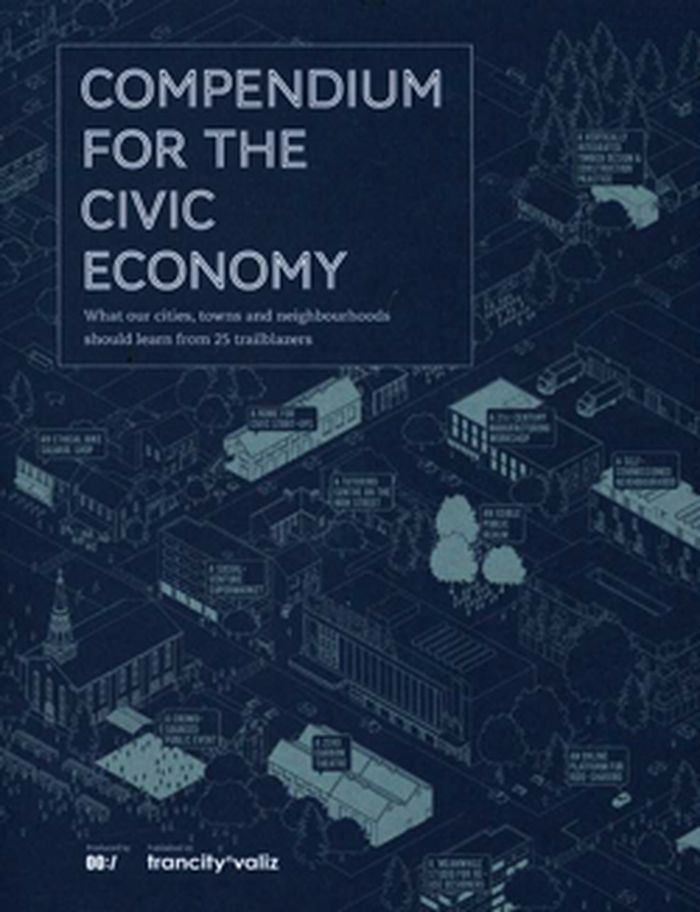
This publication looks at 25 trailblazing projects, including the Brooklyn Superhero Supply Co., which helps young people with writing skills (while also selling superhero gear); Tcho, a participatory chocolate manufacturer in San Francisco; and various collectively founded or structured supermarkets, hospitals, theaters and even internet providers throughout the United Kingdom and mainland Europe.
Compendium for the civic economy: what our cities, towns and neighbourhoods should learn from 25 trailblazers
Actions:
Price:
$29.95
(available to order)
Summary:
This publication looks at 25 trailblazing projects, including the Brooklyn Superhero Supply Co., which helps young people with writing skills (while also selling superhero gear); Tcho, a participatory chocolate manufacturer in San Francisco; and various collectively founded or structured supermarkets, hospitals, theaters and even internet providers throughout the United Kingdom and mainland Europe.
Form:
books
books
Publication:
January 2013
January 2013
Subject:
Urban Theory
Urban Theory
Form:
books
books
Title:
The north end
The north end
Actions:
Price:
$39.95
(available in store)
Summary:
Award-winning documentary maker John Paskievich has made his name making films about places and people throughout the world. His films made for the National Film Board have chronicled groups as different as young Czechs trying to be North American Indians, the impoverished Roma community in Slovakia, and an isolated group of Orthodox Russians on the Canadian prairies. As(...)
$39.95
(available in store)
Summary:
Award-winning documentary maker John Paskievich has made his name making films about places and people throughout the world. His films made for the National Film Board have chronicled groups as different as young Czechs trying to be North American Indians, the impoverished Roma community in Slovakia, and an isolated group of Orthodox Russians on the Canadian prairies. As(...)
Title:
The north end
Actions:
Price:
$39.95
(available in store)
Summary:
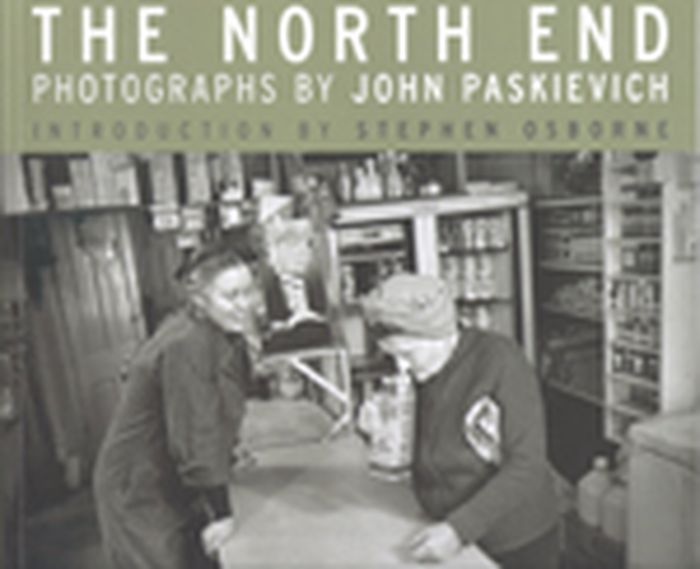
Award-winning documentary maker John Paskievich has made his name making films about places and people throughout the world. His films made for the National Film Board have chronicled groups as different as young Czechs trying to be North American Indians, the impoverished Roma community in Slovakia, and an isolated group of Orthodox Russians on the Canadian prairies. As a filmmaker, his work has been shown at film festivals throughout North America and Europe, including the Cannes Film Festival and the Toronto Festival of Festivals. In "The North End", Paskievich returns to his first love, photography. His lyrical black and white photographs chronicle a community closer to home, the iconic Winnipeg neighbourhood in which he grew up. Winnipeg’s North End is the great Canadian melting pot, the place "north of the tracks" that welcomed waves of immigrants from central and eastern Europe at the turn of the last century. It is a place that spawned some of Canada’s greatest cultural events and personalities, from the Winnipeg General Strike to the Guess Who. Paskievich captures the vibrancy and conflicts of the North End and other urban spaces like it, places where history, poverty, and resilience come together.
The north end
Actions:
Price:
$39.95
(available in store)
Summary:
Award-winning documentary maker John Paskievich has made his name making films about places and people throughout the world. His films made for the National Film Board have chronicled groups as different as young Czechs trying to be North American Indians, the impoverished Roma community in Slovakia, and an isolated group of Orthodox Russians on the Canadian prairies. As a filmmaker, his work has been shown at film festivals throughout North America and Europe, including the Cannes Film Festival and the Toronto Festival of Festivals. In "The North End", Paskievich returns to his first love, photography. His lyrical black and white photographs chronicle a community closer to home, the iconic Winnipeg neighbourhood in which he grew up. Winnipeg’s North End is the great Canadian melting pot, the place "north of the tracks" that welcomed waves of immigrants from central and eastern Europe at the turn of the last century. It is a place that spawned some of Canada’s greatest cultural events and personalities, from the Winnipeg General Strike to the Guess Who. Paskievich captures the vibrancy and conflicts of the North End and other urban spaces like it, places where history, poverty, and resilience come together.
Form:
books
books
Publication:
October 2007
October 2007
Subject:
Photography monographs
Photography monographs
Form:
books
books
Title:
Toronto : design city
Toronto : design city
Actions:
Price:
$64.99
(available to order)
Summary:
At a time when modern architecture has become a means for cities to up their game and raise their cultural profile on the world stage, Toronto is coming into its own. Fully entrenched in a design renaissance that is dramatically changing the face and space of the city, Toronto is now a welcome playground for celebrated local talent and international star architects. While(...)
$64.99
(available to order)
Summary:
At a time when modern architecture has become a means for cities to up their game and raise their cultural profile on the world stage, Toronto is coming into its own. Fully entrenched in a design renaissance that is dramatically changing the face and space of the city, Toronto is now a welcome playground for celebrated local talent and international star architects. While(...)
Subject:
Architecture in Canada
Architecture in Canada
Publication:
March 2007, Chichester
March 2007, Chichester
Title:
Toronto : design city
Actions:
Price:
$64.99
(available to order)
Summary:
At a time when modern architecture has become a means for cities to up their game and raise their cultural profile on the world stage, Toronto is coming into its own. Fully entrenched in a design renaissance that is dramatically changing the face and space of the city, Toronto is now a welcome playground for celebrated local talent and international star architects. While some cities can be immediately defined by a specific style, Toronto is distinguished instead by a fusion of contemporary architecture, heritage preservation and sustainable urban design. A true mosaic of architecture and culture, Toronto is a city learning to recognise and celebrate its diversity – it is a city set to rediscover itself. "Design city : Toronto" showcases over thirty exemplary contemporary interior and architectural projects, both complete and underway. These range from hip restaurants and bars by Toronto-based practices to major institutional buildings completed by the likes of Will Alsop, Behnisch, Behnisch & Partners, Foster and Partners, Frank Gehry, Kuwabara Payne McKenna Blumberg and Daniel Libeskind. Written in an engaging and lively manner, the book is illustrated with new photography by Tom Arban. It also provides a neighbourhood overview and biographies of featured designers.
Toronto : design city
Actions:
Price:
$64.99
(available to order)
Summary:
At a time when modern architecture has become a means for cities to up their game and raise their cultural profile on the world stage, Toronto is coming into its own. Fully entrenched in a design renaissance that is dramatically changing the face and space of the city, Toronto is now a welcome playground for celebrated local talent and international star architects. While some cities can be immediately defined by a specific style, Toronto is distinguished instead by a fusion of contemporary architecture, heritage preservation and sustainable urban design. A true mosaic of architecture and culture, Toronto is a city learning to recognise and celebrate its diversity – it is a city set to rediscover itself. "Design city : Toronto" showcases over thirty exemplary contemporary interior and architectural projects, both complete and underway. These range from hip restaurants and bars by Toronto-based practices to major institutional buildings completed by the likes of Will Alsop, Behnisch, Behnisch & Partners, Foster and Partners, Frank Gehry, Kuwabara Payne McKenna Blumberg and Daniel Libeskind. Written in an engaging and lively manner, the book is illustrated with new photography by Tom Arban. It also provides a neighbourhood overview and biographies of featured designers.
Form:
books
books
Publication:
March 2007, Chichester
March 2007, Chichester
Subject:
Architecture in Canada
Architecture in Canada
Form:
books
books
Actions:
Price:
$97.95
(available to order)
Summary:
This book offers a comprehensive account of the architecture of Florence, setting the city’s buildings within the political, economic, and cultural contexts in which they were made. The rapid expansion of its banking interests and its wool and textile industries brought Florence prosperity, and it became, under Medici power, the heart of the European Renaissance, and the(...)
$97.95
(available to order)
Summary:
This book offers a comprehensive account of the architecture of Florence, setting the city’s buildings within the political, economic, and cultural contexts in which they were made. The rapid expansion of its banking interests and its wool and textile industries brought Florence prosperity, and it became, under Medici power, the heart of the European Renaissance, and the(...)
Title:
Florence : the city and its architecture
Actions:
Price:
$97.95
(available to order)
Summary:
This book offers a comprehensive account of the architecture of Florence, setting the city’s buildings within the political, economic, and cultural contexts in which they were made. The rapid expansion of its banking interests and its wool and textile industries brought Florence prosperity, and it became, under Medici power, the heart of the European Renaissance, and the sponsor of pivotal architectural works. Stretching from the city’s foundation by Julius Caesar in 59 BC to modern times, the text takes a thematic approach. It begins with a historical overview, then moves on to look at buildings associated with the powers of Church and State, followed by the practicalities of building and the main architectural types, ending with modern developments. Buildings covered range from the Duomo, with Brunelleschi’s cupola, and the Palazzo Pitti, to neighbourhood churches and piazzas. Landmark modernist buildings include those by architect Pier Luigi Nervi. The visual wealth of the city is reflected in specially commissioned photography, while original plans and paintings by Florentine masters emphasize the historical context. In addition to a glossary of Italian terms and biographical notes on major figures, the book includes a foldout map with a key to the buildings discussed.
Florence : the city and its architecture
Actions:
Price:
$97.95
(available to order)
Summary:
This book offers a comprehensive account of the architecture of Florence, setting the city’s buildings within the political, economic, and cultural contexts in which they were made. The rapid expansion of its banking interests and its wool and textile industries brought Florence prosperity, and it became, under Medici power, the heart of the European Renaissance, and the sponsor of pivotal architectural works. Stretching from the city’s foundation by Julius Caesar in 59 BC to modern times, the text takes a thematic approach. It begins with a historical overview, then moves on to look at buildings associated with the powers of Church and State, followed by the practicalities of building and the main architectural types, ending with modern developments. Buildings covered range from the Duomo, with Brunelleschi’s cupola, and the Palazzo Pitti, to neighbourhood churches and piazzas. Landmark modernist buildings include those by architect Pier Luigi Nervi. The visual wealth of the city is reflected in specially commissioned photography, while original plans and paintings by Florentine masters emphasize the historical context. In addition to a glossary of Italian terms and biographical notes on major figures, the book includes a foldout map with a key to the buildings discussed.
Form:
books
books
Publication:
April 2002, London / New York
April 2002, London / New York
Subject:
History until 1900
History until 1900
Form:
books
books
Price:
$26.00
(available to order)
Summary:
This is the first installation of Forensic Architecture Reports, a series of books each dedicated to a single FA investigation, with insights into the agency’s research methodologies, additional texts from and interviews with collaborators, and dossiers of documents that shaped the investigation in question. On the evening of 4 August 2011, Mark Duggan was shot and(...)
$26.00
(available to order)
Summary:
This is the first installation of Forensic Architecture Reports, a series of books each dedicated to a single FA investigation, with insights into the agency’s research methodologies, additional texts from and interviews with collaborators, and dossiers of documents that shaped the investigation in question. On the evening of 4 August 2011, Mark Duggan was shot and(...)
Title:
Forensic Architecture, reports #1: The police shooting of Mark Duggan
Actions:
Price:
$26.00
(available to order)
Summary:
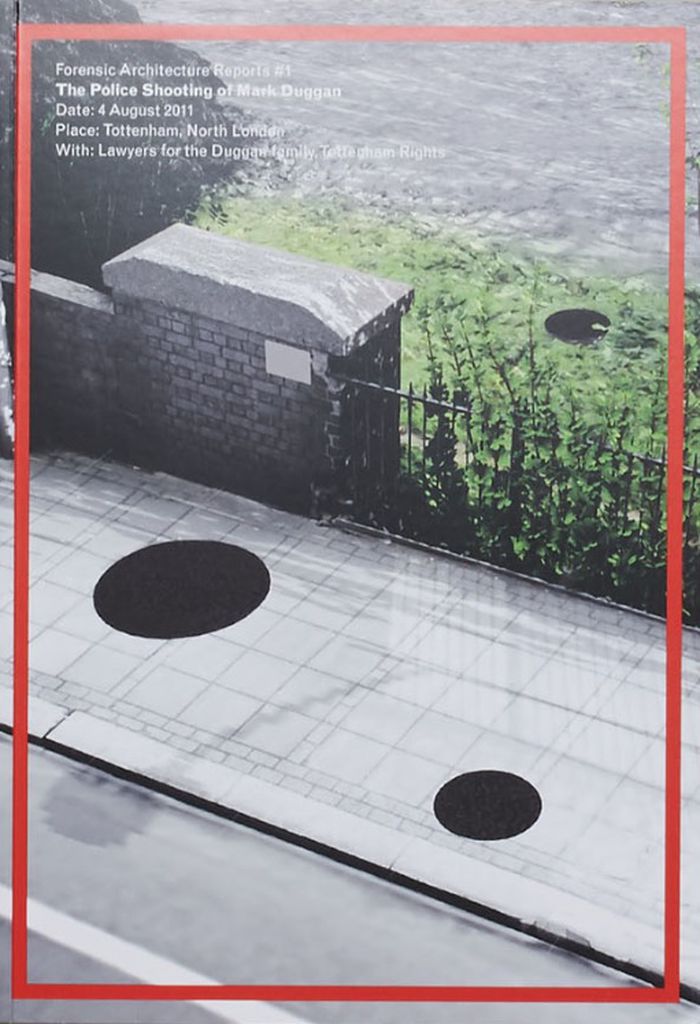
This is the first installation of Forensic Architecture Reports, a series of books each dedicated to a single FA investigation, with insights into the agency’s research methodologies, additional texts from and interviews with collaborators, and dossiers of documents that shaped the investigation in question. On the evening of 4 August 2011, Mark Duggan was shot and killed by the police in the north London neighbourhood of Tottenham after the minicab in which he was traveling was pulled over by a team of undercover officers. The team had begun following Duggan shortly after receiving intelligence that he was in possession of a gun, and the officer who shot him testified that he had seen, for a ‘split second’, Duggan aiming the gun at him after he had exited the minicab. However, the gun was not found next to Duggan’s body on the pavement. According to the police, they discovered it in a patch of grass some seven meters away. After a coroner’s inquest ruled Duggan’s killing ‘lawful’ and the police watchdog organisation issued a report siding with the officers’ version of events, the Duggan family’s legal team commissioned Forensic Architecture to conduct an investigation into the critical question at the heart of the case: How did the gun end up in the grass? ?With no video footage of the shooting itself, Forensic Architecture had to rely primarily on the written and oral testimony of the officers involved to develop a spatial investigation designed to test the plausibility of the police’s narrative and to examine whether the officers themselves could have planted the gun...
Forensic Architecture, reports #1: The police shooting of Mark Duggan
Actions:
Price:
$26.00
(available to order)
Summary:
This is the first installation of Forensic Architecture Reports, a series of books each dedicated to a single FA investigation, with insights into the agency’s research methodologies, additional texts from and interviews with collaborators, and dossiers of documents that shaped the investigation in question. On the evening of 4 August 2011, Mark Duggan was shot and killed by the police in the north London neighbourhood of Tottenham after the minicab in which he was traveling was pulled over by a team of undercover officers. The team had begun following Duggan shortly after receiving intelligence that he was in possession of a gun, and the officer who shot him testified that he had seen, for a ‘split second’, Duggan aiming the gun at him after he had exited the minicab. However, the gun was not found next to Duggan’s body on the pavement. According to the police, they discovered it in a patch of grass some seven meters away. After a coroner’s inquest ruled Duggan’s killing ‘lawful’ and the police watchdog organisation issued a report siding with the officers’ version of events, the Duggan family’s legal team commissioned Forensic Architecture to conduct an investigation into the critical question at the heart of the case: How did the gun end up in the grass? ?With no video footage of the shooting itself, Forensic Architecture had to rely primarily on the written and oral testimony of the officers involved to develop a spatial investigation designed to test the plausibility of the police’s narrative and to examine whether the officers themselves could have planted the gun...
Form:
books
books
Publication:
September 2021
September 2021
Subject:
Social
Social


