


7090 Results
Form:
books
books

Title:
Pictorial zoology
Pictorial zoology
Actions:
Price:
$89.00
(available to order)
Summary:
Laszlo Layton’s artwork comprises modern images that evoke 18th and 19th century natural history drawings. To create his work, Layton first photographs a museum specimen using a restored 11x14-inch mahogany Deardoff camera, fitted with vintage Pinkham & Smith lenses. After making a cyanotype of the image, Layton then painstakingly hand paints the resulting print in subtle(...)
$89.00
(available to order)
Summary:
Laszlo Layton’s artwork comprises modern images that evoke 18th and 19th century natural history drawings. To create his work, Layton first photographs a museum specimen using a restored 11x14-inch mahogany Deardoff camera, fitted with vintage Pinkham & Smith lenses. After making a cyanotype of the image, Layton then painstakingly hand paints the resulting print in subtle(...)
Title:
Pictorial zoology
Actions:
Price:
$89.00
(available to order)
Summary:
Laszlo Layton’s artwork comprises modern images that evoke 18th and 19th century natural history drawings. To create his work, Layton first photographs a museum specimen using a restored 11x14-inch mahogany Deardoff camera, fitted with vintage Pinkham & Smith lenses. After making a cyanotype of the image, Layton then painstakingly hand paints the resulting print in subtle hues of color. Each print in the edition is therefore unique, and as much an object as a photographic print. Although Layton’s work operates at the intersection of science and art, it is a call to beauty, not a diagram of reality.
Pictorial zoology
Actions:
Price:
$89.00
(available to order)
Summary:
Laszlo Layton’s artwork comprises modern images that evoke 18th and 19th century natural history drawings. To create his work, Layton first photographs a museum specimen using a restored 11x14-inch mahogany Deardoff camera, fitted with vintage Pinkham & Smith lenses. After making a cyanotype of the image, Layton then painstakingly hand paints the resulting print in subtle hues of color. Each print in the edition is therefore unique, and as much an object as a photographic print. Although Layton’s work operates at the intersection of science and art, it is a call to beauty, not a diagram of reality.
Form:
books
books
Publication:
August 2013
August 2013
Subject:
Photography monographs
Photography monographs
Form:
books
books
Actions:
Price:
$42.00
(available to order)
Summary:
Showcasing selected works from The Museum of Modern Art's architecture and design collection, "Objects of Design" features a wide variety of industrial and domestic artifacts by great designers of the modern period, from early masters such as Hector Guimard, Frank Lloyd Wright and Josef Hoffmann to contemporary practitioners including Droog Design, Ettore Sottsas, Gaetano(...)
$42.00
(available to order)
Summary:
Showcasing selected works from The Museum of Modern Art's architecture and design collection, "Objects of Design" features a wide variety of industrial and domestic artifacts by great designers of the modern period, from early masters such as Hector Guimard, Frank Lloyd Wright and Josef Hoffmann to contemporary practitioners including Droog Design, Ettore Sottsas, Gaetano(...)
Title:
Objects of design : from the Museum of Modern Art
Actions:
Price:
$42.00
(available to order)
Summary:
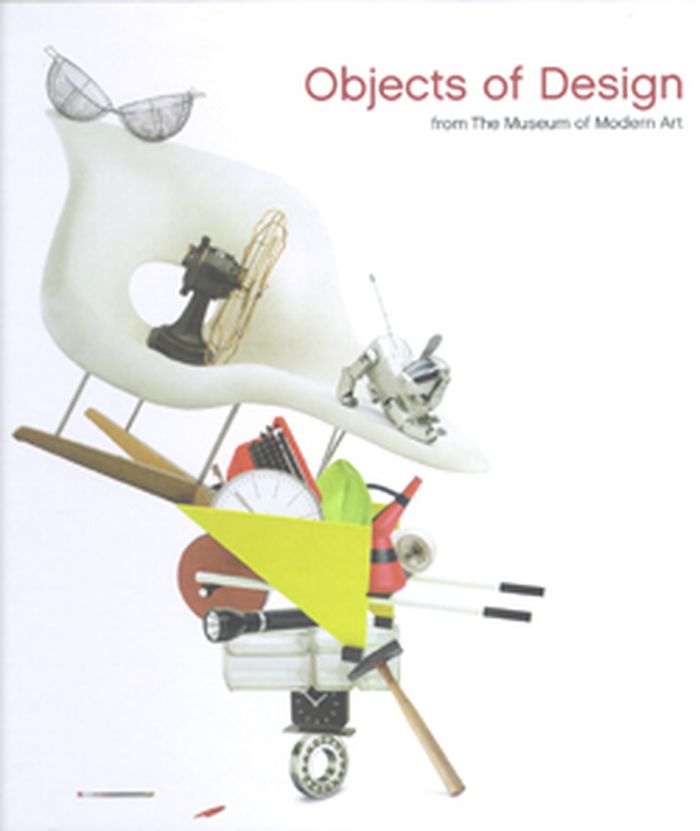
Showcasing selected works from The Museum of Modern Art's architecture and design collection, "Objects of Design" features a wide variety of industrial and domestic artifacts by great designers of the modern period, from early masters such as Hector Guimard, Frank Lloyd Wright and Josef Hoffmann to contemporary practitioners including Droog Design, Ettore Sottsas, Gaetano Pesce, Hella Jongerius and others. Some of the objects represent turn-of-the-century designs of the Vienna Secession, Art Nouveau and the Arts and Crafts movement; others are Bauhaus and de Stijl explorations; still others show Charles and Ray Eames and other American designers of the second half of the 20th century; representations of the Italian design revolutions; and contemporary manifestations of familiar genres using radical new materials and techniques of manufacture. The book's 360 colour plates not only reveal the range of aesthetic viewpoints in design since the late 19th century but together trace the historical development of MOMA's celebrated design collection.
Objects of design : from the Museum of Modern Art
Actions:
Price:
$42.00
(available to order)
Summary:
Showcasing selected works from The Museum of Modern Art's architecture and design collection, "Objects of Design" features a wide variety of industrial and domestic artifacts by great designers of the modern period, from early masters such as Hector Guimard, Frank Lloyd Wright and Josef Hoffmann to contemporary practitioners including Droog Design, Ettore Sottsas, Gaetano Pesce, Hella Jongerius and others. Some of the objects represent turn-of-the-century designs of the Vienna Secession, Art Nouveau and the Arts and Crafts movement; others are Bauhaus and de Stijl explorations; still others show Charles and Ray Eames and other American designers of the second half of the 20th century; representations of the Italian design revolutions; and contemporary manifestations of familiar genres using radical new materials and techniques of manufacture. The book's 360 colour plates not only reveal the range of aesthetic viewpoints in design since the late 19th century but together trace the historical development of MOMA's celebrated design collection.
Form:
books
books
Publication:
August 2003, New York
August 2003, New York
Subject:
Industrial Design
Industrial Design
Form:
books
books
Title:
Plywood: A Material Story
Plywood: A Material Story
Actions:
Price:
$60.00
(available to order)
Summary:
Plywood is an astonishingly versatile material, made by gluing together layers of cross-grained veneers, creating a pliable board that can be stronger than solid wood. Stylish and practical, plywood offers huge possibilities for experimental design, and it has been used to make a wide range of products, from aeroplanes, boats and automobiles to architecture and furniture.(...)
$60.00
(available to order)
Summary:
Plywood is an astonishingly versatile material, made by gluing together layers of cross-grained veneers, creating a pliable board that can be stronger than solid wood. Stylish and practical, plywood offers huge possibilities for experimental design, and it has been used to make a wide range of products, from aeroplanes, boats and automobiles to architecture and furniture.(...)
Title:
Plywood: A Material Story
Actions:
Price:
$60.00
(available to order)
Summary:
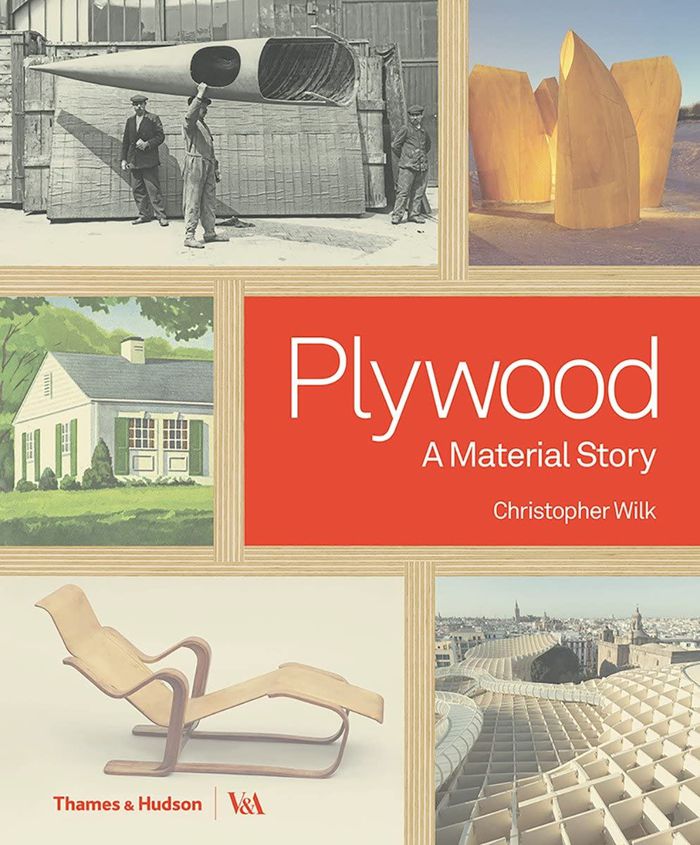
Plywood is an astonishingly versatile material, made by gluing together layers of cross-grained veneers, creating a pliable board that can be stronger than solid wood. Stylish and practical, plywood offers huge possibilities for experimental design, and it has been used to make a wide range of products, from aeroplanes, boats and automobiles to architecture and furniture. This book traces the history of plywood from its use in 18th-century furniture, through its emergence as an industrial product in the 19th century, to a material celebrated by 20th-century modernists such as Alvar Aalto and Charles and Ray Eames. An ideal material for the digital age, plywood has become popular again in recent years and is widely used in contemporary design and manufacture. Produced to accompany an exhibition at the V, this book is the first comprehensive study of the history of plywood and its myriad applications throughout the ages, unveiling the stories behind objects that surround us and that we often take for granted.
Plywood: A Material Story
Actions:
Price:
$60.00
(available to order)
Summary:
Plywood is an astonishingly versatile material, made by gluing together layers of cross-grained veneers, creating a pliable board that can be stronger than solid wood. Stylish and practical, plywood offers huge possibilities for experimental design, and it has been used to make a wide range of products, from aeroplanes, boats and automobiles to architecture and furniture. This book traces the history of plywood from its use in 18th-century furniture, through its emergence as an industrial product in the 19th century, to a material celebrated by 20th-century modernists such as Alvar Aalto and Charles and Ray Eames. An ideal material for the digital age, plywood has become popular again in recent years and is widely used in contemporary design and manufacture. Produced to accompany an exhibition at the V, this book is the first comprehensive study of the history of plywood and its myriad applications throughout the ages, unveiling the stories behind objects that surround us and that we often take for granted.
Form:
books
books
Publication:
September 2017
September 2017
Subject:
Timber Construction
Timber Construction
Form:
books
books

Actions:
Price:
$55.00
(available in store)
Summary:
The oldest churches shown in this book were built as early as in the 15th century, most of those still standing were built in the 18th and 19th centuries, and quite a few are still being built today. Many were destroyed in the two world wars, many fell victim to ethnic cleansing after 1945, some fell into disrepair during the Soviet era, others were burnt down by(...)
$55.00
(available in store)
Summary:
The oldest churches shown in this book were built as early as in the 15th century, most of those still standing were built in the 18th and 19th centuries, and quite a few are still being built today. Many were destroyed in the two world wars, many fell victim to ethnic cleansing after 1945, some fell into disrepair during the Soviet era, others were burnt down by(...)
Title:
Wooden churches in Eastern Europe
Actions:
Price:
$55.00
(available in store)
Summary:
The oldest churches shown in this book were built as early as in the 15th century, most of those still standing were built in the 18th and 19th centuries, and quite a few are still being built today. Many were destroyed in the two world wars, many fell victim to ethnic cleansing after 1945, some fell into disrepair during the Soviet era, others were burnt down by lightning or short circuits, and quite a few simply gave way to the more "representative" stone churches as early as the 19th century. But a large number are still standing, consecrated, and believers gather in them. In fact almost of them in the various Carpathian countries are protected monuments, and many have been lovingly restored in recent times. More than the architectural-historical value, the question arises here of the aesthetic assessment of these small buildings. It is not a refined canon of forms of great architecture that can be derived and proven from the history of architecture that inspires us so much. Ba-sically, they are not overly sophisticated constructions in terms of craftsmanship, they are safe and beautiful in their simplicity. Their aesthetic appeal, however, also includes the surface-weathered material, deformed structures, colour improvisations, recently ornamented sheet metal, inside wall paintings, altar and iconostasis furnishings derived from Renaissance and Baroque periods, but above all their location in the village, mostly isolated, often elevated, surrounded by old trees, enclosures and graves without cemetery order.
Wooden churches in Eastern Europe
Actions:
Price:
$55.00
(available in store)
Summary:
The oldest churches shown in this book were built as early as in the 15th century, most of those still standing were built in the 18th and 19th centuries, and quite a few are still being built today. Many were destroyed in the two world wars, many fell victim to ethnic cleansing after 1945, some fell into disrepair during the Soviet era, others were burnt down by lightning or short circuits, and quite a few simply gave way to the more "representative" stone churches as early as the 19th century. But a large number are still standing, consecrated, and believers gather in them. In fact almost of them in the various Carpathian countries are protected monuments, and many have been lovingly restored in recent times. More than the architectural-historical value, the question arises here of the aesthetic assessment of these small buildings. It is not a refined canon of forms of great architecture that can be derived and proven from the history of architecture that inspires us so much. Ba-sically, they are not overly sophisticated constructions in terms of craftsmanship, they are safe and beautiful in their simplicity. Their aesthetic appeal, however, also includes the surface-weathered material, deformed structures, colour improvisations, recently ornamented sheet metal, inside wall paintings, altar and iconostasis furnishings derived from Renaissance and Baroque periods, but above all their location in the village, mostly isolated, often elevated, surrounded by old trees, enclosures and graves without cemetery order.
Form:
books
books
Publication:
April 2024
April 2024
Subject:
Commercial interiors, Building types
Commercial interiors, Building types
Form:
books
books
Price:
$75.95
(available in store)
Summary:
"The Barrack, 1572–1914" tells the little-known history of a building type that many people used to register as an alien interloper in conventionally built-up areas. The barrack is a mostly lightweight construction, a hybrid between a shack, tent, and traditional building. Easy to erect and to take down, it is—after the introduction of railways and later motor vehicles in(...)
$75.95
(available in store)
Summary:
"The Barrack, 1572–1914" tells the little-known history of a building type that many people used to register as an alien interloper in conventionally built-up areas. The barrack is a mostly lightweight construction, a hybrid between a shack, tent, and traditional building. Easy to erect and to take down, it is—after the introduction of railways and later motor vehicles in(...)
Subject:
Commercial interiors, Building types
Commercial interiors, Building types
Publication:
December 2024
December 2024
Title:
The Barrack: 1572-1914. Chapters in the history of emergency architecture
Actions:
Price:
$75.95
(available in store)
Summary:
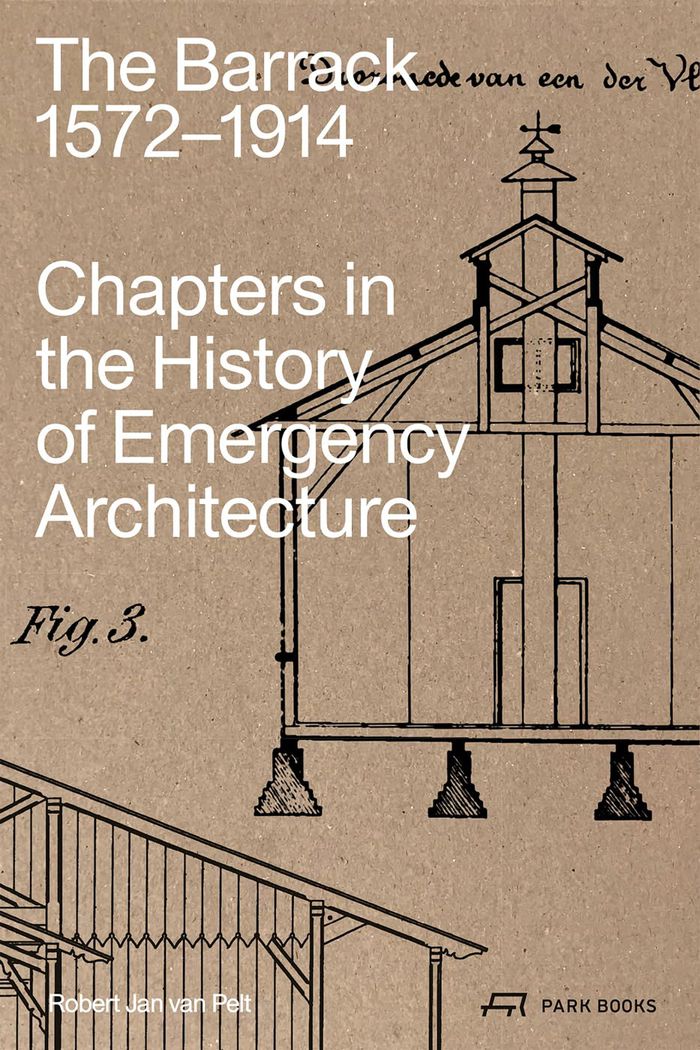
"The Barrack, 1572–1914" tells the little-known history of a building type that many people used to register as an alien interloper in conventionally built-up areas. The barrack is a mostly lightweight construction, a hybrid between a shack, tent, and traditional building. Easy to erect and to take down, it is—after the introduction of railways and later motor vehicles in the late 19th and early 20th centuries—also easy to transplant from one location to another. Originating as a standardized accommodation for semi-permanent military encampments in the late sixteenth century, the barrack became a mass-produced utility of military and civilian mobilization in the nineteenth century, providing immediate shelter for soldiers, prisoners, or displaced persons, as well as well-ventilated hospital wards for the sick. The barrack played a decisive role in shaping the political space of modernity.
The Barrack: 1572-1914. Chapters in the history of emergency architecture
Actions:
Price:
$75.95
(available in store)
Summary:
"The Barrack, 1572–1914" tells the little-known history of a building type that many people used to register as an alien interloper in conventionally built-up areas. The barrack is a mostly lightweight construction, a hybrid between a shack, tent, and traditional building. Easy to erect and to take down, it is—after the introduction of railways and later motor vehicles in the late 19th and early 20th centuries—also easy to transplant from one location to another. Originating as a standardized accommodation for semi-permanent military encampments in the late sixteenth century, the barrack became a mass-produced utility of military and civilian mobilization in the nineteenth century, providing immediate shelter for soldiers, prisoners, or displaced persons, as well as well-ventilated hospital wards for the sick. The barrack played a decisive role in shaping the political space of modernity.
Form:
books
books
Publication:
December 2024
December 2024
Subject:
Commercial interiors, Building types
Commercial interiors, Building types
Form:
books
books
Price:
$48.50
(available to order)
Summary:
Comprising the effort of more than a century of collecting chairs, the Faculty of Architecture of the TU Delft can pride itself on having one of the major furniture collections in the Netherlands. Set up as an educational tool, the collection has offered knowledge about materials, construction and typology to students and designers. In the catalogue, the entire collection(...)
$48.50
(available to order)
Summary:
Comprising the effort of more than a century of collecting chairs, the Faculty of Architecture of the TU Delft can pride itself on having one of the major furniture collections in the Netherlands. Set up as an educational tool, the collection has offered knowledge about materials, construction and typology to students and designers. In the catalogue, the entire collection(...)
Subject:
Design, Periods and Styles
Design, Periods and Styles
Publication:
March 2008, Rotterdam
March 2008, Rotterdam
Title:
Chairs: catalogue of the Delft faculty of architecture collection
Actions:
Price:
$48.50
(available to order)
Summary:
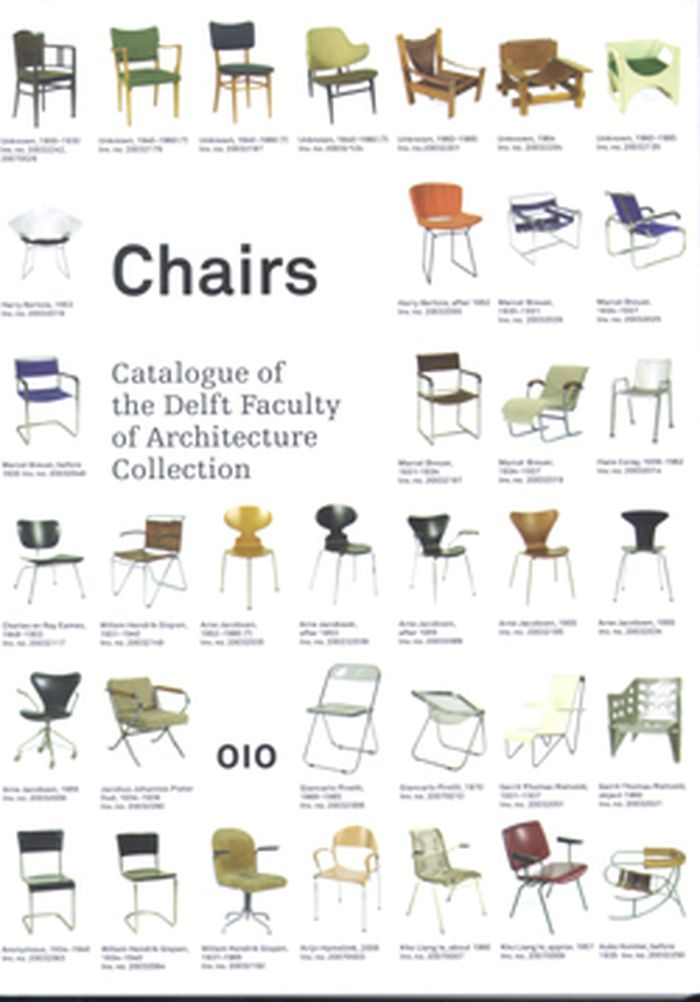
Comprising the effort of more than a century of collecting chairs, the Faculty of Architecture of the TU Delft can pride itself on having one of the major furniture collections in the Netherlands. Set up as an educational tool, the collection has offered knowledge about materials, construction and typology to students and designers. In the catalogue, the entire collection of over 240 chairs is presented for the first time. Each object is accompanied by images and a thorough description. Also, the book offers comprehensive texts on key designs in the collection, showing the diversity of the collection which consists of world famous designs, 17th, 18th and 19th century designs, everyday household chairs and rare pieces of furniture that have never been published before. Among the designers presented are Verner Panton, Gerrit Th. Rietveld, Hendrik Petrus Berlage, Jean Prouvé, Marcel Breuer and Droog Design.
Chairs: catalogue of the Delft faculty of architecture collection
Actions:
Price:
$48.50
(available to order)
Summary:
Comprising the effort of more than a century of collecting chairs, the Faculty of Architecture of the TU Delft can pride itself on having one of the major furniture collections in the Netherlands. Set up as an educational tool, the collection has offered knowledge about materials, construction and typology to students and designers. In the catalogue, the entire collection of over 240 chairs is presented for the first time. Each object is accompanied by images and a thorough description. Also, the book offers comprehensive texts on key designs in the collection, showing the diversity of the collection which consists of world famous designs, 17th, 18th and 19th century designs, everyday household chairs and rare pieces of furniture that have never been published before. Among the designers presented are Verner Panton, Gerrit Th. Rietveld, Hendrik Petrus Berlage, Jean Prouvé, Marcel Breuer and Droog Design.
Form:
books
books
Publication:
March 2008, Rotterdam
March 2008, Rotterdam
Subject:
Design, Periods and Styles
Design, Periods and Styles
Form:
books
books
Price:
$79.95
(available to order)
Summary:
Envisioning Architecture, the first in a series of three titles showcasing selected works from The Museum of Modern Art's superlative architecture and design collection, features a wide variety of drawings by great architects of the modern period, from early masters such as Frank Lloyd Wright, Le Corbusier, and Ludwig Mies van der Rohe to contemporary practitioners(...)
$79.95
(available to order)
Summary:
Envisioning Architecture, the first in a series of three titles showcasing selected works from The Museum of Modern Art's superlative architecture and design collection, features a wide variety of drawings by great architects of the modern period, from early masters such as Frank Lloyd Wright, Le Corbusier, and Ludwig Mies van der Rohe to contemporary practitioners(...)
Title:
Envisioning architecture : drawings from the Museum of Modern Art
Actions:
Price:
$79.95
(available to order)
Summary:
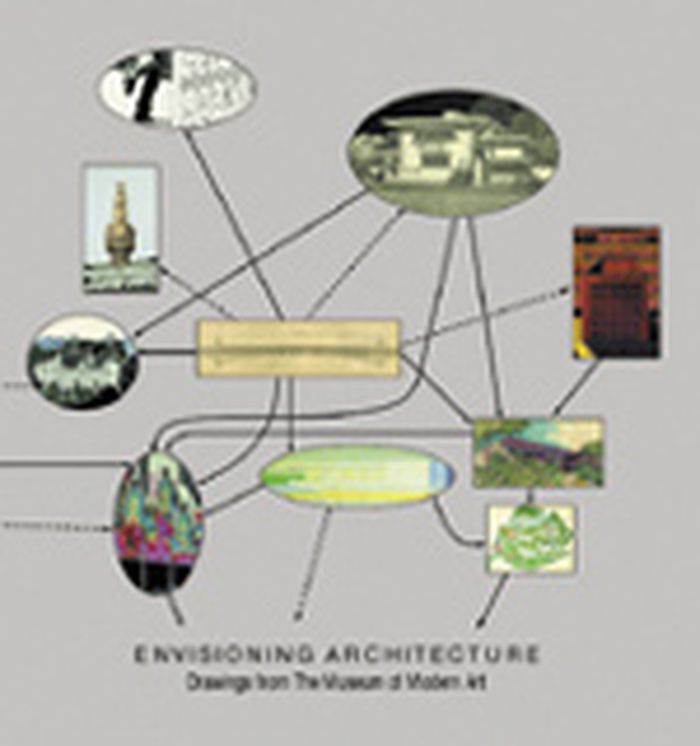
Envisioning Architecture, the first in a series of three titles showcasing selected works from The Museum of Modern Art's superlative architecture and design collection, features a wide variety of drawings by great architects of the modern period, from early masters such as Frank Lloyd Wright, Le Corbusier, and Ludwig Mies van der Rohe to contemporary practitioners including Frank Gehry, Zaha Hadid, Rem Koolhaas, and others. Revealing the range of aesthetic viewpoints in architecture since the late 19th century, these drawings also cumulatively trace the development of the field, almost incidentally making the crucial point that in this increasingly technological age, the age-old discipline of drawing is as vital and inventive as ever. The book opens with an exploration of the relatively brief history of collecting architectural drawings, whose practice dates back little farther than the 16th century.
Envisioning architecture : drawings from the Museum of Modern Art
Actions:
Price:
$79.95
(available to order)
Summary:
Envisioning Architecture, the first in a series of three titles showcasing selected works from The Museum of Modern Art's superlative architecture and design collection, features a wide variety of drawings by great architects of the modern period, from early masters such as Frank Lloyd Wright, Le Corbusier, and Ludwig Mies van der Rohe to contemporary practitioners including Frank Gehry, Zaha Hadid, Rem Koolhaas, and others. Revealing the range of aesthetic viewpoints in architecture since the late 19th century, these drawings also cumulatively trace the development of the field, almost incidentally making the crucial point that in this increasingly technological age, the age-old discipline of drawing is as vital and inventive as ever. The book opens with an exploration of the relatively brief history of collecting architectural drawings, whose practice dates back little farther than the 16th century.
Form:
books
books
Publication:
October 2001, New York
October 2001, New York
Subject:
Architectural Drawing
Architectural Drawing
Form:
books
books
Title:
The architecture book
The architecture book
Actions:
Price:
$36.99
(available to order)
Summary:
This book analyzes not just buildings themselves, but the ideas and principles that make each of the featured structures so important to the history and evolution of our built environment. From ancient and classical architecture through medieval, Gothic, and Renaissance buildings, the explosion of Baroque and Rococo, and the 19th-century "battle of the styles," to the(...)
$36.99
(available to order)
Summary:
This book analyzes not just buildings themselves, but the ideas and principles that make each of the featured structures so important to the history and evolution of our built environment. From ancient and classical architecture through medieval, Gothic, and Renaissance buildings, the explosion of Baroque and Rococo, and the 19th-century "battle of the styles," to the(...)
Title:
The architecture book
Actions:
Price:
$36.99
(available to order)
Summary:
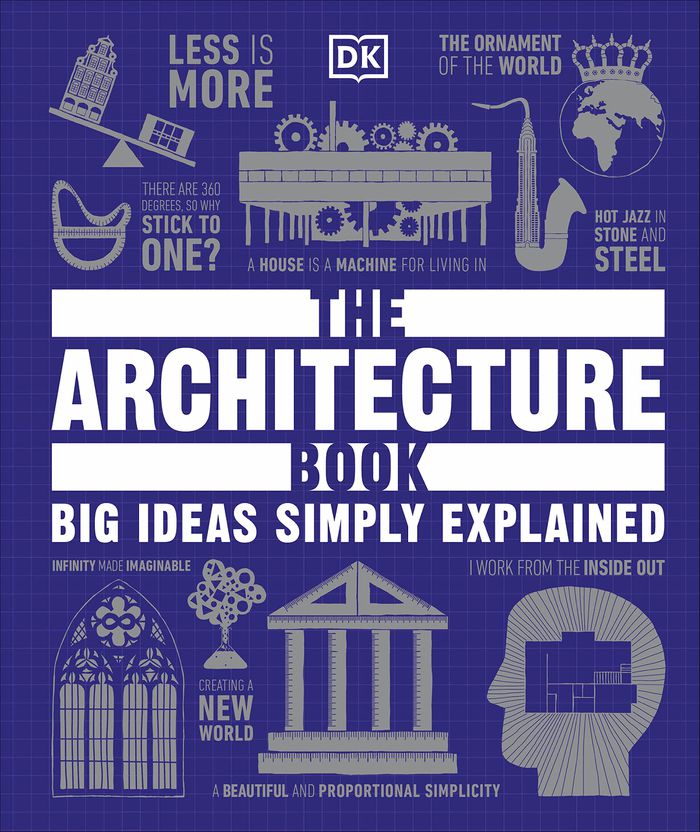
This book analyzes not just buildings themselves, but the ideas and principles that make each of the featured structures so important to the history and evolution of our built environment. From ancient and classical architecture through medieval, Gothic, and Renaissance buildings, the explosion of Baroque and Rococo, and the 19th-century "battle of the styles," to the emergence of modernism, postmodernism, and the glittering skyscrapers of the 20th and 21st centuries, the book traces the evolution of construction. Using stunning infographics and mind-maps, it shows how architects throughout history have pushed boundaries and created innovative buildings. Examples of architectural movements and styles are drawn from all over the world.
The architecture book
Actions:
Price:
$36.99
(available to order)
Summary:
This book analyzes not just buildings themselves, but the ideas and principles that make each of the featured structures so important to the history and evolution of our built environment. From ancient and classical architecture through medieval, Gothic, and Renaissance buildings, the explosion of Baroque and Rococo, and the 19th-century "battle of the styles," to the emergence of modernism, postmodernism, and the glittering skyscrapers of the 20th and 21st centuries, the book traces the evolution of construction. Using stunning infographics and mind-maps, it shows how architects throughout history have pushed boundaries and created innovative buildings. Examples of architectural movements and styles are drawn from all over the world.
Form:
books
books
Publication:
March 2023
March 2023
Form:
books
books
Actions:
Price:
$64.00
(available to order)
Summary:
Since the late 19th century, the shop window has shaped the urban landscape, mediating between the promises of consumer goods and the desires of passersby. The exhibition "Fresh Window" at the Museum Tinguely, inspired by Marcel Duchamp's work "Fresh Widow," explores the window as a membrane between public space and hidden desire. Many artists not only earned a living(...)
$64.00
(available to order)
Summary:
Since the late 19th century, the shop window has shaped the urban landscape, mediating between the promises of consumer goods and the desires of passersby. The exhibition "Fresh Window" at the Museum Tinguely, inspired by Marcel Duchamp's work "Fresh Widow," explores the window as a membrane between public space and hidden desire. Many artists not only earned a living(...)
Title:
Fresh window: The Art of Display & Display of Art
Actions:
Price:
$64.00
(available to order)
Summary:
Since the late 19th century, the shop window has shaped the urban landscape, mediating between the promises of consumer goods and the desires of passersby. The exhibition "Fresh Window" at the Museum Tinguely, inspired by Marcel Duchamp's work "Fresh Widow," explores the window as a membrane between public space and hidden desire. Many artists not only earned a living through window displays but also used this setting as a testing ground to experiment with new practices. Works by artists such as Jean Tinguely, Andy Warhol and Marina Abramovic reveal how the boundary between consumer culture and artistic experimentation is continually renegotiated—sometimes ironically, sometimes shockingly.
Fresh window: The Art of Display & Display of Art
Actions:
Price:
$64.00
(available to order)
Summary:
Since the late 19th century, the shop window has shaped the urban landscape, mediating between the promises of consumer goods and the desires of passersby. The exhibition "Fresh Window" at the Museum Tinguely, inspired by Marcel Duchamp's work "Fresh Widow," explores the window as a membrane between public space and hidden desire. Many artists not only earned a living through window displays but also used this setting as a testing ground to experiment with new practices. Works by artists such as Jean Tinguely, Andy Warhol and Marina Abramovic reveal how the boundary between consumer culture and artistic experimentation is continually renegotiated—sometimes ironically, sometimes shockingly.
Form:
books
books
Publication:
July 2025
July 2025
Subject:
Art Theory
Art Theory
Form:
books
books
Actions:
Price:
$84.95
(available to order)
Summary:
Rome, the"Eternal City", is a unique palimpsest dating back to Antiquity. However, beyond the historic center built over millennia on the famous seven hills - another Rome exists, one of large and often stunning modern neighborhoods, housing estates, schools, and public buildings. When Rome became Italy's capital in 1871, the population increased extensively and the city(...)
$84.95
(available to order)
Summary:
Rome, the"Eternal City", is a unique palimpsest dating back to Antiquity. However, beyond the historic center built over millennia on the famous seven hills - another Rome exists, one of large and often stunning modern neighborhoods, housing estates, schools, and public buildings. When Rome became Italy's capital in 1871, the population increased extensively and the city(...)
Title:
The other Rome: Building the modern metropolis 1870-1960
Actions:
Price:
$84.95
(available to order)
Summary:
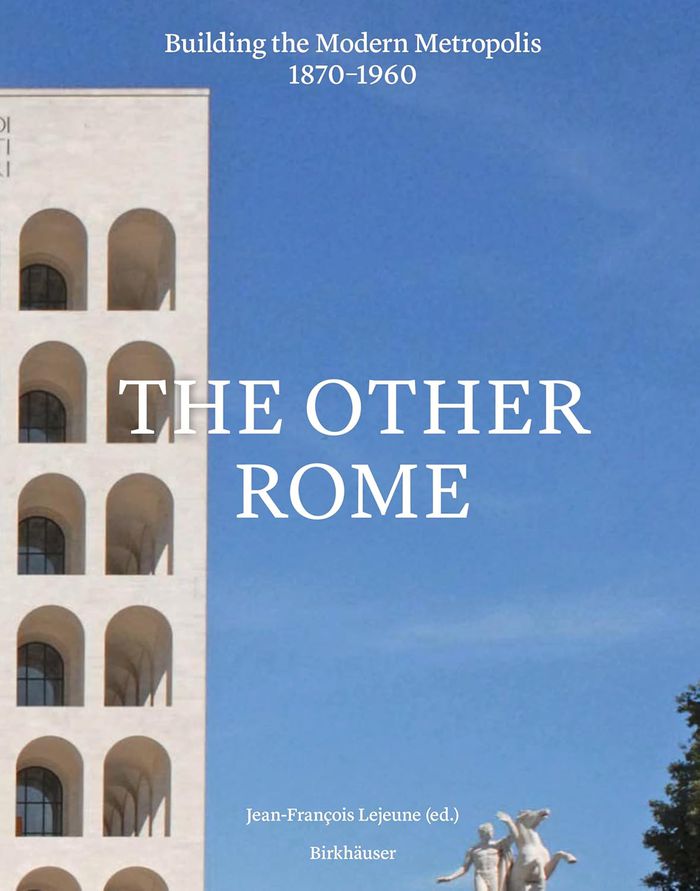
Rome, the"Eternal City", is a unique palimpsest dating back to Antiquity. However, beyond the historic center built over millennia on the famous seven hills - another Rome exists, one of large and often stunning modern neighborhoods, housing estates, schools, and public buildings. When Rome became Italy's capital in 1871, the population increased extensively and the city exceeded its boundaries since Roman times, the Aurelian Walls. This extraordinary transformation laid the foundation for many new quarters built to accommodate civil servants and rural migrants, drawing on vernacular and ancient Roman traditions and blending past and present. This book looks at Rome's evolution and architecture from the 19th century onwards.
The other Rome: Building the modern metropolis 1870-1960
Actions:
Price:
$84.95
(available to order)
Summary:
Rome, the"Eternal City", is a unique palimpsest dating back to Antiquity. However, beyond the historic center built over millennia on the famous seven hills - another Rome exists, one of large and often stunning modern neighborhoods, housing estates, schools, and public buildings. When Rome became Italy's capital in 1871, the population increased extensively and the city exceeded its boundaries since Roman times, the Aurelian Walls. This extraordinary transformation laid the foundation for many new quarters built to accommodate civil servants and rural migrants, drawing on vernacular and ancient Roman traditions and blending past and present. This book looks at Rome's evolution and architecture from the 19th century onwards.
Form:
books
books
Publication:
October 2025
October 2025
Subject:
Contemporary Architecture
Contemporary Architecture


