


7238 Results
Form:
books
books
Actions:
Price:
$39.95
(available to order)
Summary:
This collection offers contributions from eminent theorists across visual culture, architecture, sociology, art, philosophy, and American studies--including Andrew Benjamin, Barry Curtis, Neil Leach, Steven Pile, and David Frisby. Part One covers reading the city as a visual text; Part Two discusses treating the city as a space to be experienced. The enticing range of(...)
$39.95
(available to order)
Summary:
This collection offers contributions from eminent theorists across visual culture, architecture, sociology, art, philosophy, and American studies--including Andrew Benjamin, Barry Curtis, Neil Leach, Steven Pile, and David Frisby. Part One covers reading the city as a visual text; Part Two discusses treating the city as a space to be experienced. The enticing range of(...)
Title:
The hierloglyphics of space : reading and experiencing the modern metropolis
Actions:
Price:
$39.95
(available to order)
Summary:
This collection offers contributions from eminent theorists across visual culture, architecture, sociology, art, philosophy, and American studies--including Andrew Benjamin, Barry Curtis, Neil Leach, Steven Pile, and David Frisby. Part One covers reading the city as a visual text; Part Two discusses treating the city as a space to be experienced. The enticing range of topic and city focus will attract readers worldwide: Venice, Vienna, London, Rome, New York, Berlin, Bucharest, Tokyo, Paris and other cities are treated to a new analysis, viewing the city as a new text through which to read its cultural life.
The hierloglyphics of space : reading and experiencing the modern metropolis
Actions:
Price:
$39.95
(available to order)
Summary:
This collection offers contributions from eminent theorists across visual culture, architecture, sociology, art, philosophy, and American studies--including Andrew Benjamin, Barry Curtis, Neil Leach, Steven Pile, and David Frisby. Part One covers reading the city as a visual text; Part Two discusses treating the city as a space to be experienced. The enticing range of topic and city focus will attract readers worldwide: Venice, Vienna, London, Rome, New York, Berlin, Bucharest, Tokyo, Paris and other cities are treated to a new analysis, viewing the city as a new text through which to read its cultural life.
Form:
books
books
Publication:
November 2001, London
November 2001, London
Subject:
Urban Theory
Urban Theory
Form:
books
books
Price:
$100.00
(available to order)
Summary:
Gillian Mackie examines the decorative schemes of the surviving chapels built in Italy and Istria from AD312-740 in the context of numerous chapels known from archaeological sites or from later medieval texts. Using the decoration as the primary source of evidence on the buildings' use and meaning, this survey includes chapels, imperial mausolea, and the oratories of the(...)
$100.00
(available to order)
Summary:
Gillian Mackie examines the decorative schemes of the surviving chapels built in Italy and Istria from AD312-740 in the context of numerous chapels known from archaeological sites or from later medieval texts. Using the decoration as the primary source of evidence on the buildings' use and meaning, this survey includes chapels, imperial mausolea, and the oratories of the(...)
Title:
Early Christian chapels in the West : decoration, function, and patronage
Actions:
Price:
$100.00
(available to order)
Summary:
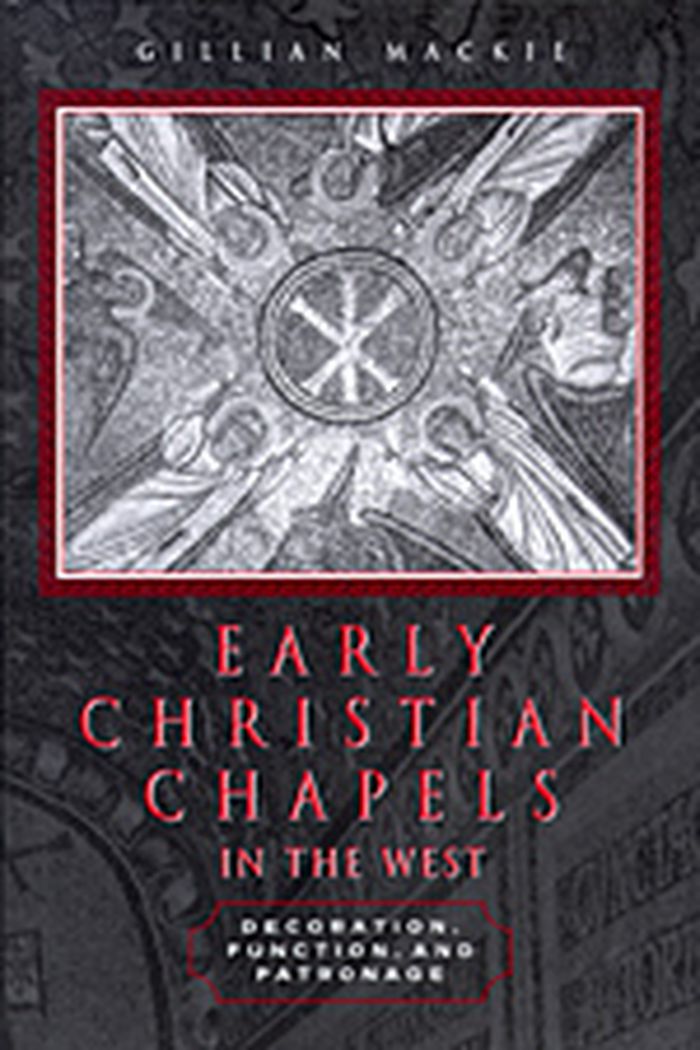
Gillian Mackie examines the decorative schemes of the surviving chapels built in Italy and Istria from AD312-740 in the context of numerous chapels known from archaeological sites or from later medieval texts. Using the decoration as the primary source of evidence on the buildings' use and meaning, this survey includes chapels, imperial mausolea, and the oratories of the popes and bishops, from Rome, Milan, Ravenna, and the smaller centres of the upper Adriatic. The author begins with an overview of the various types, and then discusses several of the most complete monuments in considerable detail.
Early Christian chapels in the West : decoration, function, and patronage
Actions:
Price:
$100.00
(available to order)
Summary:
Gillian Mackie examines the decorative schemes of the surviving chapels built in Italy and Istria from AD312-740 in the context of numerous chapels known from archaeological sites or from later medieval texts. Using the decoration as the primary source of evidence on the buildings' use and meaning, this survey includes chapels, imperial mausolea, and the oratories of the popes and bishops, from Rome, Milan, Ravenna, and the smaller centres of the upper Adriatic. The author begins with an overview of the various types, and then discusses several of the most complete monuments in considerable detail.
Form:
books
books
Publication:
January 1900, Toronto
January 1900, Toronto
Subject:
History until 1900
History until 1900
Form:
books
books
Actions:
Price:
$134.99
(available in store)
Summary:
Over a period of forty years, Hélène Binet has photographed both contemporary and historical architecture – this is the complete monograph of her work, with two extensive critical essays. Marco Iuliano details Hélène Binet’s background, from her childhood in the Italian fishing village of Sperlonga and in Rome, through her early ‘discovery’ of architectural photographer(...)
$134.99
(available in store)
Summary:
Over a period of forty years, Hélène Binet has photographed both contemporary and historical architecture – this is the complete monograph of her work, with two extensive critical essays. Marco Iuliano details Hélène Binet’s background, from her childhood in the Italian fishing village of Sperlonga and in Rome, through her early ‘discovery’ of architectural photographer(...)
Title:
Hélène Binet: Architectural Photographers
Actions:
Price:
$134.99
(available in store)
Summary:
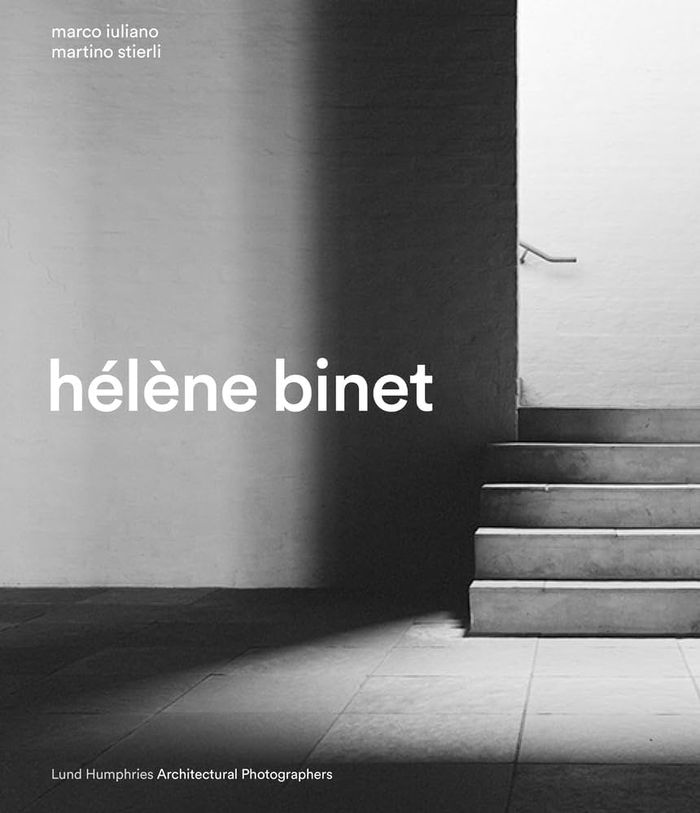
Over a period of forty years, Hélène Binet has photographed both contemporary and historical architecture – this is the complete monograph of her work, with two extensive critical essays. Marco Iuliano details Hélène Binet’s background, from her childhood in the Italian fishing village of Sperlonga and in Rome, through her early ‘discovery’ of architectural photographer Lucien Hervé, to other significant influences, like the collaborations with Daniel Libeskind, John Hejduk and the connections at the Architectural Association (AA) in London where she met Zaha Hadid. The essay highlights in detail Binet’s approach to photography, her process and archive.
Hélène Binet: Architectural Photographers
Actions:
Price:
$134.99
(available in store)
Summary:
Over a period of forty years, Hélène Binet has photographed both contemporary and historical architecture – this is the complete monograph of her work, with two extensive critical essays. Marco Iuliano details Hélène Binet’s background, from her childhood in the Italian fishing village of Sperlonga and in Rome, through her early ‘discovery’ of architectural photographer Lucien Hervé, to other significant influences, like the collaborations with Daniel Libeskind, John Hejduk and the connections at the Architectural Association (AA) in London where she met Zaha Hadid. The essay highlights in detail Binet’s approach to photography, her process and archive.
Form:
books
books
Publication:
March 2024
March 2024
Subject:
Photography monographs
Photography monographs
Form:
books
books
Actions:
Price:
$65.00
(available to order)
Summary:
Joseph Rykwert, a professor of architecture at the University of Pennsylvania, has contributed to the body of work about architecture a wide-ranging study of the use of the human figure in the discipline, particularly in columns. Rykwert plunges deep into architectural history, tracing the development of the classic orders from Greece to Rome and on through the(...)
$65.00
(available to order)
Summary:
Joseph Rykwert, a professor of architecture at the University of Pennsylvania, has contributed to the body of work about architecture a wide-ranging study of the use of the human figure in the discipline, particularly in columns. Rykwert plunges deep into architectural history, tracing the development of the classic orders from Greece to Rome and on through the(...)
Title:
The dancing column: on order in architecture
Actions:
Price:
$65.00
(available to order)
Summary:
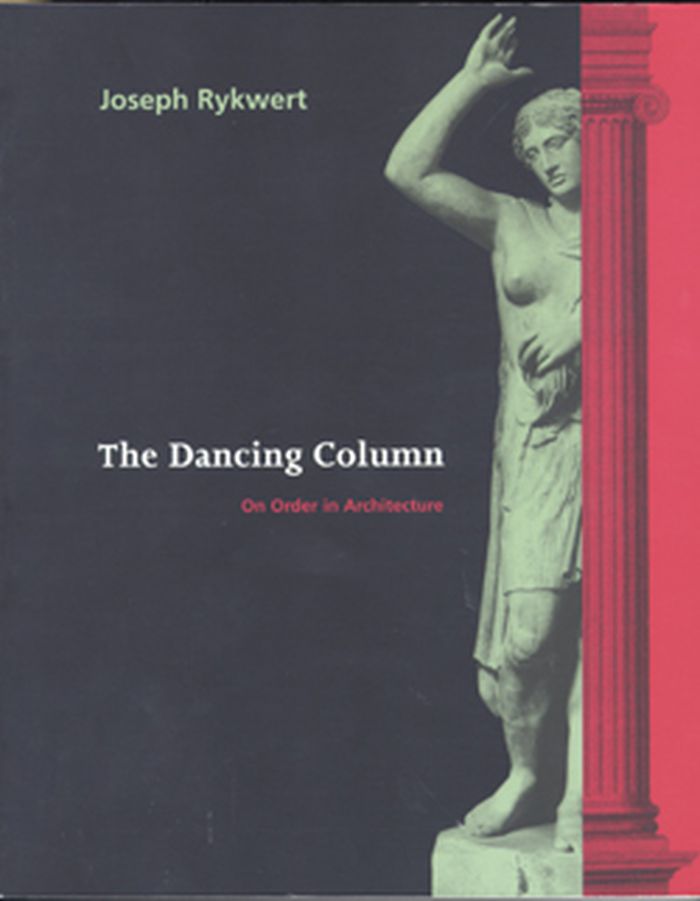
Joseph Rykwert, a professor of architecture at the University of Pennsylvania, has contributed to the body of work about architecture a wide-ranging study of the use of the human figure in the discipline, particularly in columns. Rykwert plunges deep into architectural history, tracing the development of the classic orders from Greece to Rome and on through the Renaissance in France and Italy. He says the relationship between the human body and architecture is "deeply ingrained in all recorded architectural thinking." He especially sees a close tie between the body and the column, the essential building block of architectural order.
The dancing column: on order in architecture
Actions:
Price:
$65.00
(available to order)
Summary:
Joseph Rykwert, a professor of architecture at the University of Pennsylvania, has contributed to the body of work about architecture a wide-ranging study of the use of the human figure in the discipline, particularly in columns. Rykwert plunges deep into architectural history, tracing the development of the classic orders from Greece to Rome and on through the Renaissance in France and Italy. He says the relationship between the human body and architecture is "deeply ingrained in all recorded architectural thinking." He especially sees a close tie between the body and the column, the essential building block of architectural order.
Form:
books
books
Publication:
April 1998, Cambridge, London
April 1998, Cambridge, London
Subject:
Architectural Theory
Architectural Theory
Form:
journals and magazines
journals and magazines
Actions:
Price:
$57.95
(available in store)
Summary:
This issue presents eleven of Eisenman's most representative works and projects in the last decade, including the Aronoff Center for Design and Art at the Cincinnati University, the Columbus Convention Center, the Emory University Center for the Arts, the Nordliches Derendorf Master Plan, Düsseldorf, and the Church of the year 2000(...)
$57.95
(available in store)
Summary:
This issue presents eleven of Eisenman's most representative works and projects in the last decade, including the Aronoff Center for Design and Art at the Cincinnati University, the Columbus Convention Center, the Emory University Center for the Arts, the Nordliches Derendorf Master Plan, Düsseldorf, and the Church of the year 2000(...)
Subject:
El Croquis
El Croquis
Publication:
January 1997, Madrid
January 1997, Madrid
Title:
El Croquis 83: Peter Eisenman 1990-1997
Actions:
Price:
$57.95
(available in store)
Summary:
This issue presents eleven of Eisenman's most representative works and projects in the last decade, including the Aronoff Center for Design and Art at the Cincinnati University, the Columbus Convention Center, the Emory University Center for the Arts, the Nordliches Derendorf Master Plan, Düsseldorf, and the Church of the year 2000 in Rome. The issue includes a profusion of plans, photographs and sketches. A considerable part of the issue is devoted to critical analysis. The volume includes articles by Jeffrey Kipnis, Alejandro Zaera and Enric Miralles, introduced with an interview by Alejandro Zaera and an essay written by Eisenman himself.
El Croquis 83: Peter Eisenman 1990-1997
Actions:
Price:
$57.95
(available in store)
Summary:
This issue presents eleven of Eisenman's most representative works and projects in the last decade, including the Aronoff Center for Design and Art at the Cincinnati University, the Columbus Convention Center, the Emory University Center for the Arts, the Nordliches Derendorf Master Plan, Düsseldorf, and the Church of the year 2000 in Rome. The issue includes a profusion of plans, photographs and sketches. A considerable part of the issue is devoted to critical analysis. The volume includes articles by Jeffrey Kipnis, Alejandro Zaera and Enric Miralles, introduced with an interview by Alejandro Zaera and an essay written by Eisenman himself.
Form:
journals and magazines
journals and magazines
Publication:
January 1997, Madrid
January 1997, Madrid
Subject:
El Croquis
El Croquis
Form:
books
books
Actions:
Price:
$64.95
(available to order)
Summary:
Dans tous les voyages initiatiques de l'adolescence une place fondamentale est réservée à l'Italie : Rome, Florence, Naples, Sienne, Venise. Mais bizarrement dans ce passage obligé de la culture occidentale, Ferrare, la ville de l'Arioste, du Tasse, où oeuvrèrent les plus grands architectes et peintres de la Renaissance, est souvent ignorée, évitée, presque(...)
$64.95
(available to order)
Summary:
Dans tous les voyages initiatiques de l'adolescence une place fondamentale est réservée à l'Italie : Rome, Florence, Naples, Sienne, Venise. Mais bizarrement dans ce passage obligé de la culture occidentale, Ferrare, la ville de l'Arioste, du Tasse, où oeuvrèrent les plus grands architectes et peintres de la Renaissance, est souvent ignorée, évitée, presque(...)
Title:
Ferrare : joyau de la Renaissance italienne
Actions:
Price:
$64.95
(available to order)
Summary:
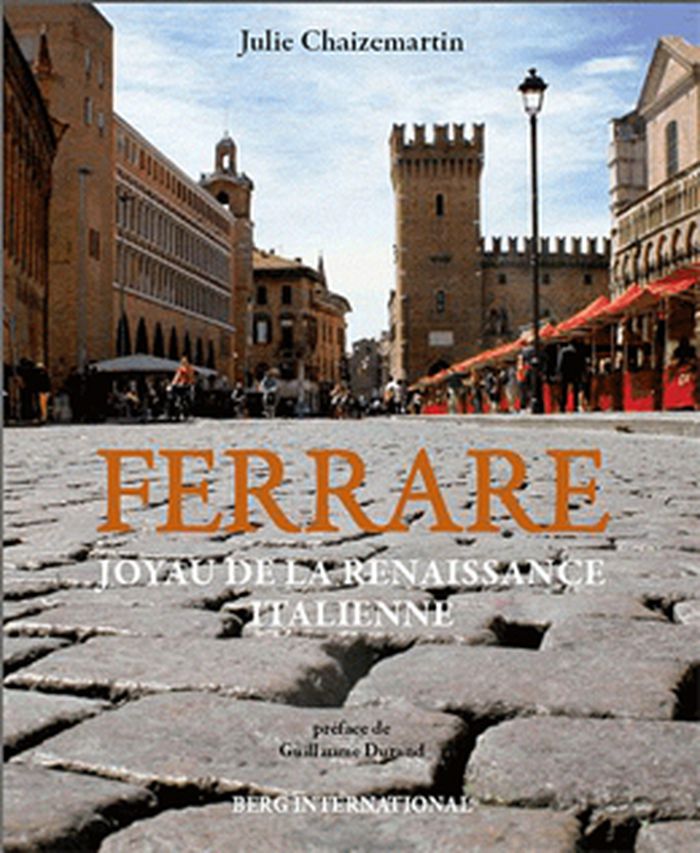
Dans tous les voyages initiatiques de l'adolescence une place fondamentale est réservée à l'Italie : Rome, Florence, Naples, Sienne, Venise. Mais bizarrement dans ce passage obligé de la culture occidentale, Ferrare, la ville de l'Arioste, du Tasse, où oeuvrèrent les plus grands architectes et peintres de la Renaissance, est souvent ignorée, évitée, presque méprisée. Très peu d'ouvrages qui évoquent Ferrare sont disponibles en français. Aucun ne lui a été entièrement consacré. Celui-ci, qui comporte pr`s de 150 reproductions d'oeuvres architecturales, de fresques et de peintures méconnues, invite à une découverte de la Renaissance ferraraise qui réserve bien des surprises.
Ferrare : joyau de la Renaissance italienne
Actions:
Price:
$64.95
(available to order)
Summary:
Dans tous les voyages initiatiques de l'adolescence une place fondamentale est réservée à l'Italie : Rome, Florence, Naples, Sienne, Venise. Mais bizarrement dans ce passage obligé de la culture occidentale, Ferrare, la ville de l'Arioste, du Tasse, où oeuvrèrent les plus grands architectes et peintres de la Renaissance, est souvent ignorée, évitée, presque méprisée. Très peu d'ouvrages qui évoquent Ferrare sont disponibles en français. Aucun ne lui a été entièrement consacré. Celui-ci, qui comporte pr`s de 150 reproductions d'oeuvres architecturales, de fresques et de peintures méconnues, invite à une découverte de la Renaissance ferraraise qui réserve bien des surprises.
Form:
books
books
Publication:
May 2012
May 2012
Subject:
History until 1900, Italy
History until 1900, Italy
Form:
books
books
Actions:
Price:
$19.95
(available to order)
Summary:
Andreas Schlüter (1659–1714) was a well-known Baroque sculptor and the architect behind some of Berlin’s most famous buildings, from the legendary Amber Room to the City Palace—which is in the midst of a major rebuilding effort. In his role as court sculptor and court architect, Schlüter worked under the direction of Frederick I of Prussia, who hoped to position the city(...)
$19.95
(available to order)
Summary:
Andreas Schlüter (1659–1714) was a well-known Baroque sculptor and the architect behind some of Berlin’s most famous buildings, from the legendary Amber Room to the City Palace—which is in the midst of a major rebuilding effort. In his role as court sculptor and court architect, Schlüter worked under the direction of Frederick I of Prussia, who hoped to position the city(...)
Title:
Schlüter in Berlin: a city guide
Actions:
Price:
$19.95
(available to order)
Summary:
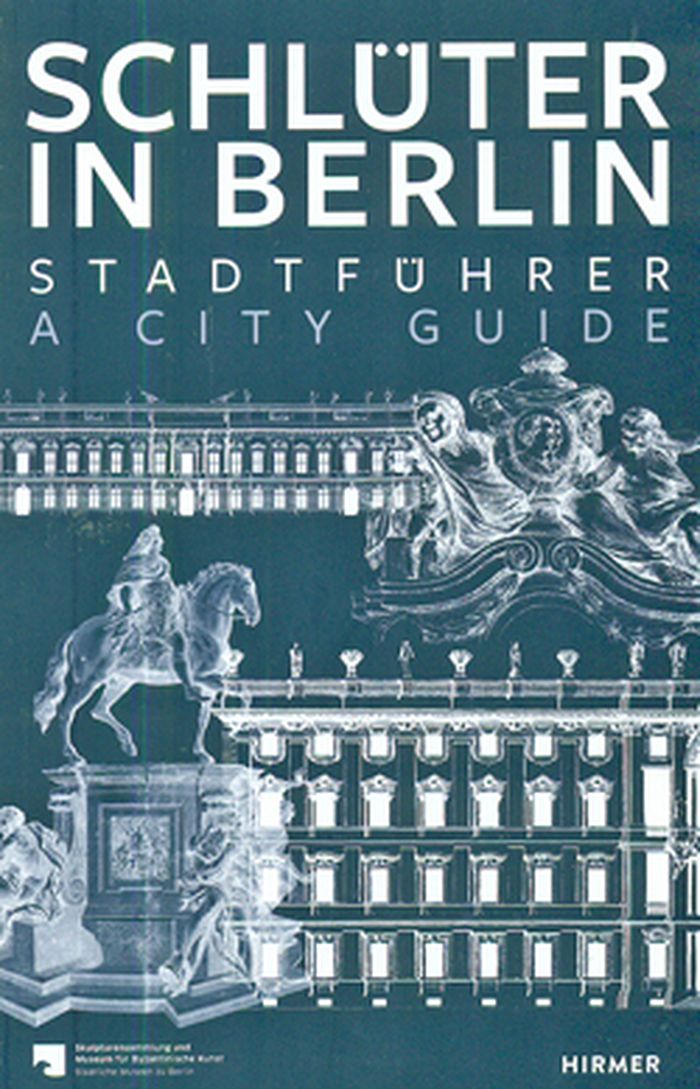
Andreas Schlüter (1659–1714) was a well-known Baroque sculptor and the architect behind some of Berlin’s most famous buildings, from the legendary Amber Room to the City Palace—which is in the midst of a major rebuilding effort. In his role as court sculptor and court architect, Schlüter worked under the direction of Frederick I of Prussia, who hoped to position the city through ambitious new art and architectural projects alongside Paris and Rome as a chief artistic center of Europe. This publication takes readers through all of the architect’s most famous works with illustrations and convenient city maps.
Schlüter in Berlin: a city guide
Actions:
Price:
$19.95
(available to order)
Summary:
Andreas Schlüter (1659–1714) was a well-known Baroque sculptor and the architect behind some of Berlin’s most famous buildings, from the legendary Amber Room to the City Palace—which is in the midst of a major rebuilding effort. In his role as court sculptor and court architect, Schlüter worked under the direction of Frederick I of Prussia, who hoped to position the city through ambitious new art and architectural projects alongside Paris and Rome as a chief artistic center of Europe. This publication takes readers through all of the architect’s most famous works with illustrations and convenient city maps.
Form:
books
books
Publication:
August 2014
August 2014
Subject:
City Guides
City Guides
Form:
books
books
Actions:
Price:
$64.95
(available to order)
Summary:
What might Gianbattista Piranesi (1720-1778) contribute to today’s architectural debate? Could his vision of a pensile city inspire the city of tomorrow? Archescape is a new concept based on a reading of Piranesi’s Campo Marzio, his sublime reconstruction of ancient Rome. Archescape, a fusion of the words architecture and escape into a new ‘scape’, addresses two issues:(...)
$64.95
(available to order)
Summary:
What might Gianbattista Piranesi (1720-1778) contribute to today’s architectural debate? Could his vision of a pensile city inspire the city of tomorrow? Archescape is a new concept based on a reading of Piranesi’s Campo Marzio, his sublime reconstruction of ancient Rome. Archescape, a fusion of the words architecture and escape into a new ‘scape’, addresses two issues:(...)
Title:
Archescape: on the tracks of Piranesi
Actions:
Price:
$64.95
(available to order)
Summary:
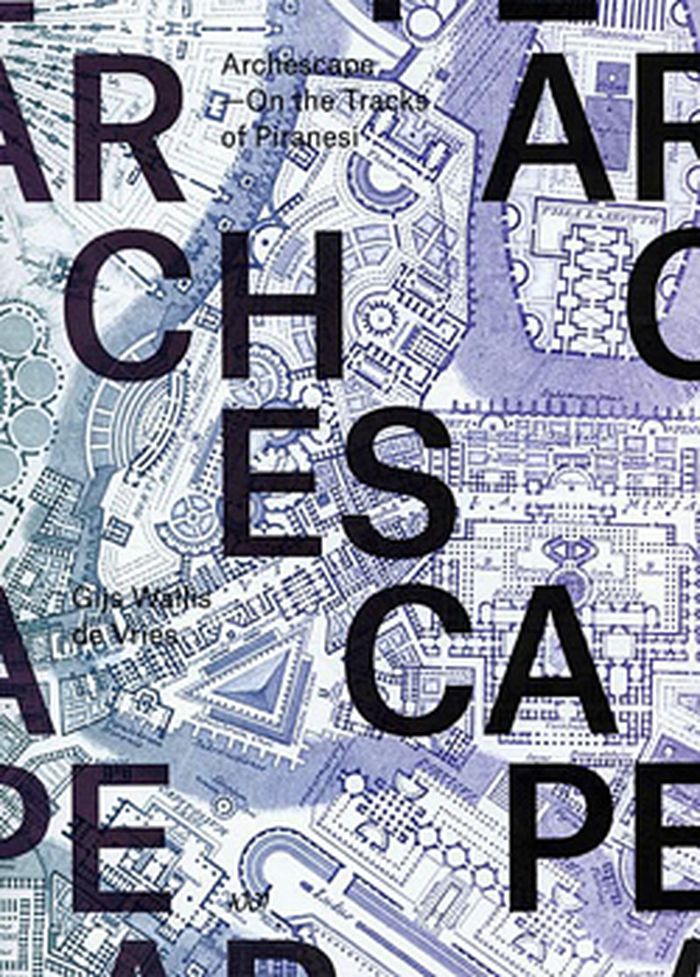
What might Gianbattista Piranesi (1720-1778) contribute to today’s architectural debate? Could his vision of a pensile city inspire the city of tomorrow? Archescape is a new concept based on a reading of Piranesi’s Campo Marzio, his sublime reconstruction of ancient Rome. Archescape, a fusion of the words architecture and escape into a new ‘scape’, addresses two issues: the city flight that tends towards the destruction of what it looks for, and the sprawling urban footprint that is unsustainable and blocks escape. It also conceives a way out: the creation of flight lines inside a dense city.
Archescape: on the tracks of Piranesi
Actions:
Price:
$64.95
(available to order)
Summary:
What might Gianbattista Piranesi (1720-1778) contribute to today’s architectural debate? Could his vision of a pensile city inspire the city of tomorrow? Archescape is a new concept based on a reading of Piranesi’s Campo Marzio, his sublime reconstruction of ancient Rome. Archescape, a fusion of the words architecture and escape into a new ‘scape’, addresses two issues: the city flight that tends towards the destruction of what it looks for, and the sprawling urban footprint that is unsustainable and blocks escape. It also conceives a way out: the creation of flight lines inside a dense city.
Form:
books
books
Publication:
September 2014
September 2014
Subject:
Architectural Theory
Architectural Theory
Form:
books
books
Actions:
Price:
$88.00
(available in store)
Summary:
Large bunk beds line the walls of a luminous all-white basement; "elephant drum" tables double as dancing podiums; a huge bed (for 45 people) fills the "Bed Baroque" room: this is the Supperclub nightclub and restaurant in Rome, designed by the Dutch design firm Concrete. The group's design concept has been a success in Amsterdam, Rome and San Francisco, and will land(...)
$88.00
(available in store)
Summary:
Large bunk beds line the walls of a luminous all-white basement; "elephant drum" tables double as dancing podiums; a huge bed (for 45 people) fills the "Bed Baroque" room: this is the Supperclub nightclub and restaurant in Rome, designed by the Dutch design firm Concrete. The group's design concept has been a success in Amsterdam, Rome and San Francisco, and will land(...)
Subject:
Architecture Monographs
Architecture Monographs
Publication:
July 2007, Rotterdam
July 2007, Rotterdam
Title:
The world according to concrete
Actions:
Price:
$88.00
(available in store)
Summary:
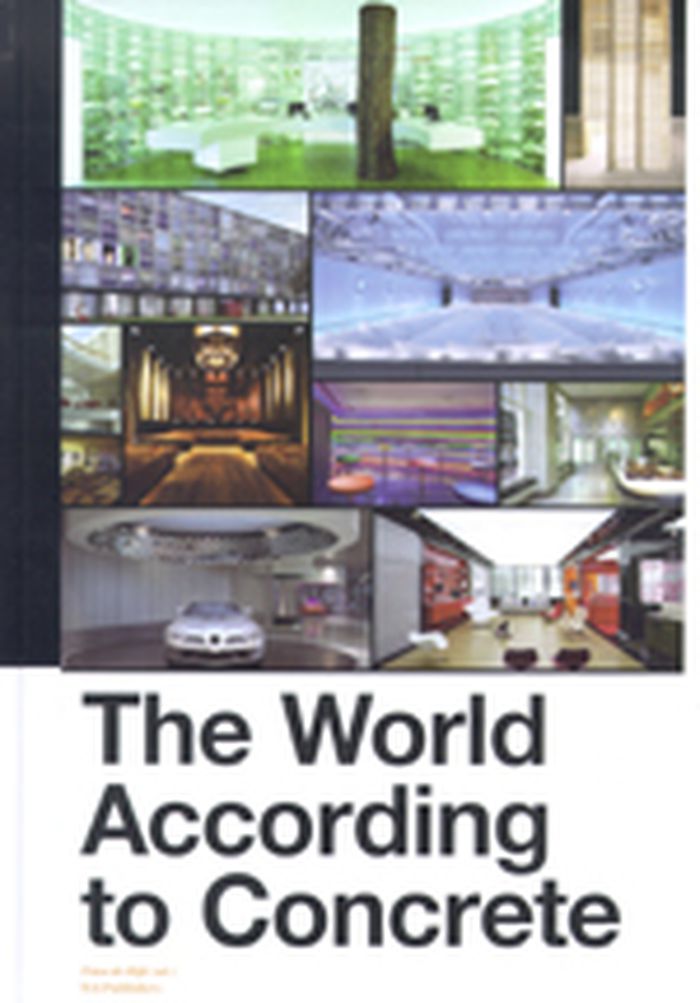
Large bunk beds line the walls of a luminous all-white basement; "elephant drum" tables double as dancing podiums; a huge bed (for 45 people) fills the "Bed Baroque" room: this is the Supperclub nightclub and restaurant in Rome, designed by the Dutch design firm Concrete. The group's design concept has been a success in Amsterdam, Rome and San Francisco, and will land soon in New York City. It has also mutated into Supperclub on Location and the Supperclub Cruise. Over the past decade, Concrete has set tongues wagging with their subtle amalgamation of architecture, advertising, fashion and product design for clients including De Lairesse Pharmacy in Amsterdam (winner, along with Supperclub, of the Lensvelt-de Architect Interior Prize), Rituals Home & Body Cosmetics, Australian Homemade, The Coffee Company, London's Laundry Industry, the Centraal Museum in Utrecht and the Van Gogh Museum, Amsterdam. It has also made its mark with projects for Hyundai in Seoul, the UberFluss design hotel in Bremen and the recently completed designs for the restaurants and shops at the Mercedes-Benz Museum Stuttgart (a building designed by UN Studio architects), which have already garnered much critical admiration. The World According to Concrete examines this chic young bureau's working methods and its position within the world of (interior) architecture. Featuring 300 color images and essays by esteemed design critic Timo de Rijk among others, it provides a timely appraisal of one of the boldest and most innovative design companies on the international scene.
The world according to concrete
Actions:
Price:
$88.00
(available in store)
Summary:
Large bunk beds line the walls of a luminous all-white basement; "elephant drum" tables double as dancing podiums; a huge bed (for 45 people) fills the "Bed Baroque" room: this is the Supperclub nightclub and restaurant in Rome, designed by the Dutch design firm Concrete. The group's design concept has been a success in Amsterdam, Rome and San Francisco, and will land soon in New York City. It has also mutated into Supperclub on Location and the Supperclub Cruise. Over the past decade, Concrete has set tongues wagging with their subtle amalgamation of architecture, advertising, fashion and product design for clients including De Lairesse Pharmacy in Amsterdam (winner, along with Supperclub, of the Lensvelt-de Architect Interior Prize), Rituals Home & Body Cosmetics, Australian Homemade, The Coffee Company, London's Laundry Industry, the Centraal Museum in Utrecht and the Van Gogh Museum, Amsterdam. It has also made its mark with projects for Hyundai in Seoul, the UberFluss design hotel in Bremen and the recently completed designs for the restaurants and shops at the Mercedes-Benz Museum Stuttgart (a building designed by UN Studio architects), which have already garnered much critical admiration. The World According to Concrete examines this chic young bureau's working methods and its position within the world of (interior) architecture. Featuring 300 color images and essays by esteemed design critic Timo de Rijk among others, it provides a timely appraisal of one of the boldest and most innovative design companies on the international scene.
Form:
books
books
Publication:
July 2007, Rotterdam
July 2007, Rotterdam
Subject:
Architecture Monographs
Architecture Monographs
Form:
books
books
Actions:
Price:
$97.95
(available to order)
Summary:
Architecte, théoricien, urbaniste et écrivain, Jozsef Vago travaille à Budapest (1900-1919, 1926-1940), à Rome (1919-1926) et à Genève (1927-1935), avant de s'établir en France (1940-1947). Jeune diplômé, il s'engage dans la Sécession hongroise fondée par Odon Lechner et s'attache, comme de nombreux architectes de sa génération, à élaborer un nouveau langage architectural(...)
$97.95
(available to order)
Summary:
Architecte, théoricien, urbaniste et écrivain, Jozsef Vago travaille à Budapest (1900-1919, 1926-1940), à Rome (1919-1926) et à Genève (1927-1935), avant de s'établir en France (1940-1947). Jeune diplômé, il s'engage dans la Sécession hongroise fondée par Odon Lechner et s'attache, comme de nombreux architectes de sa génération, à élaborer un nouveau langage architectural(...)
Title:
Jozsef Vago 1877-1947 : un architecte hongrois dans la tourmente européenne
Actions:
Price:
$97.95
(available to order)
Summary:
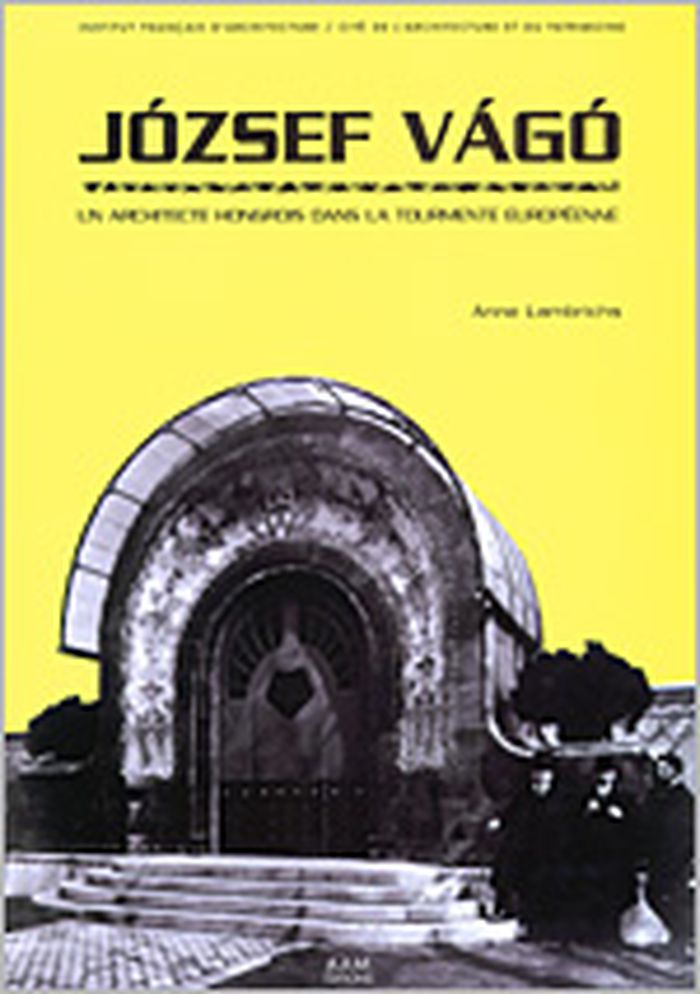
Architecte, théoricien, urbaniste et écrivain, Jozsef Vago travaille à Budapest (1900-1919, 1926-1940), à Rome (1919-1926) et à Genève (1927-1935), avant de s'établir en France (1940-1947). Jeune diplômé, il s'engage dans la Sécession hongroise fondée par Odon Lechner et s'attache, comme de nombreux architectes de sa génération, à élaborer un nouveau langage architectural national qui valorise la culture populaire. Jozsef Vago est aujourd'hui considéré comme l'une des figures de proue du renouveau architectural hongrois. Ses réalisations à Budapest entre 1903 et 1914, fleurons d'architecture " nationale " imprégnés de modernisme viennois, témoignent de son ouverture vers l'Occident et de son attention à la question sociale. Membre du Werkbund, engagé pendant la période révolutionnaire de 1918-1919, il est contraint d'émigrer en Italie lors de l'arrivée au pouvoir de l'amiral Horthy. Installé à Rome entre 1920 et 1926, il tente en vain de s'intégrer à la profession : il élabore des nouvelles typologies d'habitat social pour les cités-jardins romaines, publie de nombreux projets sous le nom de " Giuseppe Vago ", mais ne parvient à obtenir qu'une seule commande à Rome. Sans ressources, confronté à la xénophobie et au fascisme, il se réinstalle à Budapest, où il se voit empêché d'exercer par l'Ordre des architectes hongrois, créé en 1926. Sa victoire au concours du palais de la Société des Nations à Genève en 1927 inaugure une nouvelle phase de sa carrière. Ses démêlés avec ses associés - Henri-Paul Nénot, Jules Flegenheimer, Camille Lefèvre et Carlo Broggi - et avec Le Corbusier au cours de la réalisation du projet l'incitent, dans les années trente et quarante, à prendre part au débat architectural européen, à entamer une importante œuvre de critique et à élaborer une véritable philosophie de l'architecture et de l'urbanisme. Combattant les positions de l'avant-garde architecturale - et notamment de Le Corbusier -, il tente d'établir une synthèse entre les idéaux de l'Art nouveau et du modernisme, estimant que l'architecte doit s'efforcer de répondre aux aspirations sociales et économiques du Mouvement moderne sans pour autant renoncer au " superflu ", c'est-à-dire à la qualité artistique et à l'ornementation. Cette recherche, qui apparaît dans son ouvrage théorique À travers les villes (1930) et dans son projet d'urbanisation de Budapest (1933-1937), trouve son aboutissement dans son projet théorique de reconstruction opposé aux préceptes des CIAM et de la Charte d'Athènes : la Ville de l'Avenir (1940-1945)
Jozsef Vago 1877-1947 : un architecte hongrois dans la tourmente européenne
Actions:
Price:
$97.95
(available to order)
Summary:
Architecte, théoricien, urbaniste et écrivain, Jozsef Vago travaille à Budapest (1900-1919, 1926-1940), à Rome (1919-1926) et à Genève (1927-1935), avant de s'établir en France (1940-1947). Jeune diplômé, il s'engage dans la Sécession hongroise fondée par Odon Lechner et s'attache, comme de nombreux architectes de sa génération, à élaborer un nouveau langage architectural national qui valorise la culture populaire. Jozsef Vago est aujourd'hui considéré comme l'une des figures de proue du renouveau architectural hongrois. Ses réalisations à Budapest entre 1903 et 1914, fleurons d'architecture " nationale " imprégnés de modernisme viennois, témoignent de son ouverture vers l'Occident et de son attention à la question sociale. Membre du Werkbund, engagé pendant la période révolutionnaire de 1918-1919, il est contraint d'émigrer en Italie lors de l'arrivée au pouvoir de l'amiral Horthy. Installé à Rome entre 1920 et 1926, il tente en vain de s'intégrer à la profession : il élabore des nouvelles typologies d'habitat social pour les cités-jardins romaines, publie de nombreux projets sous le nom de " Giuseppe Vago ", mais ne parvient à obtenir qu'une seule commande à Rome. Sans ressources, confronté à la xénophobie et au fascisme, il se réinstalle à Budapest, où il se voit empêché d'exercer par l'Ordre des architectes hongrois, créé en 1926. Sa victoire au concours du palais de la Société des Nations à Genève en 1927 inaugure une nouvelle phase de sa carrière. Ses démêlés avec ses associés - Henri-Paul Nénot, Jules Flegenheimer, Camille Lefèvre et Carlo Broggi - et avec Le Corbusier au cours de la réalisation du projet l'incitent, dans les années trente et quarante, à prendre part au débat architectural européen, à entamer une importante œuvre de critique et à élaborer une véritable philosophie de l'architecture et de l'urbanisme. Combattant les positions de l'avant-garde architecturale - et notamment de Le Corbusier -, il tente d'établir une synthèse entre les idéaux de l'Art nouveau et du modernisme, estimant que l'architecte doit s'efforcer de répondre aux aspirations sociales et économiques du Mouvement moderne sans pour autant renoncer au " superflu ", c'est-à-dire à la qualité artistique et à l'ornementation. Cette recherche, qui apparaît dans son ouvrage théorique À travers les villes (1930) et dans son projet d'urbanisation de Budapest (1933-1937), trouve son aboutissement dans son projet théorique de reconstruction opposé aux préceptes des CIAM et de la Charte d'Athènes : la Ville de l'Avenir (1940-1945)
Form:
books
books
Publication:
March 2003, Bruxelles
March 2003, Bruxelles
Subject:
Architecture Monographs
Architecture Monographs


