


7806 Results
Form:
books
books
Title:
Robbert Flick : trajectories
Robbert Flick : trajectories
Actions:
Price:
$110.50
(available to order)
Summary:
Robbert Flick's work extends the same visual, philosophical, and theoretically fertile tradition set by the highly influential and iconoclastic Robert Heinecken. But while Heinecken's emphasis can be said to rely on the manner in which images function within the intersection of popular culture and the fine arts, Flick has characteristically concentrated more intently on(...)
$110.50
(available to order)
Summary:
Robbert Flick's work extends the same visual, philosophical, and theoretically fertile tradition set by the highly influential and iconoclastic Robert Heinecken. But while Heinecken's emphasis can be said to rely on the manner in which images function within the intersection of popular culture and the fine arts, Flick has characteristically concentrated more intently on(...)
Title:
Robbert Flick : trajectories
Actions:
Price:
$110.50
(available to order)
Summary:
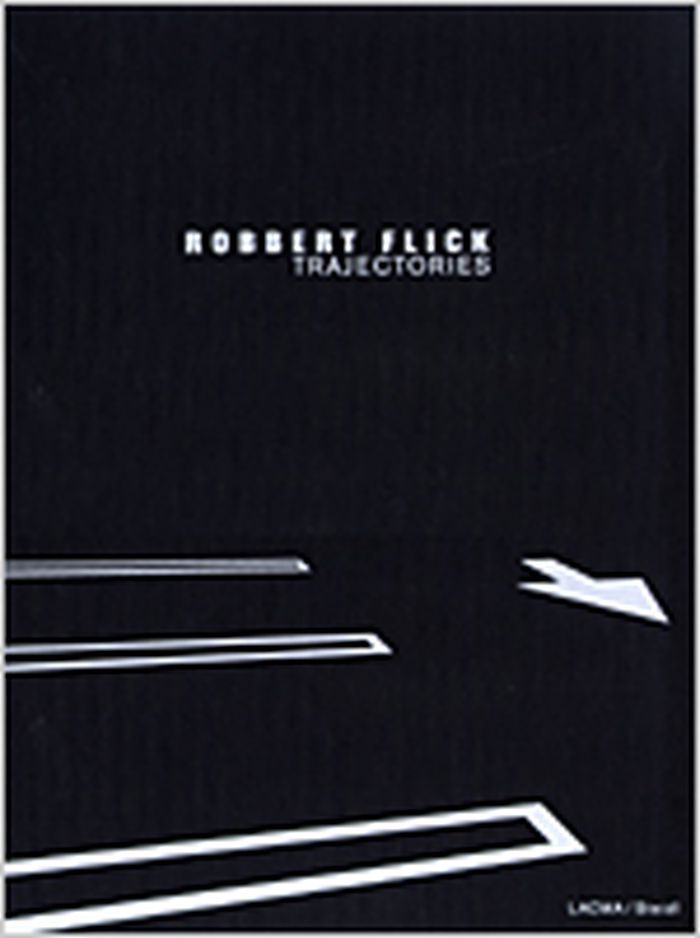
Robbert Flick's work extends the same visual, philosophical, and theoretically fertile tradition set by the highly influential and iconoclastic Robert Heinecken. But while Heinecken's emphasis can be said to rely on the manner in which images function within the intersection of popular culture and the fine arts, Flick has characteristically concentrated more intently on the artifactual, conceptual, and receptive properties of photography--specifically landscape photography. The distinctive retinal and conceptual strength of Flick's work has been evident since his early essay-format images of the 1960s. In his more recent digital work, he extends his participation in the critical discourse established around the interpretation, evaluation, and assessment of visual constructs related to the landscape. And yet, this movement has only become possible through a conceptual transition from a position of creating unique objects to an emphasis on interactivity and multiple access using still and moving images that allow for the work's insertion into the broader socio-political arena where the application defines the discourse. Trajectories traces the artist's career from the 1970s to the present, providing the opportunity to examine his visual development while also charting the conceptual and philosophical impact of contemporary culture on landscape, cultural geography, and technology. Edited by Tim B. Wride with essays by Michael Dear and David L. Ulin
Robbert Flick : trajectories
Actions:
Price:
$110.50
(available to order)
Summary:
Robbert Flick's work extends the same visual, philosophical, and theoretically fertile tradition set by the highly influential and iconoclastic Robert Heinecken. But while Heinecken's emphasis can be said to rely on the manner in which images function within the intersection of popular culture and the fine arts, Flick has characteristically concentrated more intently on the artifactual, conceptual, and receptive properties of photography--specifically landscape photography. The distinctive retinal and conceptual strength of Flick's work has been evident since his early essay-format images of the 1960s. In his more recent digital work, he extends his participation in the critical discourse established around the interpretation, evaluation, and assessment of visual constructs related to the landscape. And yet, this movement has only become possible through a conceptual transition from a position of creating unique objects to an emphasis on interactivity and multiple access using still and moving images that allow for the work's insertion into the broader socio-political arena where the application defines the discourse. Trajectories traces the artist's career from the 1970s to the present, providing the opportunity to examine his visual development while also charting the conceptual and philosophical impact of contemporary culture on landscape, cultural geography, and technology. Edited by Tim B. Wride with essays by Michael Dear and David L. Ulin
Form:
books
books
Publication:
January 1900, Los Angeles
January 1900, Los Angeles
Subject:
Photography monographs
Photography monographs
Form:
books
books
Actions:
Price:
$72.99
(available to order)
Summary:
The Barbican Estate is one of the most berated and beloved architectural projects in London. Taking over 20 years to complete from its inception in 1963, it was widely condemned in the 1980s for its acreage of relentless concrete and lack of clear entrances. Since then, however, it has inspired passion and enthusiasm from residents and visitors alike. With its penthouses(...)
$72.99
(available to order)
Summary:
The Barbican Estate is one of the most berated and beloved architectural projects in London. Taking over 20 years to complete from its inception in 1963, it was widely condemned in the 1980s for its acreage of relentless concrete and lack of clear entrances. Since then, however, it has inspired passion and enthusiasm from residents and visitors alike. With its penthouses(...)
Title:
Barbican : penthouse over the city
Actions:
Price:
$72.99
(available to order)
Summary:
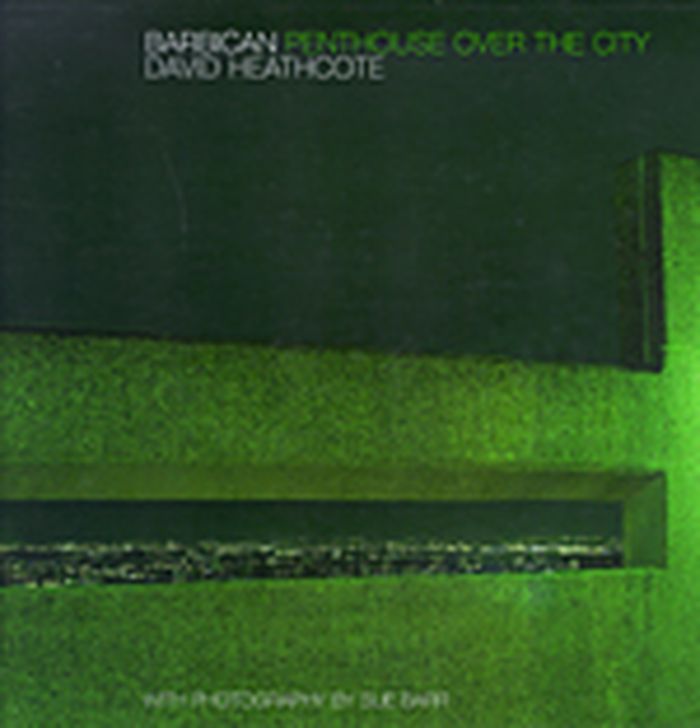
The Barbican Estate is one of the most berated and beloved architectural projects in London. Taking over 20 years to complete from its inception in 1963, it was widely condemned in the 1980s for its acreage of relentless concrete and lack of clear entrances. Since then, however, it has inspired passion and enthusiasm from residents and visitors alike. With its penthouses and tower apartments, it provided one of the earliest prototypes for loft living in England. Located close to the City and Clerkenwell, it is now one of the most desirable addresses for politicians, financiers, creative professionals and media figures alike. In the book, the author, David Heathcote traces the development of the Barbican from pre-war planning to present day. Built on the largest blitzed site in the City of London, it was conceived as a new Belgravia to bring the professional classes back to the heart of the City. The project overcame all sorts of difficulties, from the challenges of London's geology to the economic problems that beset Britain in the 1960s and 1970s. The final scheme involved the construction of the highest apartments in Europe, with elements derived from the elegant squares of Georgian London , contemporary architects like Le Corbusier and Scharoun, and the Baroque architecture and gardens of Italy.
Barbican : penthouse over the city
Actions:
Price:
$72.99
(available to order)
Summary:
The Barbican Estate is one of the most berated and beloved architectural projects in London. Taking over 20 years to complete from its inception in 1963, it was widely condemned in the 1980s for its acreage of relentless concrete and lack of clear entrances. Since then, however, it has inspired passion and enthusiasm from residents and visitors alike. With its penthouses and tower apartments, it provided one of the earliest prototypes for loft living in England. Located close to the City and Clerkenwell, it is now one of the most desirable addresses for politicians, financiers, creative professionals and media figures alike. In the book, the author, David Heathcote traces the development of the Barbican from pre-war planning to present day. Built on the largest blitzed site in the City of London, it was conceived as a new Belgravia to bring the professional classes back to the heart of the City. The project overcame all sorts of difficulties, from the challenges of London's geology to the economic problems that beset Britain in the 1960s and 1970s. The final scheme involved the construction of the highest apartments in Europe, with elements derived from the elegant squares of Georgian London , contemporary architects like Le Corbusier and Scharoun, and the Baroque architecture and gardens of Italy.
Form:
books
books
Publication:
August 2004, Chichester
August 2004, Chichester
Subject:
Residential Architecture
Residential Architecture
Form:
books
books

Title:
Whole earth field guide
Whole earth field guide
Actions:
Price:
$46.95
(available to order)
Summary:
The Whole Earth Catalog was a cultural touchstone of the 1960s and 1970s. Between 1968 and 1971, almost two million copies of its various editions were sold, and not just to commune-dwellers and hippies. Millions of mainstream readers turned to the Whole Earth Catalog for practical advice and intellectual stimulation, finding everything from a review of Buckminster Fuller(...)
$46.95
(available to order)
Summary:
The Whole Earth Catalog was a cultural touchstone of the 1960s and 1970s. Between 1968 and 1971, almost two million copies of its various editions were sold, and not just to commune-dwellers and hippies. Millions of mainstream readers turned to the Whole Earth Catalog for practical advice and intellectual stimulation, finding everything from a review of Buckminster Fuller(...)
Publication:
October 2016
October 2016
Title:
Whole earth field guide
Actions:
Price:
$46.95
(available to order)
Summary:
The Whole Earth Catalog was a cultural touchstone of the 1960s and 1970s. Between 1968 and 1971, almost two million copies of its various editions were sold, and not just to commune-dwellers and hippies. Millions of mainstream readers turned to the Whole Earth Catalog for practical advice and intellectual stimulation, finding everything from a review of Buckminster Fuller to recommendations for juicers. This book offers selections from eighty texts from the nearly 1,000 items of "suggested reading" in the Last Whole Earth Catalog. Illustrated and meticulously documented, this fascinating selection of texts cited as 'suggested reading' in the Whole Earth Catalog gives us a fresh, new look at this bible of a generation. Wonderful juxtapositions abound: Buckminster Fuller and Wendell Berry; Timothy Leary and Lao-Tzu; Thoreau and Marshall McLuhan; the Boston Women's Health Collective and Norbert Wiener; Nicholas Negroponte and Kakuzo Okakura; and Margaret Mead and James Baldwin (their A Rap on Race). At once libertarian and communitarian, practical and mystical, scientific and hands-on, Whole Earth Field Guide reveals the astonishing energy and spirit that motivated thousands of young people to challenge the status quo and to grapple, with remarkable prescience, with issues such as ecology and information technology that still confront us today.
Whole earth field guide
Actions:
Price:
$46.95
(available to order)
Summary:
The Whole Earth Catalog was a cultural touchstone of the 1960s and 1970s. Between 1968 and 1971, almost two million copies of its various editions were sold, and not just to commune-dwellers and hippies. Millions of mainstream readers turned to the Whole Earth Catalog for practical advice and intellectual stimulation, finding everything from a review of Buckminster Fuller to recommendations for juicers. This book offers selections from eighty texts from the nearly 1,000 items of "suggested reading" in the Last Whole Earth Catalog. Illustrated and meticulously documented, this fascinating selection of texts cited as 'suggested reading' in the Whole Earth Catalog gives us a fresh, new look at this bible of a generation. Wonderful juxtapositions abound: Buckminster Fuller and Wendell Berry; Timothy Leary and Lao-Tzu; Thoreau and Marshall McLuhan; the Boston Women's Health Collective and Norbert Wiener; Nicholas Negroponte and Kakuzo Okakura; and Margaret Mead and James Baldwin (their A Rap on Race). At once libertarian and communitarian, practical and mystical, scientific and hands-on, Whole Earth Field Guide reveals the astonishing energy and spirit that motivated thousands of young people to challenge the status quo and to grapple, with remarkable prescience, with issues such as ecology and information technology that still confront us today.
Form:
books
books
Publication:
October 2016
October 2016
Form:
books
books
Actions:
Price:
$86.00
(available to order)
Summary:
In the 11 days following the Chernobyl catastrophe on April 26, 1986, more than 116,000 people were permanently evacuated from the area surrounding the nuclear power plant. Declared unfit for human habitation, the zones of exclusion includes the towns of Pripyat (established in the 1970s to house workers) and Chernobyl. In May 2001, Robert Polidori photographed what was(...)
$86.00
(available to order)
Summary:
In the 11 days following the Chernobyl catastrophe on April 26, 1986, more than 116,000 people were permanently evacuated from the area surrounding the nuclear power plant. Declared unfit for human habitation, the zones of exclusion includes the towns of Pripyat (established in the 1970s to house workers) and Chernobyl. In May 2001, Robert Polidori photographed what was(...)
Title:
Robert Polidori : zones of exclusion : Pripyat and Chernobyl
Actions:
Price:
$86.00
(available to order)
Summary:
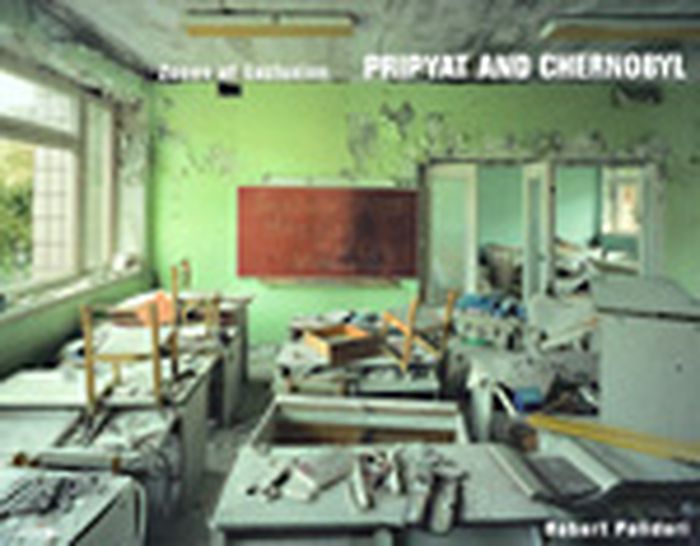
In the 11 days following the Chernobyl catastrophe on April 26, 1986, more than 116,000 people were permanently evacuated from the area surrounding the nuclear power plant. Declared unfit for human habitation, the zones of exclusion includes the towns of Pripyat (established in the 1970s to house workers) and Chernobyl. In May 2001, Robert Polidori photographed what was left behind in the this dead zone. His richly detailed images move from the burned-out control room of reactor 4, where technicians staged the experiment that caused the disaster, to the unfinished apartment complexes, ransacked schools and abandoned nurseries that remain as evidence of those who once called Pripyat home. Nearby, trucks and tanks used in the cleanup efforts rest in an auto graveyard, some covered in lead shrouds and others robbed of parts. Houseboats and barges rust in the contaminated waters of the Pripyat River. Foliage grows over the sidewalks and hides the modest homes of Chernobyl. In his large-scale photographs, Polidori captures the faded colors and desolate atmosphere of these two towns, producing haunting documents that present the reader with a rare view of not just a disastrous event, but a place and the people who lived there.
Robert Polidori : zones of exclusion : Pripyat and Chernobyl
Actions:
Price:
$86.00
(available to order)
Summary:
In the 11 days following the Chernobyl catastrophe on April 26, 1986, more than 116,000 people were permanently evacuated from the area surrounding the nuclear power plant. Declared unfit for human habitation, the zones of exclusion includes the towns of Pripyat (established in the 1970s to house workers) and Chernobyl. In May 2001, Robert Polidori photographed what was left behind in the this dead zone. His richly detailed images move from the burned-out control room of reactor 4, where technicians staged the experiment that caused the disaster, to the unfinished apartment complexes, ransacked schools and abandoned nurseries that remain as evidence of those who once called Pripyat home. Nearby, trucks and tanks used in the cleanup efforts rest in an auto graveyard, some covered in lead shrouds and others robbed of parts. Houseboats and barges rust in the contaminated waters of the Pripyat River. Foliage grows over the sidewalks and hides the modest homes of Chernobyl. In his large-scale photographs, Polidori captures the faded colors and desolate atmosphere of these two towns, producing haunting documents that present the reader with a rare view of not just a disastrous event, but a place and the people who lived there.
Form:
books
books
Publication:
August 2003, Göttingen
August 2003, Göttingen
Subject:
Photography monographs
Photography monographs
Form:
books
books

Actions:
Price:
$104.00
(available to order)
Summary:
Take as a starting point the cover of this book; Anthony Hernandez’s wonderful photograph of square, colourful ceramic tiles could be almost anything you might imagine it to be. A Mondrian-like painting, a random pattern, a city grid, or perhaps the work of an anonymous tile setter, brightening up the facade of a government building in South Central Los Angeles. With the(...)
$104.00
(available to order)
Summary:
Take as a starting point the cover of this book; Anthony Hernandez’s wonderful photograph of square, colourful ceramic tiles could be almost anything you might imagine it to be. A Mondrian-like painting, a random pattern, a city grid, or perhaps the work of an anonymous tile setter, brightening up the facade of a government building in South Central Los Angeles. With the(...)
Subject:
Photography monographs
Photography monographs
Publication:
December 2002, Tucson
December 2002, Tucson
Title:
Anthony Hernandez : waiting for Los Angeles
Actions:
Price:
$104.00
(available to order)
Summary:
Take as a starting point the cover of this book; Anthony Hernandez’s wonderful photograph of square, colourful ceramic tiles could be almost anything you might imagine it to be. A Mondrian-like painting, a random pattern, a city grid, or perhaps the work of an anonymous tile setter, brightening up the facade of a government building in South Central Los Angeles. With the passage of time, these vibrant squares have been lost beneath a coat of anti-graffiti paint. Anthony Hernandez is a photographer for whom waiting has long been a theme, with his bus stop pictures in the late 1970s, and his fishing photographs in the 1980s. Hernandez’s vision is both abstract and documentary, and there is a pattern to his work in every sense of that word – whether he is focusing on an empty waiting room, a phone hanging in a booth, or random scribbles etched on a sheet of glass. Hernandez skillfully draws attention to the simple geometric beauty that can be found in even the most utilitarian fence, wall, or window. There is not a soul in sight, but there is a strong sense that someone has been here, and there is enough to grip the attention until, perhaps, they return. With an essay by photographer, writer and critic Allan Sekula.
Anthony Hernandez : waiting for Los Angeles
Actions:
Price:
$104.00
(available to order)
Summary:
Take as a starting point the cover of this book; Anthony Hernandez’s wonderful photograph of square, colourful ceramic tiles could be almost anything you might imagine it to be. A Mondrian-like painting, a random pattern, a city grid, or perhaps the work of an anonymous tile setter, brightening up the facade of a government building in South Central Los Angeles. With the passage of time, these vibrant squares have been lost beneath a coat of anti-graffiti paint. Anthony Hernandez is a photographer for whom waiting has long been a theme, with his bus stop pictures in the late 1970s, and his fishing photographs in the 1980s. Hernandez’s vision is both abstract and documentary, and there is a pattern to his work in every sense of that word – whether he is focusing on an empty waiting room, a phone hanging in a booth, or random scribbles etched on a sheet of glass. Hernandez skillfully draws attention to the simple geometric beauty that can be found in even the most utilitarian fence, wall, or window. There is not a soul in sight, but there is a strong sense that someone has been here, and there is enough to grip the attention until, perhaps, they return. With an essay by photographer, writer and critic Allan Sekula.
Form:
books
books
Publication:
December 2002, Tucson
December 2002, Tucson
Subject:
Photography monographs
Photography monographs
Form:
books
books
Title:
Dan Graham
Dan Graham
Actions:
Price:
$59.95
(available to order)
Summary:
Dan Graham is among the most influential of the Conceptual artists who emerged in America during the mid 1960s. A pioneer in performance and video art in the 1970s, Graham later turned his attention to architectural projects designed for social interaction in public spaces, among them The Children’s Pavilion (1989) with Jeff Wall. Writing has always been a major aspect(...)
$59.95
(available to order)
Summary:
Dan Graham is among the most influential of the Conceptual artists who emerged in America during the mid 1960s. A pioneer in performance and video art in the 1970s, Graham later turned his attention to architectural projects designed for social interaction in public spaces, among them The Children’s Pavilion (1989) with Jeff Wall. Writing has always been a major aspect(...)
Subject:
Contemporary Art Monographs
Contemporary Art Monographs
Publication:
May 2001, London
May 2001, London
Title:
Dan Graham
Actions:
Price:
$59.95
(available to order)
Summary:
Dan Graham is among the most influential of the Conceptual artists who emerged in America during the mid 1960s. A pioneer in performance and video art in the 1970s, Graham later turned his attention to architectural projects designed for social interaction in public spaces, among them The Children’s Pavilion (1989) with Jeff Wall. Writing has always been a major aspect of Graham’s work. His texts range from early Conceptual art pieces inserted in mass-market magazines, to writing on his fellow artists, to analyses of popular culture, from Dean Martin to the post-Punk era. Well-known also among architects and urban theorists, during the 1990s Graham has been offered major public commissions throughout North America and Europe. London-based curator Mark Francis discusses with the artist how his public participation-based work has evolved. Brussels-based critic Birgit Pelzer draws on her extensive knowledge of Graham’s work and writings. New York-based architectural theorist Beatriz Colomina focuses on Graham’s Alteration to a Suburban House (1978). The artist has chosen an extract from the science fiction novel Ubik by Philip K Dick, whose writings were a formative influence. A substantial Artist’s Writings section, key to understanding Dan Graham, completes the book.
Dan Graham
Actions:
Price:
$59.95
(available to order)
Summary:
Dan Graham is among the most influential of the Conceptual artists who emerged in America during the mid 1960s. A pioneer in performance and video art in the 1970s, Graham later turned his attention to architectural projects designed for social interaction in public spaces, among them The Children’s Pavilion (1989) with Jeff Wall. Writing has always been a major aspect of Graham’s work. His texts range from early Conceptual art pieces inserted in mass-market magazines, to writing on his fellow artists, to analyses of popular culture, from Dean Martin to the post-Punk era. Well-known also among architects and urban theorists, during the 1990s Graham has been offered major public commissions throughout North America and Europe. London-based curator Mark Francis discusses with the artist how his public participation-based work has evolved. Brussels-based critic Birgit Pelzer draws on her extensive knowledge of Graham’s work and writings. New York-based architectural theorist Beatriz Colomina focuses on Graham’s Alteration to a Suburban House (1978). The artist has chosen an extract from the science fiction novel Ubik by Philip K Dick, whose writings were a formative influence. A substantial Artist’s Writings section, key to understanding Dan Graham, completes the book.
Form:
books
books
Publication:
May 2001, London
May 2001, London
Subject:
Contemporary Art Monographs
Contemporary Art Monographs
Form:
books
books
Actions:
Price:
$60.00
(available to order)
Summary:
Gordon Matta-Clark died at only 35 of pancreatic cancer and has since become a cult figure of late 20th-century art. Trained in architecture at Cornell, he went on to question the field’s conventions in vivid projects—performance and recycling pieces, space and texture works and word games—some of which excised holes into existing buildings or assembled deeds to New York(...)
$60.00
(available to order)
Summary:
Gordon Matta-Clark died at only 35 of pancreatic cancer and has since become a cult figure of late 20th-century art. Trained in architecture at Cornell, he went on to question the field’s conventions in vivid projects—performance and recycling pieces, space and texture works and word games—some of which excised holes into existing buildings or assembled deeds to New York(...)
Publication:
August 2016
August 2016
Title:
Gordon Matta-Clark: Experience becomes the object
Actions:
Price:
$60.00
(available to order)
Summary:
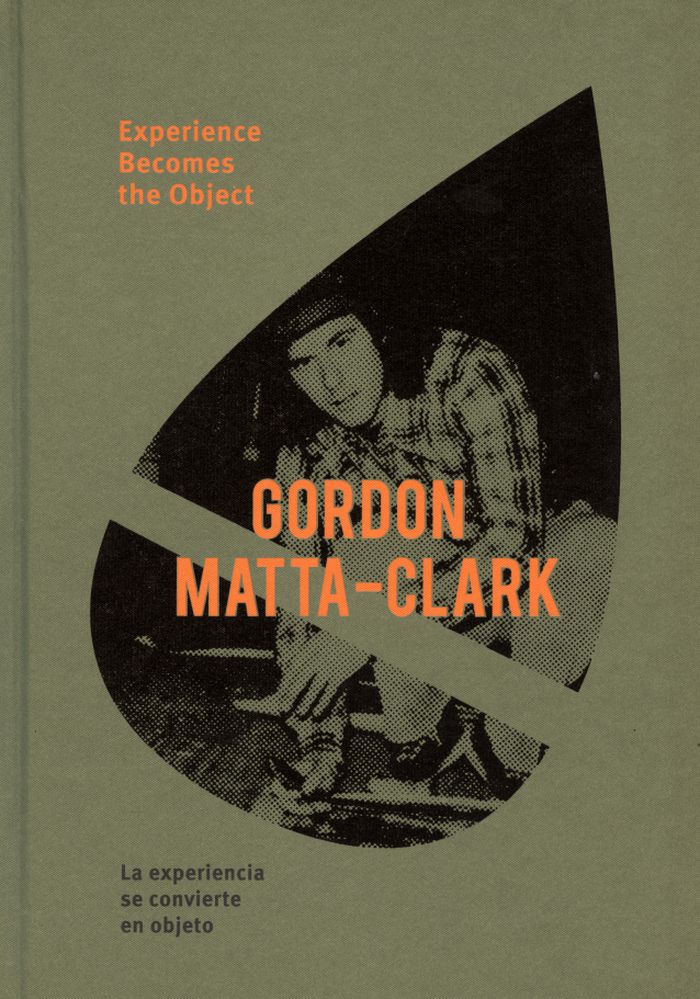
Gordon Matta-Clark died at only 35 of pancreatic cancer and has since become a cult figure of late 20th-century art. Trained in architecture at Cornell, he went on to question the field’s conventions in vivid projects—performance and recycling pieces, space and texture works and word games—some of which excised holes into existing buildings or assembled deeds to New York City alleys and curbs. The artist used a variety of media to document his work, including film, video and photography. His work and words, while sophisticated enough to make him an "artist’s artist," and colossal and outgoing enough to draw public attention and affection, were always also grounded in social or political convictions. In the early 1970s, Matta-Clark developed the idea of "anarchitecture," which encompassed his interest in voids, gaps and left-over spaces. Gordon Matta-Clark: Experience Becomes the Object collects five essays and ten individual interviews with various friends and family members of Matta-Clark’s. Together, they outline a biographical profile and offer an analysis of the historical period in which the artist developed his short but successful career. New, never-before-published material and photographs as well as an exclusive link to the documentary Crosswords: Matta-Clark’s Friends by Matias Cardone are also included.
Gordon Matta-Clark: Experience becomes the object
Actions:
Price:
$60.00
(available to order)
Summary:
Gordon Matta-Clark died at only 35 of pancreatic cancer and has since become a cult figure of late 20th-century art. Trained in architecture at Cornell, he went on to question the field’s conventions in vivid projects—performance and recycling pieces, space and texture works and word games—some of which excised holes into existing buildings or assembled deeds to New York City alleys and curbs. The artist used a variety of media to document his work, including film, video and photography. His work and words, while sophisticated enough to make him an "artist’s artist," and colossal and outgoing enough to draw public attention and affection, were always also grounded in social or political convictions. In the early 1970s, Matta-Clark developed the idea of "anarchitecture," which encompassed his interest in voids, gaps and left-over spaces. Gordon Matta-Clark: Experience Becomes the Object collects five essays and ten individual interviews with various friends and family members of Matta-Clark’s. Together, they outline a biographical profile and offer an analysis of the historical period in which the artist developed his short but successful career. New, never-before-published material and photographs as well as an exclusive link to the documentary Crosswords: Matta-Clark’s Friends by Matias Cardone are also included.
Form:
books
books
Publication:
August 2016
August 2016
Form:
books
books

Actions:
Price:
$39.99
(available to order)
Summary:
Why Don't American Cities Burn? traces the collision of urban transformation with the rightward-moving social politics of late twentieth- and early twenty-first-century America. He shows how the bifurcation of black social structures produced a new African American inequality and traces the shift from images of a pathological black "underclass" to praise of the(...)
$39.99
(available to order)
Summary:
Why Don't American Cities Burn? traces the collision of urban transformation with the rightward-moving social politics of late twentieth- and early twenty-first-century America. He shows how the bifurcation of black social structures produced a new African American inequality and traces the shift from images of a pathological black "underclass" to praise of the(...)
Title:
Why don't American cities burn?
Actions:
Price:
$39.99
(available to order)
Summary:
Why Don't American Cities Burn? traces the collision of urban transformation with the rightward-moving social politics of late twentieth- and early twenty-first-century America. He shows how the bifurcation of black social structures produced a new African American inequality and traces the shift from images of a pathological black "underclass" to praise of the entrepreneurial poor who take advantage of new technologies of poverty work to find the beginning of the path to the middle class. He explores the reasons American cities since the early 1970s have remained relatively free of collective violence while black men in bleak inner-city neighborhoods have turned their rage inward on one another rather than on the agents and symbols of a culture and political economy that exclude them. The book ends with a meditation on how the political left and right have come to believe that urban transformation is inevitably one of failure and decline abetted by the response of government to deindustrialization, poverty, and race. How, Katz asks, can we construct a new narrative that acknowledges the dark side of urban history even as it demonstrates the capacity of government to address the problems of cities and their residents? How can we create a politics of modest hope?
Why don't American cities burn?
Actions:
Price:
$39.99
(available to order)
Summary:
Why Don't American Cities Burn? traces the collision of urban transformation with the rightward-moving social politics of late twentieth- and early twenty-first-century America. He shows how the bifurcation of black social structures produced a new African American inequality and traces the shift from images of a pathological black "underclass" to praise of the entrepreneurial poor who take advantage of new technologies of poverty work to find the beginning of the path to the middle class. He explores the reasons American cities since the early 1970s have remained relatively free of collective violence while black men in bleak inner-city neighborhoods have turned their rage inward on one another rather than on the agents and symbols of a culture and political economy that exclude them. The book ends with a meditation on how the political left and right have come to believe that urban transformation is inevitably one of failure and decline abetted by the response of government to deindustrialization, poverty, and race. How, Katz asks, can we construct a new narrative that acknowledges the dark side of urban history even as it demonstrates the capacity of government to address the problems of cities and their residents? How can we create a politics of modest hope?
Form:
books
books
Publication:
October 2011
October 2011
Subject:
Urban Theory
Urban Theory
Form:
books
books
Actions:
Price:
$32.95
(available to order)
Summary:
How did a First World urban population come to imagine itself as part of a global anti-colonial movement? This book tackles this and other paradoxes created by the surprising power and influence of Third World decolonization on political activism in 1960s Montreal. In a brilliant history of a turbulent time and place, Mills pulls back the curtain on the decade's(...)
$32.95
(available to order)
Summary:
How did a First World urban population come to imagine itself as part of a global anti-colonial movement? This book tackles this and other paradoxes created by the surprising power and influence of Third World decolonization on political activism in 1960s Montreal. In a brilliant history of a turbulent time and place, Mills pulls back the curtain on the decade's(...)
Title:
The empire within: postcolonial thought and political activism in Sixties Montréal
Actions:
Price:
$32.95
(available to order)
Summary:
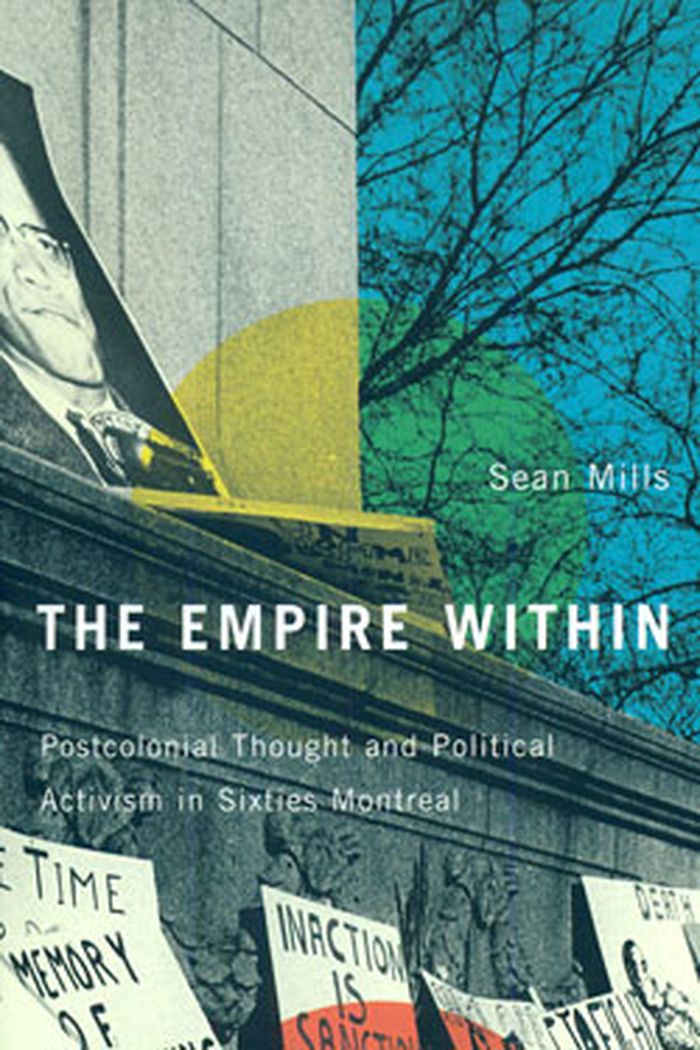
How did a First World urban population come to imagine itself as part of a global anti-colonial movement? This book tackles this and other paradoxes created by the surprising power and influence of Third World decolonization on political activism in 1960s Montreal. In a brilliant history of a turbulent time and place, Mills pulls back the curtain on the decade's activists and intellectuals, showing their engagement both with each other and with people from around the world. He demonstrates how activists of different backgrounds and with different political aims drew on ideas of decolonization to rethink the meanings attached to the politics of sex, race, and class and to imagine themselves as part of a broad transnational movement of anti-colonial and anti-imperialist resistance. The temporary unity forged around ideas of decolonization came undone in the 1970s, however, as many were forced to come to terms with the contradictions and ambiguities of applying ideas of decolonization in Quebec. From linguistic debates to labour unions, and from the political activities of citizens in the city's poorest neighbourhoods to its Caribbean intellectuals, this publication is a political tour of Montreal that reconsiders the meaning and legacy of the city's dissident traditions. It is also a fascinating chapter in the history of postcolonial thought.
The empire within: postcolonial thought and political activism in Sixties Montréal
Actions:
Price:
$32.95
(available to order)
Summary:
How did a First World urban population come to imagine itself as part of a global anti-colonial movement? This book tackles this and other paradoxes created by the surprising power and influence of Third World decolonization on political activism in 1960s Montreal. In a brilliant history of a turbulent time and place, Mills pulls back the curtain on the decade's activists and intellectuals, showing their engagement both with each other and with people from around the world. He demonstrates how activists of different backgrounds and with different political aims drew on ideas of decolonization to rethink the meanings attached to the politics of sex, race, and class and to imagine themselves as part of a broad transnational movement of anti-colonial and anti-imperialist resistance. The temporary unity forged around ideas of decolonization came undone in the 1970s, however, as many were forced to come to terms with the contradictions and ambiguities of applying ideas of decolonization in Quebec. From linguistic debates to labour unions, and from the political activities of citizens in the city's poorest neighbourhoods to its Caribbean intellectuals, this publication is a political tour of Montreal that reconsiders the meaning and legacy of the city's dissident traditions. It is also a fascinating chapter in the history of postcolonial thought.
Form:
books
books
Publication:
August 2010
August 2010
Subject:
Architecture de Montréal
Architecture de Montréal
Form:
books
books
Actions:
Price:
$69.95
(available to order)
Summary:
Neue Schriften. New Typefaces. offers insight into the world of type design. Positions in contemporary type design are presented in words and pictures: key protagonists offer insights into their thinking and working, take a position on current developments under the new technical, aesthetic and socio-political conditions. While in the 1970s just a few hundred new(...)
$69.95
(available to order)
Summary:
Neue Schriften. New Typefaces. offers insight into the world of type design. Positions in contemporary type design are presented in words and pictures: key protagonists offer insights into their thinking and working, take a position on current developments under the new technical, aesthetic and socio-political conditions. While in the 1970s just a few hundred new(...)
Title:
Neue Schriften / New typefaces: positions and perspectives
Actions:
Price:
$69.95
(available to order)
Summary:
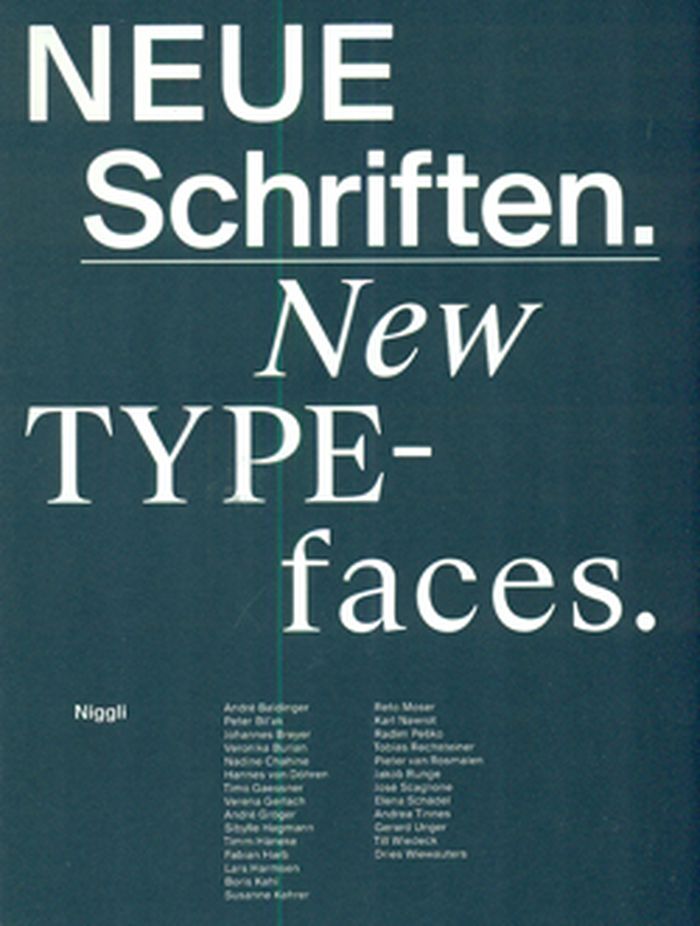
Neue Schriften. New Typefaces. offers insight into the world of type design. Positions in contemporary type design are presented in words and pictures: key protagonists offer insights into their thinking and working, take a position on current developments under the new technical, aesthetic and socio-political conditions. While in the 1970s just a few hundred new typefaces were published, today we can choose from tens of thousands of fonts — with an upward tendency. This publication, however, shows that current type design is not subject to randomness or a fashionable hype. Seventy different type designs present an overview of current developments. For the exhibition Call for Type. New Fonts. New Typefaces. at the Gutenberg Museum in Mainz twenty typefaces were chosen and expanded on in very personal reflections by their designers which take the form of interviews in the book. From the rich international cosmos of typefaces the book presents experimental type designs, based either on a spontaneous idea or the concept of an individually chosen design project; there are display fonts with a small range of styles or typefaces for books with large type families, which, often over a number of years, were developed systematically with passion, endurance and an unswerving attention to characteristic detail.
Neue Schriften / New typefaces: positions and perspectives
Actions:
Price:
$69.95
(available to order)
Summary:
Neue Schriften. New Typefaces. offers insight into the world of type design. Positions in contemporary type design are presented in words and pictures: key protagonists offer insights into their thinking and working, take a position on current developments under the new technical, aesthetic and socio-political conditions. While in the 1970s just a few hundred new typefaces were published, today we can choose from tens of thousands of fonts — with an upward tendency. This publication, however, shows that current type design is not subject to randomness or a fashionable hype. Seventy different type designs present an overview of current developments. For the exhibition Call for Type. New Fonts. New Typefaces. at the Gutenberg Museum in Mainz twenty typefaces were chosen and expanded on in very personal reflections by their designers which take the form of interviews in the book. From the rich international cosmos of typefaces the book presents experimental type designs, based either on a spontaneous idea or the concept of an individually chosen design project; there are display fonts with a small range of styles or typefaces for books with large type families, which, often over a number of years, were developed systematically with passion, endurance and an unswerving attention to characteristic detail.
Form:
books
books
Publication:
October 2014
October 2014
Subject:
Graphic Design and Typography
Graphic Design and Typography


