


7452 Results
Form:
books
books
Actions:
Price:
$82.00
(available in store)
Summary:
Published on the occasion of Burtynsky’s largest and most comprehensive exhibition to date at the Saatchi Gallery in London, ''Extraction/Abstraction'' looks deeply at the key subjects and signature images spanning his 45-year career. The catalog and related exhibition present a dichotomy of Burtynsky’s image-making imperative: the lucid and informed documentation of(...)
$82.00
(available in store)
Summary:
Published on the occasion of Burtynsky’s largest and most comprehensive exhibition to date at the Saatchi Gallery in London, ''Extraction/Abstraction'' looks deeply at the key subjects and signature images spanning his 45-year career. The catalog and related exhibition present a dichotomy of Burtynsky’s image-making imperative: the lucid and informed documentation of(...)
Subject:
Photography monographs
Photography monographs
Publication:
July 2024
July 2024
Title:
Edward Burtynsky: Extraction/Abstraction
Actions:
Price:
$82.00
(available in store)
Summary:
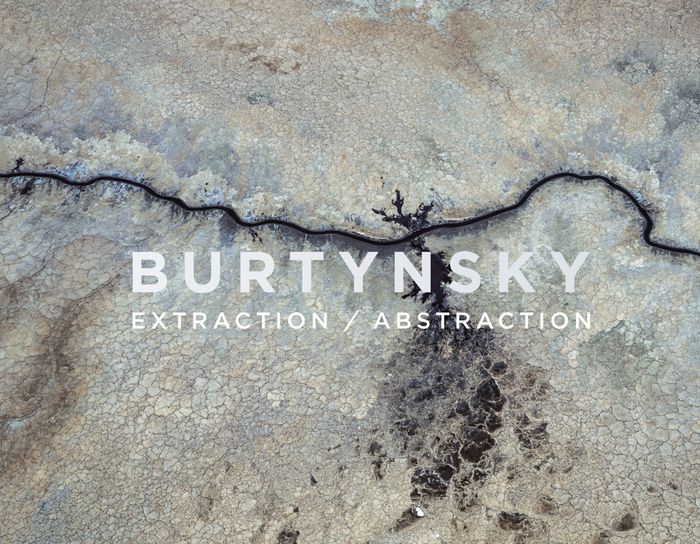
Published on the occasion of Burtynsky’s largest and most comprehensive exhibition to date at the Saatchi Gallery in London, ''Extraction/Abstraction'' looks deeply at the key subjects and signature images spanning his 45-year career. The catalog and related exhibition present a dichotomy of Burtynsky’s image-making imperative: the lucid and informed documentation of large-scale extractive processes, and how, through his practice, Burtynsky transforms the landscape of industry into complete abstraction. Other essential themes in his oeuvre, such as agriculture, manufacturing, infrastructure and waste, also find their rightful place here. With more than 130 color plates, the book also has a special section, the “Process Archive,” featuring previously unpublished, behind-the-scenes photographs showing Burtynsky at work on the ground and in the air throughout his career. The archive provides a glimpse into the artist’s progression through the evolution of the medium itself, from mid-20th-century large-format analog cameras through to 21st-century high-resolution digital technologies, including explorations into photogrammetry and augmented reality.
Edward Burtynsky: Extraction/Abstraction
Actions:
Price:
$82.00
(available in store)
Summary:
Published on the occasion of Burtynsky’s largest and most comprehensive exhibition to date at the Saatchi Gallery in London, ''Extraction/Abstraction'' looks deeply at the key subjects and signature images spanning his 45-year career. The catalog and related exhibition present a dichotomy of Burtynsky’s image-making imperative: the lucid and informed documentation of large-scale extractive processes, and how, through his practice, Burtynsky transforms the landscape of industry into complete abstraction. Other essential themes in his oeuvre, such as agriculture, manufacturing, infrastructure and waste, also find their rightful place here. With more than 130 color plates, the book also has a special section, the “Process Archive,” featuring previously unpublished, behind-the-scenes photographs showing Burtynsky at work on the ground and in the air throughout his career. The archive provides a glimpse into the artist’s progression through the evolution of the medium itself, from mid-20th-century large-format analog cameras through to 21st-century high-resolution digital technologies, including explorations into photogrammetry and augmented reality.
Form:
books
books
Publication:
July 2024
July 2024
Subject:
Photography monographs
Photography monographs
Form:
books
books
Actions:
Price:
$75.00
(available in store)
Summary:
The artist Sandra Schlipkoeter (b. Solingen, Germany, 1979; lives and works in Berlin) uses the concept of interference as an umbrella term for her extensive oeuvre, which spans the media of painting, sculpture, and installation art. She studied at the Düsseldorf Academy of Fine Art with Eberhard Havekost, who had a profound influence on her as she devised her own(...)
$75.00
(available in store)
Summary:
The artist Sandra Schlipkoeter (b. Solingen, Germany, 1979; lives and works in Berlin) uses the concept of interference as an umbrella term for her extensive oeuvre, which spans the media of painting, sculpture, and installation art. She studied at the Düsseldorf Academy of Fine Art with Eberhard Havekost, who had a profound influence on her as she devised her own(...)
Title:
Sandra Schlipkoeter: Interferenzen
Actions:
Price:
$75.00
(available in store)
Summary:
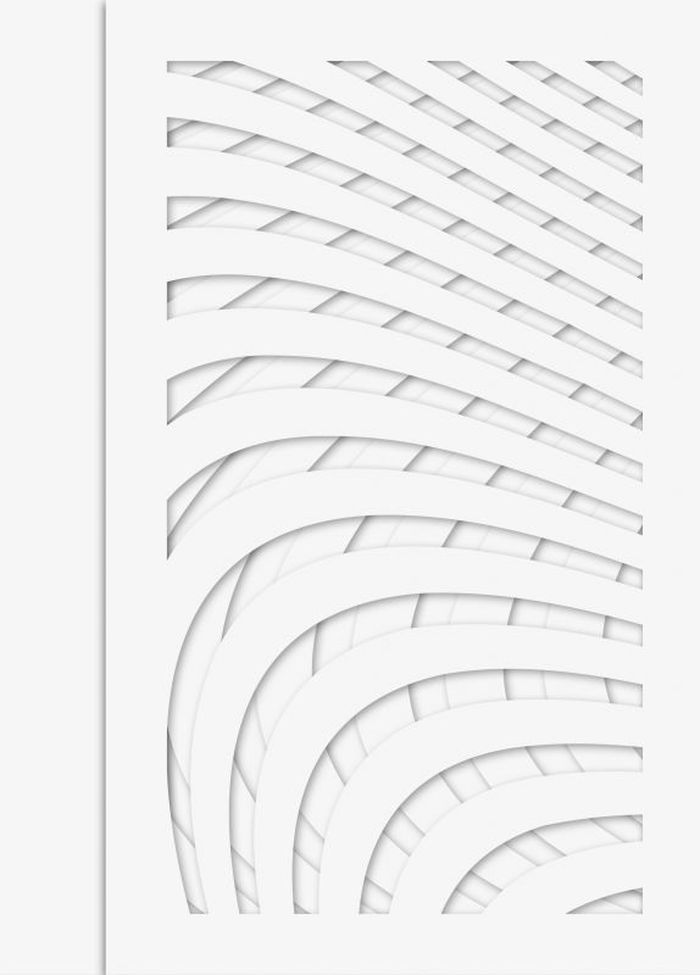
The artist Sandra Schlipkoeter (b. Solingen, Germany, 1979; lives and works in Berlin) uses the concept of interference as an umbrella term for her extensive oeuvre, which spans the media of painting, sculpture, and installation art. She studied at the Düsseldorf Academy of Fine Art with Eberhard Havekost, who had a profound influence on her as she devised her own photorealistic visual language. Interferences of natural and digital light she engenders using photography and then reproduces by painterly means have been central to her work since 2012; she translates them into oil paintings, cut-outs made from fabric-like structures, and installations. Experimenting with the diverse manifestations of light and variously cutting up, superimposing, and contorting materials such as mirror foil or paper, she creates visual universes that brim with energy. The monograph "Interferenzen" presents her output of the past ten years. With essays by Gisela Elbracht-Iglhaut and Thomas Kuhn and a conversation with the artist by Anna Matzek.
Sandra Schlipkoeter: Interferenzen
Actions:
Price:
$75.00
(available in store)
Summary:
The artist Sandra Schlipkoeter (b. Solingen, Germany, 1979; lives and works in Berlin) uses the concept of interference as an umbrella term for her extensive oeuvre, which spans the media of painting, sculpture, and installation art. She studied at the Düsseldorf Academy of Fine Art with Eberhard Havekost, who had a profound influence on her as she devised her own photorealistic visual language. Interferences of natural and digital light she engenders using photography and then reproduces by painterly means have been central to her work since 2012; she translates them into oil paintings, cut-outs made from fabric-like structures, and installations. Experimenting with the diverse manifestations of light and variously cutting up, superimposing, and contorting materials such as mirror foil or paper, she creates visual universes that brim with energy. The monograph "Interferenzen" presents her output of the past ten years. With essays by Gisela Elbracht-Iglhaut and Thomas Kuhn and a conversation with the artist by Anna Matzek.
Form:
books
books
Publication:
October 2023
October 2023
Subject:
Contemporary Art Monographs
Contemporary Art Monographs
Form:
books
books
Title:
In the flow
In the flow
Actions:
Price:
$22.99
(available to order)
Summary:
In the early twentieth century, art and its institutions came under critique from a new democratic and egalitarian spirit. The notion of works of art as sacred objects was decried and subsequently they would be understood merely as things. This meant an attack on realism, as well as on the traditional preservative mission of the museum. Art theorist Boris Groys argues(...)
$22.99
(available to order)
Summary:
In the early twentieth century, art and its institutions came under critique from a new democratic and egalitarian spirit. The notion of works of art as sacred objects was decried and subsequently they would be understood merely as things. This meant an attack on realism, as well as on the traditional preservative mission of the museum. Art theorist Boris Groys argues(...)
Title:
In the flow
Actions:
Price:
$22.99
(available to order)
Summary:
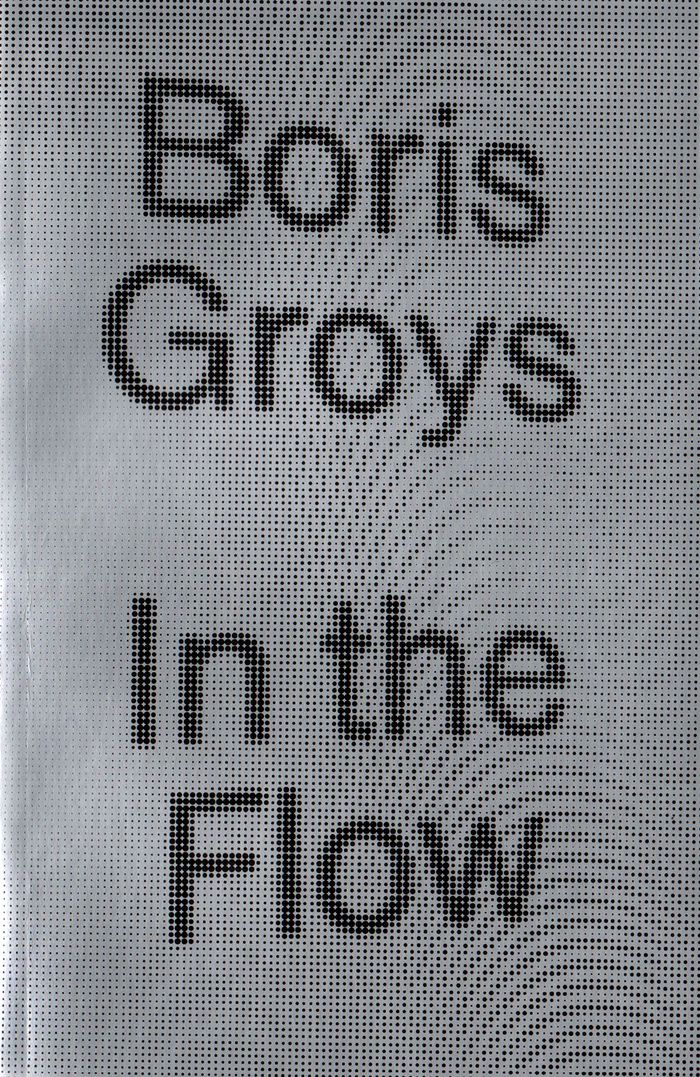
In the early twentieth century, art and its institutions came under critique from a new democratic and egalitarian spirit. The notion of works of art as sacred objects was decried and subsequently they would be understood merely as things. This meant an attack on realism, as well as on the traditional preservative mission of the museum. Art theorist Boris Groys argues this led to the development of “direct realism”: an art that would not produce objects, but practices that would not survive. But for more than a century now, every advance in this direction has been quickly followed by new means of preserving art’s distinction. In this new work, Groys explores art in the age of the thingless medium, the Internet. Groys claims that if the techniques of mechanical reproduction gave us objects without aura, digital production generates aura without objects, transforming all its materials into vanishing markers of the transitory present.
In the flow
Actions:
Price:
$22.99
(available to order)
Summary:
In the early twentieth century, art and its institutions came under critique from a new democratic and egalitarian spirit. The notion of works of art as sacred objects was decried and subsequently they would be understood merely as things. This meant an attack on realism, as well as on the traditional preservative mission of the museum. Art theorist Boris Groys argues this led to the development of “direct realism”: an art that would not produce objects, but practices that would not survive. But for more than a century now, every advance in this direction has been quickly followed by new means of preserving art’s distinction. In this new work, Groys explores art in the age of the thingless medium, the Internet. Groys claims that if the techniques of mechanical reproduction gave us objects without aura, digital production generates aura without objects, transforming all its materials into vanishing markers of the transitory present.
Form:
books
books
Publication:
January 2018
January 2018
Subject:
Art Theory
Art Theory
Form:
books
books

Actions:
Price:
$150.00
(available in store)
Summary:
Spanning from 3,500 BCE to the present, and organized along a global timeline, this unique guide was written by experts in their fields who emphasize the connections, contrasts, and influences of architectural movements throughout history and around the world. Fully updated and revised to reflect current scholarship, this third edition features expanded chapter(...)
$150.00
(available in store)
Summary:
Spanning from 3,500 BCE to the present, and organized along a global timeline, this unique guide was written by experts in their fields who emphasize the connections, contrasts, and influences of architectural movements throughout history and around the world. Fully updated and revised to reflect current scholarship, this third edition features expanded chapter(...)
Publication:
April 2017
April 2017
Title:
A global history of architecture, third edition
Actions:
Price:
$150.00
(available in store)
Summary:
Spanning from 3,500 BCE to the present, and organized along a global timeline, this unique guide was written by experts in their fields who emphasize the connections, contrasts, and influences of architectural movements throughout history and around the world. Fully updated and revised to reflect current scholarship, this third edition features expanded chapter introductions that set the stage for a global view, as well as: an expanded section on contemporary global architecture, more coverage of non-Western cultures, particularly South Asia, South East Asia Pre-Columbian America, and Africa. New drawings and maps by the iconic Francis D.K. Ching, as well as more stunning photographs. An updated companion website with digital learning tools and Google Earth mapping service coordinates that make it easier to find sites. Art and architecture enthusiasts, and anyone interested in architectural history, will have 5,000 years of the built environment perpetually at their fingertips with "A global history of architecture, third edition".
A global history of architecture, third edition
Actions:
Price:
$150.00
(available in store)
Summary:
Spanning from 3,500 BCE to the present, and organized along a global timeline, this unique guide was written by experts in their fields who emphasize the connections, contrasts, and influences of architectural movements throughout history and around the world. Fully updated and revised to reflect current scholarship, this third edition features expanded chapter introductions that set the stage for a global view, as well as: an expanded section on contemporary global architecture, more coverage of non-Western cultures, particularly South Asia, South East Asia Pre-Columbian America, and Africa. New drawings and maps by the iconic Francis D.K. Ching, as well as more stunning photographs. An updated companion website with digital learning tools and Google Earth mapping service coordinates that make it easier to find sites. Art and architecture enthusiasts, and anyone interested in architectural history, will have 5,000 years of the built environment perpetually at their fingertips with "A global history of architecture, third edition".
Form:
books
books
Publication:
April 2017
April 2017
Form:
books
books
Actions:
Price:
$24.00
(available to order)
Summary:
Visual artist and theorist Suzanne Anker opened the 2007 international online conference Bioscience and Visual Culture with the following words: "The ubiquitous employment of digital technologies within the practices of research science and medicine, architecture and design, filmmaking and video production, as well as the visual and performing arts, has set ajar a(...)
$24.00
(available to order)
Summary:
Visual artist and theorist Suzanne Anker opened the 2007 international online conference Bioscience and Visual Culture with the following words: "The ubiquitous employment of digital technologies within the practices of research science and medicine, architecture and design, filmmaking and video production, as well as the visual and performing arts, has set ajar a(...)
Title:
Visual culture and bioscience
Actions:
Price:
$24.00
(available to order)
Summary:
Visual artist and theorist Suzanne Anker opened the 2007 international online conference Bioscience and Visual Culture with the following words: "The ubiquitous employment of digital technologies within the practices of research science and medicine, architecture and design, filmmaking and video production, as well as the visual and performing arts, has set ajar a multiplex of communication networks which crisscross traditional boundaries." This volume documents the virtual symposium, which was hosted by the National Academy of Sciences in Washington, D.C. and the Center for Art, Design and Visual Culture at the University of Maryland, Baltimore County. Herein, artists, scientists, historians, ethicists, curators, sociologists and writers discuss the myriad intersections between visual culture and the biosciences. The impressive list of international panelists includes Carl Djerassi of Stanford University, Troy Duster of NYU, Marvin Heiferman of SVA, David Freedberg of Columbia University, artist Catherine Chalmers, Art in America Senior Editor Nancy Princenthal and writer Andrew Solomon.
Visual culture and bioscience
Actions:
Price:
$24.00
(available to order)
Summary:
Visual artist and theorist Suzanne Anker opened the 2007 international online conference Bioscience and Visual Culture with the following words: "The ubiquitous employment of digital technologies within the practices of research science and medicine, architecture and design, filmmaking and video production, as well as the visual and performing arts, has set ajar a multiplex of communication networks which crisscross traditional boundaries." This volume documents the virtual symposium, which was hosted by the National Academy of Sciences in Washington, D.C. and the Center for Art, Design and Visual Culture at the University of Maryland, Baltimore County. Herein, artists, scientists, historians, ethicists, curators, sociologists and writers discuss the myriad intersections between visual culture and the biosciences. The impressive list of international panelists includes Carl Djerassi of Stanford University, Troy Duster of NYU, Marvin Heiferman of SVA, David Freedberg of Columbia University, artist Catherine Chalmers, Art in America Senior Editor Nancy Princenthal and writer Andrew Solomon.
Form:
books
books
Publication:
November 2008
November 2008
Subject:
Contemporary Art Monographs
Contemporary Art Monographs
Form:
books
books
Actions:
Price:
$29.99
(available in store)
Summary:
NYSR produces the Portfolio every few years, both as a showcase of the very best in contemporary architectural illustration, and as a resource for architects, developers, and designers who wish to commission renderings of their own. This edition is by far the largest we have produced to date, and features over 360 color renderings by 46 top illustrators, a foreword by(...)
$29.99
(available in store)
Summary:
NYSR produces the Portfolio every few years, both as a showcase of the very best in contemporary architectural illustration, and as a resource for architects, developers, and designers who wish to commission renderings of their own. This edition is by far the largest we have produced to date, and features over 360 color renderings by 46 top illustrators, a foreword by(...)
Publication:
January 2005, New York
January 2005, New York
Title:
Rendering: NYSR portfolio of architectural & interior
Actions:
Price:
$29.99
(available in store)
Summary:
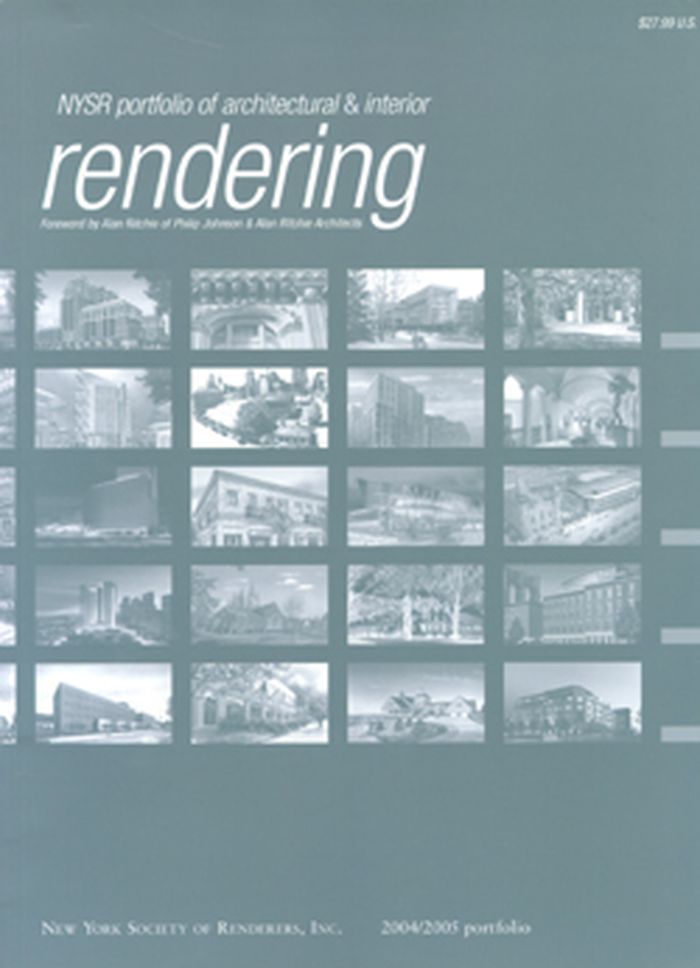
NYSR produces the Portfolio every few years, both as a showcase of the very best in contemporary architectural illustration, and as a resource for architects, developers, and designers who wish to commission renderings of their own. This edition is by far the largest we have produced to date, and features over 360 color renderings by 46 top illustrators, a foreword by Alan Ritchie of Philip Johnson/Alan Ritchie Architects, and contact information for each artist. The illustrators featured in the NYSR Portfolio represent a broad array of styles and techniques; from traditional media such as watercolor and gouache, to digital renderings, to hybrid renderings that combine computer and hand work. As a design professional, you know that renderings are often the most public face of your project prior to construction. The right rendering can help sell your ideas to clients, prospective tenants, regulatory bodies, and communities. Within the Portfolio, it is our hope that you will find the right illustrator for your project.
Rendering: NYSR portfolio of architectural & interior
Actions:
Price:
$29.99
(available in store)
Summary:
NYSR produces the Portfolio every few years, both as a showcase of the very best in contemporary architectural illustration, and as a resource for architects, developers, and designers who wish to commission renderings of their own. This edition is by far the largest we have produced to date, and features over 360 color renderings by 46 top illustrators, a foreword by Alan Ritchie of Philip Johnson/Alan Ritchie Architects, and contact information for each artist. The illustrators featured in the NYSR Portfolio represent a broad array of styles and techniques; from traditional media such as watercolor and gouache, to digital renderings, to hybrid renderings that combine computer and hand work. As a design professional, you know that renderings are often the most public face of your project prior to construction. The right rendering can help sell your ideas to clients, prospective tenants, regulatory bodies, and communities. Within the Portfolio, it is our hope that you will find the right illustrator for your project.
Form:
books
books
Publication:
January 2005, New York
January 2005, New York
Form:
books
books
Actions:
Price:
$52.95
(available to order)
Summary:
In a career that has spanned more than forty years, Matthew Carter has designed many of the typefaces that we see every day in and on publications, books, signs, and screens. Carter's celebrated typefaces include such stalwarts as Galliard, Mantinia, and Verdana. In 1975, he created the now-pervasive Bell Centennial specifically for use in phone books. Publications(...)
$52.95
(available to order)
Summary:
In a career that has spanned more than forty years, Matthew Carter has designed many of the typefaces that we see every day in and on publications, books, signs, and screens. Carter's celebrated typefaces include such stalwarts as Galliard, Mantinia, and Verdana. In 1975, he created the now-pervasive Bell Centennial specifically for use in phone books. Publications(...)
Subject:
Graphic Design and Typography
Graphic Design and Typography
Publication:
September 2003, Baltimore
September 2003, Baltimore
Title:
Typographically speaking : the art of Matthew Carter
Actions:
Price:
$52.95
(available to order)
Summary:
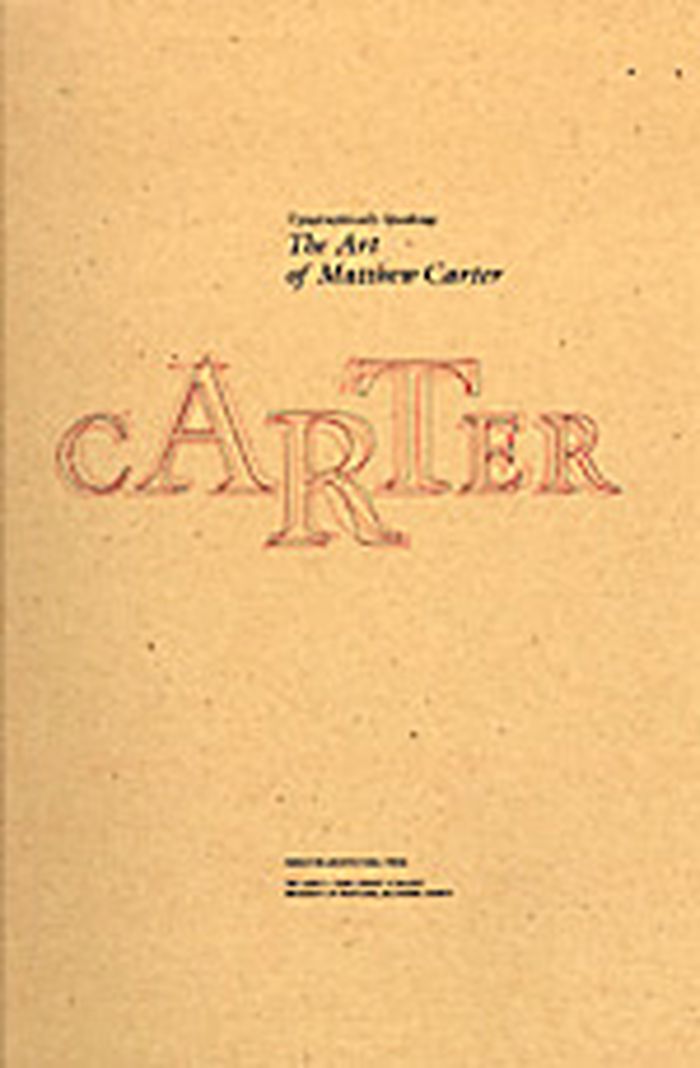
In a career that has spanned more than forty years, Matthew Carter has designed many of the typefaces that we see every day in and on publications, books, signs, and screens. Carter's celebrated typefaces include such stalwarts as Galliard, Mantinia, and Verdana. In 1975, he created the now-pervasive Bell Centennial specifically for use in phone books. Publications including Sports Illustrated, the Daily News, Wired, and the Washington Post, along with cultural institutions such as the Walker Arts Center and The Victoria – Albert Museum, have all commissioned Carter fonts. "Typographically speaking: the art of Matthew Carter" celebrates the work of this legendary type designer who entered the field in the days of hand-cut punches and hot-metal type, and has continued to innovate through the eras of photocomposition and digital design. Essays discuss the form of his work, his position and use of typographic history, and his technological innovation. All of his fonts are reproduced in full for reference, and illustrations place his designs in context.
Typographically speaking : the art of Matthew Carter
Actions:
Price:
$52.95
(available to order)
Summary:
In a career that has spanned more than forty years, Matthew Carter has designed many of the typefaces that we see every day in and on publications, books, signs, and screens. Carter's celebrated typefaces include such stalwarts as Galliard, Mantinia, and Verdana. In 1975, he created the now-pervasive Bell Centennial specifically for use in phone books. Publications including Sports Illustrated, the Daily News, Wired, and the Washington Post, along with cultural institutions such as the Walker Arts Center and The Victoria – Albert Museum, have all commissioned Carter fonts. "Typographically speaking: the art of Matthew Carter" celebrates the work of this legendary type designer who entered the field in the days of hand-cut punches and hot-metal type, and has continued to innovate through the eras of photocomposition and digital design. Essays discuss the form of his work, his position and use of typographic history, and his technological innovation. All of his fonts are reproduced in full for reference, and illustrations place his designs in context.
Form:
books
books
Publication:
September 2003, Baltimore
September 2003, Baltimore
Subject:
Graphic Design and Typography
Graphic Design and Typography
Form:
books
books
Title:
Archive of forgetfulness
Archive of forgetfulness
Actions:
Price:
$42.00
(available in store)
Summary:
''Archive of Forgetfulness'' is a catalogue of the pan-African digital exhibition and podcast series which ran from September 2020 and December 2021 at archiveofforgetfulness.com. The publication acts as a physical translation of the collection of work online, and opens up wider questions around archives, memory and forgetfulness. The project includes the work of(...)
$42.00
(available in store)
Summary:
''Archive of Forgetfulness'' is a catalogue of the pan-African digital exhibition and podcast series which ran from September 2020 and December 2021 at archiveofforgetfulness.com. The publication acts as a physical translation of the collection of work online, and opens up wider questions around archives, memory and forgetfulness. The project includes the work of(...)
Title:
Archive of forgetfulness
Actions:
Price:
$42.00
(available in store)
Summary:
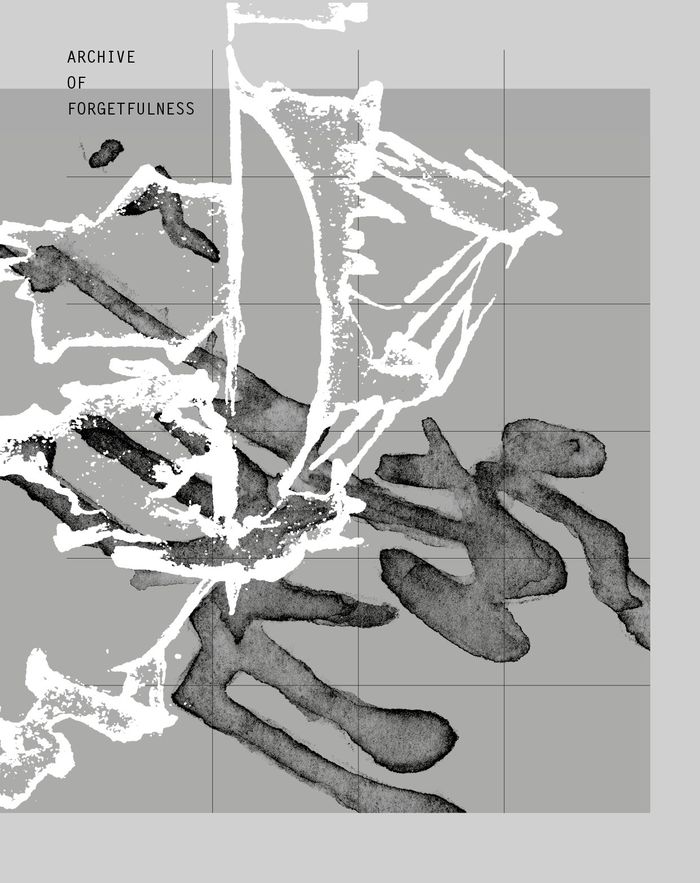
''Archive of Forgetfulness'' is a catalogue of the pan-African digital exhibition and podcast series which ran from September 2020 and December 2021 at archiveofforgetfulness.com. The publication acts as a physical translation of the collection of work online, and opens up wider questions around archives, memory and forgetfulness. The project includes the work of fifty-six artists, cultural producers, curators, creative thinkers and researchers from the African continent and diaspora. The catalogue speaks to the four parts of this larger project, namely an eight-part podcast series, twenty-two art works submitted in response to an open call, five essays and six regionally curated projects. As a collection of work centred on the African continent, the various contributors interrogate archival gestures, raise questions on personal and political histories that emerge via infrastructures of mobility, and suggest ways of living and remembering for alternative possible futures. In these works, archival labour and memory work are understood as deeply political, personal and speculative.
Archive of forgetfulness
Actions:
Price:
$42.00
(available in store)
Summary:
''Archive of Forgetfulness'' is a catalogue of the pan-African digital exhibition and podcast series which ran from September 2020 and December 2021 at archiveofforgetfulness.com. The publication acts as a physical translation of the collection of work online, and opens up wider questions around archives, memory and forgetfulness. The project includes the work of fifty-six artists, cultural producers, curators, creative thinkers and researchers from the African continent and diaspora. The catalogue speaks to the four parts of this larger project, namely an eight-part podcast series, twenty-two art works submitted in response to an open call, five essays and six regionally curated projects. As a collection of work centred on the African continent, the various contributors interrogate archival gestures, raise questions on personal and political histories that emerge via infrastructures of mobility, and suggest ways of living and remembering for alternative possible futures. In these works, archival labour and memory work are understood as deeply political, personal and speculative.
Form:
books
books
Publication:
June 2023
June 2023
Subject:
Contemporary Architecture
Contemporary Architecture
Form:
books
books
Price:
$33.95
(available in store)
Summary:
In ''Brutalism'', eminent social and critical theorist Achille Mbembe invokes the architectural aesthetic of brutalism to describe our moment, caught up in the pathos of demolition and production on a planetary scale. Just as brutalist architecture creates an affect of overwhelming weight and destruction, Mbembe contends that contemporary capitalism crushes and dominates(...)
$33.95
(available in store)
Summary:
In ''Brutalism'', eminent social and critical theorist Achille Mbembe invokes the architectural aesthetic of brutalism to describe our moment, caught up in the pathos of demolition and production on a planetary scale. Just as brutalist architecture creates an affect of overwhelming weight and destruction, Mbembe contends that contemporary capitalism crushes and dominates(...)
Title:
Brutalism
Actions:
Price:
$33.95
(available in store)
Summary:
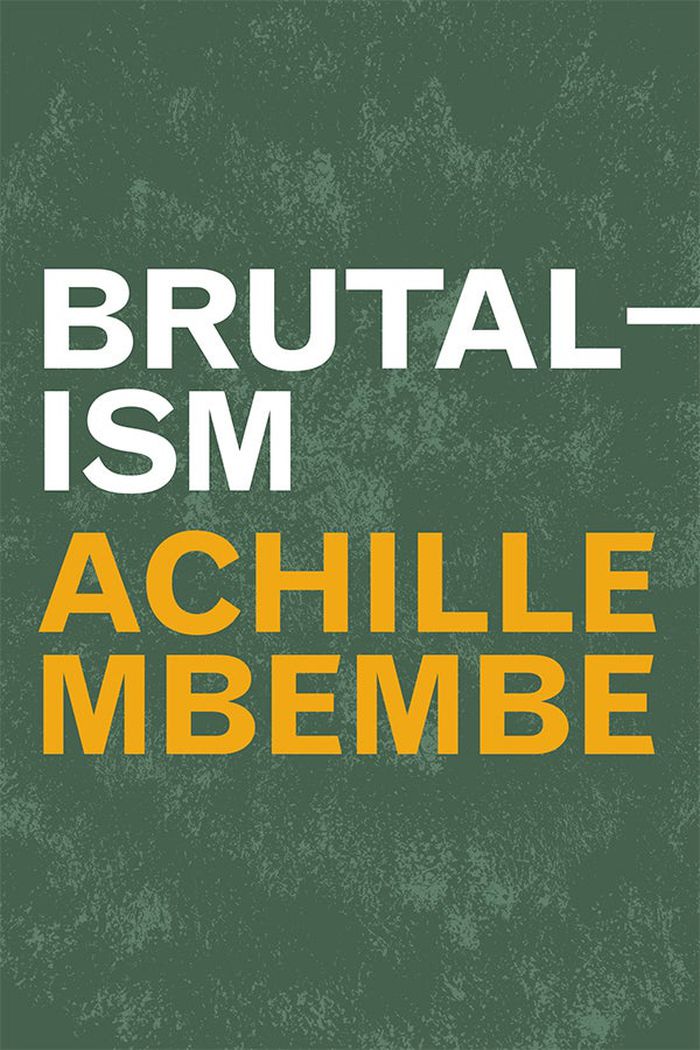
In ''Brutalism'', eminent social and critical theorist Achille Mbembe invokes the architectural aesthetic of brutalism to describe our moment, caught up in the pathos of demolition and production on a planetary scale. Just as brutalist architecture creates an affect of overwhelming weight and destruction, Mbembe contends that contemporary capitalism crushes and dominates all spheres of existence. In our digital, technologically focused era, capitalism has produced a becoming-artificial of humanity and the becoming-human of machines. This blurring of the natural and artificial presents a planetary existential threat in which contemporary society’s goal is to precipitate the mutation of the human species into a condition that is at once plastic and synthetic. Mbembe argues that Afro-diasporic thought presents the only solution for breaking the totalizing logic of contemporary capitalism: repairing that which is broken, developing a new planetary consciousness, and reforming a community of humans in solidarity with all living things.
Brutalism
Actions:
Price:
$33.95
(available in store)
Summary:
In ''Brutalism'', eminent social and critical theorist Achille Mbembe invokes the architectural aesthetic of brutalism to describe our moment, caught up in the pathos of demolition and production on a planetary scale. Just as brutalist architecture creates an affect of overwhelming weight and destruction, Mbembe contends that contemporary capitalism crushes and dominates all spheres of existence. In our digital, technologically focused era, capitalism has produced a becoming-artificial of humanity and the becoming-human of machines. This blurring of the natural and artificial presents a planetary existential threat in which contemporary society’s goal is to precipitate the mutation of the human species into a condition that is at once plastic and synthetic. Mbembe argues that Afro-diasporic thought presents the only solution for breaking the totalizing logic of contemporary capitalism: repairing that which is broken, developing a new planetary consciousness, and reforming a community of humans in solidarity with all living things.
Form:
books
books
Publication:
June 2024
June 2024
Subject:
Social
Social
Form:
books
books

Price:
$24.95
(available in store)
Summary:
After a meteoric rise, China today is one of the world’s most powerful nations. Just a century ago, it was a crumbling empire with literacy reserved for the elite few, as the world underwent a massive technological transformation that threatened to leave them behind. In Kingdom of Characters, Jing Tsu argues that China’s most daunting challenge was a linguistic one: the(...)
$24.95
(available in store)
Summary:
After a meteoric rise, China today is one of the world’s most powerful nations. Just a century ago, it was a crumbling empire with literacy reserved for the elite few, as the world underwent a massive technological transformation that threatened to leave them behind. In Kingdom of Characters, Jing Tsu argues that China’s most daunting challenge was a linguistic one: the(...)
Title:
Kingdom of characters: The language revolution that made China modern
Actions:
Price:
$24.95
(available in store)
Summary:
After a meteoric rise, China today is one of the world’s most powerful nations. Just a century ago, it was a crumbling empire with literacy reserved for the elite few, as the world underwent a massive technological transformation that threatened to leave them behind. In Kingdom of Characters, Jing Tsu argues that China’s most daunting challenge was a linguistic one: the century-long fight to make the formidable Chinese language accessible to the modern world of global trade and digital technology. 'Kingdom of characters' follows the bold innovators who reinvented the Chinese language, among them an exiled reformer who risked a death sentence to advocate for Mandarin as a national language, a Chinese-Muslim poet who laid the groundwork for Chairman Mao’s phonetic writing system, and a computer engineer who devised input codes for Chinese characters on the lid of a teacup from the floor of a jail cell. Without their advances, China might never have become the dominating force we know today.
Kingdom of characters: The language revolution that made China modern
Actions:
Price:
$24.95
(available in store)
Summary:
After a meteoric rise, China today is one of the world’s most powerful nations. Just a century ago, it was a crumbling empire with literacy reserved for the elite few, as the world underwent a massive technological transformation that threatened to leave them behind. In Kingdom of Characters, Jing Tsu argues that China’s most daunting challenge was a linguistic one: the century-long fight to make the formidable Chinese language accessible to the modern world of global trade and digital technology. 'Kingdom of characters' follows the bold innovators who reinvented the Chinese language, among them an exiled reformer who risked a death sentence to advocate for Mandarin as a national language, a Chinese-Muslim poet who laid the groundwork for Chairman Mao’s phonetic writing system, and a computer engineer who devised input codes for Chinese characters on the lid of a teacup from the floor of a jail cell. Without their advances, China might never have become the dominating force we know today.
Form:
books
books
Publication:
January 2023
January 2023
Subject:
Graphic Design and Typography
Graphic Design and Typography


