


7437 Results
Form:
books
books

Actions:
Price:
$44.00
(available to order)
Summary:
Vancouver photographer and video artist Stan Douglas (born 1960) has been celebrated since the late 1980s for his politically freighted retrievals of obsolete technologies and failed utopias. The emphatically narrative character of his films and photographs has made for comparisons with his Vancouver contemporary Jeff Wall, but Douglas also laces his work with a literary(...)
$44.00
(available to order)
Summary:
Vancouver photographer and video artist Stan Douglas (born 1960) has been celebrated since the late 1980s for his politically freighted retrievals of obsolete technologies and failed utopias. The emphatically narrative character of his films and photographs has made for comparisons with his Vancouver contemporary Jeff Wall, but Douglas also laces his work with a literary(...)
Title:
Stan Douglas: midcentury studio
Actions:
Price:
$44.00
(available to order)
Summary:
Vancouver photographer and video artist Stan Douglas (born 1960) has been celebrated since the late 1980s for his politically freighted retrievals of obsolete technologies and failed utopias. The emphatically narrative character of his films and photographs has made for comparisons with his Vancouver contemporary Jeff Wall, but Douglas also laces his work with a literary engagement, in references to works by Proust, Beckett and other writers. This publication sees Douglas pursue a new direction. It chronicles the burgeoning discipline of press photography in North America during the postwar period, for which Douglas assumes the role of a fictional photographer, creating a series of images hypothetically produced between 1945-1951. Douglas constructed a “mid-century studio” using authentic equipment as well as actors to produce carefully staged, black-and-white photographs that painstakingly emulate the period's obsession with crime scenes, dance, gambling and technology. This volume juxtaposes actual photographs from the era with Douglas' photo-fictions.
Stan Douglas: midcentury studio
Actions:
Price:
$44.00
(available to order)
Summary:
Vancouver photographer and video artist Stan Douglas (born 1960) has been celebrated since the late 1980s for his politically freighted retrievals of obsolete technologies and failed utopias. The emphatically narrative character of his films and photographs has made for comparisons with his Vancouver contemporary Jeff Wall, but Douglas also laces his work with a literary engagement, in references to works by Proust, Beckett and other writers. This publication sees Douglas pursue a new direction. It chronicles the burgeoning discipline of press photography in North America during the postwar period, for which Douglas assumes the role of a fictional photographer, creating a series of images hypothetically produced between 1945-1951. Douglas constructed a “mid-century studio” using authentic equipment as well as actors to produce carefully staged, black-and-white photographs that painstakingly emulate the period's obsession with crime scenes, dance, gambling and technology. This volume juxtaposes actual photographs from the era with Douglas' photo-fictions.
Form:
books
books
Publication:
July 2011
July 2011
Subject:
Photography monographs
Photography monographs
Form:
books
books

Actions:
Price:
$24.95
(available to order)
Summary:
When Guy Debord identified the image consumerism of “the society of the spectacle” in the 1960s, he could not have forecast that language would threaten to eclipse the image in the medium of personal technology, creating a world of ubiquitous legibility. Today, we read anytime and anywhere, on screens of all sizes; we read not only newspaper articles, but also databases,(...)
$24.95
(available to order)
Summary:
When Guy Debord identified the image consumerism of “the society of the spectacle” in the 1960s, he could not have forecast that language would threaten to eclipse the image in the medium of personal technology, creating a world of ubiquitous legibility. Today, we read anytime and anywhere, on screens of all sizes; we read not only newspaper articles, but also databases,(...)
Title:
I read where I am : exploring new information cultures
Actions:
Price:
$24.95
(available to order)
Summary:
When Guy Debord identified the image consumerism of “the society of the spectacle” in the 1960s, he could not have forecast that language would threaten to eclipse the image in the medium of personal technology, creating a world of ubiquitous legibility. Today, we read anytime and anywhere, on screens of all sizes; we read not only newspaper articles, but also databases, online archives, search engine results and navigational structures. We read while out on the street, at home or in the office, with a complete library to hand - but less and less we read a book at home on the couch. In other words, we are, or are becoming, a different kind of reader. I Read Where I Am contains texts about the future of reading and the status of the word in the digital age from designers, philosophers, journalists and politicians, looking at both sides of the argument for printed and digital reading matter.
I read where I am : exploring new information cultures
Actions:
Price:
$24.95
(available to order)
Summary:
When Guy Debord identified the image consumerism of “the society of the spectacle” in the 1960s, he could not have forecast that language would threaten to eclipse the image in the medium of personal technology, creating a world of ubiquitous legibility. Today, we read anytime and anywhere, on screens of all sizes; we read not only newspaper articles, but also databases, online archives, search engine results and navigational structures. We read while out on the street, at home or in the office, with a complete library to hand - but less and less we read a book at home on the couch. In other words, we are, or are becoming, a different kind of reader. I Read Where I Am contains texts about the future of reading and the status of the word in the digital age from designers, philosophers, journalists and politicians, looking at both sides of the argument for printed and digital reading matter.
Form:
books
books
Publication:
September 2011
September 2011
Subject:
Epistemology
Epistemology
Form:
books
books

Actions:
Price:
$47.00
(available to order)
Summary:
Roads to Power tells the story of how Britain built the first nation connected by infrastructure, how a libertarian revolution destroyed a national economy, and how technology caused strangers to stop speaking. In early eighteenth-century Britain, nothing but dirt track ran between most towns. By 1848 the primitive roads were transformed into a network of highways(...)
$47.00
(available to order)
Summary:
Roads to Power tells the story of how Britain built the first nation connected by infrastructure, how a libertarian revolution destroyed a national economy, and how technology caused strangers to stop speaking. In early eighteenth-century Britain, nothing but dirt track ran between most towns. By 1848 the primitive roads were transformed into a network of highways(...)
Title:
Roads to power: Britain invents the infrastructure state
Actions:
Price:
$47.00
(available to order)
Summary:
Roads to Power tells the story of how Britain built the first nation connected by infrastructure, how a libertarian revolution destroyed a national economy, and how technology caused strangers to stop speaking. In early eighteenth-century Britain, nothing but dirt track ran between most towns. By 1848 the primitive roads were transformed into a network of highways connecting every village and island in the nation—and also dividing them in unforeseen ways. The highway network led to contests for control over everything from road management to market access. Peripheries like the Highlands demanded that centralized government pay for roads they could not afford, while English counties wanted to be spared the cost of underwriting roads to Scotland. The new network also transformed social relationships. Although travelers moved along the same routes, they occupied increasingly isolated spheres. The roads were the product of a new form of government, the infrastructure state, marked by the unprecedented control bureaucrats wielded over decisions relating to everyday life.
Roads to power: Britain invents the infrastructure state
Actions:
Price:
$47.00
(available to order)
Summary:
Roads to Power tells the story of how Britain built the first nation connected by infrastructure, how a libertarian revolution destroyed a national economy, and how technology caused strangers to stop speaking. In early eighteenth-century Britain, nothing but dirt track ran between most towns. By 1848 the primitive roads were transformed into a network of highways connecting every village and island in the nation—and also dividing them in unforeseen ways. The highway network led to contests for control over everything from road management to market access. Peripheries like the Highlands demanded that centralized government pay for roads they could not afford, while English counties wanted to be spared the cost of underwriting roads to Scotland. The new network also transformed social relationships. Although travelers moved along the same routes, they occupied increasingly isolated spheres. The roads were the product of a new form of government, the infrastructure state, marked by the unprecedented control bureaucrats wielded over decisions relating to everyday life.
Form:
books
books
Publication:
January 2012
January 2012
Subject:
Architectural Theory
Architectural Theory
Form:
books
books

Actions:
Price:
$36.00
(available to order)
Summary:
This book documents and exhibition of contemporary Japanese artists who are active at the cutting edge of the global fiber-art movement, transforming fabrics into sculptures, pictures, emulations of nature, or even abstract meditations on memory and identity. The materials they use range from silk, cotton, recycled cocoons, antique paper scraps, jute, and hemp to(...)
$36.00
(available to order)
Summary:
This book documents and exhibition of contemporary Japanese artists who are active at the cutting edge of the global fiber-art movement, transforming fabrics into sculptures, pictures, emulations of nature, or even abstract meditations on memory and identity. The materials they use range from silk, cotton, recycled cocoons, antique paper scraps, jute, and hemp to(...)
Publication:
October 2011
October 2011
Title:
Fiber futures: Japan's textile pioneers
Actions:
Price:
$36.00
(available to order)
Summary:
This book documents and exhibition of contemporary Japanese artists who are active at the cutting edge of the global fiber-art movement, transforming fabrics into sculptures, pictures, emulations of nature, or even abstract meditations on memory and identity. The materials they use range from silk, cotton, recycled cocoons, antique paper scraps, jute, and hemp to stainless-steel wire and synthetic fiber. Their methods are sometimes traditional, but can also incorporate the latest weaving and dyeing technology, often with the goal of expressing an environmentally conscious green ethic. The thirty artists were selected for "Fiber Futures: Japan's Textile Pioneers," an exhibition at New York's Japan Society Gallery. Introductory essays by Hiroko Watanabe, President of International Textile Network, and Gallery Director Joe Earle provide the context for these innovative, beautiful, and sometimes challenging works of art. The catalogue section features artist statements, informative commentary, and lavish photography, much of it commissioned especially by Japan Society.
Fiber futures: Japan's textile pioneers
Actions:
Price:
$36.00
(available to order)
Summary:
This book documents and exhibition of contemporary Japanese artists who are active at the cutting edge of the global fiber-art movement, transforming fabrics into sculptures, pictures, emulations of nature, or even abstract meditations on memory and identity. The materials they use range from silk, cotton, recycled cocoons, antique paper scraps, jute, and hemp to stainless-steel wire and synthetic fiber. Their methods are sometimes traditional, but can also incorporate the latest weaving and dyeing technology, often with the goal of expressing an environmentally conscious green ethic. The thirty artists were selected for "Fiber Futures: Japan's Textile Pioneers," an exhibition at New York's Japan Society Gallery. Introductory essays by Hiroko Watanabe, President of International Textile Network, and Gallery Director Joe Earle provide the context for these innovative, beautiful, and sometimes challenging works of art. The catalogue section features artist statements, informative commentary, and lavish photography, much of it commissioned especially by Japan Society.
Form:
books
books
Publication:
October 2011
October 2011
Form:
books
books
Actions:
Price:
$69.95
(available to order)
Summary:
It should be no surprise that Eskilson's study of the evolution of graphic design from Gutenberg to grunge and beyond is an oft-assigned tome for budding designers. However, one needn't be a student to appreciate Eskilson's ability to hold a narrative thread as art movements, technology, and other influences continue to broaden the scope of his topic as the book(...)
$69.95
(available to order)
Summary:
It should be no surprise that Eskilson's study of the evolution of graphic design from Gutenberg to grunge and beyond is an oft-assigned tome for budding designers. However, one needn't be a student to appreciate Eskilson's ability to hold a narrative thread as art movements, technology, and other influences continue to broaden the scope of his topic as the book(...)
Title:
Graphic design : A new history
Actions:
Price:
$69.95
(available to order)
Summary:
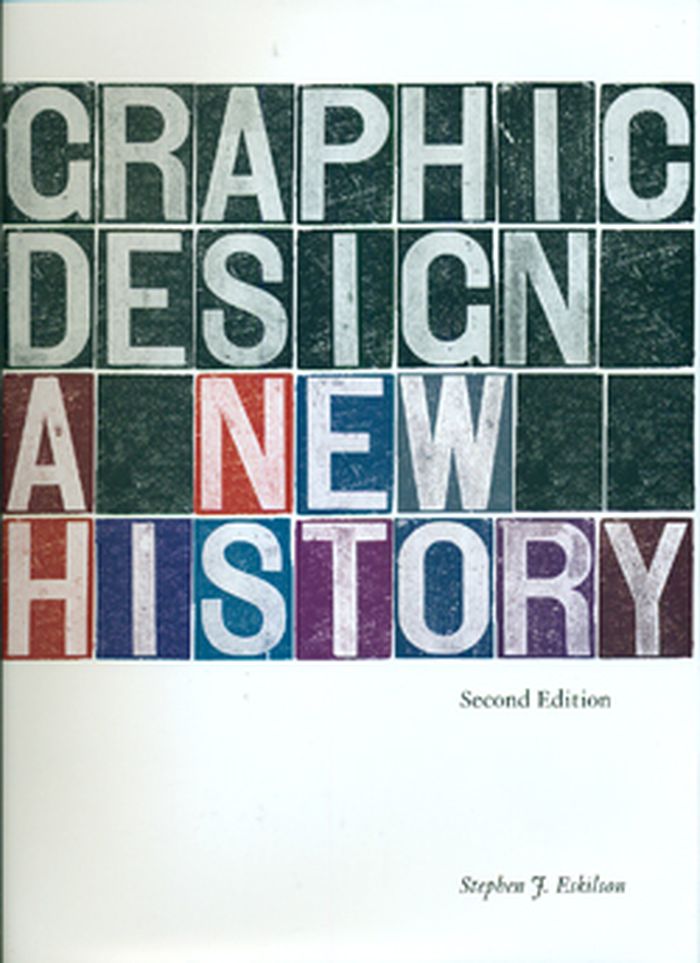
It should be no surprise that Eskilson's study of the evolution of graphic design from Gutenberg to grunge and beyond is an oft-assigned tome for budding designers. However, one needn't be a student to appreciate Eskilson's ability to hold a narrative thread as art movements, technology, and other influences continue to broaden the scope of his topic as the book progresses. Working his way through a dense and diverse melange of media, such as pulp magazines, photography, architecture, typefaces, logos, Nazi propaganda, movie posters, and signage, Eskilson (coauthor, Frames of Reference: Art History and the World) is an enthusiastic and informative guide. The tome is liberally peppered throughout with iconic images such as Currier and Ives prints, James Flagg's I Want YOU for U.S. Army, and Shepard Fairey's Hope, featuring Barack Obama, as well as digressions on key contributors such as Henri de Toulouse-Lautrec, Gustav Klimt, and movements like De Stijl.
Graphic design : A new history
Actions:
Price:
$69.95
(available to order)
Summary:
It should be no surprise that Eskilson's study of the evolution of graphic design from Gutenberg to grunge and beyond is an oft-assigned tome for budding designers. However, one needn't be a student to appreciate Eskilson's ability to hold a narrative thread as art movements, technology, and other influences continue to broaden the scope of his topic as the book progresses. Working his way through a dense and diverse melange of media, such as pulp magazines, photography, architecture, typefaces, logos, Nazi propaganda, movie posters, and signage, Eskilson (coauthor, Frames of Reference: Art History and the World) is an enthusiastic and informative guide. The tome is liberally peppered throughout with iconic images such as Currier and Ives prints, James Flagg's I Want YOU for U.S. Army, and Shepard Fairey's Hope, featuring Barack Obama, as well as digressions on key contributors such as Henri de Toulouse-Lautrec, Gustav Klimt, and movements like De Stijl.
Form:
books
books
Publication:
February 2012
February 2012
Subject:
Graphic Design and Typography
Graphic Design and Typography
Form:
books
books
Price:
$31.95
(available to order)
Summary:
Under capitalism, economic growth is seen as the key to collective well-being. In "Self-Devouring Growth" Julie Livingston upends this notion, showing that while consumption-driven growth may seem to benefit a particular locale, it produces a number of unacknowledged, negative consequences that ripple throughout the wider world. Structuring the book as a parable in which(...)
$31.95
(available to order)
Summary:
Under capitalism, economic growth is seen as the key to collective well-being. In "Self-Devouring Growth" Julie Livingston upends this notion, showing that while consumption-driven growth may seem to benefit a particular locale, it produces a number of unacknowledged, negative consequences that ripple throughout the wider world. Structuring the book as a parable in which(...)
Title:
Self-devouring growth: a planetary fable as told from southern Africa
Actions:
Price:
$31.95
(available to order)
Summary:
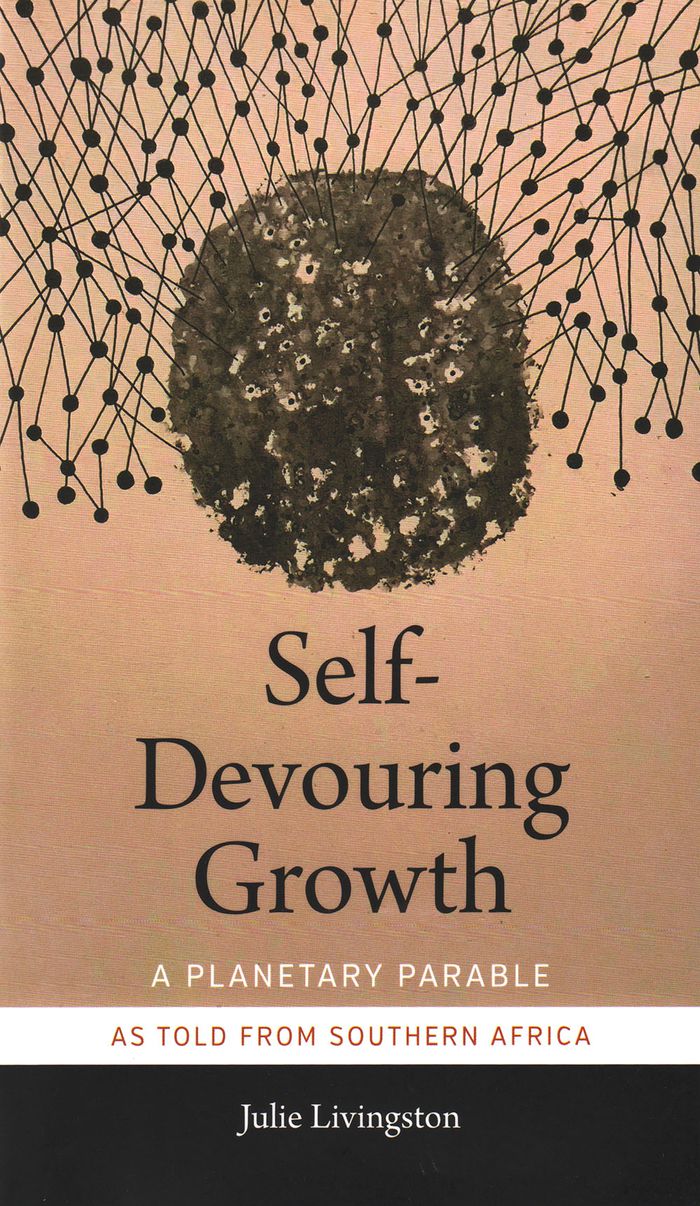
Under capitalism, economic growth is seen as the key to collective well-being. In "Self-Devouring Growth" Julie Livingston upends this notion, showing that while consumption-driven growth may seem to benefit a particular locale, it produces a number of unacknowledged, negative consequences that ripple throughout the wider world. Structuring the book as a parable in which the example of Botswana has lessons for the rest of the globe, Livingston shows how fundamental needs for water, food, and transportation become harnessed to what she calls self-devouring growth: an unchecked and unsustainable global pursuit of economic growth that threatens catastrophic environmental destruction. As Livingston notes, improved technology alone cannot stave off such destruction; what is required is a greater accounting of the web of relationships between humans, nonhuman beings, plants, and minerals that growth entails. Livingston contends that by failing to understand these relationships and the consequences of self-devouring growth, we may be unknowingly consuming our future.
Self-devouring growth: a planetary fable as told from southern Africa
Actions:
Price:
$31.95
(available to order)
Summary:
Under capitalism, economic growth is seen as the key to collective well-being. In "Self-Devouring Growth" Julie Livingston upends this notion, showing that while consumption-driven growth may seem to benefit a particular locale, it produces a number of unacknowledged, negative consequences that ripple throughout the wider world. Structuring the book as a parable in which the example of Botswana has lessons for the rest of the globe, Livingston shows how fundamental needs for water, food, and transportation become harnessed to what she calls self-devouring growth: an unchecked and unsustainable global pursuit of economic growth that threatens catastrophic environmental destruction. As Livingston notes, improved technology alone cannot stave off such destruction; what is required is a greater accounting of the web of relationships between humans, nonhuman beings, plants, and minerals that growth entails. Livingston contends that by failing to understand these relationships and the consequences of self-devouring growth, we may be unknowingly consuming our future.
Form:
books
books
Publication:
September 2019
September 2019
Subject:
Environment and environmental theory
Environment and environmental theory
Form:
books
books

Actions:
Price:
$24.00
(available to order)
Summary:
From 1967, up until his death, Eduardo Paolozzi was involved with the innovative British literary magazine Ambit, using its pages as a space for some of his most experimental and innovative creations, pushing at the boundary between text and image. Collages, visual essays and fragments from novels, drawing on pop culture images from newspapers, magazines and(...)
$24.00
(available to order)
Summary:
From 1967, up until his death, Eduardo Paolozzi was involved with the innovative British literary magazine Ambit, using its pages as a space for some of his most experimental and innovative creations, pushing at the boundary between text and image. Collages, visual essays and fragments from novels, drawing on pop culture images from newspapers, magazines and(...)
Title:
The jet-age compendium : Paolozzi at Ambit
Actions:
Price:
$24.00
(available to order)
Summary:
From 1967, up until his death, Eduardo Paolozzi was involved with the innovative British literary magazine Ambit, using its pages as a space for some of his most experimental and innovative creations, pushing at the boundary between text and image. Collages, visual essays and fragments from novels, drawing on pop culture images from newspapers, magazines and advertisements. Reprinted in their entirety for the first time, Paolozzi’s works for Ambit tackle the war in Vietnam, the acceleration of Japanese technology, and the utopias of mass advertising. This publication reproduces the Paolozzi pages from Ambit along with magazine covers, poems and advertisements that originally appeared alongside the artist’s work. The book is housed in a day-glo pink sleeve that also contains an essay written by David Brittain which puts Paolozzi’s work for the magazine into context. An exhibition, inspired by the book, will be at Raven Row in London from 4 September to 1 November 2009.
The jet-age compendium : Paolozzi at Ambit
Actions:
Price:
$24.00
(available to order)
Summary:
From 1967, up until his death, Eduardo Paolozzi was involved with the innovative British literary magazine Ambit, using its pages as a space for some of his most experimental and innovative creations, pushing at the boundary between text and image. Collages, visual essays and fragments from novels, drawing on pop culture images from newspapers, magazines and advertisements. Reprinted in their entirety for the first time, Paolozzi’s works for Ambit tackle the war in Vietnam, the acceleration of Japanese technology, and the utopias of mass advertising. This publication reproduces the Paolozzi pages from Ambit along with magazine covers, poems and advertisements that originally appeared alongside the artist’s work. The book is housed in a day-glo pink sleeve that also contains an essay written by David Brittain which puts Paolozzi’s work for the magazine into context. An exhibition, inspired by the book, will be at Raven Row in London from 4 September to 1 November 2009.
Form:
books
books
Publication:
July 2009
July 2009
Subject:
Contemporary Art Monographs
Contemporary Art Monographs
Form:
books
books
Actions:
Price:
$44.00
(available to order)
Summary:
Contemporary architects are under increasing pressure to offer a sustainable future. But with all the focus on green building, there has been little investigation into the meaningful connections between architectural design, ecological systems, and sustainability. A new generation of architects and engineers aims to recast the green movement for the twenty-first century(...)
$44.00
(available to order)
Summary:
Contemporary architects are under increasing pressure to offer a sustainable future. But with all the focus on green building, there has been little investigation into the meaningful connections between architectural design, ecological systems, and sustainability. A new generation of architects and engineers aims to recast the green movement for the twenty-first century(...)
Title:
Design ecologies, essays on the nature of design
Actions:
Price:
$44.00
(available to order)
Summary:
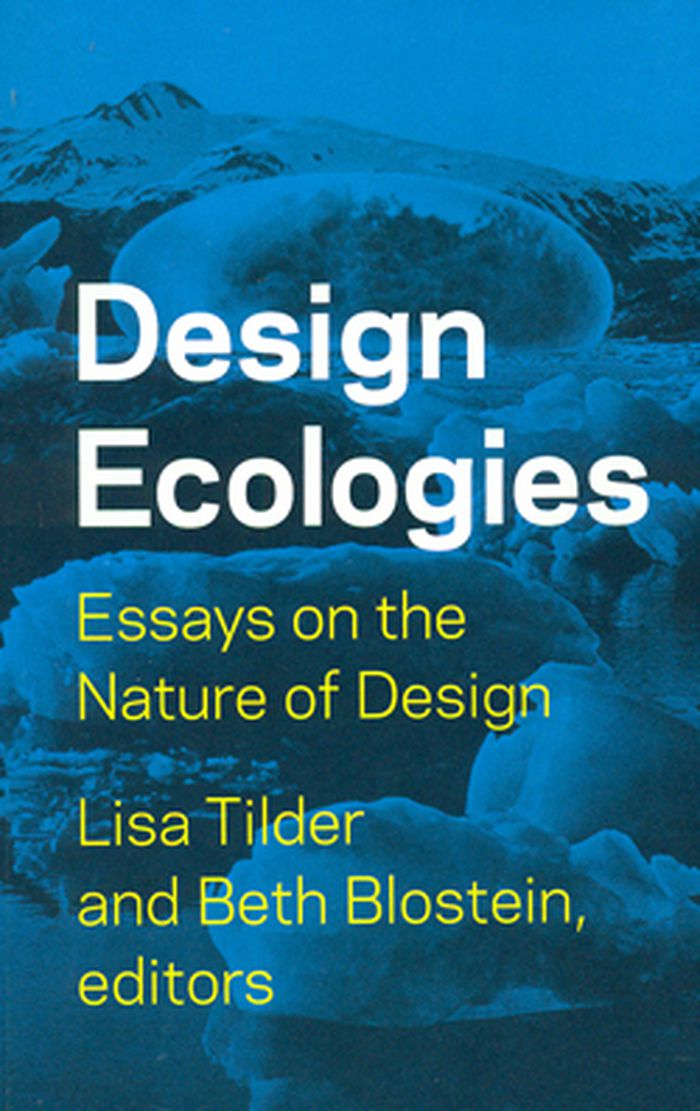
Contemporary architects are under increasing pressure to offer a sustainable future. But with all the focus on green building, there has been little investigation into the meaningful connections between architectural design, ecological systems, and sustainability. A new generation of architects and engineers aims to recast the green movement for the twenty-first century and transform design into a positive agent by balancing the societal needs of humans with environmental considerations. Design in this sense is a larger concept having as much to do with politics and ethics as with buildings and technology. Design Ecologies is a groundbreaking collection of never-before-published essays and case studies by today's most innovative 'green' designers. Their design strategies social, material, technological, and biological run the gamut from the intuitive to the highly technological. An introduction by designer Bruce Mau leads off a stellar list of emerging designers, including Jane Amidon, Blaine Brownell, David Gissen, Gross.Max, Peter Hasdell, etc.
Design ecologies, essays on the nature of design
Actions:
Price:
$44.00
(available to order)
Summary:
Contemporary architects are under increasing pressure to offer a sustainable future. But with all the focus on green building, there has been little investigation into the meaningful connections between architectural design, ecological systems, and sustainability. A new generation of architects and engineers aims to recast the green movement for the twenty-first century and transform design into a positive agent by balancing the societal needs of humans with environmental considerations. Design in this sense is a larger concept having as much to do with politics and ethics as with buildings and technology. Design Ecologies is a groundbreaking collection of never-before-published essays and case studies by today's most innovative 'green' designers. Their design strategies social, material, technological, and biological run the gamut from the intuitive to the highly technological. An introduction by designer Bruce Mau leads off a stellar list of emerging designers, including Jane Amidon, Blaine Brownell, David Gissen, Gross.Max, Peter Hasdell, etc.
Form:
books
books
Publication:
December 2009
December 2009
Subject:
Green Architecture
Green Architecture
Form:
books
books
Actions:
Price:
$45.00
(available to order)
Summary:
This book compiles the RCR Arquitectes own unique cosmogony: a vision of humans, of nature and life in general that transcends mere architecture. Nature and history is the physical place that has been chosen to develop a space by RCR Arquitectes to conceive and experiment and to rethink man's relationship with the world. This physical space is located in the La Vila, in(...)
$45.00
(available to order)
Summary:
This book compiles the RCR Arquitectes own unique cosmogony: a vision of humans, of nature and life in general that transcends mere architecture. Nature and history is the physical place that has been chosen to develop a space by RCR Arquitectes to conceive and experiment and to rethink man's relationship with the world. This physical space is located in the La Vila, in(...)
Title:
RCR Dream and nature: Catalonia in Venice
Actions:
Price:
$45.00
(available to order)
Summary:
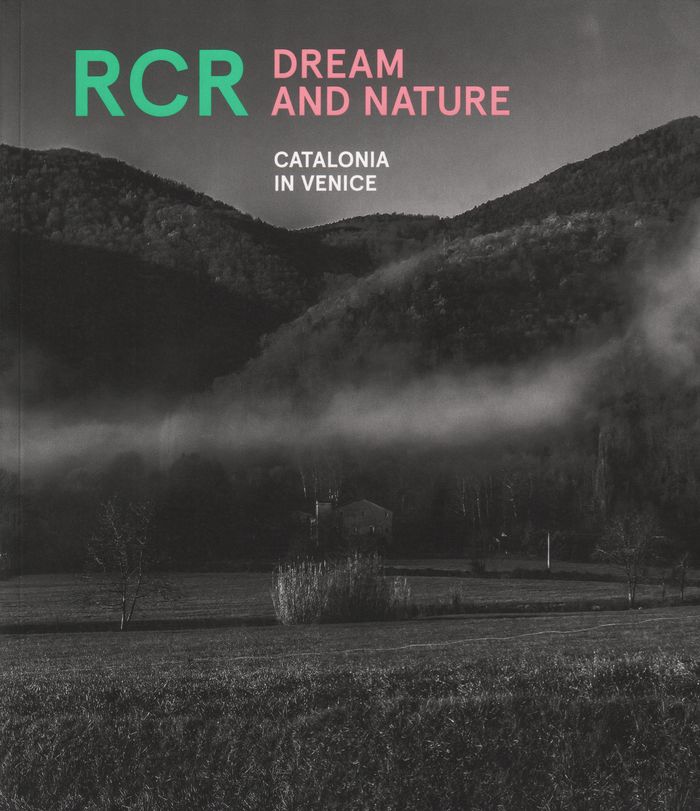
This book compiles the RCR Arquitectes own unique cosmogony: a vision of humans, of nature and life in general that transcends mere architecture. Nature and history is the physical place that has been chosen to develop a space by RCR Arquitectes to conceive and experiment and to rethink man's relationship with the world. This physical space is located in the La Vila, in the Bianya Valley (Catalonia), surrounded by woods, water, farmland, country houses, etc. It's a creative, experimental project, and one that is constantly evolving. Technological advances and innovation are applied on an experiential basis in this landscape. New realities are generated, like the humanitacle, a project about the synthesis of man and the built habitat in relation to the surroundings, nature and technology, and la dona i l 'home nu´vol (cloud woman and cloud man), creative beings par excellence and creators of reality. This book introduces this utopia under construction.
RCR Dream and nature: Catalonia in Venice
Actions:
Price:
$45.00
(available to order)
Summary:
This book compiles the RCR Arquitectes own unique cosmogony: a vision of humans, of nature and life in general that transcends mere architecture. Nature and history is the physical place that has been chosen to develop a space by RCR Arquitectes to conceive and experiment and to rethink man's relationship with the world. This physical space is located in the La Vila, in the Bianya Valley (Catalonia), surrounded by woods, water, farmland, country houses, etc. It's a creative, experimental project, and one that is constantly evolving. Technological advances and innovation are applied on an experiential basis in this landscape. New realities are generated, like the humanitacle, a project about the synthesis of man and the built habitat in relation to the surroundings, nature and technology, and la dona i l 'home nu´vol (cloud woman and cloud man), creative beings par excellence and creators of reality. This book introduces this utopia under construction.
Form:
books
books
Publication:
August 2018
August 2018
Form:
books
books

Actions:
Price:
$42.95
(available to order)
Summary:
Bruno Taut was the leading architectural theorist in Germany during the years 1914–1920. The architectural and social premises which he developed in this seminal period were to be of paramount importance in the subsequent development of modern architecture in Germany in the 1920s. The German example, in turn, was to become a model for the international modern movement.(...)
$42.95
(available to order)
Summary:
Bruno Taut was the leading architectural theorist in Germany during the years 1914–1920. The architectural and social premises which he developed in this seminal period were to be of paramount importance in the subsequent development of modern architecture in Germany in the 1920s. The German example, in turn, was to become a model for the international modern movement.(...)
Title:
Bruno Taut and the architecture of activism
Actions:
Price:
$42.95
(available to order)
Summary:
Bruno Taut was the leading architectural theorist in Germany during the years 1914–1920. The architectural and social premises which he developed in this seminal period were to be of paramount importance in the subsequent development of modern architecture in Germany in the 1920s. The German example, in turn, was to become a model for the international modern movement. Whereas the history of the modern movement in architecture has generally been written in terms of functionalism, and the availability of materials and technology, the author suggests that many of the roots of modern architecture were mystical and irrational, and were concerned less with function and purpose and more with millenarian dreams of the a society which might be achieved through the meditation of the architecture. Boyd Whyte also suggests that there were political reasons behind this type of architecture and why it failed to achieve its aim of improving the physical and social condition of society.
Bruno Taut and the architecture of activism
Actions:
Price:
$42.95
(available to order)
Summary:
Bruno Taut was the leading architectural theorist in Germany during the years 1914–1920. The architectural and social premises which he developed in this seminal period were to be of paramount importance in the subsequent development of modern architecture in Germany in the 1920s. The German example, in turn, was to become a model for the international modern movement. Whereas the history of the modern movement in architecture has generally been written in terms of functionalism, and the availability of materials and technology, the author suggests that many of the roots of modern architecture were mystical and irrational, and were concerned less with function and purpose and more with millenarian dreams of the a society which might be achieved through the meditation of the architecture. Boyd Whyte also suggests that there were political reasons behind this type of architecture and why it failed to achieve its aim of improving the physical and social condition of society.
Form:
books
books
Publication:
February 2010
February 2010
Subject:
Architectural Theory
Architectural Theory


