


811 Results
Form:
books
books
Actions:
Price:
$52.50
(available in store)
Summary:
Bogdan Bogdanovic (1922–2010) was a Yugoslav architect, theorist, professor and a one-time mayor of Belgrade. His idiosyncratic memorials to the victims and heroes of World War II, scattered around the former Yugoslavia, continue to attract attention today, more than 25 years after the country’s collapse. The monuments, cemeteries, mausoleums, memorial parks,(...)
Title:
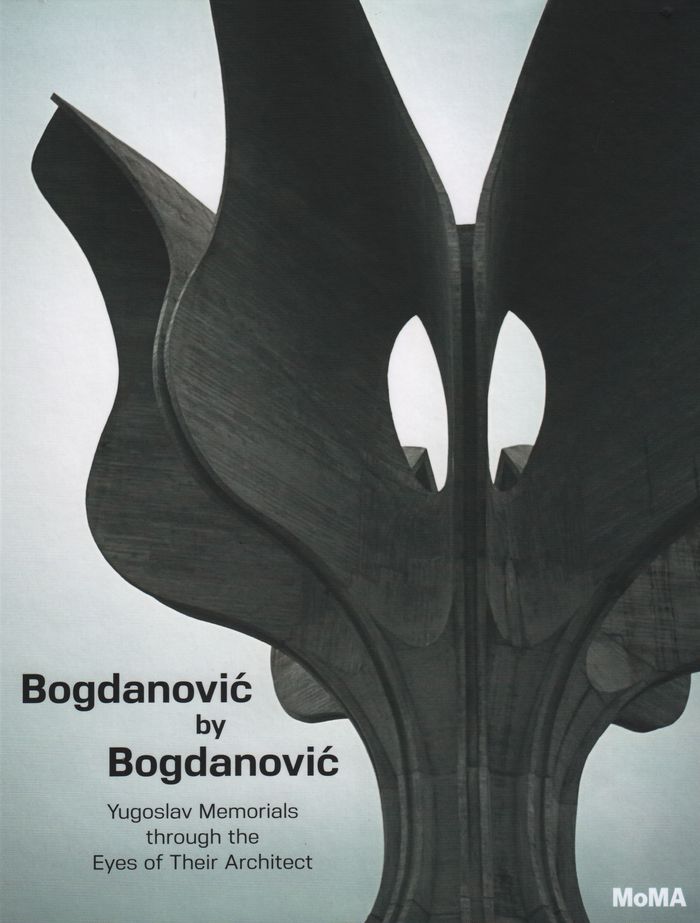
Bogdanovic by Bogdanovic: Yugoslav memorials through the eyes of their architect
Actions:
Price:
$52.50
(available in store)
Summary:
Bogdan Bogdanovic (1922–2010) was a Yugoslav architect, theorist, professor and a one-time mayor of Belgrade. His idiosyncratic memorials to the victims and heroes of World War II, scattered around the former Yugoslavia, continue to attract attention today, more than 25 years after the country’s collapse. The monuments, cemeteries, mausoleums, memorial parks, necropolises, cenotaphs and other sites of memory Bogdanovic designed between the early 1950s and late 1970s occupy a unique place in the history of modern architecture, redrawing the boundaries between architecture, landscape and sculpture in varied and unexpected ways. This book presents Bogdanovic’s built oeuvre through his own eyes, in a selection of nearly 50 color photographs of his memorials, which the architect took soon after the completion of each project.
Form:
books
books
Publication:
July 2018
July 2018
Subject:
Photography monographs
Photography monographs
Form:
books
books
Actions:
Price:
$61.95
(available to order)
Summary:
The German architect Rudolf Schwarz (1897–1961) numbers among the leading masters of church architecture in the twentieth century. Inspired by the Catholic Youth Movement, Schwarz designed more than forty religious buildings after 1924 and played an integral role in Cologne’s reconstruction in the aftermath of World War II. In addition, he made a name for himself as the(...)
Title:
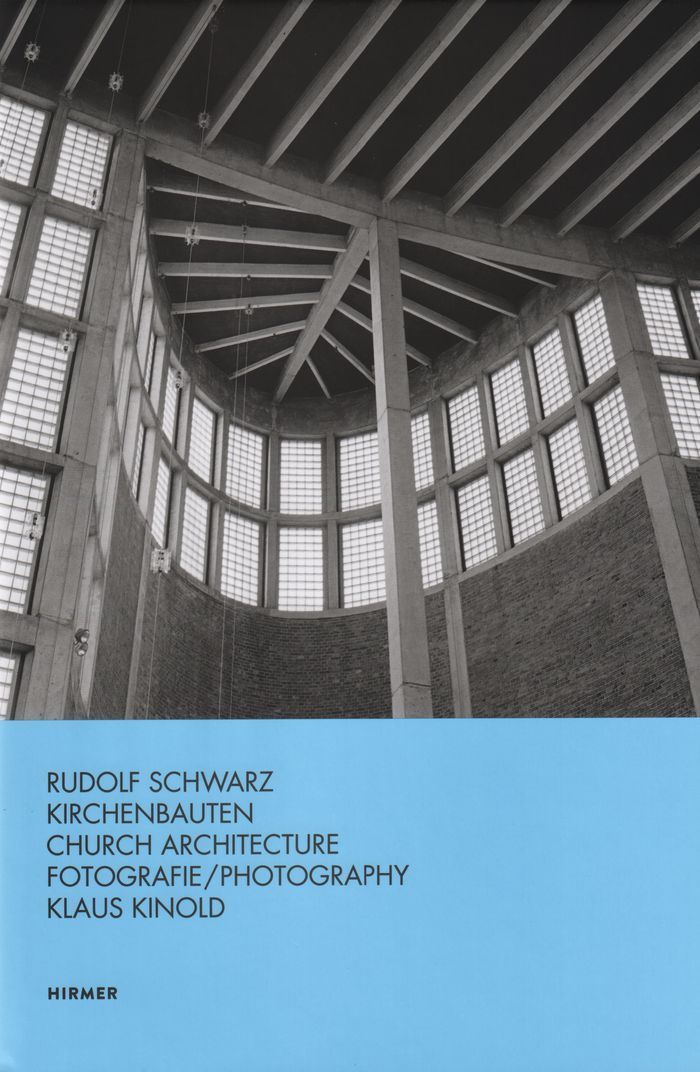
Rudolf Schwarz: church architecture
Actions:
Price:
$61.95
(available to order)
Summary:
The German architect Rudolf Schwarz (1897–1961) numbers among the leading masters of church architecture in the twentieth century. Inspired by the Catholic Youth Movement, Schwarz designed more than forty religious buildings after 1924 and played an integral role in Cologne’s reconstruction in the aftermath of World War II. In addition, he made a name for himself as the author of fundamental texts on sacred architecture. Praised by Mies van der Rohe as “designed order full of meaning,” Schwarz’s architecture was intended to house religious contemplation. He became famous for his vast, light-filled spaces, minimalist in form yet overflowing with symbolism. This volume documents Schwarz’s transformative sacred buildings in Germany and Austria alongside his collaborations with visual artists such as Ewald Mataré and Georg Meistermann.
Form:
books
books
Publication:
September 2018
September 2018
Subject:
Architecture Monographs
Architecture Monographs
Form:
books
books
Title:
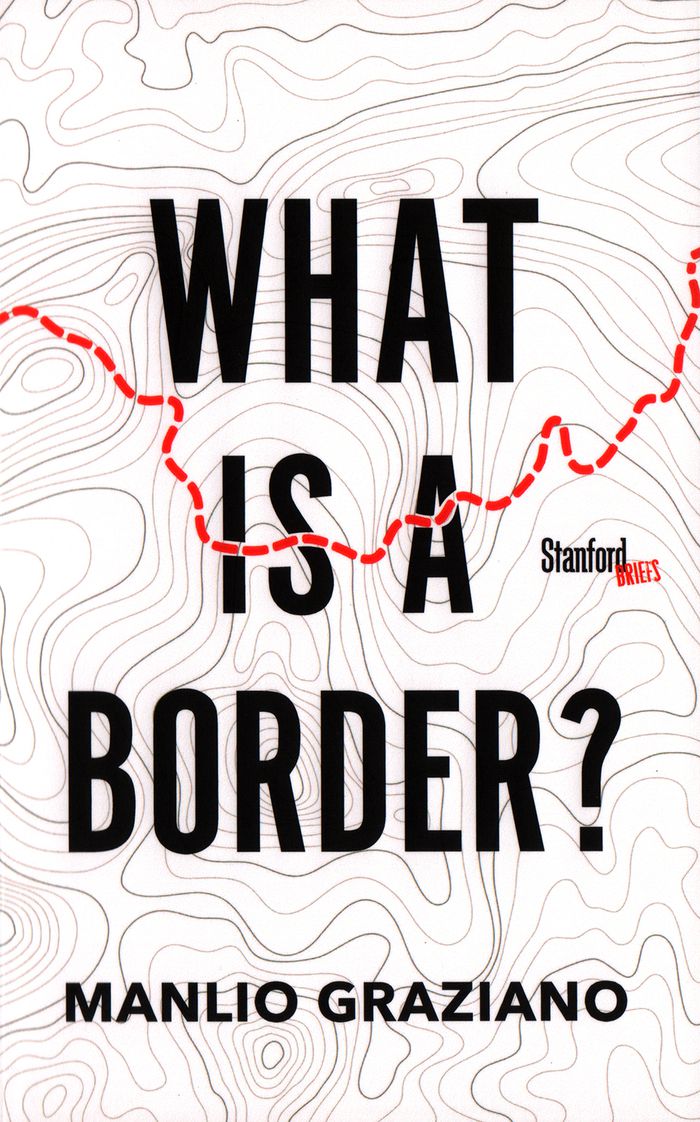
What is a border?
What is a border?
Actions:
Price:
$18.95
(available to order)
Summary:
The fall of the Berlin Wall, symbol of the bipolar order that emerged after World War II, seemed to inaugurate an age of ever fewer borders. The liberalization and integration of markets, the creation of vast free-trade zones, the birth of a new political and monetary union in Europe—all seemed to point in that direction. Only thirty years later, the tendency appears to(...)
Title:
What is a border?
Actions:
Price:
$18.95
(available to order)
Summary:
The fall of the Berlin Wall, symbol of the bipolar order that emerged after World War II, seemed to inaugurate an age of ever fewer borders. The liberalization and integration of markets, the creation of vast free-trade zones, the birth of a new political and monetary union in Europe—all seemed to point in that direction. Only thirty years later, the tendency appears to be quite the opposite. Talk of a wall with Mexico is only one sign among many that boundaries and borders are being revisited, expanding in number, and being reintroduced where they had virtually been abolished. Is this an out-of-step, deceptive last gasp of national sovereignty or the victory of the weight of history over the power of place?
Form:
books
books
Publication:
February 2018
February 2018
Subject:
Architectural Theory
Architectural Theory
Form:
books
books
Title:
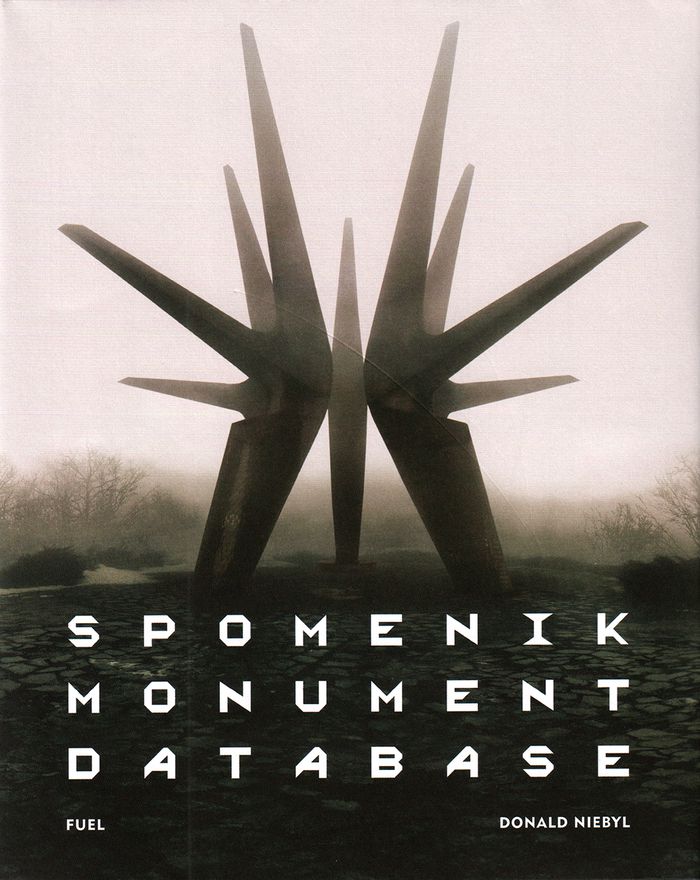
Spomenik monument database
Spomenik monument database
Actions:
Price:
$42.50
(available to order)
Summary:
Spomenik—the Serbo-Croat/Slovenian word for monument—refers to the memorials built in Tito's Republic of Yugoslavia from the 1960s to the 1980s, marking the horror of the occupation and the defeat of Axis forces during World War II. Hundreds were built across the country, from coastal resorts to remote mountains. Through these imaginative forms of concrete and steel, a(...)
Subject:
Photography Collections
Photography Collections
Publication:
August 2018
August 2018
Title:
Spomenik monument database
Actions:
Price:
$42.50
(available to order)
Summary:
Spomenik—the Serbo-Croat/Slovenian word for monument—refers to the memorials built in Tito's Republic of Yugoslavia from the 1960s to the 1980s, marking the horror of the occupation and the defeat of Axis forces during World War II. Hundreds were built across the country, from coastal resorts to remote mountains. Through these imaginative forms of concrete and steel, a classless, forward-looking socialist society, free of ethnic tensions, was envisaged. Instead of looking to the ideologically aligned Soviet Union for artistic inspiration, Tito turned to the West and works of abstract expressionism and minimalism. This allowed Yugoslavia to develop its own distinct identity through the monuments, turning them into political tools, articulating Tito's personal vision of a new tomorrow.
Form:
books
books
Publication:
August 2018
August 2018
Subject:
Photography Collections
Photography Collections
Form:
books
books
Price:
$46.95
(available to order)
Summary:
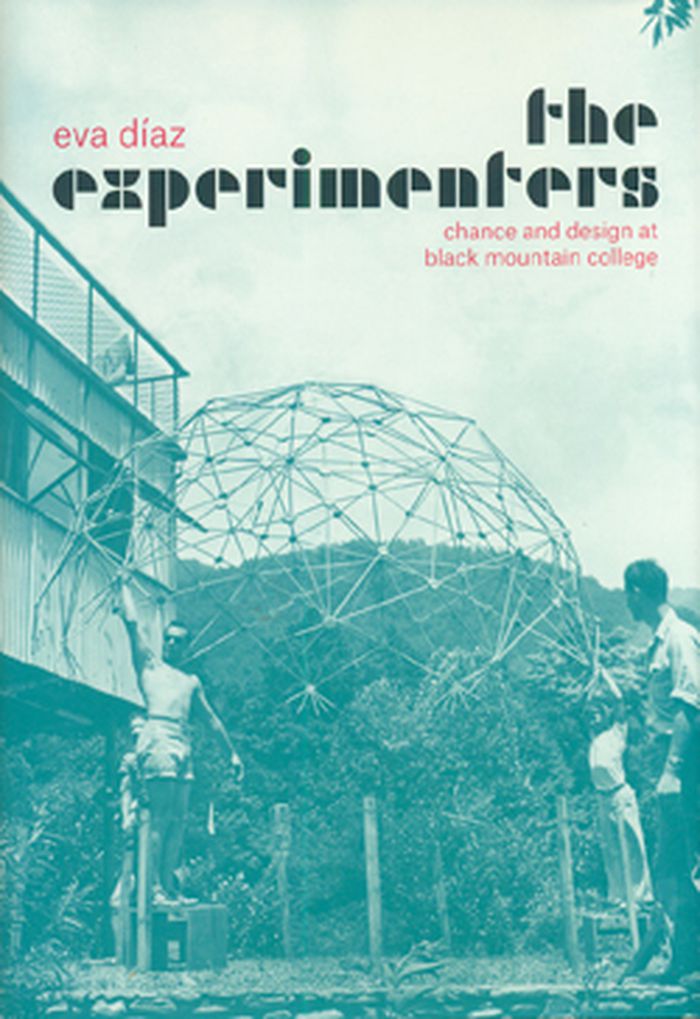
In the years immediately following World War II, Black Mountain College, an unaccredited school in rural Appalachia, became a vital hub of cultural innovation. Practically every major artistic figure of the mid-twentieth century spent some time there: Merce Cunningham, Ray Johnson, Franz Kline, Willem and Elaine de Kooning, Robert Motherwell, Robert Rauschenberg, Dorothea(...)
Title:
The experimenters: chance and design at Black Mountain College
Actions:
Price:
$46.95
(available to order)
Summary:
In the years immediately following World War II, Black Mountain College, an unaccredited school in rural Appalachia, became a vital hub of cultural innovation. Practically every major artistic figure of the mid-twentieth century spent some time there: Merce Cunningham, Ray Johnson, Franz Kline, Willem and Elaine de Kooning, Robert Motherwell, Robert Rauschenberg, Dorothea Rockburne, Aaron Siskind, Cy Twombly—the list goes on and on. Yet scholars have tended to view these artists’ time at the College as little more than prologue, a step on their way to greatness. With The Experimenters, Eva Díaz reveals the importance of Black Mountain College—and especially of three key teachers, Josef Albers, John Cage, and R. Buckminster Fuller—to be much greater than that.
Form:
books
books
Publication:
October 2014
October 2014
Subject:
Architectural Theory
Architectural Theory
Form:
books
books
Actions:
Price:
$56.95
(available to order)
Summary:
In Outlaw Territories, Felicity Scott traces the relation of architecture and urbanism to human unsettlement and territorial insecurity during the 1960s and 1970s. Investigating a set of responses to the growing urban unrest in the developed and developing worlds, Scott revisits an era when the discipline of architecture staked out a role in global environmental(...)
Title:
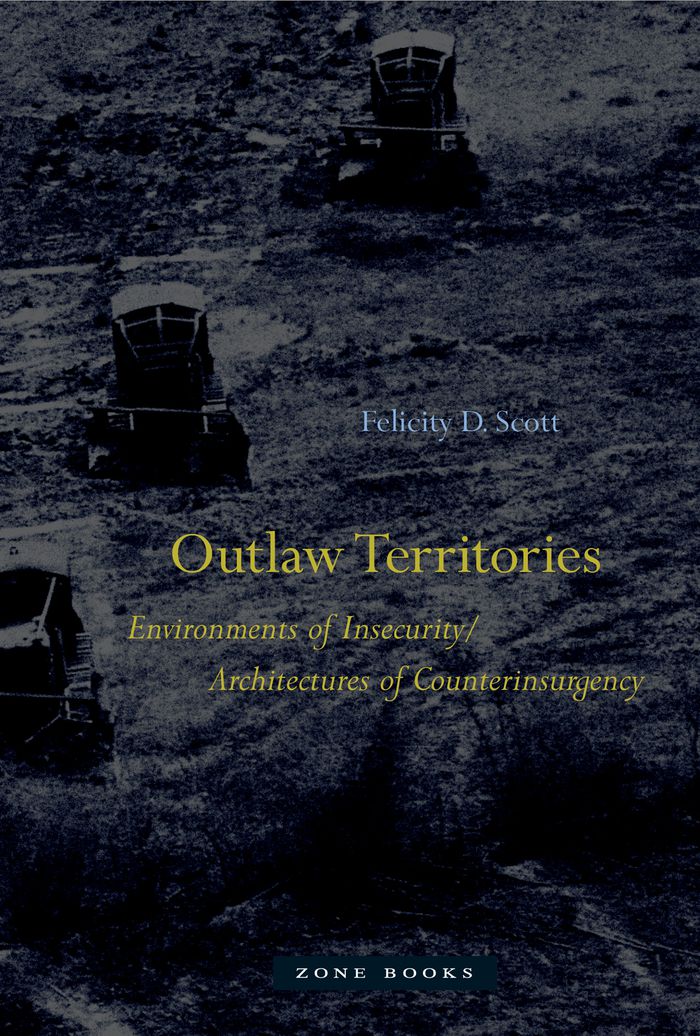
Outlaw Territories: Environments of Insecurity/ Architectures of Counterinsurgency
Actions:
Price:
$56.95
(available to order)
Summary:
In Outlaw Territories, Felicity Scott traces the relation of architecture and urbanism to human unsettlement and territorial insecurity during the 1960s and 1970s. Investigating a set of responses to the growing urban unrest in the developed and developing worlds, Scott revisits an era when the discipline of architecture staked out a role in global environmental governance and the biopolitical management of populations. She describes architecture’s response to the displacement of persons brought on by migration, urbanization, environmental catastrophe, and warfare, and she traces architecture’s relationship to the material, environmental, psychological, and geopolitical transformations brought on by postindustrial technologies and neoliberal capitalism after World War II. At the height of the U.S.-led war in Vietnam and Cambodia, with ongoing decolonization struggles in many parts of the world, architecture not only emerged as a target of political agitation because of its inherent normativity but also became heavily enmeshed with military, legal, and humanitarian apparatuses, participating in scientific and technological research dedicated to questions of international management and security. Once architecture became aligned with a global matrix of forces concerned with the environment, economic development, migration, genocide, and war, its role shifted at times toward providing strategic expertise for institutions born of neoliberal capitalism. Scott investigates this nexus and questions how and to what ends architecture and the environment came to be intimately connected to the expanded exercise of power within the shifting geopolitical frameworks at this time.
Form:
books
books
Publication:
February 2016
February 2016
Subject:
Architectural Theory
Architectural Theory
Form:
books
books
Actions:
Price:
$45.00
(available to order)
Summary:
Modernity took many forms in 1930s Japan, but in the tumultuous years before militarism pushed the country toward global aggression, it was most visibly associated with a glittering consumer culture. Inundated with western jazz-age trends and new technologies, Japan’s big cities, especially Tokyo, offered the most enticing attractions to a newly liberated generation:(...)
Title:
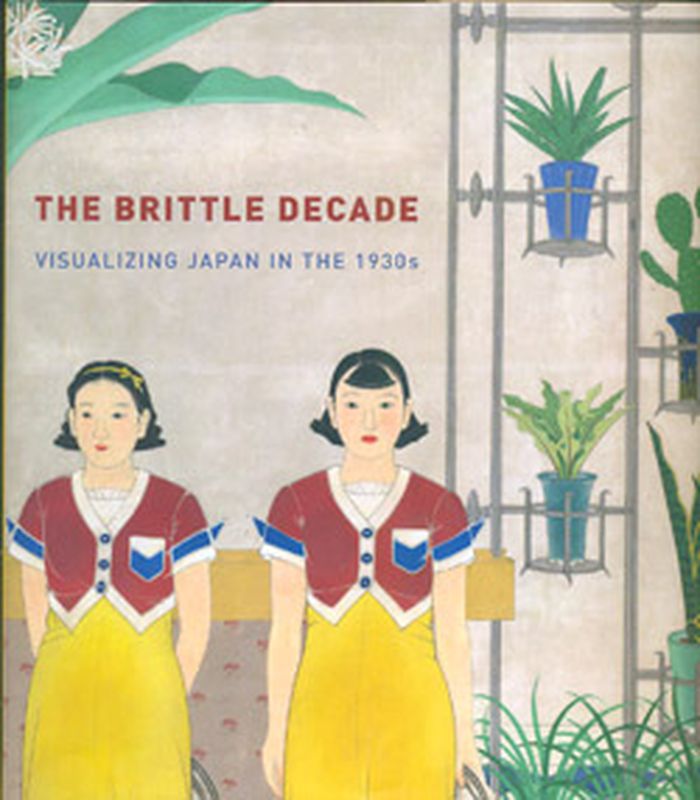
The brittle decade: visualizing Japan in the 1930s
Actions:
Price:
$45.00
(available to order)
Summary:
Modernity took many forms in 1930s Japan, but in the tumultuous years before militarism pushed the country toward global aggression, it was most visibly associated with a glittering consumer culture. Inundated with western jazz-age trends and new technologies, Japan’s big cities, especially Tokyo, offered the most enticing attractions to a newly liberated generation: bustling streets of department stores, cafés and teahouses, movie theaters and ballroom dance halls. Modern architecture, industrial design and fashion overshadowed traditional arts as Japan strove to take its place in a cosmopolitan world. The Brittle Years examines the different ways in which designers and artists visualized what it meant to be modern in Japan in the years leading up to World War II. Its 160 full-color illustrations of paintings, textiles and graphic arts are astonishing not only for their great visual impact but also for the insight they provide into a rapidly transforming nation.
Form:
books
books
Publication:
June 2012
June 2012
Subject:
Design, Periods and Styles
Design, Periods and Styles
Form:
books
books
Title:
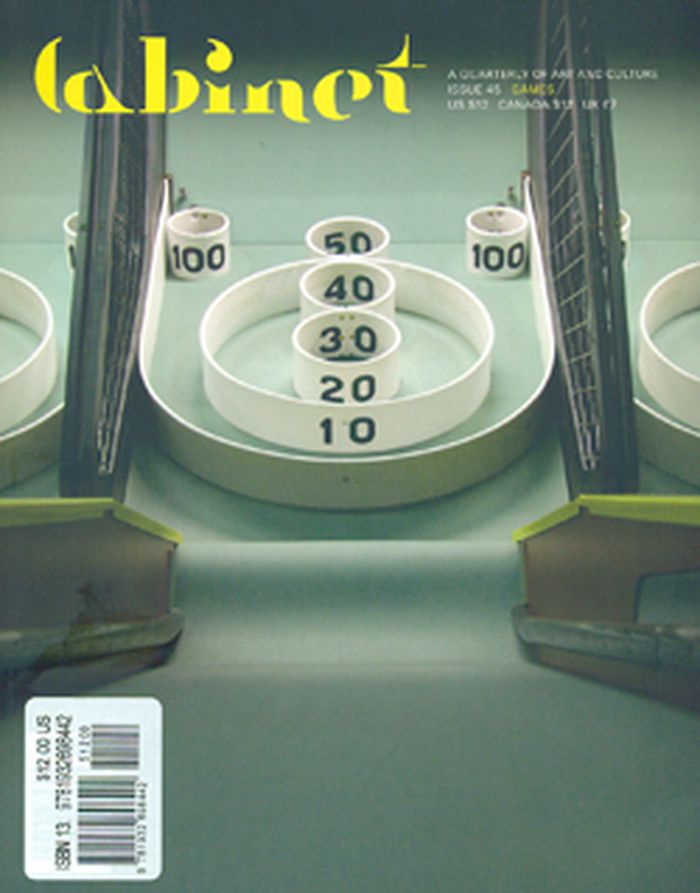
Cabinet 45: Games
Cabinet 45: Games
Actions:
Price:
$12.00
(available to order)
Summary:
In the nineteenth century, Marx rejected the notion of homo sapiens, offering instead homo faber to indicate how consciousness follows from the primary activity of making. Against this, a certain ludic tradition has imagined a homo ludens, humans defined through their relationship with games and play. Cabinet 45 features Joshua Glenn on H.G. Wells’ “Floor Games”; D.(...)
Title:
Cabinet 45: Games
Actions:
Price:
$12.00
(available to order)
Summary:
In the nineteenth century, Marx rejected the notion of homo sapiens, offering instead homo faber to indicate how consciousness follows from the primary activity of making. Against this, a certain ludic tradition has imagined a homo ludens, humans defined through their relationship with games and play. Cabinet 45 features Joshua Glenn on H.G. Wells’ “Floor Games”; D. Graham Burnett on games played by game theorists; Barbara Levine and Jessica Helfand on dexterity games; James Trainor on the lost world of “adventure” playgrounds; Dana Katz on Brian Eno and Peter Schmidt’s “Oblique Strategies”; an interview with Bertell Ollman, inventor of the board game “Class Struggle”; and Jeff Dolven on poems as games. Elsewhere in the issue: Helen Larsson on the history of applause; Wayne Koestenbaum’s legendary “Legend” column; Naomi Muller on eating the zoo animals in Berlin during World War II; Jeremy Crichton on “spite” houses; and much more.
Form:
books
books
Publication:
June 2012
June 2012
Subject:
Magazines
Magazines
Form:
books
books
Actions:
Price:
$27.95
(available to order)
Summary:
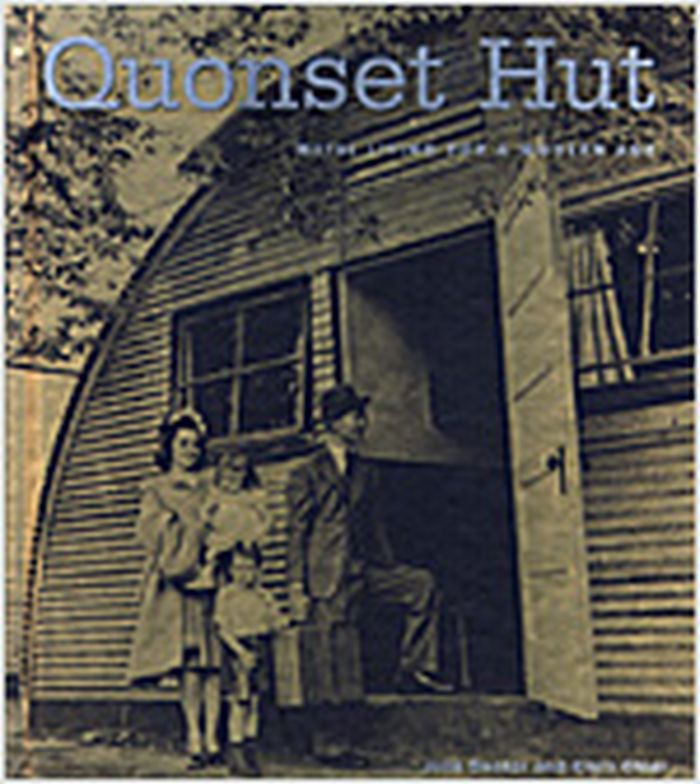
When World War II came along, the American military found itself in need of a prefabricated, lightweight shelter that could be easily shipped and quickly assembled. The quonset hut, that sliced tube of corrugated metal, was the answer. Over a hundred thousand were produced as part of the war effort. In its aftermath, even more were built and existing huts were adapted to(...)
Title:
Quonset hut : metal living for a modern age
Actions:
Price:
$27.95
(available to order)
Summary:
When World War II came along, the American military found itself in need of a prefabricated, lightweight shelter that could be easily shipped and quickly assembled. The quonset hut, that sliced tube of corrugated metal, was the answer. Over a hundred thousand were produced as part of the war effort. In its aftermath, even more were built and existing huts were adapted to house the postwar population boom. Of course, it couldn't last: the American desire for permanence meant decay and neglect for many of these rough-and-ready shelters and quickie warehouses. But in the midst of its almost tragic tale of extinction, the quonset hut has emerged as an unexpected icon of Americana and an oasis of architectural imagination. Travel the back roads of America and you will find the quonset's distinctive shape enclosing everything from houses of worship to houses of pancakes. "Quonset Hut" tells the story of this unique architectural phenomena, from its birth during WWII as a mass-production shelter to its new status as an icon of American pragmatism, ingenuity, perseverance, and individuality.
Form:
books
books
Publication:
August 2005, New York
August 2005, New York
Subject:
sale books
sale books
Form:
books
books
Actions:
Price:
$105.00
(available to order)
Summary:
In The Psychologizing of Modernity, Mark Jarzombek examines the impact of psychology on twentieth-century aesthetics. Analysing the interface between psychology, art history and avant-gardist practices, he(...)
$105.00
(available to order)
Summary:
In The Psychologizing of Modernity, Mark Jarzombek examines the impact of psychology on twentieth-century aesthetics. Analysing the interface between psychology, art history and avant-gardist practices, he(...)
Title:
The psychologizing of modernity
Actions:
Price:
$105.00
(available to order)
Summary:
In The Psychologizing of Modernity, Mark Jarzombek examines the impact of psychology on twentieth-century aesthetics. Analysing the interface between psychology, art history and avant-gardist practices, he also reflects on the longevity of the myth of aesthetic individuality as it infiltrated not only avant-garde art, but also history writing. The principal focus of this study is pre-World War II Germany, where theories of empathy and Entartung emerged; and post-war America, where artists, critics and historians gradually shifted from their reliance on psychology to philosophy, and, most recently, to theory. Included are discussions of writers such as Heinrich Wölfflin, Ludwig Volkmann, John Dewey, Vincent Scully and Richard Arnheim, among others. The Psychologizing of Modernity is a broad and erudite study of the evolution of modern aesthetic thinking in the fields of art and architectural history. Chapter Contents Introduction; 1. The Art of Psychologizing; 2. The Theater of Self and the Crisis of Historiography; 3. The Body Ethos; 4. The visualist ethos; 5. The social ethos; 6. The literary ethos; 7. Shadows and mirrors; Conclusion.
Form:
books
books
Publication:
November 1998, Cambridge
November 1998, Cambridge
Subject:
Architectural Theory
Architectural Theory


