


1067 Results
Form:
audio
audio
Description:
1 online resource.
Author:
Subject:
- Architectural criticism.,
- Automation.,
- Capital movements.,
- City planning.,
- Sound art.,
- Critique d'architecture.,
- Automatisation.,
- Mouvements de capitaux.,
- Art sonore.,
- architectural criticism.,
- automation.,
- sound art.,
- Sound in art,
- Podcasts.,
- Sound recordings.,
- sound recordings.,
- Émissions baladodiffusées.,
- Enregistrements sonores.
(See more)
Publication:
[Place of publication not identified] : e-flux, 2021., [Place of publication not identified] : Shanghai Biennale, 2021.
[Place of publication not identified] : e-flux, 2021., [Place of publication not identified] : Shanghai Biennale, 2021.
Title:
Wet-Togetherness [7]-Clogging : Ibiye Camp and Vera Frenkel.
Actions:
Description:
1 online resource.
Wet-Togetherness [7]-Clogging : Ibiye Camp and Vera Frenkel.
Actions:
Description:
1 online resource.
Form:
audio
audio
Publication:
[Place of publication not identified] : e-flux, 2021., [Place of publication not identified] : Shanghai Biennale, 2021.
[Place of publication not identified] : e-flux, 2021., [Place of publication not identified] : Shanghai Biennale, 2021.
Subject:
- Architectural criticism.,
- Automation.,
- Capital movements.,
- City planning.,
- Sound art.,
- Critique d'architecture.,
- Automatisation.,
- Mouvements de capitaux.,
- Art sonore.,
- architectural criticism.,
- automation.,
- sound art.,
- Sound in art,
- Podcasts.,
- Sound recordings.,
- sound recordings.,
- Émissions baladodiffusées.,
- Enregistrements sonores.
(See more)
Form:
books
books
Actions:
Holdings:
Description:
xi, 131 pages : color illustrations, color maps ; 25 x 29 cm
Description:
xi, 131 pages : color illustrations, color maps ; 25 x 29 cm
Subject:
- Helvetica type New York (State) New York.,
- Subways New York (State) New York.,
- Signs and signboards New York (State) New York Lettering.,
- Caractères Helvetica New York (État) New York.,
- Métros New York (État) New York.,
- Helvetica type.,
- Signs and signboards Lettering.,
- Subways.,
- Tunnelbanor Förenta staterna New York.,
- Skyltar Förenta staterna New York.,
- Skyltning Förenta staterna New York.,
- New York (State) New York.
(See more)
Publication:
Cambridge, Mass. : MIT Press, ©2011.
Cambridge, Mass. : MIT Press, ©2011.
Title:
Helvetica and the New York City subway system : the true (maybe) story / Paul Shaw.
Actions:
Holdings:
Description:
xi, 131 pages : color illustrations, color maps ; 25 x 29 cm
Helvetica and the New York City subway system : the true (maybe) story / Paul Shaw.
Actions:
Holdings:
Description:
xi, 131 pages : color illustrations, color maps ; 25 x 29 cm
Form:
books
books
Publication:
Cambridge, Mass. : MIT Press, ©2011.
Cambridge, Mass. : MIT Press, ©2011.
Subject:
- Helvetica type New York (State) New York.,
- Subways New York (State) New York.,
- Signs and signboards New York (State) New York Lettering.,
- Caractères Helvetica New York (État) New York.,
- Métros New York (État) New York.,
- Helvetica type.,
- Signs and signboards Lettering.,
- Subways.,
- Tunnelbanor Förenta staterna New York.,
- Skyltar Förenta staterna New York.,
- Skyltning Förenta staterna New York.,
- New York (State) New York.
(See more)
Form:
books
books
Actions:
Price:
$48.00
(available to order)
Summary:
Prior to the 1970s, buildings were commonly understood to be the goal of architectural practice; architectural drawings were seen simply as a means to an end. But, just as the boundaries of architecture itself were shifting at the end of the twentieth century, the perception of architectural drawings was also shifting; they began to be seen as autonomous objects outside(...)
$48.00
(available to order)
Summary:
Prior to the 1970s, buildings were commonly understood to be the goal of architectural practice; architectural drawings were seen simply as a means to an end. But, just as the boundaries of architecture itself were shifting at the end of the twentieth century, the perception of architectural drawings was also shifting; they began to be seen as autonomous objects outside(...)
Title:
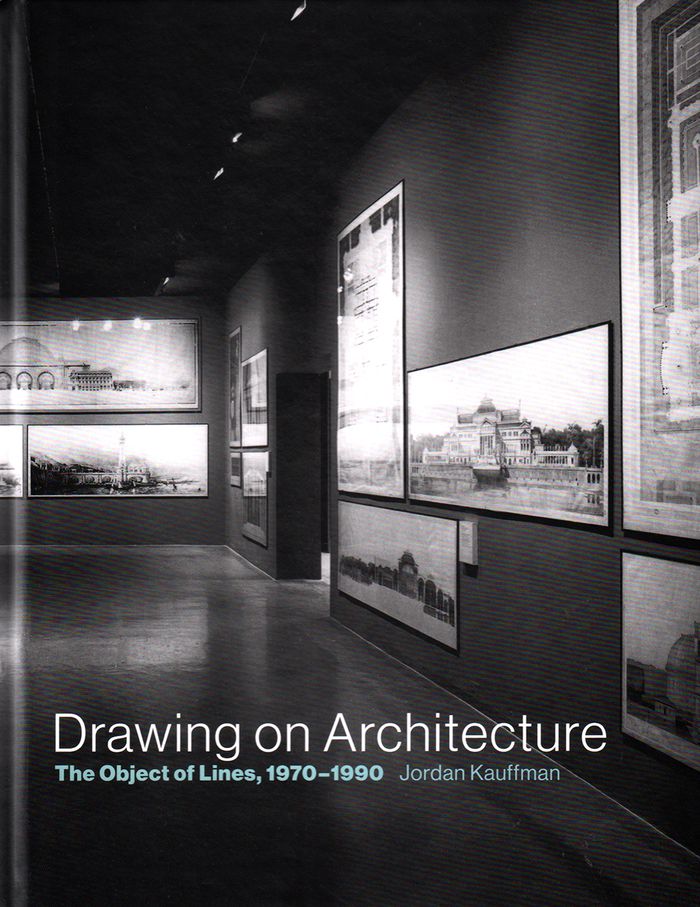
Drawing on architecture: the object of lives, 1970-1990
Actions:
Price:
$48.00
(available to order)
Summary:
Prior to the 1970s, buildings were commonly understood to be the goal of architectural practice; architectural drawings were seen simply as a means to an end. But, just as the boundaries of architecture itself were shifting at the end of the twentieth century, the perception of architectural drawings was also shifting; they began to be seen as autonomous objects outside the process of building. In Drawing on Architecture, Jordan Kauffman offers an account of how architectural drawings—promoted by a network of galleries and collectors, exhibitions and events—emerged as aesthetic objects and ultimately attained status as important cultural and historical artifacts, and how this was both emblematic of changes in architecture and a catalyst for these changes.
Drawing on architecture: the object of lives, 1970-1990
Actions:
Price:
$48.00
(available to order)
Summary:
Prior to the 1970s, buildings were commonly understood to be the goal of architectural practice; architectural drawings were seen simply as a means to an end. But, just as the boundaries of architecture itself were shifting at the end of the twentieth century, the perception of architectural drawings was also shifting; they began to be seen as autonomous objects outside the process of building. In Drawing on Architecture, Jordan Kauffman offers an account of how architectural drawings—promoted by a network of galleries and collectors, exhibitions and events—emerged as aesthetic objects and ultimately attained status as important cultural and historical artifacts, and how this was both emblematic of changes in architecture and a catalyst for these changes.
Form:
books
books
Publication:
June 2018
June 2018
Subject:
Architectural Drawing
Architectural Drawing
Form:
books
books
Actions:
Holdings:
Description:
576 pages : illustrations ; 22 cm
Description:
576 pages : illustrations ; 22 cm
Author:
- Bridget Crone, Sam Nightingale & Polly Stanton -- Imani Jacqueline Brown -- Kristen Sharp -- Susan Schuppli -- Polly Stanton -- Angus Carlyle -- Philip Samartzis -- Saskia Beudel -- Kreider + O'Leary -- Julie Gough -- Henriette Gunkel & Eline McGeorge -- Sam Nightingale -- Bianca Hester -- Ruth Maclennan -- Therese Keogh -- Simon O'Sullivan -- Nicholas Mangan -- Melody Jue -- Alliance of the Southern Triangle (A.S.T.) -- Bridget Crone -- f David Burns -- Kate Pickering.,
- Crone, Bridget,,
- Nightingale, Sam, (Artist),,
- Stanton, Polly,
(See more)
Subject:
Publication:
[Eindhoven] : Onomatopee, 2022, ©2022
[Eindhoven] : Onomatopee, 2022, ©2022
Title:
Fieldwork for future ecologies : radical practice for art and art-based research / editors: Bridget Crone, Sam Nightingale and Polly Stanton.
Actions:
Holdings:
Description:
576 pages : illustrations ; 22 cm
Fieldwork for future ecologies : radical practice for art and art-based research / editors: Bridget Crone, Sam Nightingale and Polly Stanton.
Actions:
Holdings:
Description:
576 pages : illustrations ; 22 cm
Form:
books
books
Publication:
[Eindhoven] : Onomatopee, 2022, ©2022
[Eindhoven] : Onomatopee, 2022, ©2022
Author:
- Bridget Crone, Sam Nightingale & Polly Stanton -- Imani Jacqueline Brown -- Kristen Sharp -- Susan Schuppli -- Polly Stanton -- Angus Carlyle -- Philip Samartzis -- Saskia Beudel -- Kreider + O'Leary -- Julie Gough -- Henriette Gunkel & Eline McGeorge -- Sam Nightingale -- Bianca Hester -- Ruth Maclennan -- Therese Keogh -- Simon O'Sullivan -- Nicholas Mangan -- Melody Jue -- Alliance of the Southern Triangle (A.S.T.) -- Bridget Crone -- f David Burns -- Kate Pickering.,
- Crone, Bridget,,
- Nightingale, Sam, (Artist),,
- Stanton, Polly,
(See more)
Form:
books
books
Title:
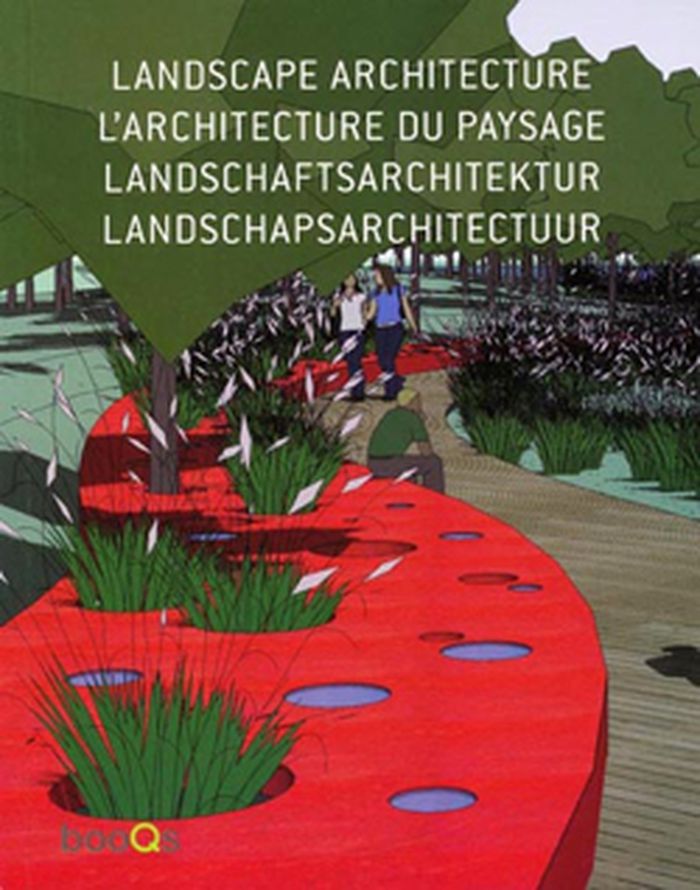
Landscape architecture
Landscape architecture
Actions:
Price:
$26.95
(available to order)
Summary:
Artistic interpretation of the landscape was transformed when artists started working directly in the landscape itself. At the same time, architects explored strategies aimed at integrating humans and habitats within the environment. This book showcases the ways in which designers have created living spaces within the built and natural environments - areas of harmony(...)
$26.95
(available to order)
Summary:
Artistic interpretation of the landscape was transformed when artists started working directly in the landscape itself. At the same time, architects explored strategies aimed at integrating humans and habitats within the environment. This book showcases the ways in which designers have created living spaces within the built and natural environments - areas of harmony(...)
Title:
Landscape architecture
Actions:
Price:
$26.95
(available to order)
Summary:
Artistic interpretation of the landscape was transformed when artists started working directly in the landscape itself. At the same time, architects explored strategies aimed at integrating humans and habitats within the environment. This book showcases the ways in which designers have created living spaces within the built and natural environments - areas of harmony between man and nature.
Landscape architecture
Actions:
Price:
$26.95
(available to order)
Summary:
Artistic interpretation of the landscape was transformed when artists started working directly in the landscape itself. At the same time, architects explored strategies aimed at integrating humans and habitats within the environment. This book showcases the ways in which designers have created living spaces within the built and natural environments - areas of harmony between man and nature.
Form:
books
books
Publication:
October 2010
October 2010
Subject:
Gardens
Gardens
Form:
books
books
Actions:
Holdings:
Description:
303 pages : illustrations ; 25 cm
Description:
303 pages : illustrations ; 25 cm
Subject:
- Jefferson, Thomas, 1743-1826 Homes and haunts Virginia Monticello.,
- Jefferson, Thomas, 1743-1826 Homes and haunts Virginia Albemarle County.,
- Levy, Uriah Phillips, 1792-1862.,
- Levy, Jefferson M. (Jefferson Monroe), 1852-1924.,
- Levy family.,
- Jefferson, Thomas, 1743-1826 Résidences et lieux familiers Virginie Albemarle.,
- Levy (Famille),
- Jefferson, Thomas, 1743-1826,
- Historic sites Conservation and restoration Virginia Albemarle County.,
- Historic buildings Virginia Albemarle County.,
- Historic preservation United States Case studies.,
- Historic preservation Virginia.,
- Historic preservation United States.,
- Antisemitism United States Case studies.,
- Antisemitism United States.,
- Historic buildings Virginia Albemarle County Design and construction.,
- Lieux historiques Conservation et restauration Virginie Albemarle.,
- Maisons historiques Virginie Albemarle Conception et construction.,
- Patrimoine historique États-Unis Cas, Études de.,
- Antisémitisme États-Unis Études de cas.,
- Monticello (Va.) Histoire.,
- Préservation historique États-Unis Études de cas.,
- Préservation historique Virginie.,
- Préservation historique États-Unis.,
- Antisémitisme États-Unis.,
- Historic buildings Design and construction,
- Antisemitism,
- Conservation and restoration,
- Historic buildings,
- Historic preservation,
- Historic sites Conservation and restoration,
- Homes,
- Monticello (Va.) History.,
- Monticello (Va.) Conservation and restoration.,
- United States,
- Virginia,
- Virginia Albemarle County,
- Virginia Monticello,
- Nonfiction.,
- Case studies,
- History,
- Études de cas.
(See more)
Publication:
New York : Free Press, ©2001.
New York : Free Press, ©2001.
Title:
Saving Monticello : the Levy family's epic quest to rescue the house that Jefferson built / Marc Leepson.
Actions:
Holdings:
Description:
303 pages : illustrations ; 25 cm
Saving Monticello : the Levy family's epic quest to rescue the house that Jefferson built / Marc Leepson.
Actions:
Holdings:
Description:
303 pages : illustrations ; 25 cm
Form:
books
books
Publication:
New York : Free Press, ©2001.
New York : Free Press, ©2001.
Subject:
- Jefferson, Thomas, 1743-1826 Homes and haunts Virginia Monticello.,
- Jefferson, Thomas, 1743-1826 Homes and haunts Virginia Albemarle County.,
- Levy, Uriah Phillips, 1792-1862.,
- Levy, Jefferson M. (Jefferson Monroe), 1852-1924.,
- Levy family.,
- Jefferson, Thomas, 1743-1826 Résidences et lieux familiers Virginie Albemarle.,
- Levy (Famille),
- Jefferson, Thomas, 1743-1826,
- Historic sites Conservation and restoration Virginia Albemarle County.,
- Historic buildings Virginia Albemarle County.,
- Historic preservation United States Case studies.,
- Historic preservation Virginia.,
- Historic preservation United States.,
- Antisemitism United States Case studies.,
- Antisemitism United States.,
- Historic buildings Virginia Albemarle County Design and construction.,
- Lieux historiques Conservation et restauration Virginie Albemarle.,
- Maisons historiques Virginie Albemarle Conception et construction.,
- Patrimoine historique États-Unis Cas, Études de.,
- Antisémitisme États-Unis Études de cas.,
- Monticello (Va.) Histoire.,
- Préservation historique États-Unis Études de cas.,
- Préservation historique Virginie.,
- Préservation historique États-Unis.,
- Antisémitisme États-Unis.,
- Historic buildings Design and construction,
- Antisemitism,
- Conservation and restoration,
- Historic buildings,
- Historic preservation,
- Historic sites Conservation and restoration,
- Homes,
- Monticello (Va.) History.,
- Monticello (Va.) Conservation and restoration.,
- United States,
- Virginia,
- Virginia Albemarle County,
- Virginia Monticello,
- Nonfiction.,
- Case studies,
- History,
- Études de cas.
(See more)
Form:
books
books
Actions:
Price:
$36.00
(available in store)
Summary:
The sequel to the authors’ “Are We Human?”, this provocative book is an urgent manifesto for an alternative architectural philosophy. It treats bacteria as the real architects, construction workers, maintenance crews and inhabitants of buildings. Colomina and Wigley draw on the latest research into microbes to rethink the past and possible futures of the built(...)
$36.00
(available in store)
Summary:
The sequel to the authors’ “Are We Human?”, this provocative book is an urgent manifesto for an alternative architectural philosophy. It treats bacteria as the real architects, construction workers, maintenance crews and inhabitants of buildings. Colomina and Wigley draw on the latest research into microbes to rethink the past and possible futures of the built(...)
Title:
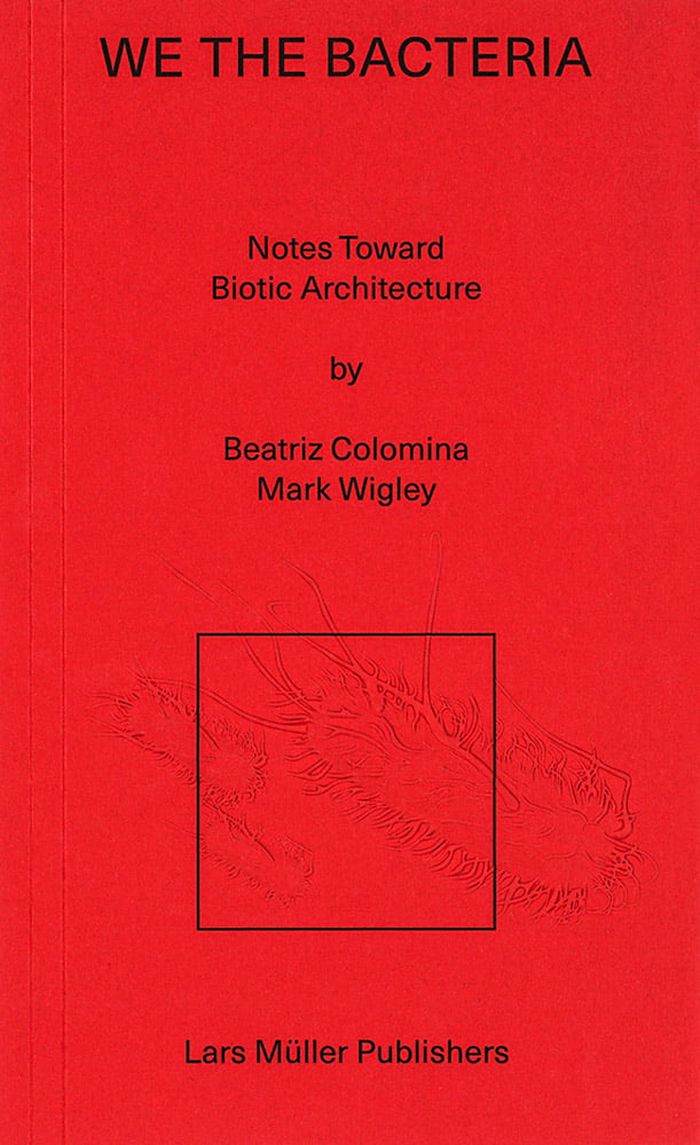
We the bacteria: Notes towards biotic architecture
Actions:
Price:
$36.00
(available in store)
Summary:
The sequel to the authors’ “Are We Human?”, this provocative book is an urgent manifesto for an alternative architectural philosophy. It treats bacteria as the real architects, construction workers, maintenance crews and inhabitants of buildings. Colomina and Wigley draw on the latest research into microbes to rethink the past and possible futures of the built environment. The book explores the intimate entanglements of the microbes within bodies and buildings over the last 10,000 years, culminating in the antibiotic philosophy of contemporary architecture. The diseases of our time are diseases of the built environment. The deadly combination of rapidly declining microbial diversity and rising antibiotic-resistant bacteria is as great a threat as climate change. Hostility to bacteria has to give way to new forms of hospitality from a more symbiotic architecture that learns from bacteria, embracing them and reconnecting with soil, plants and other species. Buildings based on fear of bacteria, which is to say fear of life itself, must give way to buildings learning from models of coexistence based on bacteria themselves. The main goal of the book is to rethink the very idea of shelter in terms of forms of inclusion rather than prophylactic forms of exclusion.
We the bacteria: Notes towards biotic architecture
Actions:
Price:
$36.00
(available in store)
Summary:
The sequel to the authors’ “Are We Human?”, this provocative book is an urgent manifesto for an alternative architectural philosophy. It treats bacteria as the real architects, construction workers, maintenance crews and inhabitants of buildings. Colomina and Wigley draw on the latest research into microbes to rethink the past and possible futures of the built environment. The book explores the intimate entanglements of the microbes within bodies and buildings over the last 10,000 years, culminating in the antibiotic philosophy of contemporary architecture. The diseases of our time are diseases of the built environment. The deadly combination of rapidly declining microbial diversity and rising antibiotic-resistant bacteria is as great a threat as climate change. Hostility to bacteria has to give way to new forms of hospitality from a more symbiotic architecture that learns from bacteria, embracing them and reconnecting with soil, plants and other species. Buildings based on fear of bacteria, which is to say fear of life itself, must give way to buildings learning from models of coexistence based on bacteria themselves. The main goal of the book is to rethink the very idea of shelter in terms of forms of inclusion rather than prophylactic forms of exclusion.
Form:
books
books
Publication:
October 2025
October 2025
Subject:
Architecture ecologies
Architecture ecologies
Form:
books
books
Price:
$69.90
(available to order)
Summary:
As the symbolists, constructivists and surrealists of the historical avant-garde began to abandon traditional theatre spaces and embrace the more contingent locations of the theatrical and political ‘event’, the built environment of a performance became not only part of the event, but an event in and of itself. "Event-Space" radically re-evaluates the avant garde’s(...)
$69.90
(available to order)
Summary:
As the symbolists, constructivists and surrealists of the historical avant-garde began to abandon traditional theatre spaces and embrace the more contingent locations of the theatrical and political ‘event’, the built environment of a performance became not only part of the event, but an event in and of itself. "Event-Space" radically re-evaluates the avant garde’s(...)
Title:
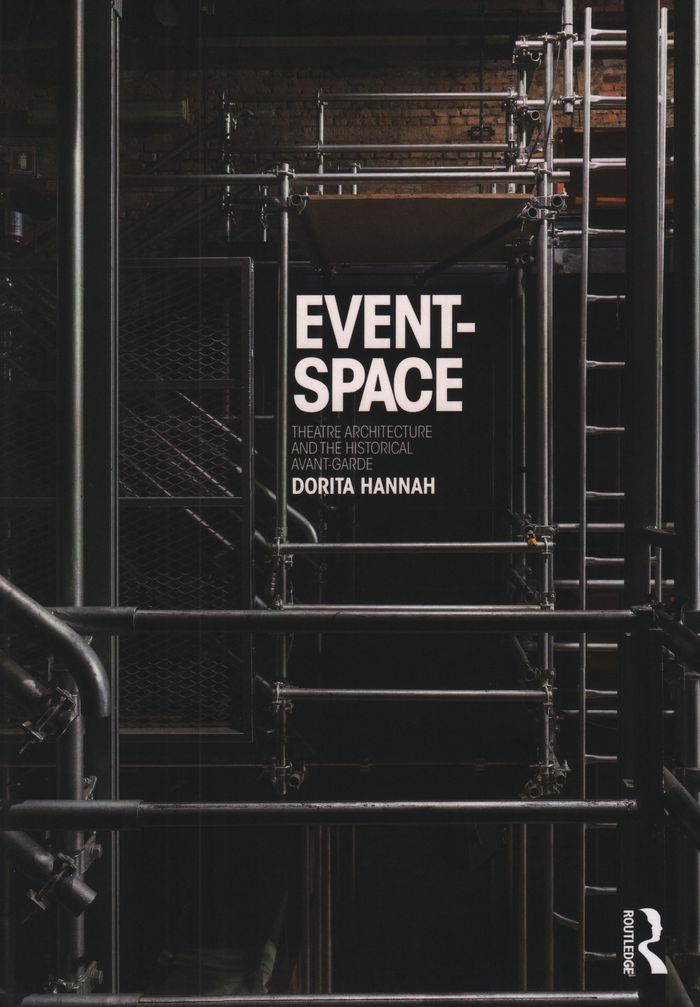
Event-space: theatre architecture and the historical avant-garde
Actions:
Price:
$69.90
(available to order)
Summary:
As the symbolists, constructivists and surrealists of the historical avant-garde began to abandon traditional theatre spaces and embrace the more contingent locations of the theatrical and political ‘event’, the built environment of a performance became not only part of the event, but an event in and of itself. "Event-Space" radically re-evaluates the avant garde’s championing of nonrepresentational spaces, drawing on the specific fields of performance studies and architectural studies to establish a theory of ‘performative architecture’.
Event-space: theatre architecture and the historical avant-garde
Actions:
Price:
$69.90
(available to order)
Summary:
As the symbolists, constructivists and surrealists of the historical avant-garde began to abandon traditional theatre spaces and embrace the more contingent locations of the theatrical and political ‘event’, the built environment of a performance became not only part of the event, but an event in and of itself. "Event-Space" radically re-evaluates the avant garde’s championing of nonrepresentational spaces, drawing on the specific fields of performance studies and architectural studies to establish a theory of ‘performative architecture’.
Form:
books
books
Publication:
July 2018
July 2018
Subject:
Architectural Theory
Architectural Theory
Form:
books
books
Actions:
Holdings:
Description:
309 pages : illustrations ; 24 cm
Description:
309 pages : illustrations ; 24 cm
Subject:
Publication:
New York : New York University Press, [2014], ©2014
New York : New York University Press, [2014], ©2014
Title:
Lifted : a cultural history of the elevator / Andreas Bernard ; translated from German by David Dollenmayer.
Actions:
Holdings:
Description:
309 pages : illustrations ; 24 cm
Lifted : a cultural history of the elevator / Andreas Bernard ; translated from German by David Dollenmayer.
Actions:
Holdings:
Description:
309 pages : illustrations ; 24 cm
Form:
books
books
Publication:
New York : New York University Press, [2014], ©2014
New York : New York University Press, [2014], ©2014
Form:
books
books
Actions:
Price:
$54.95
(available to order)
Summary:
The success of any architectural project depends on the architect’s ability to depict it. Conveying architectural ideas as drawings, pictures, or models is both a critical part of the process and one that can tell us much about the design itself in a particular time or place. Over the past two decades, major new trends in architectural representation have emerged in(...)
$54.95
(available to order)
Summary:
The success of any architectural project depends on the architect’s ability to depict it. Conveying architectural ideas as drawings, pictures, or models is both a critical part of the process and one that can tell us much about the design itself in a particular time or place. Over the past two decades, major new trends in architectural representation have emerged in(...)
Title:
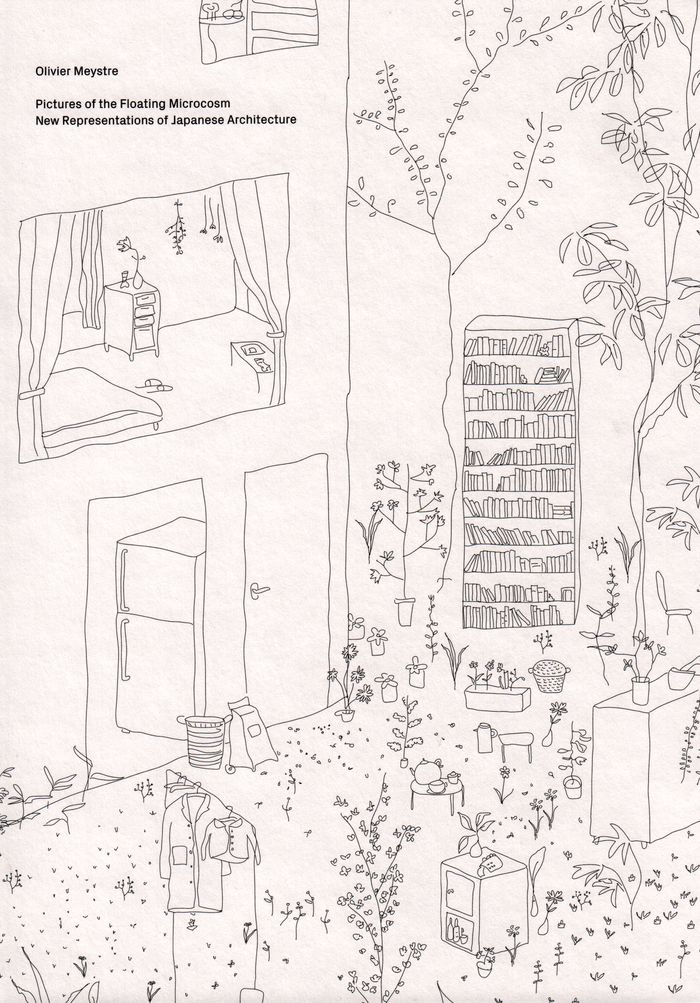
Pictures of the floating microcosm: new representations of Japanese architecture
Actions:
Price:
$54.95
(available to order)
Summary:
The success of any architectural project depends on the architect’s ability to depict it. Conveying architectural ideas as drawings, pictures, or models is both a critical part of the process and one that can tell us much about the design itself in a particular time or place. Over the past two decades, major new trends in architectural representation have emerged in Japan, which have gained widespread attention in the western world. "Pictures of the floating microcosm" considers these trends and takes readers through their development to the present day. Olivier Meystre undertakes a critique of the design tools and mediation techniques that have been employed and reveals the very special ways of conceiving an architectural project, drawing on a wealth of new research and interviews with contemporary Japanese architects.
Pictures of the floating microcosm: new representations of Japanese architecture
Actions:
Price:
$54.95
(available to order)
Summary:
The success of any architectural project depends on the architect’s ability to depict it. Conveying architectural ideas as drawings, pictures, or models is both a critical part of the process and one that can tell us much about the design itself in a particular time or place. Over the past two decades, major new trends in architectural representation have emerged in Japan, which have gained widespread attention in the western world. "Pictures of the floating microcosm" considers these trends and takes readers through their development to the present day. Olivier Meystre undertakes a critique of the design tools and mediation techniques that have been employed and reveals the very special ways of conceiving an architectural project, drawing on a wealth of new research and interviews with contemporary Japanese architects.
Form:
books
books
Publication:
September 2017
September 2017
Subject:
Contemporary Asian Architecture
Contemporary Asian Architecture


