


746 Results
Form:
books
books
Actions:
Price:
$42.95
(available to order)
Summary:
Renowned natural dyer, artist, and educator Sasha Duerr envisions a new age of fresh, modern color palettes, drawing from our original source of inspiration and ingredients-the natural world around us. This innovative plant-based color-guide includes twenty-five palettes with five hundred natural color swatches, providing inspiration for sustainable fashion, textiles,(...)
$42.95
(available to order)
Summary:
Renowned natural dyer, artist, and educator Sasha Duerr envisions a new age of fresh, modern color palettes, drawing from our original source of inspiration and ingredients-the natural world around us. This innovative plant-based color-guide includes twenty-five palettes with five hundred natural color swatches, providing inspiration for sustainable fashion, textiles,(...)
Title:
Natural palettes: inspiration from plant-based color
Actions:
Price:
$42.95
(available to order)
Summary:
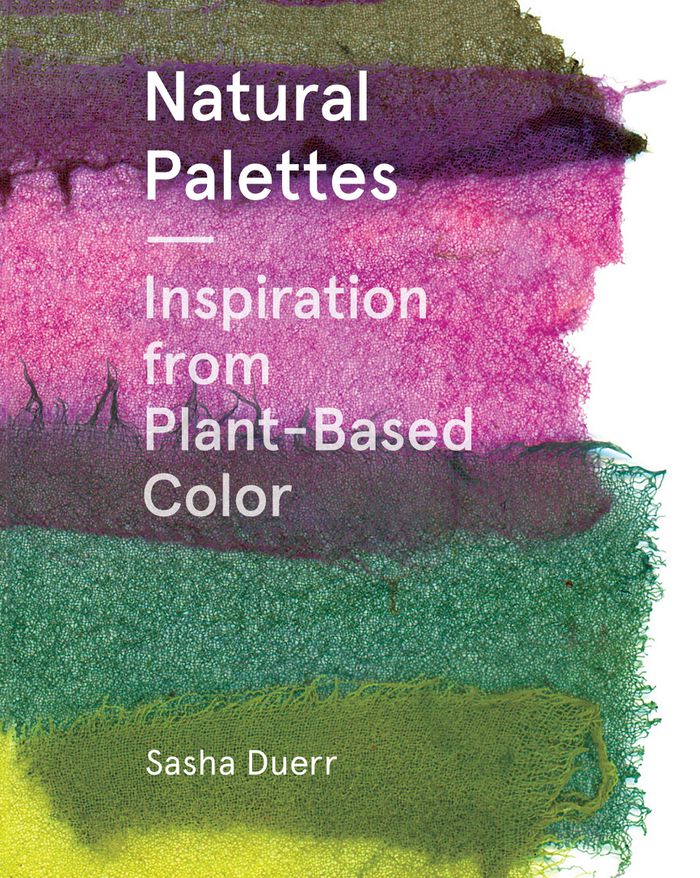
Renowned natural dyer, artist, and educator Sasha Duerr envisions a new age of fresh, modern color palettes, drawing from our original source of inspiration and ingredients-the natural world around us. This innovative plant-based color-guide includes twenty-five palettes with five hundred natural color swatches, providing inspiration for sustainable fashion, textiles, fine art, floral design, food, medicine, gardening, interior design, and other creative disciplines. Bring the healing power of forest bathing into your home with a palette of spruce cones, pine needles, and balsam branches. Move past Pantone and embrace the natural balance of a pollinator palette with Hopi sunflower, red poppy, echinacea, and scabiosa. Duerr complements the palettes with short essays that provide useful information. She connects the colors with particular landscapes, the restorative qualities of medicinal plants, common garden flora, lifestyle experiences, food and floral waste, and the ecological benefits of using organic materials to create colors. You may never view color-or your plants-the same way again.
Natural palettes: inspiration from plant-based color
Actions:
Price:
$42.95
(available to order)
Summary:
Renowned natural dyer, artist, and educator Sasha Duerr envisions a new age of fresh, modern color palettes, drawing from our original source of inspiration and ingredients-the natural world around us. This innovative plant-based color-guide includes twenty-five palettes with five hundred natural color swatches, providing inspiration for sustainable fashion, textiles, fine art, floral design, food, medicine, gardening, interior design, and other creative disciplines. Bring the healing power of forest bathing into your home with a palette of spruce cones, pine needles, and balsam branches. Move past Pantone and embrace the natural balance of a pollinator palette with Hopi sunflower, red poppy, echinacea, and scabiosa. Duerr complements the palettes with short essays that provide useful information. She connects the colors with particular landscapes, the restorative qualities of medicinal plants, common garden flora, lifestyle experiences, food and floral waste, and the ecological benefits of using organic materials to create colors. You may never view color-or your plants-the same way again.
Form:
books
books
Publication:
April 2020
April 2020
Subject:
Colour Theory and Design
Colour Theory and Design
Form:
books
books
Price:
$45.95
(available to order)
Summary:
A road map for product design professionals and students to ten “Big Ideas” in material innovation. Drawing from a worldwide community of designers who are pushing boundaries with innovative works that go beyond the notion of “sustainable design,” Radical Matter demonstrates how holistic systems of design, production, and consumption will benefit our world(...)
$45.95
(available to order)
Summary:
A road map for product design professionals and students to ten “Big Ideas” in material innovation. Drawing from a worldwide community of designers who are pushing boundaries with innovative works that go beyond the notion of “sustainable design,” Radical Matter demonstrates how holistic systems of design, production, and consumption will benefit our world(...)
Title:
Radical matter: rethinking materials for a sustainable future
Actions:
Price:
$45.95
(available to order)
Summary:
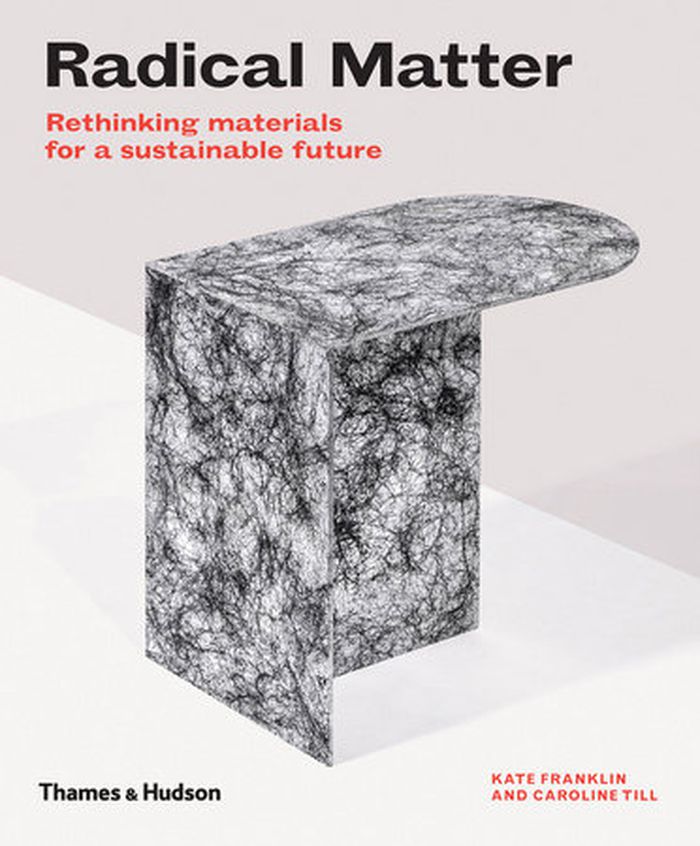
A road map for product design professionals and students to ten “Big Ideas” in material innovation. Drawing from a worldwide community of designers who are pushing boundaries with innovative works that go beyond the notion of “sustainable design,” Radical Matter demonstrates how holistic systems of design, production, and consumption will benefit our world environmentally, socially, and economically. The ten “Big Ideas” unpack the themes that are impacting our material world through cutting-edge case studies and expert opinions: Repair Is Beautiful; Today’s Trash, Tomorrow’s Raw Material; Natural Assets; The Waste Revolution; Lessons from the Past; Co-Creation; Material Connections; Short Life Materials; Living Materials; and Future Mining. The book includes an invaluable directory of resources for cutting-edge materials and a definitive list of global research centers, innovation hubs, academic courses, and material libraries. Radical Matter contains a wealth of information to help design professionals and students turn revolutionary concepts into reality.
Radical matter: rethinking materials for a sustainable future
Actions:
Price:
$45.95
(available to order)
Summary:
A road map for product design professionals and students to ten “Big Ideas” in material innovation. Drawing from a worldwide community of designers who are pushing boundaries with innovative works that go beyond the notion of “sustainable design,” Radical Matter demonstrates how holistic systems of design, production, and consumption will benefit our world environmentally, socially, and economically. The ten “Big Ideas” unpack the themes that are impacting our material world through cutting-edge case studies and expert opinions: Repair Is Beautiful; Today’s Trash, Tomorrow’s Raw Material; Natural Assets; The Waste Revolution; Lessons from the Past; Co-Creation; Material Connections; Short Life Materials; Living Materials; and Future Mining. The book includes an invaluable directory of resources for cutting-edge materials and a definitive list of global research centers, innovation hubs, academic courses, and material libraries. Radical Matter contains a wealth of information to help design professionals and students turn revolutionary concepts into reality.
Form:
books
books
Publication:
March 2020
March 2020
Subject:
Materials and Lighting
Materials and Lighting
Form:
books
books
Actions:
Price:
$178.50
(available to order)
Summary:
Today, contemporary landscape design is increasingly drawing from ideas of sustainability and ecological stability. Not in fact new, the foundations of this approach stem from early twentieth century Germany, where architects and planners were already beginning to use the design concepts which are now referred to as "green." This ecological school of thought was(...)
$178.50
(available to order)
Summary:
Today, contemporary landscape design is increasingly drawing from ideas of sustainability and ecological stability. Not in fact new, the foundations of this approach stem from early twentieth century Germany, where architects and planners were already beginning to use the design concepts which are now referred to as "green." This ecological school of thought was(...)
Title:
When modern was green : life and work of landscape architect Leberecht Migge
Actions:
Price:
$178.50
(available to order)
Summary:
Today, contemporary landscape design is increasingly drawing from ideas of sustainability and ecological stability. Not in fact new, the foundations of this approach stem from early twentieth century Germany, where architects and planners were already beginning to use the design concepts which are now referred to as "green." This ecological school of thought was driven by modernist landscape architect Leberecht Migge (1881-1935). Working with significant modernist architects of the age including Martin Elsaesser, Ernst May, Bruno Taut, and Martin Wagner Migge was responsible for some of the most important housing and planning projects of the age; the mass housing settlements, or Gro siedlungen, of Frankfurt Main and Berlin. Using "biotechnic" principles to integrally link dwelling and garden, Migge was able to recycle household waste to grow foodstuffs through the use of innovative infrastructure and open space planning. Also a skilled park and garden designer, he drew together green and architectural elements in his "garden-architectonic" approach.
When modern was green : life and work of landscape architect Leberecht Migge
Actions:
Price:
$178.50
(available to order)
Summary:
Today, contemporary landscape design is increasingly drawing from ideas of sustainability and ecological stability. Not in fact new, the foundations of this approach stem from early twentieth century Germany, where architects and planners were already beginning to use the design concepts which are now referred to as "green." This ecological school of thought was driven by modernist landscape architect Leberecht Migge (1881-1935). Working with significant modernist architects of the age including Martin Elsaesser, Ernst May, Bruno Taut, and Martin Wagner Migge was responsible for some of the most important housing and planning projects of the age; the mass housing settlements, or Gro siedlungen, of Frankfurt Main and Berlin. Using "biotechnic" principles to integrally link dwelling and garden, Migge was able to recycle household waste to grow foodstuffs through the use of innovative infrastructure and open space planning. Also a skilled park and garden designer, he drew together green and architectural elements in his "garden-architectonic" approach.
Form:
books
books
Publication:
April 2012
April 2012
Subject:
Architecture Monographs
Architecture Monographs
Form:
books
books
Title:
Hall of best knowledge
Hall of best knowledge
Actions:
Price:
$21.95
(available to order)
Summary:
Ray Fenwick has pioneered his own medium of storytelling, one best described as "typographical comics." Hall of Best Knowledge is presented as a handsome, personal journal written by an unnamed voice, referred to only as "The Author." Little is known about him; he makes occasional, derogatory references to a twin brother and younger sibling, but reveals little else. He(...)
$21.95
(available to order)
Summary:
Ray Fenwick has pioneered his own medium of storytelling, one best described as "typographical comics." Hall of Best Knowledge is presented as a handsome, personal journal written by an unnamed voice, referred to only as "The Author." Little is known about him; he makes occasional, derogatory references to a twin brother and younger sibling, but reveals little else. He(...)
Title:
Hall of best knowledge
Actions:
Price:
$21.95
(available to order)
Summary:
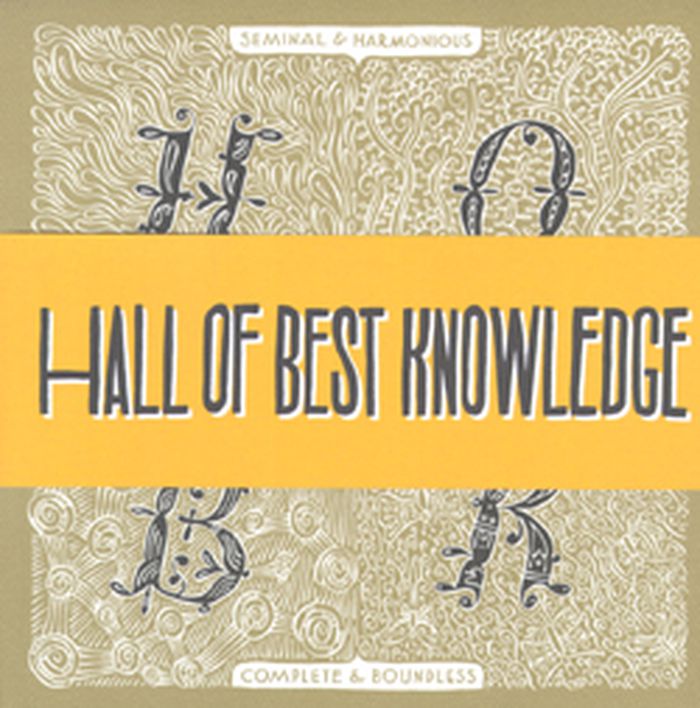
Ray Fenwick has pioneered his own medium of storytelling, one best described as "typographical comics." Hall of Best Knowledge is presented as a handsome, personal journal written by an unnamed voice, referred to only as "The Author." Little is known about him; he makes occasional, derogatory references to a twin brother and younger sibling, but reveals little else. He clearly fashions himself a genius, writing with a faux-aristocratic air, and it is presumably his belief in his own genius that leads him to want to share his knowledge with the world. Each page features information such as "It hardly needs mentioning that riding a pony is no intellectual triumph.... If riding a pony is so fantastic, why have I never read of any renowned pony-riding genius? It is because such a person does not exist, making it a foolish waste of time unworthy of attention." These pearls of wisdom are lettered in an elegant, almost obsessive fashion, entirely hand-crafted and bedecked with Ionic columns and fleurs-de-lis.
Hall of best knowledge
Actions:
Price:
$21.95
(available to order)
Summary:
Ray Fenwick has pioneered his own medium of storytelling, one best described as "typographical comics." Hall of Best Knowledge is presented as a handsome, personal journal written by an unnamed voice, referred to only as "The Author." Little is known about him; he makes occasional, derogatory references to a twin brother and younger sibling, but reveals little else. He clearly fashions himself a genius, writing with a faux-aristocratic air, and it is presumably his belief in his own genius that leads him to want to share his knowledge with the world. Each page features information such as "It hardly needs mentioning that riding a pony is no intellectual triumph.... If riding a pony is so fantastic, why have I never read of any renowned pony-riding genius? It is because such a person does not exist, making it a foolish waste of time unworthy of attention." These pearls of wisdom are lettered in an elegant, almost obsessive fashion, entirely hand-crafted and bedecked with Ionic columns and fleurs-de-lis.
Form:
books
books
Publication:
April 2008, Washinton
April 2008, Washinton
Subject:
Illustration
Illustration
Form:
books
books

Actions:
Price:
$59.95
(available to order)
Summary:
"Through time and the city: notes on Rome" offers a new approach to exploring cities. Using Rome as a guide, the book follows familiar sites, geographies, and characters in search of their role within a larger narrative that includes the environmental processes required to generate enough space and material for the city, the emergent ecologies to which its buildings play(...)
$59.95
(available to order)
Summary:
"Through time and the city: notes on Rome" offers a new approach to exploring cities. Using Rome as a guide, the book follows familiar sites, geographies, and characters in search of their role within a larger narrative that includes the environmental processes required to generate enough space and material for the city, the emergent ecologies to which its buildings play(...)
Subject:
Architectural Theory
Architectural Theory
Publication:
September 2020
September 2020
Title:
Through time and the city: Notes on Rome
Actions:
Price:
$59.95
(available to order)
Summary:
"Through time and the city: notes on Rome" offers a new approach to exploring cities. Using Rome as a guide, the book follows familiar sites, geographies, and characters in search of their role within a larger narrative that includes the environmental processes required to generate enough space and material for the city, the emergent ecologies to which its buildings play host, and the social patterns its various structures help to organize. "Through time and the city" argues that Rome is made and unmade by an endlessly evolving chorus that has, for better or worse, gained geological legitimacy; that the city absorbs and emits countless artifacts in its search for collective identity; that the city is a platform for the constant staging of negotiations between agents (humans, buildings, plants, animals, pathogens, goods, waste, water) that drive and are driven by the entanglements of climate and culture. This book provides textual and visual frameworks for identifying the material traces, emergent patterns, or speculated futures that expose a city as inseparable from its capacity to change.
Through time and the city: Notes on Rome
Actions:
Price:
$59.95
(available to order)
Summary:
"Through time and the city: notes on Rome" offers a new approach to exploring cities. Using Rome as a guide, the book follows familiar sites, geographies, and characters in search of their role within a larger narrative that includes the environmental processes required to generate enough space and material for the city, the emergent ecologies to which its buildings play host, and the social patterns its various structures help to organize. "Through time and the city" argues that Rome is made and unmade by an endlessly evolving chorus that has, for better or worse, gained geological legitimacy; that the city absorbs and emits countless artifacts in its search for collective identity; that the city is a platform for the constant staging of negotiations between agents (humans, buildings, plants, animals, pathogens, goods, waste, water) that drive and are driven by the entanglements of climate and culture. This book provides textual and visual frameworks for identifying the material traces, emergent patterns, or speculated futures that expose a city as inseparable from its capacity to change.
Form:
books
books
Publication:
September 2020
September 2020
Subject:
Architectural Theory
Architectural Theory
Form:
books
books
Title:
Drivers of change
Drivers of change
Actions:
Price:
$80.00
(available to order)
Summary:
Conceived and designed by the Foresight, innovation and incubation team at Arup, the influential consulting firm that advises on all aspects of the built environment, this card set features seven topics that have been chosen as headings for further discussion: energy, waste, climate change, water, demographics, urbanization and poverty. The 189 cards are divided into five(...)
$80.00
(available to order)
Summary:
Conceived and designed by the Foresight, innovation and incubation team at Arup, the influential consulting firm that advises on all aspects of the built environment, this card set features seven topics that have been chosen as headings for further discussion: energy, waste, climate change, water, demographics, urbanization and poverty. The 189 cards are divided into five(...)
Title:
Drivers of change
Actions:
Price:
$80.00
(available to order)
Summary:
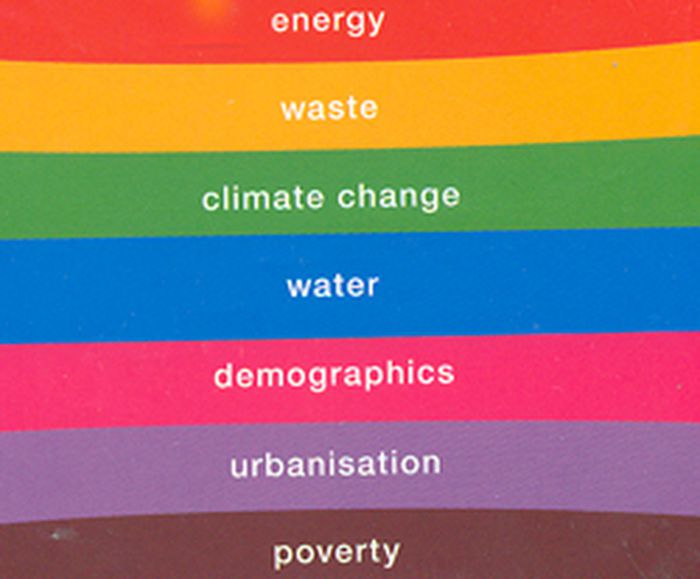
Conceived and designed by the Foresight, innovation and incubation team at Arup, the influential consulting firm that advises on all aspects of the built environment, this card set features seven topics that have been chosen as headings for further discussion: energy, waste, climate change, water, demographics, urbanization and poverty. The 189 cards are divided into five domains known as the steep framework: societal, technological, economic, environmental, and political. Each card represents a single driver of change-for instance urban migration, ageing population, austerity-along with a challenging and thought-provoking question. The flip side of the card provides pertinent data to expand on the question, as well as maps, graphs, and other illustrations. An accompanying booklet offers tips on how to use these cards independently or in a group setting. Whether brainstorming for new ideas or facilitating a discussion, these graphically sophisticated cards are an excellent resource for anyone interested in the future of technology, design and sustainability or indeed the way we might live in the years to come.
Drivers of change
Actions:
Price:
$80.00
(available to order)
Summary:
Conceived and designed by the Foresight, innovation and incubation team at Arup, the influential consulting firm that advises on all aspects of the built environment, this card set features seven topics that have been chosen as headings for further discussion: energy, waste, climate change, water, demographics, urbanization and poverty. The 189 cards are divided into five domains known as the steep framework: societal, technological, economic, environmental, and political. Each card represents a single driver of change-for instance urban migration, ageing population, austerity-along with a challenging and thought-provoking question. The flip side of the card provides pertinent data to expand on the question, as well as maps, graphs, and other illustrations. An accompanying booklet offers tips on how to use these cards independently or in a group setting. Whether brainstorming for new ideas or facilitating a discussion, these graphically sophisticated cards are an excellent resource for anyone interested in the future of technology, design and sustainability or indeed the way we might live in the years to come.
Form:
books
books
Publication:
July 2009
July 2009
Subject:
Green Architecture
Green Architecture
Form:
books
books
Actions:
Price:
$30.00
(available to order)
Summary:
Trash, garbage, rubbish, dross, detritus - in this enjoyably radical exploration of junk, Gillian Whiteley re-thinks art's historical and present appropriation of junk within our eco-conscious and globalized culture. She does this through an illustrated exploration of particular materials, key moments and locations and the telling of a panoply of trash narratives. Found(...)
$30.00
(available to order)
Summary:
Trash, garbage, rubbish, dross, detritus - in this enjoyably radical exploration of junk, Gillian Whiteley re-thinks art's historical and present appropriation of junk within our eco-conscious and globalized culture. She does this through an illustrated exploration of particular materials, key moments and locations and the telling of a panoply of trash narratives. Found(...)
Title:
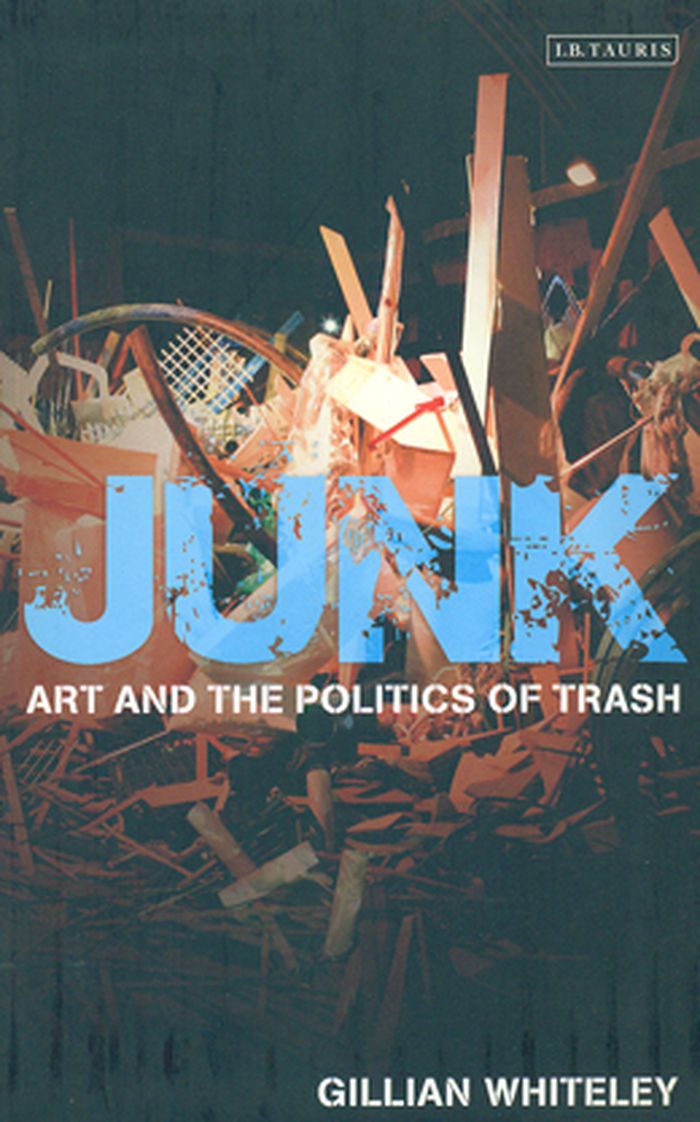
Junk : art and the politics of trash
Actions:
Price:
$30.00
(available to order)
Summary:
Trash, garbage, rubbish, dross, detritus - in this enjoyably radical exploration of junk, Gillian Whiteley re-thinks art's historical and present appropriation of junk within our eco-conscious and globalized culture. She does this through an illustrated exploration of particular materials, key moments and locations and the telling of a panoply of trash narratives. Found and ephemeral materials are primarily associated with assemblage - object-based practices which emerged in the mid-1950s and culminated in the seminal exhibition "The Art of Assemblage" in New York in 1961. With its deployment of the discarded and the filthy, Whiteley argues, assemblage has been viewed as a disruptive, transgressive artform that engaged with narratives of social and political dissent, often in the face of modernist condemnation as worthless kitsch. In the Sixties, parallel techniques flourished in Western Europe, the US and Australia but the idiom of assemblage and the re-use of found materials and objects - with artist as bricoleur - is just as prevalent now. This is a timely book that uncovers the etymology of waste and the cultures of disposability within these economies of wealth.
Junk : art and the politics of trash
Actions:
Price:
$30.00
(available to order)
Summary:
Trash, garbage, rubbish, dross, detritus - in this enjoyably radical exploration of junk, Gillian Whiteley re-thinks art's historical and present appropriation of junk within our eco-conscious and globalized culture. She does this through an illustrated exploration of particular materials, key moments and locations and the telling of a panoply of trash narratives. Found and ephemeral materials are primarily associated with assemblage - object-based practices which emerged in the mid-1950s and culminated in the seminal exhibition "The Art of Assemblage" in New York in 1961. With its deployment of the discarded and the filthy, Whiteley argues, assemblage has been viewed as a disruptive, transgressive artform that engaged with narratives of social and political dissent, often in the face of modernist condemnation as worthless kitsch. In the Sixties, parallel techniques flourished in Western Europe, the US and Australia but the idiom of assemblage and the re-use of found materials and objects - with artist as bricoleur - is just as prevalent now. This is a timely book that uncovers the etymology of waste and the cultures of disposability within these economies of wealth.
Form:
books
books
Publication:
January 2011
January 2011
Form:
books
books
Actions:
Price:
$49.95
(available to order)
Summary:
For almost ten years, Samuel Mockbee, a recent McArthur "genius grant" recipient, and his architecture students at Auburn University have been designing and building striking houses and community buildings for impoverished residents of Alabama's Hale County. Using salvaged lumber and bricks, discarded tires, hay and waste cardboard bales, concrete rubble, coloured(...)
$49.95
(available to order)
Summary:
For almost ten years, Samuel Mockbee, a recent McArthur "genius grant" recipient, and his architecture students at Auburn University have been designing and building striking houses and community buildings for impoverished residents of Alabama's Hale County. Using salvaged lumber and bricks, discarded tires, hay and waste cardboard bales, concrete rubble, coloured(...)
Subject:
Architecture Monographs
Architecture Monographs
Publication:
February 2002, New York
February 2002, New York
Title:
Rural Studio : Samuel Mockbee and an architecture of decency
Actions:
Price:
$49.95
(available to order)
Summary:
For almost ten years, Samuel Mockbee, a recent McArthur "genius grant" recipient, and his architecture students at Auburn University have been designing and building striking houses and community buildings for impoverished residents of Alabama's Hale County. Using salvaged lumber and bricks, discarded tires, hay and waste cardboard bales, concrete rubble, coloured bottles, and old license plates, they create inexpensive buildings in a style Mockbee describes as "contemporary modernism grounded in Southern culture." In a time when architectural attention focuses on large, glossy urban projects and palatial homes, the Rural Studio provides an alternative of substance. In addition to being a social welfare venture, the Rural Studio is also and educational experiment and a prod to the architectural profession to act on its best instincts. By giving students hands-on experience in designing and building something real, it extends their education beyond paper architecture. And in scavenging and reusing a variety of unusual materials, it is a model of sustainable architecture. The work of the Rural Studio has struck such a chord--both architecturally and socially--that it has been featured on "Oprah," "Nightline," and "CBS News," as well as "Time" and "People" magazines.
Rural Studio : Samuel Mockbee and an architecture of decency
Actions:
Price:
$49.95
(available to order)
Summary:
For almost ten years, Samuel Mockbee, a recent McArthur "genius grant" recipient, and his architecture students at Auburn University have been designing and building striking houses and community buildings for impoverished residents of Alabama's Hale County. Using salvaged lumber and bricks, discarded tires, hay and waste cardboard bales, concrete rubble, coloured bottles, and old license plates, they create inexpensive buildings in a style Mockbee describes as "contemporary modernism grounded in Southern culture." In a time when architectural attention focuses on large, glossy urban projects and palatial homes, the Rural Studio provides an alternative of substance. In addition to being a social welfare venture, the Rural Studio is also and educational experiment and a prod to the architectural profession to act on its best instincts. By giving students hands-on experience in designing and building something real, it extends their education beyond paper architecture. And in scavenging and reusing a variety of unusual materials, it is a model of sustainable architecture. The work of the Rural Studio has struck such a chord--both architecturally and socially--that it has been featured on "Oprah," "Nightline," and "CBS News," as well as "Time" and "People" magazines.
Form:
books
books
Publication:
February 2002, New York
February 2002, New York
Subject:
Architecture Monographs
Architecture Monographs
Form:
books
books
Price:
$46.95
(available to order)
Summary:
L’écocritique concerne l’étude des rapports entre l’être humain et son environnement dans la littérature. Elle vise à définir une écologie littéraire, c’est-à-dire à offrir une contribution spécifiquement littéraire à la pensée environnementale contemporaine. En se fondant sur l’écologie, l’écocritique se trouve confrontée à la crise environnementale et à une conscience(...)
$46.95
(available to order)
Summary:
L’écocritique concerne l’étude des rapports entre l’être humain et son environnement dans la littérature. Elle vise à définir une écologie littéraire, c’est-à-dire à offrir une contribution spécifiquement littéraire à la pensée environnementale contemporaine. En se fondant sur l’écologie, l’écocritique se trouve confrontée à la crise environnementale et à une conscience(...)
Title:
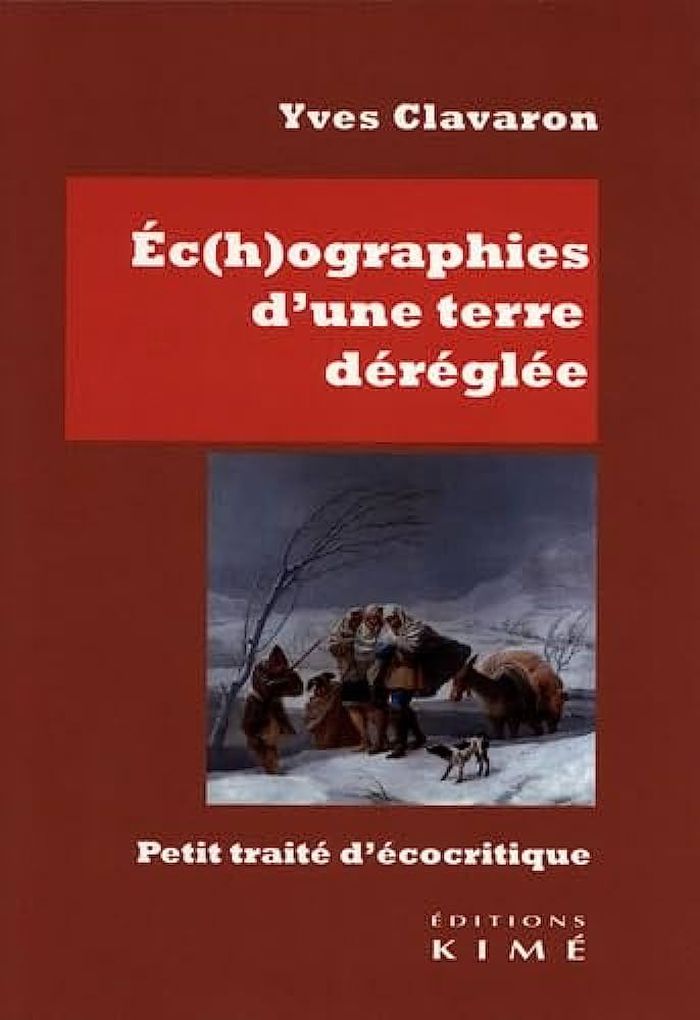
Éc(h)ographies d'une terre déréglée : petit traité d'écocritique
Actions:
Price:
$46.95
(available to order)
Summary:
L’écocritique concerne l’étude des rapports entre l’être humain et son environnement dans la littérature. Elle vise à définir une écologie littéraire, c’est-à-dire à offrir une contribution spécifiquement littéraire à la pensée environnementale contemporaine. En se fondant sur l’écologie, l’écocritique se trouve confrontée à la crise environnementale et à une conscience des menaces qui pèsent sur la biosphère. L’objet de l’ouvrage est d’offrir un traité sur l’écocritique et les principales questions qui y sont reliées, sur les relations entre littérature et écologie, dans une situation de péril pour la Terre. Il s’agira d’observer comment la planète est « éc(h)ographiée » par la littérature à travers divers procédés d’écriture et de réécriture afin de représenter le dérèglement du monde dans sa composante environnementale. Tout en explorant les approches théoriques liées à l’écocritique (études postcoloniales, études animales, études de l’Anthropocène, waste studies…), l’ouvrage se propose de réfléchir sur la puissance d’agir de la littérature, sa capacité à se renouveler (fictions climatiques, fossile-fiction, thriller écologique…) et à apporter une réponse, sinon un remède, à la crise environnementale, afin d’éviter de désespérer d’habiter la planète Terre menacée de sa propre fin.
Éc(h)ographies d'une terre déréglée : petit traité d'écocritique
Actions:
Price:
$46.95
(available to order)
Summary:
L’écocritique concerne l’étude des rapports entre l’être humain et son environnement dans la littérature. Elle vise à définir une écologie littéraire, c’est-à-dire à offrir une contribution spécifiquement littéraire à la pensée environnementale contemporaine. En se fondant sur l’écologie, l’écocritique se trouve confrontée à la crise environnementale et à une conscience des menaces qui pèsent sur la biosphère. L’objet de l’ouvrage est d’offrir un traité sur l’écocritique et les principales questions qui y sont reliées, sur les relations entre littérature et écologie, dans une situation de péril pour la Terre. Il s’agira d’observer comment la planète est « éc(h)ographiée » par la littérature à travers divers procédés d’écriture et de réécriture afin de représenter le dérèglement du monde dans sa composante environnementale. Tout en explorant les approches théoriques liées à l’écocritique (études postcoloniales, études animales, études de l’Anthropocène, waste studies…), l’ouvrage se propose de réfléchir sur la puissance d’agir de la littérature, sa capacité à se renouveler (fictions climatiques, fossile-fiction, thriller écologique…) et à apporter une réponse, sinon un remède, à la crise environnementale, afin d’éviter de désespérer d’habiter la planète Terre menacée de sa propre fin.
Form:
books
books
Publication:
June 2023
June 2023
Subject:
Environment and environmental theory
Environment and environmental theory
Form:
books
books
Actions:
Price:
$52.00
(available in store)
Summary:
The cradle-to-cradle principle envisions buildings returning to the natural cycle after use. In practice, however, most are only partially composed of natural or compostable materials. One notable exception is Florian Nagler’s Garden House, winner of the Detail Award, which closely follows this principle. Another route is the reuse or refurbishment of components from(...)
$52.00
(available in store)
Summary:
The cradle-to-cradle principle envisions buildings returning to the natural cycle after use. In practice, however, most are only partially composed of natural or compostable materials. One notable exception is Florian Nagler’s Garden House, winner of the Detail Award, which closely follows this principle. Another route is the reuse or refurbishment of components from(...)
Title:
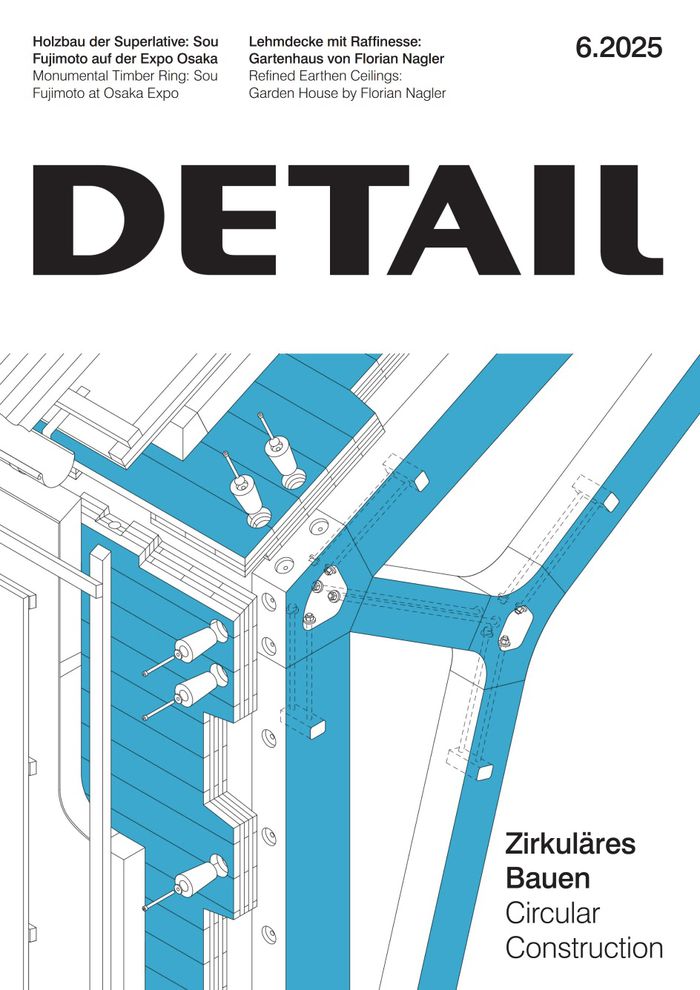
Detail 6 2025 : Circular construction
Actions:
Price:
$52.00
(available in store)
Summary:
The cradle-to-cradle principle envisions buildings returning to the natural cycle after use. In practice, however, most are only partially composed of natural or compostable materials. One notable exception is Florian Nagler’s Garden House, winner of the Detail Award, which closely follows this principle. Another route is the reuse or refurbishment of components from demolished buildings. But this, too, is complex – components are often scarce and costly to extract and and make fit for new applications. To facilitate recycling, some structures are being designed for disassembly. Yet even timber joints fixed with screws can prove difficult to undo after years in place. A research group in Arles sees itself as a recycler of remnants, developing new materials from construction debris and agricultural waste: sunflower stalks become acoustic panels, while rice straw from cultivation is turned into insulation. The team also experiments with local resources: in nearby salt pans, salt crystallises on metal racks to form tiles, while algae are used to make lamps, vases, and wall finishes. Architecture made from rubble, clad in salt, rice, and seaweed – a compelling vision of the future. Perhaps the most promising path lies in combining these diverse strategies.
Detail 6 2025 : Circular construction
Actions:
Price:
$52.00
(available in store)
Summary:
The cradle-to-cradle principle envisions buildings returning to the natural cycle after use. In practice, however, most are only partially composed of natural or compostable materials. One notable exception is Florian Nagler’s Garden House, winner of the Detail Award, which closely follows this principle. Another route is the reuse or refurbishment of components from demolished buildings. But this, too, is complex – components are often scarce and costly to extract and and make fit for new applications. To facilitate recycling, some structures are being designed for disassembly. Yet even timber joints fixed with screws can prove difficult to undo after years in place. A research group in Arles sees itself as a recycler of remnants, developing new materials from construction debris and agricultural waste: sunflower stalks become acoustic panels, while rice straw from cultivation is turned into insulation. The team also experiments with local resources: in nearby salt pans, salt crystallises on metal racks to form tiles, while algae are used to make lamps, vases, and wall finishes. Architecture made from rubble, clad in salt, rice, and seaweed – a compelling vision of the future. Perhaps the most promising path lies in combining these diverse strategies.
Form:
books
books
Publication:
June 2025
June 2025
Subject:
Magazines
Magazines


