


10592 Results
Form:
books
books
Title:
Questions d'urbanisme
Questions d'urbanisme
Actions:
Price:
$19.95
(available to order)
Summary:
Que sera la pratique de l'urbanisme dans les prochaines années ? Quelles seront les dynamiques en place ? Les tensions et les conflits entre les acteurs ? Les opportunités à saisir ? Les 50 ans de l'Institut d'urbanisme de l'Université de Montréal sont une excellente occasion pour ses professeurs de regarder vers l'avenir. Ils présentent ici les enjeux de leur profession(...)
$19.95
(available to order)
Summary:
Que sera la pratique de l'urbanisme dans les prochaines années ? Quelles seront les dynamiques en place ? Les tensions et les conflits entre les acteurs ? Les opportunités à saisir ? Les 50 ans de l'Institut d'urbanisme de l'Université de Montréal sont une excellente occasion pour ses professeurs de regarder vers l'avenir. Ils présentent ici les enjeux de leur profession(...)
Subject:
Urban Theory
Urban Theory
Publication:
May 2012
May 2012
Title:
Questions d'urbanisme
Actions:
Price:
$19.95
(available to order)
Summary:
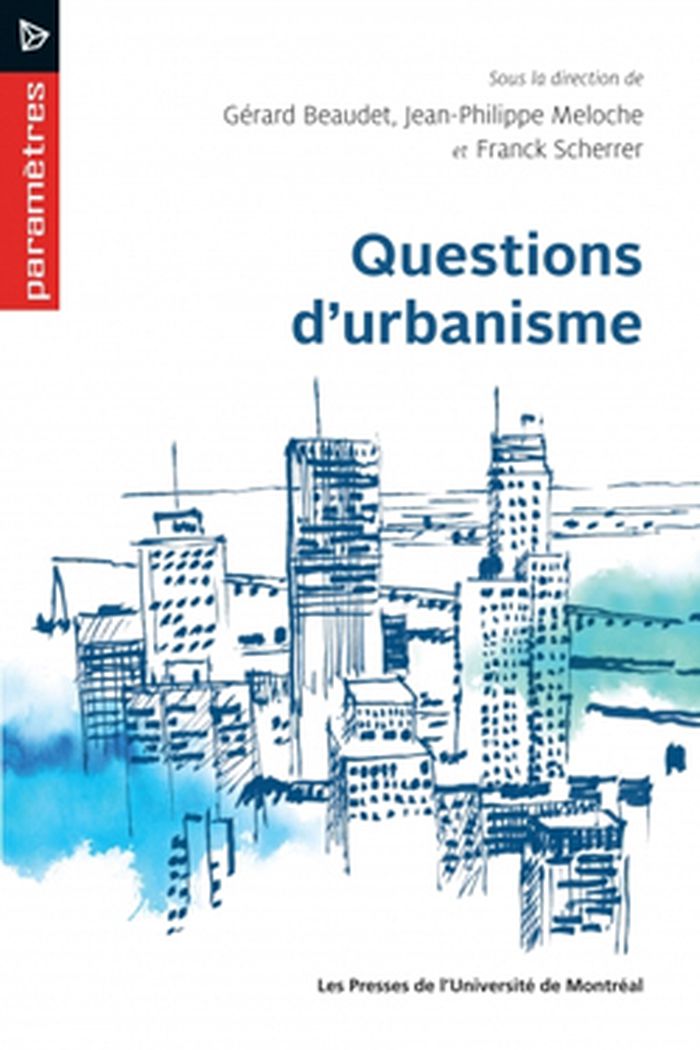
Que sera la pratique de l'urbanisme dans les prochaines années ? Quelles seront les dynamiques en place ? Les tensions et les conflits entre les acteurs ? Les opportunités à saisir ? Les 50 ans de l'Institut d'urbanisme de l'Université de Montréal sont une excellente occasion pour ses professeurs de regarder vers l'avenir. Ils présentent ici les enjeux de leur profession non seulement à leurs étudiants, mais aussi à l'ensemble des citoyens concernés par les grands défis qui s'annoncent, notamment le vieillissement de la population, la mobilité, les transports en commun, la sauvegarde du patrimoine et l'aménagement du territoire. Dépassant largement les questions locales, leurs textes, illustrés par Michel Barcelo, abordent avec la même ouverture les problèmes des grandes villes, du Nord comme du Sud.
Questions d'urbanisme
Actions:
Price:
$19.95
(available to order)
Summary:
Que sera la pratique de l'urbanisme dans les prochaines années ? Quelles seront les dynamiques en place ? Les tensions et les conflits entre les acteurs ? Les opportunités à saisir ? Les 50 ans de l'Institut d'urbanisme de l'Université de Montréal sont une excellente occasion pour ses professeurs de regarder vers l'avenir. Ils présentent ici les enjeux de leur profession non seulement à leurs étudiants, mais aussi à l'ensemble des citoyens concernés par les grands défis qui s'annoncent, notamment le vieillissement de la population, la mobilité, les transports en commun, la sauvegarde du patrimoine et l'aménagement du territoire. Dépassant largement les questions locales, leurs textes, illustrés par Michel Barcelo, abordent avec la même ouverture les problèmes des grandes villes, du Nord comme du Sud.
Form:
books
books
Publication:
May 2012
May 2012
Subject:
Urban Theory
Urban Theory
Form:
books
books
Actions:
Price:
$34.95
(available to order)
Summary:
Piecing Together Los Angeles: An Esther McCoy Reader is the first anthology of McCoy's writing. It features a selection of some 70 pieces--ranging from her 1945 article "Schindler, Space Architect" to "Arts & Architecture: Case Study Houses," a 1989 essay commissioned by the Museum of Contemporary Art, Los Angeles. From fiction for The New Yorker to seminal essays on(...)
$34.95
(available to order)
Summary:
Piecing Together Los Angeles: An Esther McCoy Reader is the first anthology of McCoy's writing. It features a selection of some 70 pieces--ranging from her 1945 article "Schindler, Space Architect" to "Arts & Architecture: Case Study Houses," a 1989 essay commissioned by the Museum of Contemporary Art, Los Angeles. From fiction for The New Yorker to seminal essays on(...)
Title:
Piecing together Los Angeles: an Esther McCoy reader
Actions:
Price:
$34.95
(available to order)
Summary:
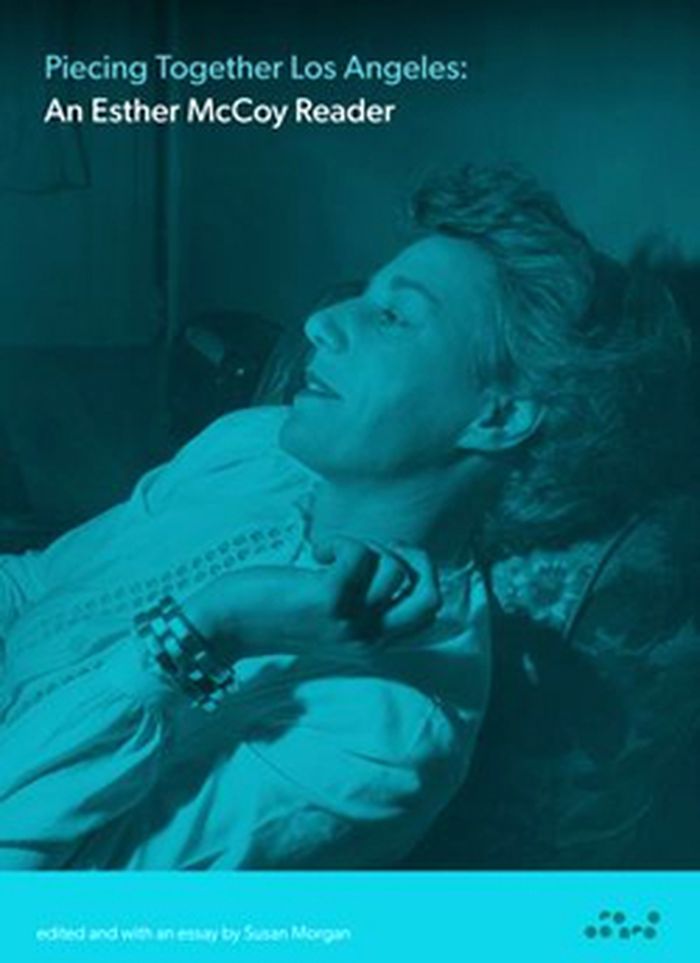
Piecing Together Los Angeles: An Esther McCoy Reader is the first anthology of McCoy's writing. It features a selection of some 70 pieces--ranging from her 1945 article "Schindler, Space Architect" to "Arts & Architecture: Case Study Houses," a 1989 essay commissioned by the Museum of Contemporary Art, Los Angeles. From fiction for The New Yorker to seminal essays on new architectural forms, McCoy charts the progressive edge of American idealism, from the collective utopian spirit of Jazz Age Greenwich Village, through the Depression and the war years, to the optimism of the 1950s and 1960s. In preparing this volume, writer and editor Susan Morgan extensively researched the McCoy papers at the Archives of American Art. Her editorial decisions were based, in part, on McCoy's original selections for an unrealized anthology solicited by W. W. Norton in 1968.
Piecing together Los Angeles: an Esther McCoy reader
Actions:
Price:
$34.95
(available to order)
Summary:
Piecing Together Los Angeles: An Esther McCoy Reader is the first anthology of McCoy's writing. It features a selection of some 70 pieces--ranging from her 1945 article "Schindler, Space Architect" to "Arts & Architecture: Case Study Houses," a 1989 essay commissioned by the Museum of Contemporary Art, Los Angeles. From fiction for The New Yorker to seminal essays on new architectural forms, McCoy charts the progressive edge of American idealism, from the collective utopian spirit of Jazz Age Greenwich Village, through the Depression and the war years, to the optimism of the 1950s and 1960s. In preparing this volume, writer and editor Susan Morgan extensively researched the McCoy papers at the Archives of American Art. Her editorial decisions were based, in part, on McCoy's original selections for an unrealized anthology solicited by W. W. Norton in 1968.
Form:
books
books
Publication:
May 2012
May 2012
Subject:
Urban Theory
Urban Theory
Form:
books
books
Price:
$29.95
(available to order)
Summary:
A new edition of one of the most widely read books on modern design Nikolaus Pevsner's landmark work was first published in 1936. Pevsner saw Modernism as a synthesis of three main sources: William Morris and his followers; the work of the 19th-century engineers; and Art Nouveau. All these form the essential background to the work of the early Modernists, with their(...)
$29.95
(available to order)
Summary:
A new edition of one of the most widely read books on modern design Nikolaus Pevsner's landmark work was first published in 1936. Pevsner saw Modernism as a synthesis of three main sources: William Morris and his followers; the work of the 19th-century engineers; and Art Nouveau. All these form the essential background to the work of the early Modernists, with their(...)
Title:
Pioneers of modern design: from William Morris to Walter Gropius
Actions:
Price:
$29.95
(available to order)
Summary:
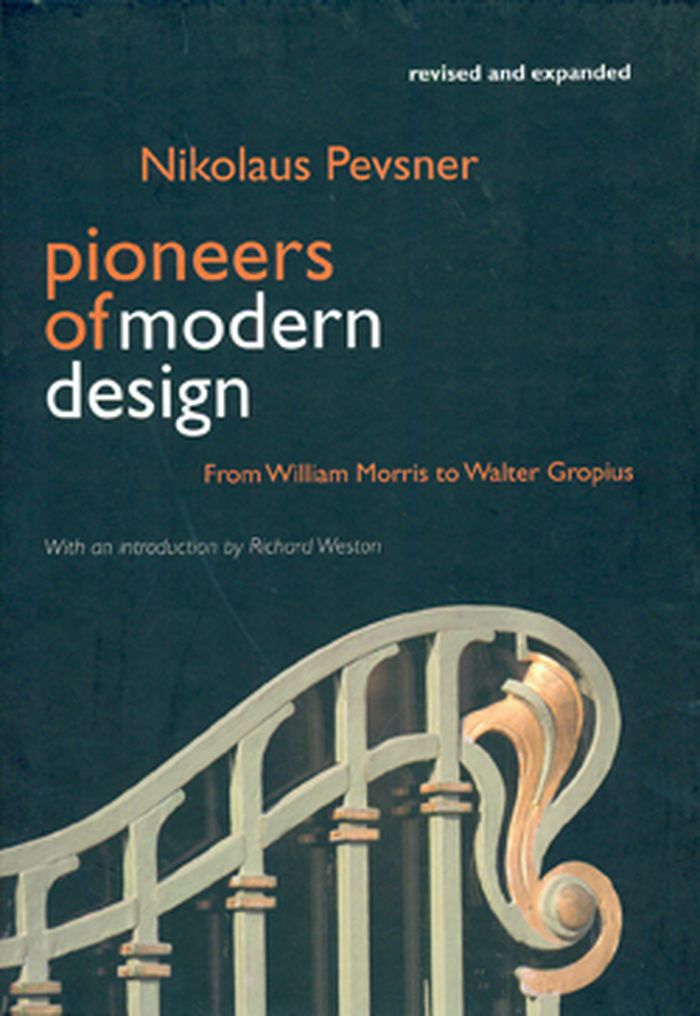
A new edition of one of the most widely read books on modern design Nikolaus Pevsner's landmark work was first published in 1936. Pevsner saw Modernism as a synthesis of three main sources: William Morris and his followers; the work of the 19th-century engineers; and Art Nouveau. All these form the essential background to the work of the early Modernists, with their rejection of ornament, their use of new materials and their commitment to "utility" and the machine age. Pevsner looks at the early masters of the movement, such as Voysey and Rennie Mackintosh in Britain; Sullivan and Lloyd Wright in America; and Loos and Wagner in Vienna, ending in 1914, with Walter Gropius and the Bauhaus movement representing design's most radical break with the past.
Pioneers of modern design: from William Morris to Walter Gropius
Actions:
Price:
$29.95
(available to order)
Summary:
A new edition of one of the most widely read books on modern design Nikolaus Pevsner's landmark work was first published in 1936. Pevsner saw Modernism as a synthesis of three main sources: William Morris and his followers; the work of the 19th-century engineers; and Art Nouveau. All these form the essential background to the work of the early Modernists, with their rejection of ornament, their use of new materials and their commitment to "utility" and the machine age. Pevsner looks at the early masters of the movement, such as Voysey and Rennie Mackintosh in Britain; Sullivan and Lloyd Wright in America; and Loos and Wagner in Vienna, ending in 1914, with Walter Gropius and the Bauhaus movement representing design's most radical break with the past.
Form:
books
books
Publication:
May 2012
May 2012
Subject:
Design Theory
Design Theory
Form:
books
books
Actions:
Price:
$23.95
(available to order)
Summary:
Aux côtés des élus, les services d'urbanisme municipaux ou intercommunaux participent à la transformation d'une cité. L'observation quotidienne des jeux des acteurs et l'expérience opérationnelle éclairent les enjeux et les contraintes qui sont au cœur de l'action de l'urbaniste.
$23.95
(available to order)
Summary:
Aux côtés des élus, les services d'urbanisme municipaux ou intercommunaux participent à la transformation d'une cité. L'observation quotidienne des jeux des acteurs et l'expérience opérationnelle éclairent les enjeux et les contraintes qui sont au cœur de l'action de l'urbaniste.
Title:
Le choix de la ville: l'urbanisme au service d'une ville partagée et créative
Actions:
Price:
$23.95
(available to order)
Summary:
Aux côtés des élus, les services d'urbanisme municipaux ou intercommunaux participent à la transformation d'une cité. L'observation quotidienne des jeux des acteurs et l'expérience opérationnelle éclairent les enjeux et les contraintes qui sont au cœur de l'action de l'urbaniste.
Le choix de la ville: l'urbanisme au service d'une ville partagée et créative
Actions:
Price:
$23.95
(available to order)
Summary:
Aux côtés des élus, les services d'urbanisme municipaux ou intercommunaux participent à la transformation d'une cité. L'observation quotidienne des jeux des acteurs et l'expérience opérationnelle éclairent les enjeux et les contraintes qui sont au cœur de l'action de l'urbaniste.
Form:
books
books
Publication:
May 2012
May 2012
Subject:
Urban Theory
Urban Theory
Form:
books
books
Actions:
Price:
$61.00
(available to order)
Summary:
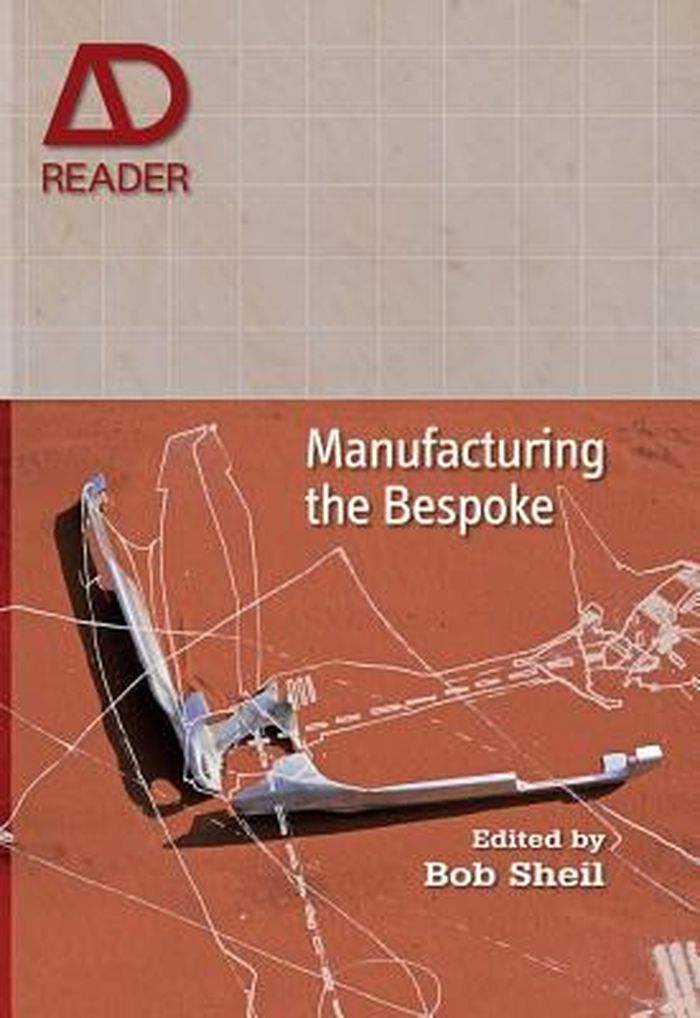
This publication presents articles refering to key portfolios of the 20th and 21st Century including works by Pierre Charreau, Peter Salter and Rural Studio. It also includes extended articles by critics, theorists, educators and designers, such as Mathias Kohler, Nevi Oxman, and Michael Stacey
$61.00
(available to order)
Summary:
This publication presents articles refering to key portfolios of the 20th and 21st Century including works by Pierre Charreau, Peter Salter and Rural Studio. It also includes extended articles by critics, theorists, educators and designers, such as Mathias Kohler, Nevi Oxman, and Michael Stacey
Title:
AD: manufacturing the bespoke
Actions:
Price:
$61.00
(available to order)
Summary:
This publication presents articles refering to key portfolios of the 20th and 21st Century including works by Pierre Charreau, Peter Salter and Rural Studio. It also includes extended articles by critics, theorists, educators and designers, such as Mathias Kohler, Nevi Oxman, and Michael Stacey
AD: manufacturing the bespoke
Actions:
Price:
$61.00
(available to order)
Summary:
This publication presents articles refering to key portfolios of the 20th and 21st Century including works by Pierre Charreau, Peter Salter and Rural Studio. It also includes extended articles by critics, theorists, educators and designers, such as Mathias Kohler, Nevi Oxman, and Michael Stacey
Form:
books
books
Publication:
May 2012
May 2012
Subject:
Architectural Theory
Architectural Theory
Form:
books
books
Actions:
Price:
$50.00
(available to order)
Summary:
In the 1920s and 1930s, the Villa Foscari in Venice, better known as La Malcontenta, became a meeting place for intellectuals, artists, and members of the nobility such as Serge Diaghilev, Boris Kochno, Serge Lifar, Winston Churchill, Robert Byron, Diana Cooper, and Le Corbusier. It was an era of inspiring encounters between aristocrats, the avantgarde, snobs, and(...)
$50.00
(available to order)
Summary:
In the 1920s and 1930s, the Villa Foscari in Venice, better known as La Malcontenta, became a meeting place for intellectuals, artists, and members of the nobility such as Serge Diaghilev, Boris Kochno, Serge Lifar, Winston Churchill, Robert Byron, Diana Cooper, and Le Corbusier. It was an era of inspiring encounters between aristocrats, the avantgarde, snobs, and(...)
Title:
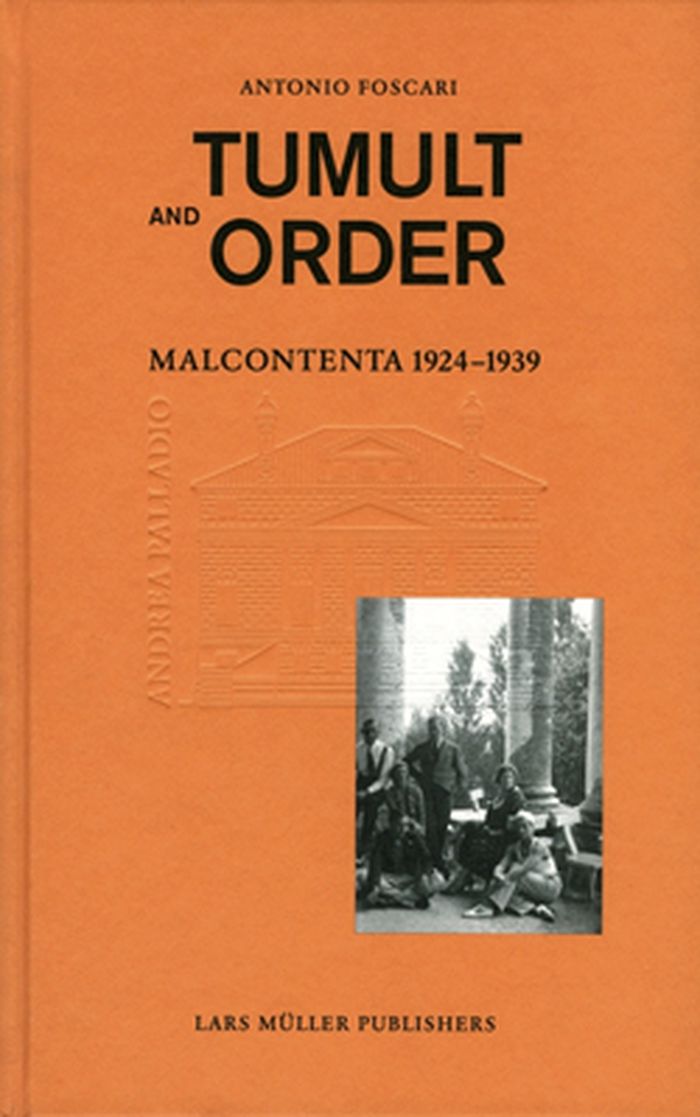
Tumult and order : Malcontenta, 1924-1939
Actions:
Price:
$50.00
(available to order)
Summary:
In the 1920s and 1930s, the Villa Foscari in Venice, better known as La Malcontenta, became a meeting place for intellectuals, artists, and members of the nobility such as Serge Diaghilev, Boris Kochno, Serge Lifar, Winston Churchill, Robert Byron, Diana Cooper, and Le Corbusier. It was an era of inspiring encounters between aristocrats, the avantgarde, snobs, and intellectuals that ended when Italy entered World War II. Antonio Foscari recounts this lively period in the building’s history and talks about its then owner, Bertie Landsberg, and his friends Catherine de Rochegude, Baroness of Erlanger, and Paul Rodocanachi, who not only lovingly renovated the villa, but made it such a lively place for the first time. The text is complemented by numerous photographs dating from this exciting time that convey an impression of what was happening in the villa in those days.
Tumult and order : Malcontenta, 1924-1939
Actions:
Price:
$50.00
(available to order)
Summary:
In the 1920s and 1930s, the Villa Foscari in Venice, better known as La Malcontenta, became a meeting place for intellectuals, artists, and members of the nobility such as Serge Diaghilev, Boris Kochno, Serge Lifar, Winston Churchill, Robert Byron, Diana Cooper, and Le Corbusier. It was an era of inspiring encounters between aristocrats, the avantgarde, snobs, and intellectuals that ended when Italy entered World War II. Antonio Foscari recounts this lively period in the building’s history and talks about its then owner, Bertie Landsberg, and his friends Catherine de Rochegude, Baroness of Erlanger, and Paul Rodocanachi, who not only lovingly renovated the villa, but made it such a lively place for the first time. The text is complemented by numerous photographs dating from this exciting time that convey an impression of what was happening in the villa in those days.
Form:
books
books
Publication:
August 2012
August 2012
Subject:
Architectural Theory
Architectural Theory
Form:
books
books
Price:
$51.95
(available to order)
Summary:
Pourquoi reconquérir les rues ? Parce que c’est là que se joue, sans qu’on en soit toujours conscient, une grande partie de la qualité de la vie dans une ville. Il y a des rues où l’on se sent bien, des rues vivantes — sans forcément être commerçantes —, où l’on se dit qu’on aimerait bien habiter et élever nos enfants. Et puis il y a des rues qui, à l’inverse, nous(...)
$51.95
(available to order)
Summary:
Pourquoi reconquérir les rues ? Parce que c’est là que se joue, sans qu’on en soit toujours conscient, une grande partie de la qualité de la vie dans une ville. Il y a des rues où l’on se sent bien, des rues vivantes — sans forcément être commerçantes —, où l’on se dit qu’on aimerait bien habiter et élever nos enfants. Et puis il y a des rues qui, à l’inverse, nous(...)
Title:
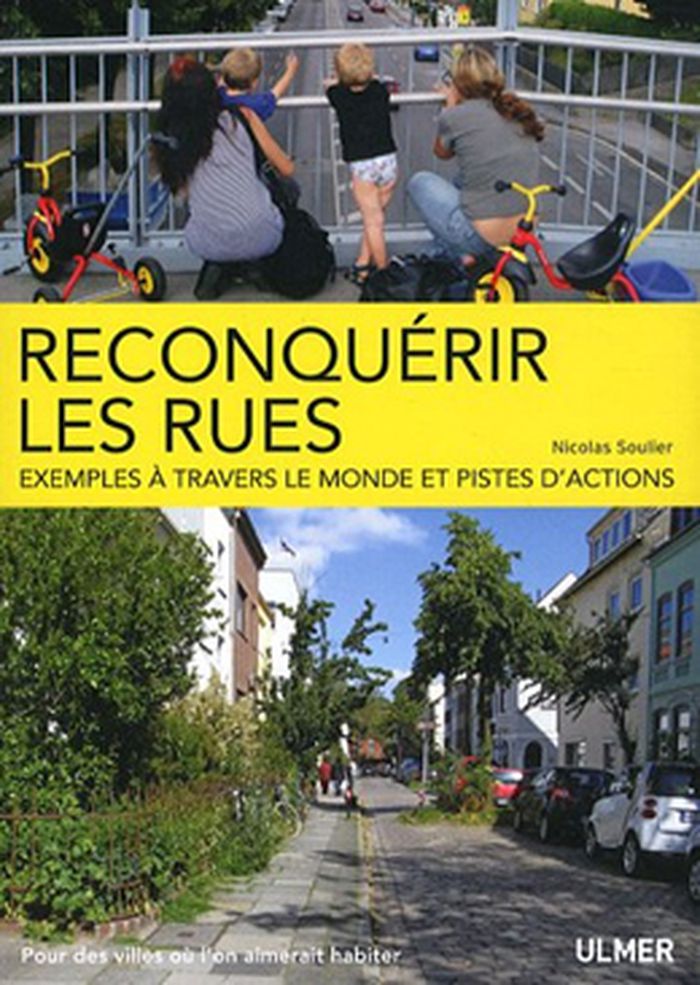
Reconquérir les rues : exemples à travers le monde et pistes d'actions
Actions:
Price:
$51.95
(available to order)
Summary:
Pourquoi reconquérir les rues ? Parce que c’est là que se joue, sans qu’on en soit toujours conscient, une grande partie de la qualité de la vie dans une ville. Il y a des rues où l’on se sent bien, des rues vivantes — sans forcément être commerçantes —, où l’on se dit qu’on aimerait bien habiter et élever nos enfants. Et puis il y a des rues qui, à l’inverse, nous semblent mornes, stériles, désertes, et qui malheureusement sont devenues plutôt la norme dans notre pays. Nicolas Soulier nous montre que cette situation n’est pas inéluctable et que de nombreux exemples de reconquête fleurissent à travers le monde, mais aussi en France. De ces situations exemplaires, prises en Allemagne, en Suisse, au Canada, en Angleterre et aux USA, l’auteur tire des conclusions pratiques et propose des pistes d’action pour reconquérir nos rues.
Reconquérir les rues : exemples à travers le monde et pistes d'actions
Actions:
Price:
$51.95
(available to order)
Summary:
Pourquoi reconquérir les rues ? Parce que c’est là que se joue, sans qu’on en soit toujours conscient, une grande partie de la qualité de la vie dans une ville. Il y a des rues où l’on se sent bien, des rues vivantes — sans forcément être commerçantes —, où l’on se dit qu’on aimerait bien habiter et élever nos enfants. Et puis il y a des rues qui, à l’inverse, nous semblent mornes, stériles, désertes, et qui malheureusement sont devenues plutôt la norme dans notre pays. Nicolas Soulier nous montre que cette situation n’est pas inéluctable et que de nombreux exemples de reconquête fleurissent à travers le monde, mais aussi en France. De ces situations exemplaires, prises en Allemagne, en Suisse, au Canada, en Angleterre et aux USA, l’auteur tire des conclusions pratiques et propose des pistes d’action pour reconquérir nos rues.
Form:
books
books
Publication:
May 2012
May 2012
Subject:
Urban Theory
Urban Theory
Form:
books
books
Title:
Weather architecture
Weather architecture
Actions:
Price:
$69.95
(available to order)
Summary:
Further extending Jonathan Hill's investigation of authorship, this book recognizes the weather as a creative architectural force alongside the designer and user. Although acknowledging the influence of the client, contractor and engineer, the relations between the designer, user and weather are the focus of this book. Environmental discussions in architecture tend(...)
$69.95
(available to order)
Summary:
Further extending Jonathan Hill's investigation of authorship, this book recognizes the weather as a creative architectural force alongside the designer and user. Although acknowledging the influence of the client, contractor and engineer, the relations between the designer, user and weather are the focus of this book. Environmental discussions in architecture tend(...)
Title:
Weather architecture
Actions:
Price:
$69.95
(available to order)
Summary:
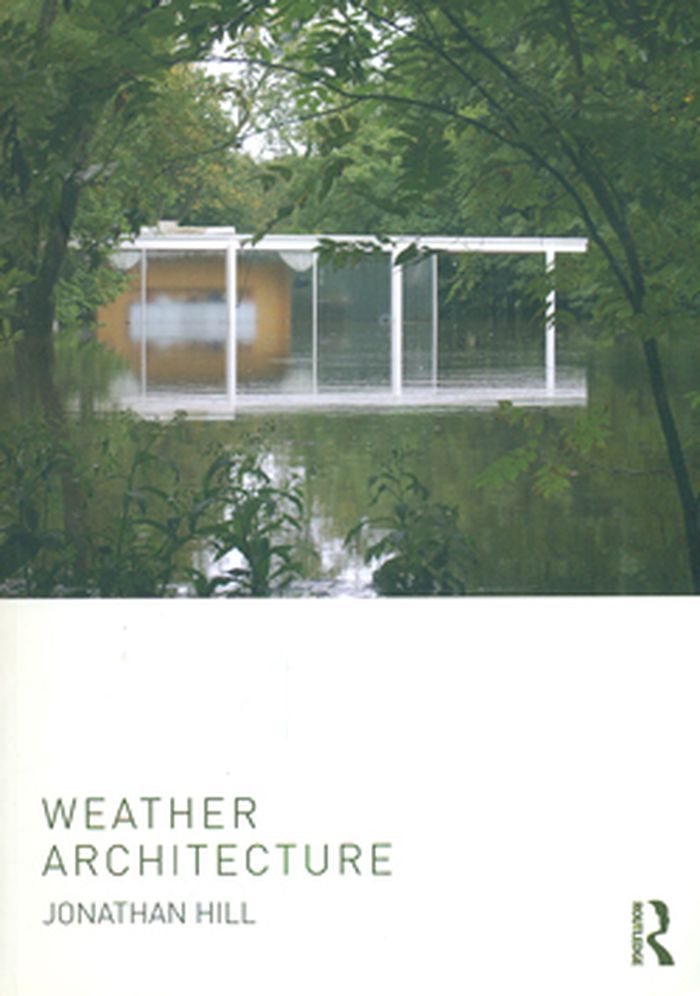
Further extending Jonathan Hill's investigation of authorship, this book recognizes the weather as a creative architectural force alongside the designer and user. Although acknowledging the influence of the client, contractor and engineer, the relations between the designer, user and weather are the focus of this book. Environmental discussions in architecture tend to focus on the practical or the poetic but here they are considered together. Rather than investigate architecture's relations to the weather in isolation, they are integrated into a wider discussion of cultural and social influences on architecture. The analysis of weather's effects on the design and experience of specific buildings and gardens is interwoven with a historical survey of changing attitudes to the weather in the arts, sciences and society, leading to a critical re-evaluation of contemporary responses to climate change.
Weather architecture
Actions:
Price:
$69.95
(available to order)
Summary:
Further extending Jonathan Hill's investigation of authorship, this book recognizes the weather as a creative architectural force alongside the designer and user. Although acknowledging the influence of the client, contractor and engineer, the relations between the designer, user and weather are the focus of this book. Environmental discussions in architecture tend to focus on the practical or the poetic but here they are considered together. Rather than investigate architecture's relations to the weather in isolation, they are integrated into a wider discussion of cultural and social influences on architecture. The analysis of weather's effects on the design and experience of specific buildings and gardens is interwoven with a historical survey of changing attitudes to the weather in the arts, sciences and society, leading to a critical re-evaluation of contemporary responses to climate change.
Form:
books
books
Publication:
May 2012
May 2012
Subject:
Architectural Theory
Architectural Theory
Form:
books
books
Title:
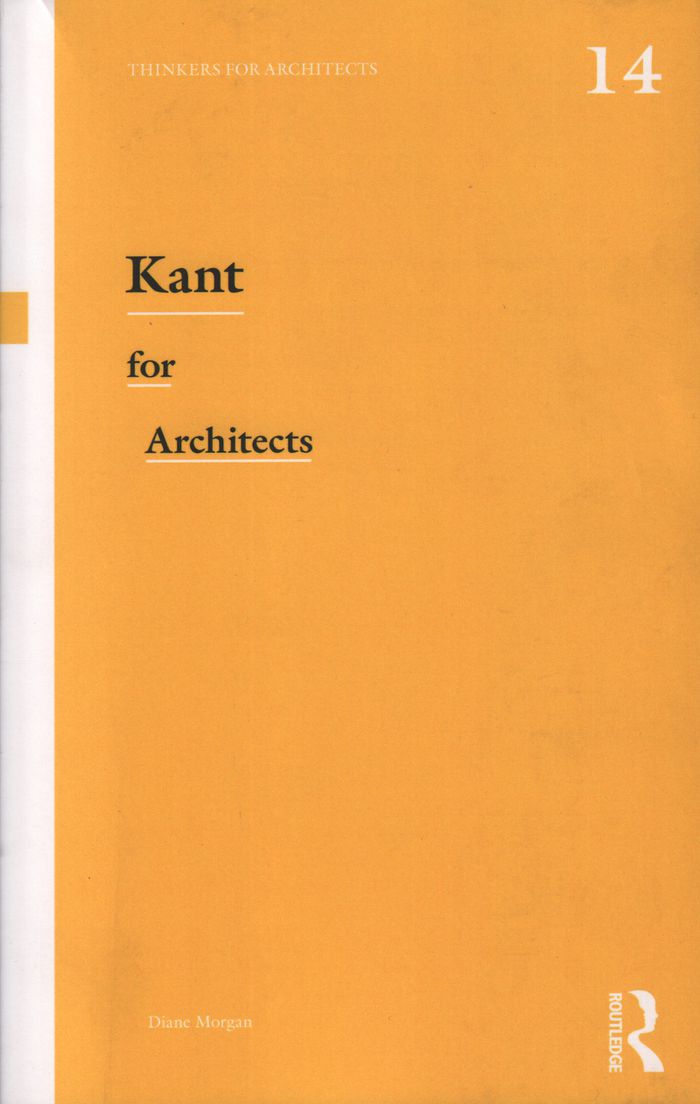
Kant for architects
Kant for architects
Actions:
Price:
$37.70
(available to order)
Summary:
This book introduces architects to a philosopher, Immanuel Kant, whose work was constantly informed by a concern for the world as an evolving whole. According to Kant, in this interconnected and dynamic world, humans should act as mutually dependent and responsible subjects. Given his future-oriented and ethico-politically concerned thinking, Kant is a thinker who clearly(...)
$37.70
(available to order)
Summary:
This book introduces architects to a philosopher, Immanuel Kant, whose work was constantly informed by a concern for the world as an evolving whole. According to Kant, in this interconnected and dynamic world, humans should act as mutually dependent and responsible subjects. Given his future-oriented and ethico-politically concerned thinking, Kant is a thinker who clearly(...)
Title:
Kant for architects
Actions:
Price:
$37.70
(available to order)
Summary:
This book introduces architects to a philosopher, Immanuel Kant, whose work was constantly informed by a concern for the world as an evolving whole. According to Kant, in this interconnected and dynamic world, humans should act as mutually dependent and responsible subjects. Given his future-oriented and ethico-politically concerned thinking, Kant is a thinker who clearly speaks to architects. This introduction demonstrates how his ideas bear pertinently and creatively upon the world in which we live now and for which we should care thoughtfully.
Kant for architects
Actions:
Price:
$37.70
(available to order)
Summary:
This book introduces architects to a philosopher, Immanuel Kant, whose work was constantly informed by a concern for the world as an evolving whole. According to Kant, in this interconnected and dynamic world, humans should act as mutually dependent and responsible subjects. Given his future-oriented and ethico-politically concerned thinking, Kant is a thinker who clearly speaks to architects. This introduction demonstrates how his ideas bear pertinently and creatively upon the world in which we live now and for which we should care thoughtfully.
Form:
books
books
Publication:
September 2017
September 2017
Subject:
Architectural Theory
Architectural Theory
Form:
books
books
Title:
Gadamer for architects
Gadamer for architects
Actions:
Price:
$34.50
(available to order)
Summary:
Providing a concise and accessible introduction to the work of the celebrated twentieth century German philosopher, Hans-Georg Gadamer, this book focuses on the aspects of Gadamer’s philosophy that have been the most influential among architects, educators in architecture, and architectural theorists. Gadamer’s philosophy of art gives a special place to the activity(...)
$34.50
(available to order)
Summary:
Providing a concise and accessible introduction to the work of the celebrated twentieth century German philosopher, Hans-Georg Gadamer, this book focuses on the aspects of Gadamer’s philosophy that have been the most influential among architects, educators in architecture, and architectural theorists. Gadamer’s philosophy of art gives a special place to the activity(...)
Title:
Gadamer for architects
Actions:
Price:
$34.50
(available to order)
Summary:
Providing a concise and accessible introduction to the work of the celebrated twentieth century German philosopher, Hans-Georg Gadamer, this book focuses on the aspects of Gadamer’s philosophy that have been the most influential among architects, educators in architecture, and architectural theorists. Gadamer’s philosophy of art gives a special place to the activity of "play" as it occurs in artistic creation. His reflections on meaning and symbolism in art draw upon his teacher, Martin Heidegger, while moving Heidegger’s thought in new directions. His theory of interpretation, or "philosophical hermeneutics," offers profound ways to understand the influence of the past upon the present and to appropriate cultural history in ever new forms. For architects, architectural theorists, architectural historians, and students in these fields, Gadamer’s thought opens a world of possibilities for understanding how building today can be rich with human meaning, relating to architecture’s history in ways that do not merely repeat nor repudiate that history. In addition, Gadamer’s sensitivity to the importance of practical thinking – to the way that theory arises out of practice – gives his thought a remarkable usefulness in the everyday work of professional life.
Gadamer for architects
Actions:
Price:
$34.50
(available to order)
Summary:
Providing a concise and accessible introduction to the work of the celebrated twentieth century German philosopher, Hans-Georg Gadamer, this book focuses on the aspects of Gadamer’s philosophy that have been the most influential among architects, educators in architecture, and architectural theorists. Gadamer’s philosophy of art gives a special place to the activity of "play" as it occurs in artistic creation. His reflections on meaning and symbolism in art draw upon his teacher, Martin Heidegger, while moving Heidegger’s thought in new directions. His theory of interpretation, or "philosophical hermeneutics," offers profound ways to understand the influence of the past upon the present and to appropriate cultural history in ever new forms. For architects, architectural theorists, architectural historians, and students in these fields, Gadamer’s thought opens a world of possibilities for understanding how building today can be rich with human meaning, relating to architecture’s history in ways that do not merely repeat nor repudiate that history. In addition, Gadamer’s sensitivity to the importance of practical thinking – to the way that theory arises out of practice – gives his thought a remarkable usefulness in the everyday work of professional life.
Form:
books
books
Publication:
September 2012
September 2012
Subject:
Architectural Theory
Architectural Theory


