


7253 Results
Form:
books
books
Price:
$68.00
(available to order)
Summary:
The typical town springs up around a natural resource—a river, an ocean, an exceptionally deep harbor—or in proximity to a larger, already thriving town. Not so with “new towns,” which are created by decree rather than out of necessity and are often intended to break from the tendencies of past development. New towns aren’t a new thing—ancient Phoenicians named their(...)
$68.00
(available to order)
Summary:
The typical town springs up around a natural resource—a river, an ocean, an exceptionally deep harbor—or in proximity to a larger, already thriving town. Not so with “new towns,” which are created by decree rather than out of necessity and are often intended to break from the tendencies of past development. New towns aren’t a new thing—ancient Phoenicians named their(...)
Title:
Practicing Utopia: an intellectual history of the New Town movement
Actions:
Price:
$68.00
(available to order)
Summary:
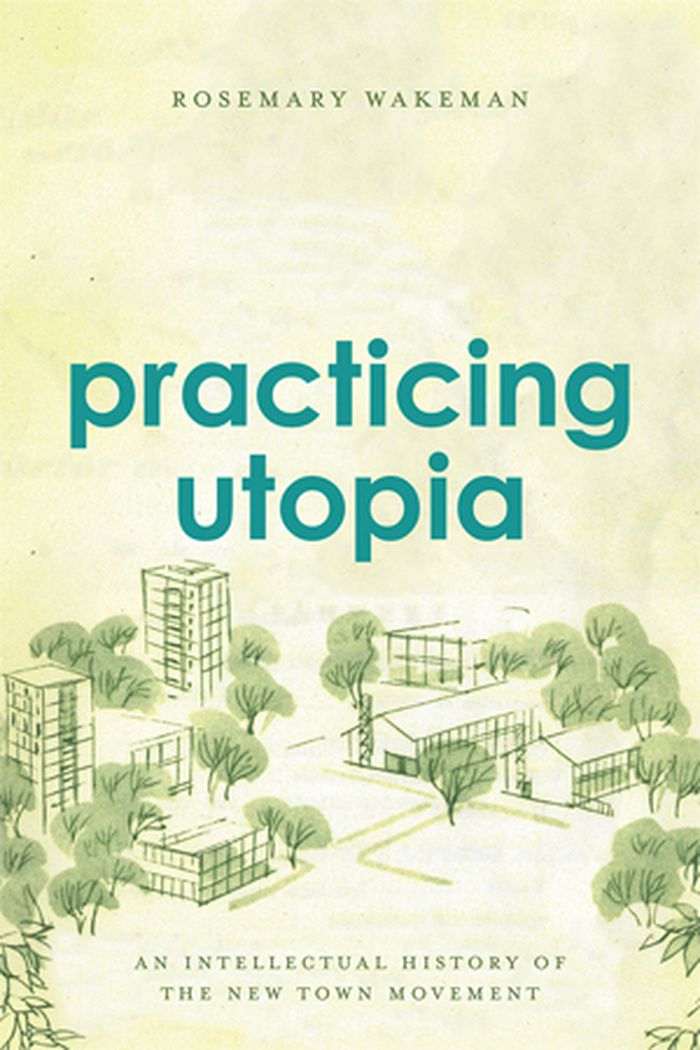
The typical town springs up around a natural resource—a river, an ocean, an exceptionally deep harbor—or in proximity to a larger, already thriving town. Not so with “new towns,” which are created by decree rather than out of necessity and are often intended to break from the tendencies of past development. New towns aren’t a new thing—ancient Phoenicians named their colonies Qart Hadasht, or New City—but these utopian developments saw a resurgence in the twentieth century. 'In Practicing Utopia,' Rosemary Wakeman gives us a sweeping view of the new town movement as a global phenomenon. From Tapiola in Finland to Islamabad in Pakistan, Cergy-Pontoise in France to Irvine in California, Wakeman unspools a masterly account of the golden age of new towns, exploring their utopian qualities and investigating what these towns can tell us about contemporary modernization and urban planning. She presents the new town movement as something truly global, defying a Cold War East-West dichotomy or the north-south polarization of rich and poor countries. Wherever these new towns were located, whatever their size, whether famous or forgotten, they shared a utopian lineage and conception that, in each case, reveals how residents and planners imagined their ideal urban future.
Practicing Utopia: an intellectual history of the New Town movement
Actions:
Price:
$68.00
(available to order)
Summary:
The typical town springs up around a natural resource—a river, an ocean, an exceptionally deep harbor—or in proximity to a larger, already thriving town. Not so with “new towns,” which are created by decree rather than out of necessity and are often intended to break from the tendencies of past development. New towns aren’t a new thing—ancient Phoenicians named their colonies Qart Hadasht, or New City—but these utopian developments saw a resurgence in the twentieth century. 'In Practicing Utopia,' Rosemary Wakeman gives us a sweeping view of the new town movement as a global phenomenon. From Tapiola in Finland to Islamabad in Pakistan, Cergy-Pontoise in France to Irvine in California, Wakeman unspools a masterly account of the golden age of new towns, exploring their utopian qualities and investigating what these towns can tell us about contemporary modernization and urban planning. She presents the new town movement as something truly global, defying a Cold War East-West dichotomy or the north-south polarization of rich and poor countries. Wherever these new towns were located, whatever their size, whether famous or forgotten, they shared a utopian lineage and conception that, in each case, reveals how residents and planners imagined their ideal urban future.
Form:
books
books
Publication:
April 2016
April 2016
Subject:
Urban Theory
Urban Theory
Form:
books
books
Actions:
Price:
$65.00
(available to order)
Summary:
A rich visual history of one of North America's premier engineering firms and the extraordinary buildings this company engineered. Fifty years after it was founded, the Yolles Partnership continues the larger-than-life engineering tradition on which Canada was built. But its legacy-thousands of structures to date-constitutes an important architectural record of the(...)
$65.00
(available to order)
Summary:
A rich visual history of one of North America's premier engineering firms and the extraordinary buildings this company engineered. Fifty years after it was founded, the Yolles Partnership continues the larger-than-life engineering tradition on which Canada was built. But its legacy-thousands of structures to date-constitutes an important architectural record of the(...)
Subject:
Architecture in Canada
Architecture in Canada
Publication:
January 1900, Vancouver / Toronto
January 1900, Vancouver / Toronto
Title:
Yolles : a Canadian engineering legacy
Actions:
Price:
$65.00
(available to order)
Summary:
A rich visual history of one of North America's premier engineering firms and the extraordinary buildings this company engineered. Fifty years after it was founded, the Yolles Partnership continues the larger-than-life engineering tradition on which Canada was built. But its legacy-thousands of structures to date-constitutes an important architectural record of the styles and the statements that have predominated over the last half century. From modernism through structural expression, Yolles celebrates the vision of Morden Yolles and Roland Bergmann and some of the firm's legendary technical accomplishments. Throughout the years, the Yolles Partnership worked with a who's who of Canada's finest architects, including such notables as Peter Dickinson, Irving Grossman and Ray Moriyama, and international luminaries Cesar Pelli and Norman Foster, among others. They designed the structures of some of the country's most memorable buildings. Among them are First Canadian Place, Champlain College at Trent University, Galleria and Heritage Square at BCE Place. Overseas projects included such structures as New York's Battery Park and the famed Docklands Light Railway roof at Canary Wharf in London, England. Designed by Bruce Mau Design, and using narrative, photographs and drawings relating to many of Canada's best-known structures, Yolles provides a fascinating record of modern building in Canada.
Yolles : a Canadian engineering legacy
Actions:
Price:
$65.00
(available to order)
Summary:
A rich visual history of one of North America's premier engineering firms and the extraordinary buildings this company engineered. Fifty years after it was founded, the Yolles Partnership continues the larger-than-life engineering tradition on which Canada was built. But its legacy-thousands of structures to date-constitutes an important architectural record of the styles and the statements that have predominated over the last half century. From modernism through structural expression, Yolles celebrates the vision of Morden Yolles and Roland Bergmann and some of the firm's legendary technical accomplishments. Throughout the years, the Yolles Partnership worked with a who's who of Canada's finest architects, including such notables as Peter Dickinson, Irving Grossman and Ray Moriyama, and international luminaries Cesar Pelli and Norman Foster, among others. They designed the structures of some of the country's most memorable buildings. Among them are First Canadian Place, Champlain College at Trent University, Galleria and Heritage Square at BCE Place. Overseas projects included such structures as New York's Battery Park and the famed Docklands Light Railway roof at Canary Wharf in London, England. Designed by Bruce Mau Design, and using narrative, photographs and drawings relating to many of Canada's best-known structures, Yolles provides a fascinating record of modern building in Canada.
Form:
books
books
Publication:
January 1900, Vancouver / Toronto
January 1900, Vancouver / Toronto
Subject:
Architecture in Canada
Architecture in Canada
Form:
books
books
Title:
Dan Graham
Dan Graham
Actions:
Price:
$59.95
(available to order)
Summary:
Dan Graham is among the most influential of the Conceptual artists who emerged in America during the mid 1960s. A pioneer in performance and video art in the 1970s, Graham later turned his attention to architectural projects designed for social interaction in public spaces, among them The Children’s Pavilion (1989) with Jeff Wall. Writing has always been a major aspect(...)
$59.95
(available to order)
Summary:
Dan Graham is among the most influential of the Conceptual artists who emerged in America during the mid 1960s. A pioneer in performance and video art in the 1970s, Graham later turned his attention to architectural projects designed for social interaction in public spaces, among them The Children’s Pavilion (1989) with Jeff Wall. Writing has always been a major aspect(...)
Subject:
Contemporary Art Monographs
Contemporary Art Monographs
Publication:
May 2001, London
May 2001, London
Title:
Dan Graham
Actions:
Price:
$59.95
(available to order)
Summary:
Dan Graham is among the most influential of the Conceptual artists who emerged in America during the mid 1960s. A pioneer in performance and video art in the 1970s, Graham later turned his attention to architectural projects designed for social interaction in public spaces, among them The Children’s Pavilion (1989) with Jeff Wall. Writing has always been a major aspect of Graham’s work. His texts range from early Conceptual art pieces inserted in mass-market magazines, to writing on his fellow artists, to analyses of popular culture, from Dean Martin to the post-Punk era. Well-known also among architects and urban theorists, during the 1990s Graham has been offered major public commissions throughout North America and Europe. London-based curator Mark Francis discusses with the artist how his public participation-based work has evolved. Brussels-based critic Birgit Pelzer draws on her extensive knowledge of Graham’s work and writings. New York-based architectural theorist Beatriz Colomina focuses on Graham’s Alteration to a Suburban House (1978). The artist has chosen an extract from the science fiction novel Ubik by Philip K Dick, whose writings were a formative influence. A substantial Artist’s Writings section, key to understanding Dan Graham, completes the book.
Dan Graham
Actions:
Price:
$59.95
(available to order)
Summary:
Dan Graham is among the most influential of the Conceptual artists who emerged in America during the mid 1960s. A pioneer in performance and video art in the 1970s, Graham later turned his attention to architectural projects designed for social interaction in public spaces, among them The Children’s Pavilion (1989) with Jeff Wall. Writing has always been a major aspect of Graham’s work. His texts range from early Conceptual art pieces inserted in mass-market magazines, to writing on his fellow artists, to analyses of popular culture, from Dean Martin to the post-Punk era. Well-known also among architects and urban theorists, during the 1990s Graham has been offered major public commissions throughout North America and Europe. London-based curator Mark Francis discusses with the artist how his public participation-based work has evolved. Brussels-based critic Birgit Pelzer draws on her extensive knowledge of Graham’s work and writings. New York-based architectural theorist Beatriz Colomina focuses on Graham’s Alteration to a Suburban House (1978). The artist has chosen an extract from the science fiction novel Ubik by Philip K Dick, whose writings were a formative influence. A substantial Artist’s Writings section, key to understanding Dan Graham, completes the book.
Form:
books
books
Publication:
May 2001, London
May 2001, London
Subject:
Contemporary Art Monographs
Contemporary Art Monographs
Form:
books
books
Title:
City cycling
City cycling
Actions:
Price:
$31.95
(available to order)
Summary:
Bicycling in cities is booming, for many reasons: health and environmental benefits, time and cost savings, more and better bike lanes and paths, innovative bike sharing programs, and the sheer fun of riding. City Cycling offers a guide to this urban cycling, with the goal of promoting cycling as sustainable urban transportation available to everyone. It reports on(...)
$31.95
(available to order)
Summary:
Bicycling in cities is booming, for many reasons: health and environmental benefits, time and cost savings, more and better bike lanes and paths, innovative bike sharing programs, and the sheer fun of riding. City Cycling offers a guide to this urban cycling, with the goal of promoting cycling as sustainable urban transportation available to everyone. It reports on(...)
Subject:
Transportation, Tourism, Migration
Transportation, Tourism, Migration
Publication:
November 2012
November 2012
Title:
City cycling
Actions:
Price:
$31.95
(available to order)
Summary:
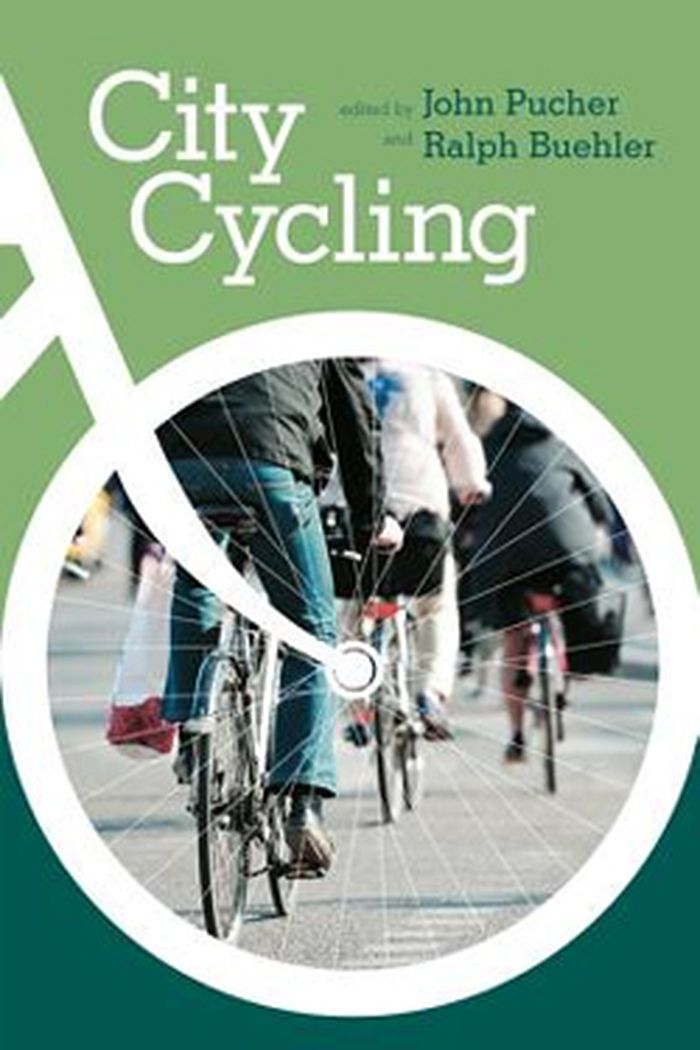
Bicycling in cities is booming, for many reasons: health and environmental benefits, time and cost savings, more and better bike lanes and paths, innovative bike sharing programs, and the sheer fun of riding. City Cycling offers a guide to this urban cycling, with the goal of promoting cycling as sustainable urban transportation available to everyone. It reports on cycling trends and policies in cities in North America, Europe, and Australia, and offers information on such topics as cycling safety, cycling infrastructure provisions including bikeways and bike parking, the wide range of bike designs and bike equipment, integration of cycling with public transportation, and promoting cycling for women and children. The chapters describe ways to make city cycling feasible, convenient, and safe for commutes to work and school, shopping trips, visits, and other daily transportation needs. The book also offers detailed examinations and illustrations of cycling conditions in different urban environments: small cities (including Davis, California, and Delft, the Netherlands), large cities (including Sydney, Chicago, Toronto and Berlin), and "megacities" (London, New York, Paris, and Tokyo). These chapters offer a closer look at how cities both with and without historical cycling cultures have developed cycling programs over time. The book makes clear that successful promotion of city cycling depends on coordinating infrastructure, programs, and government policies.
City cycling
Actions:
Price:
$31.95
(available to order)
Summary:
Bicycling in cities is booming, for many reasons: health and environmental benefits, time and cost savings, more and better bike lanes and paths, innovative bike sharing programs, and the sheer fun of riding. City Cycling offers a guide to this urban cycling, with the goal of promoting cycling as sustainable urban transportation available to everyone. It reports on cycling trends and policies in cities in North America, Europe, and Australia, and offers information on such topics as cycling safety, cycling infrastructure provisions including bikeways and bike parking, the wide range of bike designs and bike equipment, integration of cycling with public transportation, and promoting cycling for women and children. The chapters describe ways to make city cycling feasible, convenient, and safe for commutes to work and school, shopping trips, visits, and other daily transportation needs. The book also offers detailed examinations and illustrations of cycling conditions in different urban environments: small cities (including Davis, California, and Delft, the Netherlands), large cities (including Sydney, Chicago, Toronto and Berlin), and "megacities" (London, New York, Paris, and Tokyo). These chapters offer a closer look at how cities both with and without historical cycling cultures have developed cycling programs over time. The book makes clear that successful promotion of city cycling depends on coordinating infrastructure, programs, and government policies.
Form:
books
books
Publication:
November 2012
November 2012
Subject:
Transportation, Tourism, Migration
Transportation, Tourism, Migration
Form:
books
books
Actions:
Price:
$39.95
(available to order)
Summary:
Letters profiles Canadian artist Michael Morris during the period between 1964 and 1971 with a particular focus on his relationship with concrete poetry, considered to be among the first global art movements, springing up in South and North America, Japan and Europe. Artist, educator, and curator Michael Morris has been a key figure in the West Coast art scene for more(...)
$39.95
(available to order)
Summary:
Letters profiles Canadian artist Michael Morris during the period between 1964 and 1971 with a particular focus on his relationship with concrete poetry, considered to be among the first global art movements, springing up in South and North America, Japan and Europe. Artist, educator, and curator Michael Morris has been a key figure in the West Coast art scene for more(...)
Title:
Letters: Michael Morris and concrete poetry
Actions:
Price:
$39.95
(available to order)
Summary:
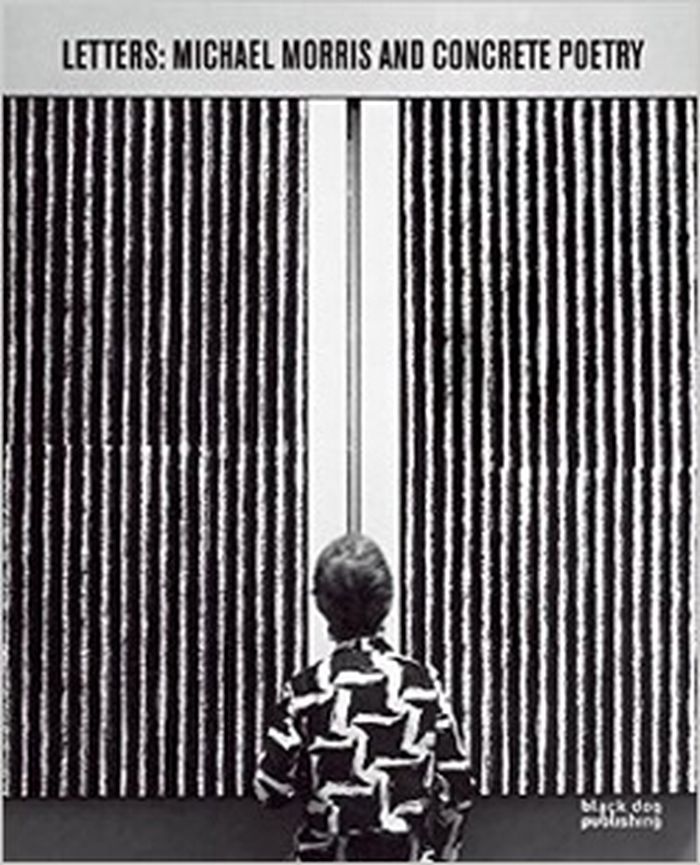
Letters profiles Canadian artist Michael Morris during the period between 1964 and 1971 with a particular focus on his relationship with concrete poetry, considered to be among the first global art movements, springing up in South and North America, Japan and Europe. Artist, educator, and curator Michael Morris has been a key figure in the West Coast art scene for more than four decades. His interest in concrete poems underlies his desire to develop the relationship between one medium and another—this was a period in which his work shifted from primarily painting to photography, sculpture, performance, and video. Artist, educator, and curator Michael Morris has been a key figure in the West Coast art scene for more than four decades. His interest in concrete poems underlies his desire to develop the relationship between one medium and another—this was a period in which his work shifted from primarily painting to photography, sculpture, performance, and video. Letters, a series of six painted triptychs executed in the late 1960s that form the basis of this book, embody this interdisciplinary thinking. Incorporating vertical mirrors, they were imagined not only as objects in themselves, expressing the pivotal role light plays in painting, but also as ‘props’, before which a dance performance might take place.
Letters: Michael Morris and concrete poetry
Actions:
Price:
$39.95
(available to order)
Summary:
Letters profiles Canadian artist Michael Morris during the period between 1964 and 1971 with a particular focus on his relationship with concrete poetry, considered to be among the first global art movements, springing up in South and North America, Japan and Europe. Artist, educator, and curator Michael Morris has been a key figure in the West Coast art scene for more than four decades. His interest in concrete poems underlies his desire to develop the relationship between one medium and another—this was a period in which his work shifted from primarily painting to photography, sculpture, performance, and video. Artist, educator, and curator Michael Morris has been a key figure in the West Coast art scene for more than four decades. His interest in concrete poems underlies his desire to develop the relationship between one medium and another—this was a period in which his work shifted from primarily painting to photography, sculpture, performance, and video. Letters, a series of six painted triptychs executed in the late 1960s that form the basis of this book, embody this interdisciplinary thinking. Incorporating vertical mirrors, they were imagined not only as objects in themselves, expressing the pivotal role light plays in painting, but also as ‘props’, before which a dance performance might take place.
Form:
books
books
Publication:
March 2015
March 2015
Subject:
Canadian art
Canadian art
Form:
books
books
Actions:
Price:
$49.95
(available to order)
Summary:
Over the past decade, a seismic shift in economic and political forces has transformed life in the second-largest city on the West Coast, situated at the most heavily trafficked international border crossing in the world. Tijuana’s newfound wealth and haphazard expansion have changed patterns of migration for the city’s many artists, who once routinely moved north to Los(...)
$49.95
(available to order)
Summary:
Over the past decade, a seismic shift in economic and political forces has transformed life in the second-largest city on the West Coast, situated at the most heavily trafficked international border crossing in the world. Tijuana’s newfound wealth and haphazard expansion have changed patterns of migration for the city’s many artists, who once routinely moved north to Los(...)
Title:
Strange new world : art and design from Tijuana
Actions:
Price:
$49.95
(available to order)
Summary:
Over the past decade, a seismic shift in economic and political forces has transformed life in the second-largest city on the West Coast, situated at the most heavily trafficked international border crossing in the world. Tijuana’s newfound wealth and haphazard expansion have changed patterns of migration for the city’s many artists, who once routinely moved north to Los Angeles but are now staying or returning, and being joined by friends from Mexico City and beyond. This flourishing, strengthening artistic community has responded to the city’s accelerated evolution with a broad range of work, from painting to conceptually driven installations; from street-level digital video to ambitious photo-documentation, filmmaking and political work; from architectural proposals to product design associated with the "Nortec" musical movement. The work gathered in "Strange new world" embraces Tijuana as a paradigm of a new postmodern form of urbanization shaped by the pressures of economic globalization and cultural transnationalism since 1994. It struggles to make sense of new realities changing the ways in which people live in cities around the globe. Like Aldous Huxley's Brave New World, it is part science fiction, part political commentary and part artistic revolution and cultural critique. Arranged around the concepts of the urban theorist Michael Smith, it features work by ERRE, Einar and Jamex de la Torre and Yvonne Venegas, among others.
Strange new world : art and design from Tijuana
Actions:
Price:
$49.95
(available to order)
Summary:
Over the past decade, a seismic shift in economic and political forces has transformed life in the second-largest city on the West Coast, situated at the most heavily trafficked international border crossing in the world. Tijuana’s newfound wealth and haphazard expansion have changed patterns of migration for the city’s many artists, who once routinely moved north to Los Angeles but are now staying or returning, and being joined by friends from Mexico City and beyond. This flourishing, strengthening artistic community has responded to the city’s accelerated evolution with a broad range of work, from painting to conceptually driven installations; from street-level digital video to ambitious photo-documentation, filmmaking and political work; from architectural proposals to product design associated with the "Nortec" musical movement. The work gathered in "Strange new world" embraces Tijuana as a paradigm of a new postmodern form of urbanization shaped by the pressures of economic globalization and cultural transnationalism since 1994. It struggles to make sense of new realities changing the ways in which people live in cities around the globe. Like Aldous Huxley's Brave New World, it is part science fiction, part political commentary and part artistic revolution and cultural critique. Arranged around the concepts of the urban theorist Michael Smith, it features work by ERRE, Einar and Jamex de la Torre and Yvonne Venegas, among others.
Form:
books
books
Publication:
August 2006, La Jolla
August 2006, La Jolla
Subject:
Contemporary Art Monographs
Contemporary Art Monographs
Form:
books
books
Actions:
Price:
$34.50
(available to order)
Summary:
The new ARCAM POCKET, Amsterdam Architecture 2003-06 gives an overview of the projects built in Amsterdam in the period 2003-2006. A jury, comprising development adviser Eric Amory, architect Madeleine Maaskant and architectural theorist Roemer van Toorn, visited all of the buildings realized in this period and has selected 38. Successful insertion projects in existing(...)
$34.50
(available to order)
Summary:
The new ARCAM POCKET, Amsterdam Architecture 2003-06 gives an overview of the projects built in Amsterdam in the period 2003-2006. A jury, comprising development adviser Eric Amory, architect Madeleine Maaskant and architectural theorist Roemer van Toorn, visited all of the buildings realized in this period and has selected 38. Successful insertion projects in existing(...)
Title:
Amsterdam architecture, 2003-2006
Actions:
Price:
$34.50
(available to order)
Summary:
The new ARCAM POCKET, Amsterdam Architecture 2003-06 gives an overview of the projects built in Amsterdam in the period 2003-2006. A jury, comprising development adviser Eric Amory, architect Madeleine Maaskant and architectural theorist Roemer van Toorn, visited all of the buildings realized in this period and has selected 38. Successful insertion projects in existing urban areas such as the nineteenth-century ring, the Westelijke Tuinsteden (western garden suburbs), the Bijlmer and North Amsterdam alternate with projects in new urban areas such as IJburg, the Zuidas (South Axis) and Oostelijke Handelskade. What is striking is the diversity of the projects, ranging from the bridge Nesciobrug (Wilkinson Eyre) to IJburg, the new head office of DWR (Architectuurstudio Hertzberger), the Finish House near Bosbaan (Mecanoo) and the operating station Westerkeersluis (LUX Architecten), to housing complexes by well-known firms such as FARO Architekten, Claus en Kaan Architects, De Architekten Cie. and UN Studio. But also projects by Dedato, Evelo Vandenberg and Jef Reintjens. In an introduction, Roemer van Toorn describes what struck the jury during its tour of Amsterdam's latest buildings: the introverted residential environments, neo-historicism, gadget architecture, monumentality and the return of the urban block. The book contains a handy map and route descriptions for those who wish to go and judge the projects for themselves.
Amsterdam architecture, 2003-2006
Actions:
Price:
$34.50
(available to order)
Summary:
The new ARCAM POCKET, Amsterdam Architecture 2003-06 gives an overview of the projects built in Amsterdam in the period 2003-2006. A jury, comprising development adviser Eric Amory, architect Madeleine Maaskant and architectural theorist Roemer van Toorn, visited all of the buildings realized in this period and has selected 38. Successful insertion projects in existing urban areas such as the nineteenth-century ring, the Westelijke Tuinsteden (western garden suburbs), the Bijlmer and North Amsterdam alternate with projects in new urban areas such as IJburg, the Zuidas (South Axis) and Oostelijke Handelskade. What is striking is the diversity of the projects, ranging from the bridge Nesciobrug (Wilkinson Eyre) to IJburg, the new head office of DWR (Architectuurstudio Hertzberger), the Finish House near Bosbaan (Mecanoo) and the operating station Westerkeersluis (LUX Architecten), to housing complexes by well-known firms such as FARO Architekten, Claus en Kaan Architects, De Architekten Cie. and UN Studio. But also projects by Dedato, Evelo Vandenberg and Jef Reintjens. In an introduction, Roemer van Toorn describes what struck the jury during its tour of Amsterdam's latest buildings: the introverted residential environments, neo-historicism, gadget architecture, monumentality and the return of the urban block. The book contains a handy map and route descriptions for those who wish to go and judge the projects for themselves.
Form:
books
books
Publication:
April 2006, Amsterdam
April 2006, Amsterdam
Subject:
City Guides
City Guides
Form:
books
books
Actions:
Price:
$60.00
(available to order)
Summary:
In 1892 seventeen Haida artists were commissioned to carve a model of HlGaagilda Llnagaay (the village of Skidegate on Haida Gwaii, British Columbia) for the 1893 World’s Fair in Chicago. The Skidegate model, featuring twenty-nine large houses and forty-two poles, is the only known model village in North America carved by nineteenth-century Indigenous residents of the(...)
$60.00
(available to order)
Summary:
In 1892 seventeen Haida artists were commissioned to carve a model of HlGaagilda Llnagaay (the village of Skidegate on Haida Gwaii, British Columbia) for the 1893 World’s Fair in Chicago. The Skidegate model, featuring twenty-nine large houses and forty-two poles, is the only known model village in North America carved by nineteenth-century Indigenous residents of the(...)
Title:
Skidegate House Models: From Haida Gwaii to the Chicago World's Fair and Beyond
Actions:
Price:
$60.00
(available to order)
Summary:
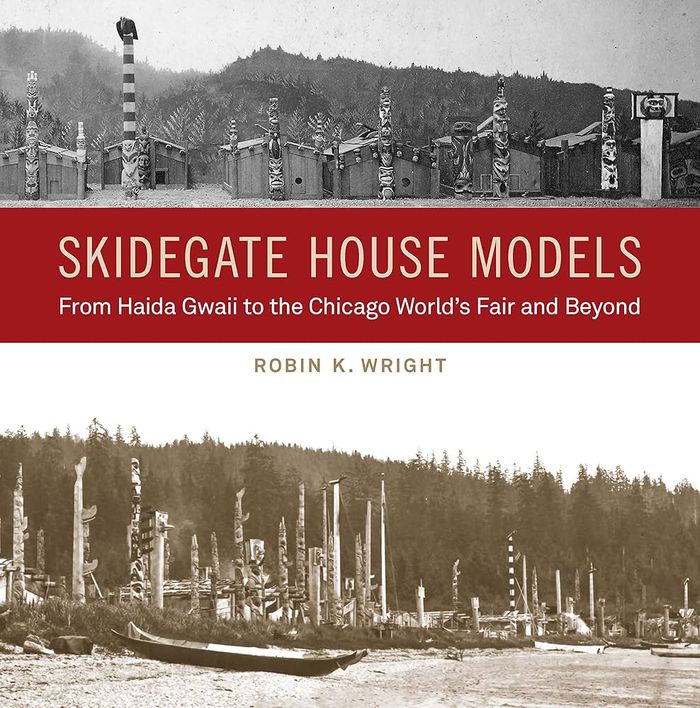
In 1892 seventeen Haida artists were commissioned to carve a model of HlGaagilda Llnagaay (the village of Skidegate on Haida Gwaii, British Columbia) for the 1893 World’s Fair in Chicago. The Skidegate model, featuring twenty-nine large houses and forty-two poles, is the only known model village in North America carved by nineteenth-century Indigenous residents of the village it portrayed. Based on over twenty years of collaborative research with the Skidegate Haida community, the book features vital cultural context. Robin K. Wright explores how Haida people represented their culture to the outside world at a time when they were suffering from devastating population loss due to introduced diseases and from ongoing attempts by the settler government to suppress their culture by making the potlatch illegal. While promoters of the Chicago World’s Fair used the village to celebrate the perceived “progress” of the dominant society, for Skidegate residents it provided a means to preserve their history and culture. After the exposition, many models were dispersed to the Field Museum of Natural History and other collections, but fourteen of the model houses have not yet been located. The book provides extensive archival information and photographs that contextualize the model village and might help locate the missing houses. Wright’s community-engaged research offers valuable insights into Northwest Coast art history.
Skidegate House Models: From Haida Gwaii to the Chicago World's Fair and Beyond
Actions:
Price:
$60.00
(available to order)
Summary:
In 1892 seventeen Haida artists were commissioned to carve a model of HlGaagilda Llnagaay (the village of Skidegate on Haida Gwaii, British Columbia) for the 1893 World’s Fair in Chicago. The Skidegate model, featuring twenty-nine large houses and forty-two poles, is the only known model village in North America carved by nineteenth-century Indigenous residents of the village it portrayed. Based on over twenty years of collaborative research with the Skidegate Haida community, the book features vital cultural context. Robin K. Wright explores how Haida people represented their culture to the outside world at a time when they were suffering from devastating population loss due to introduced diseases and from ongoing attempts by the settler government to suppress their culture by making the potlatch illegal. While promoters of the Chicago World’s Fair used the village to celebrate the perceived “progress” of the dominant society, for Skidegate residents it provided a means to preserve their history and culture. After the exposition, many models were dispersed to the Field Museum of Natural History and other collections, but fourteen of the model houses have not yet been located. The book provides extensive archival information and photographs that contextualize the model village and might help locate the missing houses. Wright’s community-engaged research offers valuable insights into Northwest Coast art history.
Form:
books
books
Publication:
April 2024
April 2024
Subject:
Indigenous architecture
Indigenous architecture
Form:
books
books
Actions:
Price:
$85.00
(available in store)
Summary:
From early reports of the invention to its wide application during World War I, the idea of photography created anticipation and participation in the modern world. The first volume of ''A History of Photography in Canada'' captures this phenomenon by looking at hundreds of photographs generated in and about Canada-in-the-making and by listening to the chords they struck(...)
$85.00
(available in store)
Summary:
From early reports of the invention to its wide application during World War I, the idea of photography created anticipation and participation in the modern world. The first volume of ''A History of Photography in Canada'' captures this phenomenon by looking at hundreds of photographs generated in and about Canada-in-the-making and by listening to the chords they struck(...)
Title:
History of photography in Canada, Volume 1
Actions:
Price:
$85.00
(available in store)
Summary:
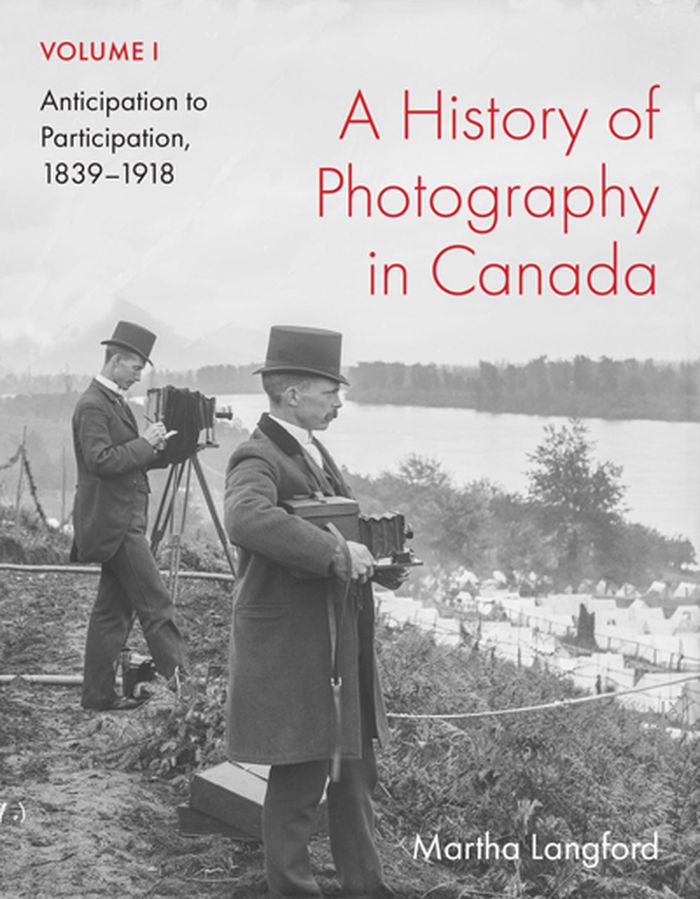
From early reports of the invention to its wide application during World War I, the idea of photography created anticipation and participation in the modern world. The first volume of ''A History of Photography in Canada'' captures this phenomenon by looking at hundreds of photographs generated in and about Canada-in-the-making and by listening to the chords they struck in the collective imagination. Emphasizing technological readiness and cultural eagerness for the medium, Martha Langford shows how photography served ideals of progress and improvement as Canada’s settler society looked to master the world by seizing its visible traces. The imposition of these programs on Indigenous Peoples and indentured labourers is confronted throughout this volume, which offers both narratives and counternarratives of subjectification. Reproducing images of people, places, events, and objects from the unceded territories of the First Nations, Inuit, and Métis, from British North America, and from the Dominion of Canada and the Dominion of Newfoundland, Langford asks where and when photographs were taken, why, and by whom. How did the making and preservation of a photograph alter the circumstances in which it was produced, and how did this affect individual and collective consciousness? Alongside accomplished portraits, landscapes, still lifes, and their vernacular counterparts, the book draws glimmers of photographic experience from treatises and doggerel, official reports and personal diaries, newspapers, magazines, letters, and travelogues.
History of photography in Canada, Volume 1
Actions:
Price:
$85.00
(available in store)
Summary:
From early reports of the invention to its wide application during World War I, the idea of photography created anticipation and participation in the modern world. The first volume of ''A History of Photography in Canada'' captures this phenomenon by looking at hundreds of photographs generated in and about Canada-in-the-making and by listening to the chords they struck in the collective imagination. Emphasizing technological readiness and cultural eagerness for the medium, Martha Langford shows how photography served ideals of progress and improvement as Canada’s settler society looked to master the world by seizing its visible traces. The imposition of these programs on Indigenous Peoples and indentured labourers is confronted throughout this volume, which offers both narratives and counternarratives of subjectification. Reproducing images of people, places, events, and objects from the unceded territories of the First Nations, Inuit, and Métis, from British North America, and from the Dominion of Canada and the Dominion of Newfoundland, Langford asks where and when photographs were taken, why, and by whom. How did the making and preservation of a photograph alter the circumstances in which it was produced, and how did this affect individual and collective consciousness? Alongside accomplished portraits, landscapes, still lifes, and their vernacular counterparts, the book draws glimmers of photographic experience from treatises and doggerel, official reports and personal diaries, newspapers, magazines, letters, and travelogues.
Form:
books
books
Publication:
July 2025
July 2025
Subject:
Photography Collections
Photography Collections
Form:
books
books
Actions:
Price:
$44.95
(available to order)
Summary:
Green design is the major architectural movement of our time. Throughout the world architects are producing sustainable buildings in an attempt to preserve the environment and our globe's natural resources. However, current strategies for forming sustainable solutions are typically too general and fail to take advantage of critical geographical, environmental, and(...)
$44.95
(available to order)
Summary:
Green design is the major architectural movement of our time. Throughout the world architects are producing sustainable buildings in an attempt to preserve the environment and our globe's natural resources. However, current strategies for forming sustainable solutions are typically too general and fail to take advantage of critical geographical, environmental, and(...)
Title:
Towards a new regionalism : environmental architecture in the Pacific northwest
Actions:
Price:
$44.95
(available to order)
Summary:
Green design is the major architectural movement of our time. Throughout the world architects are producing sustainable buildings in an attempt to preserve the environment and our globe's natural resources. However, current strategies for forming sustainable solutions are typically too general and fail to take advantage of critical geographical, environmental, and cultural factors particular to a specific place. By focusing on the Pacific northwest, this book provides essential lessons to architects and students on how sustainable architecture can and should be shaped by the unique conditions of a region. Pacific northwest regionalism has consistently supported an architecture aimed at environmental needs and priorities. This book illuminates the history of a "green trail" in the work of key architects of the northwest. It discusses environmental strategies that work in the region, organized according to nature's most basic elements - earth, air, water, and fire - and their underlying principles and forces. The book focuses on technologies, materials, and methods, with a final section that examines thirteen exceptional northwest buildings in detail and in light of their contributions to sustainable architecture. Critical case studies by northwest architects illustrate some of the best environmental design work in North America. Notable architects from Seattle, Portland, and British Columbia are included. These projects feature innovative design in water and site stewardship, intelligent technologies, passive energy strategies, ecologically sound building materials, and environmentally sensitive energy management systems.
Towards a new regionalism : environmental architecture in the Pacific northwest
Actions:
Price:
$44.95
(available to order)
Summary:
Green design is the major architectural movement of our time. Throughout the world architects are producing sustainable buildings in an attempt to preserve the environment and our globe's natural resources. However, current strategies for forming sustainable solutions are typically too general and fail to take advantage of critical geographical, environmental, and cultural factors particular to a specific place. By focusing on the Pacific northwest, this book provides essential lessons to architects and students on how sustainable architecture can and should be shaped by the unique conditions of a region. Pacific northwest regionalism has consistently supported an architecture aimed at environmental needs and priorities. This book illuminates the history of a "green trail" in the work of key architects of the northwest. It discusses environmental strategies that work in the region, organized according to nature's most basic elements - earth, air, water, and fire - and their underlying principles and forces. The book focuses on technologies, materials, and methods, with a final section that examines thirteen exceptional northwest buildings in detail and in light of their contributions to sustainable architecture. Critical case studies by northwest architects illustrate some of the best environmental design work in North America. Notable architects from Seattle, Portland, and British Columbia are included. These projects feature innovative design in water and site stewardship, intelligent technologies, passive energy strategies, ecologically sound building materials, and environmentally sensitive energy management systems.
Form:
books
books
Publication:
July 2005, Seattle, London
July 2005, Seattle, London
Subject:
Green Architecture
Green Architecture


