


7452 Results
Form:
books
books

Actions:
Price:
$45.50
(available to order)
Summary:
In the 1960s art fell out of time; both artists and critics lost their temporal bearings in response to what E. M. Cioran called "not being entitled to time." This anxiety and uneasiness about time, which Pamela Lee calls "chronophobia," cut across movements, media, and genres, and was figured in works ranging from kinetic sculptures to Andy Warhol films. Despite its(...)
$45.50
(available to order)
Summary:
In the 1960s art fell out of time; both artists and critics lost their temporal bearings in response to what E. M. Cioran called "not being entitled to time." This anxiety and uneasiness about time, which Pamela Lee calls "chronophobia," cut across movements, media, and genres, and was figured in works ranging from kinetic sculptures to Andy Warhol films. Despite its(...)
Title:
Chronophobia : on time in the art of the 1960's
Actions:
Price:
$45.50
(available to order)
Summary:
In the 1960s art fell out of time; both artists and critics lost their temporal bearings in response to what E. M. Cioran called "not being entitled to time." This anxiety and uneasiness about time, which Pamela Lee calls "chronophobia," cut across movements, media, and genres, and was figured in works ranging from kinetic sculptures to Andy Warhol films. Despite its pervasiveness, the subject of time and 1960s art has gone largely unexamined in historical accounts of the period. Chronophobia is the first critical attempt to define this obsession and analyze it in relation to art and technology. Lee discusses the chronophobia of art relative to the emergence of the Information Age in postwar culture. The accompanying rapid technological transformations, including the advent of computers and automation processes, produced for many an acute sense of historical unknowing; the seemingly accelerated pace of life began to outstrip any attempts to make sense of the present. Lee sees the attitude of 1960s art to time as a historical prelude to our current fixation on time and speed within digital culture. Reflecting upon the 1960s cultural anxiety about temporality, she argues, helps us historicize our current relation to technology and time.
Chronophobia : on time in the art of the 1960's
Actions:
Price:
$45.50
(available to order)
Summary:
In the 1960s art fell out of time; both artists and critics lost their temporal bearings in response to what E. M. Cioran called "not being entitled to time." This anxiety and uneasiness about time, which Pamela Lee calls "chronophobia," cut across movements, media, and genres, and was figured in works ranging from kinetic sculptures to Andy Warhol films. Despite its pervasiveness, the subject of time and 1960s art has gone largely unexamined in historical accounts of the period. Chronophobia is the first critical attempt to define this obsession and analyze it in relation to art and technology. Lee discusses the chronophobia of art relative to the emergence of the Information Age in postwar culture. The accompanying rapid technological transformations, including the advent of computers and automation processes, produced for many an acute sense of historical unknowing; the seemingly accelerated pace of life began to outstrip any attempts to make sense of the present. Lee sees the attitude of 1960s art to time as a historical prelude to our current fixation on time and speed within digital culture. Reflecting upon the 1960s cultural anxiety about temporality, she argues, helps us historicize our current relation to technology and time.
Form:
books
books
Publication:
May 2004, Cambridge, Mass.
May 2004, Cambridge, Mass.
Subject:
Contemporary Art Monographs
Contemporary Art Monographs
Form:
books
books
Title:
The smart house
The smart house
Actions:
Price:
$59.95
(available to order)
Summary:
Divided into three sections, "The Smart House" illustrates how technology is changing our homes. The book looks at three areas: Smart Technology, which examines five aspects of technology and how it's being integrated throughout the house: lighting design and window treatments; audio and video entertainment; voice and data management; security and access; and(...)
$59.95
(available to order)
Summary:
Divided into three sections, "The Smart House" illustrates how technology is changing our homes. The book looks at three areas: Smart Technology, which examines five aspects of technology and how it's being integrated throughout the house: lighting design and window treatments; audio and video entertainment; voice and data management; security and access; and(...)
Subject:
Residential Architecture
Residential Architecture
Publication:
November 2003, New York
November 2003, New York
Title:
The smart house
Actions:
Price:
$59.95
(available to order)
Summary:
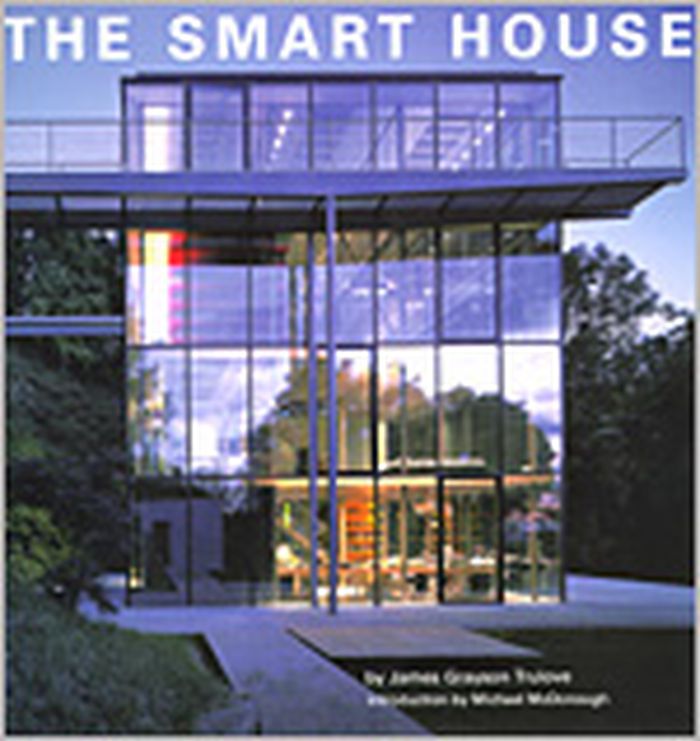
Divided into three sections, "The Smart House" illustrates how technology is changing our homes. The book looks at three areas: Smart Technology, which examines five aspects of technology and how it's being integrated throughout the house: lighting design and window treatments; audio and video entertainment; voice and data management; security and access; and environmental controls and energy management. Smart Materials, which shows new building materials such as titanium, electronic glass that can become transparent or opaque at the flick of a switch, polycarbonate materials, laser-perforated metals, all of which are changing the way homes are built and the ways in which we use and perceive spaces within these structures. Smart Design looks at more extravagant innovations such as swimming pools cantilevered in mid-air, windows that recreate digital views at night, interior spaces whose functions are transformed through architectural slight of hand and computer aided design, all of which point to new ways of thinking about how we live and how we use space in this increasingly space-challenged world. Case studies of ten recently constructed homes are detailed to illustrate each aspect of this technology and to show the full potential technology affords modern home design.
The smart house
Actions:
Price:
$59.95
(available to order)
Summary:
Divided into three sections, "The Smart House" illustrates how technology is changing our homes. The book looks at three areas: Smart Technology, which examines five aspects of technology and how it's being integrated throughout the house: lighting design and window treatments; audio and video entertainment; voice and data management; security and access; and environmental controls and energy management. Smart Materials, which shows new building materials such as titanium, electronic glass that can become transparent or opaque at the flick of a switch, polycarbonate materials, laser-perforated metals, all of which are changing the way homes are built and the ways in which we use and perceive spaces within these structures. Smart Design looks at more extravagant innovations such as swimming pools cantilevered in mid-air, windows that recreate digital views at night, interior spaces whose functions are transformed through architectural slight of hand and computer aided design, all of which point to new ways of thinking about how we live and how we use space in this increasingly space-challenged world. Case studies of ten recently constructed homes are detailed to illustrate each aspect of this technology and to show the full potential technology affords modern home design.
Form:
books
books
Publication:
November 2003, New York
November 2003, New York
Subject:
Residential Architecture
Residential Architecture
Form:
books
books
Actions:
Price:
$45.00
(available to order)
Summary:
As the world’s population swells and the need for sustainable ways of living grows ever more urgent and obvious, prefabricated architecture has taken center stage. Even before our current predicaments, the mass-produced, factory-made home had a distinguished history, having served as a vital precept in the development of Modern architecture. Today, with the digital(...)
$45.00
(available to order)
Summary:
As the world’s population swells and the need for sustainable ways of living grows ever more urgent and obvious, prefabricated architecture has taken center stage. Even before our current predicaments, the mass-produced, factory-made home had a distinguished history, having served as a vital precept in the development of Modern architecture. Today, with the digital(...)
Subject:
Prefabricated Architecture
Prefabricated Architecture
Publication:
August 2008, New York
August 2008, New York
Title:
Home delivery, fabricating the modern dwelling
Actions:
Price:
$45.00
(available to order)
Summary:
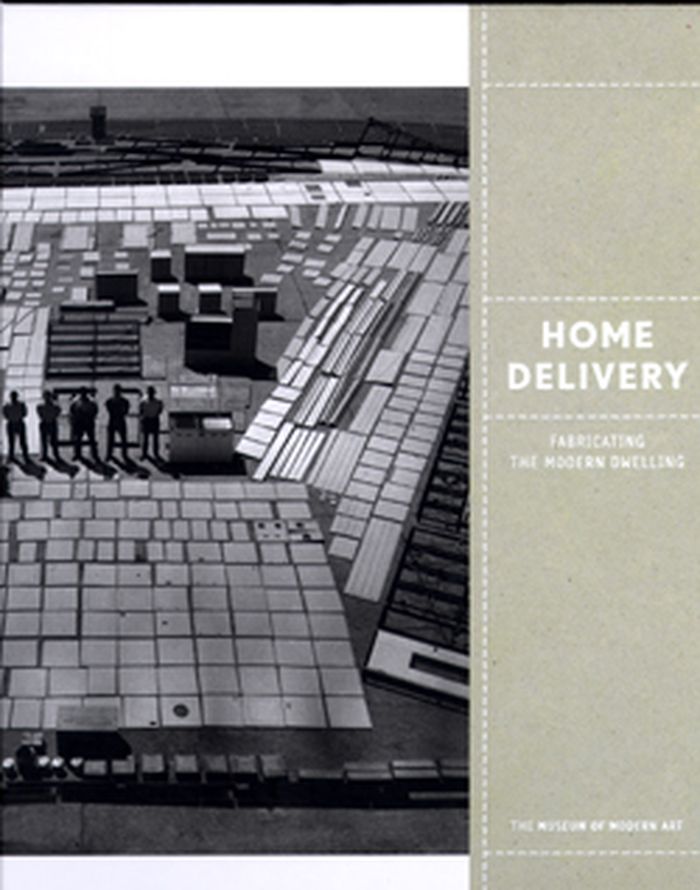
As the world’s population swells and the need for sustainable ways of living grows ever more urgent and obvious, prefabricated architecture has taken center stage. Even before our current predicaments, the mass-produced, factory-made home had a distinguished history, having served as a vital precept in the development of Modern architecture. Today, with the digital revolution reorganizing the relationship between drafting board and factory, it continues to spur innovative manufacturing and design, and its potential has clearly not yet come to fruition. Home Delivery traces the history of prefabrication in architecture, from its early roots in colonial cottages though the work of such figures as Jean Prouvé and Buckminster Fuller, and mass-produced variants such as the Lustron house, to a group of full-scale contemporary houses commissioned specifically for the MoMA exhibition that this book accompanies. In addition to an introductory essay by Barry Bergdoll, Chief Curator in the Museum’s Department of Architecture and Design, this volume contains essays on prefabricated housing in Japan and in Nordic countries by Ken Tadashi Oshima and Rasmus Waern, respectively. It also includes focused texts on approximately 40 historical projects and five commissions, as well as a bibliography.
Home delivery, fabricating the modern dwelling
Actions:
Price:
$45.00
(available to order)
Summary:
As the world’s population swells and the need for sustainable ways of living grows ever more urgent and obvious, prefabricated architecture has taken center stage. Even before our current predicaments, the mass-produced, factory-made home had a distinguished history, having served as a vital precept in the development of Modern architecture. Today, with the digital revolution reorganizing the relationship between drafting board and factory, it continues to spur innovative manufacturing and design, and its potential has clearly not yet come to fruition. Home Delivery traces the history of prefabrication in architecture, from its early roots in colonial cottages though the work of such figures as Jean Prouvé and Buckminster Fuller, and mass-produced variants such as the Lustron house, to a group of full-scale contemporary houses commissioned specifically for the MoMA exhibition that this book accompanies. In addition to an introductory essay by Barry Bergdoll, Chief Curator in the Museum’s Department of Architecture and Design, this volume contains essays on prefabricated housing in Japan and in Nordic countries by Ken Tadashi Oshima and Rasmus Waern, respectively. It also includes focused texts on approximately 40 historical projects and five commissions, as well as a bibliography.
Form:
books
books
Publication:
August 2008, New York
August 2008, New York
Subject:
Prefabricated Architecture
Prefabricated Architecture
Form:
books
books
Actions:
Price:
$64.95
(available to order)
Summary:
Energy humanities is a field of scholarship that, like medical humanities and digital humanities before it, overcomes traditional boundaries between the disciplines and between academic and applied research. Like its predecessors, energy humanities highlights the essential contribution that the insights and methods of the human sciences can make to areas of study and(...)
$64.95
(available to order)
Summary:
Energy humanities is a field of scholarship that, like medical humanities and digital humanities before it, overcomes traditional boundaries between the disciplines and between academic and applied research. Like its predecessors, energy humanities highlights the essential contribution that the insights and methods of the human sciences can make to areas of study and(...)
Subject:
Environment and environmental theory
Environment and environmental theory
Publication:
February 2017
February 2017
Title:
Energy humanities: an anthology
Actions:
Price:
$64.95
(available to order)
Summary:
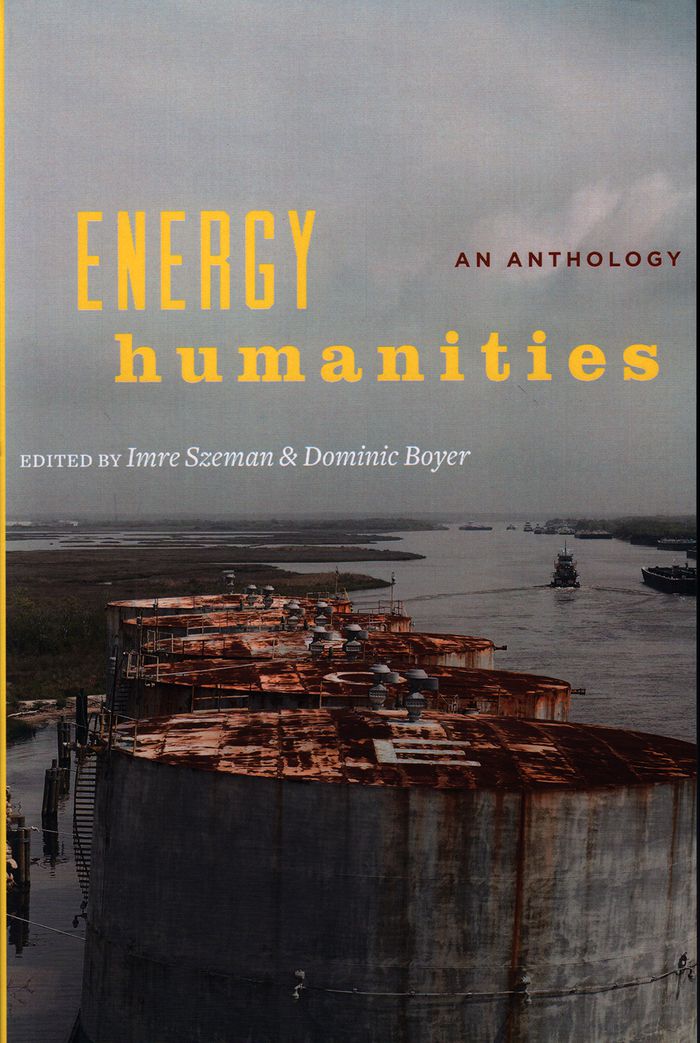
Energy humanities is a field of scholarship that, like medical humanities and digital humanities before it, overcomes traditional boundaries between the disciplines and between academic and applied research. Like its predecessors, energy humanities highlights the essential contribution that the insights and methods of the human sciences can make to areas of study and analysis once thought best left to the natural sciences. This isn't a case of the humanities simply helping their cross-campus colleagues to learn the mechanics of communication so that they might better articulate their ideas. Rather, these fields of scholarship are ones that demonstrate how the scale and complexity of the issues being explored demand insights and approaches that transcendold school disciplinary boundaries. "Energy humanities : a reader" offers a carefully curated selection of the best and most influential work in energy humanities that has appeared over the past decade. To stay true to the diverse work that makes up this emergent field, selections range from anthropology and geography to philosophy, history, and cultural studies to recent energy-focused interventions in art and literature. The three readers all agree that this is an important, ground-breaking collection of work.
Energy humanities: an anthology
Actions:
Price:
$64.95
(available to order)
Summary:
Energy humanities is a field of scholarship that, like medical humanities and digital humanities before it, overcomes traditional boundaries between the disciplines and between academic and applied research. Like its predecessors, energy humanities highlights the essential contribution that the insights and methods of the human sciences can make to areas of study and analysis once thought best left to the natural sciences. This isn't a case of the humanities simply helping their cross-campus colleagues to learn the mechanics of communication so that they might better articulate their ideas. Rather, these fields of scholarship are ones that demonstrate how the scale and complexity of the issues being explored demand insights and approaches that transcendold school disciplinary boundaries. "Energy humanities : a reader" offers a carefully curated selection of the best and most influential work in energy humanities that has appeared over the past decade. To stay true to the diverse work that makes up this emergent field, selections range from anthropology and geography to philosophy, history, and cultural studies to recent energy-focused interventions in art and literature. The three readers all agree that this is an important, ground-breaking collection of work.
Form:
books
books
Publication:
February 2017
February 2017
Subject:
Environment and environmental theory
Environment and environmental theory
Form:
books
books
Actions:
Price:
$29.00
(available to order)
Summary:
Pippa Garner’s (born 1942) ''Better Living Catalog'', originally published in 1982, takes the form of a mail-order catalog featuring clever, whimsical inventions that parody consumer goods and America’s obsession with ingenuity, efficiency, leisure and comfort. These works, which were made as prototypes and photographed for the publication, include the Reactiononometer, a(...)
$29.00
(available to order)
Summary:
Pippa Garner’s (born 1942) ''Better Living Catalog'', originally published in 1982, takes the form of a mail-order catalog featuring clever, whimsical inventions that parody consumer goods and America’s obsession with ingenuity, efficiency, leisure and comfort. These works, which were made as prototypes and photographed for the publication, include the Reactiononometer, a(...)
Title:
Philip Garner's Better Living catalogue
Actions:
Price:
$29.00
(available to order)
Summary:
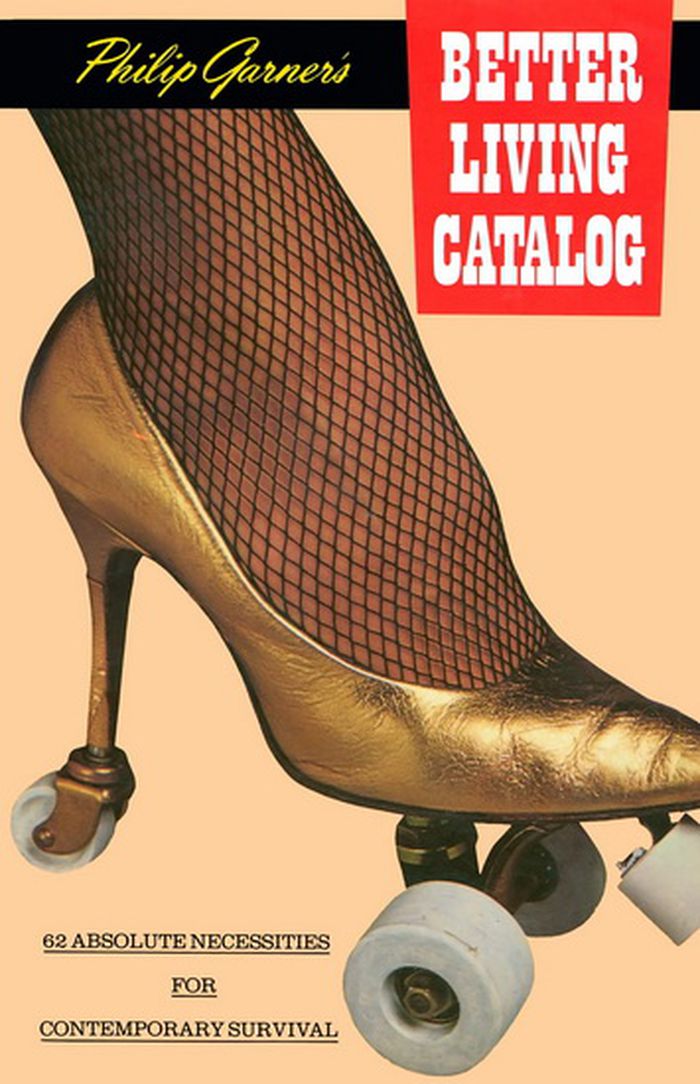
Pippa Garner’s (born 1942) ''Better Living Catalog'', originally published in 1982, takes the form of a mail-order catalog featuring clever, whimsical inventions that parody consumer goods and America’s obsession with ingenuity, efficiency, leisure and comfort. These works, which were made as prototypes and photographed for the publication, include the Reactiononometer, a portable wristband that instantly measures social success; the Digital Diet Loafers, which display the wearer’s weight with every step; and other items promising financial solvency (the controlled cash flow Autowallet) or mess-free companionship (the Pet-a-Vision TV console). The ''Better Living Catalog'' was a pop hit when it was published, earning Garner spots on nighttime TV talk shows and attention from magazines such as Vogue and Rolling Stone. The works still resonate today, finding their analogue in many consumer products and—in the case of the High Heel Skates—even appearing unattributed in the runway collection of a major fashion brand. Around the time that the ''Better Living Catalog'' was published, Garner began her gender transition, which she has characterized as an artistic project with conceptual parallels to the altered consumer goods she has continued to create since the 1970s.
Philip Garner's Better Living catalogue
Actions:
Price:
$29.00
(available to order)
Summary:
Pippa Garner’s (born 1942) ''Better Living Catalog'', originally published in 1982, takes the form of a mail-order catalog featuring clever, whimsical inventions that parody consumer goods and America’s obsession with ingenuity, efficiency, leisure and comfort. These works, which were made as prototypes and photographed for the publication, include the Reactiononometer, a portable wristband that instantly measures social success; the Digital Diet Loafers, which display the wearer’s weight with every step; and other items promising financial solvency (the controlled cash flow Autowallet) or mess-free companionship (the Pet-a-Vision TV console). The ''Better Living Catalog'' was a pop hit when it was published, earning Garner spots on nighttime TV talk shows and attention from magazines such as Vogue and Rolling Stone. The works still resonate today, finding their analogue in many consumer products and—in the case of the High Heel Skates—even appearing unattributed in the runway collection of a major fashion brand. Around the time that the ''Better Living Catalog'' was published, Garner began her gender transition, which she has characterized as an artistic project with conceptual parallels to the altered consumer goods she has continued to create since the 1970s.
Form:
books
books
Publication:
August 2023
August 2023
Subject:
Contemporary Art Monographs
Contemporary Art Monographs
Form:
books
books
Actions:
Price:
$85.00
(available to order)
Summary:
From Egypt and Classical Greece and Rome through the building booms of the Gothic era and the Renaissance, and from the Industrial Revolution to the present era of digital modeling, "Building : 3,000 Years of Design, Engineering, and Construction", charts centuries of innovations in engineering and building construction. This comprehensive and heavily illustrated volume,(...)
$85.00
(available to order)
Summary:
From Egypt and Classical Greece and Rome through the building booms of the Gothic era and the Renaissance, and from the Industrial Revolution to the present era of digital modeling, "Building : 3,000 Years of Design, Engineering, and Construction", charts centuries of innovations in engineering and building construction. This comprehensive and heavily illustrated volume,(...)
Title:
Building : 3000 years of design engineering and construction
Actions:
Price:
$85.00
(available to order)
Summary:
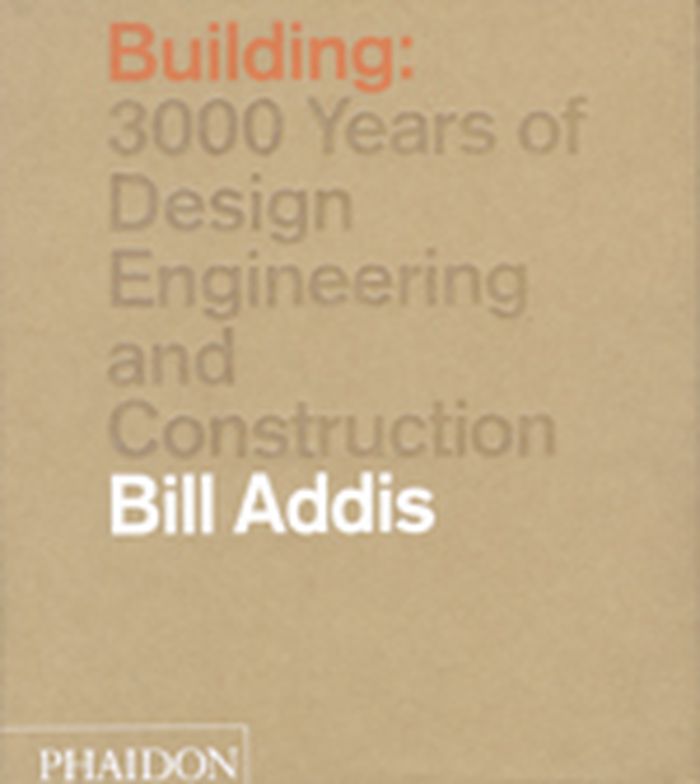
From Egypt and Classical Greece and Rome through the building booms of the Gothic era and the Renaissance, and from the Industrial Revolution to the present era of digital modeling, "Building : 3,000 Years of Design, Engineering, and Construction", charts centuries of innovations in engineering and building construction. This comprehensive and heavily illustrated volume, aimed at students and young professionals as well as general readers, explores the materials, classic texts, instruments, and theories that have propelled modern engineering, and the famous and not-so-famous buildings designed through the ages, from the Parthenon to Chartes Cathedral and the dome of St. Peter's, from eighteenth-century silk mills in England to the Crystal Palace, and on to the first Chicago high-rises, the Sydney Opera House, and the latest "green" skyscrapers. The book concentrates on developments since the industrial and scientific revolutions of the seventeenth and eighteenth centuries. Incorporated within the continuous narrative are sidebars with short biographies of eminent engineers, excerpts from classic texts, stories of individual projects of major importance, and brief histories of key concepts such as calculus. Also included are extensive reference materials: appendices, a glossary, bibliography, and index.
Building : 3000 years of design engineering and construction
Actions:
Price:
$85.00
(available to order)
Summary:
From Egypt and Classical Greece and Rome through the building booms of the Gothic era and the Renaissance, and from the Industrial Revolution to the present era of digital modeling, "Building : 3,000 Years of Design, Engineering, and Construction", charts centuries of innovations in engineering and building construction. This comprehensive and heavily illustrated volume, aimed at students and young professionals as well as general readers, explores the materials, classic texts, instruments, and theories that have propelled modern engineering, and the famous and not-so-famous buildings designed through the ages, from the Parthenon to Chartes Cathedral and the dome of St. Peter's, from eighteenth-century silk mills in England to the Crystal Palace, and on to the first Chicago high-rises, the Sydney Opera House, and the latest "green" skyscrapers. The book concentrates on developments since the industrial and scientific revolutions of the seventeenth and eighteenth centuries. Incorporated within the continuous narrative are sidebars with short biographies of eminent engineers, excerpts from classic texts, stories of individual projects of major importance, and brief histories of key concepts such as calculus. Also included are extensive reference materials: appendices, a glossary, bibliography, and index.
Form:
books
books
Publication:
March 2007, London, New York
March 2007, London, New York
Subject:
Engineering Structures
Engineering Structures
Form:
books
books
Actions:
Price:
$22.95
(available to order)
Summary:
In response to the contentious process surrounding the selection of a design for the World Trade Center site, the use of spectacular buildings to brand cities and institutions, and the dizzying transformations of the skylines of Shanghai and Dubai, public awareness of architecture and design has perhaps never been higher. At the same time, architecture itself is(...)
$22.95
(available to order)
Summary:
In response to the contentious process surrounding the selection of a design for the World Trade Center site, the use of spectacular buildings to brand cities and institutions, and the dizzying transformations of the skylines of Shanghai and Dubai, public awareness of architecture and design has perhaps never been higher. At the same time, architecture itself is(...)
Title:
The new architectural pragmatism
Actions:
Price:
$22.95
(available to order)
Summary:
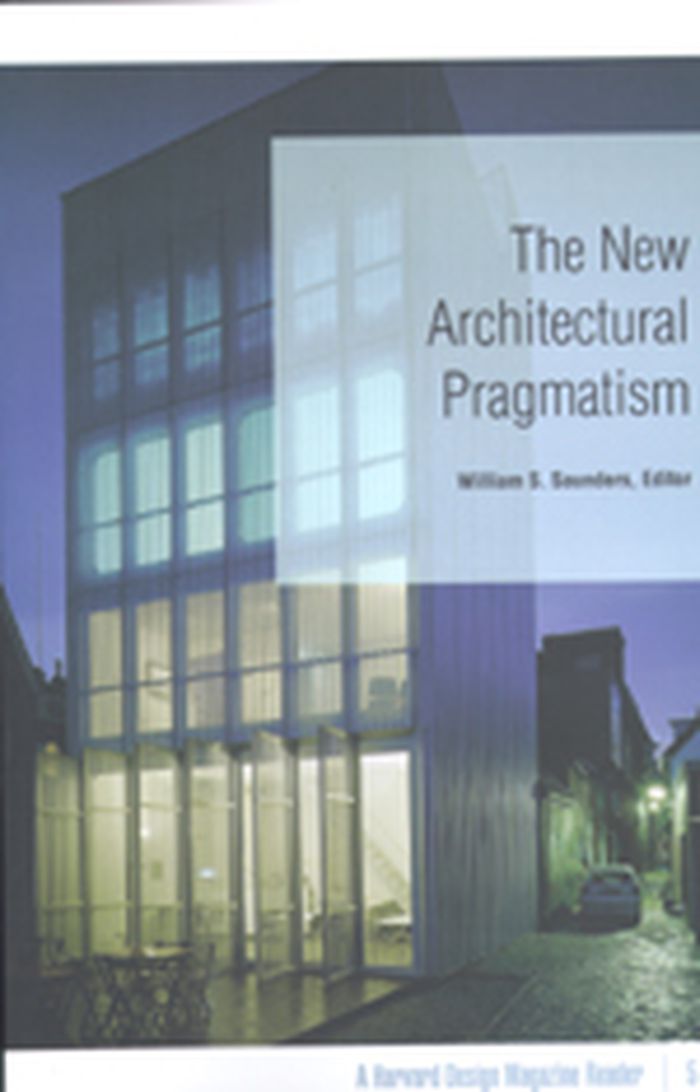
In response to the contentious process surrounding the selection of a design for the World Trade Center site, the use of spectacular buildings to brand cities and institutions, and the dizzying transformations of the skylines of Shanghai and Dubai, public awareness of architecture and design has perhaps never been higher. At the same time, architecture itself is undergoing an identity crisis as it confronts fundamental issues: the effect of digital technology on design, the pervasive impact of global capitalism, and whether to embrace or resist popular media and taste. The New Architectural Pragmatism collects the most provocative, penetrating, and influential attempts by leading theorists and practitioners in the field to define what architectural practice should be at the beginning of the twenty-first century. Written in the aftermath of modernism’s utopian impulse and postmodernism’s detached playfulness, the essays gathered here express and critique a new spirit of cultural and political engagement with contemporary society. Interrogating the architect’s social responsibility, the contributors deliberate about how much we should ask of architecture and suggest that in the coming century, architecture must be at once flexible and robust, responsive and self-directed.
The new architectural pragmatism
Actions:
Price:
$22.95
(available to order)
Summary:
In response to the contentious process surrounding the selection of a design for the World Trade Center site, the use of spectacular buildings to brand cities and institutions, and the dizzying transformations of the skylines of Shanghai and Dubai, public awareness of architecture and design has perhaps never been higher. At the same time, architecture itself is undergoing an identity crisis as it confronts fundamental issues: the effect of digital technology on design, the pervasive impact of global capitalism, and whether to embrace or resist popular media and taste. The New Architectural Pragmatism collects the most provocative, penetrating, and influential attempts by leading theorists and practitioners in the field to define what architectural practice should be at the beginning of the twenty-first century. Written in the aftermath of modernism’s utopian impulse and postmodernism’s detached playfulness, the essays gathered here express and critique a new spirit of cultural and political engagement with contemporary society. Interrogating the architect’s social responsibility, the contributors deliberate about how much we should ask of architecture and suggest that in the coming century, architecture must be at once flexible and robust, responsive and self-directed.
Form:
books
books
Publication:
November 2007, Minneapolis
November 2007, Minneapolis
Subject:
Architectural Theory
Architectural Theory
Form:
books
books
Title:
Curating as ethics
Curating as ethics
Actions:
Price:
$39.95
(available to order)
Summary:
Today, everyone is a curator. What was once considered a hallowed expertise is now a commonplace and global activity. Can this new worldwide activity be ethical and, if yes, how? This book argues that curating can be more than just selecting, organizing, and presenting information in galleries or online. Curating can also constitute an ethics, one of acquiring, arranging,(...)
$39.95
(available to order)
Summary:
Today, everyone is a curator. What was once considered a hallowed expertise is now a commonplace and global activity. Can this new worldwide activity be ethical and, if yes, how? This book argues that curating can be more than just selecting, organizing, and presenting information in galleries or online. Curating can also constitute an ethics, one of acquiring, arranging,(...)
Title:
Curating as ethics
Actions:
Price:
$39.95
(available to order)
Summary:
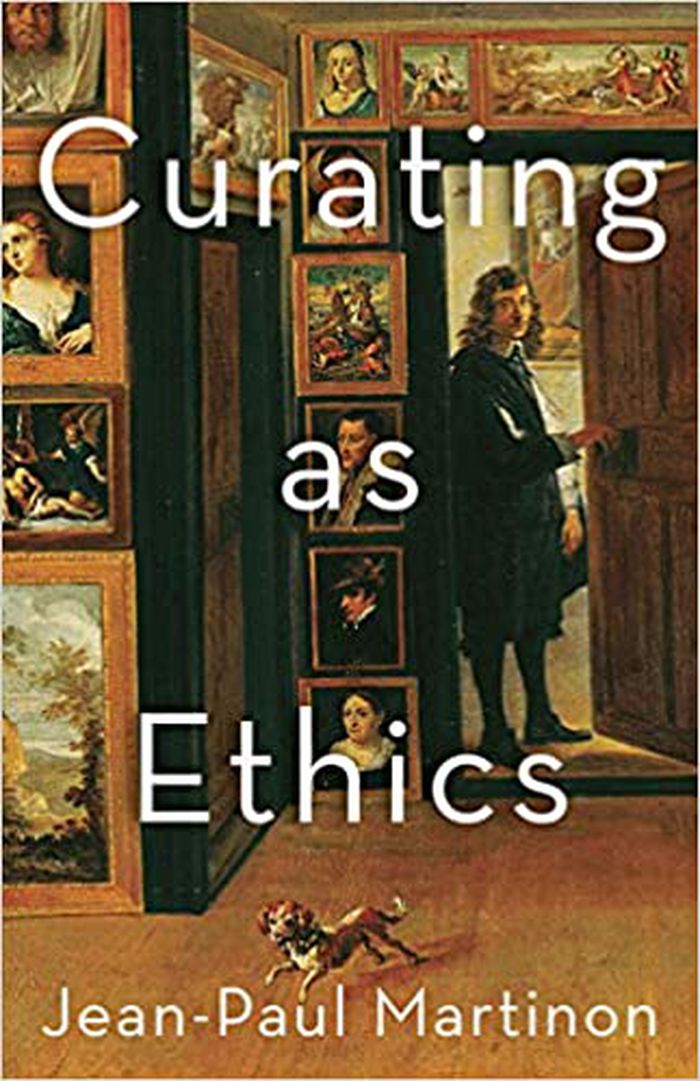
Today, everyone is a curator. What was once considered a hallowed expertise is now a commonplace and global activity. Can this new worldwide activity be ethical and, if yes, how? This book argues that curating can be more than just selecting, organizing, and presenting information in galleries or online. Curating can also constitute an ethics, one of acquiring, arranging, and distributing an always conjectural knowledge about the world. 'Curating as Ethics' is primarily philosophical in scope, evading normative approaches to ethics in favor of an intuitive ethics that operates at the threshold of thought and action. It explores the work of authors as diverse as Heidegger, Spinoza, Meillassoux, Mudimbe, Chalier, and Kofman. Jean-Paul Martinon begins with the fabric of these ethics: how it stems from matter, how it addresses death, how it apprehends interhuman relationships. In the second part he establishes the ground on which the ethics is based, the things that make up the curatorial—for example, the textual and visual evidence or the digital medium. The final part focuses on the activity of curating as such—sharing, caring, preparing, dispensing, and so on.
Curating as ethics
Actions:
Price:
$39.95
(available to order)
Summary:
Today, everyone is a curator. What was once considered a hallowed expertise is now a commonplace and global activity. Can this new worldwide activity be ethical and, if yes, how? This book argues that curating can be more than just selecting, organizing, and presenting information in galleries or online. Curating can also constitute an ethics, one of acquiring, arranging, and distributing an always conjectural knowledge about the world. 'Curating as Ethics' is primarily philosophical in scope, evading normative approaches to ethics in favor of an intuitive ethics that operates at the threshold of thought and action. It explores the work of authors as diverse as Heidegger, Spinoza, Meillassoux, Mudimbe, Chalier, and Kofman. Jean-Paul Martinon begins with the fabric of these ethics: how it stems from matter, how it addresses death, how it apprehends interhuman relationships. In the second part he establishes the ground on which the ethics is based, the things that make up the curatorial—for example, the textual and visual evidence or the digital medium. The final part focuses on the activity of curating as such—sharing, caring, preparing, dispensing, and so on.
Form:
books
books
Publication:
March 2020
March 2020
Subject:
Museology
Museology
Form:
books
books
Actions:
Price:
$56.00
(available to order)
Summary:
The last decade has seen an accelerated evolution of typologies. Today’s cities are marked by a growing digital presence and the emergence of a global sharing economy; shared spaces have increased our social and sustainable focus, drastically altered our understanding of ownership and responsibility, and redefined our experience of public and private domains. Such changes(...)
$56.00
(available to order)
Summary:
The last decade has seen an accelerated evolution of typologies. Today’s cities are marked by a growing digital presence and the emergence of a global sharing economy; shared spaces have increased our social and sustainable focus, drastically altered our understanding of ownership and responsibility, and redefined our experience of public and private domains. Such changes(...)
Subject:
Urban Theory
Urban Theory
Publication:
January 2021
January 2021
Title:
Another kind: a survey of the possible city
Actions:
Price:
$56.00
(available to order)
Summary:
The last decade has seen an accelerated evolution of typologies. Today’s cities are marked by a growing digital presence and the emergence of a global sharing economy; shared spaces have increased our social and sustainable focus, drastically altered our understanding of ownership and responsibility, and redefined our experience of public and private domains. Such changes have in turn rewritten the demands on architecture, the role of the designer, and the power of the profession. In 'Another Kind', PLP Architecture presents ten projects as case studies to examine the emergence of a new typological fluidity. These projects serve as anchors to survey the cultural landscape of the past ten years. Projects can no longer be traditionally codified and instead present themselves as assemblages of exterior influences, new cultural interests, and 21st century social habits. In 'Another Kind', projects are intertwined with essays by cultural observers both within and outside of the discipline. Through this multi-layered infrastructure and pluralistic dissection, Another Kind cracks the surface and explores the contents of architecture today. Marking this moment in time, PLP examines how we have evolved and speculates on what we can learn for the years that lie ahead.
Another kind: a survey of the possible city
Actions:
Price:
$56.00
(available to order)
Summary:
The last decade has seen an accelerated evolution of typologies. Today’s cities are marked by a growing digital presence and the emergence of a global sharing economy; shared spaces have increased our social and sustainable focus, drastically altered our understanding of ownership and responsibility, and redefined our experience of public and private domains. Such changes have in turn rewritten the demands on architecture, the role of the designer, and the power of the profession. In 'Another Kind', PLP Architecture presents ten projects as case studies to examine the emergence of a new typological fluidity. These projects serve as anchors to survey the cultural landscape of the past ten years. Projects can no longer be traditionally codified and instead present themselves as assemblages of exterior influences, new cultural interests, and 21st century social habits. In 'Another Kind', projects are intertwined with essays by cultural observers both within and outside of the discipline. Through this multi-layered infrastructure and pluralistic dissection, Another Kind cracks the surface and explores the contents of architecture today. Marking this moment in time, PLP examines how we have evolved and speculates on what we can learn for the years that lie ahead.
Form:
books
books
Publication:
January 2021
January 2021
Subject:
Urban Theory
Urban Theory
Form:
books
books
Actions:
Price:
$42.00
(available in store)
Summary:
Conceived as part of the one-year investigation Catching Up with Life, A Section of Now aims to re-establish a dialogue between architecture and society that would allow for architecture to begin to contend with and address our changed and changing social norms. The publication serves as a meditation on new behaviours, rituals, and values and their spatial implications(...)
$42.00
(available in store)
Summary:
Conceived as part of the one-year investigation Catching Up with Life, A Section of Now aims to re-establish a dialogue between architecture and society that would allow for architecture to begin to contend with and address our changed and changing social norms. The publication serves as a meditation on new behaviours, rituals, and values and their spatial implications(...)
Title:
A section of Now: Norms and Rituals as Sites for Architectural Intervention
Actions:
Price:
$42.00
(available in store)
Summary:
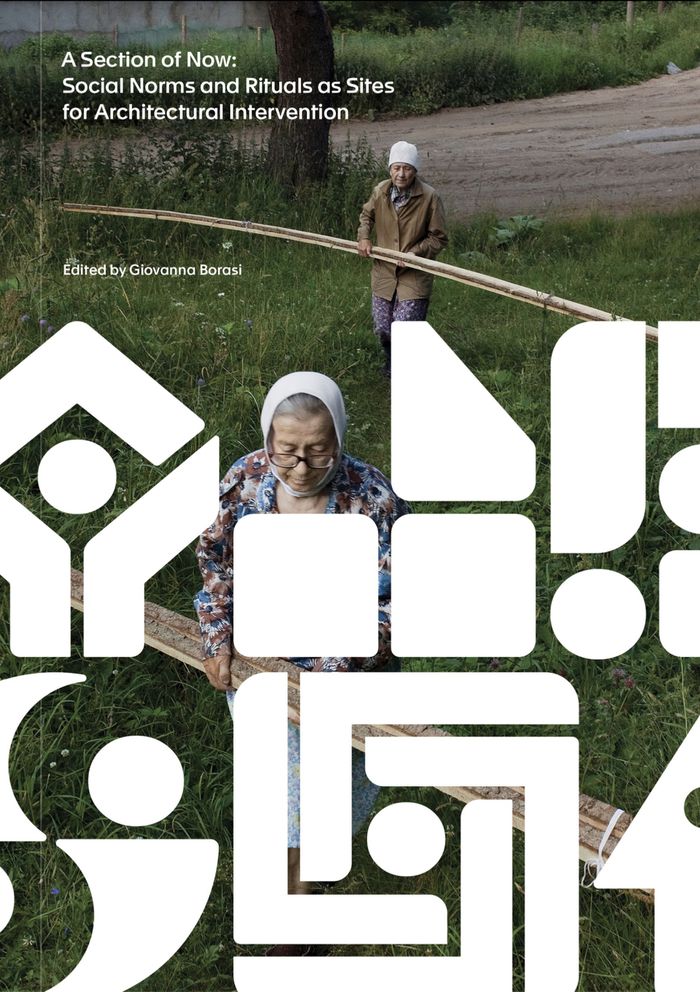
Conceived as part of the one-year investigation Catching Up with Life, A Section of Now aims to re-establish a dialogue between architecture and society that would allow for architecture to begin to contend with and address our changed and changing social norms. The publication serves as a meditation on new behaviours, rituals, and values and their spatial implications and seeks to catalyze urban and architectural interventions that accommodate, influence, and, in some cases, pre-empt our new lived realities. Authors address topics ranging from the safety of digital spaces to how normative life trajectories affect the elderly and the many selves each of us puts forward, while architects present frameworks for spaces for blended families, thirty-year-old retirees, and contested monuments, among many others. Bringing together analytical essays about the contemporary moment and the direction in which society is moving, projective texts that outline new architectural types to address societal needs, alongside television series, photography, and architecture and design projects, A Section of Now outlines a new relationship between the spaces in which we live and the ways we live within them.
A section of Now: Norms and Rituals as Sites for Architectural Intervention
Actions:
Price:
$42.00
(available in store)
Summary:
Conceived as part of the one-year investigation Catching Up with Life, A Section of Now aims to re-establish a dialogue between architecture and society that would allow for architecture to begin to contend with and address our changed and changing social norms. The publication serves as a meditation on new behaviours, rituals, and values and their spatial implications and seeks to catalyze urban and architectural interventions that accommodate, influence, and, in some cases, pre-empt our new lived realities. Authors address topics ranging from the safety of digital spaces to how normative life trajectories affect the elderly and the many selves each of us puts forward, while architects present frameworks for spaces for blended families, thirty-year-old retirees, and contested monuments, among many others. Bringing together analytical essays about the contemporary moment and the direction in which society is moving, projective texts that outline new architectural types to address societal needs, alongside television series, photography, and architecture and design projects, A Section of Now outlines a new relationship between the spaces in which we live and the ways we live within them.
Form:
books
books
Publication:
August 2021
August 2021
Subject:
CCA Publications
CCA Publications


