


36173 Results
Form:
books
books
Actions:
Price:
$50.00
(available to order)
Summary:
In order to justify the singular vision and approach of this celebrated Japanese fashion designer, the organisers of this retrospective at the MOCA, Detroit decided to create an all-compassing installation – with numerous individual pieces selected in order to reveal a complex and multifaceted whole. Presenting the fruits of a practice that spans more than 20 years, the(...)
$50.00
(available to order)
Summary:
In order to justify the singular vision and approach of this celebrated Japanese fashion designer, the organisers of this retrospective at the MOCA, Detroit decided to create an all-compassing installation – with numerous individual pieces selected in order to reveal a complex and multifaceted whole. Presenting the fruits of a practice that spans more than 20 years, the(...)
Title:
Rei Kawakubo: ReFusing fashion
Actions:
Price:
$50.00
(available to order)
Summary:
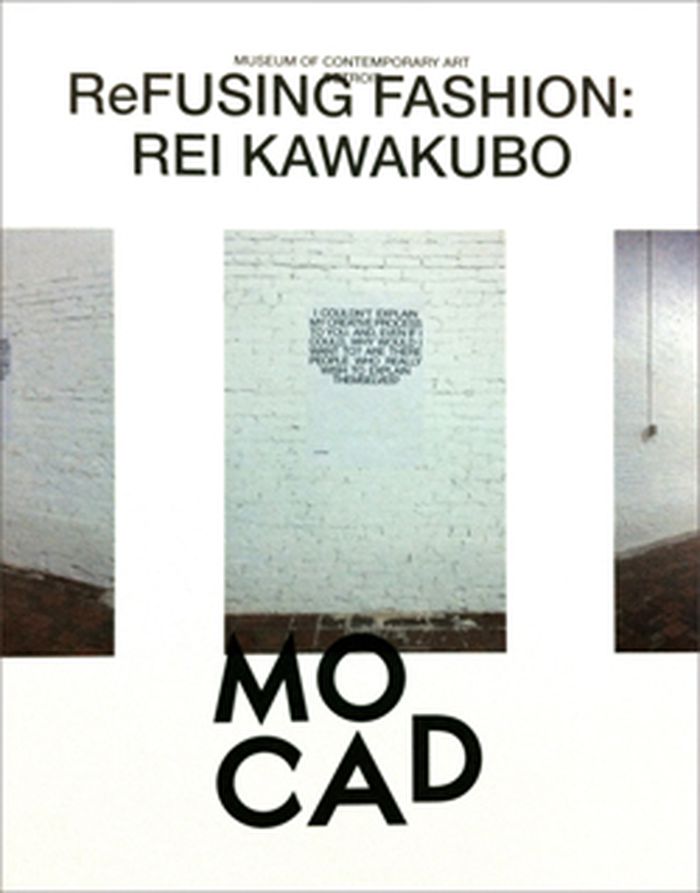
In order to justify the singular vision and approach of this celebrated Japanese fashion designer, the organisers of this retrospective at the MOCA, Detroit decided to create an all-compassing installation – with numerous individual pieces selected in order to reveal a complex and multifaceted whole. Presenting the fruits of a practice that spans more than 20 years, the exhibition and delightfully conceived catalogue present clothes and accessories designed both for Commes des Garçons and under her own name, shop designs, posters, advertisements, collaborations with architects, photographers, Merce Cunningham, and with those that wear and style the clothes. The publication is interspersed throughout with various images from the exhibition, film-stills, photographs and texts from five different authors.
Rei Kawakubo: ReFusing fashion
Actions:
Price:
$50.00
(available to order)
Summary:
In order to justify the singular vision and approach of this celebrated Japanese fashion designer, the organisers of this retrospective at the MOCA, Detroit decided to create an all-compassing installation – with numerous individual pieces selected in order to reveal a complex and multifaceted whole. Presenting the fruits of a practice that spans more than 20 years, the exhibition and delightfully conceived catalogue present clothes and accessories designed both for Commes des Garçons and under her own name, shop designs, posters, advertisements, collaborations with architects, photographers, Merce Cunningham, and with those that wear and style the clothes. The publication is interspersed throughout with various images from the exhibition, film-stills, photographs and texts from five different authors.
Form:
books
books
Publication:
February 2011
February 2011
Subject:
Fashion Design
Fashion Design
Form:
books
books
Price:
$102.95
(available to order)
Summary:
The Classroom shows how furniture designers from the late nineteenth century to the present have strived to enliven the classroom experience for children, telling for the first time the history of this neglected area of furniture design. The book is based on the collection of the VS school museum in Tauberbischofsheim, which houses a unique collection of school furniture(...)
$102.95
(available to order)
Summary:
The Classroom shows how furniture designers from the late nineteenth century to the present have strived to enliven the classroom experience for children, telling for the first time the history of this neglected area of furniture design. The book is based on the collection of the VS school museum in Tauberbischofsheim, which houses a unique collection of school furniture(...)
Subject:
Commercial interiors, Building types
Commercial interiors, Building types
Publication:
March 2011
March 2011
Title:
The classroom: From the late 19th Century until the present day
Actions:
Price:
$102.95
(available to order)
Summary:
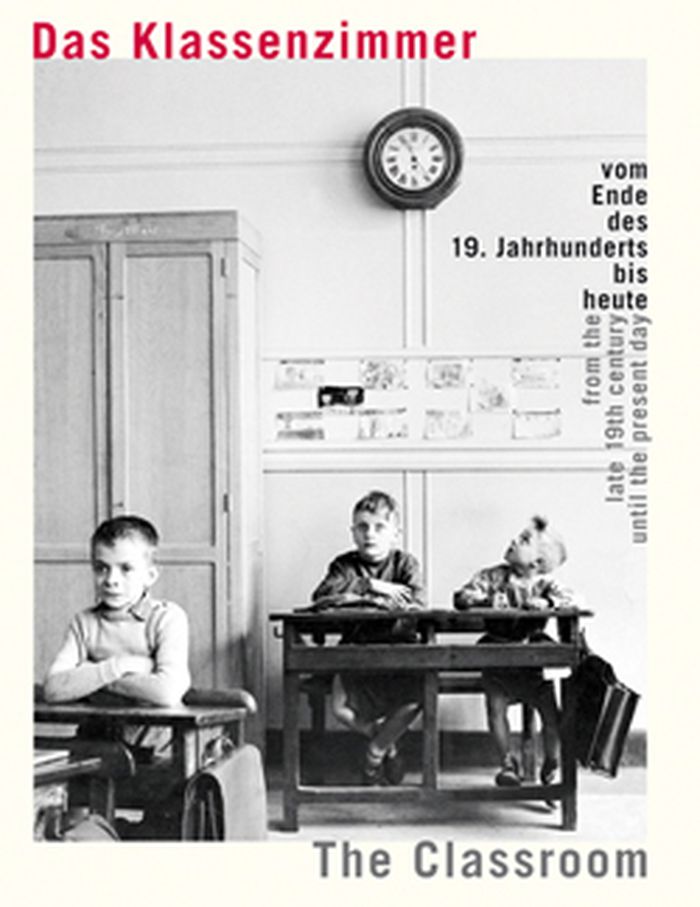
The Classroom shows how furniture designers from the late nineteenth century to the present have strived to enliven the classroom experience for children, telling for the first time the history of this neglected area of furniture design. The book is based on the collection of the VS school museum in Tauberbischofsheim, which houses a unique collection of school furniture from Germany and abroad. Through this collection, it draws out the history of educational theory and school architecture over the past hundred years, tracing the ascent of a child-centered approach to education and attendant developments in design, as well as such topics as the use of propaganda in Soviet- and Nazi-era schools. Chairs, desks, classrooms and entire schools by Alvar Aalto, Arne Jacobsen, Charles Rennie Mackintosh, Jean-Baptiste Mathon, Jean Prouvé, Eero + Eliel Saarinen and Bruno Taut are abundantly illustrated and examined. The Classroom looks back over this history and looks forward to possible future developments.
The classroom: From the late 19th Century until the present day
Actions:
Price:
$102.95
(available to order)
Summary:
The Classroom shows how furniture designers from the late nineteenth century to the present have strived to enliven the classroom experience for children, telling for the first time the history of this neglected area of furniture design. The book is based on the collection of the VS school museum in Tauberbischofsheim, which houses a unique collection of school furniture from Germany and abroad. Through this collection, it draws out the history of educational theory and school architecture over the past hundred years, tracing the ascent of a child-centered approach to education and attendant developments in design, as well as such topics as the use of propaganda in Soviet- and Nazi-era schools. Chairs, desks, classrooms and entire schools by Alvar Aalto, Arne Jacobsen, Charles Rennie Mackintosh, Jean-Baptiste Mathon, Jean Prouvé, Eero + Eliel Saarinen and Bruno Taut are abundantly illustrated and examined. The Classroom looks back over this history and looks forward to possible future developments.
Form:
books
books
Publication:
March 2011
March 2011
Subject:
Commercial interiors, Building types
Commercial interiors, Building types
Form:
books
books
Title:
Andrew Kuo: What me worry
Andrew Kuo: What me worry
Actions:
Price:
$55.00
(available to order)
Summary:
Repurposing the sad, comical and seemingly trivial minutiae of everyday life into pie charts, flow charts and other forms of visual data sorting, New York-based artist Andrew Kuo transforms the idlest of days into a witty analysis in color and pattern. The charm of these works lies not only in their balance of what might be called "cool content in geek form," but also in(...)
$55.00
(available to order)
Summary:
Repurposing the sad, comical and seemingly trivial minutiae of everyday life into pie charts, flow charts and other forms of visual data sorting, New York-based artist Andrew Kuo transforms the idlest of days into a witty analysis in color and pattern. The charm of these works lies not only in their balance of what might be called "cool content in geek form," but also in(...)
Title:
Andrew Kuo: What me worry
Actions:
Price:
$55.00
(available to order)
Summary:
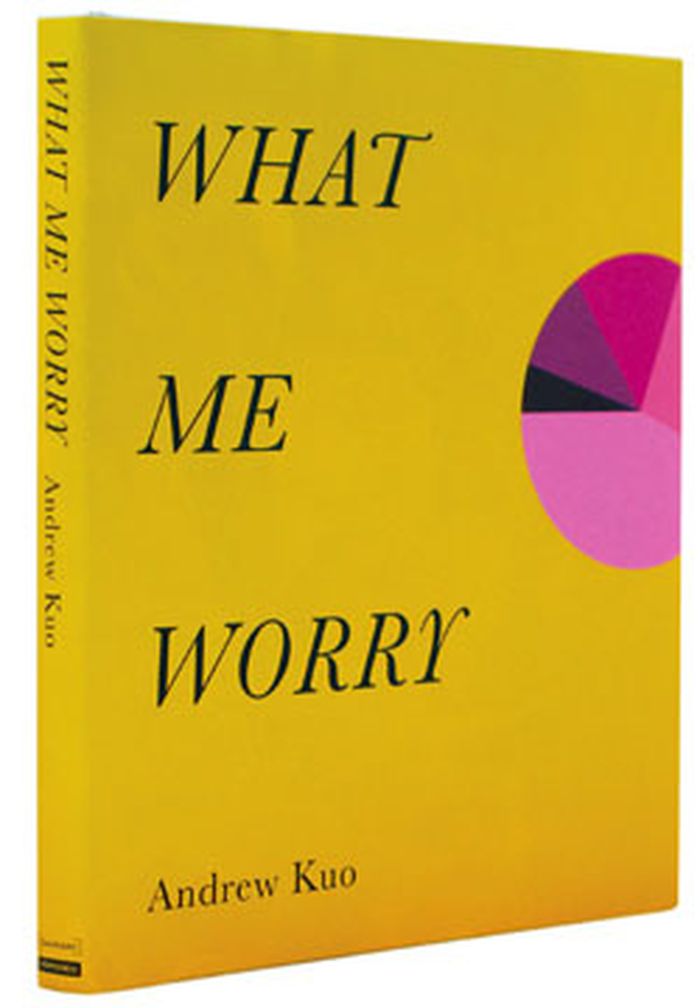
Repurposing the sad, comical and seemingly trivial minutiae of everyday life into pie charts, flow charts and other forms of visual data sorting, New York-based artist Andrew Kuo transforms the idlest of days into a witty analysis in color and pattern. The charm of these works lies not only in their balance of what might be called "cool content in geek form," but also in the criteria and gradations they measure. Kuo's obsessive charts, which resemble Op art, Concrete art or the abstractions of Josef Albers have reached a wide audience through his music reviews for The New York Times, as well as through numerous solo shows over the past ten years. What Me Worry adopts Mad magazine's slogan to gently poke fun at the artist's compulsive record-keeping, and compiles a range of charts, some of which are also made into colorful sculptures, alongside figurative paintings, diary musings and a series of recipes.
Andrew Kuo: What me worry
Actions:
Price:
$55.00
(available to order)
Summary:
Repurposing the sad, comical and seemingly trivial minutiae of everyday life into pie charts, flow charts and other forms of visual data sorting, New York-based artist Andrew Kuo transforms the idlest of days into a witty analysis in color and pattern. The charm of these works lies not only in their balance of what might be called "cool content in geek form," but also in the criteria and gradations they measure. Kuo's obsessive charts, which resemble Op art, Concrete art or the abstractions of Josef Albers have reached a wide audience through his music reviews for The New York Times, as well as through numerous solo shows over the past ten years. What Me Worry adopts Mad magazine's slogan to gently poke fun at the artist's compulsive record-keeping, and compiles a range of charts, some of which are also made into colorful sculptures, alongside figurative paintings, diary musings and a series of recipes.
Form:
books
books
Publication:
April 2011
April 2011
Subject:
Signage
Signage
Form:
books
books
Actions:
Price:
$35.00
(available to order)
Summary:
The Language of the Global Polis explores Neurath's ideas on the modern metropolis, his fascination with visual media and the Vienna Method of Pictorial Statistics and the ways in which Neurath attempted to internationalize the aims of his Museum of Society and Economy through collaborations with CIAM and Otlet and by establishing satellite museums across the world. Both(...)
$35.00
(available to order)
Summary:
The Language of the Global Polis explores Neurath's ideas on the modern metropolis, his fascination with visual media and the Vienna Method of Pictorial Statistics and the ways in which Neurath attempted to internationalize the aims of his Museum of Society and Economy through collaborations with CIAM and Otlet and by establishing satellite museums across the world. Both(...)
Title:
Otto Neurath: The language of the Global Polis
Actions:
Price:
$35.00
(available to order)
Summary:
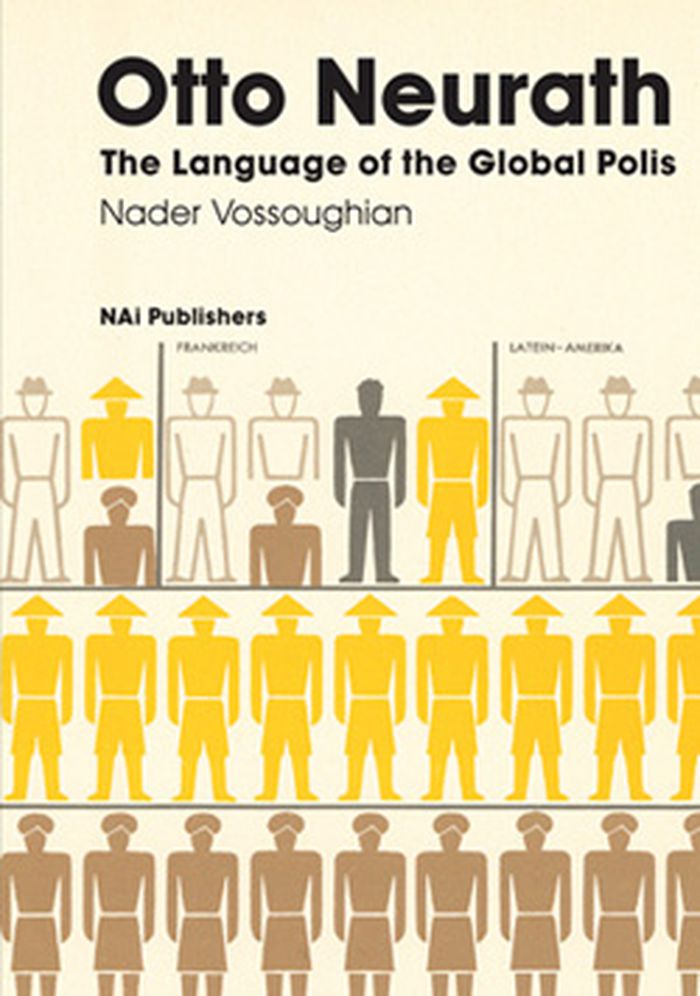
The Language of the Global Polis explores Neurath's ideas on the modern metropolis, his fascination with visual media and the Vienna Method of Pictorial Statistics and the ways in which Neurath attempted to internationalize the aims of his Museum of Society and Economy through collaborations with CIAM and Otlet and by establishing satellite museums across the world. Both scholarly and accessible, Vossoughian's text offers a new perspective to one of the most formidable intellectuals of the interwar period.
Otto Neurath: The language of the Global Polis
Actions:
Price:
$35.00
(available to order)
Summary:
The Language of the Global Polis explores Neurath's ideas on the modern metropolis, his fascination with visual media and the Vienna Method of Pictorial Statistics and the ways in which Neurath attempted to internationalize the aims of his Museum of Society and Economy through collaborations with CIAM and Otlet and by establishing satellite museums across the world. Both scholarly and accessible, Vossoughian's text offers a new perspective to one of the most formidable intellectuals of the interwar period.
Form:
books
books
Publication:
May 2011
May 2011
Subject:
Signage
Signage
Form:
books
books
Title:
Laszlo Moholy-Nagy: 60 fotos
Laszlo Moholy-Nagy: 60 fotos
Actions:
Price:
$44.00
(available to order)
Summary:
In 1930, Moholy-Nagy published 60 Fotos, an almost pedagogic visual treatise in which he performed virtuoso turns on all kinds of photographic possibilities, from camara-less pictures and photograms--for which he squirted oil into developer and squeezed oil between sheets of glass during exposure (among other techniques)--to photomontage, as well as more conventional(...)
$44.00
(available to order)
Summary:
In 1930, Moholy-Nagy published 60 Fotos, an almost pedagogic visual treatise in which he performed virtuoso turns on all kinds of photographic possibilities, from camara-less pictures and photograms--for which he squirted oil into developer and squeezed oil between sheets of glass during exposure (among other techniques)--to photomontage, as well as more conventional(...)
Title:
Laszlo Moholy-Nagy: 60 fotos
Actions:
Price:
$44.00
(available to order)
Summary:
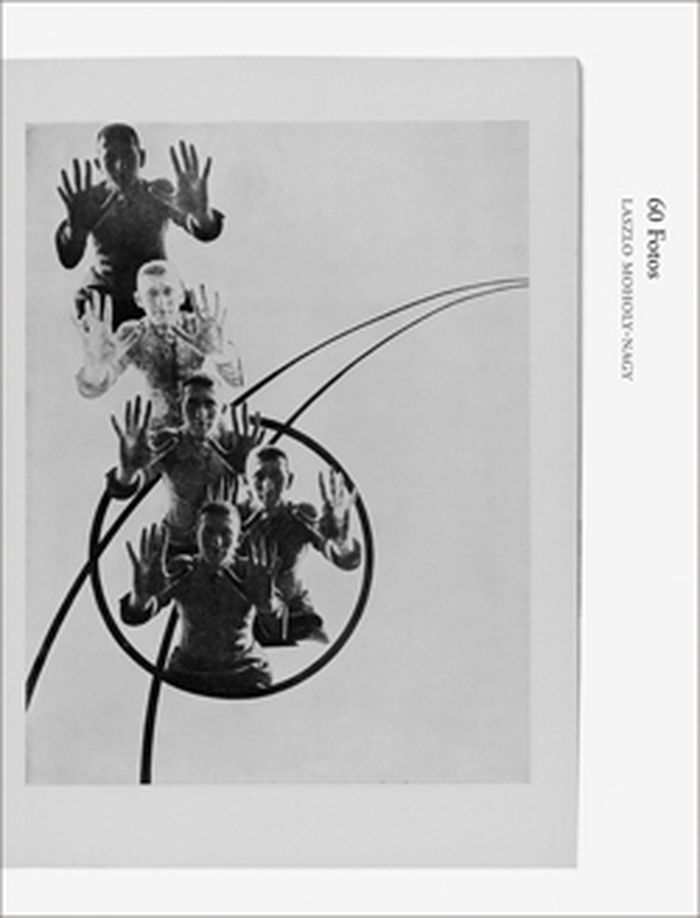
In 1930, Moholy-Nagy published 60 Fotos, an almost pedagogic visual treatise in which he performed virtuoso turns on all kinds of photographic possibilities, from camara-less pictures and photograms--for which he squirted oil into developer and squeezed oil between sheets of glass during exposure (among other techniques)--to photomontage, as well as more conventional photographs. 60 Fotos proposed photography as both a medium with intrinsic material properties to explore and as an instrument capable of surpassing the human eye in its recording of the world. This classic treatise features some of the Bauhaus teacher's finest examples of photograms, negative prints and photomontage; Errata's spread-by-spread reproduction of the volume also includes a contemporary essay by noted photo-historian David Evans.
Laszlo Moholy-Nagy: 60 fotos
Actions:
Price:
$44.00
(available to order)
Summary:
In 1930, Moholy-Nagy published 60 Fotos, an almost pedagogic visual treatise in which he performed virtuoso turns on all kinds of photographic possibilities, from camara-less pictures and photograms--for which he squirted oil into developer and squeezed oil between sheets of glass during exposure (among other techniques)--to photomontage, as well as more conventional photographs. 60 Fotos proposed photography as both a medium with intrinsic material properties to explore and as an instrument capable of surpassing the human eye in its recording of the world. This classic treatise features some of the Bauhaus teacher's finest examples of photograms, negative prints and photomontage; Errata's spread-by-spread reproduction of the volume also includes a contemporary essay by noted photo-historian David Evans.
Form:
books
books
Publication:
February 2011
February 2011
Subject:
Photography monographs
Photography monographs
Form:
books
books
Title:
Alexey Brodovitch: Ballet
Alexey Brodovitch: Ballet
Actions:
Price:
$44.00
(available to order)
Summary:
Published in 1945, Alexey Brodovitch's Ballet is easily among the most legendary photobooks of the twentieth century: the first and only book he authored as photographer, it was printed in a small run of a few hundred copies, and quickly became a rarity. This edition contains illustrations of every page in the original photobook, a new essay by an established writer on(...)
$44.00
(available to order)
Summary:
Published in 1945, Alexey Brodovitch's Ballet is easily among the most legendary photobooks of the twentieth century: the first and only book he authored as photographer, it was printed in a small run of a few hundred copies, and quickly became a rarity. This edition contains illustrations of every page in the original photobook, a new essay by an established writer on(...)
Subject:
Photography monographs
Photography monographs
Publication:
February 2011
February 2011
Title:
Alexey Brodovitch: Ballet
Actions:
Price:
$44.00
(available to order)
Summary:
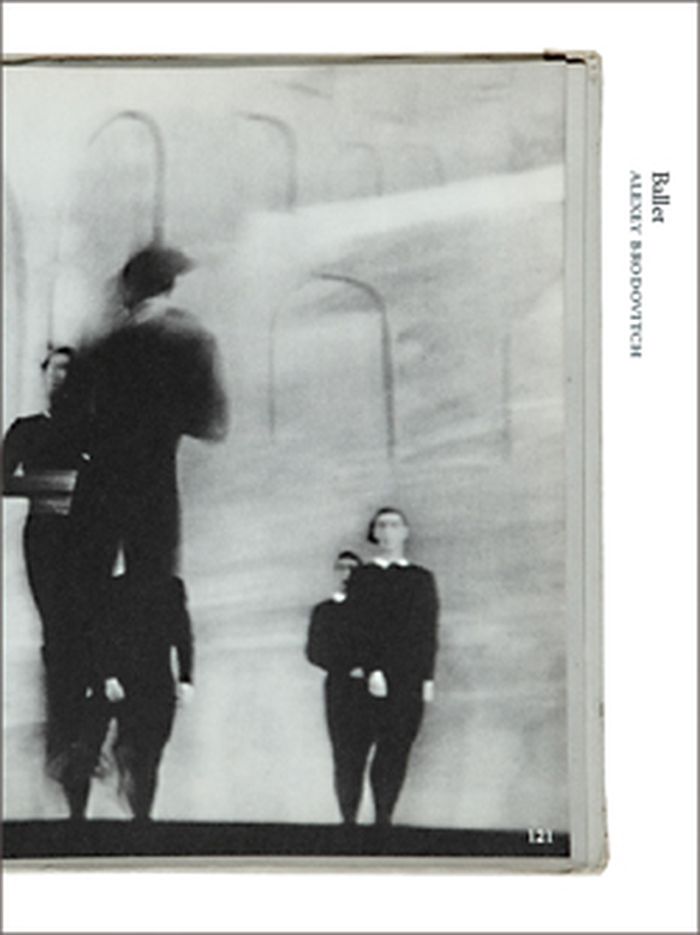
Published in 1945, Alexey Brodovitch's Ballet is easily among the most legendary photobooks of the twentieth century: the first and only book he authored as photographer, it was printed in a small run of a few hundred copies, and quickly became a rarity. This edition contains illustrations of every page in the original photobook, a new essay by an established writer on photography, production notes about the creation of the original edition and biographical and bibliographical information about the artist.
Alexey Brodovitch: Ballet
Actions:
Price:
$44.00
(available to order)
Summary:
Published in 1945, Alexey Brodovitch's Ballet is easily among the most legendary photobooks of the twentieth century: the first and only book he authored as photographer, it was printed in a small run of a few hundred copies, and quickly became a rarity. This edition contains illustrations of every page in the original photobook, a new essay by an established writer on photography, production notes about the creation of the original edition and biographical and bibliographical information about the artist.
Form:
books
books
Publication:
February 2011
February 2011
Subject:
Photography monographs
Photography monographs
Form:
books
books
Actions:
Price:
$44.00
(available to order)
Summary:
First published in 1946, The Alphabet of Spiritual Emptiness offers an extraordinary look inside a German forced labor camp in Breslau, Poland, during 1941-1943. Tmej portrays the experience of captivity through images loaded with furtiveness and despair. Errata's edition reproduces every page spread from this extremely rare and fragile document, including the original(...)
$44.00
(available to order)
Summary:
First published in 1946, The Alphabet of Spiritual Emptiness offers an extraordinary look inside a German forced labor camp in Breslau, Poland, during 1941-1943. Tmej portrays the experience of captivity through images loaded with furtiveness and despair. Errata's edition reproduces every page spread from this extremely rare and fragile document, including the original(...)
Subject:
Photography monographs
Photography monographs
Publication:
February 2011
February 2011
Title:
Zdenek Tmej: The alphabets of spiritual emptiness
Actions:
Price:
$44.00
(available to order)
Summary:
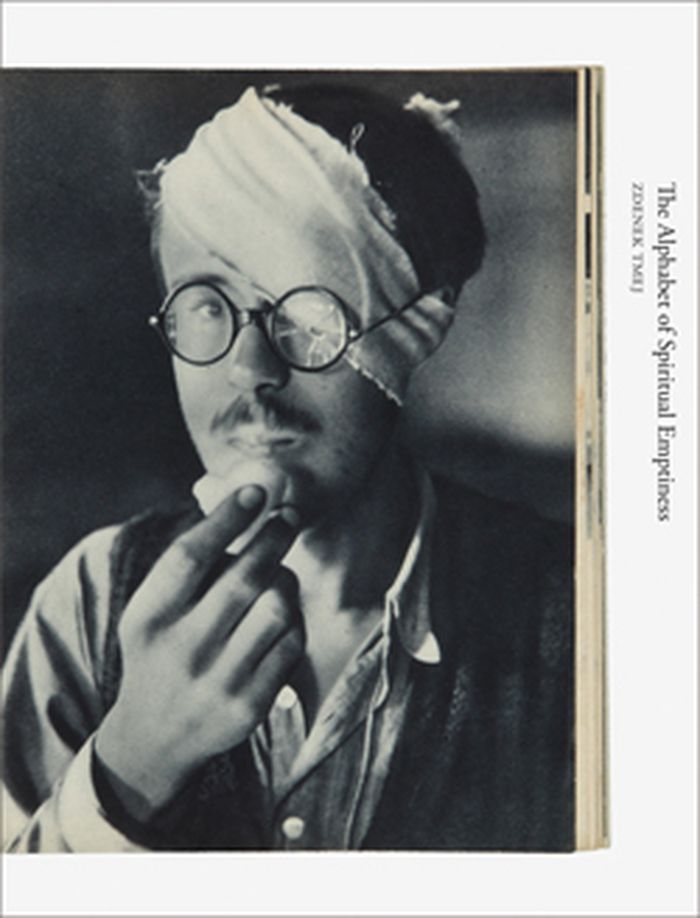
First published in 1946, The Alphabet of Spiritual Emptiness offers an extraordinary look inside a German forced labor camp in Breslau, Poland, during 1941-1943. Tmej portrays the experience of captivity through images loaded with furtiveness and despair. Errata's edition reproduces every page spread from this extremely rare and fragile document, including the original texts by Alexandra Urbanova, translated for the first time into English, and a contemporary essay by Czech photo historian Vladimir Birgus.
Zdenek Tmej: The alphabets of spiritual emptiness
Actions:
Price:
$44.00
(available to order)
Summary:
First published in 1946, The Alphabet of Spiritual Emptiness offers an extraordinary look inside a German forced labor camp in Breslau, Poland, during 1941-1943. Tmej portrays the experience of captivity through images loaded with furtiveness and despair. Errata's edition reproduces every page spread from this extremely rare and fragile document, including the original texts by Alexandra Urbanova, translated for the first time into English, and a contemporary essay by Czech photo historian Vladimir Birgus.
Form:
books
books
Publication:
February 2011
February 2011
Subject:
Photography monographs
Photography monographs
Form:
books
books
Title:
Paul Graham: Beyond caring
Paul Graham: Beyond caring
Actions:
Price:
$44.00
(available to order)
Summary:
Published in 1986, Beyond Caring is now regarded as one of the key works from Britain's wave of "New Colour" photography. Photographing surreptitiously, his camera is both witness and protagonist within a bureaucratic system that speaks to the humiliation and indignity aimed towards the most vulnerable in society. Errata's complete reproduction of this now rare and(...)
$44.00
(available to order)
Summary:
Published in 1986, Beyond Caring is now regarded as one of the key works from Britain's wave of "New Colour" photography. Photographing surreptitiously, his camera is both witness and protagonist within a bureaucratic system that speaks to the humiliation and indignity aimed towards the most vulnerable in society. Errata's complete reproduction of this now rare and(...)
Title:
Paul Graham: Beyond caring
Actions:
Price:
$44.00
(available to order)
Summary:
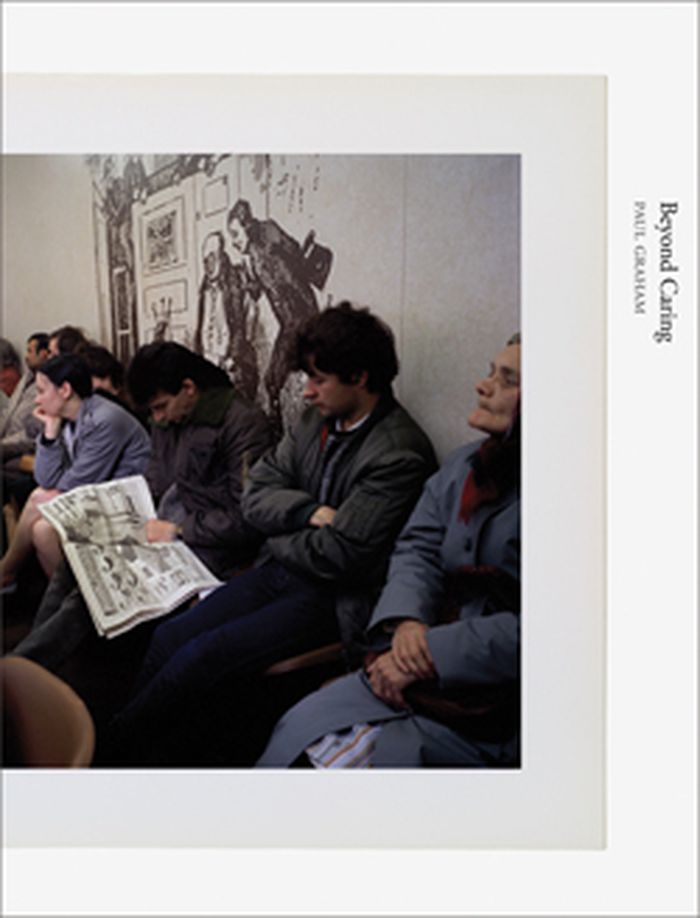
Published in 1986, Beyond Caring is now regarded as one of the key works from Britain's wave of "New Colour" photography. Photographing surreptitiously, his camera is both witness and protagonist within a bureaucratic system that speaks to the humiliation and indignity aimed towards the most vulnerable in society. Errata's complete reproduction of this now rare and controversial book is augmented with contemporary essays by writer and curator David Chandler and Errata Creative Director Jeffrey Ladd.
Paul Graham: Beyond caring
Actions:
Price:
$44.00
(available to order)
Summary:
Published in 1986, Beyond Caring is now regarded as one of the key works from Britain's wave of "New Colour" photography. Photographing surreptitiously, his camera is both witness and protagonist within a bureaucratic system that speaks to the humiliation and indignity aimed towards the most vulnerable in society. Errata's complete reproduction of this now rare and controversial book is augmented with contemporary essays by writer and curator David Chandler and Errata Creative Director Jeffrey Ladd.
Form:
books
books
Publication:
February 2011
February 2011
Subject:
Photography monographs
Photography monographs
Form:
books
books
Actions:
Price:
$29.95
(available to order)
Summary:
This publication is the long-awaited collection of essays, reviews and lectures by Tod Papageorge, one of the most influential voices in photography today. As a photographer and the Walker Evans Professor of Photography at the Yale University School of Art, Papageorge has shaped the work and thought of generations of artist-photographers, and, through his critical(...)
$29.95
(available to order)
Summary:
This publication is the long-awaited collection of essays, reviews and lectures by Tod Papageorge, one of the most influential voices in photography today. As a photographer and the Walker Evans Professor of Photography at the Yale University School of Art, Papageorge has shaped the work and thought of generations of artist-photographers, and, through his critical(...)
Title:
Core curriculum : writings on photography
Actions:
Price:
$29.95
(available to order)
Summary:
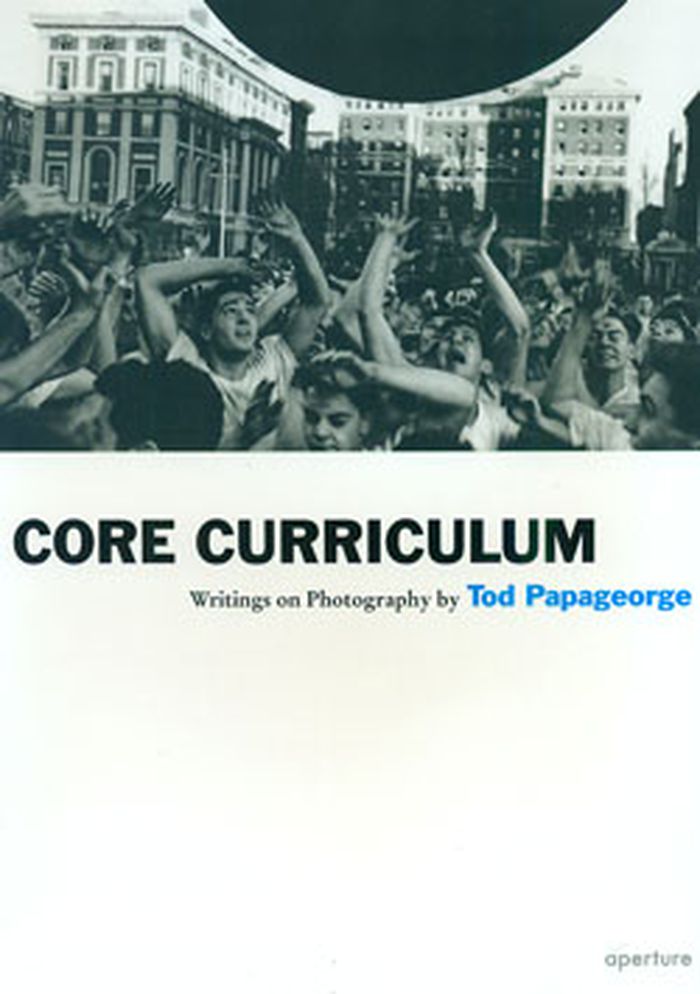
This publication is the long-awaited collection of essays, reviews and lectures by Tod Papageorge, one of the most influential voices in photography today. As a photographer and the Walker Evans Professor of Photography at the Yale University School of Art, Papageorge has shaped the work and thought of generations of artist-photographers, and, through his critical writings - some of which have gained a cult following through online postings - he has earned a reputation as an unusually eloquent and illuminating guide to the work of many of the most important figures in twentieth-century photography. Among the artists Papageorge discusses in this volume are Eugène Atget, Brassaï, Robert Frank (with Walker Evans), Robert Adams and his close friend Garry Winogrand. The book also includes texts that examine the more general questions of photography's relationship to poetry, and how the evolution of the medium's early technologies led to the twentieth-century creation of the artist-photographer. Among the previously unpublished pieces are an unfinished poem written in response to Susan Sontag's On Photography, a profile of Josef Koudelka and a commencement speech delivered at the Yale School of Art in 2004. The book also includes a number of interviews given by Papageorge, ranging in topic from his own photographic work and background in poetry to his energetic observations on the art of photography.
Core curriculum : writings on photography
Actions:
Price:
$29.95
(available to order)
Summary:
This publication is the long-awaited collection of essays, reviews and lectures by Tod Papageorge, one of the most influential voices in photography today. As a photographer and the Walker Evans Professor of Photography at the Yale University School of Art, Papageorge has shaped the work and thought of generations of artist-photographers, and, through his critical writings - some of which have gained a cult following through online postings - he has earned a reputation as an unusually eloquent and illuminating guide to the work of many of the most important figures in twentieth-century photography. Among the artists Papageorge discusses in this volume are Eugène Atget, Brassaï, Robert Frank (with Walker Evans), Robert Adams and his close friend Garry Winogrand. The book also includes texts that examine the more general questions of photography's relationship to poetry, and how the evolution of the medium's early technologies led to the twentieth-century creation of the artist-photographer. Among the previously unpublished pieces are an unfinished poem written in response to Susan Sontag's On Photography, a profile of Josef Koudelka and a commencement speech delivered at the Yale School of Art in 2004. The book also includes a number of interviews given by Papageorge, ranging in topic from his own photographic work and background in poetry to his energetic observations on the art of photography.
Form:
books
books
Publication:
June 2011
June 2011
Subject:
Theory of Photography
Theory of Photography
Form:
books
books
Actions:
Price:
$66.00
(available to order)
Summary:
Around the year 1910, a patient at State Lunatic Asylum No. 3 in Nevada, Missouri, who referred to himself as The Electric Pencil, executed 280 drawings in ink, pencil, crayon and colored pencil. The Electric Pencil's drawings were sewn into a handmade album of fabric and leather, which shortly afterwards was lost--for a century.An essay by Lyle Rexer places the work in(...)
$66.00
(available to order)
Summary:
Around the year 1910, a patient at State Lunatic Asylum No. 3 in Nevada, Missouri, who referred to himself as The Electric Pencil, executed 280 drawings in ink, pencil, crayon and colored pencil. The Electric Pencil's drawings were sewn into a handmade album of fabric and leather, which shortly afterwards was lost--for a century.An essay by Lyle Rexer places the work in(...)
Title:
The Drawings of the Electric Pencil
Actions:
Price:
$66.00
(available to order)
Summary:
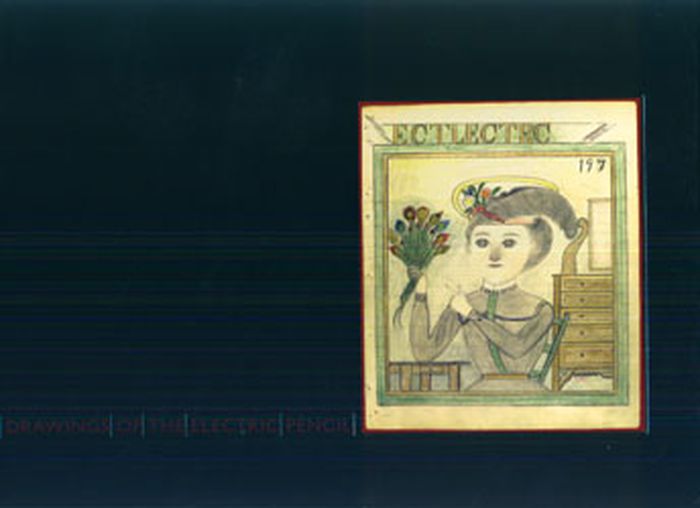
Around the year 1910, a patient at State Lunatic Asylum No. 3 in Nevada, Missouri, who referred to himself as The Electric Pencil, executed 280 drawings in ink, pencil, crayon and colored pencil. The Electric Pencil's drawings were sewn into a handmade album of fabric and leather, which shortly afterwards was lost--for a century.An essay by Lyle Rexer places the work in the broader context of outsider art, in which The Electric Pencil emerges as an artist of singular brilliance.
The Drawings of the Electric Pencil
Actions:
Price:
$66.00
(available to order)
Summary:
Around the year 1910, a patient at State Lunatic Asylum No. 3 in Nevada, Missouri, who referred to himself as The Electric Pencil, executed 280 drawings in ink, pencil, crayon and colored pencil. The Electric Pencil's drawings were sewn into a handmade album of fabric and leather, which shortly afterwards was lost--for a century.An essay by Lyle Rexer places the work in the broader context of outsider art, in which The Electric Pencil emerges as an artist of singular brilliance.
Form:
books
books
Publication:
March 2011
March 2011
Subject:
Illustration
Illustration


