


13794 Results
Form:
books
books
Actions:
Price:
$17.95
(available to order)
Summary:
Reposer la question du sens de l'architecture. Telle est la proposition. Des définitions anciennes nous reviennent, nombreuses. Très longtemps, on a su ce qu'était, ce que devait être l'architecture. À travers le prisme de cet héritage éclaté, la question cependant, demeure. L'énigme de l'architecture n'est sans doute pas séparable de la question que l'humanité se pose à(...)
$17.95
(available to order)
Summary:
Reposer la question du sens de l'architecture. Telle est la proposition. Des définitions anciennes nous reviennent, nombreuses. Très longtemps, on a su ce qu'était, ce que devait être l'architecture. À travers le prisme de cet héritage éclaté, la question cependant, demeure. L'énigme de l'architecture n'est sans doute pas séparable de la question que l'humanité se pose à(...)
Title:
L'indéfinition de l'architecture
Actions:
Price:
$17.95
(available to order)
Summary:
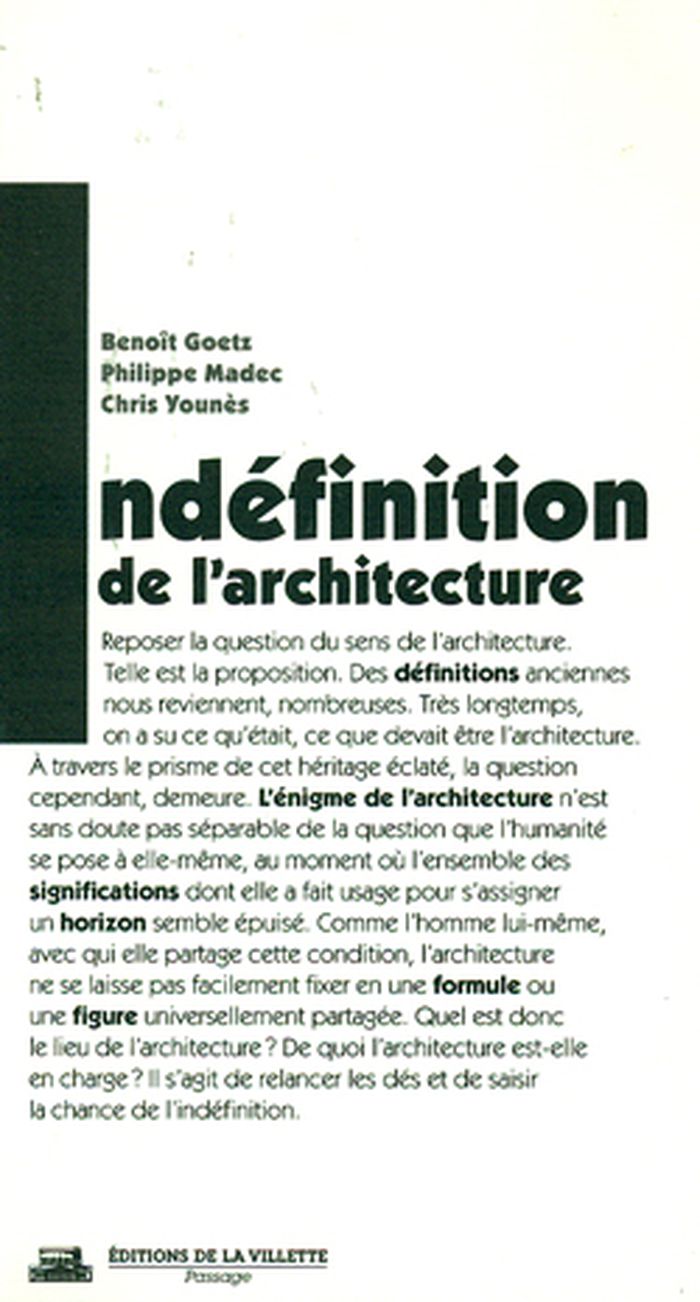
Reposer la question du sens de l'architecture. Telle est la proposition. Des définitions anciennes nous reviennent, nombreuses. Très longtemps, on a su ce qu'était, ce que devait être l'architecture. À travers le prisme de cet héritage éclaté, la question cependant, demeure. L'énigme de l'architecture n'est sans doute pas séparable de la question que l'humanité se pose à elle-même, au moment où l'ensemble des significations dont elle a fait usage pour assigner un horizon semble épuisé. Comme l'homme lui-même, avec qui elle partage cette condition, l'architecture ne se laisse pas facilement fixer en une formule ou une figure universellement partagée. Quel est donc le lieu de l'architecte ? De quoi l'architecture est-elle en charge ? Il s'agit de relancer les dés et de saisir la chance de l'indéfinition.
L'indéfinition de l'architecture
Actions:
Price:
$17.95
(available to order)
Summary:
Reposer la question du sens de l'architecture. Telle est la proposition. Des définitions anciennes nous reviennent, nombreuses. Très longtemps, on a su ce qu'était, ce que devait être l'architecture. À travers le prisme de cet héritage éclaté, la question cependant, demeure. L'énigme de l'architecture n'est sans doute pas séparable de la question que l'humanité se pose à elle-même, au moment où l'ensemble des significations dont elle a fait usage pour assigner un horizon semble épuisé. Comme l'homme lui-même, avec qui elle partage cette condition, l'architecture ne se laisse pas facilement fixer en une formule ou une figure universellement partagée. Quel est donc le lieu de l'architecte ? De quoi l'architecture est-elle en charge ? Il s'agit de relancer les dés et de saisir la chance de l'indéfinition.
Form:
books
books
Publication:
August 2009
August 2009
Subject:
Architectural Theory
Architectural Theory
Form:
books
books
Price:
$44.95
(available to order)
Summary:
Ce dictionnaire, à la fois classique et original, mesure les défis de l'aménagement à l'horizon 2030. Il interroge surtout les mots de l'aménagement du point de vue des politiques qui sont menées et des défis qui se présentent pour le futur.
$44.95
(available to order)
Summary:
Ce dictionnaire, à la fois classique et original, mesure les défis de l'aménagement à l'horizon 2030. Il interroge surtout les mots de l'aménagement du point de vue des politiques qui sont menées et des défis qui se présentent pour le futur.
Title:
Dictionnaire de l'aménagement du territoire, état des lieux et prospective
Actions:
Price:
$44.95
(available to order)
Summary:
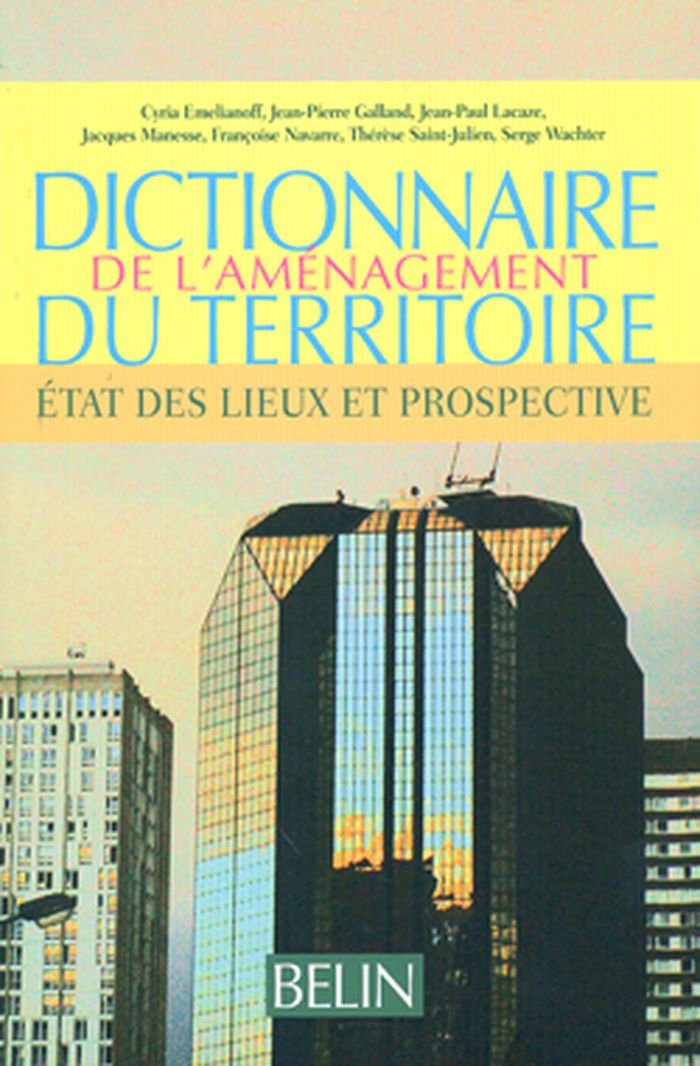
Ce dictionnaire, à la fois classique et original, mesure les défis de l'aménagement à l'horizon 2030. Il interroge surtout les mots de l'aménagement du point de vue des politiques qui sont menées et des défis qui se présentent pour le futur.
Dictionnaire de l'aménagement du territoire, état des lieux et prospective
Actions:
Price:
$44.95
(available to order)
Summary:
Ce dictionnaire, à la fois classique et original, mesure les défis de l'aménagement à l'horizon 2030. Il interroge surtout les mots de l'aménagement du point de vue des politiques qui sont menées et des défis qui se présentent pour le futur.
Form:
books
books
Publication:
August 2009
August 2009
Subject:
Urban Theory
Urban Theory
Form:
books
books
Title:
A Paradise built in hell
A Paradise built in hell
Actions:
Price:
$35.00
(available to order)
Summary:
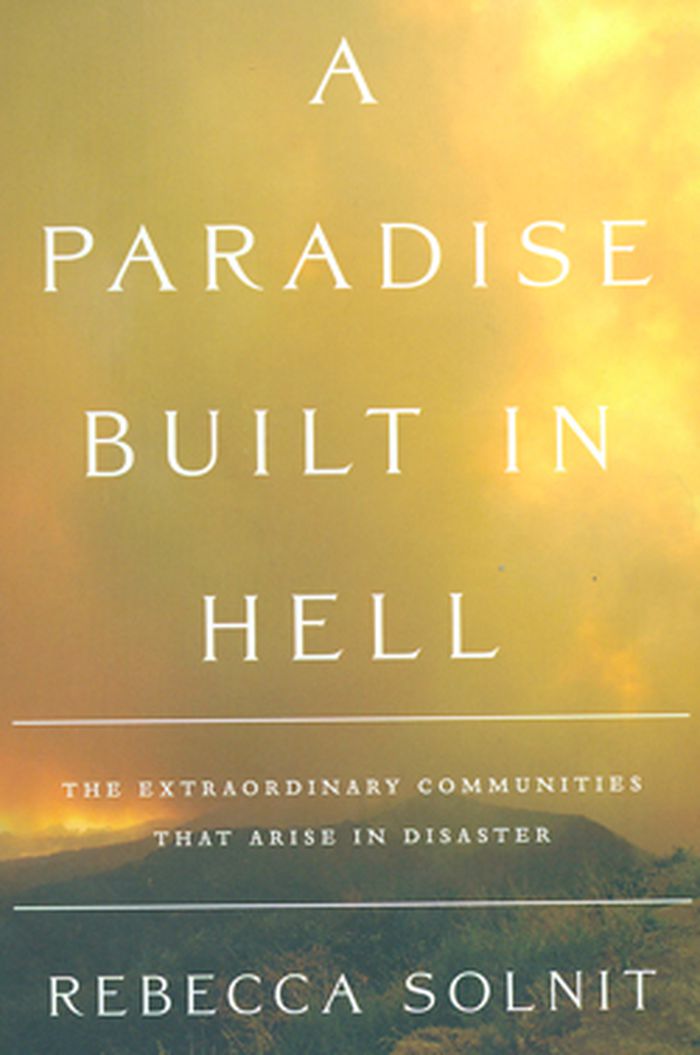
In A Paradise Built in Hell, award-winning author Rebecca Solnit examines how disaster throws people into a temporary utopia of changed states of mind and social possibilities, as well as looking at the cost of the widespread myths and rarer real cases of social deterioration during crisis.
$35.00
(available to order)
Summary:
In A Paradise Built in Hell, award-winning author Rebecca Solnit examines how disaster throws people into a temporary utopia of changed states of mind and social possibilities, as well as looking at the cost of the widespread myths and rarer real cases of social deterioration during crisis.
Title:
A Paradise built in hell
Actions:
Price:
$35.00
(available to order)
Summary:
In A Paradise Built in Hell, award-winning author Rebecca Solnit examines how disaster throws people into a temporary utopia of changed states of mind and social possibilities, as well as looking at the cost of the widespread myths and rarer real cases of social deterioration during crisis.
A Paradise built in hell
Actions:
Price:
$35.00
(available to order)
Summary:
In A Paradise Built in Hell, award-winning author Rebecca Solnit examines how disaster throws people into a temporary utopia of changed states of mind and social possibilities, as well as looking at the cost of the widespread myths and rarer real cases of social deterioration during crisis.
Form:
books
books
Publication:
August 2009
August 2009
Subject:
Urban Theory
Urban Theory
Form:
books
books
Title:
The system of objects
The system of objects
Actions:
Price:
$23.95
(available to order)
Summary:
A cultural critique of the commodity in consumer society, The System of Objects is a tour de force—a theoretical letter-in-a-bottle tossed into the ocean in 1968, which brilliantly communicates to us all the live ideas of the day.
$23.95
(available to order)
Summary:
A cultural critique of the commodity in consumer society, The System of Objects is a tour de force—a theoretical letter-in-a-bottle tossed into the ocean in 1968, which brilliantly communicates to us all the live ideas of the day.
Title:
The system of objects
Actions:
Price:
$23.95
(available to order)
Summary:
A cultural critique of the commodity in consumer society, The System of Objects is a tour de force—a theoretical letter-in-a-bottle tossed into the ocean in 1968, which brilliantly communicates to us all the live ideas of the day.
The system of objects
Actions:
Price:
$23.95
(available to order)
Summary:
A cultural critique of the commodity in consumer society, The System of Objects is a tour de force—a theoretical letter-in-a-bottle tossed into the ocean in 1968, which brilliantly communicates to us all the live ideas of the day.
Form:
books
books
Publication:
August 2006
August 2006
Subject:
Critical Theory
Critical Theory
Form:
books
books
Title:
Le modèle Barcelone
Le modèle Barcelone
Actions:
Price:
$29.95
(available to order)
Summary:
Le modèle Barcelone, paru aux éditions del Serbal en 2005 sous le titre El Modelo Barcelona: un examen critico, a fait grand bruit en Espagne. Sans langue de bois, l'auteur passe au crible les transformations urbanistiques de la capitale catalane, et critique les politiques urbaines comme les travaux des architectes. En soulignant l'intérêt de mieux respecter les(...)
$29.95
(available to order)
Summary:
Le modèle Barcelone, paru aux éditions del Serbal en 2005 sous le titre El Modelo Barcelona: un examen critico, a fait grand bruit en Espagne. Sans langue de bois, l'auteur passe au crible les transformations urbanistiques de la capitale catalane, et critique les politiques urbaines comme les travaux des architectes. En soulignant l'intérêt de mieux respecter les(...)
Title:
Le modèle Barcelone
Actions:
Price:
$29.95
(available to order)
Summary:
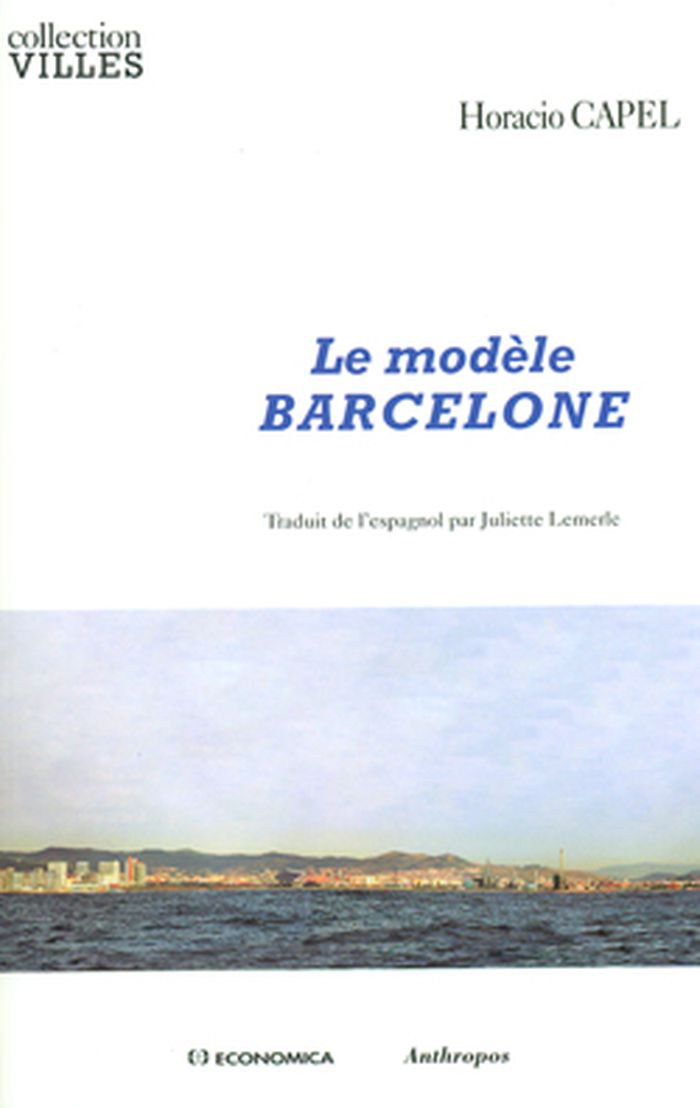
Le modèle Barcelone, paru aux éditions del Serbal en 2005 sous le titre El Modelo Barcelona: un examen critico, a fait grand bruit en Espagne. Sans langue de bois, l'auteur passe au crible les transformations urbanistiques de la capitale catalane, et critique les politiques urbaines comme les travaux des architectes. En soulignant l'intérêt de mieux respecter les contextes locaux, en suggérant des mesures démocratiques adaptées, l'auteur ajoute au modèle d'urbanisme, si souvent cité voire imité un peu partout dans le monde, une valeur exemplaire, encore plus significative pour inspirer les rénovations des villes.
Le modèle Barcelone
Actions:
Price:
$29.95
(available to order)
Summary:
Le modèle Barcelone, paru aux éditions del Serbal en 2005 sous le titre El Modelo Barcelona: un examen critico, a fait grand bruit en Espagne. Sans langue de bois, l'auteur passe au crible les transformations urbanistiques de la capitale catalane, et critique les politiques urbaines comme les travaux des architectes. En soulignant l'intérêt de mieux respecter les contextes locaux, en suggérant des mesures démocratiques adaptées, l'auteur ajoute au modèle d'urbanisme, si souvent cité voire imité un peu partout dans le monde, une valeur exemplaire, encore plus significative pour inspirer les rénovations des villes.
Form:
books
books
Publication:
August 2009
August 2009
Subject:
Urban Theory
Urban Theory
Form:
books
books
Actions:
Price:
$57.95
(available to order)
Summary:
Remi Hess rencontre Henri Lefebvre en 1967 à Nanterre. Depuis, il n'a cessé de lire, de commenter et de prolonger l'oeuvre de ce philosophe, sociologue, historien que fut Henri Lefebvre. Ici, R. Hess propose avec H. Lefebvre de construire une pensée du possible. Que peut-on percevoir comme possible ? L'impossible aujourd'hui ne sera-t-il pas le possible de demain ? R.(...)
$57.95
(available to order)
Summary:
Remi Hess rencontre Henri Lefebvre en 1967 à Nanterre. Depuis, il n'a cessé de lire, de commenter et de prolonger l'oeuvre de ce philosophe, sociologue, historien que fut Henri Lefebvre. Ici, R. Hess propose avec H. Lefebvre de construire une pensée du possible. Que peut-on percevoir comme possible ? L'impossible aujourd'hui ne sera-t-il pas le possible de demain ? R.(...)
Title:
Henri Lefebvre et la pensée du possible : Théorie des moments et construction de la personne
Actions:
Price:
$57.95
(available to order)
Summary:
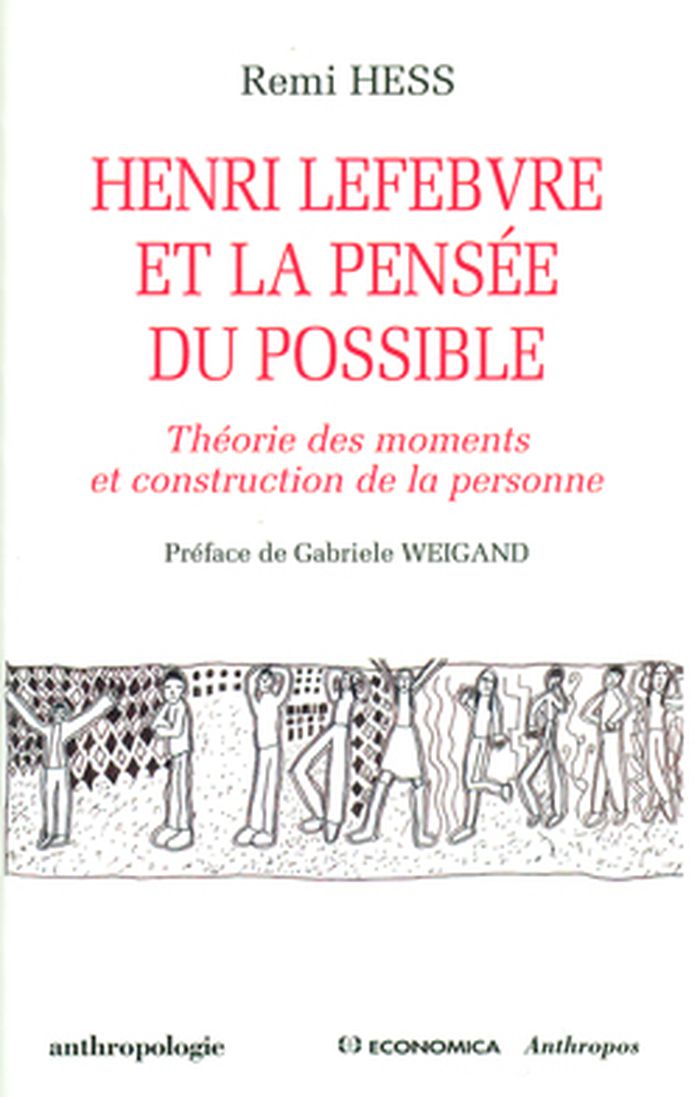
Remi Hess rencontre Henri Lefebvre en 1967 à Nanterre. Depuis, il n'a cessé de lire, de commenter et de prolonger l'oeuvre de ce philosophe, sociologue, historien que fut Henri Lefebvre. Ici, R. Hess propose avec H. Lefebvre de construire une pensée du possible. Que peut-on percevoir comme possible ? L'impossible aujourd'hui ne sera-t-il pas le possible de demain ? R. Hess reprend la théorie des moments, proposée par Lefebvre, en y voyant un outil de construction de la personne. L'originalité de Henri Lefebvre et la pensée du possible est de proposer une méthode pour expliciter ses moments : l'écriture de journaux. Le journal des moments apparaît ainsi comme une technique de construction de la personne. Cet ouvrage, qui peut apparaître volumineux, est en fait un recueil de petits ouvrages à lire au bon moment. Certains sont théoriques, d'autres sont biographiques. Ce livre, de facture lefebvrienne, est le produit d'une dialectique entre le perçu, le vécu et le conçu.
Henri Lefebvre et la pensée du possible : Théorie des moments et construction de la personne
Actions:
Price:
$57.95
(available to order)
Summary:
Remi Hess rencontre Henri Lefebvre en 1967 à Nanterre. Depuis, il n'a cessé de lire, de commenter et de prolonger l'oeuvre de ce philosophe, sociologue, historien que fut Henri Lefebvre. Ici, R. Hess propose avec H. Lefebvre de construire une pensée du possible. Que peut-on percevoir comme possible ? L'impossible aujourd'hui ne sera-t-il pas le possible de demain ? R. Hess reprend la théorie des moments, proposée par Lefebvre, en y voyant un outil de construction de la personne. L'originalité de Henri Lefebvre et la pensée du possible est de proposer une méthode pour expliciter ses moments : l'écriture de journaux. Le journal des moments apparaît ainsi comme une technique de construction de la personne. Cet ouvrage, qui peut apparaître volumineux, est en fait un recueil de petits ouvrages à lire au bon moment. Certains sont théoriques, d'autres sont biographiques. Ce livre, de facture lefebvrienne, est le produit d'une dialectique entre le perçu, le vécu et le conçu.
Form:
books
books
Publication:
August 2009
August 2009
Subject:
Critical Theory
Critical Theory
Form:
books
books
Actions:
Price:
$34.95
(available to order)
Summary:
This work presents a compilation of materials with which seventeen artists reflect on the gap between architecture as idea, architecture on paper, and its actual use - in other words, the 'afterwards' of construction. The project distinguishes four possible typologies of the afterwards: back, interior, around and demolition. These typologies of the afterwards would in(...)
$34.95
(available to order)
Summary:
This work presents a compilation of materials with which seventeen artists reflect on the gap between architecture as idea, architecture on paper, and its actual use - in other words, the 'afterwards' of construction. The project distinguishes four possible typologies of the afterwards: back, interior, around and demolition. These typologies of the afterwards would in(...)
Title:
After architecture: typologies of the afterwards
Actions:
Price:
$34.95
(available to order)
Summary:
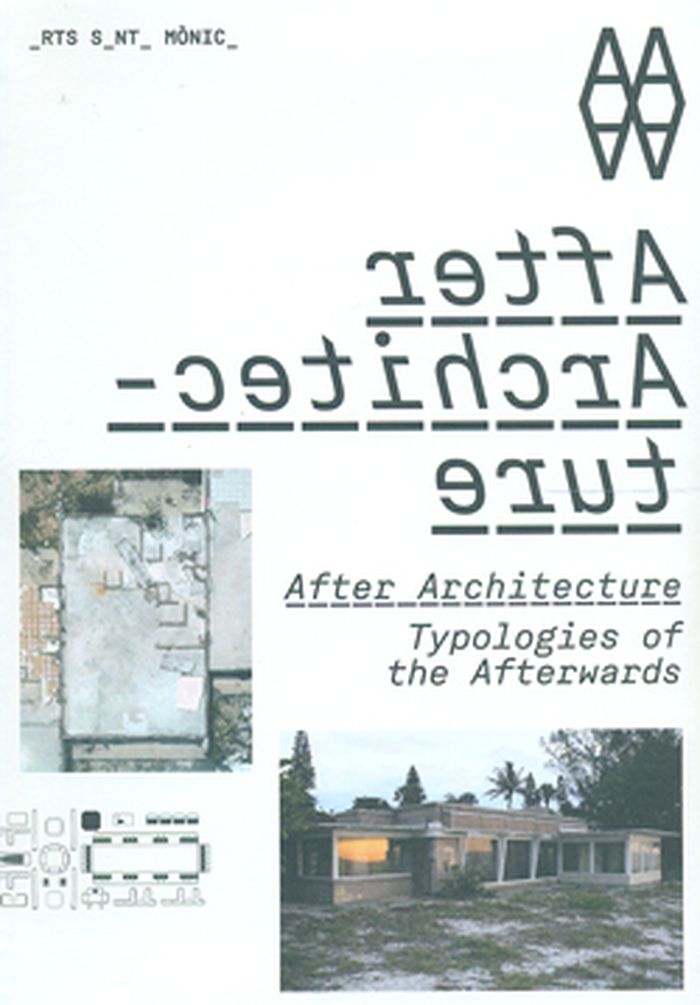
This work presents a compilation of materials with which seventeen artists reflect on the gap between architecture as idea, architecture on paper, and its actual use - in other words, the 'afterwards' of construction. The project distinguishes four possible typologies of the afterwards: back, interior, around and demolition. These typologies of the afterwards would in this way come to compose a kind of heterotopia of architecture. It is illustrated with works by Vangelis Vlahos,Terence Gower, Pia Ronicke, Xavier Arenos, Gregor Graf, Mounir Fatmi, Xavier Monteys, Heidrun Holzfeind, Tim Etchells, Laurent Malone/ Dennis Adams, Didier Bay, Jordi Colomer, Alexander Apostol, Chris Mottalini, Lara Almarcegui, Jan Tichy and Clay Ketter.
After architecture: typologies of the afterwards
Actions:
Price:
$34.95
(available to order)
Summary:
This work presents a compilation of materials with which seventeen artists reflect on the gap between architecture as idea, architecture on paper, and its actual use - in other words, the 'afterwards' of construction. The project distinguishes four possible typologies of the afterwards: back, interior, around and demolition. These typologies of the afterwards would in this way come to compose a kind of heterotopia of architecture. It is illustrated with works by Vangelis Vlahos,Terence Gower, Pia Ronicke, Xavier Arenos, Gregor Graf, Mounir Fatmi, Xavier Monteys, Heidrun Holzfeind, Tim Etchells, Laurent Malone/ Dennis Adams, Didier Bay, Jordi Colomer, Alexander Apostol, Chris Mottalini, Lara Almarcegui, Jan Tichy and Clay Ketter.
Form:
books
books
Publication:
September 2009
September 2009
Subject:
Architectural Theory
Architectural Theory
Form:
books
books
Price:
$62.50
(available in store)
Summary:
The new towns programme of 1946 to 1970 was one of the most substantial periods of urban development in Britain. The new towns have often been described as a social experiment; so what has this experiment proved ? This book covers the story of how these towns came to be built, how they aged, and the challenges and opportunities they now face as they begin phases of(...)
$62.50
(available in store)
Summary:
The new towns programme of 1946 to 1970 was one of the most substantial periods of urban development in Britain. The new towns have often been described as a social experiment; so what has this experiment proved ? This book covers the story of how these towns came to be built, how they aged, and the challenges and opportunities they now face as they begin phases of(...)
Title:
Britain's new towns, garden cities to sustainable communities
Actions:
Price:
$62.50
(available in store)
Summary:
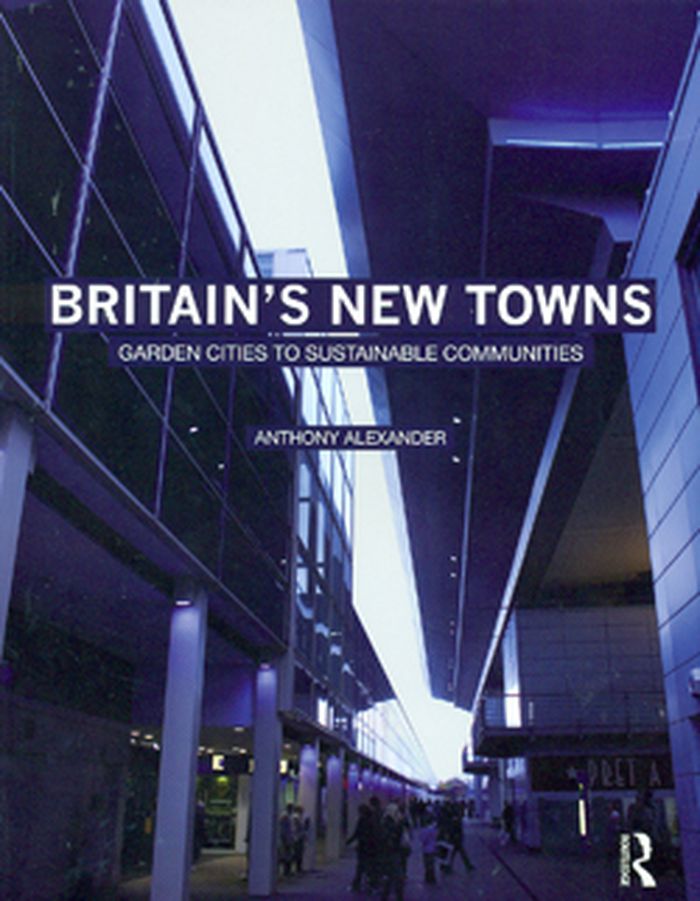
The new towns programme of 1946 to 1970 was one of the most substantial periods of urban development in Britain. The new towns have often been described as a social experiment; so what has this experiment proved ? This book covers the story of how these towns came to be built, how they aged, and the challenges and opportunities they now face as they begin phases of renewal. The new approaches in design throughout their past development reflect changes in society throughout the latter half of the twentieth century. These changes are now at the heart of the challenge of sustainable development. The New Towns provide lessons for social, economic and environmental sustainability. These lessons are of great relevance for the regeneration of twentieth century urbanism and the creation of new urban developments today.
Britain's new towns, garden cities to sustainable communities
Actions:
Price:
$62.50
(available in store)
Summary:
The new towns programme of 1946 to 1970 was one of the most substantial periods of urban development in Britain. The new towns have often been described as a social experiment; so what has this experiment proved ? This book covers the story of how these towns came to be built, how they aged, and the challenges and opportunities they now face as they begin phases of renewal. The new approaches in design throughout their past development reflect changes in society throughout the latter half of the twentieth century. These changes are now at the heart of the challenge of sustainable development. The New Towns provide lessons for social, economic and environmental sustainability. These lessons are of great relevance for the regeneration of twentieth century urbanism and the creation of new urban developments today.
Form:
books
books
Publication:
September 2009
September 2009
Subject:
Urban Theory
Urban Theory
Form:
books
books
Actions:
Price:
$45.00
(available to order)
Summary:
November 2009 marks the 100th anniversary of the Grand Boulevard and Concourse, the Bronx’s crown jewel of urban planning, which stretches over four miles from 138th Street to the Mosholu Parkway. This famous roadway represents Art Deco and Art Moderne architecture at its grandest, including a cornucopia of apartment complexes, the Concourse Plaza Hotel, the Loews(...)
$45.00
(available to order)
Summary:
November 2009 marks the 100th anniversary of the Grand Boulevard and Concourse, the Bronx’s crown jewel of urban planning, which stretches over four miles from 138th Street to the Mosholu Parkway. This famous roadway represents Art Deco and Art Moderne architecture at its grandest, including a cornucopia of apartment complexes, the Concourse Plaza Hotel, the Loews(...)
Title:
Intersections : the grand concourse at 100
Actions:
Price:
$45.00
(available to order)
Summary:
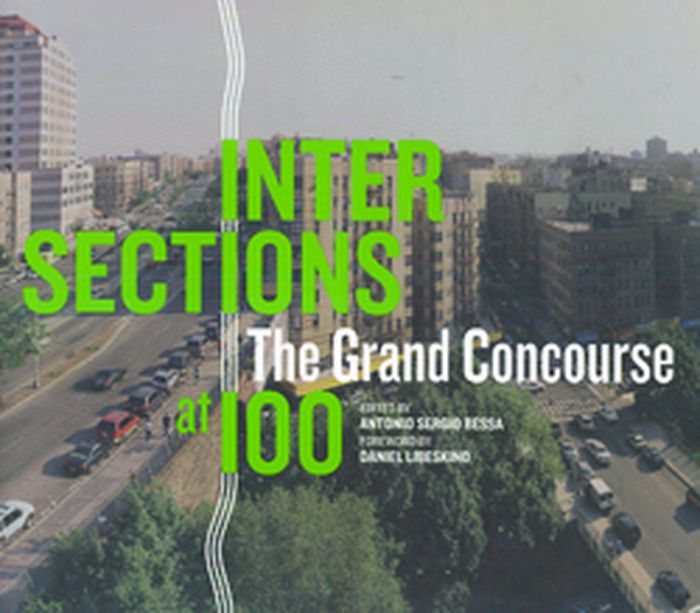
November 2009 marks the 100th anniversary of the Grand Boulevard and Concourse, the Bronx’s crown jewel of urban planning, which stretches over four miles from 138th Street to the Mosholu Parkway. This famous roadway represents Art Deco and Art Moderne architecture at its grandest, including a cornucopia of apartment complexes, the Concourse Plaza Hotel, the Loews Paradise Theater, the Bronx County Courthouse, and, of course, Yankee Stadium. Modeled on the Champs Élysées in Paris and described in the 1939 WPA Guide to New York as “the Park Avenue of the middle-class,” it offered residents amenities not seen before in the city, such as private bathrooms and central heating. This publication examines the rich history of the Bronx’s most famous thoroughfare through a collection of pieces — written by historians and contemporary museum curators, and accompanied by two original texts by Alsatian-born engineer Louis Risse, who designed and oversaw the construction of the Grand Concourse — on the context that informed its planning and construction, along with a vast collection of photographs that bring this period back to life. The book also features six art projects especially commissioned for the occasion : a series of large-scale color photographs by Jeff Liao; a time line by Skowmon Hastanan; The Tree Museum, a project by Katie Holten on the green spaces along the Concourse; a documentary film by Pablo Helguera on three buildings along the Concourse, namely, Poe’s cottage, the Paradise Theater, and the Freedman Home; a project by Kabir Carter about capturing sounds from different areas along the Concourse; and a special lobby installation by Acconci Studio. Traveling the Concourse today offers a lesson in architecture, history, and sociology as you see the faces and places that call it home. It is truly New York, but more important, authentically the Bronx. You can’t experience the Bronx until you travel the Grand Boulevard and Concourse. Foreword by Daniel Libeskind.
Intersections : the grand concourse at 100
Actions:
Price:
$45.00
(available to order)
Summary:
November 2009 marks the 100th anniversary of the Grand Boulevard and Concourse, the Bronx’s crown jewel of urban planning, which stretches over four miles from 138th Street to the Mosholu Parkway. This famous roadway represents Art Deco and Art Moderne architecture at its grandest, including a cornucopia of apartment complexes, the Concourse Plaza Hotel, the Loews Paradise Theater, the Bronx County Courthouse, and, of course, Yankee Stadium. Modeled on the Champs Élysées in Paris and described in the 1939 WPA Guide to New York as “the Park Avenue of the middle-class,” it offered residents amenities not seen before in the city, such as private bathrooms and central heating. This publication examines the rich history of the Bronx’s most famous thoroughfare through a collection of pieces — written by historians and contemporary museum curators, and accompanied by two original texts by Alsatian-born engineer Louis Risse, who designed and oversaw the construction of the Grand Concourse — on the context that informed its planning and construction, along with a vast collection of photographs that bring this period back to life. The book also features six art projects especially commissioned for the occasion : a series of large-scale color photographs by Jeff Liao; a time line by Skowmon Hastanan; The Tree Museum, a project by Katie Holten on the green spaces along the Concourse; a documentary film by Pablo Helguera on three buildings along the Concourse, namely, Poe’s cottage, the Paradise Theater, and the Freedman Home; a project by Kabir Carter about capturing sounds from different areas along the Concourse; and a special lobby installation by Acconci Studio. Traveling the Concourse today offers a lesson in architecture, history, and sociology as you see the faces and places that call it home. It is truly New York, but more important, authentically the Bronx. You can’t experience the Bronx until you travel the Grand Boulevard and Concourse. Foreword by Daniel Libeskind.
Form:
books
books
Publication:
September 2009
September 2009
Subject:
Urban Theory
Urban Theory
Form:
books
books
Price:
$40.00
(available to order)
Summary:
De la discussion sur la méthode jusqu'à l'analyse des images, du bâti, des discours et des projets, les articles rassemblés dans cet ouvrage nous proposent d'aborder la ville comme une création, puis de comprendre cet artefact collectif en l'inscrivant dans son horizon culturel. « Un lieu , écrit Corboz, n'est pas une donnée, mais le résultat d'une condensation. » Aborder(...)
$40.00
(available to order)
Summary:
De la discussion sur la méthode jusqu'à l'analyse des images, du bâti, des discours et des projets, les articles rassemblés dans cet ouvrage nous proposent d'aborder la ville comme une création, puis de comprendre cet artefact collectif en l'inscrivant dans son horizon culturel. « Un lieu , écrit Corboz, n'est pas une donnée, mais le résultat d'une condensation. » Aborder(...)
Title:
De la ville au patrimoine urbain, histoires de formes et de sens
Actions:
Price:
$40.00
(available to order)
Summary:
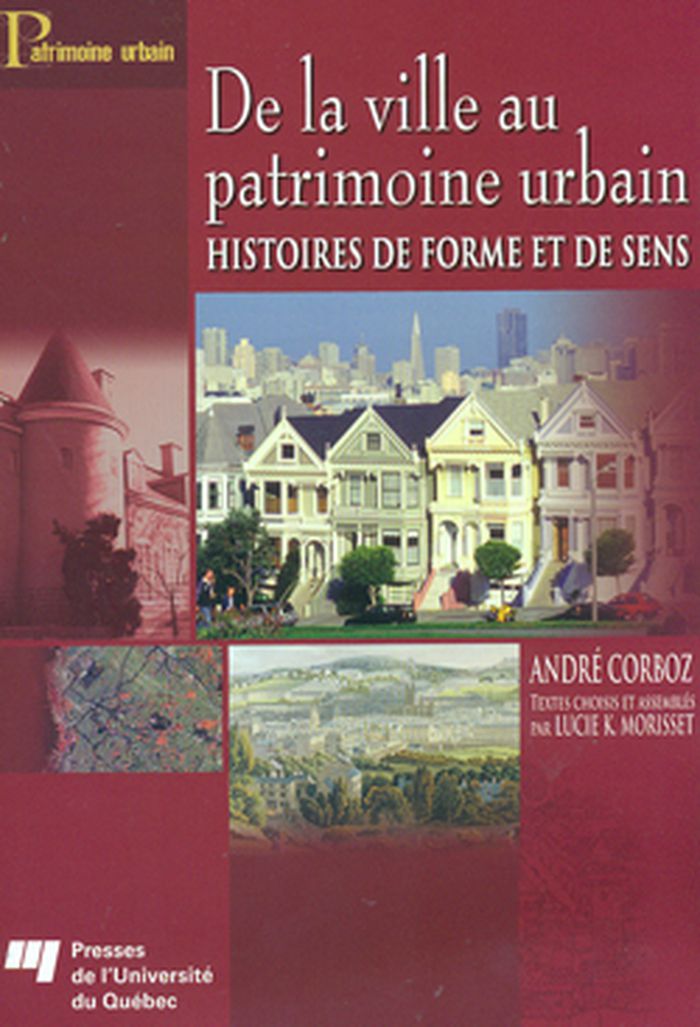
De la discussion sur la méthode jusqu'à l'analyse des images, du bâti, des discours et des projets, les articles rassemblés dans cet ouvrage nous proposent d'aborder la ville comme une création, puis de comprendre cet artefact collectif en l'inscrivant dans son horizon culturel. « Un lieu , écrit Corboz, n'est pas une donnée, mais le résultat d'une condensation. » Aborder la matière urbaine requiert ainsi de voir au-delà des objets qui peuplent notre univers, ici et maintenant : l'on plonge alors dans le temps, dans l'imaginaire des acteurs qui l'ont modelée pour, entre les pensées qui habitent les murs de la ville, retracer la construction de l'originalité et dévoiler l'intérêt des choses.
De la ville au patrimoine urbain, histoires de formes et de sens
Actions:
Price:
$40.00
(available to order)
Summary:
De la discussion sur la méthode jusqu'à l'analyse des images, du bâti, des discours et des projets, les articles rassemblés dans cet ouvrage nous proposent d'aborder la ville comme une création, puis de comprendre cet artefact collectif en l'inscrivant dans son horizon culturel. « Un lieu , écrit Corboz, n'est pas une donnée, mais le résultat d'une condensation. » Aborder la matière urbaine requiert ainsi de voir au-delà des objets qui peuplent notre univers, ici et maintenant : l'on plonge alors dans le temps, dans l'imaginaire des acteurs qui l'ont modelée pour, entre les pensées qui habitent les murs de la ville, retracer la construction de l'originalité et dévoiler l'intérêt des choses.
Form:
books
books
Publication:
September 2009
September 2009
Subject:
Urban Theory
Urban Theory


