


781 Results
Form:
books
books
Actions:
Price:
$54.00
(available in store)
Summary:
When we think of climate, the stories we tell about the future are often catastrophic: megastorms, crop failures, and heat waves loom over us, sending a signal that the problem is so vast, so complex, that it’s out of our control. That narrative is compelling for some, but leaves others feeling hopeless, helpless, and disillusioned. Even the most ardent champions of(...)
$54.00
(available in store)
Summary:
When we think of climate, the stories we tell about the future are often catastrophic: megastorms, crop failures, and heat waves loom over us, sending a signal that the problem is so vast, so complex, that it’s out of our control. That narrative is compelling for some, but leaves others feeling hopeless, helpless, and disillusioned. Even the most ardent champions of(...)
Subject:
Environment and environmental theory
Environment and environmental theory
Publication:
December 2025
December 2025
Title:
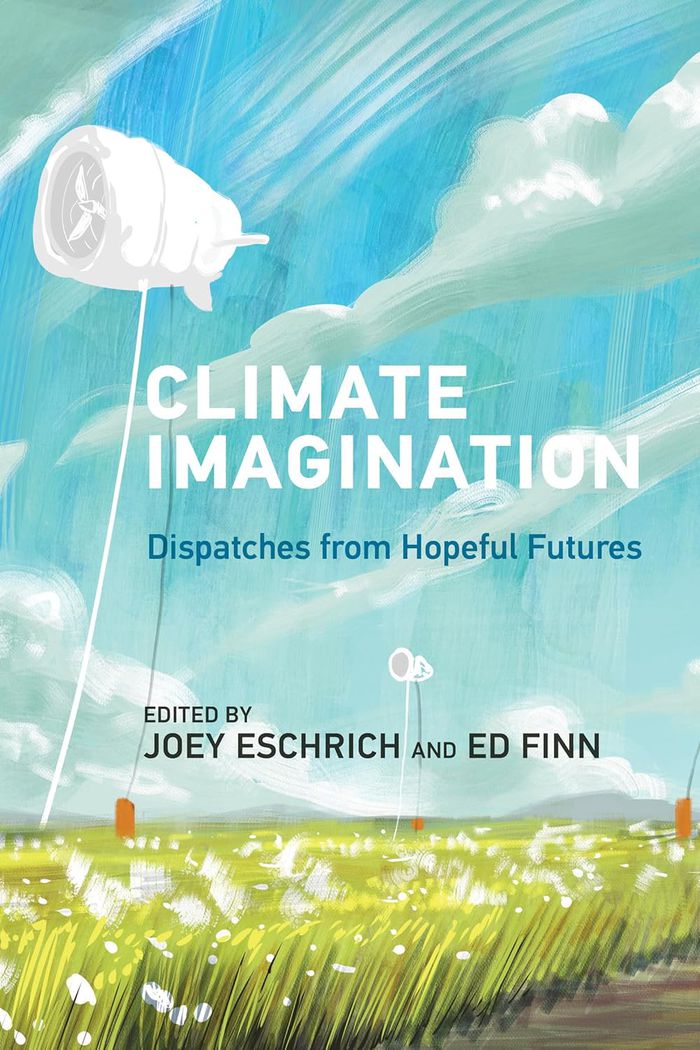
Climate imagination: Dispatches from hopeful futures
Actions:
Price:
$54.00
(available in store)
Summary:
When we think of climate, the stories we tell about the future are often catastrophic: megastorms, crop failures, and heat waves loom over us, sending a signal that the problem is so vast, so complex, that it’s out of our control. That narrative is compelling for some, but leaves others feeling hopeless, helpless, and disillusioned. Even the most ardent champions of decarbonization sometimes focus more on sounding the alarm than on mapping out what success might look like. Without positive climate futures, visions of climate adaptation and resilience that we can work toward, it’s much harder to motivate broad-based efforts for change in the present. Through short speculative fiction, essays, and visual art, "Climate imagination" seeks to inspire a wave of narratives about what positive climate futures might look like for communities around the world.
Climate imagination: Dispatches from hopeful futures
Actions:
Price:
$54.00
(available in store)
Summary:
When we think of climate, the stories we tell about the future are often catastrophic: megastorms, crop failures, and heat waves loom over us, sending a signal that the problem is so vast, so complex, that it’s out of our control. That narrative is compelling for some, but leaves others feeling hopeless, helpless, and disillusioned. Even the most ardent champions of decarbonization sometimes focus more on sounding the alarm than on mapping out what success might look like. Without positive climate futures, visions of climate adaptation and resilience that we can work toward, it’s much harder to motivate broad-based efforts for change in the present. Through short speculative fiction, essays, and visual art, "Climate imagination" seeks to inspire a wave of narratives about what positive climate futures might look like for communities around the world.
Form:
books
books
Publication:
December 2025
December 2025
Subject:
Environment and environmental theory
Environment and environmental theory
Form:
books
books
Actions:
Price:
$33.50
(available in store)
Summary:
"Into Stoas" is not a guidebook. It’s a mapping of Athens's neglected passageways – paths that connect streets and offer escape from the city’s stress and noise. It is an ode to a lost city of mixed use and to its diverse vernacular signs that still survive today. A call for presence at the “Commercial Triangle” of Athens, once a labyrinth ideal for inquisitive strolls,(...)
$33.50
(available in store)
Summary:
"Into Stoas" is not a guidebook. It’s a mapping of Athens's neglected passageways – paths that connect streets and offer escape from the city’s stress and noise. It is an ode to a lost city of mixed use and to its diverse vernacular signs that still survive today. A call for presence at the “Commercial Triangle” of Athens, once a labyrinth ideal for inquisitive strolls,(...)
Title:
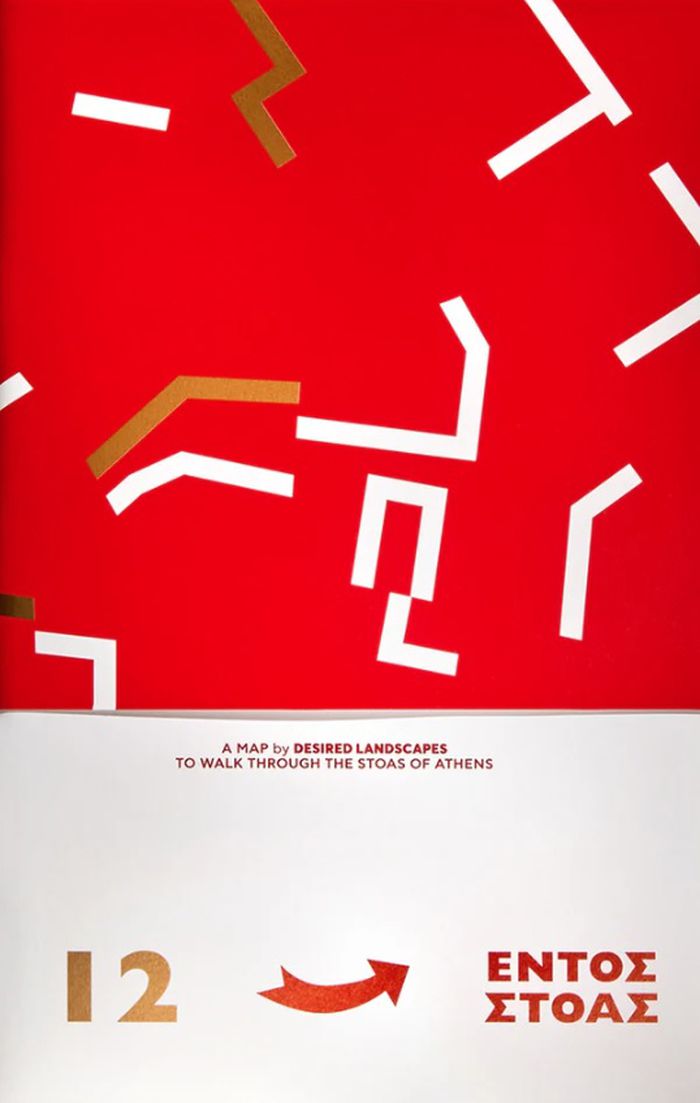
Into Stoas: a map to walk through the Stoas of Athens
Actions:
Price:
$33.50
(available in store)
Summary:
"Into Stoas" is not a guidebook. It’s a mapping of Athens's neglected passageways – paths that connect streets and offer escape from the city’s stress and noise. It is an ode to a lost city of mixed use and to its diverse vernacular signs that still survive today. A call for presence at the “Commercial Triangle” of Athens, once a labyrinth ideal for inquisitive strolls, now undergoing blandification. An invitation to lose yourself in a city within a city, and keep these paths alive. This research project has a dual objective. To promote walking by revealing an alternative walking network in the heart of Athens and to document the images of the vernacular exit signs that constitute a part of the unarchived Greek design history. This second edition reflects on the transformation that has happened at the ''Commercial Triangle'' the last 12 years.
Into Stoas: a map to walk through the Stoas of Athens
Actions:
Price:
$33.50
(available in store)
Summary:
"Into Stoas" is not a guidebook. It’s a mapping of Athens's neglected passageways – paths that connect streets and offer escape from the city’s stress and noise. It is an ode to a lost city of mixed use and to its diverse vernacular signs that still survive today. A call for presence at the “Commercial Triangle” of Athens, once a labyrinth ideal for inquisitive strolls, now undergoing blandification. An invitation to lose yourself in a city within a city, and keep these paths alive. This research project has a dual objective. To promote walking by revealing an alternative walking network in the heart of Athens and to document the images of the vernacular exit signs that constitute a part of the unarchived Greek design history. This second edition reflects on the transformation that has happened at the ''Commercial Triangle'' the last 12 years.
Form:
books
books
Publication:
December 2025
December 2025
Subject:
City Guides
City Guides
Form:
books
books
Actions:
Price:
$45.00
(available to order)
Summary:
This second volume in the "Future Cities Laboratory Indicia" series focuses on the tools, methods and approaches needed for urban research. In short, following Marshall McLuhan’s famous provocation, the editors focus less on the message and more on the medium of research. This involves retreating from research contents—the topics, themes, questions, hypotheses, insights,(...)
$45.00
(available to order)
Summary:
This second volume in the "Future Cities Laboratory Indicia" series focuses on the tools, methods and approaches needed for urban research. In short, following Marshall McLuhan’s famous provocation, the editors focus less on the message and more on the medium of research. This involves retreating from research contents—the topics, themes, questions, hypotheses, insights,(...)
Title:
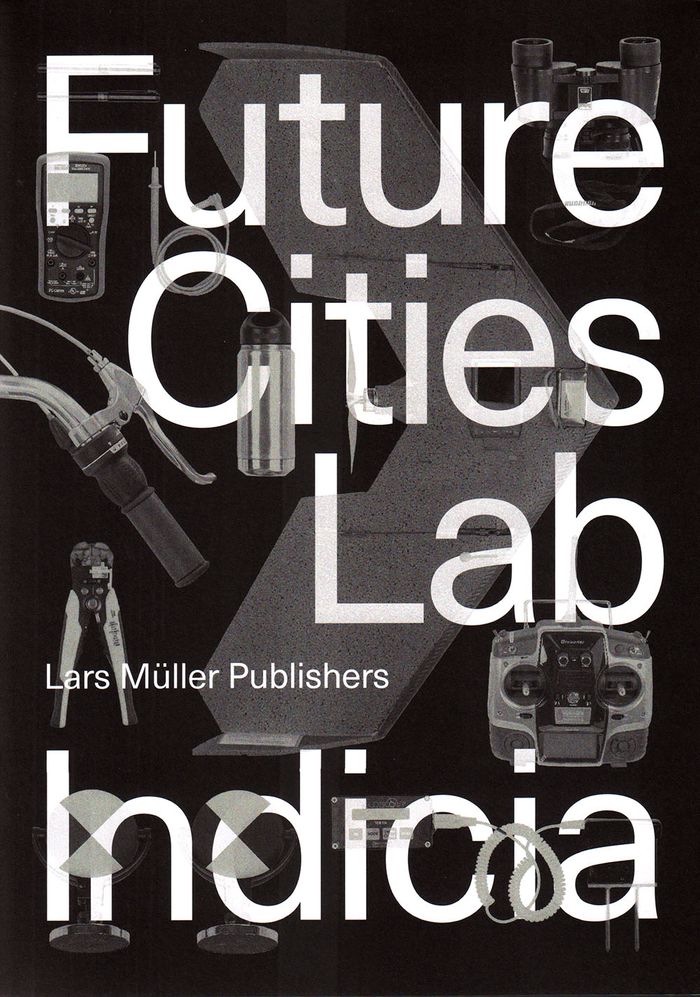
Future cities laboratory: Indicia 02
Actions:
Price:
$45.00
(available to order)
Summary:
This second volume in the "Future Cities Laboratory Indicia" series focuses on the tools, methods and approaches needed for urban research. In short, following Marshall McLuhan’s famous provocation, the editors focus less on the message and more on the medium of research. This involves retreating from research contents—the topics, themes, questions, hypotheses, insights, ideas, concepts and thoughts—for the moment to consider the materials, methods, tools, techniques and approaches that support them. This change in perspective reveals a rich array of research approaches that include two- and three-dimensional mapping of vegetation, temperature and humidity, in conjunction with point cloud terrestrial and airborne laser-scanning technology; gathering data from sensors and geospatial data and the emergence of “solution spaces” and multi-dimensional complexity science; subject-oriented approaches to behavioral and cognitive decision making in city navigation.
Future cities laboratory: Indicia 02
Actions:
Price:
$45.00
(available to order)
Summary:
This second volume in the "Future Cities Laboratory Indicia" series focuses on the tools, methods and approaches needed for urban research. In short, following Marshall McLuhan’s famous provocation, the editors focus less on the message and more on the medium of research. This involves retreating from research contents—the topics, themes, questions, hypotheses, insights, ideas, concepts and thoughts—for the moment to consider the materials, methods, tools, techniques and approaches that support them. This change in perspective reveals a rich array of research approaches that include two- and three-dimensional mapping of vegetation, temperature and humidity, in conjunction with point cloud terrestrial and airborne laser-scanning technology; gathering data from sensors and geospatial data and the emergence of “solution spaces” and multi-dimensional complexity science; subject-oriented approaches to behavioral and cognitive decision making in city navigation.
Form:
books
books
Publication:
April 2019
April 2019
Subject:
Urban Theory
Urban Theory
Form:
books
books
Actions:
Price:
$36.95
(available to order)
Summary:
In ''Designs for the Pluriverse'' Arturo Escobar presents a new vision of design theory and practice aimed at channeling design's world-making capacity toward ways of being and doing that are deeply attuned to justice and the Earth. Noting that most design—from consumer goods and digital technologies to built environments—currently serves capitalist ends, Escobar argues(...)
$36.95
(available to order)
Summary:
In ''Designs for the Pluriverse'' Arturo Escobar presents a new vision of design theory and practice aimed at channeling design's world-making capacity toward ways of being and doing that are deeply attuned to justice and the Earth. Noting that most design—from consumer goods and digital technologies to built environments—currently serves capitalist ends, Escobar argues(...)
Title:
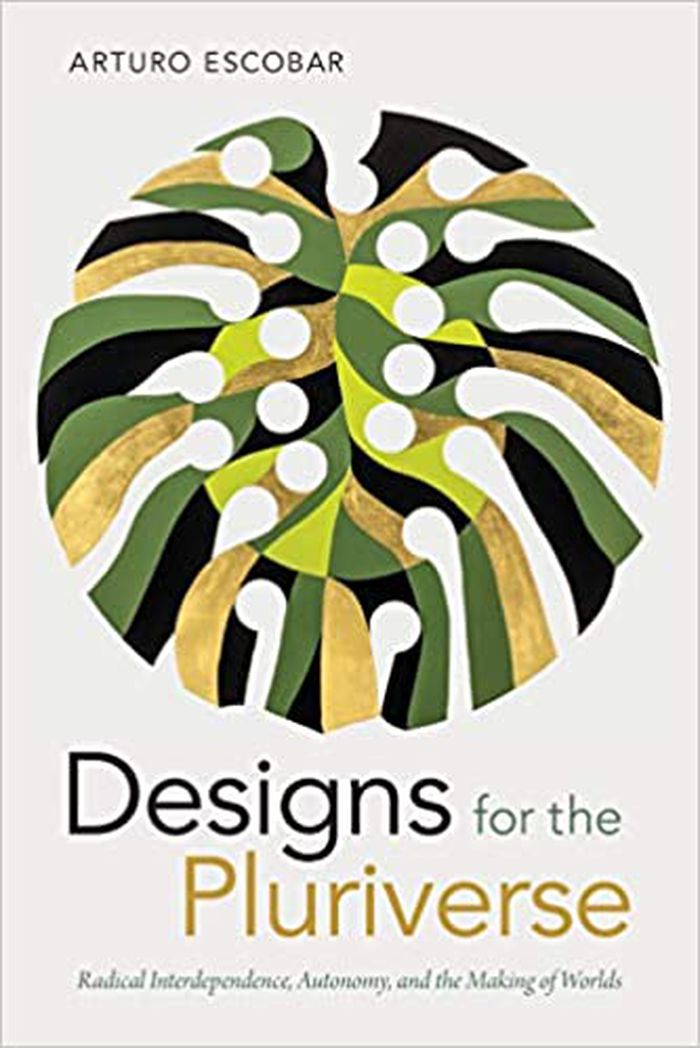
Designs for the pluriverse: Radical interdependence, autonomy, and the making of world
Actions:
Price:
$36.95
(available to order)
Summary:
In ''Designs for the Pluriverse'' Arturo Escobar presents a new vision of design theory and practice aimed at channeling design's world-making capacity toward ways of being and doing that are deeply attuned to justice and the Earth. Noting that most design—from consumer goods and digital technologies to built environments—currently serves capitalist ends, Escobar argues for the development of an 'autonomous design' that eschews commercial and modernizing aims in favor of more collaborative and placed-based approaches. Such design attends to questions of environment, experience, and politics while focusing on the production of human experience based on the radical interdependence of all beings. Mapping autonomous design’s principles to the history of decolonial efforts of indigenous and Afro-descended people in Latin America, Escobar shows how refiguring current design practices could lead to the creation of more just and sustainable social orders.
Designs for the pluriverse: Radical interdependence, autonomy, and the making of world
Actions:
Price:
$36.95
(available to order)
Summary:
In ''Designs for the Pluriverse'' Arturo Escobar presents a new vision of design theory and practice aimed at channeling design's world-making capacity toward ways of being and doing that are deeply attuned to justice and the Earth. Noting that most design—from consumer goods and digital technologies to built environments—currently serves capitalist ends, Escobar argues for the development of an 'autonomous design' that eschews commercial and modernizing aims in favor of more collaborative and placed-based approaches. Such design attends to questions of environment, experience, and politics while focusing on the production of human experience based on the radical interdependence of all beings. Mapping autonomous design’s principles to the history of decolonial efforts of indigenous and Afro-descended people in Latin America, Escobar shows how refiguring current design practices could lead to the creation of more just and sustainable social orders.
Form:
books
books
Publication:
March 2018
March 2018
Subject:
Environment and environmental theory
Environment and environmental theory
Form:
books
books
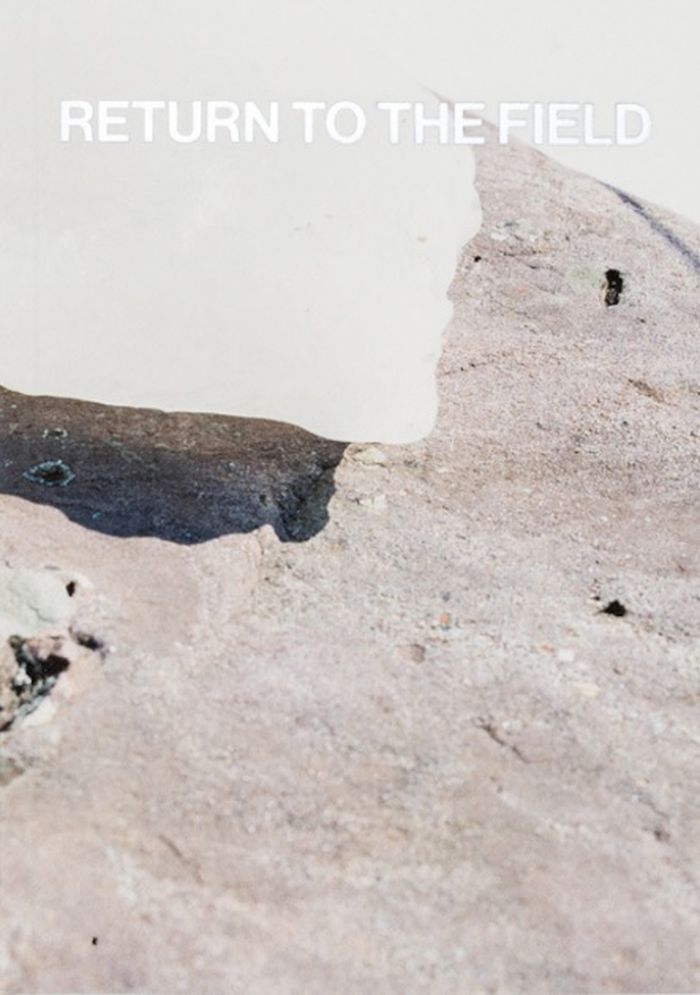
Title:
Return to the field
Return to the field
Actions:
Price:
$24.00
(available to order)
Summary:
''Return to the field'' began as an invitation to consider questions of environment, affect, and mapping emotional and physical points of contact between the human and the landscape alongside visual artist Martha Tuttle and her collaborator and co-editor, poet Gabriel Kruis. Including drawings, poems, photography, sonic maps, and an experimental digital project by Esteban(...)
$24.00
(available to order)
Summary:
''Return to the field'' began as an invitation to consider questions of environment, affect, and mapping emotional and physical points of contact between the human and the landscape alongside visual artist Martha Tuttle and her collaborator and co-editor, poet Gabriel Kruis. Including drawings, poems, photography, sonic maps, and an experimental digital project by Esteban(...)
Title:
Return to the field
Actions:
Price:
$24.00
(available to order)
Summary:
''Return to the field'' began as an invitation to consider questions of environment, affect, and mapping emotional and physical points of contact between the human and the landscape alongside visual artist Martha Tuttle and her collaborator and co-editor, poet Gabriel Kruis. Including drawings, poems, photography, sonic maps, and an experimental digital project by Esteban Cabeza de Baca, Adjua Gargi Nzinga Greaves, David Johnson, Suzanne Kite, Charmaine Lee, Philip Matthews, Nat Ward, and Sara J. Winston, ''Return to the field'' assembles a dense and resonant, multi-vocal conversation threaded together by Kruis’ book-length poem, ''A Connectome.'' ''Return to the field'' is published on the occasion of Martha Tuttle's exhibition and sculptural installation, ''A stone that thinks of Enceladus,'' on view at Storm King Art Center (New Windsor, New York) from July 15, 2020 through November 8, 2021.
Return to the field
Actions:
Price:
$24.00
(available to order)
Summary:
''Return to the field'' began as an invitation to consider questions of environment, affect, and mapping emotional and physical points of contact between the human and the landscape alongside visual artist Martha Tuttle and her collaborator and co-editor, poet Gabriel Kruis. Including drawings, poems, photography, sonic maps, and an experimental digital project by Esteban Cabeza de Baca, Adjua Gargi Nzinga Greaves, David Johnson, Suzanne Kite, Charmaine Lee, Philip Matthews, Nat Ward, and Sara J. Winston, ''Return to the field'' assembles a dense and resonant, multi-vocal conversation threaded together by Kruis’ book-length poem, ''A Connectome.'' ''Return to the field'' is published on the occasion of Martha Tuttle's exhibition and sculptural installation, ''A stone that thinks of Enceladus,'' on view at Storm King Art Center (New Windsor, New York) from July 15, 2020 through November 8, 2021.
Form:
books
books
Publication:
October 2021
October 2021
Subject:
Literature and poetry
Literature and poetry
Form:
books
books
Title:
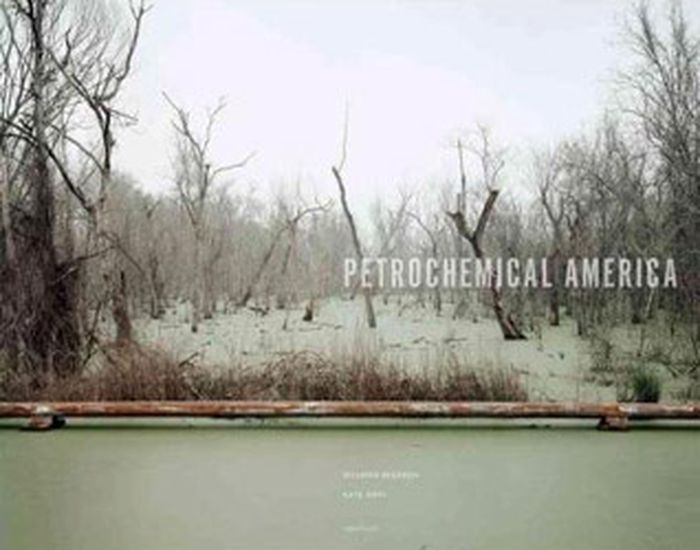
Petrochemical America
Petrochemical America
Actions:
Price:
$80.00
(available to order)
Summary:
Petrochemical America offers an in-depth analysis of the causes of sustained environmental abuse along the largest river system in North America. It combines Richard Misrach's haunting photographs of Louisiana's "Chemical Corridor" with landscape architect Kate Orff's "Ecological Atlas" - a series of speculative drawings developed through intensive research and mapping of(...)
$80.00
(available to order)
Summary:
Petrochemical America offers an in-depth analysis of the causes of sustained environmental abuse along the largest river system in North America. It combines Richard Misrach's haunting photographs of Louisiana's "Chemical Corridor" with landscape architect Kate Orff's "Ecological Atlas" - a series of speculative drawings developed through intensive research and mapping of(...)
Title:
Petrochemical America
Actions:
Price:
$80.00
(available to order)
Summary:
Petrochemical America offers an in-depth analysis of the causes of sustained environmental abuse along the largest river system in North America. It combines Richard Misrach's haunting photographs of Louisiana's "Chemical Corridor" with landscape architect Kate Orff's "Ecological Atlas" - a series of speculative drawings developed through intensive research and mapping of data from the region. Misrach and Orff's joint effort depicts and unpacks the complex cultural, physical and economic ecologies of a particular region along 150 miles of the Mississippi River, from Baton Rouge to New Orleans - an area of intense chemical production that became known as "Cancer Alley" when unusually high occurrences of the disease were discovered in the region. This revelatory collaboration has resulted in a complex document and an extensively researched guidebook to the ways in which the petrochemical industry has permeated every facet of contemporary life.
Petrochemical America
Actions:
Price:
$80.00
(available to order)
Summary:
Petrochemical America offers an in-depth analysis of the causes of sustained environmental abuse along the largest river system in North America. It combines Richard Misrach's haunting photographs of Louisiana's "Chemical Corridor" with landscape architect Kate Orff's "Ecological Atlas" - a series of speculative drawings developed through intensive research and mapping of data from the region. Misrach and Orff's joint effort depicts and unpacks the complex cultural, physical and economic ecologies of a particular region along 150 miles of the Mississippi River, from Baton Rouge to New Orleans - an area of intense chemical production that became known as "Cancer Alley" when unusually high occurrences of the disease were discovered in the region. This revelatory collaboration has resulted in a complex document and an extensively researched guidebook to the ways in which the petrochemical industry has permeated every facet of contemporary life.
Form:
books
books
Publication:
February 2012
February 2012
Subject:
Photography monographs
Photography monographs
Form:
books
books
Title:
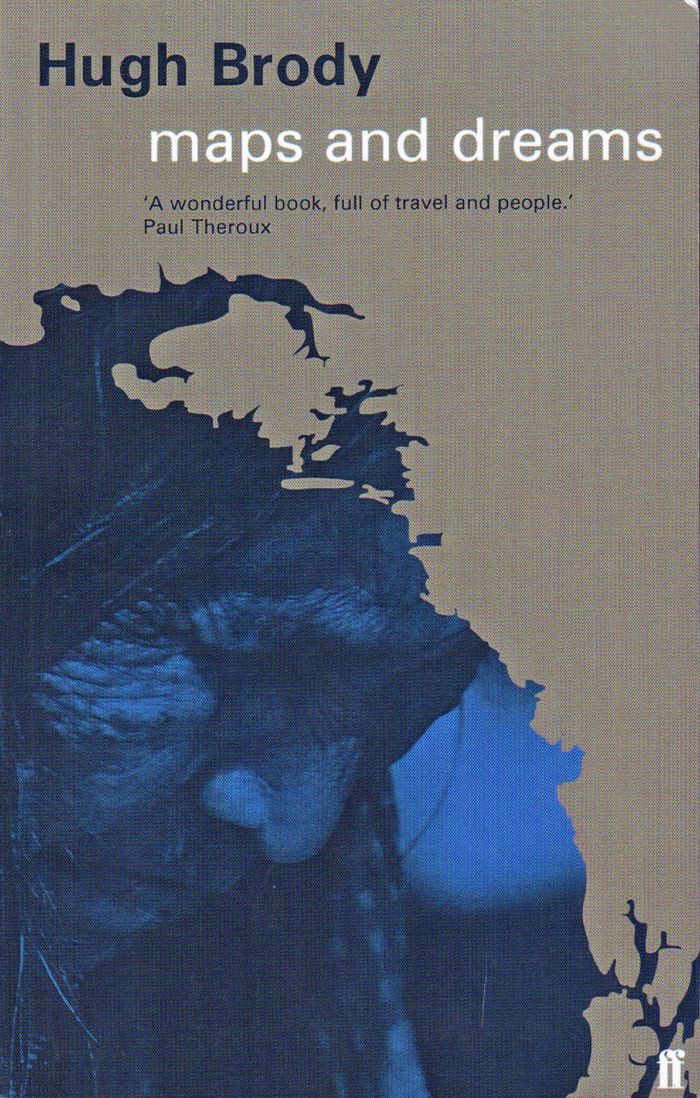
Maps and dreams
Maps and dreams
Actions:
Price:
$24.95
(available to order)
Summary:
The Canadian sub-arctic is a world of forest, prairie and muskeg; of rainbow trout, moose, and caribou; of Indian hunters and trappers. It is also a world of boomtowns and bars, oil rigs and seismic soundings; of white energy speculators, ranchers and sports hunters. Hugh Brody came to this dual wold with the job of 'mapping' the lands of northwest British Columbia as(...)
$24.95
(available to order)
Summary:
The Canadian sub-arctic is a world of forest, prairie and muskeg; of rainbow trout, moose, and caribou; of Indian hunters and trappers. It is also a world of boomtowns and bars, oil rigs and seismic soundings; of white energy speculators, ranchers and sports hunters. Hugh Brody came to this dual wold with the job of 'mapping' the lands of northwest British Columbia as(...)
Title:
Maps and dreams
Actions:
Price:
$24.95
(available to order)
Summary:
The Canadian sub-arctic is a world of forest, prairie and muskeg; of rainbow trout, moose, and caribou; of Indian hunters and trappers. It is also a world of boomtowns and bars, oil rigs and seismic soundings; of white energy speculators, ranchers and sports hunters. Hugh Brody came to this dual wold with the job of 'mapping' the lands of northwest British Columbia as well as the way of life of a small group of Beaver Indians with a viable hunting economy living in the path of a projected oil pipeline. "Maps and dreams" is his account of an extraordinary 18-month journey through the world of a people who have no intention of vanishing into the past. Brody's powerful commentary retraces the history of the ever-expanding white frontier, from the first eighteenth-century explorer to the wildest corporate energy dreams of the present day.
Maps and dreams
Actions:
Price:
$24.95
(available to order)
Summary:
The Canadian sub-arctic is a world of forest, prairie and muskeg; of rainbow trout, moose, and caribou; of Indian hunters and trappers. It is also a world of boomtowns and bars, oil rigs and seismic soundings; of white energy speculators, ranchers and sports hunters. Hugh Brody came to this dual wold with the job of 'mapping' the lands of northwest British Columbia as well as the way of life of a small group of Beaver Indians with a viable hunting economy living in the path of a projected oil pipeline. "Maps and dreams" is his account of an extraordinary 18-month journey through the world of a people who have no intention of vanishing into the past. Brody's powerful commentary retraces the history of the ever-expanding white frontier, from the first eighteenth-century explorer to the wildest corporate energy dreams of the present day.
Form:
books
books
Publication:
March 2002
March 2002
Subject:
Architecture in Canada
Architecture in Canada
Form:
books
books
Title:
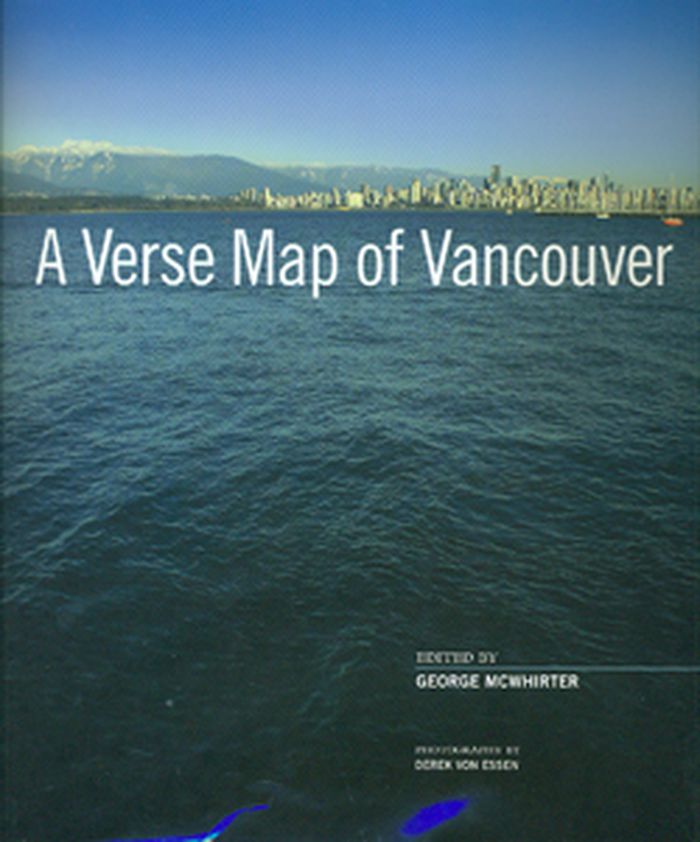
A verse map of Vancouver
A verse map of Vancouver
Actions:
Price:
$45.00
(available in store)
Summary:
A Verse Map of Vancouver fills the gap in Vancouver’s verse geography by mapping the city, its neighbourhoods, its corner and intersections, its parks and landmarks. A Verse Map is a word ordinance survey by poets of the locality, from those whose names have a legendary place (Pat Lowther, George Woodcock) through a roster of verse surveyors — too great a list to include(...)
$45.00
(available in store)
Summary:
A Verse Map of Vancouver fills the gap in Vancouver’s verse geography by mapping the city, its neighbourhoods, its corner and intersections, its parks and landmarks. A Verse Map is a word ordinance survey by poets of the locality, from those whose names have a legendary place (Pat Lowther, George Woodcock) through a roster of verse surveyors — too great a list to include(...)
Title:
A verse map of Vancouver
Actions:
Price:
$45.00
(available in store)
Summary:
A Verse Map of Vancouver fills the gap in Vancouver’s verse geography by mapping the city, its neighbourhoods, its corner and intersections, its parks and landmarks. A Verse Map is a word ordinance survey by poets of the locality, from those whose names have a legendary place (Pat Lowther, George Woodcock) through a roster of verse surveyors — too great a list to include them all here — who have established themselves over the last three to four decades (John Pass, Evelyn Lau, John Donlan, Daphne Marlatt, Roy Miki, George Stanley, Linda Rogers, Tom Wayman, Meredith Quartermain, Kate Braid, Brian Brett, Bud Osborn) on through to the current generation who are etching their marks on the city (Catherine Owen, Rita Wong, Chris Hutchinson, Mark Cochrane, Russell Thornton, Kuldip Gill, Fiona Lam). Upwards of 100 poets have been gathered here accompanied by the rich city photography of Vancouver artist and designer Derek von Essen.
A verse map of Vancouver
Actions:
Price:
$45.00
(available in store)
Summary:
A Verse Map of Vancouver fills the gap in Vancouver’s verse geography by mapping the city, its neighbourhoods, its corner and intersections, its parks and landmarks. A Verse Map is a word ordinance survey by poets of the locality, from those whose names have a legendary place (Pat Lowther, George Woodcock) through a roster of verse surveyors — too great a list to include them all here — who have established themselves over the last three to four decades (John Pass, Evelyn Lau, John Donlan, Daphne Marlatt, Roy Miki, George Stanley, Linda Rogers, Tom Wayman, Meredith Quartermain, Kate Braid, Brian Brett, Bud Osborn) on through to the current generation who are etching their marks on the city (Catherine Owen, Rita Wong, Chris Hutchinson, Mark Cochrane, Russell Thornton, Kuldip Gill, Fiona Lam). Upwards of 100 poets have been gathered here accompanied by the rich city photography of Vancouver artist and designer Derek von Essen.
Form:
books
books
Publication:
March 2009
March 2009
Subject:
Architecture de Montréal
Architecture de Montréal
Form:
books
books
Actions:
Price:
$28.00
(available to order)
Summary:
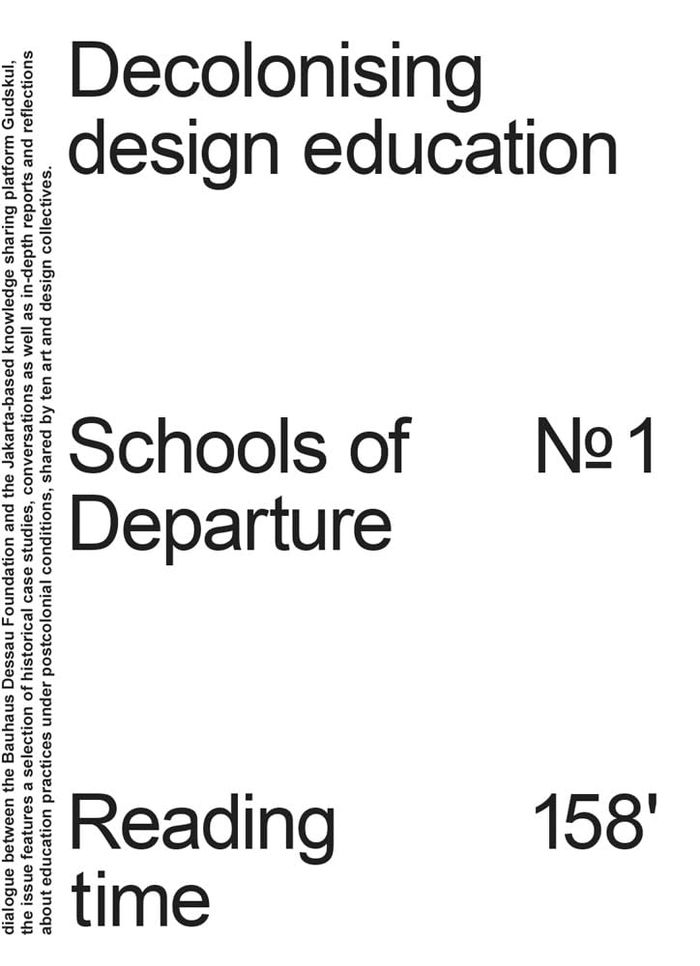
Addressing the histories and speculating on the futures of radical design and art education, "Decolonising design education" looks at the role that different institutional modes play in these endeavors. Developed in a dialogue among Regina Bittner, Katja Klaus and Philipp Sack (Bauhaus Dessau Foundation) and JJ Adibrata and farid rakun (Gudskul), the publication features(...)
$28.00
(available to order)
Summary:
Addressing the histories and speculating on the futures of radical design and art education, "Decolonising design education" looks at the role that different institutional modes play in these endeavors. Developed in a dialogue among Regina Bittner, Katja Klaus and Philipp Sack (Bauhaus Dessau Foundation) and JJ Adibrata and farid rakun (Gudskul), the publication features(...)
Title:
Decolonising design education: Schools of departure no.1
Actions:
Price:
$28.00
(available to order)
Summary:
Addressing the histories and speculating on the futures of radical design and art education, "Decolonising design education" looks at the role that different institutional modes play in these endeavors. Developed in a dialogue among Regina Bittner, Katja Klaus and Philipp Sack (Bauhaus Dessau Foundation) and JJ Adibrata and farid rakun (Gudskul), the publication features a selection of historical case studies, conversations and in-depth reports about education practices in formerly colonized regions, shared by 10 art and design collectives. The publication is part of the Schools of Departure series, jointly published with a digital atlas mapping experiments in art and design education beyond the Bauhaus. By studying these phenomena as manifestations of "traveling concepts," which keep a wide variety of educational approaches in a process of constant exchange and motion, the publication explores routes of appropriation that move between different geographies, times and cultures.
Decolonising design education: Schools of departure no.1
Actions:
Price:
$28.00
(available to order)
Summary:
Addressing the histories and speculating on the futures of radical design and art education, "Decolonising design education" looks at the role that different institutional modes play in these endeavors. Developed in a dialogue among Regina Bittner, Katja Klaus and Philipp Sack (Bauhaus Dessau Foundation) and JJ Adibrata and farid rakun (Gudskul), the publication features a selection of historical case studies, conversations and in-depth reports about education practices in formerly colonized regions, shared by 10 art and design collectives. The publication is part of the Schools of Departure series, jointly published with a digital atlas mapping experiments in art and design education beyond the Bauhaus. By studying these phenomena as manifestations of "traveling concepts," which keep a wide variety of educational approaches in a process of constant exchange and motion, the publication explores routes of appropriation that move between different geographies, times and cultures.
Form:
books
books
Publication:
March 2024
March 2024
Subject:
Design Theory
Design Theory
Form:
books
books
Price:
$36.50
(available in store)
Summary:
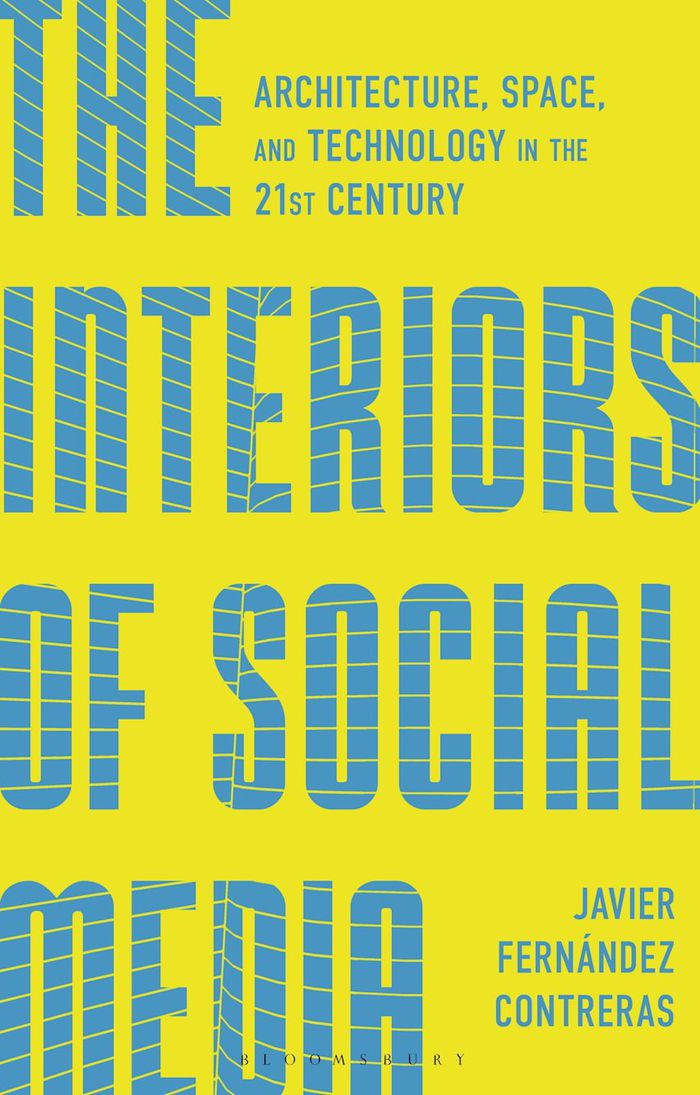
''The Interiors of Social Media'' explores the relationship between architecture, interiors, and social media, guiding us through today's digital landscape to reveal where the virtual and physical worlds meet. From influencer bedrooms and gaming setups to humanitarian shelters, pet influencer homes, and porn rooms, Javier Fernández Contreras reveals how social media(...)
$36.50
(available in store)
Summary:
''The Interiors of Social Media'' explores the relationship between architecture, interiors, and social media, guiding us through today's digital landscape to reveal where the virtual and physical worlds meet. From influencer bedrooms and gaming setups to humanitarian shelters, pet influencer homes, and porn rooms, Javier Fernández Contreras reveals how social media(...)
Title:
The interiors of social media: Architecture, space and technology
Actions:
Price:
$36.50
(available in store)
Summary:
''The Interiors of Social Media'' explores the relationship between architecture, interiors, and social media, guiding us through today's digital landscape to reveal where the virtual and physical worlds meet. From influencer bedrooms and gaming setups to humanitarian shelters, pet influencer homes, and porn rooms, Javier Fernández Contreras reveals how social media does not merely depict interiors, but actively scripts new spatial types: homes that are both private and hyper-public, domestic yet performative, and material yet algorithmic. By mapping platform spatialities and tracing the themes that connect them, he examines interiors as sites of consumerism, display, and mediatization - environments that expose the ethical, political, and ecological implications of 21st-century digital culture. Drawing on architecture, media studies, and digital humanities, «The Interiors of Social Media » offers a critical lens on how online interactions are woven into everyday life and invites us to rethink architecture in the age of the algorithm.
The interiors of social media: Architecture, space and technology
Actions:
Price:
$36.50
(available in store)
Summary:
''The Interiors of Social Media'' explores the relationship between architecture, interiors, and social media, guiding us through today's digital landscape to reveal where the virtual and physical worlds meet. From influencer bedrooms and gaming setups to humanitarian shelters, pet influencer homes, and porn rooms, Javier Fernández Contreras reveals how social media does not merely depict interiors, but actively scripts new spatial types: homes that are both private and hyper-public, domestic yet performative, and material yet algorithmic. By mapping platform spatialities and tracing the themes that connect them, he examines interiors as sites of consumerism, display, and mediatization - environments that expose the ethical, political, and ecological implications of 21st-century digital culture. Drawing on architecture, media studies, and digital humanities, «The Interiors of Social Media » offers a critical lens on how online interactions are woven into everyday life and invites us to rethink architecture in the age of the algorithm.
Form:
books
books
Publication:
June 2026
June 2026
Subject:
Social
Social


