


10592 Results
Form:
books
books
Actions:
Price:
$54.00
(available to order)
Summary:
In 1929, the great Swiss historian and architecture critic Sigfried Giedion (1888–1968)—later the author of the classics "Space, Time and Architecture" (1941) and "Mechanization Takes Command" (1948)—issued Befreites Wohnen (Liberated Dwelling), a small but vocal architecture manifesto and an early expression of modernist housing ideology. From the vision of an(...)
$54.00
(available to order)
Summary:
In 1929, the great Swiss historian and architecture critic Sigfried Giedion (1888–1968)—later the author of the classics "Space, Time and Architecture" (1941) and "Mechanization Takes Command" (1948)—issued Befreites Wohnen (Liberated Dwelling), a small but vocal architecture manifesto and an early expression of modernist housing ideology. From the vision of an(...)
Title:
Sigfried Giedion: Liberated dwelling (Befreites Wohnen)
Actions:
Price:
$54.00
(available to order)
Summary:
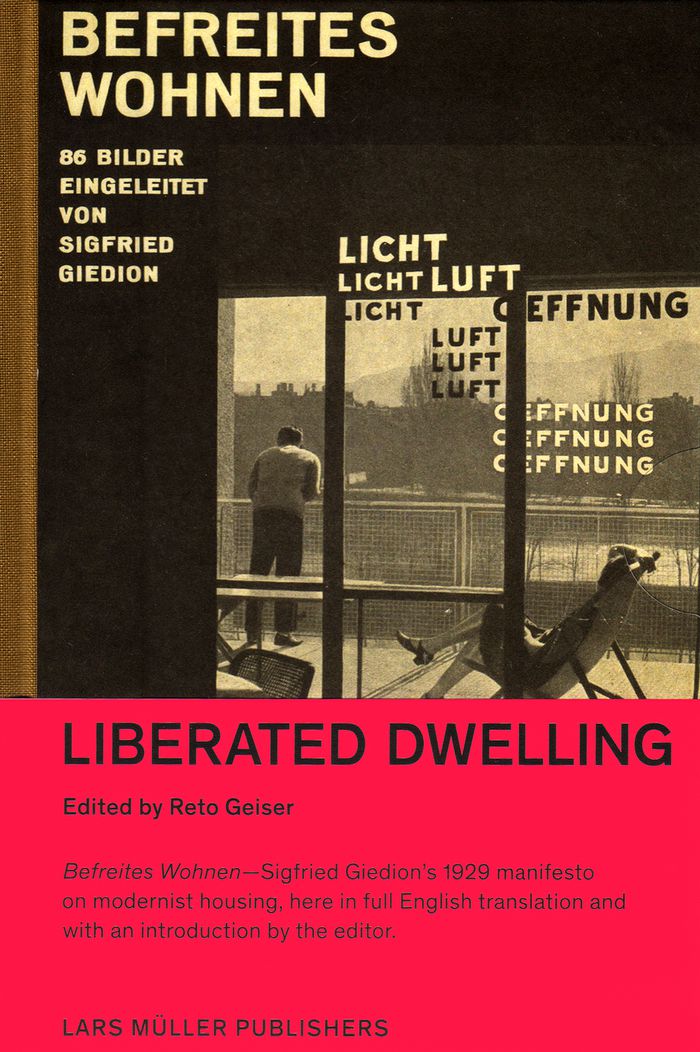
In 1929, the great Swiss historian and architecture critic Sigfried Giedion (1888–1968)—later the author of the classics "Space, Time and Architecture" (1941) and "Mechanization Takes Command" (1948)—issued Befreites Wohnen (Liberated Dwelling), a small but vocal architecture manifesto and an early expression of modernist housing ideology. From the vision of an international architectural modernism (a mission with which Giedion was involved as the first secretary-general of the International Congresses of Modern Architecture, between 1928 and 1959) to debates on the industrialization of construction processes and their impact on public housing, Liberated Dwelling expresses the dreams and anxieties of early 20th-century modernist architecture.
Sigfried Giedion: Liberated dwelling (Befreites Wohnen)
Actions:
Price:
$54.00
(available to order)
Summary:
In 1929, the great Swiss historian and architecture critic Sigfried Giedion (1888–1968)—later the author of the classics "Space, Time and Architecture" (1941) and "Mechanization Takes Command" (1948)—issued Befreites Wohnen (Liberated Dwelling), a small but vocal architecture manifesto and an early expression of modernist housing ideology. From the vision of an international architectural modernism (a mission with which Giedion was involved as the first secretary-general of the International Congresses of Modern Architecture, between 1928 and 1959) to debates on the industrialization of construction processes and their impact on public housing, Liberated Dwelling expresses the dreams and anxieties of early 20th-century modernist architecture.
Form:
books
books
Publication:
February 2019
February 2019
Subject:
Architectural Theory
Architectural Theory
Form:
books
books
Title:
L’hypothèse collaborative
L’hypothèse collaborative
Actions:
Price:
$44.00
(available to order)
Summary:
« L'hypothèse collaborative » est sorti dans le cadre du projet « Lieux infinis » de l'équipe Encore Heureux, commissaire du Pavillon français de la seizième biennale internationale d'architecture de Venise. Ce projet éditorial vise à établir une cartographie problématisée des savoir-faire inventifs, expérimentations heureuses ou malheureuses des “collectifs” français.(...)
$44.00
(available to order)
Summary:
« L'hypothèse collaborative » est sorti dans le cadre du projet « Lieux infinis » de l'équipe Encore Heureux, commissaire du Pavillon français de la seizième biennale internationale d'architecture de Venise. Ce projet éditorial vise à établir une cartographie problématisée des savoir-faire inventifs, expérimentations heureuses ou malheureuses des “collectifs” français.(...)
Title:
L’hypothèse collaborative
Actions:
Price:
$44.00
(available to order)
Summary:
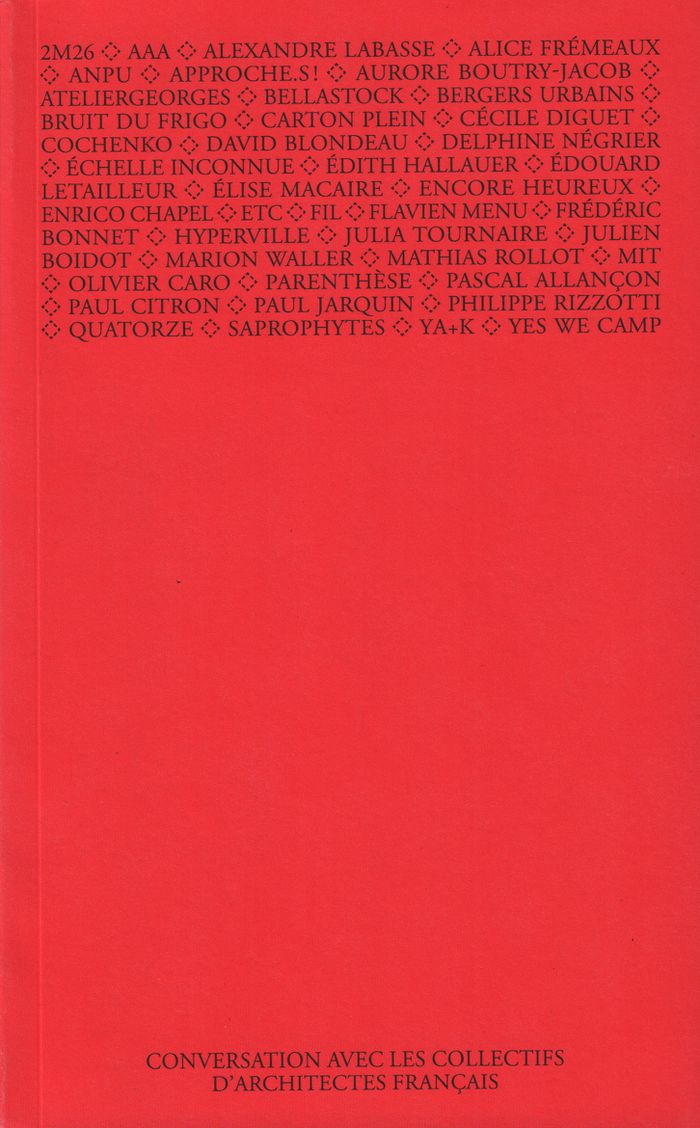
« L'hypothèse collaborative » est sorti dans le cadre du projet « Lieux infinis » de l'équipe Encore Heureux, commissaire du Pavillon français de la seizième biennale internationale d'architecture de Venise. Ce projet éditorial vise à établir une cartographie problématisée des savoir-faire inventifs, expérimentations heureuses ou malheureuses des “collectifs” français. Les nouveaux enjeux écologiques, possibilités technologiques et données économiques posent questions, et poussent architectes, urbanistes et paysagistes à se tourner vers d’autres voies, méthodologies et finalités alternatives. Comment penser le devenir des territoires dans l’optique d’intégrer l’imprévu, le spontané, l’autonomie habitante? Sur quelles bases et énergies s’appuyer pour concevoir des dynamiques urbaines et rurales plus cohérentes et soutenables ? Notre hypothèse est celle de la collaboration. C’est à un travail de cartographie et d’interrogation de ces nouvelles capacités collaboratives que tente de se livrer ce projet : une éloge de la collaboration, mais aussi une tentative d’en cerner les potentialités latentes, limites, dangers et dérives.
L’hypothèse collaborative
Actions:
Price:
$44.00
(available to order)
Summary:
« L'hypothèse collaborative » est sorti dans le cadre du projet « Lieux infinis » de l'équipe Encore Heureux, commissaire du Pavillon français de la seizième biennale internationale d'architecture de Venise. Ce projet éditorial vise à établir une cartographie problématisée des savoir-faire inventifs, expérimentations heureuses ou malheureuses des “collectifs” français. Les nouveaux enjeux écologiques, possibilités technologiques et données économiques posent questions, et poussent architectes, urbanistes et paysagistes à se tourner vers d’autres voies, méthodologies et finalités alternatives. Comment penser le devenir des territoires dans l’optique d’intégrer l’imprévu, le spontané, l’autonomie habitante? Sur quelles bases et énergies s’appuyer pour concevoir des dynamiques urbaines et rurales plus cohérentes et soutenables ? Notre hypothèse est celle de la collaboration. C’est à un travail de cartographie et d’interrogation de ces nouvelles capacités collaboratives que tente de se livrer ce projet : une éloge de la collaboration, mais aussi une tentative d’en cerner les potentialités latentes, limites, dangers et dérives.
Form:
books
books
Publication:
May 2018
May 2018
Subject:
Urban Theory
Urban Theory
Form:
books
books
Price:
$47.50
(available to order)
Summary:
"City of Play" shows how play is built into the very fabric of the modern city. From playgrounds to theme parks, skittle alleys to swimming pools, to the countless uncontrolled spaces which the urban habitat affords play is by no means just a childhood affair. A myriad essentially unproductive playful pursuits have, through time, modelled the modern city and landscape.(...)
$47.50
(available to order)
Summary:
"City of Play" shows how play is built into the very fabric of the modern city. From playgrounds to theme parks, skittle alleys to swimming pools, to the countless uncontrolled spaces which the urban habitat affords play is by no means just a childhood affair. A myriad essentially unproductive playful pursuits have, through time, modelled the modern city and landscape.(...)
Title:
City of play: an architectural and urban history of recreation and leisure
Actions:
Price:
$47.50
(available to order)
Summary:
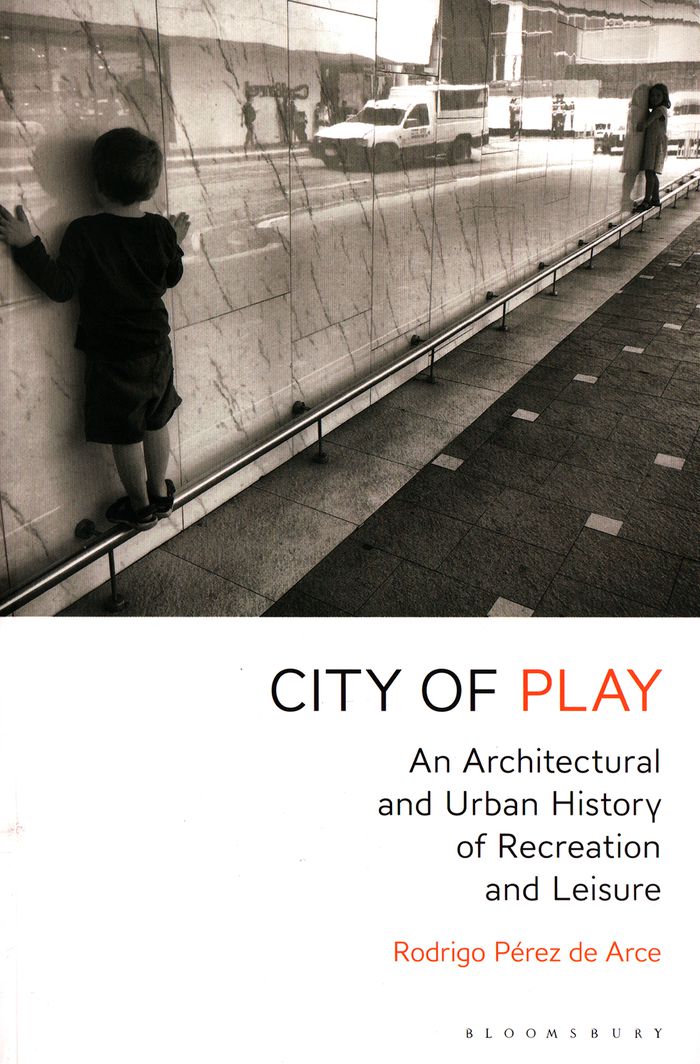
"City of Play" shows how play is built into the very fabric of the modern city. From playgrounds to theme parks, skittle alleys to swimming pools, to the countless uncontrolled spaces which the urban habitat affords play is by no means just a childhood affair. A myriad essentially unproductive playful pursuits have, through time, modelled the modern city and landscape. Architect and scholar Rodrigo Pérez de Arces erudite, original, and often surprising study explores a curiously neglected dimension of architectural design and practice: ludic space. It is an architectural history of the playground from the hippodrome to the Situationist city of space released from productive ends in the pursuit of leisure. The ludic imagination impregnated modernist ideals, and what begins with the playground ends with a re-consideration of the whole sweep of the modern movement through the filter of leisure and play.
City of play: an architectural and urban history of recreation and leisure
Actions:
Price:
$47.50
(available to order)
Summary:
"City of Play" shows how play is built into the very fabric of the modern city. From playgrounds to theme parks, skittle alleys to swimming pools, to the countless uncontrolled spaces which the urban habitat affords play is by no means just a childhood affair. A myriad essentially unproductive playful pursuits have, through time, modelled the modern city and landscape. Architect and scholar Rodrigo Pérez de Arces erudite, original, and often surprising study explores a curiously neglected dimension of architectural design and practice: ludic space. It is an architectural history of the playground from the hippodrome to the Situationist city of space released from productive ends in the pursuit of leisure. The ludic imagination impregnated modernist ideals, and what begins with the playground ends with a re-consideration of the whole sweep of the modern movement through the filter of leisure and play.
Form:
books
books
Publication:
May 2018
May 2018
Subject:
Urban Theory
Urban Theory
Form:
books
books
Title:
The printed and the built: architecture, print culture and public debate in the nineteenth century
The printed and the built: architecture, print culture and public debate in the nineteenth century
Actions:
Price:
$49.95
(available to order)
Summary:
This publication explores the intricate relationship between architecture and printed media in the fast-changing nineteenth century. Publication history is a rapidly expanding scholarly field which has profoundly influenced architectural history in recent years. Yet, while groundbreaking work has been done on architecture and printing in the Renaissance, the(...)
$49.95
(available to order)
Summary:
This publication explores the intricate relationship between architecture and printed media in the fast-changing nineteenth century. Publication history is a rapidly expanding scholarly field which has profoundly influenced architectural history in recent years. Yet, while groundbreaking work has been done on architecture and printing in the Renaissance, the(...)
Title:
The printed and the built: architecture, print culture and public debate in the nineteenth century
Actions:
Price:
$49.95
(available to order)
Summary:
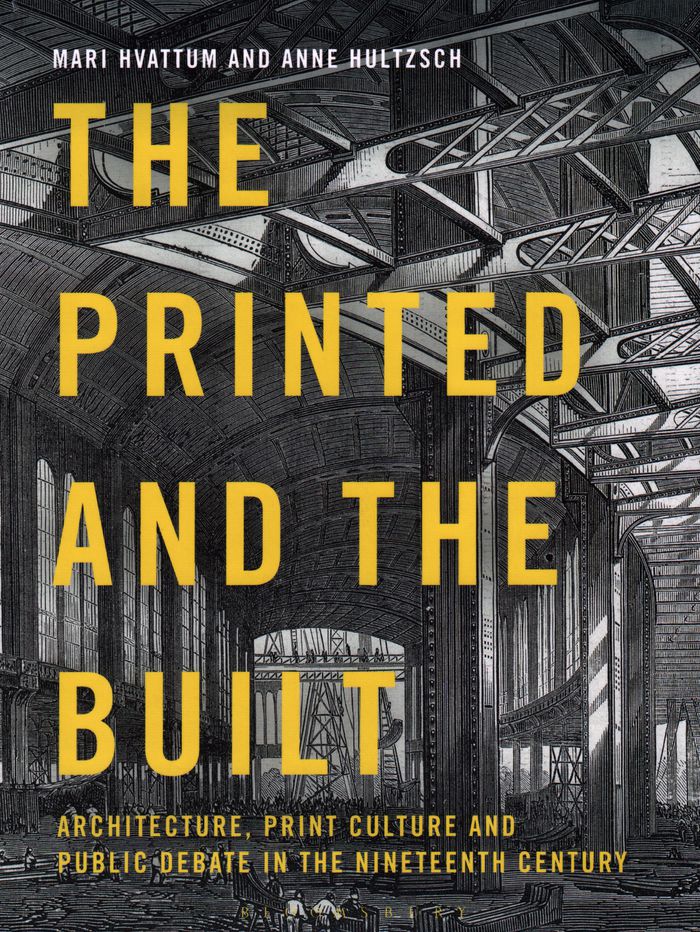
This publication explores the intricate relationship between architecture and printed media in the fast-changing nineteenth century. Publication history is a rapidly expanding scholarly field which has profoundly influenced architectural history in recent years. Yet, while groundbreaking work has been done on architecture and printing in the Renaissance, the Enlightenment, and the twentieth century, the nineteenth century has received little attention. This is the omission that 'The Printed and the Built' seeks to address, thus filling a significant gap in the understanding of architecture's cultural history.
The printed and the built: architecture, print culture and public debate in the nineteenth century
Actions:
Price:
$49.95
(available to order)
Summary:
This publication explores the intricate relationship between architecture and printed media in the fast-changing nineteenth century. Publication history is a rapidly expanding scholarly field which has profoundly influenced architectural history in recent years. Yet, while groundbreaking work has been done on architecture and printing in the Renaissance, the Enlightenment, and the twentieth century, the nineteenth century has received little attention. This is the omission that 'The Printed and the Built' seeks to address, thus filling a significant gap in the understanding of architecture's cultural history.
Form:
books
books
Publication:
June 2018
June 2018
Subject:
Architectural Theory
Architectural Theory
Form:
books
books

Title:
The bedroom
The bedroom
Actions:
Price:
$39.95
(available to order)
Summary:
The winner of France's prestigious Prix Femina Essai (2009), this book explores the many dimensions of the room in which we spend so much of our lives—the bedroom. Eminent cultural historian Michelle Perrot traces the evolution of the bedroom from the time of the ancient Greeks and Romans to today, examining its myriad forms and functions, from royal king's chamber to(...)
$39.95
(available to order)
Summary:
The winner of France's prestigious Prix Femina Essai (2009), this book explores the many dimensions of the room in which we spend so much of our lives—the bedroom. Eminent cultural historian Michelle Perrot traces the evolution of the bedroom from the time of the ancient Greeks and Romans to today, examining its myriad forms and functions, from royal king's chamber to(...)
Title:
The bedroom
Actions:
Price:
$39.95
(available to order)
Summary:
The winner of France's prestigious Prix Femina Essai (2009), this book explores the many dimensions of the room in which we spend so much of our lives—the bedroom. Eminent cultural historian Michelle Perrot traces the evolution of the bedroom from the time of the ancient Greeks and Romans to today, examining its myriad forms and functions, from royal king's chamber to child's sleeping quarters to lovers' trysting place to monk's cell. The history of women, so eager for a room of their own, and that of prisons, where the principal cause of suffering is the lack of privacy, is interwoven with a reflection on secrecy, walls, the night and its mysteries.Drawing from a wide range of sources, including architectural and design treatises, private journals, novels, memoirs, and correspondences, Perrot's book follows the many roads that lead to the bedroom—birth, sex, illness, death—in its endeavor to expose the most intimate, nocturnal side of human history.
The bedroom
Actions:
Price:
$39.95
(available to order)
Summary:
The winner of France's prestigious Prix Femina Essai (2009), this book explores the many dimensions of the room in which we spend so much of our lives—the bedroom. Eminent cultural historian Michelle Perrot traces the evolution of the bedroom from the time of the ancient Greeks and Romans to today, examining its myriad forms and functions, from royal king's chamber to child's sleeping quarters to lovers' trysting place to monk's cell. The history of women, so eager for a room of their own, and that of prisons, where the principal cause of suffering is the lack of privacy, is interwoven with a reflection on secrecy, walls, the night and its mysteries.Drawing from a wide range of sources, including architectural and design treatises, private journals, novels, memoirs, and correspondences, Perrot's book follows the many roads that lead to the bedroom—birth, sex, illness, death—in its endeavor to expose the most intimate, nocturnal side of human history.
Form:
books
books
Publication:
August 2018
August 2018
Subject:
Architectural Theory
Architectural Theory
Form:
books
books
Price:
$55.95
(available to order)
Summary:
Founded in 2003, Design Observer inscribes its mission on its homepage: Writings about Design and Culture. Since its inception, the site has consistently embraced a broader, more interdisciplinary, and circumspect view of design's value in the world- one not limited by materialism, trends, or the slipperiness of style. Dedicated to the pursuit of originality, imagination,(...)
$55.95
(available to order)
Summary:
Founded in 2003, Design Observer inscribes its mission on its homepage: Writings about Design and Culture. Since its inception, the site has consistently embraced a broader, more interdisciplinary, and circumspect view of design's value in the world- one not limited by materialism, trends, or the slipperiness of style. Dedicated to the pursuit of originality, imagination,(...)
Title:
Culture is not always popular: fifteen years of design observer
Actions:
Price:
$55.95
(available to order)
Summary:
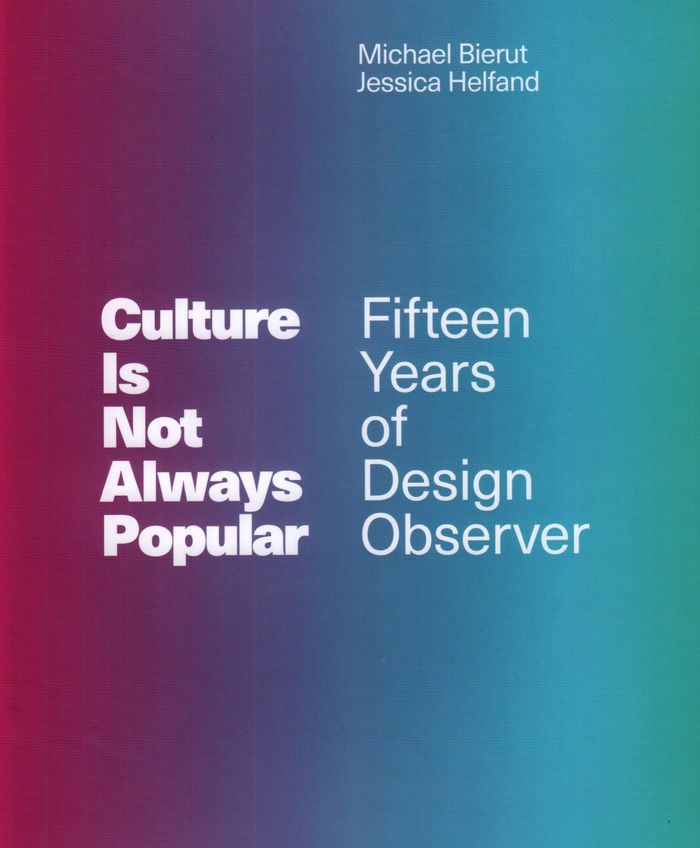
Founded in 2003, Design Observer inscribes its mission on its homepage: Writings about Design and Culture. Since its inception, the site has consistently embraced a broader, more interdisciplinary, and circumspect view of design's value in the world- one not limited by materialism, trends, or the slipperiness of style. Dedicated to the pursuit of originality, imagination, and close cultural analysis, Design Observer quickly became a lively forum for readers in the international design community. Fifteen years, 6,700 articles, 900 authors, and nearly 30,000 comments later, this book is a combination primer, celebration, survey, and salute to a certain moment in online culture.
Culture is not always popular: fifteen years of design observer
Actions:
Price:
$55.95
(available to order)
Summary:
Founded in 2003, Design Observer inscribes its mission on its homepage: Writings about Design and Culture. Since its inception, the site has consistently embraced a broader, more interdisciplinary, and circumspect view of design's value in the world- one not limited by materialism, trends, or the slipperiness of style. Dedicated to the pursuit of originality, imagination, and close cultural analysis, Design Observer quickly became a lively forum for readers in the international design community. Fifteen years, 6,700 articles, 900 authors, and nearly 30,000 comments later, this book is a combination primer, celebration, survey, and salute to a certain moment in online culture.
Form:
books
books
Publication:
January 2019
January 2019
Subject:
Design Theory
Design Theory
Form:
books
books
Actions:
Price:
$32.95
(available to order)
Summary:
Sometimes designed objects reject their users: a computer mouse that doesn't work for left-handed people, for example, or a touchscreen payment system that only works for people who read English phrases, have 20/20 vision, and use a credit card. Something as simple as color choices can render a product unusable for millions. These mismatches are the building blocks of(...)
$32.95
(available to order)
Summary:
Sometimes designed objects reject their users: a computer mouse that doesn't work for left-handed people, for example, or a touchscreen payment system that only works for people who read English phrases, have 20/20 vision, and use a credit card. Something as simple as color choices can render a product unusable for millions. These mismatches are the building blocks of(...)
Title:
Mismatch: how inclusion shapes design
Actions:
Price:
$32.95
(available to order)
Summary:
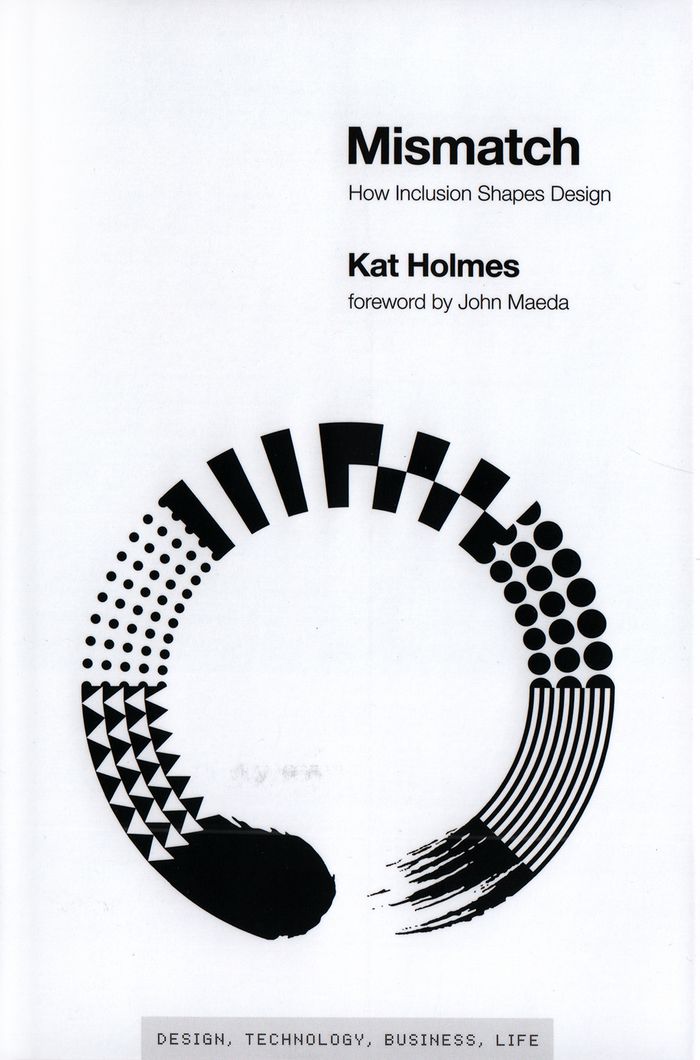
Sometimes designed objects reject their users: a computer mouse that doesn't work for left-handed people, for example, or a touchscreen payment system that only works for people who read English phrases, have 20/20 vision, and use a credit card. Something as simple as color choices can render a product unusable for millions. These mismatches are the building blocks of exclusion. In Mismatch, Kat Holmes describes how design can lead to exclusion, and how design can also remedy exclusion. Inclusive design methods?designing objects with rather than for excluded users?can create elegant solutions that work well and benefit all.
Mismatch: how inclusion shapes design
Actions:
Price:
$32.95
(available to order)
Summary:
Sometimes designed objects reject their users: a computer mouse that doesn't work for left-handed people, for example, or a touchscreen payment system that only works for people who read English phrases, have 20/20 vision, and use a credit card. Something as simple as color choices can render a product unusable for millions. These mismatches are the building blocks of exclusion. In Mismatch, Kat Holmes describes how design can lead to exclusion, and how design can also remedy exclusion. Inclusive design methods?designing objects with rather than for excluded users?can create elegant solutions that work well and benefit all.
Form:
books
books
Publication:
October 2018
October 2018
Subject:
Design Theory
Design Theory
Form:
books
books
Price:
$31.95
(available to order)
Summary:
Frank Lloyd Wright invented the garage when he moved the automobile out of the stable into a room of its own. Steve Jobs and Steve Wozniak (allegedly) started Apple Computer in a garage. Suburban men turned garages into man caves to escape from family life. Nirvana and No Doubt played their first chords as garage bands. What began as an architectural construct became a(...)
$31.95
(available to order)
Summary:
Frank Lloyd Wright invented the garage when he moved the automobile out of the stable into a room of its own. Steve Jobs and Steve Wozniak (allegedly) started Apple Computer in a garage. Suburban men turned garages into man caves to escape from family life. Nirvana and No Doubt played their first chords as garage bands. What began as an architectural construct became a(...)
Title:
Garage
Actions:
Price:
$31.95
(available to order)
Summary:
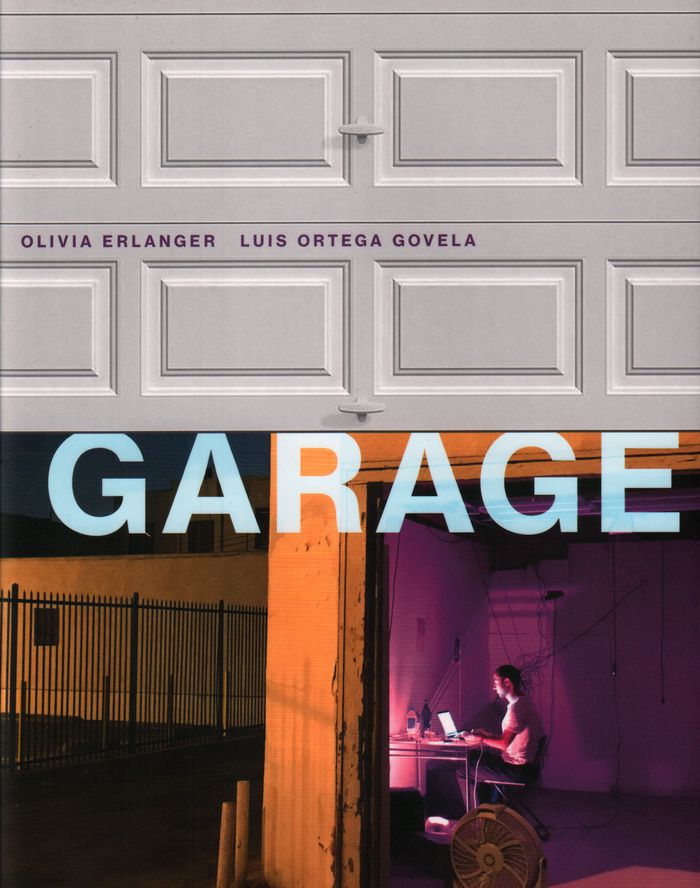
Frank Lloyd Wright invented the garage when he moved the automobile out of the stable into a room of its own. Steve Jobs and Steve Wozniak (allegedly) started Apple Computer in a garage. Suburban men turned garages into man caves to escape from family life. Nirvana and No Doubt played their first chords as garage bands. What began as an architectural construct became a cultural construct. In this history and deconstruction of an American icon, Olivia Erlanger and Luis Ortega Govela use the garage as a lens through which to view the advent of suburbia, the myth of the perfect family, and the degradation of the American dream.
Garage
Actions:
Price:
$31.95
(available to order)
Summary:
Frank Lloyd Wright invented the garage when he moved the automobile out of the stable into a room of its own. Steve Jobs and Steve Wozniak (allegedly) started Apple Computer in a garage. Suburban men turned garages into man caves to escape from family life. Nirvana and No Doubt played their first chords as garage bands. What began as an architectural construct became a cultural construct. In this history and deconstruction of an American icon, Olivia Erlanger and Luis Ortega Govela use the garage as a lens through which to view the advent of suburbia, the myth of the perfect family, and the degradation of the American dream.
Form:
books
books
Publication:
October 2018
October 2018
Subject:
Architectural Theory
Architectural Theory
Form:
books
books
Actions:
Price:
$49.95
(available to order)
Summary:
Under the unforgiving sun of southern California's Colorado Desert lies Slab City, a community of squatters, artists, snowbirds, migrants, survivalists, and homeless people. Called by some “the last free place” and by others “an enclave of anarchy,” Slab City is also the end of the road for many. Without official electricity, running water, sewers, or trash pickup, Slab(...)
$49.95
(available to order)
Summary:
Under the unforgiving sun of southern California's Colorado Desert lies Slab City, a community of squatters, artists, snowbirds, migrants, survivalists, and homeless people. Called by some “the last free place” and by others “an enclave of anarchy,” Slab City is also the end of the road for many. Without official electricity, running water, sewers, or trash pickup, Slab(...)
Title:
Slab city: dispatches from the last free place
Actions:
Price:
$49.95
(available to order)
Summary:
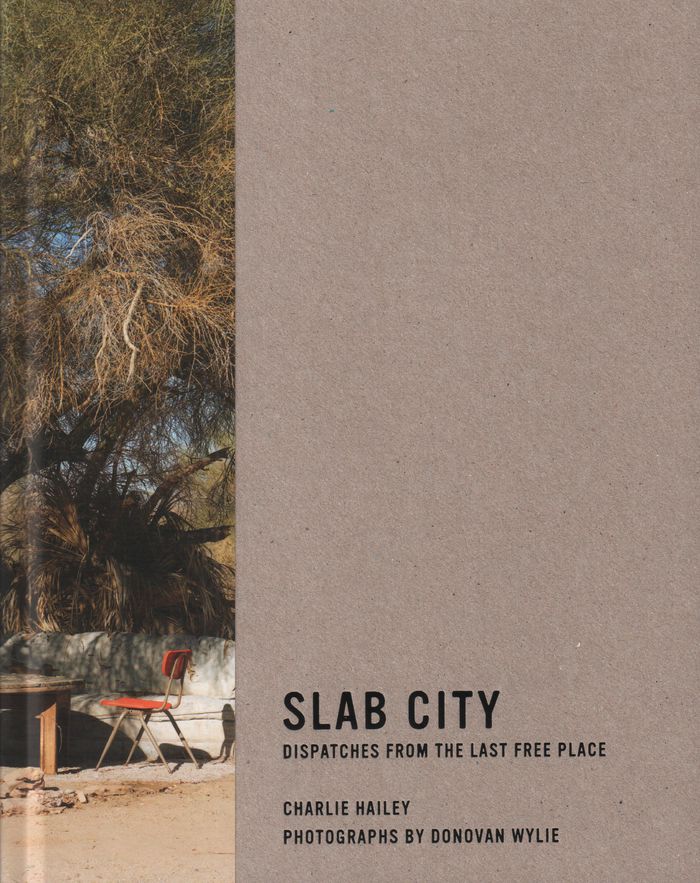
Under the unforgiving sun of southern California's Colorado Desert lies Slab City, a community of squatters, artists, snowbirds, migrants, survivalists, and homeless people. Called by some “the last free place” and by others “an enclave of anarchy,” Slab City is also the end of the road for many. Without official electricity, running water, sewers, or trash pickup, Slab City dwellers also live without law enforcement, taxation, or administration. Built on the concrete slabs of Camp Dunlap, an abandoned Marine training base, the settlement maintains its off-grid aspirations within the site's residual military perimeters and gridded street layout; off-grid is really in-grid. In this book, architect Charlie Hailey and photographer Donovan Wylie explore the contradictions of Slab City.
Slab city: dispatches from the last free place
Actions:
Price:
$49.95
(available to order)
Summary:
Under the unforgiving sun of southern California's Colorado Desert lies Slab City, a community of squatters, artists, snowbirds, migrants, survivalists, and homeless people. Called by some “the last free place” and by others “an enclave of anarchy,” Slab City is also the end of the road for many. Without official electricity, running water, sewers, or trash pickup, Slab City dwellers also live without law enforcement, taxation, or administration. Built on the concrete slabs of Camp Dunlap, an abandoned Marine training base, the settlement maintains its off-grid aspirations within the site's residual military perimeters and gridded street layout; off-grid is really in-grid. In this book, architect Charlie Hailey and photographer Donovan Wylie explore the contradictions of Slab City.
Form:
books
books
Publication:
October 2018
October 2018
Subject:
Urban Theory
Urban Theory
Form:
books
books
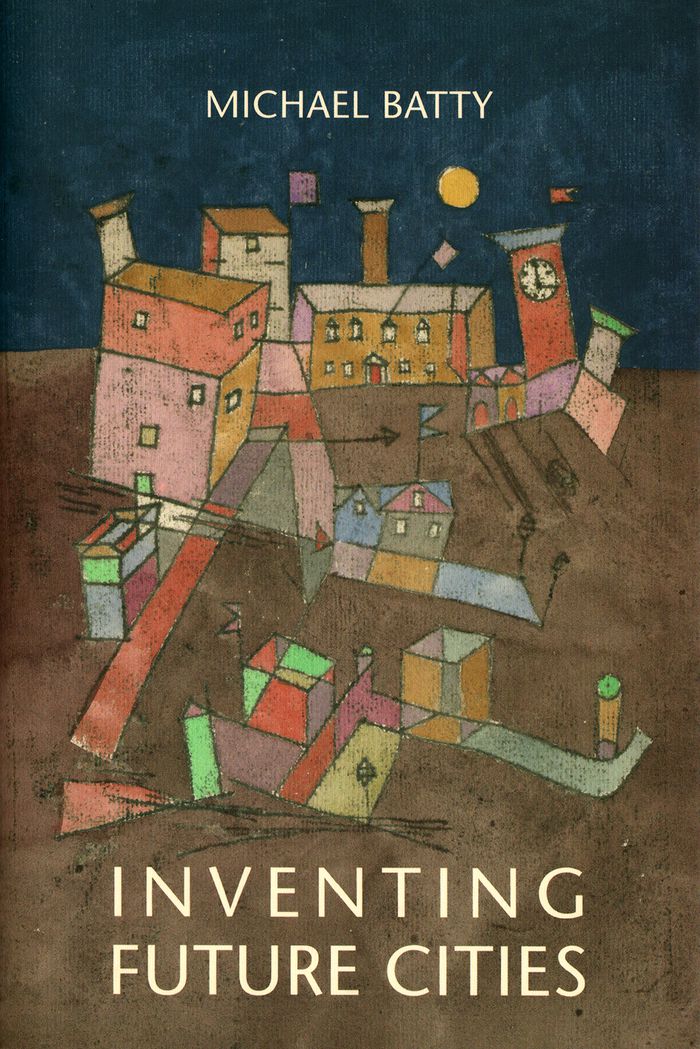
Title:
Inventing future cities
Inventing future cities
Actions:
Price:
$39.95
(available to order)
Summary:
In ''Inventing Future Cities'', Michael Batty explores what we need to understand about cities in order to invent their future. Batty outlines certain themes- principles- that apply to all cities. He investigates not the invention of artifacts but inventive processes. Today form is becoming ever more divorced from function; information networks now shape the traditional(...)
$39.95
(available to order)
Summary:
In ''Inventing Future Cities'', Michael Batty explores what we need to understand about cities in order to invent their future. Batty outlines certain themes- principles- that apply to all cities. He investigates not the invention of artifacts but inventive processes. Today form is becoming ever more divorced from function; information networks now shape the traditional(...)
Title:
Inventing future cities
Actions:
Price:
$39.95
(available to order)
Summary:
In ''Inventing Future Cities'', Michael Batty explores what we need to understand about cities in order to invent their future. Batty outlines certain themes- principles- that apply to all cities. He investigates not the invention of artifacts but inventive processes. Today form is becoming ever more divorced from function; information networks now shape the traditional functions of cities as places of exchange and innovation. By the end of this century, most of the world's population will live in cities, large or small, sometimes contiguous, and always connected; in an urbanized world, it will be increasingly difficult to define a city by its physical boundaries.
Inventing future cities
Actions:
Price:
$39.95
(available to order)
Summary:
In ''Inventing Future Cities'', Michael Batty explores what we need to understand about cities in order to invent their future. Batty outlines certain themes- principles- that apply to all cities. He investigates not the invention of artifacts but inventive processes. Today form is becoming ever more divorced from function; information networks now shape the traditional functions of cities as places of exchange and innovation. By the end of this century, most of the world's population will live in cities, large or small, sometimes contiguous, and always connected; in an urbanized world, it will be increasingly difficult to define a city by its physical boundaries.
Form:
books
books
Publication:
December 2018
December 2018
Subject:
Urban Theory
Urban Theory


