


13794 Results
Form:
books
books
Title:
Les dessous du Grand Palais
Les dessous du Grand Palais
Actions:
Price:
$19.50
(available to order)
Summary:
Sous sa grandiose nef de verre érigée pour l'Exposition de 1900, le « Grand Palais des Beaux-Arts » aura vécu au fil des décennies mille-et-une vies jusqu'aux incroyables défilés de Karl Lagerfeld et à sa prochaine rénovation par LAN (2020-2023). Mais les dessous du Grand Palais cachent d'autres secrets plus enfouis : avant et après Mai 68, son étrange capharnaüm aura(...)
$19.50
(available to order)
Summary:
Sous sa grandiose nef de verre érigée pour l'Exposition de 1900, le « Grand Palais des Beaux-Arts » aura vécu au fil des décennies mille-et-une vies jusqu'aux incroyables défilés de Karl Lagerfeld et à sa prochaine rénovation par LAN (2020-2023). Mais les dessous du Grand Palais cachent d'autres secrets plus enfouis : avant et après Mai 68, son étrange capharnaüm aura(...)
Title:
Les dessous du Grand Palais
Actions:
Price:
$19.50
(available to order)
Summary:
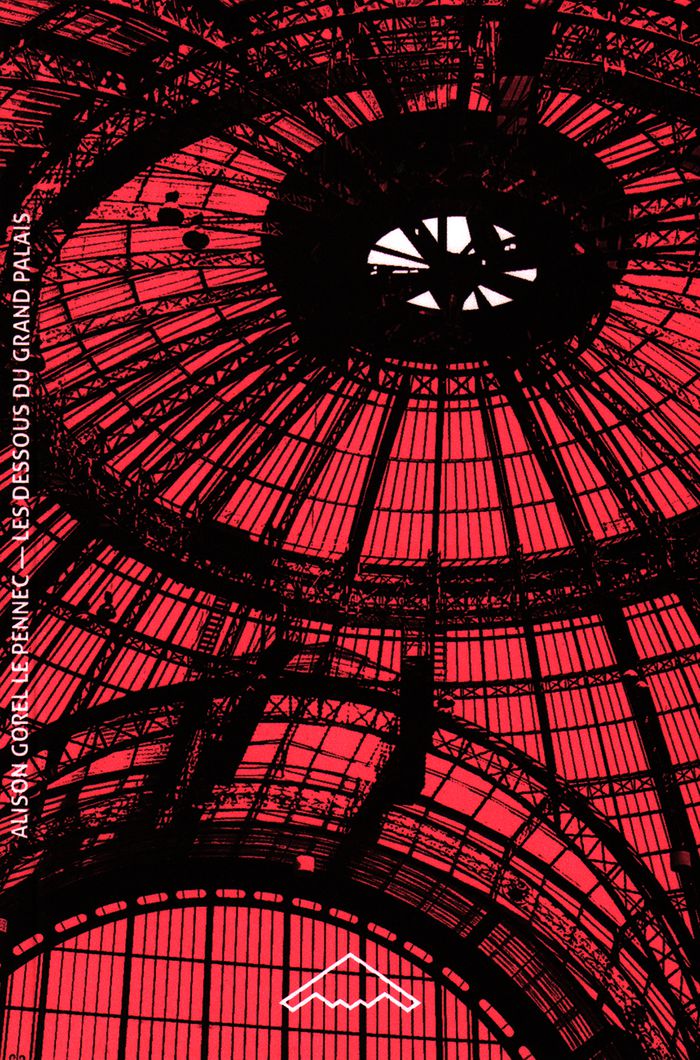
Sous sa grandiose nef de verre érigée pour l'Exposition de 1900, le « Grand Palais des Beaux-Arts » aura vécu au fil des décennies mille-et-une vies jusqu'aux incroyables défilés de Karl Lagerfeld et à sa prochaine rénovation par LAN (2020-2023). Mais les dessous du Grand Palais cachent d'autres secrets plus enfouis : avant et après Mai 68, son étrange capharnaüm aura accueilli les projets immodérés d’André Malraux et les premiers transfuges de l'académisme des Beaux-Arts. Avec ses deux « Unités pédagogiques » d'architecture et bon nombre d'autres occupants, ce microcosme pompier attenant au Triangle d'or se sera fait le réceptacle de tous les paradoxes de la culture, laissant cohabiter ou s’écharper scène officielle et scène contestataire.
Les dessous du Grand Palais
Actions:
Price:
$19.50
(available to order)
Summary:
Sous sa grandiose nef de verre érigée pour l'Exposition de 1900, le « Grand Palais des Beaux-Arts » aura vécu au fil des décennies mille-et-une vies jusqu'aux incroyables défilés de Karl Lagerfeld et à sa prochaine rénovation par LAN (2020-2023). Mais les dessous du Grand Palais cachent d'autres secrets plus enfouis : avant et après Mai 68, son étrange capharnaüm aura accueilli les projets immodérés d’André Malraux et les premiers transfuges de l'académisme des Beaux-Arts. Avec ses deux « Unités pédagogiques » d'architecture et bon nombre d'autres occupants, ce microcosme pompier attenant au Triangle d'or se sera fait le réceptacle de tous les paradoxes de la culture, laissant cohabiter ou s’écharper scène officielle et scène contestataire.
Form:
books
books
Publication:
May 2018
May 2018
Subject:
Architectural Theory
Architectural Theory
Form:
books
books
Actions:
Price:
$16.50
(available to order)
Summary:
Les directions prises par l’architecture et son enseignement au cours des années 1960 sont multiples. Conscients d’un changement aussi inéluctable que nécessaire, les pouvoirs publics tentent d’accompagner ce mouvement par un projet de réforme initié en 1962 mais que Mai 68, avec toute la force de l’évènement, vient faucher. À l’École des beaux-arts, les(...)
$16.50
(available to order)
Summary:
Les directions prises par l’architecture et son enseignement au cours des années 1960 sont multiples. Conscients d’un changement aussi inéluctable que nécessaire, les pouvoirs publics tentent d’accompagner ce mouvement par un projet de réforme initié en 1962 mais que Mai 68, avec toute la force de l’évènement, vient faucher. À l’École des beaux-arts, les(...)
Subject:
Architectural Theory
Architectural Theory
Publication:
May 2018
May 2018
Title:
Mai 68 : l’architecture aussi !
Actions:
Price:
$16.50
(available to order)
Summary:
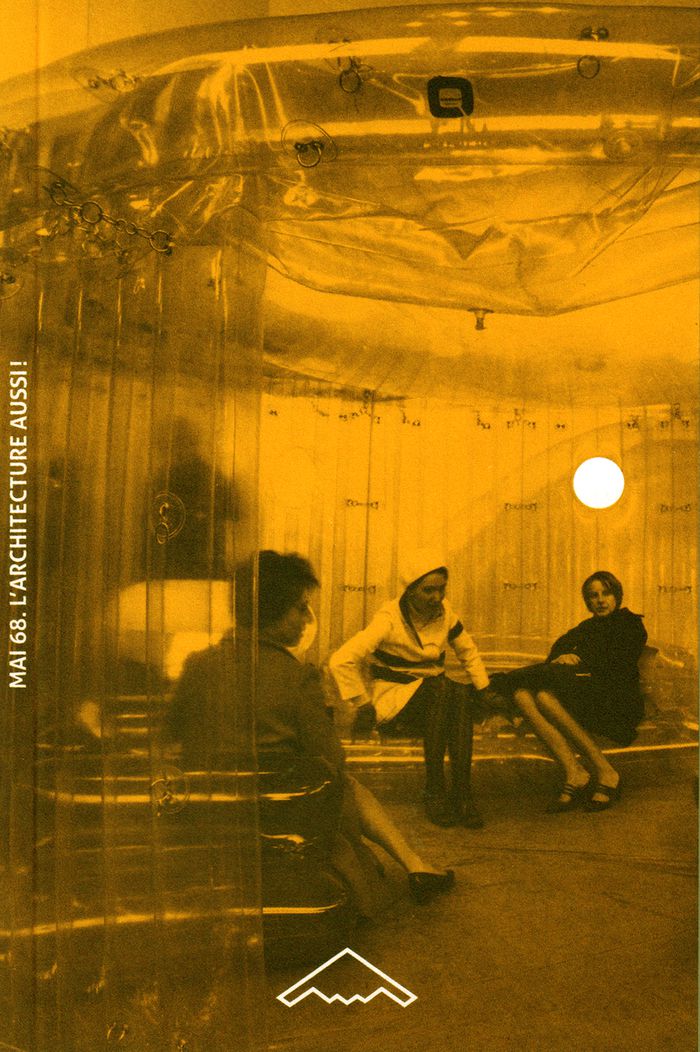
Les directions prises par l’architecture et son enseignement au cours des années 1960 sont multiples. Conscients d’un changement aussi inéluctable que nécessaire, les pouvoirs publics tentent d’accompagner ce mouvement par un projet de réforme initié en 1962 mais que Mai 68, avec toute la force de l’évènement, vient faucher. À l’École des beaux-arts, les élèves-architectes réclament une formation moins académique, plus proche de l’exercice du métier. Suite au décret du 6 décembre 1968, l’enseignement de l’architecture se réinvente en Unités pédagogiques autonomes. S’ouvre alors un champ des possibles au cours duquel les hypothèses formulées pour la société témoignent de cette aspiration à envisager et à pratiquer l’architecture autrement.
Mai 68 : l’architecture aussi !
Actions:
Price:
$16.50
(available to order)
Summary:
Les directions prises par l’architecture et son enseignement au cours des années 1960 sont multiples. Conscients d’un changement aussi inéluctable que nécessaire, les pouvoirs publics tentent d’accompagner ce mouvement par un projet de réforme initié en 1962 mais que Mai 68, avec toute la force de l’évènement, vient faucher. À l’École des beaux-arts, les élèves-architectes réclament une formation moins académique, plus proche de l’exercice du métier. Suite au décret du 6 décembre 1968, l’enseignement de l’architecture se réinvente en Unités pédagogiques autonomes. S’ouvre alors un champ des possibles au cours duquel les hypothèses formulées pour la société témoignent de cette aspiration à envisager et à pratiquer l’architecture autrement.
Form:
books
books
Publication:
May 2018
May 2018
Subject:
Architectural Theory
Architectural Theory
Form:
books
books
Actions:
Price:
$22.95
(available to order)
Summary:
Three interconnected palimpsest essays recount (1) the backstory of a “meta” font recently updated by Dexter Sinister and used to typeset the Contemporary Condition book series, (2) a broad history of the rationalization of letterforms that considers the same typeface from “a higher point of disinterest,” and (3) a pending proposal for a sundial designed to operate in(...)
$22.95
(available to order)
Summary:
Three interconnected palimpsest essays recount (1) the backstory of a “meta” font recently updated by Dexter Sinister and used to typeset the Contemporary Condition book series, (2) a broad history of the rationalization of letterforms that considers the same typeface from “a higher point of disinterest,” and (3) a pending proposal for a sundial designed to operate in(...)
Title:
Dexer Sinister: Notes on the type, time, letters & spirits
Actions:
Price:
$22.95
(available to order)
Summary:
Three interconnected palimpsest essays recount (1) the backstory of a “meta” font recently updated by Dexter Sinister and used to typeset the Contemporary Condition book series, (2) a broad history of the rationalization of letterforms that considers the same typeface from “a higher point of disinterest,” and (3) a pending proposal for a sundial designed to operate in parallel physical and digital realms. Along the way they contemplate the ambiguous nature of our shared idea of *time* itself.
Dexer Sinister: Notes on the type, time, letters & spirits
Actions:
Price:
$22.95
(available to order)
Summary:
Three interconnected palimpsest essays recount (1) the backstory of a “meta” font recently updated by Dexter Sinister and used to typeset the Contemporary Condition book series, (2) a broad history of the rationalization of letterforms that considers the same typeface from “a higher point of disinterest,” and (3) a pending proposal for a sundial designed to operate in parallel physical and digital realms. Along the way they contemplate the ambiguous nature of our shared idea of *time* itself.
Form:
books
books
Publication:
June 2017
June 2017
Subject:
Design Theory
Design Theory
Form:
books
books
Actions:
Price:
$39.95
(available to order)
Summary:
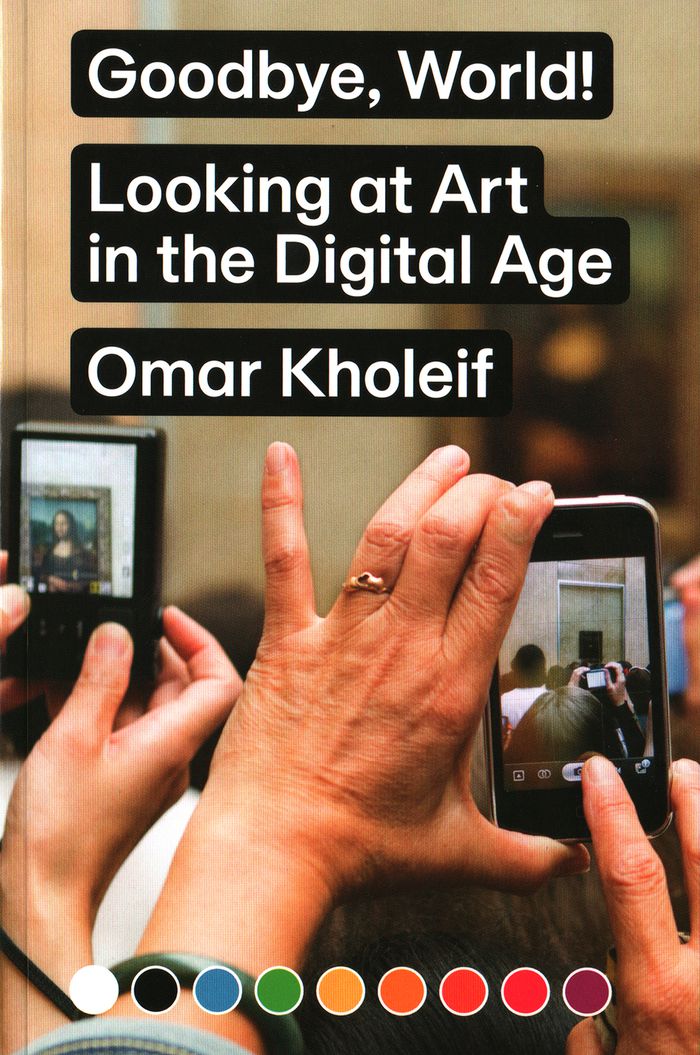
This study traces the history of a cultural and artistic landscape that has taken shape since the year 2000, with the Internet. Omar Kholeif aims to put into context a new language for seeing, feeling, and being that has emerged through post-millennial technologies, and argues for a nuanced understanding of the post-digital condition.
$39.95
(available to order)
Summary:
This study traces the history of a cultural and artistic landscape that has taken shape since the year 2000, with the Internet. Omar Kholeif aims to put into context a new language for seeing, feeling, and being that has emerged through post-millennial technologies, and argues for a nuanced understanding of the post-digital condition.
Title:
Goodbye, world! Looking at art in the digital age
Actions:
Price:
$39.95
(available to order)
Summary:
This study traces the history of a cultural and artistic landscape that has taken shape since the year 2000, with the Internet. Omar Kholeif aims to put into context a new language for seeing, feeling, and being that has emerged through post-millennial technologies, and argues for a nuanced understanding of the post-digital condition.
Goodbye, world! Looking at art in the digital age
Actions:
Price:
$39.95
(available to order)
Summary:
This study traces the history of a cultural and artistic landscape that has taken shape since the year 2000, with the Internet. Omar Kholeif aims to put into context a new language for seeing, feeling, and being that has emerged through post-millennial technologies, and argues for a nuanced understanding of the post-digital condition.
Form:
books
books
Publication:
June 2018
June 2018
Subject:
Art Theory
Art Theory
Form:
books
books
Actions:
Price:
$46.95
(available to order)
Summary:
Painting seems to have lost its dominant position in the field of the arts. However, looking more closely at exhibited photographs, assemblages, installations, or performances, it is evident how the rhetorics of painting still remain omnipresent. Following the tradition of classical theories of painting based on exchanges with artists, Isabelle Graw’s "The Love of(...)
$46.95
(available to order)
Summary:
Painting seems to have lost its dominant position in the field of the arts. However, looking more closely at exhibited photographs, assemblages, installations, or performances, it is evident how the rhetorics of painting still remain omnipresent. Following the tradition of classical theories of painting based on exchanges with artists, Isabelle Graw’s "The Love of(...)
Title:
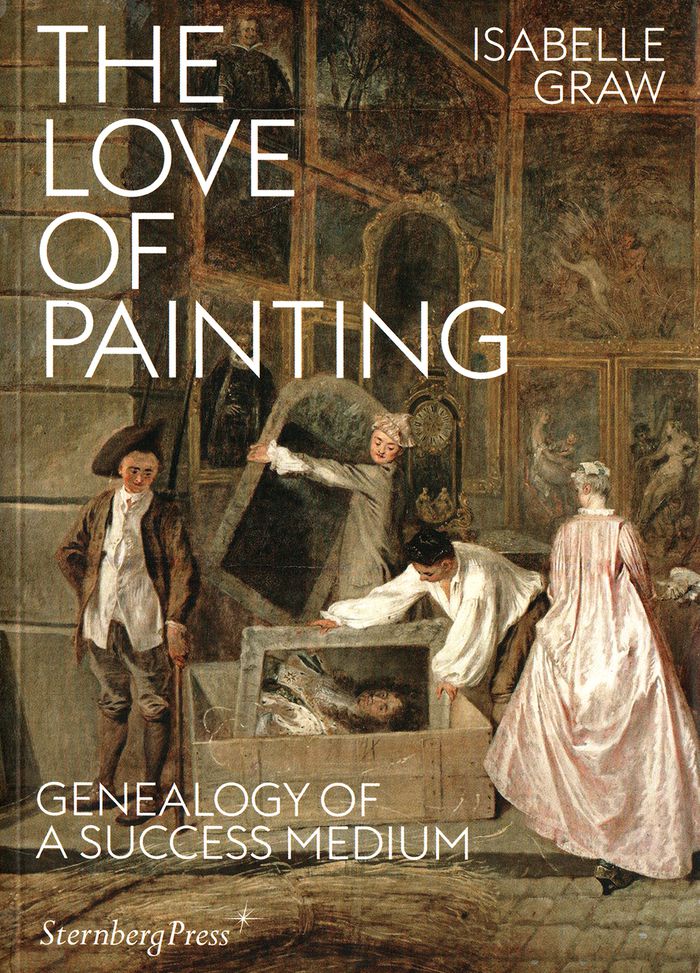
The love of painting: genealogy of a success medium
Actions:
Price:
$46.95
(available to order)
Summary:
Painting seems to have lost its dominant position in the field of the arts. However, looking more closely at exhibited photographs, assemblages, installations, or performances, it is evident how the rhetorics of painting still remain omnipresent. Following the tradition of classical theories of painting based on exchanges with artists, Isabelle Graw’s "The Love of Painting" considers the art form not as something fixed, but as a visual and discursive material formation with the potential to fascinate owing to its ability to produce the fantasy of liveliness. Thus, painting is not restricted to the limits of its own frame, but possesses a specific potential that is located in its material and physical signs. Its value is grounded in its capacity to both reveal and mystify its conditions of production. Alongside in-depth analyses of the work of artists like Édouard Manet, Jutta Koether, Martin Kippenberger, Jana Euler, and Marcel Broodthaers, the book includes conversations with artists in which Graw’s insights are further discussed and put to the test.
The love of painting: genealogy of a success medium
Actions:
Price:
$46.95
(available to order)
Summary:
Painting seems to have lost its dominant position in the field of the arts. However, looking more closely at exhibited photographs, assemblages, installations, or performances, it is evident how the rhetorics of painting still remain omnipresent. Following the tradition of classical theories of painting based on exchanges with artists, Isabelle Graw’s "The Love of Painting" considers the art form not as something fixed, but as a visual and discursive material formation with the potential to fascinate owing to its ability to produce the fantasy of liveliness. Thus, painting is not restricted to the limits of its own frame, but possesses a specific potential that is located in its material and physical signs. Its value is grounded in its capacity to both reveal and mystify its conditions of production. Alongside in-depth analyses of the work of artists like Édouard Manet, Jutta Koether, Martin Kippenberger, Jana Euler, and Marcel Broodthaers, the book includes conversations with artists in which Graw’s insights are further discussed and put to the test.
Form:
books
books
Publication:
March 2018
March 2018
Subject:
Art Theory
Art Theory
Form:
books
books
Price:
$44.00
(available to order)
Summary:
Les multiples dimensions de l'essor de la pensée sur l'ornement, les arts appliqués et l'architecture à l'ère industrielle, entre pulsion ornementale et projet décoratif.
$44.00
(available to order)
Summary:
Les multiples dimensions de l'essor de la pensée sur l'ornement, les arts appliqués et l'architecture à l'ère industrielle, entre pulsion ornementale et projet décoratif.
Title:
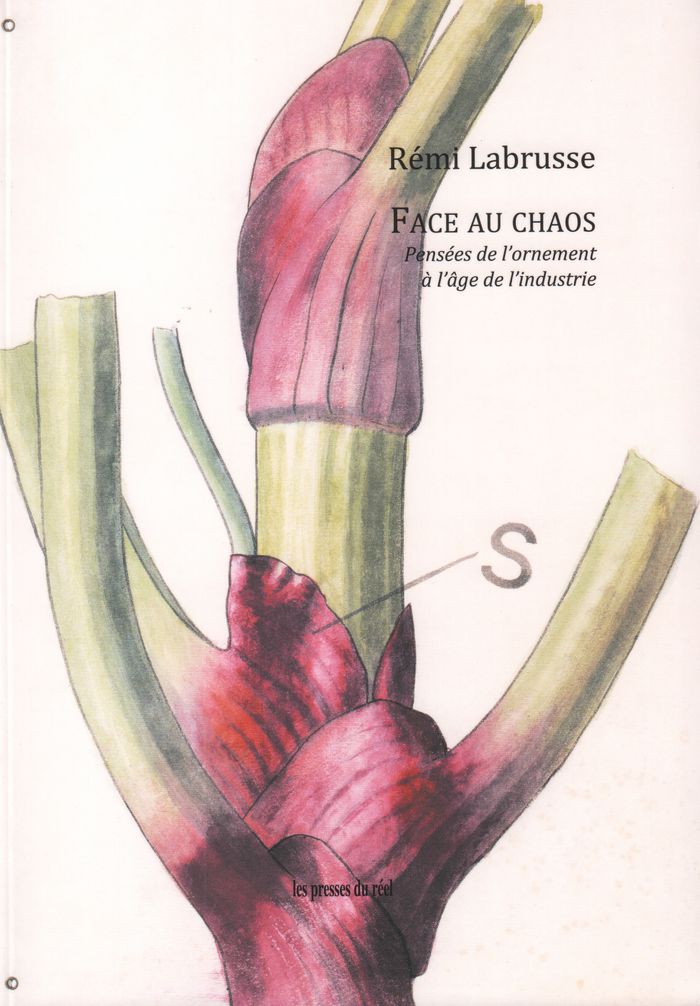
Face au chaos : théories de l’ornement à l’âge de l’industrie
Actions:
Price:
$44.00
(available to order)
Summary:
Les multiples dimensions de l'essor de la pensée sur l'ornement, les arts appliqués et l'architecture à l'ère industrielle, entre pulsion ornementale et projet décoratif.
Face au chaos : théories de l’ornement à l’âge de l’industrie
Actions:
Price:
$44.00
(available to order)
Summary:
Les multiples dimensions de l'essor de la pensée sur l'ornement, les arts appliqués et l'architecture à l'ère industrielle, entre pulsion ornementale et projet décoratif.
Form:
books
books
Publication:
September 2018
September 2018
Subject:
Architectural Theory
Architectural Theory
Form:
books
books
Actions:
Price:
$53.95
(available to order)
Summary:
Arising from a course on repair at the Faculty of Architecture at the University of Applied Sciences in Munich, this book responds to our culture of disposability and built-in obsolescence, to encourage thinking and making, from product design to architecture.
$53.95
(available to order)
Summary:
Arising from a course on repair at the Faculty of Architecture at the University of Applied Sciences in Munich, this book responds to our culture of disposability and built-in obsolescence, to encourage thinking and making, from product design to architecture.
Title:
Repair: encouragement to think and make
Actions:
Price:
$53.95
(available to order)
Summary:
Arising from a course on repair at the Faculty of Architecture at the University of Applied Sciences in Munich, this book responds to our culture of disposability and built-in obsolescence, to encourage thinking and making, from product design to architecture.
Repair: encouragement to think and make
Actions:
Price:
$53.95
(available to order)
Summary:
Arising from a course on repair at the Faculty of Architecture at the University of Applied Sciences in Munich, this book responds to our culture of disposability and built-in obsolescence, to encourage thinking and making, from product design to architecture.
Form:
books
books
Publication:
June 2018
June 2018
Subject:
Design Theory
Design Theory
Form:
books
books
Title:
Présences de l'histoire
Présences de l'histoire
Actions:
Price:
$44.95
(available to order)
Summary:
L'échange de Peter Zumthor avec l'historienne de l'architecture norvégienne Mari Lending explore par touches impressionnistes la façon dont l'histoire, le temps, la mémoire et les temporalités se reflètent dans l'oeuvre de Peter Zumthor : une vue surprenante et révélatrice sur un architecte important de notre époque.
$44.95
(available to order)
Summary:
L'échange de Peter Zumthor avec l'historienne de l'architecture norvégienne Mari Lending explore par touches impressionnistes la façon dont l'histoire, le temps, la mémoire et les temporalités se reflètent dans l'oeuvre de Peter Zumthor : une vue surprenante et révélatrice sur un architecte important de notre époque.
Title:
Présences de l'histoire
Actions:
Price:
$44.95
(available to order)
Summary:
L'échange de Peter Zumthor avec l'historienne de l'architecture norvégienne Mari Lending explore par touches impressionnistes la façon dont l'histoire, le temps, la mémoire et les temporalités se reflètent dans l'oeuvre de Peter Zumthor : une vue surprenante et révélatrice sur un architecte important de notre époque.
Présences de l'histoire
Actions:
Price:
$44.95
(available to order)
Summary:
L'échange de Peter Zumthor avec l'historienne de l'architecture norvégienne Mari Lending explore par touches impressionnistes la façon dont l'histoire, le temps, la mémoire et les temporalités se reflètent dans l'oeuvre de Peter Zumthor : une vue surprenante et révélatrice sur un architecte important de notre époque.
Form:
books
books
Publication:
July 2018
July 2018
Subject:
Architectural Theory
Architectural Theory
Form:
books
books
Actions:
Price:
$44.00
(available to order)
Summary:
Monuments represent power: explicitly and simply, but not universally. In Estonia, the classical notion of a monument is a strange one. Its presence is marginal, its tradition non-existent and its form tormented by an apparent cultural displacement. The statue on a square never claimed the central position so common in Western Europe. This semantic void directs attention(...)
$44.00
(available to order)
Summary:
Monuments represent power: explicitly and simply, but not universally. In Estonia, the classical notion of a monument is a strange one. Its presence is marginal, its tradition non-existent and its form tormented by an apparent cultural displacement. The statue on a square never claimed the central position so common in Western Europe. This semantic void directs attention(...)
Title:
Weak monument: architectures beyond the plinth
Actions:
Price:
$44.00
(available to order)
Summary:
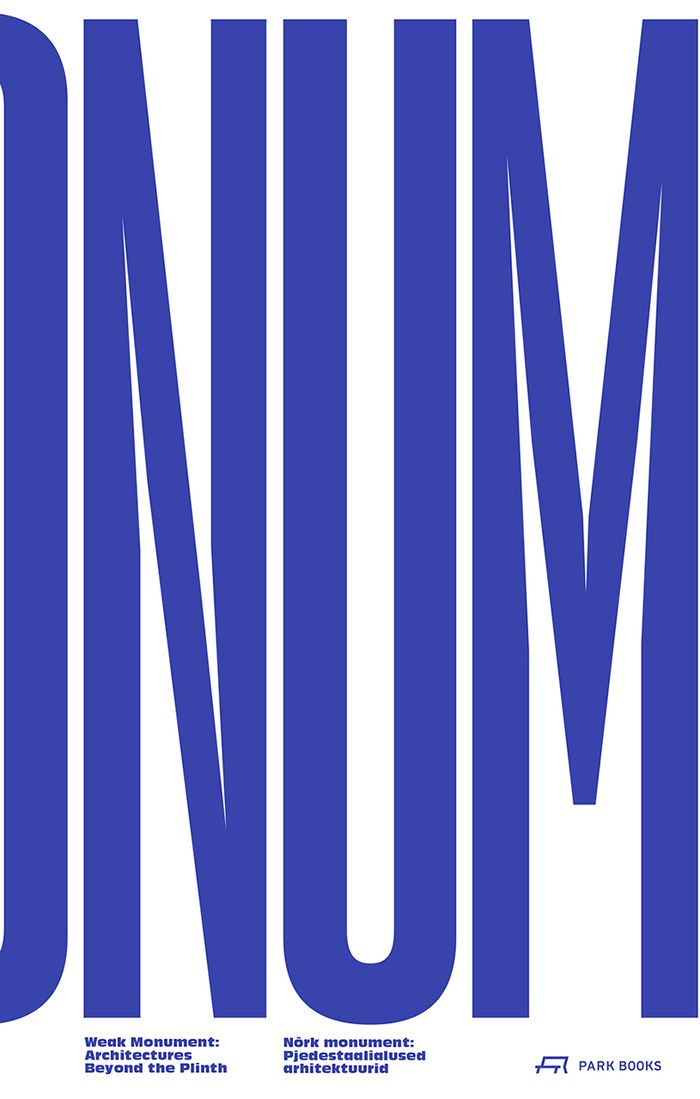
Monuments represent power: explicitly and simply, but not universally. In Estonia, the classical notion of a monument is a strange one. Its presence is marginal, its tradition non-existent and its form tormented by an apparent cultural displacement. The statue on a square never claimed the central position so common in Western Europe. This semantic void directs attention to other, less exceptional pieces of architecture. Sometimes a stairway marks a politically charged location, or a pavement becomes symbolic. Instead of explicit meanings inscribed in marble and bronze, an implicit charge is revealed that might be weaker yet more relevant, for what is only implicit cannot be openly questioned. Weak Monument explores the blurred line between a monument's explicitly political form and the architecture of everyday. It juxtaposes classical monuments with seemingly insignificant architectural objects and public space in a collection of images and drawings, archival as well as newly commissioned ones, alongside essays and brief texts
Weak monument: architectures beyond the plinth
Actions:
Price:
$44.00
(available to order)
Summary:
Monuments represent power: explicitly and simply, but not universally. In Estonia, the classical notion of a monument is a strange one. Its presence is marginal, its tradition non-existent and its form tormented by an apparent cultural displacement. The statue on a square never claimed the central position so common in Western Europe. This semantic void directs attention to other, less exceptional pieces of architecture. Sometimes a stairway marks a politically charged location, or a pavement becomes symbolic. Instead of explicit meanings inscribed in marble and bronze, an implicit charge is revealed that might be weaker yet more relevant, for what is only implicit cannot be openly questioned. Weak Monument explores the blurred line between a monument's explicitly political form and the architecture of everyday. It juxtaposes classical monuments with seemingly insignificant architectural objects and public space in a collection of images and drawings, archival as well as newly commissioned ones, alongside essays and brief texts
Form:
books
books
Publication:
July 2018
July 2018
Subject:
Architectural Theory
Architectural Theory
Form:
books
books
Title:
Les temps modernes
Les temps modernes
Actions:
Price:
$24.95
(available to order)
Summary:
L'opinion intellectuelle dit que nous en avons fini avec les Grands récits et avec le modernisme artistique. Il n'est pas sûr pourtant que nous avons commencé à penser ce que recouvrent ces termes. Pour comprendre ce qui se joue dans les mouvements d'émancipation et dans les bouleversements des arts qui les accompagnent, il faut prendre en compte la double dimension du(...)
$24.95
(available to order)
Summary:
L'opinion intellectuelle dit que nous en avons fini avec les Grands récits et avec le modernisme artistique. Il n'est pas sûr pourtant que nous avons commencé à penser ce que recouvrent ces termes. Pour comprendre ce qui se joue dans les mouvements d'émancipation et dans les bouleversements des arts qui les accompagnent, il faut prendre en compte la double dimension du(...)
Title:
Les temps modernes
Actions:
Price:
$24.95
(available to order)
Summary:
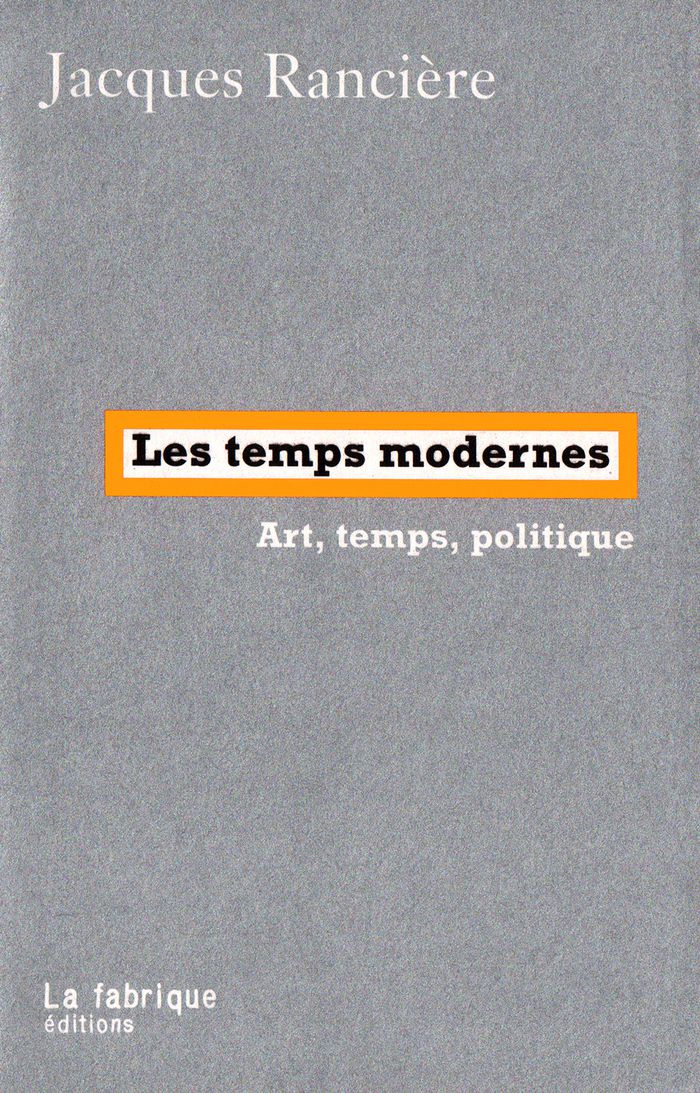
L'opinion intellectuelle dit que nous en avons fini avec les Grands récits et avec le modernisme artistique. Il n'est pas sûr pourtant que nous avons commencé à penser ce que recouvrent ces termes. Pour comprendre ce qui se joue dans les mouvements d'émancipation et dans les bouleversements des arts qui les accompagnent, il faut prendre en compte la double dimension du temps. Derrière l'image simple de la ligne tendue entre le passé et l'avenir qui porte promesses et désillusions. Il y a la hiérarchie des formes de vie séparant ceux qui ont le temps de ceux qui ne l'ont pas. Jacques Rancière montre comment la lutte contre ce partage des temps est au coeur des révolutions politiques et artistiques modernes et complexifie la trop simple apparence de la rupture entre l'ancien et le nouveau. Un philosophe transcendantaliste, deux ouvriers du bâtiment, trois cinéastes et quelques danseuses l'aident à en construire la scène.
Les temps modernes
Actions:
Price:
$24.95
(available to order)
Summary:
L'opinion intellectuelle dit que nous en avons fini avec les Grands récits et avec le modernisme artistique. Il n'est pas sûr pourtant que nous avons commencé à penser ce que recouvrent ces termes. Pour comprendre ce qui se joue dans les mouvements d'émancipation et dans les bouleversements des arts qui les accompagnent, il faut prendre en compte la double dimension du temps. Derrière l'image simple de la ligne tendue entre le passé et l'avenir qui porte promesses et désillusions. Il y a la hiérarchie des formes de vie séparant ceux qui ont le temps de ceux qui ne l'ont pas. Jacques Rancière montre comment la lutte contre ce partage des temps est au coeur des révolutions politiques et artistiques modernes et complexifie la trop simple apparence de la rupture entre l'ancien et le nouveau. Un philosophe transcendantaliste, deux ouvriers du bâtiment, trois cinéastes et quelques danseuses l'aident à en construire la scène.
Form:
books
books
Publication:
May 2018
May 2018
Subject:
Critical Theory
Critical Theory


