


807 Results
Form:
books
books
Actions:
Price:
$42.00
(available to order)
Summary:
By the end of the twentieth century, US architecture and engineering firms held more capital than entire countries, employed more people than were housed in most cities, and rented offices in more nations than comprised the UN. Within them, architects were designing not single buildings but urban systems, including the multinational infrastructures, legal codes, and(...)
$42.00
(available to order)
Summary:
By the end of the twentieth century, US architecture and engineering firms held more capital than entire countries, employed more people than were housed in most cities, and rented offices in more nations than comprised the UN. Within them, architects were designing not single buildings but urban systems, including the multinational infrastructures, legal codes, and(...)
Title:
Incoporating architects: How American architecture became a practice of empire
Actions:
Price:
$42.00
(available to order)
Summary:
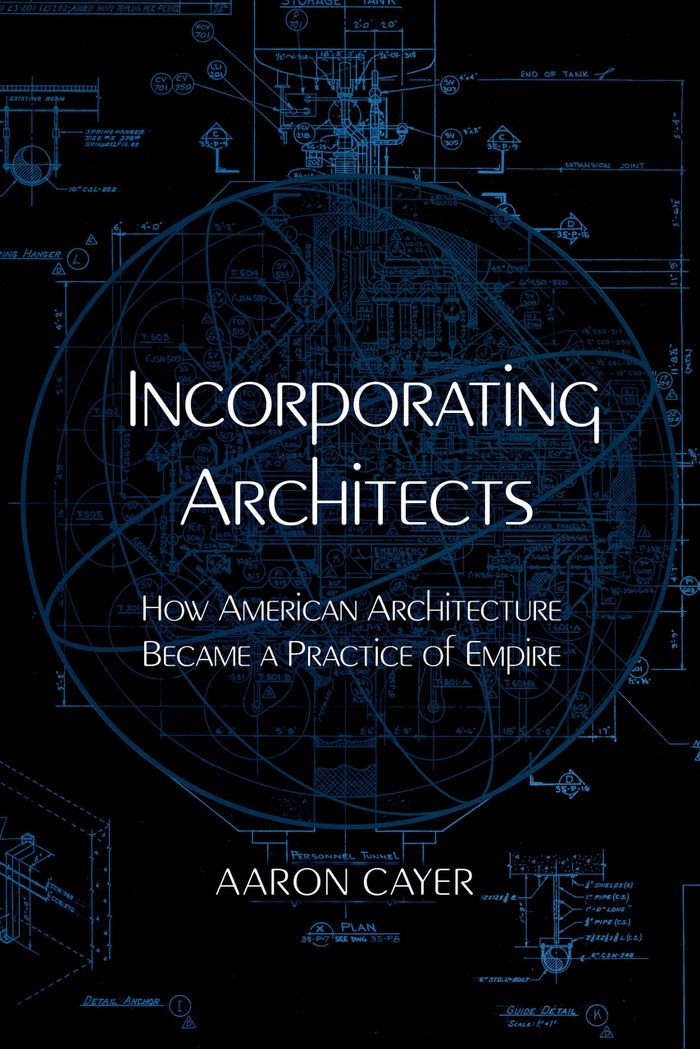
By the end of the twentieth century, US architecture and engineering firms held more capital than entire countries, employed more people than were housed in most cities, and rented offices in more nations than comprised the UN. Within them, architects were designing not single buildings but urban systems, including the multinational infrastructures, legal codes, and financial mechanisms on which those systems came to depend. However, despite the extraordinary power of these architects, their histories remain shrouded in myth and concealed—by design. This forensic analysis traces a history of architects at one such firm, AECOM, as they assembled their own multinational corporation and embedded themselves in the operations of American empire after World War II, shielding themselves from the instabilities of a postwar political economy. ''Incorporating Architects'' reveals how architects, through their businesses more than their drawings or buildings, modulated the political economy, gripped the reins of their profession, and produced the global injustices that define our neoliberal present.
Incoporating architects: How American architecture became a practice of empire
Actions:
Price:
$42.00
(available to order)
Summary:
By the end of the twentieth century, US architecture and engineering firms held more capital than entire countries, employed more people than were housed in most cities, and rented offices in more nations than comprised the UN. Within them, architects were designing not single buildings but urban systems, including the multinational infrastructures, legal codes, and financial mechanisms on which those systems came to depend. However, despite the extraordinary power of these architects, their histories remain shrouded in myth and concealed—by design. This forensic analysis traces a history of architects at one such firm, AECOM, as they assembled their own multinational corporation and embedded themselves in the operations of American empire after World War II, shielding themselves from the instabilities of a postwar political economy. ''Incorporating Architects'' reveals how architects, through their businesses more than their drawings or buildings, modulated the political economy, gripped the reins of their profession, and produced the global injustices that define our neoliberal present.
Form:
books
books
Publication:
June 2025
June 2025
Subject:
Architectural Theory
Architectural Theory
Form:
books
books
Actions:
Price:
$65.00
(available in store)
Summary:
''Constructive Clarity: Max Bill and His Time, 1940–1952'', the second installment of art historian Angela Thomas’s multivolume biography, continues her meticulous exploration of the life and work of the influential artist. Max Bill was undoubtedly one of the most versatile artists of the twentieth century––a designer, painter, sculptor, architect, graphic designer,(...)
$65.00
(available in store)
Summary:
''Constructive Clarity: Max Bill and His Time, 1940–1952'', the second installment of art historian Angela Thomas’s multivolume biography, continues her meticulous exploration of the life and work of the influential artist. Max Bill was undoubtedly one of the most versatile artists of the twentieth century––a designer, painter, sculptor, architect, graphic designer,(...)
Title:
Constructive clarity: Max Bill and his time
Actions:
Price:
$65.00
(available in store)
Summary:
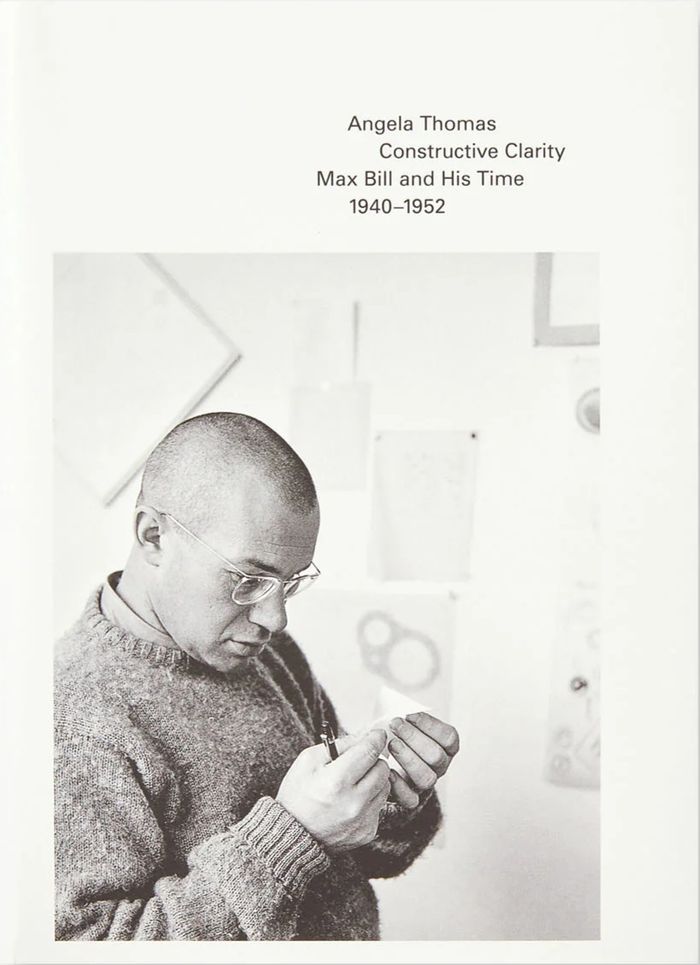
''Constructive Clarity: Max Bill and His Time, 1940–1952'', the second installment of art historian Angela Thomas’s multivolume biography, continues her meticulous exploration of the life and work of the influential artist. Max Bill was undoubtedly one of the most versatile artists of the twentieth century––a designer, painter, sculptor, architect, graphic designer, typographer, writer, curator, teacher, and politician––who influenced generations of artists. Picking up where the first volume left off,Thomas turns her attention to Bill’s life during World War II, exploring the ground-breaking artistic and intellectual networks to which Bill belonged: from his time at the Bauhaus in Dessau to his connections with the Parisian avant-garde and his lifelong friendship with Georges Vantongerloo. His importance as a writer, publisher, and exhibition organizer comes to the fore in this volume, as does his crucial influence on the development of Concrete art in South America and his active interest in urban planning and postwar reconstruction. contexts in which he worked.
Constructive clarity: Max Bill and his time
Actions:
Price:
$65.00
(available in store)
Summary:
''Constructive Clarity: Max Bill and His Time, 1940–1952'', the second installment of art historian Angela Thomas’s multivolume biography, continues her meticulous exploration of the life and work of the influential artist. Max Bill was undoubtedly one of the most versatile artists of the twentieth century––a designer, painter, sculptor, architect, graphic designer, typographer, writer, curator, teacher, and politician––who influenced generations of artists. Picking up where the first volume left off,Thomas turns her attention to Bill’s life during World War II, exploring the ground-breaking artistic and intellectual networks to which Bill belonged: from his time at the Bauhaus in Dessau to his connections with the Parisian avant-garde and his lifelong friendship with Georges Vantongerloo. His importance as a writer, publisher, and exhibition organizer comes to the fore in this volume, as does his crucial influence on the development of Concrete art in South America and his active interest in urban planning and postwar reconstruction. contexts in which he worked.
Form:
books
books
Publication:
October 2024
October 2024
Subject:
Graphic Designers, Monographs
Graphic Designers, Monographs
Form:
books
books
Actions:
Price:
$90.00
(available in store)
Summary:
In the decades preceding World War II, professional architecture schools enrolled increasing numbers of women, but career success did not come easily. "Women architects at work" tells the stories of the resilient and resourceful women who surmounted barriers of sexism, racism, and classism to take on crucial roles in the establishment and growth of Modernism across the(...)
$90.00
(available in store)
Summary:
In the decades preceding World War II, professional architecture schools enrolled increasing numbers of women, but career success did not come easily. "Women architects at work" tells the stories of the resilient and resourceful women who surmounted barriers of sexism, racism, and classism to take on crucial roles in the establishment and growth of Modernism across the(...)
Title:
Women architects at work: Making American modernism
Actions:
Price:
$90.00
(available in store)
Summary:
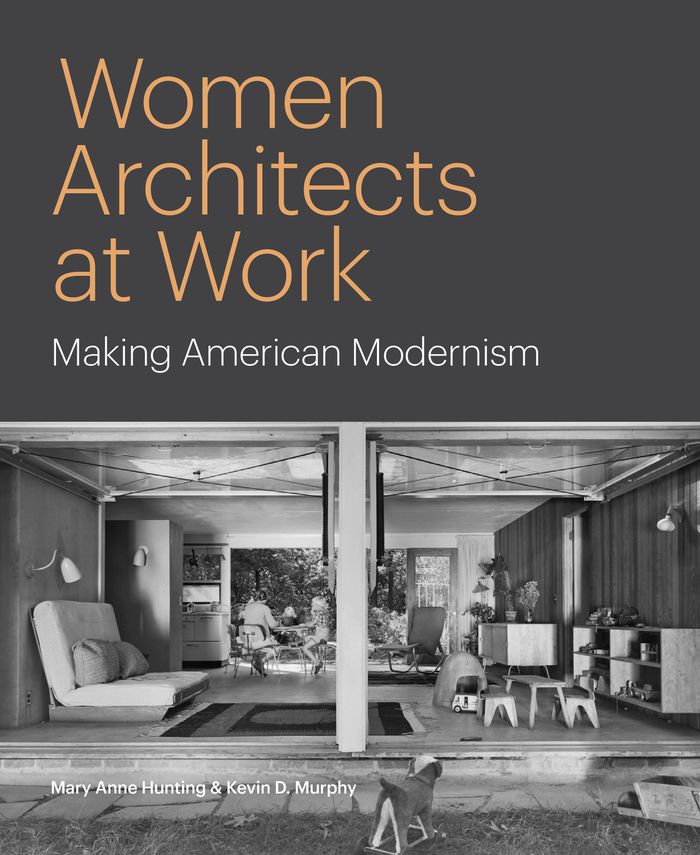
In the decades preceding World War II, professional architecture schools enrolled increasing numbers of women, but career success did not come easily. "Women architects at work" tells the stories of the resilient and resourceful women who surmounted barriers of sexism, racism, and classism to take on crucial roles in the establishment and growth of Modernism across the United States. Mary Anne Hunting and Kevin D. Murphy describe how the Cambridge School of Architecture and Landscape Architecture in Massachusetts evolved for the professional education of women between 1916 and 1942. While alumnae such as Eleanor Agnes Raymond, Victorine du Pont Homsey, and Sarah Pillsbury Harkness achieved some notoriety, others like Elizabeth-Ann Campbell Knapp and Louisa Vaughan Conrad have been largely absent from histories of Modernism. Hunting and Murphy describe how these innovative practitioners capitalized on social, educational, and professional ties to achieve success and used architecture to address social concerns, including how modernist ideas could engage with community and the environment.
Women architects at work: Making American modernism
Actions:
Price:
$90.00
(available in store)
Summary:
In the decades preceding World War II, professional architecture schools enrolled increasing numbers of women, but career success did not come easily. "Women architects at work" tells the stories of the resilient and resourceful women who surmounted barriers of sexism, racism, and classism to take on crucial roles in the establishment and growth of Modernism across the United States. Mary Anne Hunting and Kevin D. Murphy describe how the Cambridge School of Architecture and Landscape Architecture in Massachusetts evolved for the professional education of women between 1916 and 1942. While alumnae such as Eleanor Agnes Raymond, Victorine du Pont Homsey, and Sarah Pillsbury Harkness achieved some notoriety, others like Elizabeth-Ann Campbell Knapp and Louisa Vaughan Conrad have been largely absent from histories of Modernism. Hunting and Murphy describe how these innovative practitioners capitalized on social, educational, and professional ties to achieve success and used architecture to address social concerns, including how modernist ideas could engage with community and the environment.
Form:
books
books
Publication:
February 2025
February 2025
Subject:
Modernism
Modernism
Form:
books
books
Price:
$32.95
(available to order)
Summary:
At a time when many of the past decades' urban renewal projects are facing the wrecking ball, Detroit's Lafayette Park continues to be a model of urban livability. This in-depth look at the project explores why. Amid the oppressive urban blight of post-World War II Detroit, the Lafayette Park project emerged as a vibrant point of optimism and viability. Planned by Ludwig(...)
$32.95
(available to order)
Summary:
At a time when many of the past decades' urban renewal projects are facing the wrecking ball, Detroit's Lafayette Park continues to be a model of urban livability. This in-depth look at the project explores why. Amid the oppressive urban blight of post-World War II Detroit, the Lafayette Park project emerged as a vibrant point of optimism and viability. Planned by Ludwig(...)
Title:
Case : Hilberseimer/ Mies van der Rohe Lafayette park Detroit
Actions:
Price:
$32.95
(available to order)
Summary:
At a time when many of the past decades' urban renewal projects are facing the wrecking ball, Detroit's Lafayette Park continues to be a model of urban livability. This in-depth look at the project explores why. Amid the oppressive urban blight of post-World War II Detroit, the Lafayette Park project emerged as a vibrant point of optimism and viability. Planned by Ludwig Hilberseimer, with concrete, glass, and steel buildings designed by Mies van der Rohe, and a park and gardens designed by Alfred This latest volume in the CASE series published in collaboration with the Harvard University's Graduate School of Design examines an often-overlooked paragon of modern architecture's highest goals. Today, while public housing and other urban renewal projects are being abandoned and even torn down, this volume discusses not only the significance of Lafayette Park's singular achievement, but also its relevance to the continuing debates about the status of public housing in the contemporary city.
Case : Hilberseimer/ Mies van der Rohe Lafayette park Detroit
Actions:
Price:
$32.95
(available to order)
Summary:
At a time when many of the past decades' urban renewal projects are facing the wrecking ball, Detroit's Lafayette Park continues to be a model of urban livability. This in-depth look at the project explores why. Amid the oppressive urban blight of post-World War II Detroit, the Lafayette Park project emerged as a vibrant point of optimism and viability. Planned by Ludwig Hilberseimer, with concrete, glass, and steel buildings designed by Mies van der Rohe, and a park and gardens designed by Alfred This latest volume in the CASE series published in collaboration with the Harvard University's Graduate School of Design examines an often-overlooked paragon of modern architecture's highest goals. Today, while public housing and other urban renewal projects are being abandoned and even torn down, this volume discusses not only the significance of Lafayette Park's singular achievement, but also its relevance to the continuing debates about the status of public housing in the contemporary city.
Form:
books
books
Publication:
June 2004, Berlin, London, New York
June 2004, Berlin, London, New York
Subject:
Food
Food
Form:
books
books

Actions:
Price:
$64.00
(available to order)
Summary:
The suburban Dutch neighborhood of Hoogyliet, just outside Rotterdam, was designed after World War II along Modernist lines. Over the ensuing years, the district became more and more rundown and economically depressed. Then the WiMBY! project came along--its mission to raise the standard of this increasingly blighted neighborhood by developing a range of experimental(...)
$64.00
(available to order)
Summary:
The suburban Dutch neighborhood of Hoogyliet, just outside Rotterdam, was designed after World War II along Modernist lines. Over the ensuing years, the district became more and more rundown and economically depressed. Then the WiMBY! project came along--its mission to raise the standard of this increasingly blighted neighborhood by developing a range of experimental(...)
Subject:
Urban Theory
Urban Theory
Publication:
January 2008, Rotterdam
January 2008, Rotterdam
Title:
Wimby! Hoogvliet: future, past and present of a new town
Actions:
Price:
$64.00
(available to order)
Summary:
The suburban Dutch neighborhood of Hoogyliet, just outside Rotterdam, was designed after World War II along Modernist lines. Over the ensuing years, the district became more and more rundown and economically depressed. Then the WiMBY! project came along--its mission to raise the standard of this increasingly blighted neighborhood by developing a range of experimental buildings for the town's regeneration, as well as smaller-scale architectural, urban-planning, visual-art and sociocultural projects. This densely adorable paperback tells the whole story, focusing on the positive achievements and lessons drawn, with copious illustrations of all the resulting buildings and designs. It's a must-have for any design professionals interested in real, working urban renewal but also an uplifting manual for a more general audience: the book reads like a fairytale, tracing the many ups and downs of the WiMBY! project in frank detail in a format that is as informative as it is lively and humorous.
Wimby! Hoogvliet: future, past and present of a new town
Actions:
Price:
$64.00
(available to order)
Summary:
The suburban Dutch neighborhood of Hoogyliet, just outside Rotterdam, was designed after World War II along Modernist lines. Over the ensuing years, the district became more and more rundown and economically depressed. Then the WiMBY! project came along--its mission to raise the standard of this increasingly blighted neighborhood by developing a range of experimental buildings for the town's regeneration, as well as smaller-scale architectural, urban-planning, visual-art and sociocultural projects. This densely adorable paperback tells the whole story, focusing on the positive achievements and lessons drawn, with copious illustrations of all the resulting buildings and designs. It's a must-have for any design professionals interested in real, working urban renewal but also an uplifting manual for a more general audience: the book reads like a fairytale, tracing the many ups and downs of the WiMBY! project in frank detail in a format that is as informative as it is lively and humorous.
Form:
books
books
Publication:
January 2008, Rotterdam
January 2008, Rotterdam
Subject:
Urban Theory
Urban Theory
Form:
books
books
Price:
$45.95
(available to order)
Summary:
Tiergarten is Berlin’s oldest park, with more than five hundred acres of woodland in the heart of the city. Before it was absorbed by the city, the area that became Tiergarten was a naturally occurring forest. Throughout its history, it was used as royal hunting grounds and as a landscaped public park, and—in the years of hardship following World War II— an area where(...)
$45.95
(available to order)
Summary:
Tiergarten is Berlin’s oldest park, with more than five hundred acres of woodland in the heart of the city. Before it was absorbed by the city, the area that became Tiergarten was a naturally occurring forest. Throughout its history, it was used as royal hunting grounds and as a landscaped public park, and—in the years of hardship following World War II— an area where(...)
Title:
Tiergarten, landscape of transgression. This obscure object of desire
Actions:
Price:
$45.95
(available to order)
Summary:
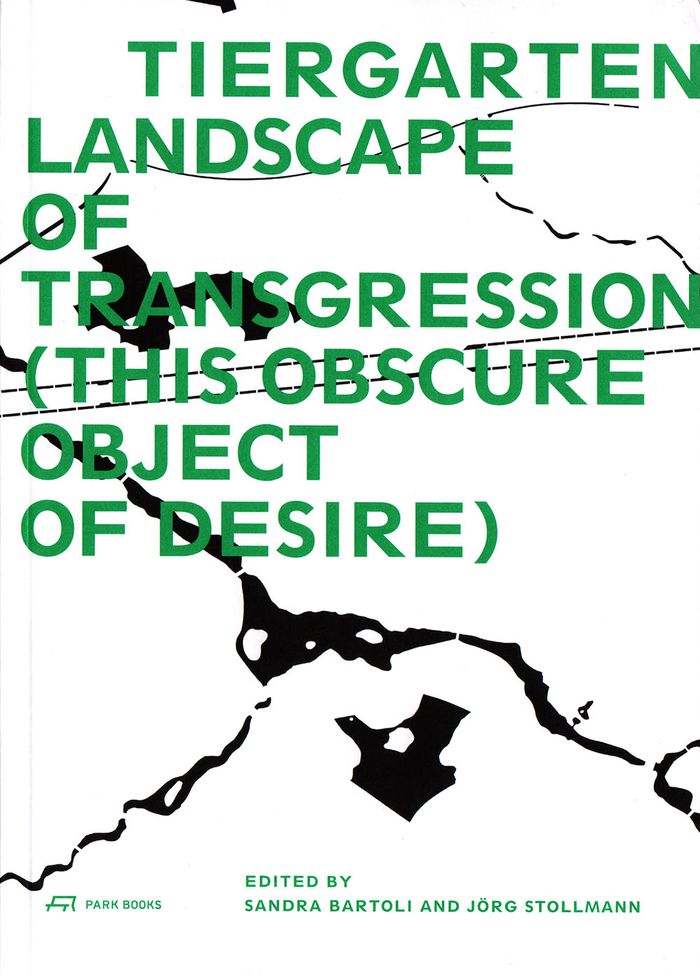
Tiergarten is Berlin’s oldest park, with more than five hundred acres of woodland in the heart of the city. Before it was absorbed by the city, the area that became Tiergarten was a naturally occurring forest. Throughout its history, it was used as royal hunting grounds and as a landscaped public park, and—in the years of hardship following World War II— an area where trees were felled for firewood, before changing social and political circumstances and the growing ecological movement led to measures to restore and replant the vast public space. Thus, Tiergarten has become not only a very popular place of recreation but as well a biotope of extraordinarily high biodiversity. “Tiergarten, Landscape of Transgression” takes readers through the history of the park, with an eye toward exploring it as a radical spatial expression—a space where humans and other species and conflicting histories coexist in close proximity, and a model for future environments in areas of intense urbanization.
Tiergarten, landscape of transgression. This obscure object of desire
Actions:
Price:
$45.95
(available to order)
Summary:
Tiergarten is Berlin’s oldest park, with more than five hundred acres of woodland in the heart of the city. Before it was absorbed by the city, the area that became Tiergarten was a naturally occurring forest. Throughout its history, it was used as royal hunting grounds and as a landscaped public park, and—in the years of hardship following World War II— an area where trees were felled for firewood, before changing social and political circumstances and the growing ecological movement led to measures to restore and replant the vast public space. Thus, Tiergarten has become not only a very popular place of recreation but as well a biotope of extraordinarily high biodiversity. “Tiergarten, Landscape of Transgression” takes readers through the history of the park, with an eye toward exploring it as a radical spatial expression—a space where humans and other species and conflicting histories coexist in close proximity, and a model for future environments in areas of intense urbanization.
Form:
books
books
Publication:
April 2019
April 2019
Subject:
Gardens
Gardens
Form:
books
books
Actions:
Price:
$29.95
(available to order)
Summary:
In the late 1980s, Japan was awash in seemingly unlimited wealth and rising toward what would be the peak of its modern economic success, power, and influence. In 1991 the same lethal combination of risky loans, inflated stocks, and real estate speculation that created this "bubble economy" caused it to burst, plunging the country into its worst recession since World War(...)
$29.95
(available to order)
Summary:
In the late 1980s, Japan was awash in seemingly unlimited wealth and rising toward what would be the peak of its modern economic success, power, and influence. In 1991 the same lethal combination of risky loans, inflated stocks, and real estate speculation that created this "bubble economy" caused it to burst, plunging the country into its worst recession since World War(...)
Title:
After the crash: architecture in post-bubble Japan
Actions:
Price:
$29.95
(available to order)
Summary:
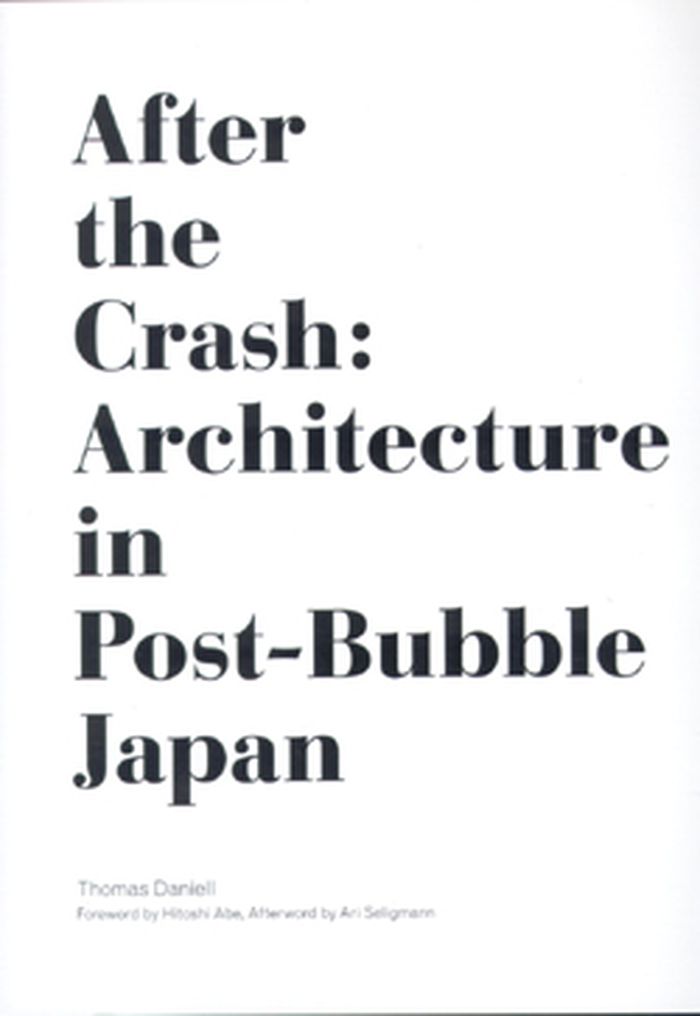
In the late 1980s, Japan was awash in seemingly unlimited wealth and rising toward what would be the peak of its modern economic success, power, and influence. In 1991 the same lethal combination of risky loans, inflated stocks, and real estate speculation that created this "bubble economy" caused it to burst, plunging the country into its worst recession since World War II. New Zealand–born architect Thomas Daniell arrived in Japan at the dawn of this turbulent decade. After the Crash is an anthology of essays that draw on first-hand observations of the built environment and architectural culture that emerged from the economically sober post-bubble period of the 1990s. Daniell uses projects and installations by architects such as Atelier Bow Wow, Toyo Ito, and the metabolists to illustrate the new relationships forged, most of necessity, between architecture and society in Japan. Tom Daniell is a practicing architect, critic, and educator who has based himself in Kyoto, Japan since the early 1990s.
After the crash: architecture in post-bubble Japan
Actions:
Price:
$29.95
(available to order)
Summary:
In the late 1980s, Japan was awash in seemingly unlimited wealth and rising toward what would be the peak of its modern economic success, power, and influence. In 1991 the same lethal combination of risky loans, inflated stocks, and real estate speculation that created this "bubble economy" caused it to burst, plunging the country into its worst recession since World War II. New Zealand–born architect Thomas Daniell arrived in Japan at the dawn of this turbulent decade. After the Crash is an anthology of essays that draw on first-hand observations of the built environment and architectural culture that emerged from the economically sober post-bubble period of the 1990s. Daniell uses projects and installations by architects such as Atelier Bow Wow, Toyo Ito, and the metabolists to illustrate the new relationships forged, most of necessity, between architecture and society in Japan. Tom Daniell is a practicing architect, critic, and educator who has based himself in Kyoto, Japan since the early 1990s.
Form:
books
books
Publication:
October 2008, New York
October 2008, New York
Subject:
Contemporary Asian Architecture
Contemporary Asian Architecture
Form:
books
books
Actions:
Price:
$63.00
(available in store)
Summary:
This volume documents Gerhard Richter's 65-foot-tall, abstract, stained-glass window for Germany's historic Cologne Cathedral, the original of which was destroyed by bombs in World War II, and thereafter replaced with clear glass. Composed of more than 11,000 four-inch squares, or "pixels," in 72 colors, the window is based on Richter's 1974 painting, "4096 Colors," a(...)
$63.00
(available in store)
Summary:
This volume documents Gerhard Richter's 65-foot-tall, abstract, stained-glass window for Germany's historic Cologne Cathedral, the original of which was destroyed by bombs in World War II, and thereafter replaced with clear glass. Composed of more than 11,000 four-inch squares, or "pixels," in 72 colors, the window is based on Richter's 1974 painting, "4096 Colors," a(...)
Title:
Gerhard Richter - Zufall, das Kölner Domfenster und 4900 farben the cologne cathedral window, and 4900 colours
Actions:
Price:
$63.00
(available in store)
Summary:
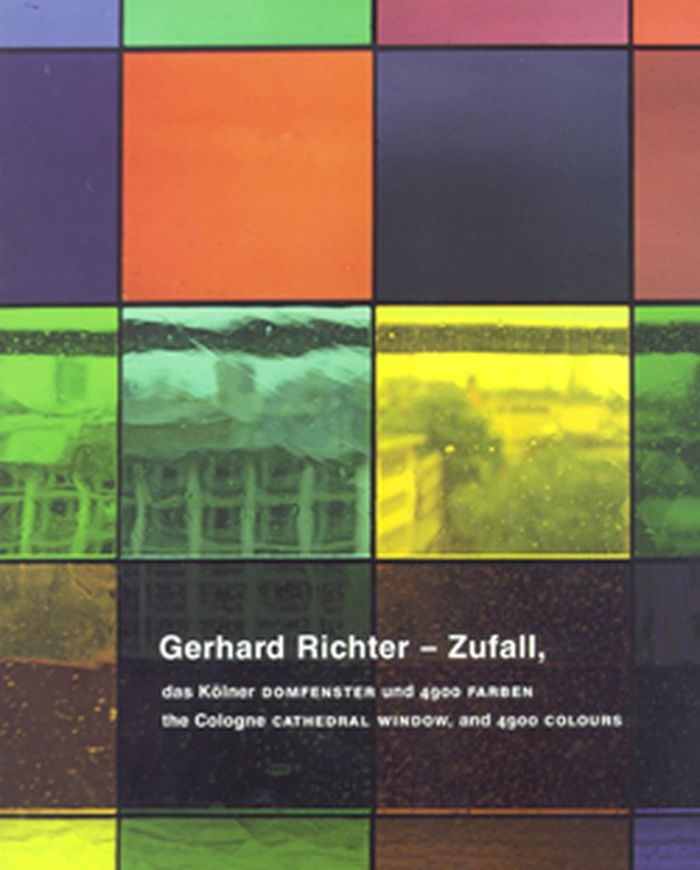
This volume documents Gerhard Richter's 65-foot-tall, abstract, stained-glass window for Germany's historic Cologne Cathedral, the original of which was destroyed by bombs in World War II, and thereafter replaced with clear glass. Composed of more than 11,000 four-inch squares, or "pixels," in 72 colors, the window is based on Richter's 1974 painting, "4096 Colors," a grid of monochromatic squares 64 tall and 64 wide (for a total of 4096 squares) which was organized and designed according to a mathematical formula that systematically mixed red, yellow, blue and gray. Photographs of the work are accompanied by three essays which integrate this important work into the context of Richter's oeuvre, and shed light on the principle of randomness on which it is based. Gerhard Richter was born in Dresden and escaped to West Germany in 1961. He has lived and worked in Cologne, where he was made an honorary citizen last year, since the early 1980s.
Gerhard Richter - Zufall, das Kölner Domfenster und 4900 farben the cologne cathedral window, and 4900 colours
Actions:
Price:
$63.00
(available in store)
Summary:
This volume documents Gerhard Richter's 65-foot-tall, abstract, stained-glass window for Germany's historic Cologne Cathedral, the original of which was destroyed by bombs in World War II, and thereafter replaced with clear glass. Composed of more than 11,000 four-inch squares, or "pixels," in 72 colors, the window is based on Richter's 1974 painting, "4096 Colors," a grid of monochromatic squares 64 tall and 64 wide (for a total of 4096 squares) which was organized and designed according to a mathematical formula that systematically mixed red, yellow, blue and gray. Photographs of the work are accompanied by three essays which integrate this important work into the context of Richter's oeuvre, and shed light on the principle of randomness on which it is based. Gerhard Richter was born in Dresden and escaped to West Germany in 1961. He has lived and worked in Cologne, where he was made an honorary citizen last year, since the early 1980s.
Form:
books
books
Publication:
February 2008, Köln
February 2008, Köln
Subject:
Contemporary Art Monographs
Contemporary Art Monographs
Form:
books
books
Title:
Disordering the establishment: participatory art and institutional critique in France 1958-1981
Disordering the establishment: participatory art and institutional critique in France 1958-1981
Actions:
Price:
$37.95
(available in store)
Summary:
In the decades following World War II, France experienced both a period of affluence and a wave of political, artistic, and philosophical discontent that culminated in the countrywide protests of 1968. In ''Disordering the establishment'' Lily Woodruff examines the development of artistic strategies of political resistance in France in this era. Drawing on interviews with(...)
$37.95
(available in store)
Summary:
In the decades following World War II, France experienced both a period of affluence and a wave of political, artistic, and philosophical discontent that culminated in the countrywide protests of 1968. In ''Disordering the establishment'' Lily Woodruff examines the development of artistic strategies of political resistance in France in this era. Drawing on interviews with(...)
Title:
Disordering the establishment: participatory art and institutional critique in France 1958-1981
Actions:
Price:
$37.95
(available in store)
Summary:
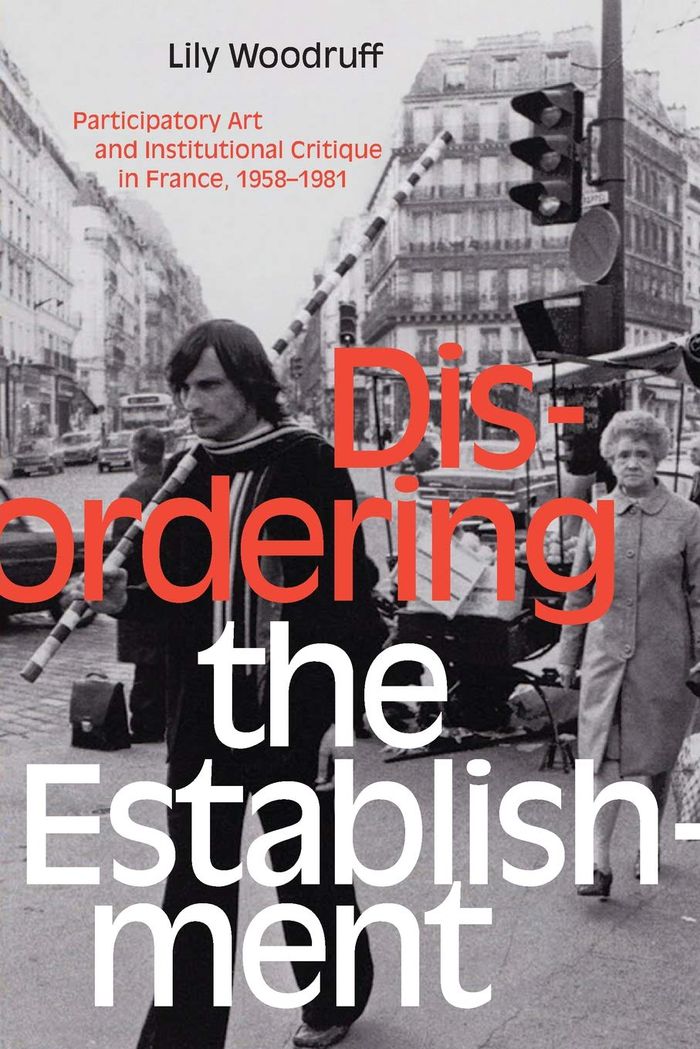
In the decades following World War II, France experienced both a period of affluence and a wave of political, artistic, and philosophical discontent that culminated in the countrywide protests of 1968. In ''Disordering the establishment'' Lily Woodruff examines the development of artistic strategies of political resistance in France in this era. Drawing on interviews with artists, curators, and cultural figures of the time, Woodruff analyzes the formal and rhetorical methods that artists used to counter establishment ideology, appeal to direct political engagement, and grapple with French intellectuals' modeling of society. Artists and collectives such as Daniel Buren, André Cadere, the Groupe de Recherche d’Art Visuel, and the Collectif d’Art Sociologique shared an opposition to institutional hegemony by adapting their works to unconventional spaces and audiences, asserting artistic autonomy from art institutions, and embracing interdisciplinarity. In showing how these artists used art to question what art should be and where it should be seen, Woodruff demonstrates how artists challenged and redefined the art establishment and their historical moment.
Disordering the establishment: participatory art and institutional critique in France 1958-1981
Actions:
Price:
$37.95
(available in store)
Summary:
In the decades following World War II, France experienced both a period of affluence and a wave of political, artistic, and philosophical discontent that culminated in the countrywide protests of 1968. In ''Disordering the establishment'' Lily Woodruff examines the development of artistic strategies of political resistance in France in this era. Drawing on interviews with artists, curators, and cultural figures of the time, Woodruff analyzes the formal and rhetorical methods that artists used to counter establishment ideology, appeal to direct political engagement, and grapple with French intellectuals' modeling of society. Artists and collectives such as Daniel Buren, André Cadere, the Groupe de Recherche d’Art Visuel, and the Collectif d’Art Sociologique shared an opposition to institutional hegemony by adapting their works to unconventional spaces and audiences, asserting artistic autonomy from art institutions, and embracing interdisciplinarity. In showing how these artists used art to question what art should be and where it should be seen, Woodruff demonstrates how artists challenged and redefined the art establishment and their historical moment.
Form:
books
books
Publication:
June 2020
June 2020
Subject:
Art Theory
Art Theory
Form:
books
books
Title:
Hannah Höch: Interior garden
Hannah Höch: Interior garden
Actions:
Price:
$65.00
(available to order)
Summary:
At the onset of World War II, the visionary Dada artist Hannah Höch (1889–1978) retreated to a secluded house on the outskirts of Berlin, fleeing persecution for her radical collage work and her unflagging opposition to fascism. In the decades that followed, the surrounding garden became her artistic muse, but it was also a means of survival: its fruits and vegetables(...)
$65.00
(available to order)
Summary:
At the onset of World War II, the visionary Dada artist Hannah Höch (1889–1978) retreated to a secluded house on the outskirts of Berlin, fleeing persecution for her radical collage work and her unflagging opposition to fascism. In the decades that followed, the surrounding garden became her artistic muse, but it was also a means of survival: its fruits and vegetables(...)
Title:
Hannah Höch: Interior garden
Actions:
Price:
$65.00
(available to order)
Summary:
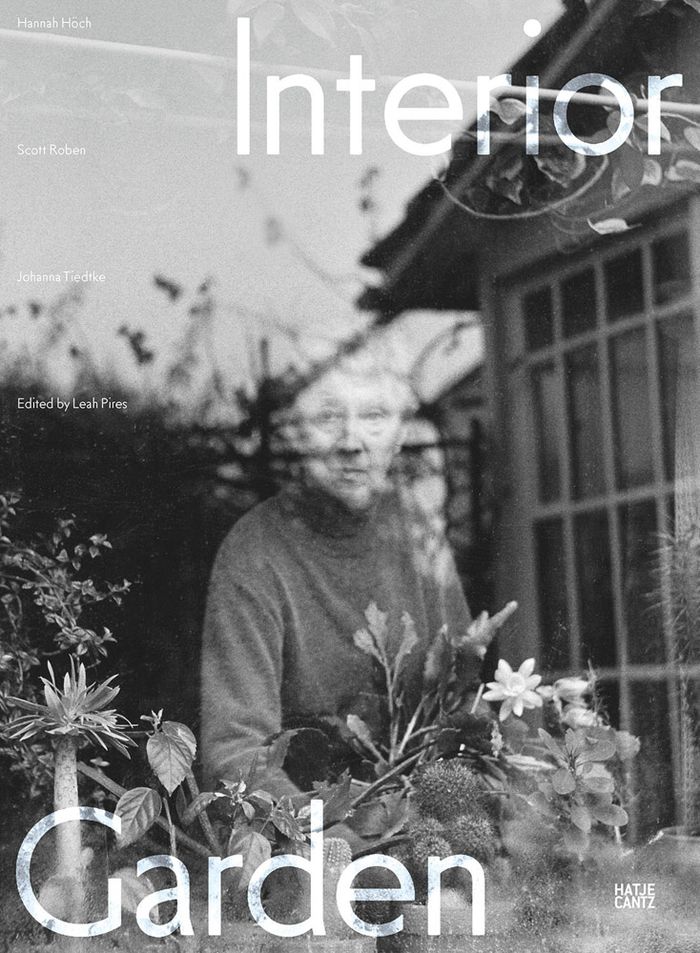
At the onset of World War II, the visionary Dada artist Hannah Höch (1889–1978) retreated to a secluded house on the outskirts of Berlin, fleeing persecution for her radical collage work and her unflagging opposition to fascism. In the decades that followed, the surrounding garden became her artistic muse, but it was also a means of survival: its fruits and vegetables were a vital source of sustenance during wartime, and its grounds served as the hiding place for her priceless collection of Dada artworks. Eighty years later, this richly illustrated and deeply researched book reimagines Höch’s garden from an artist’s perspective. It brings together Höch’s botanical collages and garden photographs with deep archival cuts exploring her queer history with Til Brugman; new art by the artists Scott Roben and Johanna Tiedtke, based on visits to Höch’s garden; and an essay by the writer Alhena Katsof. Together, these elements interweave past and present, private and public, personal and political, offering new views into Höch’s lush refuge.
Hannah Höch: Interior garden
Actions:
Price:
$65.00
(available to order)
Summary:
At the onset of World War II, the visionary Dada artist Hannah Höch (1889–1978) retreated to a secluded house on the outskirts of Berlin, fleeing persecution for her radical collage work and her unflagging opposition to fascism. In the decades that followed, the surrounding garden became her artistic muse, but it was also a means of survival: its fruits and vegetables were a vital source of sustenance during wartime, and its grounds served as the hiding place for her priceless collection of Dada artworks. Eighty years later, this richly illustrated and deeply researched book reimagines Höch’s garden from an artist’s perspective. It brings together Höch’s botanical collages and garden photographs with deep archival cuts exploring her queer history with Til Brugman; new art by the artists Scott Roben and Johanna Tiedtke, based on visits to Höch’s garden; and an essay by the writer Alhena Katsof. Together, these elements interweave past and present, private and public, personal and political, offering new views into Höch’s lush refuge.
Form:
books
books
Publication:
January 2022
January 2022
Subject:
Gardens
Gardens


