


13794 Results
Form:
books
books
Actions:
Price:
$59.95
(available to order)
Summary:
Velazquez. Poussin. Carvaggio. Bernini. Despite their disparate backgrounds, these greats of European Baroque art converged at one remarkable place in time: Rome, 1630. In response to the Protestant Reformation, the Catholic Church turned to these masters of Baroque art to craft works celebrating the glories of the heavens manifested on earth. And so, with glittering(...)
$59.95
(available to order)
Summary:
Velazquez. Poussin. Carvaggio. Bernini. Despite their disparate backgrounds, these greats of European Baroque art converged at one remarkable place in time: Rome, 1630. In response to the Protestant Reformation, the Catholic Church turned to these masters of Baroque art to craft works celebrating the glories of the heavens manifested on earth. And so, with glittering(...)
Title:
Rome, 1630: The horizon of early Baroque, and other essays
Actions:
Price:
$59.95
(available to order)
Summary:
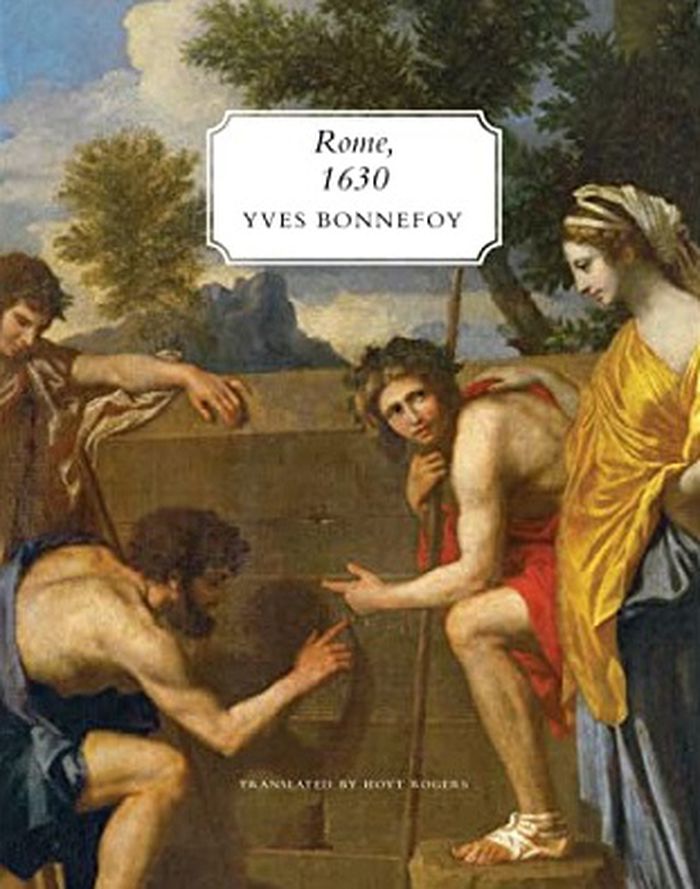
Velazquez. Poussin. Carvaggio. Bernini. Despite their disparate backgrounds, these greats of European Baroque art converged at one remarkable place in time: Rome, 1630. In response to the Protestant Reformation, the Catholic Church turned to these masters of Baroque art to craft works celebrating the glories of the heavens manifested on earth. And so, with glittering monuments like Bernini's imposing bronze columns in St. Peter's Basilica, Rome, 1630 came to be the crossroads of seventeenth-century art, religion, and power. In ''Rome, 1630,'' the renowned French poet and critic Yves Bonnefoy devotes his attention to this single year in the Baroque period in European art. The inclusion of five additional essays on seventeenth-century art situate Bonnefoy's analysis within a lively debate on Baroque art and art history. Translator Hoyt Rogers's afterword pays homage to the author himself, situating ''Rome, 1630'' in Bonnefoy's productive career as a premier French poet and critic.
Rome, 1630: The horizon of early Baroque, and other essays
Actions:
Price:
$59.95
(available to order)
Summary:
Velazquez. Poussin. Carvaggio. Bernini. Despite their disparate backgrounds, these greats of European Baroque art converged at one remarkable place in time: Rome, 1630. In response to the Protestant Reformation, the Catholic Church turned to these masters of Baroque art to craft works celebrating the glories of the heavens manifested on earth. And so, with glittering monuments like Bernini's imposing bronze columns in St. Peter's Basilica, Rome, 1630 came to be the crossroads of seventeenth-century art, religion, and power. In ''Rome, 1630,'' the renowned French poet and critic Yves Bonnefoy devotes his attention to this single year in the Baroque period in European art. The inclusion of five additional essays on seventeenth-century art situate Bonnefoy's analysis within a lively debate on Baroque art and art history. Translator Hoyt Rogers's afterword pays homage to the author himself, situating ''Rome, 1630'' in Bonnefoy's productive career as a premier French poet and critic.
Form:
books
books
Publication:
November 2020
November 2020
Subject:
Art Theory
Art Theory
Form:
books
books
Actions:
Price:
$39.95
(available to order)
Summary:
Pablo Picasso and Gertrude Stein. Few can be said to have had as broad an impact on European art in the twentieth century as these two cultural giants. Pablo Picasso, a pioneering visual artist, created a prolific and widely influential body of work. Gertrude Stein, an intellectual tastemaker, hosted the leading salon for artists and writers between the wars in her Paris(...)
$39.95
(available to order)
Summary:
Pablo Picasso and Gertrude Stein. Few can be said to have had as broad an impact on European art in the twentieth century as these two cultural giants. Pablo Picasso, a pioneering visual artist, created a prolific and widely influential body of work. Gertrude Stein, an intellectual tastemaker, hosted the leading salon for artists and writers between the wars in her Paris(...)
Subject:
Art Theory
Art Theory
Publication:
September 2018
September 2018
Title:
Pablo Picasso and Gertrude Stein: correspondence
Actions:
Price:
$39.95
(available to order)
Summary:
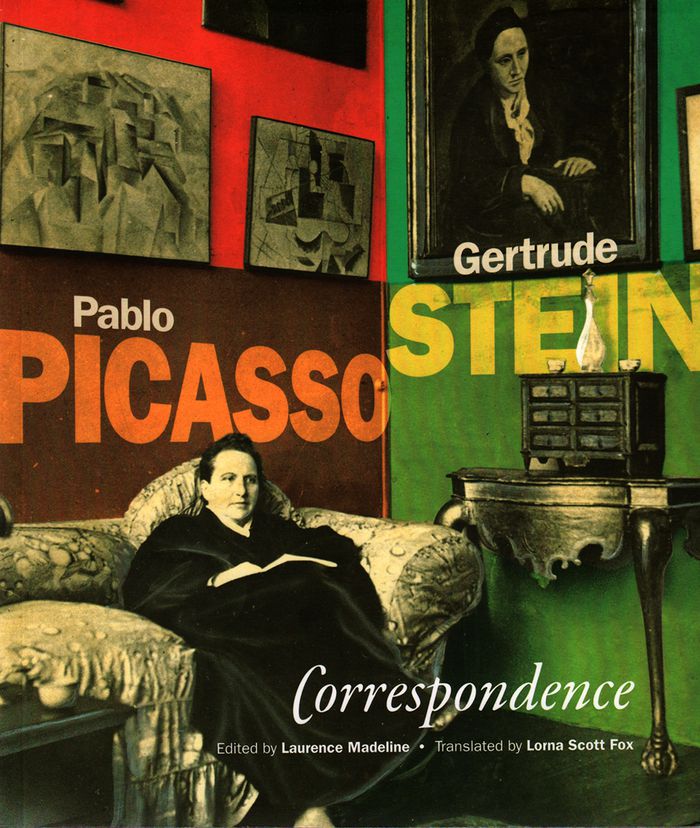
Pablo Picasso and Gertrude Stein. Few can be said to have had as broad an impact on European art in the twentieth century as these two cultural giants. Pablo Picasso, a pioneering visual artist, created a prolific and widely influential body of work. Gertrude Stein, an intellectual tastemaker, hosted the leading salon for artists and writers between the wars in her Paris apartment, welcoming Henri Matisse, Ernest Hemingway, and Ezra Pound to weekly events at her home to discuss art and literature. It comes as no surprise, then, that Picasso and Stein were fast friends and frequent confidantes. Through Picasso and Stein’s casual notes and reflective letters, this volume of correspondence between the two captures Paris both in the golden age of the early twentieth century and in one of its darkest hours, the Nazi occupation through mentions of dinner parties, lovers, work, and the crises of the two world wars.
Pablo Picasso and Gertrude Stein: correspondence
Actions:
Price:
$39.95
(available to order)
Summary:
Pablo Picasso and Gertrude Stein. Few can be said to have had as broad an impact on European art in the twentieth century as these two cultural giants. Pablo Picasso, a pioneering visual artist, created a prolific and widely influential body of work. Gertrude Stein, an intellectual tastemaker, hosted the leading salon for artists and writers between the wars in her Paris apartment, welcoming Henri Matisse, Ernest Hemingway, and Ezra Pound to weekly events at her home to discuss art and literature. It comes as no surprise, then, that Picasso and Stein were fast friends and frequent confidantes. Through Picasso and Stein’s casual notes and reflective letters, this volume of correspondence between the two captures Paris both in the golden age of the early twentieth century and in one of its darkest hours, the Nazi occupation through mentions of dinner parties, lovers, work, and the crises of the two world wars.
Form:
books
books
Publication:
September 2018
September 2018
Subject:
Art Theory
Art Theory
Form:
books
books
Price:
$49.95
(available in store)
Summary:
"A Real Living Contact with theThings Themselves" selects nine essays written throughout Scalbert’s career from the early 1990s to the present. Four of the essays are detailed studies of major buildings, including both critiques written at the time the buildings were made and comments on extant buildings that contributed to their rediscovery. Other pieces represent(...)
$49.95
(available in store)
Summary:
"A Real Living Contact with theThings Themselves" selects nine essays written throughout Scalbert’s career from the early 1990s to the present. Four of the essays are detailed studies of major buildings, including both critiques written at the time the buildings were made and comments on extant buildings that contributed to their rediscovery. Other pieces represent(...)
Title:
A real living contact with the things themselves: essays on architecture
Actions:
Price:
$49.95
(available in store)
Summary:
"A Real Living Contact with theThings Themselves" selects nine essays written throughout Scalbert’s career from the early 1990s to the present. Four of the essays are detailed studies of major buildings, including both critiques written at the time the buildings were made and comments on extant buildings that contributed to their rediscovery. Other pieces represent broader studies of historical movements and ideas, interpreting their significance within the context of contemporary architecture. All of the essays are based on direct experience, whether through quiet contemplation or candid interviews with architects, builders, or inhabitants. An architect by training, Scalbert writes with the purpose of illuminating the design efforts made and enriching the form of the architectures he describes, and his essays thus contribute to many key moments in the architectural history of the past three decades.
A real living contact with the things themselves: essays on architecture
Actions:
Price:
$49.95
(available in store)
Summary:
"A Real Living Contact with theThings Themselves" selects nine essays written throughout Scalbert’s career from the early 1990s to the present. Four of the essays are detailed studies of major buildings, including both critiques written at the time the buildings were made and comments on extant buildings that contributed to their rediscovery. Other pieces represent broader studies of historical movements and ideas, interpreting their significance within the context of contemporary architecture. All of the essays are based on direct experience, whether through quiet contemplation or candid interviews with architects, builders, or inhabitants. An architect by training, Scalbert writes with the purpose of illuminating the design efforts made and enriching the form of the architectures he describes, and his essays thus contribute to many key moments in the architectural history of the past three decades.
Form:
books
books
Publication:
January 2019
January 2019
Subject:
Architectural Theory
Architectural Theory
Form:
books
books
Price:
$77.95
(available to order)
Summary:
Built in 1969, Metsamor, Armenia (then the Armenian Soviet Socialist Republic), was intended as a settlement for employees of a nearby nuclear power plant to be completed between 1976 and 1980. But the power plant would never realize the ambitions of its creators. In 1988, an earthquake caused the facility to be shut down. In 1989, the collapse of the Soviet Union(...)
$77.95
(available to order)
Summary:
Built in 1969, Metsamor, Armenia (then the Armenian Soviet Socialist Republic), was intended as a settlement for employees of a nearby nuclear power plant to be completed between 1976 and 1980. But the power plant would never realize the ambitions of its creators. In 1988, an earthquake caused the facility to be shut down. In 1989, the collapse of the Soviet Union(...)
Title:
Utopia and collapse: rethinking Metsamor, the Armenian atomic city
Actions:
Price:
$77.95
(available to order)
Summary:
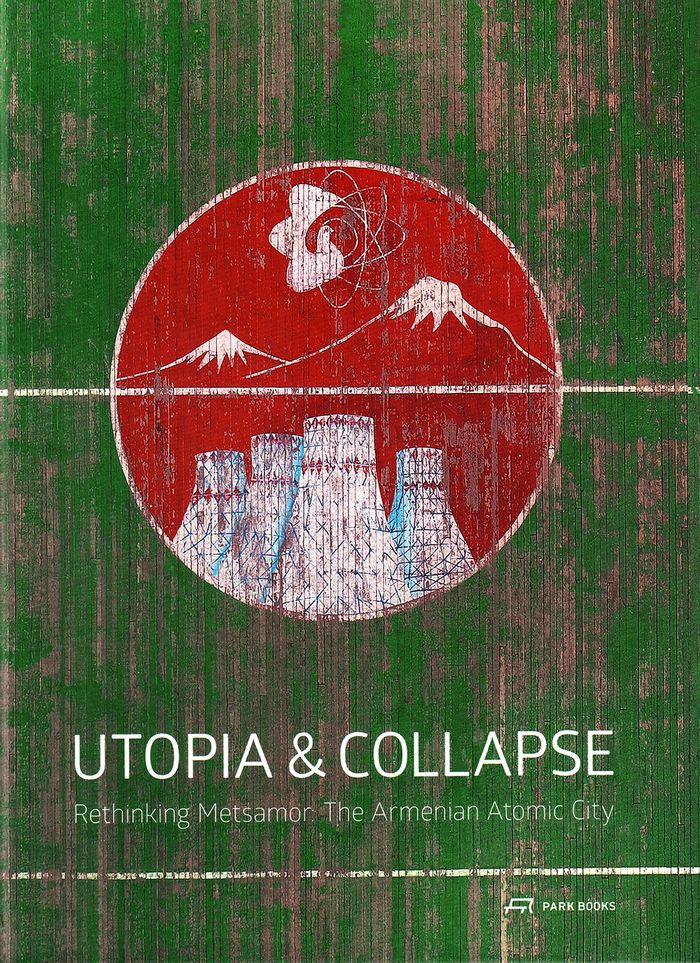
Built in 1969, Metsamor, Armenia (then the Armenian Soviet Socialist Republic), was intended as a settlement for employees of a nearby nuclear power plant to be completed between 1976 and 1980. But the power plant would never realize the ambitions of its creators. In 1988, an earthquake caused the facility to be shut down. In 1989, the collapse of the Soviet Union prompted a complete construction freeze. The symbol of the dream of a technologically advanced nation, Metsamor remained incomplete and fell into decay undiminished by the recommissioning of the power plant in 1995. "Utopia and Collapse" documents the rise and fall of Metsamor.
Utopia and collapse: rethinking Metsamor, the Armenian atomic city
Actions:
Price:
$77.95
(available to order)
Summary:
Built in 1969, Metsamor, Armenia (then the Armenian Soviet Socialist Republic), was intended as a settlement for employees of a nearby nuclear power plant to be completed between 1976 and 1980. But the power plant would never realize the ambitions of its creators. In 1988, an earthquake caused the facility to be shut down. In 1989, the collapse of the Soviet Union prompted a complete construction freeze. The symbol of the dream of a technologically advanced nation, Metsamor remained incomplete and fell into decay undiminished by the recommissioning of the power plant in 1995. "Utopia and Collapse" documents the rise and fall of Metsamor.
Form:
books
books
Publication:
September 2018
September 2018
Subject:
Architectural Theory
Architectural Theory
Form:
books
books
Actions:
Price:
$69.50
(available to order)
Summary:
Throughout the twentieth century, the ancient city of Athens underwent a massive transformation into simple sets of apartment blocks, or polykatoikia. Today, these multifamily residential units define the city’s landscape from center to periphery and house a majority of Greece’s population. Yet specific circumstances and cultural patterns set Athens’s transformation apart(...)
$69.50
(available to order)
Summary:
Throughout the twentieth century, the ancient city of Athens underwent a massive transformation into simple sets of apartment blocks, or polykatoikia. Today, these multifamily residential units define the city’s landscape from center to periphery and house a majority of Greece’s population. Yet specific circumstances and cultural patterns set Athens’s transformation apart(...)
Title:
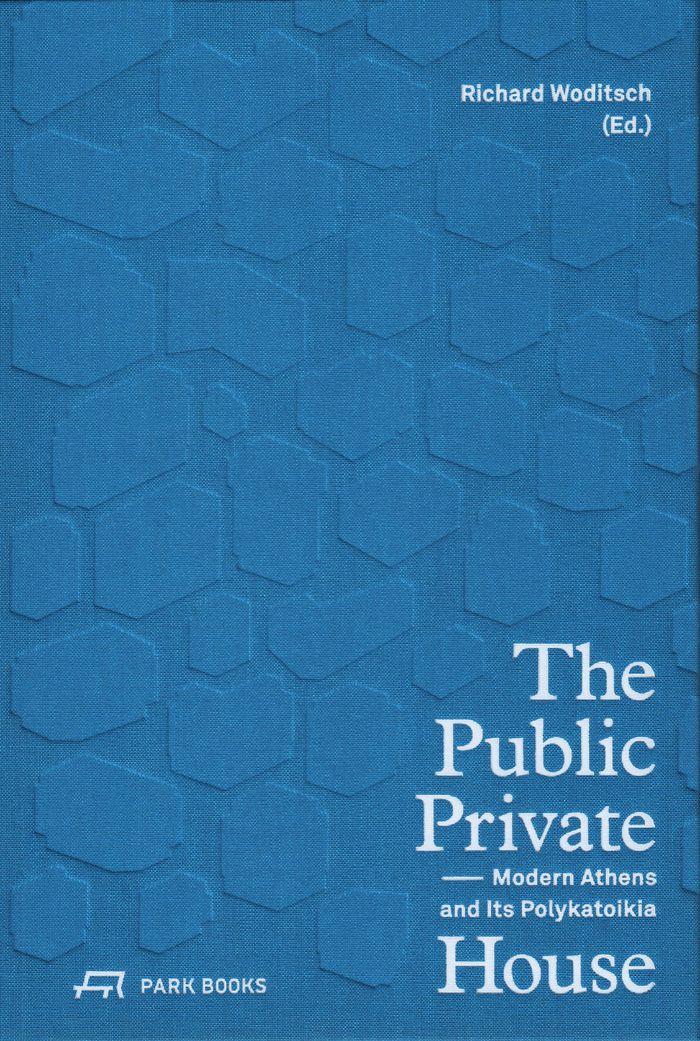
The public-private house: modern Athens and its Polykatoikia
Actions:
Price:
$69.50
(available to order)
Summary:
Throughout the twentieth century, the ancient city of Athens underwent a massive transformation into simple sets of apartment blocks, or polykatoikia. Today, these multifamily residential units define the city’s landscape from center to periphery and house a majority of Greece’s population. Yet specific circumstances and cultural patterns set Athens’s transformation apart from the arrival of architectural modernity in other countries, and what has emerged in Athens is a distinctly Greek variety of modern urban development. "The Public-Private House" examines Athens’s urban character and the apparently unlimited adaptability of polykatoikia.
The public-private house: modern Athens and its Polykatoikia
Actions:
Price:
$69.50
(available to order)
Summary:
Throughout the twentieth century, the ancient city of Athens underwent a massive transformation into simple sets of apartment blocks, or polykatoikia. Today, these multifamily residential units define the city’s landscape from center to periphery and house a majority of Greece’s population. Yet specific circumstances and cultural patterns set Athens’s transformation apart from the arrival of architectural modernity in other countries, and what has emerged in Athens is a distinctly Greek variety of modern urban development. "The Public-Private House" examines Athens’s urban character and the apparently unlimited adaptability of polykatoikia.
Form:
books
books
Publication:
February 2019
February 2019
Subject:
Architectural Theory
Architectural Theory
Form:
books
books
Title:
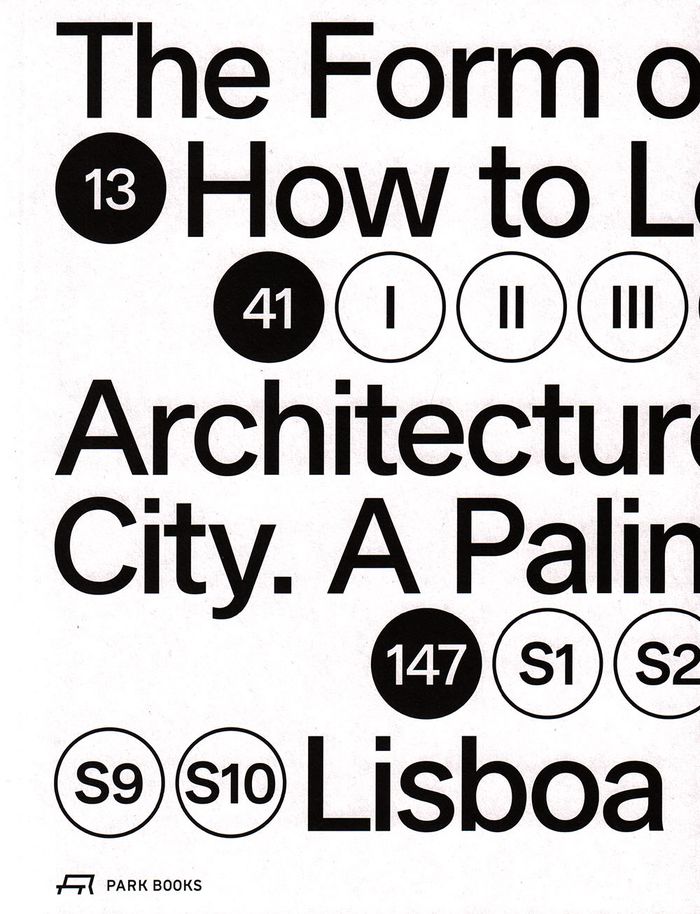
CARTHA on the form of form
CARTHA on the form of form
Actions:
Price:
$42.95
(available to order)
Summary:
Since 2014, CARTHA has provided a platform for critical thinking on architecture and society. Each year, CARTHA initiates research and publishes issues on a topic in its online magazine, which are then brought together in an annual book. In 2016, CARTHA was invited to participate in the Lisbon Architecture Triennale. Adopting the Triennale’s topic, ''The Form of Form,''(...)
$42.95
(available to order)
Summary:
Since 2014, CARTHA has provided a platform for critical thinking on architecture and society. Each year, CARTHA initiates research and publishes issues on a topic in its online magazine, which are then brought together in an annual book. In 2016, CARTHA was invited to participate in the Lisbon Architecture Triennale. Adopting the Triennale’s topic, ''The Form of Form,''(...)
Title:
CARTHA on the form of form
Actions:
Price:
$42.95
(available to order)
Summary:
Since 2014, CARTHA has provided a platform for critical thinking on architecture and society. Each year, CARTHA initiates research and publishes issues on a topic in its online magazine, which are then brought together in an annual book. In 2016, CARTHA was invited to participate in the Lisbon Architecture Triennale. Adopting the Triennale’s topic, ''The Form of Form,'' the three issues that comprise ''CARTHA on the form of form'' explore the topic of form through different, yet complementary, lenses.
CARTHA on the form of form
Actions:
Price:
$42.95
(available to order)
Summary:
Since 2014, CARTHA has provided a platform for critical thinking on architecture and society. Each year, CARTHA initiates research and publishes issues on a topic in its online magazine, which are then brought together in an annual book. In 2016, CARTHA was invited to participate in the Lisbon Architecture Triennale. Adopting the Triennale’s topic, ''The Form of Form,'' the three issues that comprise ''CARTHA on the form of form'' explore the topic of form through different, yet complementary, lenses.
Form:
books
books
Publication:
July 2019
July 2019
Subject:
Architectural Theory
Architectural Theory
Form:
books
books
Actions:
Price:
$39.95
(available to order)
Summary:
"Not Interesting" proposes another set of terms and structures to talk about architecture, without requiring that it be interesting. This book explores a set of alternatives to the interesting and imagines how architecture might be positioned more broadly in the world using other terms: boring, confusing, and comforting. Along with interesting, these three terms make up(...)
$39.95
(available to order)
Summary:
"Not Interesting" proposes another set of terms and structures to talk about architecture, without requiring that it be interesting. This book explores a set of alternatives to the interesting and imagines how architecture might be positioned more broadly in the world using other terms: boring, confusing, and comforting. Along with interesting, these three terms make up(...)
Title:
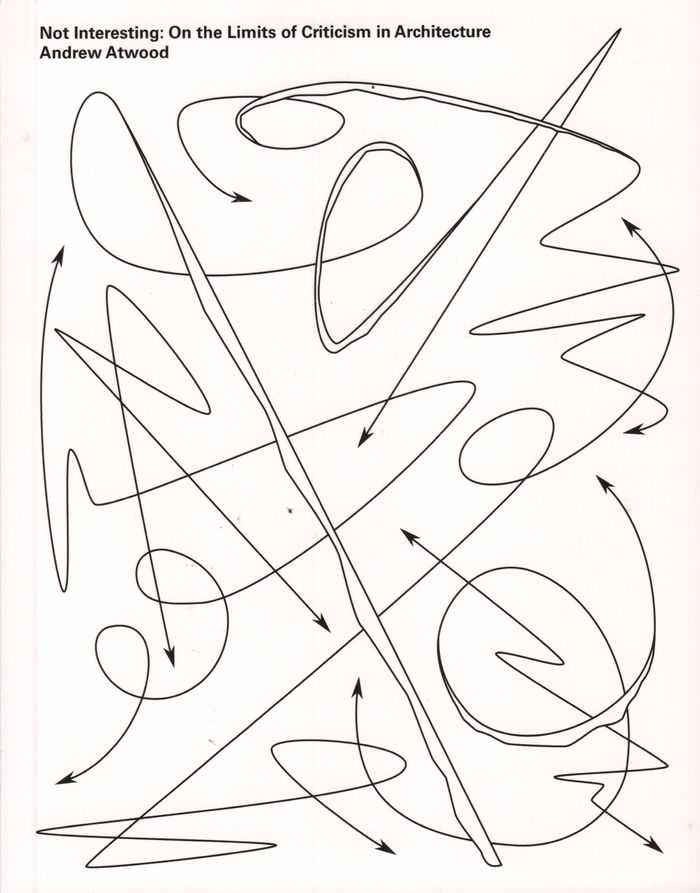
Not interesting: on the limits of criticism in architecture
Actions:
Price:
$39.95
(available to order)
Summary:
"Not Interesting" proposes another set of terms and structures to talk about architecture, without requiring that it be interesting. This book explores a set of alternatives to the interesting and imagines how architecture might be positioned more broadly in the world using other terms: boring, confusing, and comforting. Along with interesting, these three terms make up the four chapters of the book. Each chapter introduces its topic through an analysis of a different image, which serves to unpack the specific character of each term and its relationship to architecture. In addition to text, the book contains over 50 case studies using 100 drawings and images. These are presented in parallel to the text and show what architecture may look like through the lens of these other terms.
Not interesting: on the limits of criticism in architecture
Actions:
Price:
$39.95
(available to order)
Summary:
"Not Interesting" proposes another set of terms and structures to talk about architecture, without requiring that it be interesting. This book explores a set of alternatives to the interesting and imagines how architecture might be positioned more broadly in the world using other terms: boring, confusing, and comforting. Along with interesting, these three terms make up the four chapters of the book. Each chapter introduces its topic through an analysis of a different image, which serves to unpack the specific character of each term and its relationship to architecture. In addition to text, the book contains over 50 case studies using 100 drawings and images. These are presented in parallel to the text and show what architecture may look like through the lens of these other terms.
Form:
books
books
Publication:
October 2018
October 2018
Subject:
Architectural Theory
Architectural Theory
Form:
books
books
Actions:
Price:
$47.50
(available to order)
Summary:
The Greek island sequence montaged by László Moholy-Nagy into his legendary documentary Architects' Congress can be interpreted, like his provocative Photoplastiks, as a "message in a bottle" thrown into the sea that "might take decades for someone to find and read." Capturing the incomparable Greek light, it presents a compelling glimpse of the four days and nights in(...)
$47.50
(available to order)
Summary:
The Greek island sequence montaged by László Moholy-Nagy into his legendary documentary Architects' Congress can be interpreted, like his provocative Photoplastiks, as a "message in a bottle" thrown into the sea that "might take decades for someone to find and read." Capturing the incomparable Greek light, it presents a compelling glimpse of the four days and nights in(...)
Title:
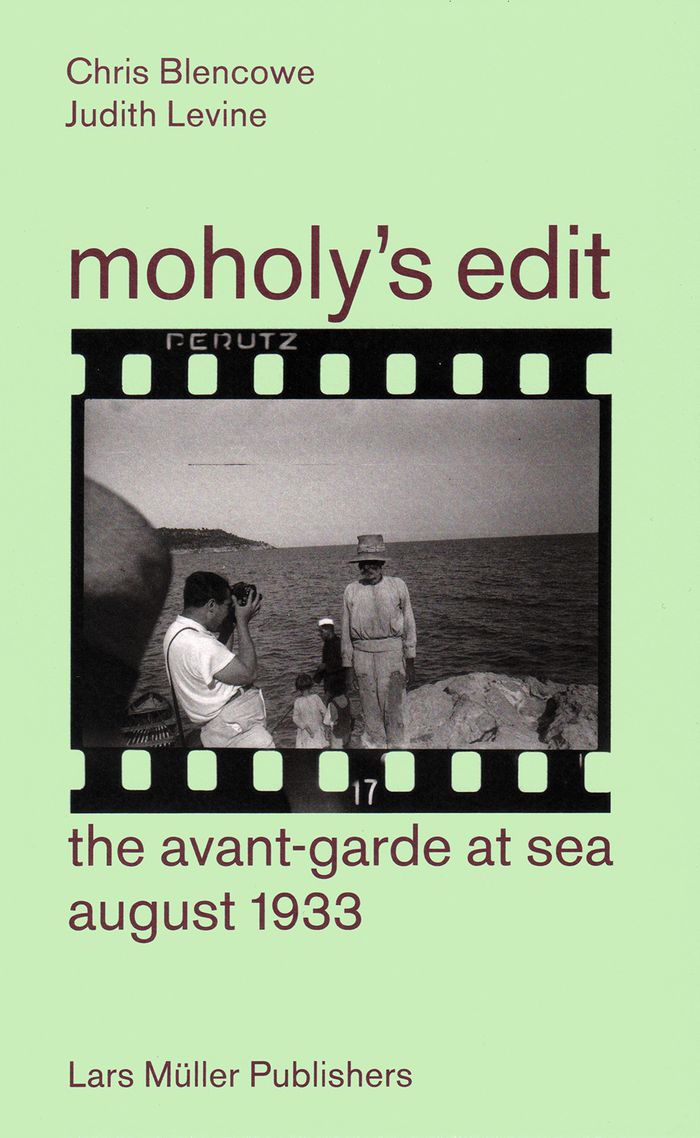
Moholy's edit: CIAM 1933, the avant-garde at sea
Actions:
Price:
$47.50
(available to order)
Summary:
The Greek island sequence montaged by László Moholy-Nagy into his legendary documentary Architects' Congress can be interpreted, like his provocative Photoplastiks, as a "message in a bottle" thrown into the sea that "might take decades for someone to find and read." Capturing the incomparable Greek light, it presents a compelling glimpse of the four days and nights in August 1933 when the elite of the European architectural and artistic avant-garde—in Greece for the 4th International Congress of Modern Architecture (CIAM)—took to the Aegean in a barely seaworthy "nut shell" that would bring them close to the brink of disaster. The "motley crew" included Le Corbusier, Fernand Léger, Amédée Ozenfant, Sigfried Giedion, Cor van Eesteren and Otto Neurath. Crucial to the success of the surreal odyssey were various members of the Greek avant-garde.
Moholy's edit: CIAM 1933, the avant-garde at sea
Actions:
Price:
$47.50
(available to order)
Summary:
The Greek island sequence montaged by László Moholy-Nagy into his legendary documentary Architects' Congress can be interpreted, like his provocative Photoplastiks, as a "message in a bottle" thrown into the sea that "might take decades for someone to find and read." Capturing the incomparable Greek light, it presents a compelling glimpse of the four days and nights in August 1933 when the elite of the European architectural and artistic avant-garde—in Greece for the 4th International Congress of Modern Architecture (CIAM)—took to the Aegean in a barely seaworthy "nut shell" that would bring them close to the brink of disaster. The "motley crew" included Le Corbusier, Fernand Léger, Amédée Ozenfant, Sigfried Giedion, Cor van Eesteren and Otto Neurath. Crucial to the success of the surreal odyssey were various members of the Greek avant-garde.
Form:
books
books
Publication:
November 2018
November 2018
Subject:
Architectural Theory
Architectural Theory
Form:
books
books
Actions:
Price:
$50.00
(available to order)
Summary:
Thresholds are anthropological constants: they can be found in every culture and every era. Like limits and borders, they express one of humanity's fundamental relations to space. Places where spaces are separated and connected, thresholds are also metaphorically potent across cultures, as passageways where subjectivity is transformed. "A History of Thresholds: Life,(...)
$50.00
(available to order)
Summary:
Thresholds are anthropological constants: they can be found in every culture and every era. Like limits and borders, they express one of humanity's fundamental relations to space. Places where spaces are separated and connected, thresholds are also metaphorically potent across cultures, as passageways where subjectivity is transformed. "A History of Thresholds: Life,(...)
Title:
A history of thresholds: life, death and rebirth
Actions:
Price:
$50.00
(available to order)
Summary:
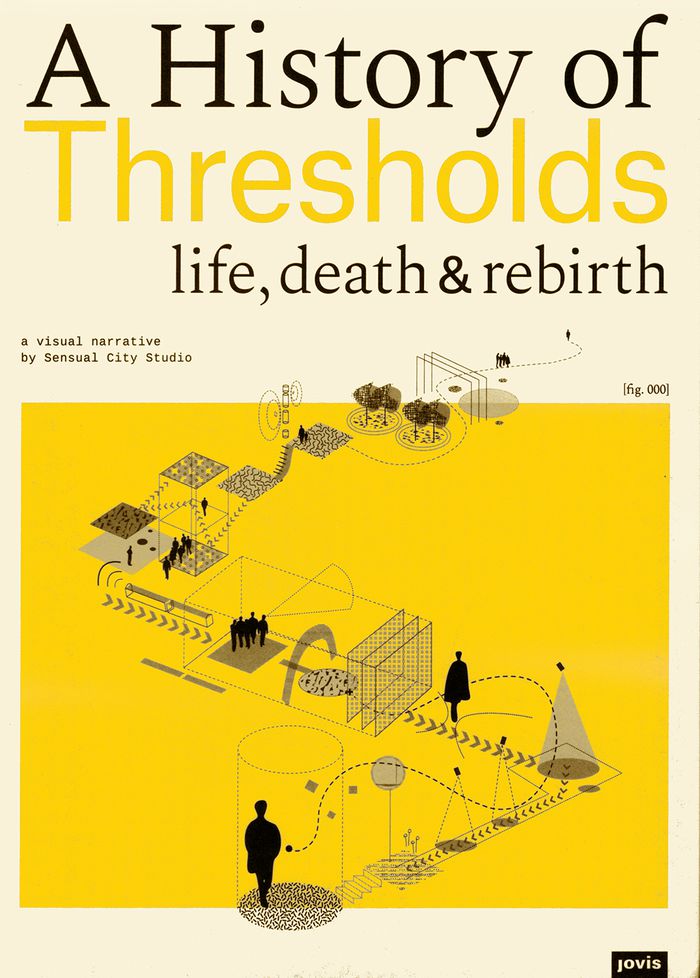
Thresholds are anthropological constants: they can be found in every culture and every era. Like limits and borders, they express one of humanity's fundamental relations to space. Places where spaces are separated and connected, thresholds are also metaphorically potent across cultures, as passageways where subjectivity is transformed. "A History of Thresholds: Life, Death and Rebirth" uses the threshold as a guiding thread to explore the meaning and importance that humans have invested in built spaces.
A history of thresholds: life, death and rebirth
Actions:
Price:
$50.00
(available to order)
Summary:
Thresholds are anthropological constants: they can be found in every culture and every era. Like limits and borders, they express one of humanity's fundamental relations to space. Places where spaces are separated and connected, thresholds are also metaphorically potent across cultures, as passageways where subjectivity is transformed. "A History of Thresholds: Life, Death and Rebirth" uses the threshold as a guiding thread to explore the meaning and importance that humans have invested in built spaces.
Form:
books
books
Publication:
October 2018
October 2018
Subject:
Architectural Theory
Architectural Theory
Form:
books
books
Title:
Social design
Social design
Actions:
Price:
$40.00
(available to order)
Summary:
Architects and designers have always played a vital role in shaping society. ''Social Design'' presents a long-overdue survey of current international activity in this realm, from new infrastructures and the reclaiming of cities by their inhabitants as seen in the work of Assemble and Gehl Architects to build-it-yourself housing by Urban Think Tank, all the way to GRAFT's(...)
$40.00
(available to order)
Summary:
Architects and designers have always played a vital role in shaping society. ''Social Design'' presents a long-overdue survey of current international activity in this realm, from new infrastructures and the reclaiming of cities by their inhabitants as seen in the work of Assemble and Gehl Architects to build-it-yourself housing by Urban Think Tank, all the way to GRAFT's(...)
Title:
Social design
Actions:
Price:
$40.00
(available to order)
Summary:
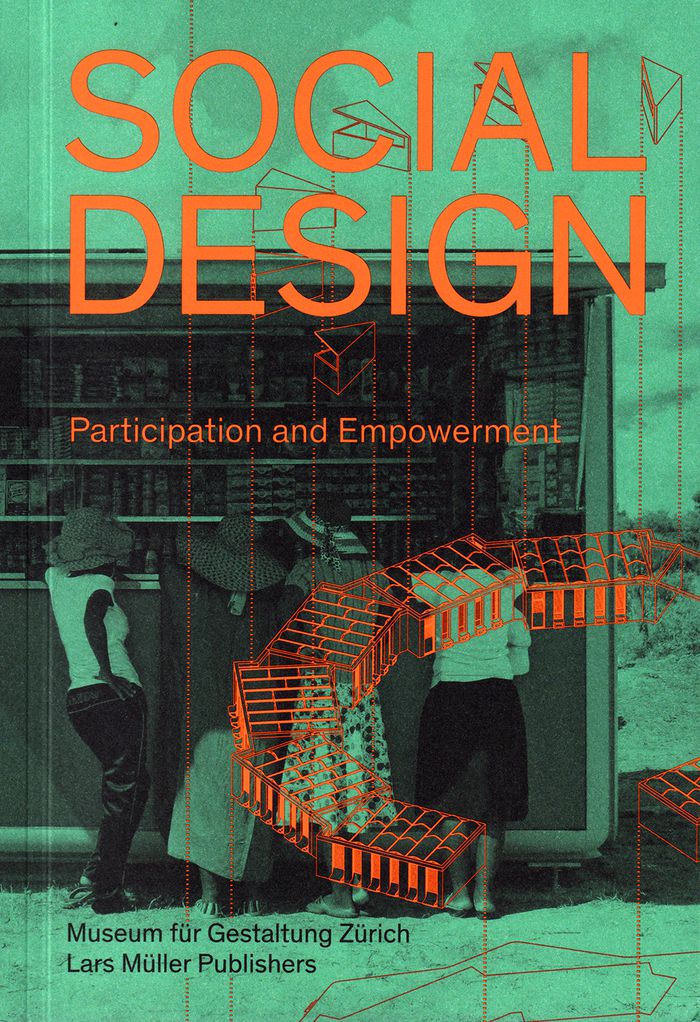
Architects and designers have always played a vital role in shaping society. ''Social Design'' presents a long-overdue survey of current international activity in this realm, from new infrastructures and the reclaiming of cities by their inhabitants as seen in the work of Assemble and Gehl Architects to build-it-yourself housing by Urban Think Tank, all the way to GRAFT's solar kiosk, an energy source that is driving sustainable development opportunities for communities.
Social design
Actions:
Price:
$40.00
(available to order)
Summary:
Architects and designers have always played a vital role in shaping society. ''Social Design'' presents a long-overdue survey of current international activity in this realm, from new infrastructures and the reclaiming of cities by their inhabitants as seen in the work of Assemble and Gehl Architects to build-it-yourself housing by Urban Think Tank, all the way to GRAFT's solar kiosk, an energy source that is driving sustainable development opportunities for communities.
Form:
books
books
Publication:
November 2018
November 2018
Subject:
Urban Theory
Urban Theory


