


13794 Results
Form:
books
books
Actions:
Price:
$23.50
(available to order)
Summary:
Contemporary Research Intensive was an event organised in the context of the 57th Venice Art Biennale to investigate the concept of 'contemporaneity'. Gathering together artists / curators / researchers through an open call, we asked how the temporal complexity that follows from the coming together of different temporalities in the same present could be made known in the(...)
$23.50
(available to order)
Summary:
Contemporary Research Intensive was an event organised in the context of the 57th Venice Art Biennale to investigate the concept of 'contemporaneity'. Gathering together artists / curators / researchers through an open call, we asked how the temporal complexity that follows from the coming together of different temporalities in the same present could be made known in the(...)
Title:
The contemporary condition: Contemporary research intensive
Actions:
Price:
$23.50
(available to order)
Summary:
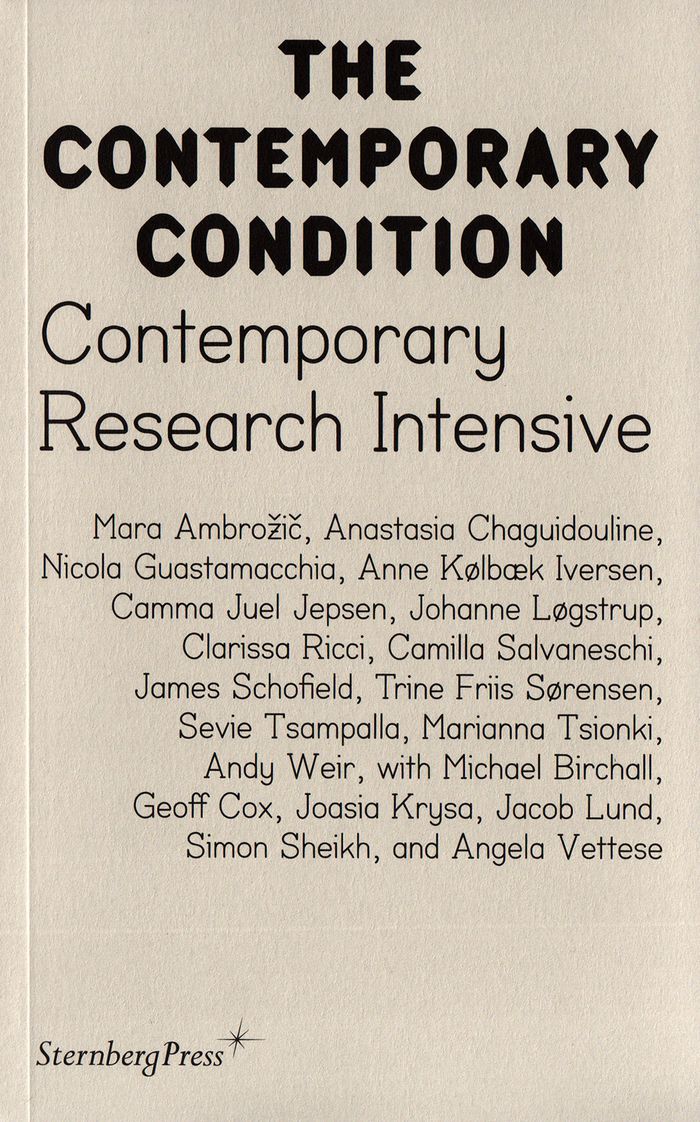
Contemporary Research Intensive was an event organised in the context of the 57th Venice Art Biennale to investigate the concept of 'contemporaneity'. Gathering together artists / curators / researchers through an open call, we asked how the temporal complexity that follows from the coming together of different temporalities in the same present could be made known in the context of contemporary art research, and particularly through practices that involve exhibitionary forms. The book is both part and result of the intensive sharing of ideas to produce something that captures the spirit of both discussions at that time and the publication process as a temporal form.
The contemporary condition: Contemporary research intensive
Actions:
Price:
$23.50
(available to order)
Summary:
Contemporary Research Intensive was an event organised in the context of the 57th Venice Art Biennale to investigate the concept of 'contemporaneity'. Gathering together artists / curators / researchers through an open call, we asked how the temporal complexity that follows from the coming together of different temporalities in the same present could be made known in the context of contemporary art research, and particularly through practices that involve exhibitionary forms. The book is both part and result of the intensive sharing of ideas to produce something that captures the spirit of both discussions at that time and the publication process as a temporal form.
Form:
books
books
Publication:
September 2018
September 2018
Subject:
Critical Theory
Critical Theory
Form:
books
books
Title:
The council of spent
The council of spent
Actions:
Price:
$35.95
(available to order)
Summary:
"The Counsel of Spent" is a book that wishes to add its voice to those who desire to have done with the endless vacillating between slavery and appeasement, fear and denial. It is a book that demands that all cast off the burden of debt and go out onto the street - for a true democracy necessitates a commitment where one acknowledges that there is nothing left to hang on(...)
$35.95
(available to order)
Summary:
"The Counsel of Spent" is a book that wishes to add its voice to those who desire to have done with the endless vacillating between slavery and appeasement, fear and denial. It is a book that demands that all cast off the burden of debt and go out onto the street - for a true democracy necessitates a commitment where one acknowledges that there is nothing left to hang on(...)
Title:
The council of spent
Actions:
Price:
$35.95
(available to order)
Summary:
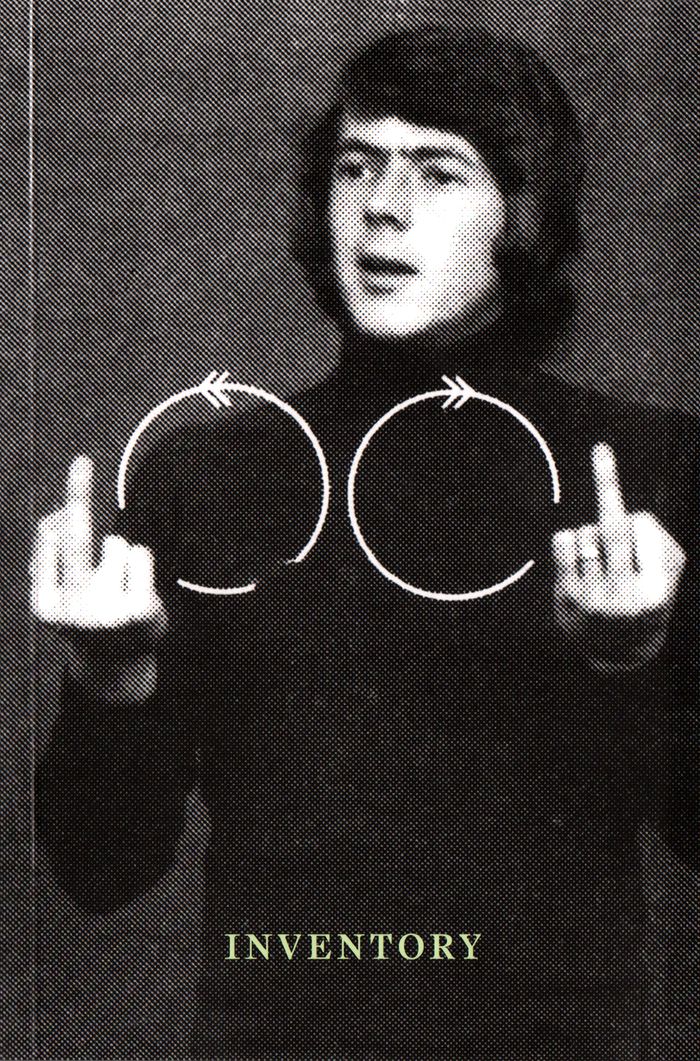
"The Counsel of Spent" is a book that wishes to add its voice to those who desire to have done with the endless vacillating between slavery and appeasement, fear and denial. It is a book that demands that all cast off the burden of debt and go out onto the street - for a true democracy necessitates a commitment where one acknowledges that there is nothing left to hang on to, that there is nothing left to lose and everything to transform. These are pages that fan the flames of bonfires and simple music. Written by Inventory, a collective of British artists, writers and art theorists founded in 1996 and edited by Nina Power as part of the Common Objectives series.
The council of spent
Actions:
Price:
$35.95
(available to order)
Summary:
"The Counsel of Spent" is a book that wishes to add its voice to those who desire to have done with the endless vacillating between slavery and appeasement, fear and denial. It is a book that demands that all cast off the burden of debt and go out onto the street - for a true democracy necessitates a commitment where one acknowledges that there is nothing left to hang on to, that there is nothing left to lose and everything to transform. These are pages that fan the flames of bonfires and simple music. Written by Inventory, a collective of British artists, writers and art theorists founded in 1996 and edited by Nina Power as part of the Common Objectives series.
Form:
books
books
Publication:
May 2017
May 2017
Subject:
Art Theory
Art Theory
Form:
books
books
Actions:
Price:
$57.95
(available to order)
Summary:
This publication iinvestigates 'city gaming' as a valid method for transforming urban planning into an inclusive and self-organising process that will generate humane cities.
$57.95
(available to order)
Summary:
This publication iinvestigates 'city gaming' as a valid method for transforming urban planning into an inclusive and self-organising process that will generate humane cities.
Title:
Play the city: games informing the urban development
Actions:
Price:
$57.95
(available to order)
Summary:
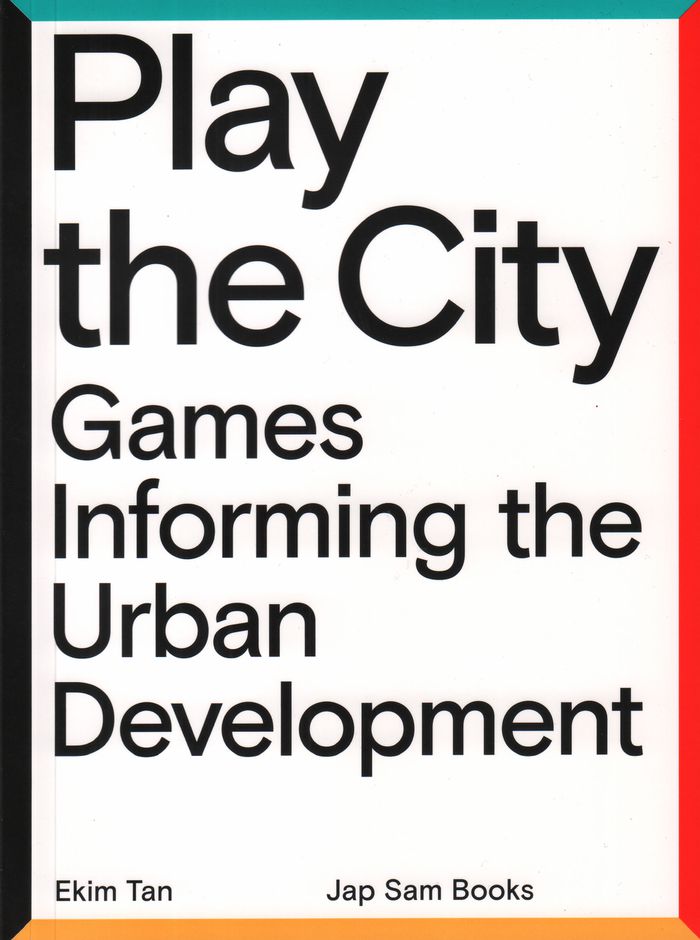
This publication iinvestigates 'city gaming' as a valid method for transforming urban planning into an inclusive and self-organising process that will generate humane cities.
Play the city: games informing the urban development
Actions:
Price:
$57.95
(available to order)
Summary:
This publication iinvestigates 'city gaming' as a valid method for transforming urban planning into an inclusive and self-organising process that will generate humane cities.
Form:
books
books
Publication:
October 2017
October 2017
Subject:
Urban Theory
Urban Theory
Form:
books
books
Actions:
Price:
$41.95
(available to order)
Summary:
À l’heure où l’appropriation de l’espace public fait l’objet de multiples revendications, Matthias Lecoq explore les différents rôles que revêt l’habitant dans la production de la ville et s’interroge sur le sens à donner à ses actions. Reprenant le concept du droit à la ville forgé par Henri Lefebvre il y a plus de cinquante ans, cet ouvrage se propose d’en interroger le(...)
$41.95
(available to order)
Summary:
À l’heure où l’appropriation de l’espace public fait l’objet de multiples revendications, Matthias Lecoq explore les différents rôles que revêt l’habitant dans la production de la ville et s’interroge sur le sens à donner à ses actions. Reprenant le concept du droit à la ville forgé par Henri Lefebvre il y a plus de cinquante ans, cet ouvrage se propose d’en interroger le(...)
Title:
L'exercice du droit à la ville : de l'habitant au citoyen
Actions:
Price:
$41.95
(available to order)
Summary:
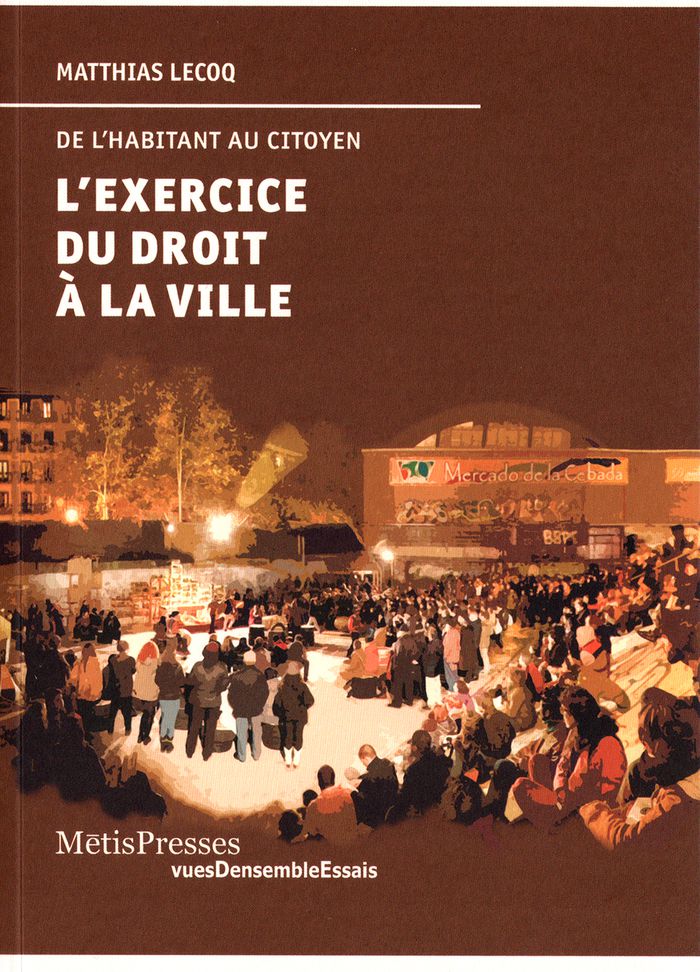
À l’heure où l’appropriation de l’espace public fait l’objet de multiples revendications, Matthias Lecoq explore les différents rôles que revêt l’habitant dans la production de la ville et s’interroge sur le sens à donner à ses actions. Reprenant le concept du droit à la ville forgé par Henri Lefebvre il y a plus de cinquante ans, cet ouvrage se propose d’en interroger le sens politique actuel en le mettant en perspective avec la question centrale de la citoyenneté. De Madrid à Paris, en passant par Genève, Rennes et Ambilly, cet ouvrage expose des cas concrets qui tout en illustrant ce mouvement d’appropriation par les habitants, permettent de dresser le portrait du citoyen urbain d’aujourd’hui. À travers cette figure sont mis à jour certains des axes les plus passionnants de la rencontre hautement politique entre praxis de la ville et développement urbain.
L'exercice du droit à la ville : de l'habitant au citoyen
Actions:
Price:
$41.95
(available to order)
Summary:
À l’heure où l’appropriation de l’espace public fait l’objet de multiples revendications, Matthias Lecoq explore les différents rôles que revêt l’habitant dans la production de la ville et s’interroge sur le sens à donner à ses actions. Reprenant le concept du droit à la ville forgé par Henri Lefebvre il y a plus de cinquante ans, cet ouvrage se propose d’en interroger le sens politique actuel en le mettant en perspective avec la question centrale de la citoyenneté. De Madrid à Paris, en passant par Genève, Rennes et Ambilly, cet ouvrage expose des cas concrets qui tout en illustrant ce mouvement d’appropriation par les habitants, permettent de dresser le portrait du citoyen urbain d’aujourd’hui. À travers cette figure sont mis à jour certains des axes les plus passionnants de la rencontre hautement politique entre praxis de la ville et développement urbain.
Form:
books
books
Publication:
November 2018
November 2018
Subject:
Urban Theory
Urban Theory
Form:
books
books
Actions:
Price:
$71.95
(available to order)
Summary:
Nous ne sommes pas faits pour les ténèbres. La nuit, c'est le royaume des revenants, des illusions, des chimères et du désordre. À l'inverse, dans nos imaginaires, la lumière est principe de vie, parfois même de vérité, et l'aube, promesse de renaissance. Aussi la domestication de la lumière, de la flamme à l'électricité en passant par le gaz, s'annonçait-elle comme un(...)
$71.95
(available to order)
Summary:
Nous ne sommes pas faits pour les ténèbres. La nuit, c'est le royaume des revenants, des illusions, des chimères et du désordre. À l'inverse, dans nos imaginaires, la lumière est principe de vie, parfois même de vérité, et l'aube, promesse de renaissance. Aussi la domestication de la lumière, de la flamme à l'électricité en passant par le gaz, s'annonçait-elle comme un(...)
Title:
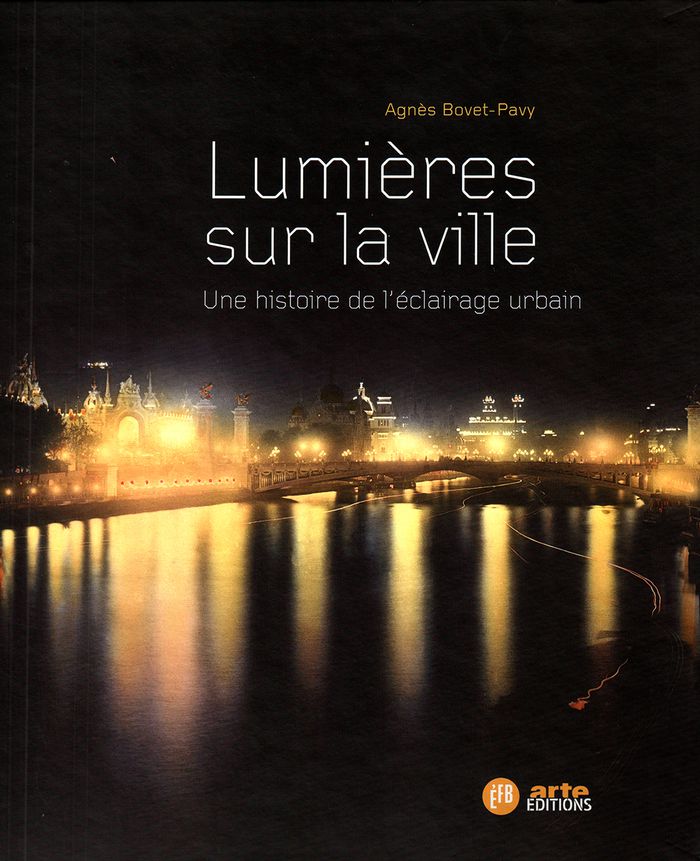
Lumières sur la ville : une histoire de l’éclairage urbain
Actions:
Price:
$71.95
(available to order)
Summary:
Nous ne sommes pas faits pour les ténèbres. La nuit, c'est le royaume des revenants, des illusions, des chimères et du désordre. À l'inverse, dans nos imaginaires, la lumière est principe de vie, parfois même de vérité, et l'aube, promesse de renaissance. Aussi la domestication de la lumière, de la flamme à l'électricité en passant par le gaz, s'annonçait-elle comme un progrès technique et social décisif : la conquête de la nuit inaugura l'ère de la modernité, offrant aux hommes un moyen d'assurer leur bonheur, leur confort et leur sécurité. Car la lumière est aussi, et peut-être avant tout, un enjeu de pouvoir : de la première lanterne royale au développement des leds dans la smart city, la lumière urbaine, née pour seconder la police au XVIIe siècle, trace des frontières, délimite les lieux fréquentables, et permet de scander autrement les rythmes de travail. Mais c'est également grâce à elle que s'inventa la vie nocturne, et ses fêtes...
Lumières sur la ville : une histoire de l’éclairage urbain
Actions:
Price:
$71.95
(available to order)
Summary:
Nous ne sommes pas faits pour les ténèbres. La nuit, c'est le royaume des revenants, des illusions, des chimères et du désordre. À l'inverse, dans nos imaginaires, la lumière est principe de vie, parfois même de vérité, et l'aube, promesse de renaissance. Aussi la domestication de la lumière, de la flamme à l'électricité en passant par le gaz, s'annonçait-elle comme un progrès technique et social décisif : la conquête de la nuit inaugura l'ère de la modernité, offrant aux hommes un moyen d'assurer leur bonheur, leur confort et leur sécurité. Car la lumière est aussi, et peut-être avant tout, un enjeu de pouvoir : de la première lanterne royale au développement des leds dans la smart city, la lumière urbaine, née pour seconder la police au XVIIe siècle, trace des frontières, délimite les lieux fréquentables, et permet de scander autrement les rythmes de travail. Mais c'est également grâce à elle que s'inventa la vie nocturne, et ses fêtes...
Form:
books
books
Publication:
October 2018
October 2018
Subject:
Urban Theory
Urban Theory
Form:
books
books
Actions:
Price:
$14.95
(available to order)
Summary:
Guy Debord (1931-1994) a suivi dans sa vie, jusqu'à la mort qu'il s'est choisie, une seule règle. Celle-là même qu'il résume dans l'Avertissement pour la troisième édition française de son livre La Société du Spectacle : «Il faut lire ce livre en considérant qu'il a été sciemment écrit dans l'intention de nuire à la société spectaculaire. Il n'a jamais rien dit d'outrancier.»
$14.95
(available to order)
Summary:
Guy Debord (1931-1994) a suivi dans sa vie, jusqu'à la mort qu'il s'est choisie, une seule règle. Celle-là même qu'il résume dans l'Avertissement pour la troisième édition française de son livre La Société du Spectacle : «Il faut lire ce livre en considérant qu'il a été sciemment écrit dans l'intention de nuire à la société spectaculaire. Il n'a jamais rien dit d'outrancier.»
Title:
La société du spectacle, nouvelle édition
Actions:
Price:
$14.95
(available to order)
Summary:
Guy Debord (1931-1994) a suivi dans sa vie, jusqu'à la mort qu'il s'est choisie, une seule règle. Celle-là même qu'il résume dans l'Avertissement pour la troisième édition française de son livre La Société du Spectacle : «Il faut lire ce livre en considérant qu'il a été sciemment écrit dans l'intention de nuire à la société spectaculaire. Il n'a jamais rien dit d'outrancier.»
La société du spectacle, nouvelle édition
Actions:
Price:
$14.95
(available to order)
Summary:
Guy Debord (1931-1994) a suivi dans sa vie, jusqu'à la mort qu'il s'est choisie, une seule règle. Celle-là même qu'il résume dans l'Avertissement pour la troisième édition française de son livre La Société du Spectacle : «Il faut lire ce livre en considérant qu'il a été sciemment écrit dans l'intention de nuire à la société spectaculaire. Il n'a jamais rien dit d'outrancier.»
Form:
books
books
Publication:
November 2018
November 2018
Subject:
Critical Theory
Critical Theory
Form:
books
books
Actions:
Price:
$42.95
(available to order)
Summary:
Dans son dialogue sur la République, Platon développe l'idée qu'au sein d'une Cité idéale, l'art des médecins serait inutile. L'art d'Asclépios, nous dit-il, n'a été révélé que pour corriger nos erreurs, or un gouvernement parfait ne les commet pas. Il suffirait, toujours selon lui, d'interdire les pâtisseries et l'oisiveté pour, grâce à quelques séances de gymnastique(...)
$42.95
(available to order)
Summary:
Dans son dialogue sur la République, Platon développe l'idée qu'au sein d'une Cité idéale, l'art des médecins serait inutile. L'art d'Asclépios, nous dit-il, n'a été révélé que pour corriger nos erreurs, or un gouvernement parfait ne les commet pas. Il suffirait, toujours selon lui, d'interdire les pâtisseries et l'oisiveté pour, grâce à quelques séances de gymnastique(...)
Title:
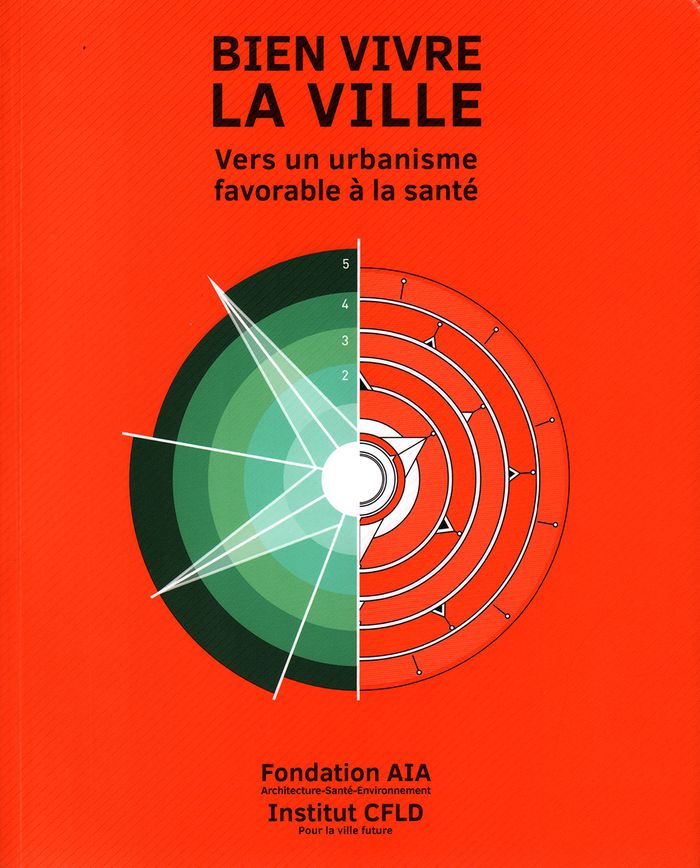
Bien vivre la ville : vers un urbanisme favorable à la santé
Actions:
Price:
$42.95
(available to order)
Summary:
Dans son dialogue sur la République, Platon développe l'idée qu'au sein d'une Cité idéale, l'art des médecins serait inutile. L'art d'Asclépios, nous dit-il, n'a été révélé que pour corriger nos erreurs, or un gouvernement parfait ne les commet pas. Il suffirait, toujours selon lui, d'interdire les pâtisseries et l'oisiveté pour, grâce à quelques séances de gymnastique quotidienne, proscrire l'ensemble des maladies. Cette idée surprenante et paradoxale n'est pas sans rappeler Sun Simiao, célèbre médecin chinois, qui nous explique que le bon médecin est celui que ses patients ne viennent jamais consulter, car ces derniers sont toujours en bonne santé ! Mais pourquoi sont-ils tous en bonne santé ? Parce qu'ils vivent avant tout dans un environnement sain, avec un mode de vie sain. Cette idée très ancienne commune à nos deux civilisations est en réalité tout à fait d'actualité lorsqu'il s'agit de dessiner et de comprendre nos villes contemporaines.
Bien vivre la ville : vers un urbanisme favorable à la santé
Actions:
Price:
$42.95
(available to order)
Summary:
Dans son dialogue sur la République, Platon développe l'idée qu'au sein d'une Cité idéale, l'art des médecins serait inutile. L'art d'Asclépios, nous dit-il, n'a été révélé que pour corriger nos erreurs, or un gouvernement parfait ne les commet pas. Il suffirait, toujours selon lui, d'interdire les pâtisseries et l'oisiveté pour, grâce à quelques séances de gymnastique quotidienne, proscrire l'ensemble des maladies. Cette idée surprenante et paradoxale n'est pas sans rappeler Sun Simiao, célèbre médecin chinois, qui nous explique que le bon médecin est celui que ses patients ne viennent jamais consulter, car ces derniers sont toujours en bonne santé ! Mais pourquoi sont-ils tous en bonne santé ? Parce qu'ils vivent avant tout dans un environnement sain, avec un mode de vie sain. Cette idée très ancienne commune à nos deux civilisations est en réalité tout à fait d'actualité lorsqu'il s'agit de dessiner et de comprendre nos villes contemporaines.
Form:
books
books
Publication:
October 2018
October 2018
Subject:
Urban Theory
Urban Theory
Form:
books
books
Title:
Rococo ou drôles d'oiseaux
Rococo ou drôles d'oiseaux
Actions:
Price:
$47.95
(available to order)
Summary:
On lui trouvait une tête de corbeau et il s’était fait corbeau. Le Corbusier s’était choisi un nom qui tenait de l’oiseleur. Il était extraordinaire, propagandiste, artiste, architecte immensément talentueux. On lui avait élevé une statue colossale. Il régnait. Et voici qu’au cinquantenaire de sa disparition son monument se craquelait. Des nuées d’articles hostiles(...)
$47.95
(available to order)
Summary:
On lui trouvait une tête de corbeau et il s’était fait corbeau. Le Corbusier s’était choisi un nom qui tenait de l’oiseleur. Il était extraordinaire, propagandiste, artiste, architecte immensément talentueux. On lui avait élevé une statue colossale. Il régnait. Et voici qu’au cinquantenaire de sa disparition son monument se craquelait. Des nuées d’articles hostiles(...)
Title:
Rococo ou drôles d'oiseaux
Actions:
Price:
$47.95
(available to order)
Summary:
On lui trouvait une tête de corbeau et il s’était fait corbeau. Le Corbusier s’était choisi un nom qui tenait de l’oiseleur. Il était extraordinaire, propagandiste, artiste, architecte immensément talentueux. On lui avait élevé une statue colossale. Il régnait. Et voici qu’au cinquantenaire de sa disparition son monument se craquelait. Des nuées d’articles hostiles parurent dans le monde entier. Le souvenir de ses accointances d’avant-guerre et de ses dix-huit mois à Vichy jaillissait entre les fissures. Son goût pour l’autorité, son urbanisme, funèbres oiseaux. Ce qui devait être une commémoration est devenu procès. Cet ouvrage, érudit et drôle, est un appel à une histoire qui serait libre, sans tabou, sans passion triste ni rancune. Quantités d’oiseaux y paraissent, laids ou gracieux, fragiles ou cruels, dionysiaques ou parfaitement idiots qui lui font une guirlande et l’enveloppent du bruissement des fables, des mythes et des poèmes.
Rococo ou drôles d'oiseaux
Actions:
Price:
$47.95
(available to order)
Summary:
On lui trouvait une tête de corbeau et il s’était fait corbeau. Le Corbusier s’était choisi un nom qui tenait de l’oiseleur. Il était extraordinaire, propagandiste, artiste, architecte immensément talentueux. On lui avait élevé une statue colossale. Il régnait. Et voici qu’au cinquantenaire de sa disparition son monument se craquelait. Des nuées d’articles hostiles parurent dans le monde entier. Le souvenir de ses accointances d’avant-guerre et de ses dix-huit mois à Vichy jaillissait entre les fissures. Son goût pour l’autorité, son urbanisme, funèbres oiseaux. Ce qui devait être une commémoration est devenu procès. Cet ouvrage, érudit et drôle, est un appel à une histoire qui serait libre, sans tabou, sans passion triste ni rancune. Quantités d’oiseaux y paraissent, laids ou gracieux, fragiles ou cruels, dionysiaques ou parfaitement idiots qui lui font une guirlande et l’enveloppent du bruissement des fables, des mythes et des poèmes.
Form:
books
books
Publication:
November 2018
November 2018
Subject:
Architectural Theory
Architectural Theory
Form:
books
books
Actions:
Price:
$63.25
(available to order)
Summary:
Inspired by Lewis Mumford’s 1932 challenge enjoining architects to go beyond visual experimentation and create complete human environments, "Environmental Design" details the rise of modernist ideas in the architectural disciplines within the novel context of sociopolitical rather than aesthetic responsibilities. Unlike today’s "starchitects," environmental designers saw(...)
$63.25
(available to order)
Summary:
Inspired by Lewis Mumford’s 1932 challenge enjoining architects to go beyond visual experimentation and create complete human environments, "Environmental Design" details the rise of modernist ideas in the architectural disciplines within the novel context of sociopolitical rather than aesthetic responsibilities. Unlike today’s "starchitects," environmental designers saw(...)
Title:
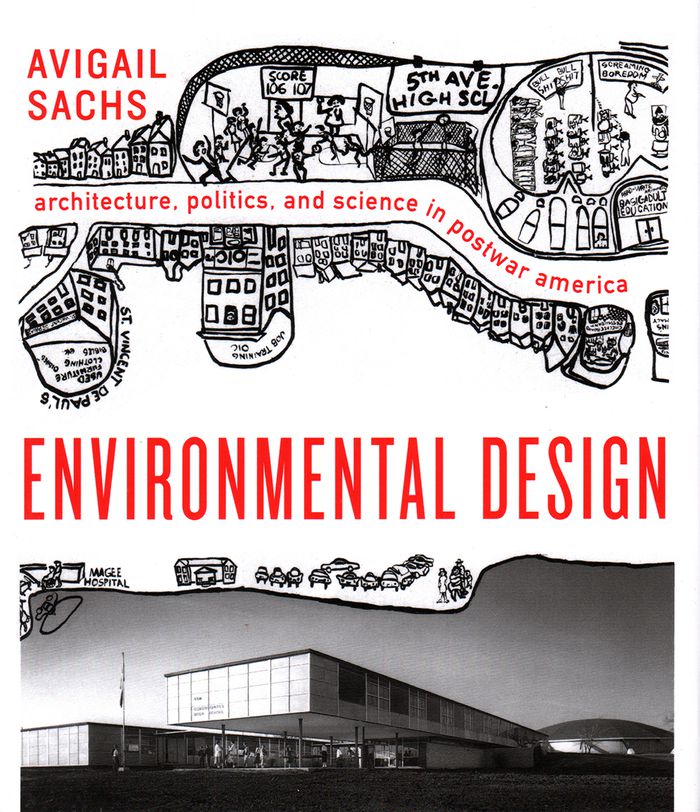
Environmental design: architecture, politics and science in postwar America
Actions:
Price:
$63.25
(available to order)
Summary:
Inspired by Lewis Mumford’s 1932 challenge enjoining architects to go beyond visual experimentation and create complete human environments, "Environmental Design" details the rise of modernist ideas in the architectural disciplines within the novel context of sociopolitical rather than aesthetic responsibilities. Unlike today’s "starchitects," environmental designers saw themselves as orchestrators of decision making more than auteurs of form and style. Viewing architectural practice as rooted in Progressive Era politics and the democratic process rather than the European avant-garde, Sachs plots how these social concepts spread via influential architecture schools. This rich examination of pedagogy and practice is a map to both the history of environmental design and the contemporary consequences of architecture understood as a pressing social concern.
Environmental design: architecture, politics and science in postwar America
Actions:
Price:
$63.25
(available to order)
Summary:
Inspired by Lewis Mumford’s 1932 challenge enjoining architects to go beyond visual experimentation and create complete human environments, "Environmental Design" details the rise of modernist ideas in the architectural disciplines within the novel context of sociopolitical rather than aesthetic responsibilities. Unlike today’s "starchitects," environmental designers saw themselves as orchestrators of decision making more than auteurs of form and style. Viewing architectural practice as rooted in Progressive Era politics and the democratic process rather than the European avant-garde, Sachs plots how these social concepts spread via influential architecture schools. This rich examination of pedagogy and practice is a map to both the history of environmental design and the contemporary consequences of architecture understood as a pressing social concern.
Form:
books
books
Publication:
July 2018
July 2018
Subject:
Architectural Theory
Architectural Theory
Form:
books
books
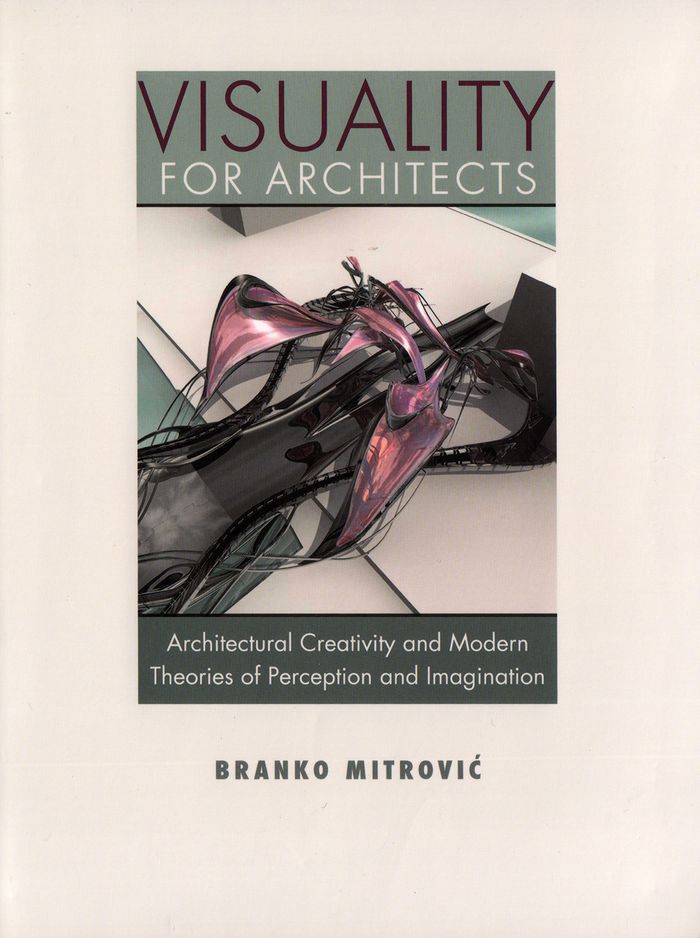
Title:
Visuality for architects: architectural creativity and modern theories of perception and imagination
Visuality for architects: architectural creativity and modern theories of perception and imagination
Actions:
Price:
$32.00
(available to order)
Summary:
This book examines the ways in which new theories of human visuality create a different understanding of architectural design, practice, and education. This new understanding coincides with and supports formalist approaches to architecture that have become influential in recent years as a result of the digital revolution in architectural design.
$32.00
(available to order)
Summary:
This book examines the ways in which new theories of human visuality create a different understanding of architectural design, practice, and education. This new understanding coincides with and supports formalist approaches to architecture that have become influential in recent years as a result of the digital revolution in architectural design.
Title:
Visuality for architects: architectural creativity and modern theories of perception and imagination
Actions:
Price:
$32.00
(available to order)
Summary:
This book examines the ways in which new theories of human visuality create a different understanding of architectural design, practice, and education. This new understanding coincides with and supports formalist approaches to architecture that have become influential in recent years as a result of the digital revolution in architectural design.
Visuality for architects: architectural creativity and modern theories of perception and imagination
Actions:
Price:
$32.00
(available to order)
Summary:
This book examines the ways in which new theories of human visuality create a different understanding of architectural design, practice, and education. This new understanding coincides with and supports formalist approaches to architecture that have become influential in recent years as a result of the digital revolution in architectural design.
Form:
books
books
Publication:
April 2013
April 2013
Subject:
Architectural Theory
Architectural Theory


